
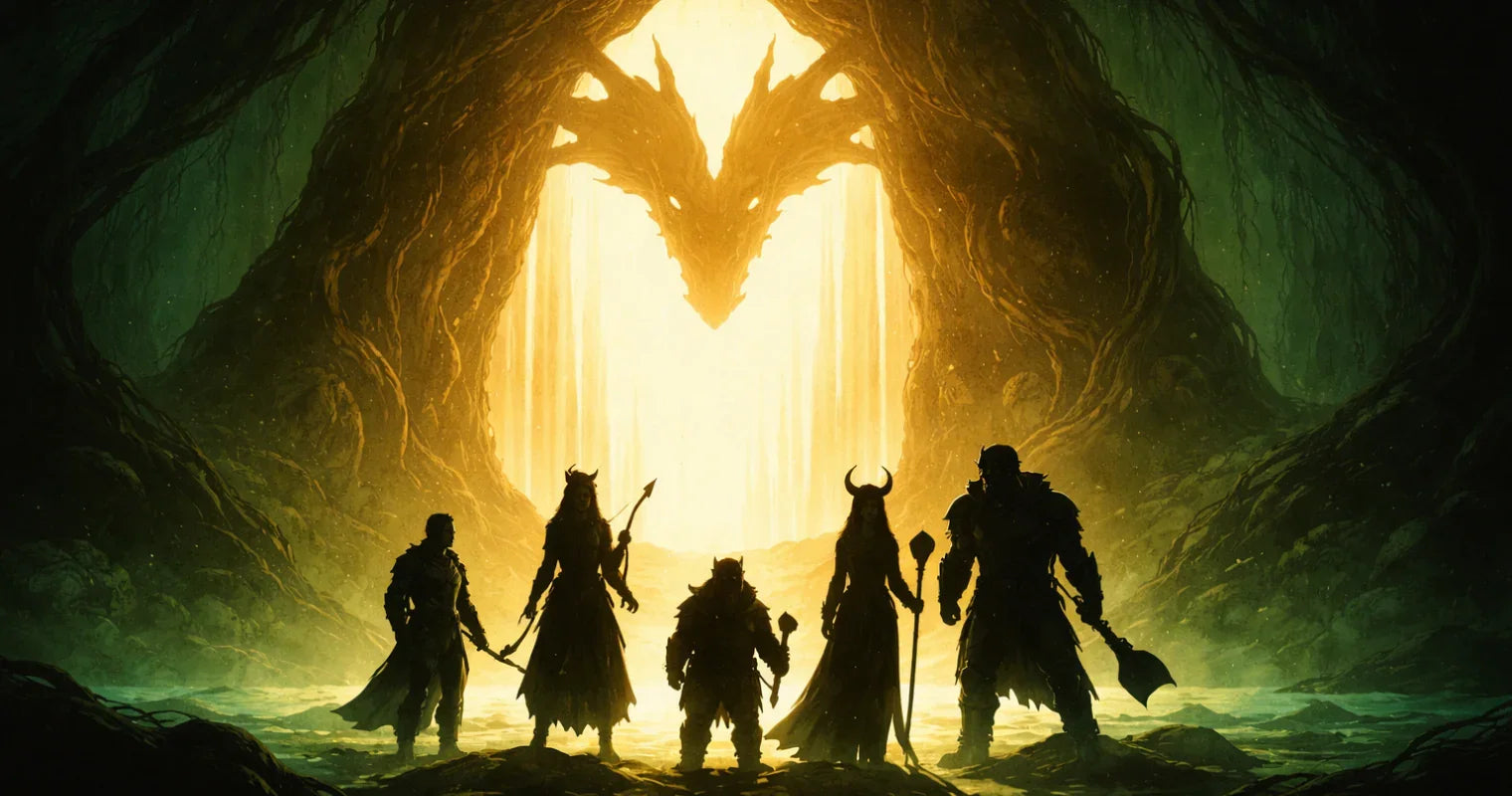
Dungeons Dragons Races Guide for New Players and Immersion
Updated on: March 16, 2026
Choosing the right character race is one of the most exciting decisions you will make when starting your tabletop adventure. Dungeons and Dragons races offer unique abilities, cultural backgrounds, and gameplay mechanics that shape your entire experience. Whether you prefer the strength of dwarves, the agility of elves, or the cunning of halflings, understanding what each race brings to the table helps you create a character that truly resonates with your playstyle and imagination.
- Myths vs. Facts About Character Selection
- Step-by-Step Guide to Choosing Your Race
- Popular Character Options Explained
- Frequently Asked Questions
- Summary and Key Takeaways
Understanding the Foundation of Your Character

When you sit down at a tabletop gaming table, your character's race serves as the foundation for countless decisions that follow. The races in Dungeons and Dragons are far more than simple aesthetic choices; they represent cultural heritage, inherent abilities, and roleplay opportunities that enrich your storytelling. Many new players feel overwhelmed by the variety available, but with some guidance, selecting your ideal race becomes an enjoyable part of character creation.
Your race determines not only your character's physical characteristics but also influences how other characters perceive and interact with you. It opens doors to unique abilities and perspectives that can dramatically shift how you approach challenges during gameplay. Understanding the strengths and weaknesses of each option empowers you to make a choice aligned with your vision and your party's needs.
Myths vs. Facts About Character Selection
Myth: All races within a category play identically in combat.
Fact: While some races share similar ability modifiers, their unique traits and cultural abilities create distinctly different gameplay experiences. A halfling rogue functions very differently from a goblin rogue, despite both being small humanoids.
Myth: You must choose a race that matches your class perfectly.
Fact: While certain combinations offer mechanical advantages, many unconventional pairings create memorable and effective characters. A strength-based wizard or a dexterous barbarian can be just as powerful and entertaining as traditional combinations.
Myth: Exotic races are always superior to common ones.
Fact: Mechanical power varies across editions and campaign settings. Human characters often receive versatility through bonus feats, making them exceptionally strong regardless of their familiarity in stories.
Myth: Your race locks you into a specific personality or behavior.
Fact: Cultural background provides context and opportunity for roleplay, but individual agency always remains yours. You can play against cultural stereotypes to create compelling, nuanced characters.

Step-by-Step Guide to Choosing Your Race
Step 1: Identify Your Playstyle Preferences
Begin by considering what excites you most about gameplay. Do you prefer direct combat engagement, sneaking through shadows, casting powerful spells, or supporting your allies? Your playstyle preference should inform but not dictate your race selection. Understanding your preferences helps narrow down options that complement your intended class and role.
Step 2: Review Ability Score Adjustments
Different races provide bonuses to different ability scores. Strength helps warriors, intelligence benefits wizards, and dexterity serves rogues and rangers. Review what your chosen class benefits from most, then identify which races provide those bonuses. However, remember that creativity and smart play often matter more than optimal numbers.
Step 3: Explore Cultural and Lore Elements
Each race carries cultural significance and historical context within the game world. Spend time reading descriptions of their societies, values, and traditions. Does the backstory resonate with you? Do you feel drawn to their history and cultural perspective? This emotional connection often leads to more engaging roleplay throughout your campaign.
Step 4: Consider Party Composition
While you should primarily play what interests you, being aware of your party's needs creates better team dynamics. If your group lacks healing capabilities, a race that synergizes well with healing magic might enhance everyone's experience. Communication with your fellow players helps ensure a balanced and enjoyable party.
Step 5: Test Your Decision Through Roleplay
Before finalizing your choice, imagine your character in various scenarios. How would they react to moral dilemmas? How would they introduce themselves? Does their racial background enhance these imagined moments? If something feels off, you have permission to reconsider without penalty.

Popular Character Options Explained
Several races consistently appear as favorites among tabletop enthusiasts. Elves offer grace and magical affinity, making them excellent spellcasters and archers. Their longer lifespans create interesting roleplay opportunities, as they might remember centuries of history that younger races only read about in books.
Dwarves bring strength and resilience to any party. They excel in close combat and possess excellent constitution for surviving dangerous encounters. Their cultural focus on craftsmanship and honor creates rich roleplay possibilities and often leads to compelling character arcs centered on legacy and tradition.
Halflings, despite their small stature, punch well above their weight in gameplay. Their luck-based abilities and natural dexterity make them formidable rogues and rangers. Many players appreciate their underdog status and find playing characters that exceed expectations particularly rewarding.
Humans, while sometimes overlooked as "generic," actually provide remarkable versatility. Additional feat selection and ability score improvements give human characters exceptional flexibility in building exactly the character you envision. Their adaptability across all classes makes them perpetually competitive choices.

Dragonborn characters bring draconic power and distinctive appearance to any table. Their resistance to elemental damage and powerful breath weapon abilities create exciting combat moments. Playing a dragonborn often means embracing a bold, confident personality that commands attention in social encounters.
Tieflings offer a unique perspective as characters often viewed with suspicion despite their actual alignment and nature. This built-in roleplay tension creates opportunities for character development and redemption arcs that deeply engage both players and audiences.
Frequently Asked Questions
Can I change my character's race during a campaign?
Most Dungeon Masters appreciate discussing significant character changes before implementing them. Some campaigns might accommodate a mid-campaign transformation through a magical ritual or divine intervention. Others might prefer keeping mechanical details consistent to avoid disrupting balance. Always communicate with your Dungeon Master about changes you want to make, and work together to find solutions that feel satisfying for your story.
What if I love a race that seems weak mechanically?
Mechanical optimization matters less than you might think in most campaigns. A passionate player roleplaying a character they love often contributes more to table enjoyment than someone playing an optimized character without enthusiasm. Clever tactics, creative problem-solving, and engaging roleplay frequently produce better outcomes than pure number advantages. Choose what excites you, and trust that you will find ways to make it work brilliantly.
How do racial traits interact with multiclassing?
Racial traits remain constant regardless of what classes you add to your character. A halfling rogue who later gains levels in cleric still retains their halfling luck and dexterity bonuses. Understanding how traits synergize across multiple classes creates fascinating build possibilities and encourages creative character concepts that exceed simple single-class archetypes.
Should I prioritize matching my race to my class?
While certain pairings offer mechanical synergy, successful characters exist at every possible intersection of race and class. Your passion for the concept matters infinitely more than perfect optimization. Some of the most memorable characters emerge from unexpected combinations that forced players to think creatively about problem-solving and combat strategies.
Summary and Key Takeaways
Selecting your character's race represents one of the most meaningful decisions in your tabletop gaming journey. This choice ripples through every aspect of your experience, from mechanical abilities to roleplay opportunities to cultural context. Remember that no single "correct" choice exists; instead, the best race for you is the one that excites your imagination and aligns with your gaming preferences.
Take time to explore the various options available within your campaign setting. Consider how your choice affects gameplay, narrative potential, and party dynamics, but ultimately trust your instincts. The most memorable characters often emerge from choices made with genuine enthusiasm rather than calculated optimization.
Whether you find yourself drawn to the honor of dwarves, the grace of elves, the cunning of rogues, or any other combination, embrace your selection with confidence. Your character's race tells part of their story, but you control how that story unfolds through your actions, decisions, and creativity at the table. Welcome to your adventure, and may your character's journey be extraordinary. For those looking to enhance their gaming experience with quality dice, consider exploring specialty dice collections that bring an extra touch of magic to every roll.













Leave a comment
This site is protected by hCaptcha and the hCaptcha Privacy Policy and Terms of Service apply.