

Uncover Bold Fantasy Adventure Modules for Epic Campaigns
Updated on: March 16, 2026
Fantasy adventure modules are pre-built campaign frameworks that help game masters bring immersive worlds to life without months of prep work. Whether you're new to tabletop gaming or a seasoned storyteller, these ready-made adventures save time while keeping your players engaged with rich narratives, memorable encounters, and meaningful choices. Discover how to choose the perfect module, run it effectively, and customize it to match your group's unique style and preferences.
- Buyer's Checklist
- Step-by-Step Guide to Running Your Module
- How to Customize Your Adventure
- Frequently Asked Questions
Getting Started with Fantasy Adventure Modules

So you want to run a tabletop campaign but don't have weeks to prepare detailed dungeons, intricate plots, and memorable villains? That's where fantasy adventure modules come in. These structured campaigns are lifesavers for game masters who want to deliver compelling stories without reinventing the wheel every session.
A fantasy adventure module is essentially a complete or semi-complete adventure package. It includes maps, stat blocks for enemies, treasure descriptions, plot hooks, and guidance on how to present encounters to your players. Think of it as a roadmap that helps you navigate your campaign while still leaving room for your unique flair and your players' unexpected decisions.
The beauty of using adventure modules is flexibility. You're not locked into following every detail. Many experienced game masters use modules as a foundation, tweaking encounters, swapping out villain motivations, or even combining multiple modules to create something entirely new. Whether you're running a classic dungeon delve, an intricate political mystery, or an epic journey across dangerous lands, there's a module out there waiting for your table.
Buyer's Checklist: Choosing the Right Module for Your Table
Before you commit to a specific fantasy adventure module, ask yourself these important questions:
- Player Count and Experience Level: Does the module recommend a specific party size and character level? Some modules work best with four players while others scale better for larger or smaller groups.
- Campaign Length: Are you looking for a single evening adventure, a multi-week story arc, or a sprawling campaign lasting months? Modules vary wildly in scope and play time.
- Your Comfort with Preparation: Some modules are incredibly detailed and require significant prep. Others are bare-bones and expect you to improvise. Choose based on how much prep work energizes or drains you.
- Theme and Tone: Do you want high fantasy, urban adventure, dark horror, or comedic storytelling? Make sure the module matches your table's preferred tone.
- System Compatibility: Confirm the module works with the ruleset you're using. A module written for one system might need conversion for another.
- Reviews and Recommendations: Check what other game masters have said. Real-world experiences from people who've run the module are invaluable.
- Budget and Availability: Decide whether you'll buy digital or physical copies. Digital versions offer instant access and searchability, while print copies feel great at the table.
- Flexibility and Customization: If your group loves wild improvisation, choose a module that's written in a way that encourages adaptation rather than rigid adherence to the text.
Step-by-Step Guide to Running Your Module
Step 1: Read Through the Entire Module Before Your First Session
This might seem obvious, but many game masters skip this crucial step. Read the whole thing from start to finish, even if it takes a few hours. Understanding the overall structure, major plot points, and how encounters connect helps you answer player questions confidently and foresee complications. You'll notice thematic threads and opportunities for character moments that you'd miss with a cursory glance.
Step 2: Highlight Key Information and Create Reference Notes
As you read, mark important details. Create a one-page reference sheet with essential monster stats, key non-player character names and motivations, and crucial plot points. During actual play, you won't have time to flip through pages searching for information. A well-organized reference sheet keeps the action flowing and maintains immersion for everyone at your table.
Step 3: Prepare Your Maps and Visual Aids
Whether you're using battlemaps, miniatures, or just describing scenes, prepare your visual setup before game night. Scan maps, print battlemaps, organize tokens, and test any digital tools you're using. Nothing kills momentum like fumbling with supplies or stalling to find the right image. Many game masters enhance their fantasy adventure modules by adding custom artwork or incorporating miniature sets to bring scenes to life.

Step 4: Adjust Difficulty to Match Your Party
Adventure modules often include guidance on adjusting encounter difficulty. Read these sections carefully. If your party is particularly skilled or inexperienced compared to the module's assumptions, modify monster hit points, damage, or numbers. A party that's struggling shouldn't face enemies designed for more experienced players, and vice versa. This balancing act keeps challenges exciting rather than frustrating or trivial.
Step 5: Run the First Session with Confidence
On game night, trust your preparation. You don't need to memorize the entire module. Instead, embrace your role as facilitator and storyteller. Describe scenes vividly, voice non-player characters with personality, and let the module guide your decisions while your improvisational skills fill in the gaps. Your players won't know if you're reading directly from the text or adapting on the fly if you deliver it with confidence.
Step 6: Gather Feedback and Adjust Future Sessions
After each session, ask your players what they enjoyed and what felt slow or confusing. Did an encounter feel too easy or punishingly difficult? Use this feedback to tune upcoming sessions. Maybe you'll increase monster damage, remove a tedious skill check, or add an unexpected ally to help the party if they're really struggling. Fantasy adventure modules work best when you remain responsive to your group's needs and interests.

How to Customize Your Adventure
The best game masters treat fantasy adventure modules as jumping-off points rather than scripts. Here's how to make any module feel like your own creation.
Inject Your Players' Backstories
Most modules feature pre-made characters and plot hooks. Take time to connect module events to your actual players' backstories and character motivations. If a player created a character with a long-lost sibling, maybe that sibling appears in a way the module didn't anticipate. These personal connections deepen investment and create unforgettable moments.
Reskin Enemies and Locations
Don't like the specific monsters or settings the module suggests? Change them. A module featuring goblin bandits works just as well with cultists, mercenaries, or wayward druids. Reskinning keeps your campaign feeling fresh while using the module's balanced mechanics and structure.
Add Your Own Subplots
Layer additional story threads that matter to your specific group. Perhaps a module's main villain has a complex relationship with a non-player character your players care about. Maybe political intrigue in a city the module barely mentions becomes a major focus. These additions make the campaign distinctly yours.
Expand Encounters You Love
If a particular section of the module excites you, spend extra time developing it. Add dialogue trees for important negotiations, create additional combat encounters, or develop a mini-mystery that deepens the overall plot. Your enthusiasm shows, and players respond to it.
Frequently Asked Questions
Are fantasy adventure modules only for beginners?
Absolutely not. Experienced game masters use modules constantly because they handle preparation work and balance testing, freeing up mental energy for creative improvisation and player interaction. Even legendary dungeon masters rely on published modules as foundations for their campaigns. The skill comes in making the module feel organic to your world and responsive to your players' actions.
Can I combine multiple modules into one campaign?
Yes, though it requires careful planning. Many modules are designed as standalone adventures, so connecting them takes work. You'll need to adjust the timeline, ensure level progression makes sense, and create narrative threads that link the stories together. Some game masters are brilliant at weaving multiple modules into epic storylines that feel seamless. Others prefer running single modules without mixing them. Choose what works for your style and available prep time.
What if my players completely ignore the module's plot and do something unexpected?
Welcome to tabletop gaming! Your job is to say yes whenever possible and improvise consequences that keep things interesting. If players go completely off-script, treat the module's encounters and non-player characters as tools you can repurpose in different contexts. A tavern scene becomes an encounter outside a different location. A monster stat block meant for a dungeon works equally well in a wilderness ambush. Flexibility and quick thinking are essential skills for any game master, and modules provide plenty of raw materials to improvise from.
How much time should I spend preparing a module?
This varies based on the module's complexity and your experience level. For a straightforward adventure, an hour or two of careful reading and note-taking might suffice. Complex modules with many moving parts might require three to five hours of prep. Once you've run a few modules, you'll develop a sense for how much preparation feels comfortable. Remember, the goal is to reduce prep burden while maintaining quality storytelling, so adjust your efforts accordingly.
Should I use digital or physical copies of modules?
This comes down to personal preference. Digital copies are instantly available, searchable, and take up no physical space. You can annotate them directly and access them from any device. Physical copies feel tactile, don't require batteries or internet, and many game masters love flipping through beautiful printed books. Some game masters use hybrid approaches, buying physical copies to read and digital versions for quick reference at the table. Experiment to discover what works for your style.
Can I share my customized module with my gaming group?
Most published modules have copyright protections, so sharing the official material violates those terms. However, you can absolutely share your custom notes, handouts, maps you've created, and house rules you've developed. You can also describe your experiences and recommendations to other game masters without sharing the actual module text. Respect the creators' intellectual property while freely sharing your personal contributions and insights.
Fantasy adventure modules transform how we prepare and run campaigns. They handle the heavy lifting of encounter design and plot structure while leaving room for your creativity and your players' agency. Whether you're starting your first campaign or bringing fresh energy to your tenth, adventure modules offer structure without sacrificing the collaborative storytelling magic that makes tabletop gaming unforgettable. Grab a module that excites you, prepare thoughtfully, stay flexible when your players surprise you, and watch your table experience stories that everyone will remember.
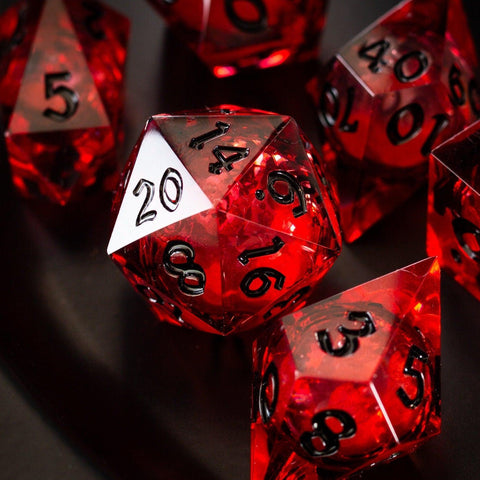
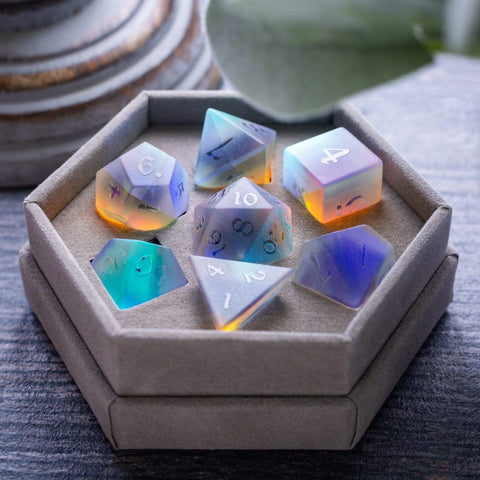
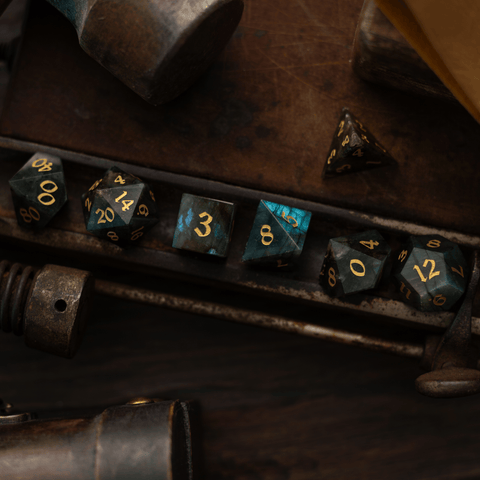
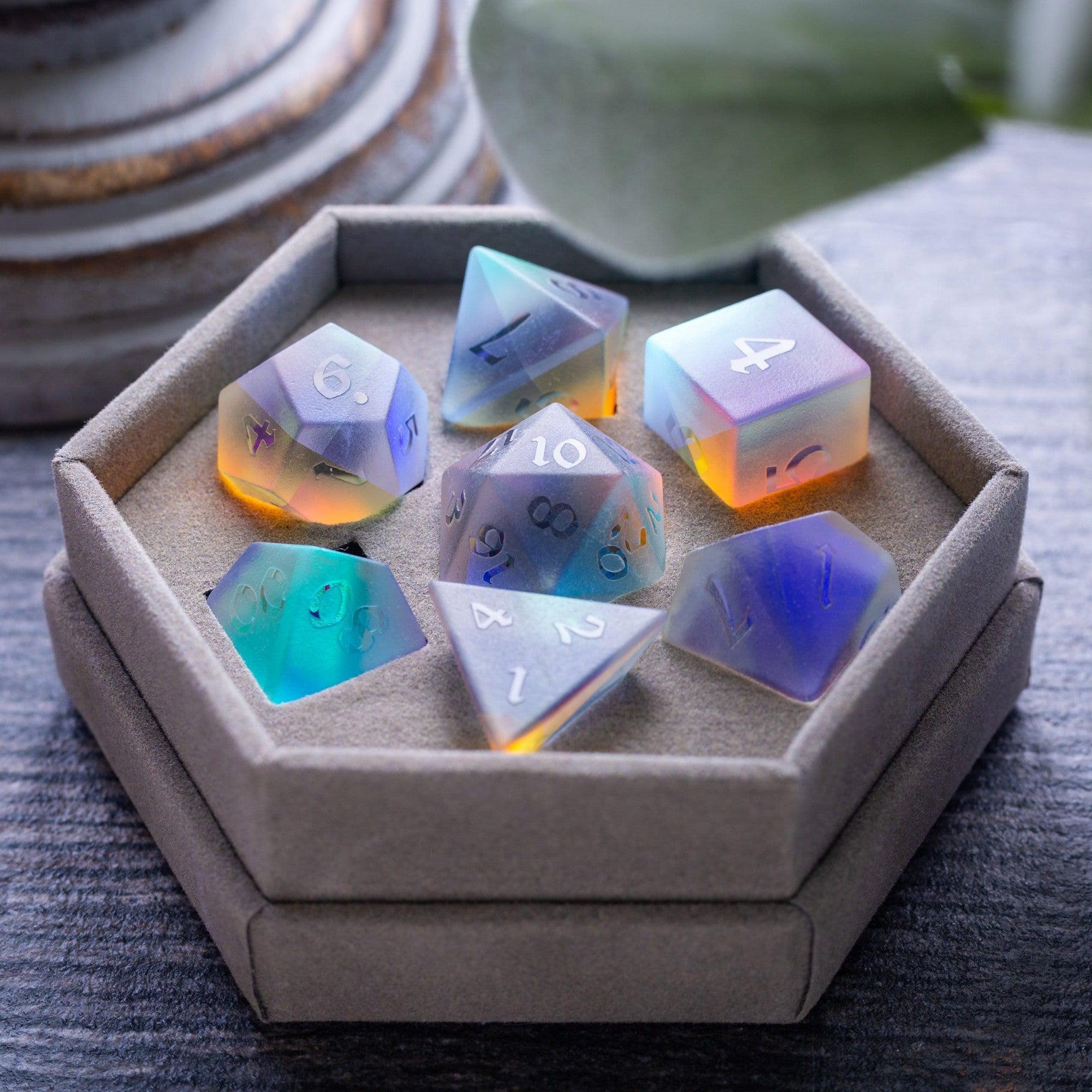
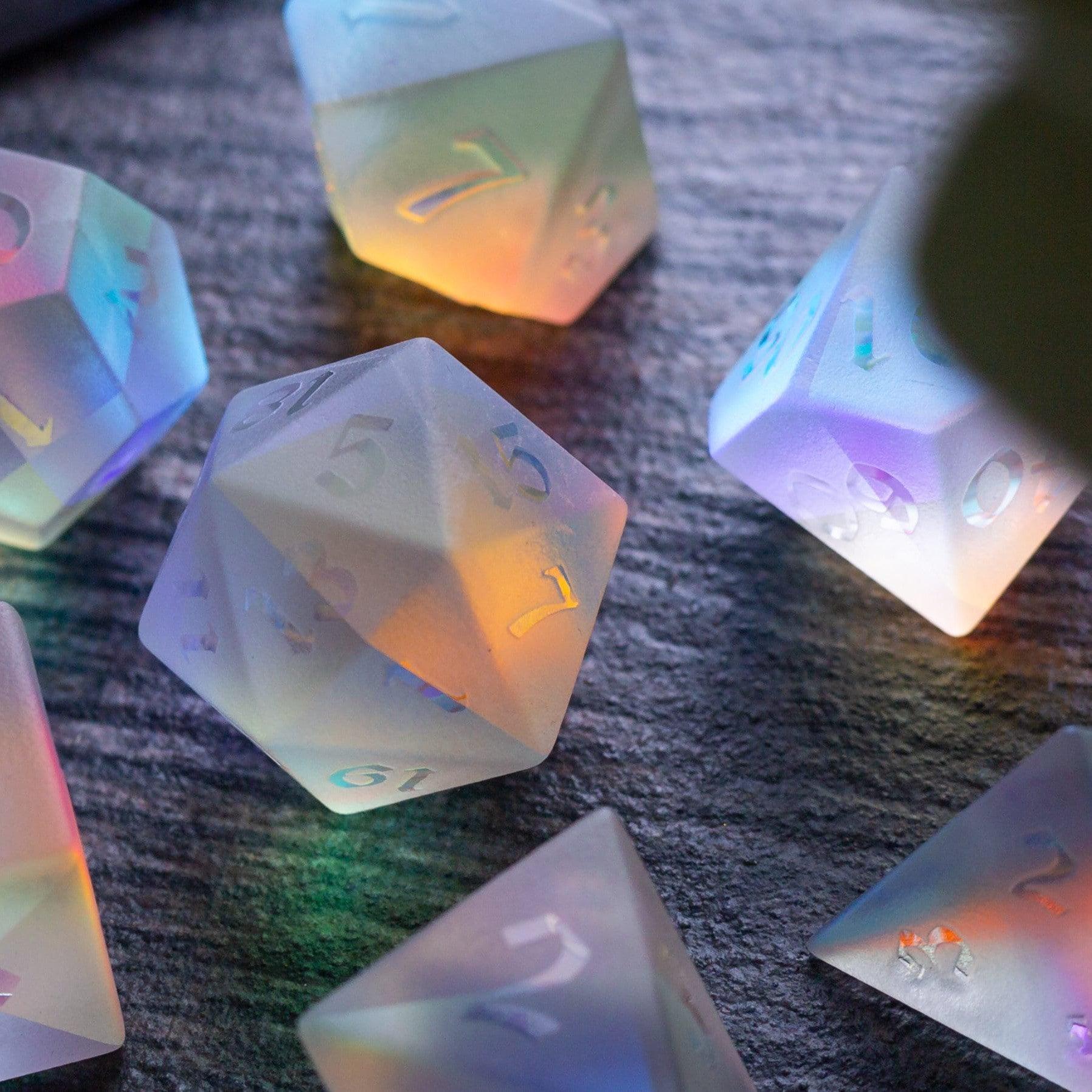
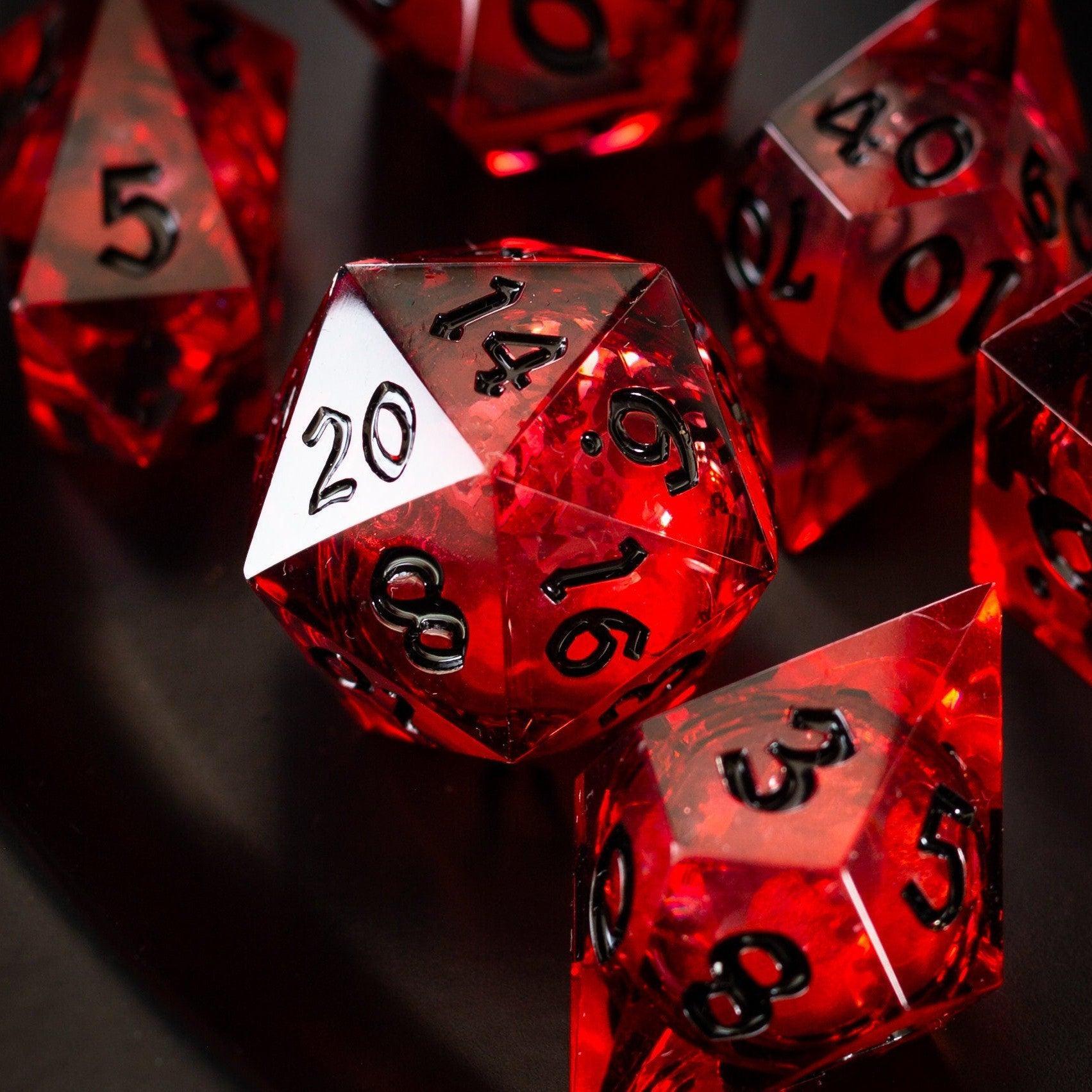
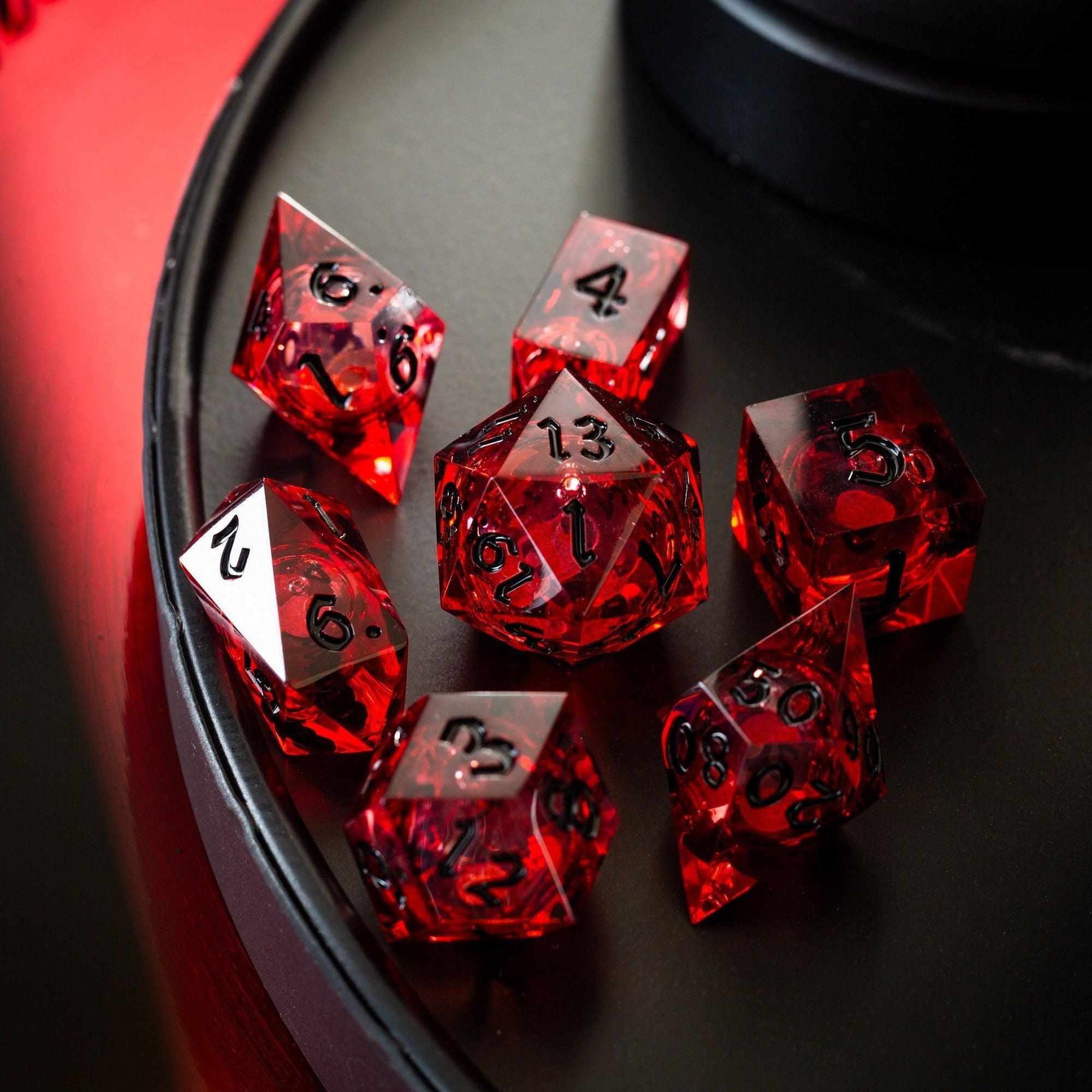
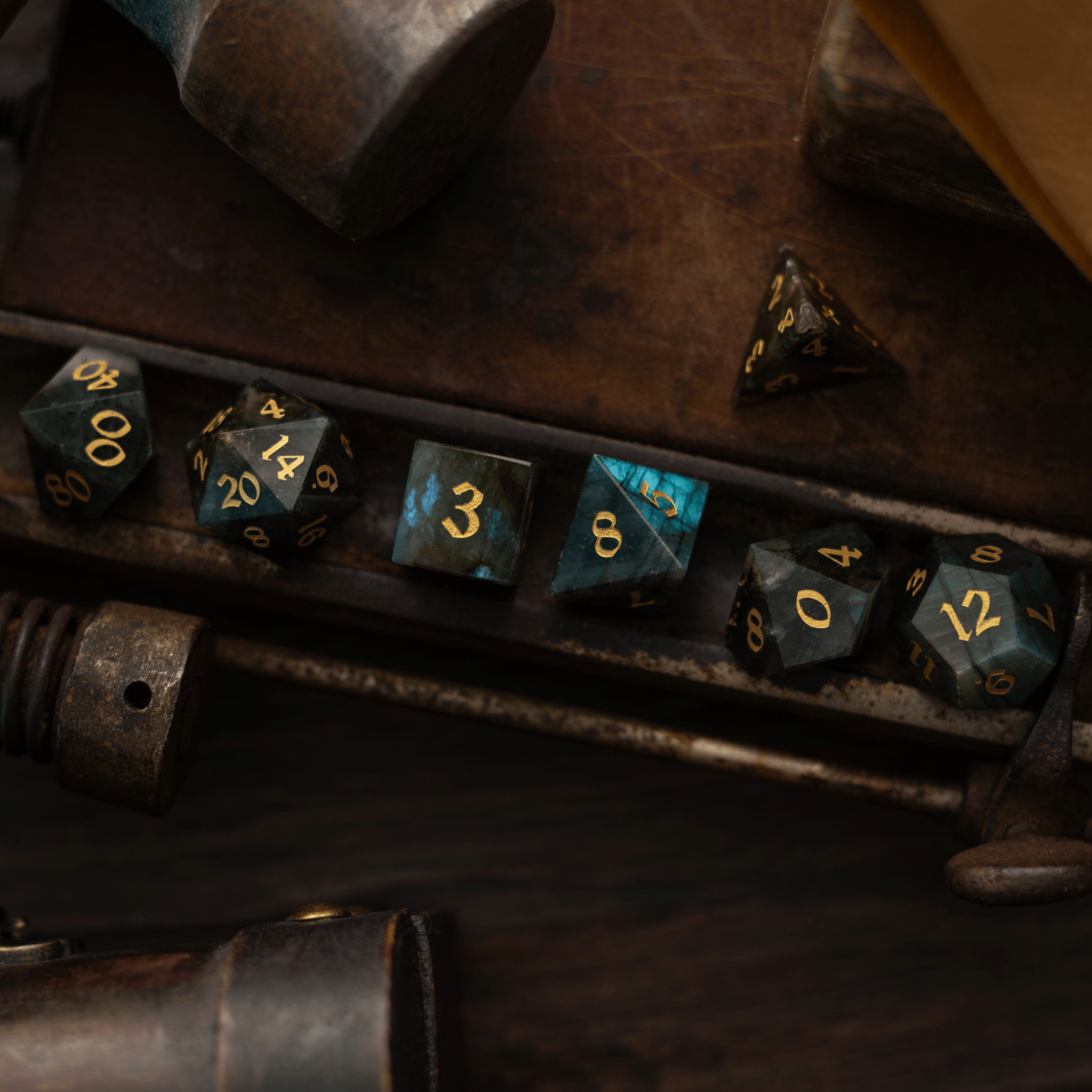
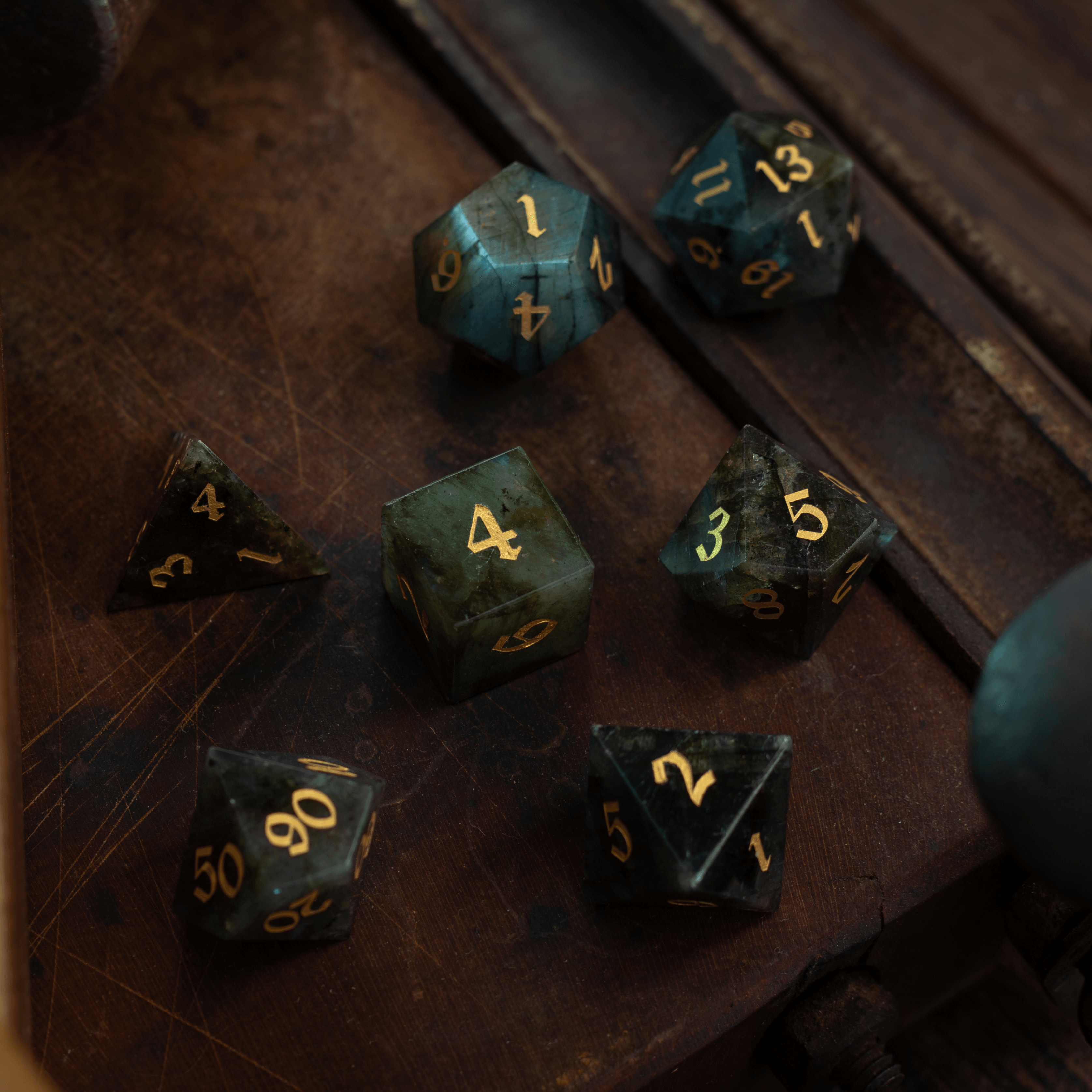
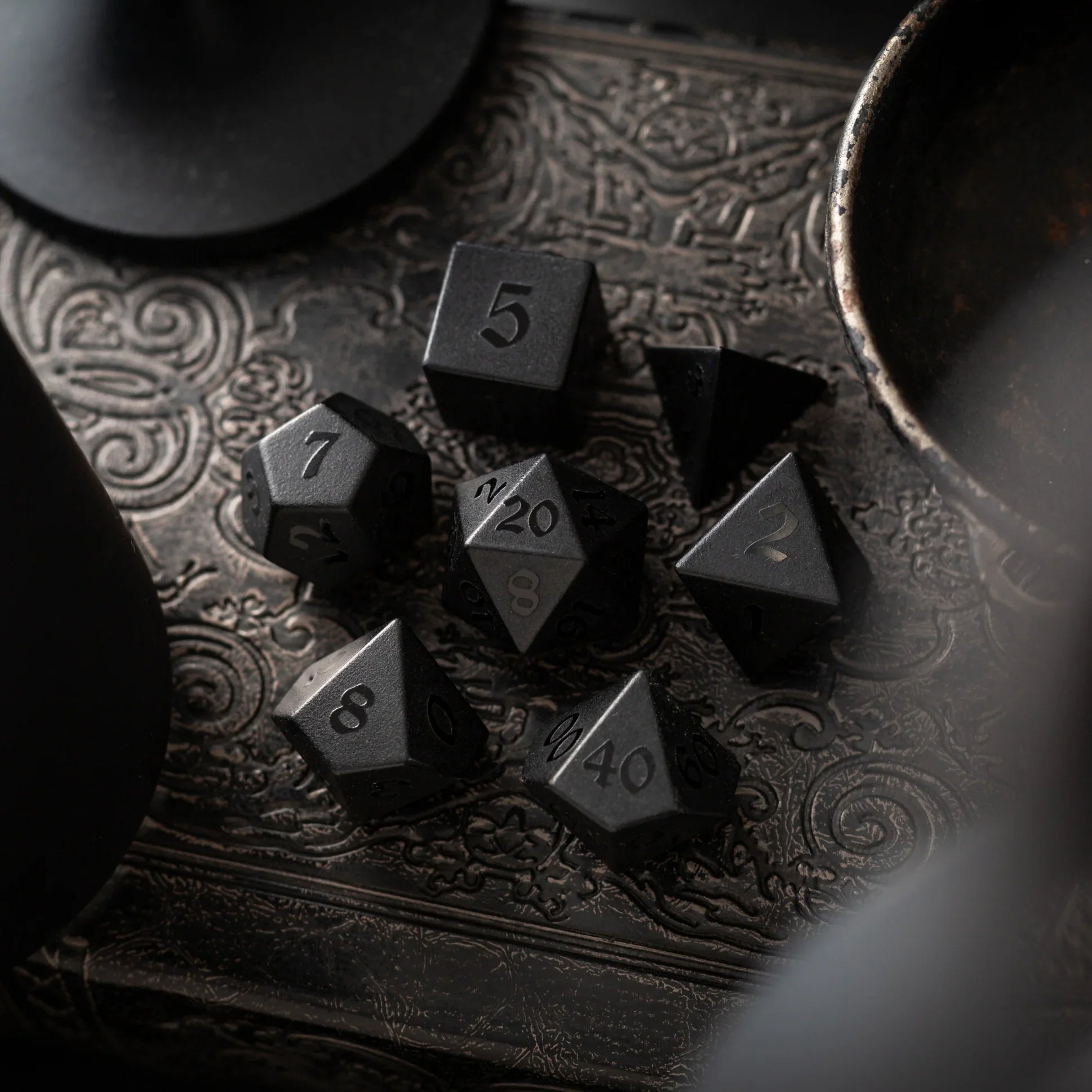
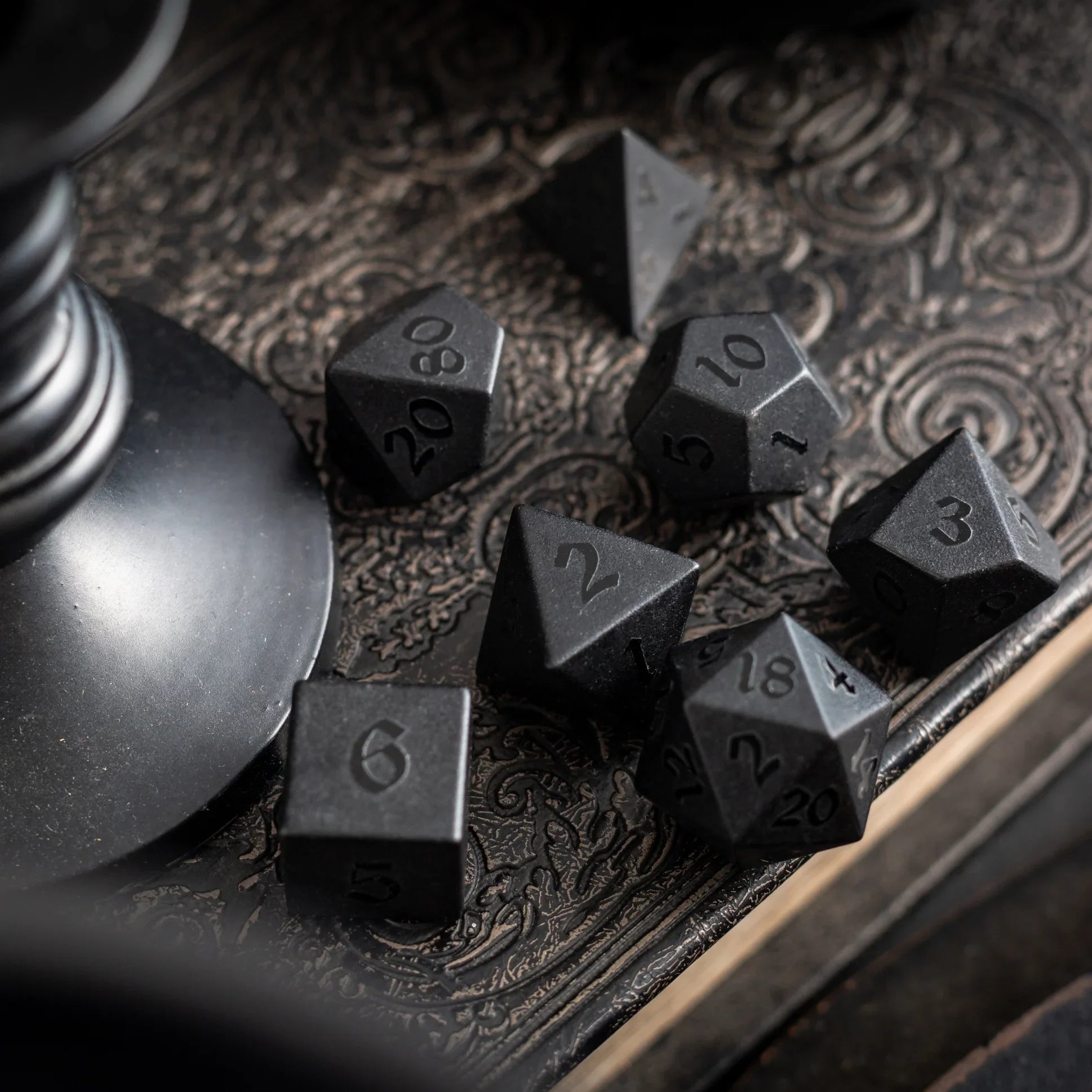
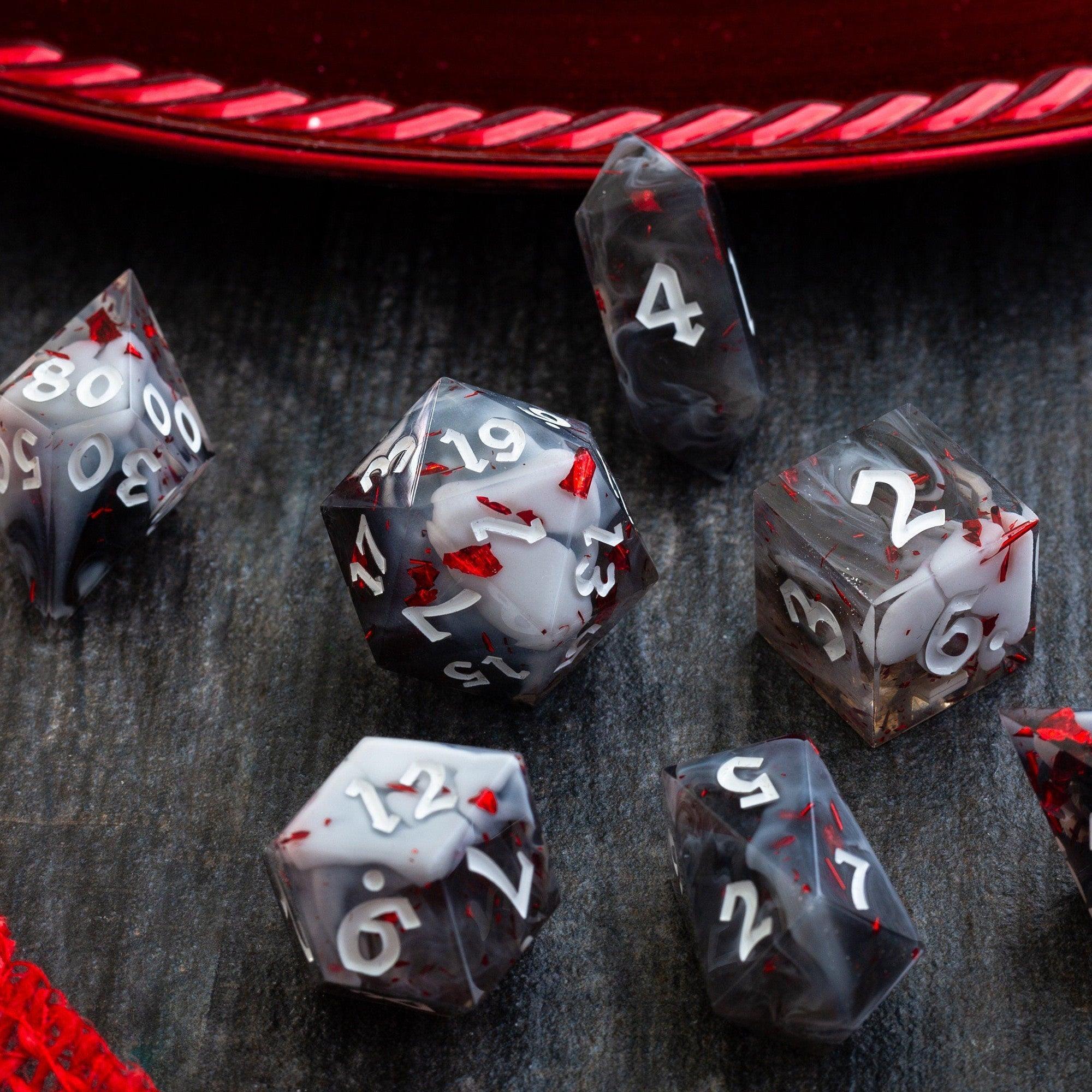
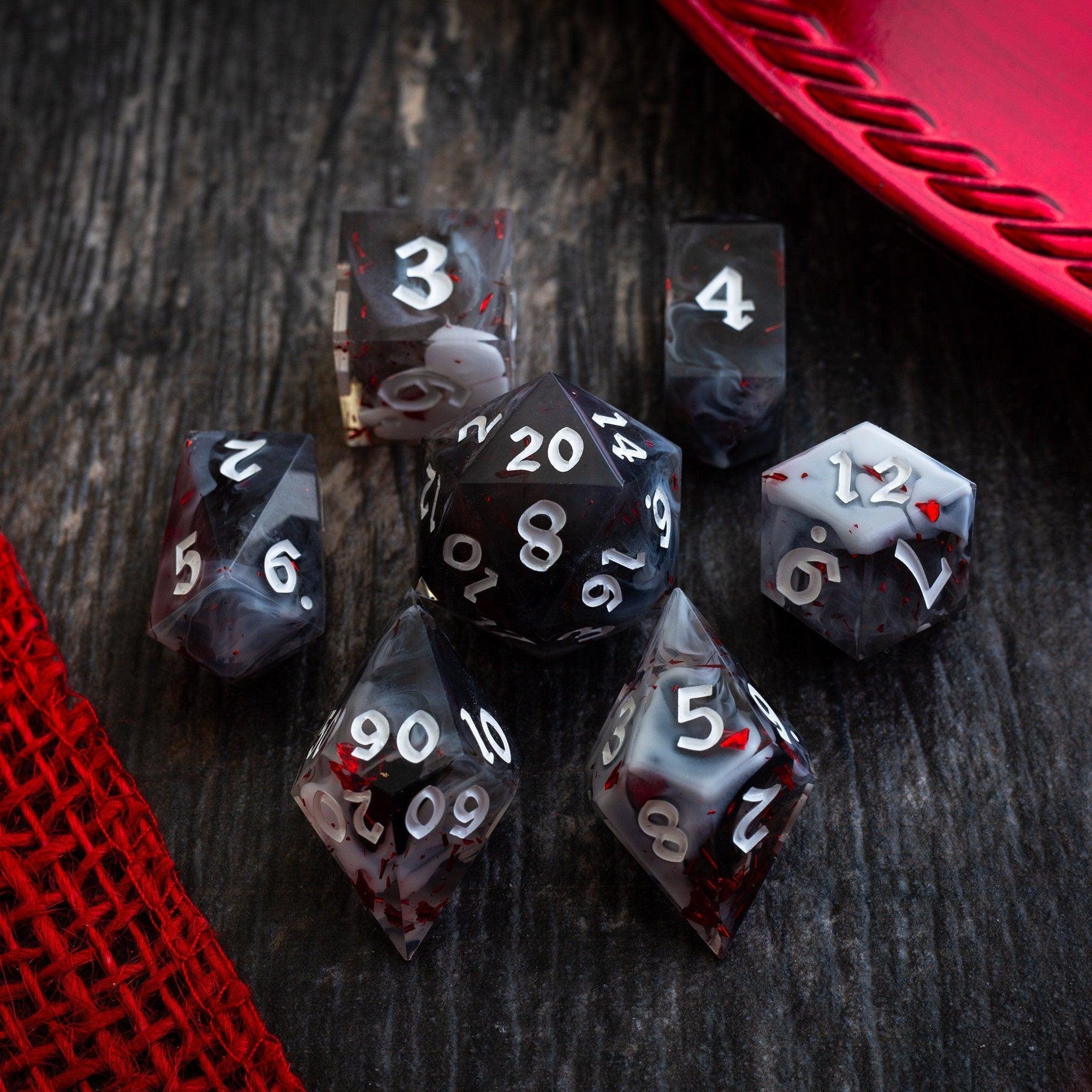
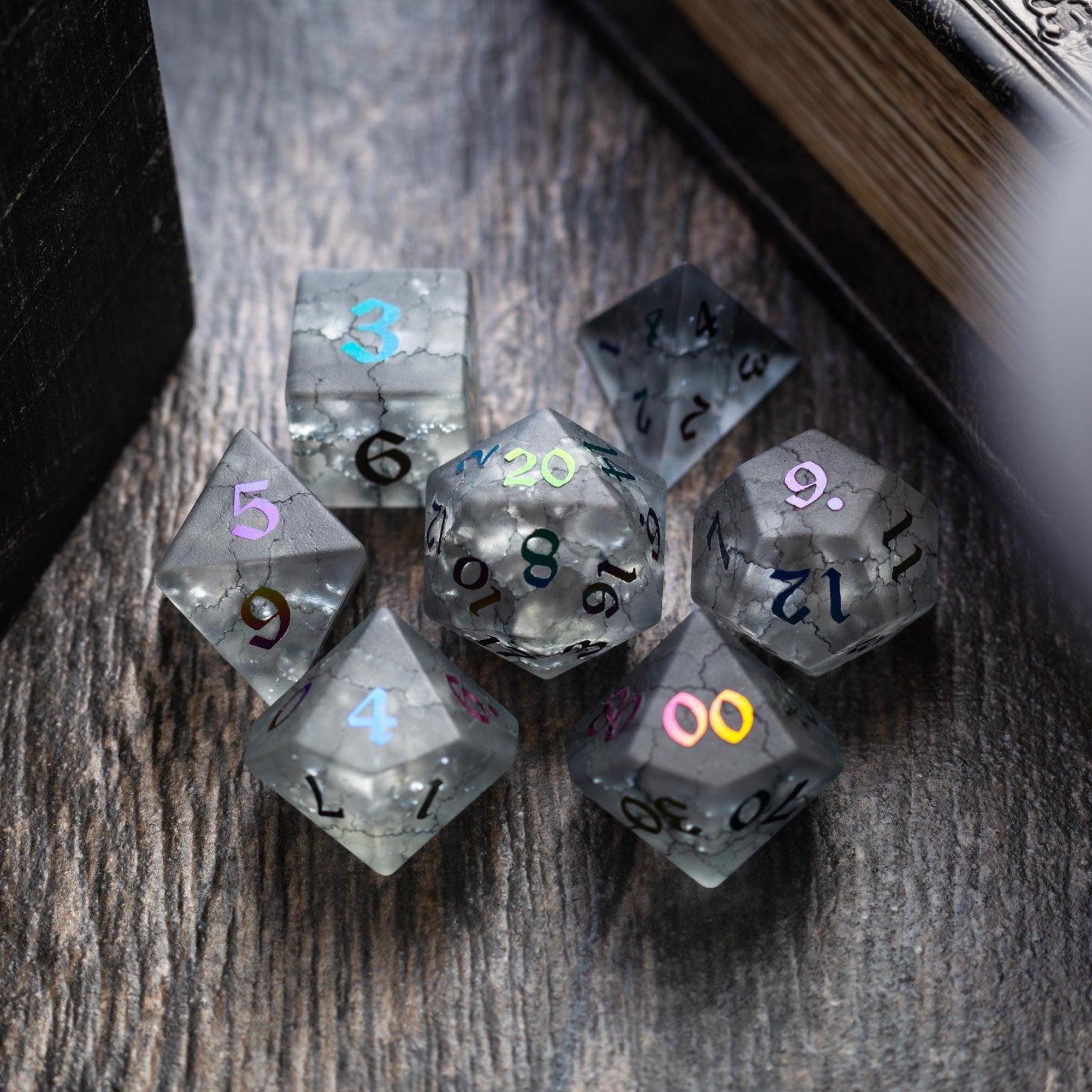
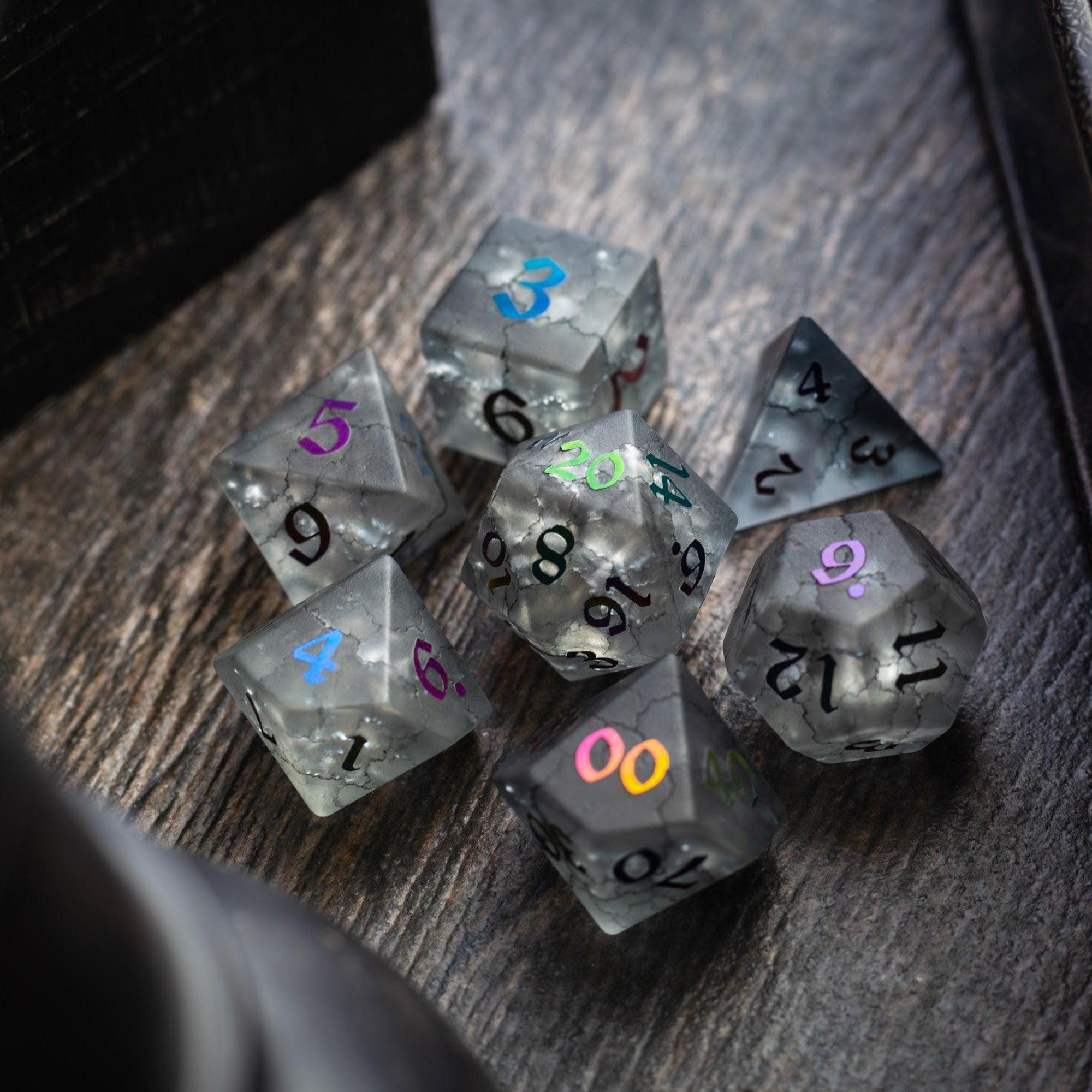
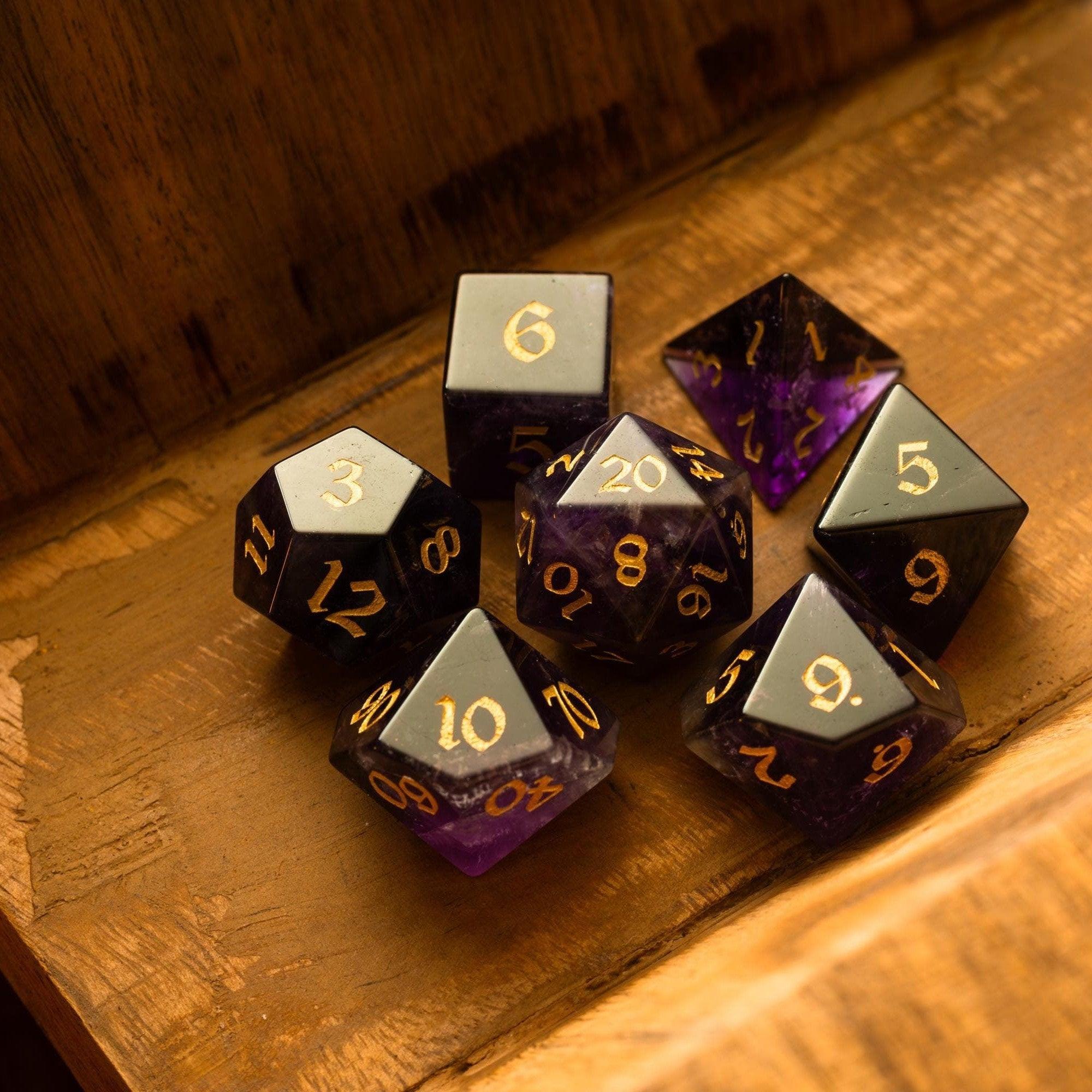
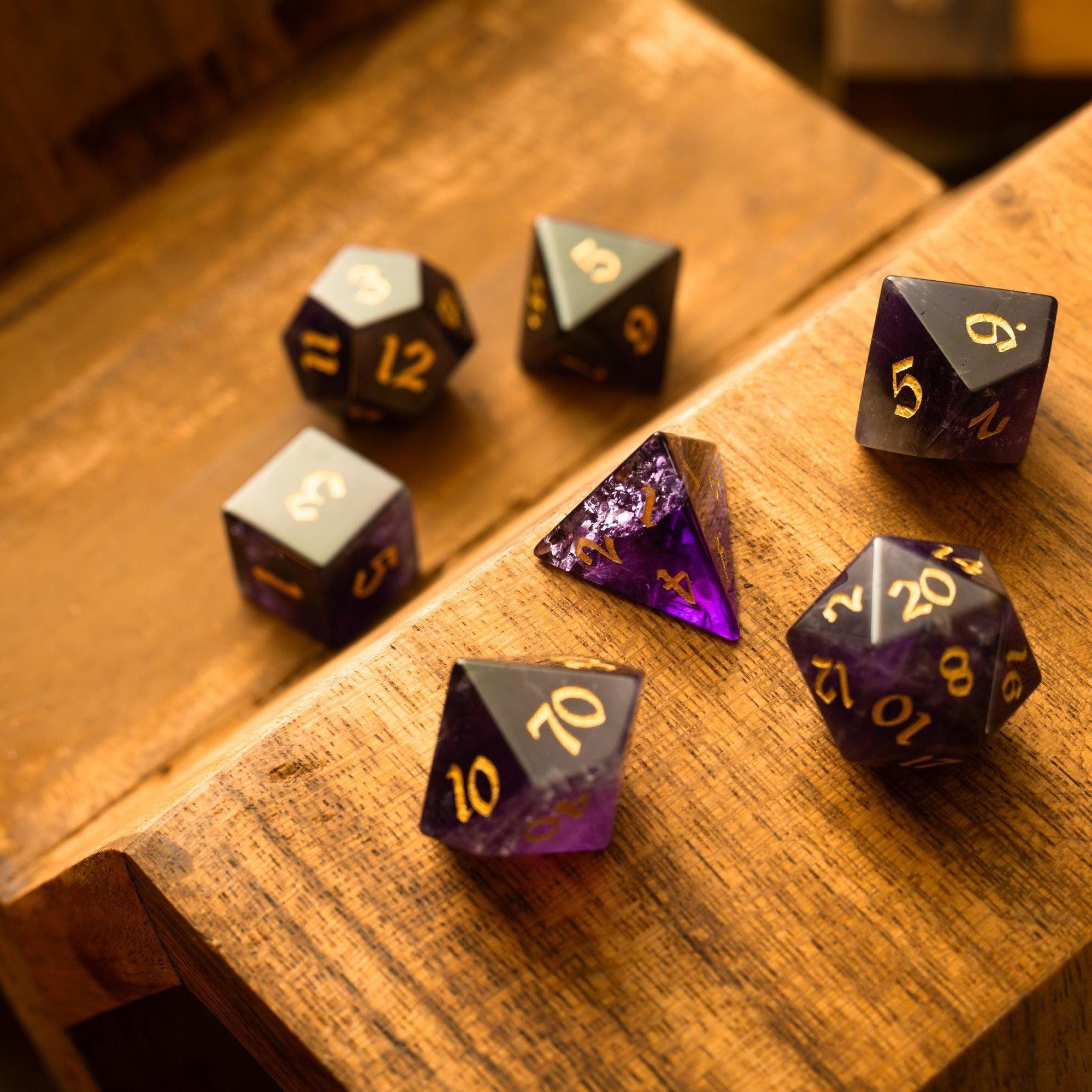
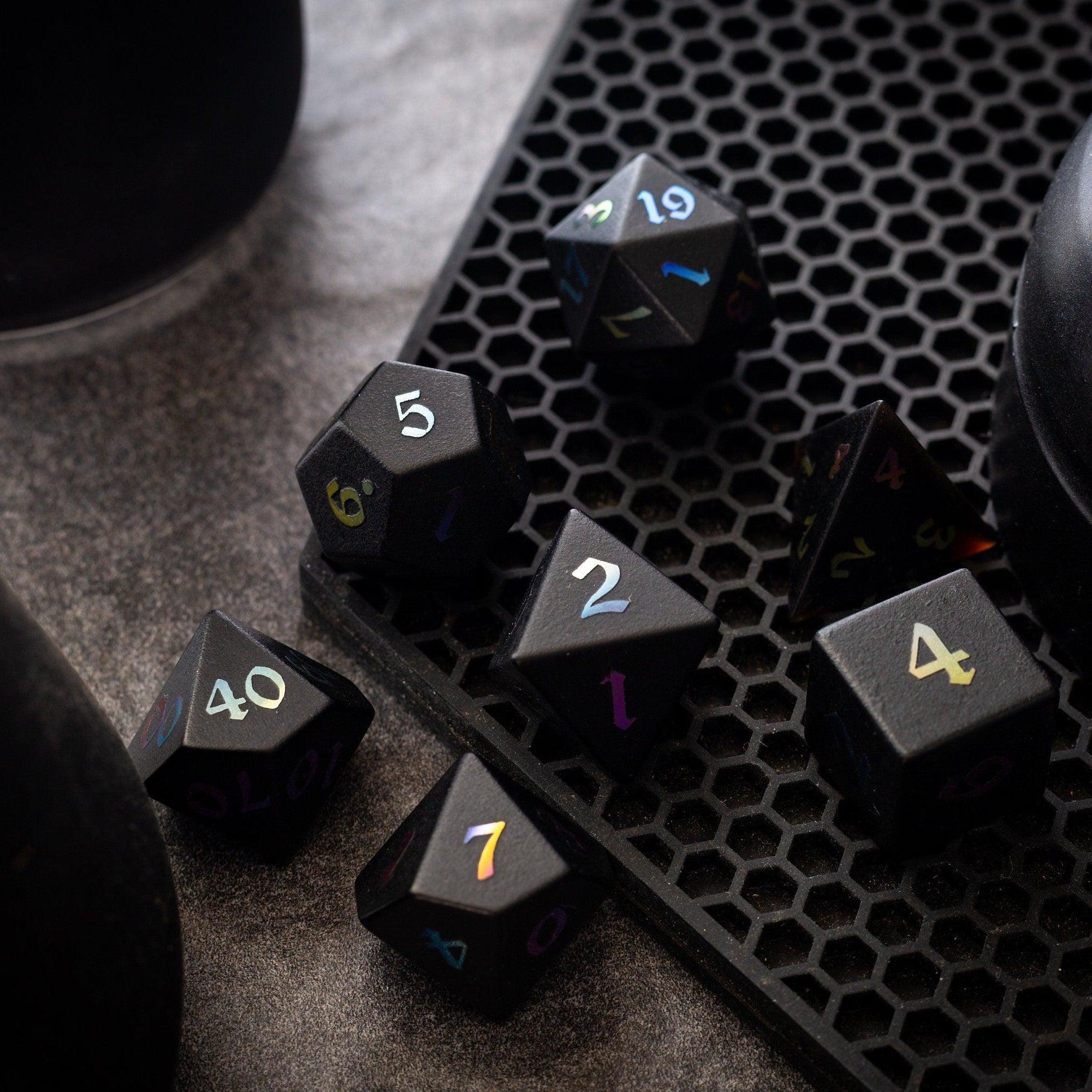
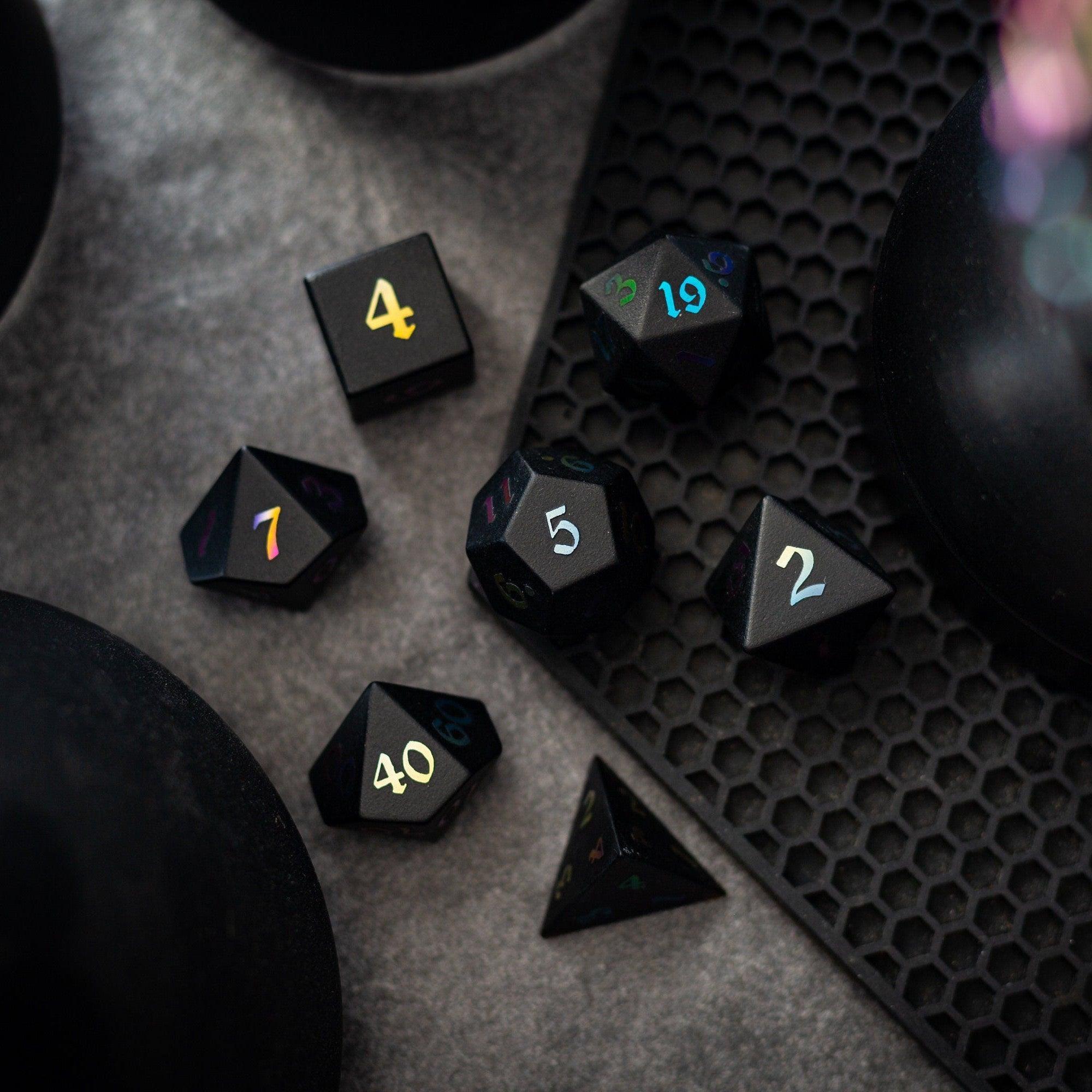
Ready to enhance your adventure with the perfect dice set? Check out gemstone dice options that bring extra magic to every roll, or explore handmade resin designs for a unique aesthetic at your table. You can also browse our complete gemstone dice collection or discover special offers on premium dice to complement your gaming sessions.

Leave a comment
This site is protected by hCaptcha and the hCaptcha Privacy Policy and Terms of Service apply.