
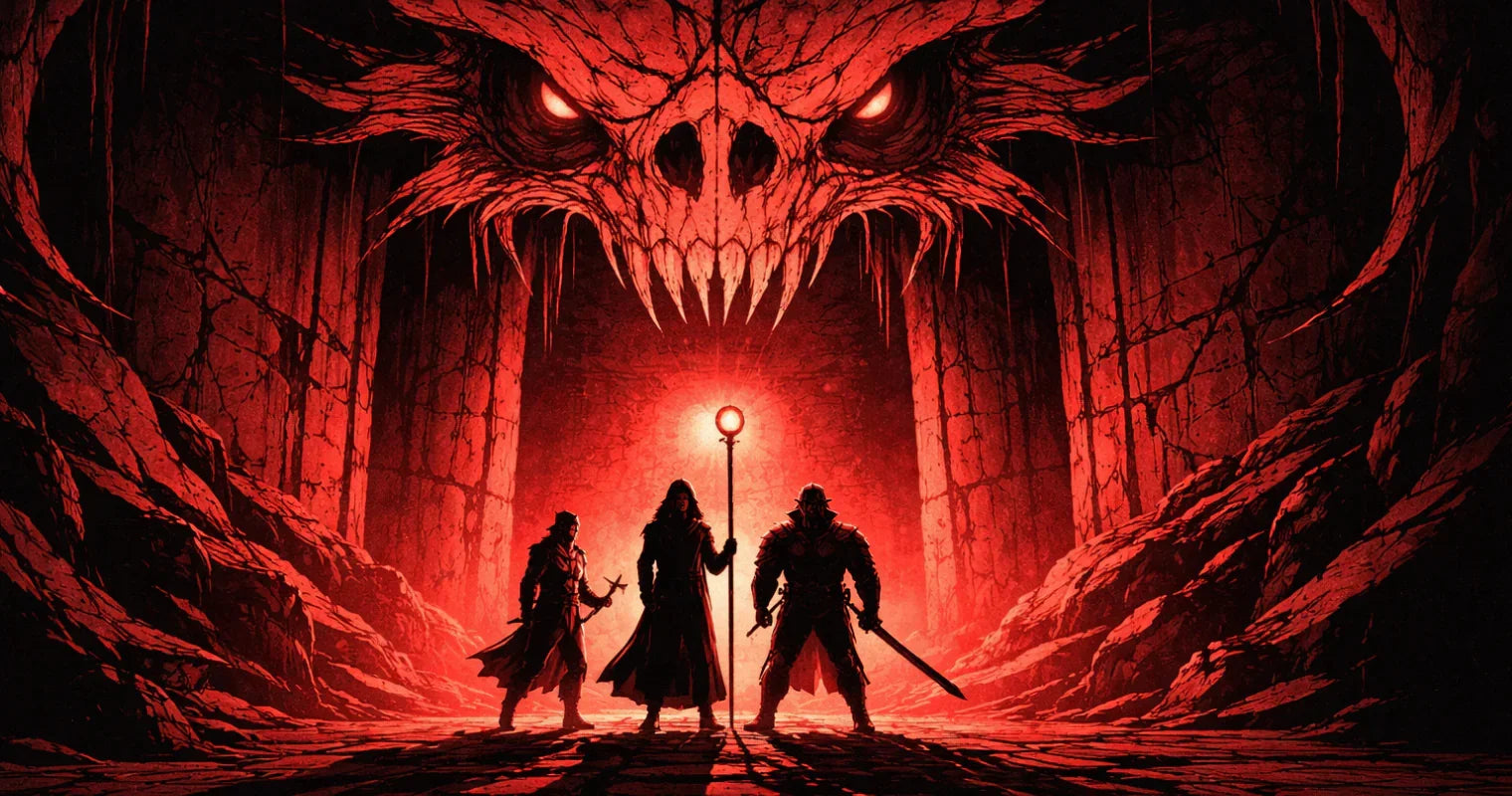
Mastering D&D Gaming Mechanics for Smooth Sessions
Updated on: March 5, 2026
Wondering how to master the systems that make tabletop role-playing games tick? Dungeon and Dragons gaming mechanics form the backbone of every adventure, from combat encounters to character progression. In this guide, we'll break down the core systems, explain how they work together, and show you why understanding these mechanics makes you a better player and game master. Whether you're new to the hobby or looking to deepen your knowledge, you'll discover practical insights that'll level up your game night.
- Core Systems That Drive Your Adventures
- A Practical Guide to Understanding Game Systems
- Why Mastering These Systems Matters
- Summary and Your Next Steps
- Questions Players Ask Most
Core Systems That Drive Your Adventures

If you've ever rolled a twenty-sided die at the table, you've already experienced the foundation of tabletop role-playing mechanics. These systems aren't just random number generators—they're carefully designed frameworks that create tension, reward decision-making, and keep everyone engaged.
At their heart, Dungeon and Dragons gaming mechanics use a simple principle: roll a die, add your character's relevant ability, and compare it to a difficulty class. This elegant system works for everything from swinging a sword to convincing a guard to let you pass. The beauty here is that it's transparent and fair. Everyone at the table understands what's happening and why.
The d20 system (that's twenty-sided die, for the uninitiated) creates what we call "bounded accuracy." Your fighter might get better at hitting enemies as they level up, but even at high levels, a lucky goblin can still land a blow. This keeps combat unpredictable and interesting across all experience levels. It prevents the game from becoming a mathematical exercise where outcomes feel predetermined.
Beyond combat, you've got skill checks, saving throws, and ability checks. Each one uses the same basic framework but applies it to different situations. Need to pick a lock? That's a skill check using your Dexterity modifier. Trying to resist a wizard's mind-control spell? That's a saving throw using your Wisdom modifier. This consistency makes the game easier to learn while keeping it flexible enough for creative problem-solving.
A Practical Guide to Understanding Game Systems
Understanding the Ability Modifier System
Your character has six core abilities: Strength, Dexterity, Constitution, Intelligence, Wisdom, and Charisma. Each scores between three and eighteen (or higher with bonuses). To find your modifier, subtract ten from your score and divide by two, rounding down. So a Strength of sixteen gives you a plus three modifier. This modifier gets added to nearly everything you do—attacks, saving throws, skill checks. It's how your character's natural talents influence outcomes.
This system rewards character building decisions. Do you want to be strong and tough, or quick and perceptive? Your choice creates mechanical differences that actually matter during play. A Dexterity-focused rogue plays completely differently from a Strength-based barbarian, and both approaches work equally well in different situations.
Proficiency Bonus and Expertise
As you level up, your proficiency bonus increases. You add this bonus to attack rolls with weapons you're trained in, saving throws you're proficient in, and skill checks matching your background. At first level, it's plus two. By level twenty, it's plus six. This bonus represents your growing experience and training.
Some classes grant expertise in specific skills. A rogue might have expertise in Stealth and Sleight of Hand, meaning they add their proficiency bonus twice to those checks. This creates meaningful character specialization. Your rogue becomes genuinely better at sneaking than anyone else at the table, reflecting years of roguish training.
Combat Round Structure
Combat follows a strict turn order determined by an Initiative roll (d20 plus Dexterity modifier). Everyone takes turns in descending order of initiative. On your turn, you can move up to your speed, take one action, interact with one object, and use one bonus action. This structure keeps combat fair and prevents any single player from dominating the entire encounter.
Your action could be attacking, casting a spell, dodging, sprinting away, or countless other options. The specificity matters. Can't cast a spell and attack in the same action? That's a deliberate design choice that makes spellcasters play differently from martial characters. These constraints create interesting tactical decisions rather than removing agency.
Hit Points and Damage
Your hit points represent your ability to stay in the fight. When you take damage, you subtract it from your total. Reach zero, and you start making death saving throws. This creates a dramatic moment where you're not immediately eliminated—you've got a chance to stabilize or be healed. It's mechanically elegant and narratively satisfying.
Different weapons deal different amounts of damage. A dagger deals one d4 damage, while a great sword deals two d6. This incentivizes certain choices without making any single option mathematically superior in every situation. A rogue might prefer a light weapon they can use with their bonus action, while a fighter with heavy armor might choose raw damage output.

Why Mastering These Systems Matters
- Better Decision-Making: Understanding the mechanics helps you make informed tactical choices. You'll know when to attack versus dodge, when to take risks, and how your actions influence your survival odds.
- Faster Gameplay: When everyone understands the rules, turns move quickly. Nobody needs to interrupt the flow to ask how something works. Your game nights become more immersive and exciting.
- Fair Adjudication: As a game master, knowing these systems inside-out means you rule consistently. Players trust that you're applying rules fairly, which creates a better experience for everyone.
- Creative Problem-Solving: The mechanics support narrative creativity. You're not fighting the rules—you're using them as a framework for amazing stories. A clever player might use an environmental feature in ways the rules accommodate because the system is flexible.
- Character Development: Understanding how mechanics interact lets you build characters that play exactly how you envision them. You can optimize without feeling like you're gaming the system, because the system is designed for this kind of planning.
- Confident Game Mastering: If you're running a campaign, knowing the rules thoroughly means you can improvise confidently. When players go off-script, you adjudicate smoothly without breaking immersion.
- Competitive Balance: Whether playing with a new friend or experienced veterans, understanding these systems ensures fair competition. No class feels overpowered because the mechanics are carefully balanced.
- Enhanced Storytelling: Mechanics and narrative aren't separate—they intertwine. When you understand both, you can make mechanical events feel meaningful narratively, and narrative moments feel mechanically satisfying.
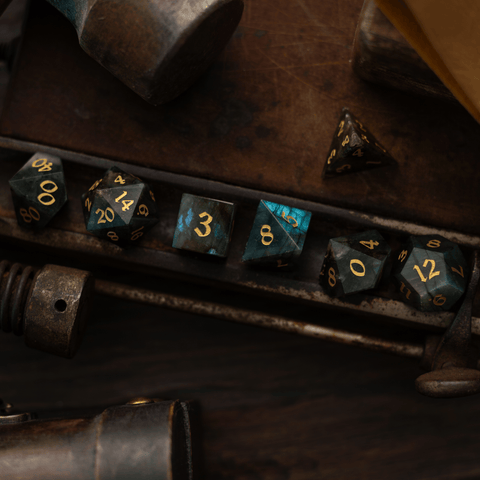
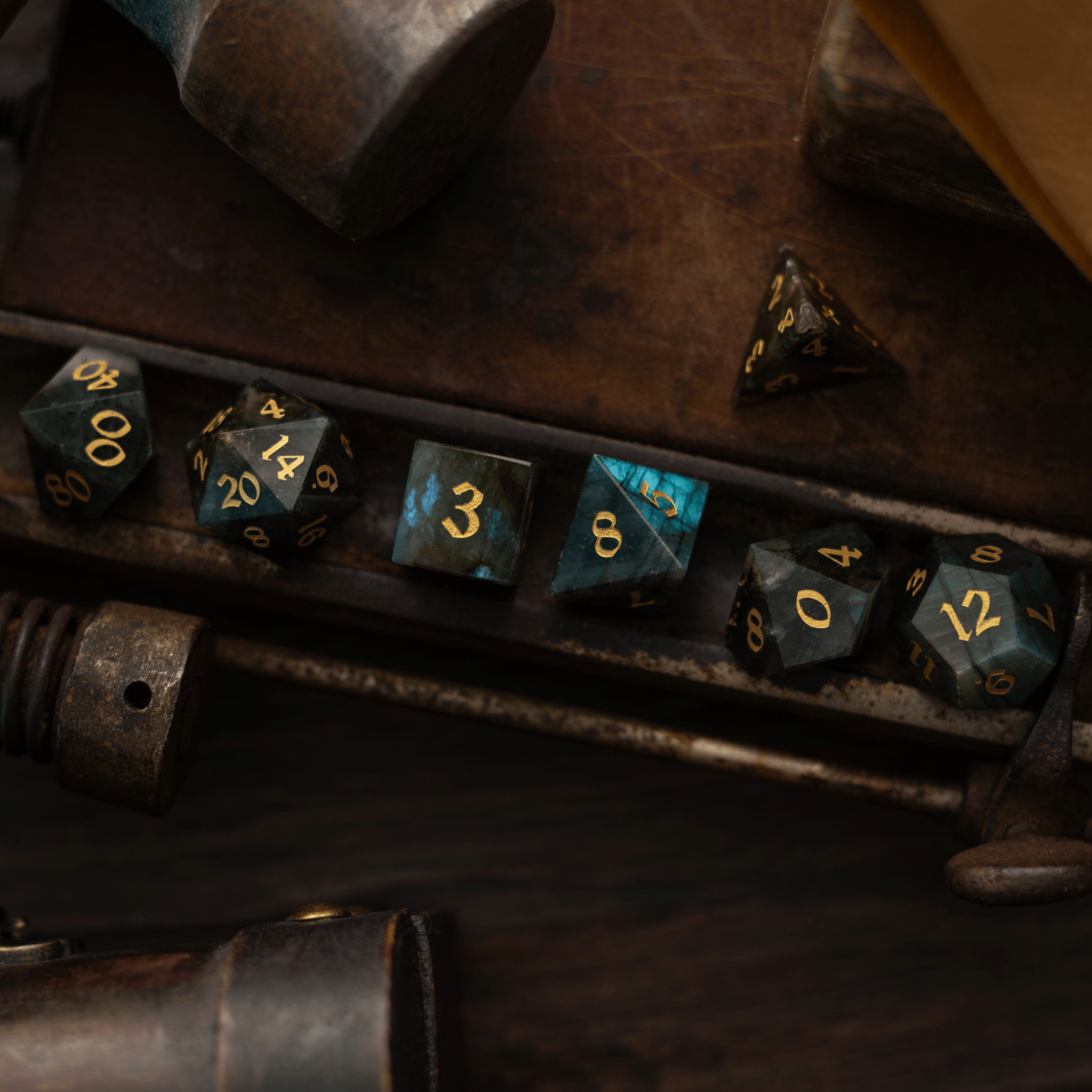
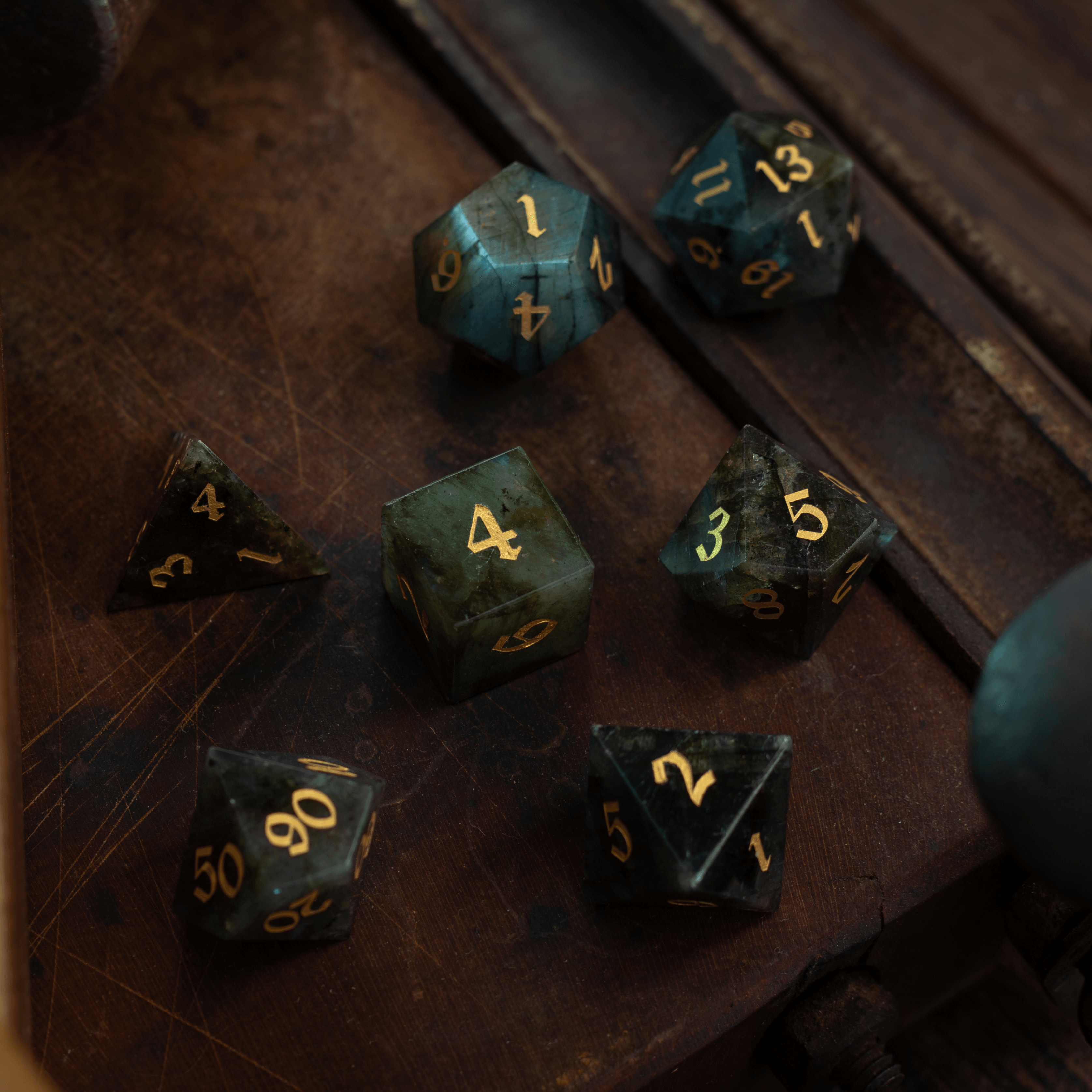
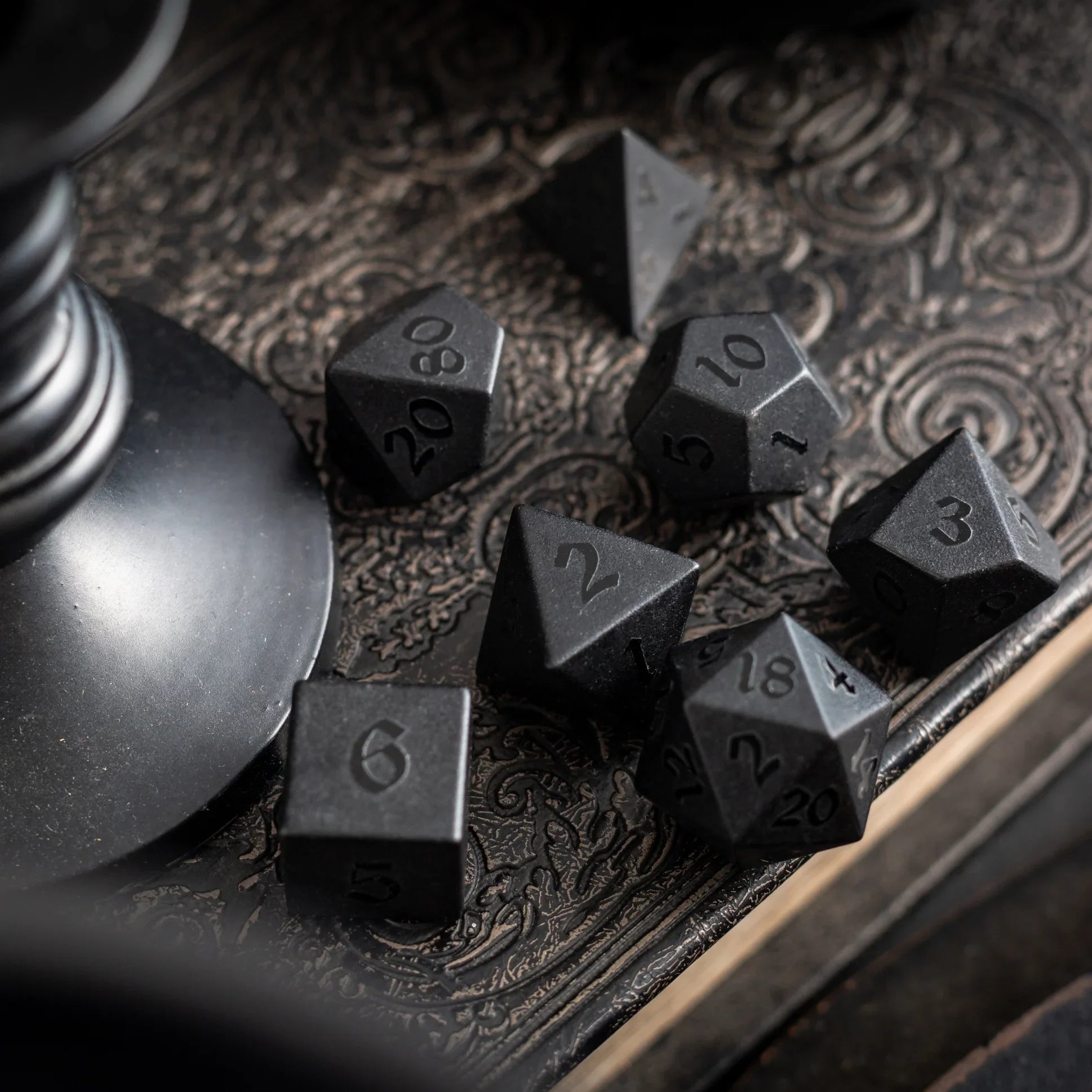
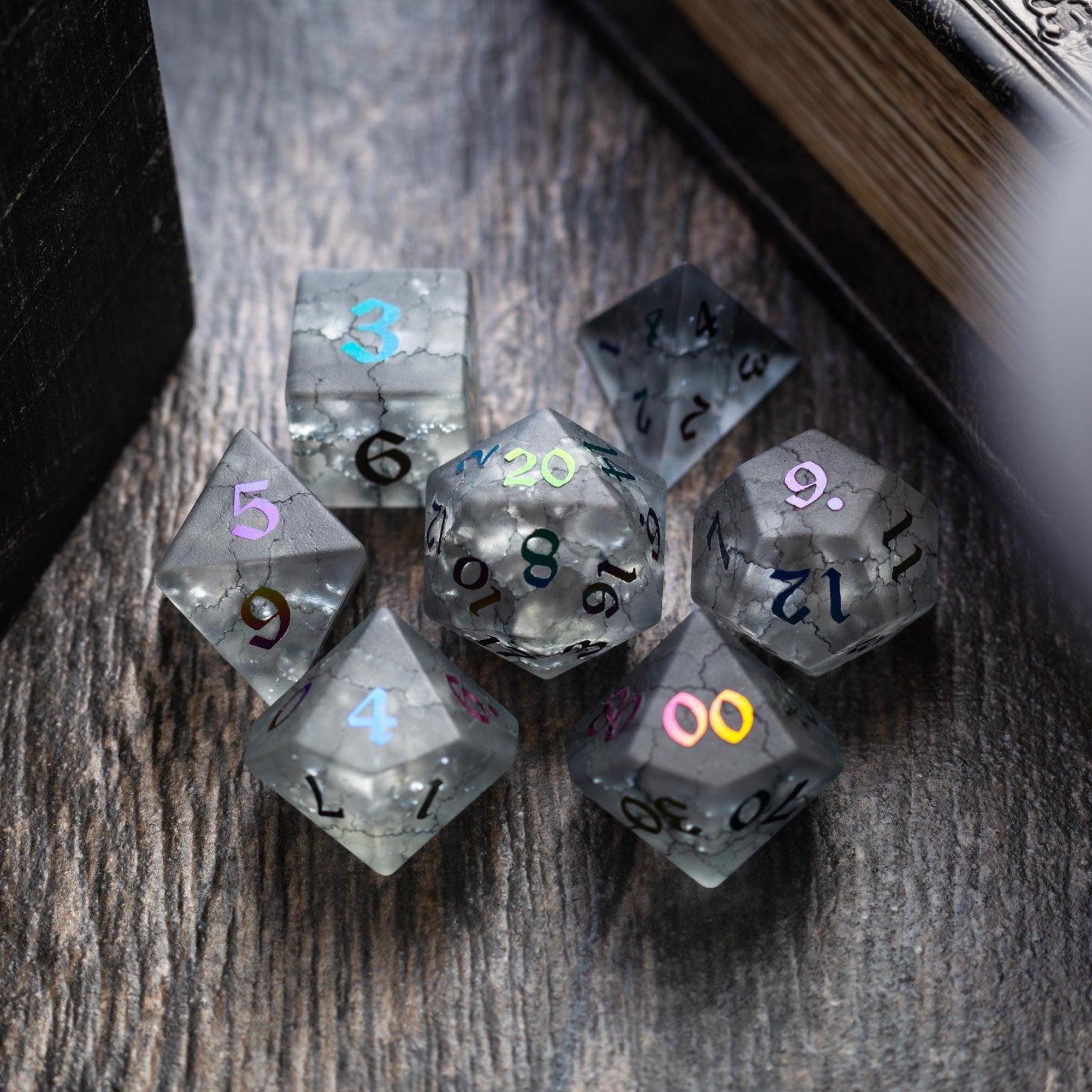
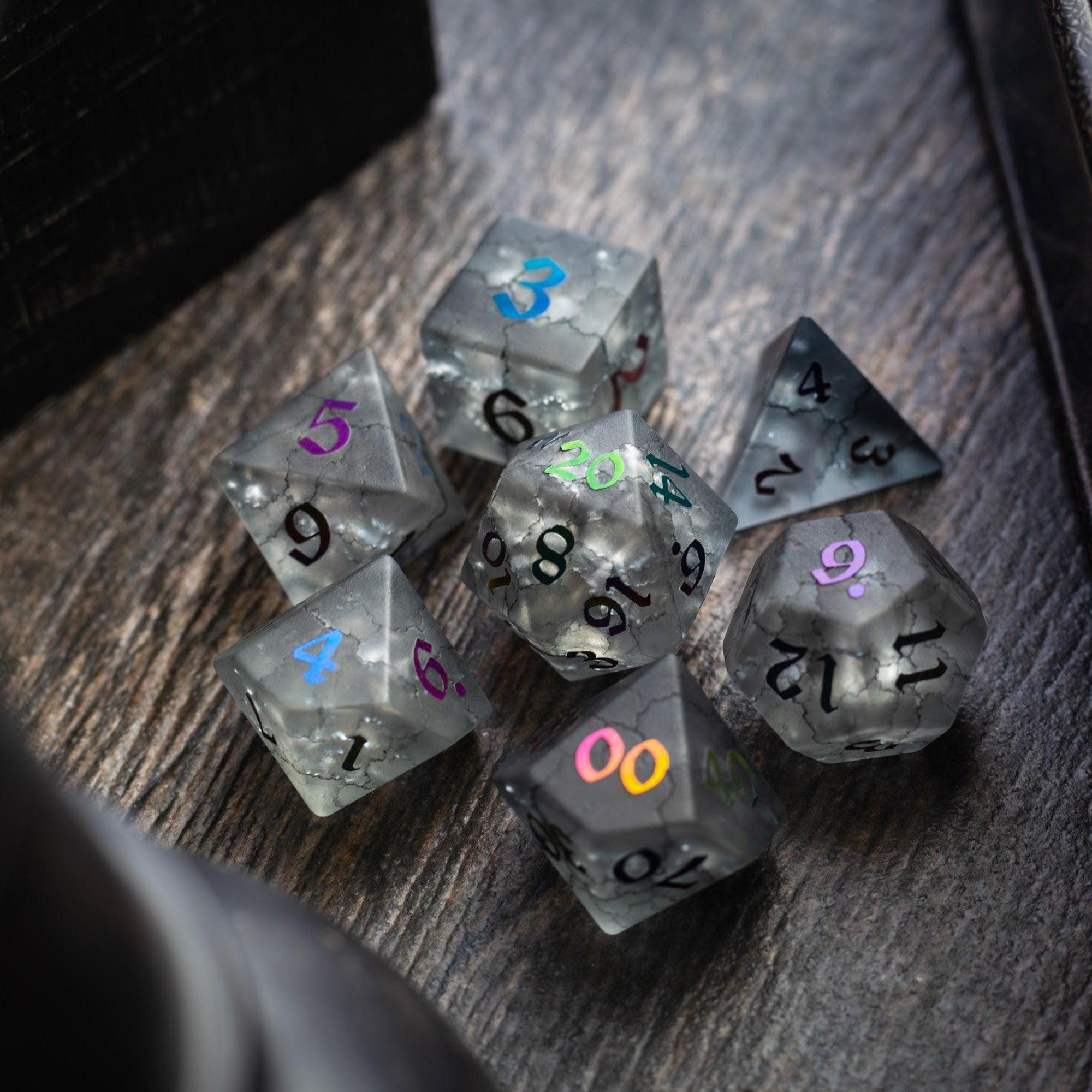
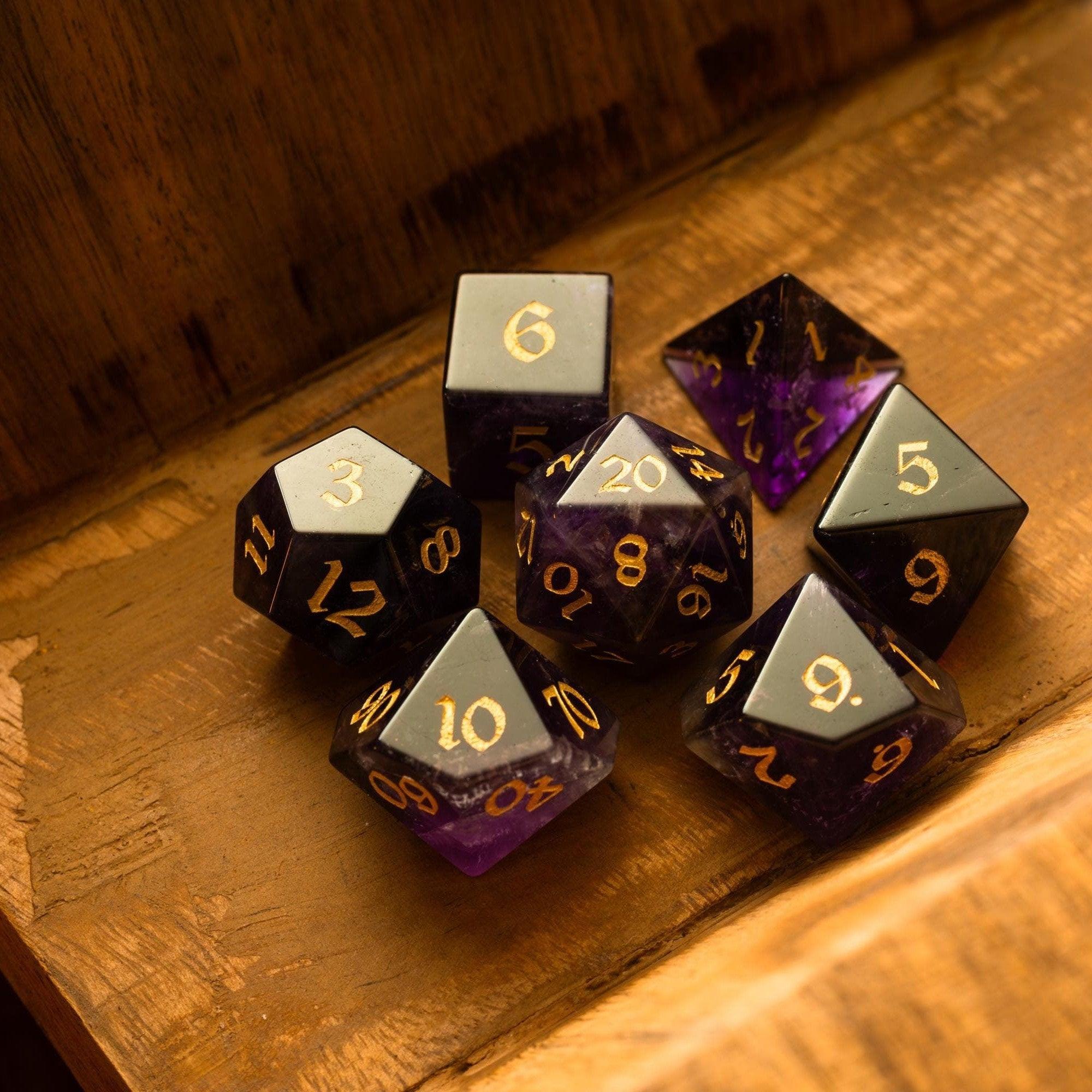
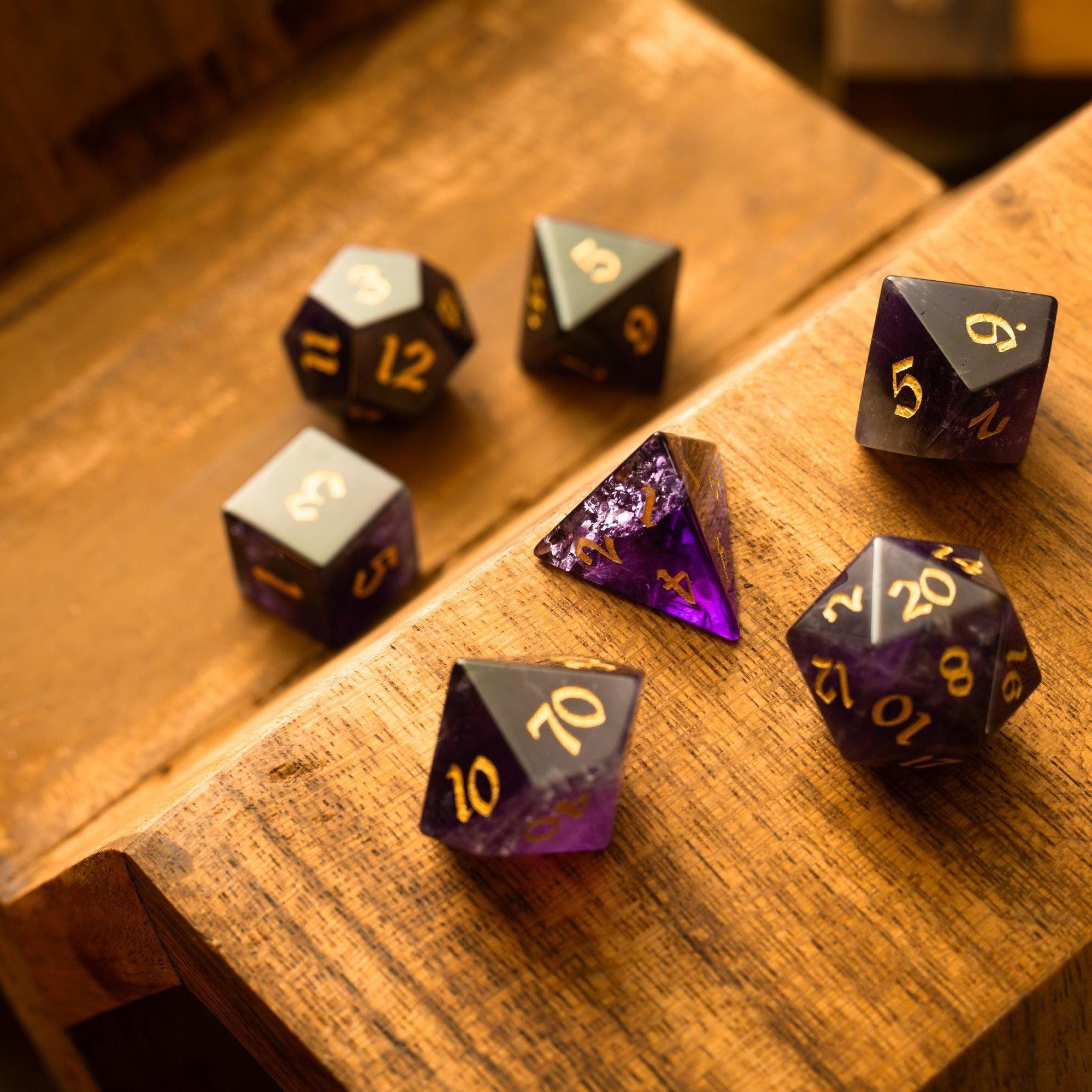
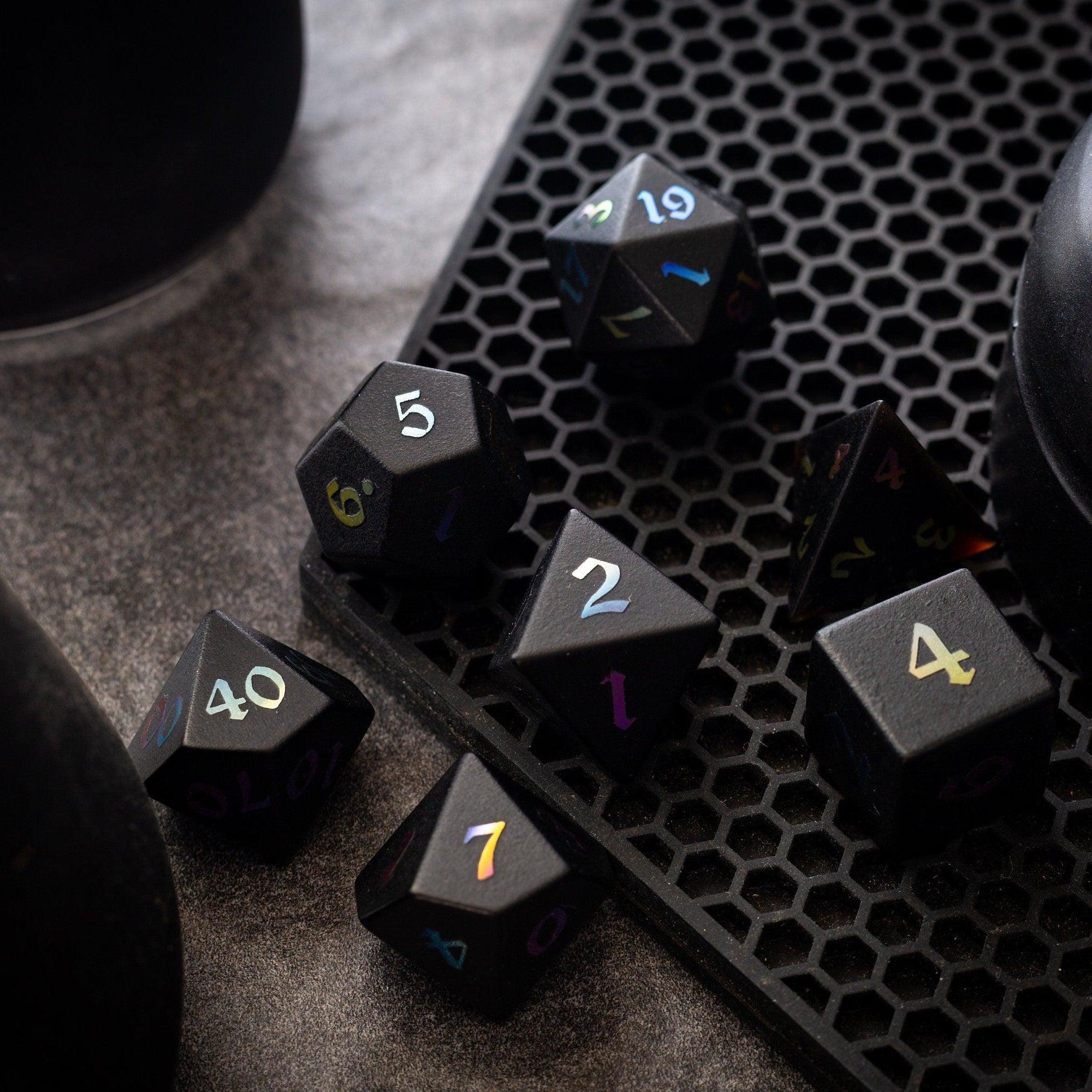
Consider checking out quality gemstone dice collections to elevate your rolls. The right tools make mastering these mechanics feel even better during actual play.
Summary and Your Next Steps
Understanding Dungeon and Dragons gaming mechanics transforms how you experience the hobby. These systems aren't complex obstacles—they're elegant tools designed to create fair, exciting, and meaningful gameplay. From ability modifiers to combat rounds to proficiency bonuses, each element serves a purpose.
Start by familiarizing yourself with the core d20 system. Practice calculating modifiers until it becomes second nature. Watch how these mechanics interact during actual play. The more you understand the "why" behind each rule, the more you'll appreciate the genius of the overall design.
If you're a game master, dedicate time to learning your monster stats and encounter building guidelines. If you're a player, study your class features and how they interact with general mechanics. Either way, becoming fluent in these systems makes you a better part of your gaming community.
The wonderful thing about tabletop gaming is that understanding the mechanics doesn't diminish the fun—it amplifies it. You make smarter decisions, you feel more invested in outcomes, and you appreciate the storytelling moments more deeply when you understand the mechanical framework supporting them.
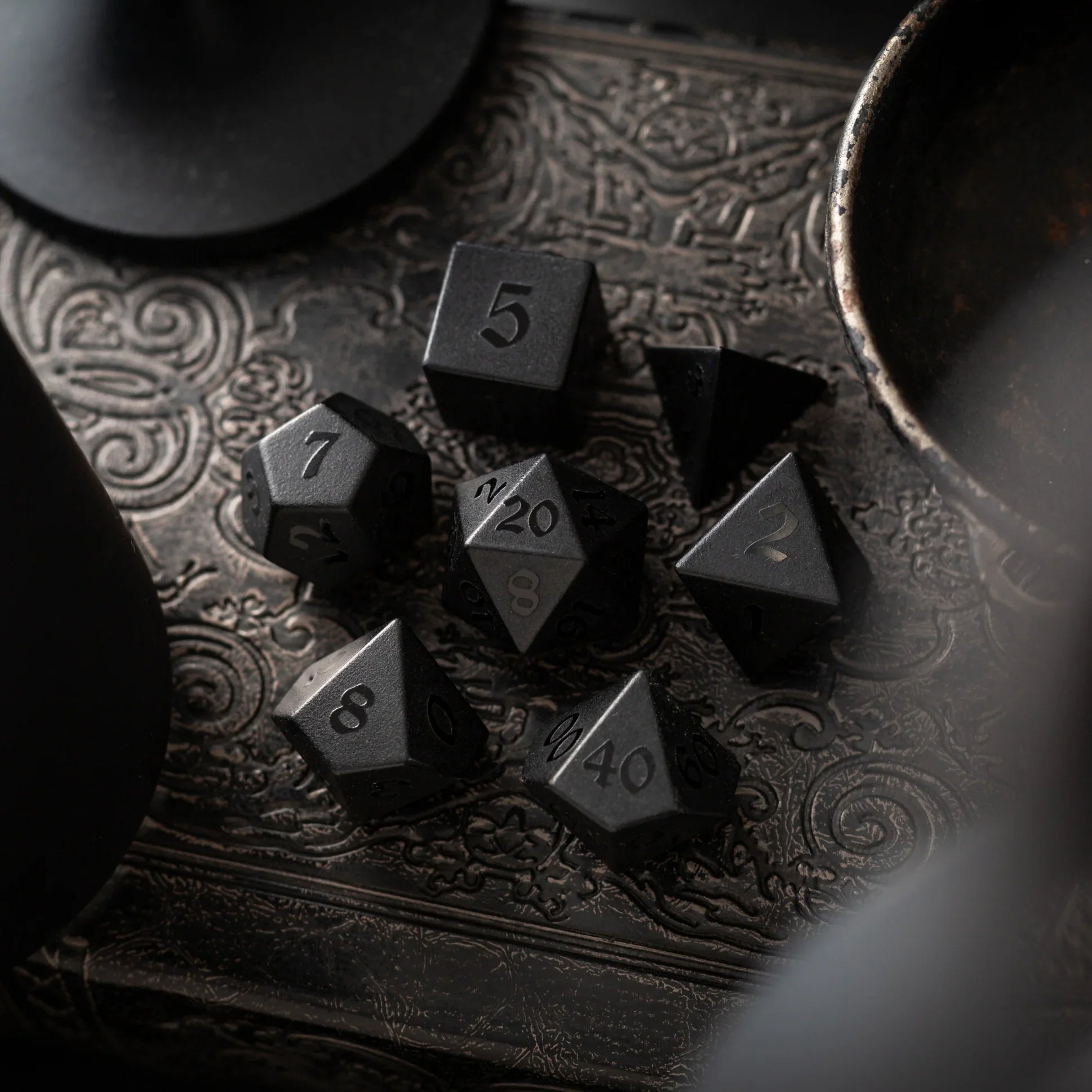
Ready to bring your next session to life? Explore our complete collections of quality dice that'll make every roll matter. Whether you prefer traditional materials or something more exotic, you'll find the perfect tools for your adventures.
Questions Players Ask Most
Why do we use a d20 instead of other dice sizes?
The d20 creates what game designers call "bounded accuracy." It's large enough that modifiers matter—a plus two modifier significantly improves your odds—but it's not so large that higher-level characters become invincible. A plus six modifier from a twentieth-level character's proficiency bonus is powerful, but enemies still have roughly a twenty-five percent base chance to hit them. This keeps the game balanced and exciting regardless of character level.
What's the difference between a skill check and an ability check?
An ability check uses just your ability modifier and any relevant circumstances. A skill check adds your proficiency bonus if you're proficient in that skill. So an untrained Athletics check might be strength modifier plus d20, while an Athletics check from someone proficient in the skill adds their proficiency bonus too. Proficiency represents training and expertise.
Can I do anything I want on my turn in combat?
Mostly yes, with limitations. You have one action, one bonus action, one movement, and one interaction. Your action determines what you can accomplish. The system provides flexibility while preventing any player from doing everything simultaneously. This creates interesting choices—do you attack twice using your action surge, or do you cast a spell and move? Every turn involves meaningful decisions.
How do critical hits and misses work?
Rolling a twenty on your d20 is a critical hit—you roll your damage dice twice and add them together. Rolling a one is a critical miss—you automatically fail. These moments create dramatic swings in combat and exciting stories. They're rare enough that they feel special, but common enough that everyone experiences them regularly.
What happens when my hit points reach zero?
You fall unconscious and begin making death saving throws. On your turn, you roll a d20. A ten or higher is a success; below ten is a failure. Three successes and you stabilize (though still unconscious). Three failures and you die. A successful Medicine check can stabilize you immediately. Healing spells or potions bring you back up. This creates dramatic moments where allies must protect you while you're vulnerable.
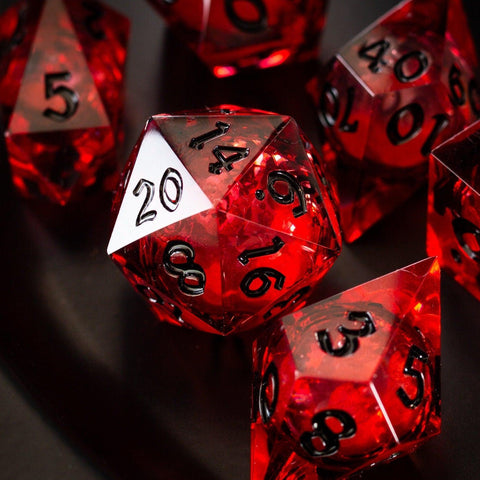
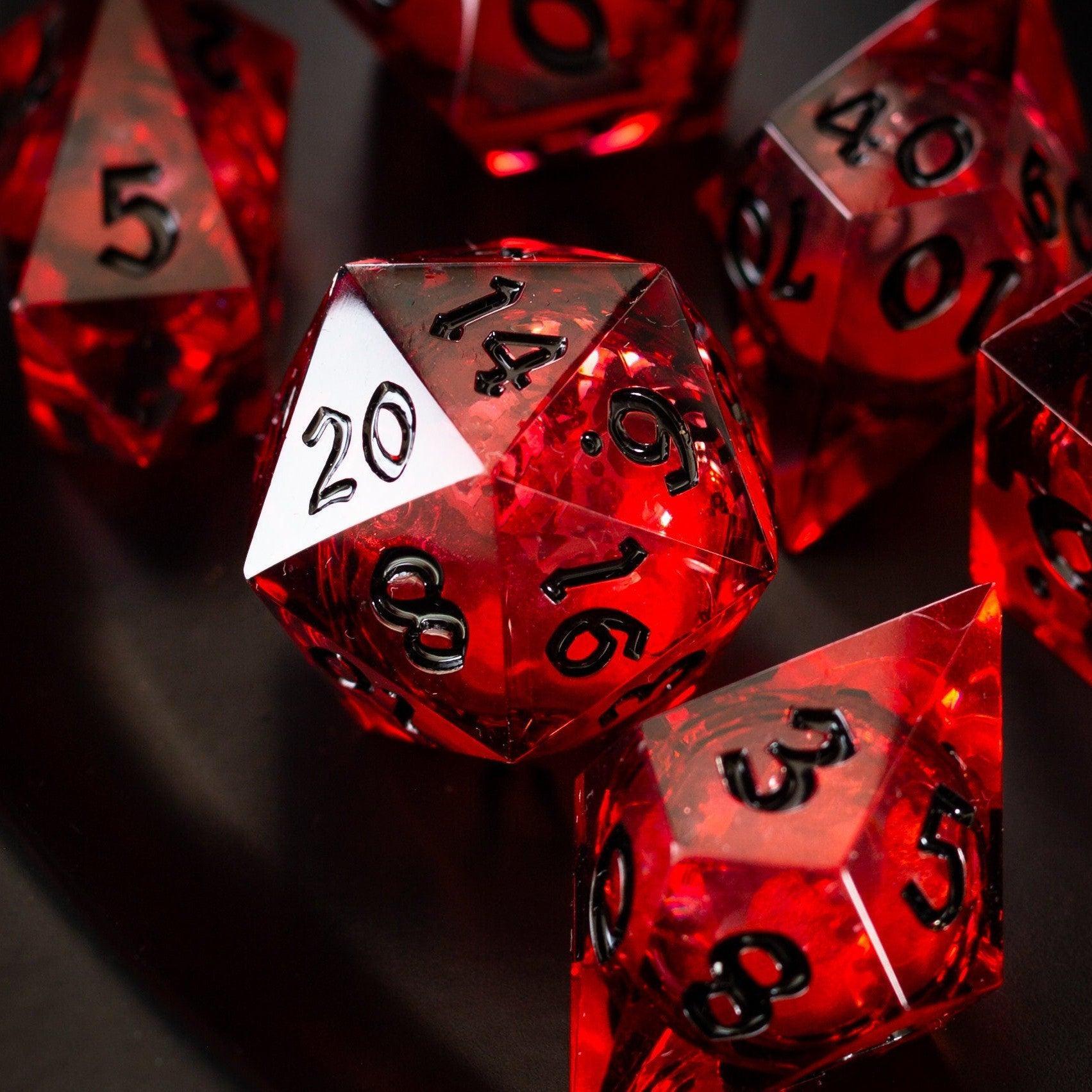
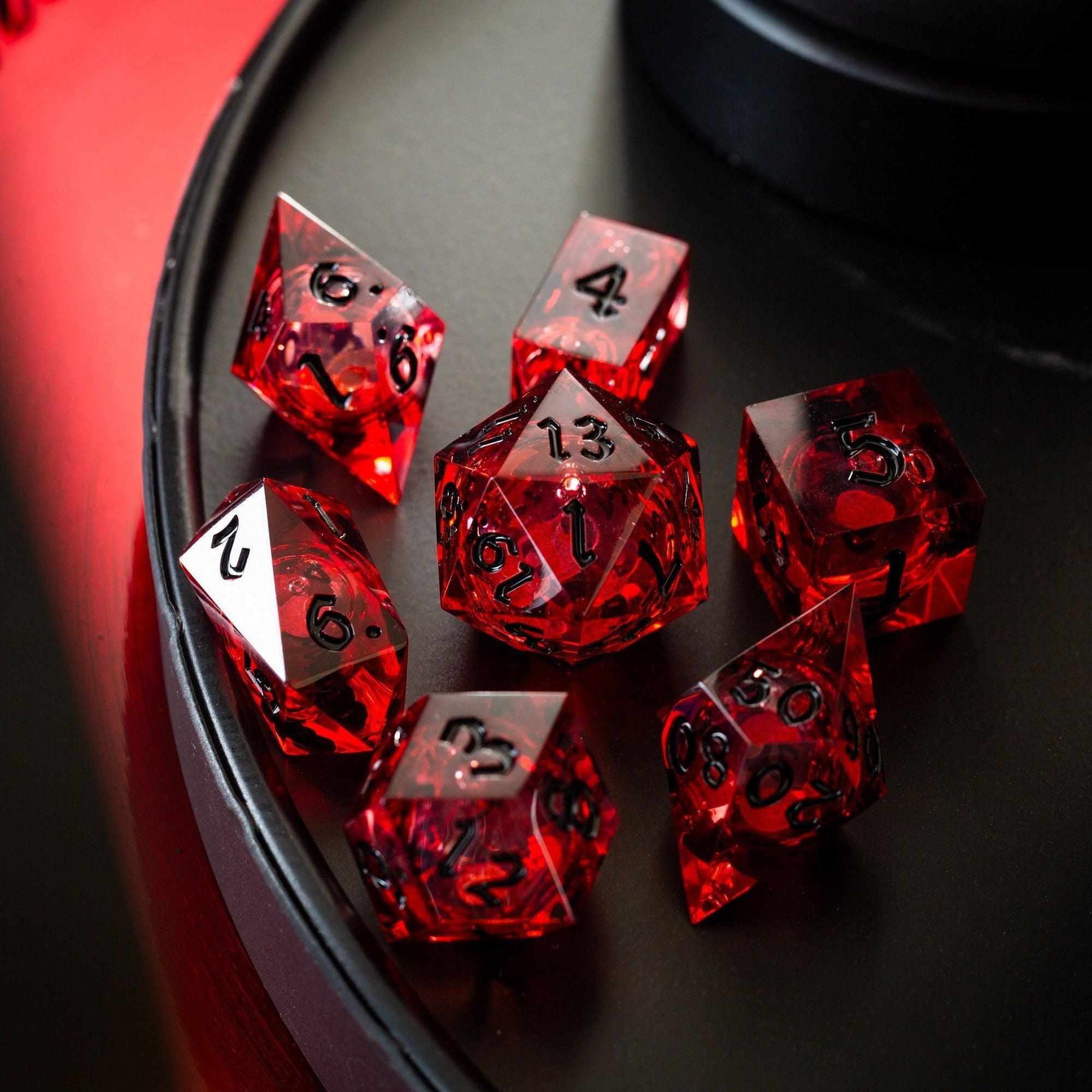
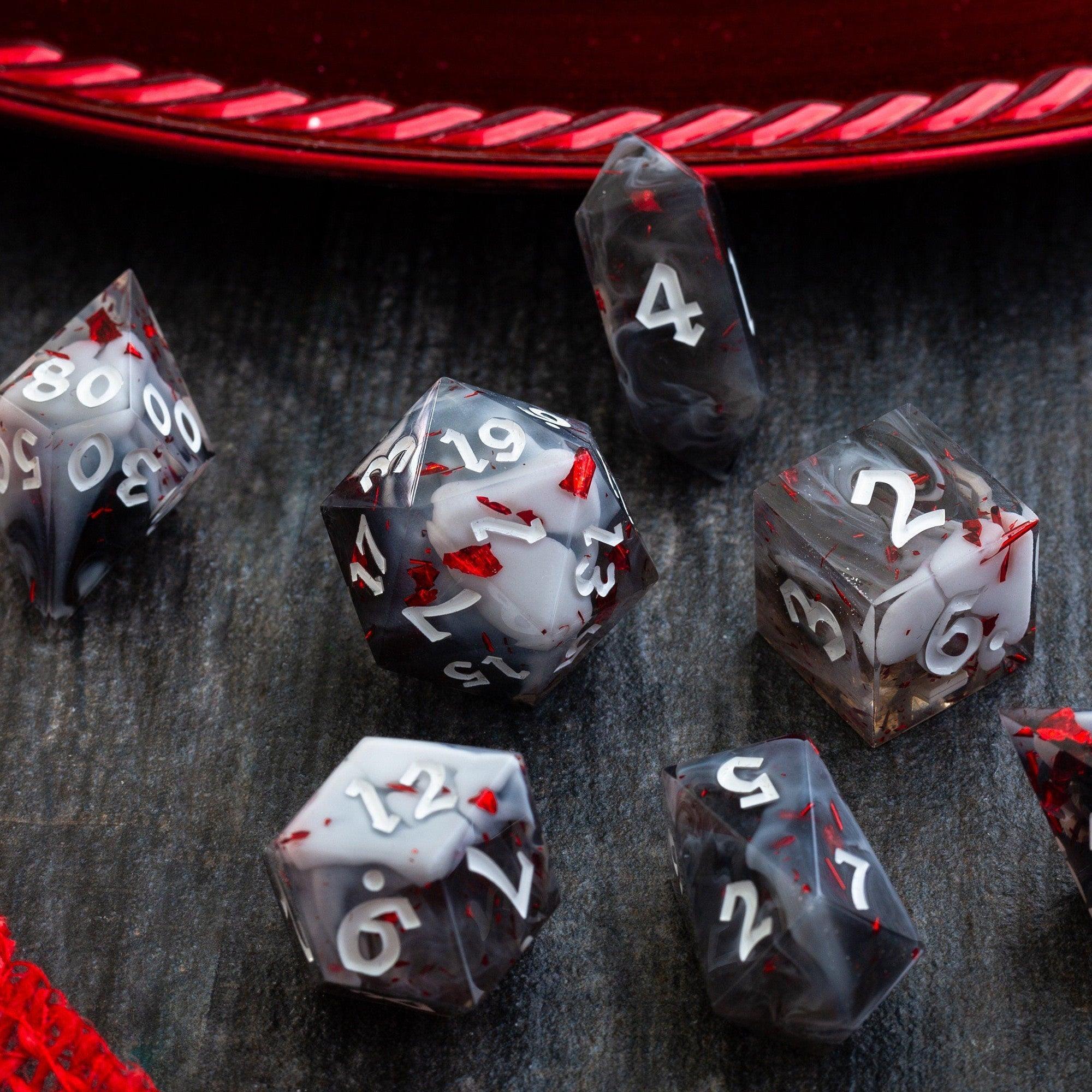
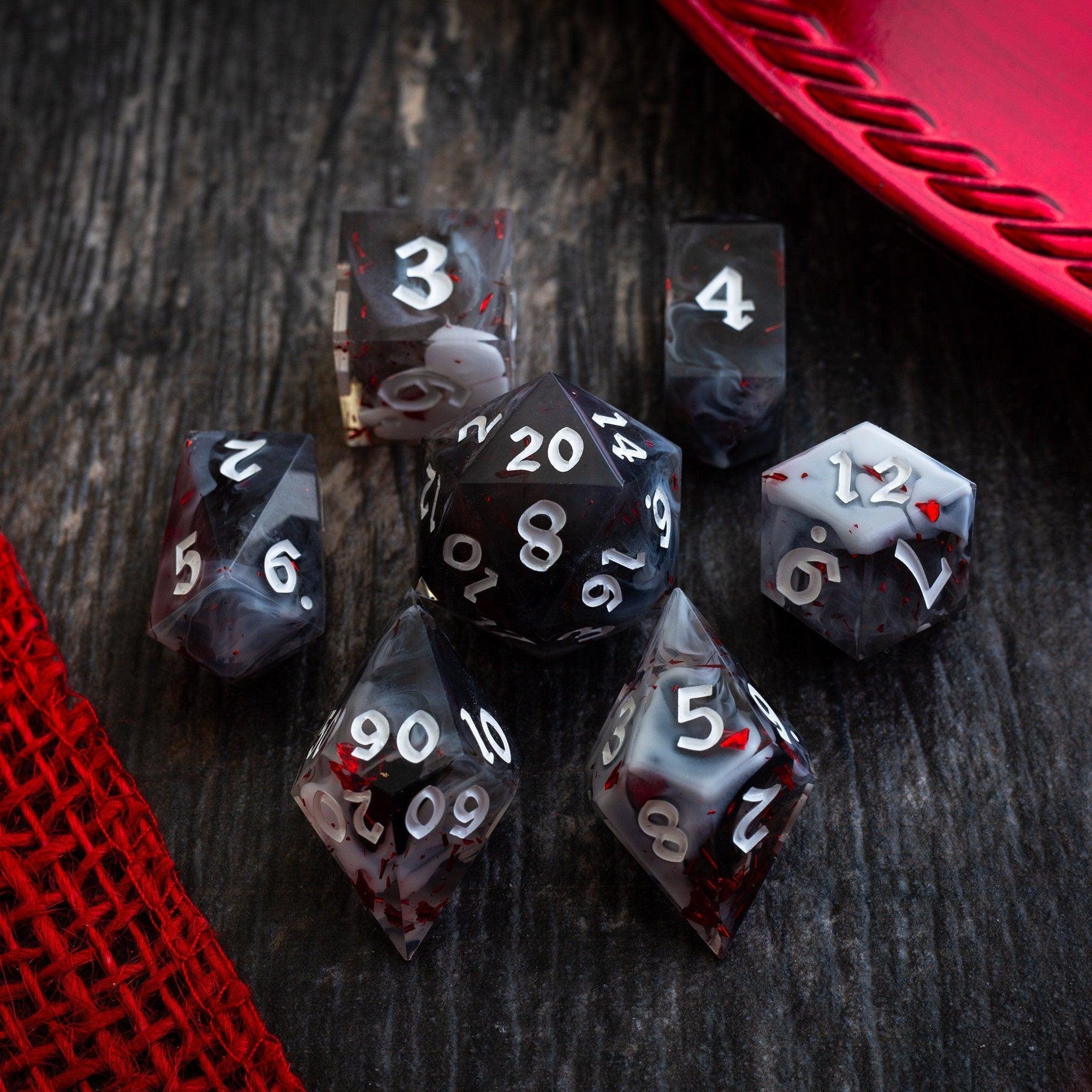
Explore sharp edge resin dice collections for a distinctive look at your table, or discover liquid core options for something truly magical during your gaming sessions.





Leave a comment
This site is protected by hCaptcha and the hCaptcha Privacy Policy and Terms of Service apply.