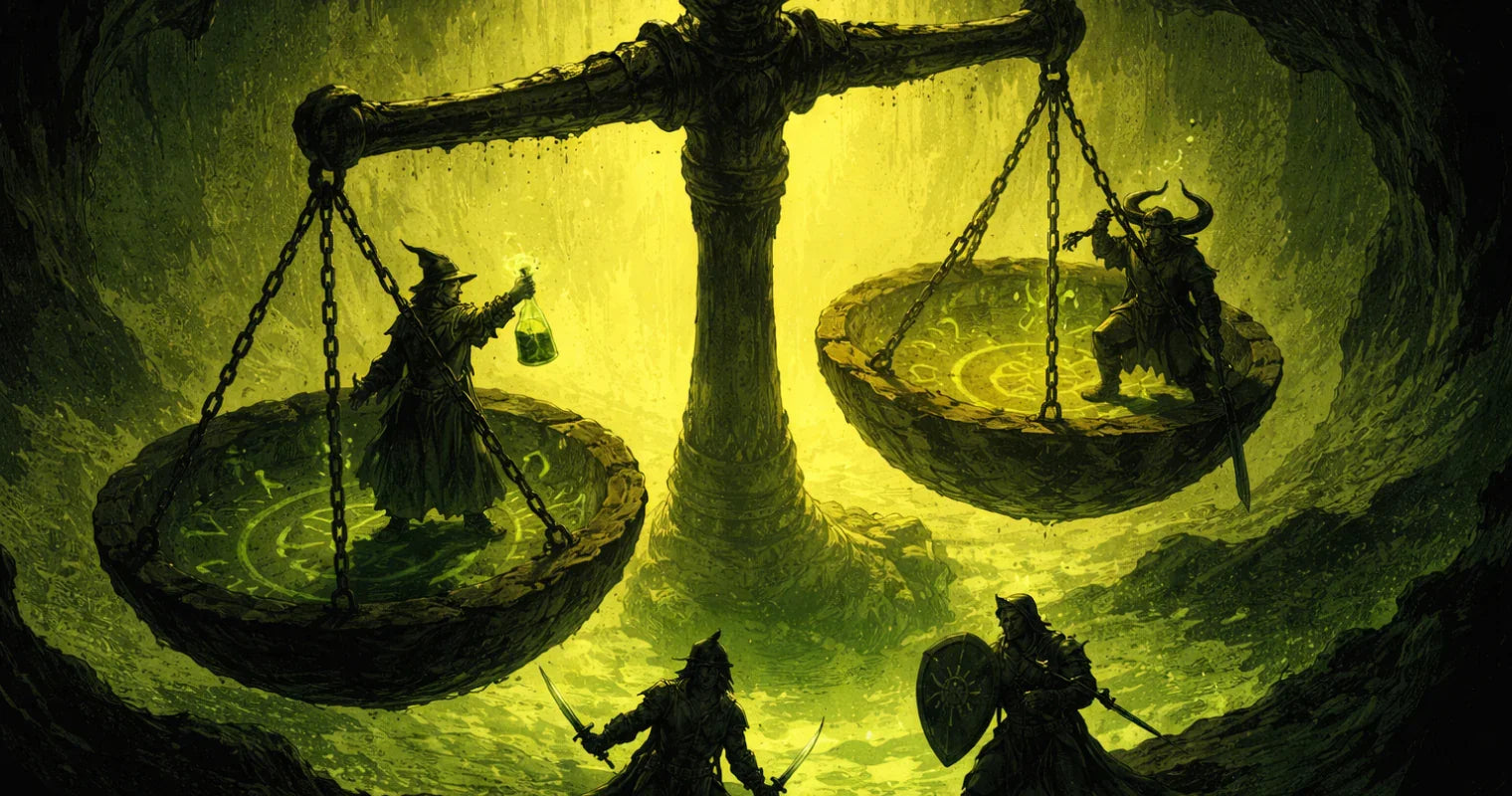
Playtesting Dungeons and Dragons Subclasses for Balance
Common Mistakes When Exploring Playtest Content
When you're diving into new character options, it's easy to get caught up in the excitement and overlook some important considerations. Let's talk about the most common pitfalls we see players stumble into when evaluating experimental subclasses for their campaigns.
Assuming Playtest Equals Final Product
This is the biggest mistake players make. Playtest material is intentionally unfinished. The designers release these options specifically to gather feedback, test mechanics, and identify balance issues. A subclass you love in playtest might change significantly before official release, or it might not make it to print at all. We recommend treating playtest content as a conversation between you and the designers, not a guaranteed final version.
Ignoring Your Table's Preferences
Just because something is officially playtested doesn't mean it fits your game. Every table has different vibes. Some groups love experimental mechanics, while others prefer sticking with established options. Have a conversation with your Dungeon Master and fellow players before committing to a playtest subclass. Make sure everyone's comfortable with the experimental nature of the content.
Overlooking Balance Concerns
Playtest material often has rough edges. Some options might be overpowered compared to existing subclasses, while others might feel underwhelming. Don't assume the mechanics are perfectly balanced just because they're official playtest content. Read the mechanics carefully, compare them to similar options, and think about how they'd perform in your specific campaign.
Not Reading the Official Guidance
Designers usually include notes and guidance with playtest material. These documents explain the design intent, highlight areas they're specifically testing, and often acknowledge known issues. Skipping this material means you're missing crucial context that helps you evaluate the options properly.
Buyer's Checklist for Evaluating New Subclasses
Before you commit to a playtest subclass for your character, run through this practical checklist. It'll help you make an informed decision that works for your specific situation.
- Does your Dungeon Master approve? Always get permission before bringing playtest material to the table. Some DMs have house rules about experimental content.
- Have you read the official guidance document? Check what the designers specifically want feedback on. This tells you where the rough edges might be.
- Do the mechanics match your vision for this character? Even if something's powerful, it needs to feel right for the character you want to play.
- How does it compare to published alternatives? Look at similar subclasses in official books. Is the playtest option significantly more or less effective?
- Are there obvious balance concerns? Be honest about mechanics that seem too strong or too weak. Jot down your observations.
- Does your campaign's setting support this option? Some subclasses fit certain worlds better than others. Make sure it makes sense in your game.
- Are you prepared for potential changes? Accept that this character option might evolve before official release. Can you live with that uncertainty?
- Have you discussed it with your group? Talk to your fellow players. If your choice affects party dynamics, everyone should be on board.
- Do you understand all the mechanics? Read through abilities carefully. Don't assume you understand something without reading the full text.
- Is there an official feedback channel? Check if designers want specific feedback on this material. Your input actually matters during playtesting.
Why Playtesting Matters for the Game
Understanding why these experimental subclasses exist helps you appreciate them more. Designers use playtest feedback to make the game better for everyone. When you engage with playtest material thoughtfully, you're contributing to the future of the hobby.
Playtesting allows designers to see how options perform in actual games rather than just in theory. A mechanic might look balanced on paper but behave completely differently at the table. Player creativity and real-world scenarios reveal issues that designers never anticipated. This is why your feedback matters so much.
The community feedback loop is one of the best parts of modern tabletop gaming. You get to shape the future of character options by playing with them, testing their limits, and sharing what you discover. If something feels off, you can contribute that observation. If something feels amazing, you can celebrate it and explain why.
Getting the Most From Experimental Character Options
Here's how to maximize your experience with playtest subclasses. First, embrace the experimental nature. These options are designed to be fun, different, and occasionally surprising. That's the whole point. Second, keep detailed notes about how the mechanics feel during play. What works? What feels clunky? These observations are gold when it comes time to provide feedback.
Third, don't overthink balance at the beginning. Yes, it matters, but most well-designed playtest content is reasonably functional. Play the character, enjoy the experience, and notice what actually happens rather than what you theoretically think might happen. Fourth, be patient with yourself and the material. It takes a few sessions to really understand how something plays out in practice.
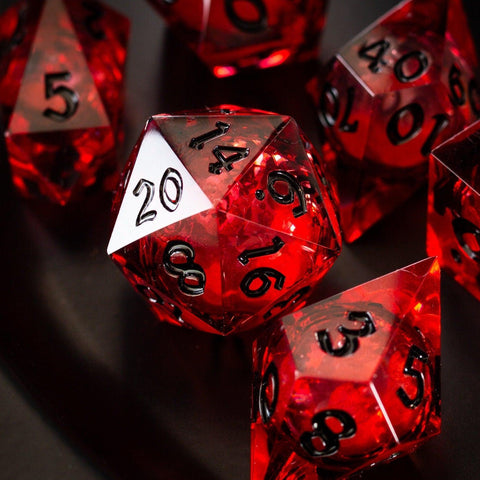
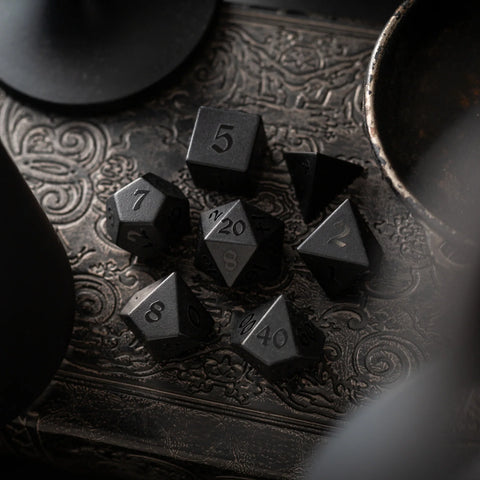
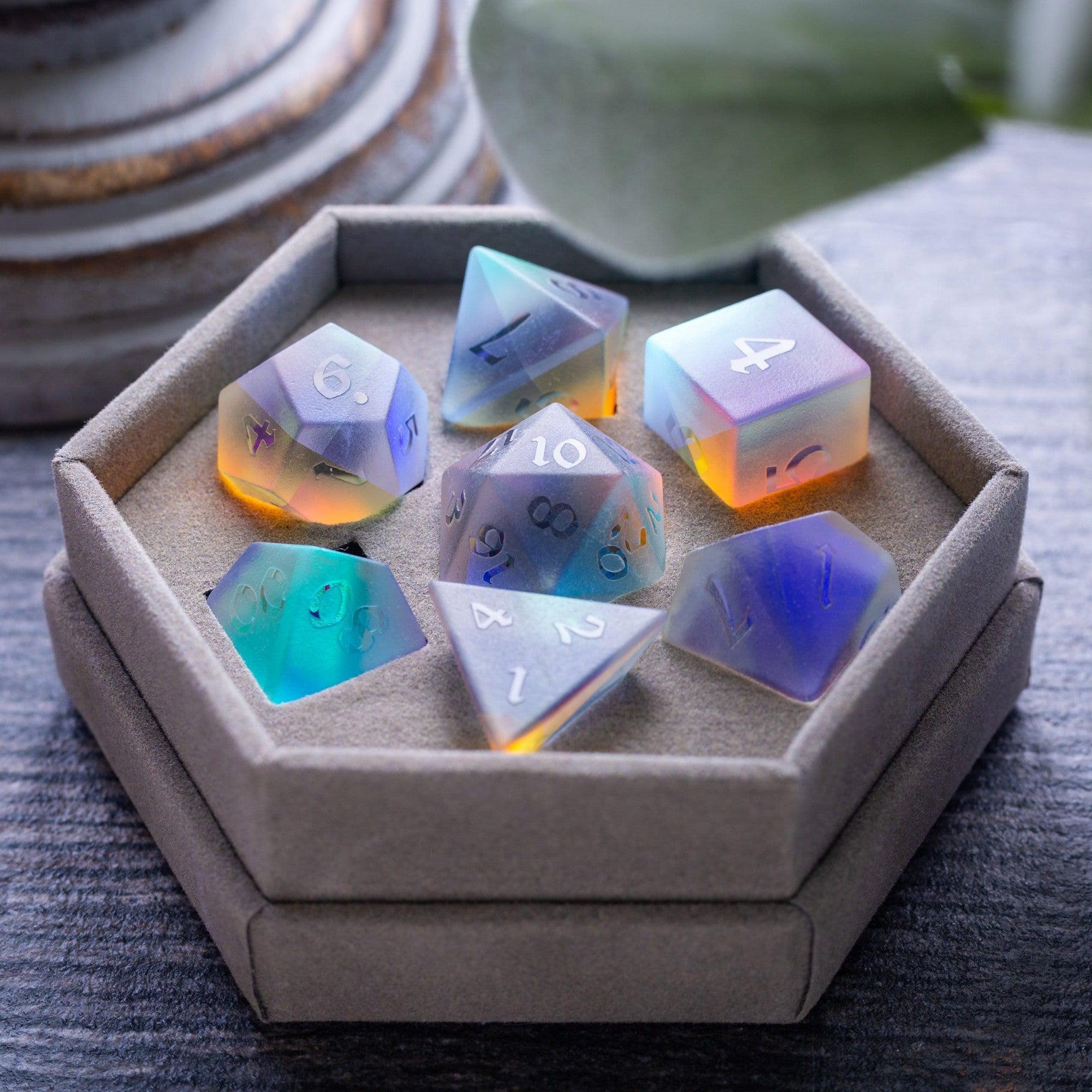
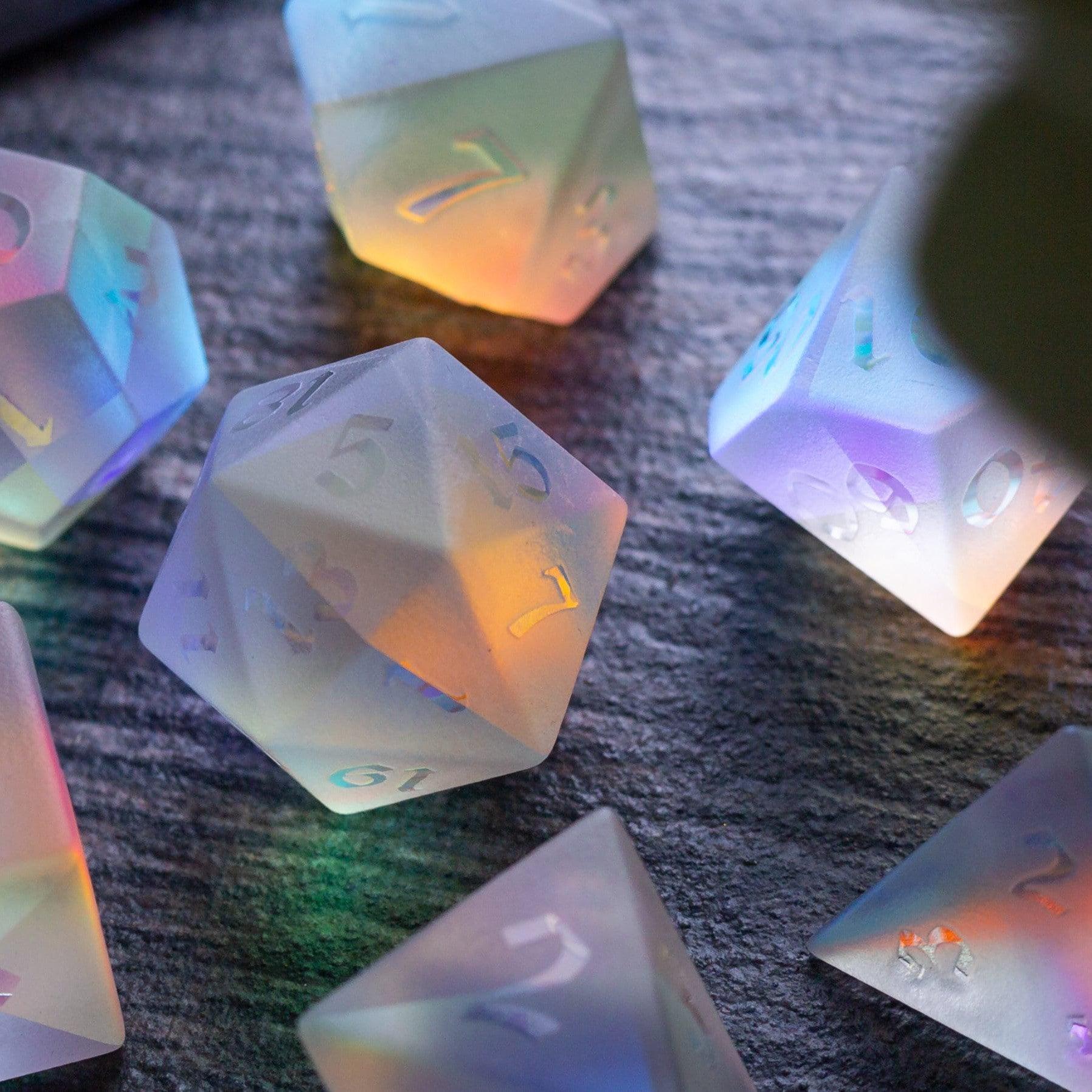
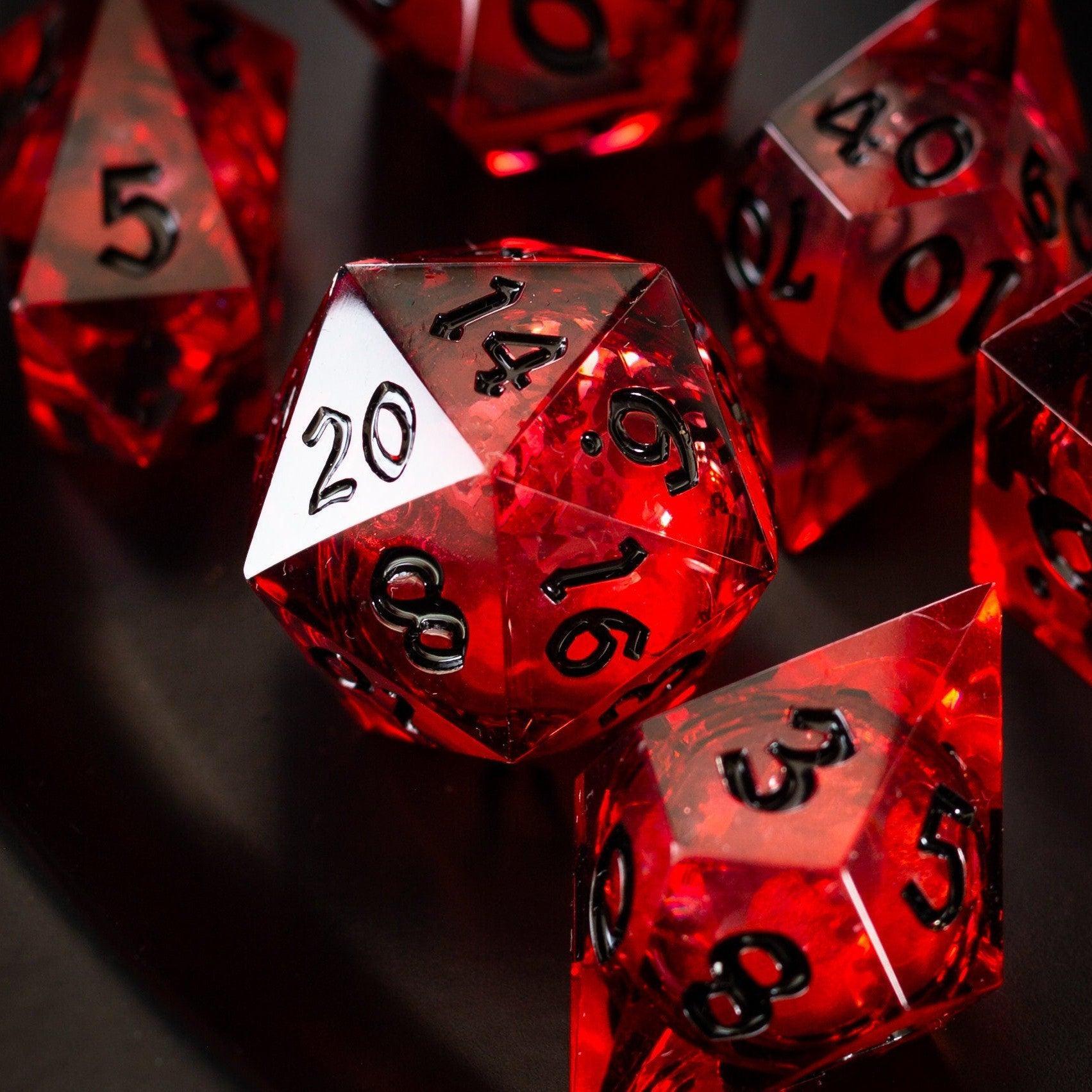
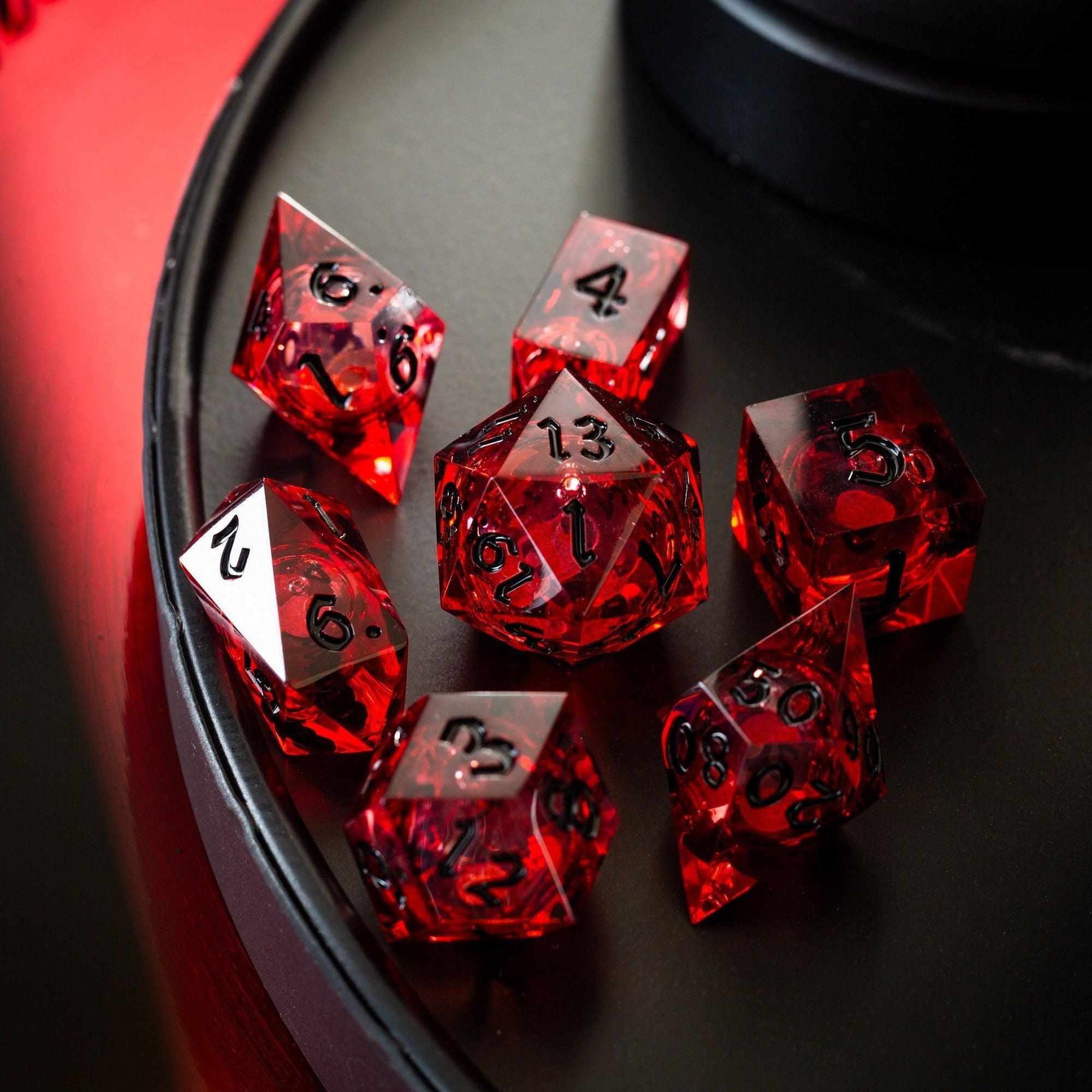
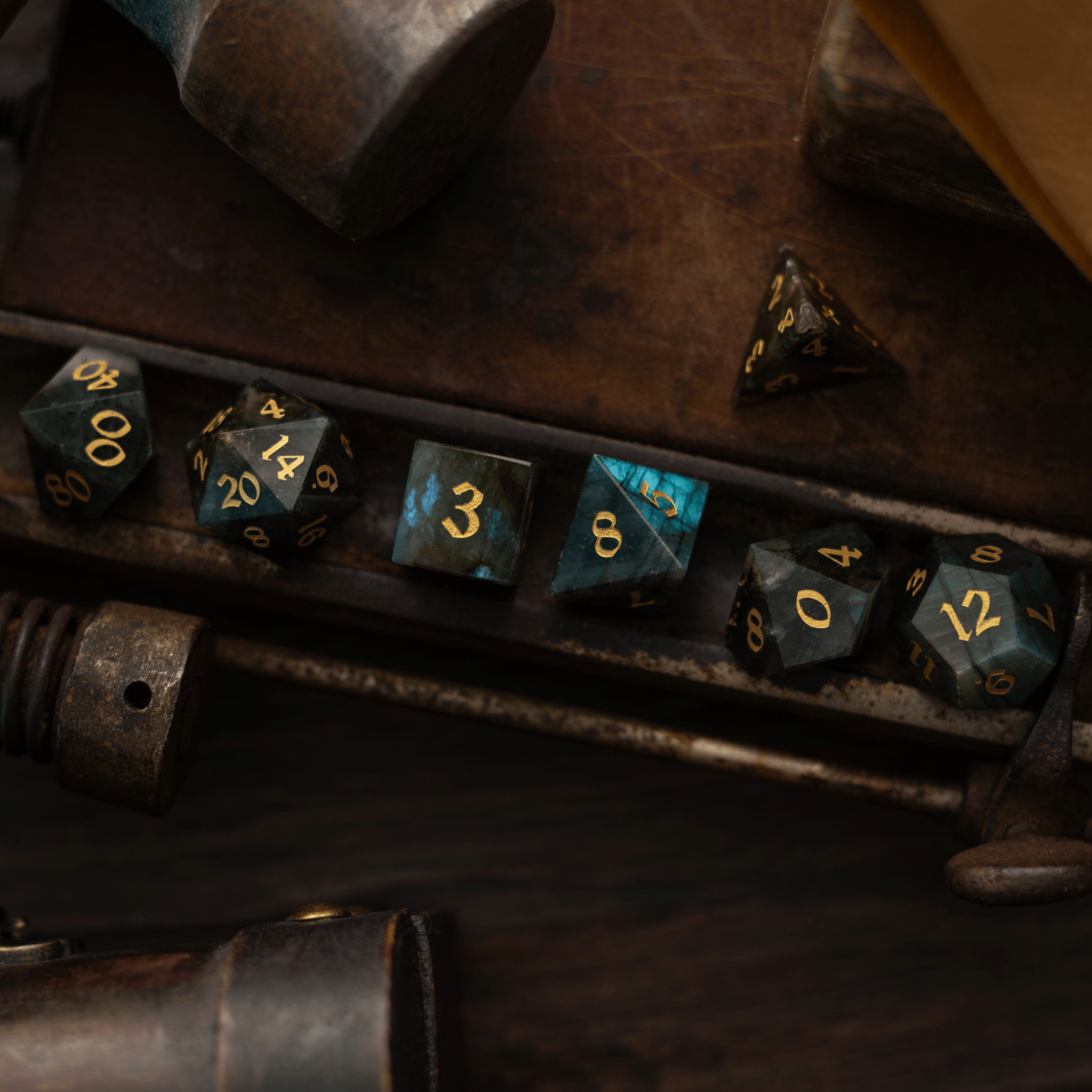
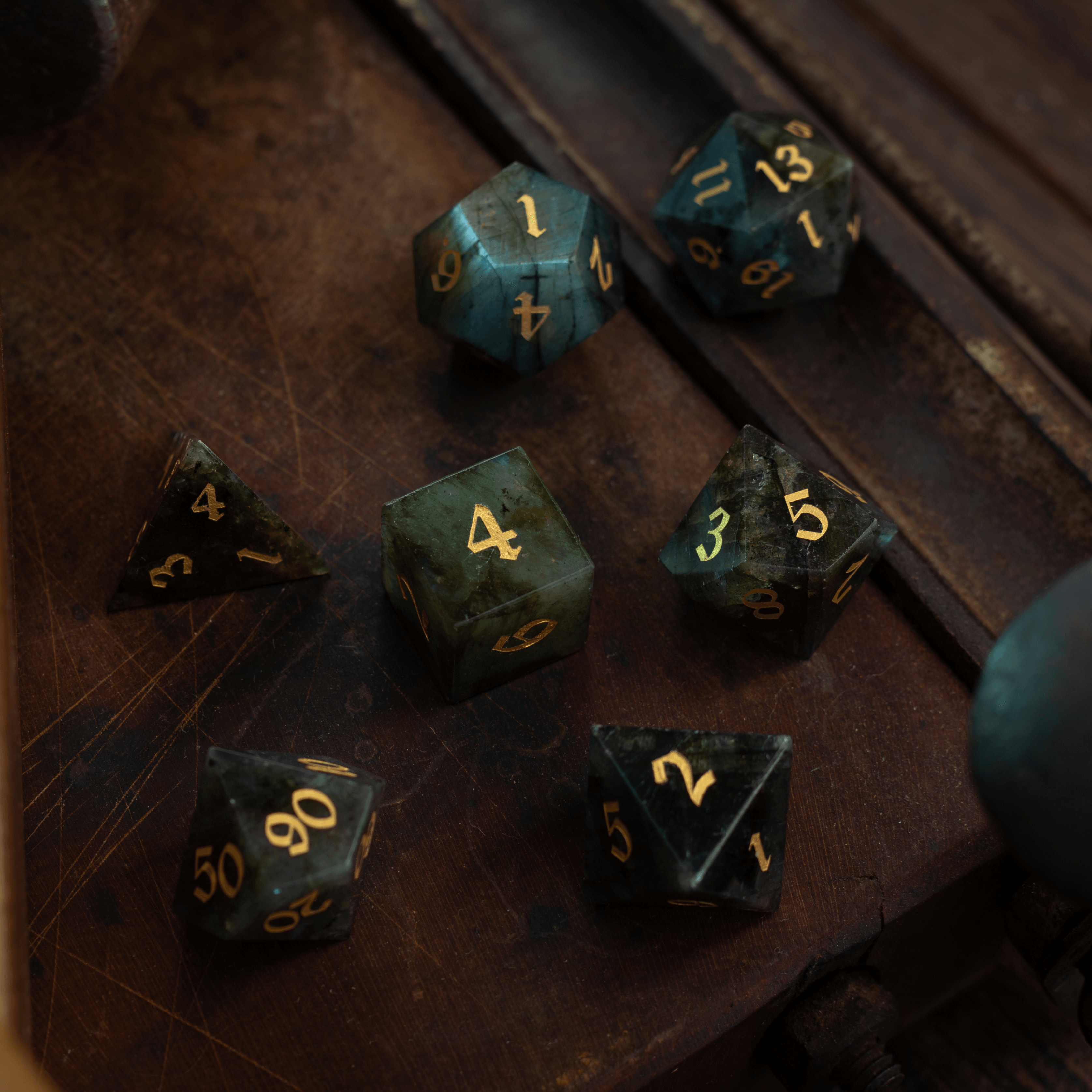
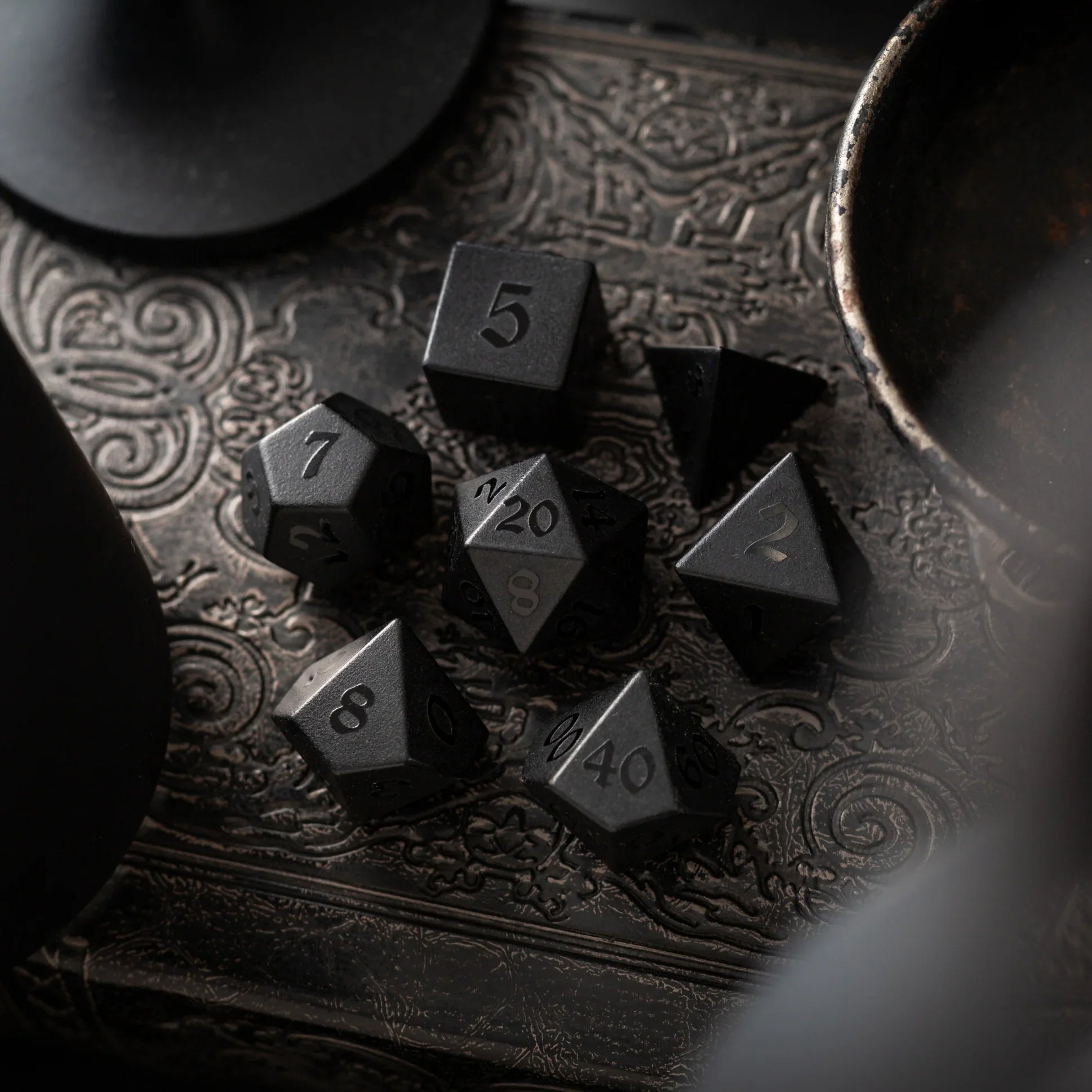
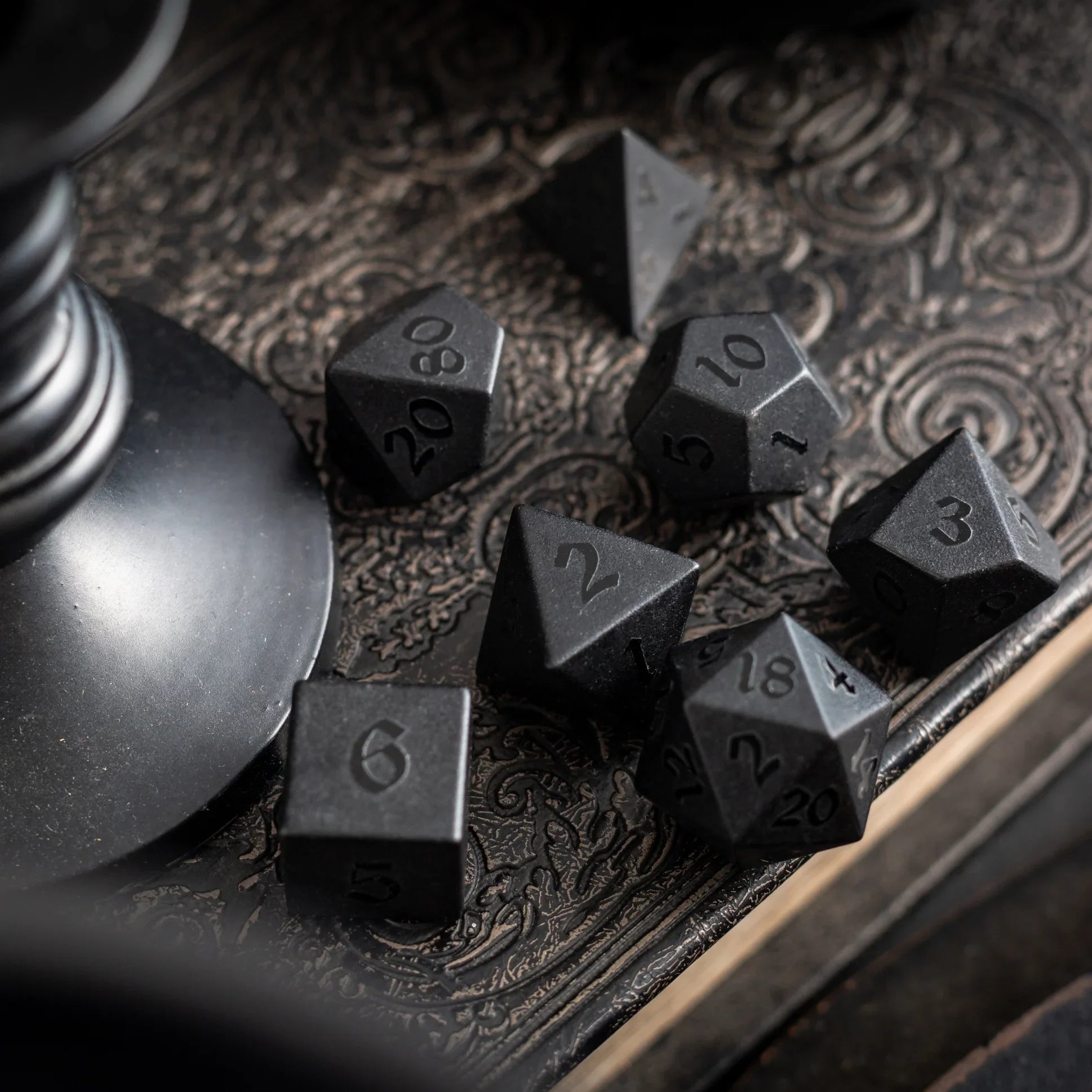
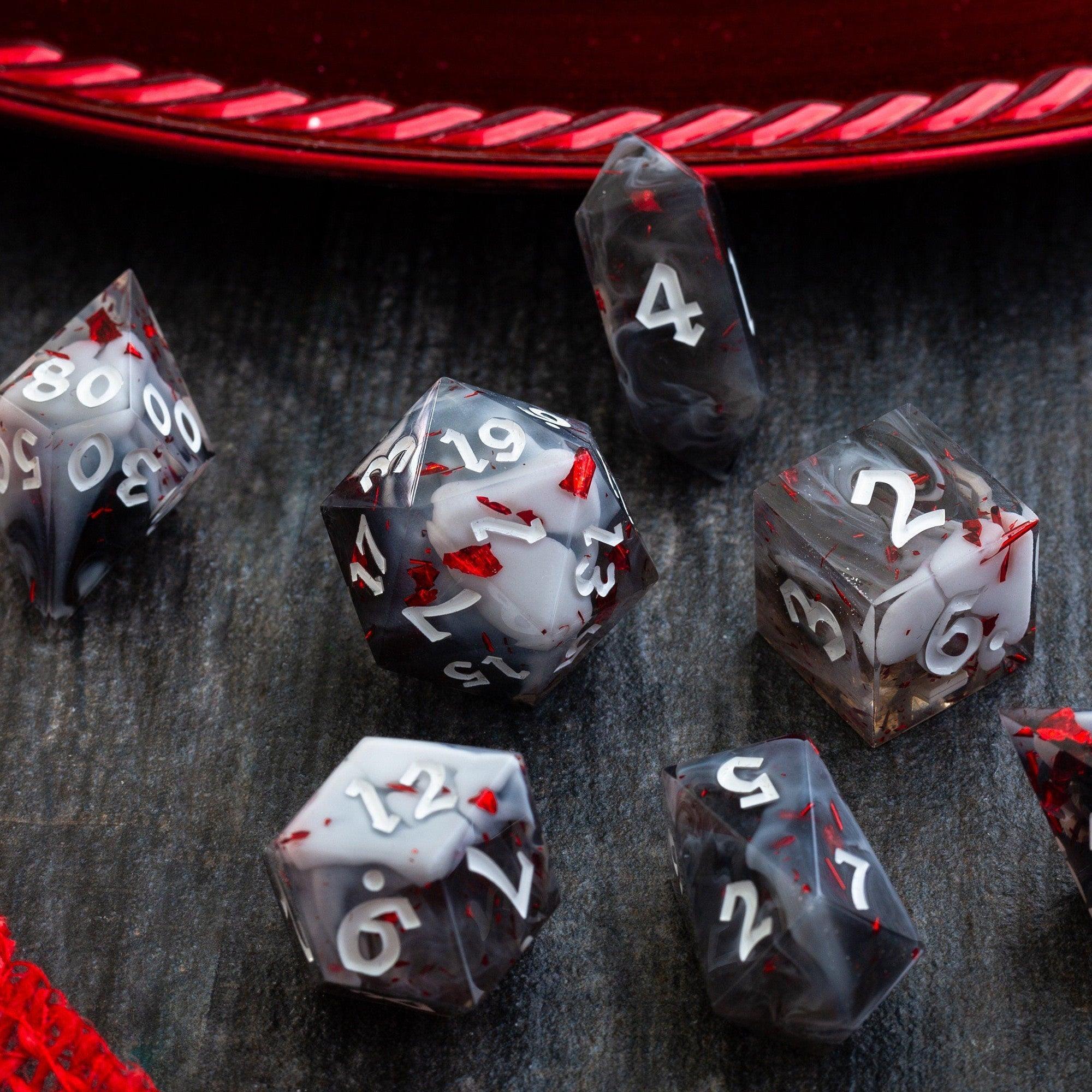
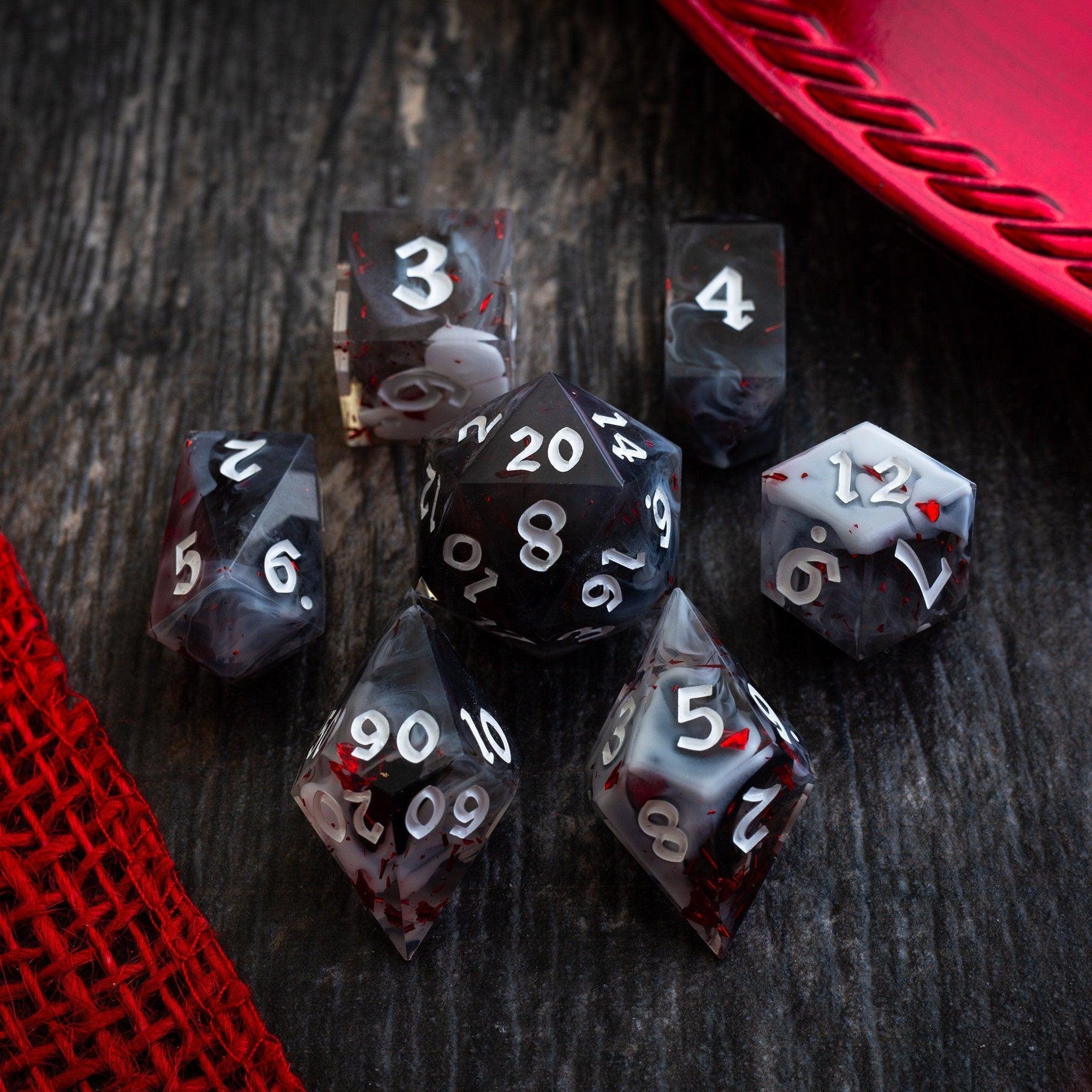
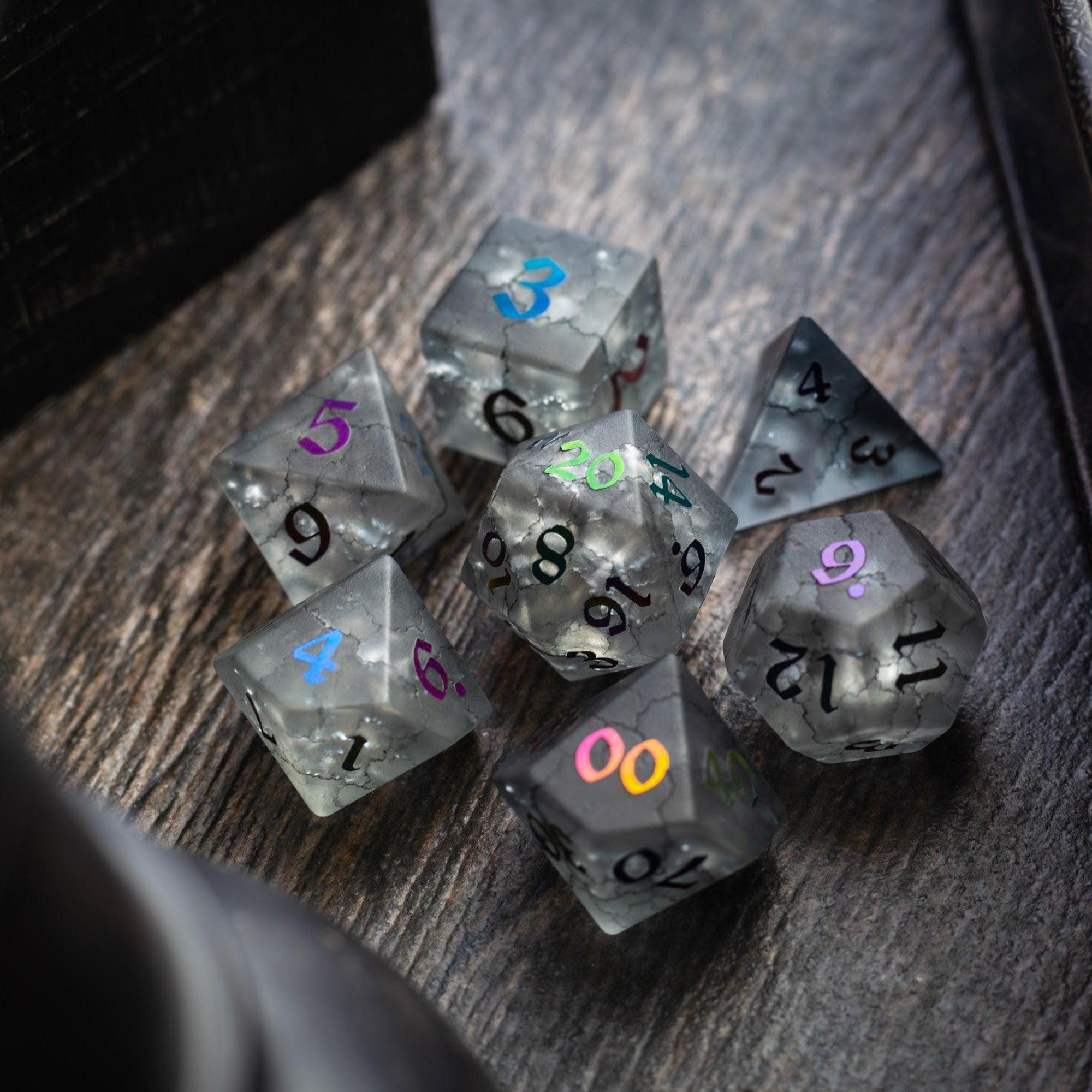
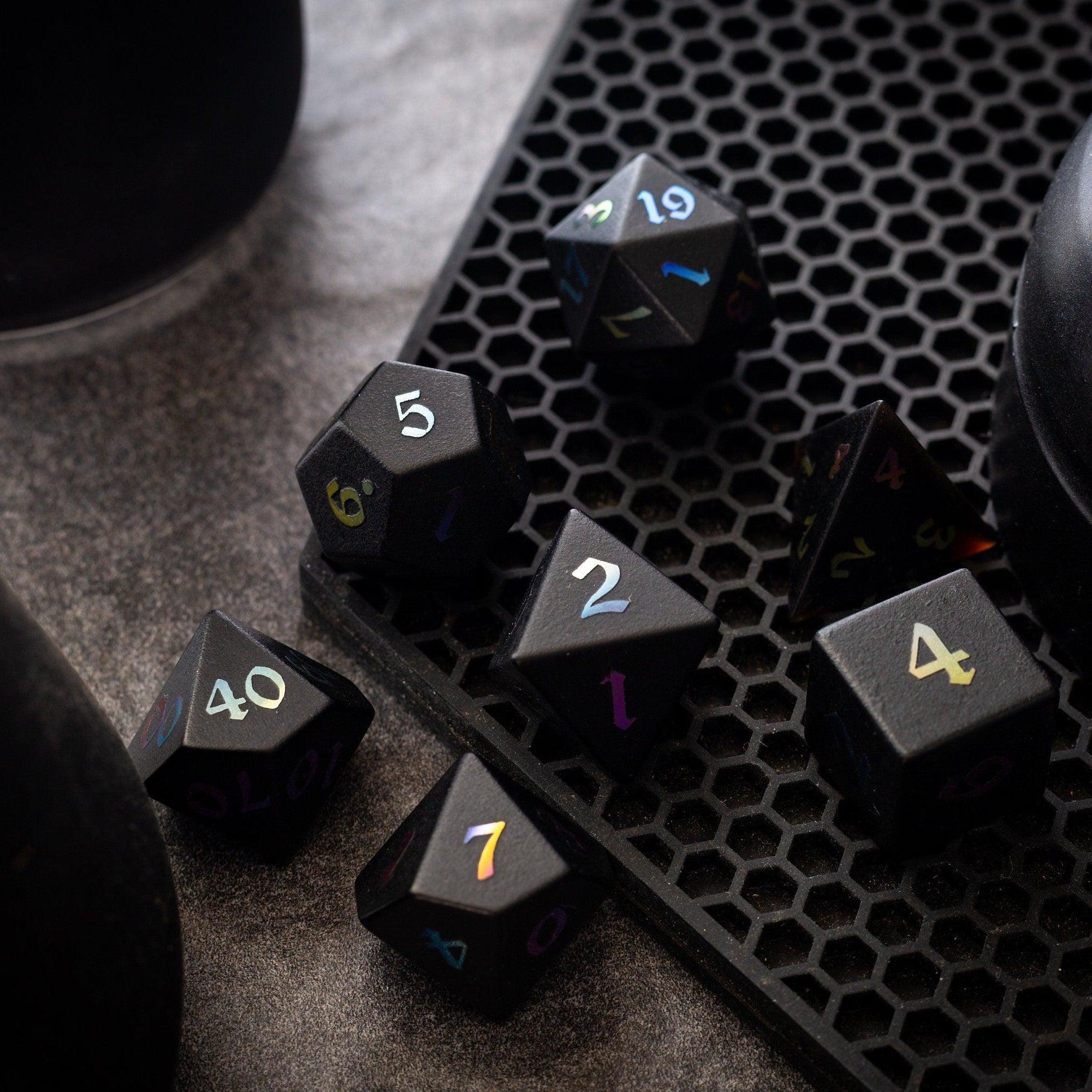
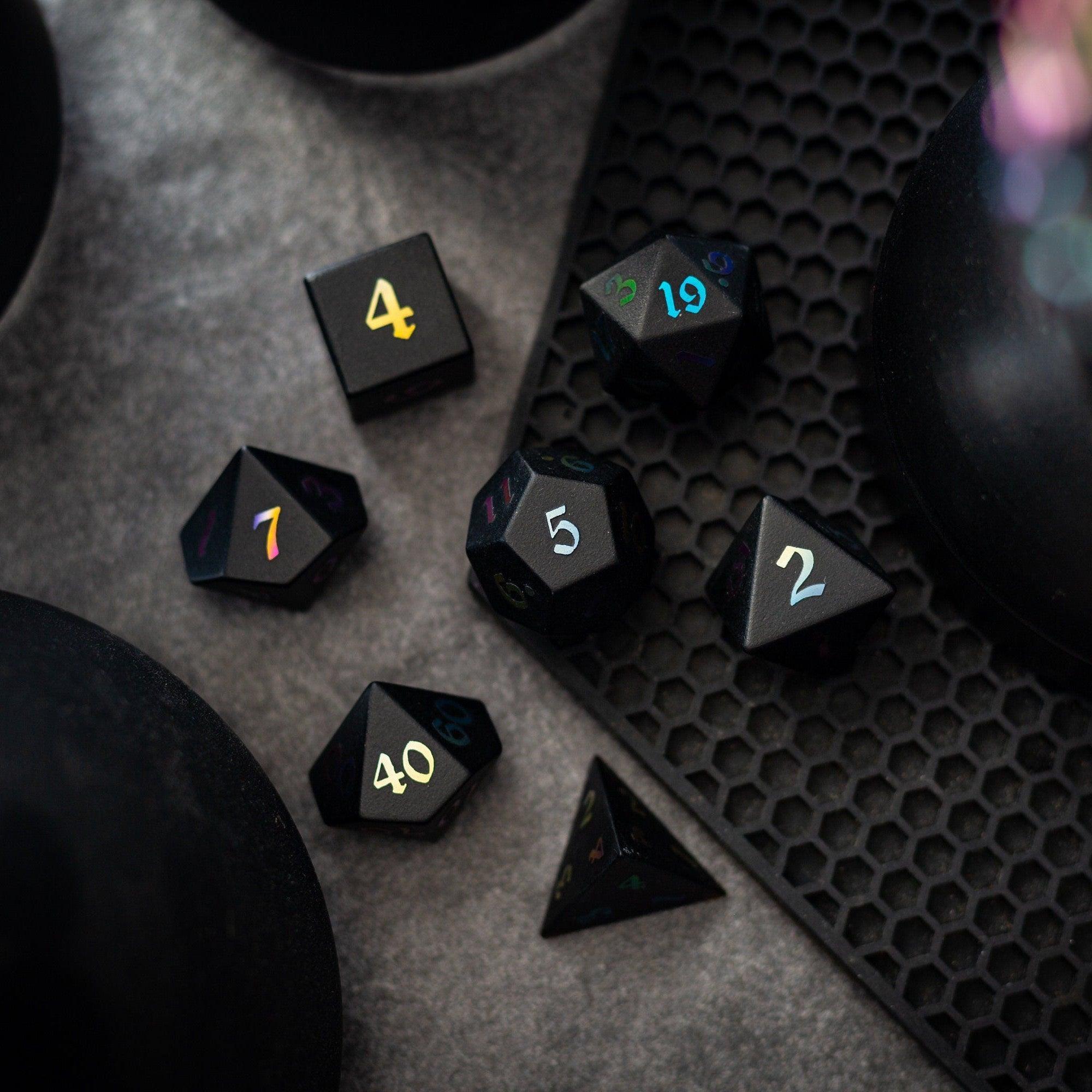
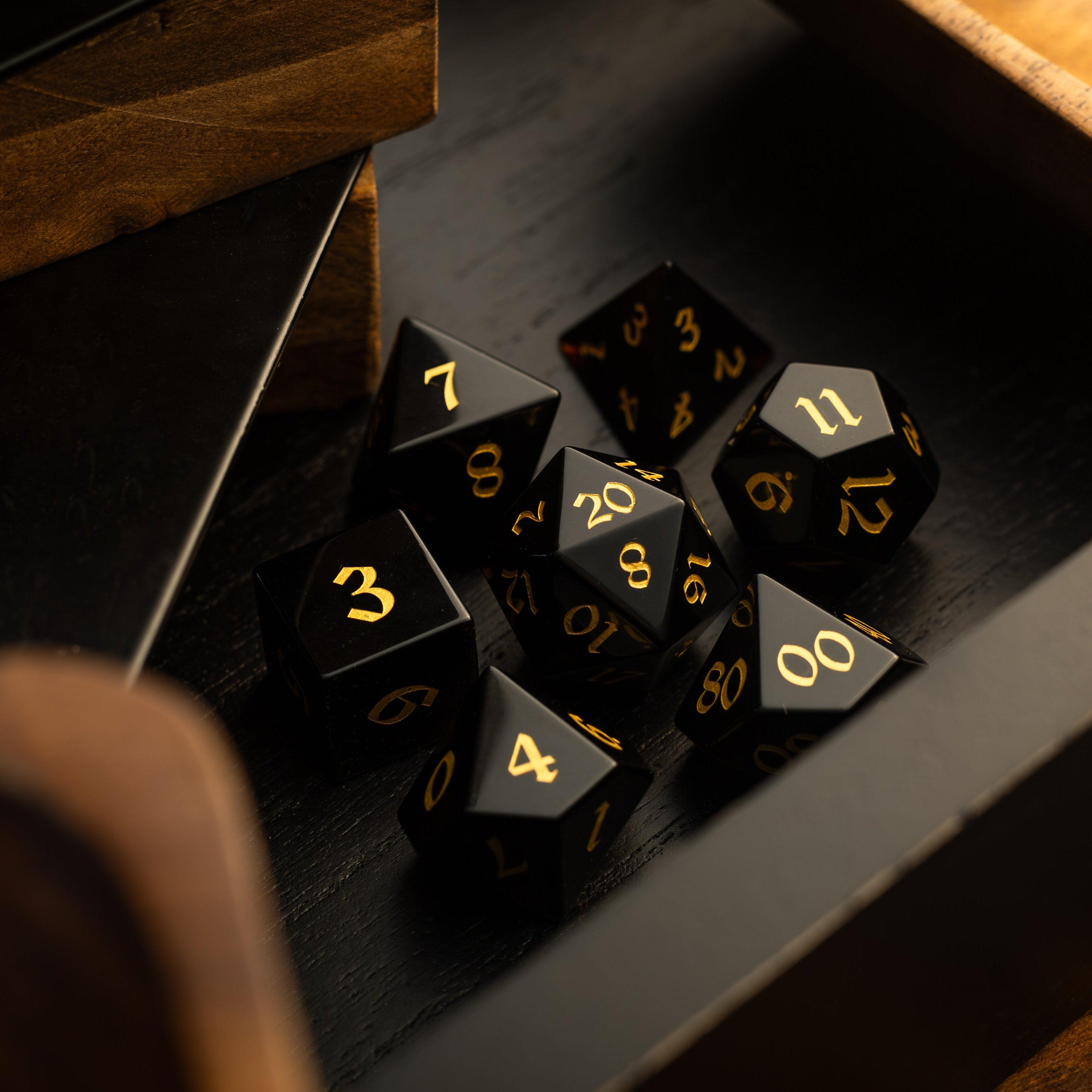
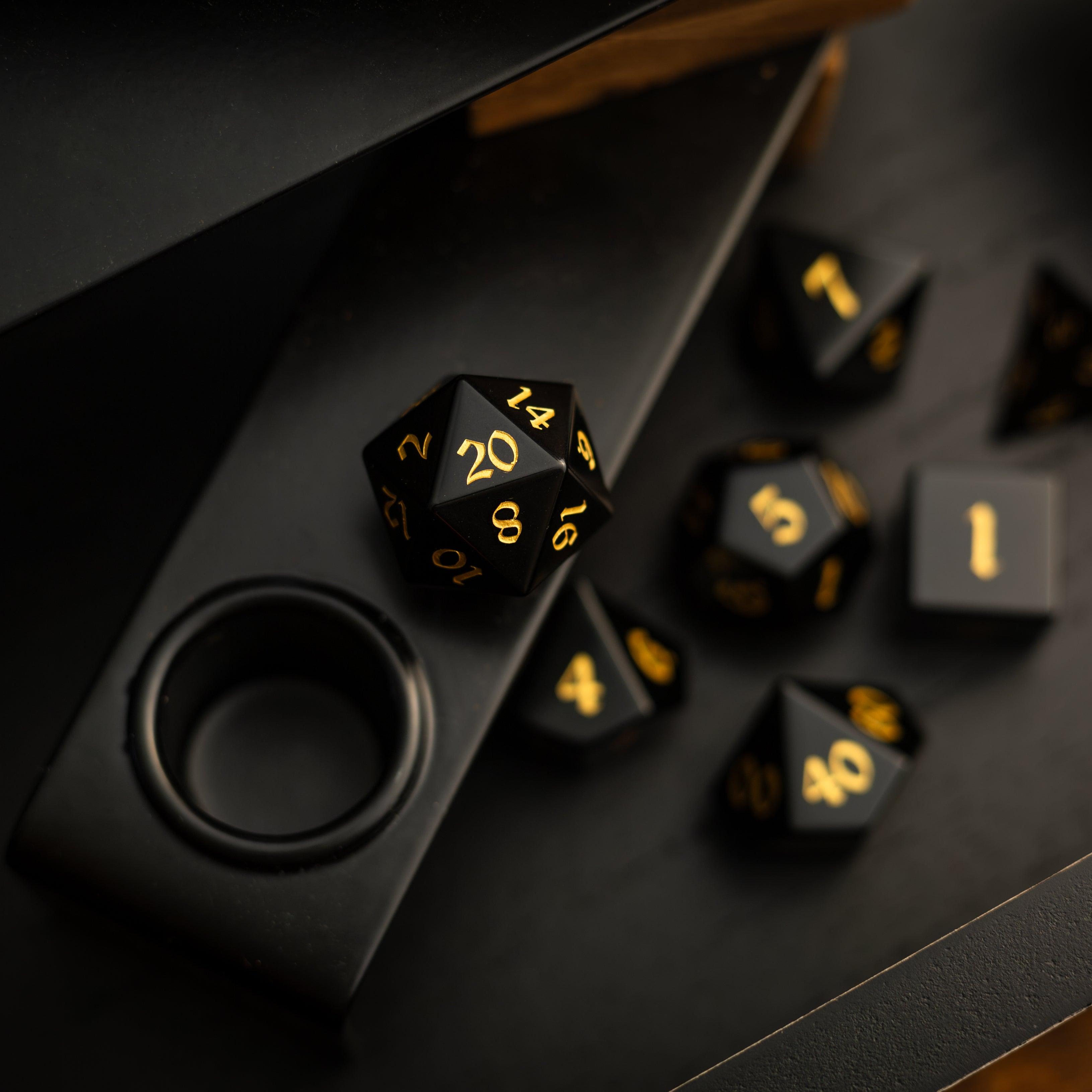
If you're looking to enhance your gaming experience with quality materials, consider exploring gemstone dice collections that can bring your character's story to life. Rolling with beautiful, unique dice adds a special touch to every moment at the table.
Frequently Asked Questions
Can I use playtest subclasses in official play?
This depends on your specific event and organization. Organized play programs typically have specific rules about which materials are legal. If you're playing in a casual game with friends, your table makes the rules. For organized play events, always check the current rules before showing up with a playtest character.
What happens if my subclass gets changed before official release?
If significant changes happen, work with your Dungeon Master to transition your character. Most DMs are happy to help you adapt your existing character using the new mechanics, or they might allow you to retrain your abilities. Communication with your table is key here.
Should I be worried about my character being too powerful or too weak?
Some imbalance is possible with experimental material, but designers work hard to keep things reasonably balanced. If you notice something genuinely broken, that's actually valuable feedback. Talk to your table about adjustments, and consider submitting your observations through official feedback channels.
How do I provide feedback on playtest material?
Look for official surveys or feedback forums associated with the playtest material. Game publishers actively monitor these channels and read player feedback. Be specific about what you observed, provide context about your experience, and explain your reasoning clearly.
Is playtest content more fun than published material?
That's entirely subjective. Playtest content offers novelty and experimental mechanics that can feel fresh and exciting. Published material offers polish and proven balance. Both have value. The most important thing is choosing options that genuinely excite you and work at your table.
Wrap-Up and Final Thoughts
Exploring new character options through Dungeons and Dragons playtest material is one of the most rewarding parts of being a tabletop gamer today. You get to be part of the creative process, test innovative mechanics, and help shape the future of the game we all love.
Remember that playtest material is a conversation, not a finished product. Approach it with curiosity rather than certainty. Talk to your table, read the guidance documents, and engage thoughtfully with the mechanics. Your feedback actually matters, and your experience at the table informs the decisions that impact the entire gaming community.
Most importantly, have fun with it. These experimental subclasses exist because designers want to try new things and see what resonates with players. Whether a playtest option becomes official or gets completely redesigned, you've contributed to something meaningful. You've helped test, evaluate, and shape the future of the hobby.
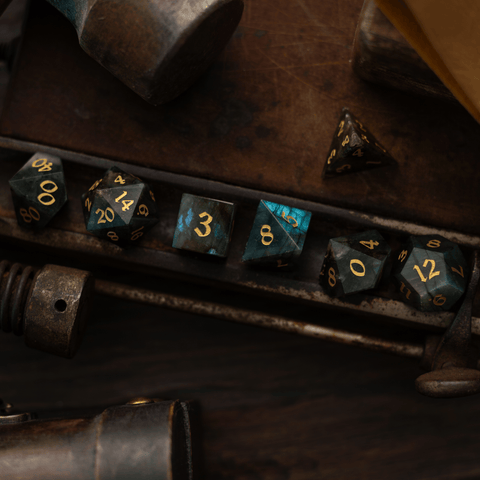
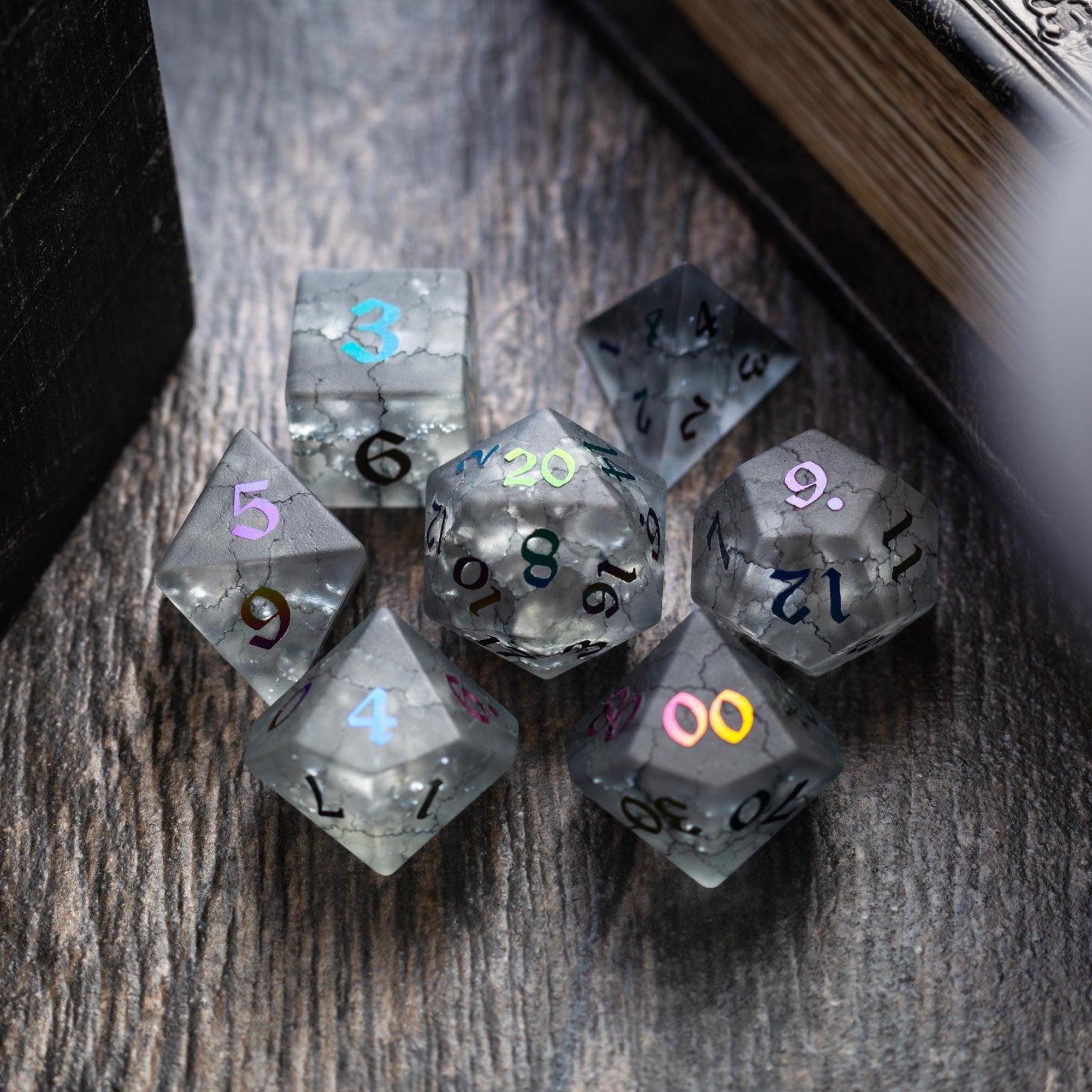
For more ways to enhance your gaming sessions, check out our collection of purple striped agate gemstone dice sets and other beautiful options that bring character to every roll. Whatever character you're building, whatever subclass you choose, we hope your adventures are memorable and your rolls are legendary.
Keep exploring, keep testing, and keep growing your love for this incredible game. The playtest material you engage with today helps create the options everyone will enjoy tomorrow.

Leave a comment
This site is protected by hCaptcha and the hCaptcha Privacy Policy and Terms of Service apply.