
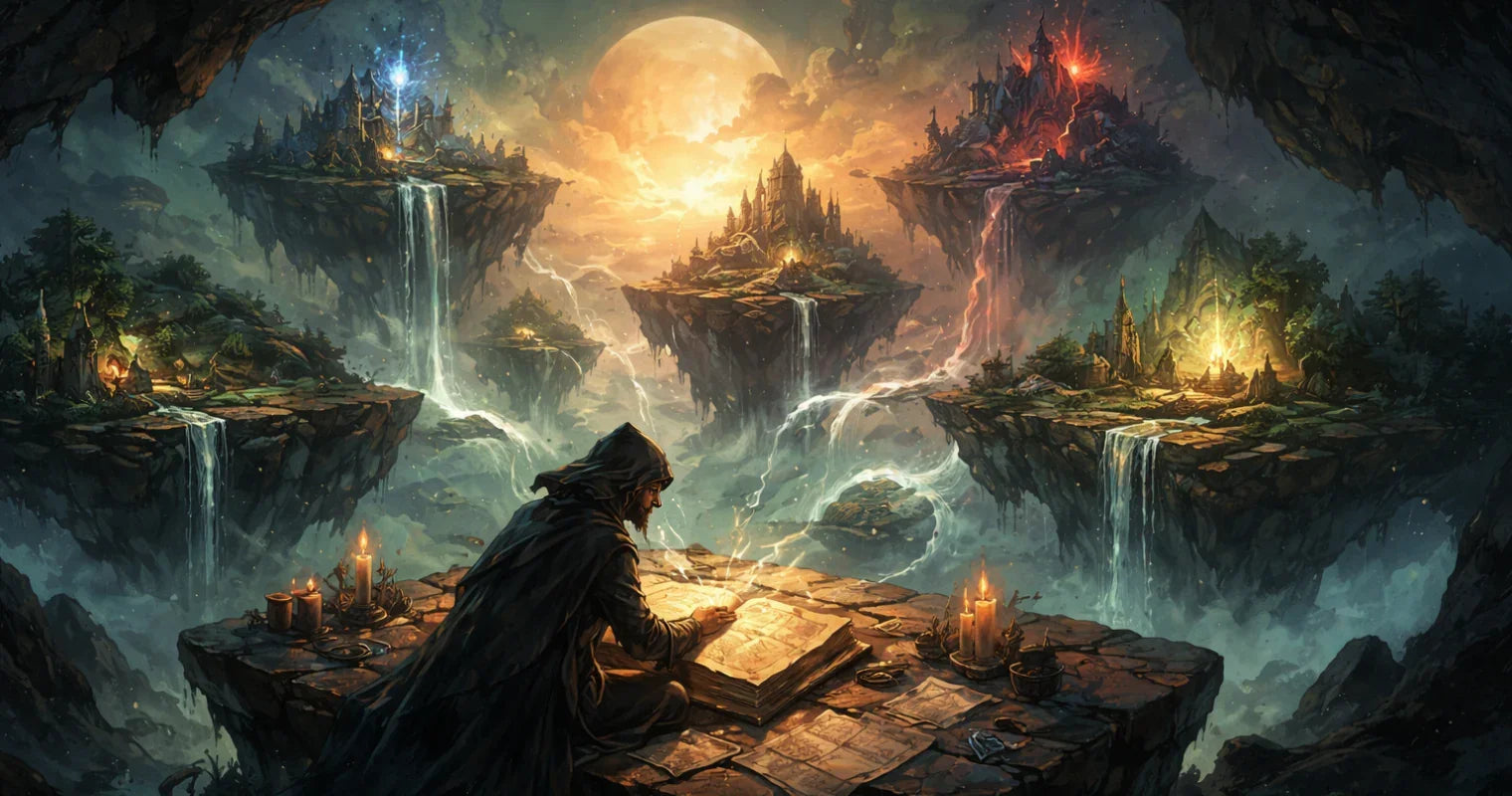
Mastering the Art of Customizing Tabletop RPG Campaigns

No two tabletop RPG groups enjoy exactly the same kind of adventure. One party may want tactical battles and dangerous dungeons, while another prefers mysteries, political intrigue, character drama, exploration, or a healthy amount of comedy.
That is why customizing tabletop RPG campaigns can be so useful. Campaign customization means shaping the adventure around the people actually playing it. It does not require hundreds of pages of original lore, a completely new ruleset, or a detailed map of every kingdom on the continent.
Sometimes a few thoughtful changes are enough to turn a familiar adventure into a personalized RPG campaign that feels connected to the characters and their choices.
What Does Campaign Customization Mean?
Tabletop RPG campaign customization exists on a spectrum.
A Game Master might run a published adventure almost exactly as written, adapt selected sections, combine published material with a homebrew campaign, or create an entirely original setting. All of these approaches are valid.
Customization can involve changing:
-
The setting or campaign tone
-
Character motivations
-
Villain goals
-
NPC relationships
-
Encounter difficulty and objectives
-
Treasure and rewards
-
Factions and political conflicts
-
House rules
-
Campaign pacing and structure
The key is purpose. Before changing something, ask what the change will improve for this particular group.
Start with the Players, Not the World
Good RPG campaign design begins with understanding the players.
Before creating kingdoms, villains, and ancient histories, learn what the group wants from the game. Some players enjoy frequent combat. Others want puzzles, social encounters, exploration, horror, or opportunities to develop their characters.
A Session Zero can establish important expectations, including:
-
Campaign tone and themes
-
Character connections
-
Safety boundaries
-
Preferred balance of combat, exploration, and roleplay
-
House rules
-
Scheduling expectations
-
Party goals
Preferences may change once the campaign begins. Continue paying attention to what players enjoy during actual sessions rather than treating the first conversation as a permanent contract.
Choose a Strong Campaign Foundation
A custom RPG campaign becomes easier to manage when it has a clear foundation.
You do not need to plan the entire story. Start with a few elements:
-
A main conflict
-
A starting location
-
A general tone
-
An initial party goal
-
One or two important factions
-
A central threat
For example, the campaign might begin in a frontier region threatened by ancient creatures. Perhaps the characters are explorers mapping an unknown continent, relic hunters searching for cursed objects, or rebels opposing an immortal ruler.
A strong foundation gives campaign planning direction without deciding every future outcome.
Connect Character Backstories to the Campaign
Player backstories are one of the easiest ways to make tabletop storytelling feel personal.
A Rogue's former guild might work for the main villain. A Cleric's missing mentor could know the truth behind an ancient curse. A Fighter's destroyed village might reveal the first signs of a larger invasion.
The important part is restraint. You do not need to use every detail from every backstory immediately. Choose one or two useful connections from each character and introduce them when they fit naturally.
Backstory connections should also create choices rather than predetermined outcomes. A character may discover that an old friend has joined an enemy faction, but the player should decide whether to negotiate, fight, forgive, or walk away.
Adapting Published Adventures Without Rewriting Everything
Adapting published adventures can be as simple as changing the details that matter most to your group.
| Published Element | Possible Customization | Benefit |
|---|---|---|
| Quest giver | Replace with a character's mentor or relative | Creates personal investment |
| Villain | Connect the villain to a player's past | Makes conflict more meaningful |
| Treasure | Use character-relevant rewards | Makes success feel personal |
| Location | Move it into a familiar region | Strengthens continuity |
| Random encounter | Turn it into a clue or faction conflict | Supports the larger story |
| Side quest | Connect it to the main threat | Improves focus |
You can also remove encounters that do not suit the group, expand locations the players enjoy, or shorten sections that slow the campaign.
Before changing something, understand why it exists. Removing a seemingly minor NPC, clue, or encounter could affect a later chapter.
Customize the Setting Without Overbuilding
Campaign worldbuilding becomes exhausting when the Game Master tries to define everything before the players arrive.
Prepare what the group is likely to encounter next. Focus on useful details such as local customs, landmarks, factions, laws, dangers, resources, transportation, and rumors.
A simple framework is enough:
-
Define the current region.
-
Create three important locations.
-
Create three active factions.
-
Establish one major problem.
-
Prepare several rumors.
-
Leave room for improvisation.
Unwritten areas are useful. They give you space to develop the world in response to player choices.
Personalize Villains and Factions
A strong villain needs more than impressive statistics.
Give the villain a clear goal, a reason for pursuing it, useful resources, allies, weaknesses, and a way to affect the campaign before the final confrontation.
Factions benefit from similar treatment. A magical academy may protect dangerous knowledge while becoming increasingly controlling. A rebellion may oppose a cruel ruler while using methods the party finds difficult to support.
Not every organization needs to be morally complicated, but understandable goals create better decisions. Players become more invested when choosing a side has consequences.
Customize Encounters Around the Party
RPG encounter design involves more than changing enemy hit points.
Consider terrain, objectives, hazards, movement, enemy tactics, reinforcements, time pressure, and opportunities for negotiation.
| Party Strength | Custom Encounter Element | Purpose |
|---|---|---|
| Strong ranged damage | Cover and narrow sight lines | Encourages movement |
| Heavy melee party | Mobile enemies and changing terrain | Prevents static combat |
| Powerful spellcasters | Multiple spread-out objectives | Creates harder choices |
| Skilled negotiators | Enemies with motives and fears | Supports noncombat solutions |
| Stealth-focused party | Patrol routes and alternate entrances | Rewards planning |
| Defensive party | Timed objectives | Encourages proactive play |
Characters should regularly have opportunities to use their strengths. Occasionally challenge their usual approach, but do not design every encounter specifically to cancel what they do well.
Difficulty can also change through tactics, objectives, environmental advantages, retreat options, or consequences for failure. Stronger enemies are only one tool.
Create Rewards That Matter
Rewards do not have to be limited to gold and magic items.
Players may value:
-
Favors and political influence
-
Safe houses
-
New allies
-
Faction access
-
Information
-
Training
-
Transportation
-
Crafting materials
-
Character-specific equipment
-
Story-related relics
Learn what motivates each character. One may want a powerful weapon, while another cares more about restoring a family name or gaining access to forbidden knowledge.
Rewards should remain appropriate for the campaign's rules and power level. Personal does not have to mean excessive.
Use House Rules Carefully
House rules can support tabletop RPG campaign customization, but more rules do not automatically create a better game.
A house rule may help simplify bookkeeping, support a campaign theme, improve accessibility, or clarify a recurring situation. Examples might include alternative resting procedures, simplified inventory tracking, custom crafting systems, or campaign-specific travel rules.
Good house rules should be clearly explained, written down, applied consistently, and reviewed after several sessions.
If a rule creates more confusion than value, change or remove it with the group's knowledge.
Balance Player Freedom with Campaign Direction
A player-driven campaign still needs structure.
Offer several clear adventure hooks. Let players decide which problem to pursue. Allow factions and villains to react when ignored. At the end of a session, ask what the party plans to do next so you can focus preparation.
Structure gives players understandable choices and consequences. Railroading forces a predetermined outcome regardless of their decisions.
One of the most useful Game Master tips is to prepare situations instead of scripts.
A situation explains what is happening, who wants what, and what may happen if nobody interferes. A script assumes exactly what the players will do.
Situations are much easier to adapt.
Customize Tone and Atmosphere
Campaign tone influences descriptions, locations, NPC behavior, consequences, pacing, and encounter design.
A campaign might emphasize heroic fantasy, dark fantasy, mystery, political intrigue, horror, comedy, exploration, survival, or swashbuckling action.
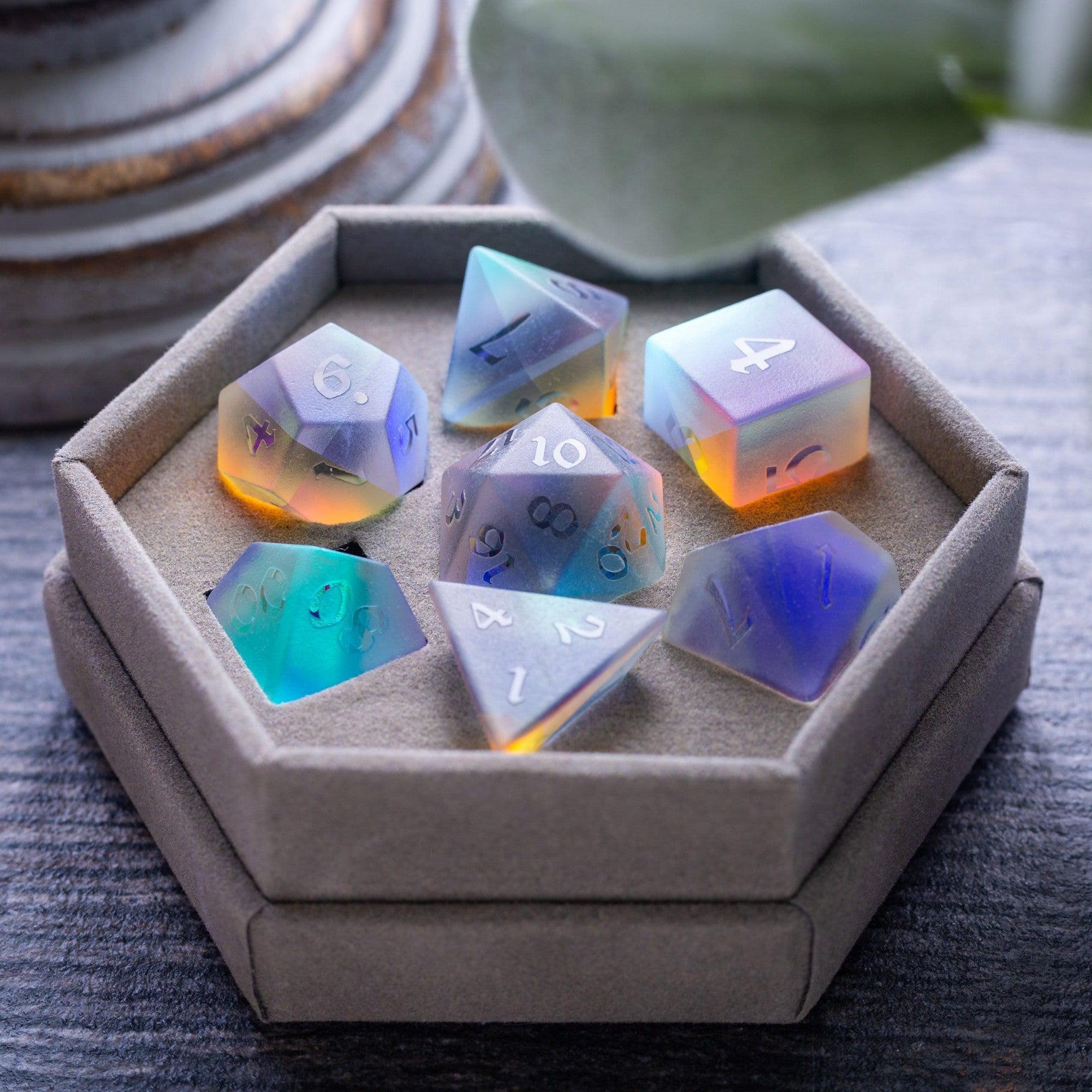
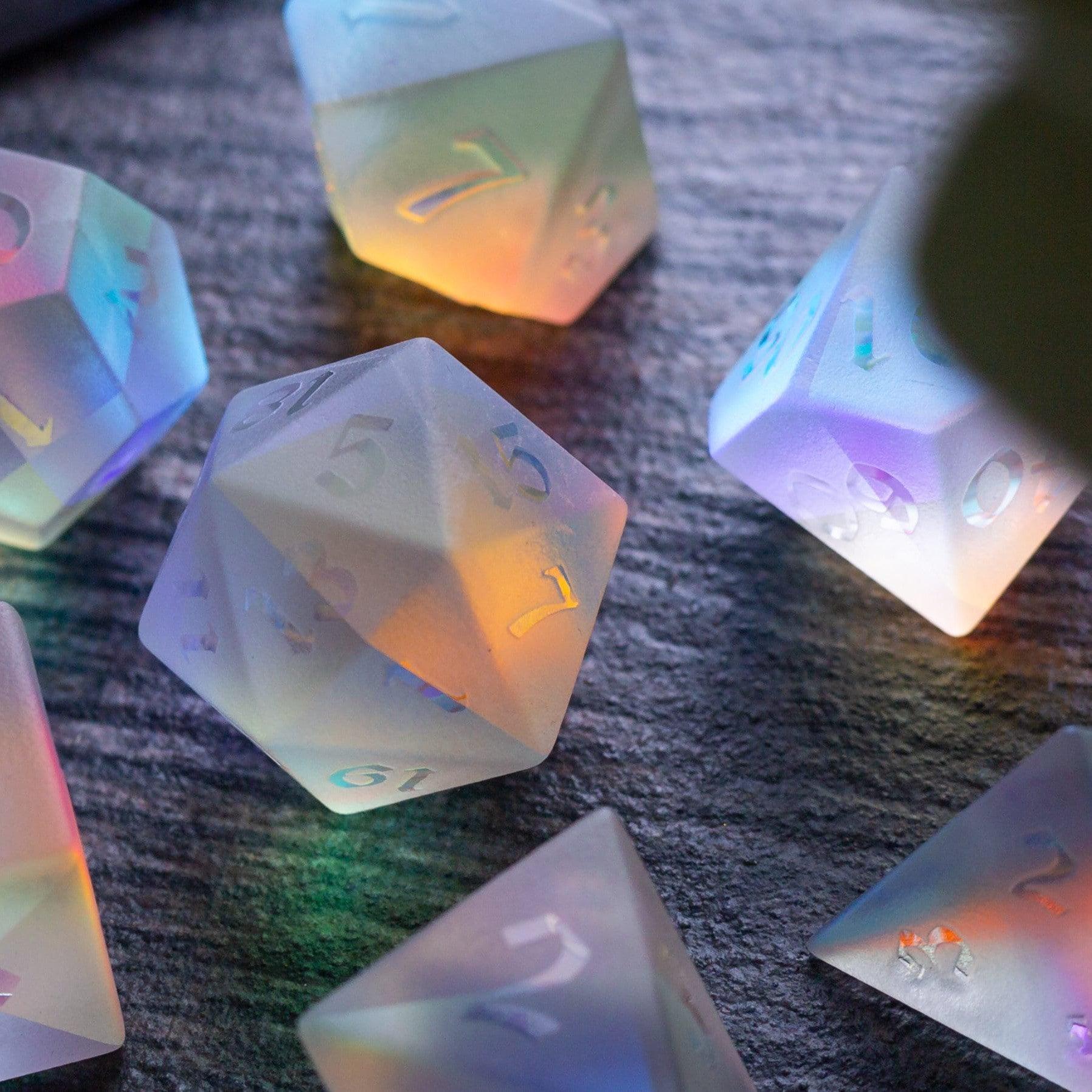
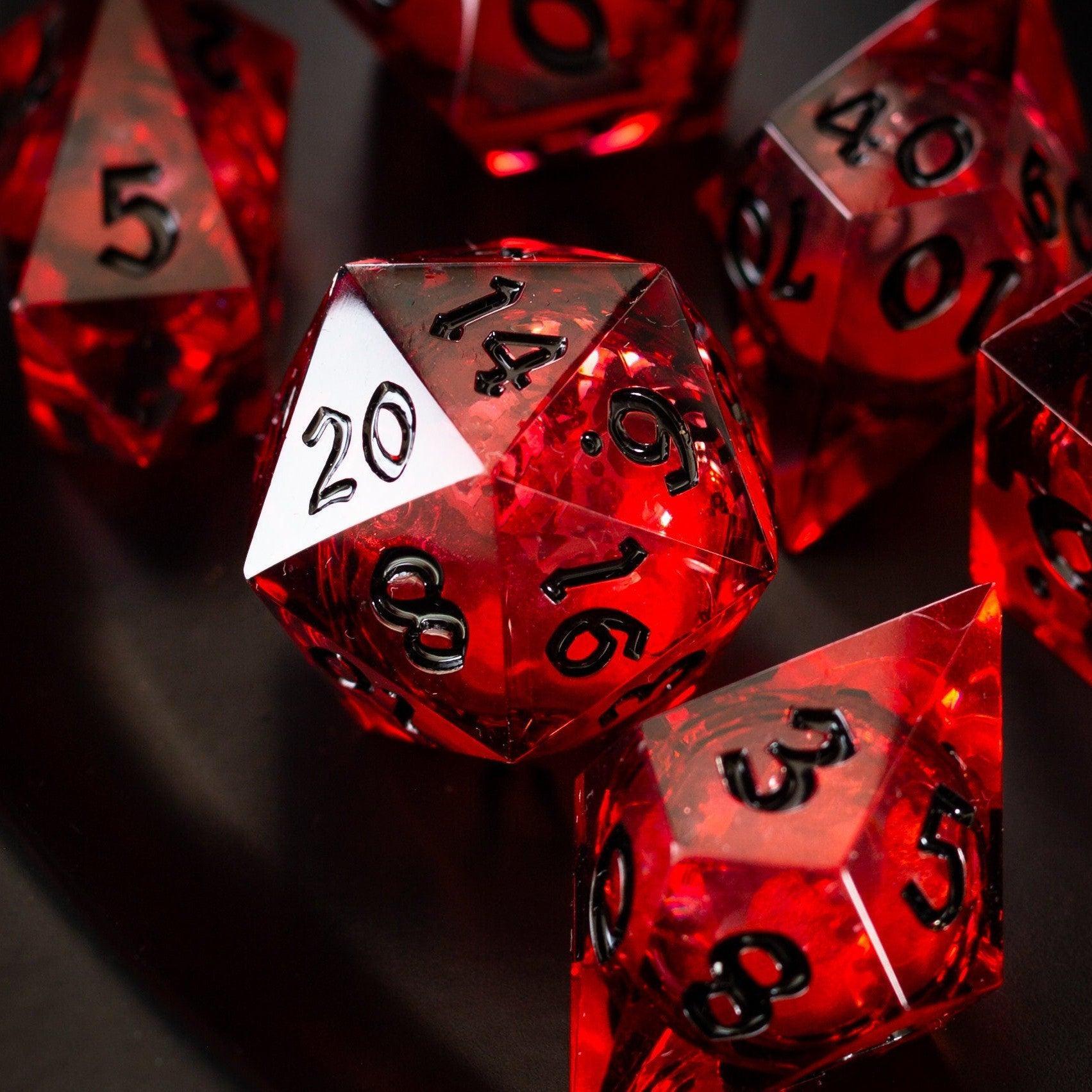
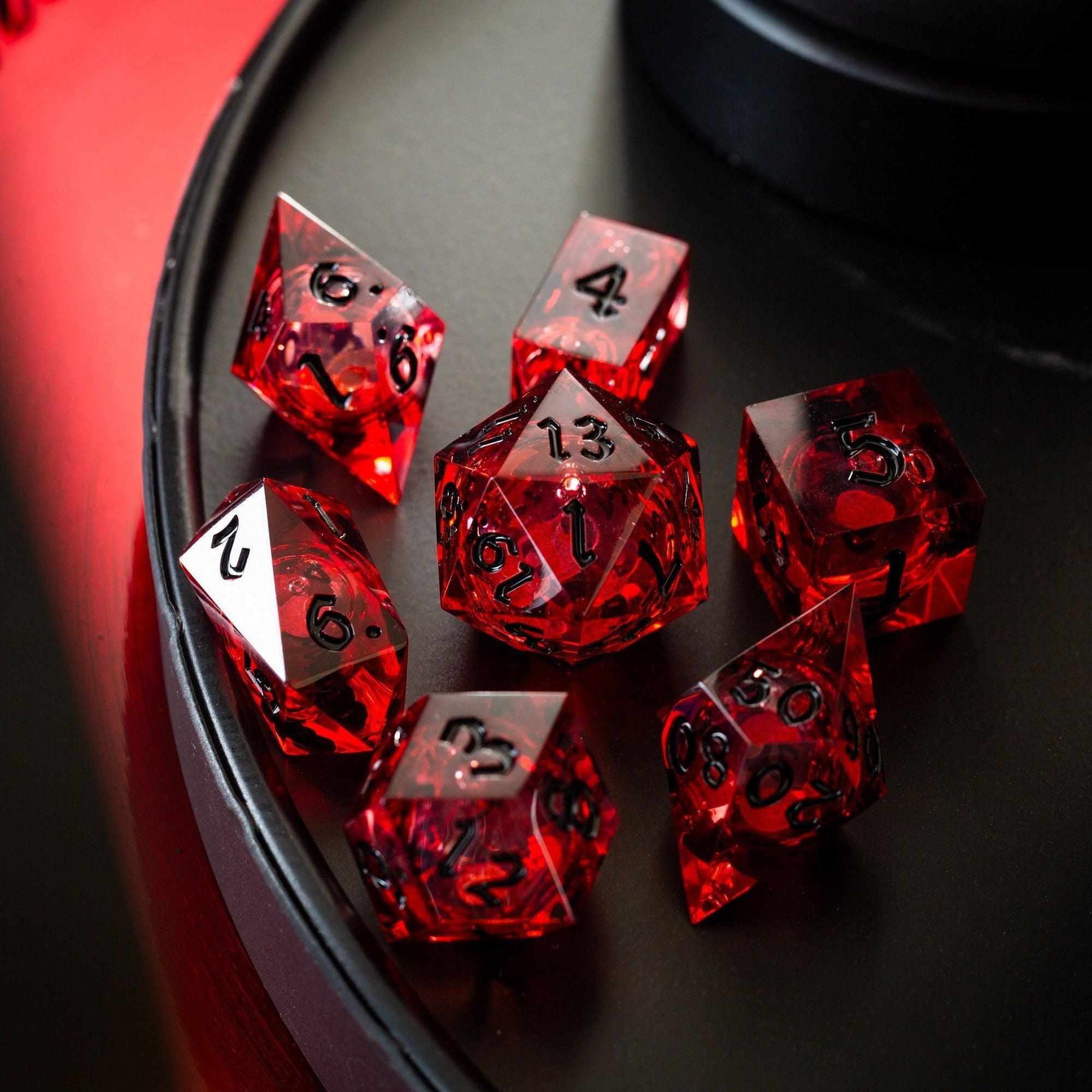
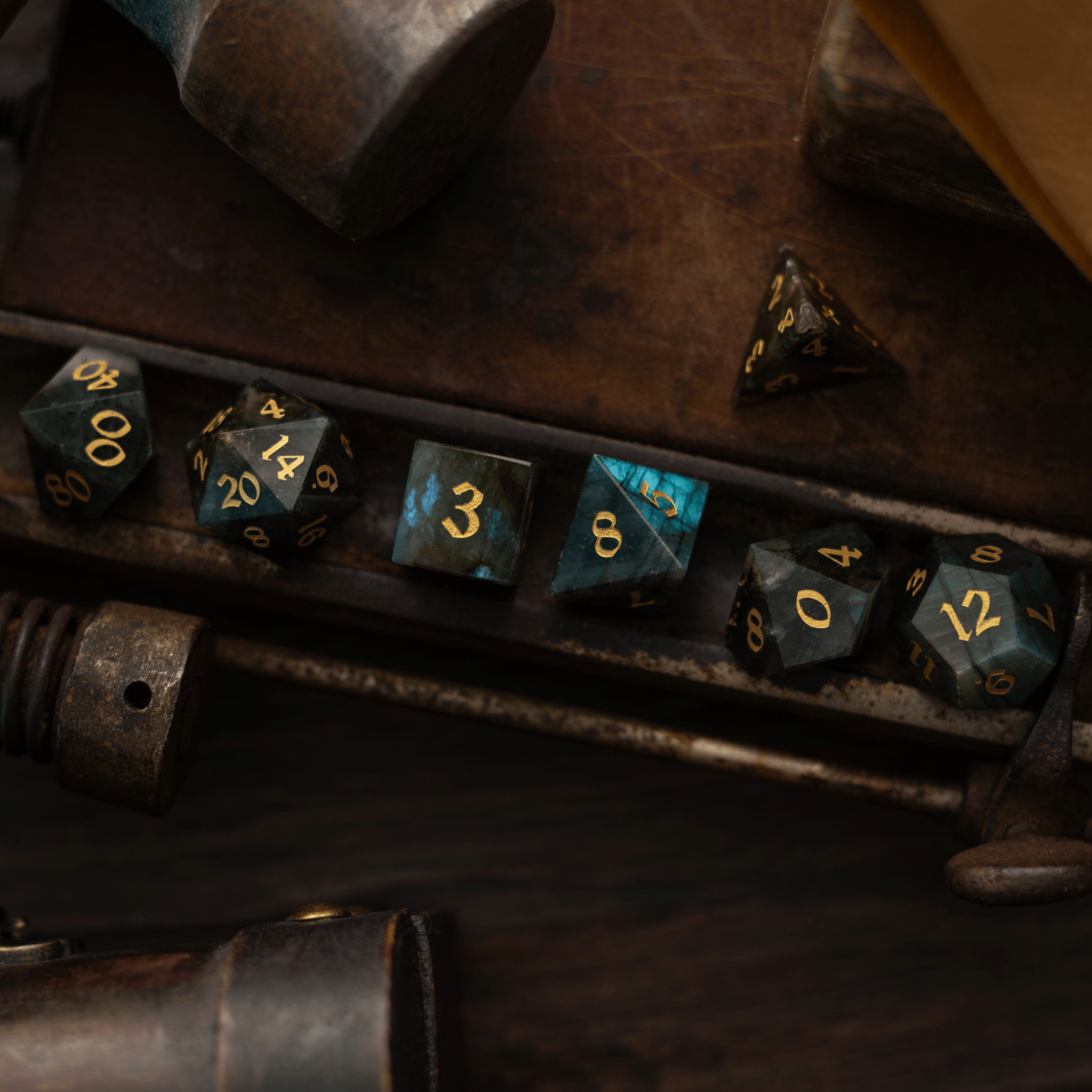
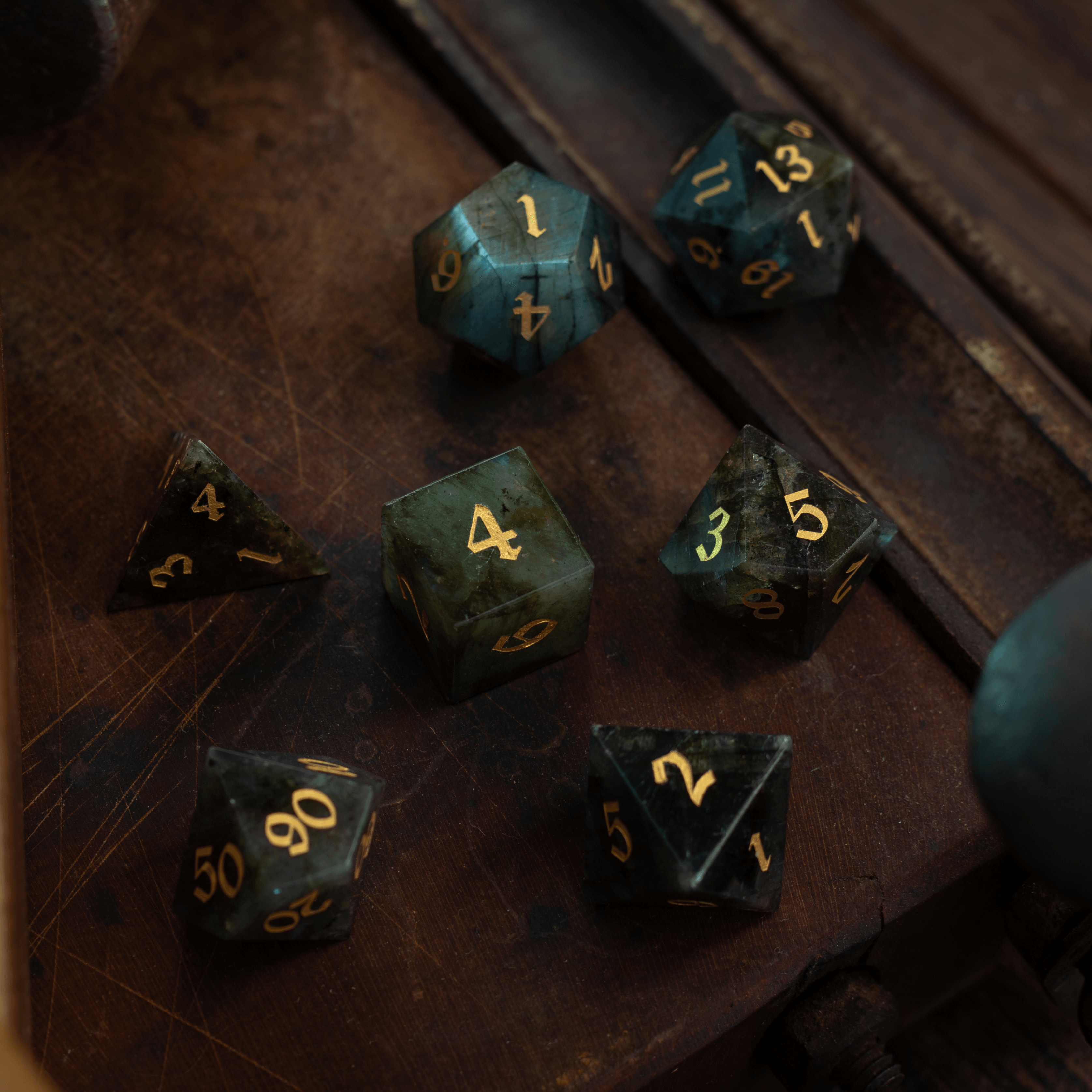
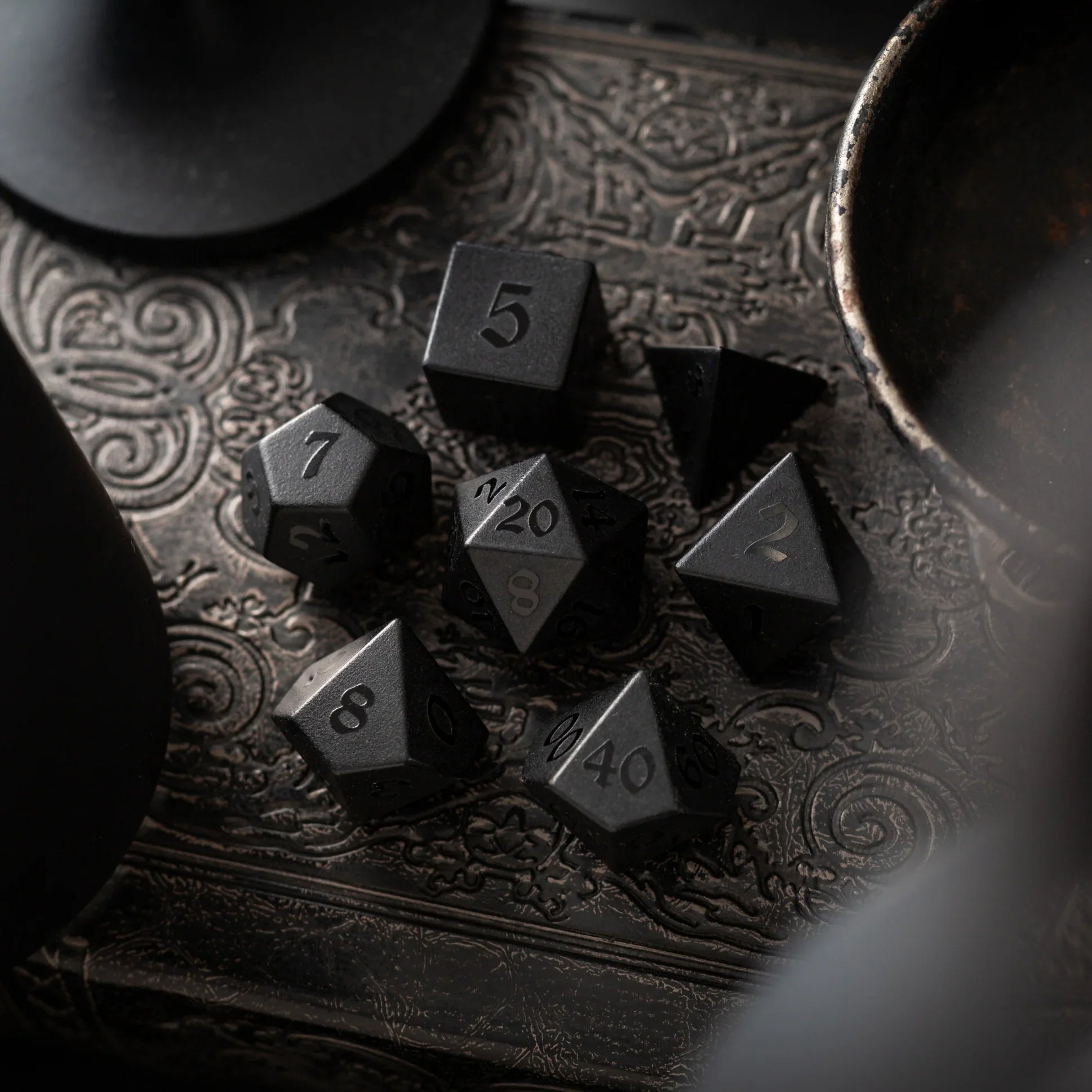
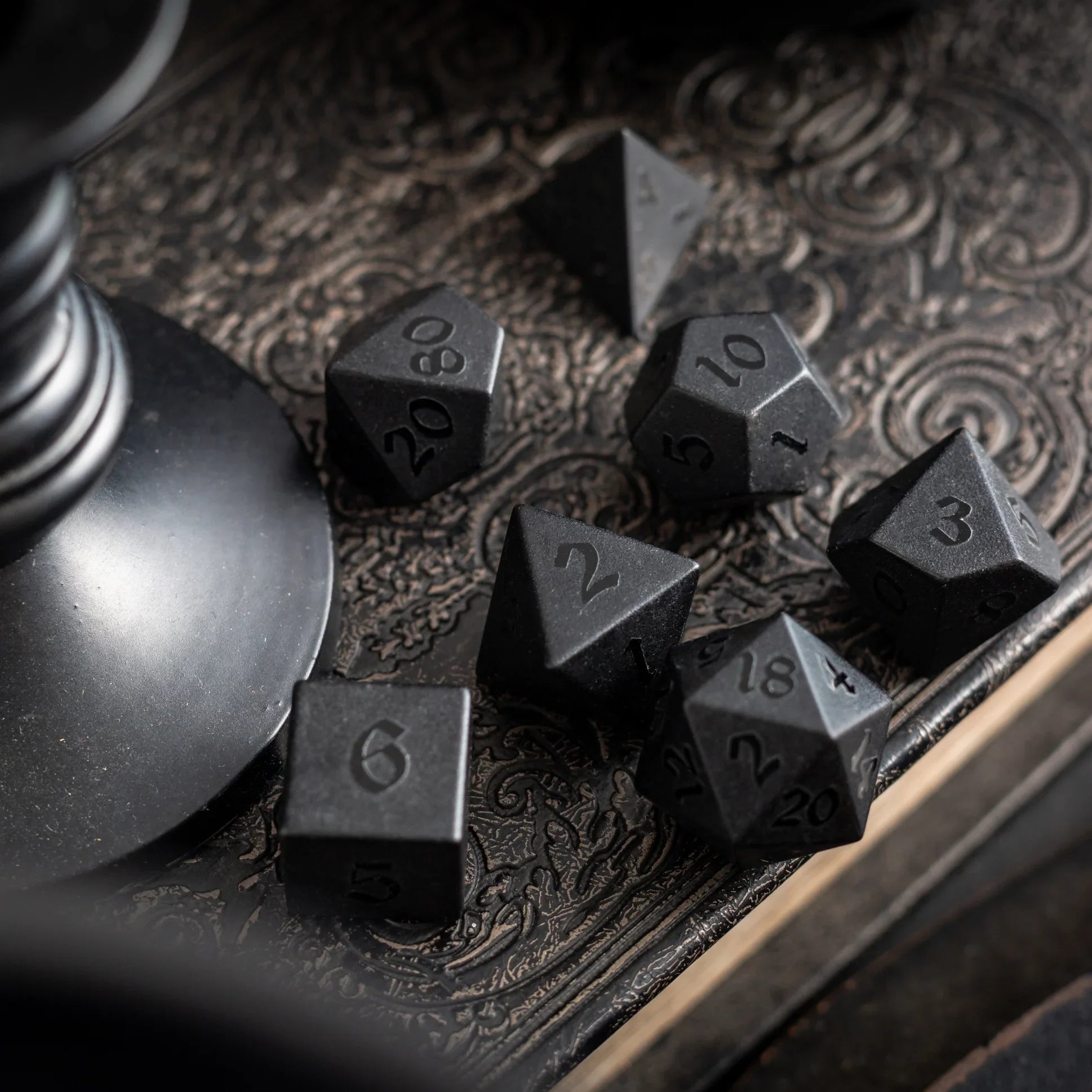
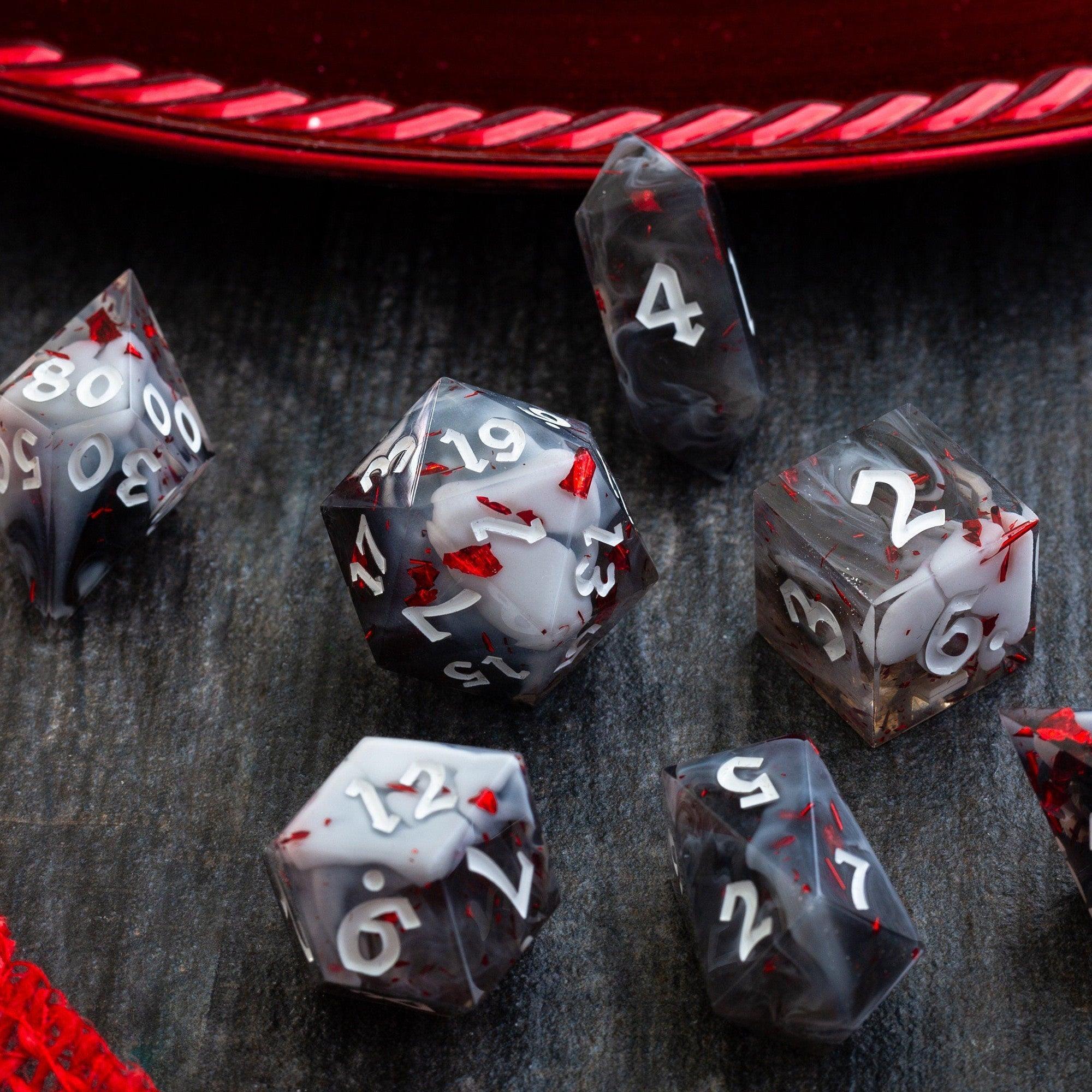
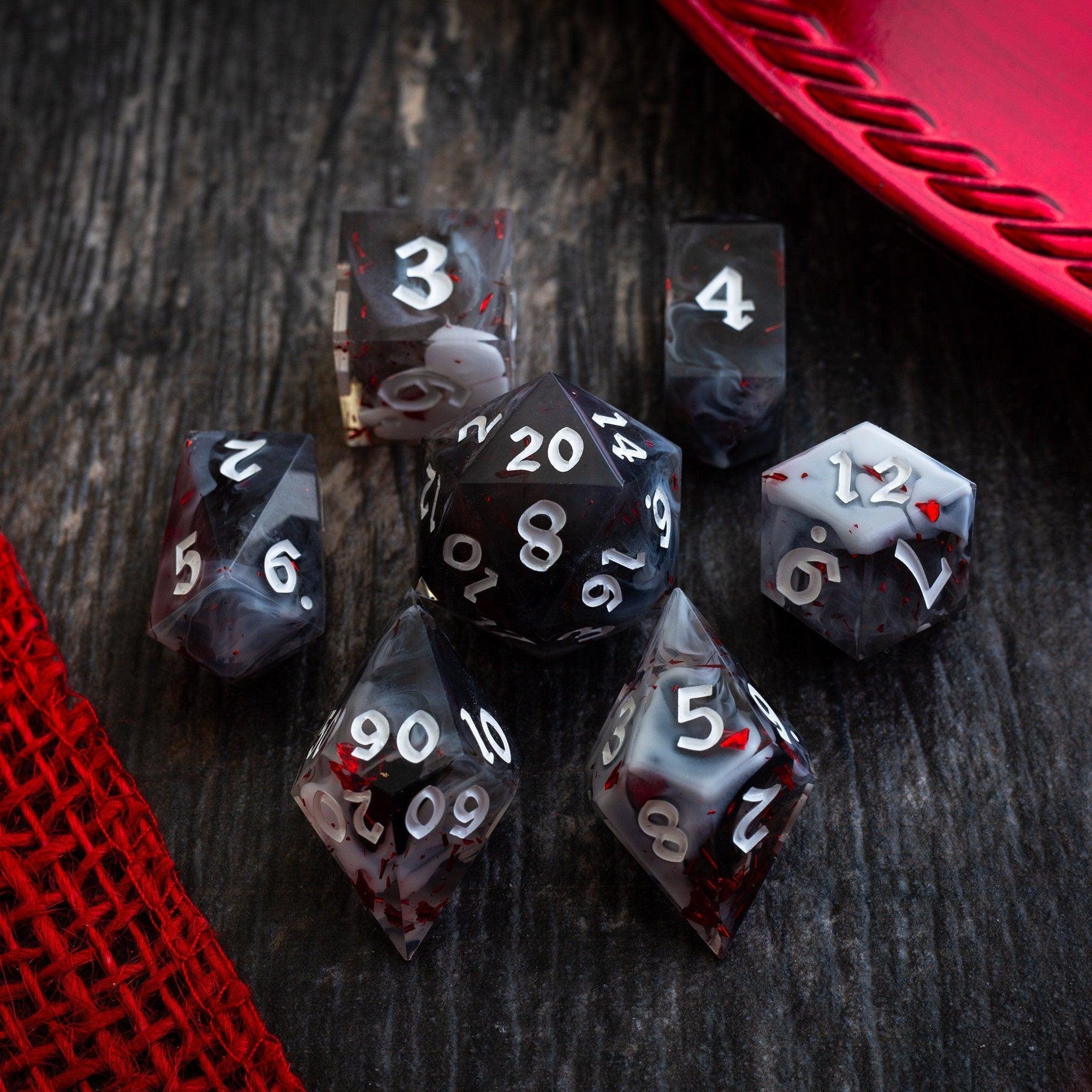
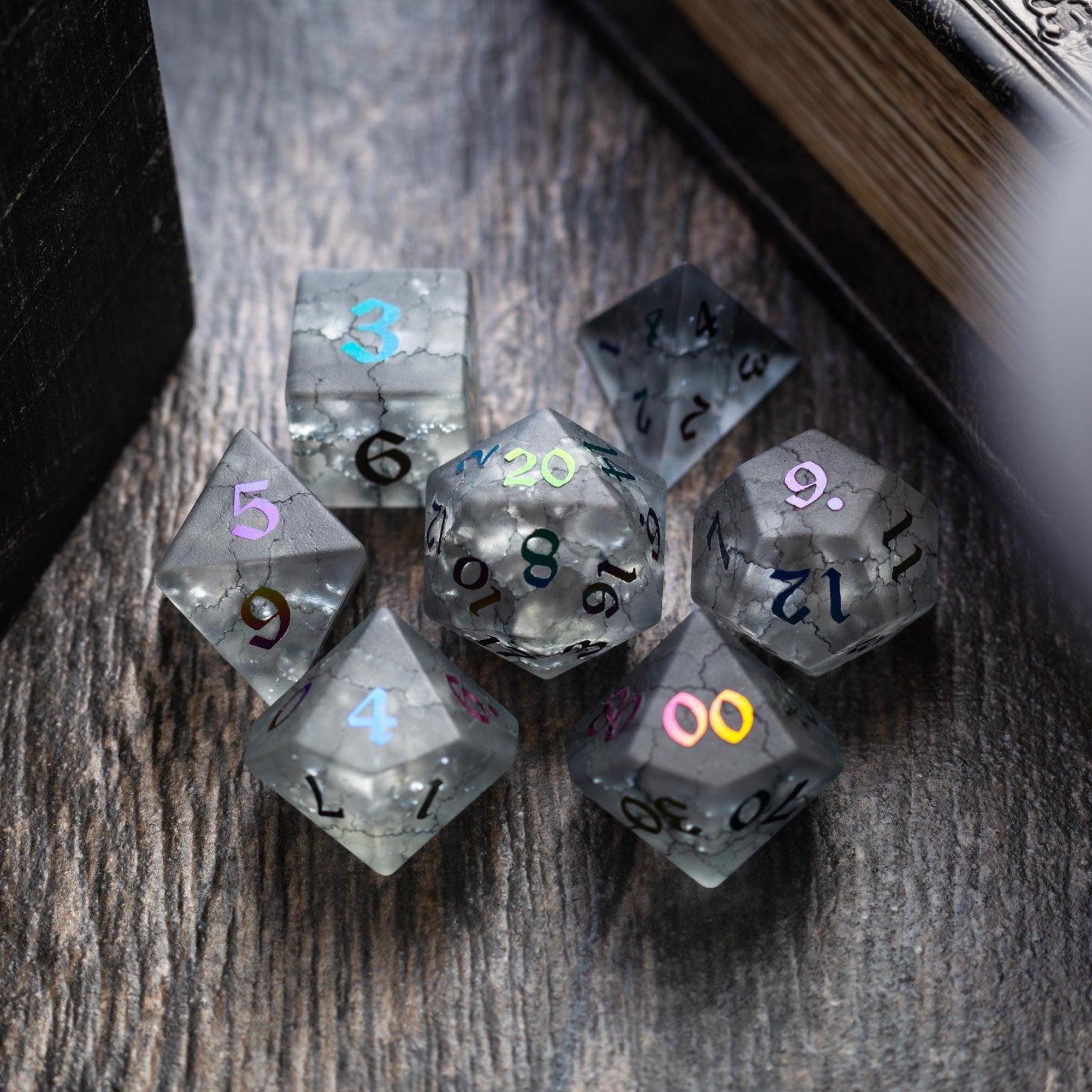
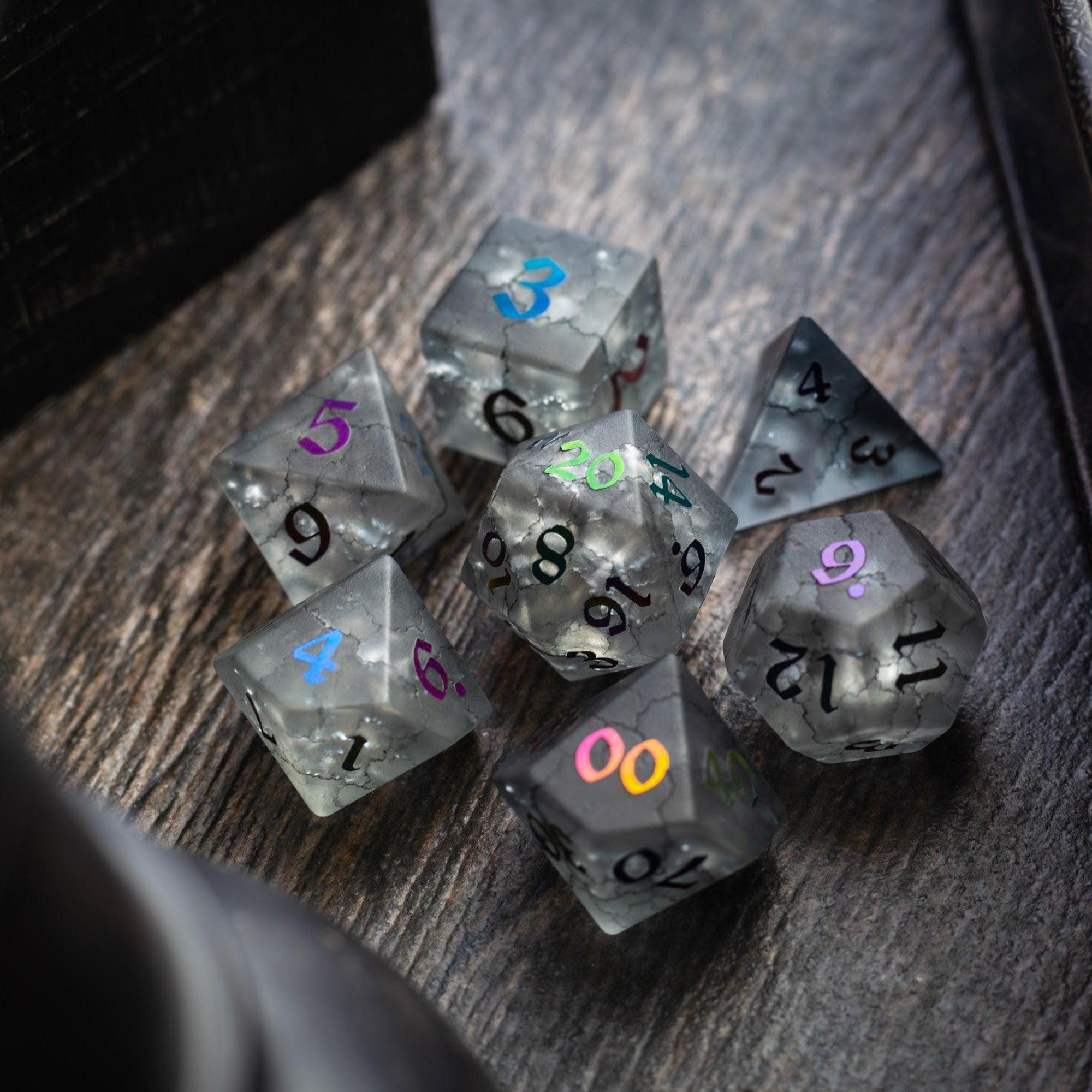
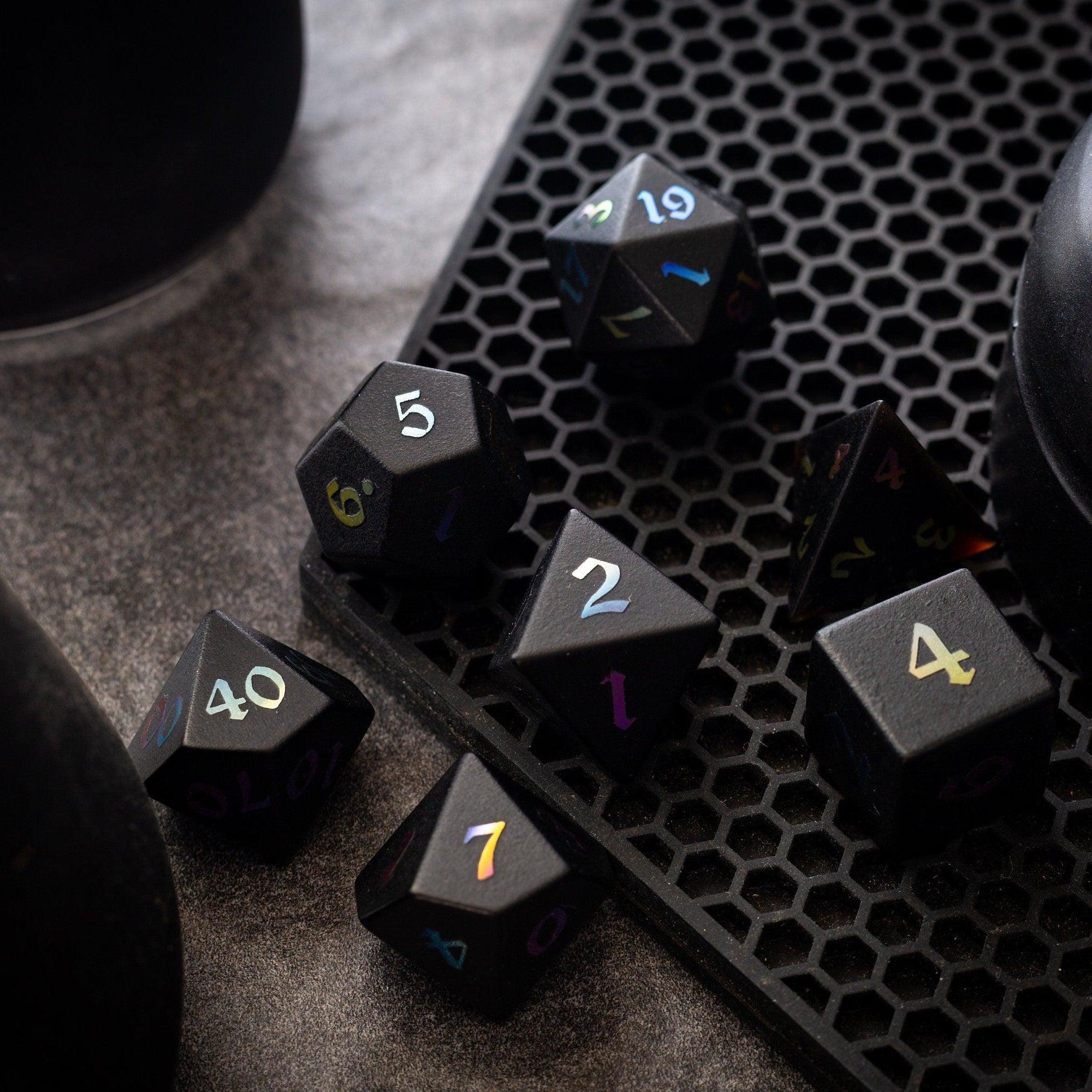
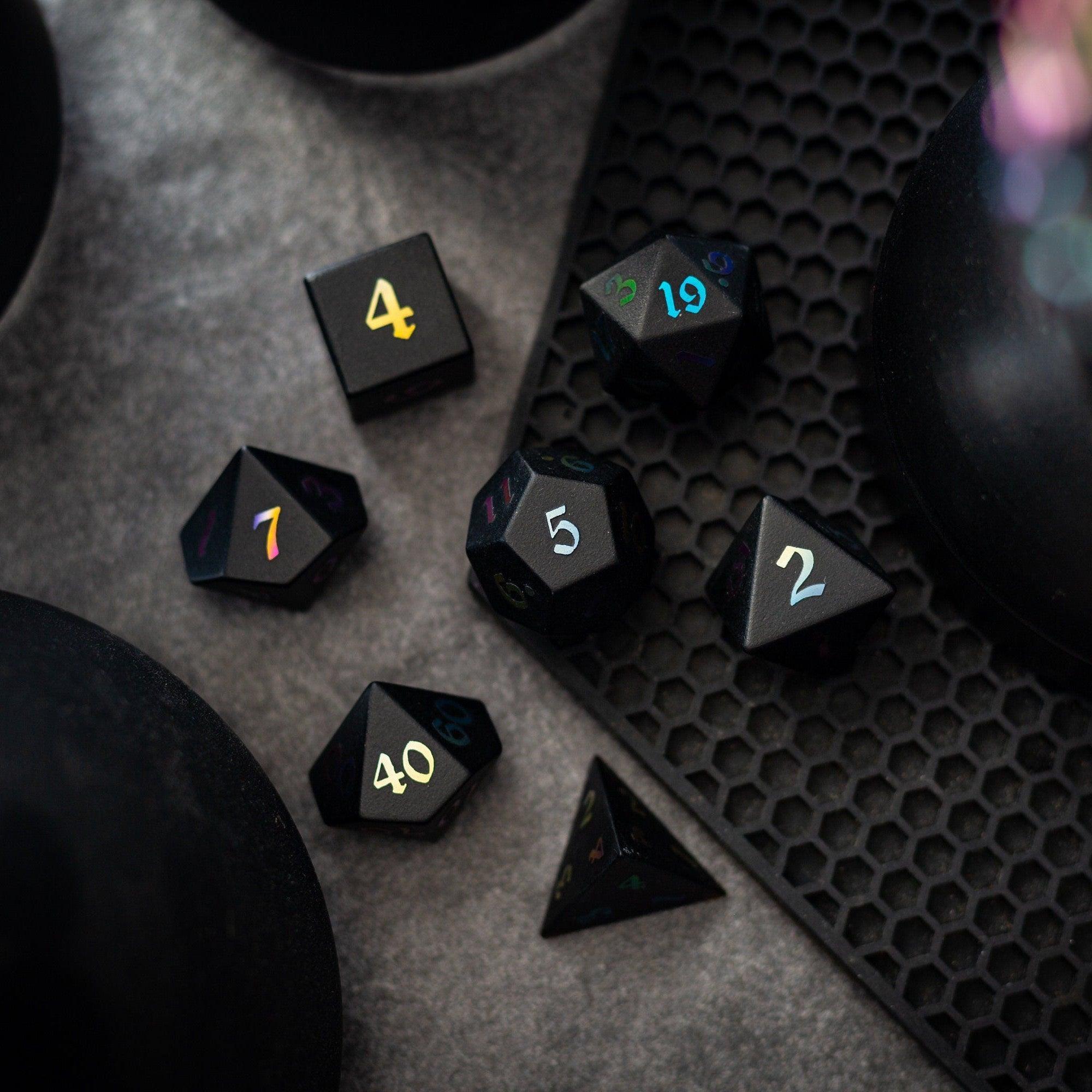
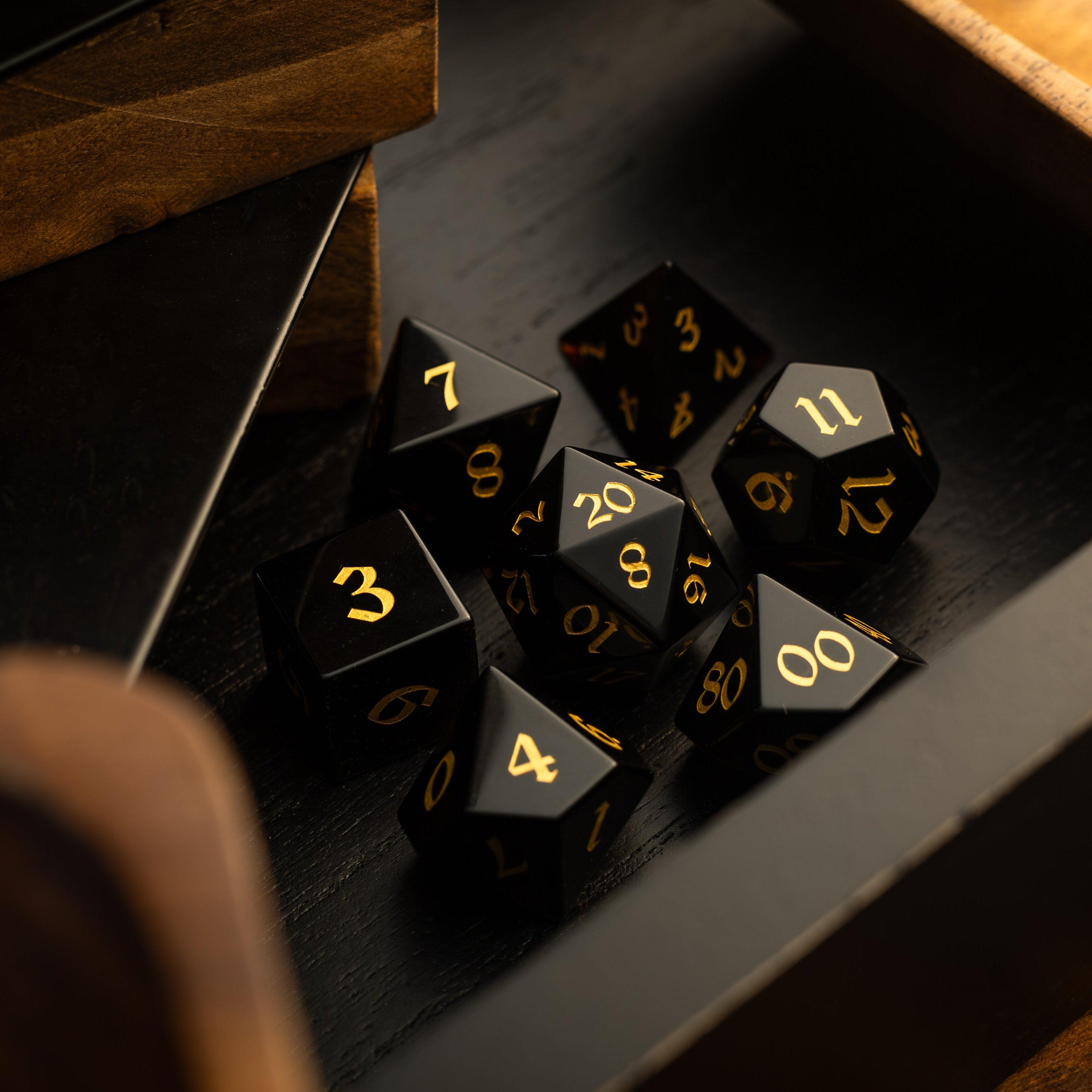
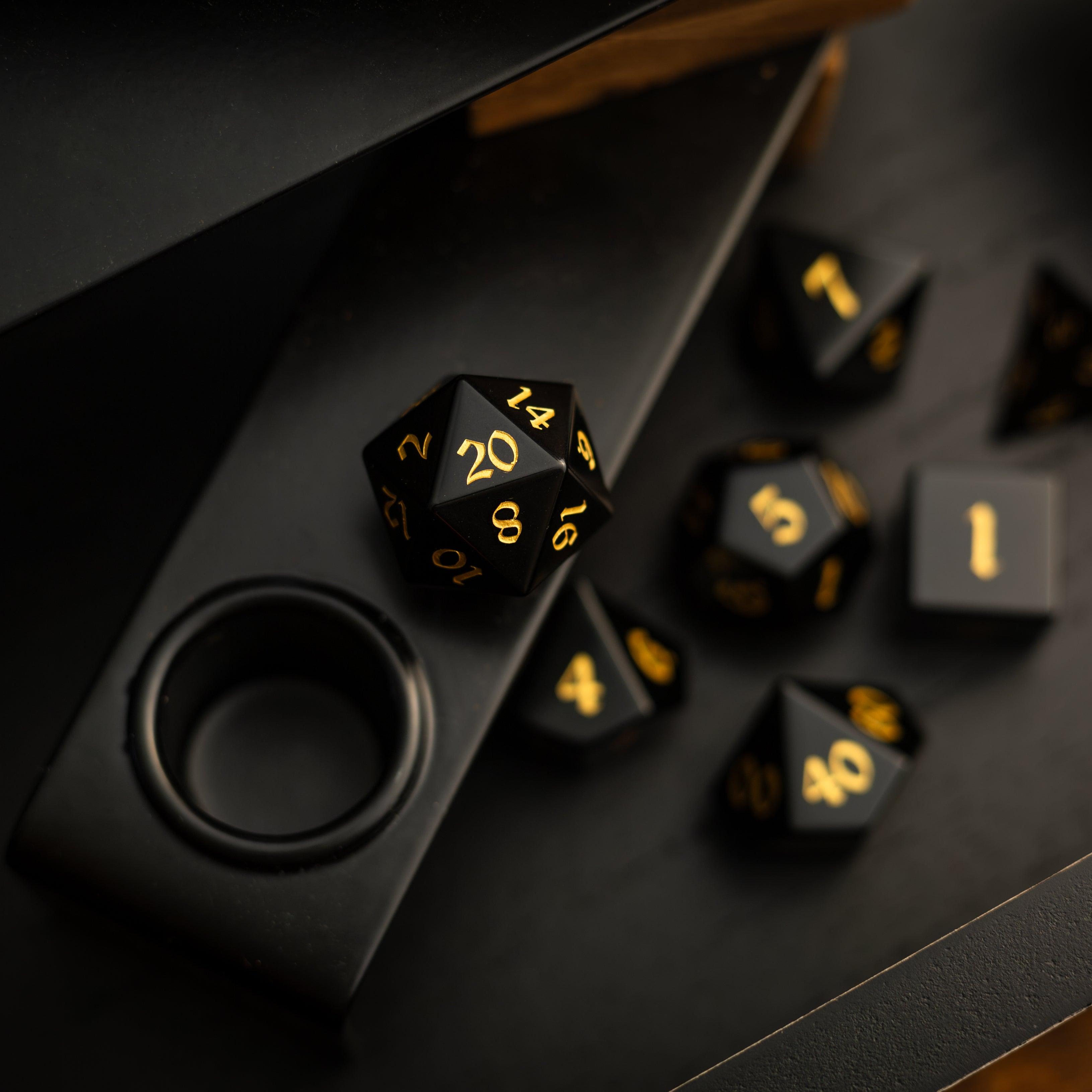
Physical tools can support that atmosphere without replacing good storytelling. Maps, miniatures, condition rings, faction tokens, handouts, campaign journals, dice trays, and themed accessories can make important information easier to track while reinforcing the setting.
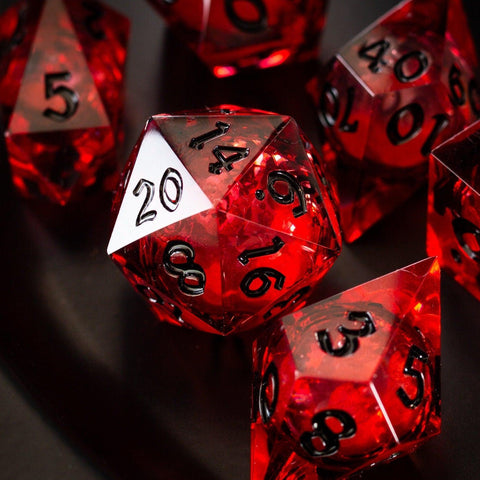
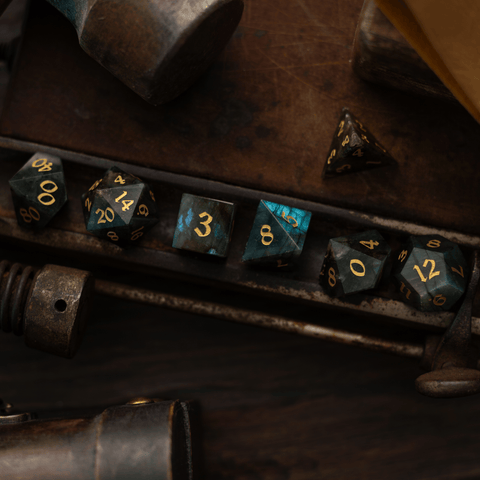
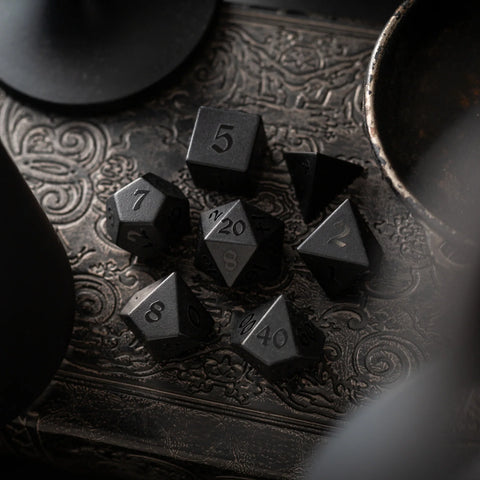
A dark gemstone or glass dice set can complement a gothic campaign, while a bright liquid core set may suit a magical ocean adventure. These details are optional, but a consistent tabletop theme can help establish the mood of an important story arc.
Keep Customized Campaign Notes Organized
A custom D&D campaign or other long-running RPG can quickly accumulate names, clues, factions, and unresolved problems.
Keep simple records of:
-
Important NPCs
-
Faction goals
-
Character backstory connections
-
Current quests
-
Player decisions
-
Unresolved clues
-
House rules
-
Major treasure
-
Villain progress
Use whatever system you will actually maintain. A campaign binder, digital notes, NPC cards, faction sheets, session summaries, or a simple timeline can all work.
Do not document everything. An improvised shopkeeper does not need a complete biography unless the players decide that shopkeeper matters.
Avoid Overpreparing
Customization becomes difficult when the Game Master tries to predict every possible decision.
Focus preparation on the next session:
-
Important NPC goals
-
Current locations
-
Active threats
-
Likely encounters
-
Flexible clues
-
Reusable names
-
Adaptable locations
If players take an unexpected path, unused ideas can often be moved or changed. A planned ruin can become a hidden temple elsewhere. An unused NPC can appear in another town.
Preparing flexible pieces is usually more useful than preparing a rigid sequence of scenes.
Learn from Player Reactions
Players often reveal their interests through their actions.
Notice which NPCs they remember, which mysteries they discuss, which locations they revisit, and which villains inspire strong reactions. Pay attention when an encounter feels slow or when a reward creates genuine excitement.
Brief check-ins can help:
-
What part of the session did you enjoy most?
-
Is there anything you want more of?
-
Is anything becoming frustrating?
-
What goal does your character want to pursue next?
This does not mean abandoning your own fantasy campaign ideas. The strongest campaigns often develop where the Game Master's creativity and the players' interests overlap.
Common Campaign Customization Mistakes
Common problems include creating too much lore before play, forcing every backstory into the main plot, adding too many factions, changing rules without discussion, and adjusting every encounter to counter player strengths.
Another mistake is replacing published material without understanding its purpose.
The solution is usually simplification. Prepare what matters now. Explain rule changes. Let characters be good at their specialties. Keep factions distinct. Preserve useful published material when it already works.
Most importantly, do not customize so much that running the campaign becomes exhausting.
FAQ: Customizing Tabletop RPG Campaigns
How much should I customize a published adventure?
Change what helps the adventure fit your group. You may only need to adjust several NPCs, rewards, encounters, or story hooks.
Do I need to build an entire homebrew world?
No. Many successful campaigns develop one region at a time.
How can I include player backstories without changing the whole campaign?
Choose one or two useful details from each backstory and connect them to existing NPCs, locations, factions, or conflicts.
What should I customize first?
Start with the campaign tone, player motivations, main conflict, and the next few sessions.
How do I balance encounters for a unique party?
Consider the party's abilities, tactics, resources, and preferred playstyle. Adjust objectives and environments as well as enemy strength.
Are house rules necessary for a custom campaign?
No. A campaign can feel highly personalized while using the standard rules of its chosen system.
How can I keep player freedom without losing the main story?
Create clear conflicts and consequences, then allow players to choose how they respond.
What should I do when players ignore my prepared content?
Reuse useful ideas elsewhere when appropriate and allow the world to react to the path they chose.
How can I customize a campaign without overpreparing?
Prepare situations, NPC goals, flexible clues, and the next session rather than predicting the entire campaign.
Can the campaign change tone after it begins?
Yes, but major changes should be discussed with the group so everyone understands the new direction.
Make the Campaign Personal, Not Complicated
Successful customizing of tabletop RPG campaigns is not measured by how much lore, homebrew material, or original content a Game Master creates.
Begin with the players. Build a clear foundation. Connect backstories carefully. Adapt published material with purpose. Design encounters around meaningful decisions. Use house rules sparingly. Keep useful notes and prepare flexible situations instead of fixed outcomes.
Most importantly, allow the campaign to change through play.
A memorable tabletop RPG campaign is not created by predicting every possible choice. It is created by building a world that listens, responds, and changes whenever the players leave their mark upon it.

Leave a comment
This site is protected by hCaptcha and the hCaptcha Privacy Policy and Terms of Service apply.