
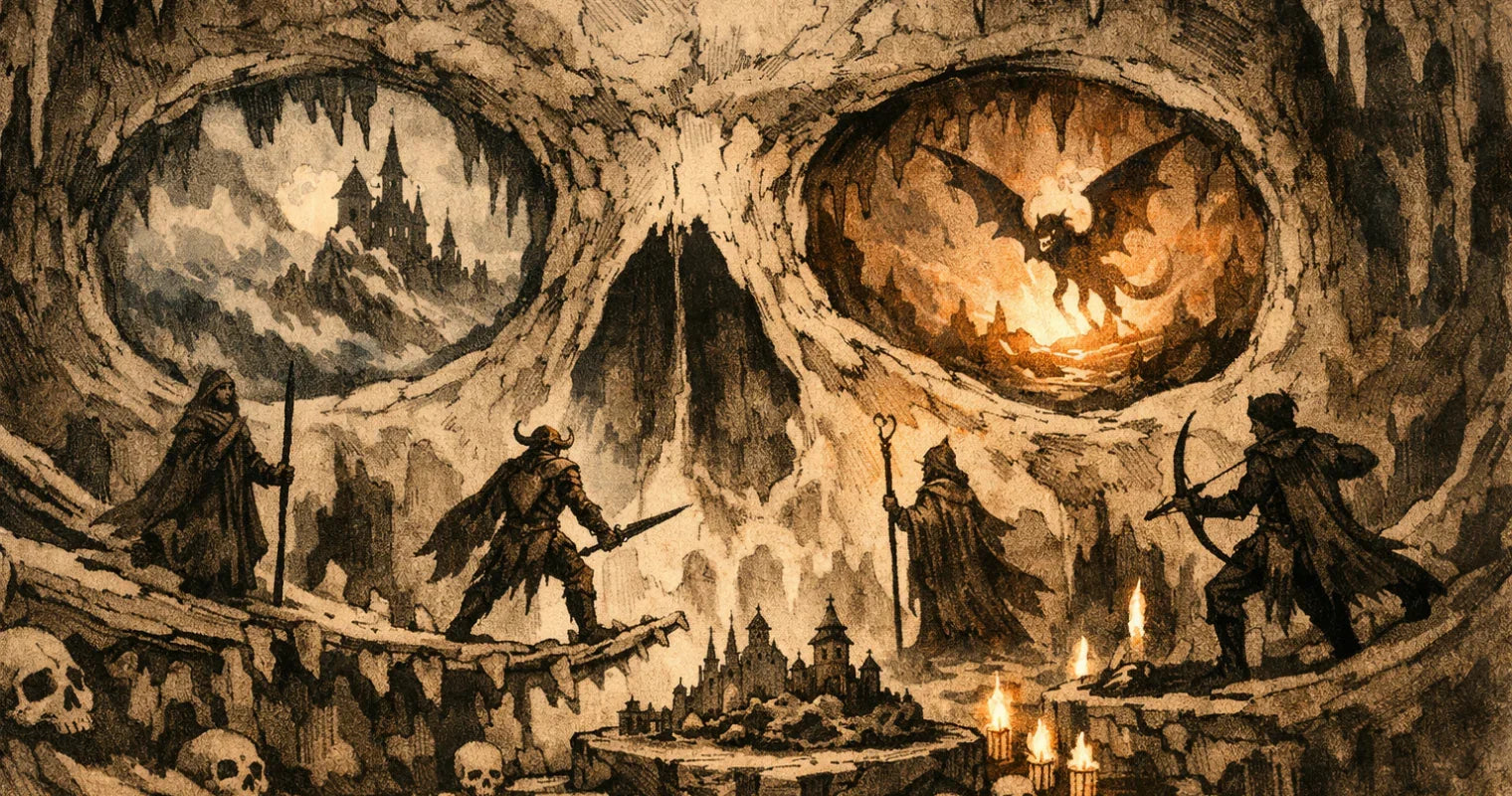
Dungeons and Dragons Board Games for Epic Campaigns

Traditional Dungeons & Dragons can create unforgettable adventures, but running a full campaign takes commitment. Characters must be created, rules learned, sessions scheduled, and someone must take on the role of Dungeon Master.
Dungeons and Dragons board games offer another path into fantasy adventure. Instead of asking one person to prepare an entire world, these games provide structured scenarios, defined character abilities, maps, cards, monsters, objectives, and rules for handling the opposition.
Depending on the game, players might explore a haunted castle, battle a dragon, survive a deadly jungle, or compete for influence in a famous fantasy city. Some D&D board games focus on cooperative dungeon crawling, while others emphasize strategy or competition.
The important question is not simply which game is “best.” It is which kind of adventure fits your group.
What Is a Dungeons and Dragons Board Game?
A D&D board game takes familiar elements from Dungeons & Dragons and places them inside a more structured tabletop system.
Common components include:
-
Scenario or adventure books
-
Cards and tokens
-
Miniatures
-
Modular dungeon tiles or boards
-
Defined hero abilities
-
Treasure and equipment
-
Victory and defeat conditions
-
Rules that control monsters or other threats
Unlike a traditional roleplaying campaign, most D&D tabletop games limit what players can do to the actions supported by the rules. You may choose where your hero moves, which ability to use, or which enemy to attack, but you usually cannot decide to abandon the dungeon and open a tavern unless the game specifically allows it.
That structure is part of the appeal. A group can sit down, choose heroes, prepare the scenario, and begin playing without a Dungeon Master creating the adventure.
D&D Board Games vs. Traditional Dungeons and Dragons
Both formats can provide fantasy battles and memorable stories, but they approach them differently.
| Feature | D&D Board Games | Traditional D&D |
|---|---|---|
| Preparation | Usually limited and guided | Often requires significant preparation |
| Dungeon Master | Often not required | Usually required |
| Story freedom | Structured scenarios | Highly flexible and open-ended |
| Character creation | Prebuilt or limited options | Detailed custom characters |
| Combat | Tactical and board-focused | Tactical or narrative |
| Session length | Usually more predictable | Can vary widely |
| Campaign structure | Linked missions or standalone scenarios | Fully customizable campaigns |
| Replayability | Scenarios, heroes, and variable elements | New stories and player choices |
Many groups enjoy both. A cooperative dungeon crawler can fill a game night when the regular Dungeon Master is unavailable. It can also introduce new players to ideas such as teamwork, movement, character powers, monsters, and shared objectives.
What Makes a D&D Board Game Feel Like a Campaign?
Not every game with the D&D name is a Dungeons and Dragons campaign board game.
A campaign experience usually creates continuity between sessions. That continuity may involve:
-
Linked scenarios
-
Recurring heroes
-
Equipment upgrades
-
New abilities
-
Story chapters
-
Increasing difficulty
-
Persistent rewards or consequences
-
Long-term objectives
Some D&D adventure board games are primarily collections of scenarios. You can play another adventure with the same heroes, but the experience may not include deep character development between sessions.
Others add stronger progression systems that make consecutive adventures feel more connected. Before choosing a game for a regular group, consider how much continuity you actually want. A group looking for a six-month fantasy campaign may want something different from players who prefer a complete adventure in a single evening.
Popular Styles of D&D Board Games
Cooperative Dungeon Crawlers
A cooperative dungeon crawler puts the players on the same side. Heroes explore locations, battle monsters, manage abilities, and complete objectives together.
These games often appeal to groups that enjoy tactical positioning, teamwork, character powers, miniatures, and uncertain exploration.
The D&D Adventure System games are recognizable examples of this style. Their structured rules allow the game itself to handle many responsibilities that would normally belong to a Dungeon Master.
Campaign Adventure Games
Campaign board games connect multiple sessions through progression or linked scenarios. They work especially well for groups that enjoy maintaining the same party and returning to an ongoing adventure.
The tradeoff is commitment. If the same players cannot meet regularly, maintaining campaign continuity can become difficult.
Strategy and Conflict Games
Not all Dungeons and Dragons games involve exploring rooms and fighting monsters cooperatively.
Games such as Lords of Waterdeep focus on strategic competition. Tyrants of the Underdark emphasizes deck-building and territorial control. These games use D&D settings and themes, but they do not attempt to recreate a traditional roleplaying campaign.
Social and Lighter Games
Some D&D-themed games are designed for shorter, more casual sessions. These can be useful for families, mixed-experience groups, or players who enjoy the setting but do not want a long dungeon crawl.
The D&D name alone does not tell you how a game plays. Always check whether the experience is cooperative, competitive, tactical, campaign-based, or primarily casual.
D&D Board Games for Epic Adventures
Castle Ravenloft
Castle Ravenloft is a cooperative Adventure System game built around dungeon exploration and gothic horror. Players control heroes, reveal dungeon tiles, fight monsters, and attempt scenario objectives.
Its structured approach makes it approachable for groups that want dungeon-crawling board games without a Dungeon Master. The scenario format also makes it easier to play individual adventures rather than commit immediately to a long campaign.
The limitation is that players seeking deep roleplaying freedom or extensive character customization may find the experience more controlled than traditional D&D.
Wrath of Ashardalon
Wrath of Ashardalon follows a similar cooperative dungeon-crawling structure, with a strong focus on dangerous encounters and a dragon-centered adventure.
It suits groups that enjoy combat, exploration, and coordinating hero abilities. Like other Adventure System titles, its scenarios provide clear goals and a structured alternative to an open-ended roleplaying session.
The Legend of Drizzt
The Legend of Drizzt brings famous Forgotten Realms characters into the cooperative Adventure System format. Its appeal is especially strong for players familiar with Drizzt Do’Urden and his companions.
The game remains scenario-driven, so groups wanting extensive original character creation should understand that they are stepping into a more predefined adventure.
Temple of Elemental Evil
Temple of Elemental Evil is a useful option for groups interested in greater continuity and progression within the Adventure System style.
It still emphasizes cooperative tactical play, but its campaign elements make it more attractive to players who want adventures to feel connected rather than completely isolated.
Tomb of Annihilation
Tomb of Annihilation shifts the adventure toward dangerous exploration inspired by the deadly jungles and dungeons of Chult.
It can appeal to groups that enjoy survival themes, exploration, and a sense of ongoing danger. As with other structured D&D board games, however, the experience follows board game rules rather than reproducing every option available in the tabletop RPG.
Waterdeep: Dungeon of the Mad Mage
Waterdeep: Dungeon of the Mad Mage offers another cooperative Adventure System experience, this time centered on the vast dungeon beneath Waterdeep.
Its theme works particularly well for groups that want an extended dungeon-delving atmosphere with heroes, monsters, treasure, and tactical encounters.
Quick Comparison of D&D Board Games
| Game | Play Style | Campaign Depth | Complexity | Good Fit For |
|---|---|---|---|---|
| Castle Ravenloft | Cooperative dungeon crawl | Scenario-focused | Beginner-friendly | Gothic horror and classic dungeon fans |
| Wrath of Ashardalon | Cooperative dungeon crawl | Scenario-focused | Beginner to intermediate | Combat and dragon-themed adventure |
| The Legend of Drizzt | Cooperative adventure | Scenario-focused | Beginner to intermediate | Forgotten Realms fans |
| Temple of Elemental Evil | Cooperative adventure | Greater campaign continuity | Intermediate | Groups wanting progression |
| Tomb of Annihilation | Cooperative exploration | Campaign elements | Intermediate | Exploration and survival fans |
| Dungeon of the Mad Mage | Cooperative dungeon crawl | Extended adventure structure | Intermediate | Long dungeon-delving sessions |
| Lords of Waterdeep | Competitive strategy | No traditional campaign | Beginner to intermediate | Worker-placement and strategy fans |
| Tyrants of the Underdark | Competitive strategy | No traditional campaign | Intermediate | Deck-building and territorial conflict |
Choosing the Right Game for Your Group
Before choosing among DnD board games, consider how your group actually enjoys playing.
Ask these questions:
-
Does everyone want to cooperate or compete?
-
Do you want one-session adventures or continuing progression?
-
How much complexity will the group enjoy?
-
Are tactical miniatures and positioning important?
-
How much setup time is acceptable?
-
Will the same players return for multiple sessions?
-
Is solo play important?
-
How much table space is available?
-
Does the group care more about story, combat, exploration, or strategy?
A detailed cooperative dungeon crawler may frustrate a family looking for a quick casual game. A lighter scenario game may feel too limited for experienced players seeking difficult tactical decisions and long-term progression.
The right choice depends on the party.
Best D&D Board Game Style by Player Type
| Player or Group Type | Game Style to Consider | Why It Works | What to Watch For |
|---|---|---|---|
| New D&D players | Cooperative scenario game | Introduces teamwork and fantasy combat | Too many rules at once |
| Regular campaign group | Campaign-focused adventure game | Creates continuity | Consistent attendance |
| Families | Beginner-friendly cooperative game | Encourages shared decisions | Age and complexity |
| Tactical players | Detailed dungeon crawler | Rewards positioning and timing | Longer sessions |
| Competitive gamers | Strategy or deck-building game | Encourages direct competition | Less like an RPG campaign |
| Solo players | Game with official solo support | Allows independent play | Verify rules for the specific title |
| Miniature collectors | Miniature-heavy adventure game | Provides heroes and monsters | Gameplay should still fit the group |
Cooperative Play and Party Tactics
Success in cooperative board games often depends on treating the heroes as a party rather than a collection of individuals.
Stay close enough to support one another. Protect vulnerable heroes when possible, share limited resources wisely, and identify the most dangerous enemies before spending attacks on minor threats.
Powerful abilities are often most valuable when saved for difficult encounters. Likewise, aggressive exploration can become dangerous if the party is already injured or low on resources.
Always follow the board game’s rules rather than assuming a class works exactly as it does in traditional D&D. A wizard, fighter, or rogue may have familiar themes while using very different timing and ability systems.
Turning Separate Scenarios into a Memorable Campaign
Even scenario-based fantasy board games can develop a sense of history.
Your group can:
-
Keep the same heroes when possible
-
Record victories and defeats
-
Name the adventuring party
-
Write short session summaries
-
Keep a shared campaign journal
-
Give prebuilt heroes distinct personalities
-
Record memorable villains and monsters
-
Add brief roleplaying scenes before or after adventures
These additions do not need to change the rules. A few sentences about why the heroes entered the next dungeon can make separate scenarios feel connected.
Using D&D Board Games as RPG Inspiration
Dungeon Masters can also use board games as creative fuel.
A modular dungeon layout might inspire a ruined temple. A monster combination could suggest an unusual encounter. A scenario objective might become the starting point for a larger adventure.
Board game components can inspire:
-
Dungeon layouts
-
Tactical battlefields
-
Monster encounters
-
Traps and hazards
-
Villains
-
Treasure
-
Adventure pacing
The goal is not to copy a scenario without thought. Traditional D&D benefits from choices that a fixed board game cannot always provide. A Dungeon Master can take the basic concept and add alternate routes, negotiations, consequences, and unexpected solutions.
Miniatures, Dice, and Tabletop Organization
A crowded dungeon can become difficult to manage once cards, tokens, miniatures, and tiles cover the table.
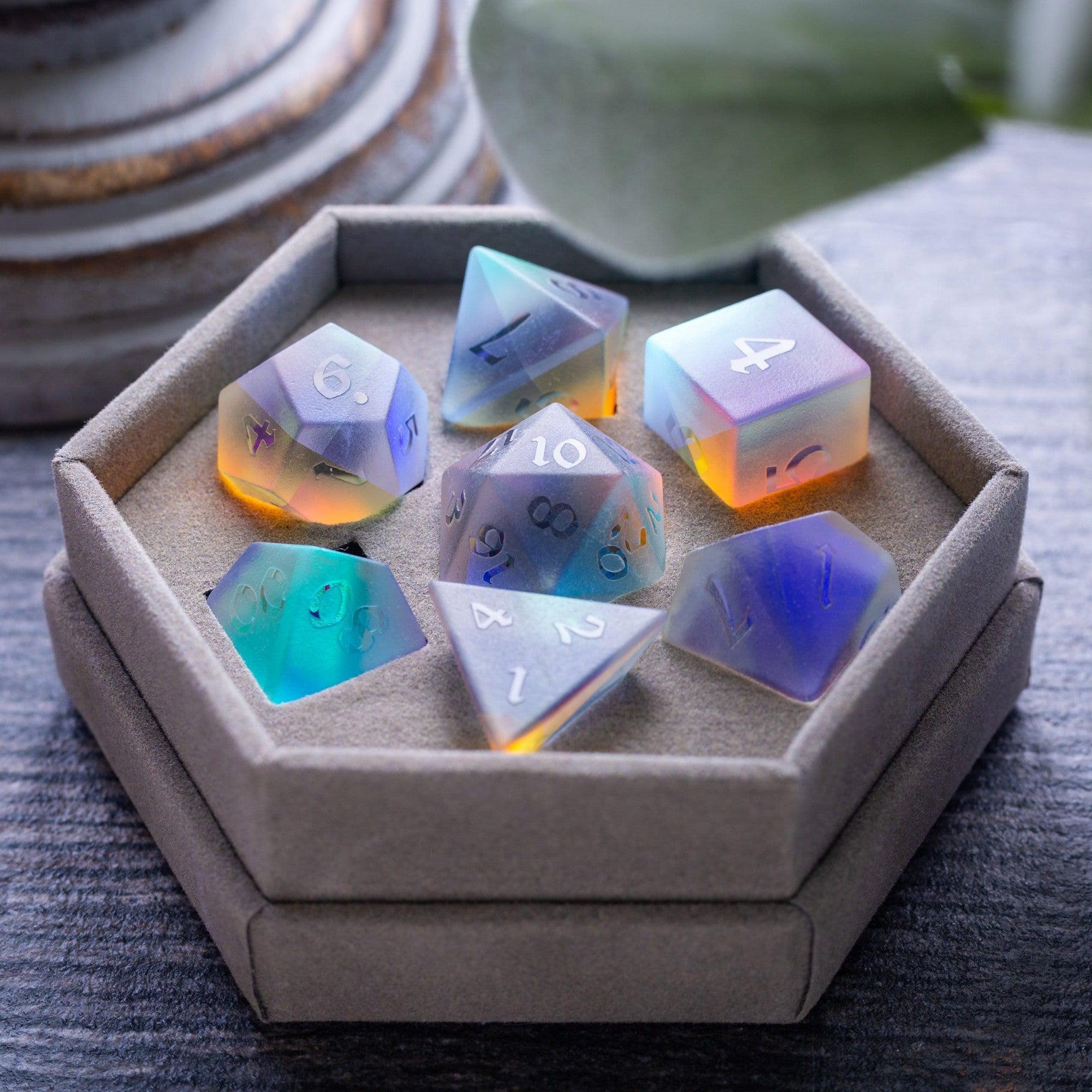
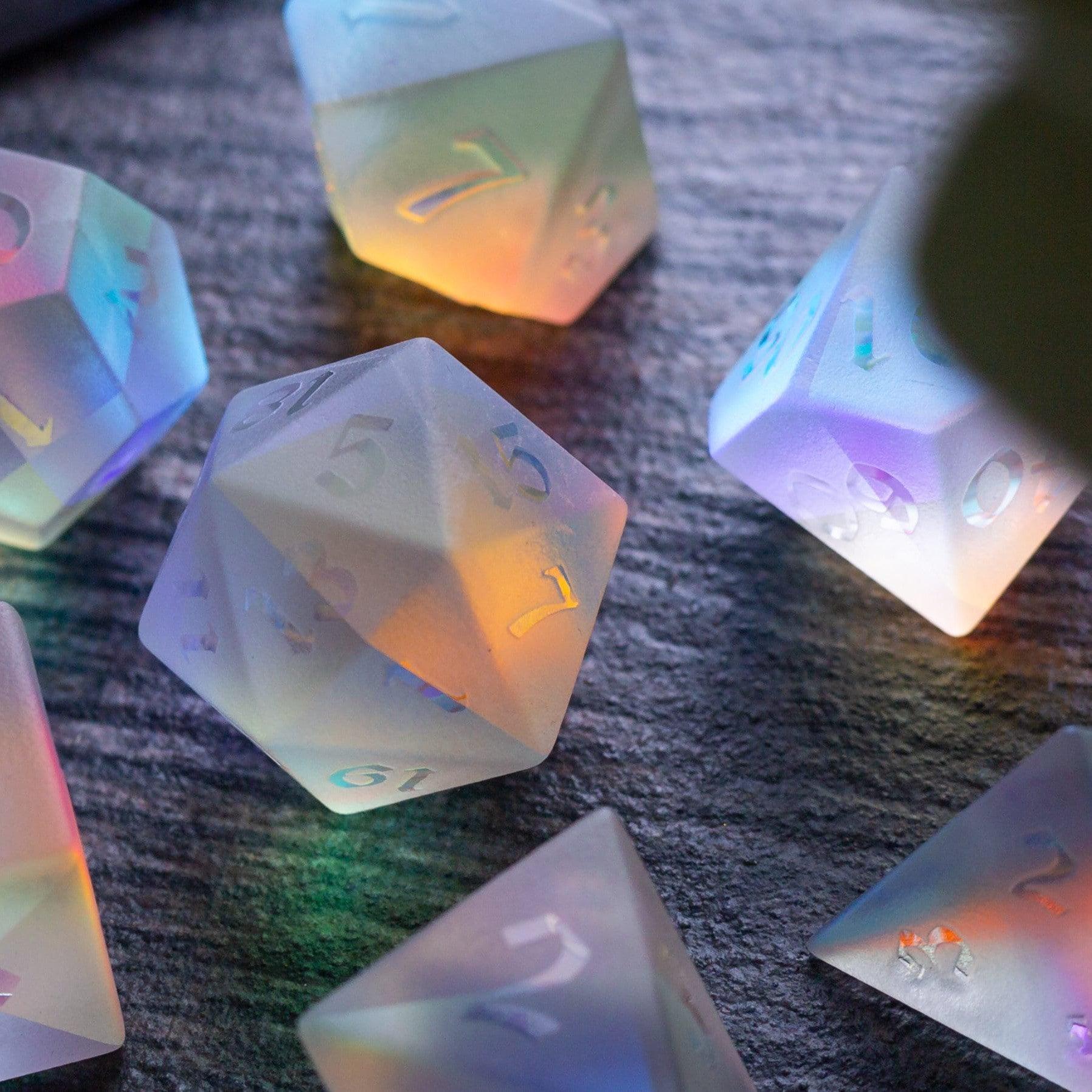
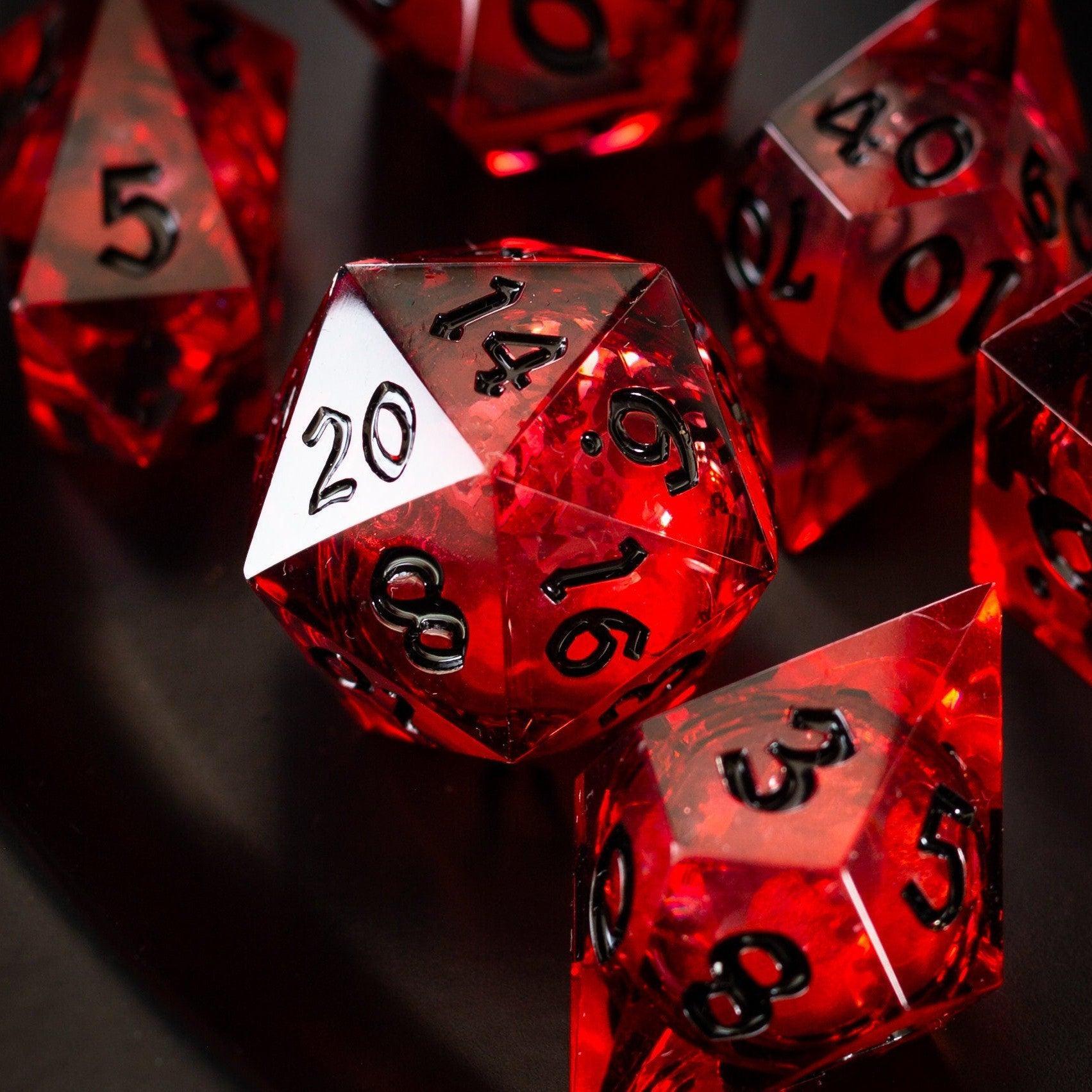
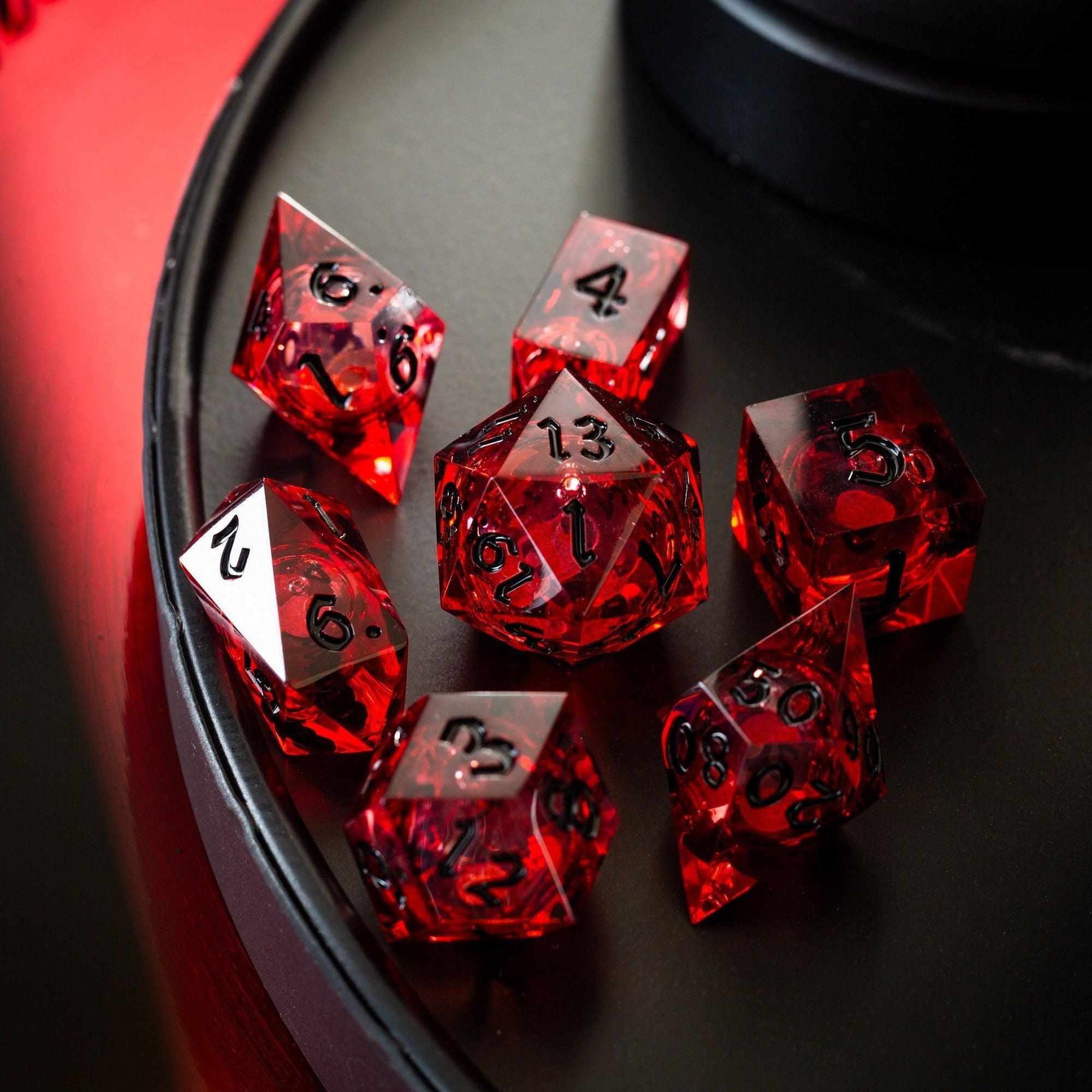
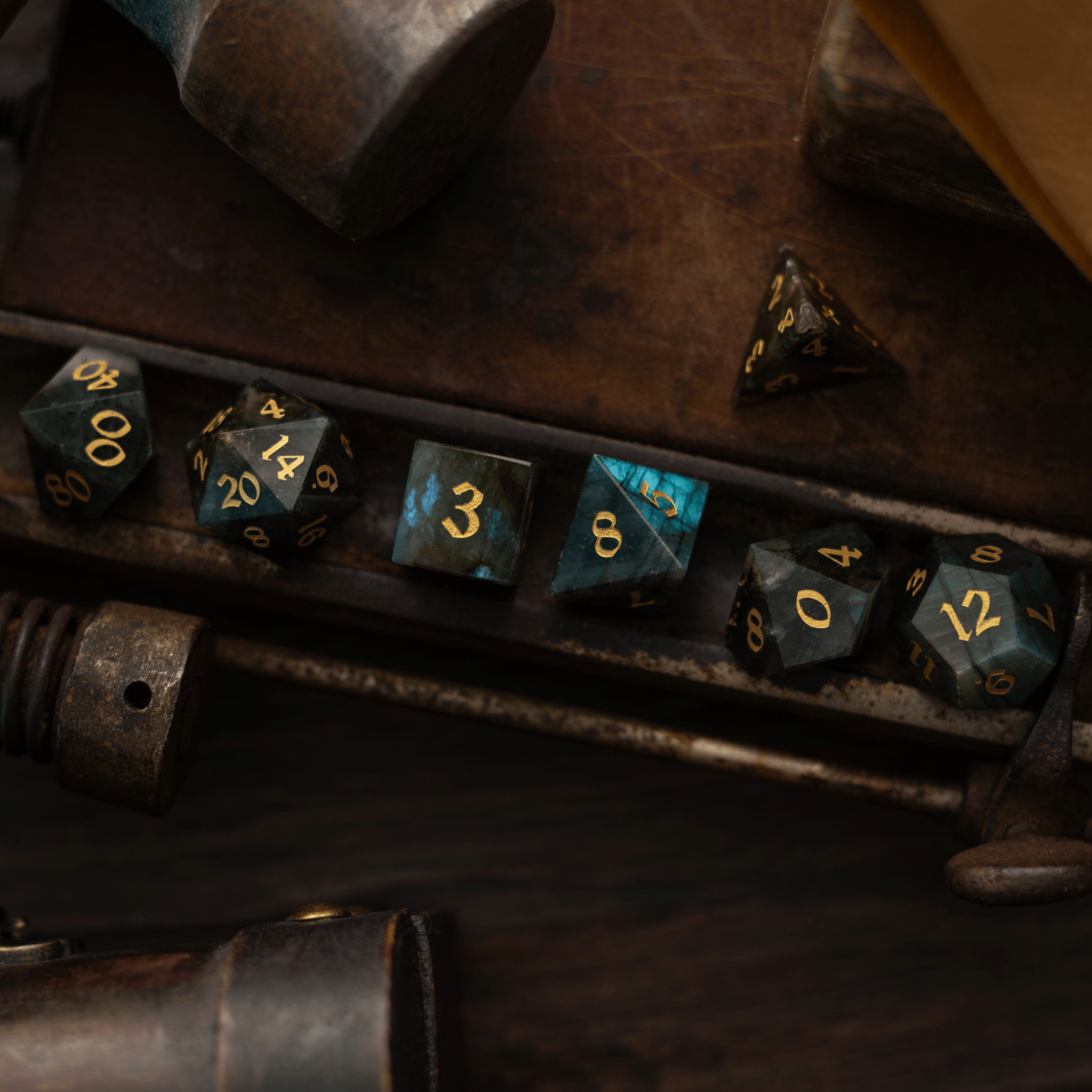
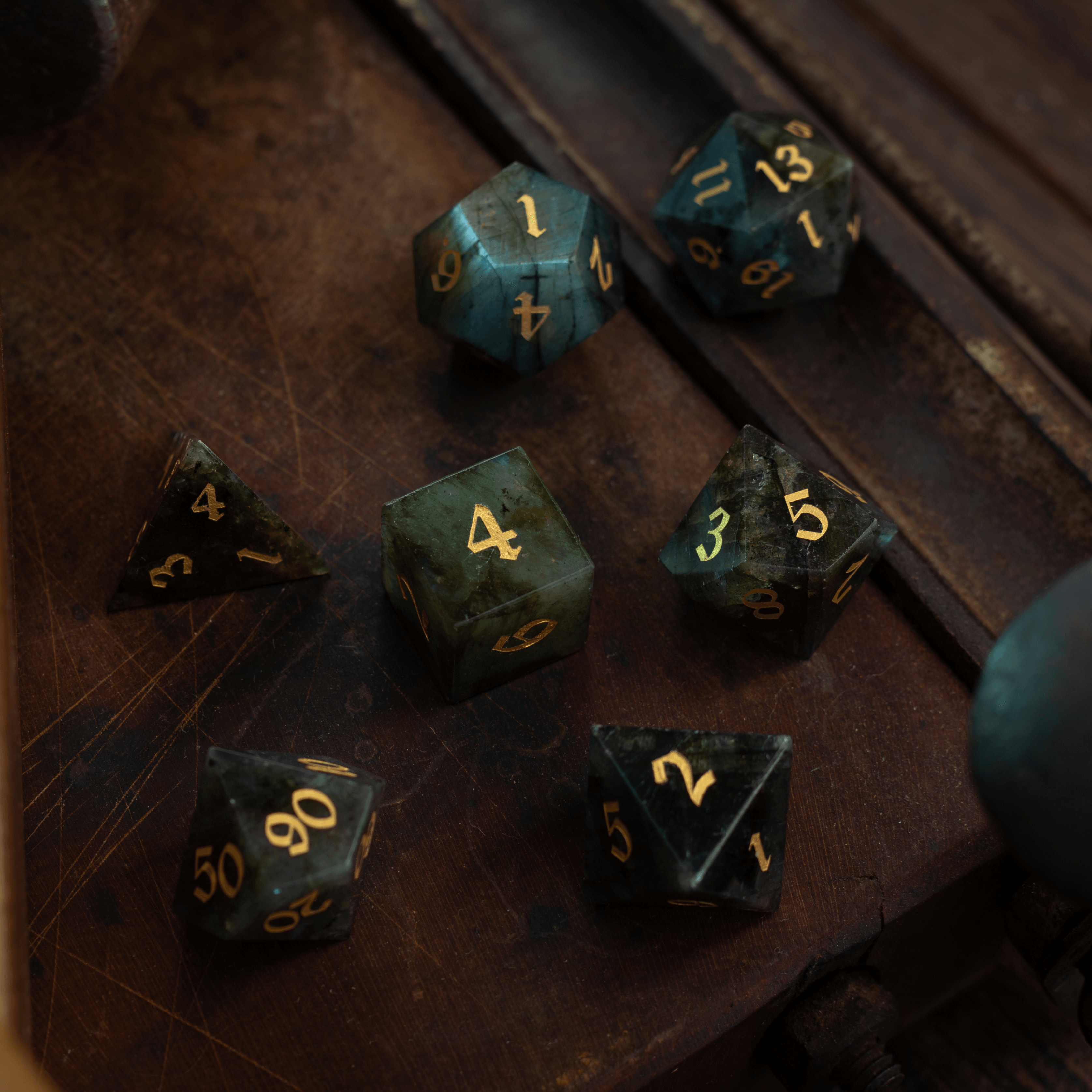
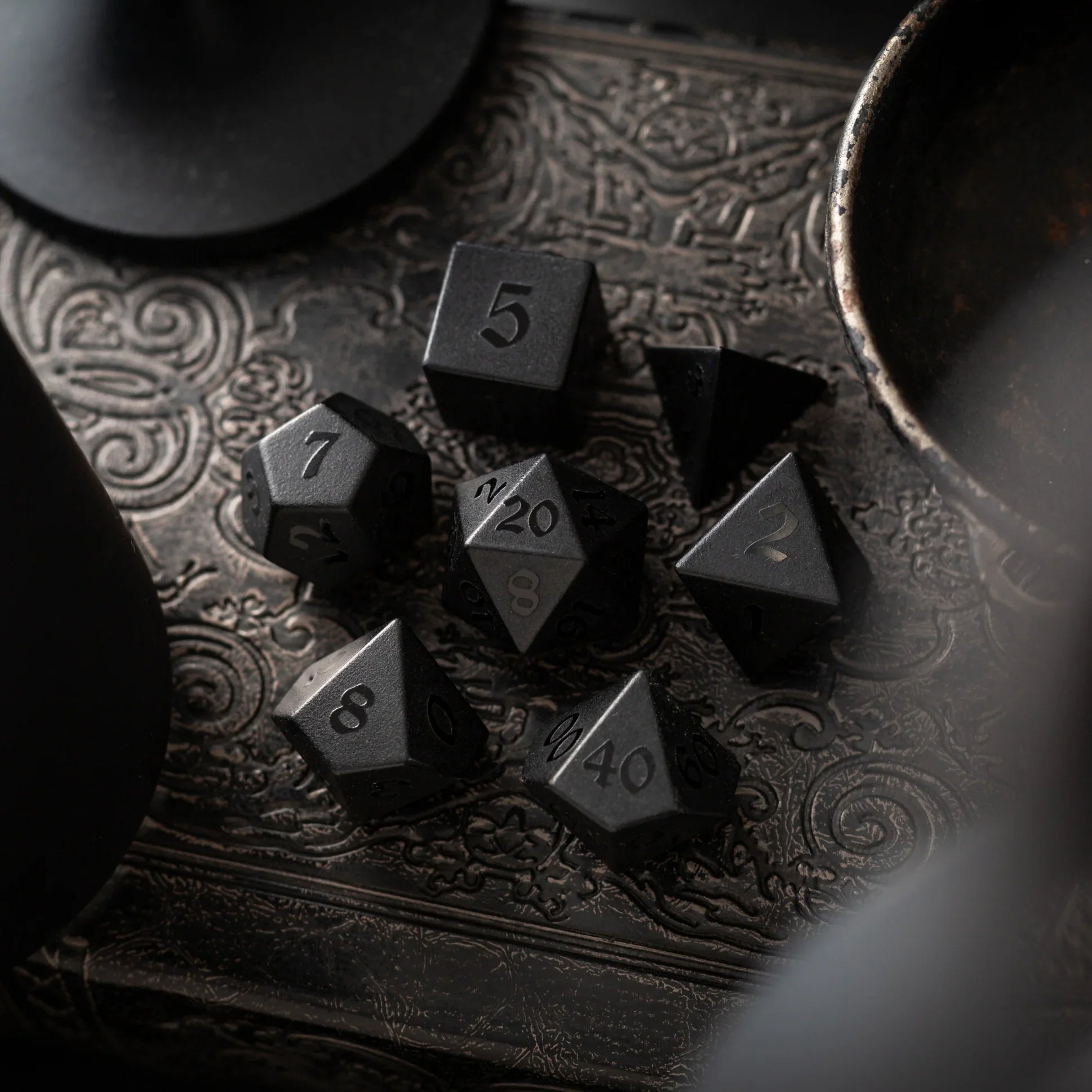
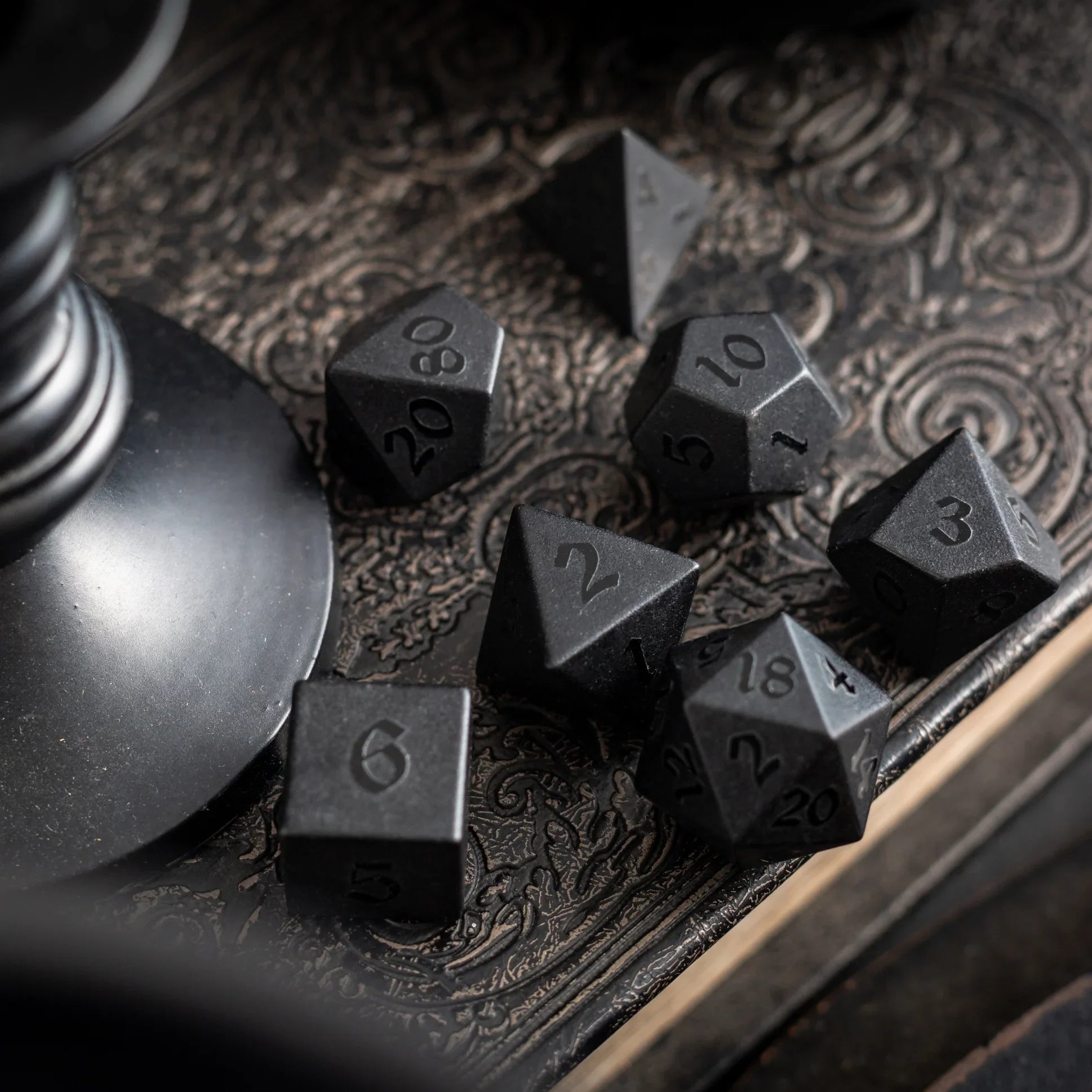
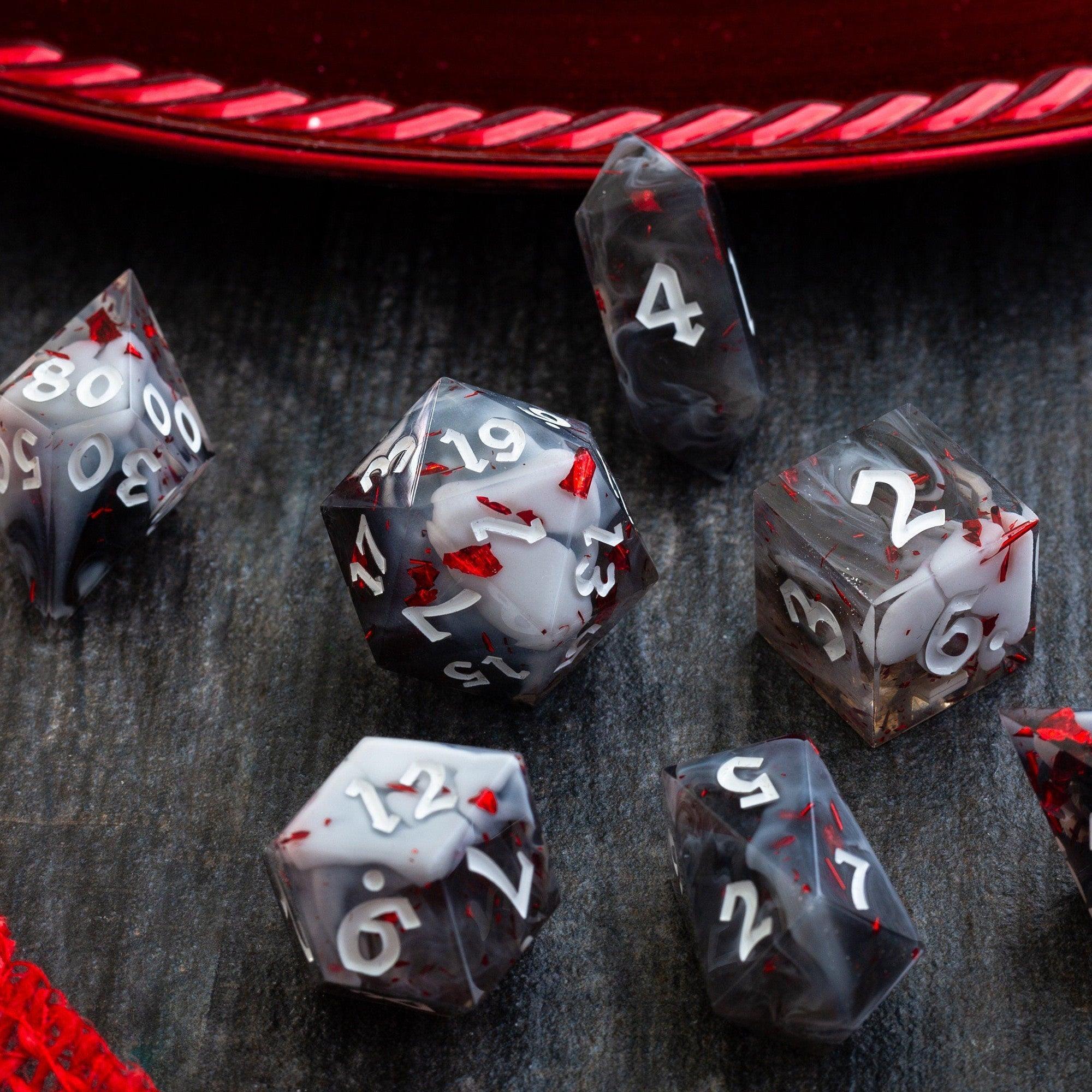
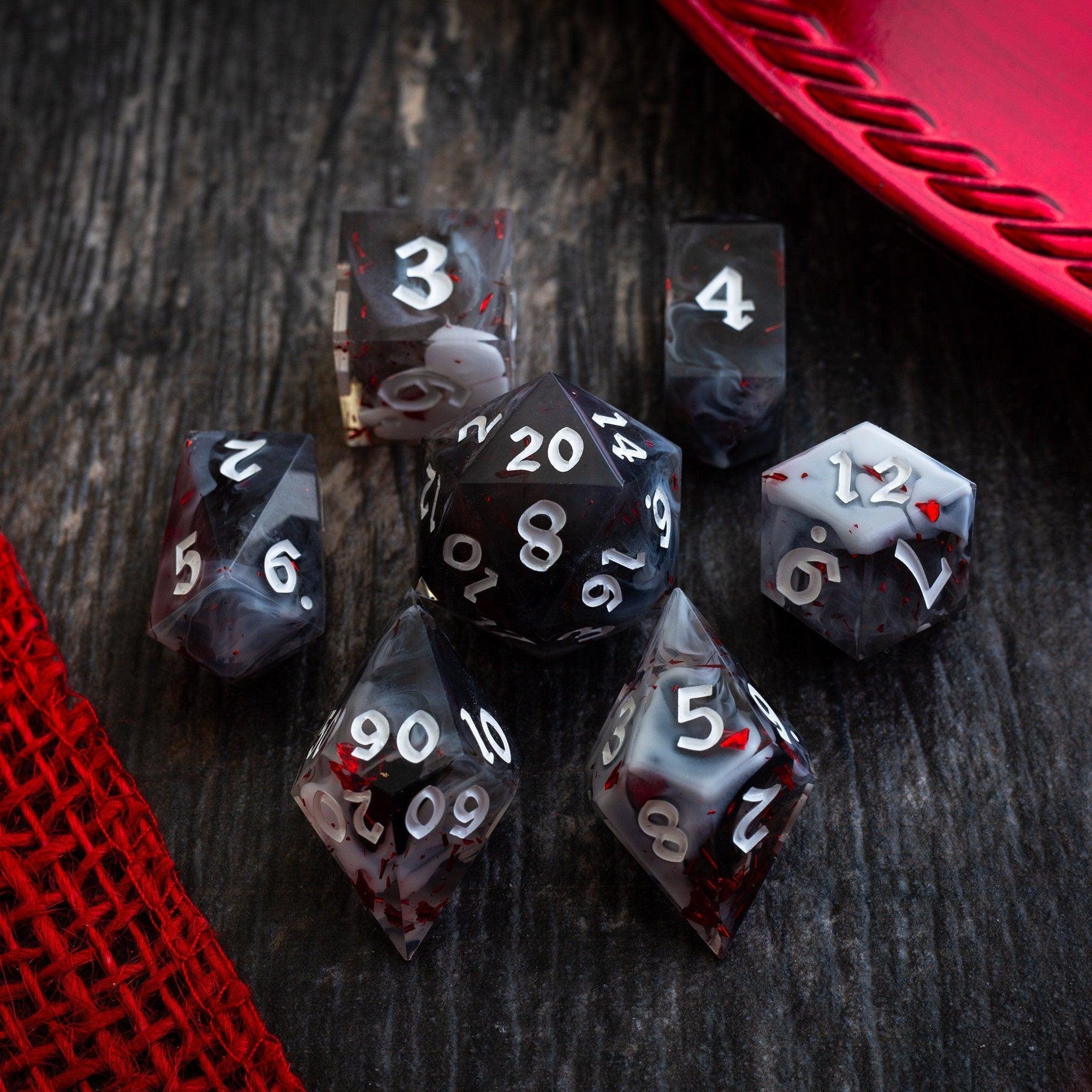
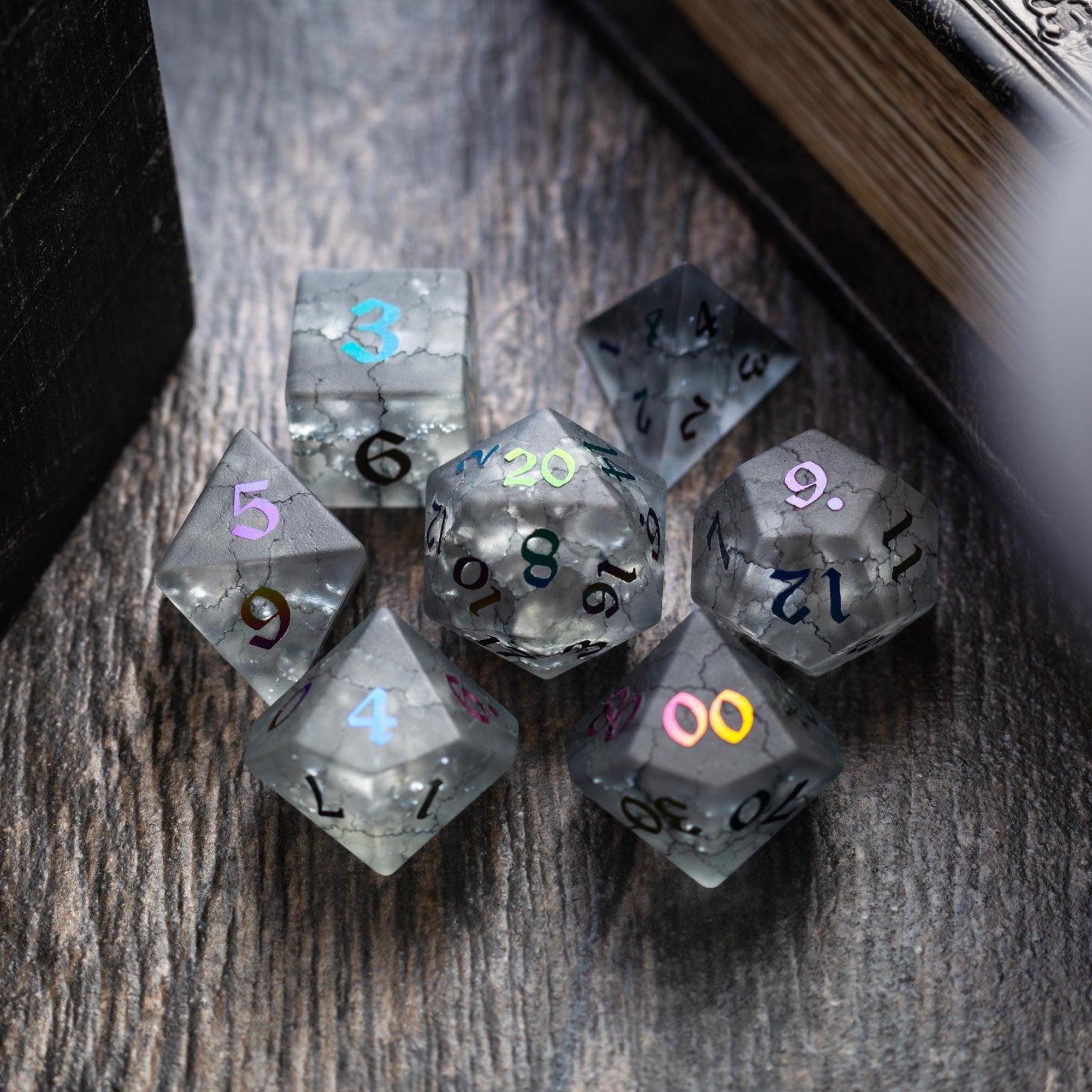
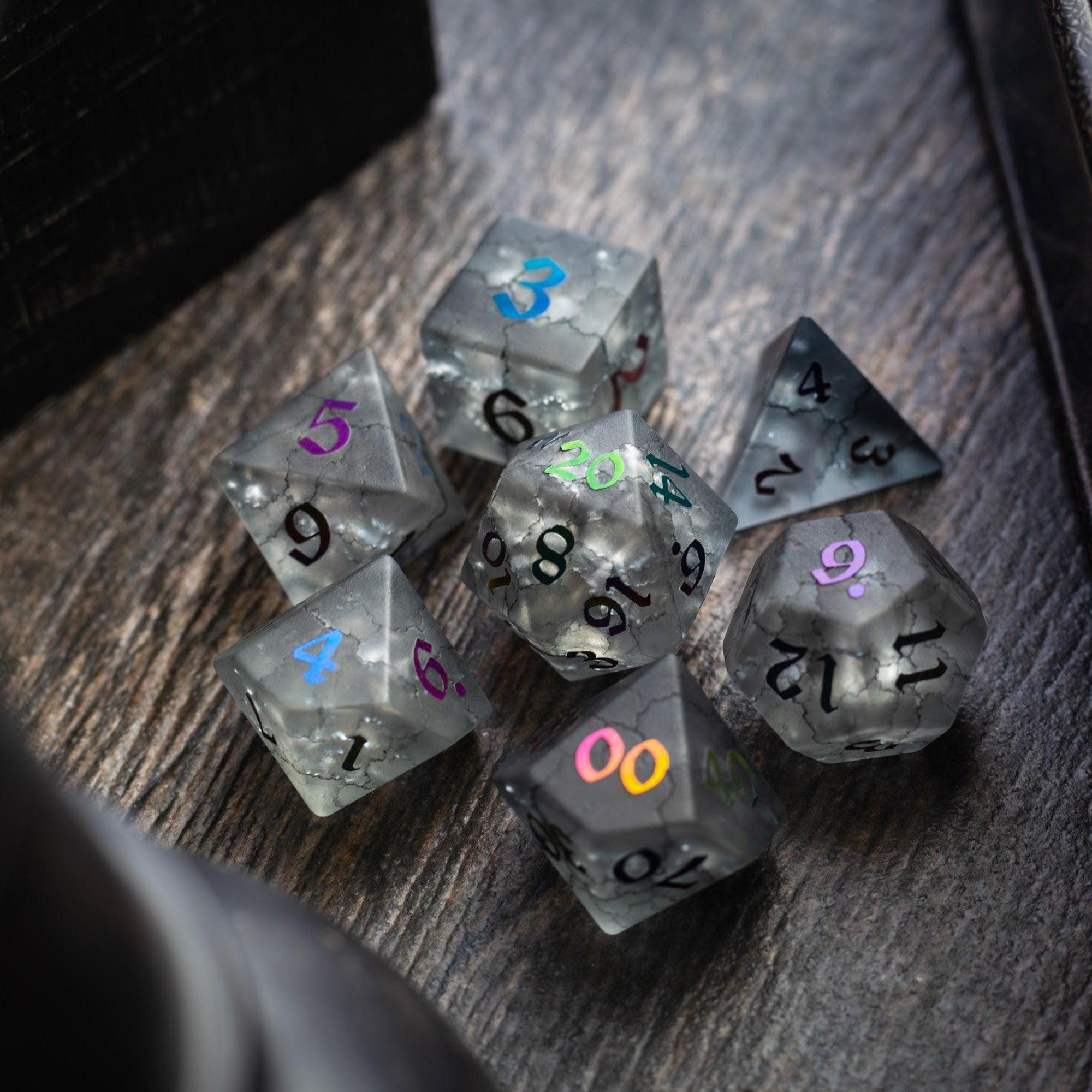
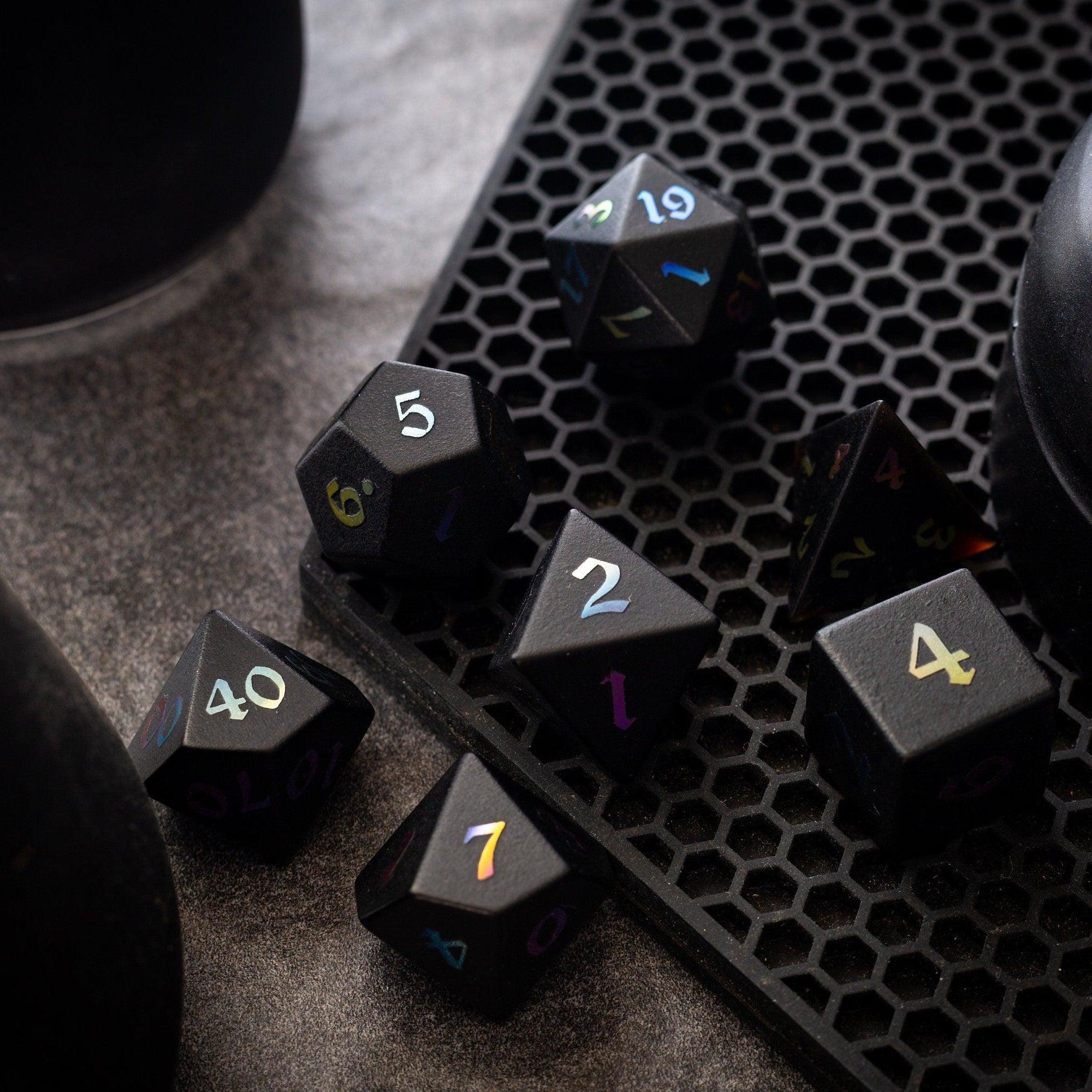
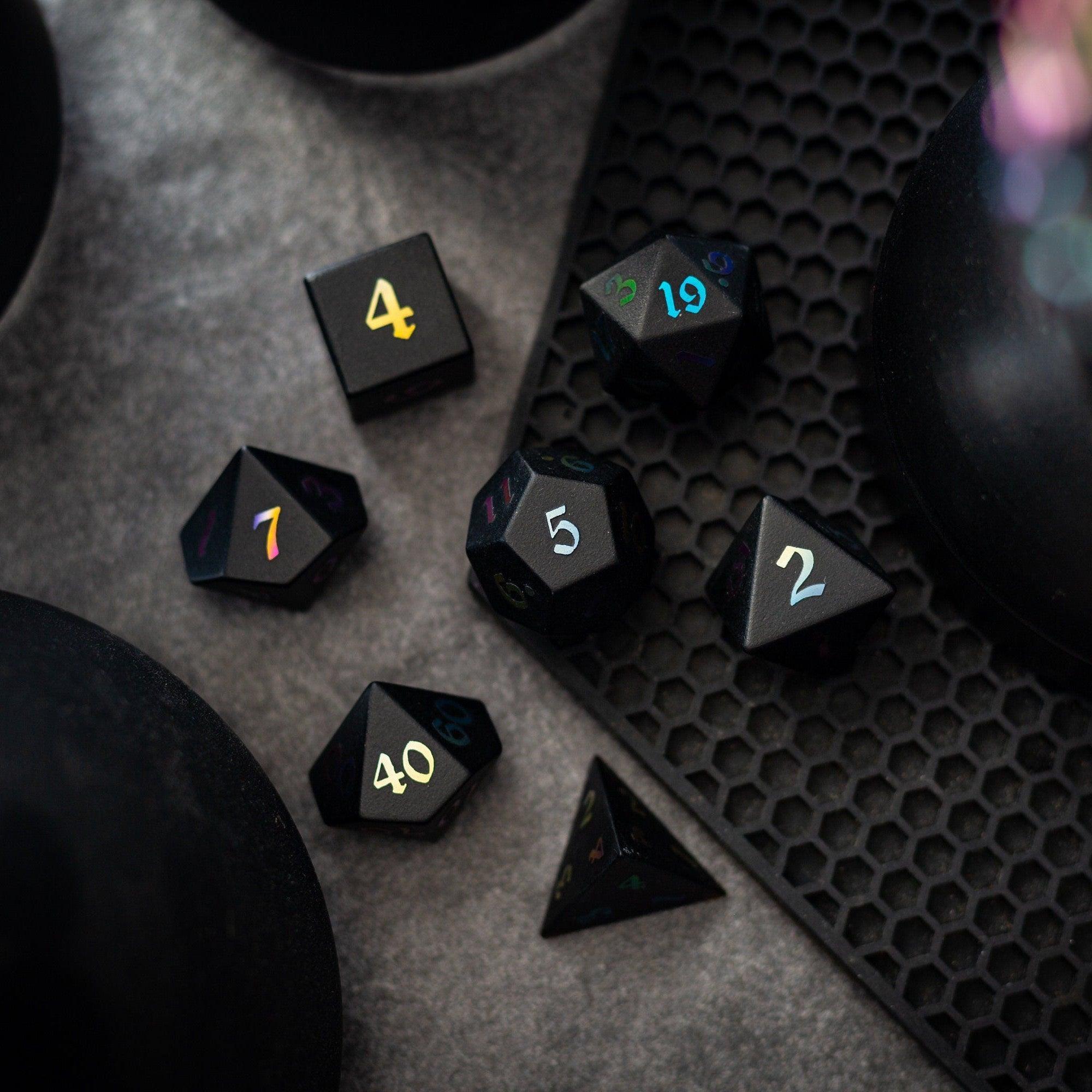
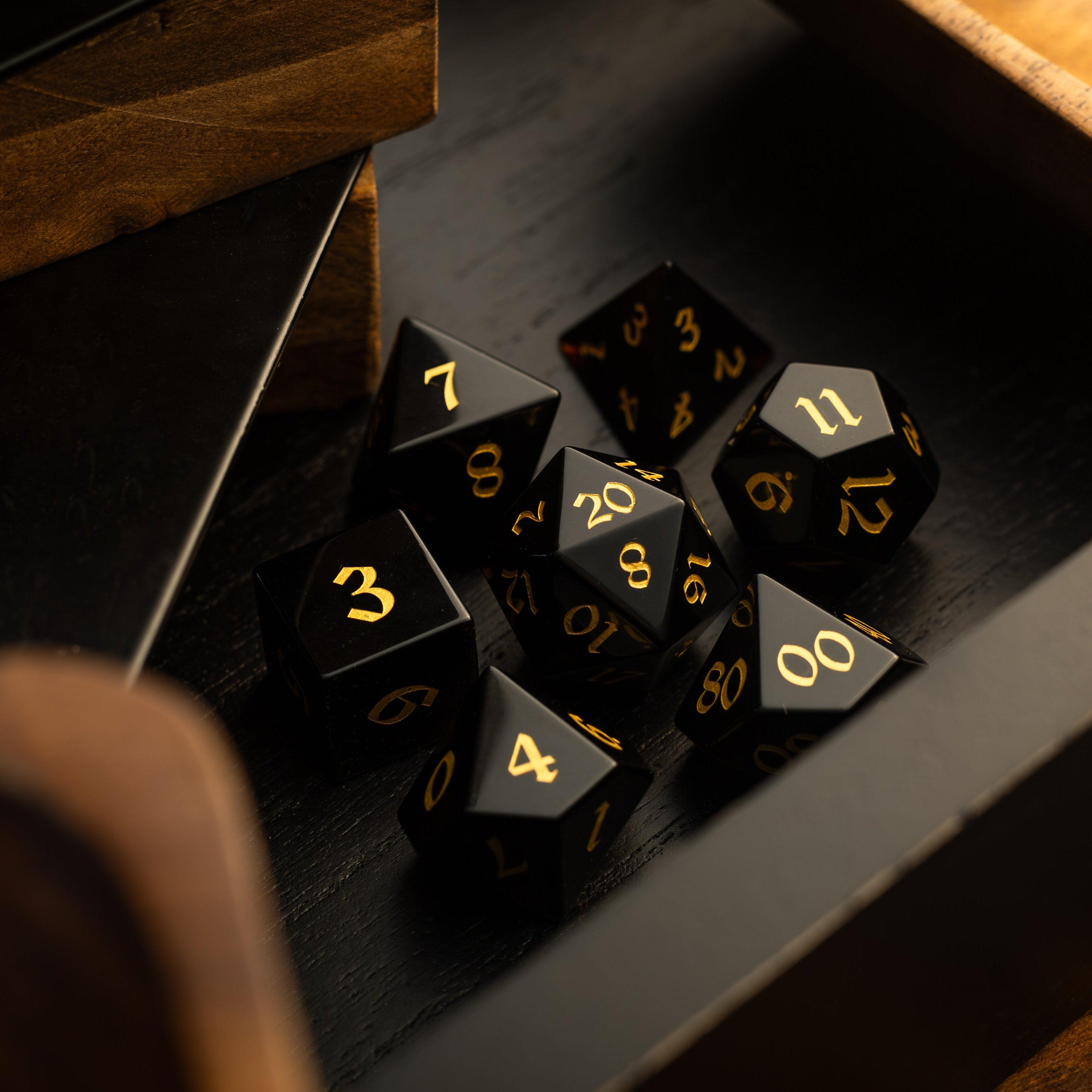
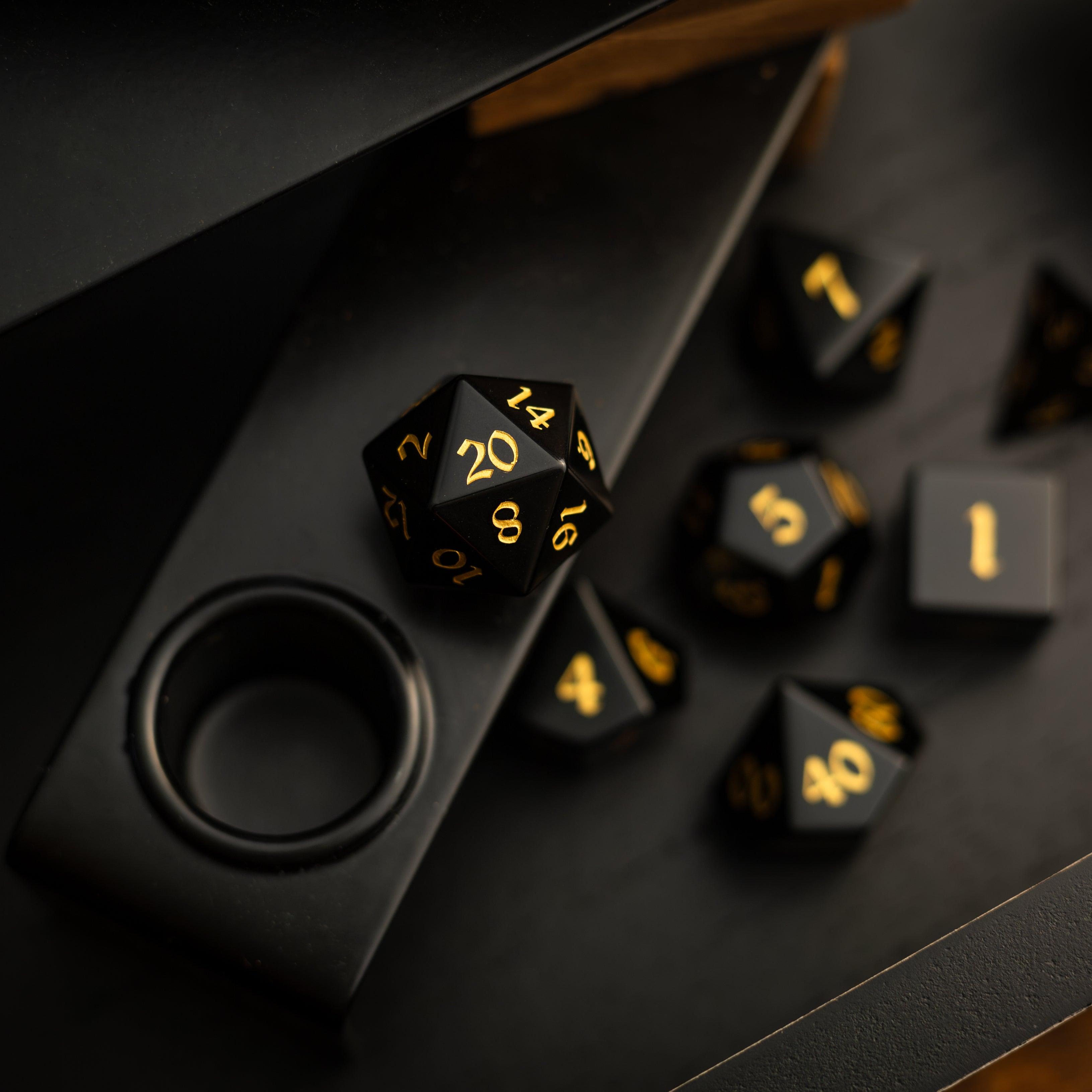
Small trays can organize treasure and status pieces, while a dice tray can keep rolls from scattering across modular maps or knocking into miniatures. Condition rings can also make temporary effects easier to identify when several figures are involved.
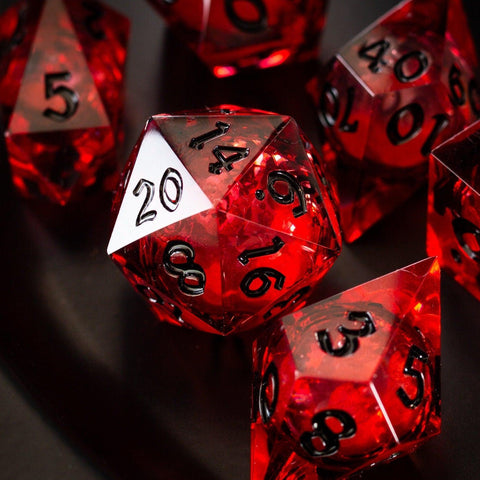
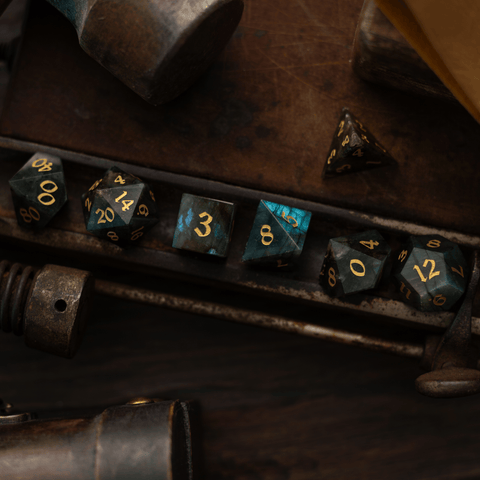
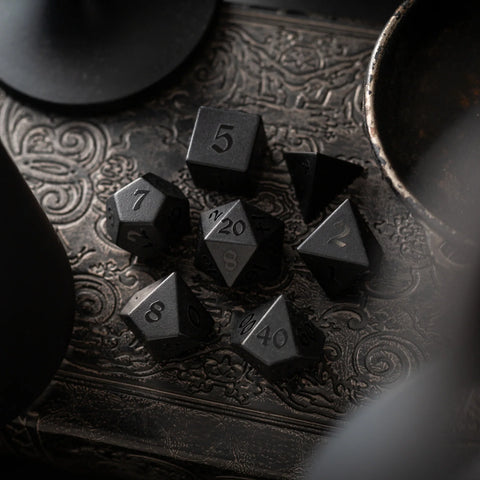
If players use personal dice when the rules allow, distinct sets can help separate individual rolls from shared game components.
These accessories are optional. Good organization matters more than filling the table with extra gear.
Organizing a Multi-Session Campaign
Campaign progress can become confusing if everything is thrown back into the box at the end of the night.
Keep each player’s character components together. Record completed scenarios, equipment, and upgrades according to the game’s rules. Labeled bags or containers can make the next setup faster.
If a board state must be preserved, photograph it before packing up. Protect delicate miniatures, check that components are accounted for, and agree on the next session while everyone is still together.
A simple organization system can save valuable playing time.
Common D&D Board Game Mistakes
One of the biggest mistakes is buying by theme alone. A group that wants cooperation may be disappointed by a competitive strategy game, even if everyone loves the setting.
Other common problems include assuming every title has a full campaign, ignoring player-count guidance, choosing excessive complexity, forgetting scenario objectives, exploring too aggressively, and using powerful abilities before the party truly needs them.
Players should also avoid adding house rules immediately. Learn the standard system first. Once everyone understands how the game works, the group can make informed decisions about optional changes.
FAQ: Dungeons and Dragons Board Games
What is the best D&D board game for beginners?
A structured cooperative scenario game can be a good starting point because it provides clear objectives and defined character abilities. The best choice still depends on the group’s preferred complexity and theme.
Do D&D board games require a Dungeon Master?
Many cooperative D&D board games do not. Their rules, cards, scenarios, and enemy systems handle functions that a Dungeon Master might normally manage.
Are D&D board games cooperative?
Some are, but not all. Adventure System titles are cooperative, while games such as Lords of Waterdeep and Tyrants of the Underdark are competitive.
Which D&D board games have campaigns?
Campaign depth varies. Some Adventure System titles provide stronger progression and linked play than others, while several games are primarily scenario-based.
Can D&D board games be played solo?
Some officially support solo play. Always check the rules for the specific title rather than assuming every D&D board game includes a solo mode.
Are D&D board games the same as regular Dungeons & Dragons?
No. Board games use more structured rules, limited actions, and defined objectives. Traditional D&D offers much greater freedom through roleplaying and Dungeon Master adjudication.
How long does a D&D board game take to play?
Playtime varies by title, scenario, group experience, and setup. Check the specific game before planning a session.
Can board game miniatures be used in roleplaying campaigns?
Many players reuse suitable miniatures in RPG sessions, but scale and design can vary between products.
Are D&D board games good for families?
They can be, especially when the complexity and age guidance match the players. Cooperative games can encourage discussion and shared decision-making.
Can different D&D adventure board games be combined?
Some games in the Adventure System line were designed with shared systems and cross-game possibilities, but compatibility should be checked for the specific titles and components involved.
Find the Right Adventure for Your Party
Dungeons and Dragons board games offer many different ways to experience fantasy adventure. Some focus on cooperative dungeon exploration and tactical monster battles. Others provide campaign progression, competitive strategy, or lighter fantasy play.
Choose according to what your group actually enjoys. Consider complexity, session length, cooperation, progression, replayability, and the amount of commitment everyone wants to make.
An epic campaign does not always require months of preparation or a stack of character sheets. Sometimes it begins by opening a box, choosing a hero, placing the first dungeon tile, and discovering what waits beyond the next door.

Leave a comment
This site is protected by hCaptcha and the hCaptcha Privacy Policy and Terms of Service apply.