

Banneret (Purple Dragon Knight) Fighter Guide for Beginners: Mastering the Banneret in D&D 5e

The Banneret Fighter is a Dungeons & Dragons 5e subclass built around leadership, teamwork, and fighting beside your allies. Also associated with the Purple Dragon Knights of Cormyr, the Banneret supports the party without giving up the weapons, armor, or extra attacks that make Fighters reliable in combat.
Important 2026 rules update: The Banneret was revised in Forgotten Realms: Heroes of Faerûn (2025). This guide covers the newer version and 2024 Fighter rules. Check which edition your Dungeon Master uses.
Why Play a Banneret Fighter?
Key Benefits
- Team healing: Restore some of your companions' hit points when you use Second Wind.
- Useful tactical support: Help allies succeed on important rolls, make attacks, or move out of danger.
- Strong Fighter foundation: Keep Extra Attack, Action Surge, Weapon Mastery, and access to heavy armor.
- Leadership outside combat: Use languages and social skills to handle negotiations and tense encounters.
- Flexible character concept: Play a knight, veteran officer, mercenary captain, or reluctant leader.
The Banneret rewards staying near allies and watching the battlefield. Its limited healing can still make a timely difference.
Banneret Fighter Features Explained
The revised Banneret receives subclass features at Fighter levels 3, 7, 10, 15, and 18.
Level 3: Knightly Envoy and Group Recovery
Knightly Envoy gives you proficiency in Insight, Intimidation, Persuasion, or Performance. You learn an additional language, can change that language after a Long Rest to one encountered during the preceding day, and can cast Comprehend Languages as a ritual using Charisma.
Group Recovery lets you heal nearby allies when you use Second Wind to regain hit points. Choose up to your Charisma modifier in allies (minimum one) within 30 feet. Each selected ally regains 1d4 + your Fighter level hit points. You can use Group Recovery once per Short or Long Rest.
For example, at level 3 with Charisma 14, you can heal two allies for 1d4 + 3 hit points each.
Level 7: Team Tactics
When Group Recovery affects an ally, Team Tactics also gives that ally Advantage on D20 Tests until the start of your next turn. That includes attack rolls, ability checks, and saving throws. This makes the timing of Group Recovery important: using it before teammates attack can be more valuable than waiting until everyone is nearly defeated.
Level 10: Rallying Surge
When you use Action Surge, Rallying Surge can affect a number of allies equal to your Charisma modifier (minimum one) within 30 feet. Each chosen ally can immediately use their Reaction to make one weapon or Unarmed Strike attack, or move up to half their Speed without provoking Opportunity Attacks.
Give a Rogue another chance to land Sneak Attack when its conditions are met, or help an injured spellcaster retreat from melee. Remember that each ally needs an available Reaction.
Level 15: Shared Resilience
When an ally you can see within 60 feet fails a saving throw, Shared Resilience lets you use your Reaction and expend one use of Indomitable. The ally rerolls that saving throw with a bonus equal to your Fighter level and must use the new result. Save this for a failed roll that could seriously hurt the party, such as one against a dangerous spell.
Level 18: Inspiring Commander
Inspiring Commander increases the reach of Group Recovery and Rallying Surge to 60 feet. You also become immune to the Charmed and Frightened conditions. By this level, you can support teammates across a much larger battlefield.
Best Banneret Fighter Build for Beginners
Ability Scores
- Strength or Dexterity: Your primary attack ability. Choose Strength for heavy armor and melee weapons, or Dexterity for finesse and ranged weapons.
- Charisma: Important in the revised Banneret because it determines how many allies Group Recovery and Rallying Surge can affect.
- Constitution: Supports your hit points and keeps you standing beside the party.
Consider starting with 16 in your attack ability, 14 Constitution, and 14 Charisma if possible. Do not sacrifice accuracy just to maximize Charisma.
Species and Backgrounds
Human provides an extra Origin feat and skill proficiency. Goliath offers useful combat traits, including a defensive Stone Giant option. Dragonborn adds damage resistance and a breath weapon. These are examples, not requirements; nearly any species can make a good Banneret.
Under the updated character creation rules, ability score increases generally come from your background, not your species. Pick a background that supports your combat ability and consider Charisma where available. If using a legacy species or background, follow your DM's conversion rules.
Simple Level 3 Build Example
Make a Strength-based Human Fighter with a longsword, shield, chain mail, and the Defense Fighting Style. Aim for Strength 16, Constitution 14, and Charisma 14. At level 3, choose Banneret and Persuasion for Knightly Envoy. In combat, stay close enough to two teammates to help them with Group Recovery while using your regular attacks to protect the front line.
How to Play a Banneret Fighter
Stay within reach of your party. Most of your strongest support abilities have a limited radius. Charging far ahead can leave your allies outside Group Recovery or Rallying Surge.
Use Second Wind thoughtfully. With the 2024 Fighter rules, Second Wind has multiple uses, but Group Recovery still has its own rest-based limit. At level 7, consider whether your allies would benefit from Advantage on their next rolls as well as healing.
Watch your teammates' Reactions. A Rogue who already used Uncanny Dodge cannot also spend that same Reaction on Rallying Surge before it refreshes. Ask who is ready to attack or reposition before choosing targets.
Lead without ordering other players around. The Banneret is a natural spokesperson, but the fun comes from teamwork. Make suggestions, ask what others need, and let each player decide how their character responds.
Roleplay Ideas
- Knight Commander: A sworn protector trying to live up to a difficult oath.
- Battlefield Veteran: A former soldier who would rather keep companions safe than earn glory.
- Charismatic Duelist: A confident fighter who settles conflicts with words whenever possible.
Gear and Dice Recommendations
Weapons and armor: A longsword and shield suit a defensive Strength build, while a greatsword favors damage. Dexterity Bannerets can use a rapier or longbow. Plate armor offers strong protection for a Strength build; breastplate or half plate can work for Dexterity builds. A Cloak of Protection or Amulet of Health, if your DM makes one available, can help you survive dangerous encounters.
For a knightly look at the table, consider these existing Runic Dice options:
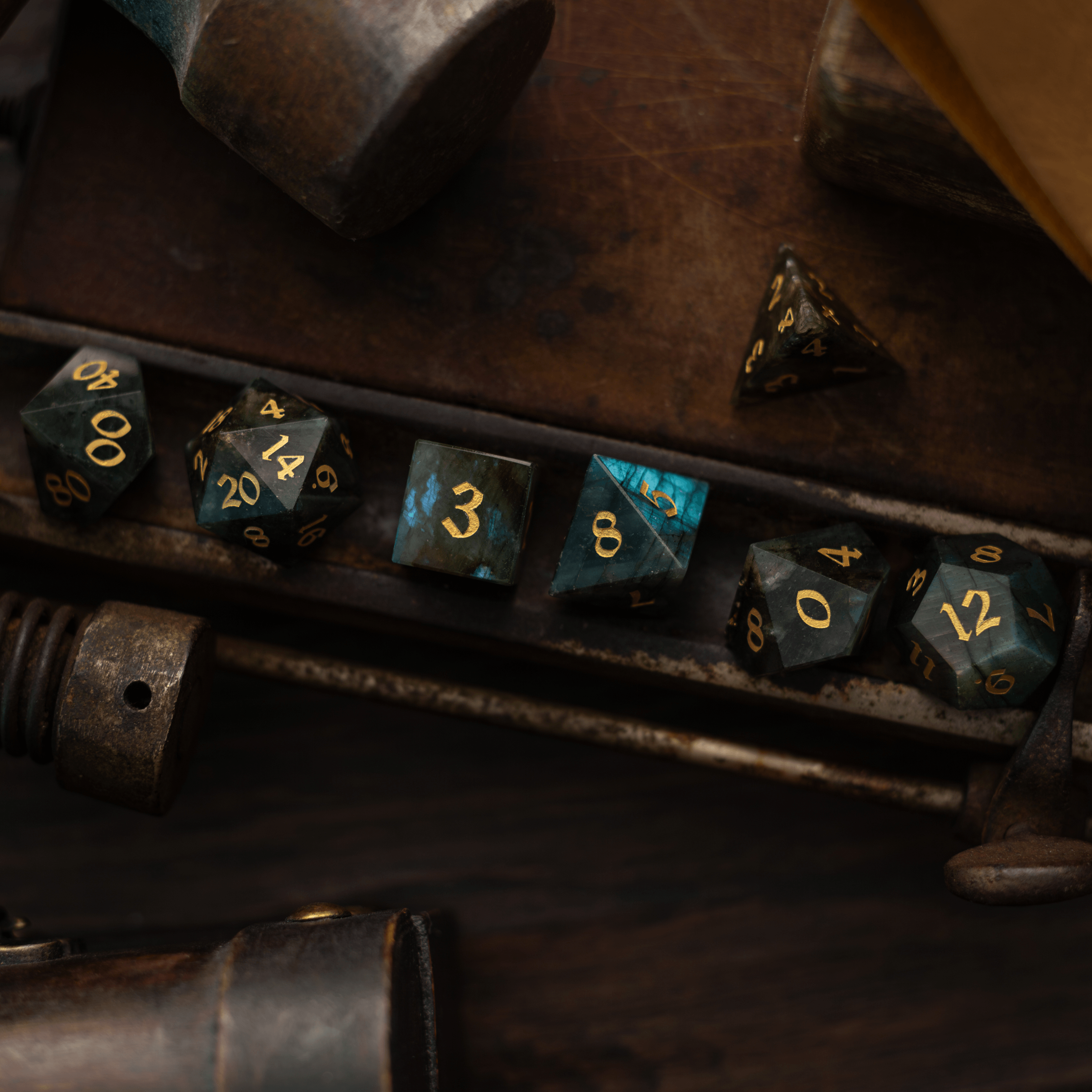
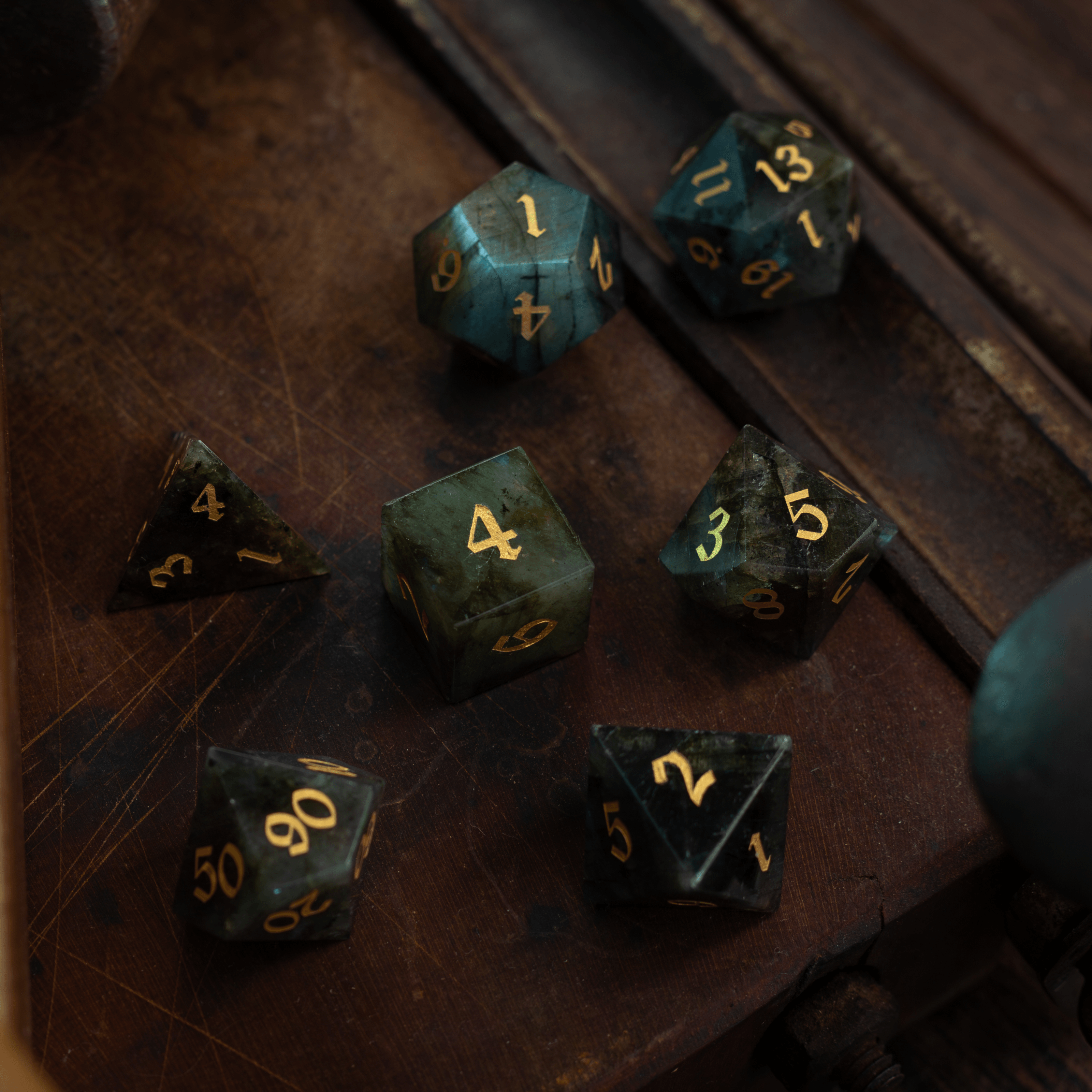
- Light Blue Cat's Eye Gemstone Dice Set for a classic royal-guard theme.
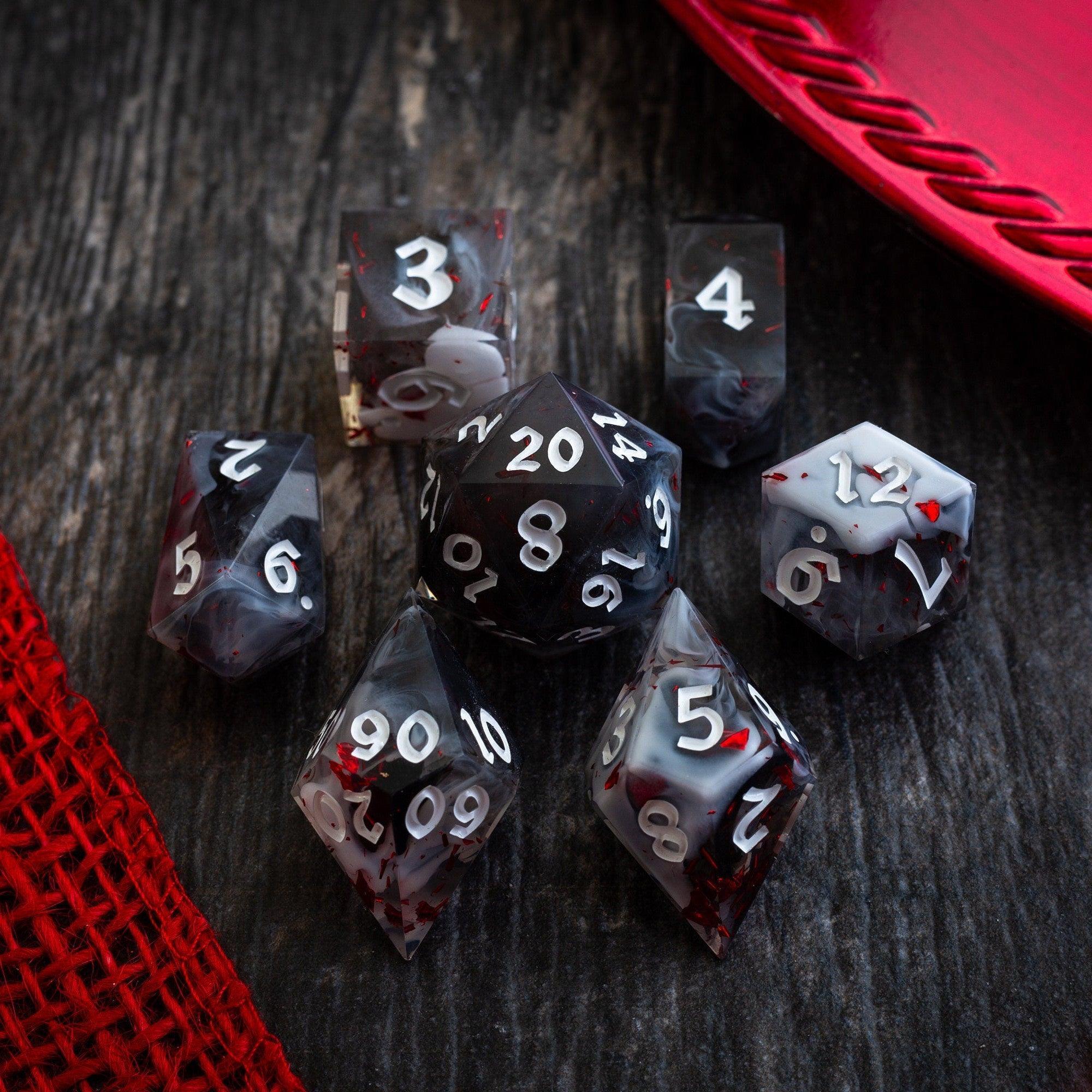
- Red and Gold Glitter Liquid Core Dice Set for a bold battlefield-commander style.
- Gemstone Raised Dichroic Glass Dice Set for a ceremonial knight or noble duelist.
Use a dice tray if you prefer to keep heavier or delicate dice away from a hard tabletop. Dice choice is about readability and personal taste; it does not change your character's abilities.
Advanced Tips and Useful Feats
Inspiring Leader is a strong thematic fit under the 2024 rules. It grants temporary hit points after a rest, while Group Recovery restores actual hit points during combat. Sentinel helps a front-line Banneret punish enemies that threaten nearby allies. Tough increases your durability, letting you stay where teammates need you.
Multiclassing into Bard or Paladin can support the leadership theme, but it also delays Extra Attack and your Banneret subclass features. For most beginners, remaining a single-class Fighter is simpler and effective.
Banneret Fighter FAQ
Is Banneret the same as Purple Dragon Knight?
The original Banneret was called the Purple Dragon Knight in its Forgotten Realms setting. The revised Banneret continues that knightly tradition, but uses different mechanics.
Can a Banneret replace a Cleric?
Not usually. Group Recovery gives helpful emergency healing, but the subclass lacks the wide range of healing and restorative spells available to a Cleric. Think of a Banneret as a Fighter who helps the party survive and act more effectively.
What changed from the 2015 Banneret?
The older subclass had Rallying Cry, Royal Envoy, Inspiring Surge, and Bulwark. The 2025 revision replaces or reworks those abilities with Group Recovery, Knightly Envoy, Team Tactics, Rallying Surge, Shared Resilience, and Inspiring Commander. Do not mix features from the two versions unless your DM approves.
Leading the Party as a Banneret
The Banneret works best for players who enjoy dependable weapon damage and teamwork. Build around your preferred weapon, invest in Charisma, and watch for moments when allies need healing, another attack, or a safe escape.
For the published rules, see Forgotten Realms: Heroes of Faerûn and the 2024 Fighter class rules.

















Leave a comment
This site is protected by hCaptcha and the hCaptcha Privacy Policy and Terms of Service apply.