
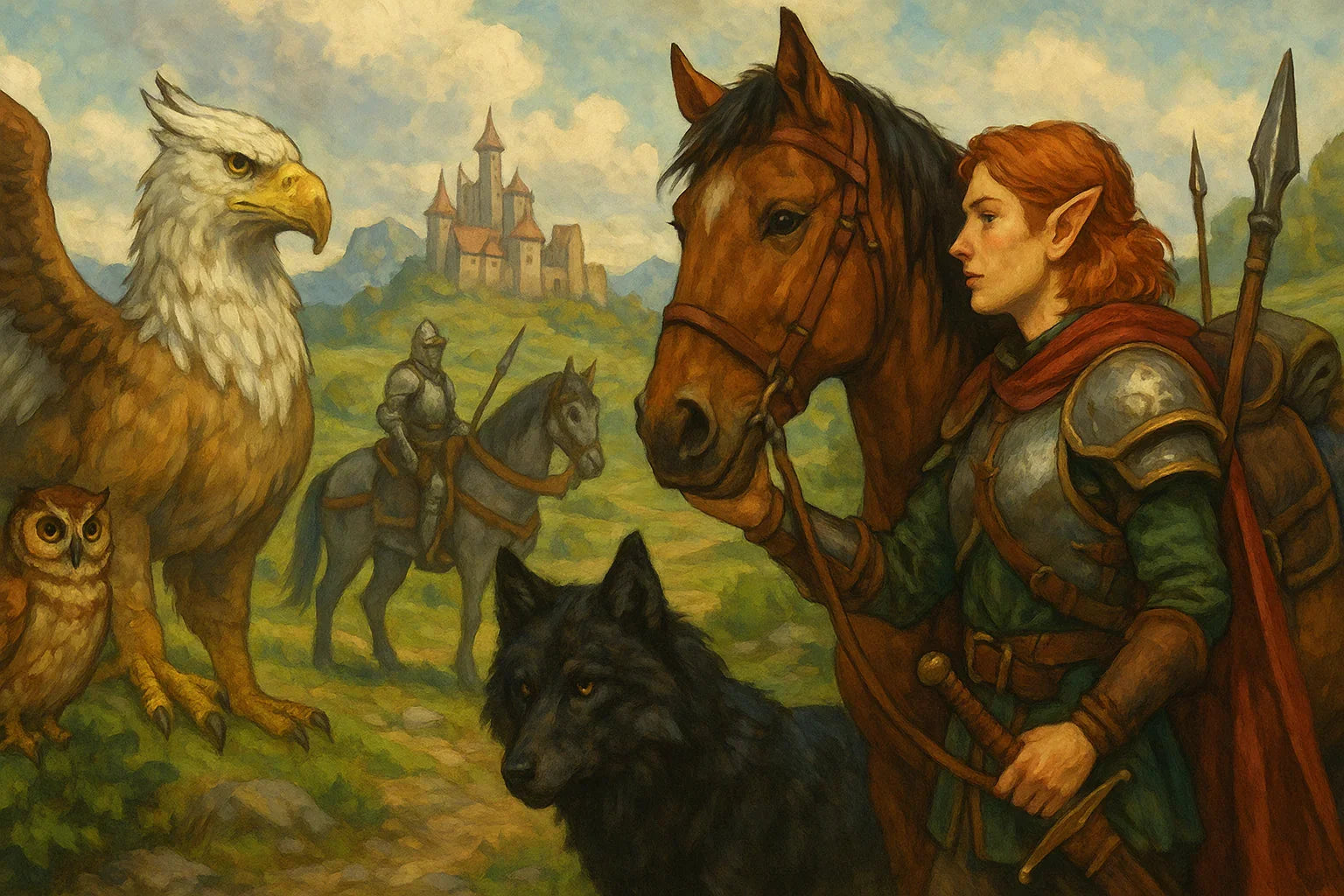
Choosing Mounts and Animal Companions: A Practical Guide
Mounts and animal companions have long been part of fantasy storytelling. A loyal horse carrying adventurers across dangerous roads, a ranger traveling beside a trusted wolf, or a griffon soaring over mountain peaks can add excitement and personality to any tabletop campaign. Beyond their visual appeal, these companions can influence travel, exploration, combat, and roleplaying in meaningful ways.
Every tabletop RPG handles these creatures differently. Rules for mounts and animal companions vary between game systems, editions, character subclasses, and official supplements. In Dungeons & Dragons, for example, mounted combat, familiars, Beast Master companions, and summoned creatures all follow different rules. Understanding those differences helps players and Dungeon Masters create adventures that remain balanced while making companions feel like a natural part of the story.
Whether your campaign features humble riding horses or legendary fantasy mounts, choosing the right companion is about finding one that fits your character, your group's playstyle, and the world you explore.
Understanding the Different Types of Companions
Not every friendly creature serves the same purpose. Before choosing one, it helps to understand the distinctions.
Mounts
A mount is primarily used for transportation. Most campaigns begin with ordinary riding animals such as horses, ponies, camels, or mules, while high fantasy settings may introduce griffons, giant lizards, giant elk, or other remarkable creatures.
Typical benefits include:
-
Faster overland travel
-
Carrying additional equipment
-
Mounted combat opportunities
-
Greater mobility during exploration
Not every location accommodates mounts. Dense forests, narrow caves, or underground dungeons often require adventurers to continue on foot.
Animal Companions
D&D animal companions are creatures that actively accompany a character throughout adventures. Depending on the game system and subclass, they may assist during combat, scouting, tracking, or exploration.
Animal companions often become memorable characters themselves, contributing to roleplaying as much as combat.
Familiars
Familiars are magical beings rather than ordinary animals. Classes or spells that grant familiars provide their own official rules governing how these creatures behave and interact with the world.
Although a familiar may resemble an owl, raven, cat, or other small creature, it should not be confused with an animal companion.
Pets
Ordinary pets exist mainly for roleplaying purposes. They usually have little mechanical impact on gameplay and are not intended to participate in dangerous encounters.
Understanding these differences helps players avoid expecting every companion to perform the same role.
Choosing Companions That Fit Your Character and Campaign
The best RPG mounts and companions support both your character concept and the campaign setting.
Ask yourself a few questions before making a choice:
-
Does the setting naturally include this creature?
-
Will it have opportunities to shine?
-
Can the party reasonably care for it?
-
Does it complement your character's abilities?
-
Will it remain enjoyable for the entire group?
A knight traveling across open kingdoms may benefit greatly from a warhorse, while an underground exploration campaign might rarely allow mounted travel. Likewise, a Beast Master ranger naturally centers much of their gameplay around an animal companion, whereas another character may simply enjoy traveling with a loyal riding dog.
Dungeon Masters can also help players choose creatures that make sense within the world instead of forcing unusual animals into every adventure.
Practical Uses During Adventure
Mounts and companions offer much more than additional attacks.
Travel
One of the greatest strengths of RPG travel companions is making long journeys feel more immersive.
They can help by:
-
Carrying supplies
-
Navigating difficult terrain
-
Pulling wagons
-
Crossing wide plains
-
Speeding up overland movement
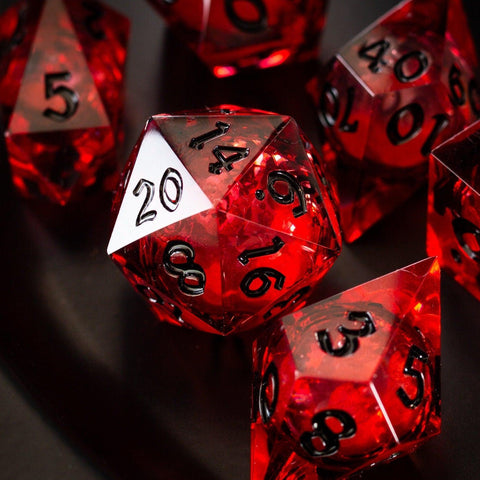
During travel-heavy campaigns, organized play becomes especially valuable. A padded dice tray from Runic Dice keeps exploration rolls contained while maps, notes, and equipment remain neatly arranged around the table.
Exploration
Companions often excel during exploration.
Useful tasks include:
-
Tracking creatures
-
Detecting danger
-
Guarding camp
-
Finding hidden paths
-
Searching unfamiliar wilderness
These moments allow companions to contribute without replacing the skills of player characters.
Combat
Mounted combat introduces unique tactical choices, but it also comes with additional rules that vary by system and edition.
Similarly, animal companions may:
-
Distract enemies
-
Assist with positioning
-
Protect allies
-
Create opportunities for teamwork
They should support the party rather than dominate encounters.
When mounted battles involve several creatures, condition rings from Runic Dice make it easier to track restrained, frightened, poisoned, or other ongoing effects affecting both riders and companions. A sturdy dice tower also helps manage frequent mounted combat rolls efficiently while keeping heavier dice under control.
Roleplaying
Perhaps the greatest value of companions comes through storytelling.
A dependable horse that has survived countless adventures or a faithful wolf that reacts to familiar NPCs creates memorable moments without relying on combat statistics.
These relationships often become some of the most beloved parts of long-running campaigns.
Mounts and Companions Comparison
| Creature Type | Primary Role | Strengths | Limitations | Ideal Campaign Use |
|---|---|---|---|---|
| Riding Horse | Travel | Fast, dependable, common | Limited in dungeons | Open world adventures |
| Warhorse | Mounted combat | Durable, trained for battle | Requires space to maneuver | Military or knight-focused campaigns |
| Mule or Pack Animal | Carrying supplies | Excellent cargo capacity | Slow movement | Long expeditions |
| Giant Lizard | Difficult terrain | Climbs rough surfaces in appropriate settings | Rare in many worlds | Desert, jungle, or underground adventures |
| Griffon or Flying Mount | Aerial travel | Exceptional mobility | Often rare and difficult to obtain | High-level fantasy campaigns |
| Animal Companion | Combat and exploration | Supports tracking, scouting, and teamwork | Rules vary by subclass and system | Character-focused adventures |
| Familiar | Utility and magical assistance | Scouting and spell interactions | Limited combat role | Spellcasting characters |
| Ordinary Pet | Roleplaying | Adds personality and emotional moments | Minimal mechanical impact | Story-driven campaigns |
Remember that official rules determine how these creatures function mechanically, and those rules differ between games and published supplements.
Bringing Companions Naturally Into the Story
Companions feel more believable when they become part of everyday adventures.
Consider giving them opportunities to:
-
React to unfamiliar locations
-
Build relationships with NPCs
-
Display unique personalities
-
Learn routines during travel
-
Participate in downtime activities
Dungeon Masters can reward thoughtful interaction without making companions the center of every scene.
Likewise, players should allow everyone at the table opportunities to contribute instead of expecting their companion to solve every challenge.
Caring for Mounts and Companions
Animals are living creatures, not equipment.
Within the story, they require:
-
Food and water
-
Rest
-
Shelter
-
Veterinary or magical healing when appropriate
-
Safe places during especially dangerous missions
Acknowledging these needs adds realism without requiring excessive bookkeeping.
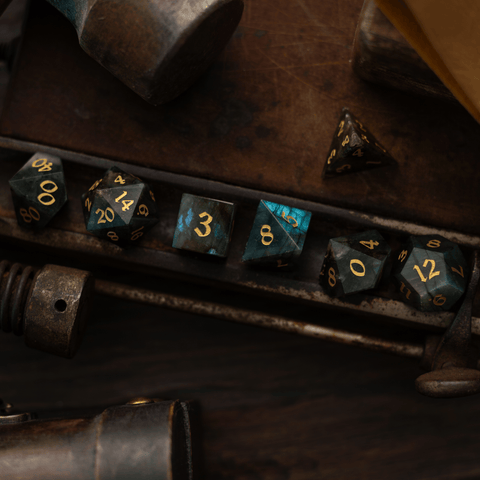
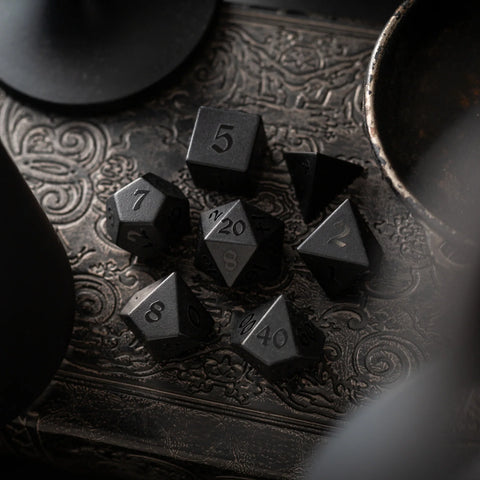
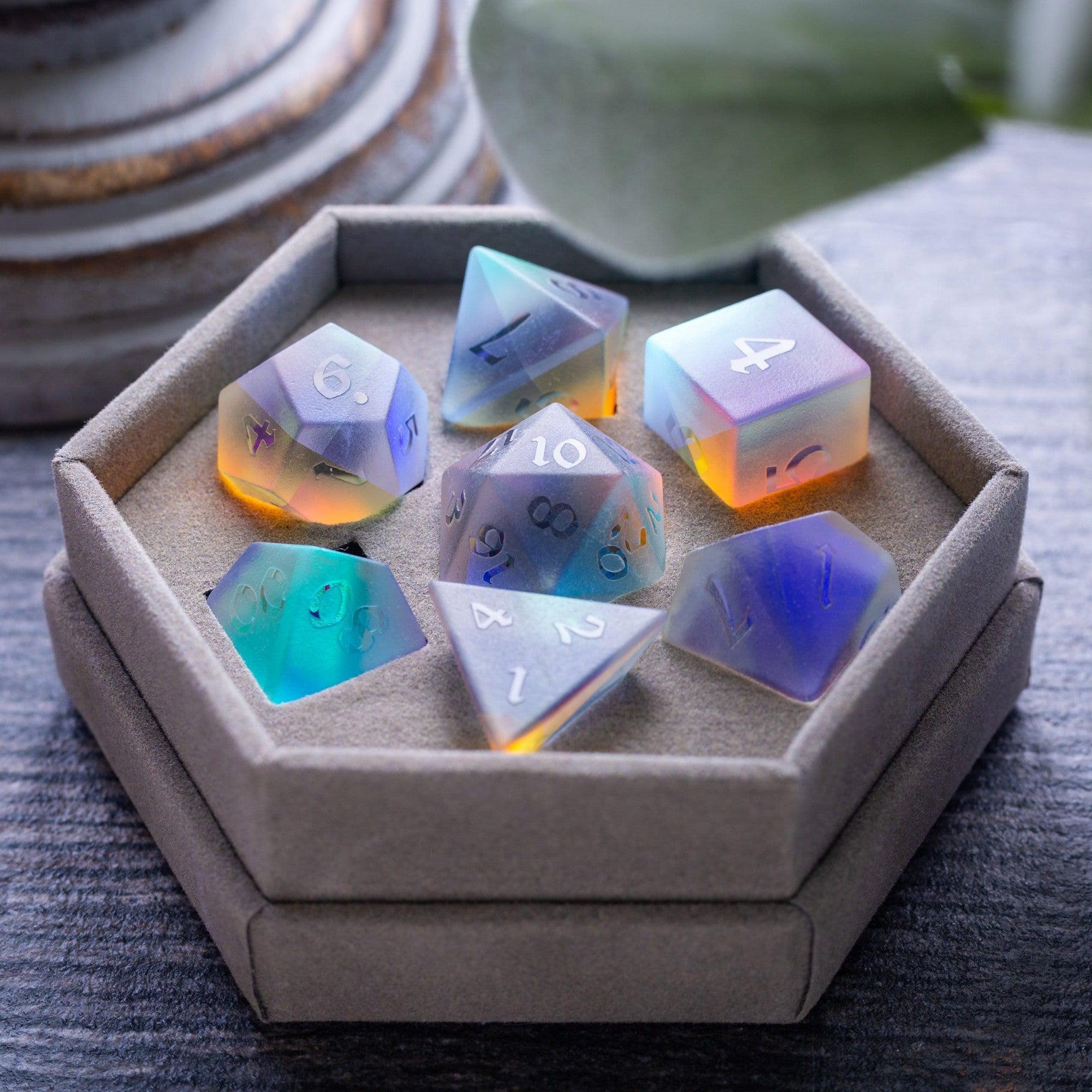
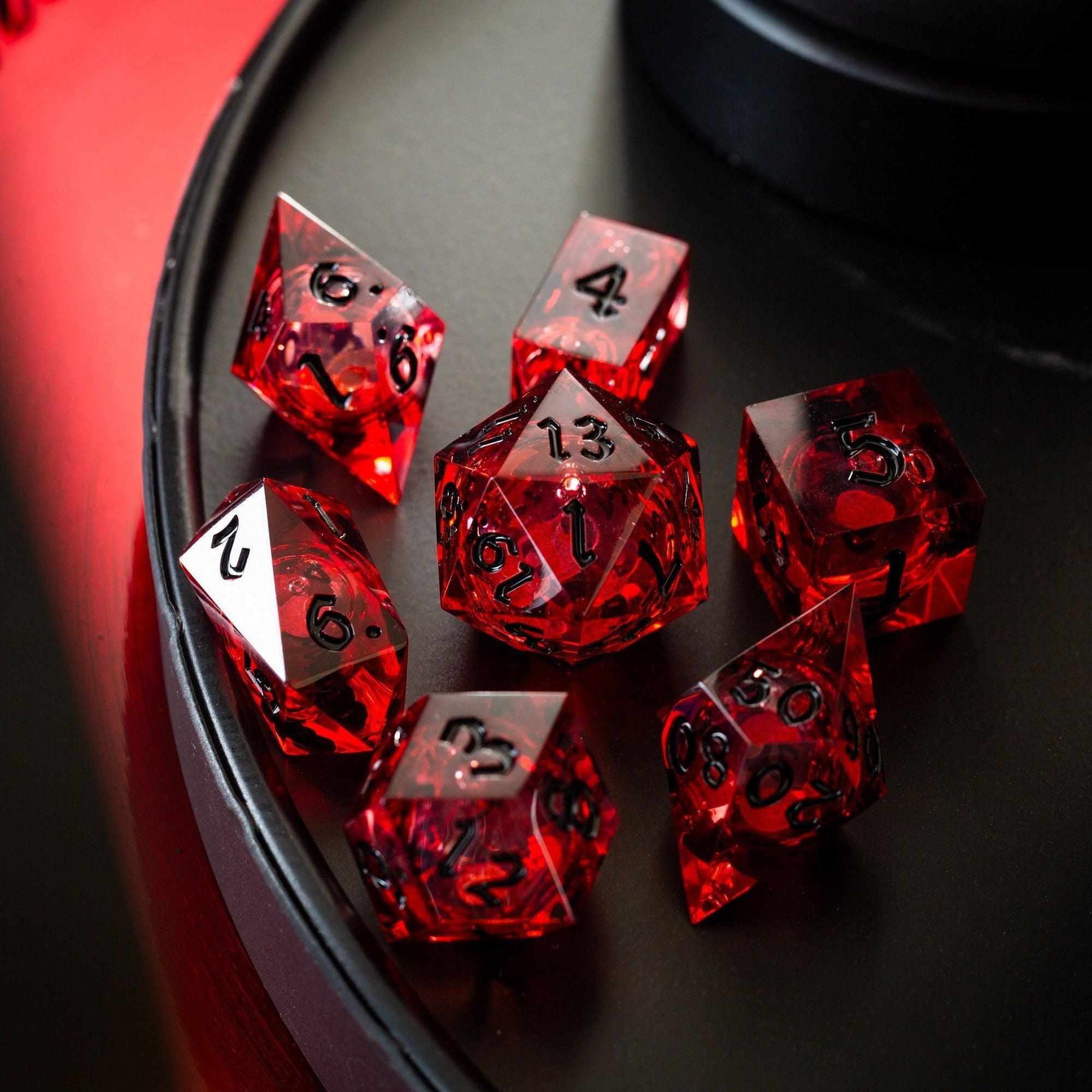
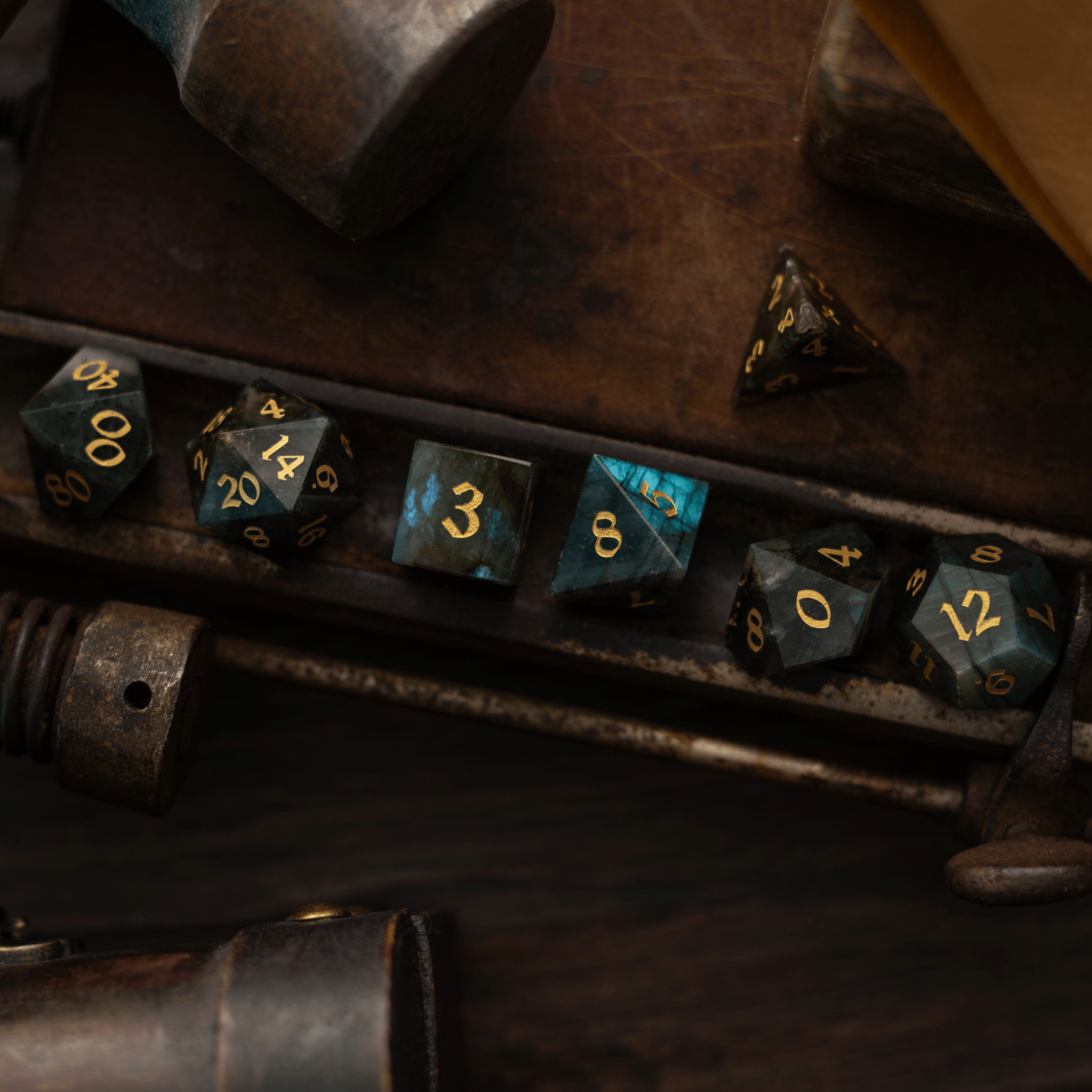
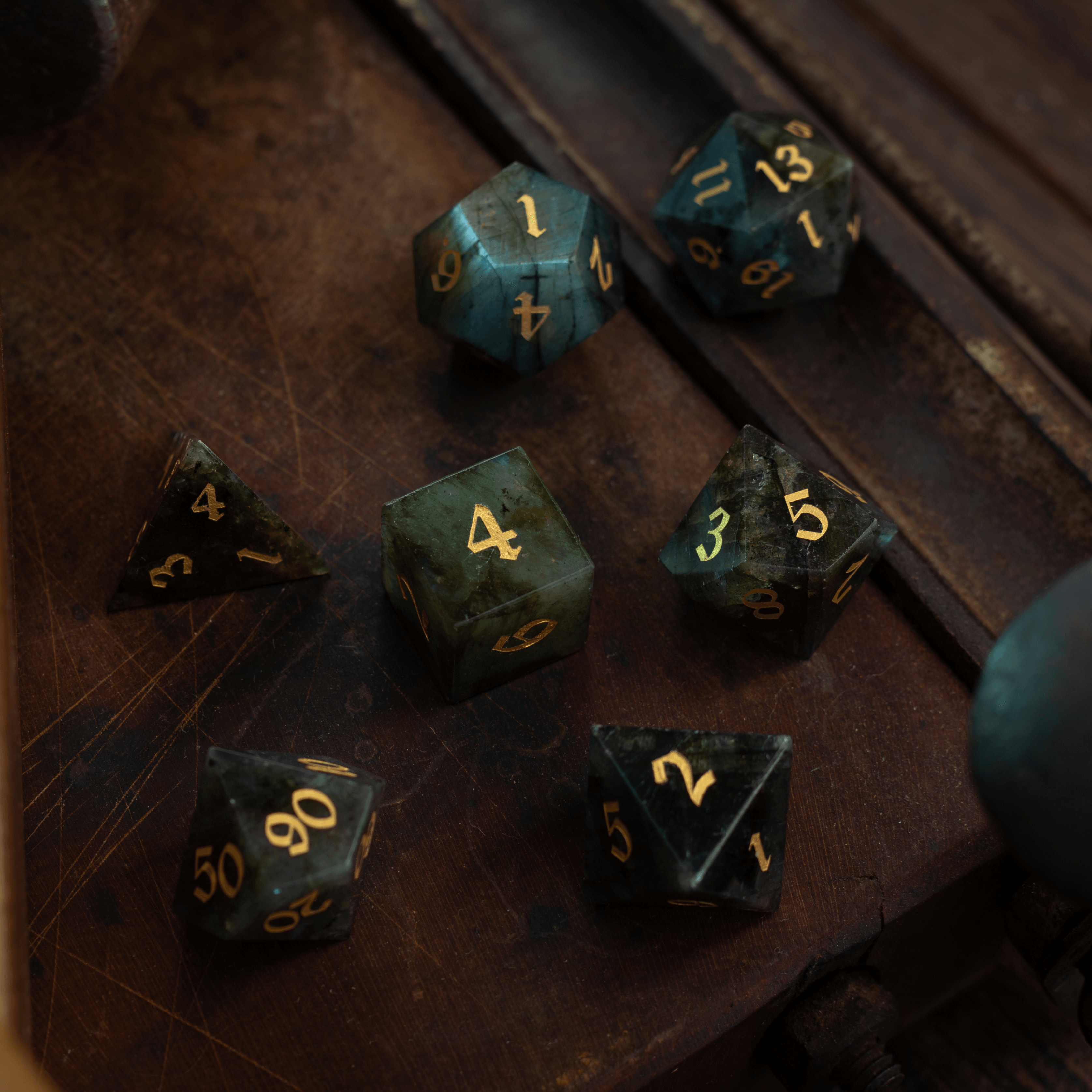
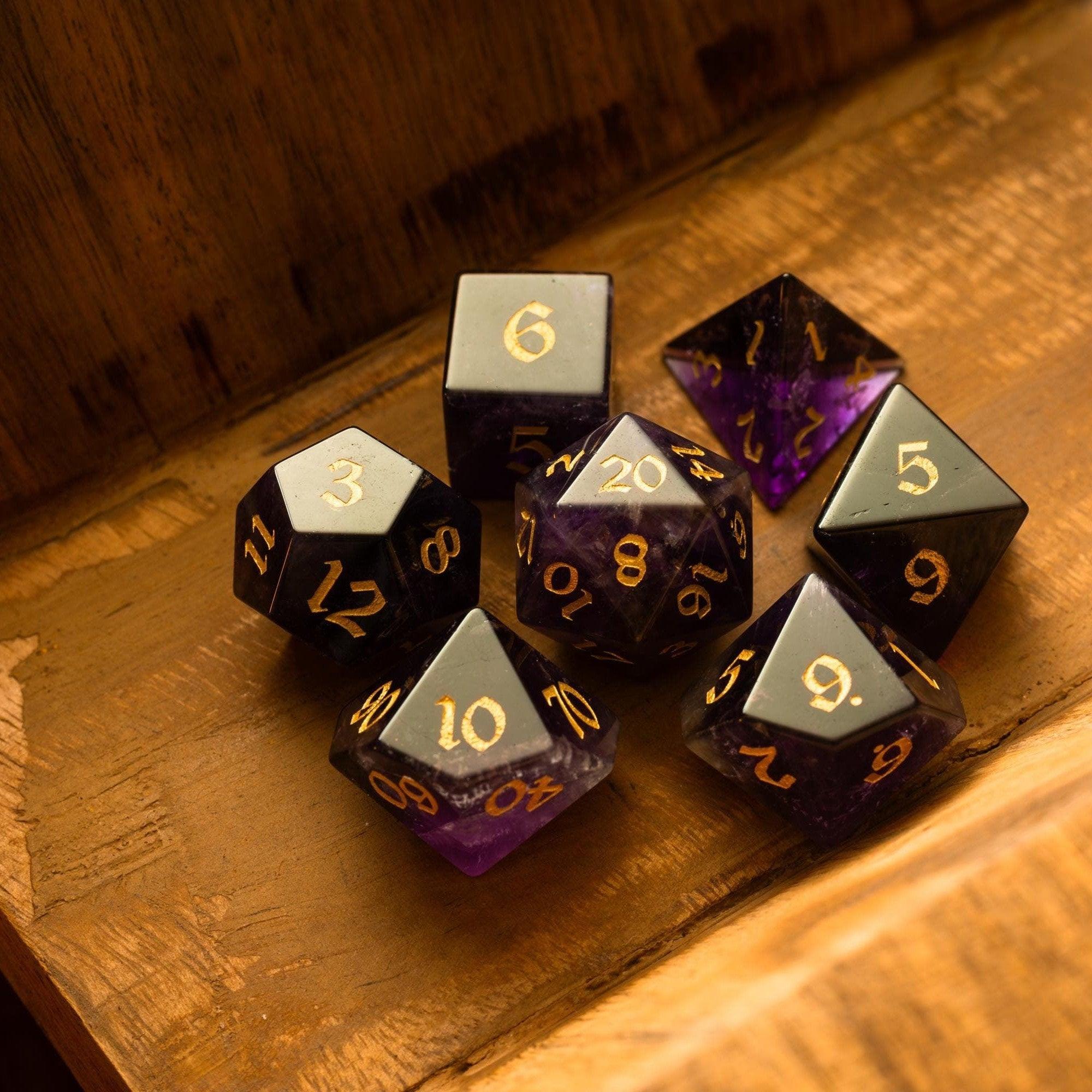
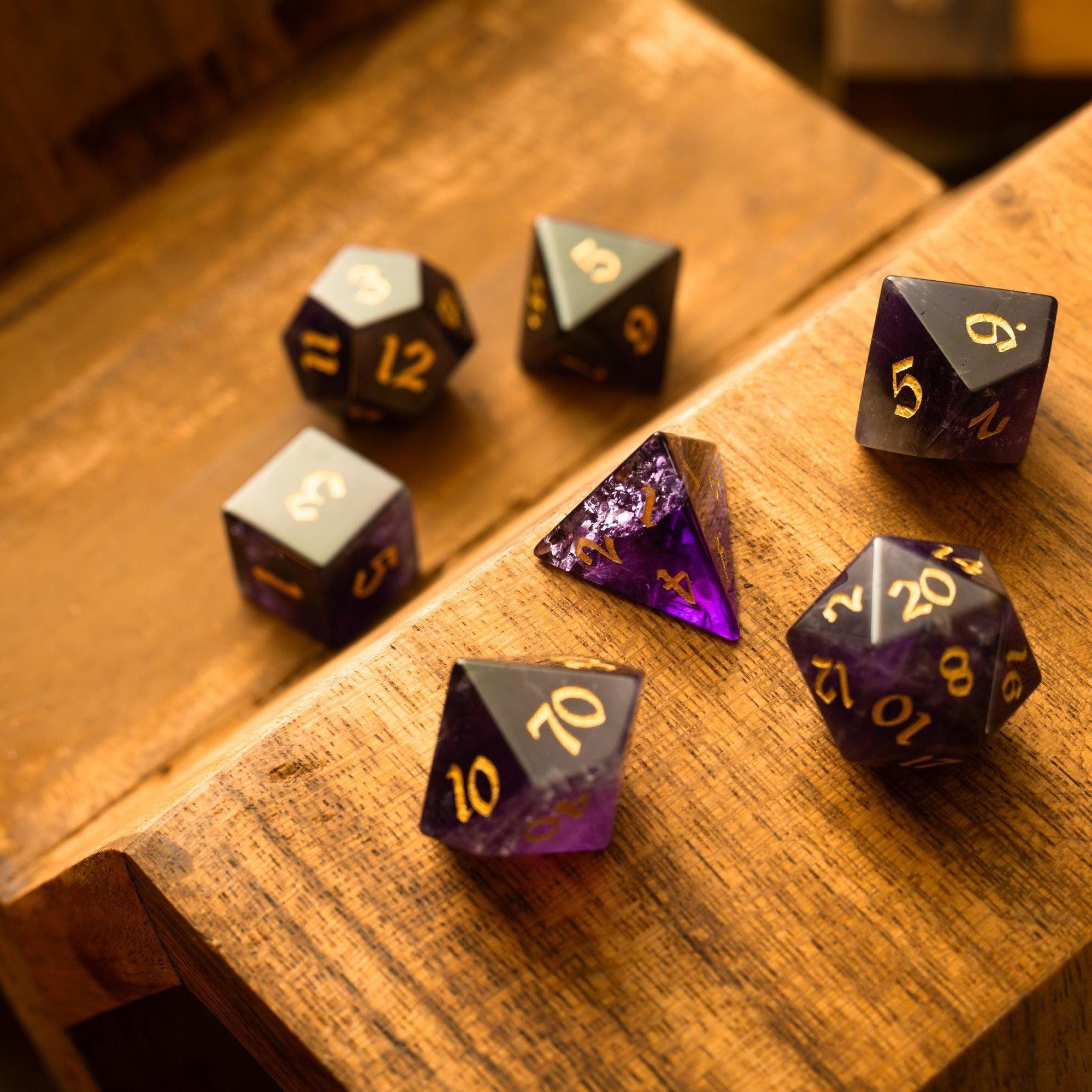
During exploration-heavy sessions, many groups appreciate having creature references, initiative trackers, and character notes organized alongside premium gemstone, resin, or metal dice from Runic Dice. Keeping essential tools accessible helps the focus remain on storytelling instead of searching for game materials.
Common Mistakes to Avoid
Players sometimes unintentionally create problems by expecting too much from companions.
Common mistakes include:
-
Assuming every character needs a companion
-
Forgetting that official rules differ between systems
-
Bringing large mounts into locations where they cannot reasonably travel
-
Expecting companions to solve every encounter
-
Ignoring the needs and safety of animals
-
Treating companions as disposable resources
-
Overlooking opportunities for roleplaying
Dungeon Masters can help by communicating expectations before companions become a major part of the campaign.
Quick Companion Selection Checklist
Before choosing your next companion, ask yourself:
-
Does this creature fit the campaign setting?
-
Do official rules support this type of companion?
-
Will it contribute without overshadowing other players?
-
Can my character reasonably care for it?
-
Does it support my character's story?
-
Will it have meaningful opportunities during travel and exploration?
-
Is my Dungeon Master comfortable including it in the campaign?
The most memorable tabletop companions are rarely the strongest or rarest fantasy creatures. Instead, they become lasting parts of the story because they fit naturally beside the heroes, complement the group's adventures, and create opportunities for teamwork and memorable roleplaying. Whether you travel with a dependable riding horse, a carefully trained animal companion, or one of the many remarkable D&D mounts found in official settings, choosing thoughtfully helps every journey feel richer. By respecting the rules of your chosen system, working closely with your Dungeon Master, and treating companions as living members of the adventure rather than simple tools, you can create stories that your gaming group will remember long after the campaign comes to an end.







Leave a comment
This site is protected by hCaptcha and the hCaptcha Privacy Policy and Terms of Service apply.