
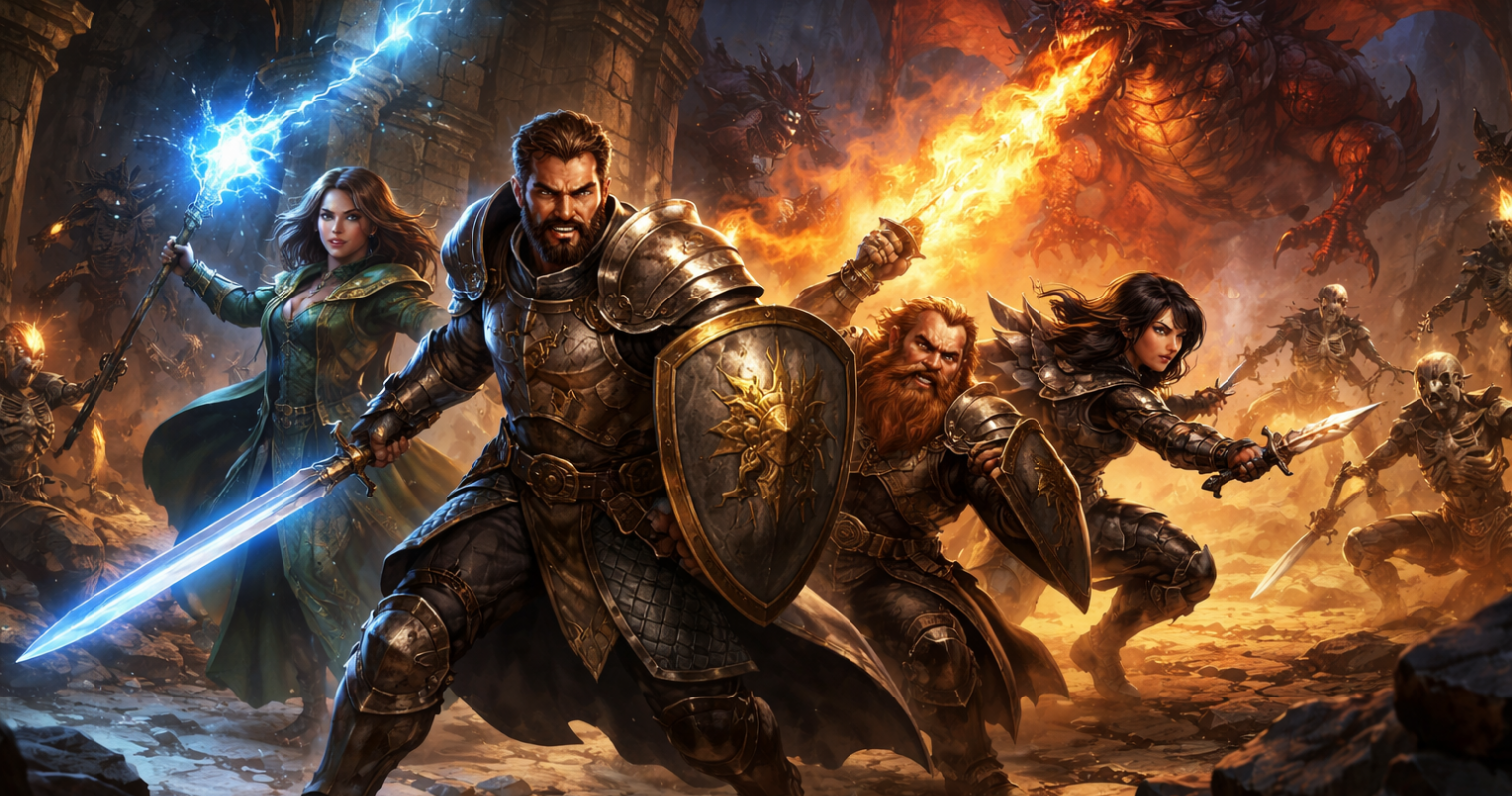
Dungeons and Dragons Game Mechanics A Practical Guide
Updated on: January 23, 2026
Whether you're a seasoned Dungeon Master or picking up the Player's Handbook for the first time, understanding how tabletop role-playing systems work can transform your gaming experience. This guide breaks down the core rules and systems that make adventures come alive at your table. Learn how dice rolls determine outcomes, how character abilities shape encounters, and why these mechanics matter for creating epic storytelling moments. Let's dive into what makes tabletop gaming tick.
- Practical Guide to Core Systems
- Understanding Dice Roll Mechanics
- How Character Abilities Work
- Combat and Action Resolution
- Key Advantages of These Systems
- Frequently Asked Questions
- Summary and Next Steps
Practical Guide to Core Systems
When you sit down to play a tabletop role-playing game, you're entering a world governed by specific rules that create structure and fairness for everyone at the table. The beauty of these systems is that they balance storytelling freedom with objective outcomes. Think of tabletop RPG mechanics as the scaffolding that supports your imagination—they're not restrictive; they're liberating.
At their core, these systems rely on dice rolls to determine success or failure. A player wants to climb a slippery rope? They roll a d20 (that's a 20-sided die) and add their character's relevant ability modifier. The Dungeon Master compares this result to a difficulty class. It's straightforward, it's fair, and it creates tension and excitement at the table. Everyone can see the result roll right in front of them.
Understanding Dice Roll Mechanics
Dice are the heartbeat of tabletop gaming. They introduce randomness and unpredictability that makes every session feel fresh and genuine. Instead of a Dungeon Master simply deciding whether your character succeeds at an action, the dice decide. This creates trust and investment from everyone playing.
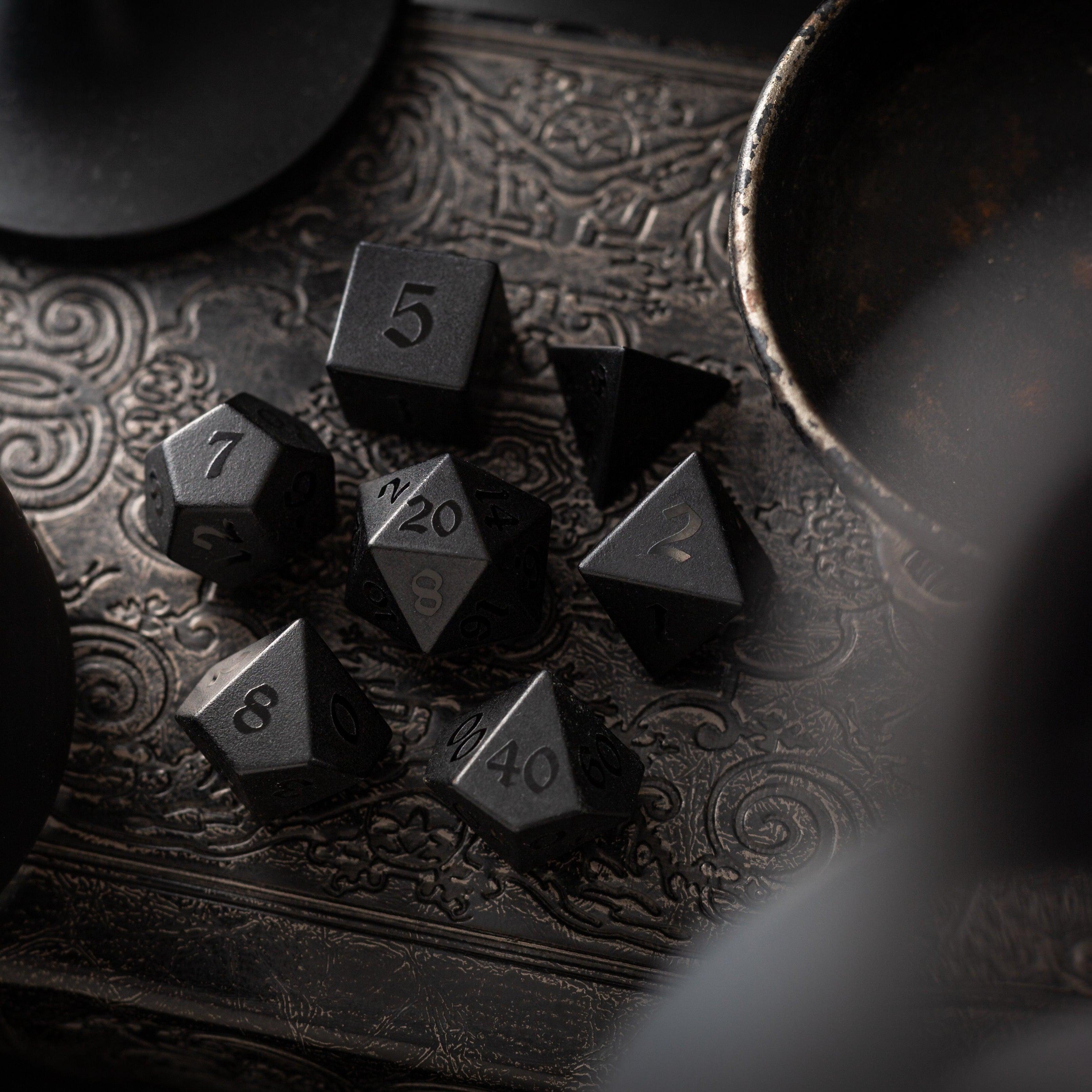
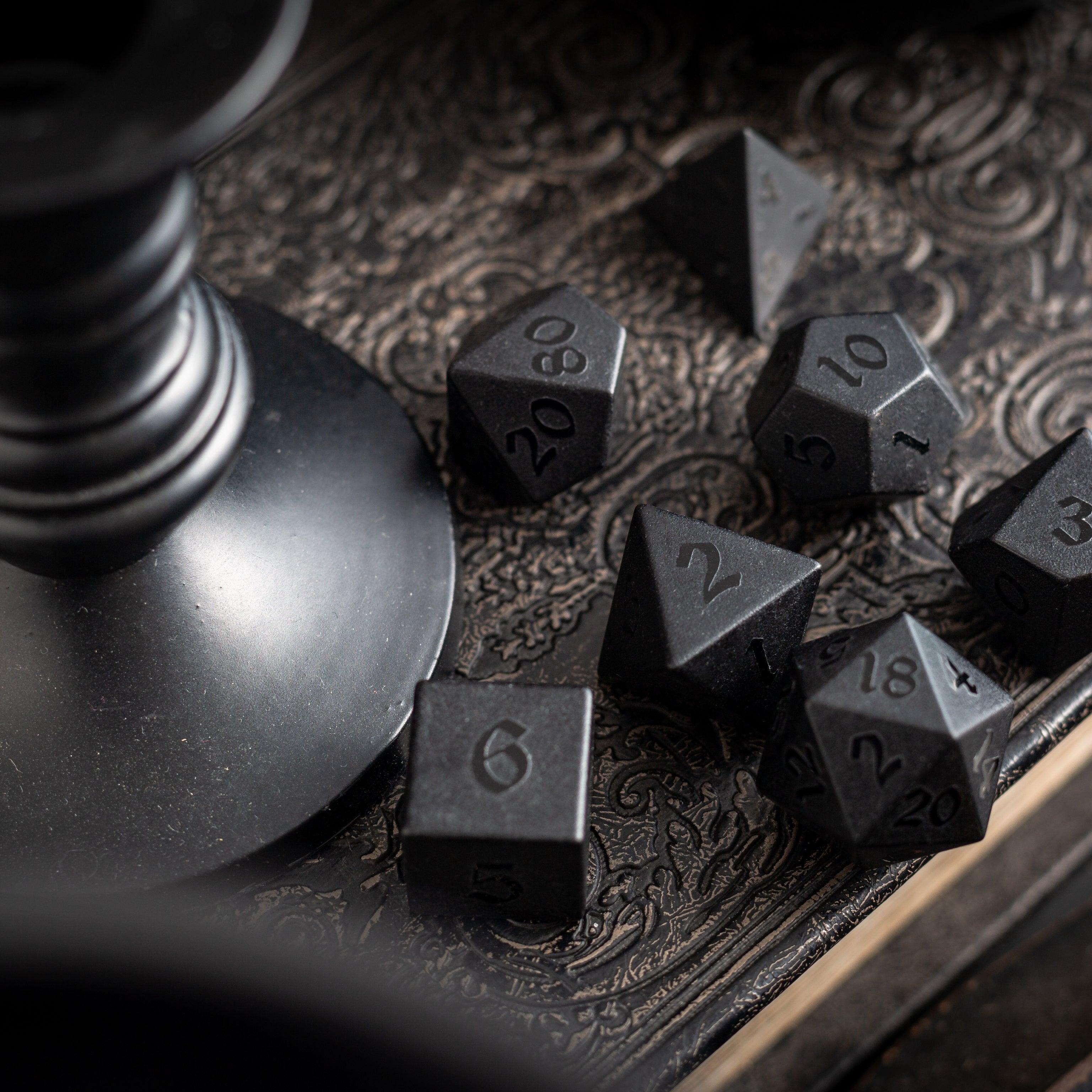
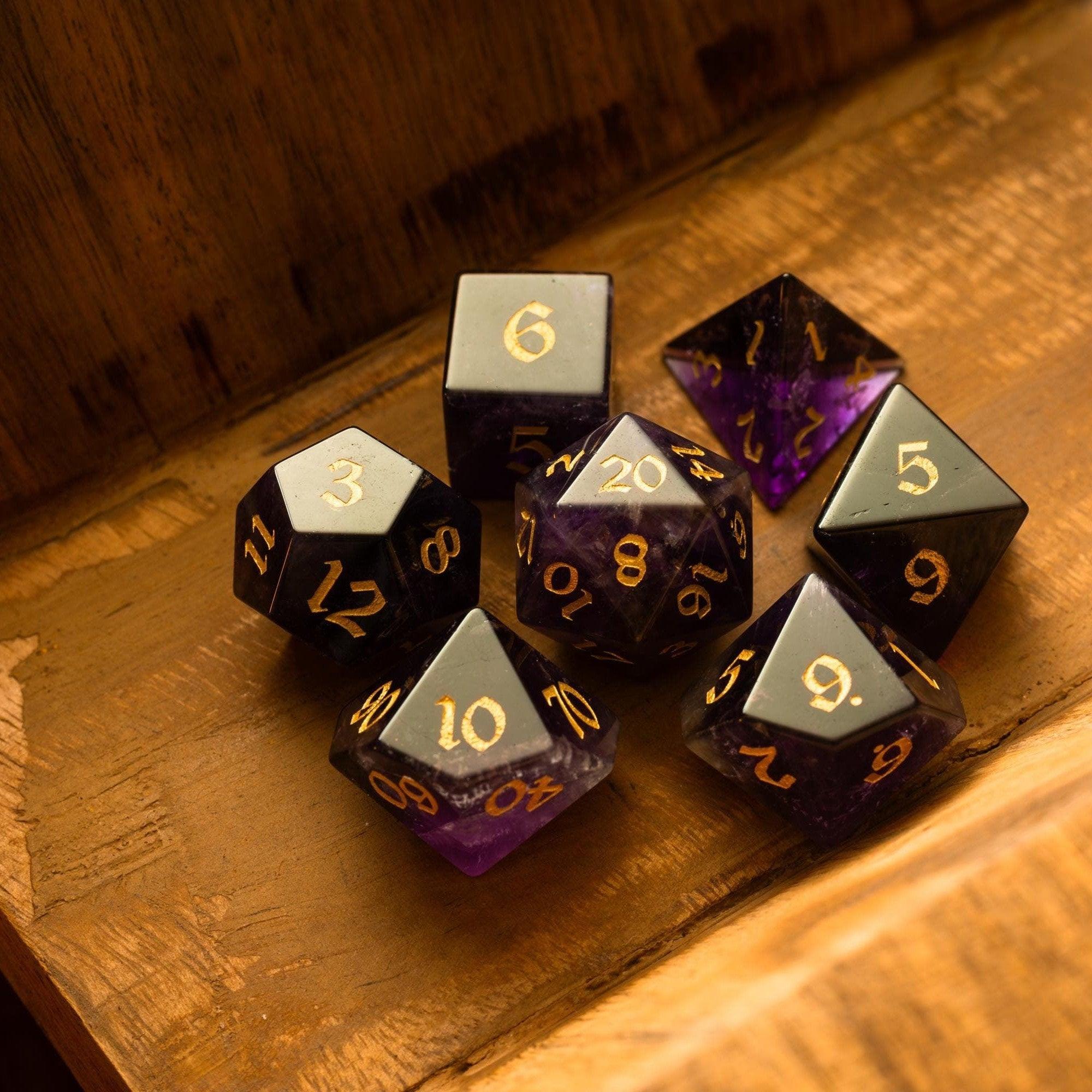
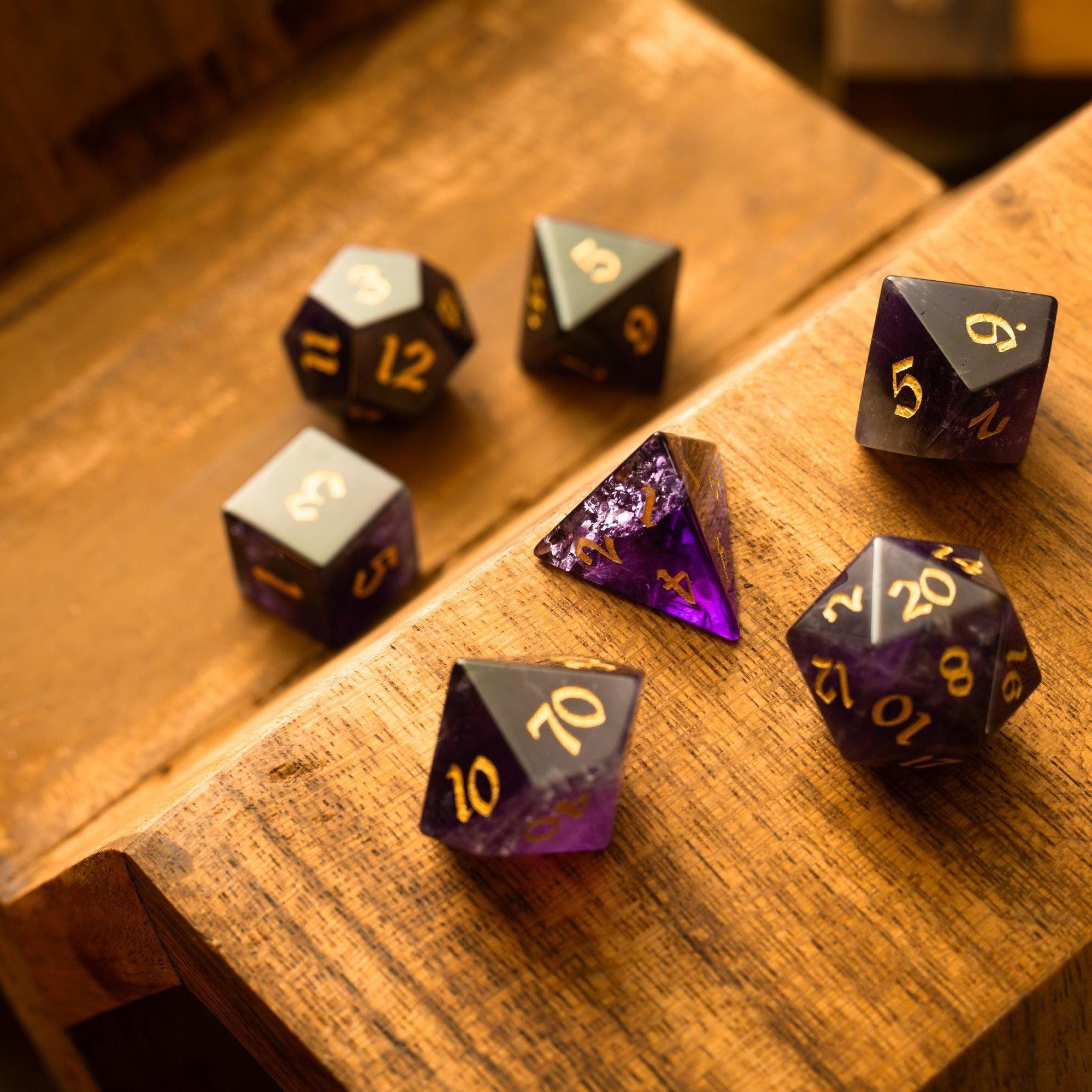
The most common dice used in tabletop games are polyhedral dice sets that include d4, d6, d8, d10, d12, and d20. Each die has a specific purpose. The d20 determines major outcomes—attack rolls, saving throws, and ability checks. The smaller dice determine damage amounts, spell effects, and other quantifiable results. Using quality dice enhances the experience, and many players love collecting beautiful sets. Check out gemstone dice collections that combine functionality with stunning aesthetics.
The basic mechanic works like this: roll the die, add relevant modifiers from your character sheet, and compare the total to a difficulty class set by your Dungeon Master. Roll higher? You succeed. Roll lower? Things get interesting. This simple framework applies to almost every action that has uncertain outcome in your game world.
How Character Abilities Work
Every character in a tabletop game has six core abilities: Strength, Dexterity, Constitution, Intelligence, Wisdom, and Charisma. These aren't just flavor text—they're the mathematical foundation for everything your character does. Each ability has a score ranging from 3 to 20, with 10 being average for a human.
These ability scores convert into modifiers that apply to your dice rolls. A character with 16 Dexterity gets a +3 modifier to any Dexterity-based roll. This means when your rogue attempts to pick a lock or your ranger shoots an arrow, they're adding that modifier to their d20 roll. Over time, these small bonuses compound into meaningful differences between characters with different specializations.
Skills layer onto these abilities to create depth. Your character might have proficiency in Stealth, which adds an additional bonus when you roll for sneaking. This system creates meaningful character differentiation—your barbarian won't be sneaking past guards the same way your rogue will, and that's exactly how it should work.
Combat and Action Resolution
Combat is where tabletop mechanics really shine. When swords are drawn and spells are cast, the system ensures everyone has a fair chance to contribute. Initiative determines turn order—everyone rolls a d20 and adds their Dexterity modifier. Higher result goes first, creating that rush of adrenaline when you beat the enemy's roll.
On your turn in combat, you typically get one action, one bonus action, and your movement speed. You can attack, cast a spell, help an ally, or do something creative. Your Dungeon Master rules on whether creative actions succeed or fail, often asking for a relevant ability check. This framework prevents analysis paralysis while keeping gameplay moving forward.
Attacks and spellcasting use similar mechanics. Roll a d20, add your attack bonus or spell attack modifier, and compare to your enemy's armor class. Hit? Roll damage dice to determine how much harm you've caused. Miss? The enemy dodges and you'll get another chance next round. This keeps combat exciting because every roll matters.
Key Advantages of These Systems
- Fairness and Transparency: Dice rolls happen in front of everyone. No one questions whether an outcome was fair because it's determined by observable randomness. This builds trust and prevents arguments about subjective rulings.
- Unpredictability Creates Engagement: You never know exactly what'll happen next. The underdog fighter might roll a critical hit and save the day. This uncertainty keeps players invested in every moment, not just the predetermined story beats.
- Character Progression Feels Rewarding: As your character levels up, your modifiers increase. That +1 bonus might seem small, but it compounds over time. Players feel genuine growth and improvement, which keeps long campaigns exciting.
- Balanced Party Contribution: Different characters excel at different things. Your wizard might not win physical combat, but they solve problems through spellcasting. Everyone has moments to shine, making the experience fun for all player types.
- Scalable Difficulty: Dungeon Masters can adjust challenge by changing difficulty classes or enemy stats. The same mechanical system works for fighting goblins at level one or ancient dragons at level twenty.
- Encourages Creative Problem Solving: When dice rolls determine outcomes, players get creative. Can't pick the lock? Suggest using a spell instead. The system is flexible enough to support unconventional solutions while maintaining balance.
- Memorable Moments: Critical failures (rolling a 1) and critical successes (rolling a 20) create legendary table moments. These extreme outcomes happen naturally within the system, making your stories worth retelling for years.
- Accessible Learning Curve: New players can understand basic mechanics in minutes. Roll a d20, add your bonus, compare to difficulty class. Everything else is building on this simple framework, so complexity scales with player comfort.
The elegant design of these systems means they work across different settings and story types. Fantasy adventures, science fiction campaigns, modern-day mysteries—the same mechanical framework applies. This universality is part of what makes tabletop gaming so enduring.
Many players invest in quality dice to enhance their experience. Beautiful dice feel better in your hand and add to the table's atmosphere. Whether you prefer dwarf-cut glass dice sets or handcrafted resin options, having dice you love makes every roll feel special.
Frequently Asked Questions
What's the difference between ability scores and modifiers?
Ability scores are the raw numbers on your character sheet, ranging from 3 to 20. Modifiers are what you actually add to your dice rolls. A score of 10-11 gives a +0 modifier. Each two-point increase to your ability score increases your modifier by one. So a 16 Strength gives a +3 modifier, while an 18 Strength gives a +4 modifier. You'll rarely add your raw ability score to rolls—it's always the modifier that matters for gameplay.
Why do some rolls use d20 while others use smaller dice?
The d20 is used for anything uncertain with significant consequences: combat attacks, ability checks, and saving throws. Smaller dice determine damage amounts and other numerical effects where you want a smaller range. A d6 weapon does 1-6 damage, while a d12 weapon does 1-12 damage. This creates variety in character power levels without making smaller dice rolls less impactful. The system ensures dramatic moments use the d20 while supporting mechanics use smaller dice.
Can a Dungeon Master override the dice if they want a different outcome?
Technically, yes—the Dungeon Master has authority to rule on anything. However, most experienced DMs follow the dice results as written. When you override the dice frequently, you undermine the system's fairness and players lose trust in your rulings. The better approach is setting appropriate difficulty classes before the roll happens, letting the dice determine outcomes, then narrating how that result plays out in your story. This maintains both mechanical integrity and narrative control.
How do critical hits and critical failures work?
A natural 20 on the d20 is a critical success—you automatically succeed and usually deal double damage in combat. A natural 1 is a critical failure—you automatically fail regardless of your modifiers. These extreme outcomes happen on about 5% of all rolls, creating memorable moments. Some tables house-rule criticals differently, but the standard rules are simple and effective. These rules apply whether you're attacking with a sword or attempting a delicate task requiring precision.
Summary and Next Steps
Tabletop game mechanics create the framework that transforms collaborative storytelling into engaging adventures. By understanding how ability scores, modifiers, and dice rolls interact, you unlock deeper appreciation for why these systems have endured for decades. They balance fairness with excitement, structure with creativity, and predictability with surprise.
The next time you sit at a gaming table, you'll recognize the elegant design supporting every moment. Whether you're rolling for initiative, making a saving throw, or attempting something impossible, you're participating in a mechanical system proven to create fun and memorable experiences.
Ready to enhance your gaming experience? Explore premium dice collections that combine beautiful craftsmanship with excellent rolling characteristics. Quality dice make every roll feel significant, and investing in a set you love is a gift to your gaming future. Check out unique options like handmade resin dice sets for truly special gaming sessions.
Share this guide with your gaming group, bookmark it for reference, and remember: the mechanics exist to support your stories, not limit them. May your rolls be high and your adventures legendary!














Leave a comment
This site is protected by hCaptcha and the hCaptcha Privacy Policy and Terms of Service apply.