
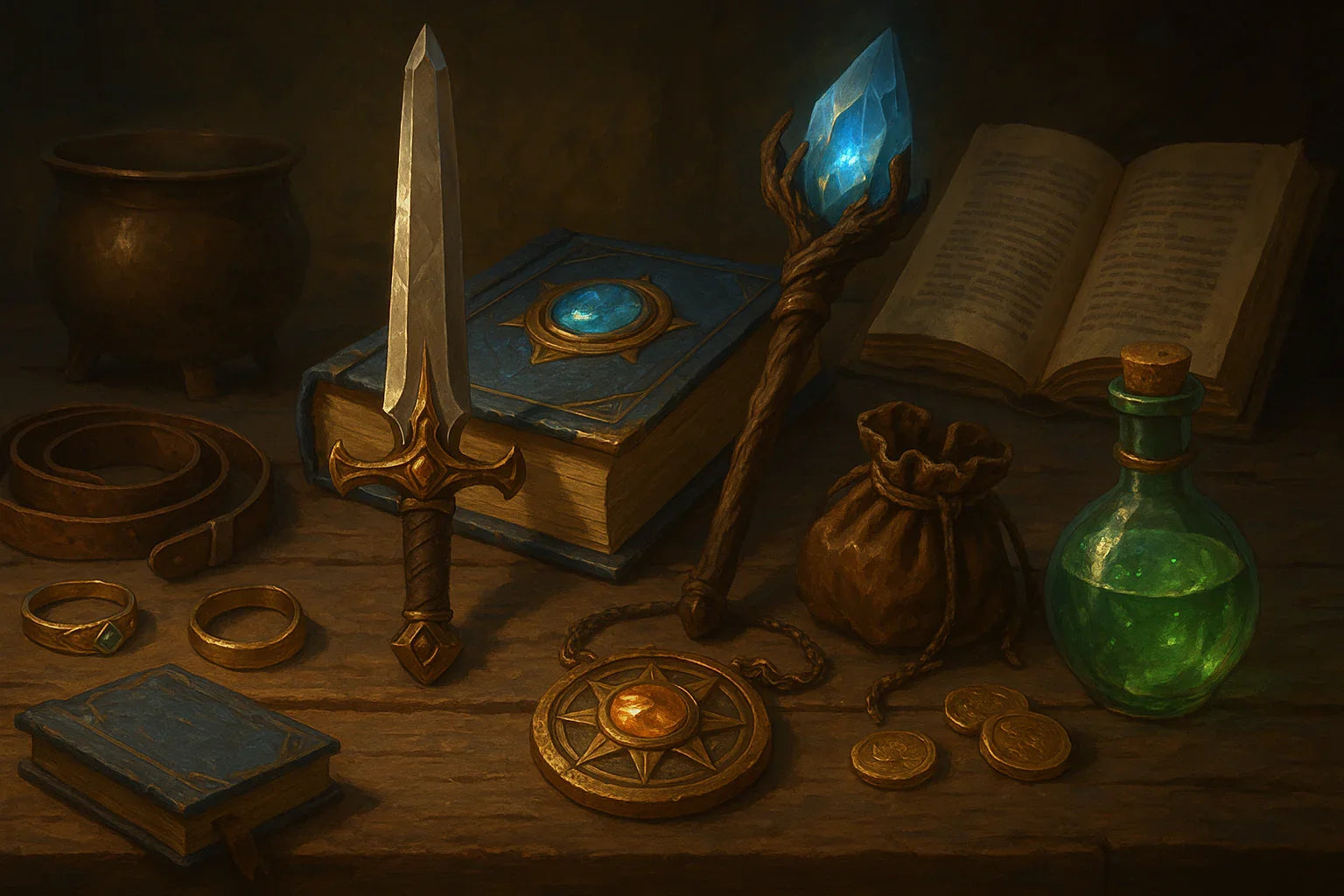
Magical Items for Fantasy RPG A Timeless Gear Guide
Updated on: 2025-12-09
This guide offers a calm, practical path to designing enchanted loot that feels exciting, fair, and memorable at the table. You will find simple steps, gentle suggestions, and flexible frameworks you can adapt to any campaign. It also includes tips for pacing rewards, showcasing items in play, and keeping players engaged without overwhelming encounters. Whether you are new to game mastering or a long-time storyteller, you may discover helpful ideas to enrich your next session.

Thoughtful treasure design can uplift every scene, add wonder to exploration, and reward creative play. If you are selecting magic items for fantasy RPG, you may appreciate a method that blends story, rarity, and table needs. The following approach aims to keep preparation simple, respectful of player agency, and balanced for steady growth. Please adapt what serves your table and set aside anything that does not fit your group’s style.
Step-by-Step Guide to magic items for fantasy RPG
- 1) Define the theme and tone. Begin with a short statement that captures your campaign’s atmosphere, such as nautical horror, candlelit mystery, or bright, heroic fantasy. Use this theme to guide item aesthetics, materials, and names. A simple theme filter helps you avoid mismatched rewards and gives your world a consistent voice. Players often connect more deeply when treasures reflect the narrative mood they already experience.
- 2) Map treasure to moments of play. Consider when rewards feel most meaningful: after solving a puzzle, forging an alliance, or completing a character arc. Assign one reward-worthy moment per session or per two sessions, depending on campaign pace. This gentle rhythm helps prevent power spikes while maintaining excitement. If a session ends without a natural moment, you can offer a small consumable or clue instead of a permanent item.
- 3) Choose a rarity mix that fits progression. A balanced baseline might be several consumables, a handful of minor permanent items, and rare pieces tied to milestones. Keep early items simple so players learn to use them confidently. As levels rise, introduce layered effects, set bonuses, or upgrade paths. The goal is steady, noticeable growth rather than sudden leaps that overshadow teamwork or core class abilities.
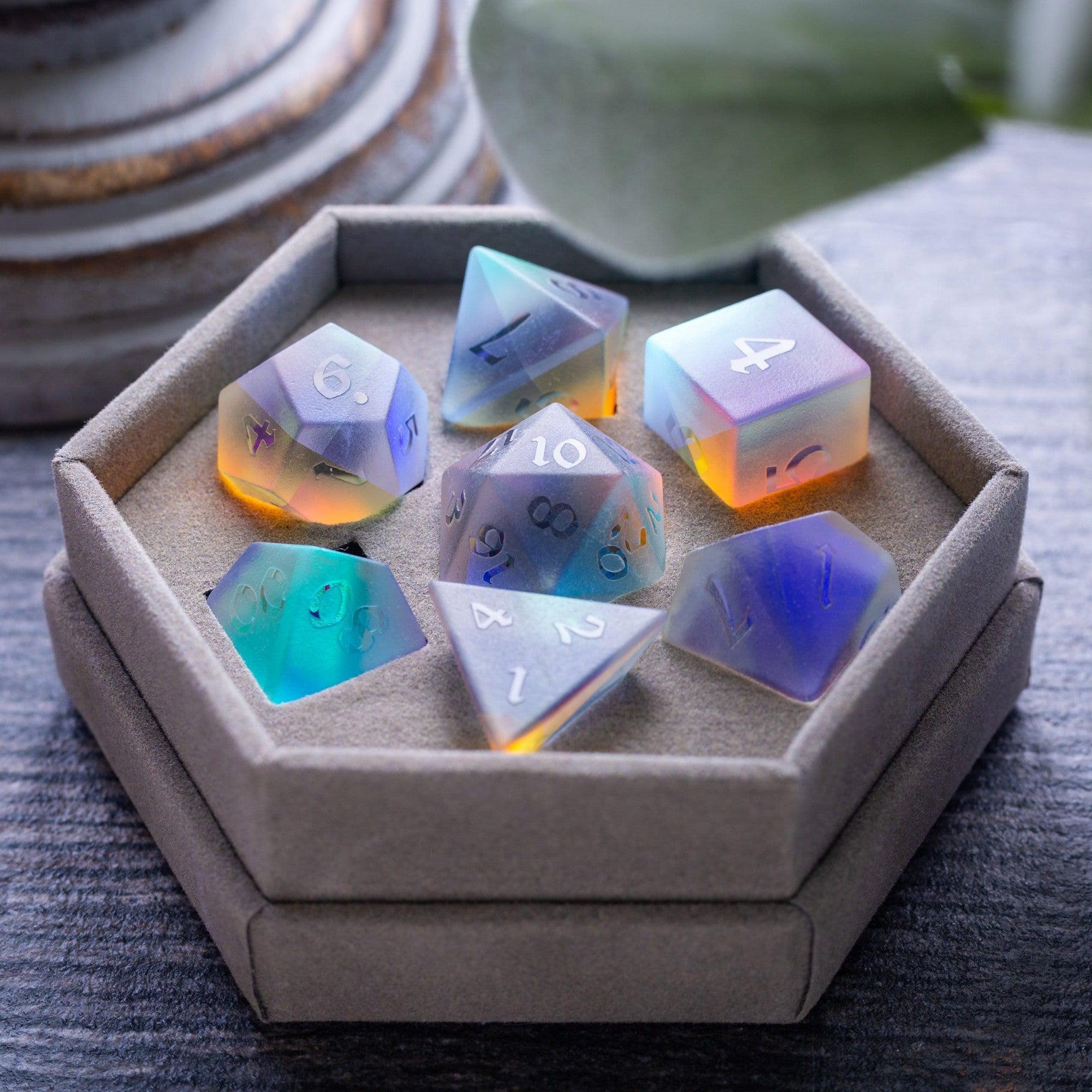
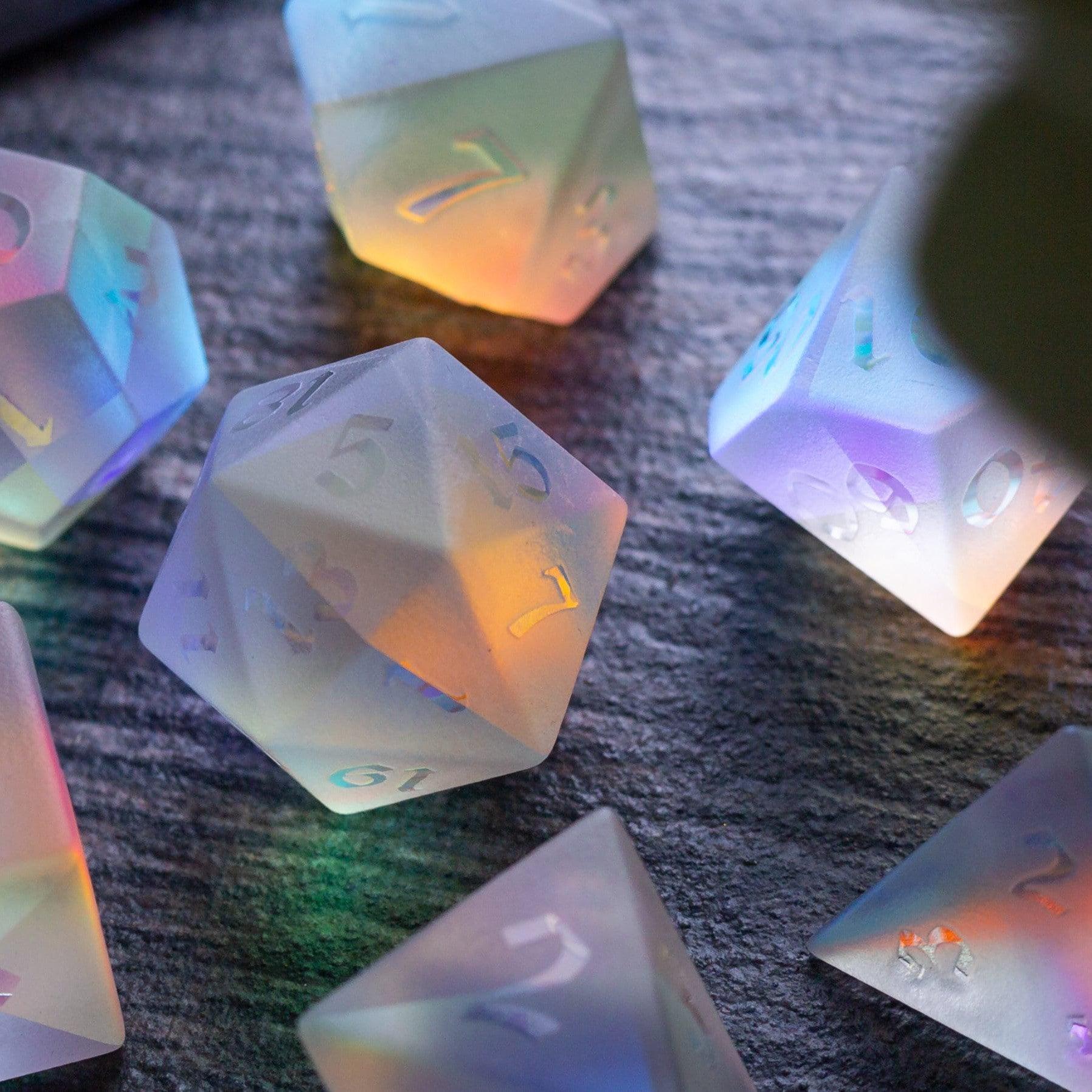
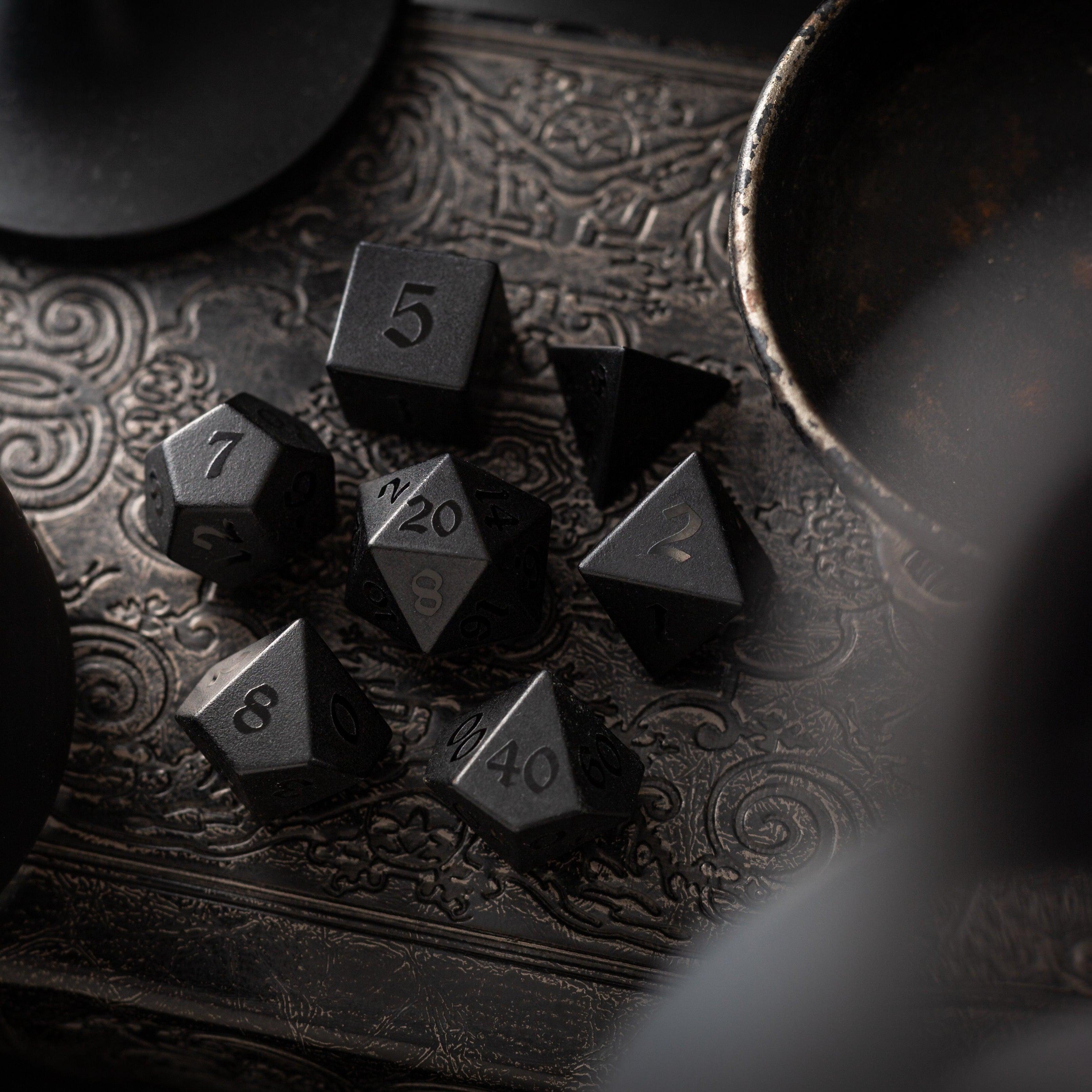
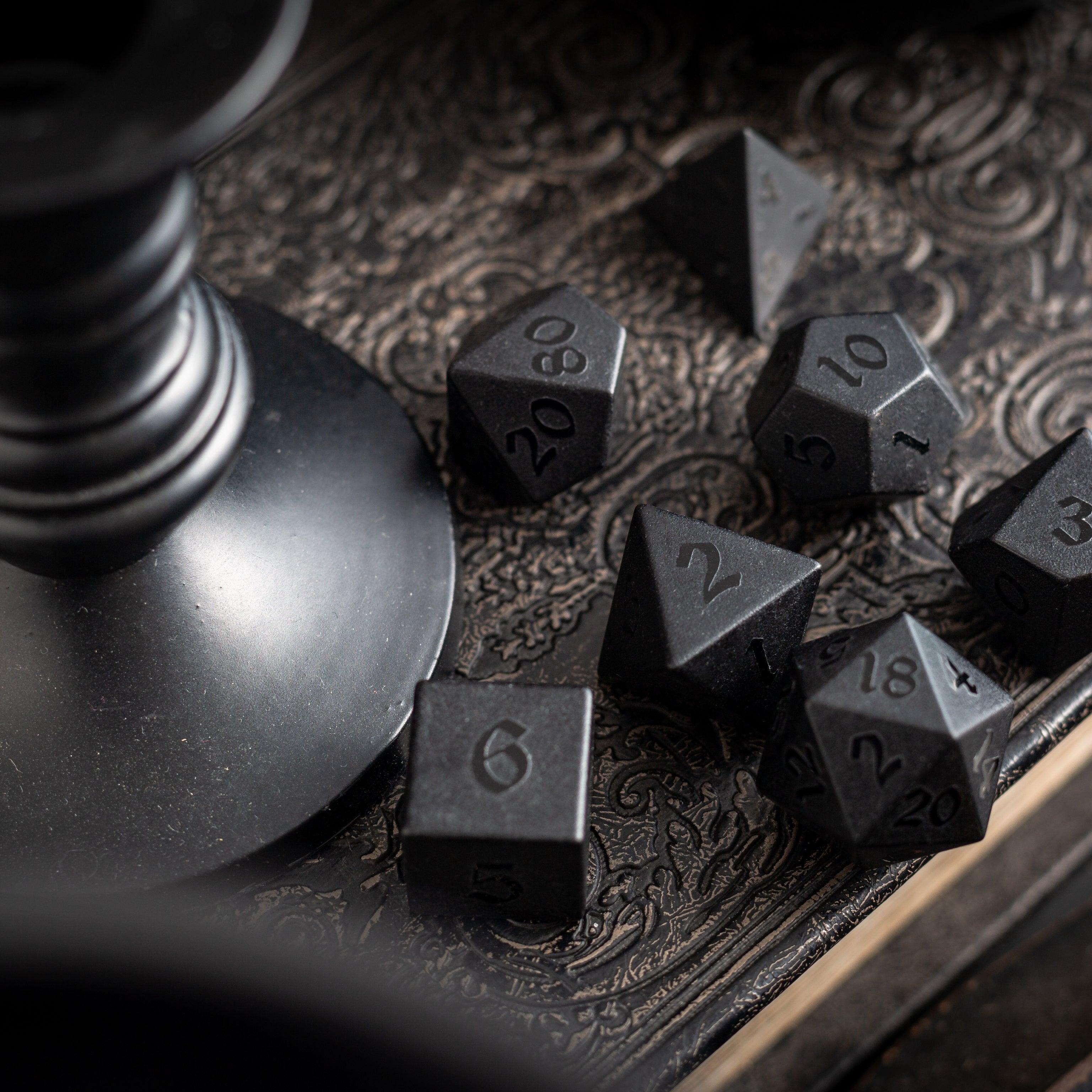
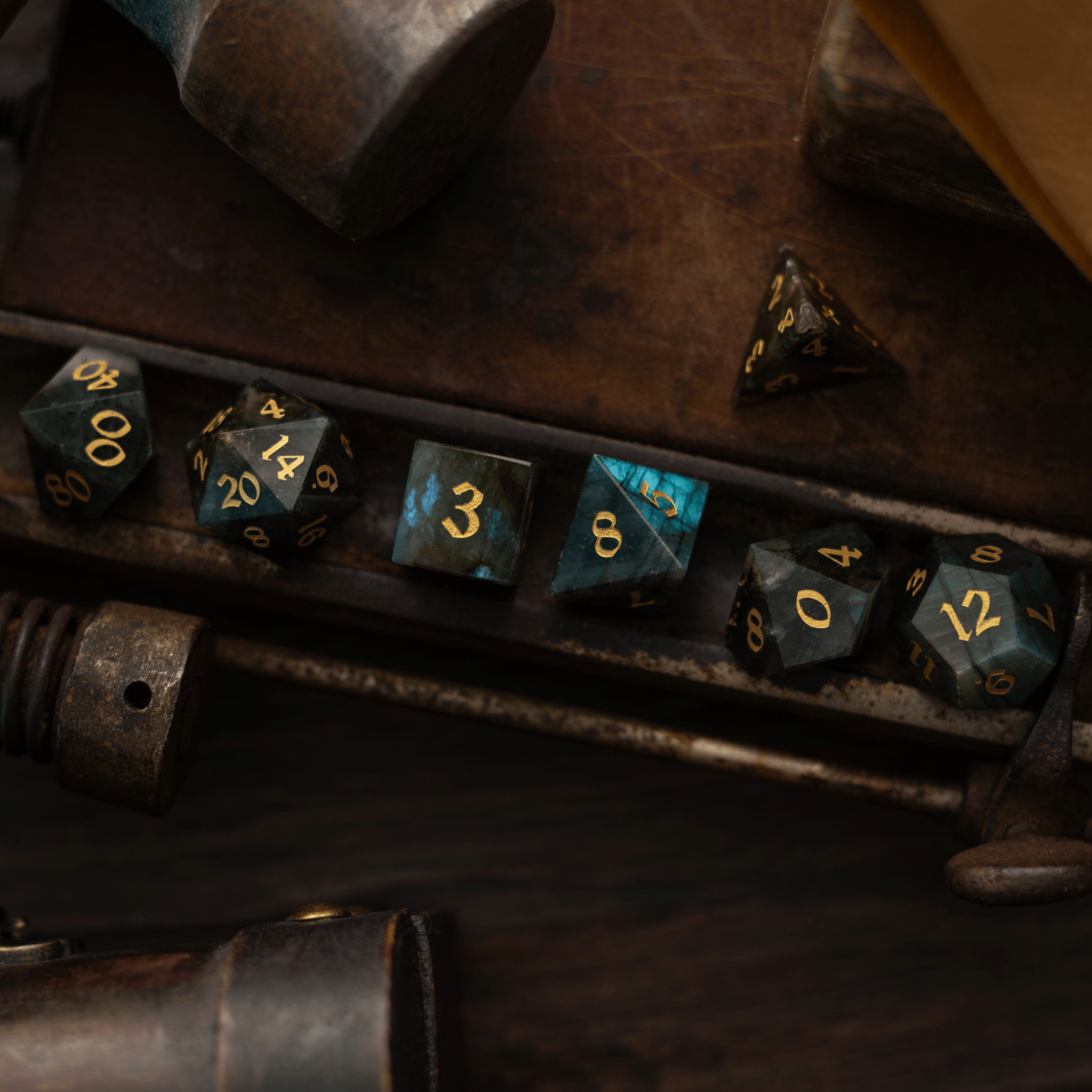
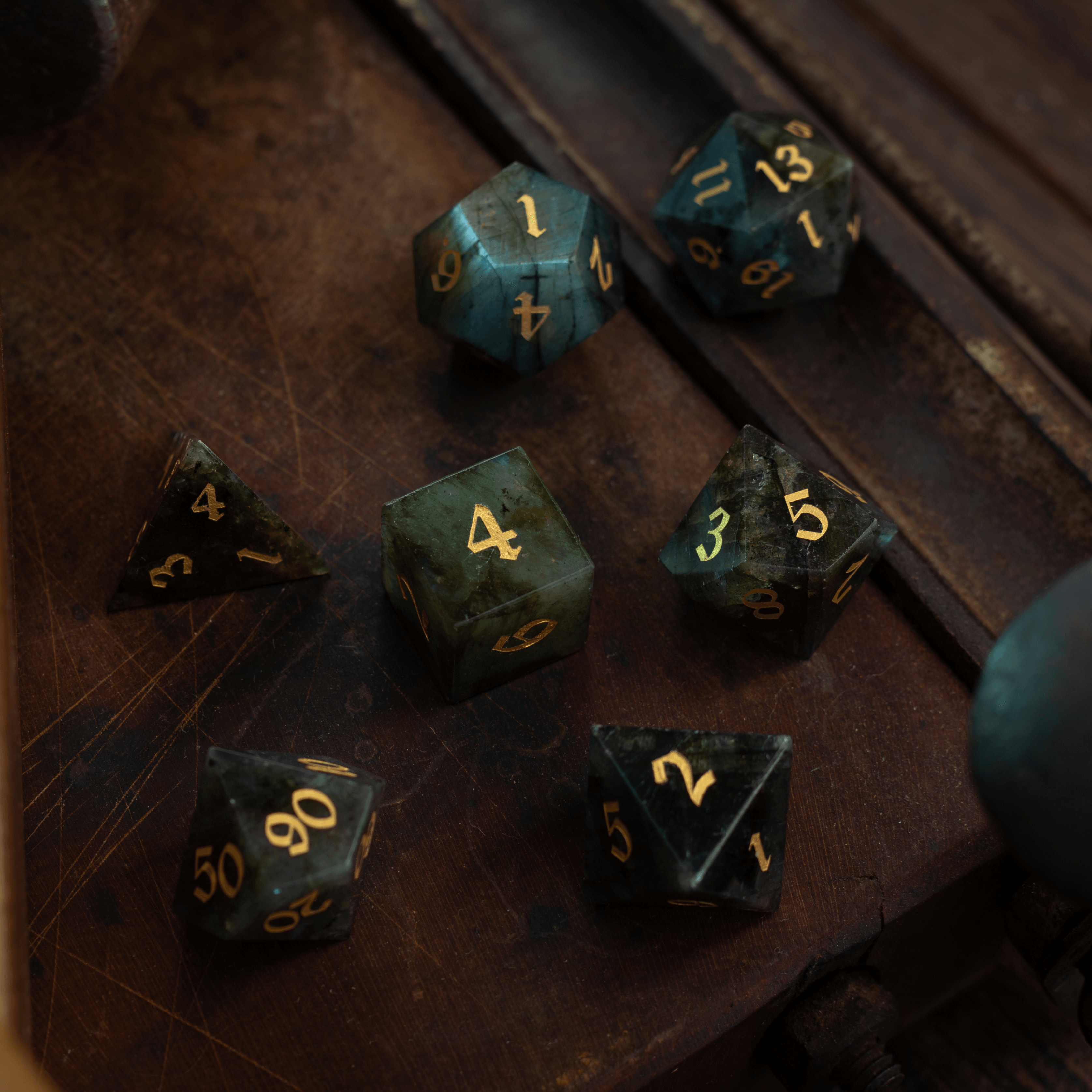
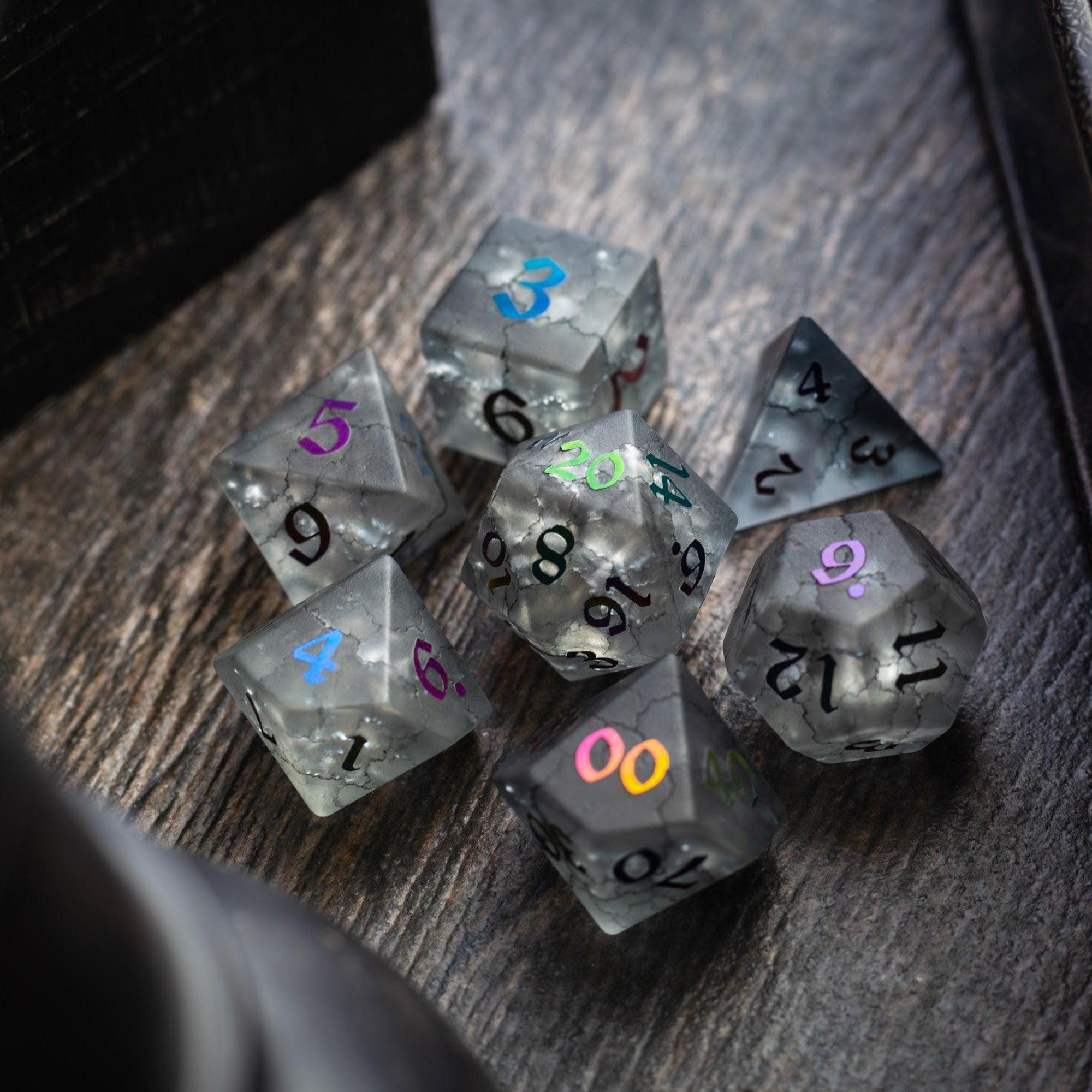
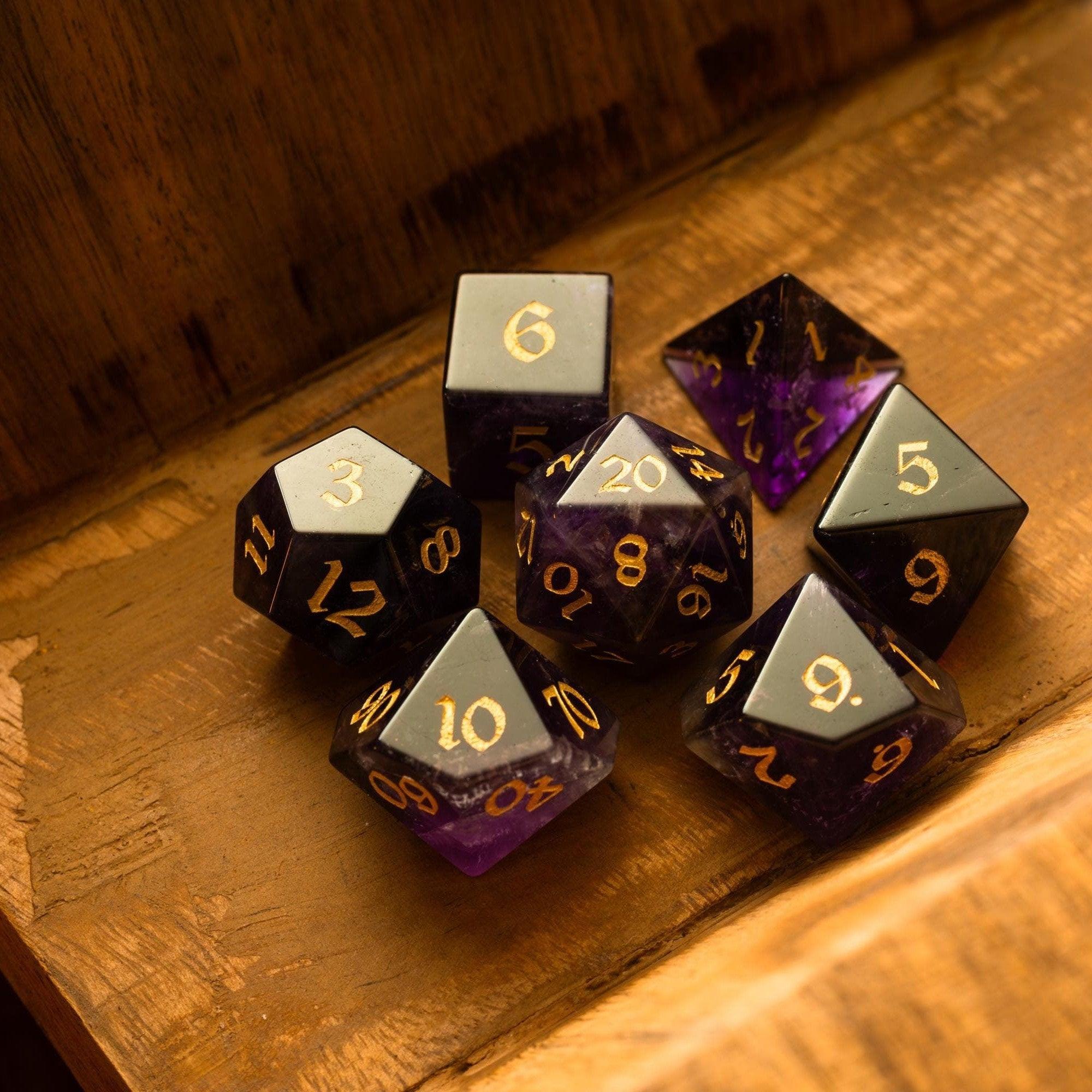
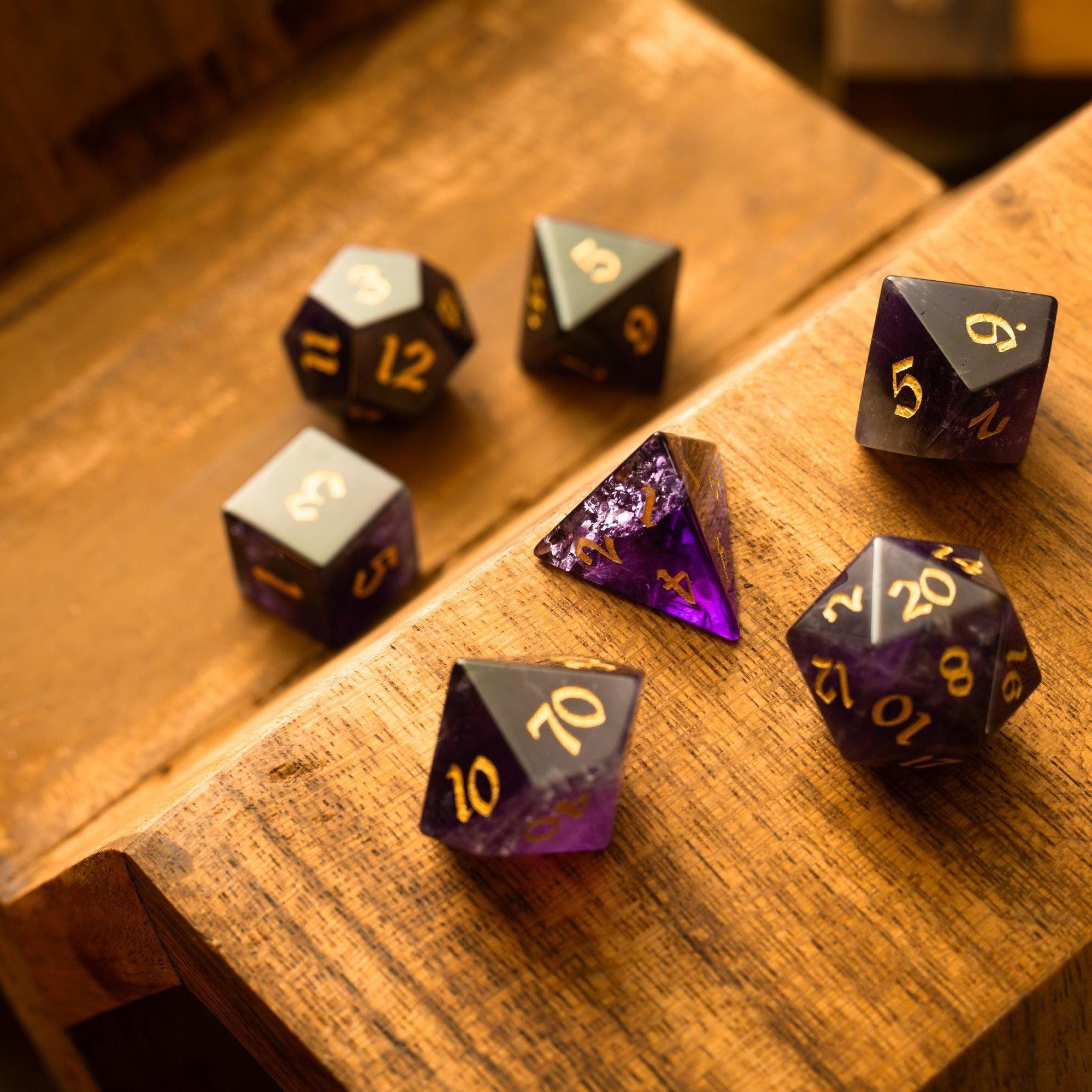
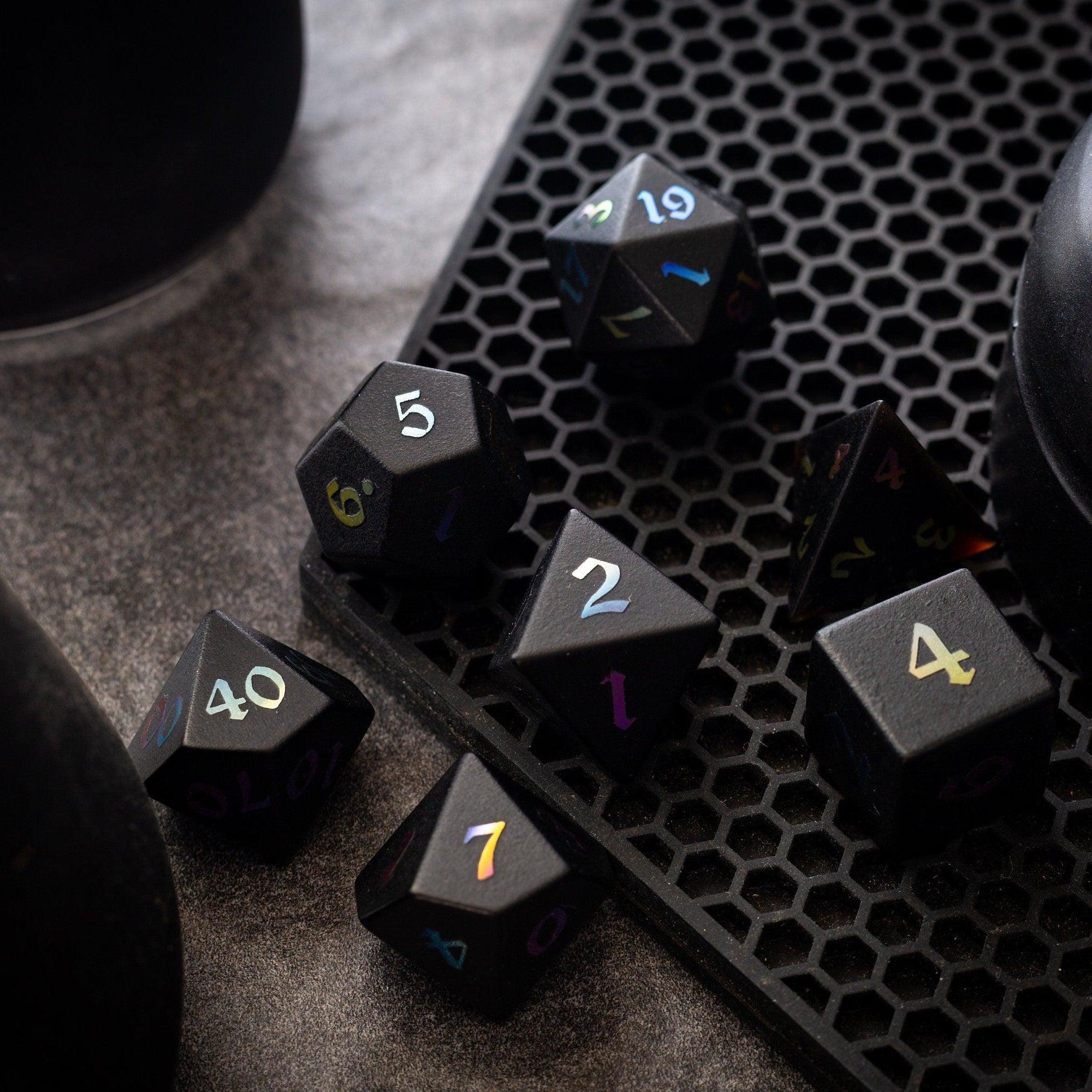
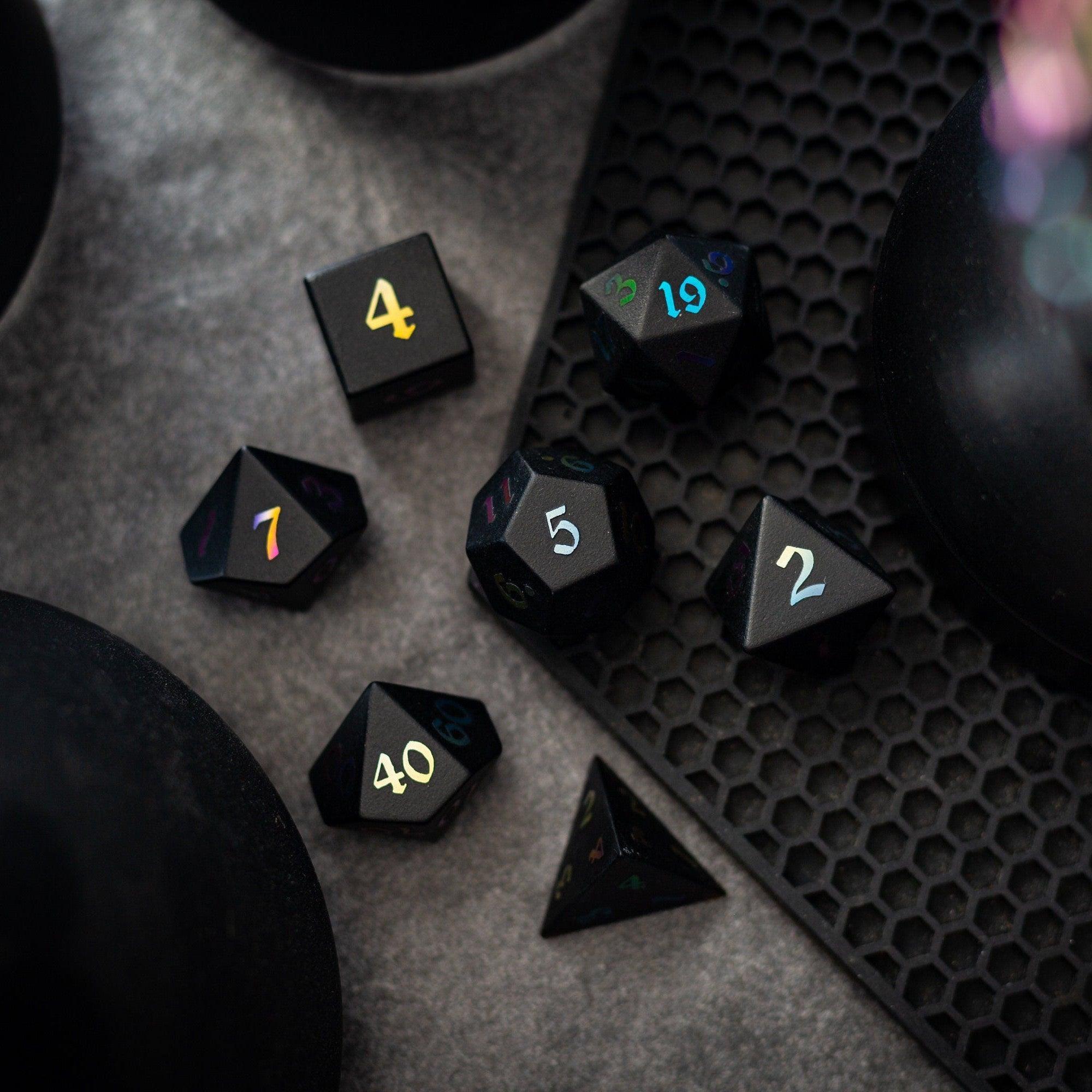
- 4) Tie each item to story and culture. Link materials, iconography, and origin to people and places your group already knows. An obsidian charm from an old shrine or a glass blade etched with storm runes can anchor future plot hooks. If you are inspired by physical props, you might explore beautiful dice that reflect your setting’s aesthetics, such as labradorite set or curated gemstone dice that echo long-forgotten vaults and luminous caverns.
- 5) Set clear, concise mechanics. Aim for abilities that are easy to understand at the table. Favor once-per-rest triggers, short recharge timers, or simple conditional bonuses. Reduce stacking complexity by clarifying what does not combine. When in doubt, err on the side of clarity over flourish; you can always expand an item later with a discovered rune, attunement ritual, or refit by a friendly artisan.
- 6) Right-size power with bounded math. Compare damage, control, and defensive benefits to what characters already do at their tier. If an item eclipses a class feature, consider narrowing its scope, lowering its frequency, or adding a gentle drawback that creates interesting choices instead of hard limits. You might also spread a strong effect across a set of components recovered over multiple quests.
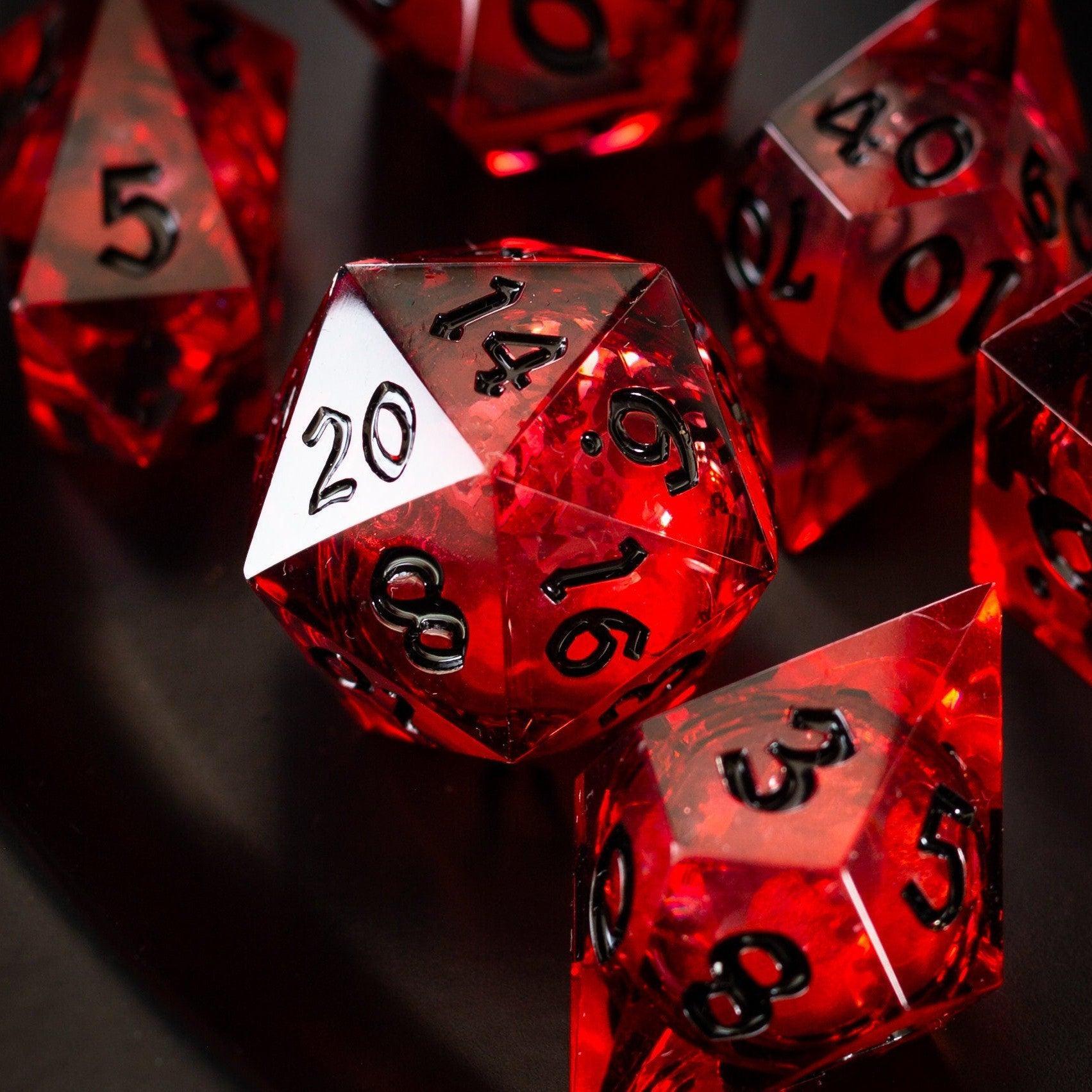
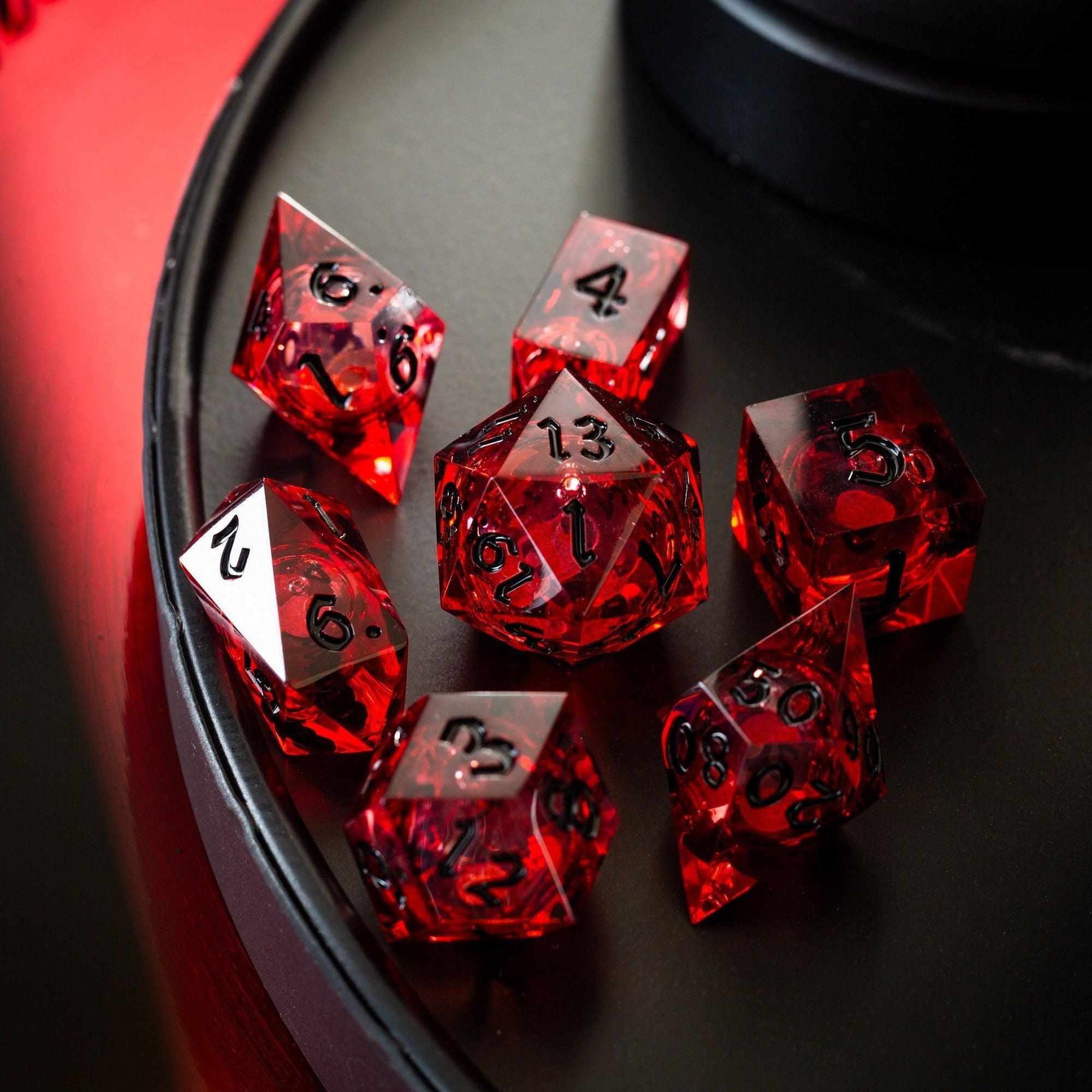
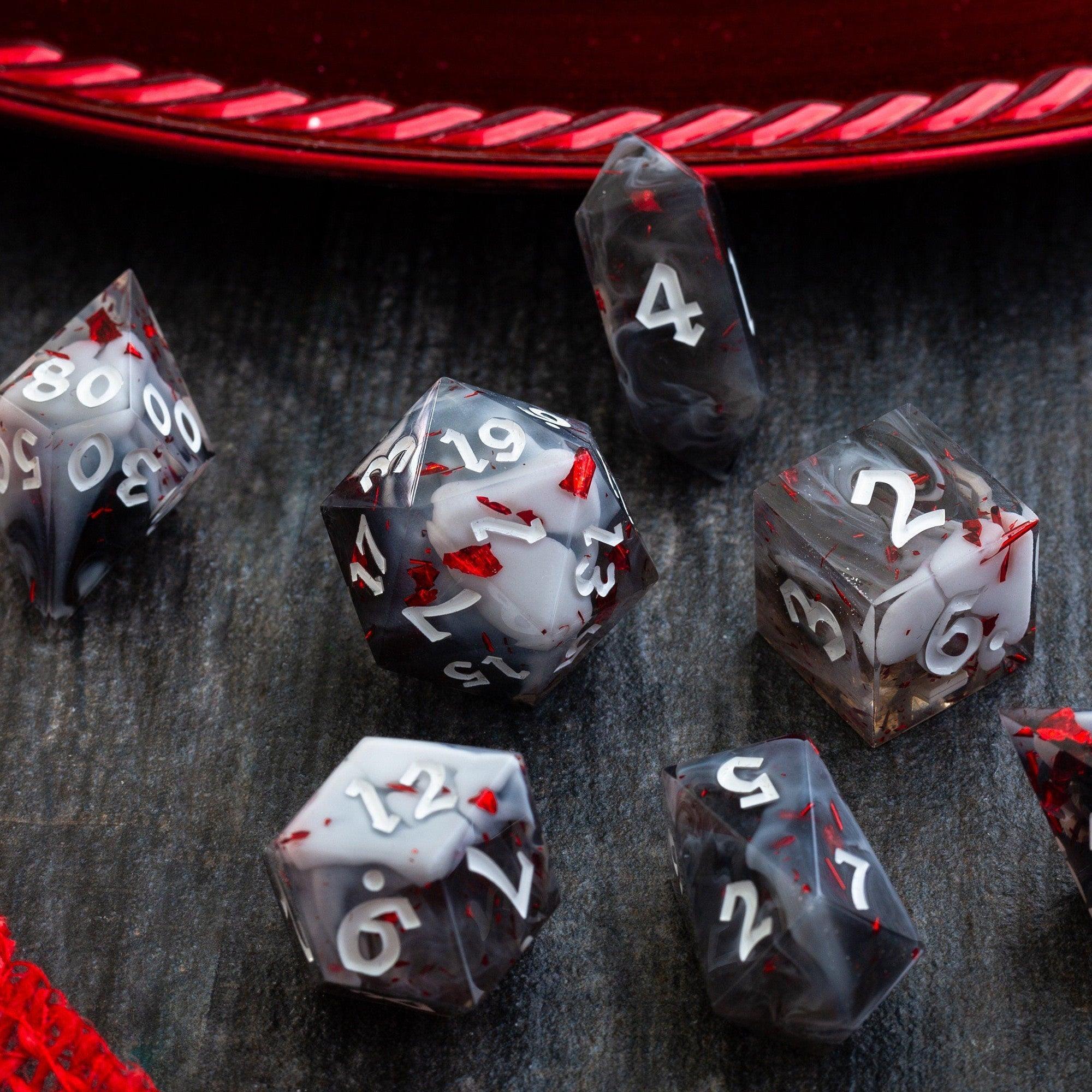
- 7) Plan discoverability and foreshadowing. A short rumor, a mural, a journal excerpt, or a friendly NPC can hint at a relic’s purpose before it appears. This quiet setup increases anticipation and makes the eventual reveal more satisfying. Consider tactile reveals, too. A shimmering trinket can shine alongside vivid accessories at the table, like the green glass set or fluid, eye-catching liquid core dice, which can complement scenes of arcane flux.
- 8) Offer choices, not mandates. Present two or three different items aligned to party needs—defense, mobility, utility, or roleplay flavor—and let the group select. This gentle choice respects different playstyles and spreads spotlight time. If one character gathers many items, consider rotating attunement slots, introducing trade opportunities, or crafting quests that help the party redistribute boons organically.
- 9) Showcase items in scenes. Design moments that let new gear shine without forcing outcomes. A bridge of wind to test a flight charm, a spectral lock for a whisper key, or a theatrical duel for a parry blade invites creative play. Reinforce the item’s identity with sensory details—sound, color, scent—so it becomes a character in the story. For a little table flair, tactile props like the shimmering green glass set or elegant gemstone dice can echo the world’s wonder during rolls and reveals.

Tips
- Start small. A reliable minor item or consumable often feels more approachable than a complex artifact early on.
- Use upgrade paths. Allow favorite gear to grow with the party through reforging, attunement milestones, or socketed runes.
- Favor versatility over raw power. An item that opens options—mobility, information, resilience—can outshine pure damage in play.
- Limit stacking. Clearly mark which bonuses do not stack to keep math quick and reduce analysis paralysis.
- Balance by opportunity cost. Attunement slots, charges, or situational triggers can keep potent effects fair without feeling punitive.
- Reward discovery, not only combat. Offer treasures for diplomacy, puzzle-solving, or clever heists to celebrate many play styles.
- Keep a “safety valve.” If something runs hot, adjust recharge, reduce range slightly, or swap a secondary perk between sessions with group consent.
- Use tasteful props to enhance immersion. Refined accessories like the luminous labradorite set can mirror the mood of relics and scenes.
FAQs
How do I balance treasure fairly?
Match the reward to the challenge, then adjust for story impact and party needs. If an encounter was risky, offer stronger or more flexible items; if it was light, a consumable or narrative boon may suffice. Try to measure items not only by numbers but also by utility, action economy, and how often their effects will realistically appear in your group’s typical scenes.
What rarity mix should I use?
A gentle baseline is a few consumables each arc, periodic minor permanents, and milestone rarities tied to major goals. Early items might focus on defense, advantage in exploration, or quality-of-life tools. Later, introduce layered abilities, set pieces, or multi-stage upgrades. When uncertain, keep rarities modest and add power through customization rather than raw magnitude.
How many items per level feel right?
It varies by system, but many tables enjoy a slow-and-steady pace: one meaningful permanent item every few sessions, supported by a sprinkling of consumables. Consider the party’s size, the campaign’s difficulty, and how often you award gold or crafting materials. If growth feels too fast, pause on permanents, offer upgrades to existing gear, or spotlight story-driven boons instead.
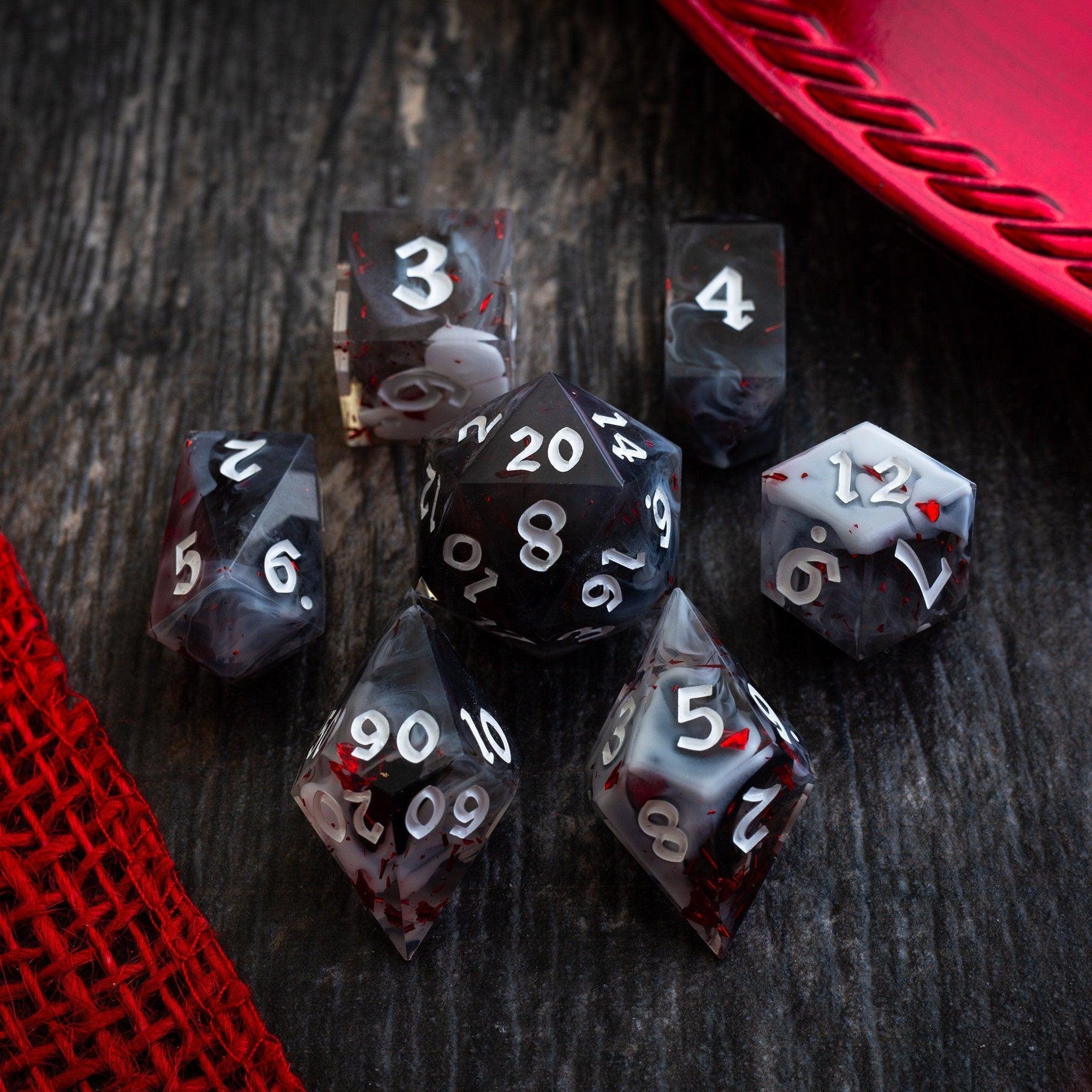
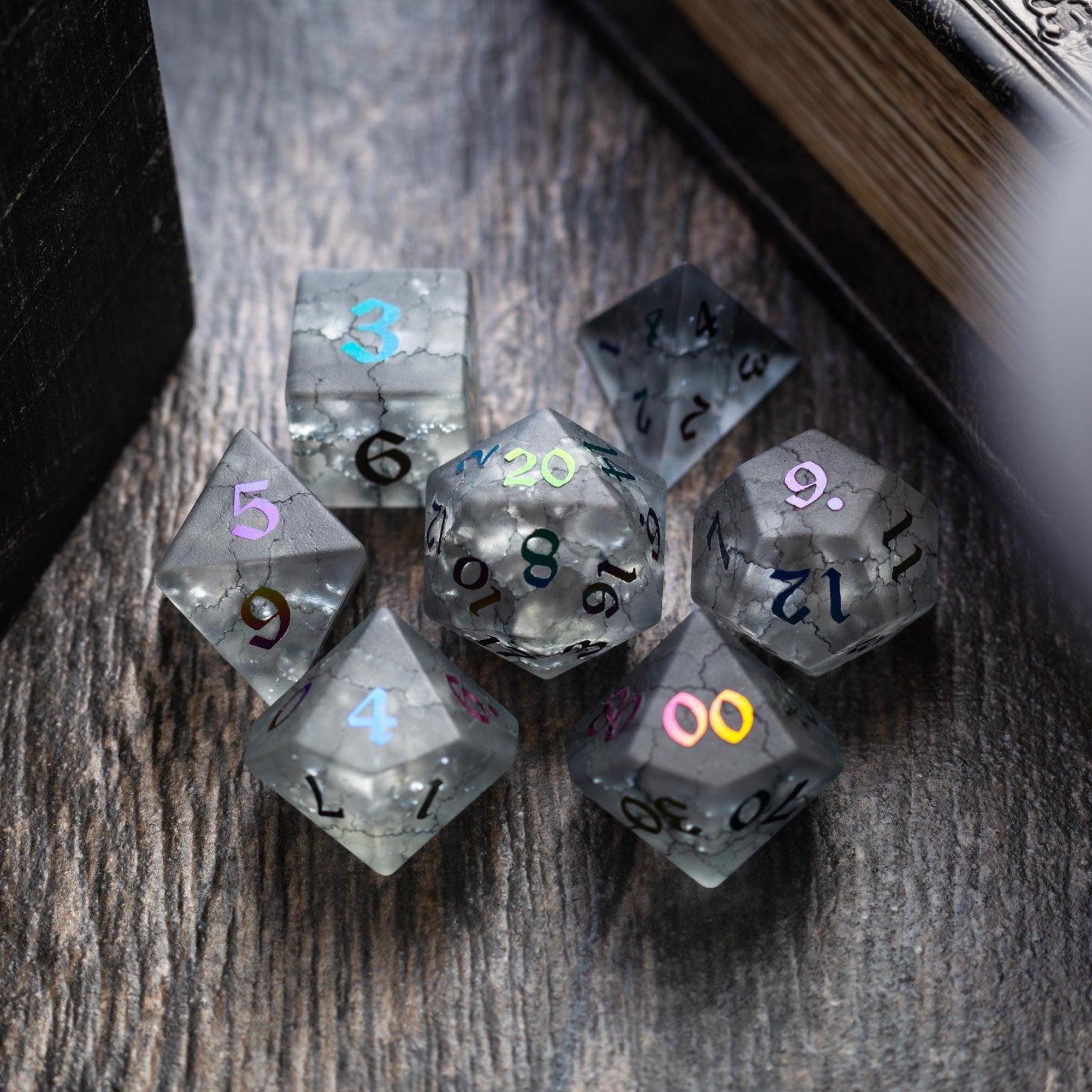
If you would like a gentle nudge of inspiration, you might explore tactile accessories that echo your world’s textures and colors, including the elegant green glass set or luminous pieces from the gemstone dice curation. These small touches can enrich reveals, emphasize themes, and bring your table’s scenes to life. When you are ready to curate magic items for fantasy RPG that delight your group, a thoughtful theme, steady pacing, and clear mechanics will serve you well.


Leave a comment
This site is protected by hCaptcha and the hCaptcha Privacy Policy and Terms of Service apply.