

Lore Encyclopedia for Tabletop RPGs Atlas of Lore Insights
Updated on: 2026-01-05
A lore encyclopedia for tabletop roleplaying helps you collect people, places, timelines, and rules of your world in one friendly reference. It supports consistent storytelling, faster prep, and smoother sessions. With a clear structure and gentle guardrails, you can keep details coherent without overwhelming your table. This guide shares benefits, cautions, and a practical workflow to build and maintain a living world reference that players love to explore.
- Pros & Cons of a lore encyclopedia for tabletop roleplaying
- Step-by-Step Practical Guide
- Wrap-Up
- Q&A

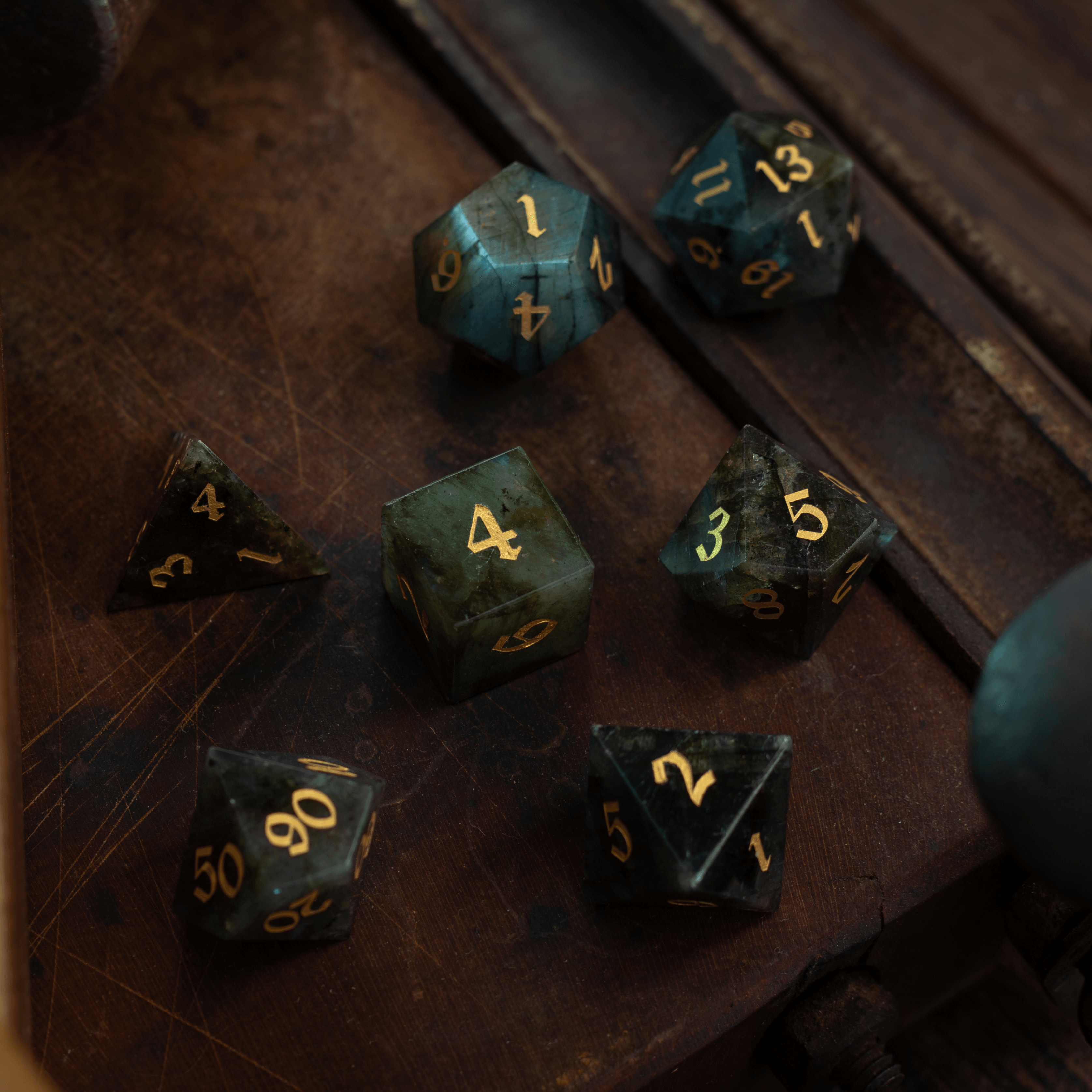
Whether you run weekly campaigns or occasional one-shots, a central world reference protects your story from contradictions and forgotten hooks. A concise, well-structured compendium keeps the heart of your setting—its themes, factions, cities, and magic—easy to recall and expand. This article offers a gentle, practical approach to create a campaign lore archive that fits your style, reduces prep anxiety, and supports player immersion. Along the way, you will see simple patterns to prevent scope creep, ways to share information with your table, and helpful prompts to keep creativity flowing. If inspiration helps you visualize the world as you play, you might enjoy browsing tactile accessories like gemstone dice to spark ideas for regions, cultures, or artifacts.
Pros & Cons of a lore encyclopedia for tabletop roleplaying
PROS
- Consistency. A single source of truth prevents contradictions in names, dates, distances, and lore rules.
- Faster prep. Reusable entries (like cities, NPCs, and items) shorten your session planning time.
- Player trust. A steady world builds confidence; players feel safe investing in backstories and long arcs.
- Creativity booster. A focused world bible opens new connections between factions, locations, and motives.
- Onboarding helper. New players can scan a short primer to join the story with confidence.
CONS
- Upkeep needed. A living reference works best if updated after each session.
- Scope creep. It can grow too large; guardrails and templates help keep it manageable.
- Potential spoilers. Sharing everything may reveal secrets; use public and private sections.
- Tool friction. Overly complex software can slow you down; choose simple, reliable options.
- Perfection trap. Worldbuilding can overshadow play; small, steady updates are kinder to your pace.
With a light structure and a gentle routine, the strengths of a campaign reference often outweigh the drawbacks. The following workflow aims to be simple, flexible, and friendly to busy schedules.
Step-by-Step Practical Guide
Step 1: Define your world pillars
Start with the core themes that shape every decision in your setting. Consider three to five pillars, such as “scarcity of magic,” “sacred forests,” or “skyborne trade routes.” Write a short paragraph for each. This anchors tone and helps you say “yes” or “not yet” to new ideas without stress. Add one paragraph of “table values”—for example, cooperation, consent, and spotlight balance—to keep play comfortable for everyone. In your compendium, place these pages at the top so they guide how nations, guilds, and mysteries evolve.
Step 2: Structure entries for clarity
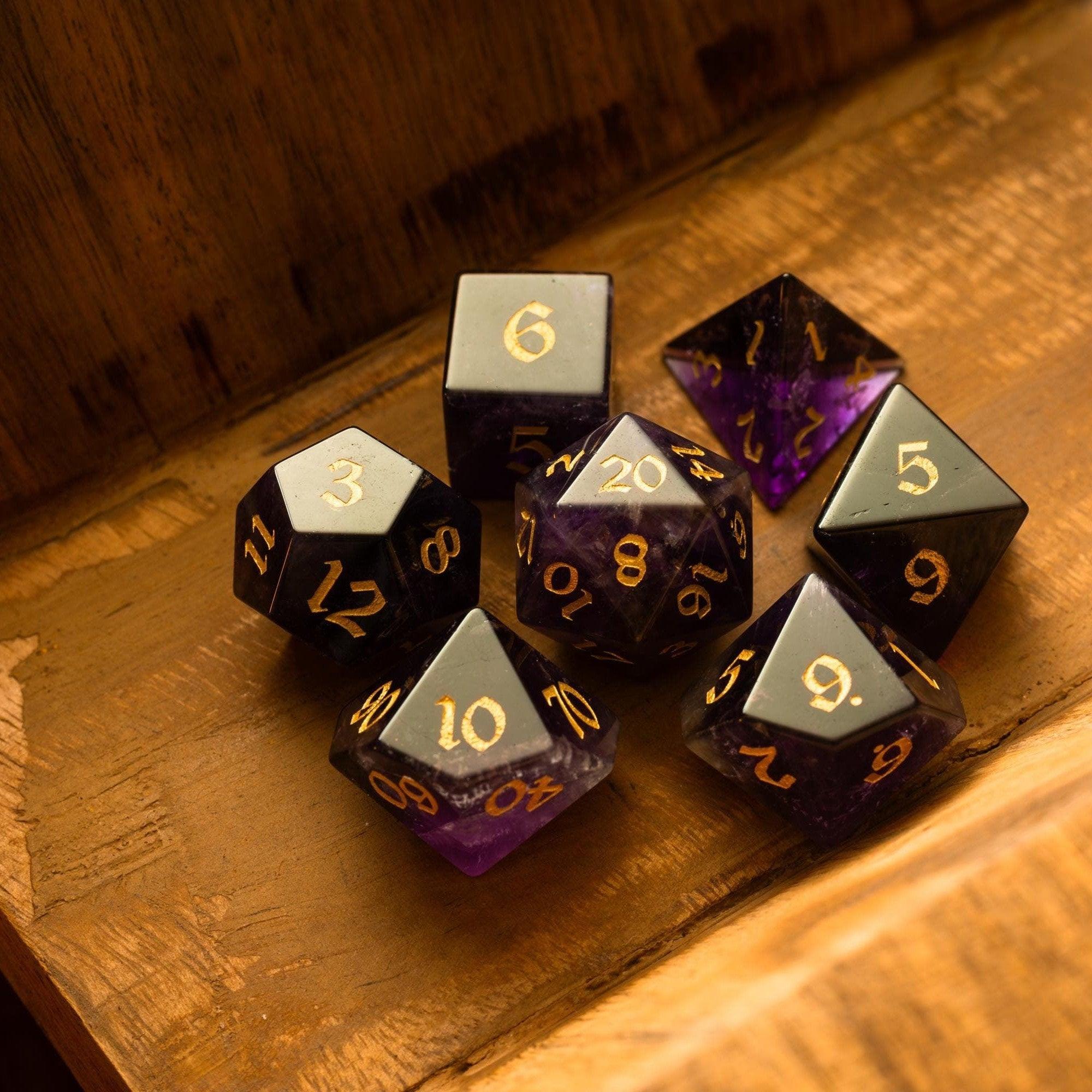
Create simple templates for people, places, things, and rules. Each entry can use the same short sections: hook (one sentence), overview (four lines), details (five bullets), and ties (three cross-links). Limit each entry to one screen or page. This keeps your worldbuilding encyclopedia light and scannable during play. When you want tactile inspiration for artifacts or legendary treasures, consider anchoring an item’s story to a striking physical object—something like the shimmering facets of the Amethyst set can suggest themes of royalty, prophecy, or geodesic magic.

Step 3: Map timelines and cause–effect
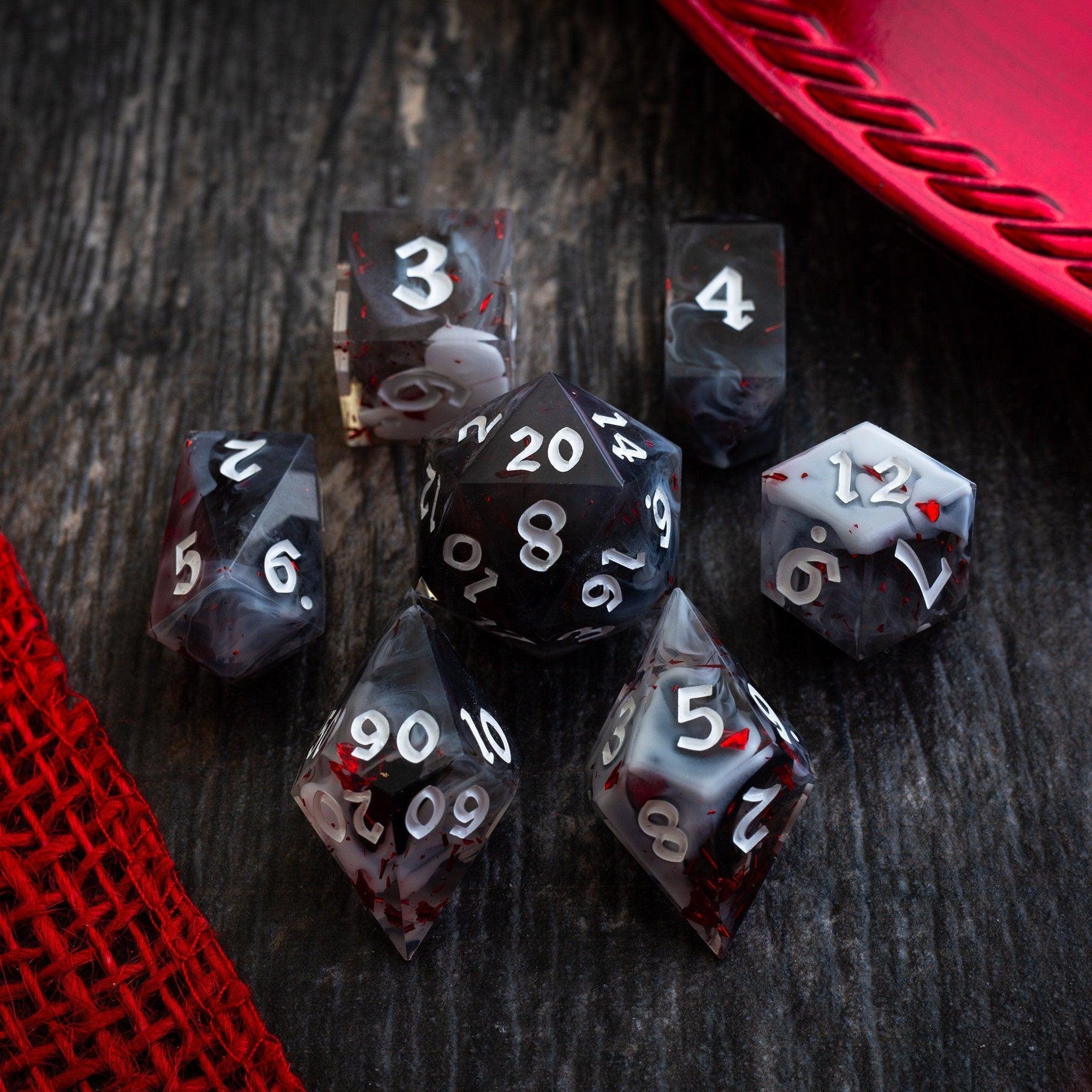
Timelines quietly strengthen your setting reference. List five to seven major eras or turning points and one or two consequences for each. Next, create a “rumors vs. facts” table to track what the public believes compared to what is true. This softens continuity errors, because rumors explain oddities until you decide their resolutions. Keep dates human-friendly rather than hyper-precise. If celestial events or rifts matter in your world, an evocative visual—like the cosmic swirl of the Starlit Rift—can help you remember when extraordinary phenomena occur.
Step 4: Cross-reference and tag
Cross-links transform a list of notes into a true setting compendium. Tag entries with 5–8 shared categories, such as region, faction, magic, technology, and plot arc. At the bottom of each page, add “Related entries” with three links. This reveals relationships you might not have planned and makes improv easier at the table. Players also benefit from seeing connections: a guild’s symbol in one city can hint at influence in another, and a recurring material can foreshadow the origin of artifacts.
Step 5: Keep it current after sessions
Right after each game, take five minutes to update three things: what changed, who changed, and what is likely next. Add a timeline bullet, adjust NPC motives, and list two possible leads. Mark unresolved secrets as “open” so you remember to revisit them. With this gentle maintenance habit, your campaign lore index stays reliable without heavy effort. If you like tidy table setups, a stable rolling surface such as dice towers can reduce chaos and keep note-taking smoother between scenes.
Wrap-Up
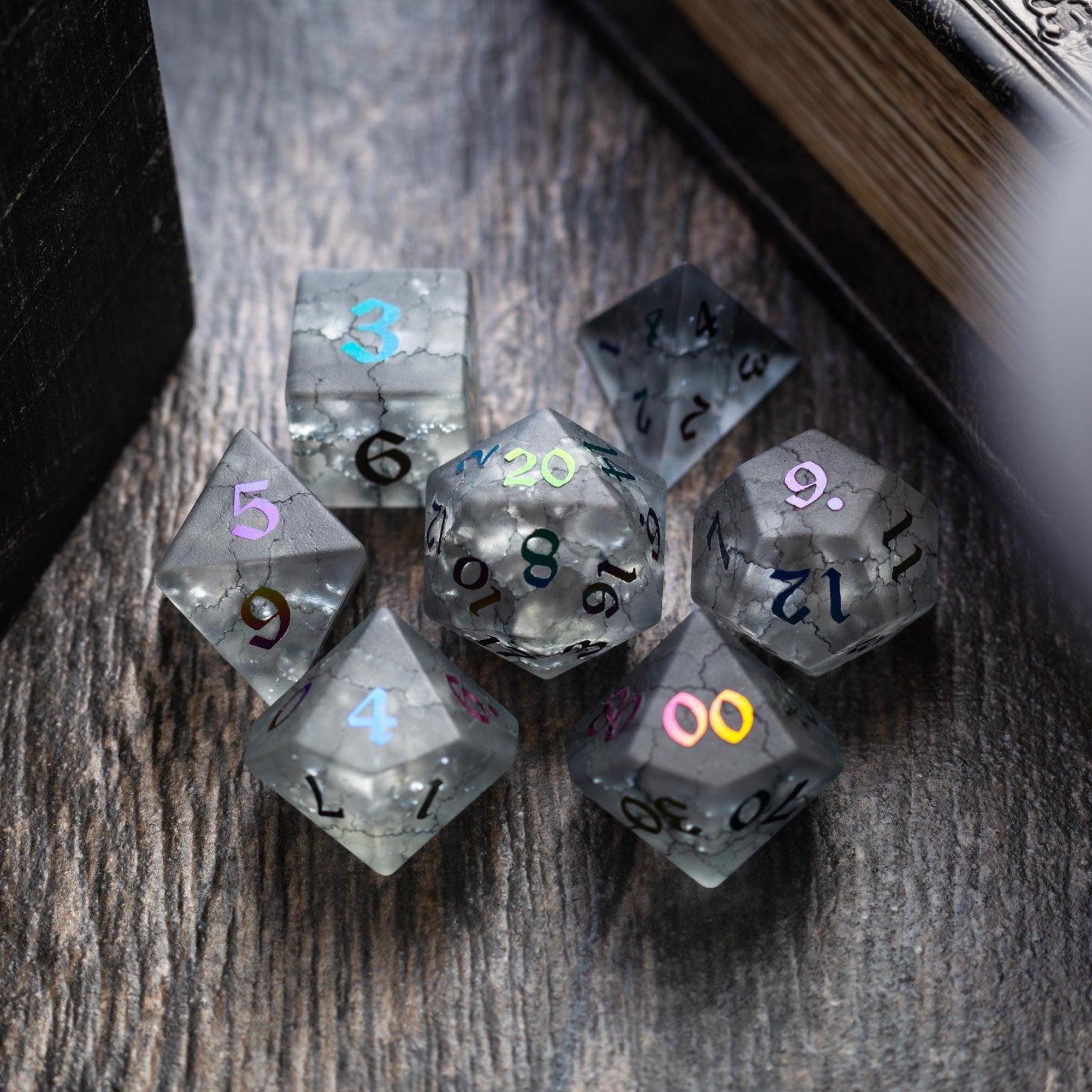
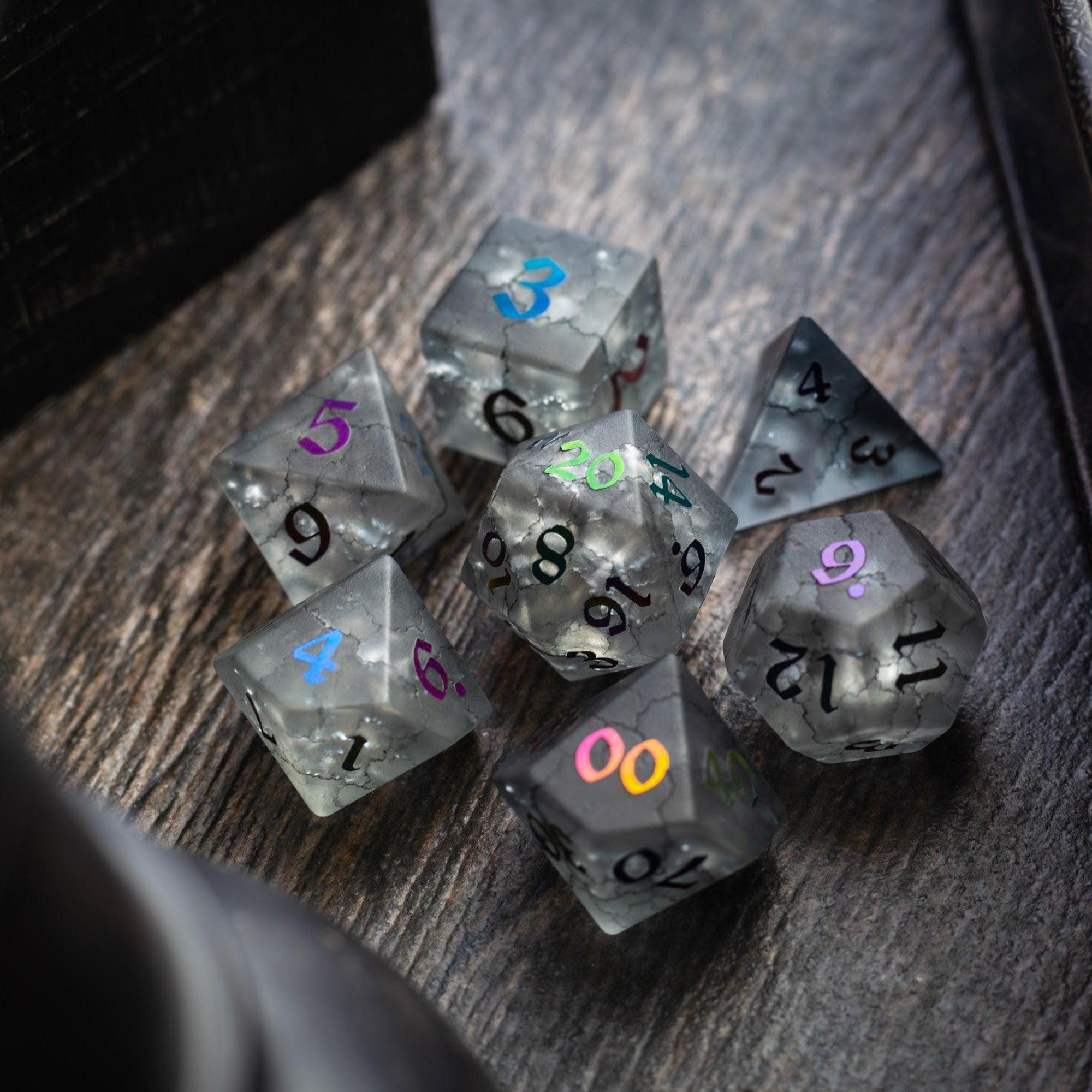
A concise, navigable world reference makes your stories richer and your prep kinder to your schedule. Begin with clear pillars, use short templates, map a simple timeline, and connect entries with tags. Update lightly after each session, and keep public and private sections to protect surprises. Over time, this living compendium turns scattered notes into a confident, inspiring guide for you and your players. If you wish to add a touch of table magic, a distinctive piece like the ethereal Gemstone dice can suggest colors, cultures, or artifacts that echo through your setting—and sit beautifully beside your lore encyclopedia for tabletop roleplaying.
Q&A
What should be included in a worldbuilding compendium?
Focus on entries that support play: a one-page primer with world pillars; 5–10 important locations; 6–8 notable NPCs; key factions; and a short timeline with consequences. Add a brief rules appendix for setting-specific magic, travel, or technology. Keep each entry scannable, with clear hooks and three cross-links. This balance gives players context while reserving room for surprises.
How detailed should entries be?
Keep details light and purposeful. Aim for a one-sentence hook, a short overview, and five bullets that describe motives, conflicts, and ties. If you need more depth, create a private “GM notes” section and store twists there. This approach keeps the public-facing campaign reference friendly and spoiler-safe while giving you space for secrets.
Which tools make organization easier?
Many GMs start with a folder and simple documents or a note app with backlinks. Tagging and cross-linking are more helpful than complex databases for most tables. If inspiration from physical objects helps you remember lore beats, you may enjoy the calm glow and tactile clarity of the Amethyst set or the cosmic hues of Starlit Rift as quiet prompts for artifacts, guild colors, or regional cultures.
















Leave a comment
This site is protected by hCaptcha and the hCaptcha Privacy Policy and Terms of Service apply.