

Dice for Hobby Gamers Improve Rolls with Balanced Sets
Updated on: 2026-01-05
Choosing the right dice can boost your tabletop experience, add personality to your character, and make every roll feel special. In this guide, you’ll learn how to compare materials, check balance and readability, and build a small rotation that fits your play style. You’ll also find a simple step-by-step framework, practical care tips, and honest pros and cons to help you decide with confidence. By the end, you’ll know exactly what to look for—and what to skip.
- Pros & Cons of Main Topic (dice for hobby gamers)
- Step-by-Step Practical Guide
- Wrap-Up
- Are gemstone dice practical for weekly games?
- How do I know if a set is fair enough for casual play?
- What’s the easiest upgrade from a starter acrylic set?

If you’ve ever picked up a gorgeous set at your local shop and wondered whether it’s right for your table, you’re in good company. The world of polyhedral dice is packed with materials, finishes, and styles, and that’s exciting—but it’s also a lot to sort through. This guide was written for players who want dice that feel great, read clearly, and roll consistently. We’ll cover key differences between resin, glass, metal, and gemstone sets; how to balance form and function; and how to choose the best dice for hobby gamers without second-guessing your purchase.
Pros & Cons of Main Topic (Dice for hobby gamers)
PROS
- Clearer readability boosts gameplay. High-contrast inking and crisp edges mean faster results at the table. If you value speed and accuracy, prioritize legible faces and deep engraving.
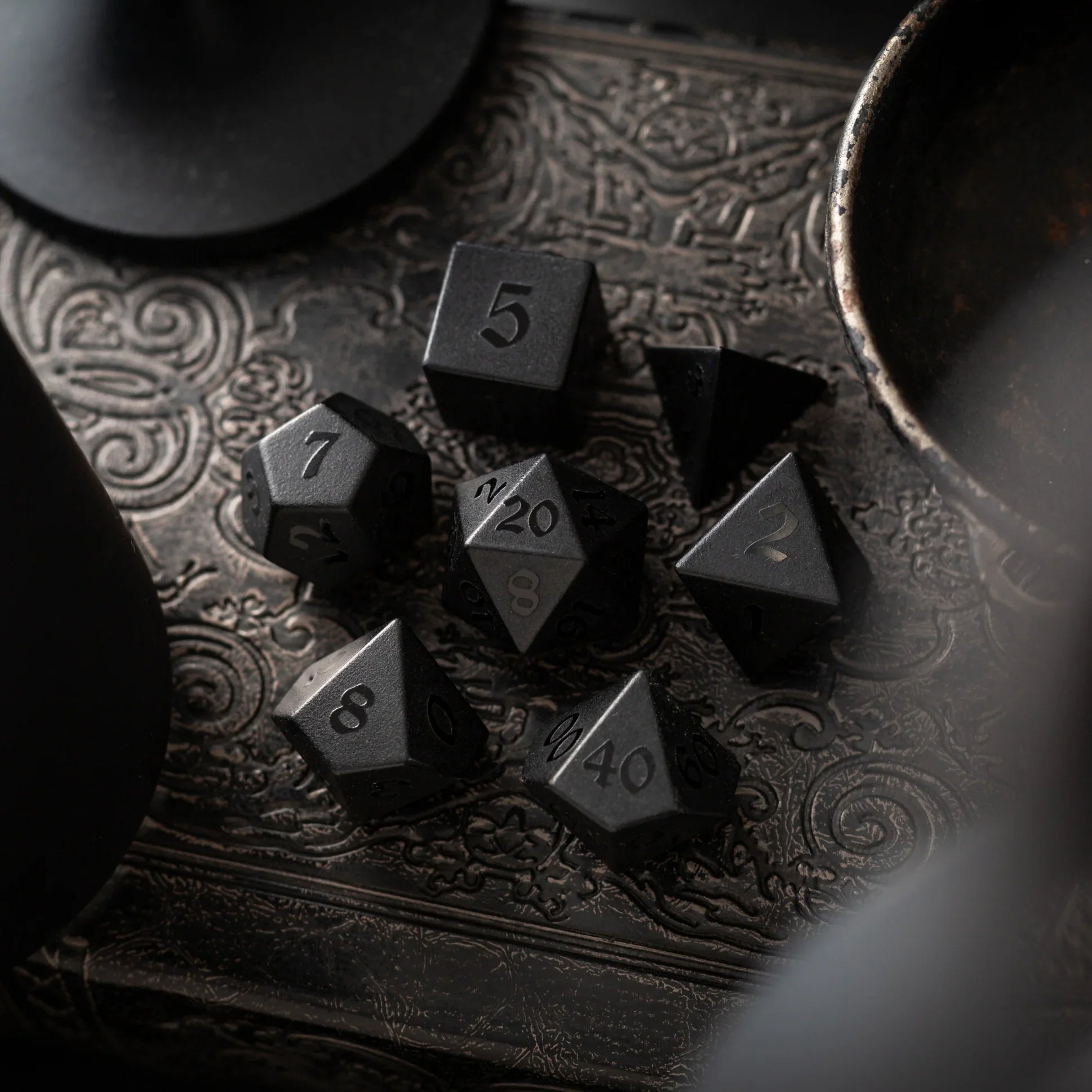
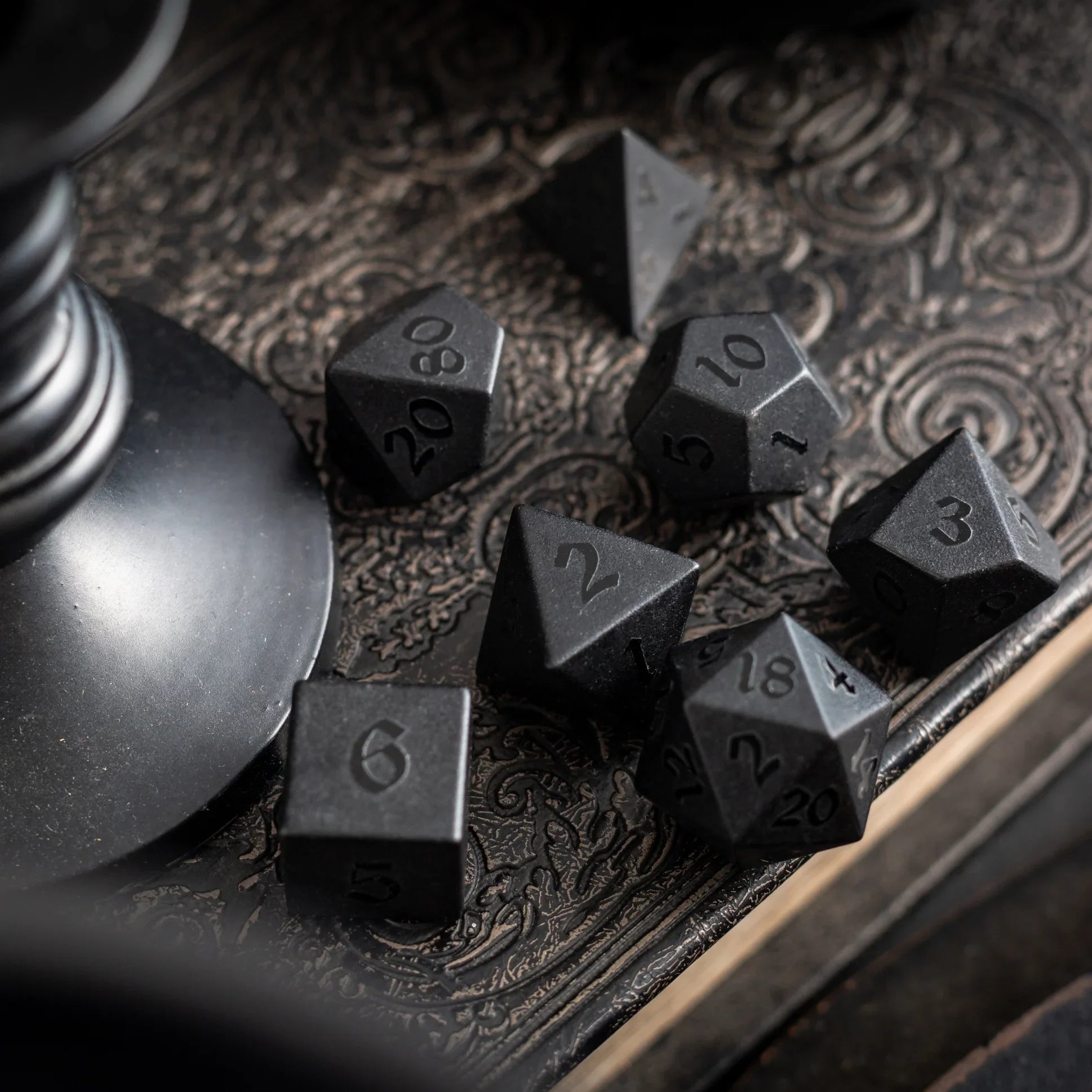
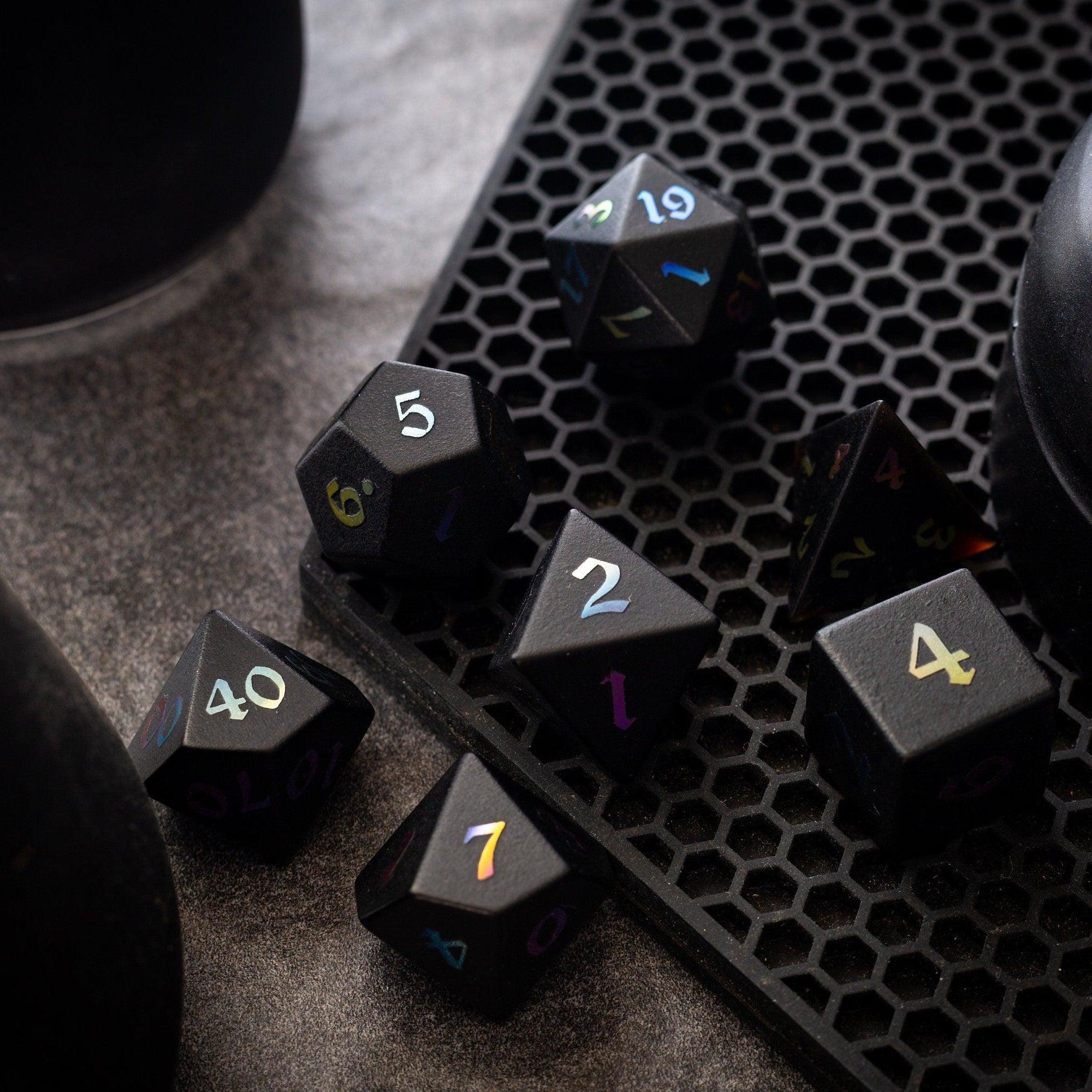
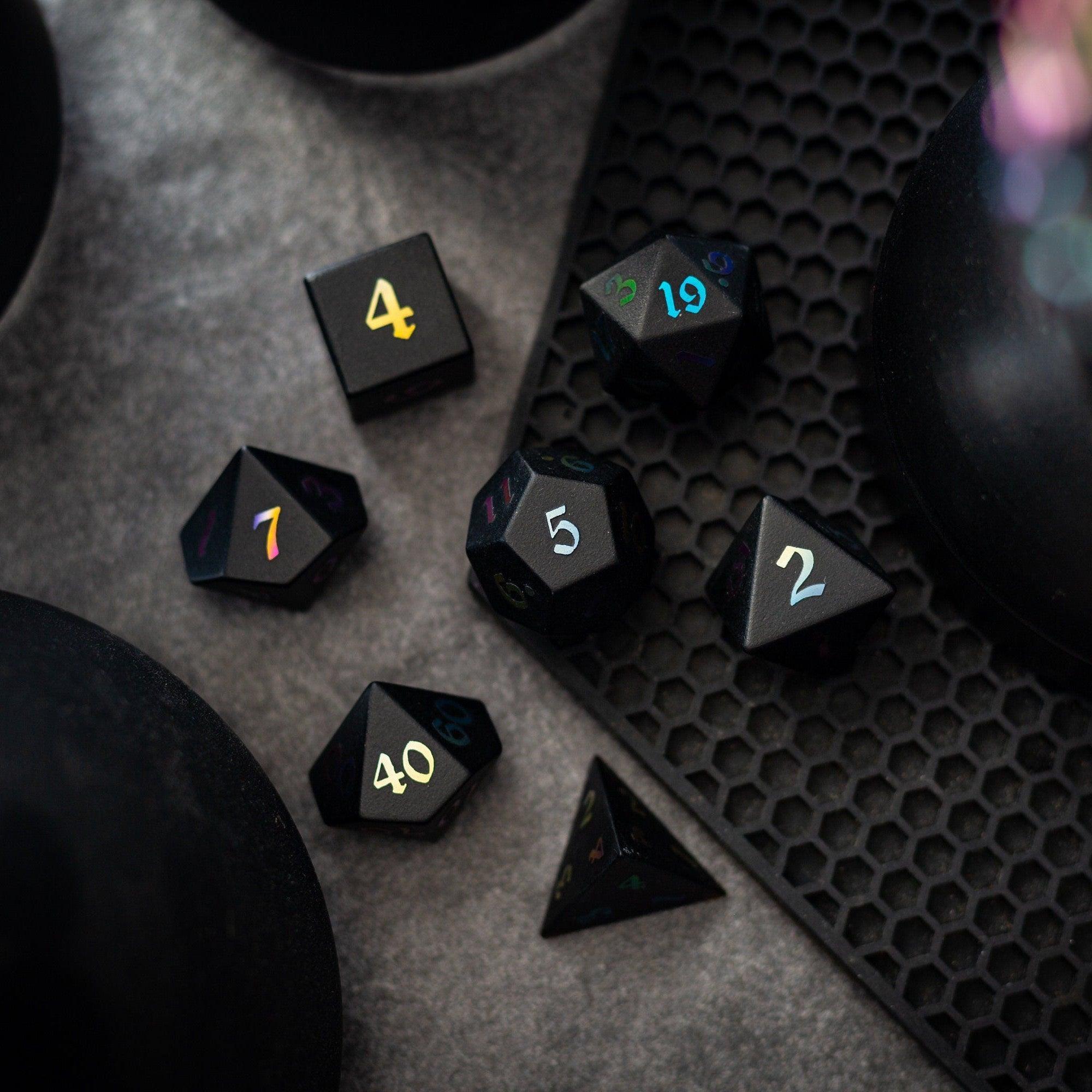
- Materials change the feel of every roll. Resin tends to be lightweight and lively; metal hits the tray with authority; gemstone and glass feel cool and polished, adding ceremony to big moments.
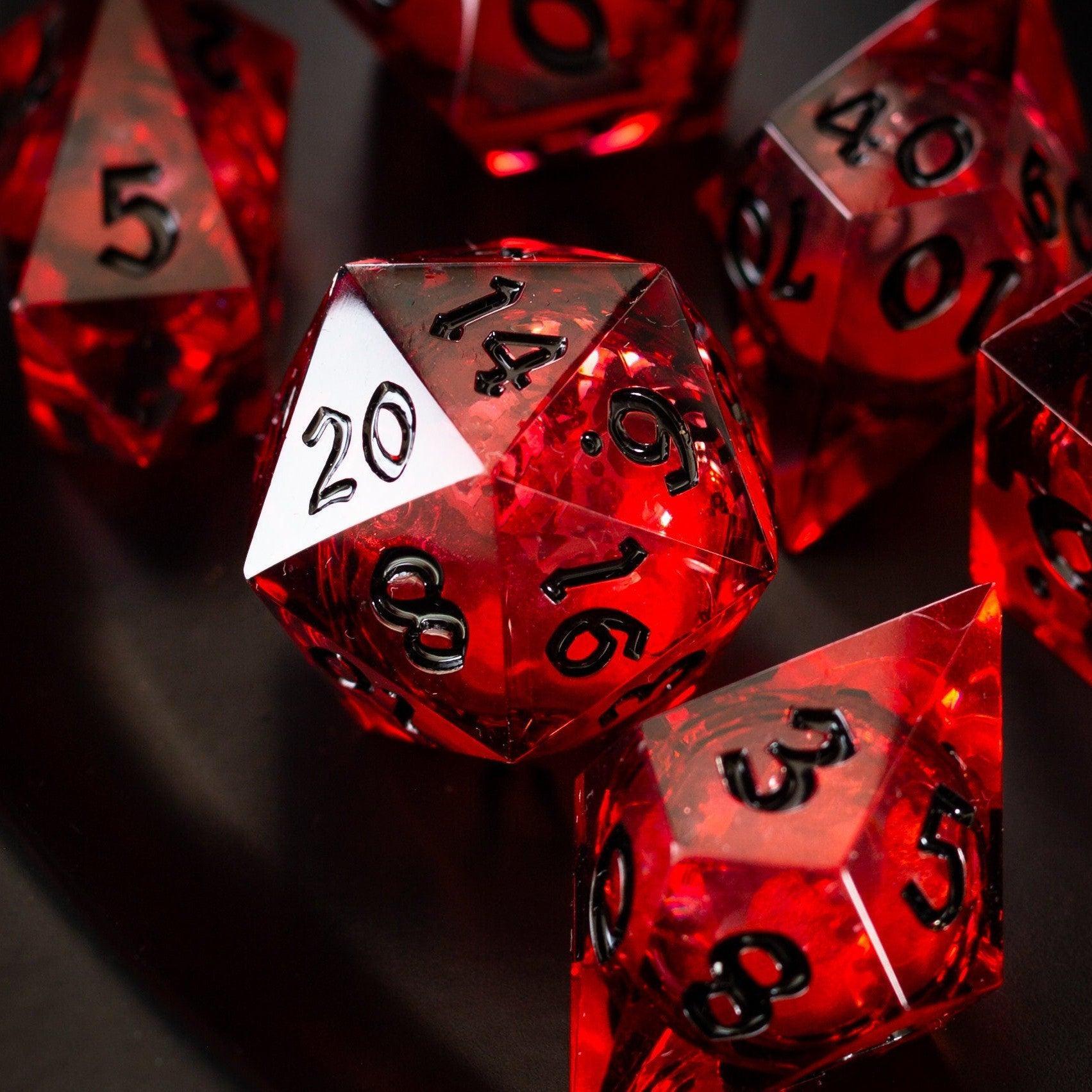
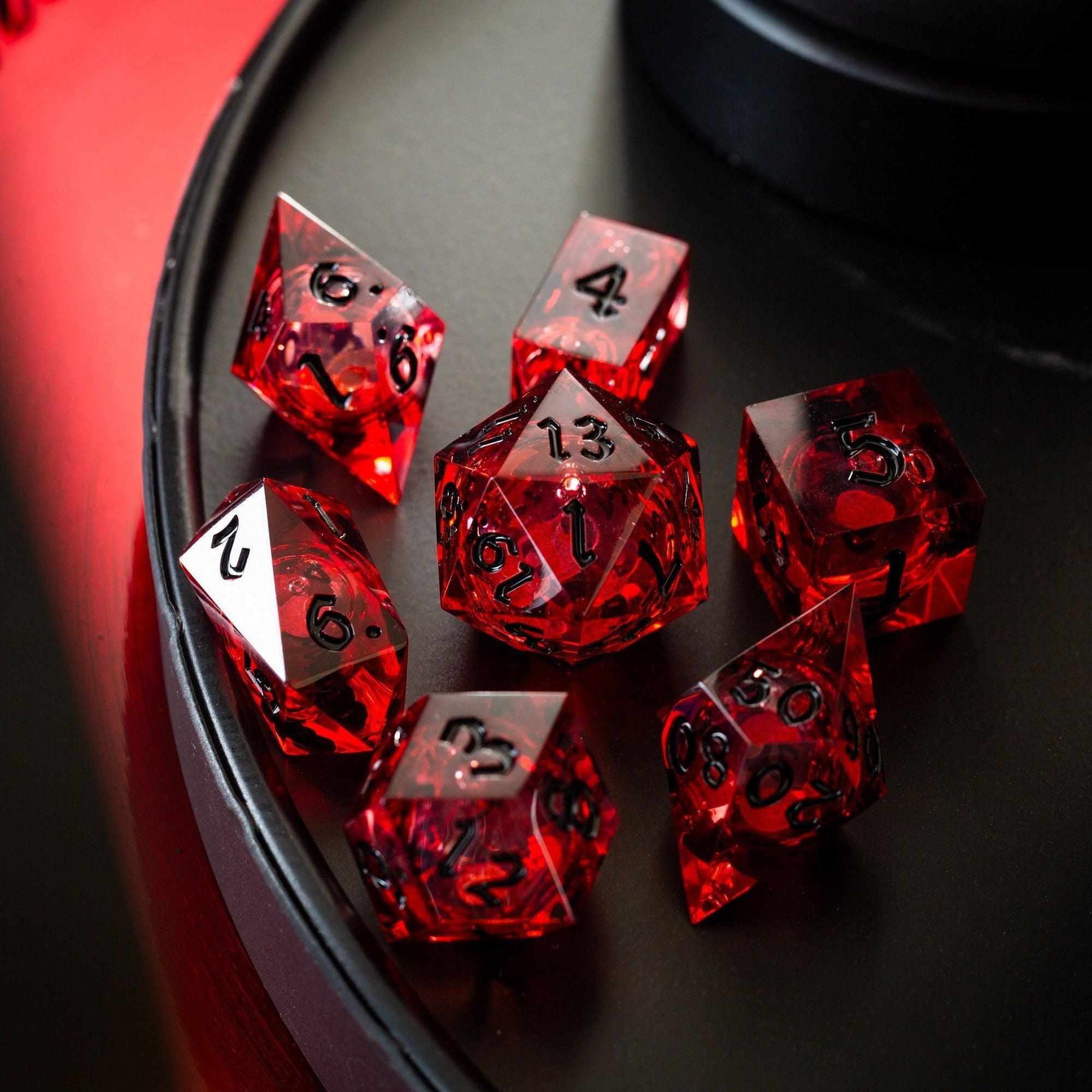
- Style expresses your character. Colorways and finishes can echo a class, backstory, or theme. From cosmic glitter to natural stone, aesthetic choices help you bond with your set.
- Durability options for different play habits. Resin is forgiving and affordable, while premium materials can withstand years of careful use if you protect them properly.
- Collectible value and joy factor. A curated rotation keeps sessions fresh. Special sets can mark milestones like finishing a campaign or hitting level 10.
CONS
- Not every set is table-friendly. Super-sharp edges or heavy alloys need a tray. Some venues ban metal to protect surfaces, so always check house rules.
- Readability varies widely. Low-contrast inks, busy inclusions, or micro-sparkle can hide numerals under certain lighting. Design matters as much as material.
- Balance is not identical across all makers. Hand-poured or highly decorative sets may roll with tiny biases. For casual play, “fair enough” is usually fine; for competitive feelings at the table, test your set.
- Premium materials need extra care. Stone and glass can chip if dropped on hard floors. Protective cases and padded trays are not optional here.
- Costs add up. It’s easy to build a collection quickly. Planning a rotation and budget helps you buy with intent rather than impulse.
Step-by-Step Practical Guide
Step 1: Define your play style
Start with how you play. Do you roll fast and often, or do you savor big checks? If you’re a heavy roller—think damage spells, advantage/disadvantage, and lots of nat-20 fishing—you’ll want durable, clearly inked sets that are quick to read. If you love drama and table presence, a premium material can elevate those critical moments. Write down your top two priorities (for example, “readability” and “weighty feel”) and use them to guide every choice.
Step 2: Pick your primary material
Each material brings a distinct experience:
- Resin and acrylic: Lightweight, affordable, often vibrant. Great for everyday rolling and experimentation.
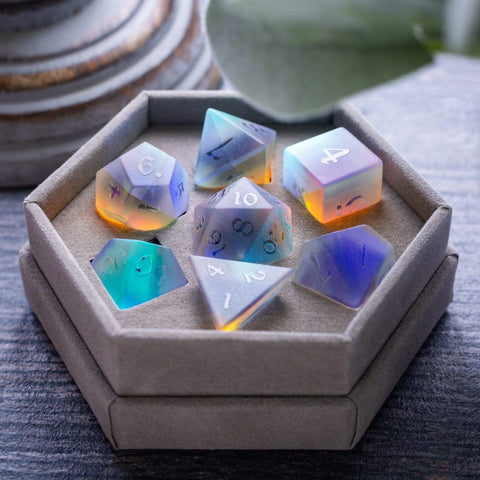
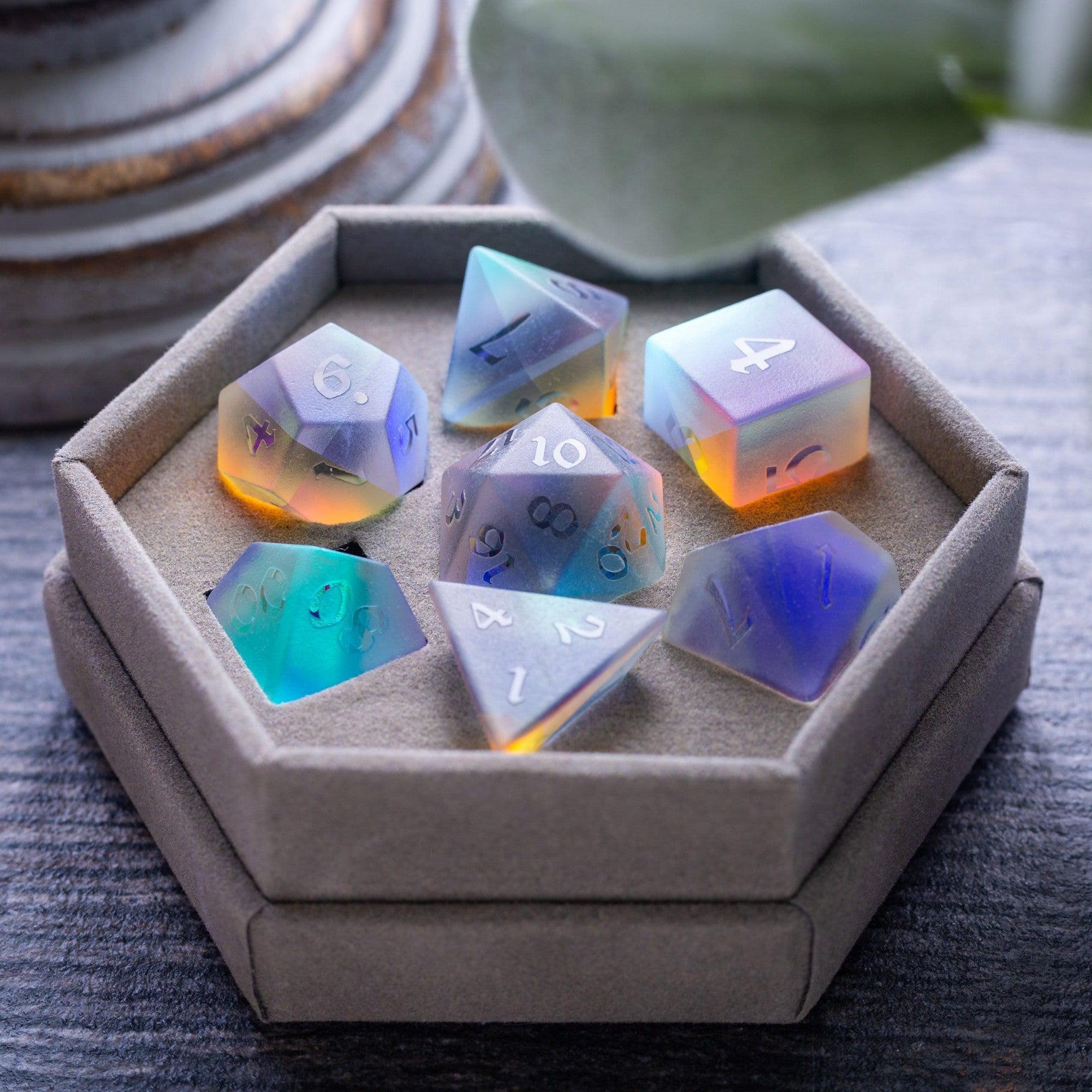
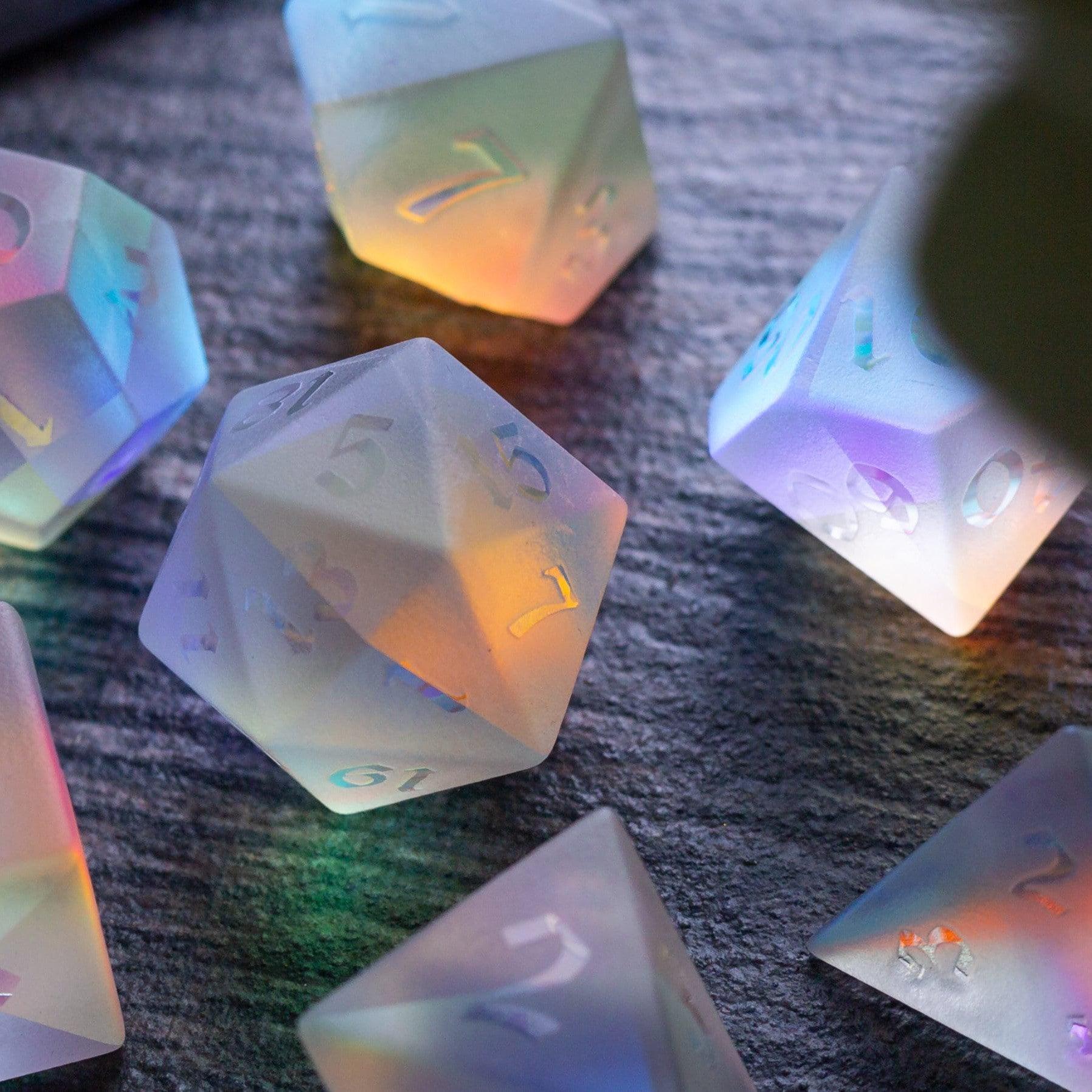
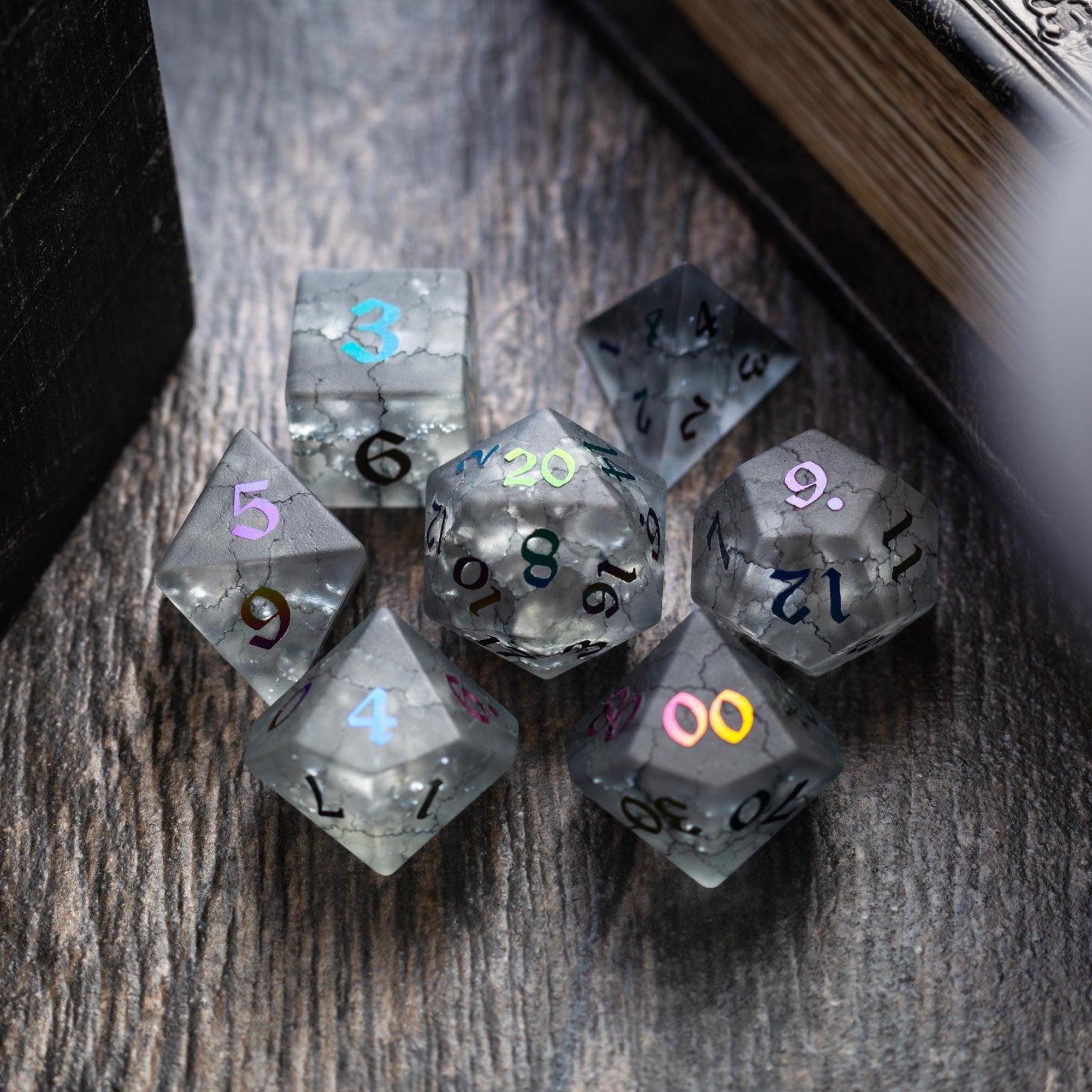
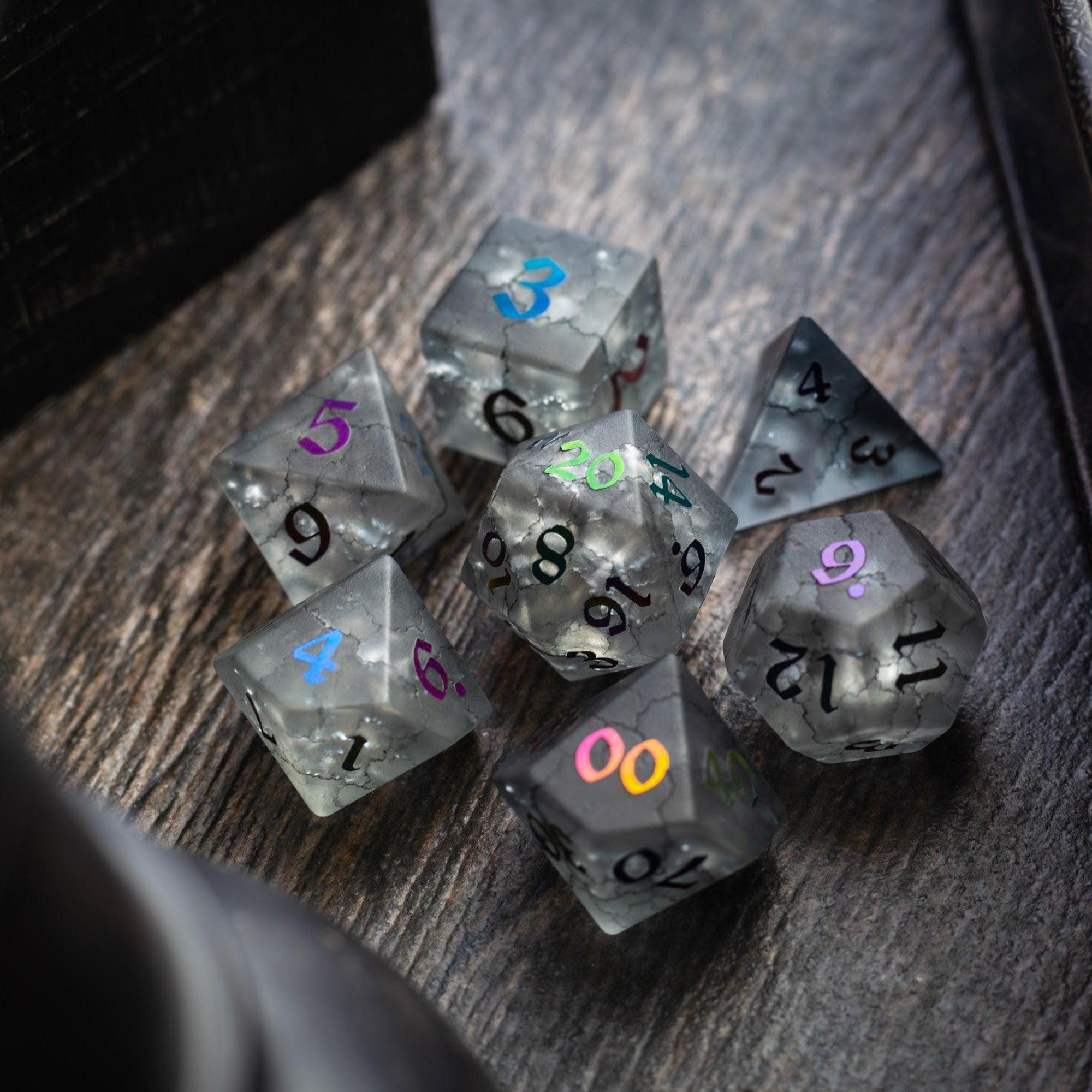
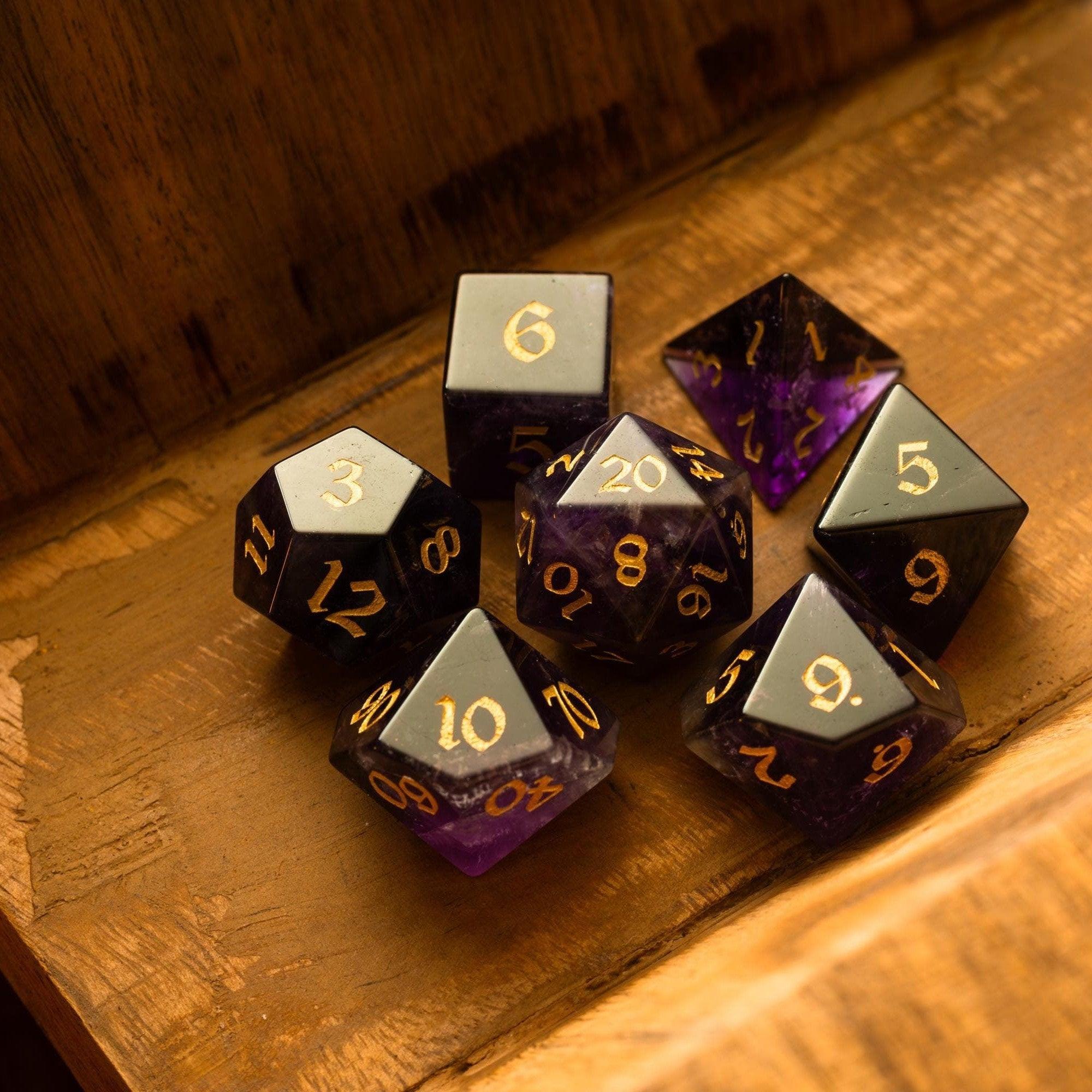
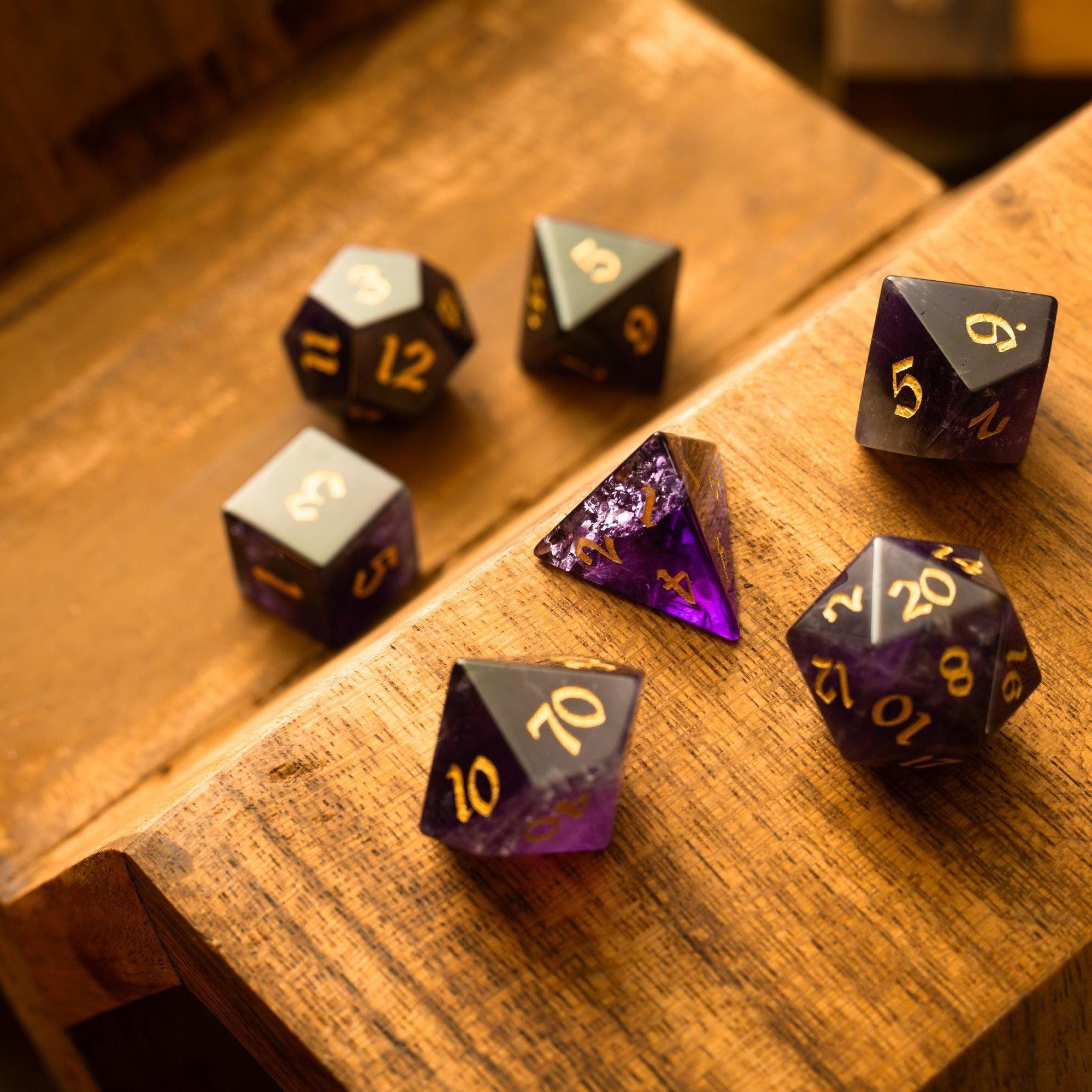
- Gemstone and glass: Smooth, cool, and collectible. Best with a padded tray and mindful storage.
- Metal: Heavy and decisive, but may be restricted on some tables; always roll on a soft surface.
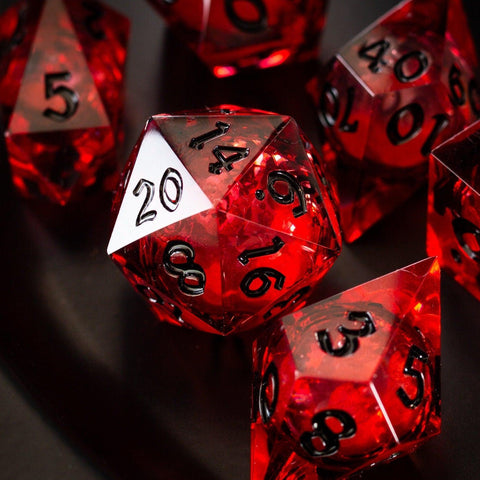
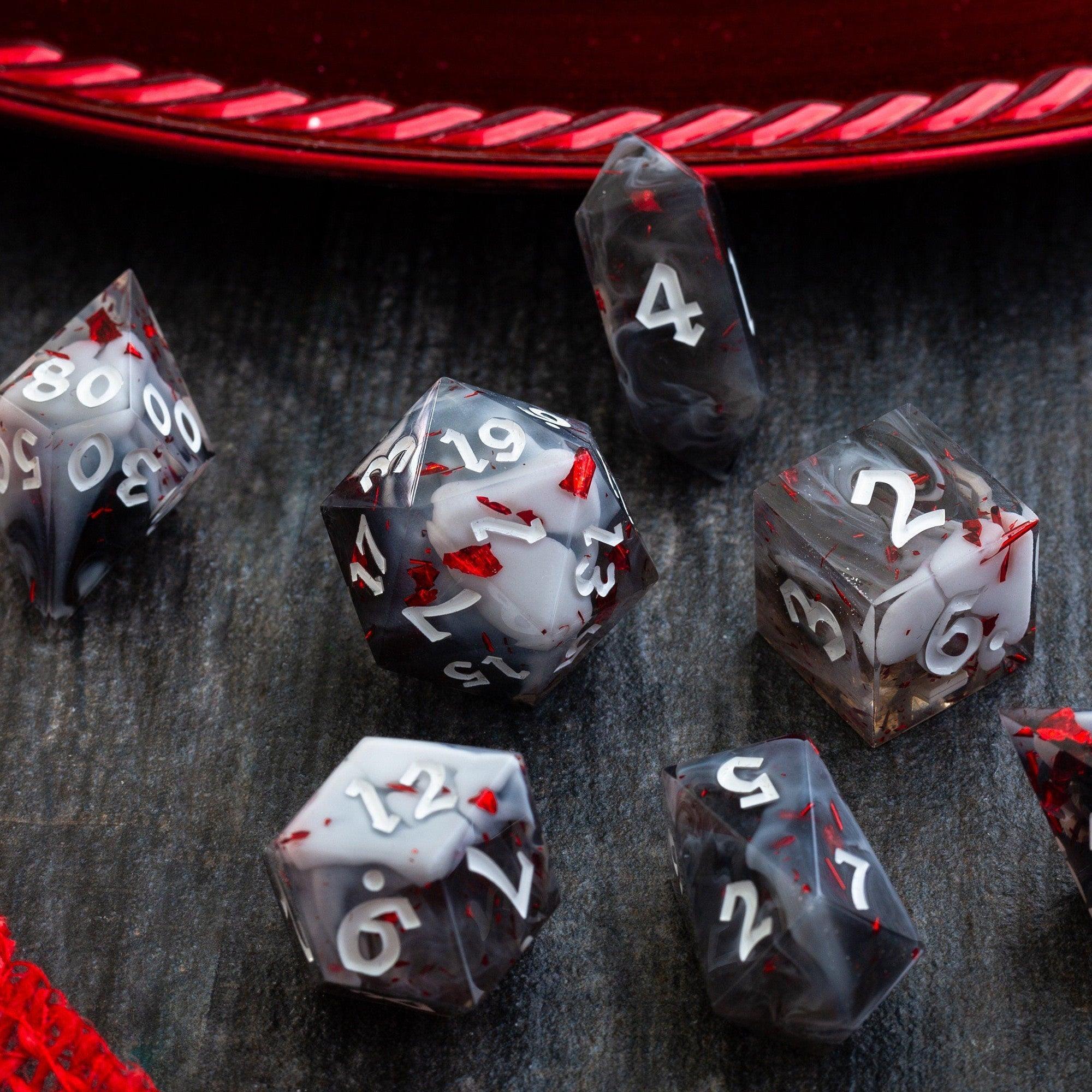
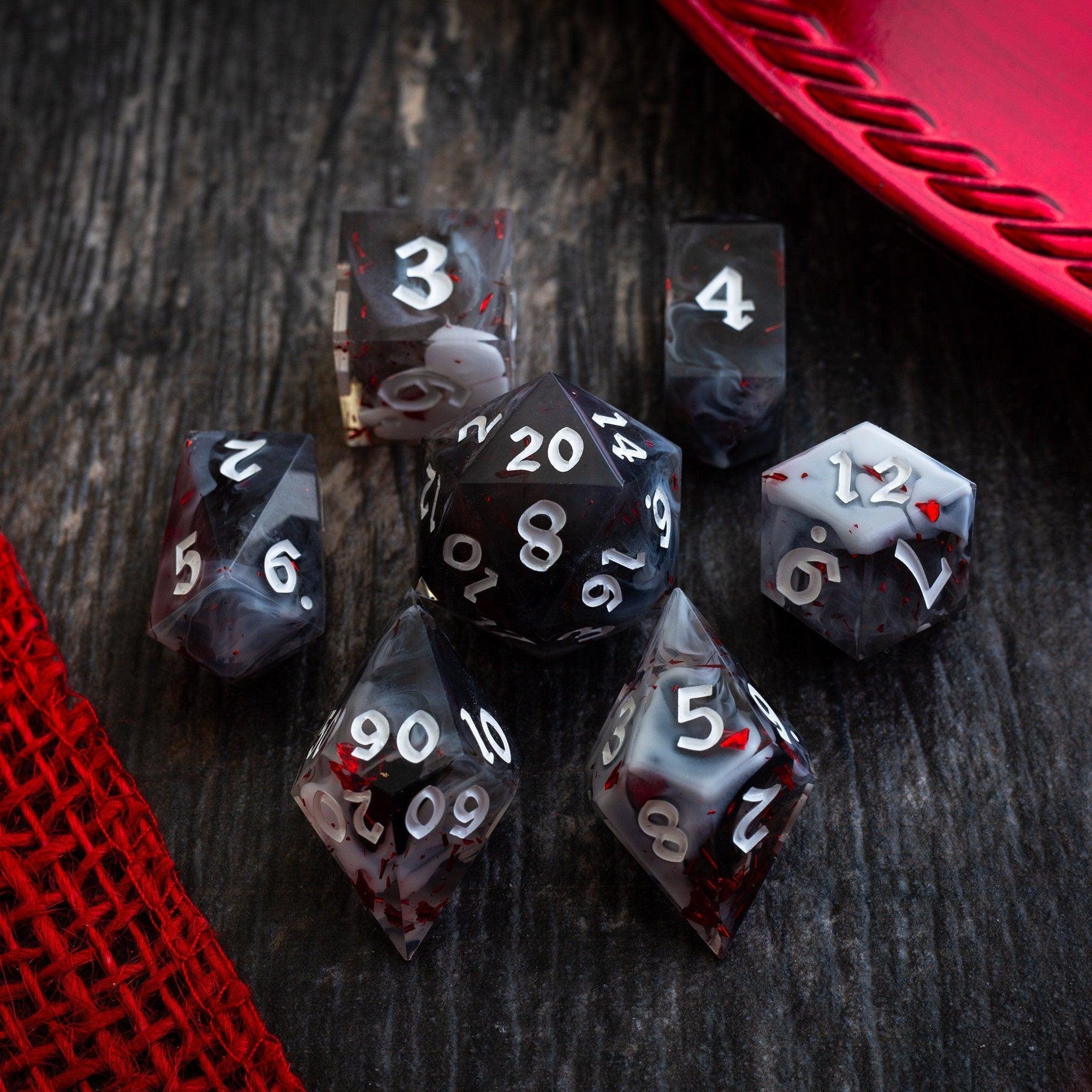
If you’re curious about premium feel, browse Gemstone Sets to compare finishes and colorways. For playful movement and eye-catching visuals, Liquid Core Dice add mesmerizing motion without sacrificing everyday usability.
Step 3: Prioritize readability
Fast, confident rolling comes from clear faces. Look for high-contrast inks, deep engraving, and numerals that aren’t crowded by inclusions. Matte or frosted surfaces can reduce glare under bright lights; glossy finishes look sleek but may catch reflections. If you often play in dim rooms, favor light dice with dark ink or the reverse.
Step 4: Think about balance and consistency
For casual play, you don’t need lab-grade precision—you need “consistent enough” rolls that feel fair. Practical checks include rolling a d20 a few hundred times over multiple sessions and watching for dramatic streaks. Avoid sets with large bubbles near faces or heavy, uneven inclusions. Sharp-edge resin is known for crisp geometry; gemstone and glass rely on precise cutting and polishing. Trust makers who focus on craftsmanship over gimmicks.

Step 5: Choose size and edge profile
Standard-sized polyhedrals fit most hands and trays, but many players enjoy a slightly larger d20 for emphasis. Sharp-edge sets have a modern, precision vibe and can improve legibility; rounded sets feel classic and easy to scoop. If your hands are smaller or you roll quickly, consider standard or rounded edges to prevent drops.
Step 6: Plan storage and care
Good habits protect your investment. Use a padded tray to guard surfaces and prevent chips. Store premium sets in a lined case and avoid direct sun or extreme heat. Wipe residue with a microfiber cloth and skip harsh cleaners. Simple care expands the lifespan of resin, glass, and stone alike.
Step 7: Build a small rotation
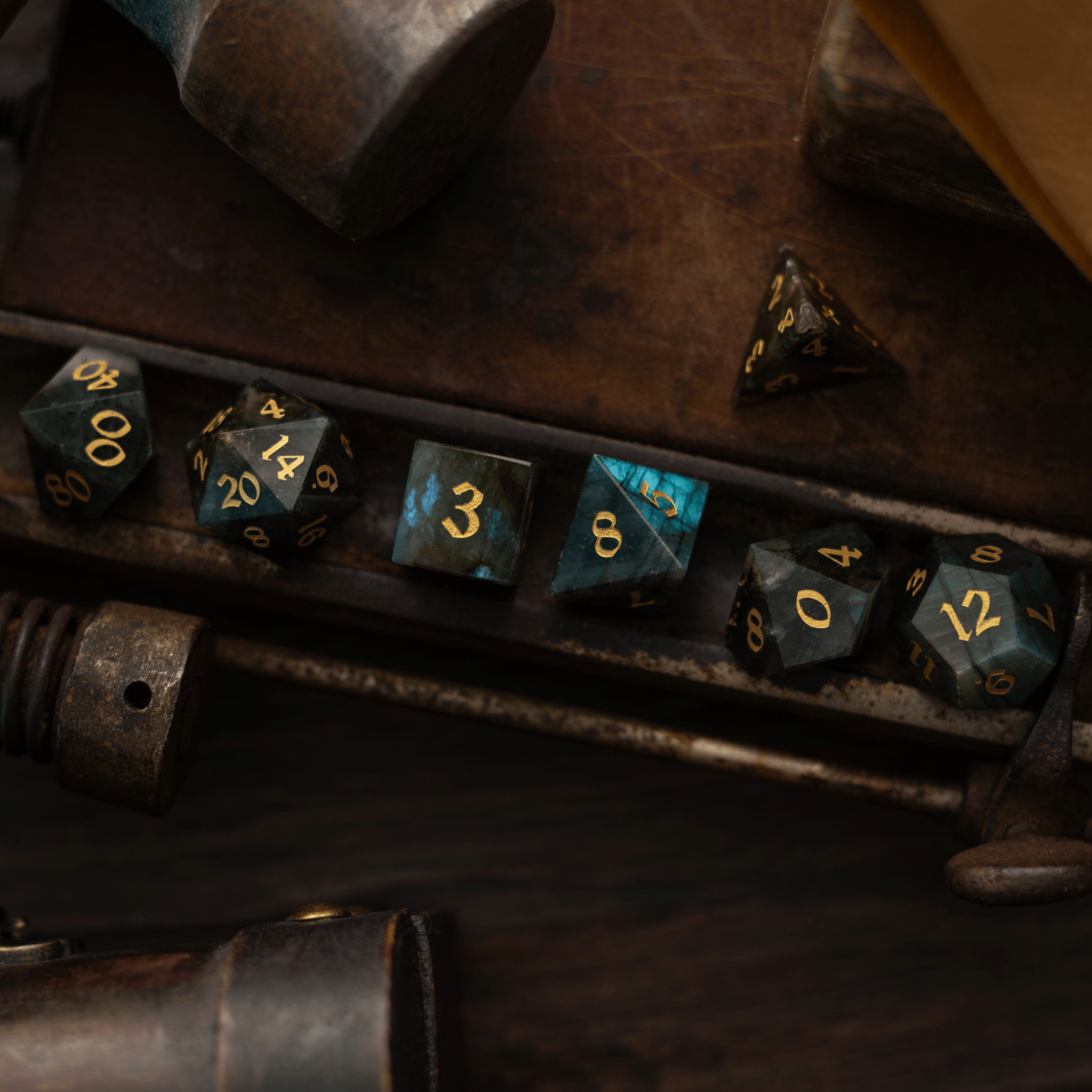
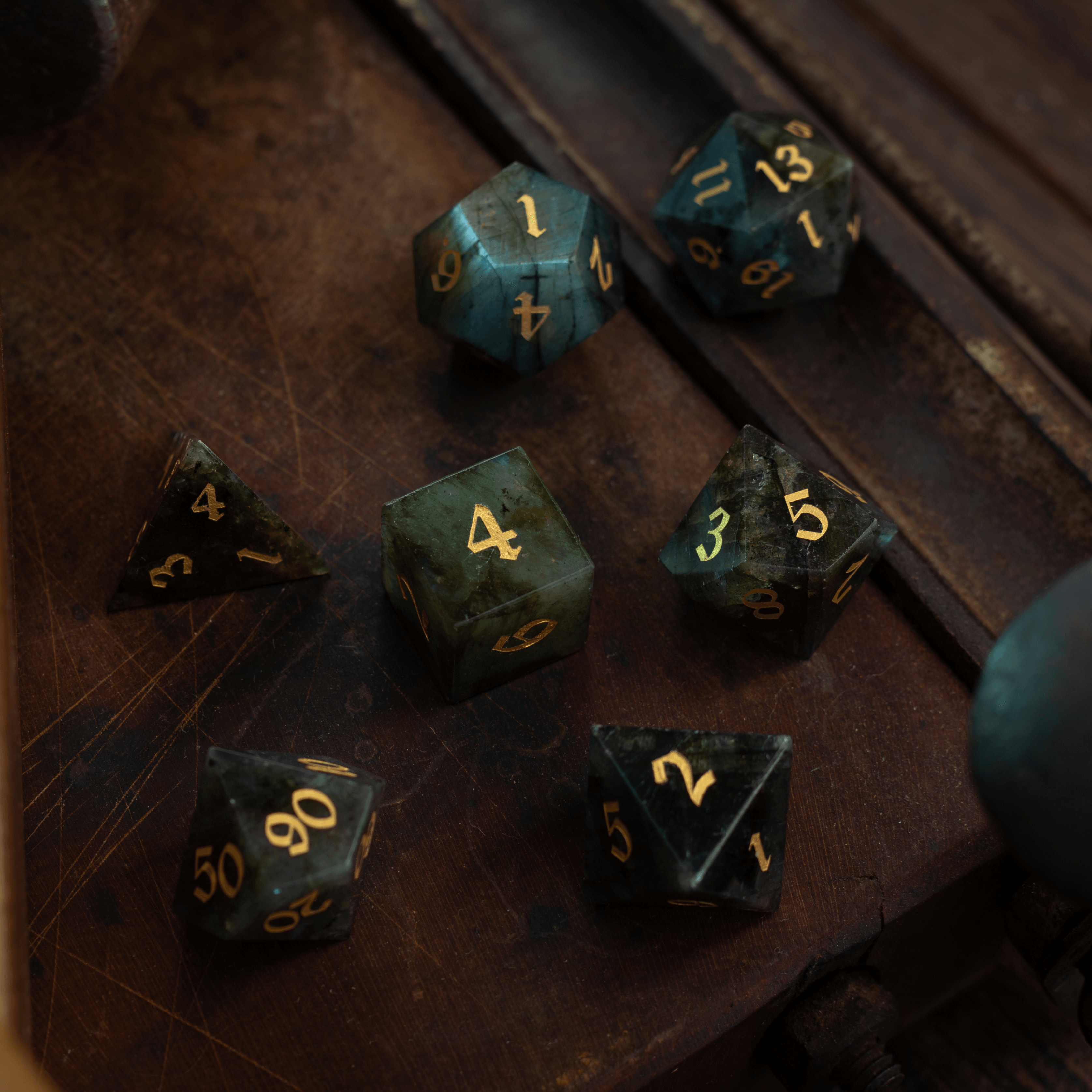
A mini-collection keeps things fresh without clutter. Try one daily driver (high-contrast resin), one showpiece (stone or glass), and one specialty set (liquid core or glitter). For a standout glass option with refined cuts, explore Dwarf-Cut Green Glass. If you love natural shimmer and a matching box, the Labradorite Set offers a luxe, tactile upgrade that still plays well on a padded surface.
Step 8: Map your budget to impact
Decide what matters most and fund that first. If clarity is your top priority, invest in crisp engraving and high-contrast ink before splurging on rare materials. If experience is your goal, add one premium set and keep it for pivotal moments. Thoughtful choices ensure you’re buying dice for hobby gamers that you’ll actually use week after week.
Wrap-Up
You don’t need a wall of tins and cases to roll with confidence. A few well-chosen sets—matched to your play style, readability needs, and care habits—can transform your sessions. Start with a reliable daily driver, add a special-occasion showpiece, and round it out with a set that sparks joy. When you’re ready to explore, compare textures and finishes across curated lines like Liquid Core Dice and artisan stones in Gemstone Sets, then try a glass showstopper like Dwarf-Cut Green Glass or a natural beauty such as the Labradorite Set.
Quick note: This guide shares general best practices for casual tabletop play. Always protect your surfaces, follow your group’s rules, and handle premium materials with care. Happy rolling—and may your next check be exactly what your story needs.
Are gemstone dice practical for weekly games?
Yes, if you use them responsibly. Stone and glass sets feel amazing and look stunning, but they require a padded tray and mindful storage. Keep them away from hard floors, avoid tossing from a height, and store them in a lined case. Many players use gemstone as a “hero” set for big rolls while relying on resin for high-volume checks. That mix preserves the premium feel and keeps chips at bay.
How do I know if a set is fair enough for casual play?
Run a simple consistency check over time. Track a few sessions and see whether your d20 hovers around expected averages. Avoid sets with visible bubbles near faces or heavy inclusions clustered to one side. Crisp edges and clean engraving help with repeatability, but remember that casual tables don’t need casino-grade precision—just rolls that feel trustworthy to the group.
What’s the easiest upgrade from a starter acrylic set?
Two great paths: a sharp-edge resin set with high-contrast ink for instant readability, or a specialty set like liquid core for extra table presence. If you want a premium feel without going overboard, add one glass or gemstone showpiece to your rotation and roll it on a padded tray. You’ll get a meaningful upgrade in experience while keeping your go-to set for high-volume rolls.


Leave a comment
This site is protected by hCaptcha and the hCaptcha Privacy Policy and Terms of Service apply.