
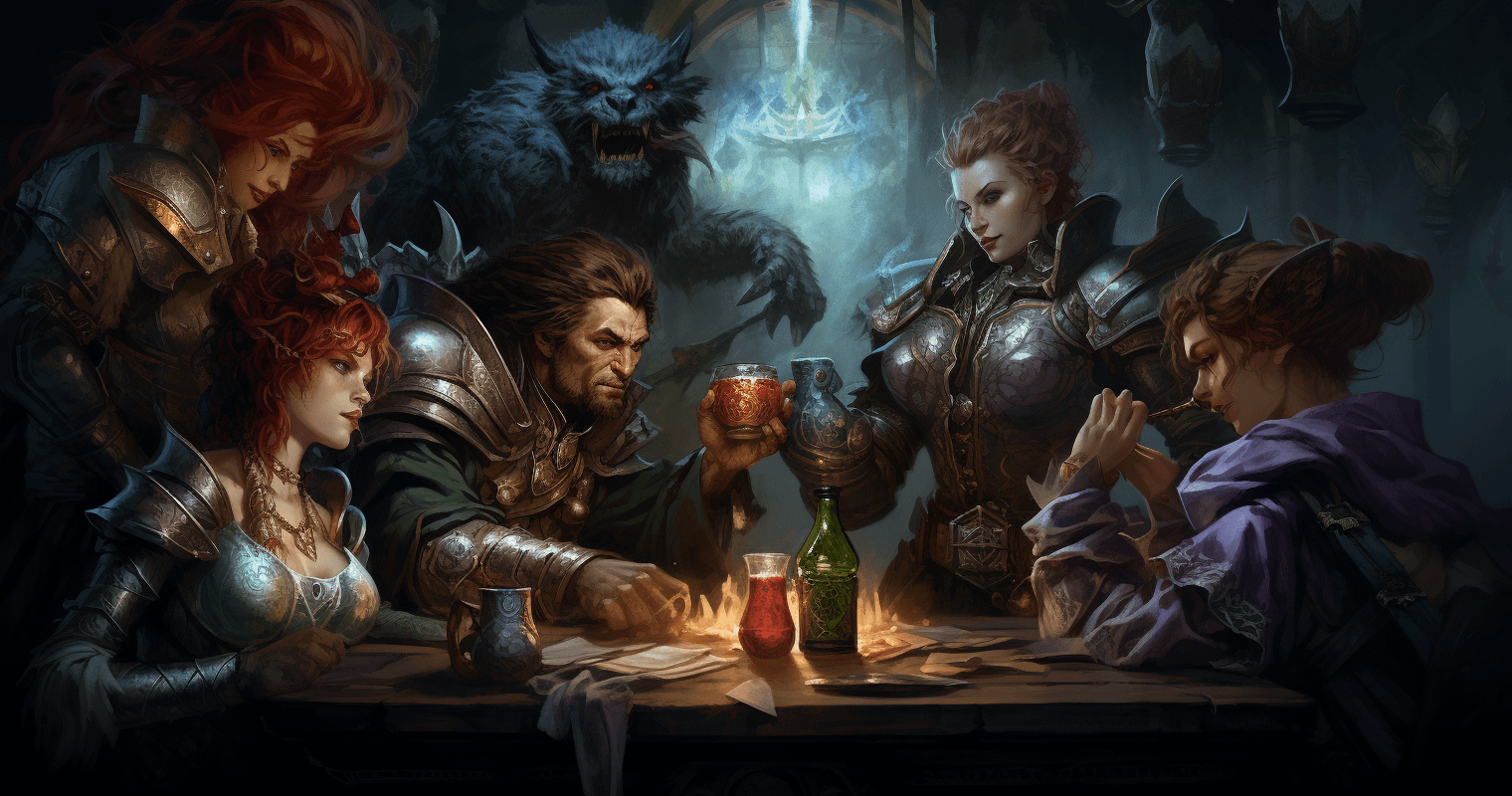
Sip, Roll, Repeat: 8 Fun Dice-based Drinking Games
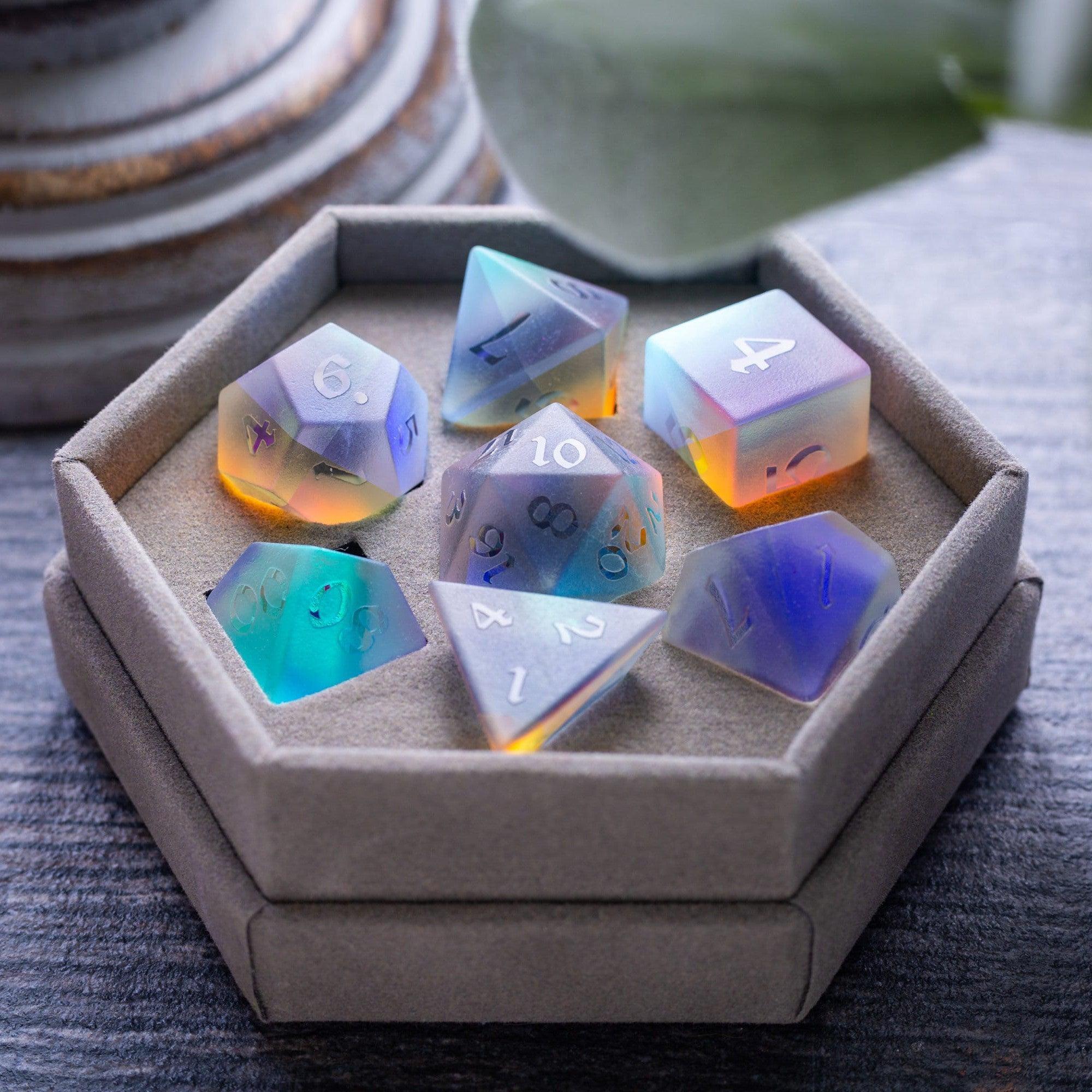
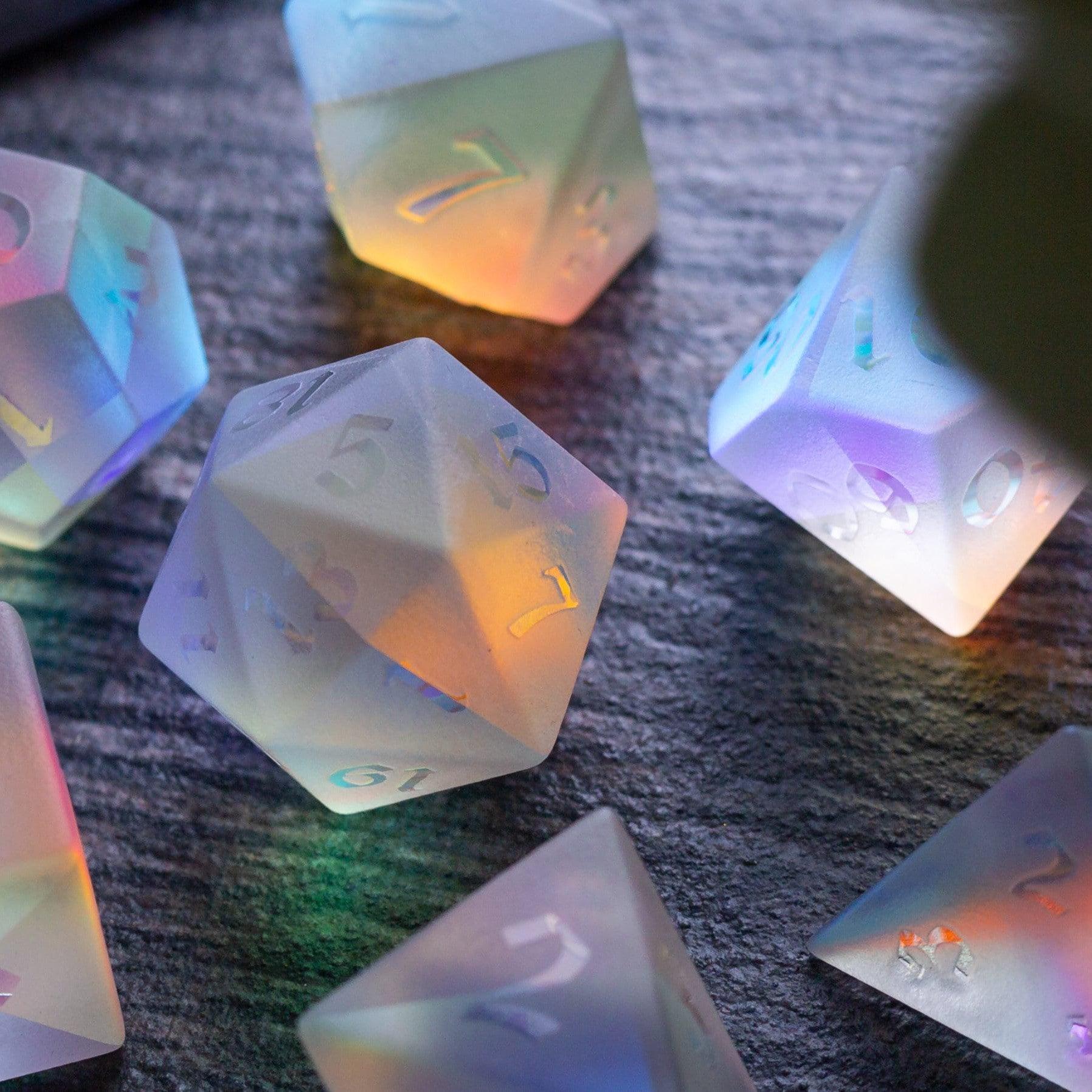
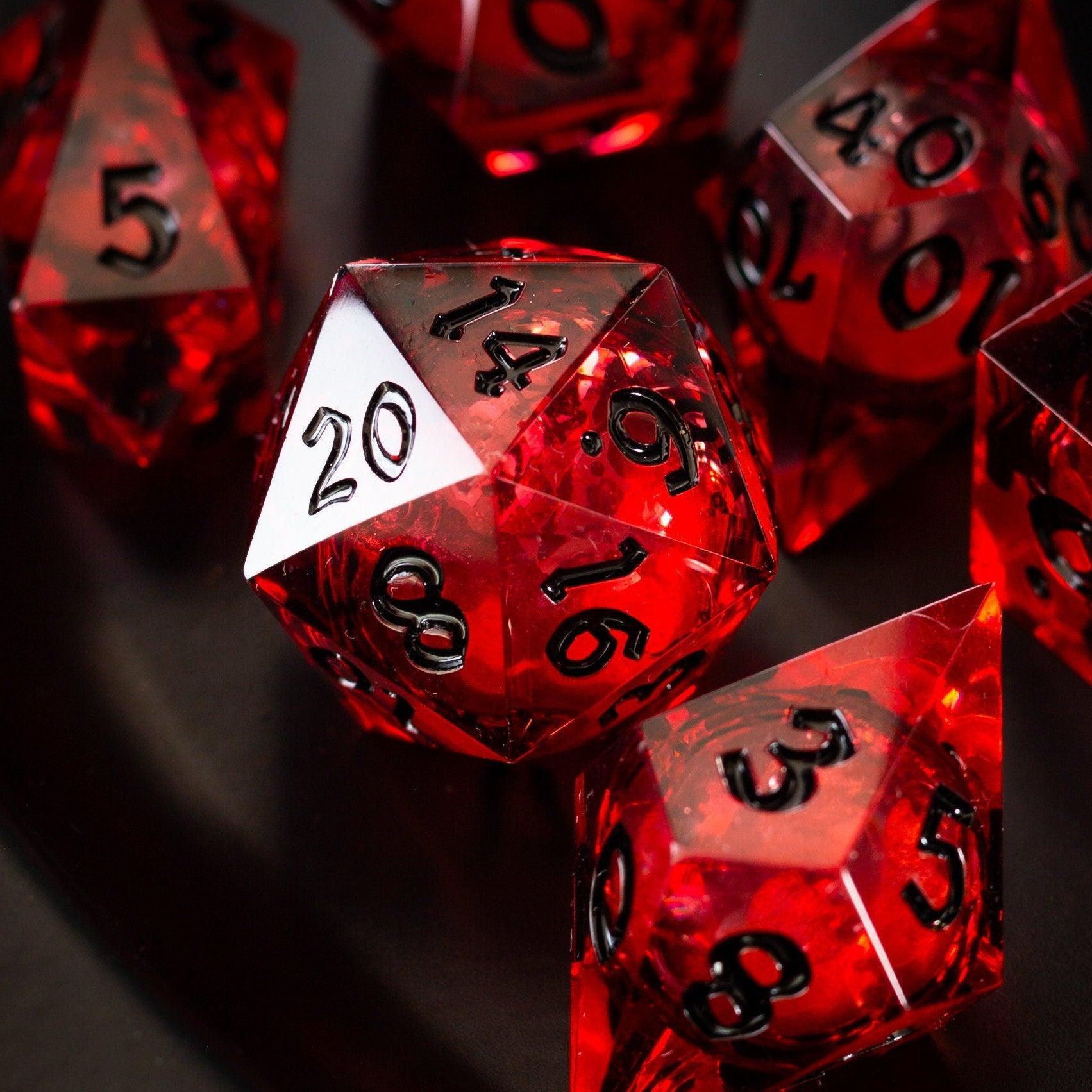
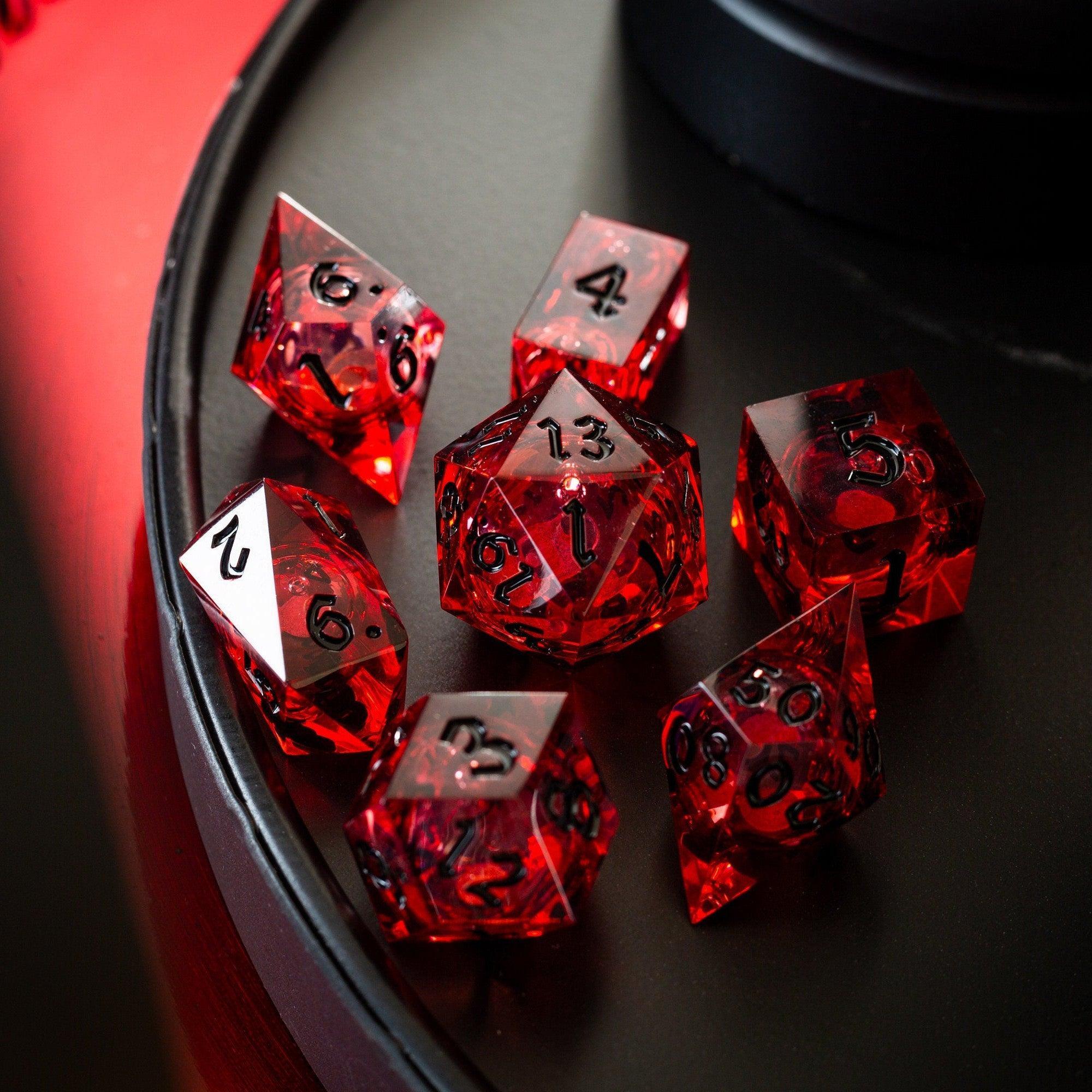
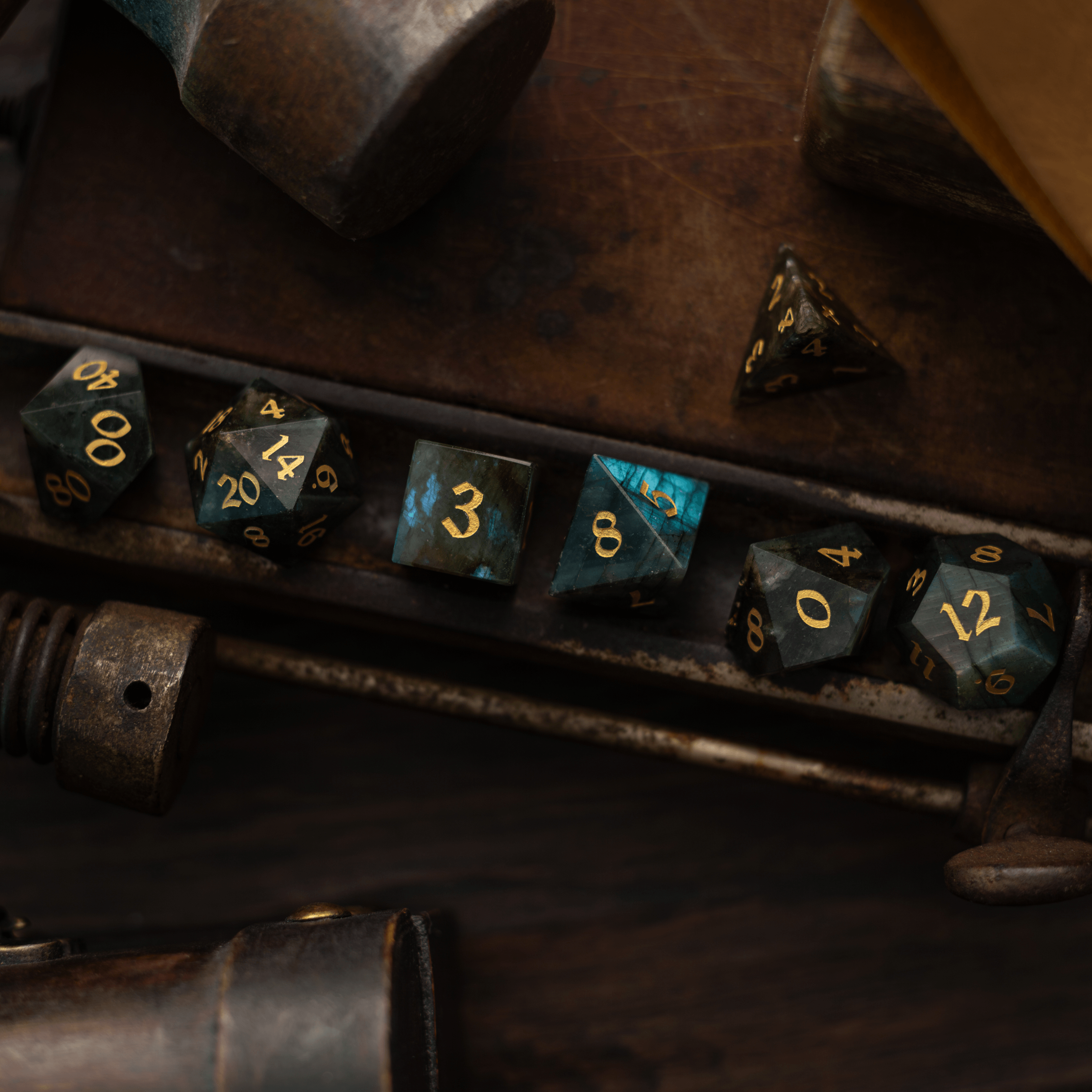
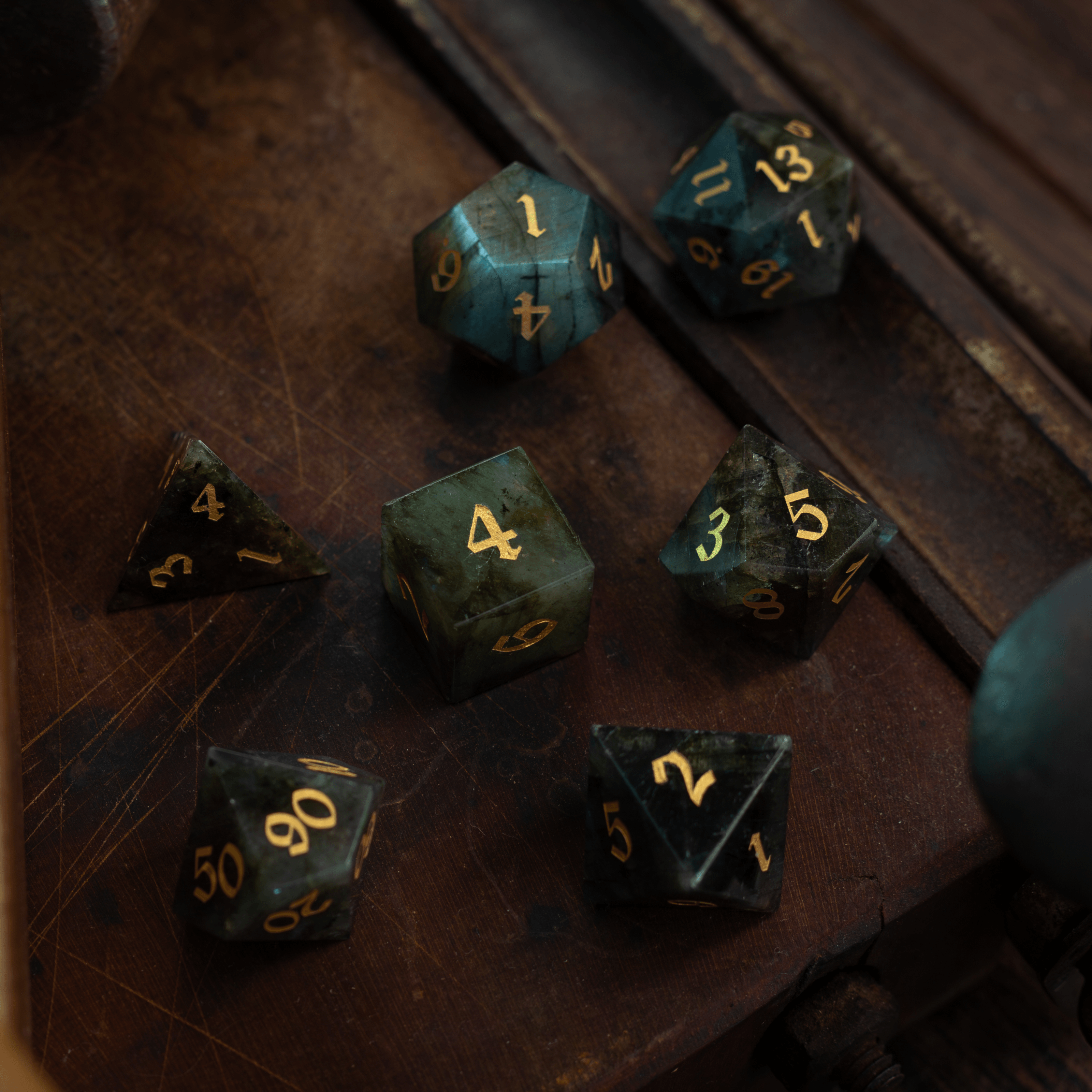
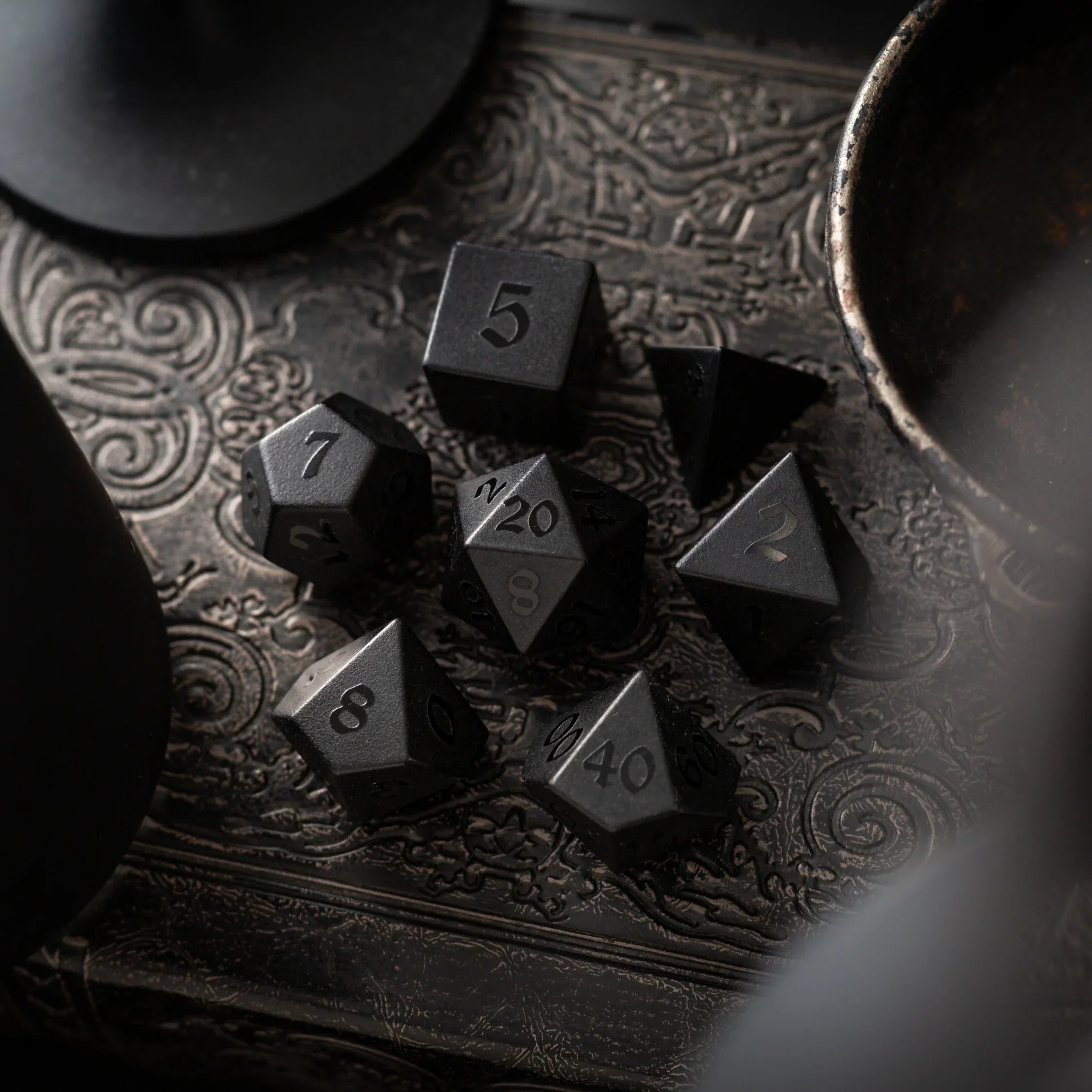
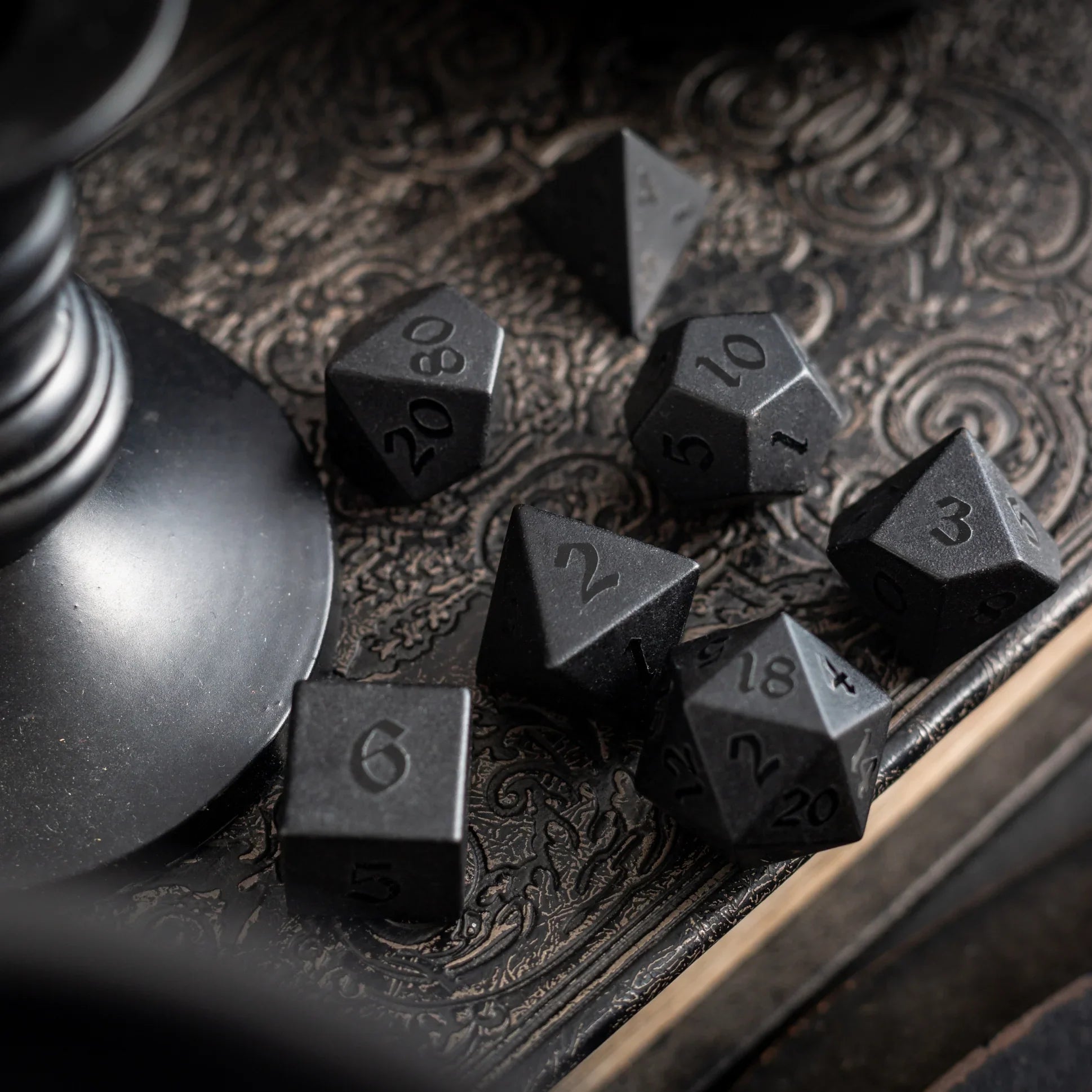
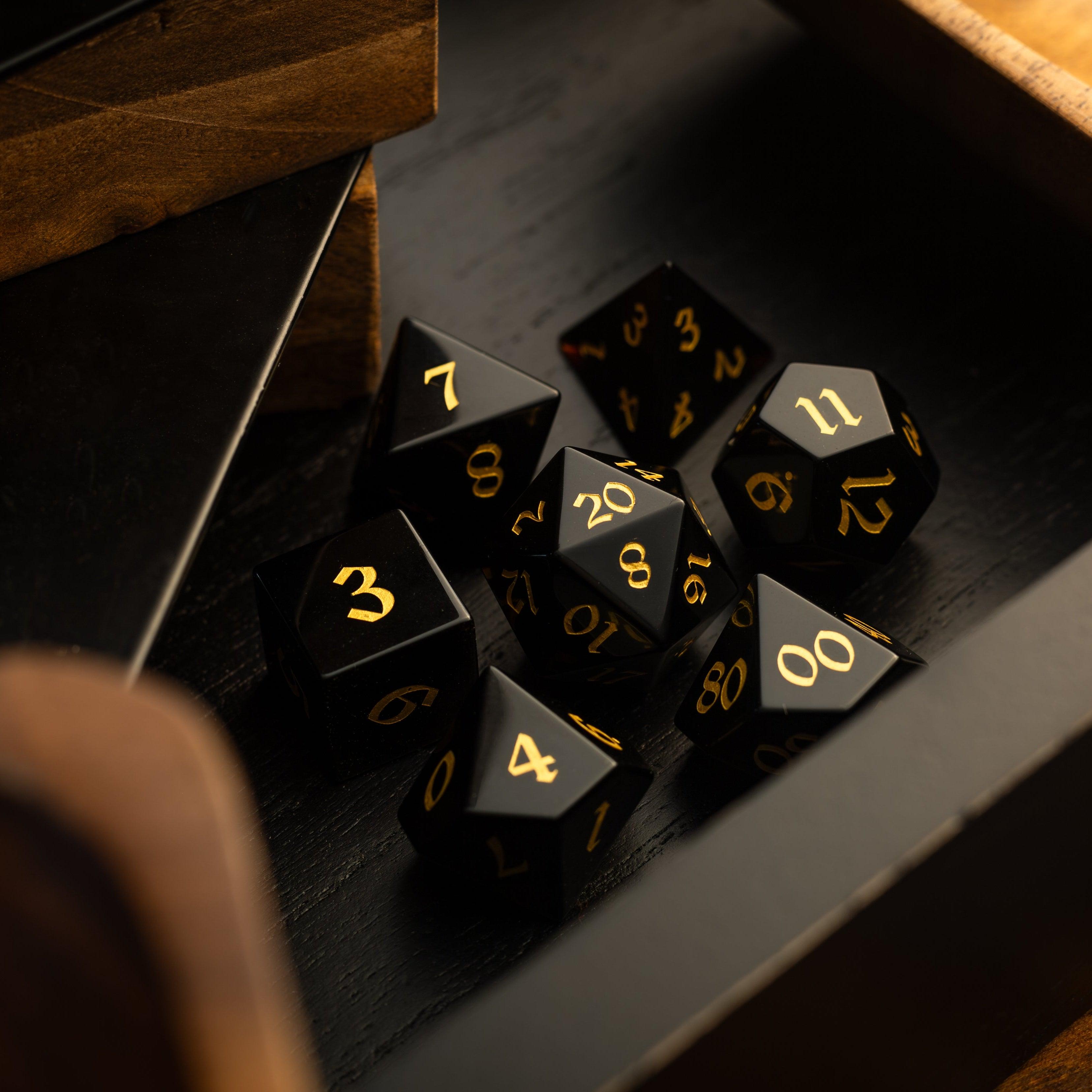
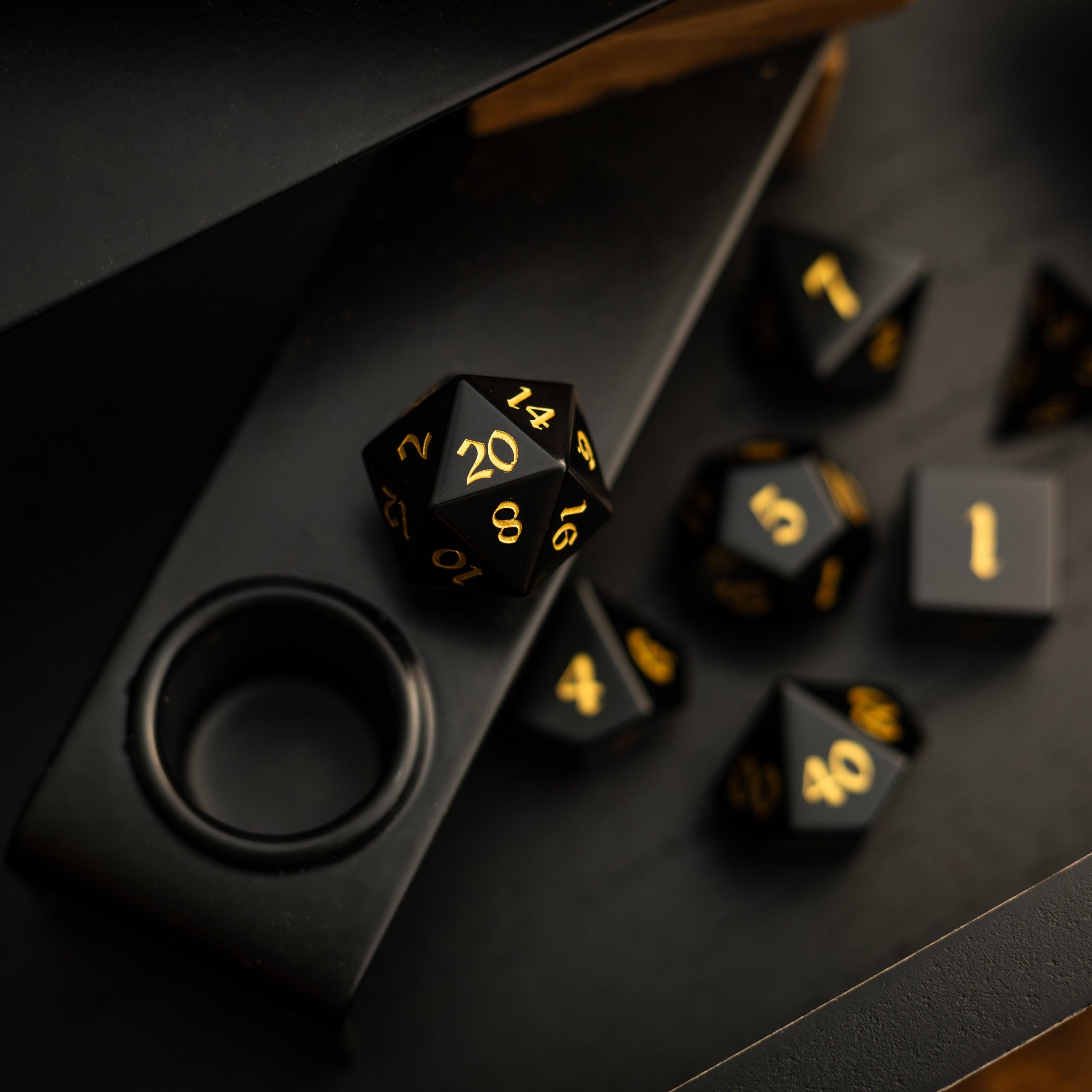
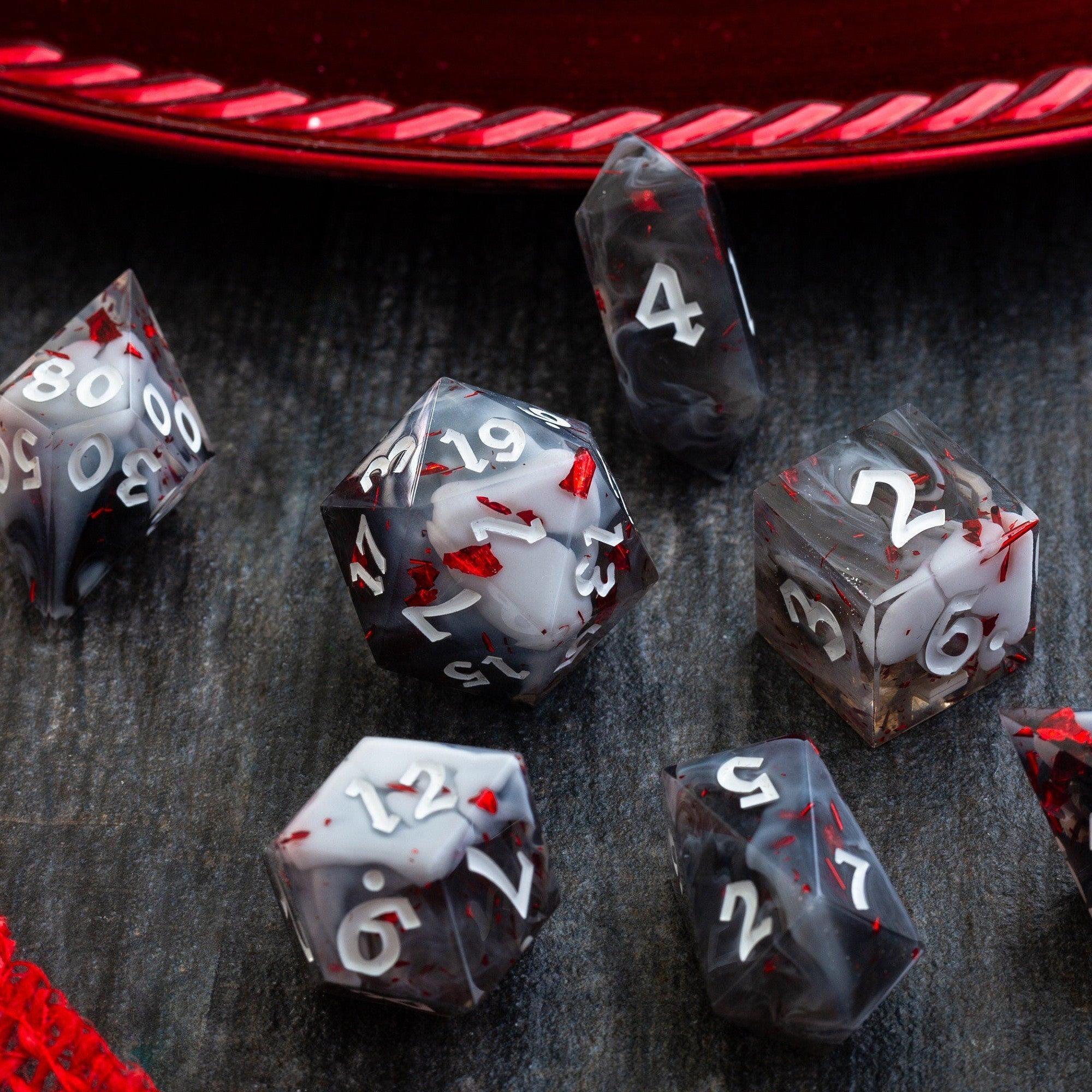
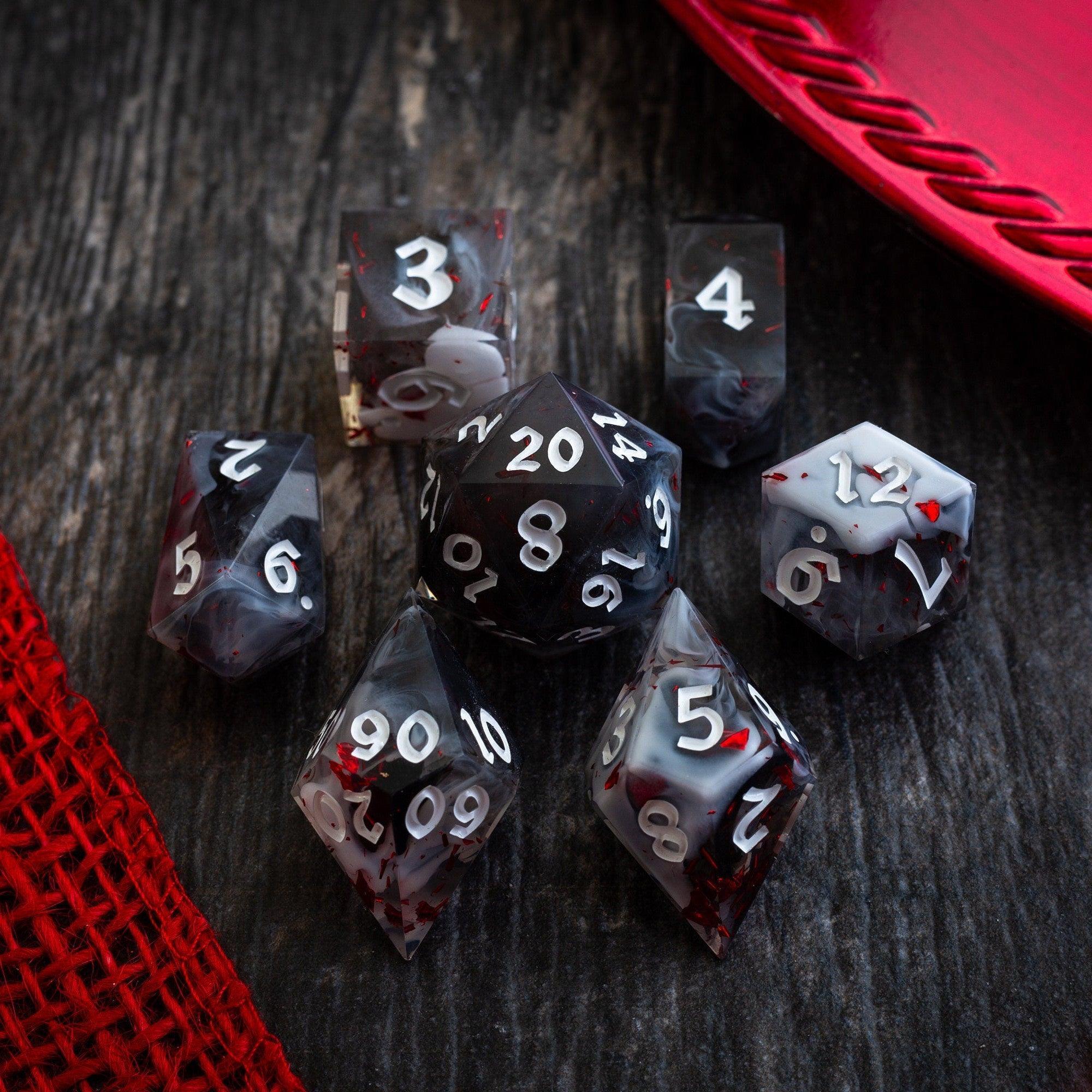
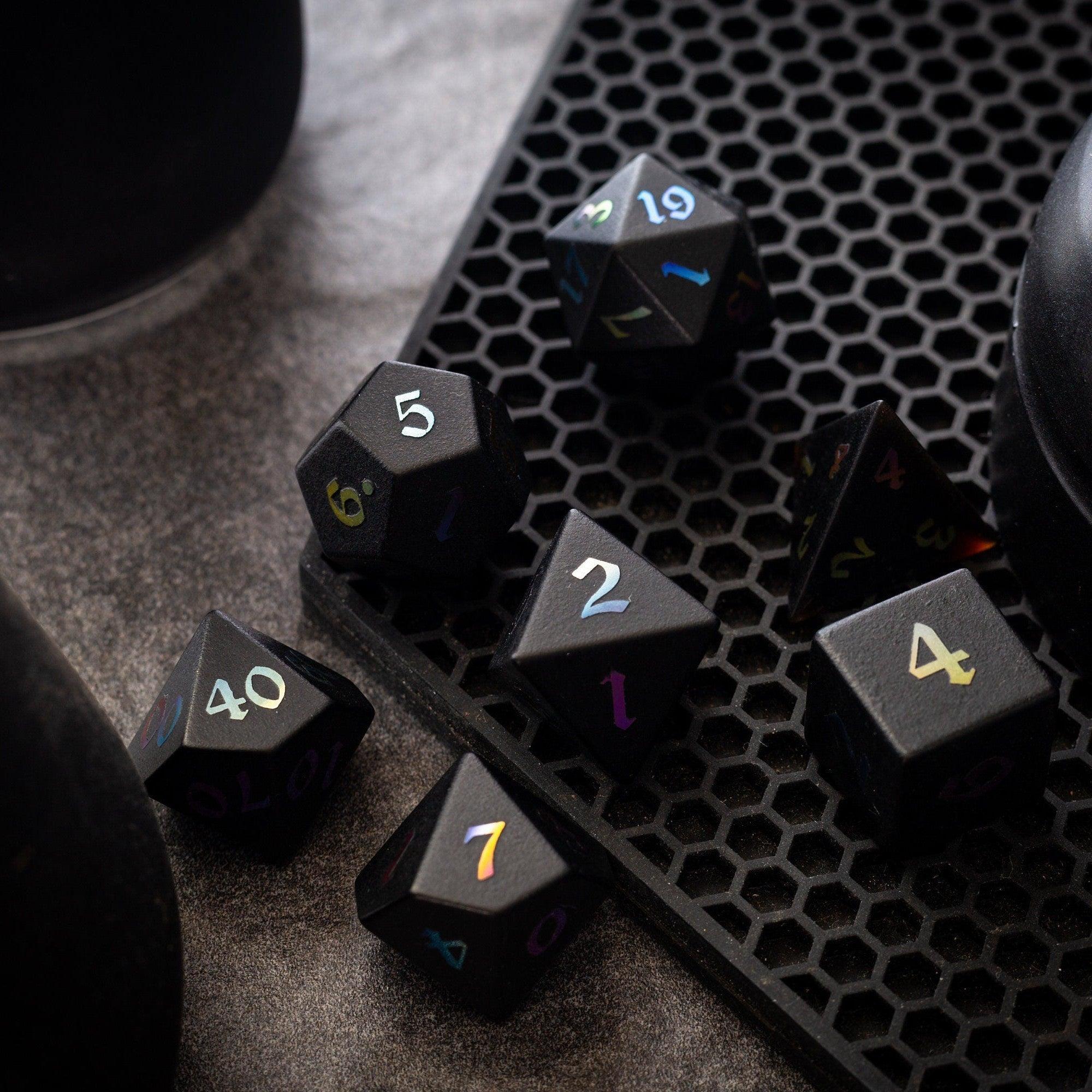
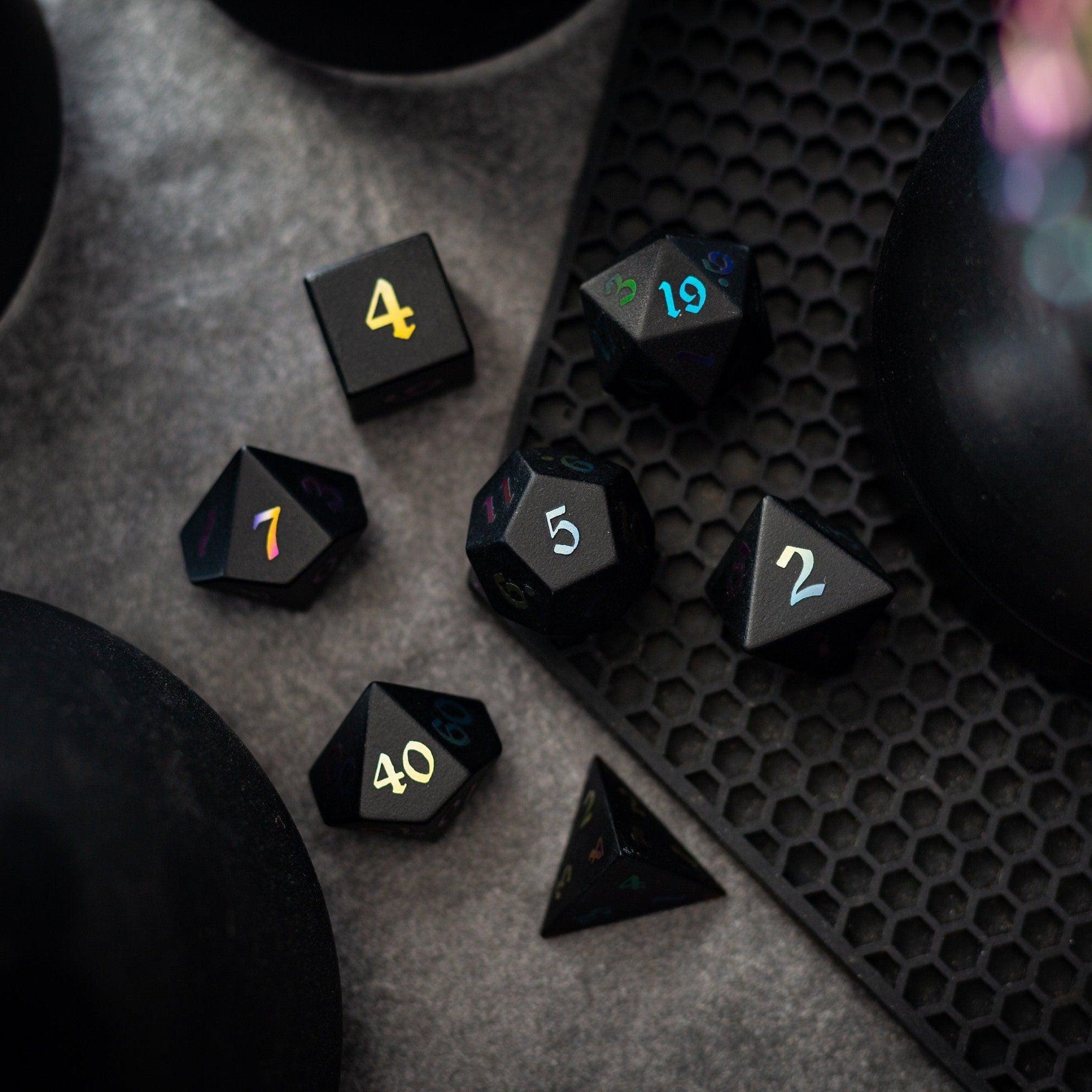
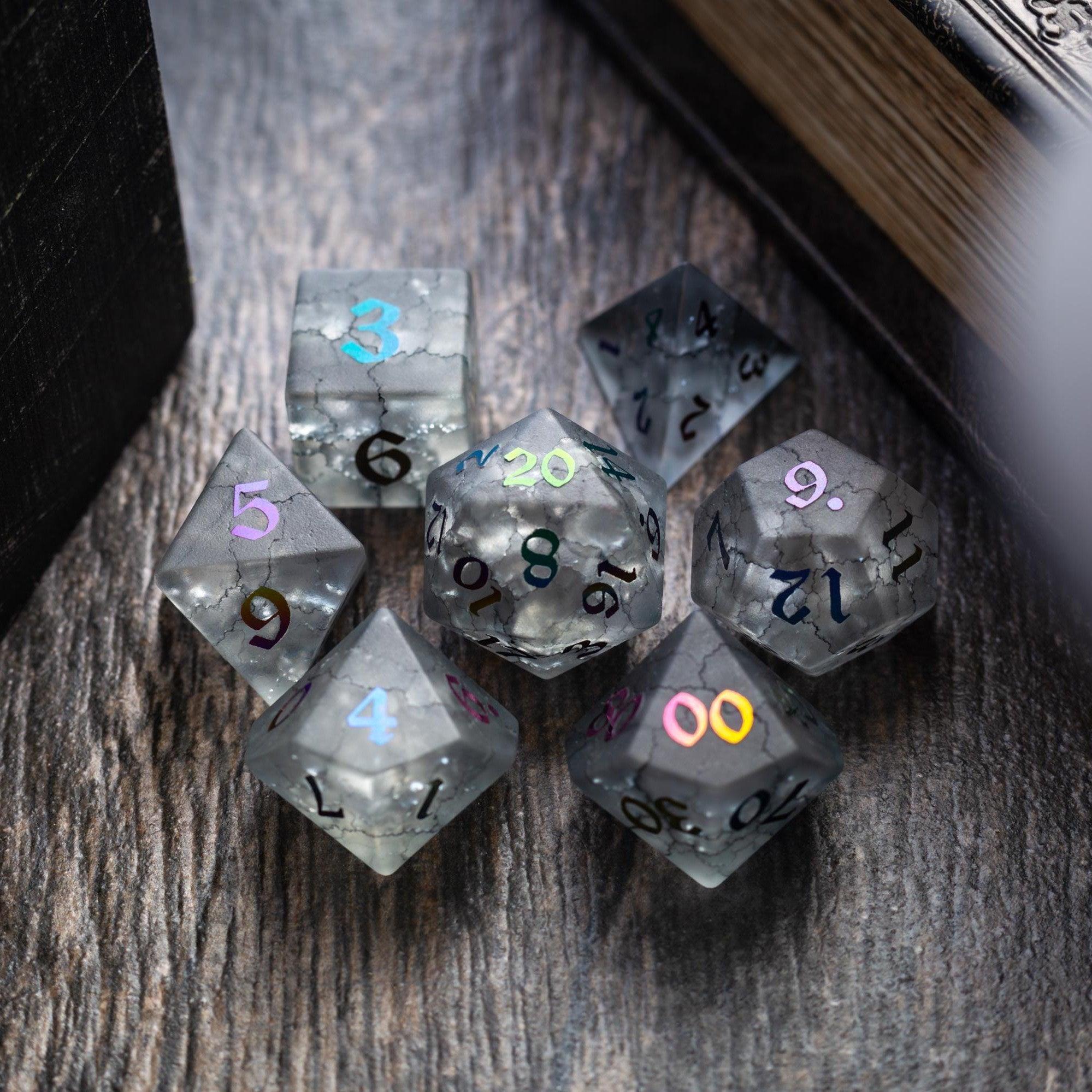
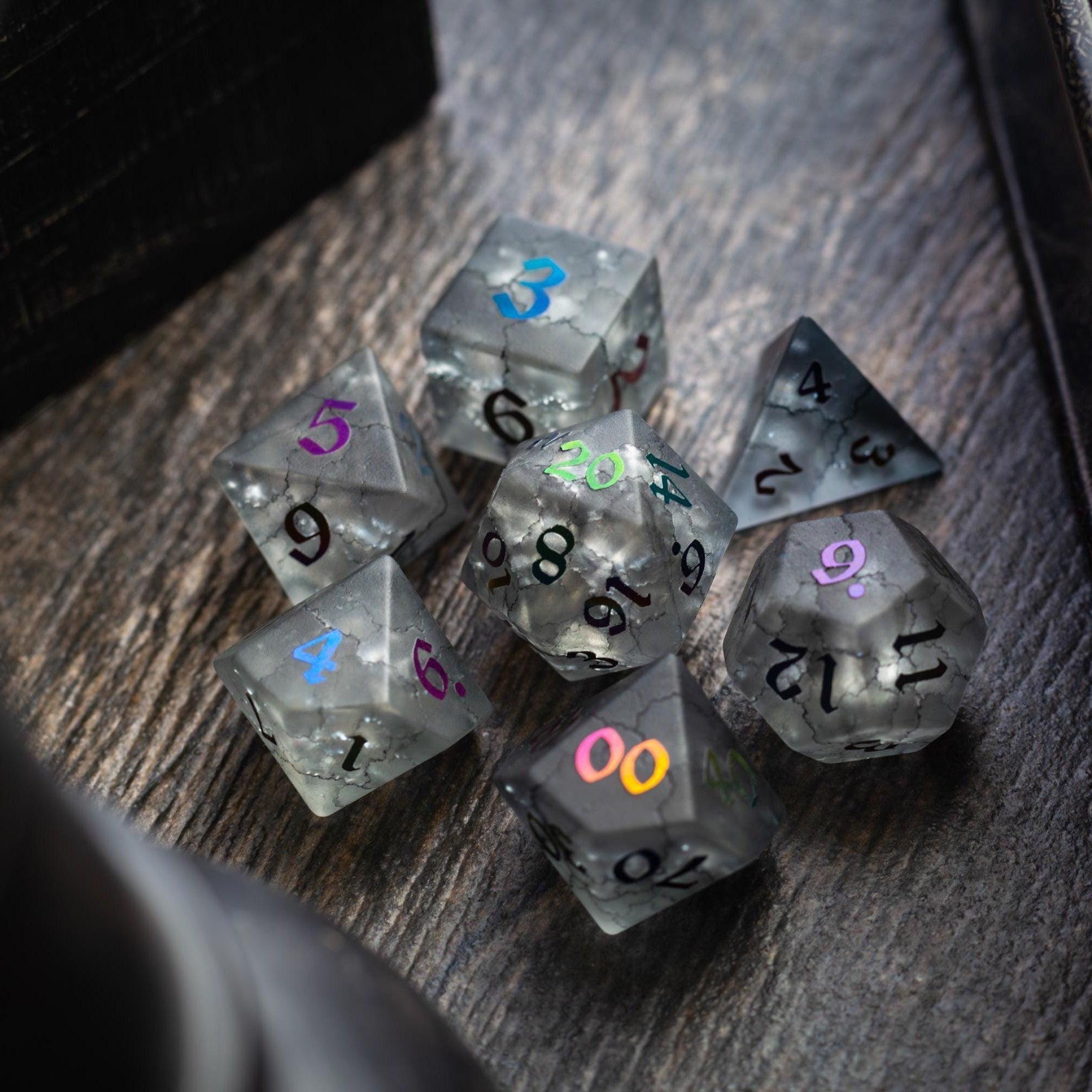
When the clatter of dice meets the clinking of glasses, an ordinary game night can turn into a lively social gathering. Dice-based drinking games combine simple rules, unpredictable outcomes, and friendly competition without requiring expensive equipment or complicated setups. If you are looking for another way to use your favorite DND dice sets, gemstone dice, or colorful resin dice, these party games give you plenty of opportunities to bring them to the table.
Most dice drinking games require between one and six standard six-sided dice (D6), although some variations work with a D12 or D20 from a polyhedral dice set. Whether you prefer quick rounds, strategic decisions, or funny group challenges, there is something for almost every gathering.
Below are eight dice-based drinking games and party game variations, complete with rules, equipment requirements, and practical hosting tips. Since traditional drinking games often have different house rules, several versions below use simplified, lower-pressure rules that also work with non-alcoholic drinks. Drinking alcohol should always be optional.
1. SHIP, CAPTAIN, CREW
Why it is popular: Ship, Captain, Crew is a classic dice game that mixes luck with just enough strategy to keep everyone interested. It is easy to learn and works particularly well for casual gatherings.
Players: 2 or more
What You Need: Five six-sided dice (D6).
How to Play:
- Each player starts their turn by rolling five dice.
- The goal is to collect a 6 (the ship), a 5 (the captain), and a 4 (the crew), in that order.
- You have up to three rolls to complete the sequence, setting qualifying dice aside.
- You can collect all three numbers during the same roll if they appear together.
- Once you complete the trio, add the remaining two dice together to determine your cargo score.
- Use any remaining rolls to improve your cargo or keep your current score.
- Anyone who fails to complete the trio scores zero points. The player with the highest cargo score wins the round.
For a party variation, let the winner choose a toast or a harmless challenge. Play five rounds and combine everyone's cargo scores to determine the overall winner.
Why it works with DND dice sets: If you have a metal dice set or gemstone dice, rolling matching D6 dice can give the game more personality. Remember that you will need five D6 dice rather than a single standard polyhedral set.
2. 7-11-DOUBLES
Why it is popular: This dice drinking game is built around three easy-to-remember outcomes. Its simple setup makes it a convenient choice when guests are still getting to know each other.
Players: 3 or more
What You Need: Two six-sided dice.
How to Play:
- Players sit around a table and take turns rolling two dice.
- A combined total of 7 or 11 counts as a successful roll.
- Rolling doubles, such as two 4s, also counts as a success.
- In this simplified party variation, a successful roll earns one point or allows the player to choose a group challenge.
- Any other result ends the turn, and the dice pass to the next player.
- The first player to collect five points wins.
Traditional versions of 7-11-Doubles involve racing against another player's drinking speed. The point-based variation keeps the familiar dice mechanics without encouraging rapid alcohol consumption.
Party Tip: Keep turns short and avoid complicated additional rules. This version works well for birthdays, holiday celebrations, and casual adult game nights.
3. DRUNKARD'S DICE
Why it is popular: This Farkle-inspired party variation rewards players who know when to take a risk and when to stop. Unlike many simple dice games, your decisions directly affect your score.
Players: 2 or more
What You Need: Six six-sided dice and a score sheet.
How to Play:
- Players begin their turn by rolling six dice.
- A single 1 scores 100 points, while a single 5 scores 50 points.
- Three matching dice score 100 times their face value, except three 1s, which score 1,000 points.
- Set aside at least one scoring die or combination before rolling the remaining dice.
- Choose whether to keep your accumulated points or risk another roll.
- If all six dice score, you may roll all six again.
- A roll without any scoring dice ends your turn and removes the points earned during that turn.
- Agree on a target score, such as 5,000 points, before starting.
Drunkard's Dice does not have a universal scoring system. This version uses simplified rules inspired by Farkle.
Why it works with fancy dice: If you own resin dice with glitter or gemstone dice with striking patterns, this is a great opportunity to use them. Choose dice with clearly visible numbers for easier scoring.
4. THREE MAN
Why it is popular: Three Man is a social dice drinking game built around a rotating player role and different actions triggered by dice rolls.
Players: 3 or more
What You Need: Two six-sided dice.
How to Play:
- Players take turns rolling one die until someone rolls a 3. That player becomes the Three Man.
- Players then take turns rolling both dice.
- If either die shows a 3 or the combined total is 3, the Three Man receives a challenge point.
- A total of 7 gives a challenge point to the player on the roller's left.
- A total of 11 gives a challenge point to the player on the roller's right.
- Doubles allow the roller to introduce a harmless group challenge.
- When the Three Man rolls a 3 on their own turn, they may transfer the role to another player.
Social Bonus: Three Man has numerous house-rule variations. Agree on the rules beforehand, and consider using funny storytelling challenges instead of drinking penalties to keep everyone comfortable.
5. ROLL FOR SHORTS
Why it is popular: This simple house-rule party game requires almost no preparation and works with several types of dice.
Players: 2 or more
What You Need: One D6, D12, or D20.
How to Play:
- Each player rolls the same type of die once per round.
- The player with the lowest result loses the round.
- If multiple players tie for the lowest result, they roll again.
- The losing player completes an optional challenge, such as answering a trivia question or telling a funny story.
- Reverse the rule occasionally so the highest roller loses instead.
Dice Twist: Try using oversized dice for more drama. A giant resin D20 rolling across the table makes everyone lean in to see the result.
6. QUARTERS WITH DICE
Why it is popular: This house-rule variation combines the luck of rolling dice with the physical skill involved in traditional Quarters.
Players: 2 or more
What You Need: Two D6 dice, a quarter, and an empty cup.
How to Play:
- Players take turns rolling both dice.
- Rolling doubles earns an attempt to bounce the quarter into the cup.
- Successfully landing the quarter inside earns one point.
- Missing the cup ends the turn.
- The first player to reach five points wins.
Why it works with dice sets: Colorful resin dice or metallic dice give each roll more personality. Use an empty cup exclusively for coin bouncing rather than a cup someone drinks from.
7. DRUNK JENGA
Why it is popular: Adding dice and challenges to the classic block-stacking game creates a fun combination of luck and coordination.
Players: 2 or more
What You Need: A Jenga tower or similar stacking game and one D6.
How to Play:
- Assign a different optional challenge to each number from 1 to 6.
- Players roll the die before removing an eligible block.
- Complete the corresponding challenge and place the block on top of the tower.
- Continue taking turns until someone knocks the tower over.
- The player who successfully completed the previous turn wins.
This is a custom party variation rather than part of the official Classic Jenga rules.
Extra Fun: Have players bring their own custom dice sets so every roll feels personal. Keep drinks away from the tower in case it falls.
8. KINGS WITH DICE
Why it is popular: Inspired by Kings Cup, this custom dice variation replaces playing cards with randomly selected social challenges.
Players: 3 or more
What You Need: One six-sided die.
How to Play:
- 1: Choose a trivia category.
- 2: Ask another player a harmless question.
- 3: Share a funny story.
- 4: Start a rhyming challenge.
- 5: Name a fictional character.
- 6: Propose a group toast or create a harmless rule.
Party Vibe: Unlike drawing cards from a deck without replacement, rolling dice allows the same result to appear repeatedly. You can use a D12 or D20 if your group wants more challenge options.
TIPS FOR HOSTING A DICE DRINKING GAME NIGHT
- Use good dice: Choose a high-quality DND dice set with readable numbers.
- Have snacks ready: Provide food, water, and non-alcoholic refreshments.
- Keep rules simple: Explain each game before starting.
- Protect your dice: Use a padded dice tray for gemstone, glass, metal, and sharp-edge dice.
- Stay safe: Avoid mandatory shots, timed drinking, and accumulating alcohol penalties. Never pressure anyone to drink.
- Plan transportation: Arrange a sober ride home whenever alcohol is involved.
According to the Centers for Disease Control and Prevention (CDC), drinking less alcohol or choosing not to drink reduces alcohol-related health risks.
WHY DICE MAKE THESE GAMES BETTER
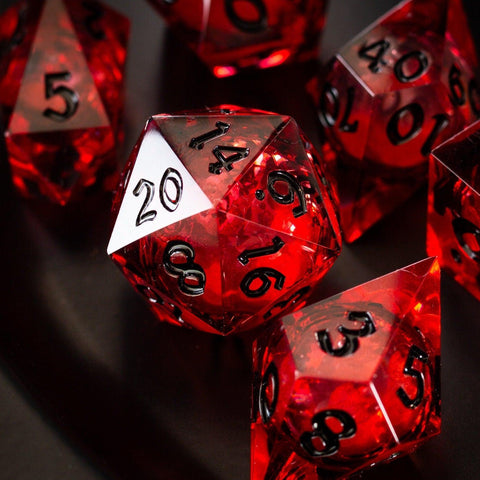
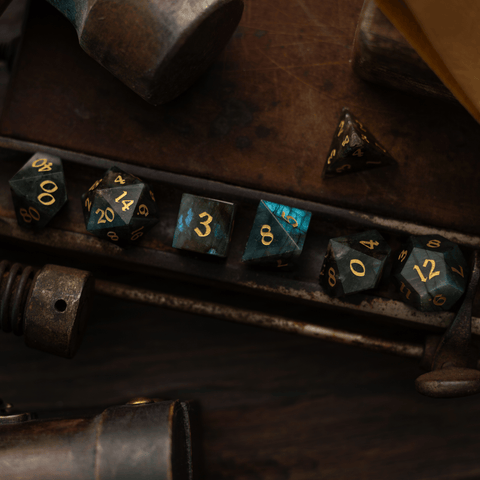
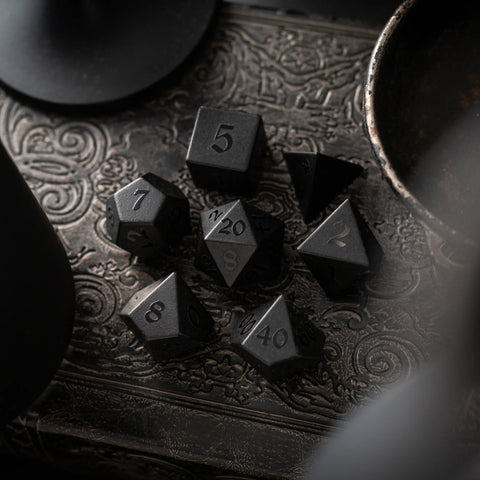
Dice create unpredictable moments without requiring complicated rules or expensive equipment. Resin dice are colorful and practical, gemstone dice offer distinctive natural patterns, and metal dice provide a satisfying weight. Most dice drinking games use standard D6 dice, but polyhedral dice allow you to create additional party game variations.
FINAL CHEERS
From Ship, Captain, Crew to Drunk Jenga, dice-based drinking games offer plenty of ways to bring friends together. Grab your favorite DND dice sets, prepare some refreshments, and choose rules that everyone feels comfortable following. The best game nights are about friendly competition, shared laughter, and good company, regardless of what anyone chooses to drink.

Leave a comment
This site is protected by hCaptcha and the hCaptcha Privacy Policy and Terms of Service apply.