How to Run Hybrid Online + In-Person D&D Sessions Using Digital Tools

There is a particular kind of magic that happens when a D&D group gathers. Dice clatter. Character sheets rustle. Someone brings snacks that mysteriously vanish by the second combat encounter. But life has a way of pulling adventurers in different directions. Jobs shift. Friends move. Schedules collide.
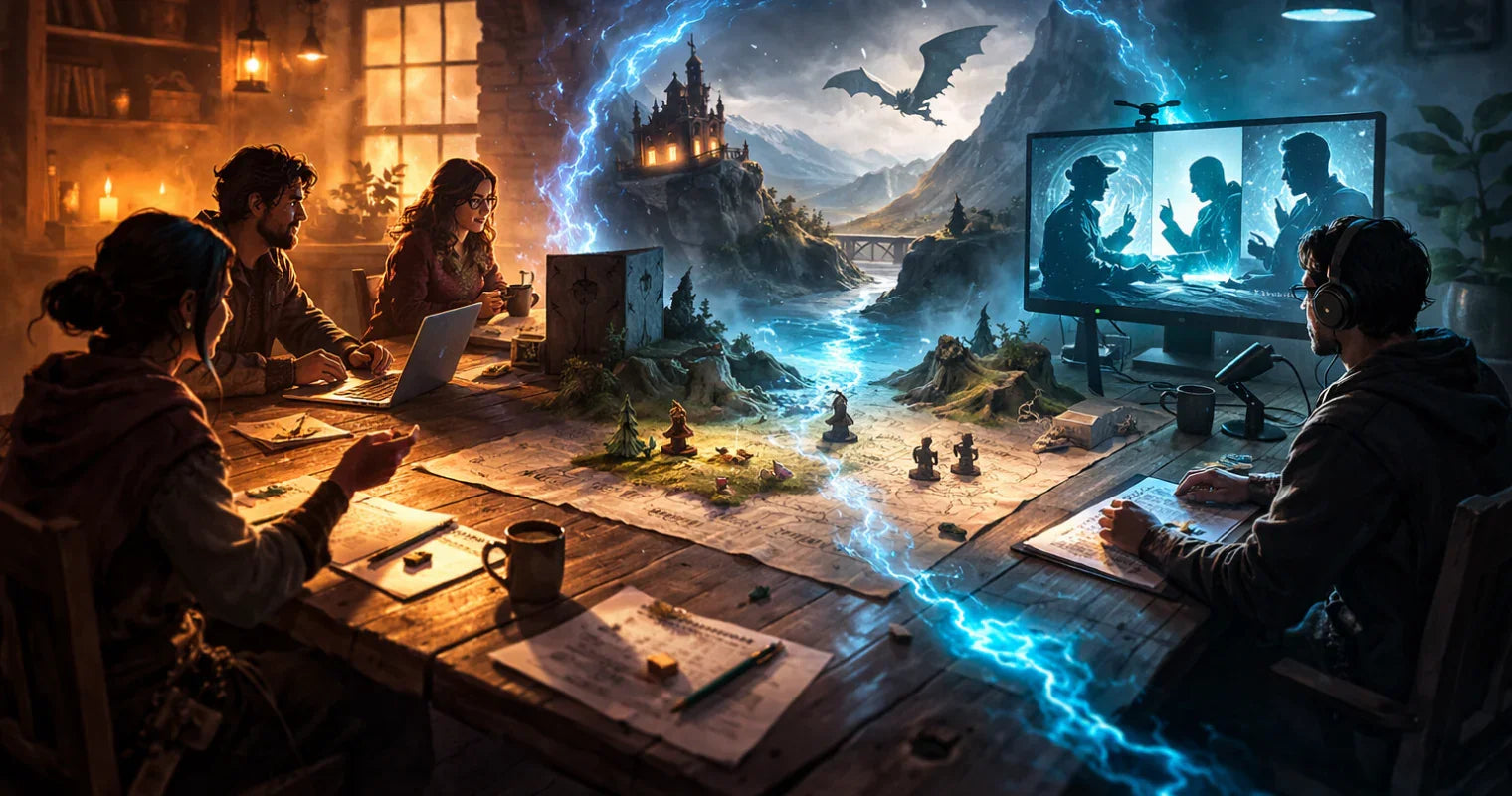
Hybrid D&D — blending in-person D&D with digital D&D tools, is how many groups keep their stories alive.
This guide is here to help you run those sessions smoothly. Not as a technical manual, but as a friendly walkthrough, like a seasoned Dungeon Master inviting you into a candlelit workshop to show you how the pieces fit together.
Why Hybrid D&D Is Worth Trying
Hybrid play is not a compromise. When done well, it can be an upgrade.
Hybrid D&D works because it offers:
- Flexibility for players who cannot always be physically present
- Inclusivity for friends across cities, countries, or time zones
- Continuity, letting long-running campaigns survive real life interruptions
- Shared storytelling, where no one has to sit out because of distance
For many tables, hybrid play becomes the bridge between old traditions and new tools. Physical dice and face-to-face roleplay still matter. Digital tools simply help the table stretch wider.
Essential Digital Tools for Hybrid D&D
Running D&D online or hybrid does not require a mountain of software. A few carefully chosen tools go a long way.
Virtual Tabletops
Virtual tabletops act as your shared battle map and visual anchor.
Popular uses include:
- Displaying maps for both in-person and remote players
- Tracking tokens, fog of war, and positioning
- Sharing handouts and visual references
Many groups project the virtual tabletop onto a TV or monitor at the physical table, so everyone sees the same world.
Video and Voice Chat
Clear audio matters more than perfect video.
Good video chat setups help by:
- Letting remote players read body language
- Making roleplay feel personal rather than distant
- Keeping conversations flowing naturally
Position the camera so remote players can see the table, not just the DM. It helps them feel present.
Digital Dice Rollers
Digital dice are useful, but they should not replace everything.
They help with:
- Quick rolls for remote players
- Rolling complex damage or saving throws
- Keeping things moving when time is tight
Many hybrid groups let in-person players roll physical D&D dice, while remote players use digital rollers. The key is trust and transparency.
Campaign Trackers and Notes
Shared documents or campaign tools keep everyone aligned.
They are great for:
- Session notes
- NPC lists and lore
- Tracking quests and party decisions
This is especially helpful when players miss a session or join remotely.
Balancing Physical and Digital Play
Hybrid D&D shines when physical and digital elements support each other rather than compete.
Dice as the Heart of the Table
Physical dice ground the experience.
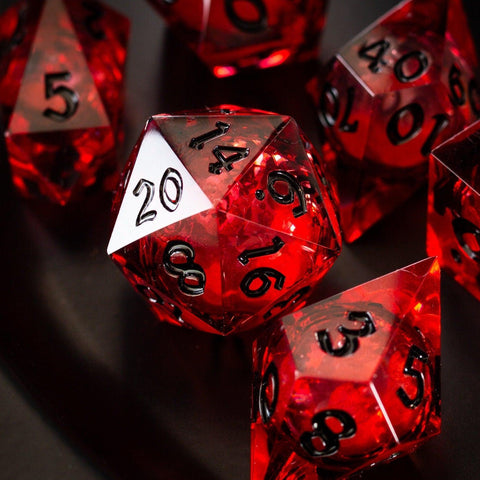
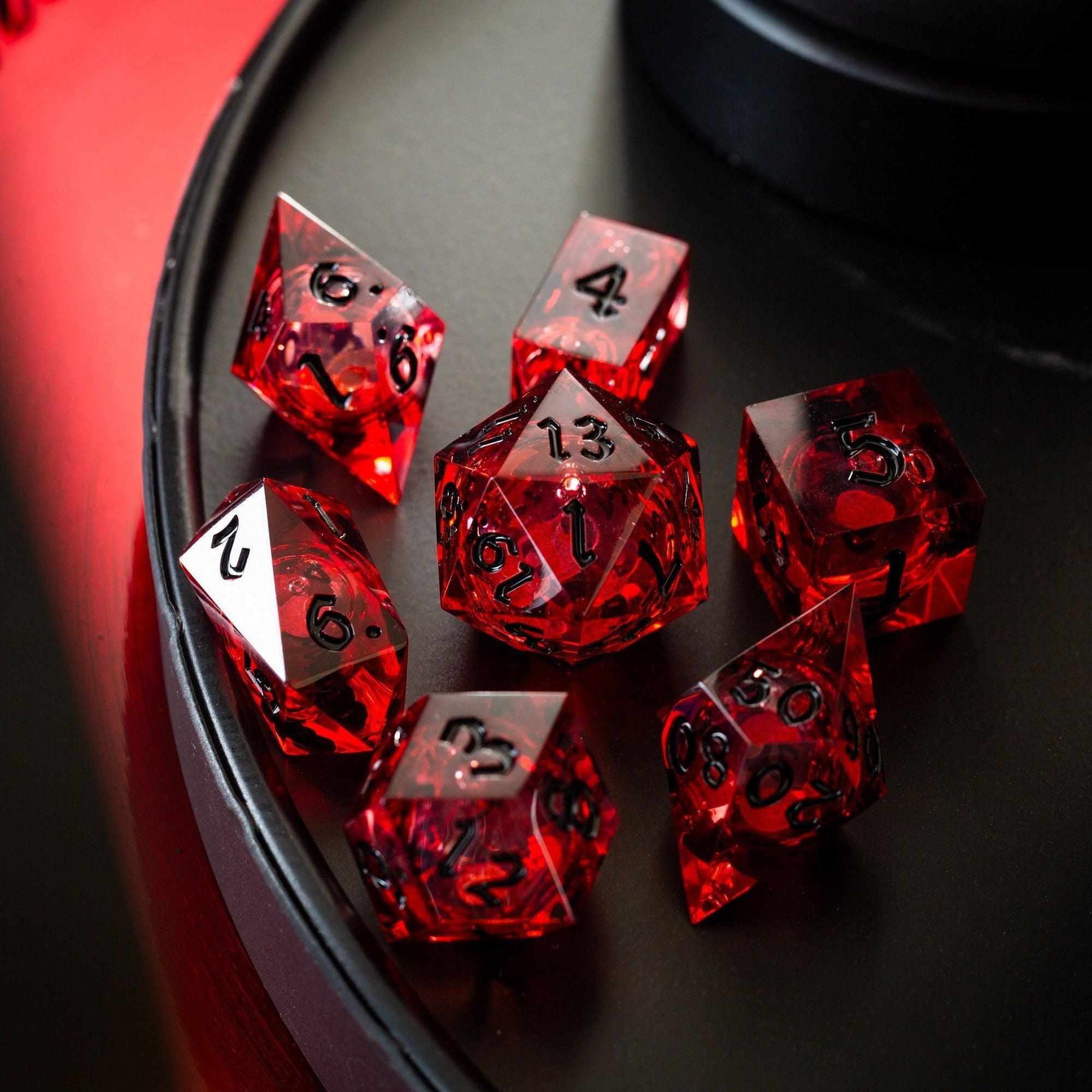
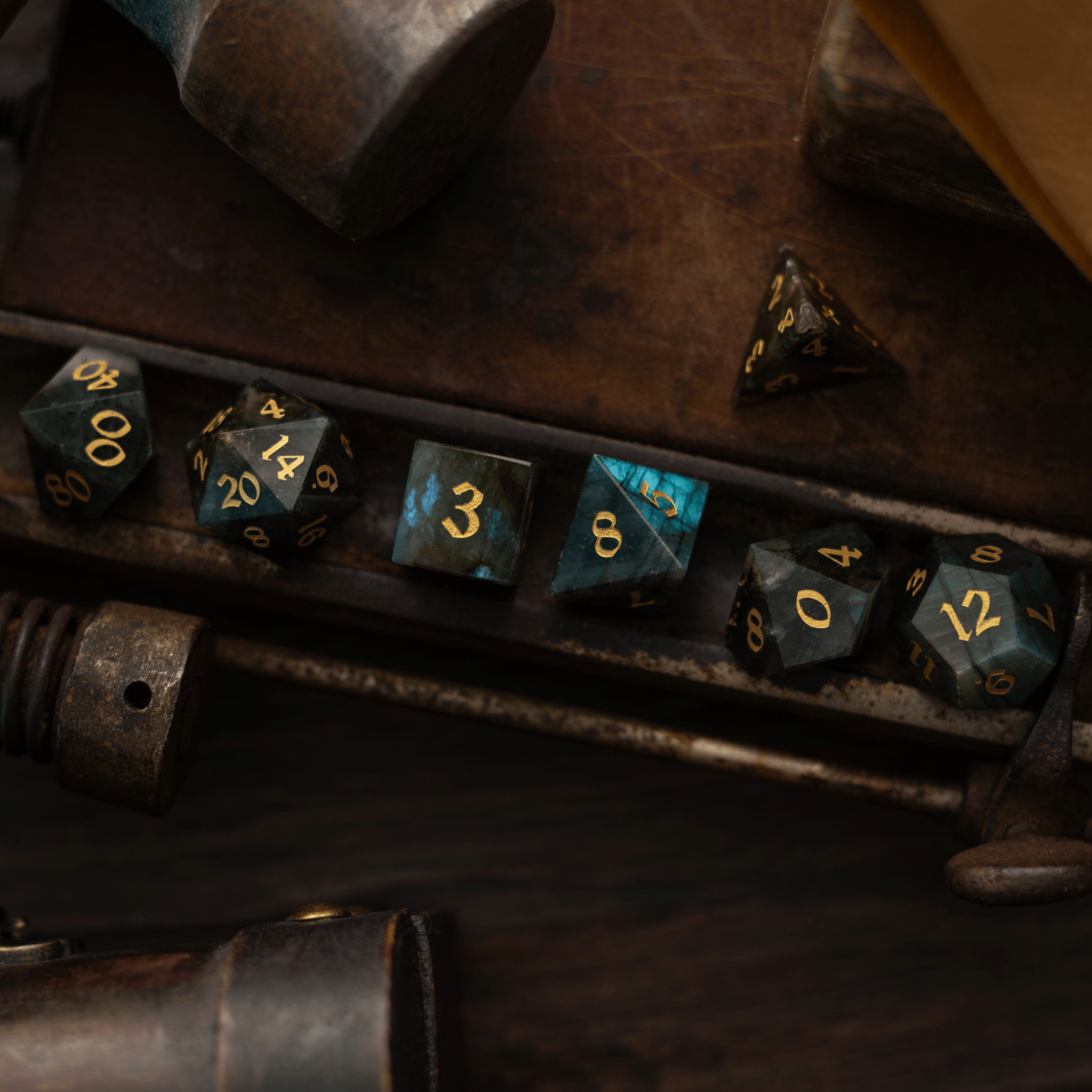
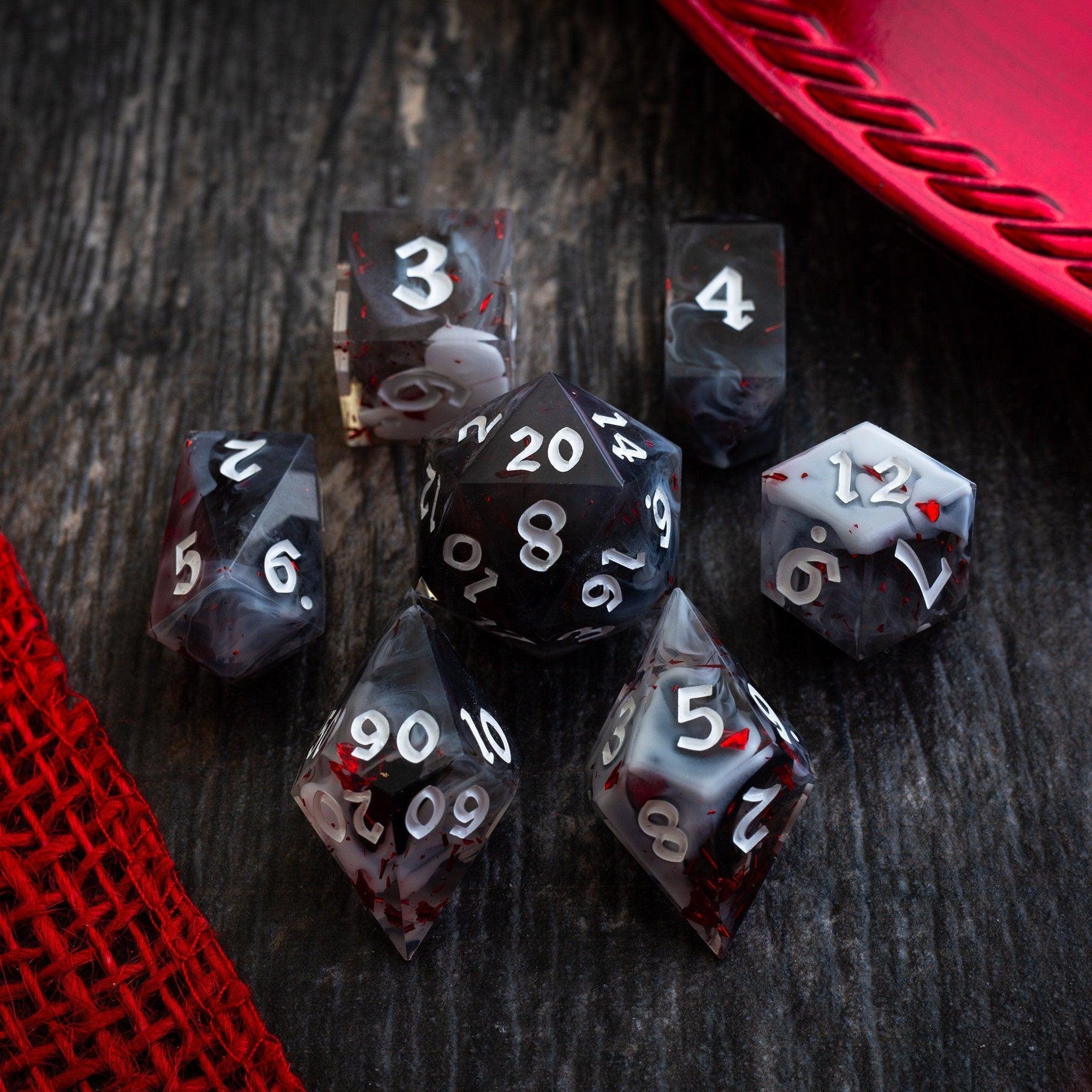
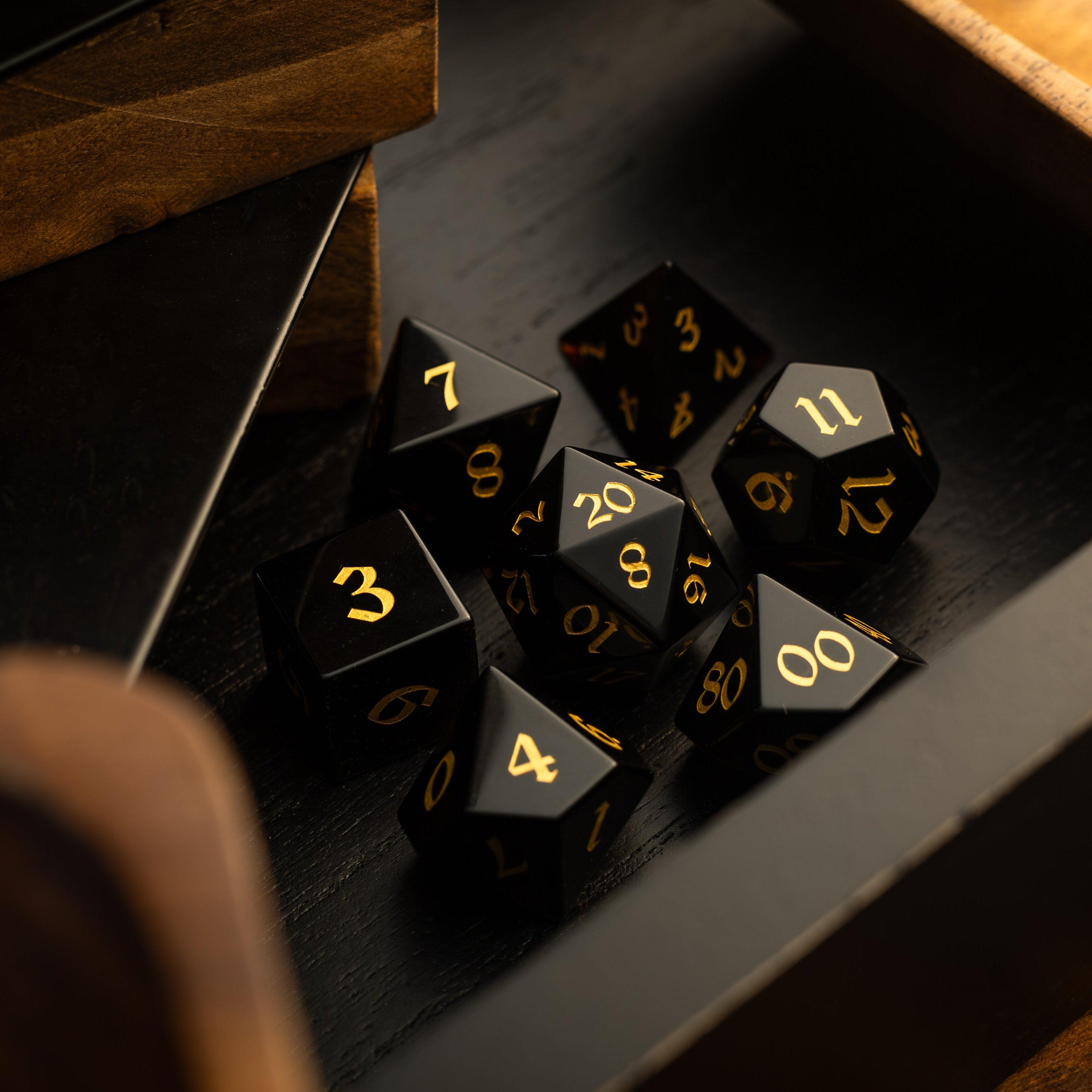
When the fighter at the table rolls a heavy red metal die for a critical hit, the sound alone builds tension. A set of gold metal dice catches the light during a dramatic moment, reminding everyone that this is a shared ritual.
Remote players may roll digitally, but hearing physical dice roll on the table helps them feel connected.
Minis, Maps, and Screens
Some groups use physical miniatures on a physical map, then mirror that map digitally with a camera. Others use a fully digital map while keeping physical minis purely decorative.
Both approaches work. Choose what feels least distracting for your table.
Roleplay First, Tools Second
Tools exist to support the story, not dominate it.
If a rule lookup or screen switch interrupts a roleplay moment, let the scene breathe. Hybrid D&D works best when the story remains the focus.
Digital Tools and Physical Tools Working Together
|
Tool Type |
Purpose |
Why It Helps Hybrid Play |
|
Virtual tabletop |
Shared maps and visuals |
Keeps all players seeing the same world |
|
Video chat |
Face-to-face connection |
Maintains emotional engagement |
|
Fast remote rolling |
Prevents delays and confusion |
|
|
Physical dice |
Tactile storytelling |
Grounds the game in ritual and tension |
|
Campaign tracker |
Shared memory |
Keeps everyone aligned between sessions |
This balance is the heart of successful hybrid D&D.
Tips for Dungeon Masters Running Hybrid Games
Hybrid sessions ask a little more from the Dungeon Master, but they reward that effort.
Practical DM tips:
- Test tech before the session so you are not troubleshooting mid-combat
- Assign a tech helper to manage cameras or audio while you focus on storytelling
- Address remote players by name so they never fade into the background
- Use visual cues like raising a hand or token to manage cross-talk
Hybrid games thrive on intentional pacing. Pause often. Check in. Let moments land.
Tips for Players Joining Hybrid Sessions
Players have just as much power to make hybrid games shine.
Helpful habits include:
- Muting microphones when not speaking
- Rolling where everyone can see the result
- Staying engaged even during scenes focused on others
- Using physical dice at home if possible
Rolling your own dice, even remotely, keeps the ritual alive.
How Runic Dice Enrich Hybrid Play
In hybrid games, physical objects become emotional anchors.
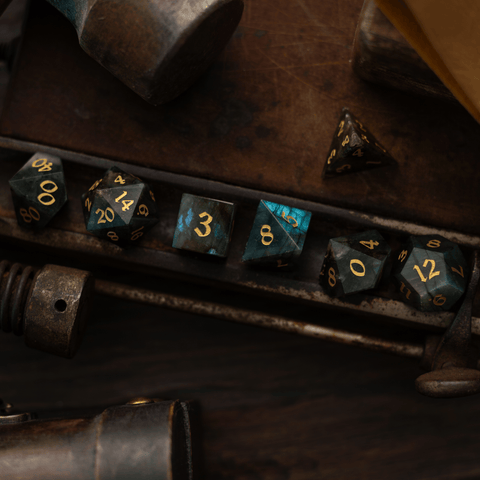
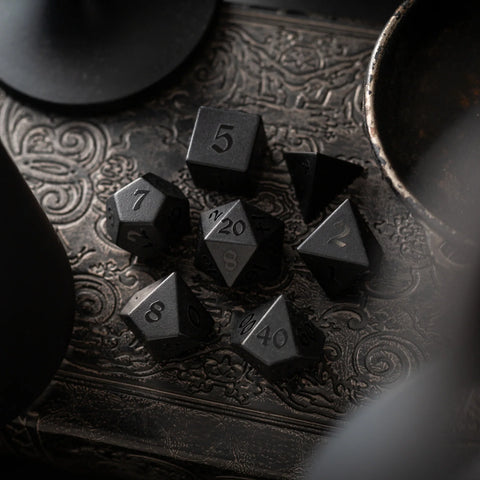
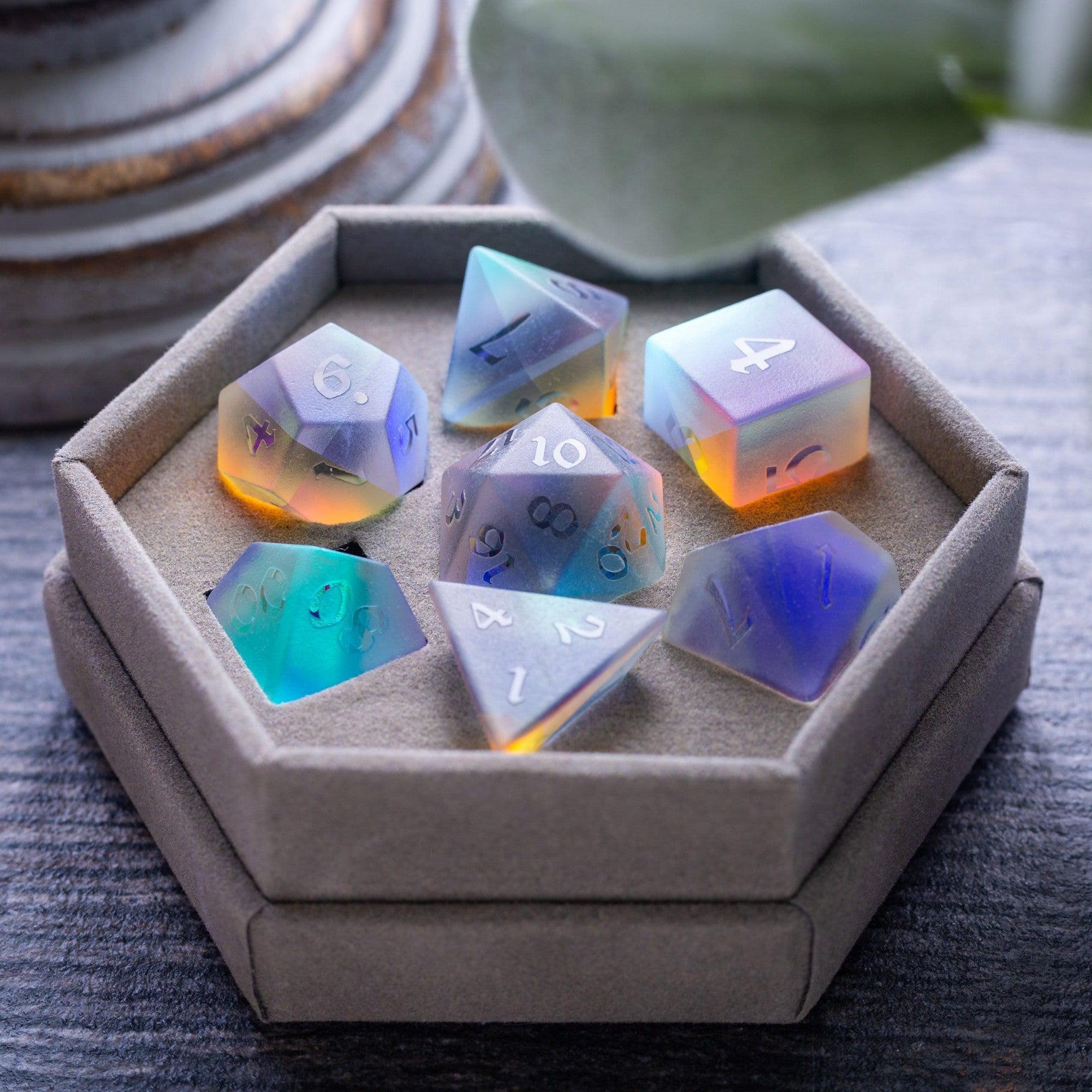
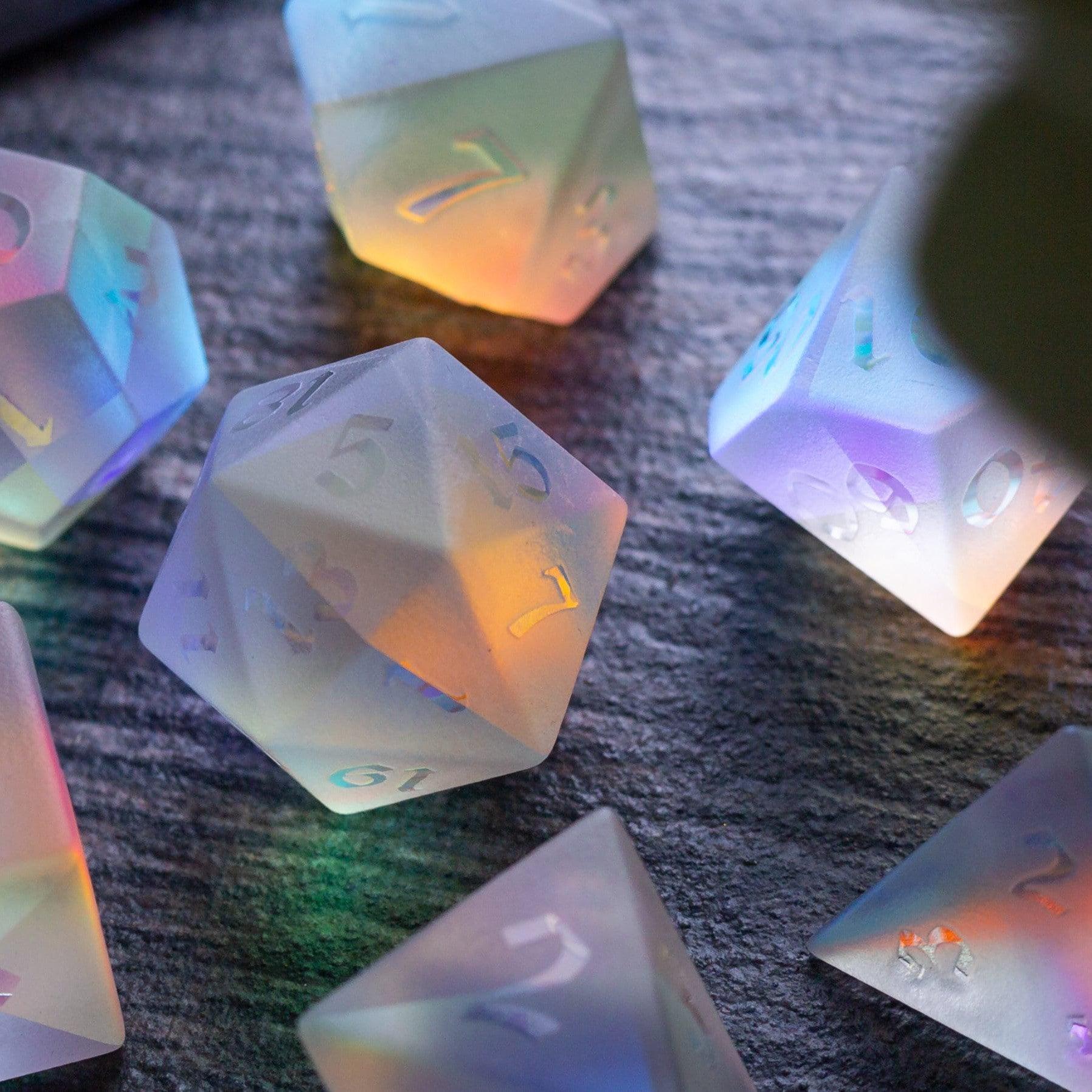
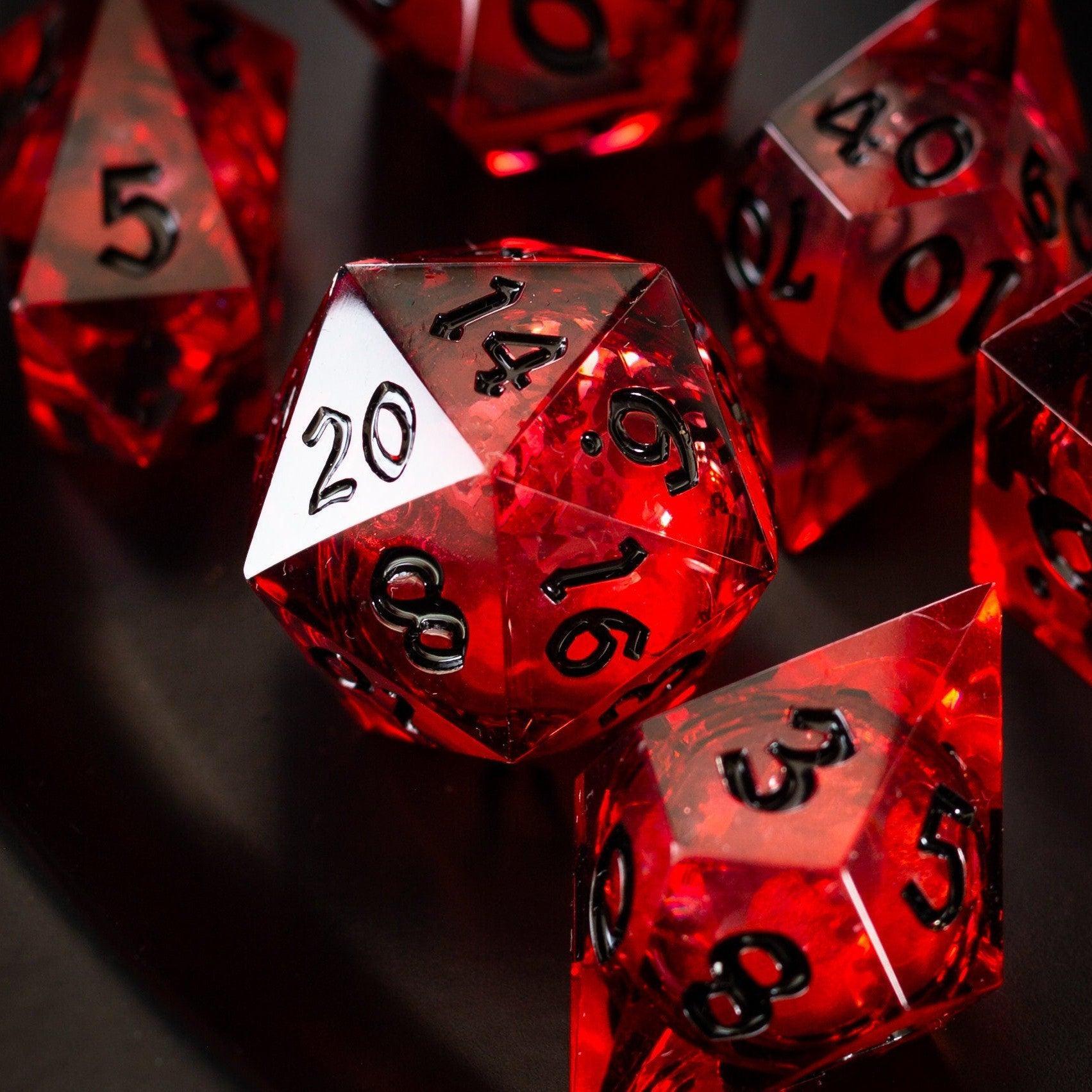
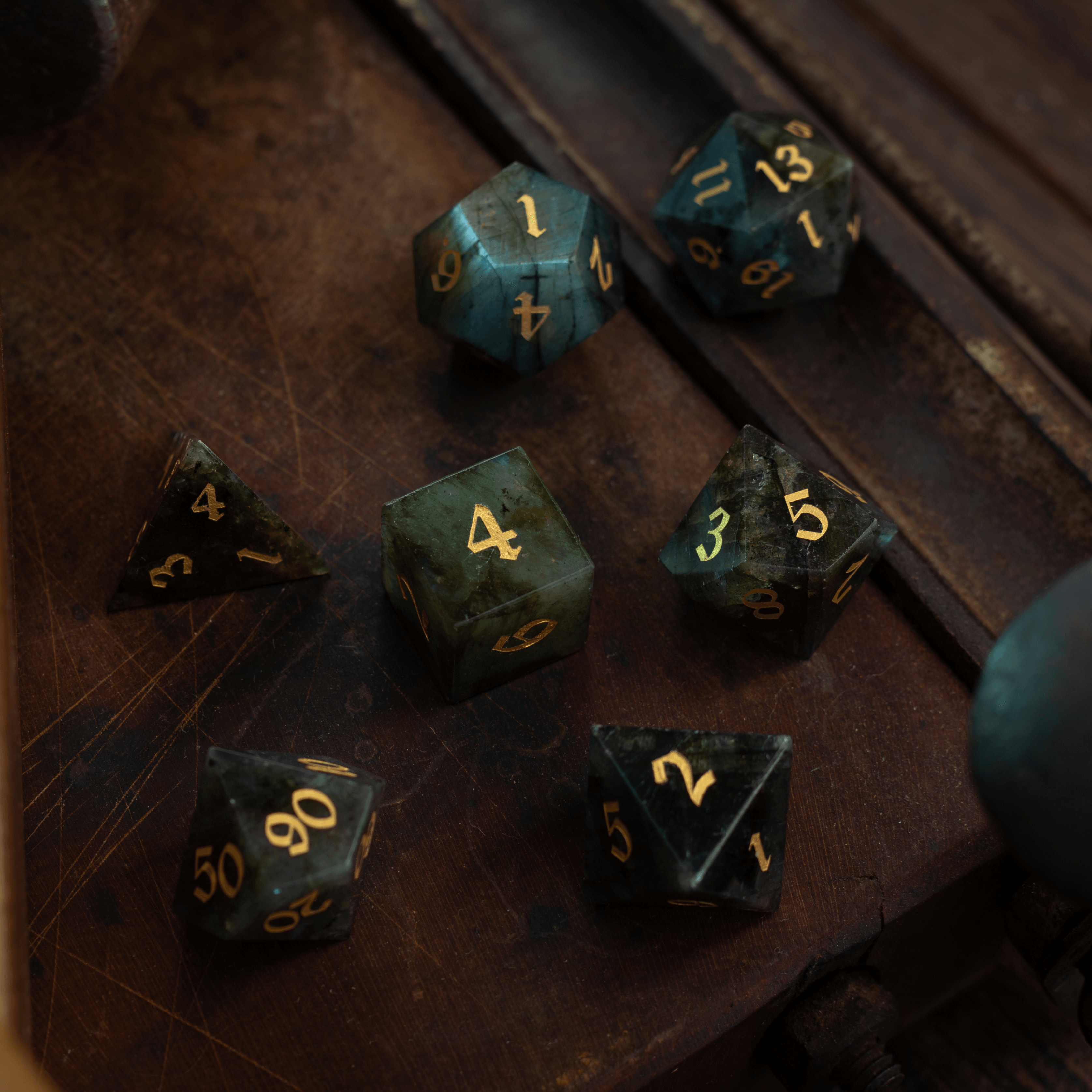
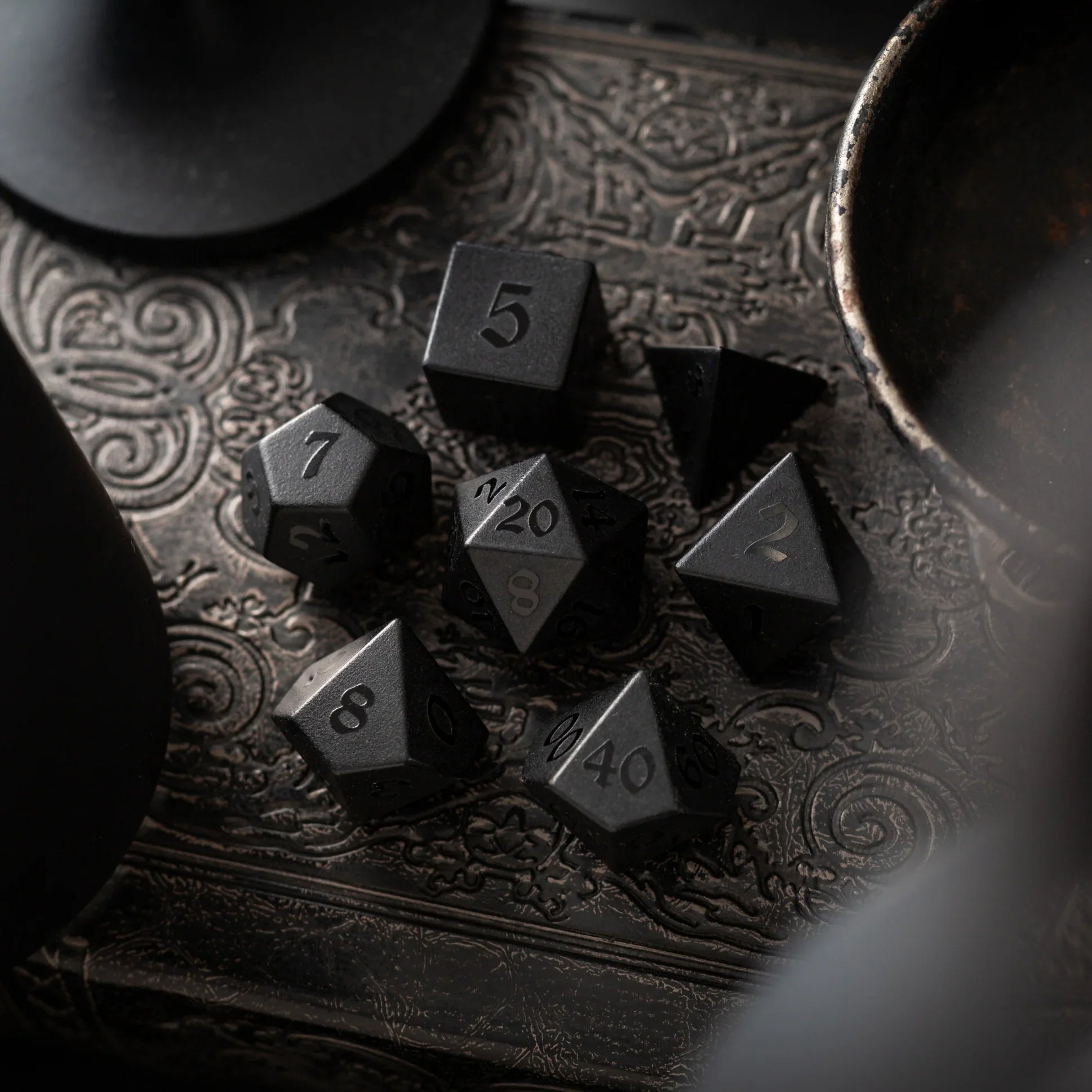
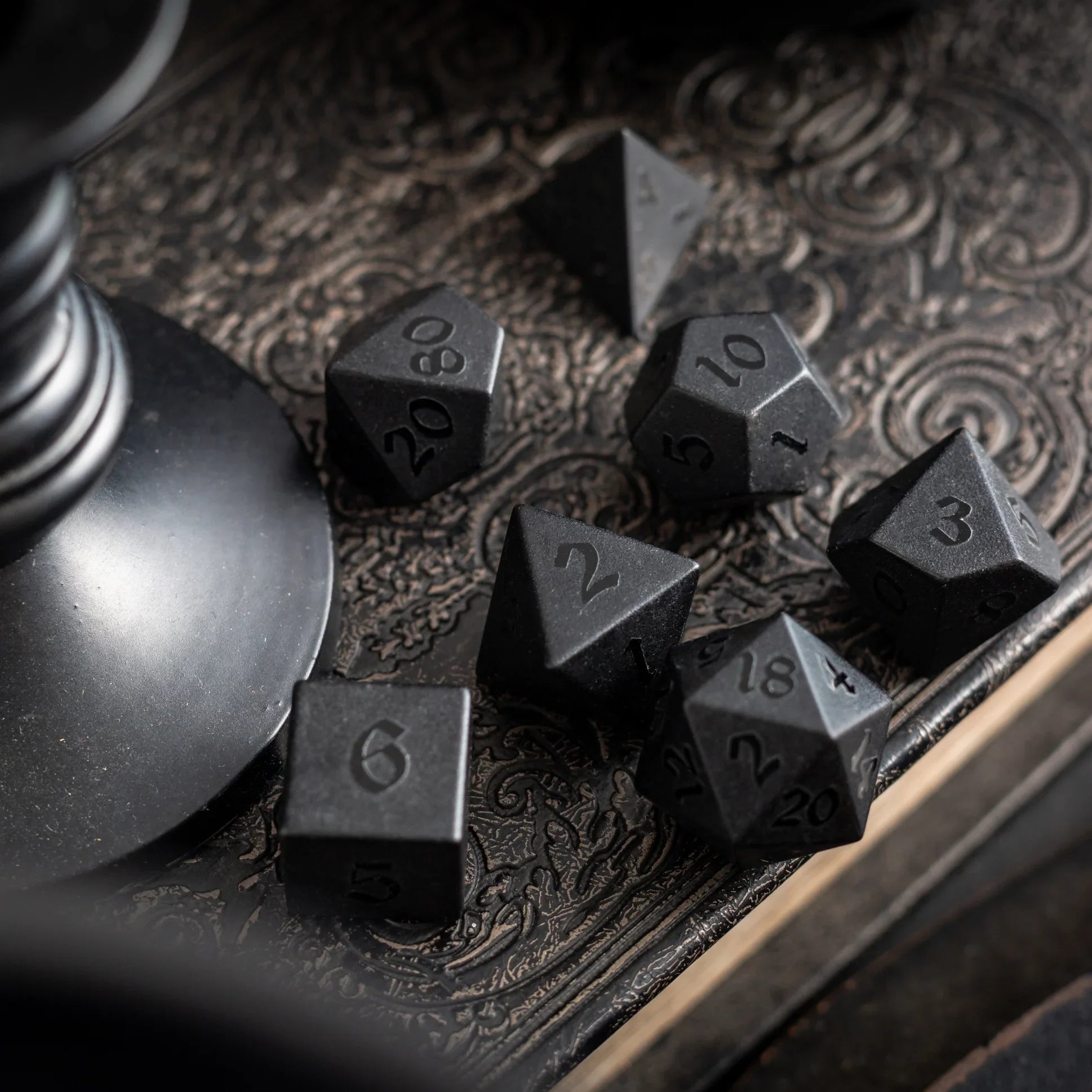
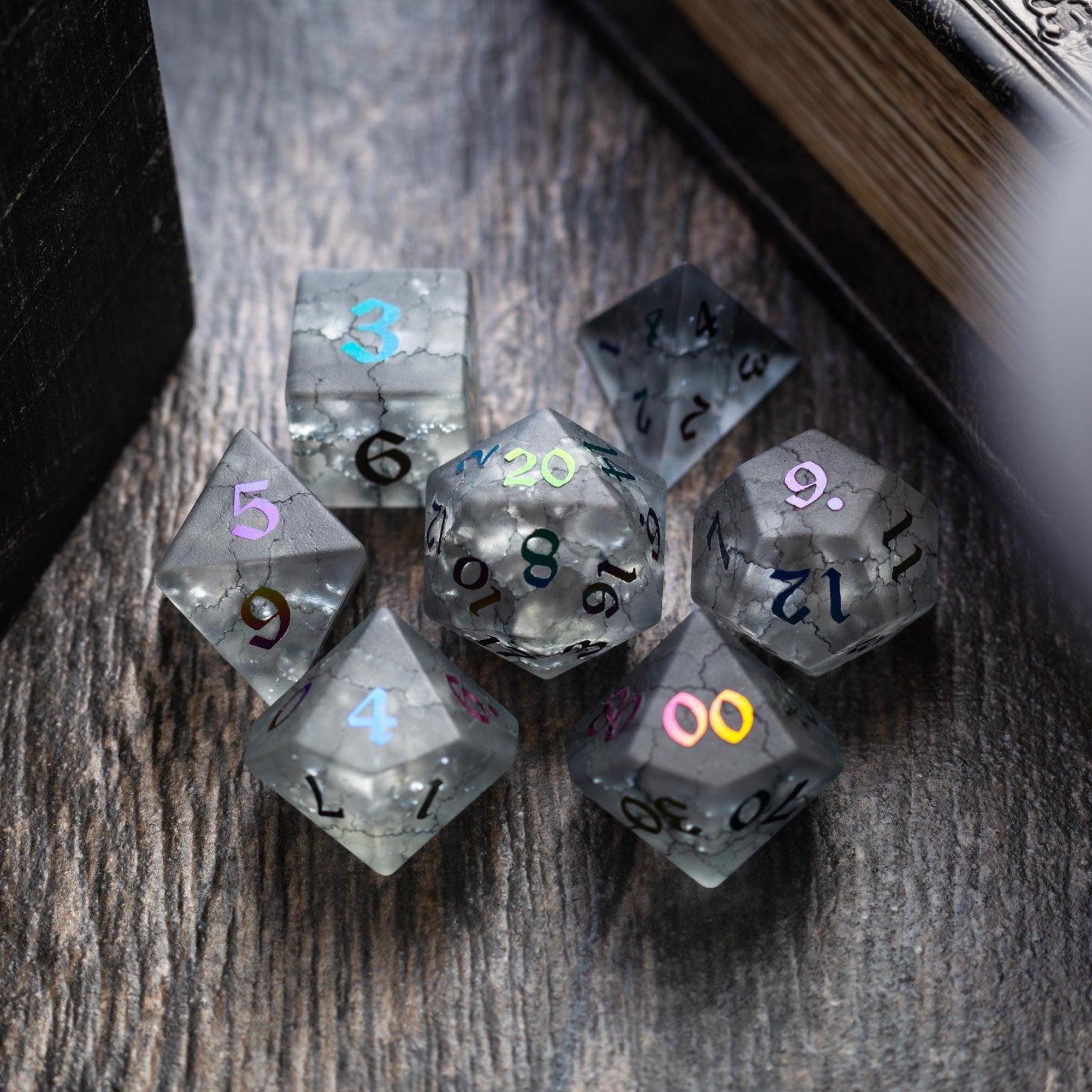
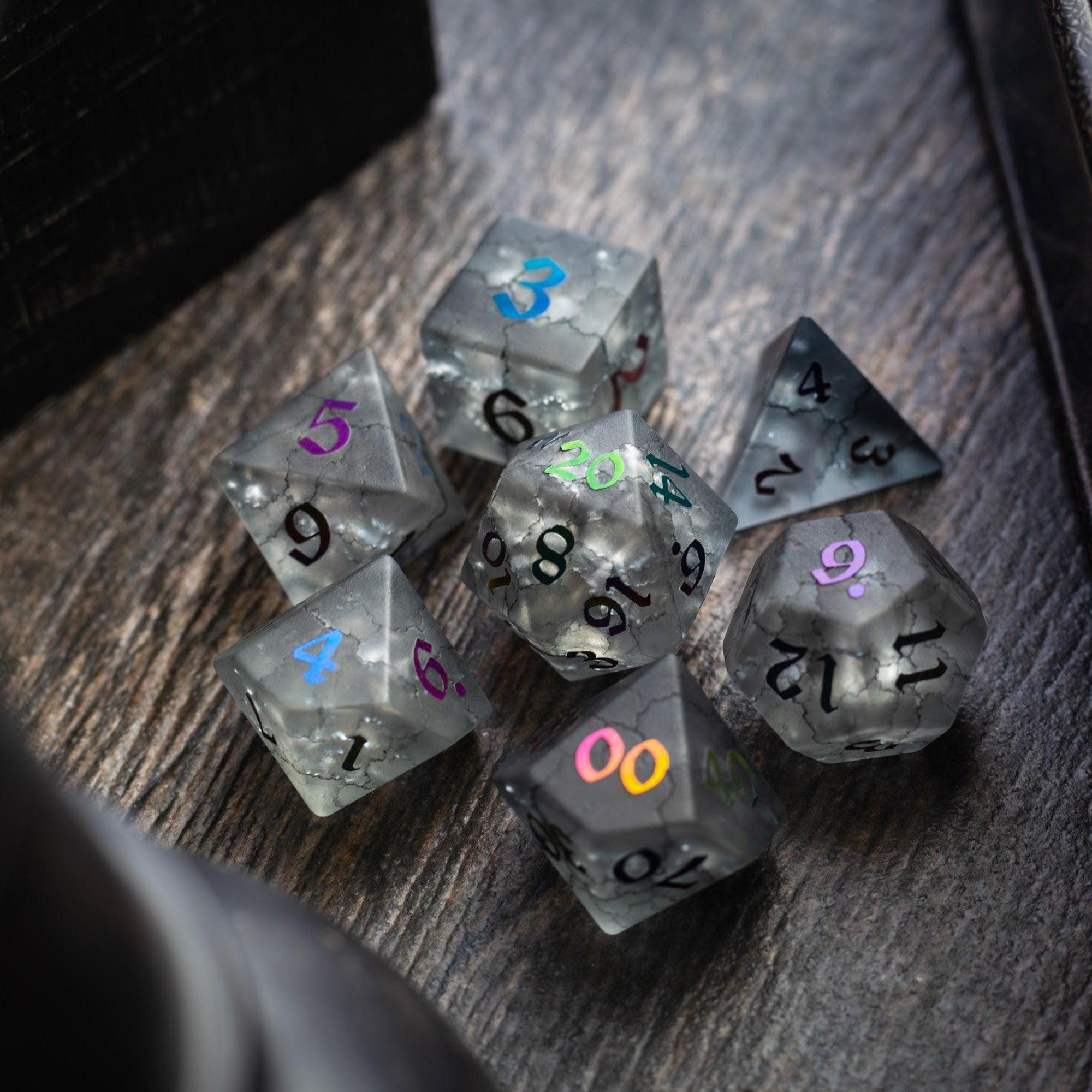
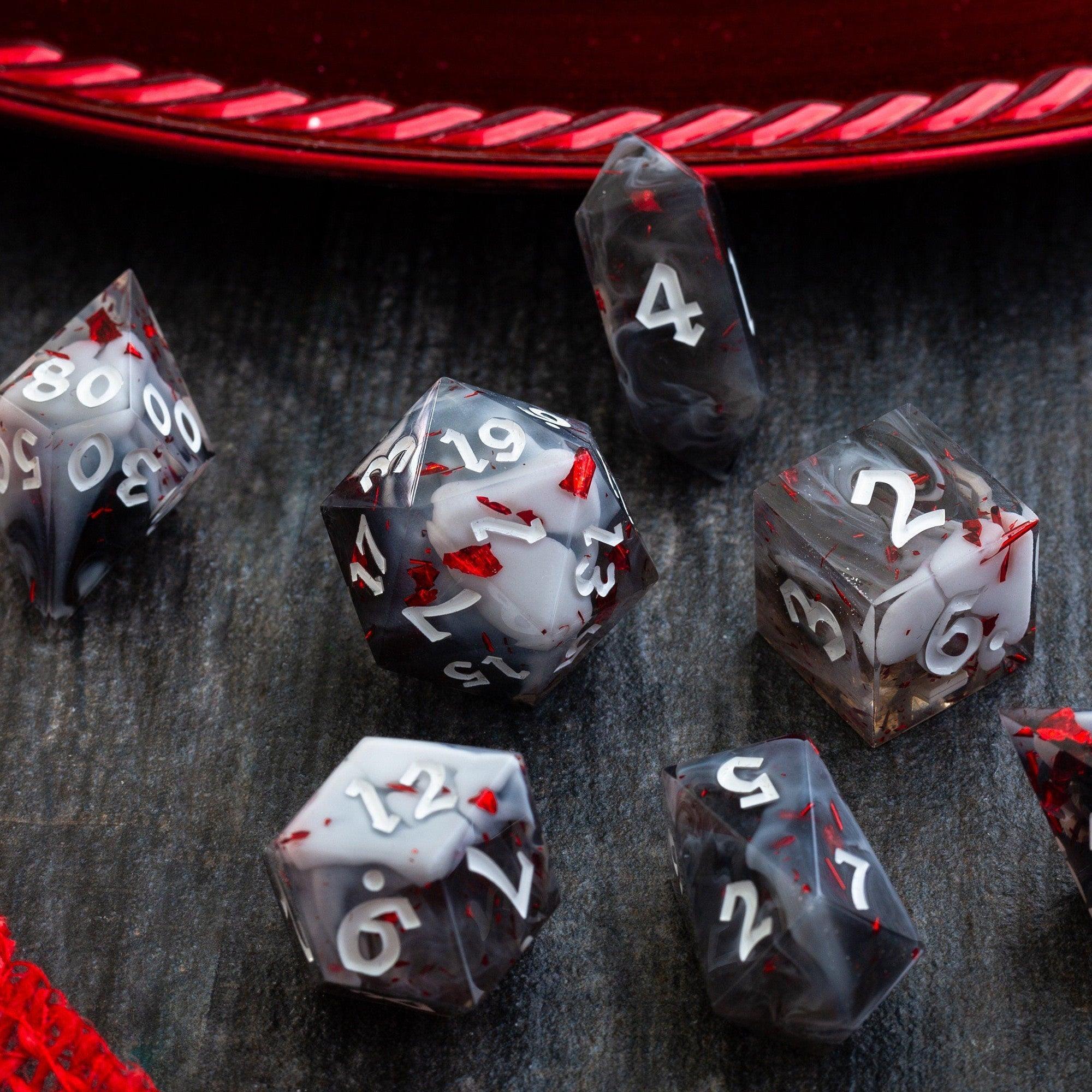
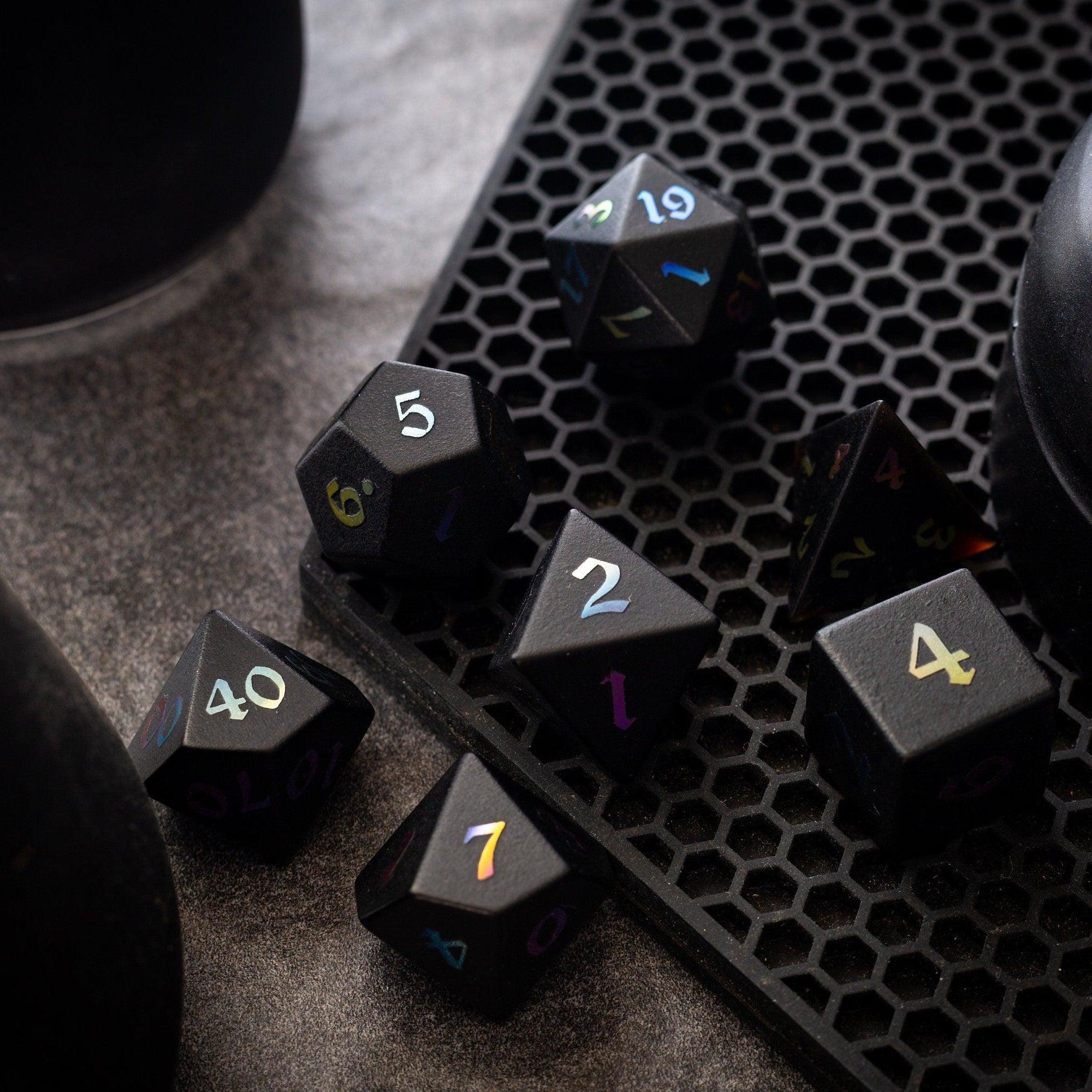
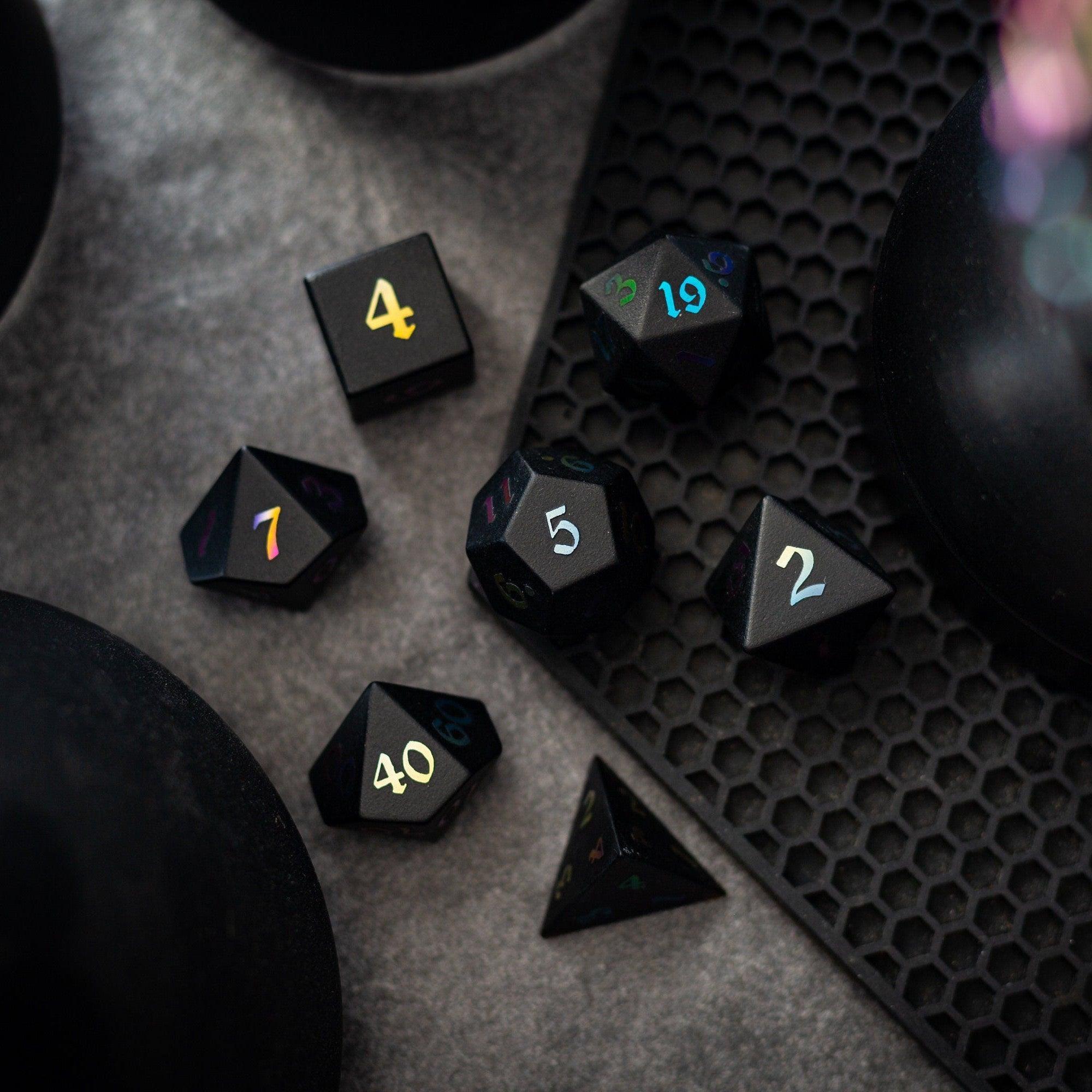
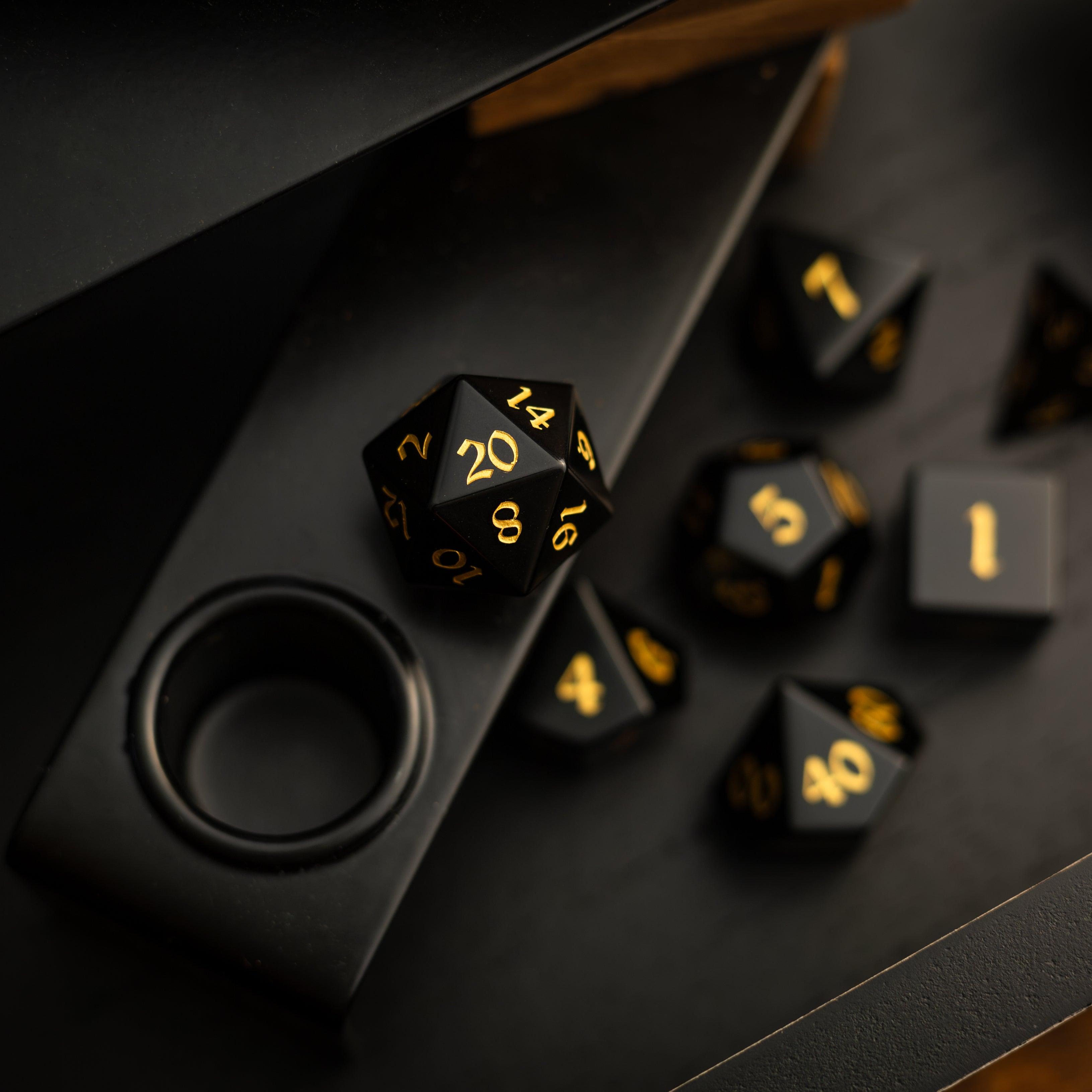
A set of gemstone dice placed at the table becomes a symbol of shared trust and collaboration. Dark gemstone dice feel weighty and mysterious, perfect for warlocks and shadowy rogues. Red dice add drama to high-stakes moments, while fantasy-themed colorful dice bring joy and whimsy to lighter sessions.
These dice are not just tools. They are touchstones.
When the table gathers, the dice remind everyone that this is still D&D — not a video call pretending to be a game.
Creative Ways to Present Dice and Tools
Hybrid play opens new creative doors.
Try ideas like:
- A dedicated dice tray placed near the camera so remote players see every roll
- A shared “ritual roll” at the start of each session using a special set
- Rotating dice themes by story arc or location
- Displaying dice beside digital maps to visually bridge worlds
These small details add warmth and intentionality.
Hybrid Play as a Bridge Between Worlds
Hybrid D&D is not about choosing between online and in-person play. It is about weaving them together.
It is about a party that refuses to let distance end their story. About friends rolling dice across screens and tables, bound by imagination rather than location.
With the right online D&D tools, a thoughtful setup, and the grounding presence of physical D&D dice, hybrid sessions become something special. A bridge between realms. A reminder that stories endure, even when adventurers walk different paths.
And when the dice hit the table — metal, gemstone, or digital — the magic still answers.

Leave a comment
This site is protected by hCaptcha and the hCaptcha Privacy Policy and Terms of Service apply.