
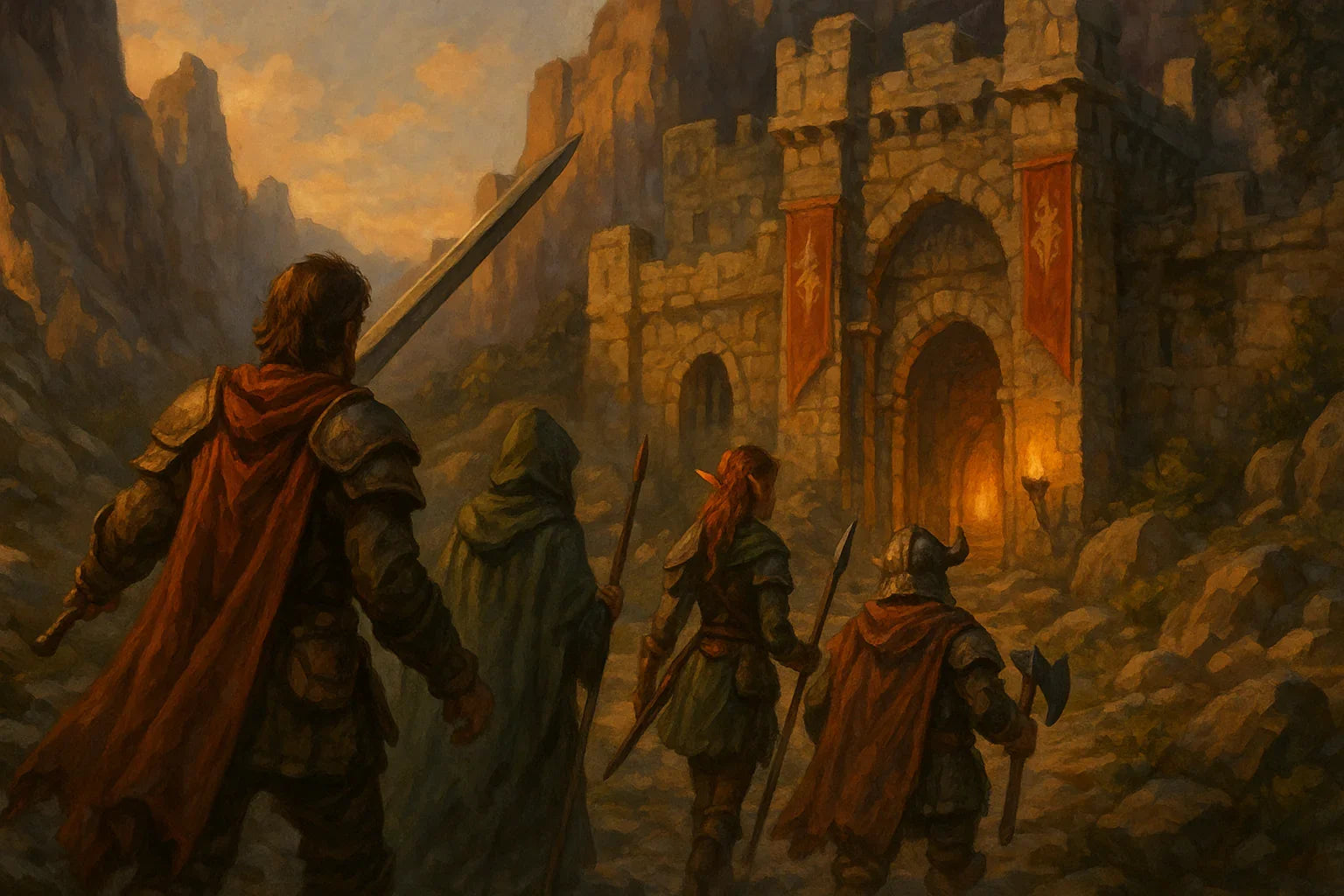
Designing Adventure Modules and Campaigns that Engage
Updated on: 2025-12-06
If you’ve ever wanted to run adventure modules and campaigns without drowning in prep, this guide will help you get there. You’ll learn a simple framework to choose the right book, prep quickly, and keep players engaged. We’ll cover session zero, pacing, customization, and low-effort tools that make every scene feel intentional. By the end, you’ll have a repeatable process you can use for one-shots or long-term storylines.
Table of Contents

Let’s be honest: it’s easy to get overwhelmed when you open a 200-page book. The trick isn’t reading everything; it’s focusing on what players need next. In this article, we’ll walk through a lightweight method to run published stories with confidence. You’ll create a clear session checklist, adjust encounters on the fly, and use tools that simplify bookkeeping so you can focus on the table’s energy, not page numbers.
Planning adventure modules and campaigns
Think of published content as a springboard, not a script. The book provides plot beats, villains, locations, and treasure. Your job is to choose the pieces that excite your table and arrange them in an order that matches your group’s pace. Some groups love tactical combat; others lean into social scenes and exploration. When you map the material to their preferences, the story flows naturally.
Start by answering three questions:
- What tone are we aiming for—heroic, spooky, or whimsical?
- How many sessions do we expect to play—one night, mini-arc, or long term?
- What’s our table’s favorite activity—roleplay, mystery-solving, or set-piece battles?
From there, carve a path. For a short run, pick a strong opener, a mid-point twist, and a finale. For longer arcs, string three mini-stories together with a recurring antagonist and evolving stakes. Use NPCs as connective tissue: mentors, rivals, and quest-givers keep the world feeling alive. A simple table rule—“End on a cliffhanger”—keeps everyone excited for the next session and gives you time to prep only what’s next.
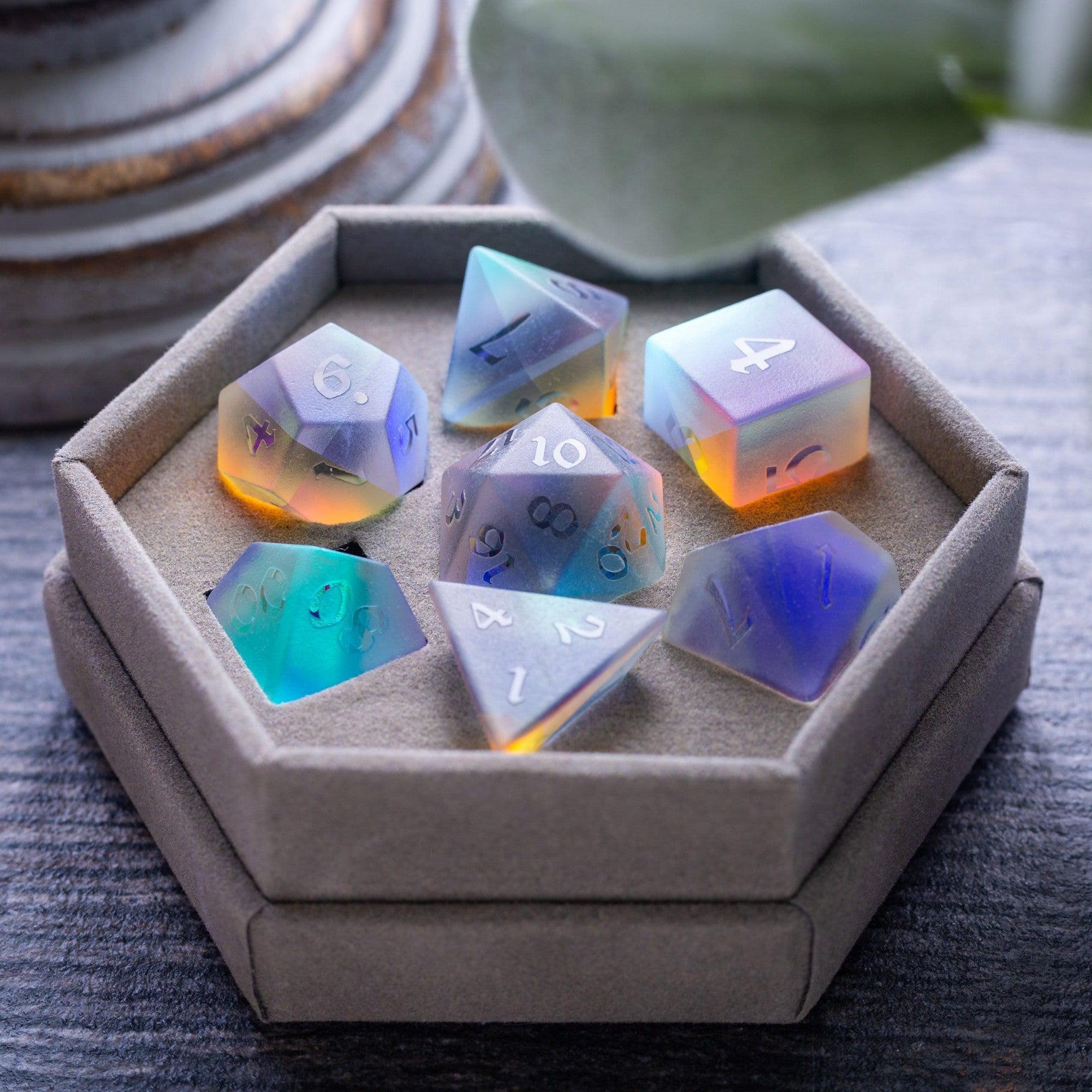
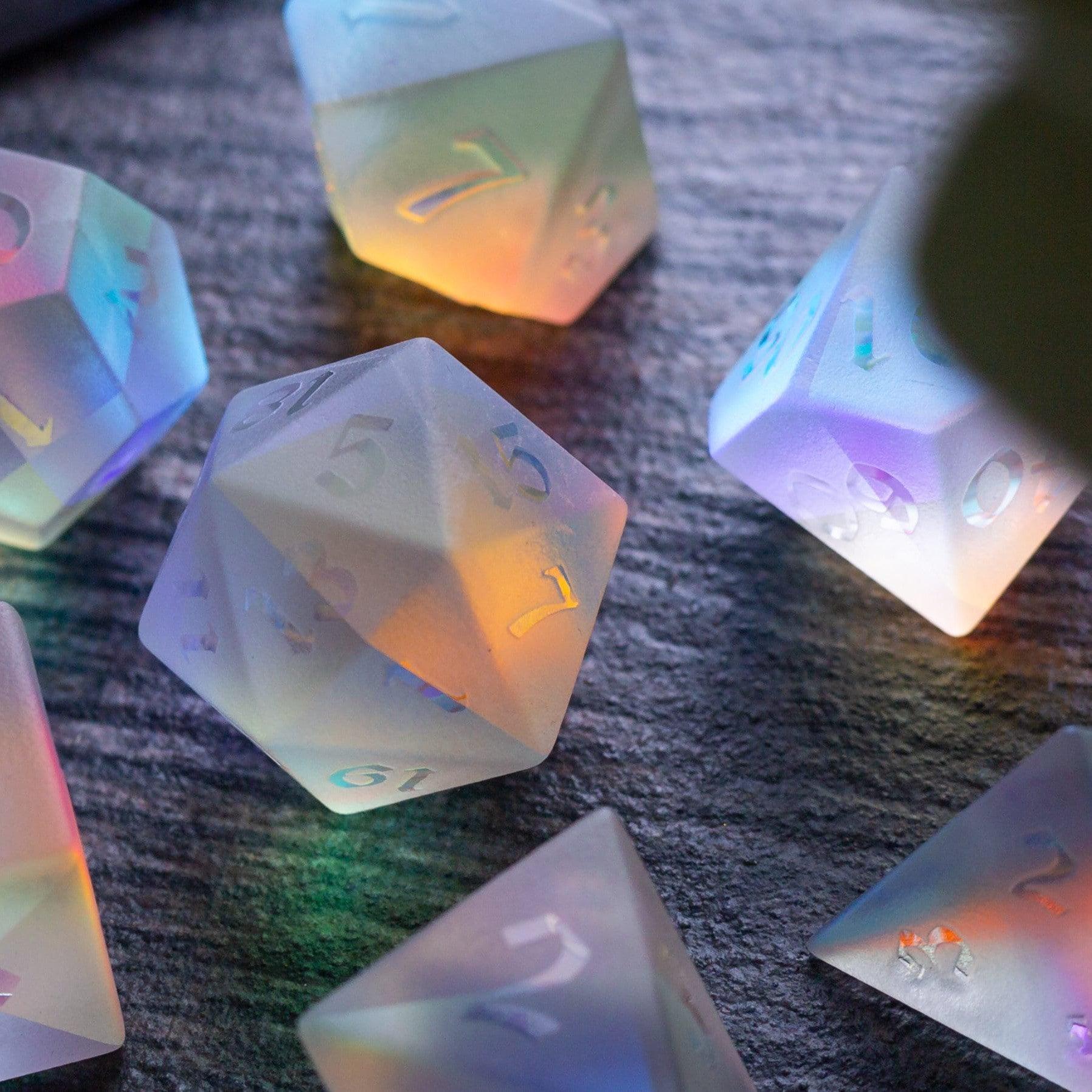
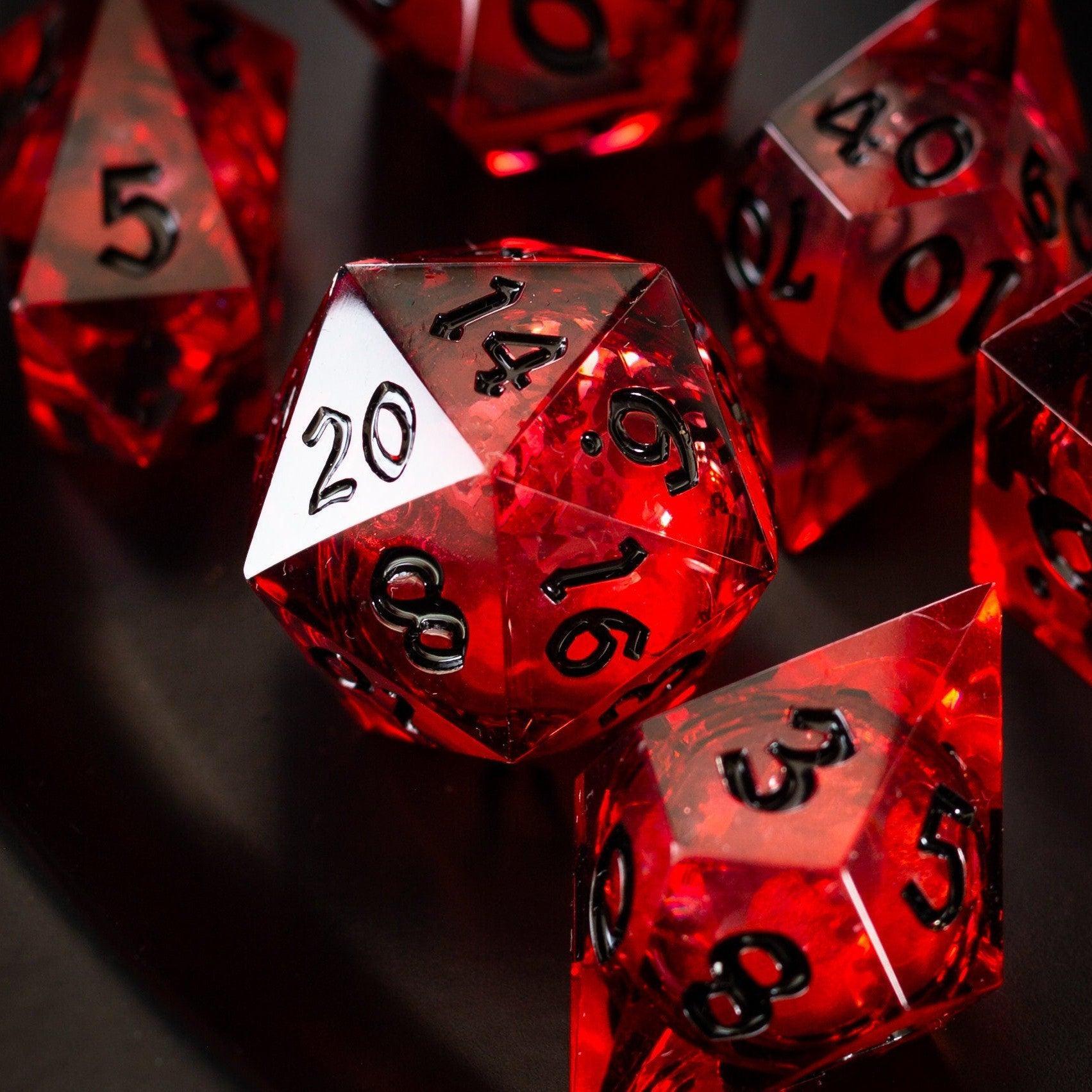
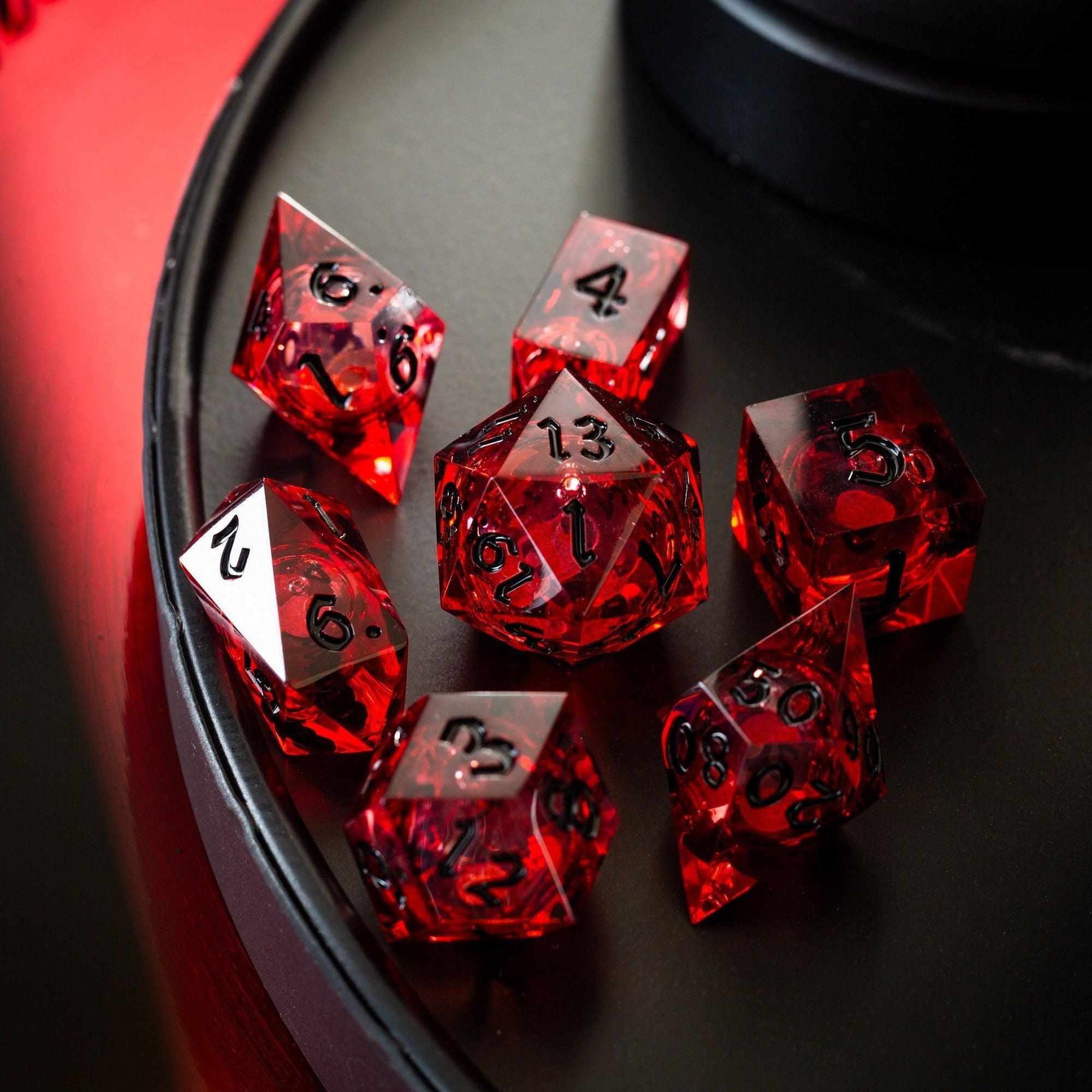
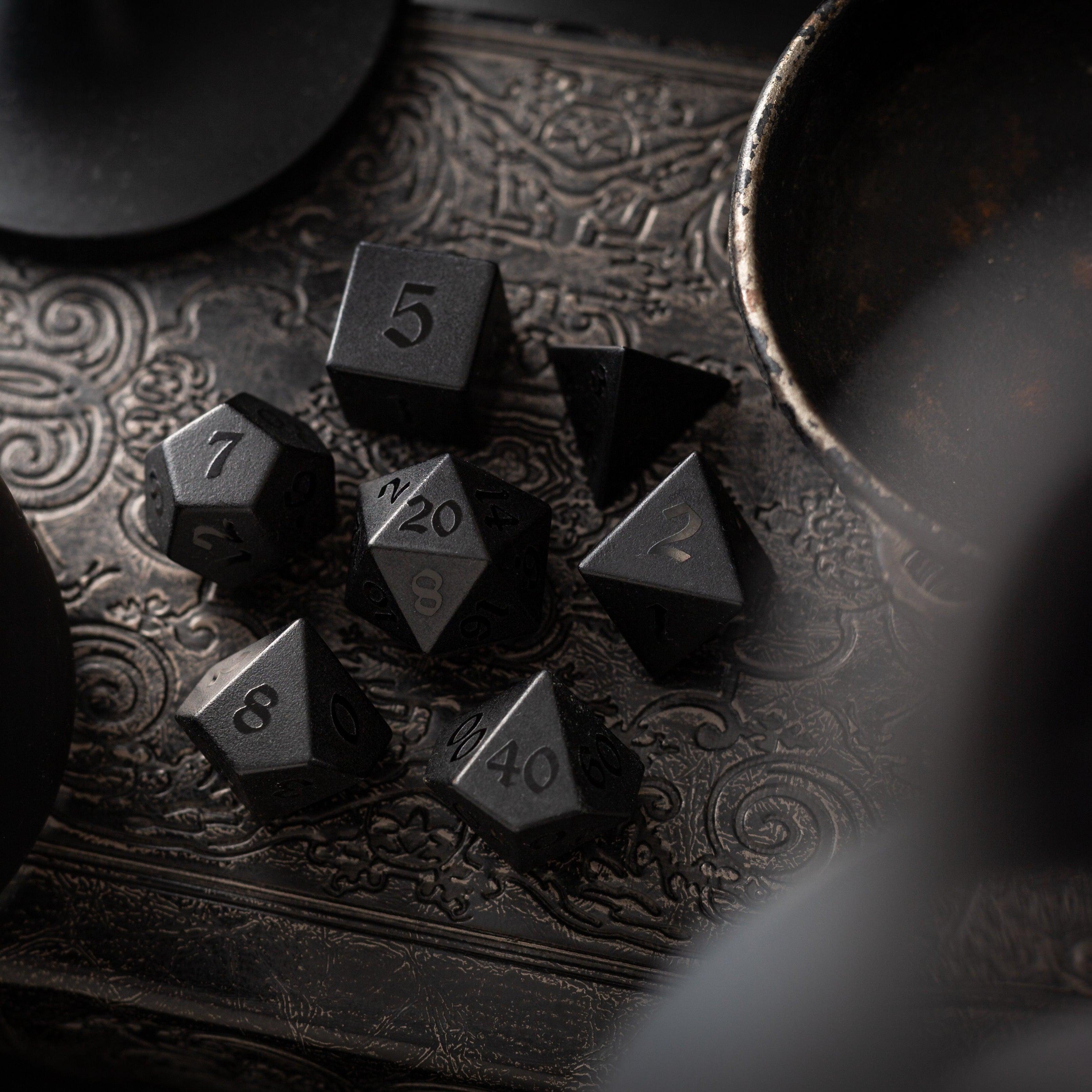
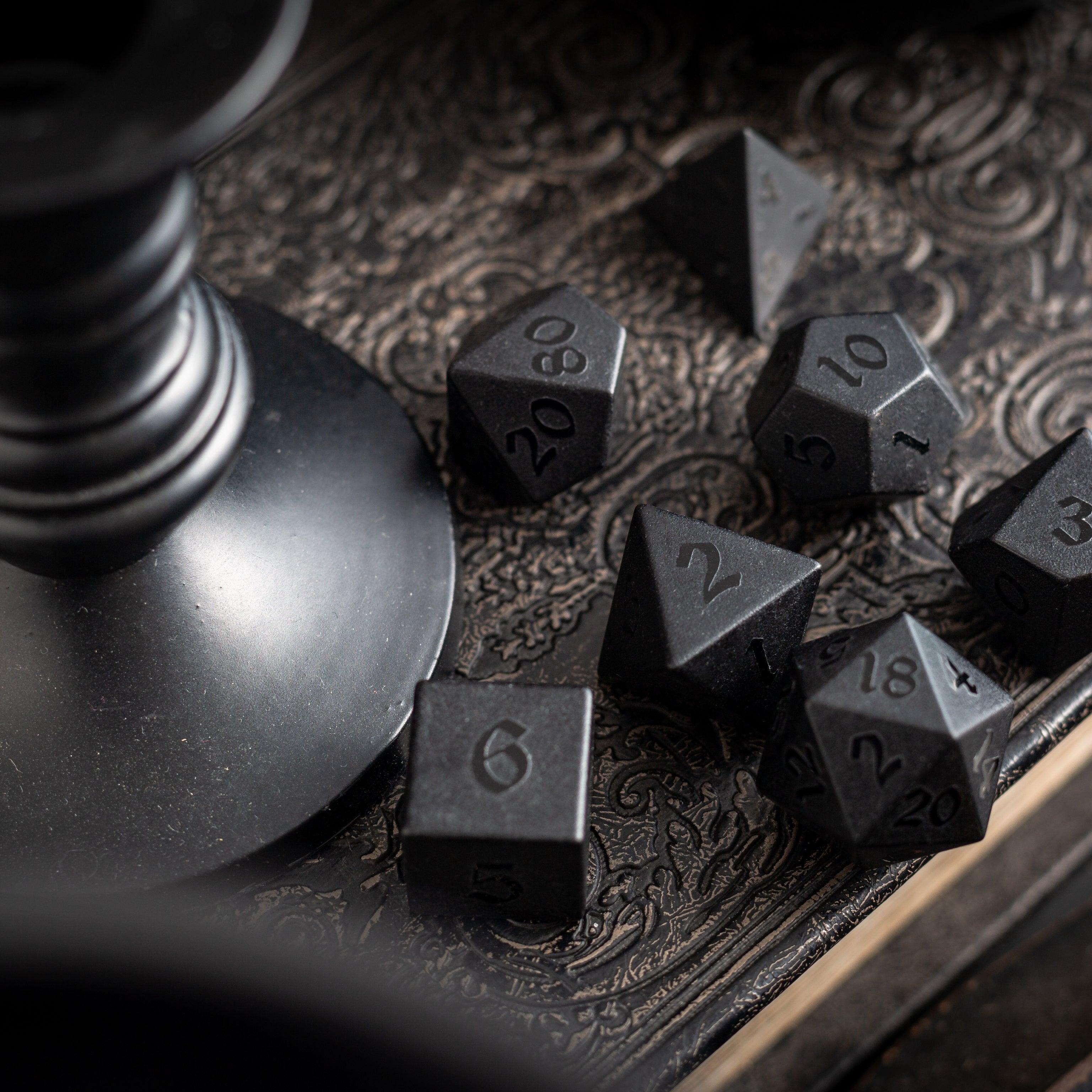
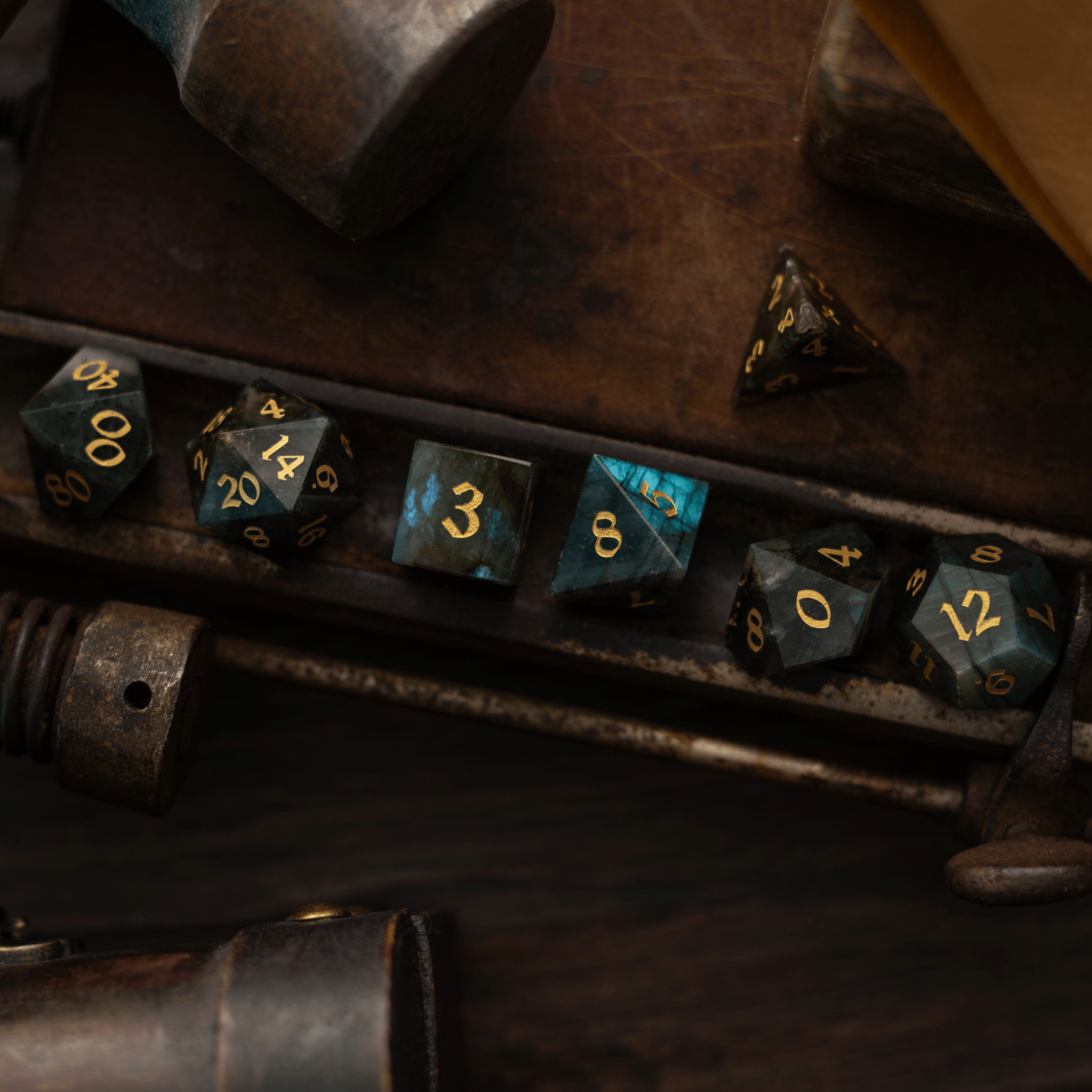
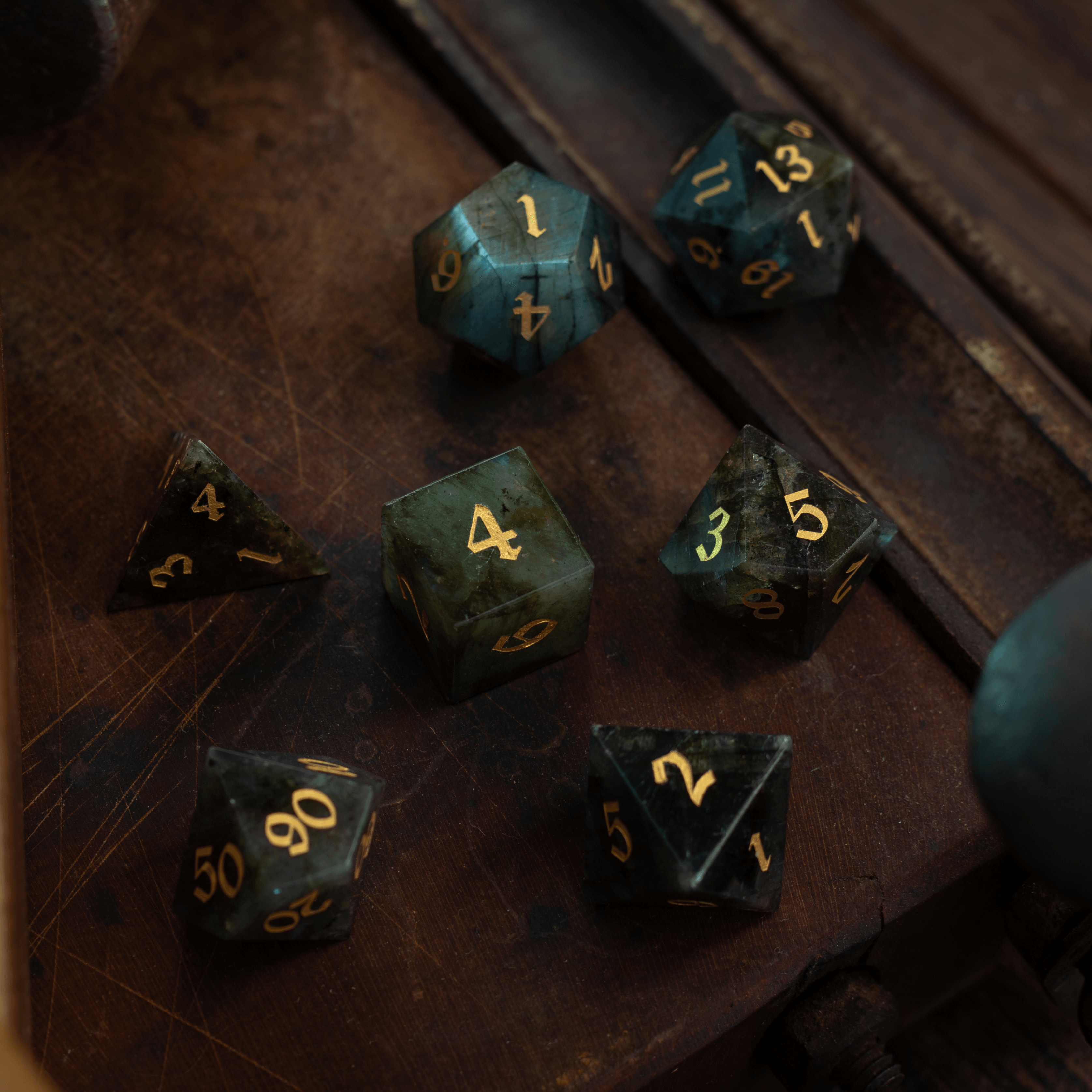
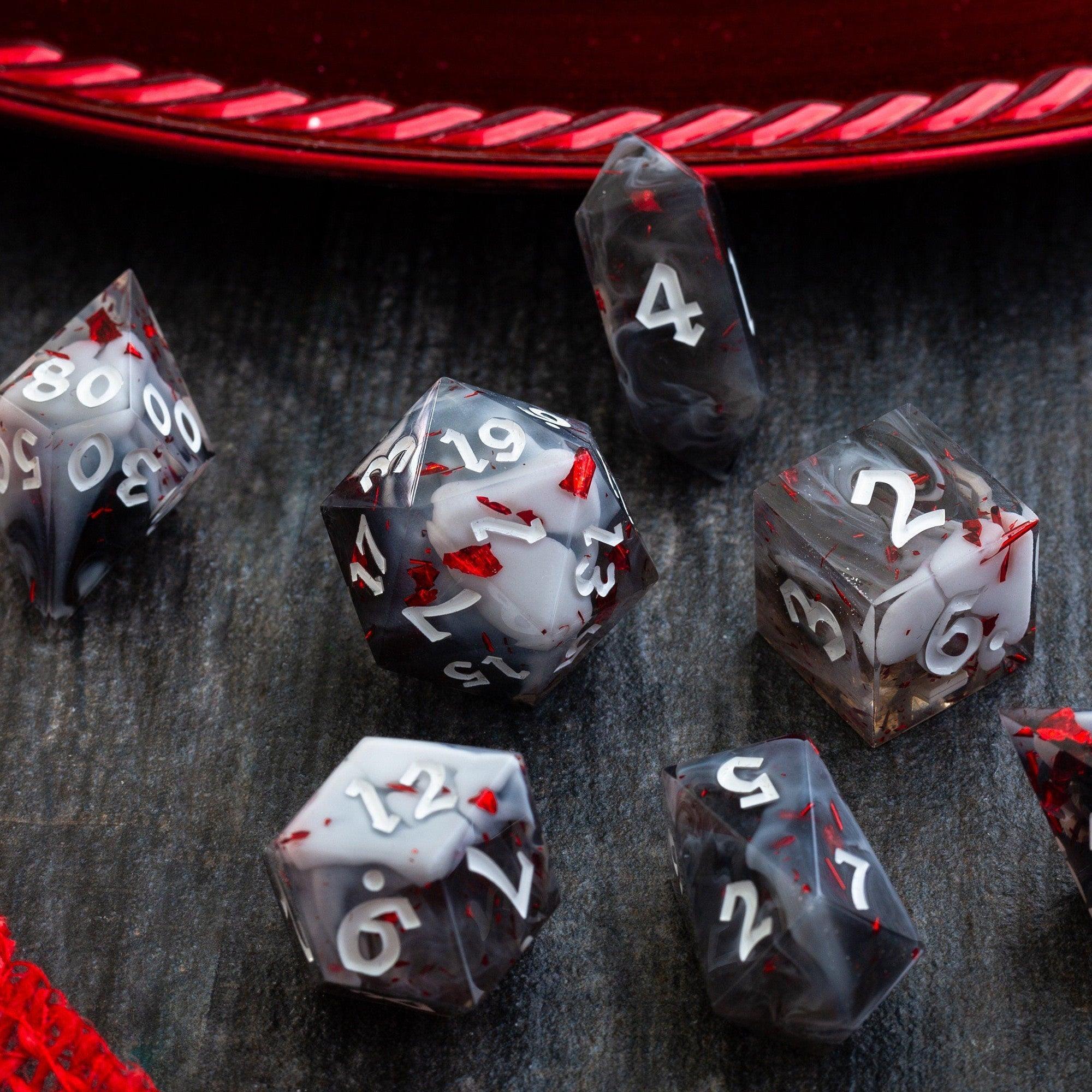
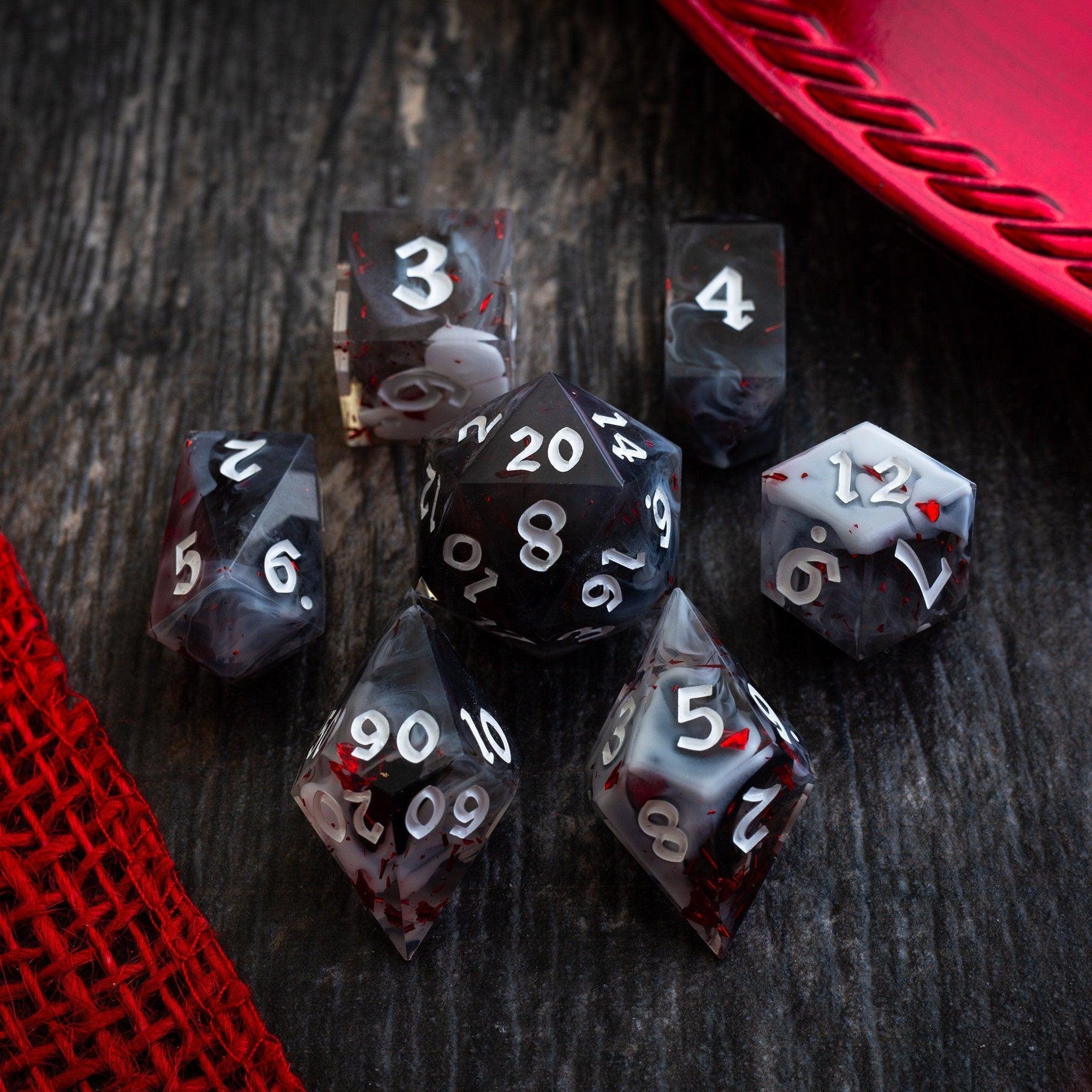
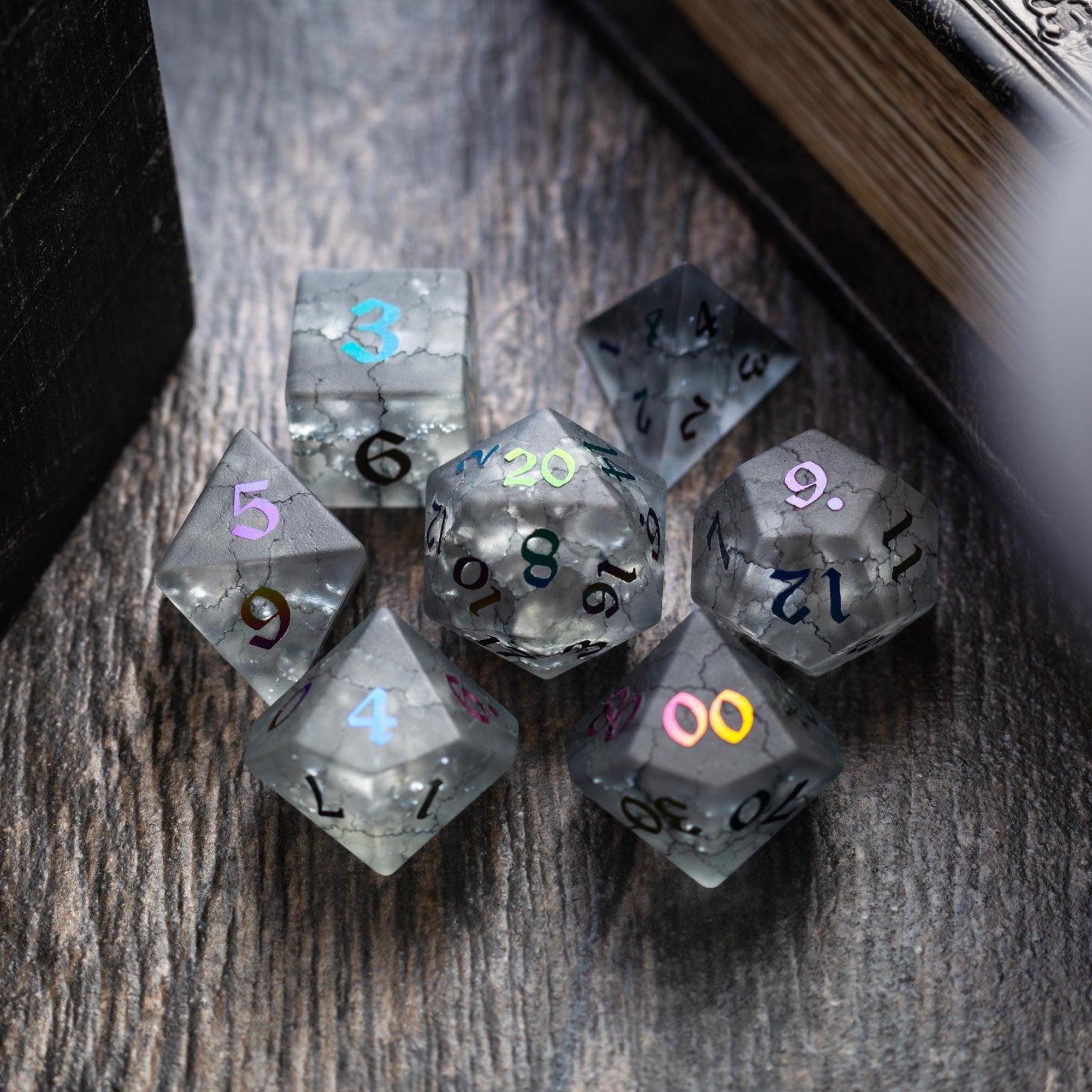
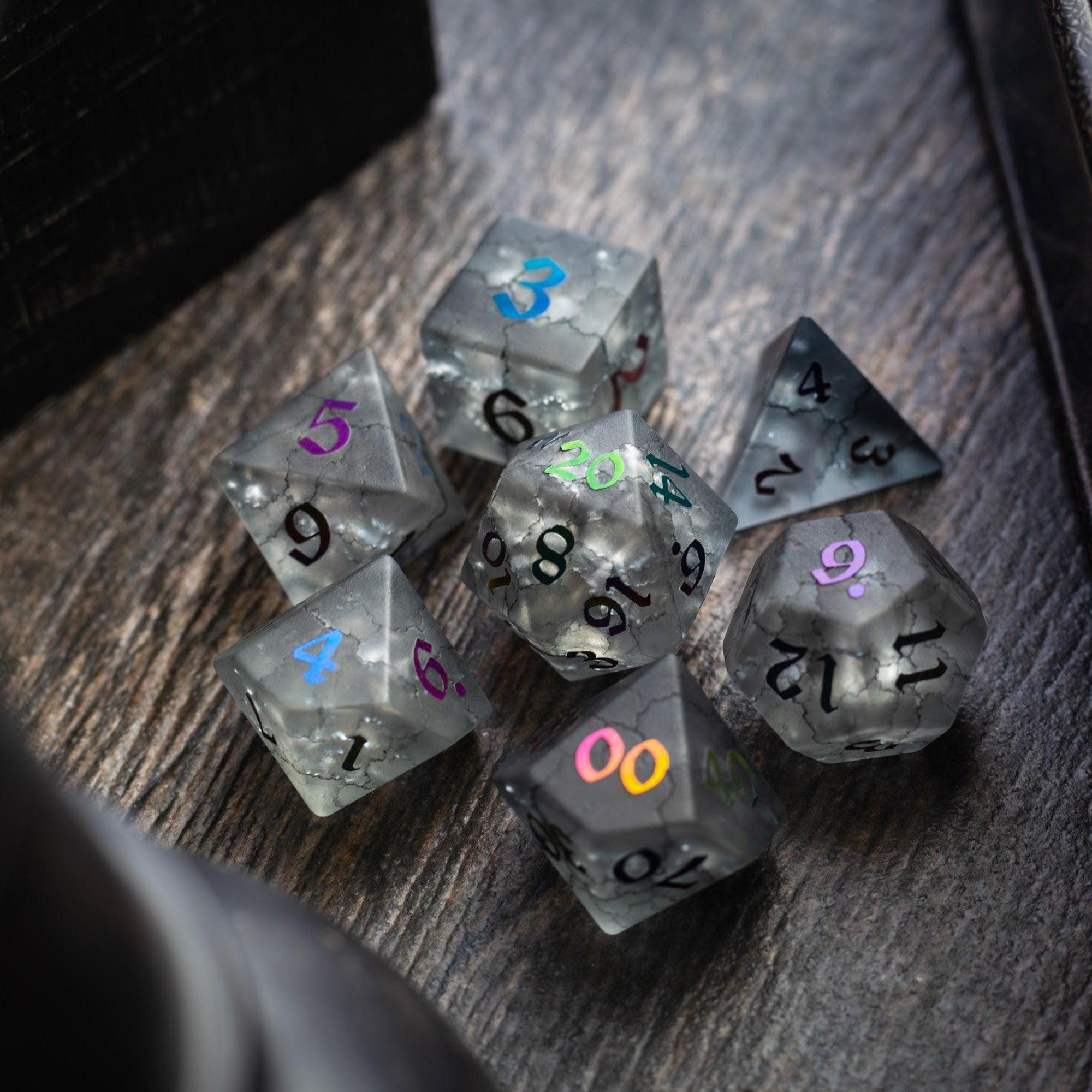
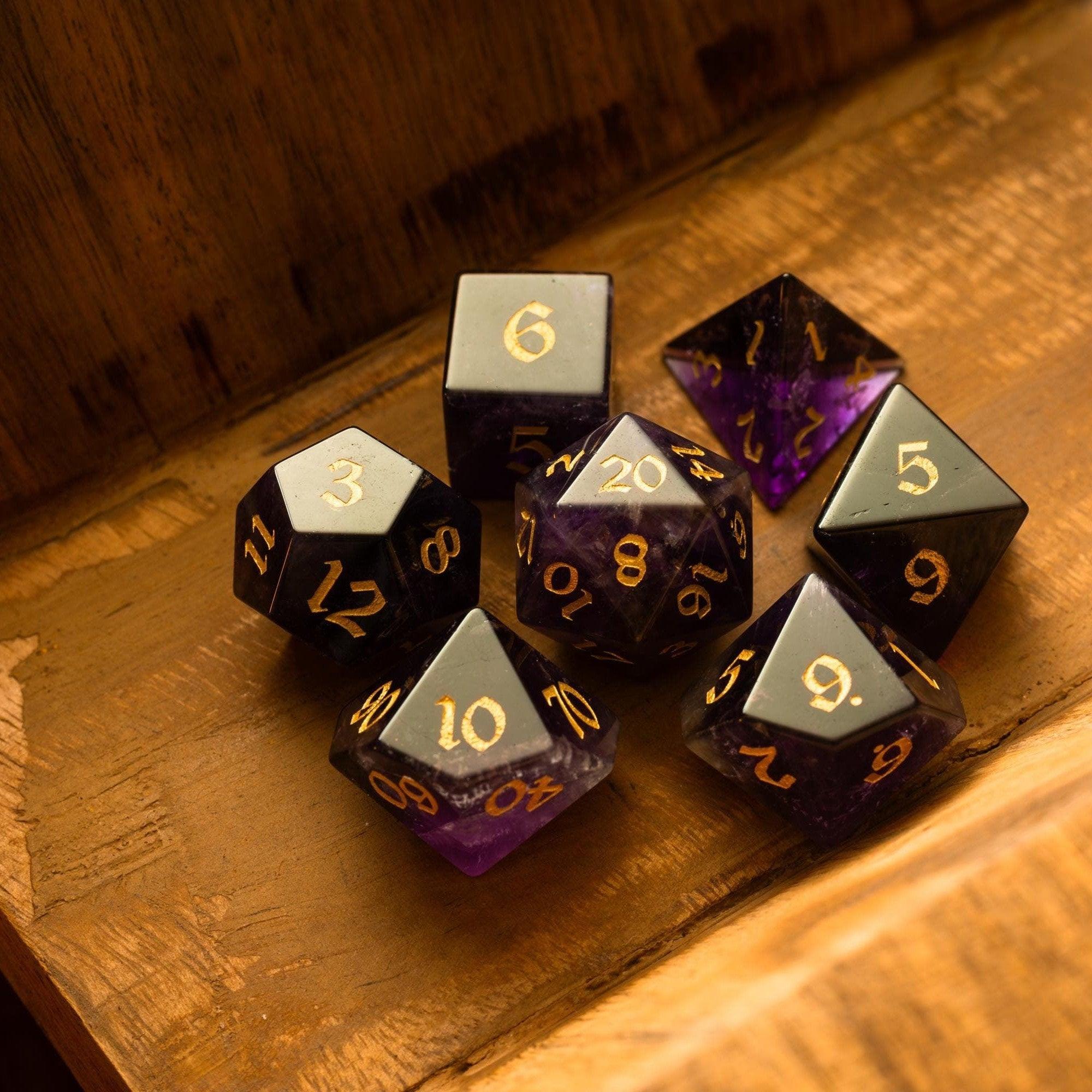
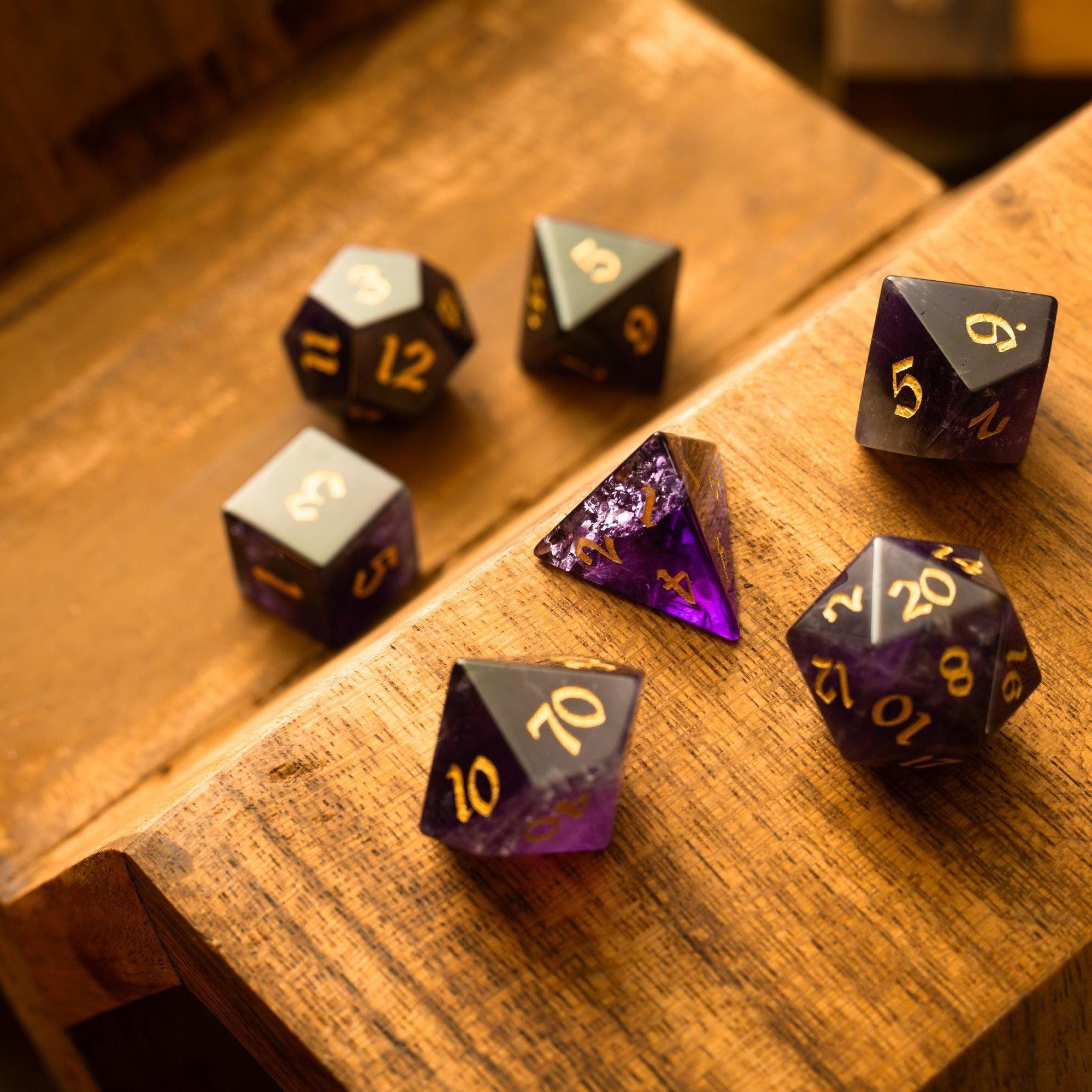
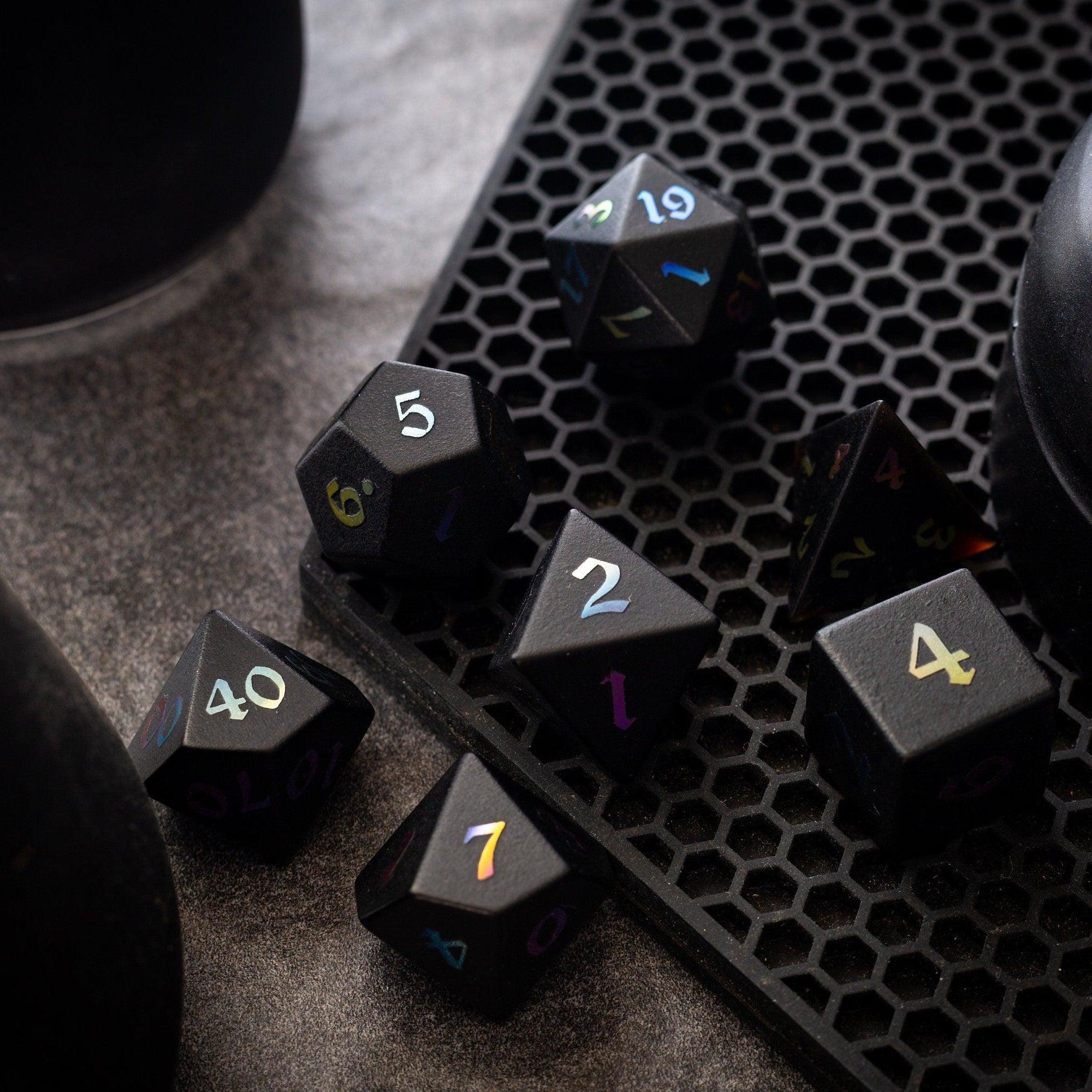
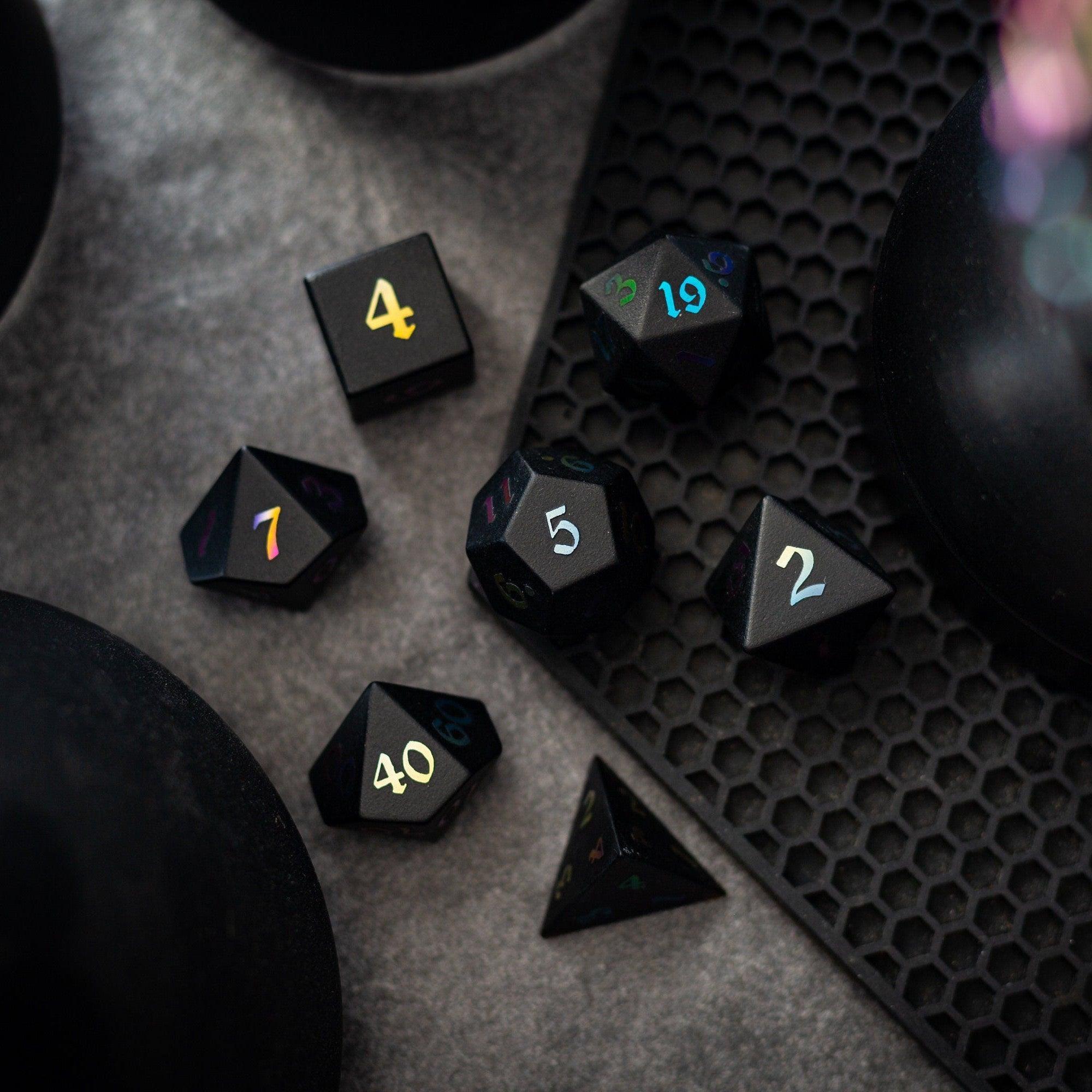
Gear can also support pacing. A tactile roll can heighten tension and mark scene transitions. If you want a standout set for milestone moments, explore the gemstone dice. For dramatic crits and boss fights, a liquid core set adds a striking table presence. And when the night runs long, a simple dice tower keeps rolls fair and fast. If you love matching your set to the arc’s theme, the labradorite dice and box pair beauty with durability.

How-To Steps
- Choose the right book for your players. Read the back cover, skim the contents, and check the level range. Match it to your group’s taste and time budget. If your table thrives on investigation, pick a mystery-forward story. If they want big battles, choose a book with clear encounter maps and enemy variety.
- Skim like a GM, not a completist. Read the introduction and first chapter fully. Then skim each later chapter’s opening page, boxed text, and major NPCs. Highlight only what will appear in the next two sessions. This keeps prep tight and helps you find what you need fast at the table.
- Build a session zero blueprint. Clarify tone, safety tools, and character ties. Create three “hooks” each player can grab: a personal stake (why they care), a social tie (who they know), and a goal (what they want). Write these on a single page. When players hesitate, point back to those hooks to nudge the story forward.
- Prep scenes, not pages. For each session, outline 4–6 beats: a strong opener, two choices, a reveal, a challenge, and a closing image. Under each beat, jot one obstacle, one clue, and one colorful detail. If a beat gets skipped, move its clue to the next scene so the story doesn’t stall.
- Customize encounters with quick dials. Scale enemies up or down by adjusting hit points, adding a minion, or granting a once-per-fight ability. Swap damage types to match the environment—icy winds in a mountain pass, crackling energy in a wizard’s lab. This keeps fights dynamic without rewriting stat blocks.
- Use clocks and trackers to stay on course. Draw a simple progress tracker for villain schemes, environmental hazards, or chase scenes. When players make noise or lose time, tick the clock. Visible progress adds tension and helps you pace success and setbacks without hard rails.
- Spotlight each character every session. Give every player a moment to shine: a check tied to their background, a clue only they can read, or an NPC who respects their skill. Use initiative-like rotation during social scenes to keep airtime fair and energy high.
- End on purpose, start strong. Close each session on a choice, a reveal, or a problem that demands action next time. Then prep a one-paragraph cold open—an image or danger that kicks off the next session fast. You’ll spend less time reorienting and more time playing.
- Keep a living table of truths. After each session, write down three facts that are now true about your world: a faction’s new goal, a location’s changed state, or a character’s new ally. This makes callbacks easy and gives players the satisfaction of changing the world.
- Prep with templates, not scripts. Reuse simple templates: scene beats, NPC notes (role, desire, secret), treasure lists, and travel events. Each template should fit on a sticky note or one-half page. The lighter your prep, the more flexible you are when players zig where the book zagged.
Quick wins that save time:
- Use consistent DCs or difficulty bands to speed rulings.
- Give each location one sensory detail players remember.
- Roll once for background noise—weather, crowd mood, or ambient magic—and let it color multiple scenes.
- Track resource pressure (time, light, or exhaustion) to make choices matter even outside combat.
With these tools, adventure modules and campaigns feel like a springboard, not a script. You’ll spend less time reading and more time playing, which is what your table really wants.
FAQ
What’s the difference between a module and a campaign?
A module usually covers a self-contained storyline—think a dungeon, a town mystery, or a short arc meant for a handful of sessions. A campaign strings multiple arcs together into a longer journey with evolving stakes. You can run a campaign by linking three or more small modules and weaving the same NPCs or villains through each arc.
How do I scale encounters for different party sizes?
Use three quick dials: add or remove one enemy, adjust enemy hit points by small chunks, and give the environment a feature that influences both sides (cover, hazards, or elevation). For short-handed groups, reduce enemy damage or add a helpful terrain boon. For larger tables, introduce a minion wave or a timed objective so the fight doesn’t drag.
Do I need maps, minis, or fancy props to run published content?
No. Clear descriptions and consistent rulings carry the night. That said, tactile tools can boost focus and fun. A distinctive dice set for boss fights or climactic scenes can become a ritual moment at your table, and a steady rolling surface keeps the game moving.


Leave a comment
This site is protected by hCaptcha and the hCaptcha Privacy Policy and Terms of Service apply.