
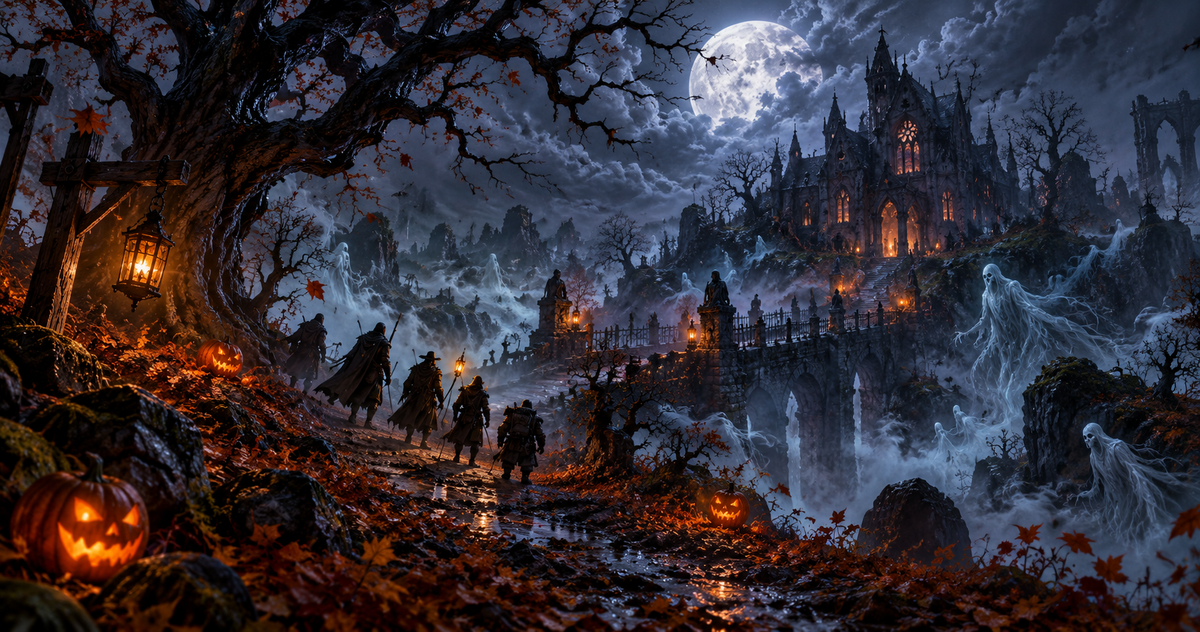
How to Run a Scary D&D One-Shot This Halloween
Halloween is the perfect time to turn an ordinary Dungeons & Dragons session into a frightening adventure filled with mystery, supernatural threats, and unsettling discoveries. A creaking door, an abandoned mansion, or a mysterious figure standing in the fog can make even experienced adventurers hesitate.
But learning how to run a scary DnD one shot involves more than introducing dangerous monsters. Effective tabletop horror comes from suspense, uncertainty, atmospheric storytelling, and meaningful player choices.
A carefully planned Halloween DnD one shot can create memorable moments of fear and excitement within a single evening. The key is knowing when to build tension, when to reveal danger, and when to give players control over their fate.
Choose the Right Horror Theme for Your Group
Before preparing your scary DnD one shot, decide what kind of horror your players will enjoy.
Different horror styles create different experiences:
-
Gothic Horror: Haunted castles, vampires, ancient curses, and tragic family histories.
-
Supernatural Horror: Restless ghosts, possessed objects, and unexplained magical events.
-
Psychological Horror: Disturbing visions, unreliable witnesses, and mysteries that challenge expectations.
-
Survival Horror: Dangerous environments, limited supplies, and difficult decisions.
-
Monster Horror: Unseen predators, mysterious disappearances, and frightening discoveries.
Choose one primary theme to keep the adventure focused.
Before the session, discuss boundaries with your players. Simple safety tools, including lines and veils or an agreed signal to pause, help everyone enjoy the experience without encountering unwanted themes.
Build a Simple but Frightening One-Shot Story
A successful DnD horror one shot needs a straightforward mystery that players can investigate and resolve within one session.
Build your adventure around six elements:
-
Opening Hook: Something strange draws the characters into danger.
-
Mysterious Location: An unsettling place contains clues.
-
Central Threat: A supernatural force causes the disturbances.
-
Meaningful Discoveries: Each clue reveals more about the mystery.
-
Escalating Danger: The situation becomes increasingly threatening.
-
Final Revelation: Players confront the truth and determine the ending.
Example: The Bells of Hollowmere
The adventurers arrive in a village where church bells ring every midnight, despite the bell tower having collapsed decades ago.
Villagers disappear whenever the bells sound.
Investigation leads to an abandoned manor containing a cursed mirror. Eventually, the characters discover that a restless spirit has been ringing the bells to warn villagers about the mirror's influence.
The adventure ends when players decide whether to destroy the mirror, free its imprisoned victims, or negotiate with the spirit.
This structure gives the Dungeon Master a clear direction while allowing multiple possible outcomes.
Use Suspense Instead of Constant Jump Scares
One of the most effective DnD horror tips is to suggest danger before revealing it.
Players become nervous when they know something is wrong but cannot identify the threat.
Build suspense using:
-
Footsteps in supposedly empty rooms
-
Shadows moving against the light
-
Familiar objects appearing in strange places
-
NPCs refusing to answer simple questions
-
Messages written by unknown hands
-
Sudden silence in previously noisy locations
For example, players exploring an abandoned house hear footsteps upstairs.
When they investigate, the room is empty.
Minutes later, muddy footprints appear behind them.
Only after several discoveries should the Dungeon Master reveal what created the footsteps.
Create a Scary Atmosphere Through Descriptions
Understanding how to run horror DnD means learning to describe frightening environments without overwhelming players.
Focus on a few memorable sensory details.
Use the Five Senses
Consider describing:
-
Sound: Scratching behind walls or distant whispers.
-
Sight: Flickering candles and unnatural shadows.
-
Touch: Cold stone floors or sudden temperature changes.
-
Smell: Damp wood, extinguished candles, or decaying leaves.
-
Unusual Details: A portrait whose subject changes position.
Instead of describing an entire haunted corridor, focus on three details:
The hallway smells of wet earth. Every candle burns with a blue flame. At the far end, a closed door begins knocking from the inside.
Then ask the players what they do.
Short descriptions followed by meaningful decisions are often more effective than lengthy narration.
Choose Monsters That Support the Horror
The best horror DnD encounters feature creatures that reinforce the adventure's central mystery.
Useful choices include:
-
Ghosts: Excellent for unfinished business, hauntings, and tragic revelations.
-
Shadows: Suitable for darkness-themed encounters and threatening locations.
-
Hags: Effective villains for curses, bargains, and unsettling deception.
-
Scarecrows: Appropriate for haunted farms and abandoned villages.
-
Ghouls: Useful for dangerous crypts and undead-infested ruins.
-
Wraiths: Threatening supernatural enemies for appropriately prepared parties.
-
Vampires: Strong choices for gothic mysteries and powerful recurring villains.
A monster becomes more frightening when players discover evidence of its presence before meeting it.
For example, a scarecrow might appear closer to the village each night without anyone witnessing its movement.
Not every monster needs to attack. Some can negotiate, mislead, threaten, or guard important secrets.
When preparing combat, consult the current D&D encounter-building guidance and official monster stat blocks. Consider party level, size, remaining resources, and creature abilities rather than relying on appearance alone.
Halloween Horror One-Shot Planning Table
A spooky DnD session benefits from a clear schedule, particularly when the adventure must finish in one evening.
Here is a sample pacing guide for a 3.5-hour session.
|
Adventure Stage |
Suggested Time |
Main Objective |
Horror Technique |
DM Preparation |
|
Opening Mystery |
0:00–0:20 |
Introduce the supernatural problem |
Strange sounds and warnings |
Opening scene |
|
Initial Investigation |
0:20–1:00 |
Discover important clues |
Unsettling locations |
Three useful clues |
|
Escalating Events |
1:00–1:40 |
Increase the danger |
Shadows and disappearances |
Two threatening scenes |
|
Major Discovery |
1:40–2:10 |
Reveal the central mystery |
Disturbing revelation |
Hidden truth |
|
Final Confrontation |
2:10–3:10 |
Resolve the supernatural threat |
Urgency and difficult choices |
Flexible encounter |
|
Resolution |
3:10–3:30 |
Show consequences |
Lingering mystery |
Possible endings |
These times are flexible. Investigation, roleplaying, and combat may take longer depending on player decisions.
For a four-hour session, reserve additional time for exploration or unexpected creative solutions.
Use Puzzles and Mysteries to Build Fear
A scary DnD adventure becomes more engaging when players must investigate strange events rather than simply survive attacks.
Useful mystery elements include:
-
Hidden messages inside damaged books
-
Haunted objects connected to former residents
-
Strange symbols appearing throughout a building
-
Secret passages behind forgotten walls
-
NPCs who know more than they admit
-
Environmental puzzles involving mirrors, candles, or bells
Example: The Haunted Portrait
Inside a mansion, players discover portraits showing previous owners.
One painting changes whenever the characters leave the room.
Careful investigation reveals that each altered portrait points toward a hidden chamber.
Give players several ways to recognize the clue. Essential information should never depend on passing one ability check.
Puzzles should develop the central mystery rather than delay the adventure unnecessarily.
Make Player Choices Matter
Horror becomes more effective when characters must make meaningful decisions under pressure.
Present situations with understandable risks.
For example:
-
Investigate a strange sound or continue toward safety.
-
Trust a mysterious stranger or search for another route.
-
Rescue a missing villager or prevent a supernatural ritual.
-
Spend valuable resources to uncover additional information.
-
Negotiate with a spirit or prepare for confrontation.
Avoid forcing characters into unavoidable capture or scripted failure.
Instead, allow decisions to change future events.
A character who rescues an endangered villager might gain an ally. Someone who ignores a warning might face a more dangerous route later.
Consequences make choices important without removing player agency.
Control Pacing During a Scary D&D One-Shot
Constant danger eventually becomes predictable. Effective horror alternates moments of fear with brief periods of relief.
Use these techniques:
-
Begin with an immediate mystery.
-
Maintain one clear central objective.
-
Alternate investigation with threatening encounters.
-
Limit unnecessary combat.
-
Skip repetitive searches through empty rooms.
-
Provide multiple opportunities to discover essential clues.
-
Keep descriptions focused.
-
Reserve enough time for the final confrontation.
During quieter scenes, allow players to discuss their discoveries.
These moments help build anticipation before the next frightening event.
Use Lighting, Music, and Tabletop Props Carefully
Simple tabletop details can help establish the atmosphere of a Halloween DnD adventure.
Consider using:
-
Battery-operated candles for gothic lighting
-
Quiet ambient music and occasional silence
-
Haunted mansion maps
-
Mysterious handwritten letters
-
Miniatures representing supernatural creatures
-
Condition markers for tracking combat effects
-
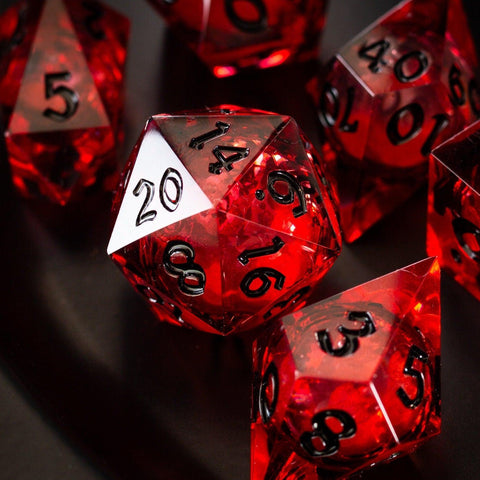
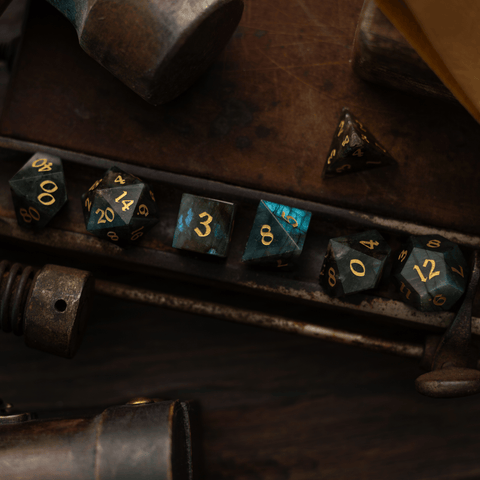
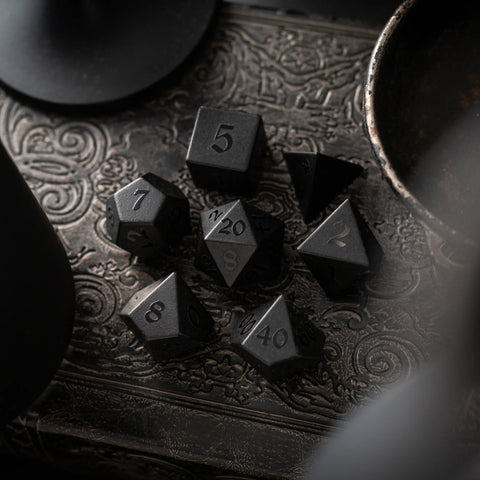
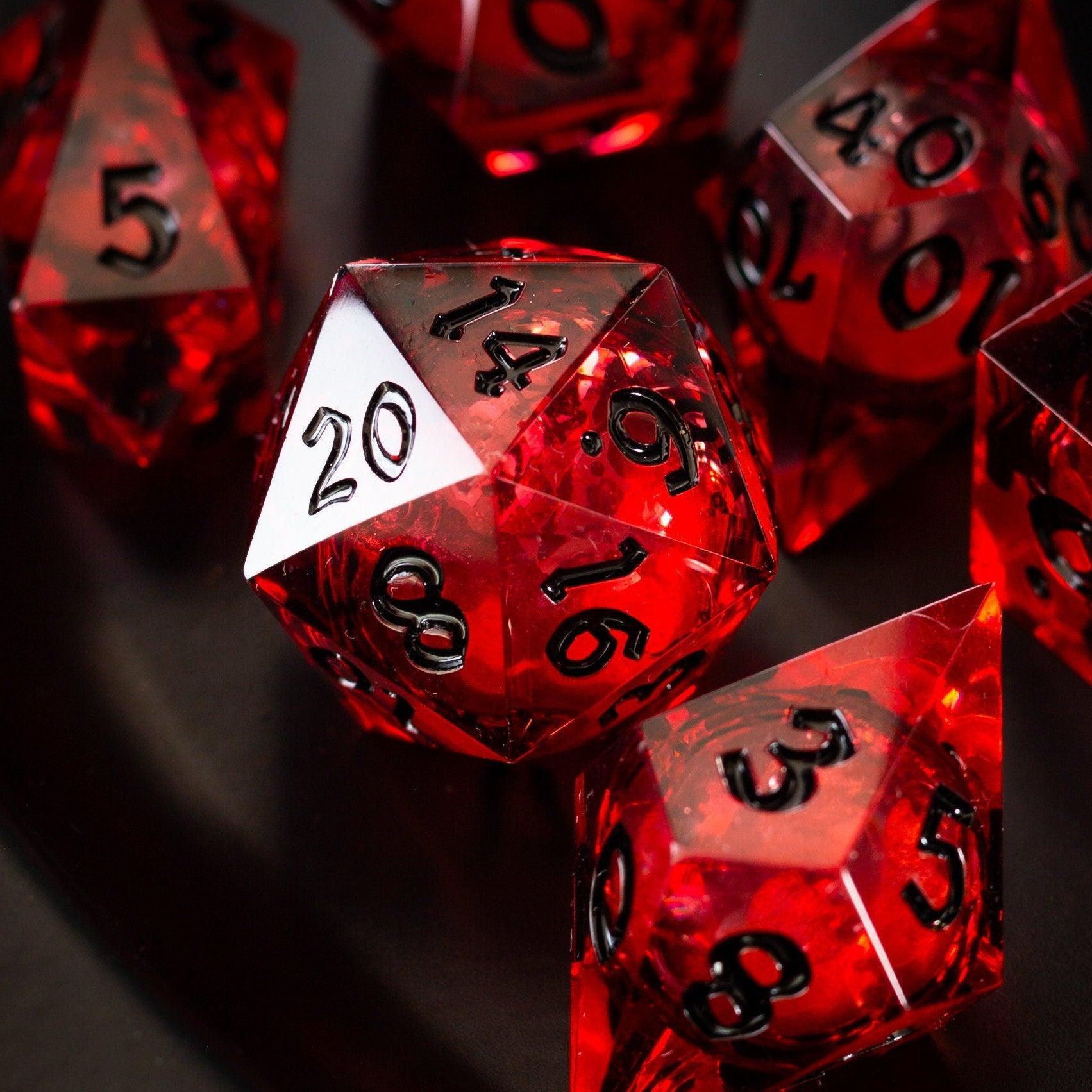
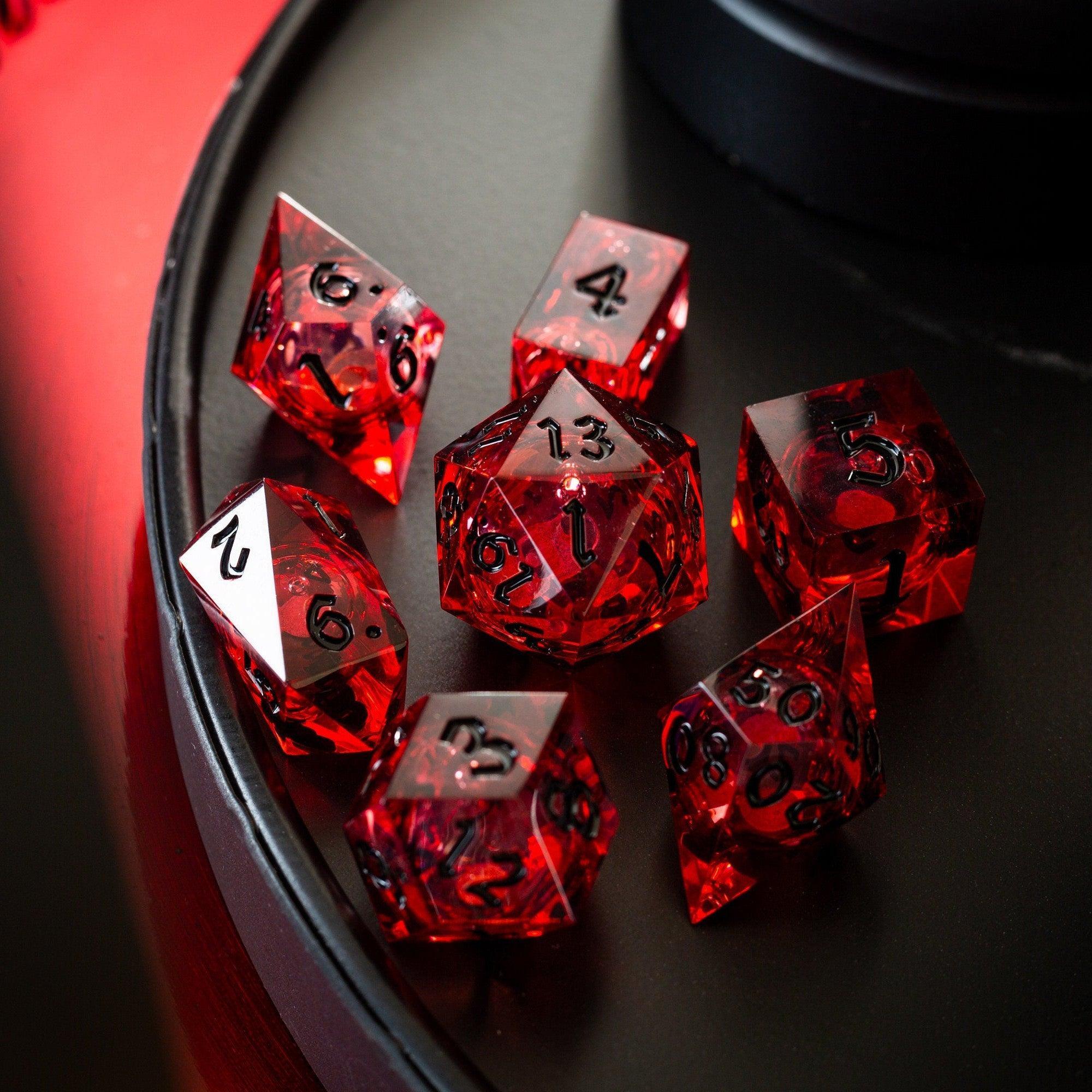
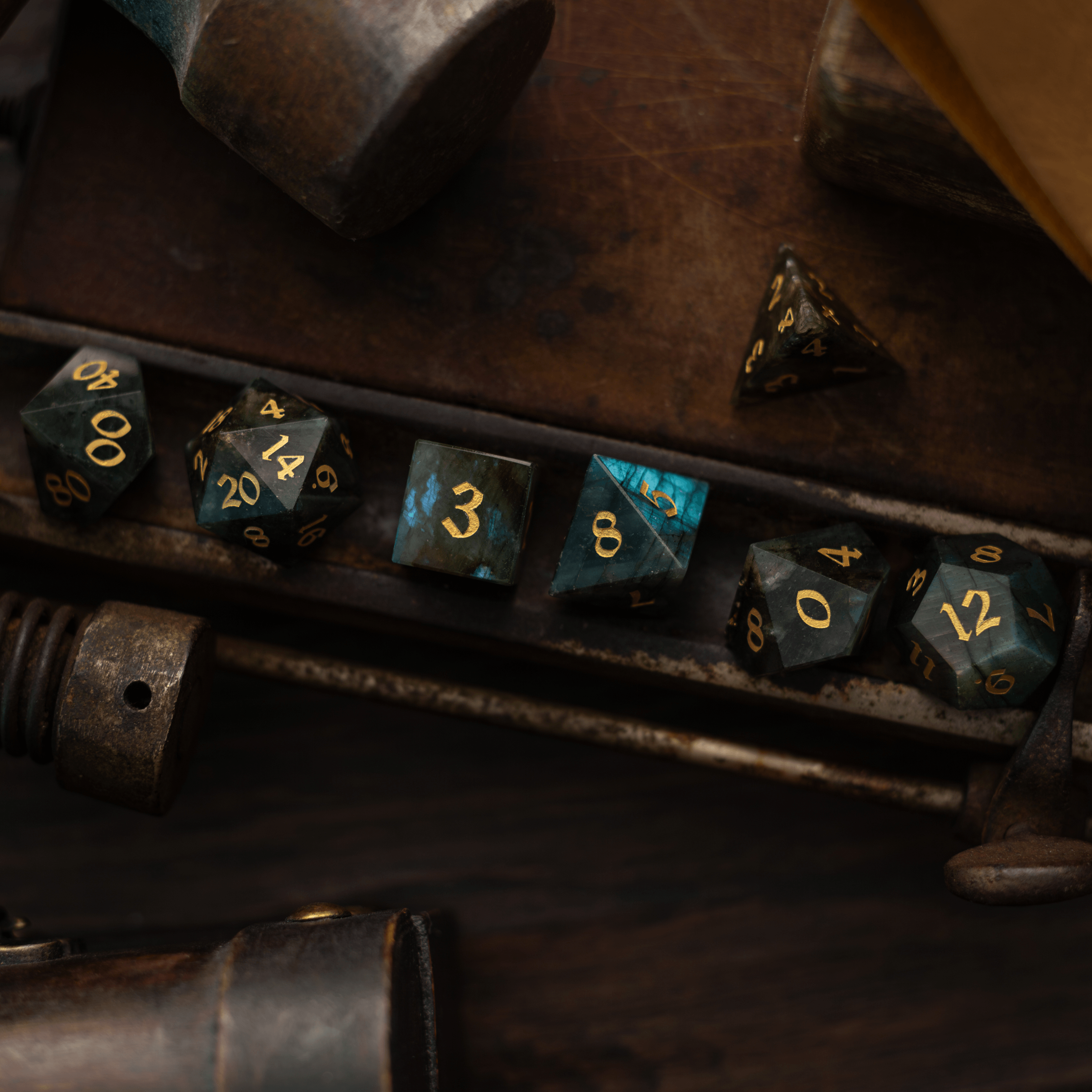
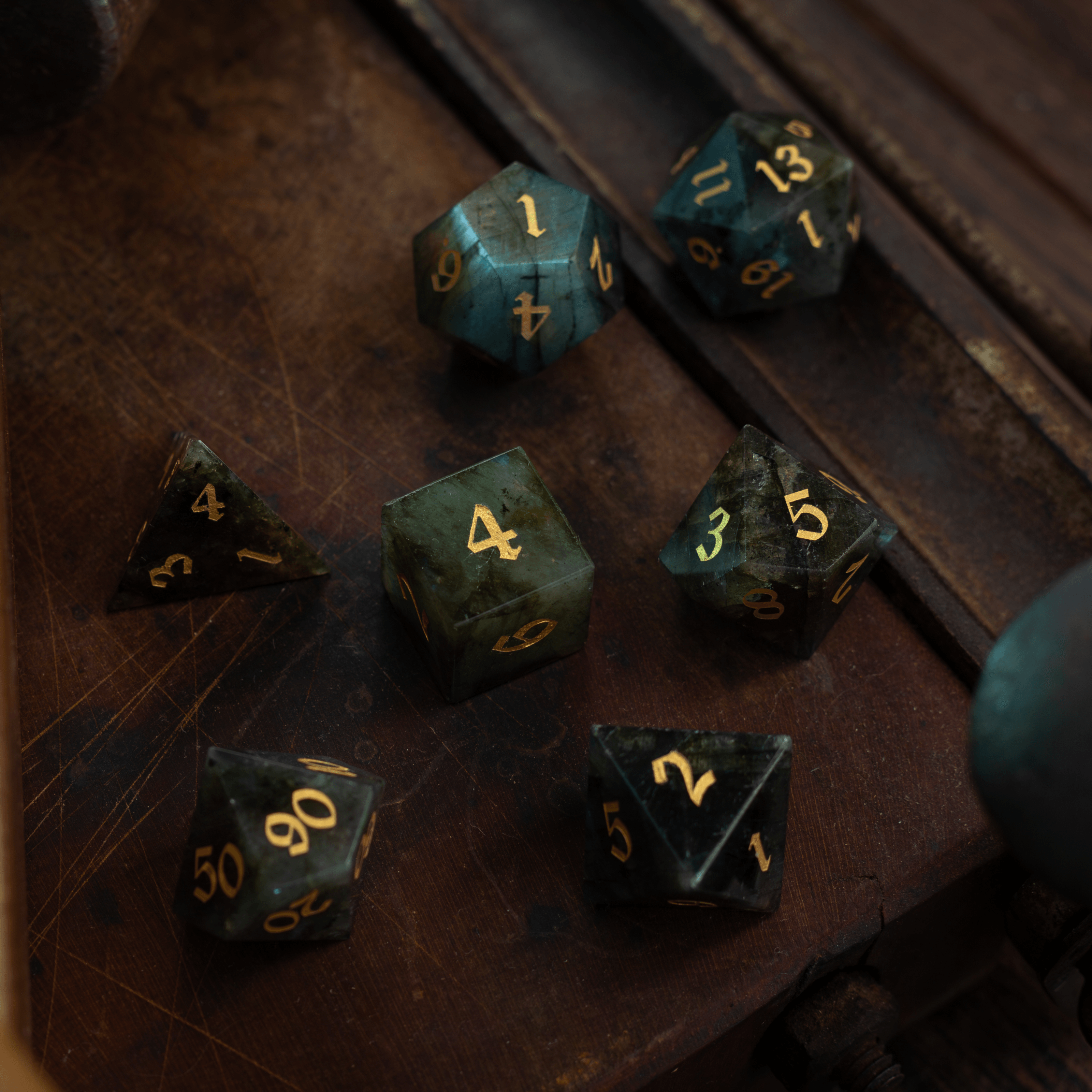
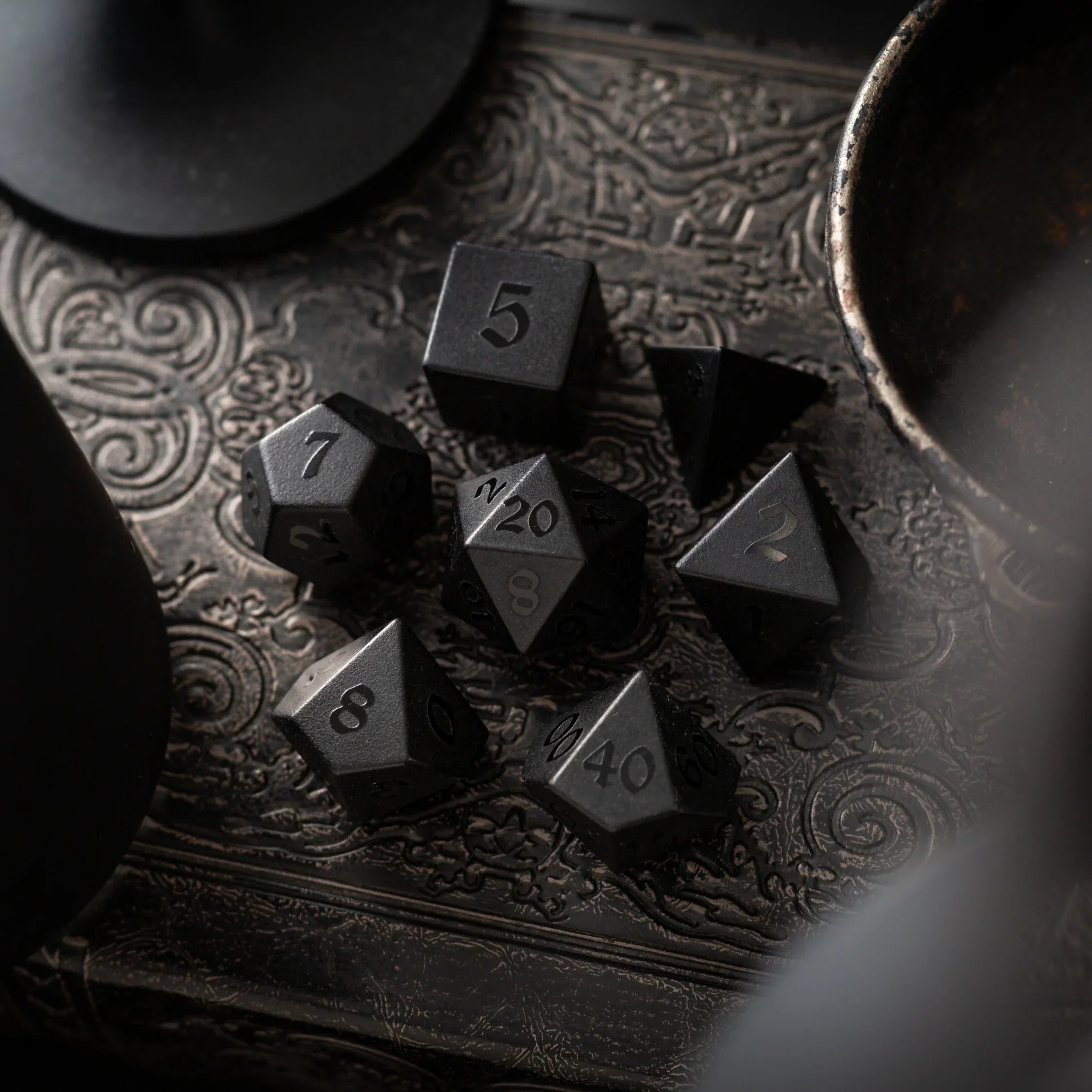
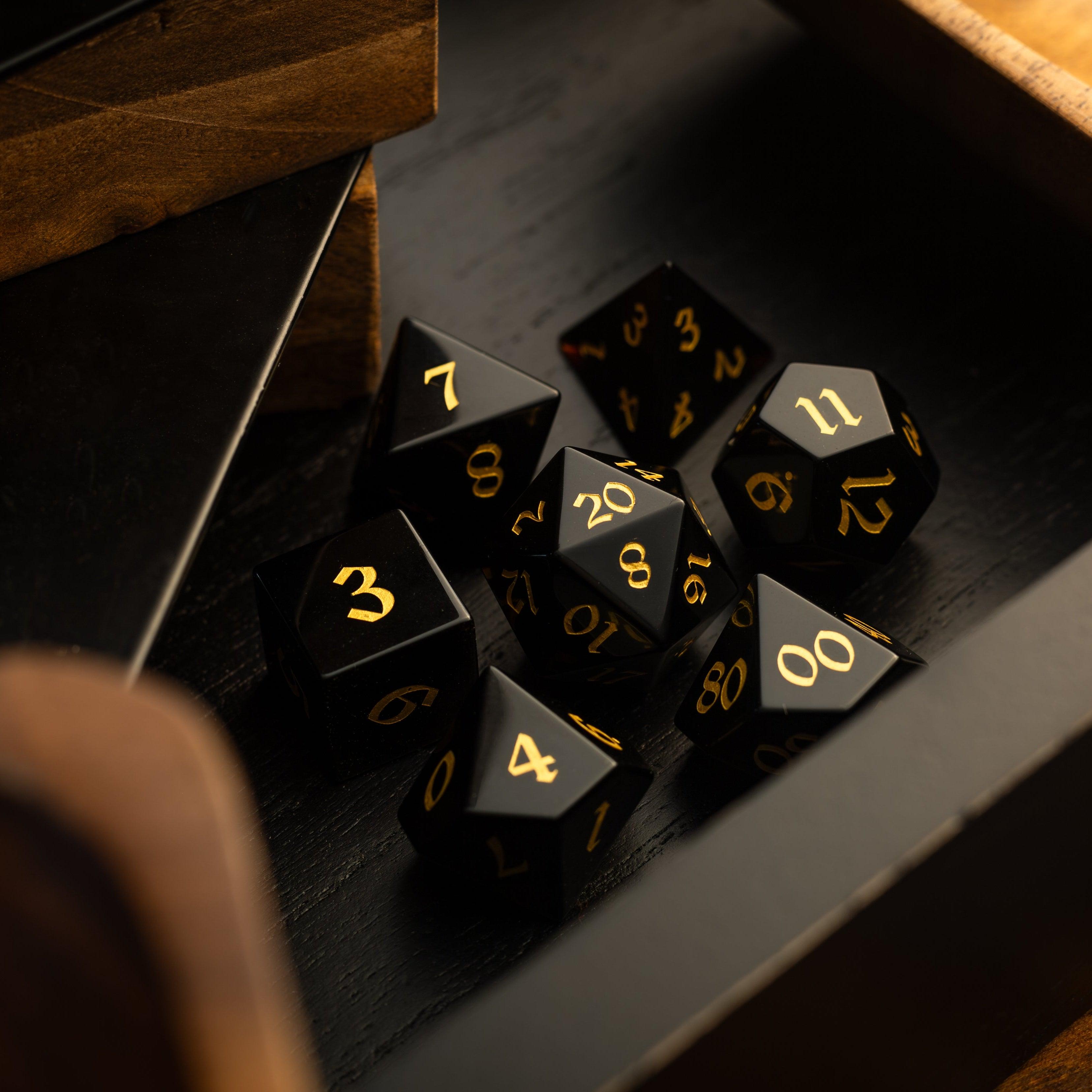
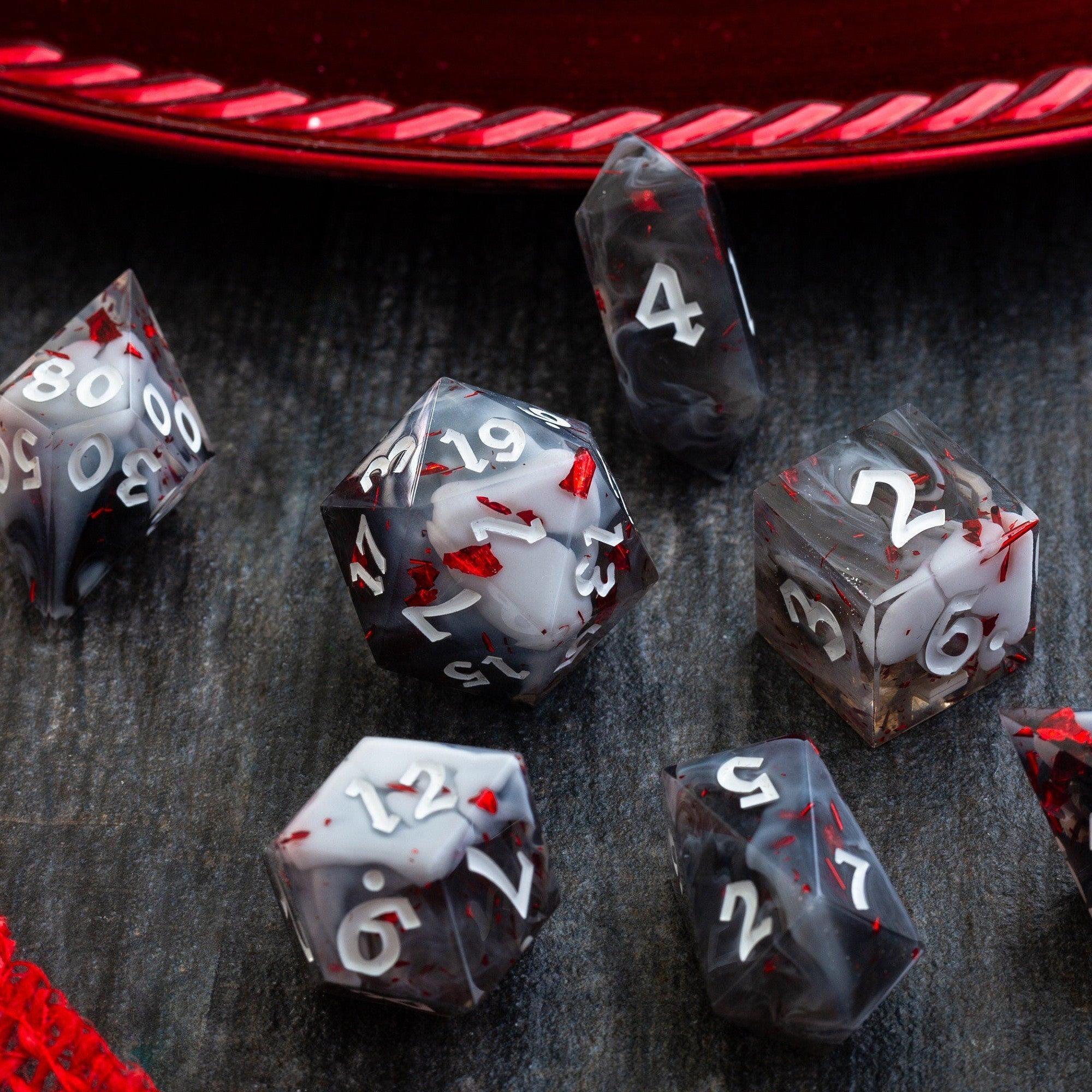
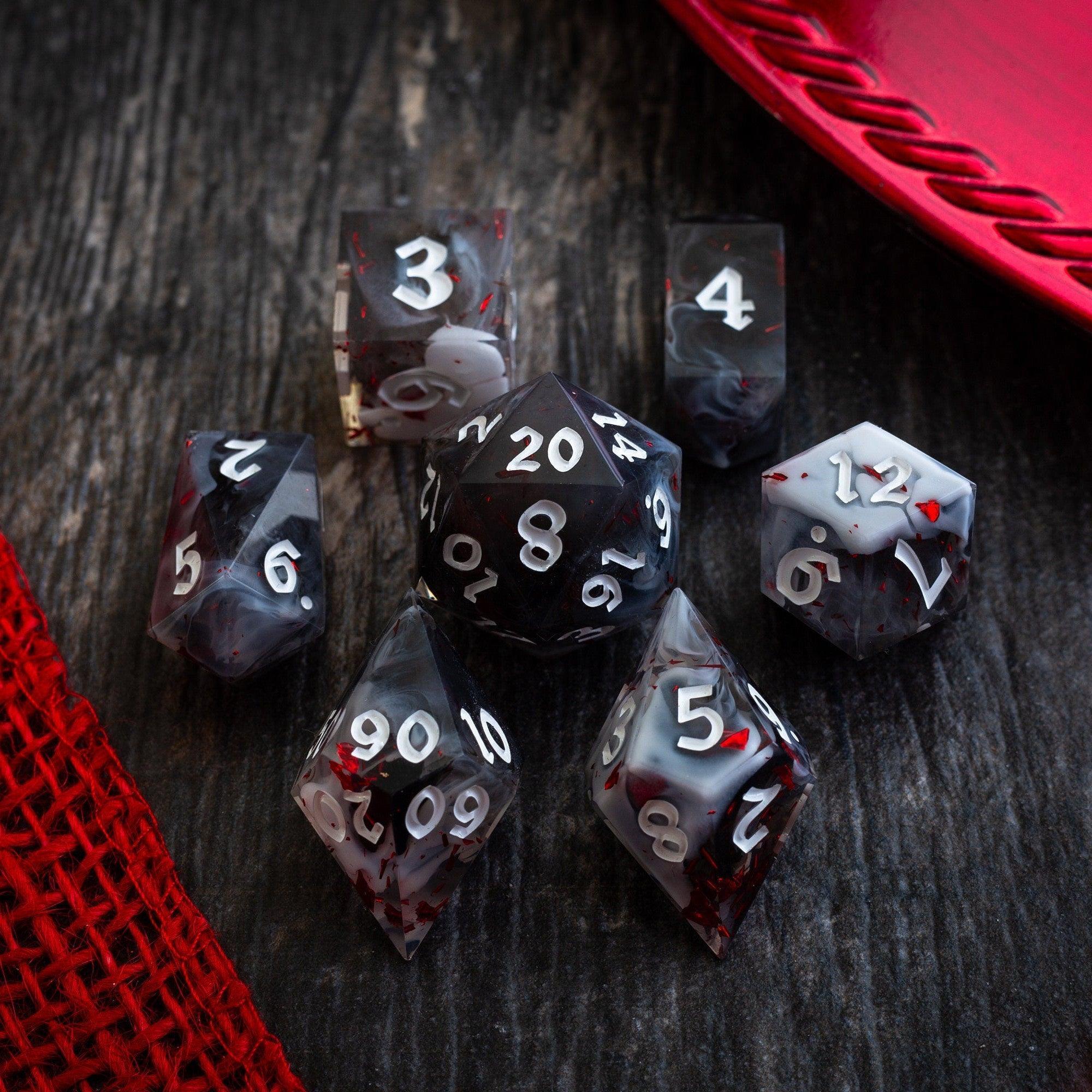
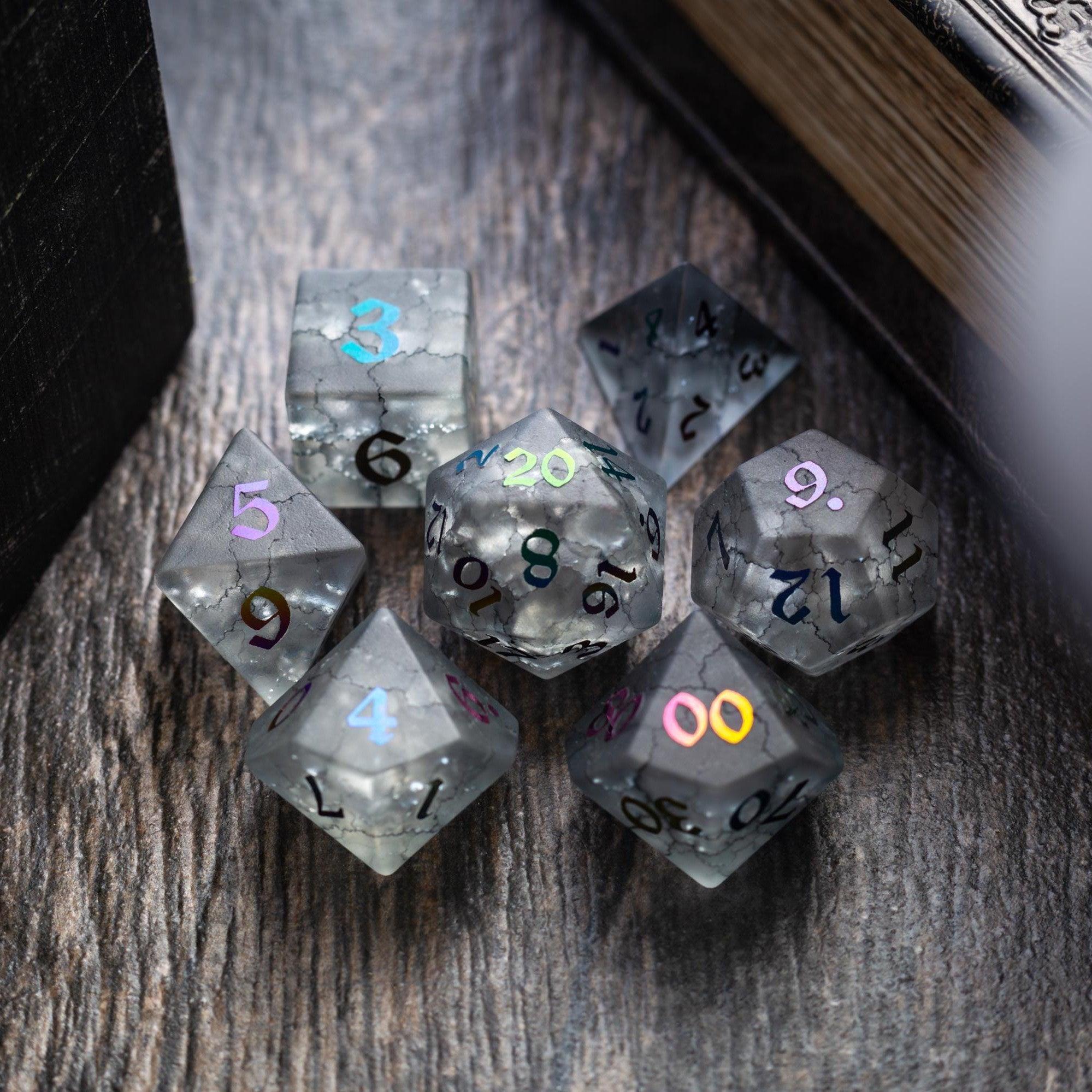
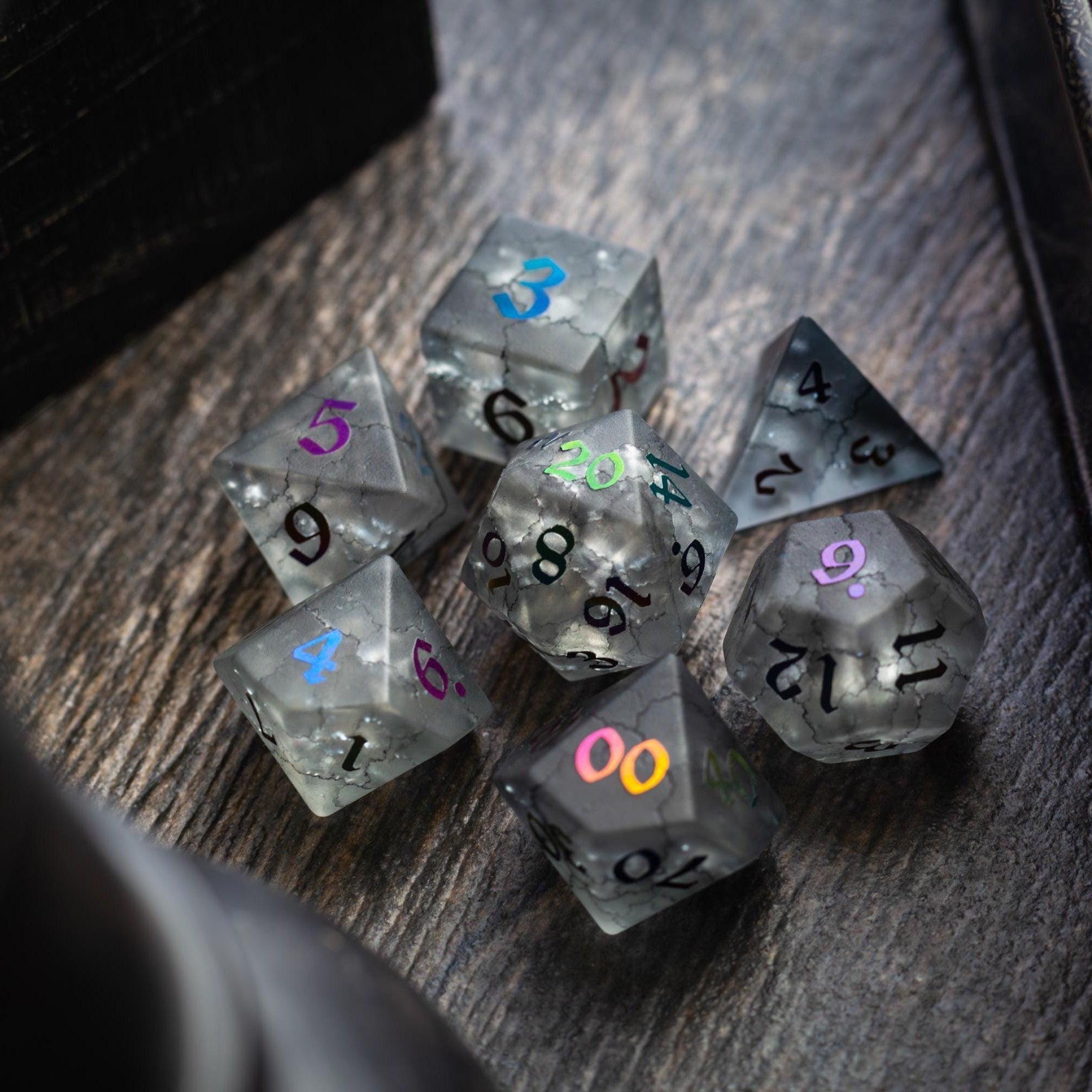
Themed dice and protective rolling trays
For mysterious magical encounters, the Black and Silver Glitter Liquid Core DND Dice Set from Runic Dice offers a fitting visual theme.
A Runic Dice handmade leather dice tray can also keep rolls contained during tense scenes while protecting the gaming surface.
Keep the table organized and lighting bright enough for everyone to read character sheets, maps, and dice results.
Common Mistakes When Running Horror D&D
Even experienced Dungeon Masters can accidentally weaken a frightening atmosphere.
Watch for these common mistakes:
-
Too many jump scares: Replace some sudden reveals with gradual suspense.
-
Too many monsters: Focus on a few memorable threats.
-
Constant deadly encounters: Give players opportunities to investigate, escape, and recover.
-
Excessive narration: Describe essential details and invite interaction.
-
Missing clues: Provide several ways to uncover important information.
-
Ignoring boundaries: Discuss comfort levels before introducing horror themes.
-
Lengthy combat: Prepare alternative resolutions and manageable encounters.
-
Forced outcomes: Allow player decisions to influence the story.
-
Unclear endings: Know what resolving the central mystery looks like.
The goal is not to defeat the players. It is to create an enjoyable and suspenseful shared story.
Prepare a Memorable Final Encounter
The climax should connect earlier discoveries to the central supernatural threat.
Consider revealing that the apparent villain was protecting something, that a trusted NPC concealed a dangerous secret, or that the characters must choose between two imperfect solutions.
In Hollowmere, the final encounter might involve the cursed mirror awakening while the warning bells begin ringing.
Players could destroy the object, interrupt its influence, or bargain with the guardian spirit.
Each approach should carry understandable consequences.
Use combat if it fits the situation, but remember that escaping danger, breaking a curse, or uncovering the truth can be equally satisfying.
End with one memorable image: the bells finally falling silent, a restored village awakening at sunrise, or a broken mirror reflecting someone who is no longer there.
Let the Last Candle Burn
The secret to a memorable Halloween DnD one shot is not how many monsters appear or how dangerous the final battle becomes.
It is the anticipation before opening a forbidden door, the uneasy silence after discovering a strange clue, and the decisions players make when the truth finally emerges.
By combining atmospheric descriptions, carefully chosen encounters, meaningful choices, and thoughtful pacing, Dungeon Masters can create a frightening adventure that remains enjoyable for everyone.
And when the final candle goes out, the best reward is hearing players discuss the mysteries, decisions, and unsettling moments they will remember long after Halloween.







Leave a comment
This site is protected by hCaptcha and the hCaptcha Privacy Policy and Terms of Service apply.