
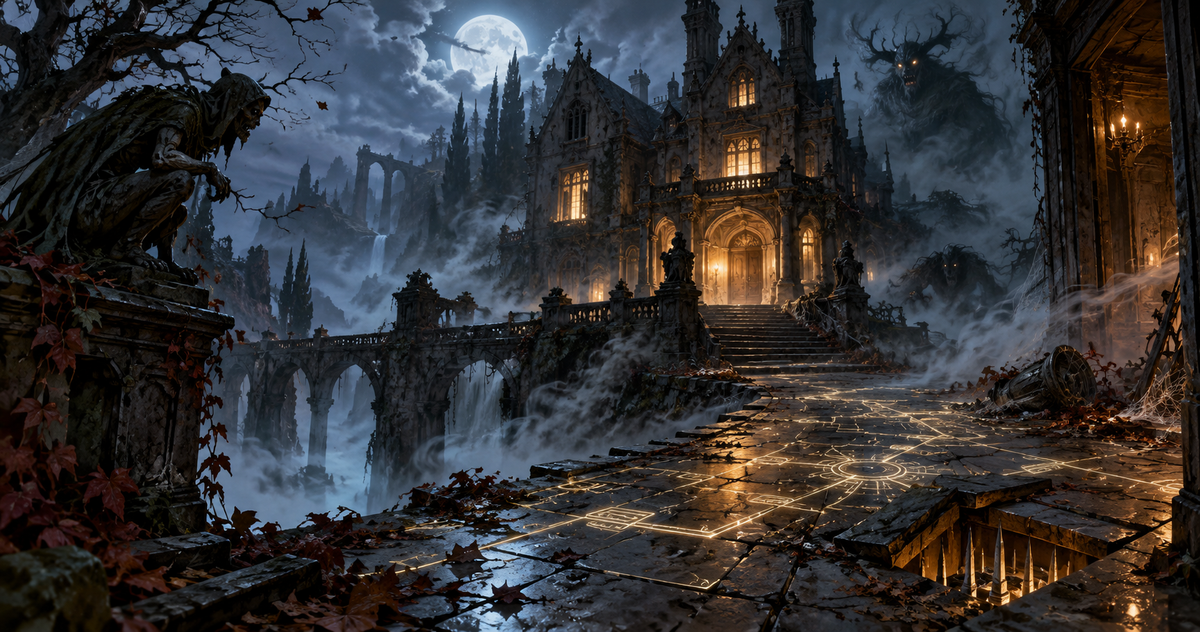
Haunted House D&D One-Shot Ideas: Maps, Traps, and Monsters
A haunted mansion stands at the end of a forgotten road. Its windows glow despite being abandoned for decades. Somewhere inside, a grandfather clock strikes thirteen, and the front door slowly opens.
A haunted house D&D one-shot offers everything Dungeon Masters need for a memorable Halloween adventure: mysterious rooms, supernatural creatures, dangerous traps, and secrets waiting to be discovered.
Unlike larger campaigns, a haunted house D&D adventure takes place in one location. This makes preparation easier while giving players opportunities for exploration, roleplaying, puzzles, and combat.
The secret is creating a mansion where every strange discovery connects to a larger mystery.
What Makes a Great Haunted House D&D One-Shot?
A successful Halloween D&D one-shot needs more than frightening monsters and dark hallways.
Every memorable haunted mansion should include:
-
A reason to enter: Missing villagers, a valuable inheritance, or a mysterious invitation.
-
A supernatural mystery: An unexplained disappearance, ancient curse, or trapped spirit.
-
A manageable map: Enough rooms to encourage exploration without wasting time.
-
Environmental clues: Diaries, damaged portraits, strange sounds, and forgotten belongings.
-
Interactive challenges: Traps and puzzles with multiple solutions.
-
Memorable threats: Creatures connected to the mansion's history.
-
Meaningful choices: Opportunities to investigate, negotiate, fight, or escape.
-
A satisfying ending: A revelation that explains the haunting.
Plan approximately 2–4 hours for your adventure, depending on group size, experience, and roleplaying pace.
Five Haunted House D&D One-Shot Ideas
These original haunted house D&D ideas provide different mysteries without requiring extensive campaign preparation.
1. The Mansion of Forgotten Guests
Premise: Adventurers receive invitations to a dinner party hosted by a noble family that disappeared centuries ago.
Mystery: Every guest is trapped in a repeating supernatural celebration.
Threat: Animated servants and restless spirits prevent anyone from leaving.
Ending: Players discover the host's broken promise and must resolve it or escape before midnight.
2. The House That Changes at Midnight
Premise: A mysterious mansion rearranges its rooms whenever an ancient clock strikes twelve.
Mystery: Someone deliberately trapped the house between moments in time.
Threat: Shifting corridors, animated objects, and supernatural guardians.
Ending: The party repairs the clock's magical mechanism or destroys its controlling artifact.
3. The Cursed Family Manor
Premise: A wealthy family vanished after discovering something beneath their ancestral home.
Mystery: A forbidden ritual imprisoned the family's spirits.
Threat: Undead guardians and a vengeful family member.
Ending: Players complete the interrupted ritual to release the spirits or confront the source of the curse.
4. The Ghost Collector's Estate
Premise: An eccentric collector stored supernatural entities inside enchanted antiques.
Mystery: Several imprisoned spirits have escaped.
Threat: Possessed objects, hostile apparitions, and dangerous magical artifacts.
Ending: Adventurers choose whether to free the spirits or restore their magical prisons.
5. The Abandoned Witch's House
Premise: Villagers report strange lights emerging from an empty woodland cottage.
Mystery: The witch disappeared before completing an important magical ritual.
Threat: Enchanted furniture, animated guardians, and unstable magic.
Ending: Players finish the ritual safely or dismantle the magical equipment before something dangerous escapes.
Designing a Haunted House D&D Map
A useful DND haunted house map should reward curiosity while remaining easy to navigate.
Start with a central entrance and connect rooms through recognizable hallways, staircases, and secret passages.
Simple Room-by-Room Haunted Mansion Layout
|
Room |
Purpose |
|
Entrance Hall |
Establish the atmosphere and introduce the first clue |
|
Dining Room |
Investigate the family's final gathering |
|
Library |
Discover diaries and hidden information |
|
Haunted Bedroom |
Encounter a restless spirit |
|
Secret Passage |
Reveal an alternate route downstairs |
|
Attic |
Find forgotten possessions |
|
Basement |
Investigate strange magical activity |
|
Hidden Crypt |
Discover the family's burial chamber |
|
Ritual Chamber |
Resolve the central mystery |
Example room connections:
-
Entrance Hall → Dining Room → Library
-
Entrance Hall → Staircase → Haunted Bedroom → Attic
-
Library → Secret Passage → Basement
-
Staircase → Basement
-
Basement → Hidden Crypt → Ritual Chamber
The secret passage provides a shortcut, while the main staircase offers an accessible alternative.
Avoid locking essential clues behind a single successful ability check. Characters should have multiple opportunities to discover important information.
Haunted House D&D Traps and Environmental Hazards
The best haunted house D&D traps create suspense without punishing players for exploring.
The following challenges are original homebrew ideas.
The Endless Hallway
A corridor stretches unnaturally, returning adventurers to its entrance.
Warning: Identical paintings appear repeatedly.
Solution: Following the direction of a portrait's moving eyes reveals the exit. Players might also investigate the illusion or find another route.
The Whispering Staircase
Wooden steps whisper names as characters climb.
Warning: One stair creaks before anyone touches it.
Solution: Listening reveals a safe sequence of steps. Moving carefully or finding another staircase also works.
The Cursed Mirror
An antique mirror displays disturbing reflections.
Warning: Reflections move independently.
Solution: Covering the mirror, turning it toward a different light source, or examining its frame reveals the hidden mechanism.
The Falling Chandelier
A damaged chandelier hangs above the entrance hall.
Warning: Its chain visibly strains whenever the mansion shakes.
Solution: Characters can avoid the area, secure the chain, or trigger the fall from a safe distance.
The Possessed Furniture
Tables and chairs suddenly move to block the dining room.
Warning: Furniture shifts whenever the lights flicker.
Solution: Players can escape through another doorway, calm the controlling spirit, or confront animated objects.
The Sealed Basement Door
A magical lock prevents entry into the basement.
Warning: Symbols match those found in the library.
Solution: Characters arrange the symbols using clues from a diary, investigate the locking mechanism, or discover the alternate staircase.
[Image: abandoned haunted mansion hallway filled with traps and supernatural shadows]
Give every trap clues, reasonable countermeasures, and consequences appropriate to the party's level.
Best Monsters for a Haunted House D&D One-Shot
Choosing suitable haunted house D&D monsters depends on party level, adventure tone, and the purpose of each encounter.
Official D&D monsters that work particularly well include:
-
Skeletons and Zombies: Simple undead threats for abandoned chambers and crypts.
-
Animated Armor: A decorative suit of armor that becomes a dangerous guardian.
-
Specters: Restless spirits that create tense encounters in bedrooms and hallways.
-
Shadows: Supernatural enemies suited to poorly lit spaces.
-
Ghouls: Undead threats guarding forgotten burial chambers.
-
Mimics: Creatures disguised as ordinary furniture or treasure.
-
Ghosts: Powerful supernatural figures that can become important story characters.
For example, a ghost might possess information needed to release the mansion's trapped residents rather than immediately attacking.
Under the revised D&D rules, a Ghost is Challenge Rating 4, while a Specter and Animated Armor are Challenge Rating 1. These ratings are useful starting points, not guarantees of encounter balance.
Use the current monster stat blocks rather than assuming older versions have identical abilities.
Haunted House Encounter Comparison Table
This comparison helps Dungeon Masters organize exploration, combat, and puzzle challenges.
|
Location |
Encounter or Challenge |
Type |
Suggested Party Level |
Preparation |
|
Entrance Hall |
Falling chandelier |
Trap |
1–3 |
Easy |
|
Dining Room |
Animated Armor |
Combat |
2–4 |
Easy |
|
Library |
Haunted diary puzzle |
Investigation |
1–5 |
Easy |
|
Haunted Bedroom |
Restless Specter |
Combat or story |
3–5 |
Moderate |
|
Basement |
Hidden Mimic |
Combat |
3–5 |
Moderate |
|
Ritual Chamber |
Ghostly family guardian |
Finale |
5+ |
Challenging |
These levels are approximate starting points, not tested encounter balances. Adjust creature numbers, hazards, and encounter objectives based on party size and resources.
The 2024 Dungeon Master's Guide uses Low, Moderate, and High combat encounter difficulty categories, with XP budgets determined by character level and party size.
Creating Suspense Through Haunted House Exploration
A frightening DND horror one-shot does not require constant combat.
Build suspense by revealing unusual details gradually.
-
Describe footsteps upstairs when everyone is downstairs.
-
Let candles extinguish as players enter a room.
-
Place contradictory messages inside old journals.
-
Introduce a friendly ghost who remembers events incorrectly.
-
Change familiar rooms after players leave them.
-
Alternate unsettling discoveries with quiet investigation.
A family portrait with one missing face might initially seem decorative. Later, the party discovers that every surviving record has erased the same person's name.
Small clues become more effective when they connect to the main mystery.
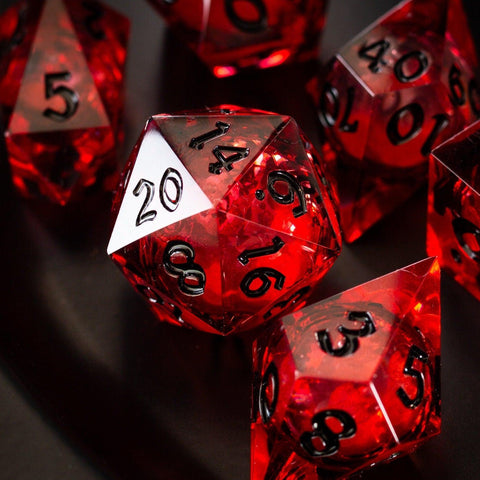
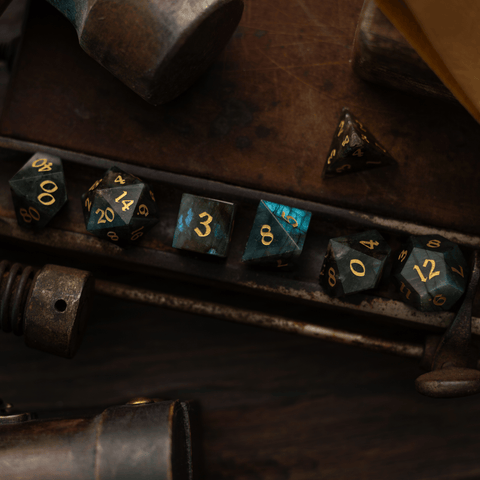
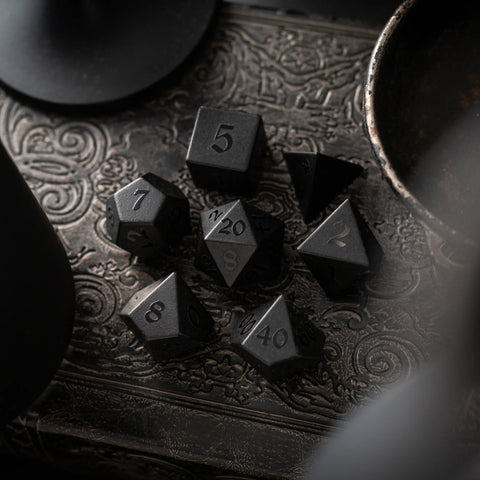
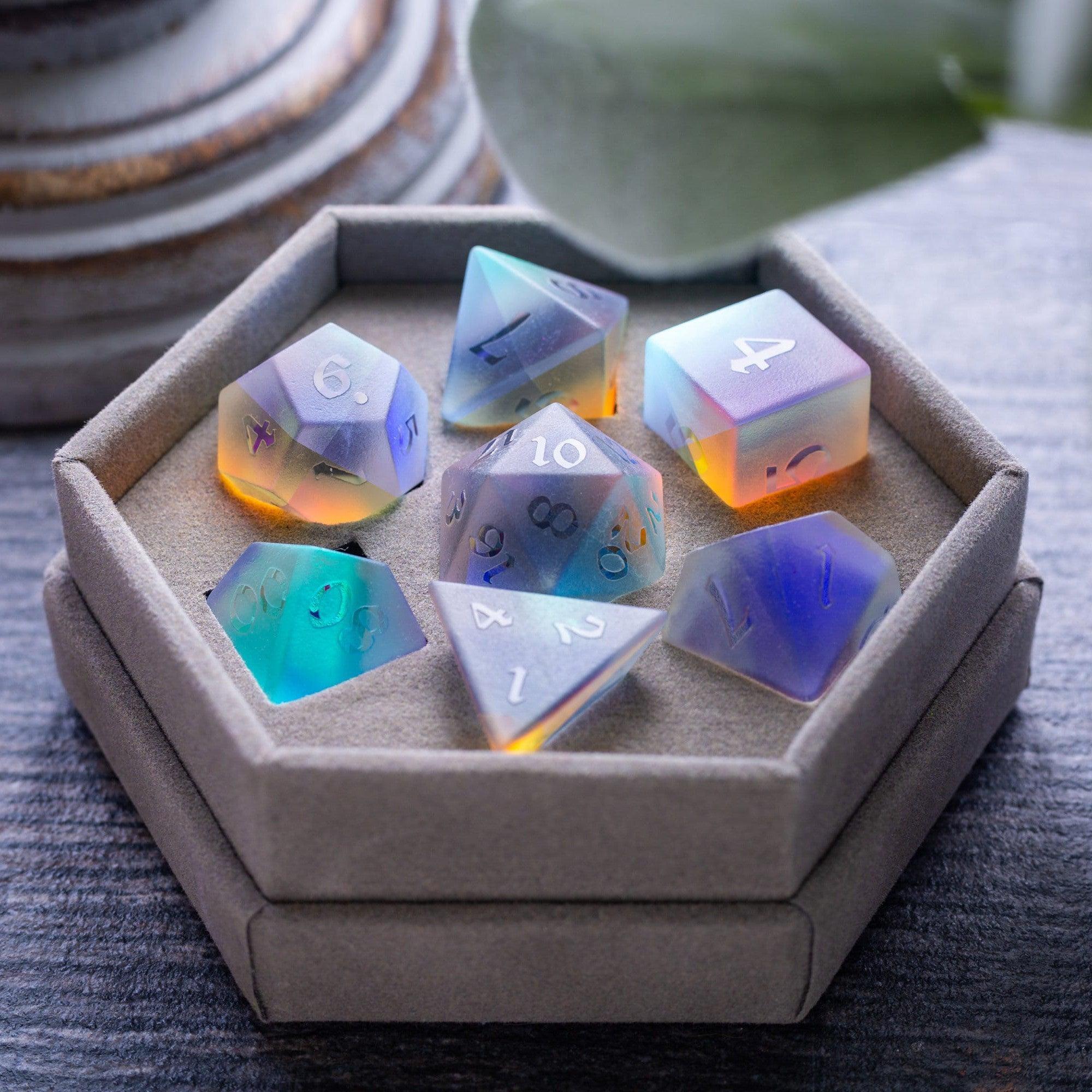
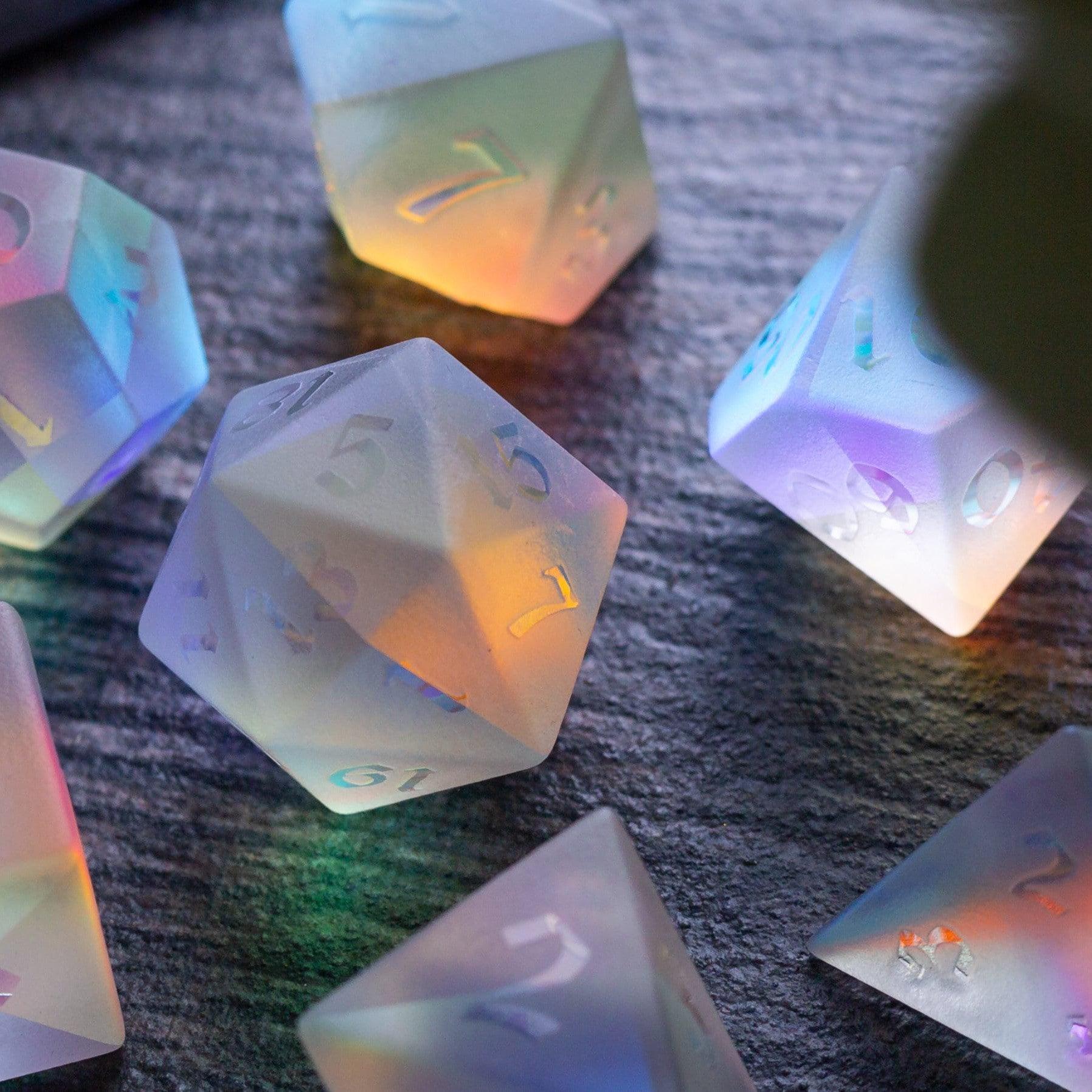
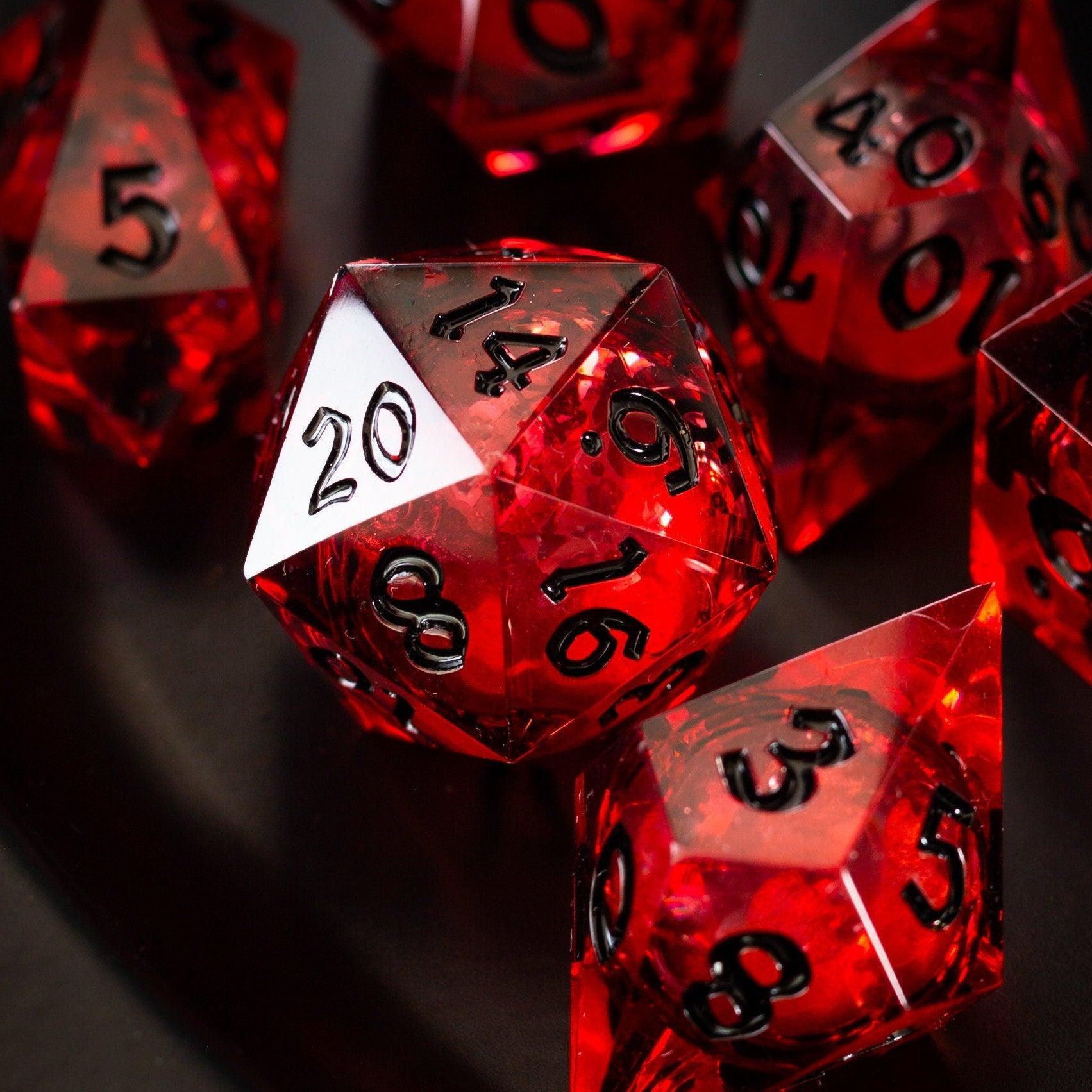
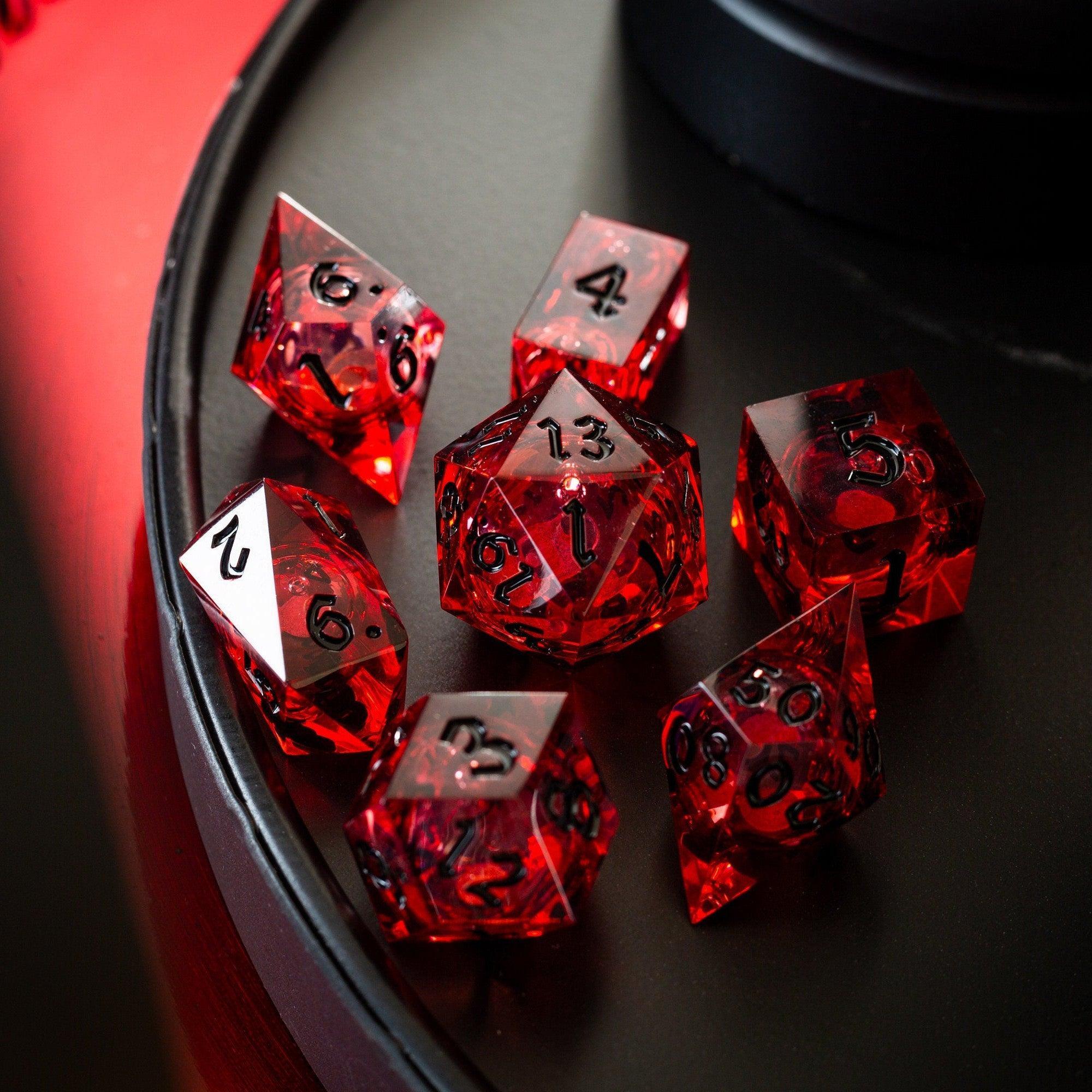
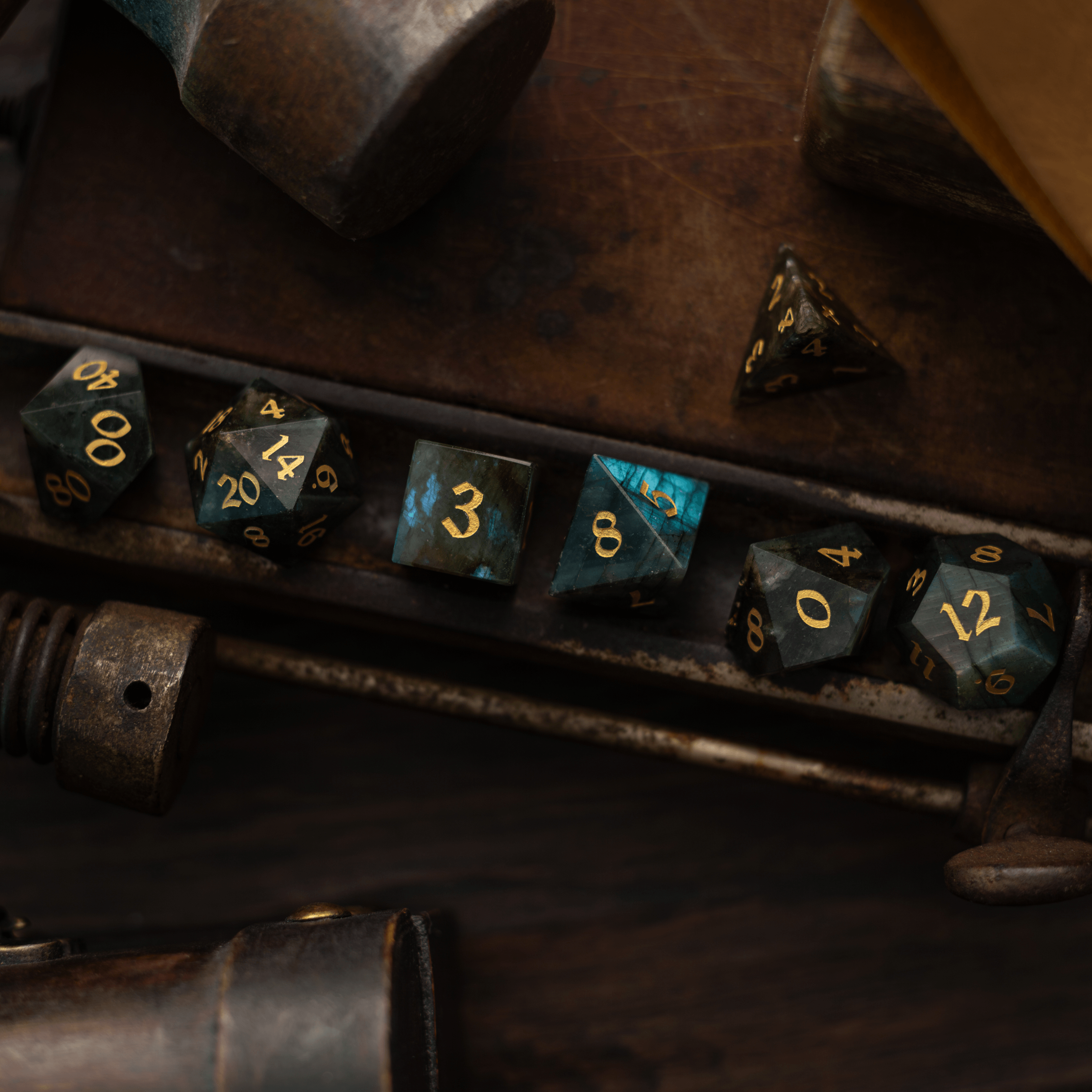
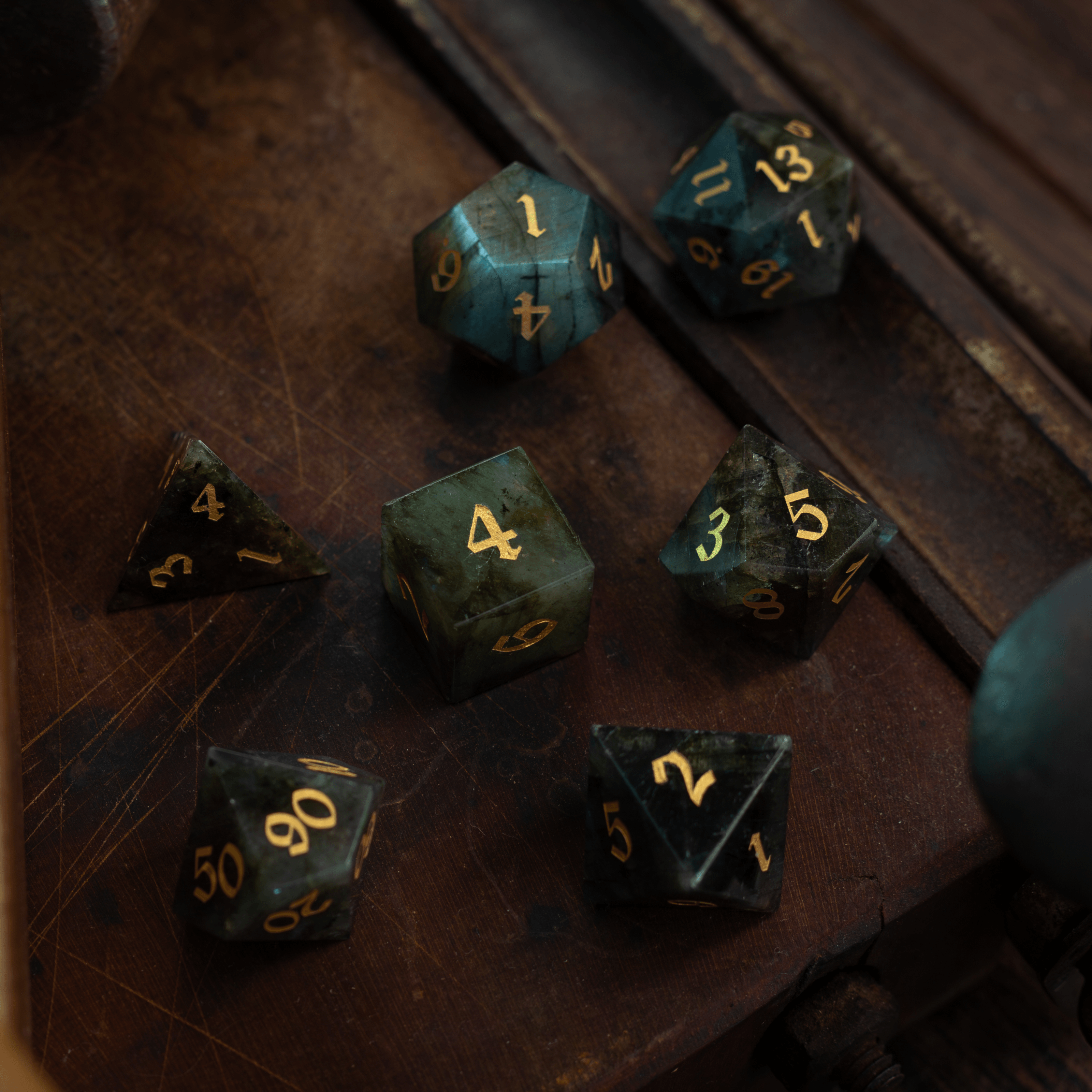
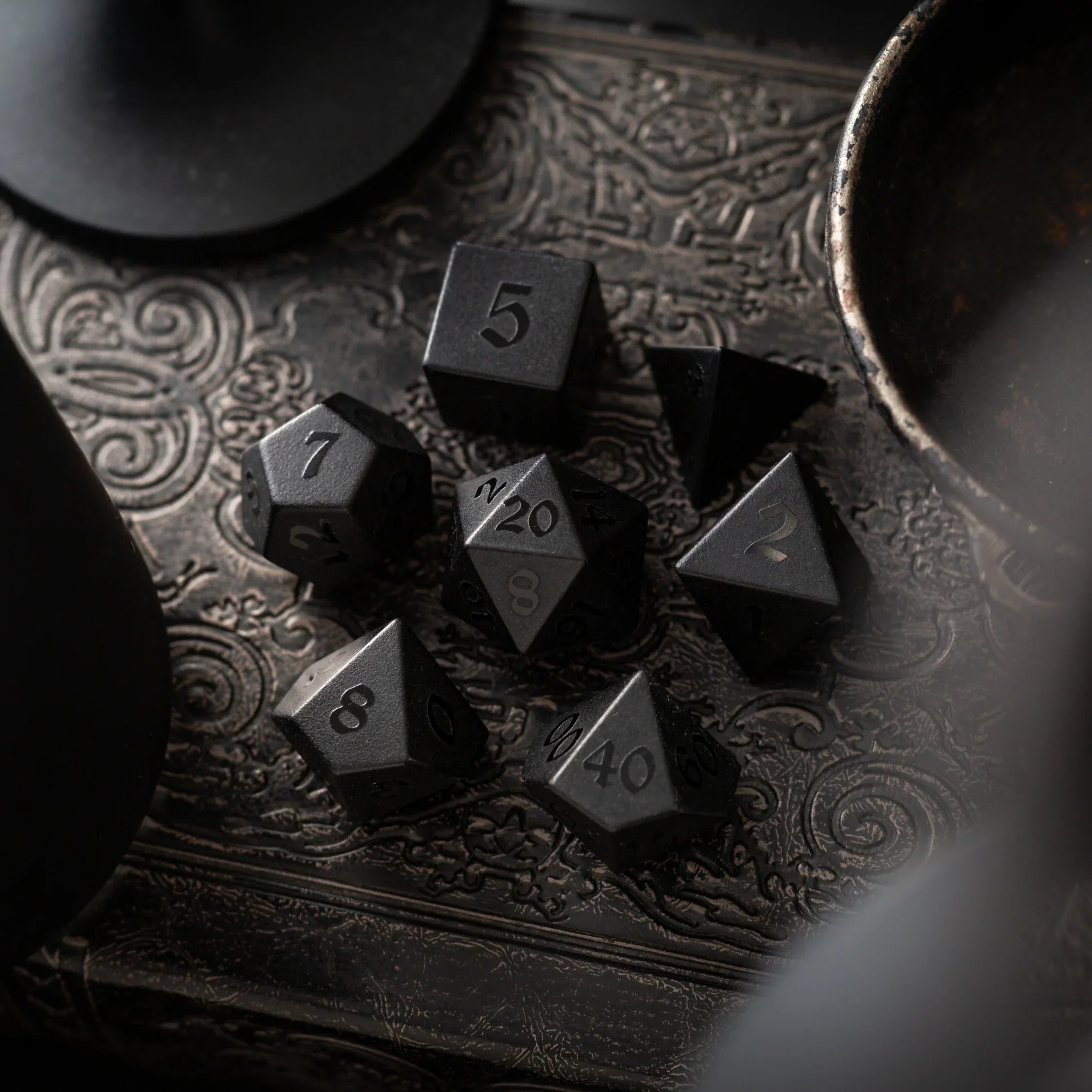
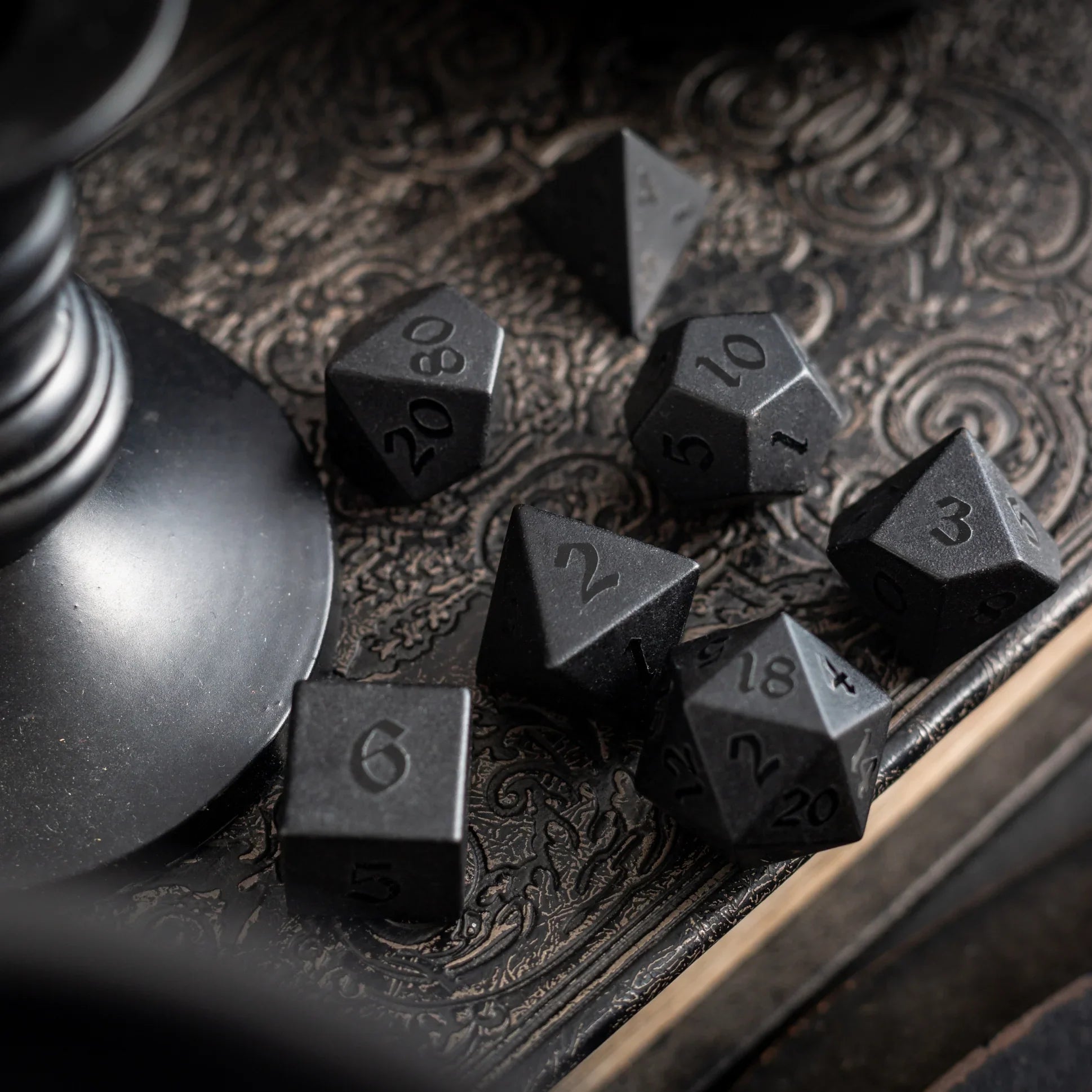
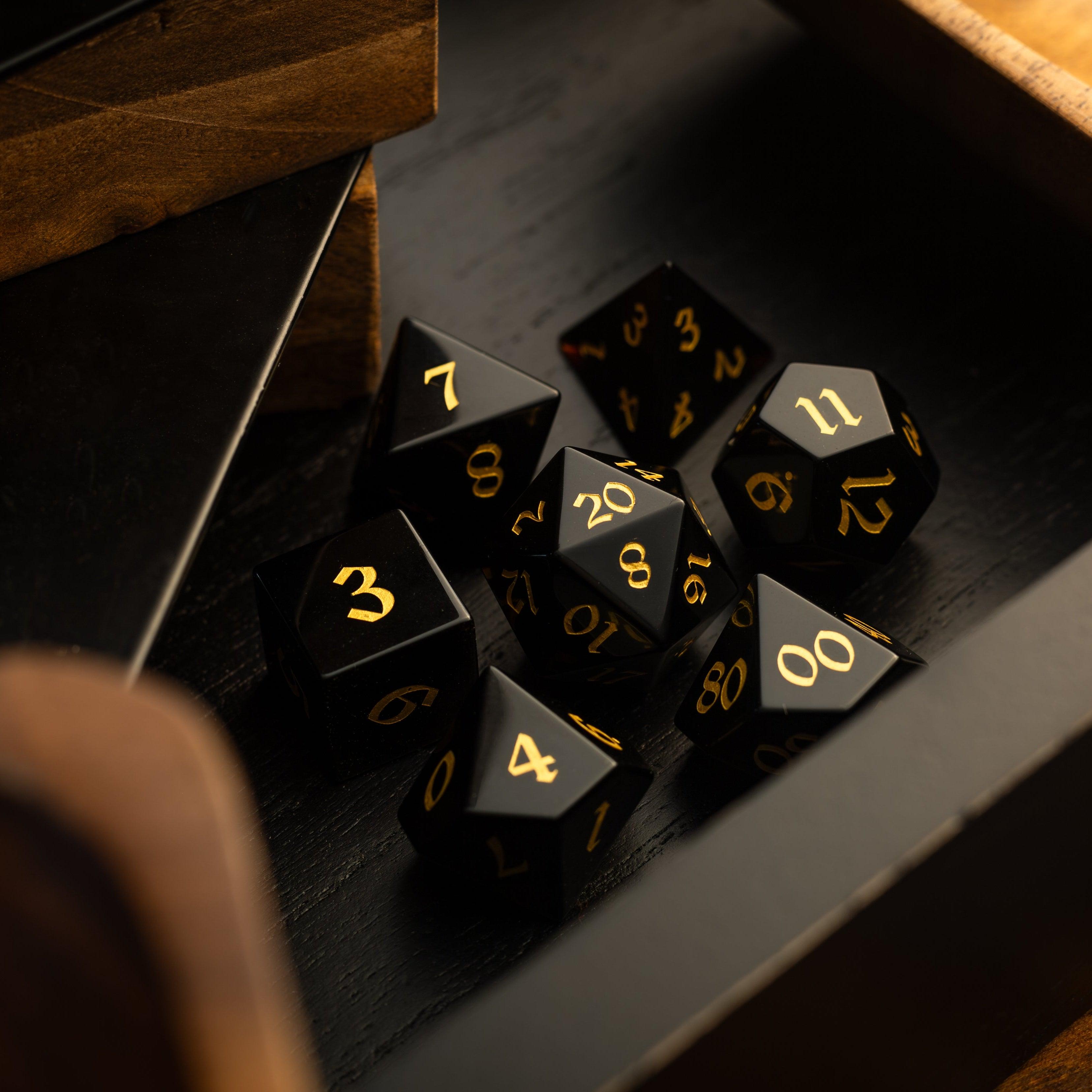
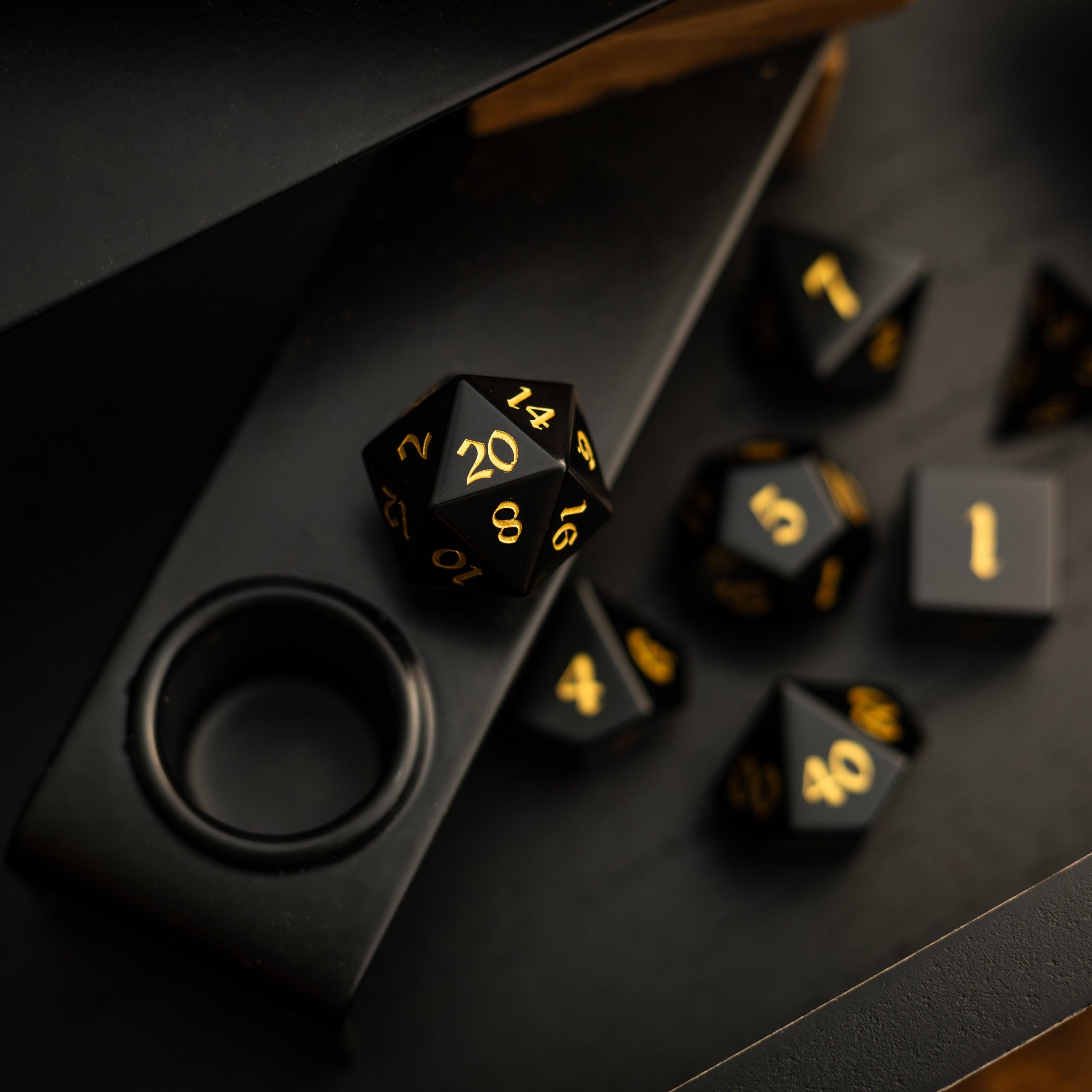
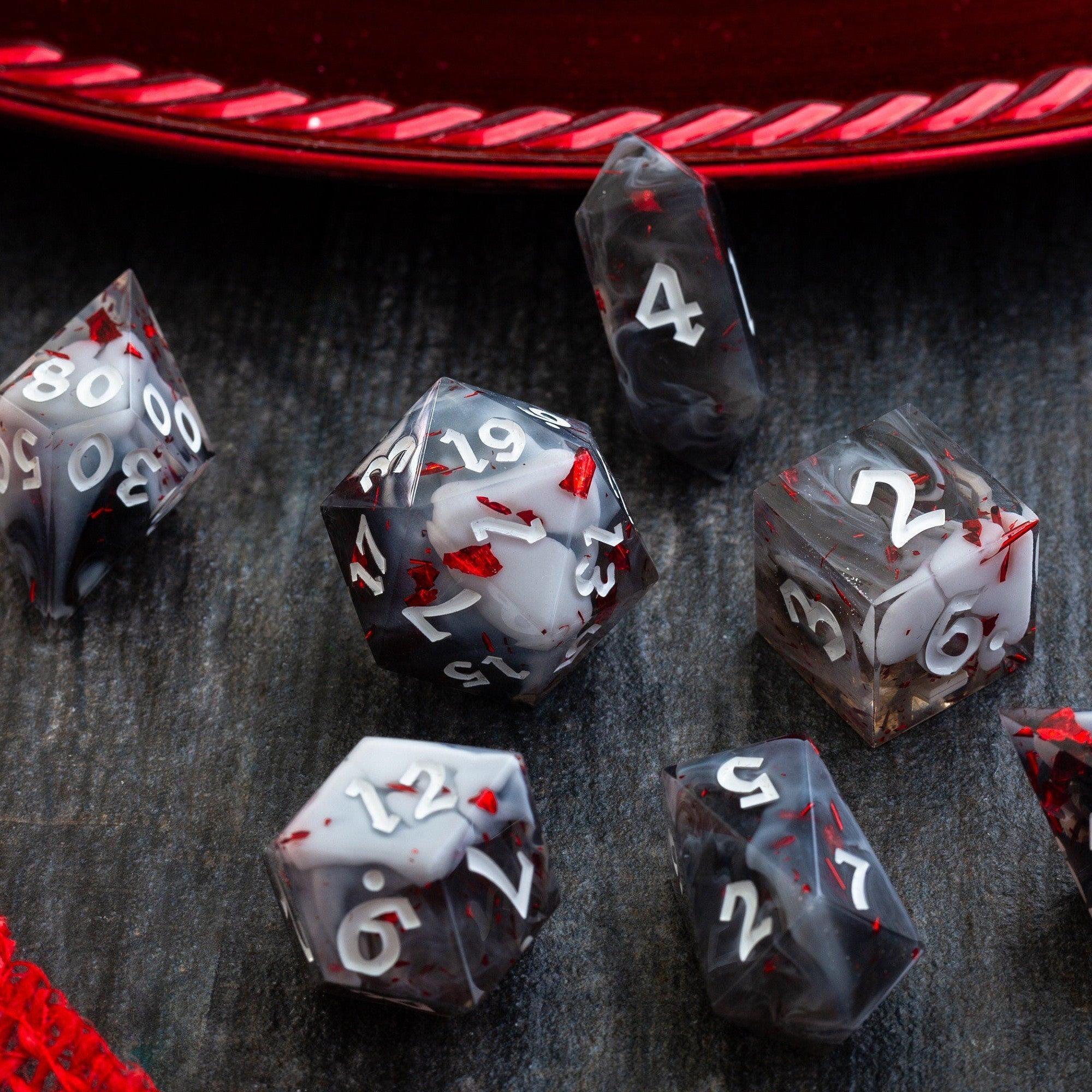
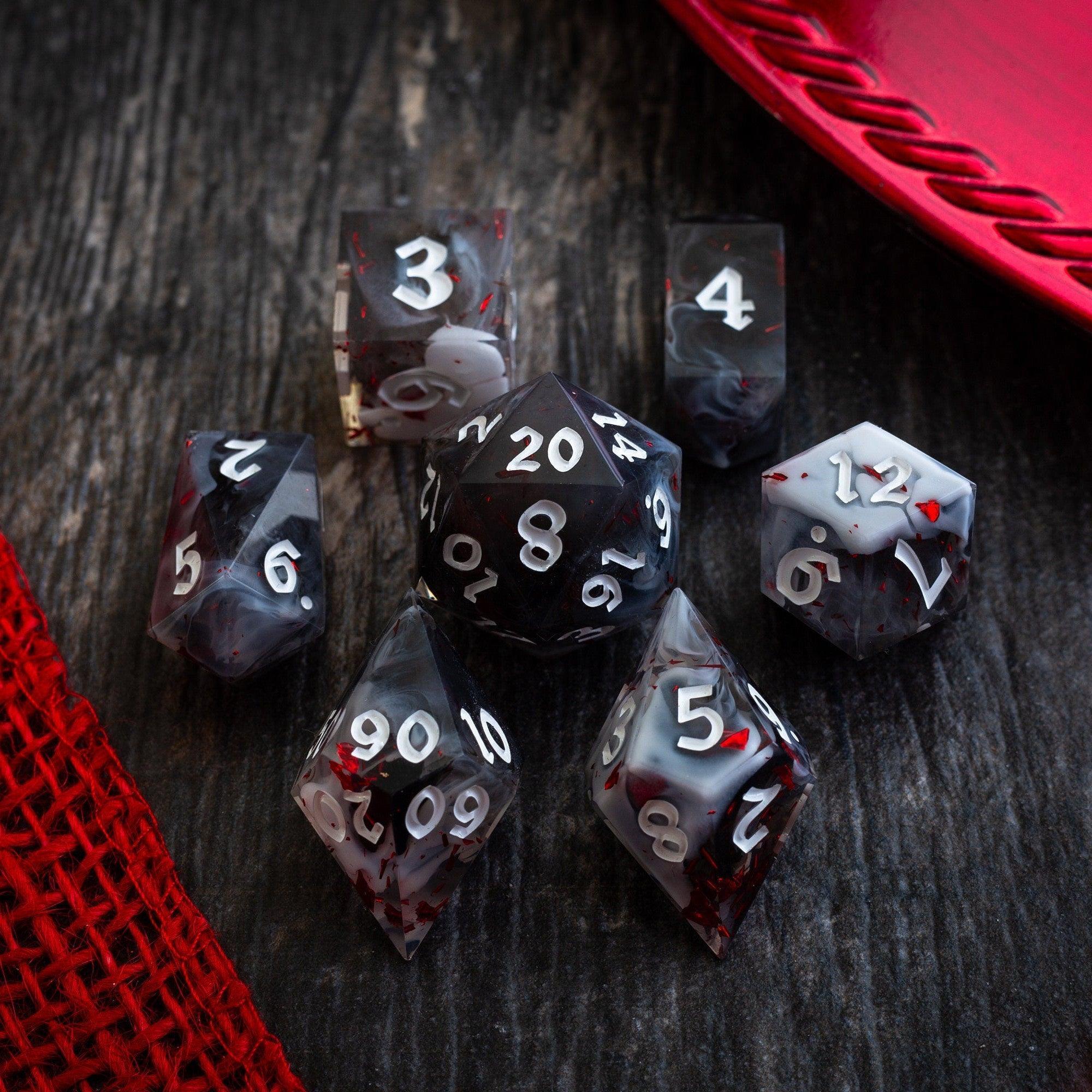
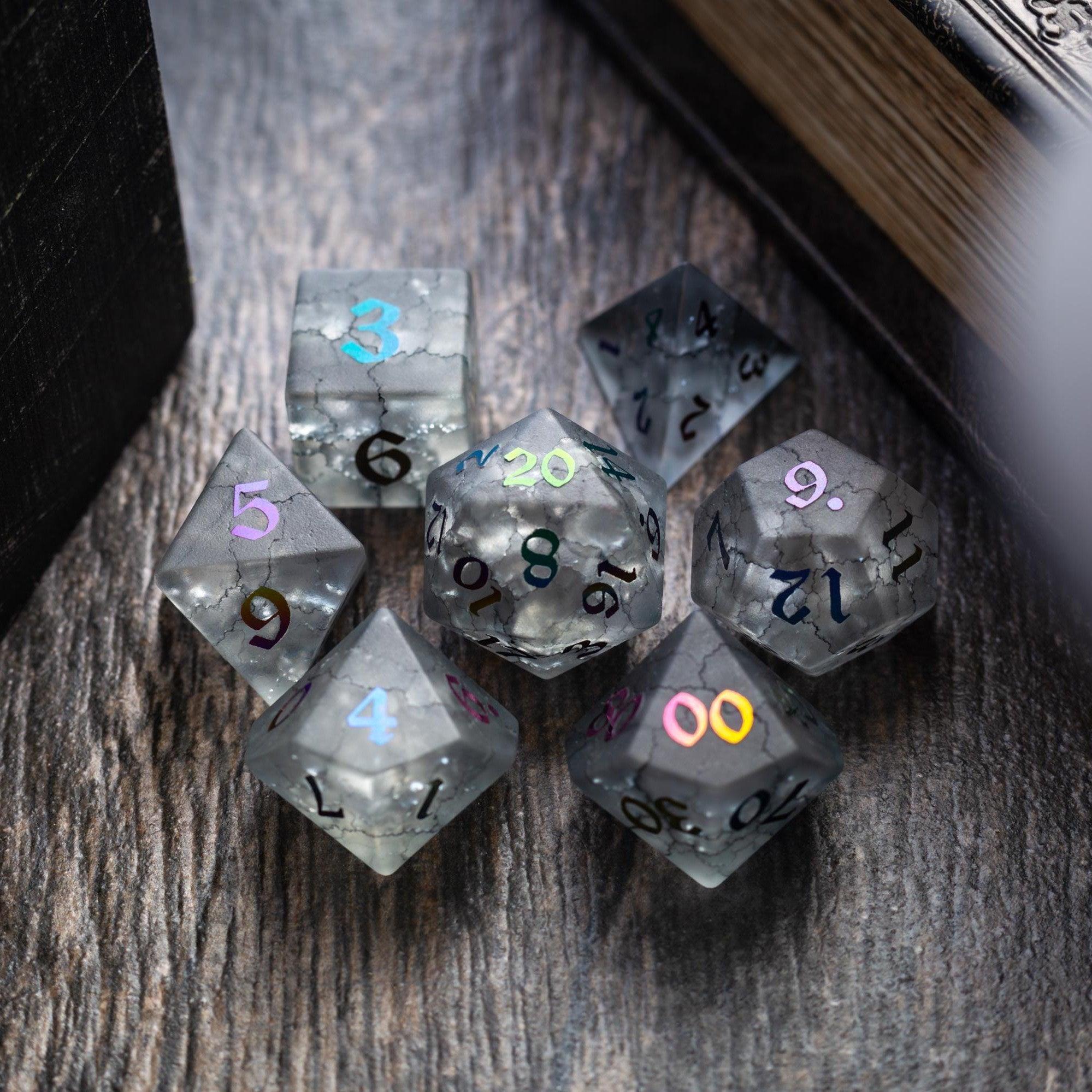
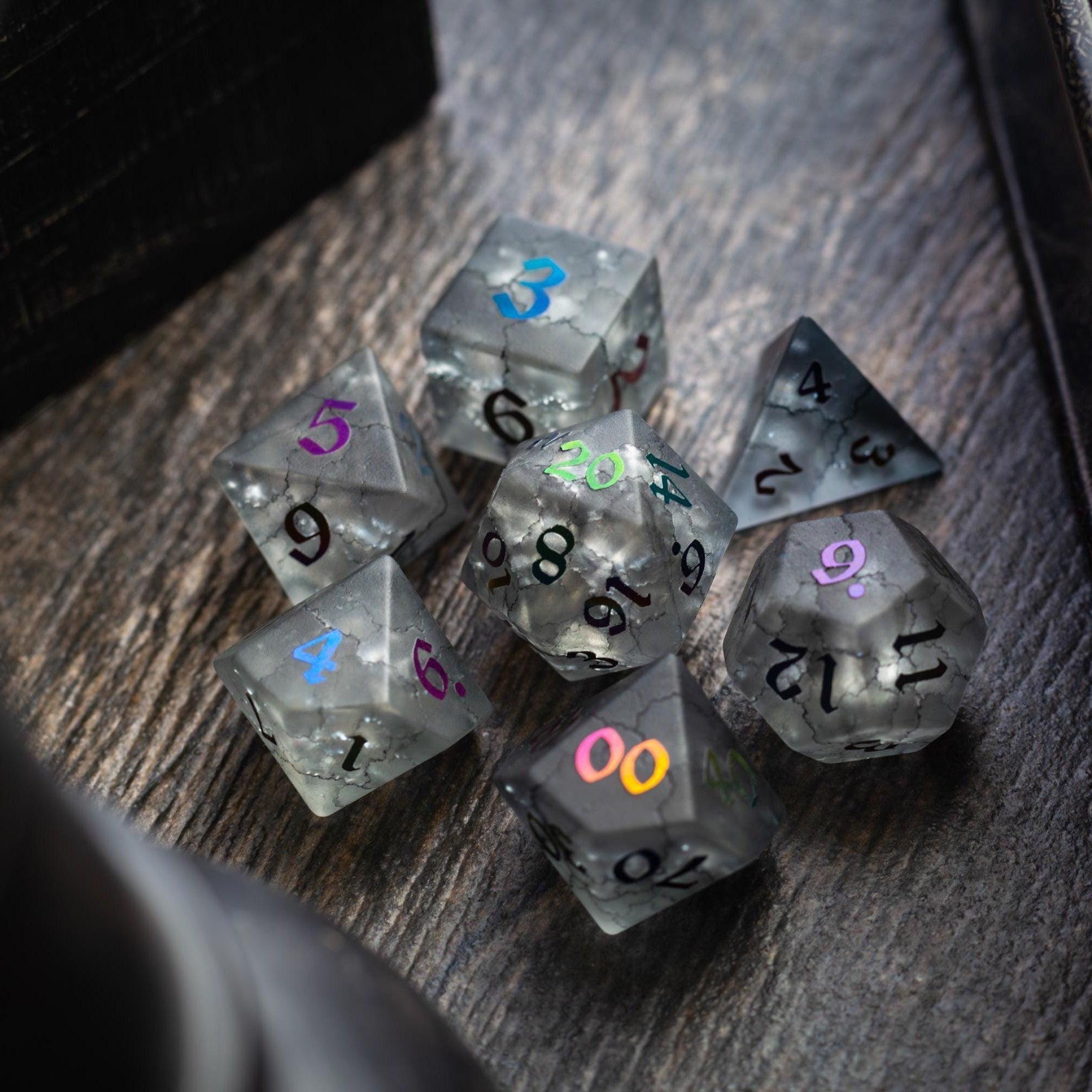
For atmosphere, a Runic Dice Black Night Obsidian Gemstone Dice Set fits a gothic-themed character, while dark liquid core dice can suit supernatural encounters.
Balancing Monsters, Traps, and Puzzles
A spooky D&D adventure becomes more engaging when different challenges support the same story.
Use a simple pattern:
-
Exploration: Discover an unsettling location.
-
Investigation: Identify clues explaining the haunting.
-
Danger: Encounter a trap or supernatural threat.
-
Decision: Choose how to respond.
-
Revelation: Learn something important about the mansion.
Avoid excessive combat, repeated puzzles, and unnecessary backtracking.
Monsters can have motivations beyond attacking. A guardian might protect a family heirloom, while a ghost might want its identity restored.
When combat occurs, padded Runic Dice trays can keep rolls organized and protect the table during dramatic encounters.
Preparing a Haunted House One-Shot for Halloween
Preparation becomes easier when the mansion revolves around one central mystery.
Use this checklist:
-
Choose the supernatural mystery and its resolution.
-
Sketch a compact map with connected rooms.
-
Prepare three important clues.
-
Select two or three memorable challenges.
-
Prepare current monster statistics.
-
Create a short list of important NPCs.
-
Organize miniatures, dice, maps, and condition markers.
-
Plan alternative endings.
-
Discuss horror themes and player boundaries beforehand.
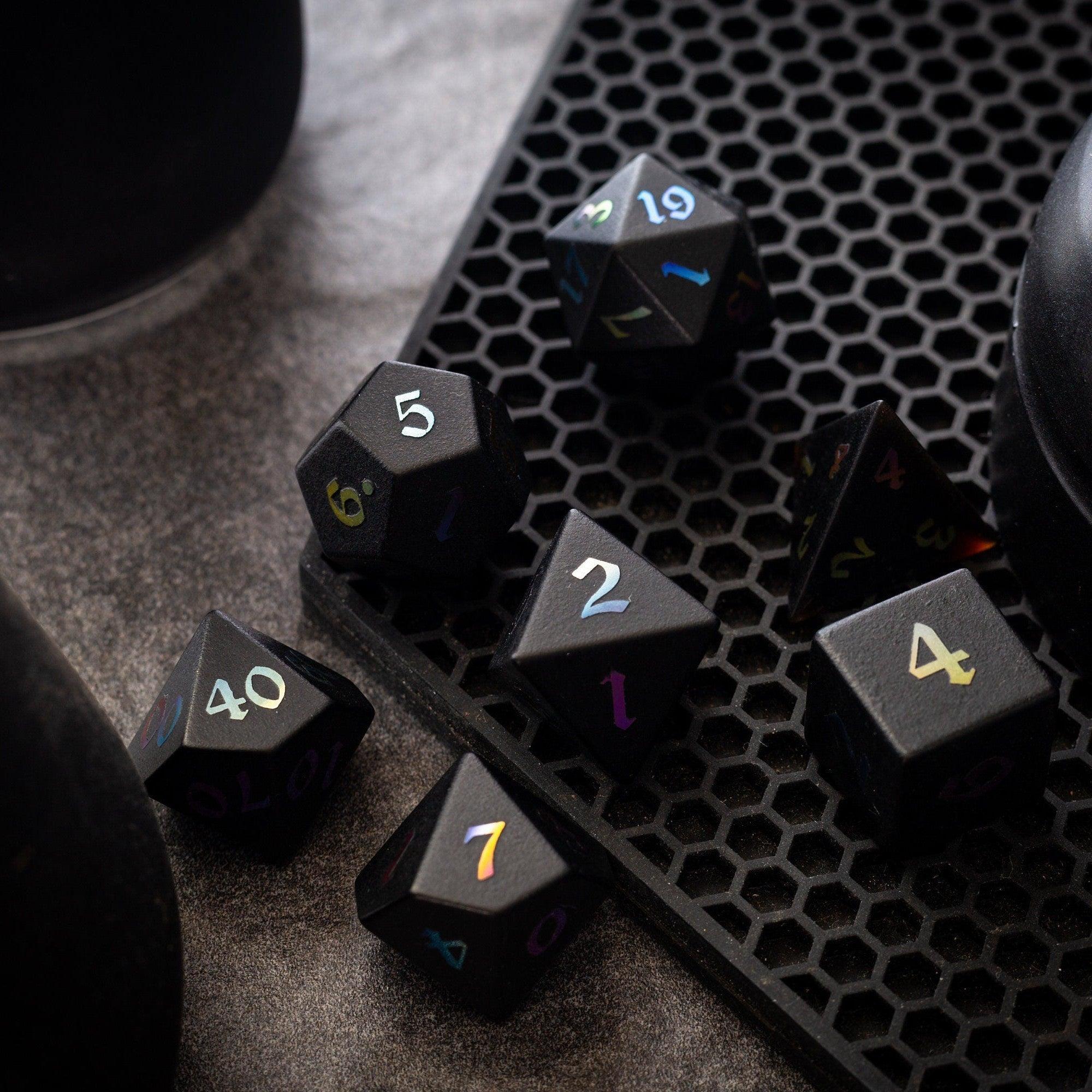
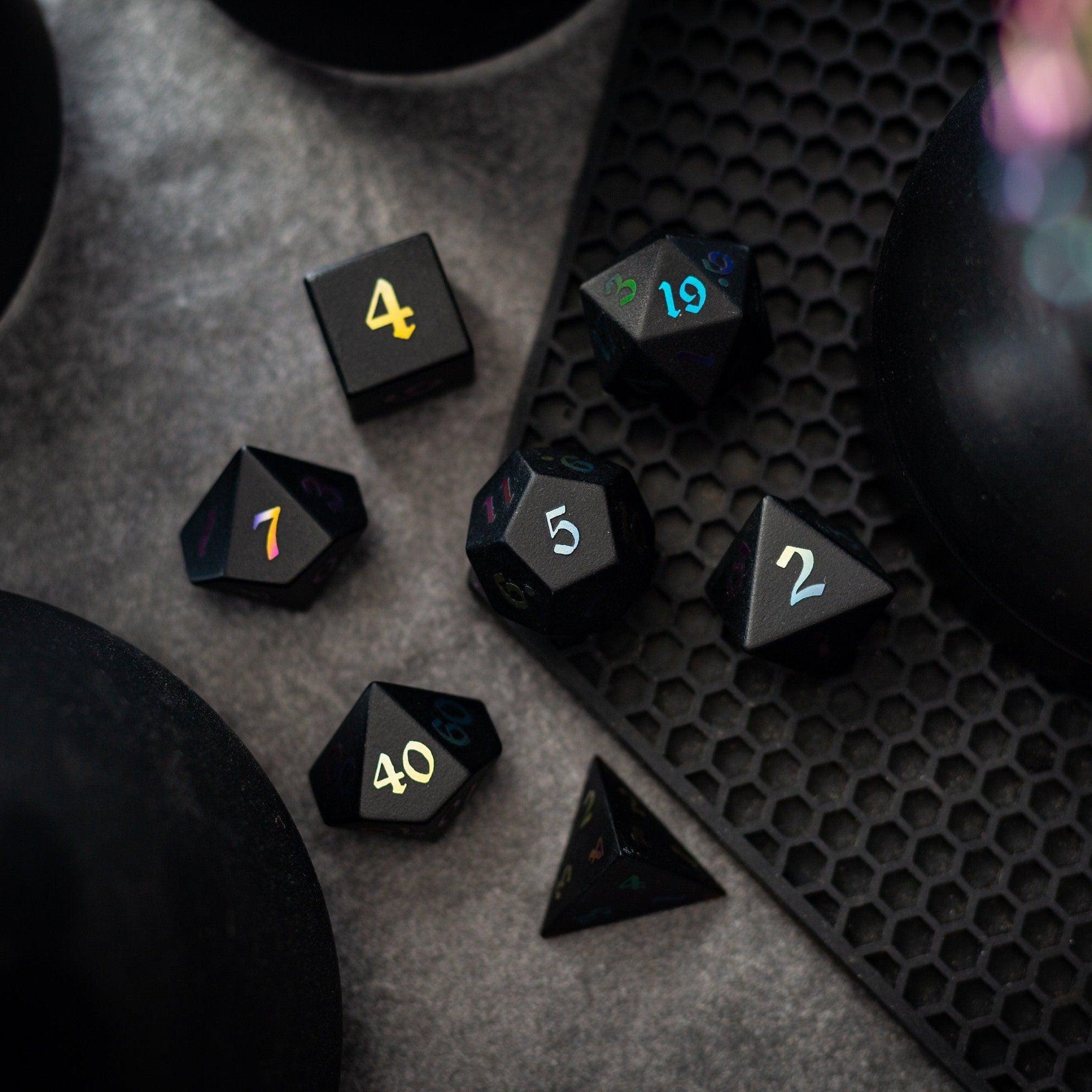
For magical mysteries, the Black and Silver Glitter Liquid Core Dice Set offers a suitable visual theme. Keep any gemstone or delicate dice protected on a padded rolling surface.
If miniature combat involves multiple conditions, condition rings and brief duration notes can help players track effects without interrupting the session.
Adapting Haunted House Adventures for Different Groups
Not every group enjoys the same level of complexity or horror.
For Beginner Players
Use clear objectives, fewer rooms, visible clues, and straightforward encounters. Favor manageable enemies and allow helpful NPCs to provide guidance.
For Experienced Players
Introduce layered mysteries, optional rooms, competing supernatural motivations, and consequences for difficult decisions.
For Different Horror Preferences
Adjust descriptions rather than assuming every group wants frightening material.
A playful Halloween session might feature talking portraits and mischievous furniture. A gothic mystery could emphasize unsettling sounds, unexplained disappearances, and tragic family secrets.
Player comfort should always guide the intensity of horror.
When the Haunted Mansion Finally Falls Silent
A memorable haunted house D&D one-shot does not require an enormous mansion or dozens of monsters.
A handful of carefully designed rooms, mysterious clues, interactive traps, and meaningful decisions can create an unforgettable Halloween adventure.
Give players opportunities to investigate the unknown, confront supernatural threats, and uncover the truth behind the haunting.
When the final spirit disappears and the mansion's doors open again, the players should leave with more than treasure. They should leave with a story worth telling around the gaming table.
And perhaps one unanswered mystery waiting behind a door they never opened.

Leave a comment
This site is protected by hCaptcha and the hCaptcha Privacy Policy and Terms of Service apply.