

Homebrew Tools for Tabletop RPGs: Complete Guide to Building Custom Adventures
Creating your own adventure is one of the most rewarding parts of being a Game Master. While published campaigns offer excellent stories and polished encounters, many groups eventually want something more personal. That is where homebrew adventures shine.
A homebrew campaign gives you the freedom to create unique locations, memorable villains, original quests, and unexpected twists that fit your players' interests. Whether you are adding a custom village to an existing setting or building an entirely new world from the ground up, the right planning tools make the process easier and more enjoyable.
The good news is that you do not need years of experience or hundreds of pages of notes to create an exciting adventure. A few practical homebrew tools, organized preparation, and a willingness to adjust your ideas after playtesting are often all you need.
What Homebrew Means in Tabletop RPGs
In tabletop roleplaying games, tabletop RPG homebrew refers to original content created by players or Game Masters instead of relying entirely on published material.
Homebrew can include:
-
Original adventures
-
New cities and kingdoms
-
Custom NPCs
-
Unique monsters
-
House rules
-
Magic items
-
Entire campaign settings
Not every homebrew project has to be massive. Many Game Masters begin by changing a published adventure to better fit their group.
It helps to understand the difference between several common approaches.
| Type | Description |
|---|---|
| Original adventure | Create your own story using existing game rules. |
| Modified published adventure | Adjust an official adventure by changing locations, villains, or quests. |
| New game mechanics | Design original classes, spells, monsters, or rules that should be carefully tested. |
For many Game Masters, creating custom RPG adventures is the easiest place to begin because it uses familiar rules while allowing complete storytelling freedom.
Essential Tools for Creating Custom Adventures
The best Game Master tools are often simple organizational resources rather than complicated software.
Some useful planning tools include:
-
Notebook or digital document
-
Campaign timeline
-
Regional maps
-
NPC lists
-
Encounter tracker
-
Quest tracker
-
Random name generators
-
Treasure tables
-
Initiative tracker
Keeping everything organized makes each session run more smoothly.
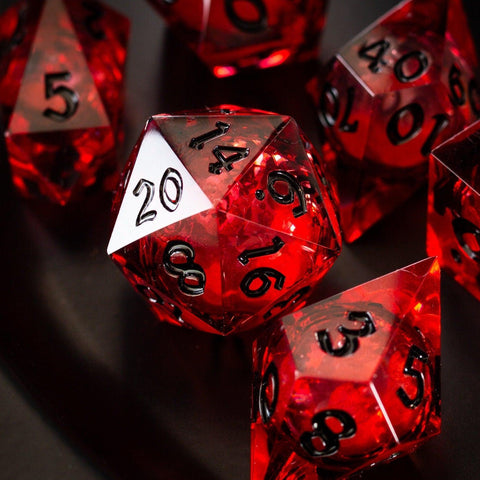
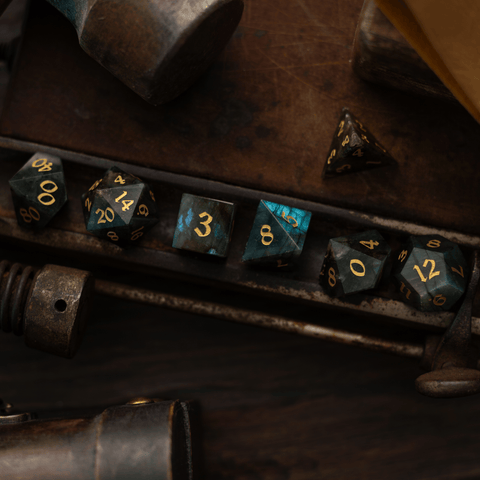
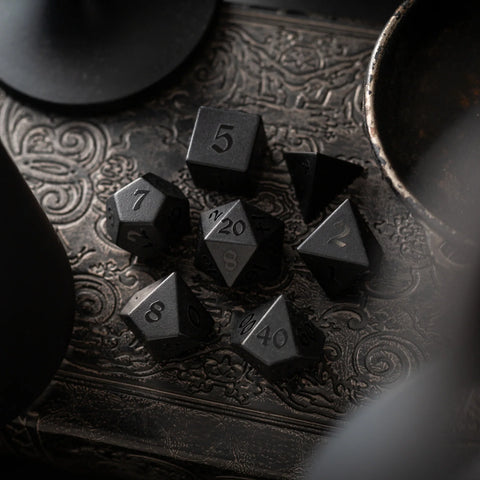
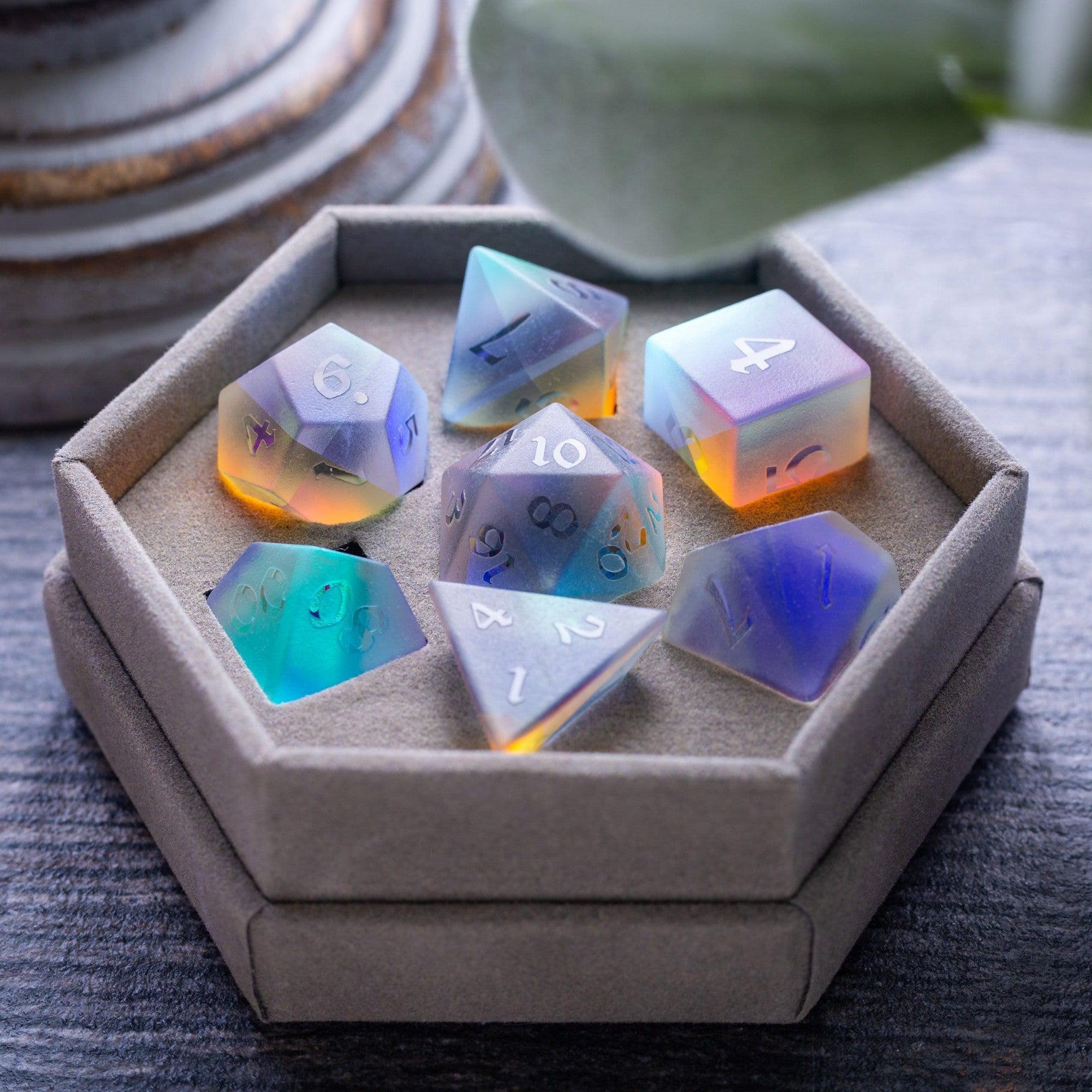
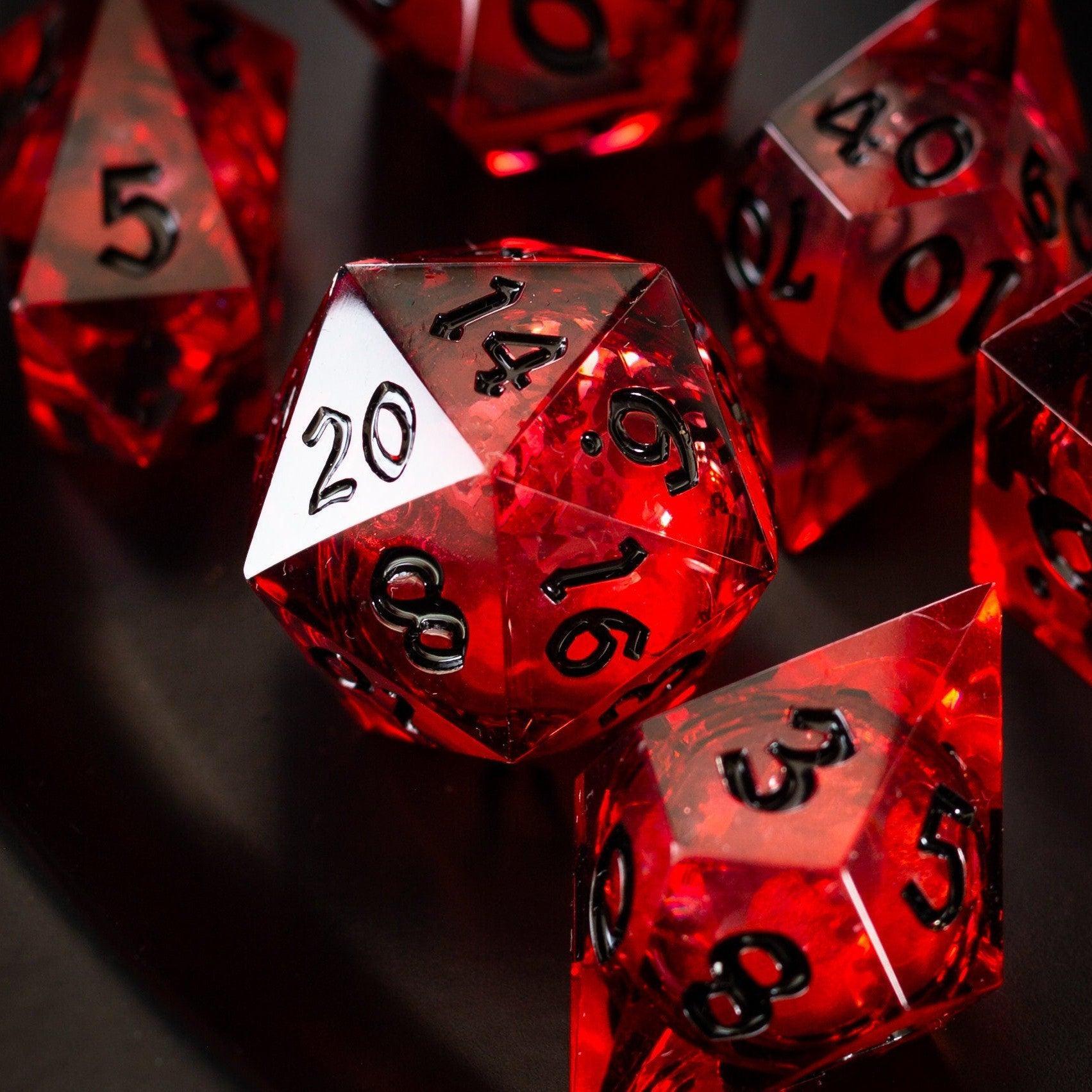
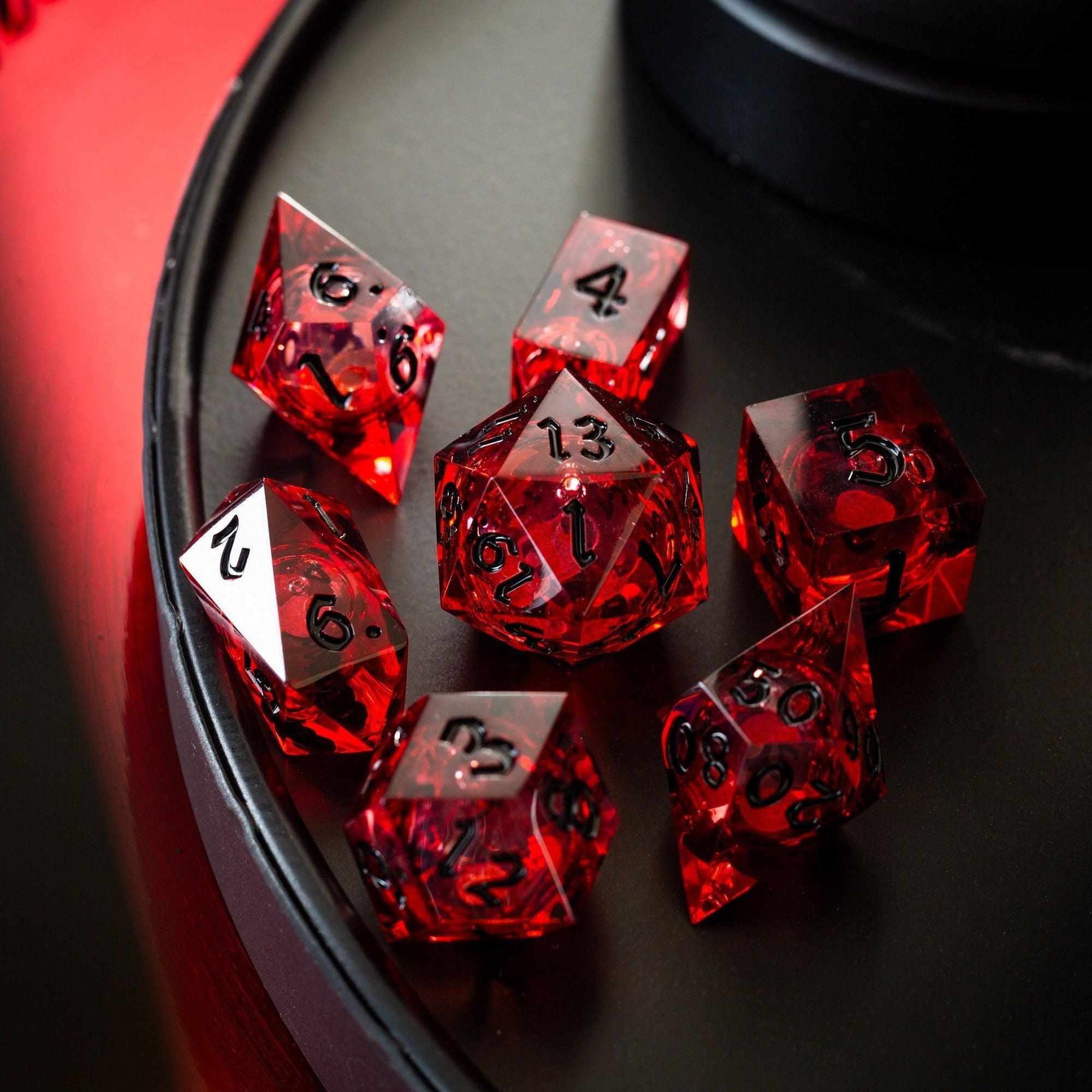
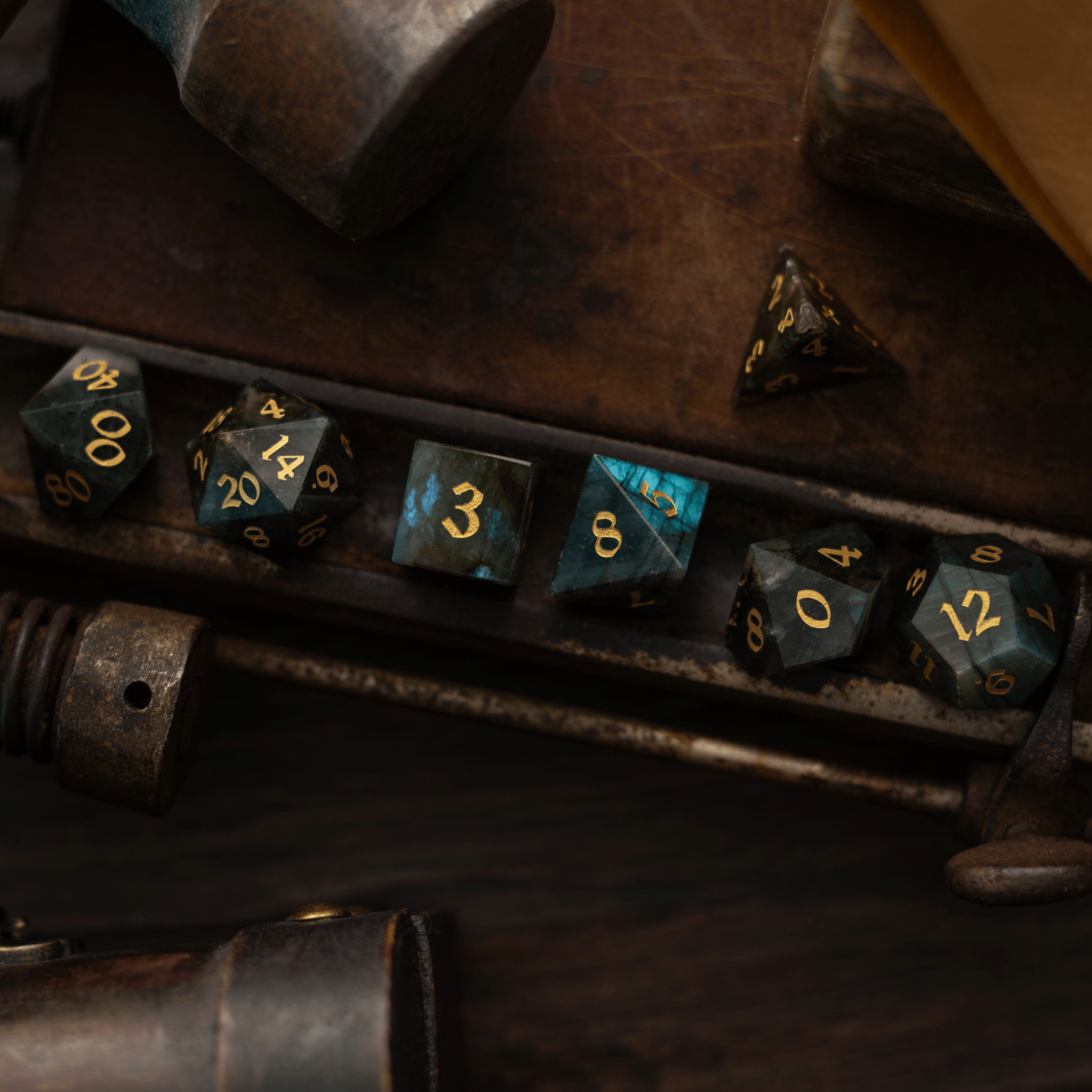
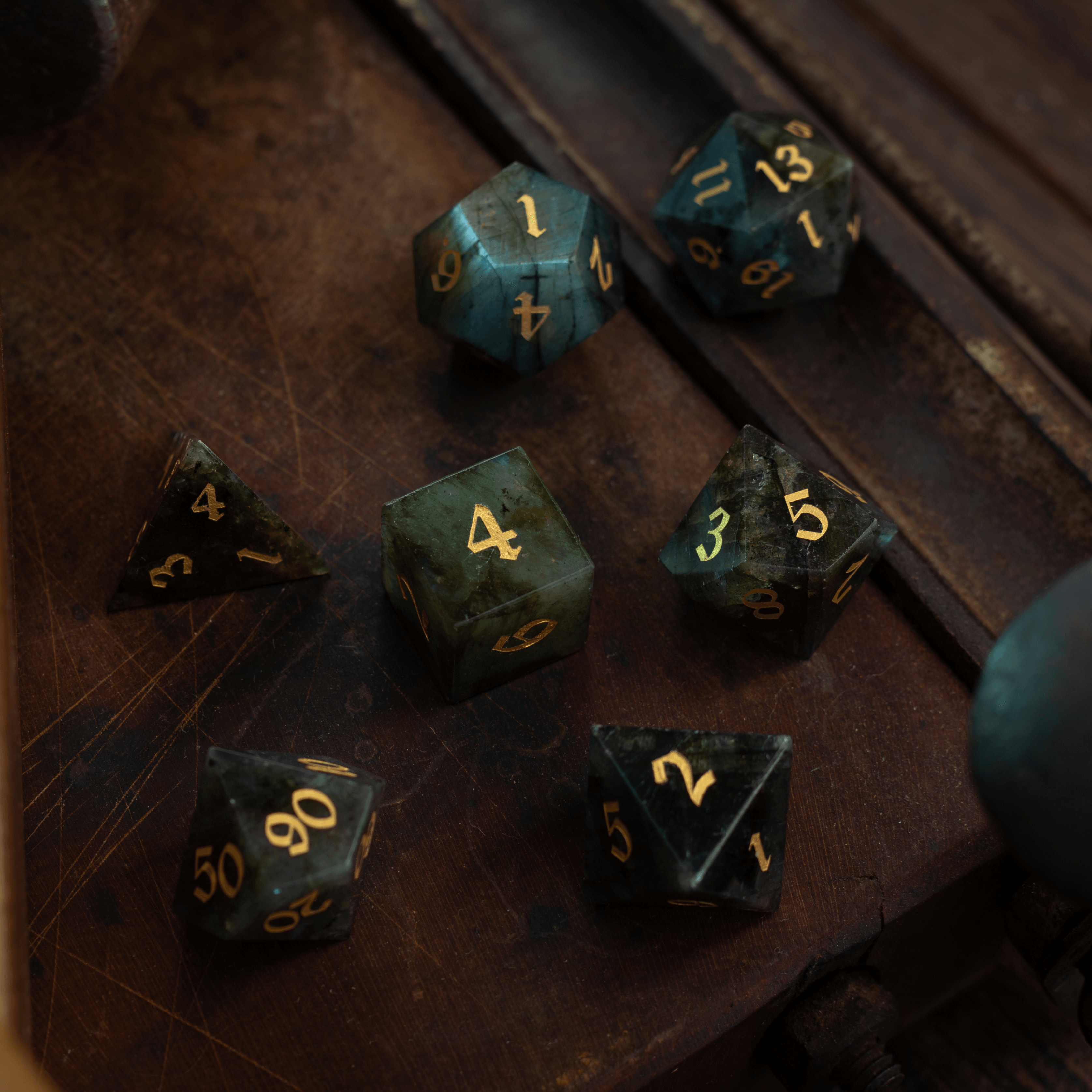
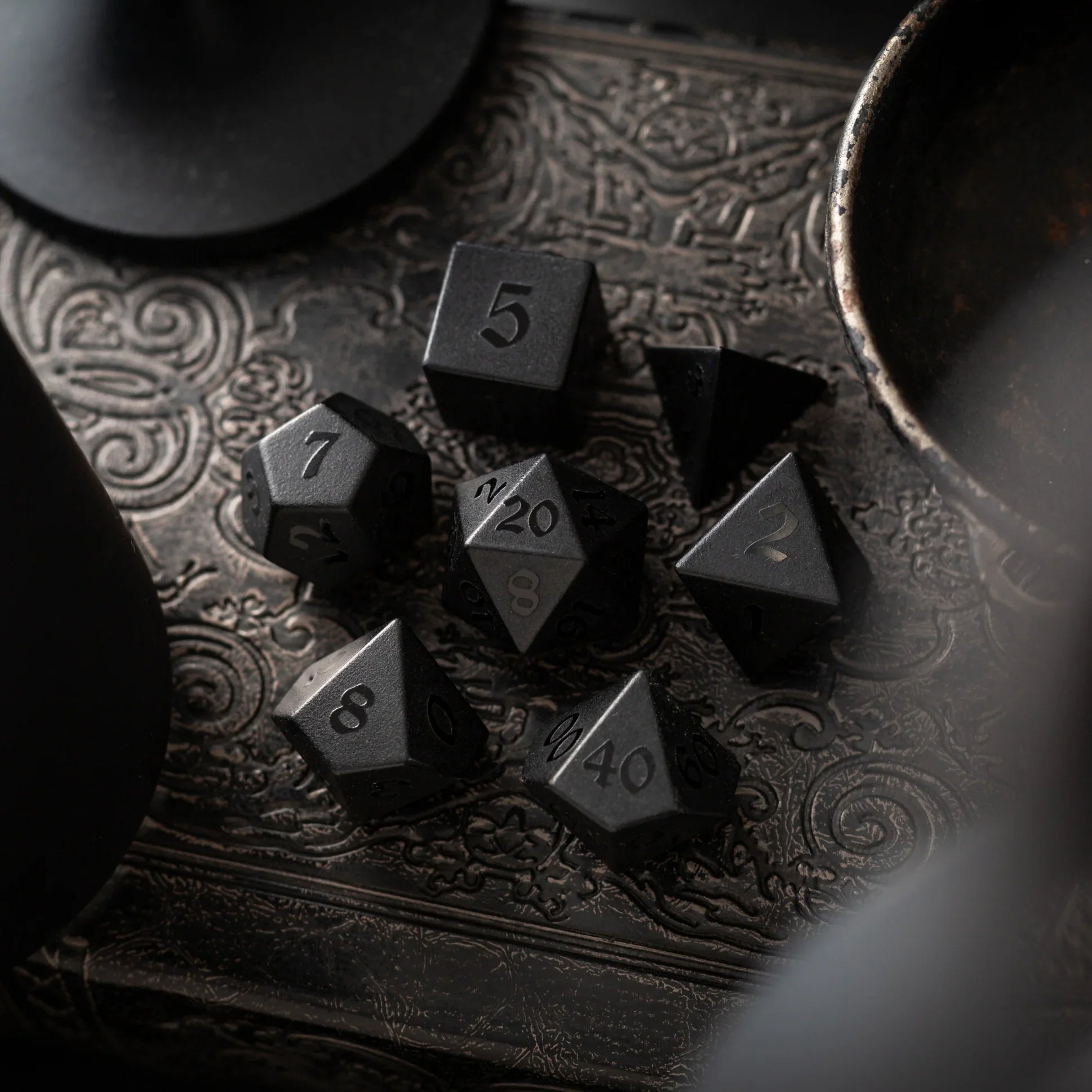
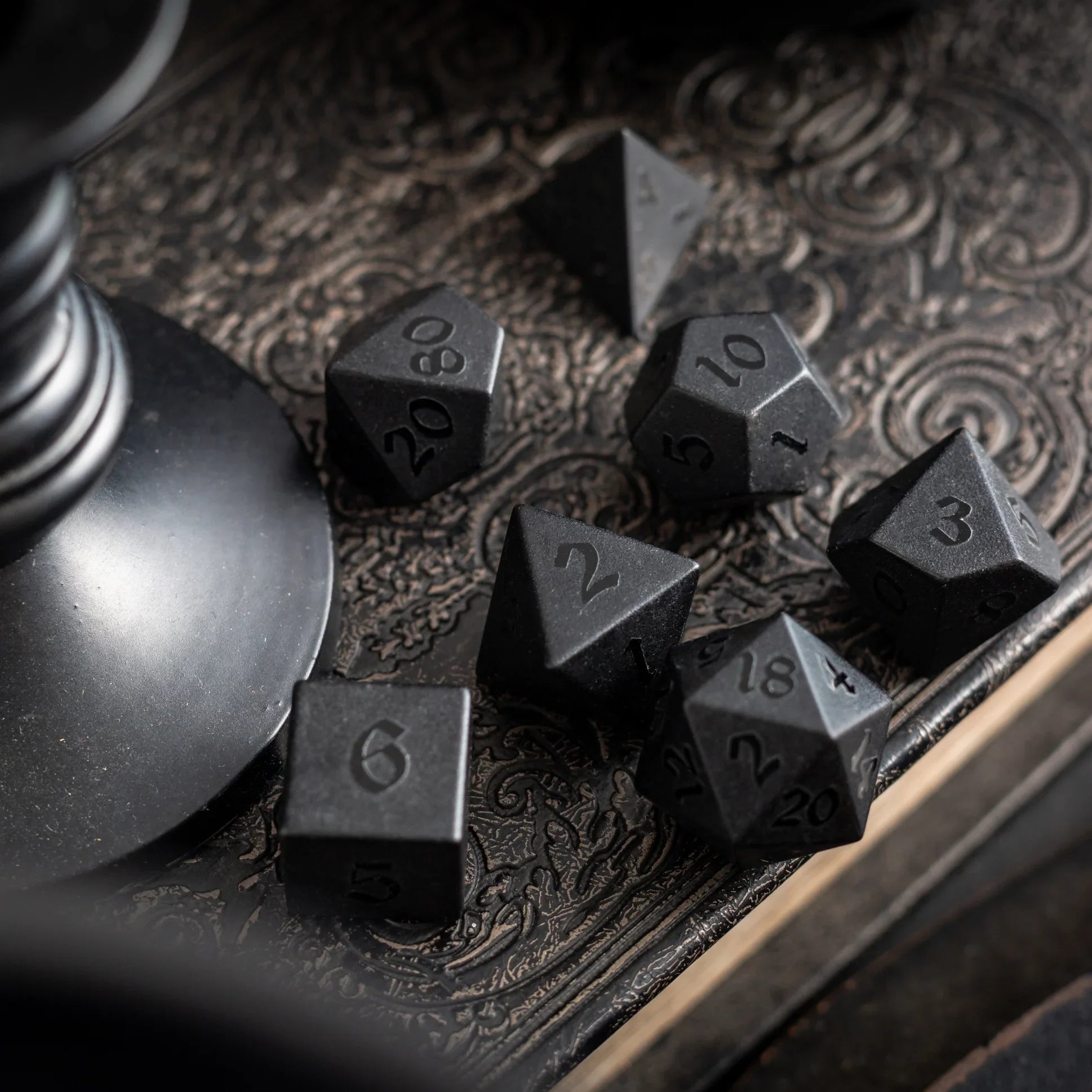
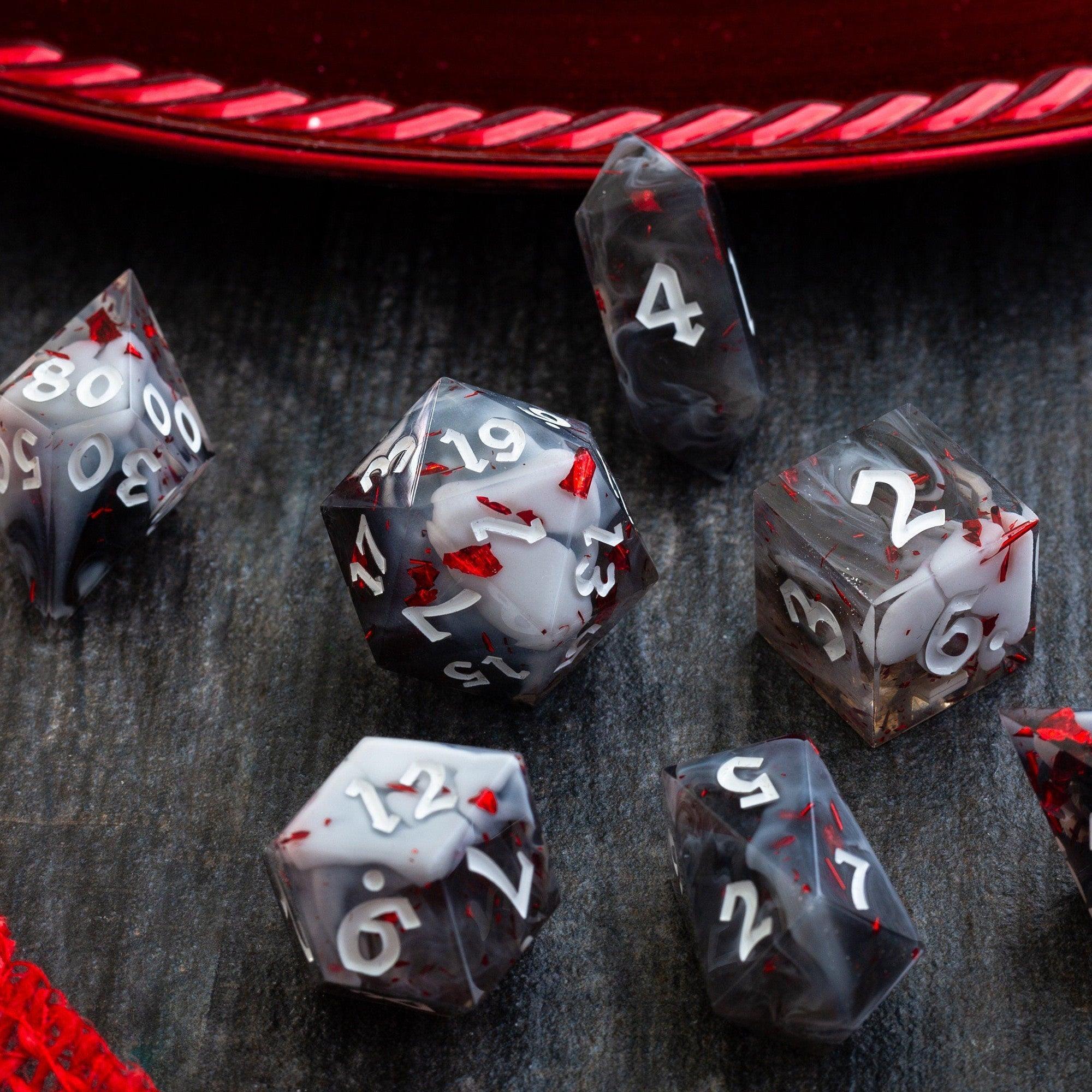
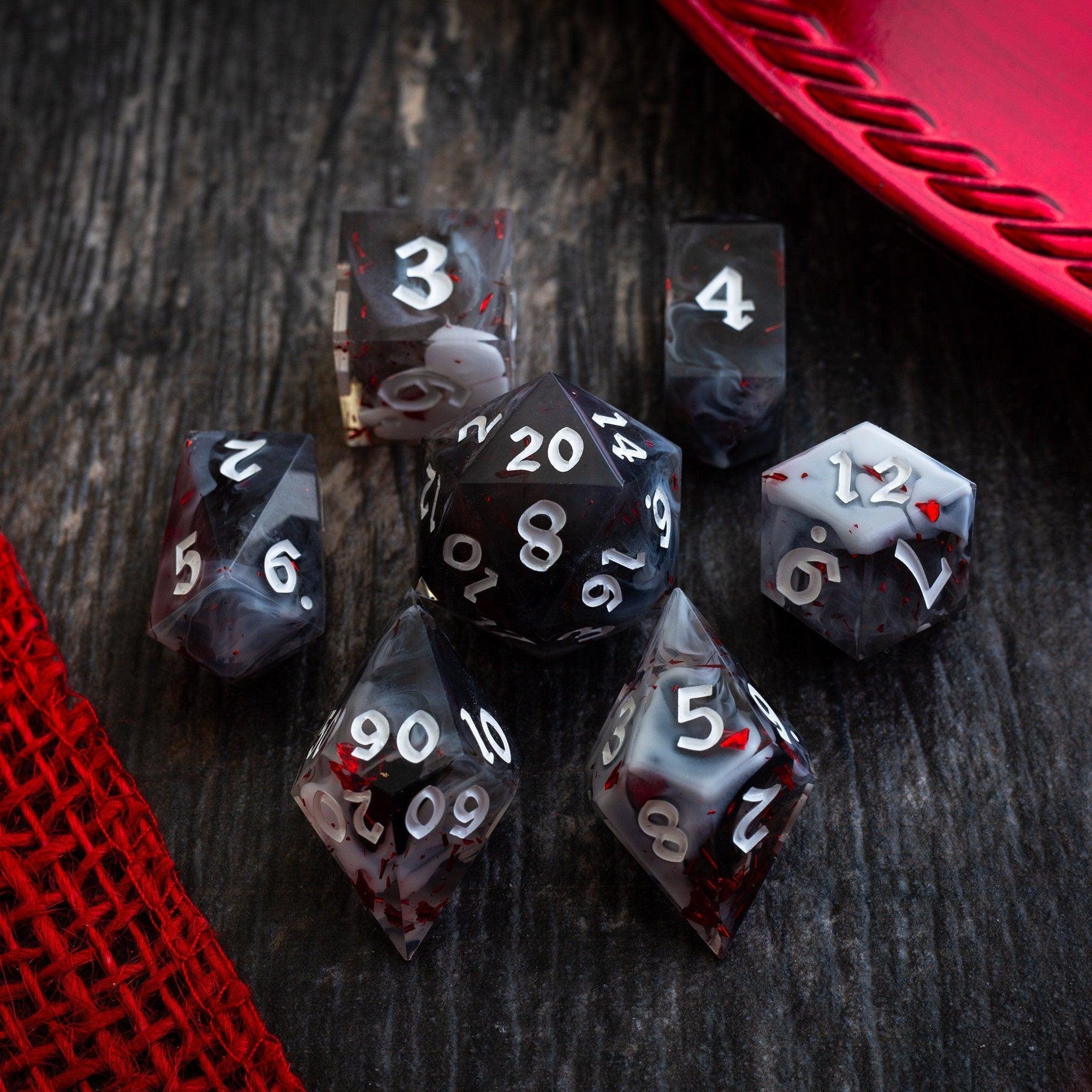
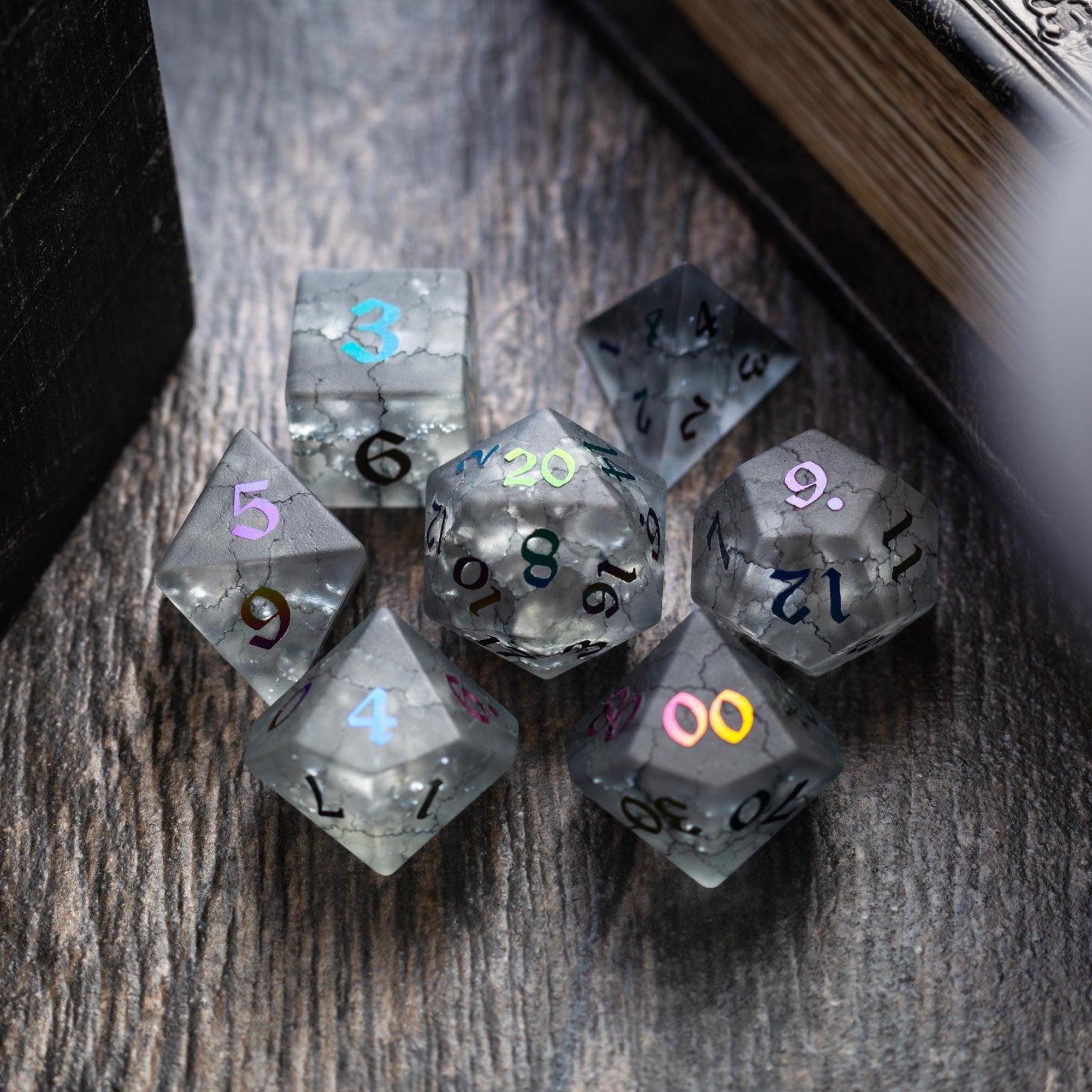
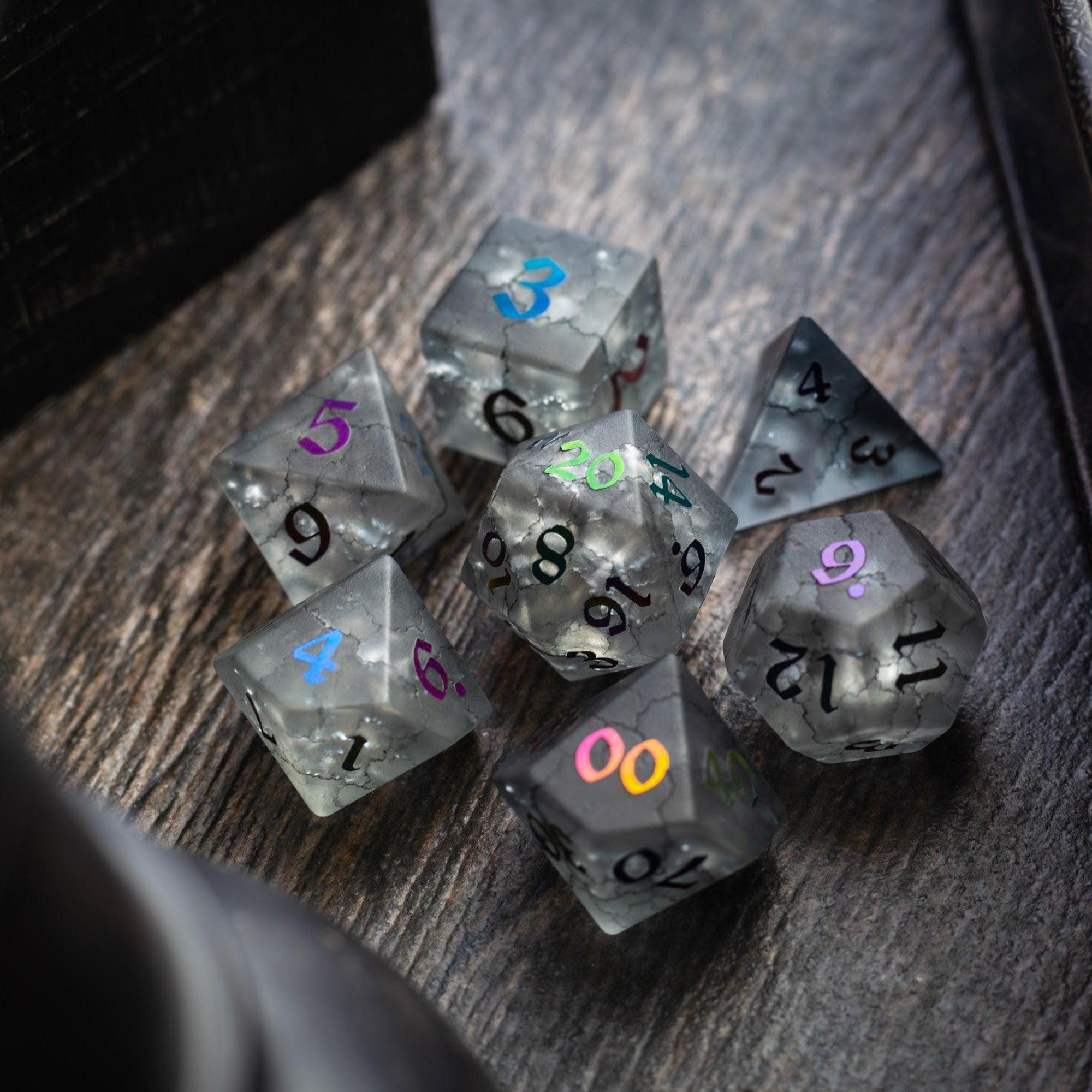
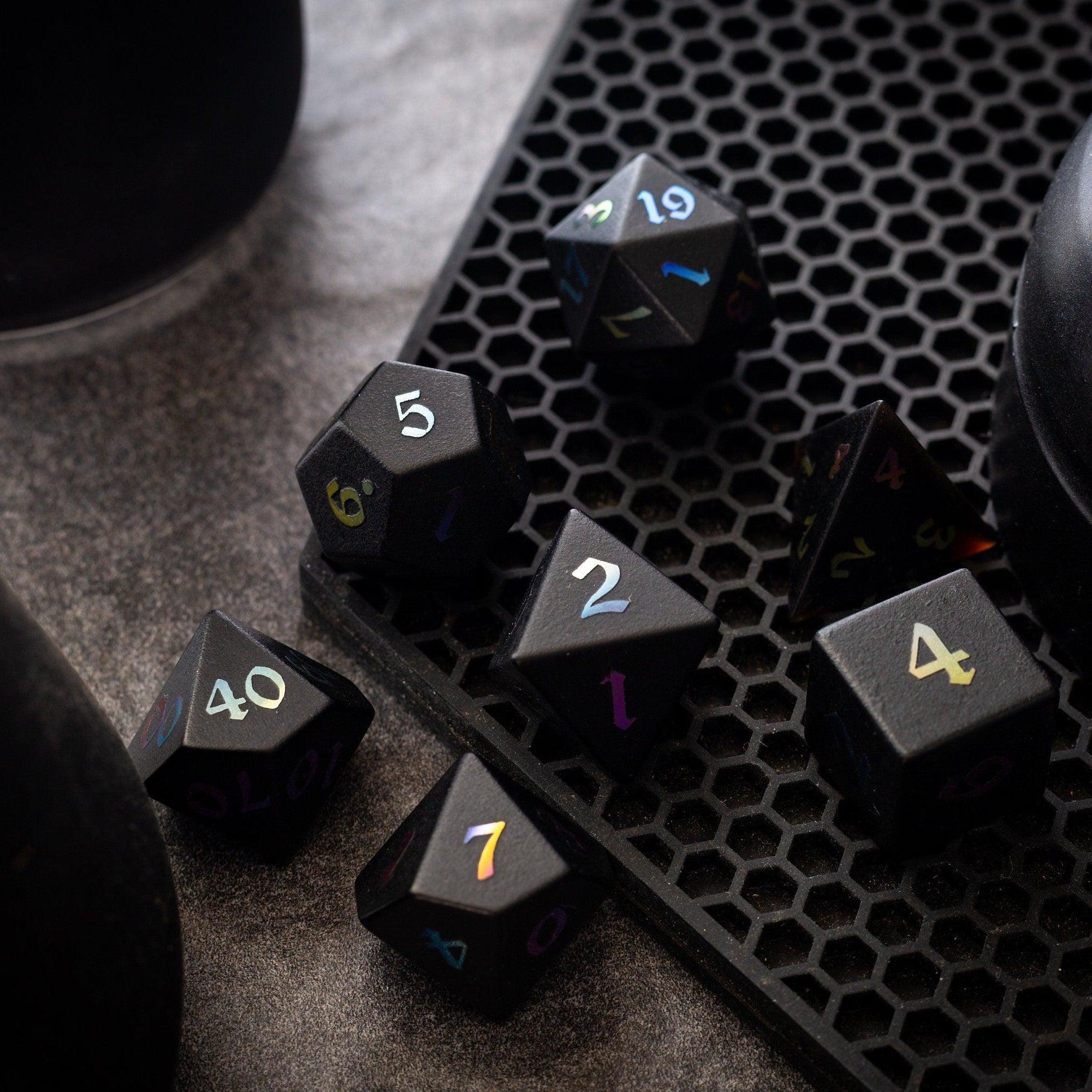
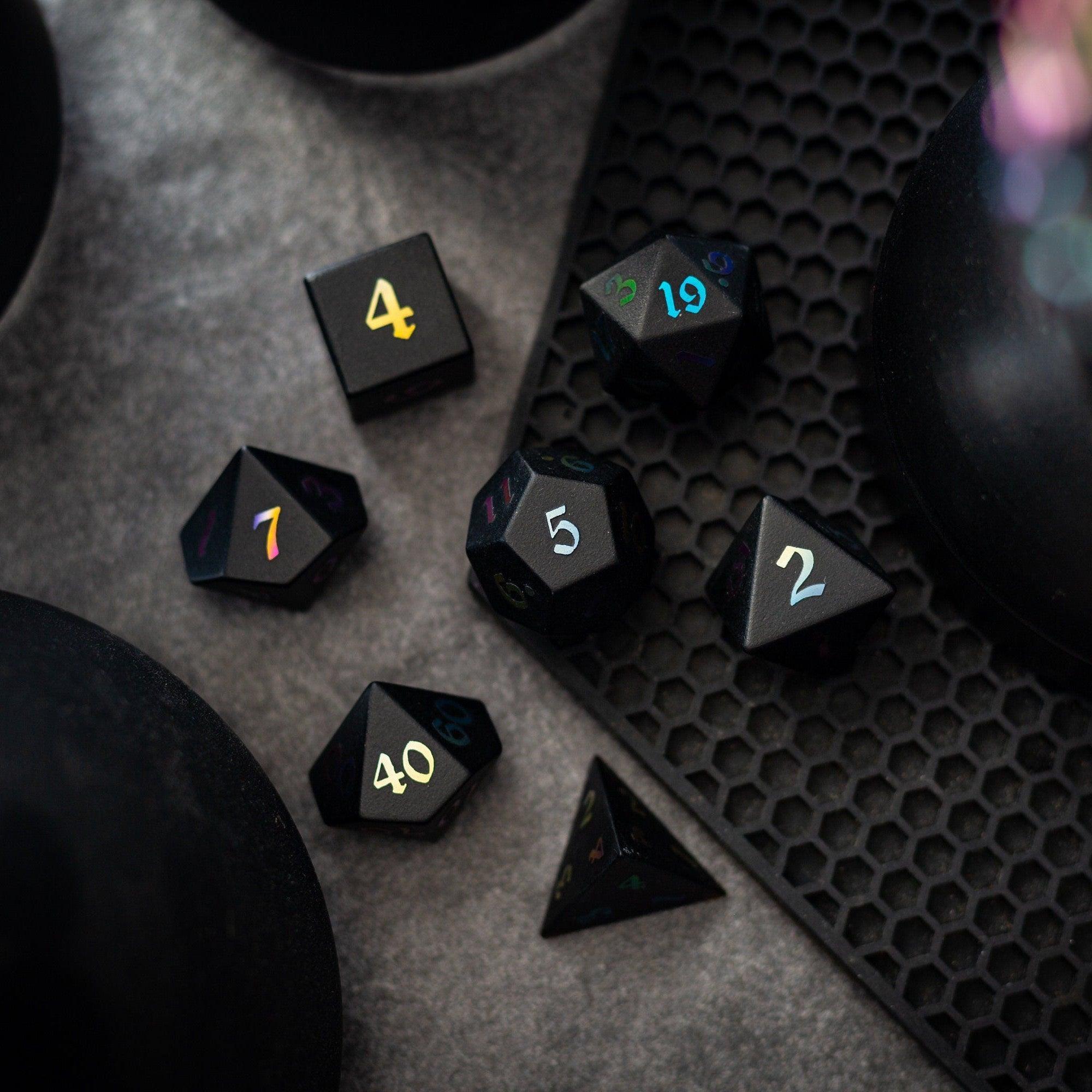
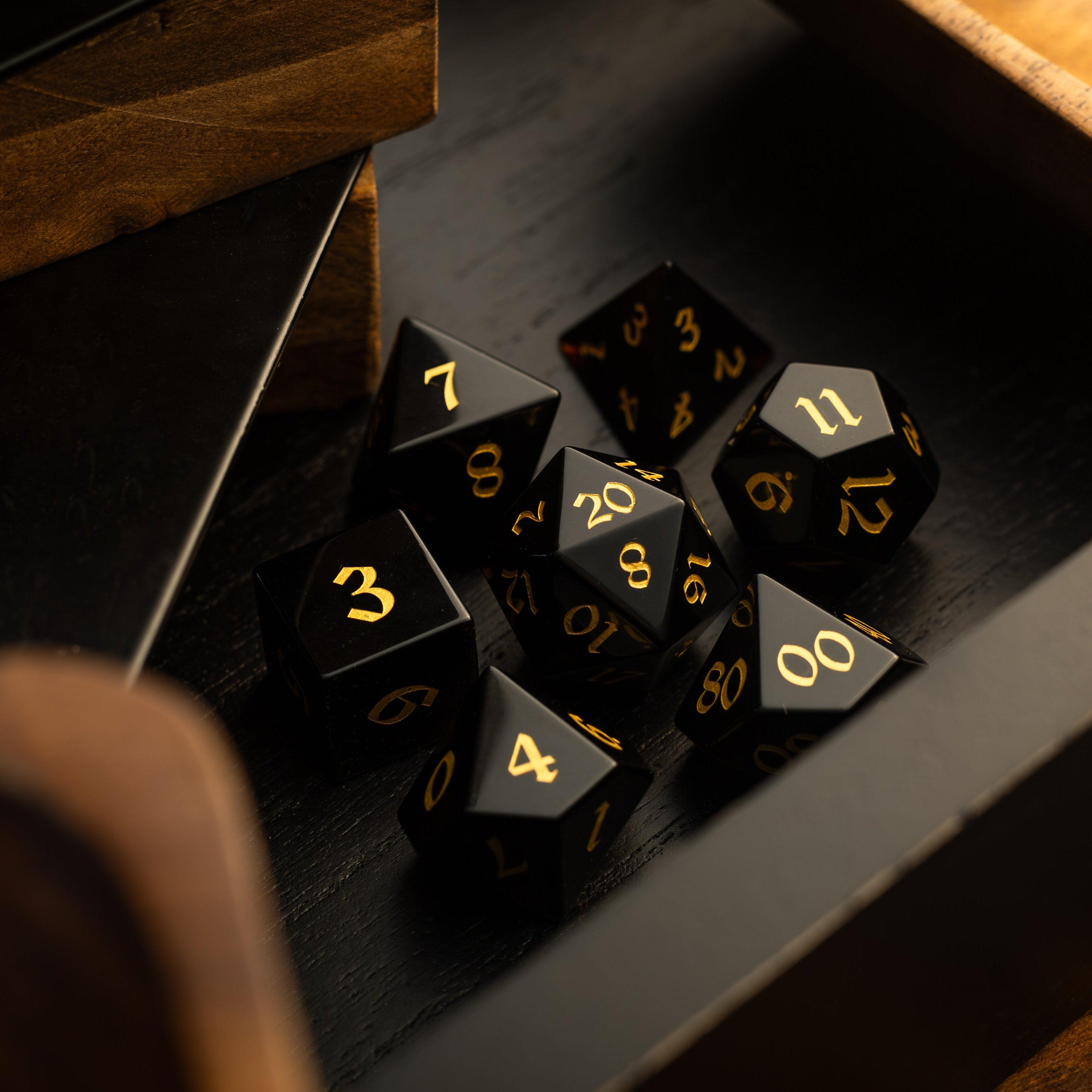
Many Game Masters also use a dice tray while preparing encounters to keep dice, tokens, and notes together. During sessions, a dice tower can help speed up frequent rolls, while clearly numbered resin, gemstone, or metal dice improve readability during important combat moments without interrupting the flow of play.
Building Original Settings, Quests, NPCs, and Villains
A memorable adventure starts with a believable world rather than a complicated plot.
Instead of designing every kingdom immediately, begin with one interesting location.
Ask yourself:
-
Why is this place important?
-
Who lives here?
-
What problem needs solving?
-
Why should the players care?
Once the location feels alive, the rest of the story grows naturally.
Create Quests with Clear Motivations
Strong quests usually answer three questions:
-
What happened?
-
Why does it matter?
-
What can the players do?
For example:
Instead of simply telling the party to defeat goblins, perhaps the goblins recently occupied an abandoned dwarven mine after something far more dangerous forced them from their own caves. Suddenly, players have multiple mysteries to investigate.
Design Memorable NPCs
Players rarely remember every statistic, but they almost always remember personalities.
Give important NPCs:
-
A clear goal
-
A distinctive personality
-
A memorable appearance
-
A useful piece of information
-
A reason to interact with the party again
Even simple details make characters easier to remember.
Build Villains with Motivations
Interesting villains believe they are solving a problem.
Rather than creating an evil wizard who wants power simply because they are evil, consider motivations such as:
-
Protecting their homeland
-
Seeking revenge
-
Restoring lost magic
-
Saving loved ones
-
Preventing an ancient disaster
Motivations help create richer stories and more meaningful player decisions.
Homebrew Adventure Planning Table
Before writing dozens of pages of notes, organize the major pieces of your adventure.
| Adventure Element | Purpose | Preparation Tip |
|---|---|---|
| Setting | Establish the world | Start with one town before expanding |
| Main Quest | Drive the story | Give players a clear objective |
| Villain | Create conflict | Build believable motivations |
| NPCs | Provide interaction | Keep personalities simple and memorable |
| Encounters | Challenge players | Mix combat, exploration, and roleplaying |
| Treasure | Reward progress | Match rewards to campaign tone |
| Maps | Support exploration | Focus on important locations |
| Secrets | Encourage discovery | Reveal information gradually |
Planning this way keeps your RPG campaign design organized without becoming overwhelming.
Designing Balanced Encounters and Meaningful Player Choices
Balanced encounters do not always mean equal fights.
Sometimes players should feel powerful.
Other times they should recognize that retreat is the smarter option.
A healthy adventure includes different types of challenges.
Combat
Combat encounters should encourage decisions rather than repetitive attacks.
Consider adding:
-
Difficult terrain
-
Timed objectives
-
Environmental hazards
-
Friendly NPCs
-
Multiple enemy roles
Exploration
Exploration gives players opportunities to discover hidden lore, solve puzzles, and uncover secrets.
Interesting exploration may include:
-
Ancient ruins
-
Hidden passages
-
Magical forests
-
Dangerous mountains
-
Forgotten temples
Social Encounters
Negotiation often creates memorable moments.
Players might:
-
Convince rival factions to cooperate
-
Interrogate prisoners
-
Earn a noble's trust
-
Resolve political conflicts
-
Prevent a battle through diplomacy
Providing multiple solutions supports creativity and helps every character contribute.
When creating D&D homebrew, avoid forcing only one correct answer to every problem.
Organizing Notes, Maps, Random Tables, and Campaign Resources
Organization becomes increasingly important as a campaign grows.
Separate your notes into categories such as:
-
Locations
-
NPCs
-
Quests
-
Monsters
-
Treasure
-
Session summaries
-
House rules
-
Future ideas
Many Game Masters keep quick-reference pages nearby during sessions.
Condition rings can also be helpful if your adventure introduces new status effects or unique homebrew mechanics. They provide an easy visual reminder without adding extra bookkeeping.
Random tables are another excellent resource.
Consider creating simple tables for:
-
Tavern names
-
Weather
-
Merchant inventories
-
Rumors
-
Random encounters
-
Wilderness discoveries
These tools make improvisation much easier when players take unexpected paths.
Playtesting and Refining Homebrew Content
No homebrew campaign is perfectly balanced the first time.
That is completely normal.
Every gaming group approaches challenges differently. One party may solve a puzzle instantly, while another spends an hour discussing possibilities. Combat encounters may feel easy for one group and extremely difficult for another.
After each session, ask yourself:
-
Which encounters worked well?
-
Which moments slowed the game?
-
Did every player have opportunities to contribute?
-
Were rewards appropriate?
-
Were any rules confusing?
Player feedback is one of the most valuable homebrew tools available.
Small adjustments between sessions often improve the campaign far more than extensive redesigns before anyone plays.
Remember that balancing new rules, monsters, or items is an ongoing process. Testing and refining over time produces better results than expecting everything to work perfectly from the beginning.
Common Homebrew Design Mistakes to Avoid
Many new Game Masters encounter similar challenges.
Here are several common mistakes and ways to avoid them.
Building Too Much Too Soon
Creating an entire continent before Session One often leads to unnecessary work.
Instead, focus on what players will actually experience first.
Writing a Fixed Story
Players should influence the adventure.
Prepare situations rather than predetermined outcomes.
Ignoring Player Interests
If your group enjoys mystery solving, include investigations.
If they prefer exploration, expand your wilderness and hidden locations.
Homebrew works best when it reflects the people sitting around the table.
Overcomplicating Rules
New mechanics should simplify or enhance gameplay, not slow it down.
Whenever possible, adapt existing rules before inventing entirely new systems.
Avoiding Feedback
Constructive feedback helps improve every campaign.
Collaborative storytelling is one of the greatest strengths of tabletop roleplaying games.
Quick Homebrew Adventure Creation Checklist
Before running your next session, review this checklist:
-
Define the adventure's main goal.
-
Create one memorable location.
-
Develop a motivated villain or opposing force.
-
Prepare several interesting NPCs.
-
Include combat, exploration, and social encounters.
-
Allow multiple ways to solve problems.
-
Organize maps and session notes.
-
Prepare random encounters if needed.
-
Review any custom rules for clarity.
-
Playtest new mechanics and adjust them based on player feedback.
You do not need to invent every rule, monster, or kingdom to create an unforgettable adventure. Some of the best homebrew stories begin with a single original idea that grows naturally through collaboration at the table. Whether you are modifying a published adventure, creating an entirely original quest, or experimenting with new mechanics, flexibility will always serve your campaign better than perfection.
As your players explore your world, pay attention to what excites them most. Refine your notes, improve encounters, and let each session shape the next. With thoughtful preparation, organized tabletop RPG worldbuilding, and a willingness to learn from every game, your adventures will become richer over time and uniquely suited to the stories only your group can tell.



Leave a comment
This site is protected by hCaptcha and the hCaptcha Privacy Policy and Terms of Service apply.