
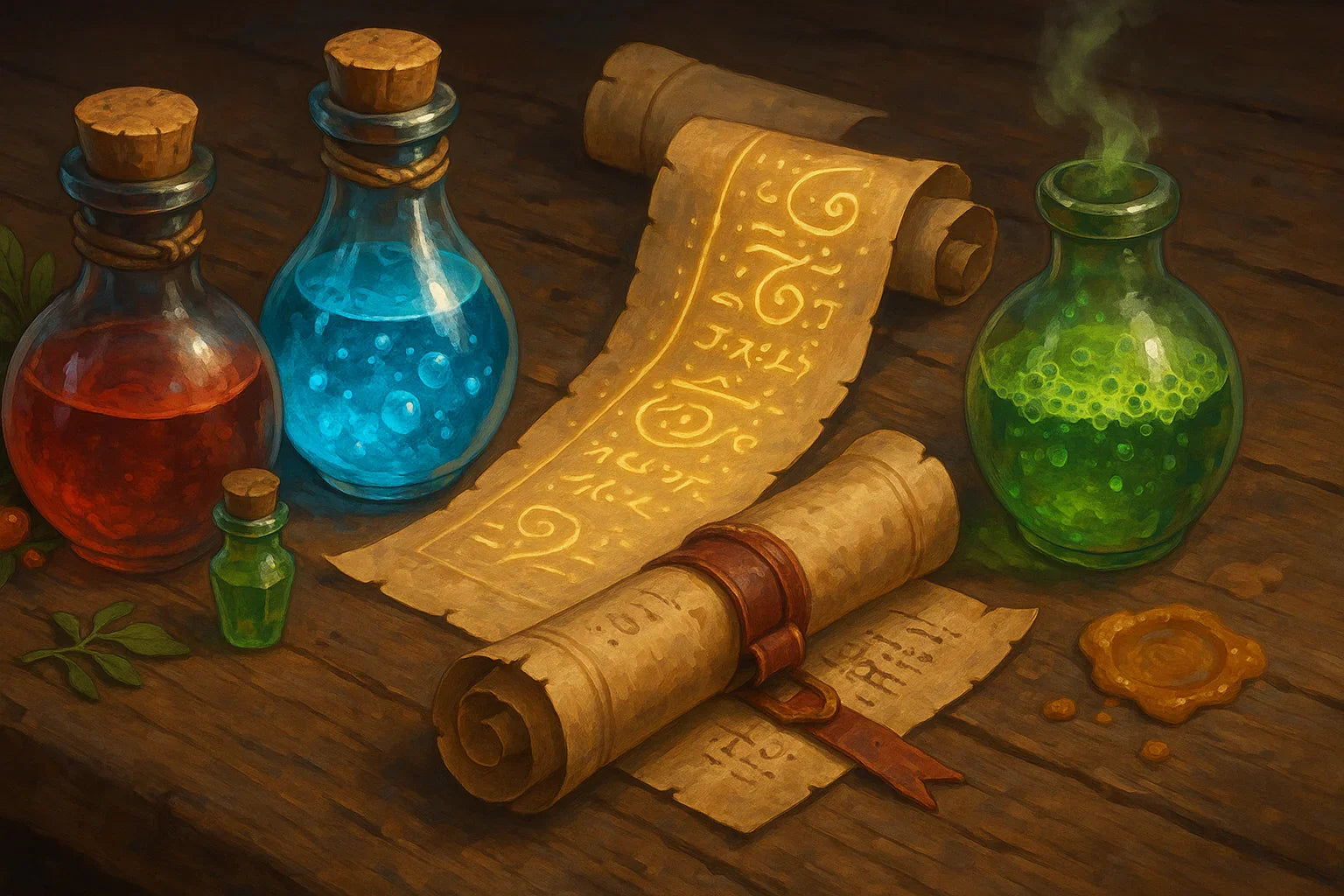
Tactical Uses for Potions, Scrolls and Consumables in Play
Every adventuring party loves finding powerful weapons and permanent magical gear, but some of the most valuable treasures in a tabletop RPG are the ones that disappear after a single use. Potions, scrolls, enchanted ammunition, magical oils, and other RPG consumables often provide exactly the right solution at exactly the right moment.
New players sometimes hesitate to use consumables because they fear wasting them. Experienced players occasionally do the opposite, spending powerful items too early without considering future challenges. The most effective adventurers find a balance. They understand that potions and scrolls are tools meant to solve problems, not collectibles that gather dust in a backpack.
Whether you're exploring dangerous ruins in Dungeons & Dragons or another fantasy roleplaying system, learning how to use consumable magic items tactically can improve survival, strengthen teamwork, and create memorable moments throughout an adventure.
Keep in mind that the availability, mechanics, and rules for consumable items vary between game systems and individual campaigns. Always check with your Game Master for how these items function in your particular game.
Why Potions, Scrolls, and Consumables Deserve a Place in Every Adventurer's Inventory
Permanent magical equipment is exciting, but consumables offer flexibility that permanent gear often cannot.
A single potion or scroll can:
-
Rescue an unconscious ally
-
Bypass a dangerous obstacle
-
Turn a losing battle into a manageable fight
-
Provide utility your party normally lacks
-
Help conserve valuable class resources
-
Give non-spellcasters temporary magical options
Many players underestimate tabletop RPG items because they only focus on raw damage. In reality, mobility, protection, utility, and support frequently decide encounters long before the final attack roll.
Preparing your inventory before leaving town is just as important as preparing spells or equipment. Keeping consumables organized in a dice tray alongside character accessories also makes them easier to remember during fast-moving combat.
Understanding Different Types of Consumable Items
Not every consumable serves the same purpose. Knowing when to use each category helps players make smarter tactical decisions.
Potions
D&D potions typically activate immediately after drinking them.
Common examples include:
-
Healing
-
Resistance
-
Speed
-
Water breathing
-
Invisibility
-
Giant strength
Potions usually require little preparation, making them excellent emergency tools during dangerous situations.
Scrolls
D&D scrolls allow characters to cast specific spells under the appropriate rules for their game system.
Scrolls often provide:
-
Utility magic
-
Defensive spells
-
Travel assistance
-
Emergency offensive options
-
Situational problem solving
A scroll can give the party temporary access to magic they normally do not prepare or cannot cast at all.
Other Consumable Magic Items
Many campaigns also include additional magical consumables, such as:
-
Enchanted arrows
-
Alchemical fire
-
Holy water
-
Thunderstones
-
Magical oils
-
Dusts and powders
-
Single-use charms
-
Elemental bombs
These items often fill specialized tactical roles that weapons or spells cannot easily replace.
Tactical Uses for Healing, Protection, Mobility, Utility, and Offense
The strongest consumable strategy focuses on solving the current problem rather than maximizing raw power.
Healing Consumables
Healing potions are among the most recognizable RPG consumables, but they become even stronger when used thoughtfully.
Good opportunities include:
-
Stabilizing a fallen teammate
-
Recovering between encounters
-
Supporting characters without healing magic
-
Preserving valuable spell slots for later
Rather than automatically drinking a healing potion whenever injured, consider the encounter, remaining resources, and how much danger still lies ahead.
Protective Consumables
Defensive items often prevent damage before healing becomes necessary.
Examples include:
-
Resistance potions
-
Protection scrolls
-
Temporary armor enhancements
-
Wards against specific creature types
Using protection before entering a known threat can dramatically improve the party's chances.
For example, resistance to fire becomes much more valuable before fighting a dragon than after taking several devastating attacks.
Mobility Consumables
Positioning wins battles.
Mobility items may provide:
-
Flight
-
Water walking
-
Climbing
-
Teleportation
-
Increased movement
-
Freedom from restraints
These items shine during both combat and exploration.
Escaping collapsing ruins, crossing hazardous terrain, or reaching elevated enemies can completely change an encounter.
Utility Consumables
Some consumables solve problems without involving combat at all.
Examples include:
-
Water breathing
-
Comprehend Languages
-
Knock
-
Detect Magic
-
Feather Fall
-
Darkvision
These effects can eliminate obstacles while preserving valuable daily class resources.
A carefully timed utility scroll may allow the party to bypass an encounter altogether rather than fighting through it.
Offensive Consumables
Not every character specializes in dealing magical damage.
Single-use offensive items provide additional options such as:
-
Fire damage
-
Lightning attacks
-
Area effects
-
Radiant bursts
-
Poison
-
Elemental ammunition
These are especially useful when a particular enemy has known weaknesses or when the party needs extra burst damage during a difficult encounter.
Consumable Item Comparison
| Consumable Type | Ideal Situations | Advantages | Limitations |
|---|---|---|---|
| Healing Potion | Emergency recovery, between encounters | Immediate healing, simple to use | Limited quantity |
| Spell Scroll | Utility, support, situational magic | Expands available spell options | Subject to system-specific casting rules |
| Resistance Potion | Known elemental threats | Prevents significant damage | Best used before danger begins |
| Mobility Potion | Difficult terrain, escape, positioning | Solves movement challenges | Often highly situational |
| Offensive Consumable | Boss encounters, enemy weaknesses | Adds burst damage or special effects | Single use and timing dependent |
| Utility Item | Exploration, puzzles, investigation | Solves non-combat problems creatively | May not help in direct combat |
Managing Limited Resources Without Hoarding Items
One of the biggest challenges in tabletop RPG strategy is deciding when to spend limited resources.
Many players save every potion until the campaign ends, only to finish with a backpack full of unused magic.
Others spend everything during the first challenging fight.
A balanced approach works better.
Ask yourself:
-
Is this obstacle genuinely dangerous?
-
Can another party member solve the problem naturally?
-
Will using this item save more valuable resources?
-
Is the upcoming risk known or uncertain?
-
Would failure create serious consequences?
Using one healing potion to avoid losing an important party member is usually worthwhile.
Using six powerful consumables to defeat a minor patrol probably is not.
Good tactical play comes from matching the item's value to the challenge rather than following a rigid rule.
Combining Consumables with Class Abilities and Teamwork
The best tactical RPG gameplay happens when consumables enhance existing character strengths rather than replacing them.
A fighter might drink a speed potion before engaging multiple enemies.
A wizard can preserve spell slots by relying on a scroll for utility magic outside combat.
A rogue may benefit from invisibility during reconnaissance before combat even begins.
A cleric can save healing spells by encouraging teammates to use healing potions after an encounter.
Communication matters just as much.
Before difficult adventures, discuss:
-
Who carries healing potions?
-
Which scrolls are available?
-
Who can activate them?
-
Which items are reserved for emergencies?
-
Which consumables support specific character roles?
Clear planning avoids confusion when every round counts.
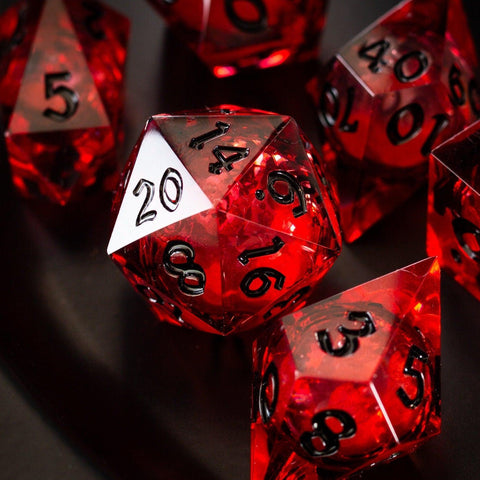
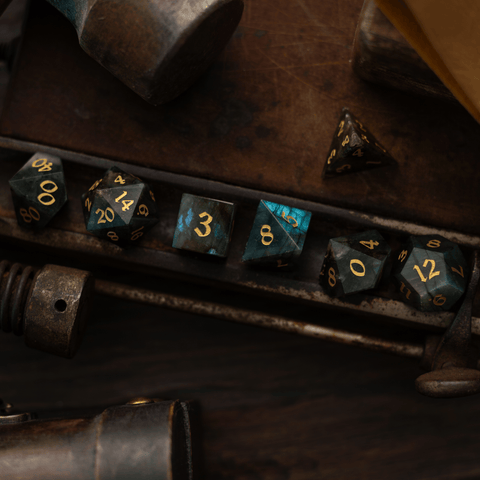
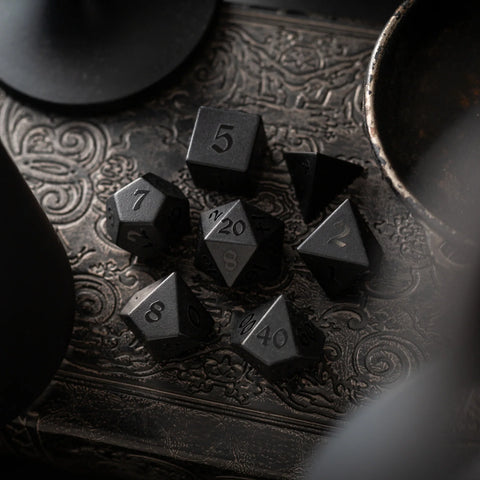
During combat, temporary magical effects can quickly become difficult to track. Condition rings make it easier to remember bonuses, resistances, or ongoing magical effects without repeatedly checking character sheets. Likewise, easy-to-read gemstone, resin, or metal dice help keep attack rolls, damage rolls, and saving throws moving smoothly during hectic encounters.
Common Mistakes Players Make with Consumable Items
Avoiding a few common habits makes consumables much more effective.
Forgetting They Exist
Players often become so focused on class abilities that they overlook powerful inventory items.
Review your inventory before every major adventure.
Using the Wrong Tool
A healing potion cannot solve every problem.
Sometimes a mobility potion or utility scroll provides a much better solution.
Ignoring Preparation
Knowing the likely dangers ahead allows smarter purchasing decisions.
Preparing resistance potions before entering a volcanic dungeon is far more effective than hoping to find one afterward.
Overlapping Resources
If three characters all use expensive consumables to solve the same problem, valuable resources disappear quickly.
Coordinate with teammates before committing multiple items.
Waiting Too Long
Items that remain unused throughout an entire campaign provide no benefit.
The goal is thoughtful use, not permanent storage.
Quick Consumable Planning Checklist
Before beginning your next adventure, spend a few minutes reviewing your inventory.
Consider these questions:
-
Do we have enough healing available?
-
Can anyone solve movement challenges?
-
Are utility scrolls covering missing spell options?
-
Do we have protection against expected hazards?
-
Who carries each important consumable?
-
Which items are reserved for emergencies?
-
Are temporary magical effects easy to track during combat?
For Game Masters, including a variety of consumable magic items in treasure rewards encourages creative play without permanently increasing character power. Mixing healing supplies, utility scrolls, defensive potions, and specialized single-use items gives players meaningful choices throughout a campaign.
When combat becomes busy, organized accessories also help maintain momentum. A dice tower keeps rolls consistent, while a well-organized dice tray makes it easier to keep potions, scroll cards, tokens, and temporary items within easy reach instead of searching through a crowded character bag.
The most memorable adventures rarely come from using the strongest item at the perfect moment. They come from recognizing an unexpected opportunity and making the most of the resources already in your pack. A single scroll can bypass a locked fortress, a resistance potion can help the party survive a deadly environment, or an enchanted arrow can finish a dangerous enemy just before disaster strikes.
Every adventure presents different challenges, and no single consumable is always the right answer. By understanding what your potions and scrolls can do, planning around your party's strengths, and adapting to the situation in front of you, you'll make smarter tactical decisions that support both your companions and the story. Thoughtful use of RPG consumables is not about spending every item or saving every item. It is about recognizing the right moment, working together, and turning limited resources into unforgettable victories.














Leave a comment
This site is protected by hCaptcha and the hCaptcha Privacy Policy and Terms of Service apply.