

Homebrew DnD Content for Balanced Campaigns at the Table
Updated on: January 24, 2026
Creating your own custom campaign content is one of the most rewarding experiences as a Dungeon Master. Whether you're crafting unique worlds, designing memorable NPCs, or inventing epic quests, custom D&D content brings your table to life in ways pre-written modules simply can't match. In this guide, we'll explore how to develop compelling original material, debunk common myths about the creative process, and help you build campaigns that'll have your players talking for years.
- Product Spotlight: The Right Tools Matter
- Creating Compelling Custom Campaign Content
- Myths vs. Facts About Custom D&D Content
- Frequently Asked Questions
- Final Recommendations
Product Spotlight: The Right Tools Matter

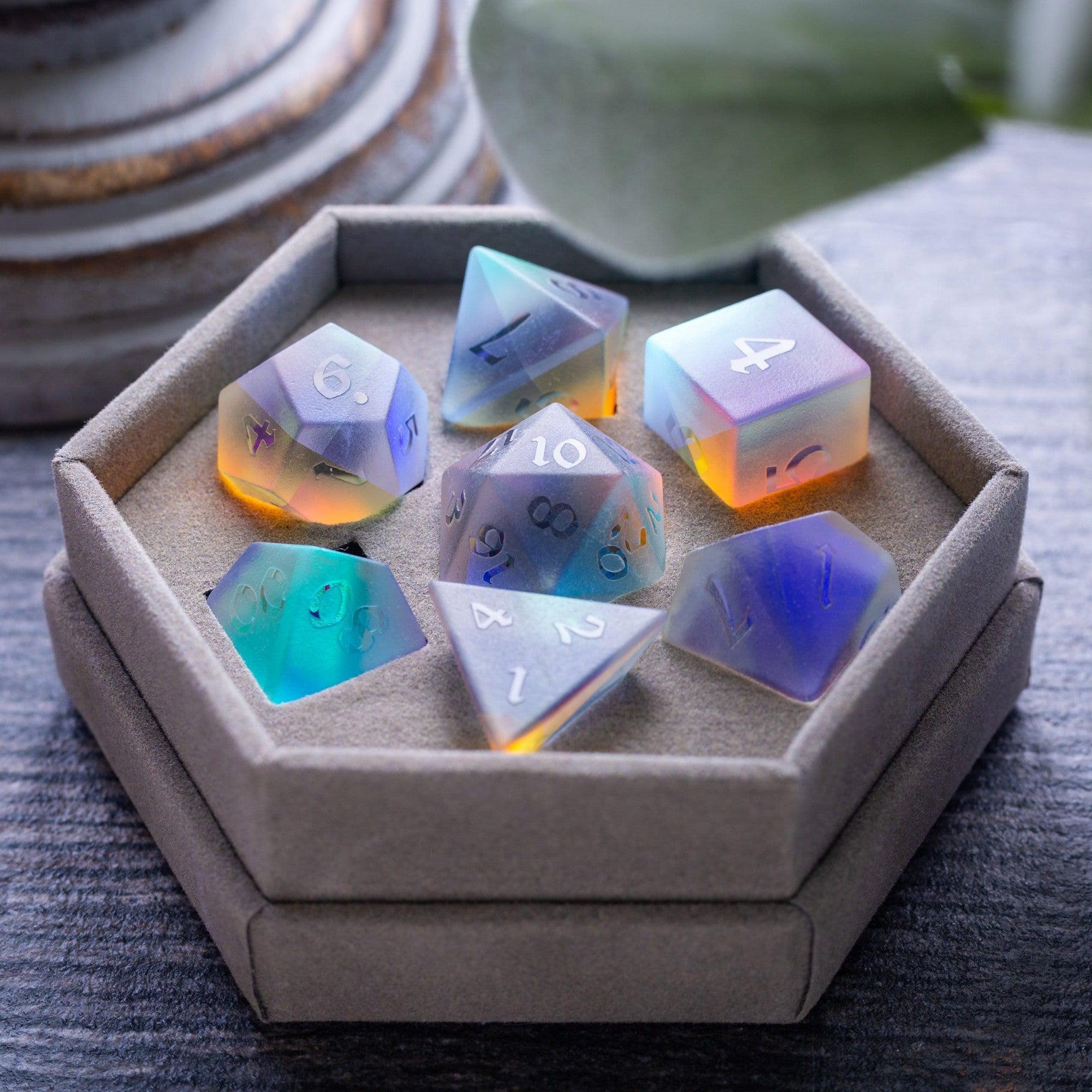
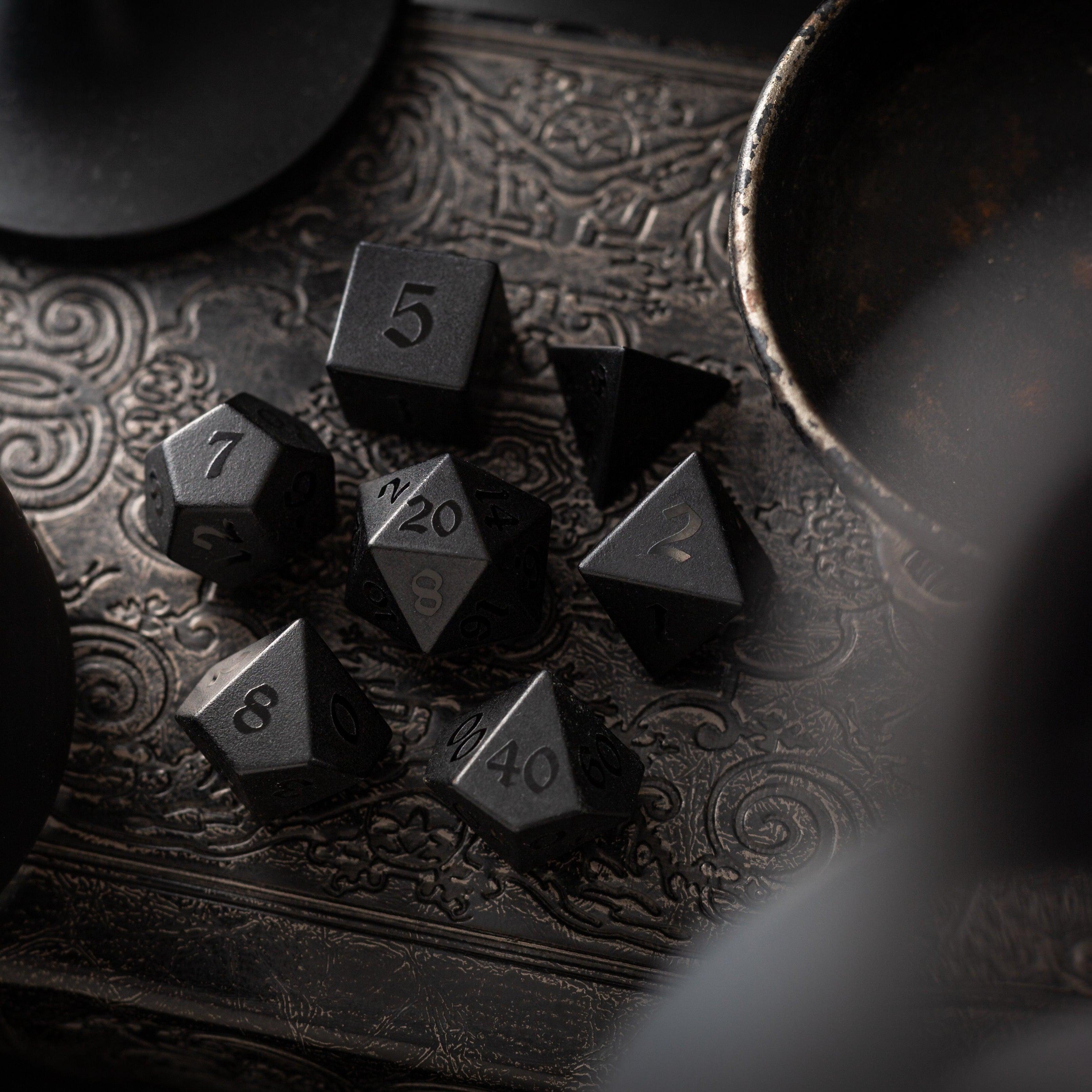
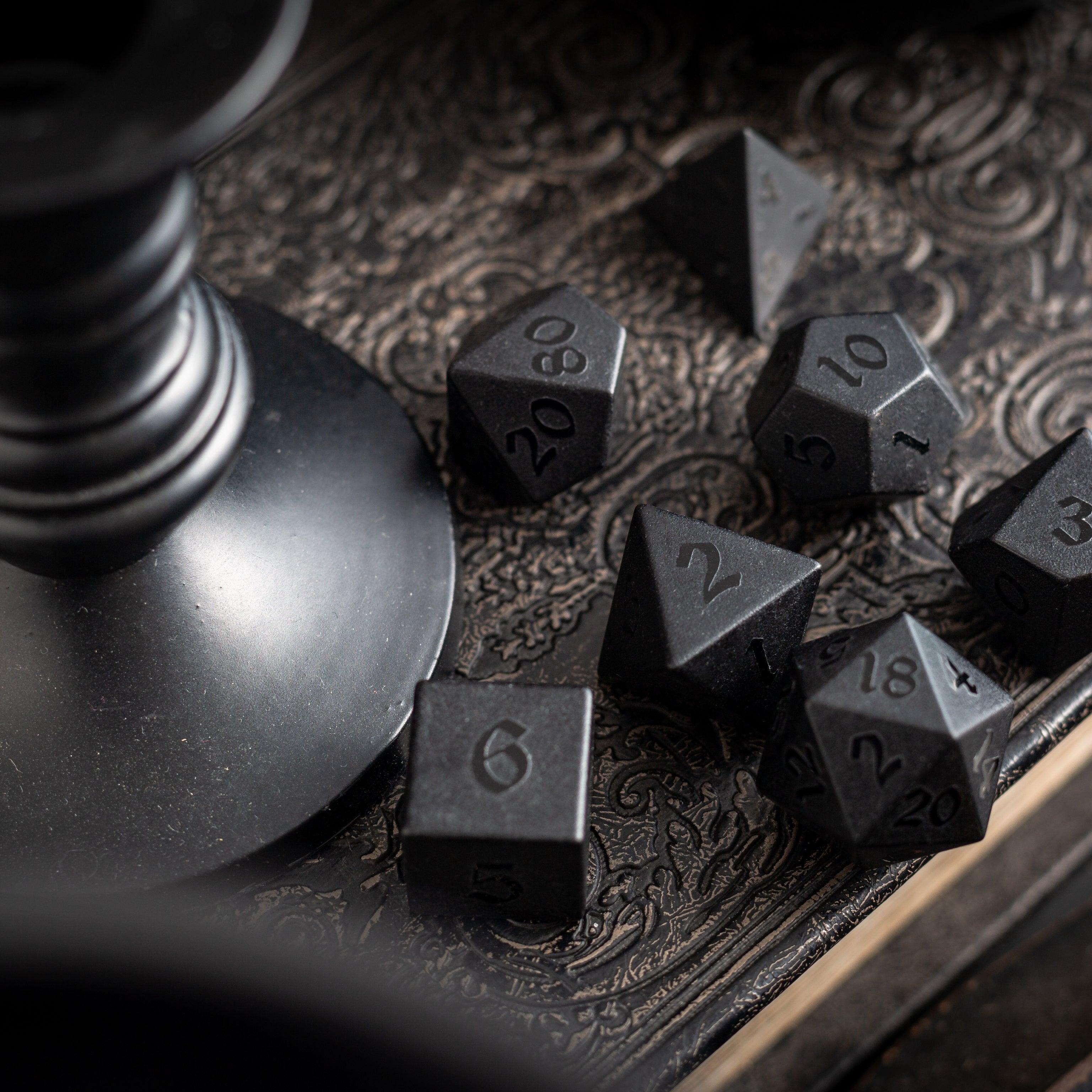
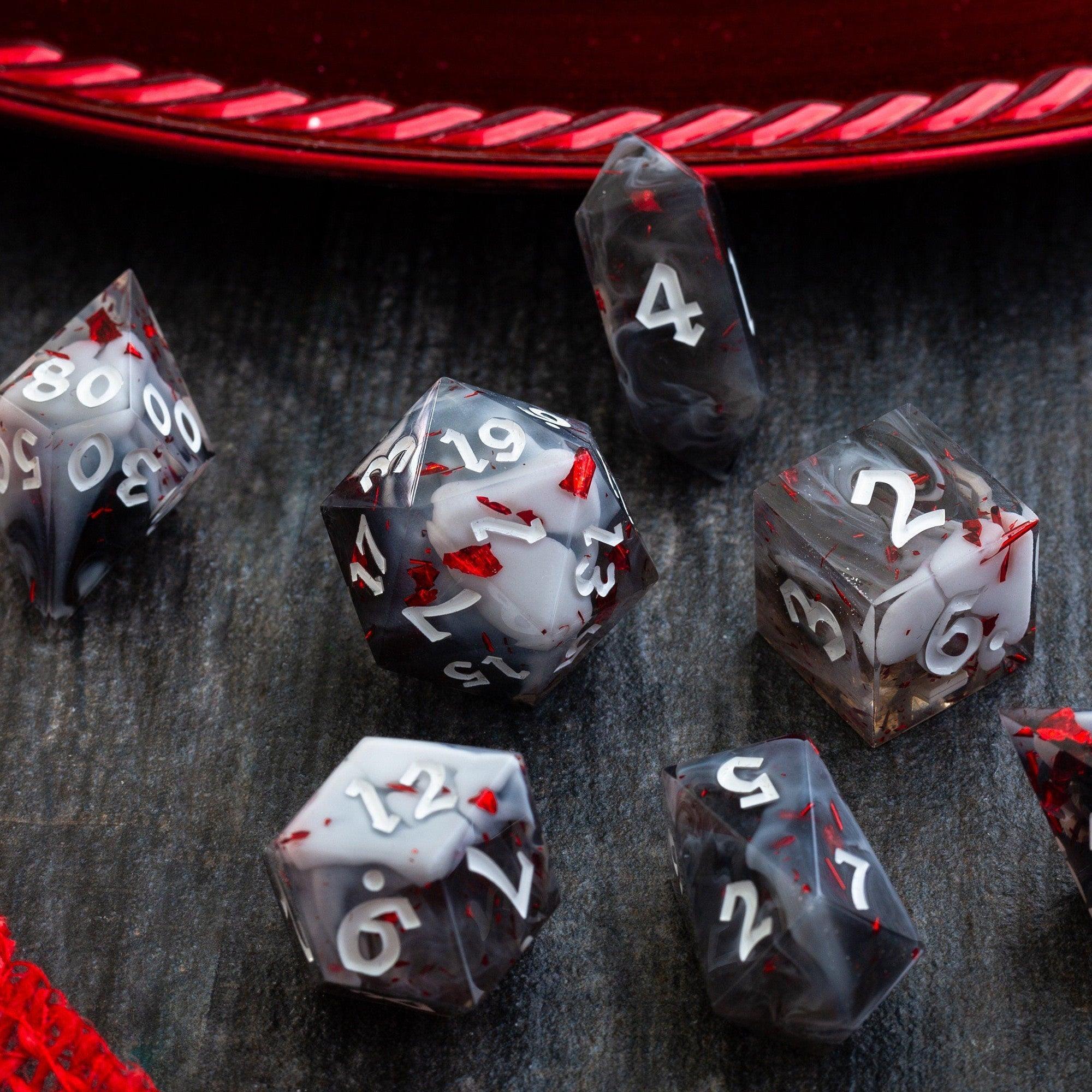
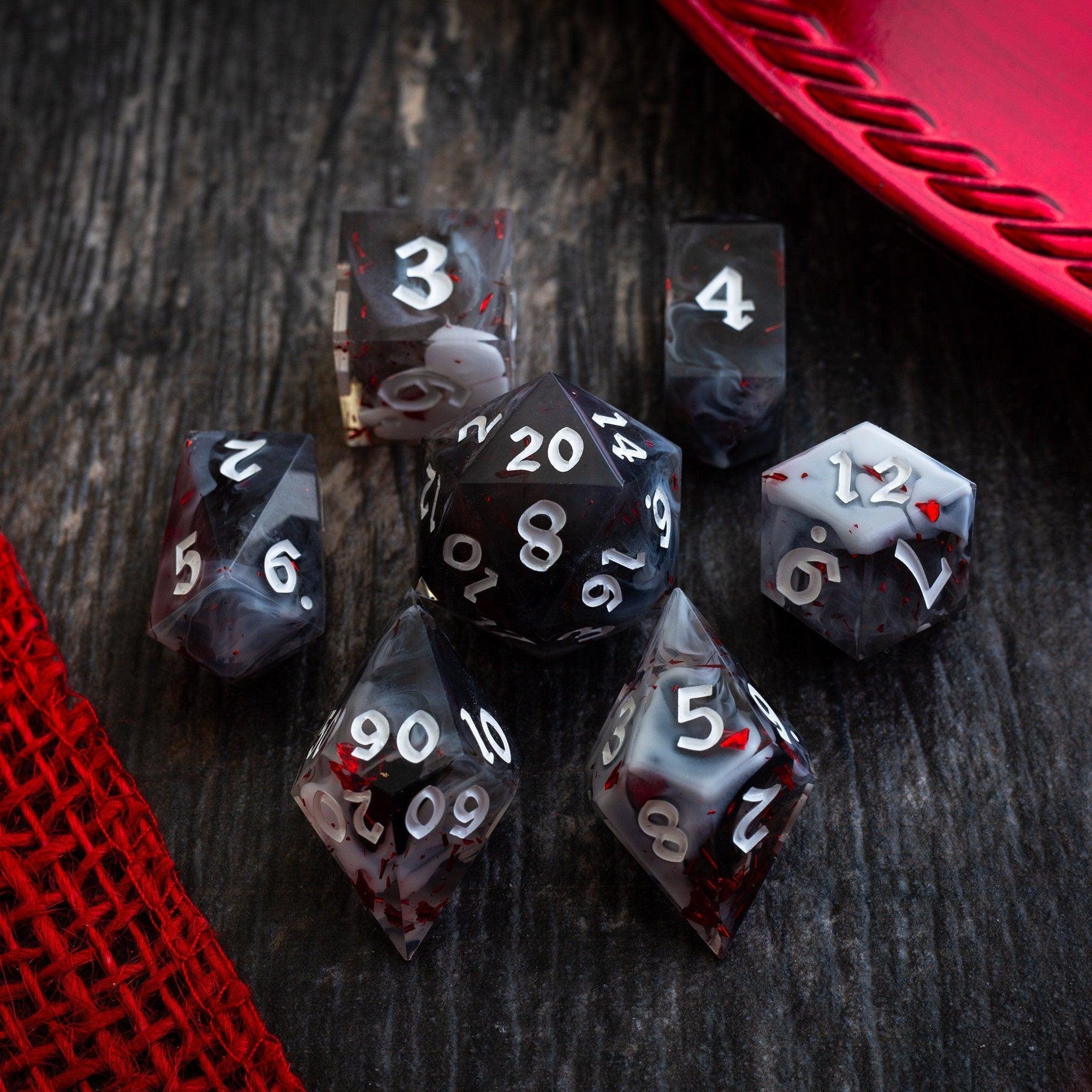
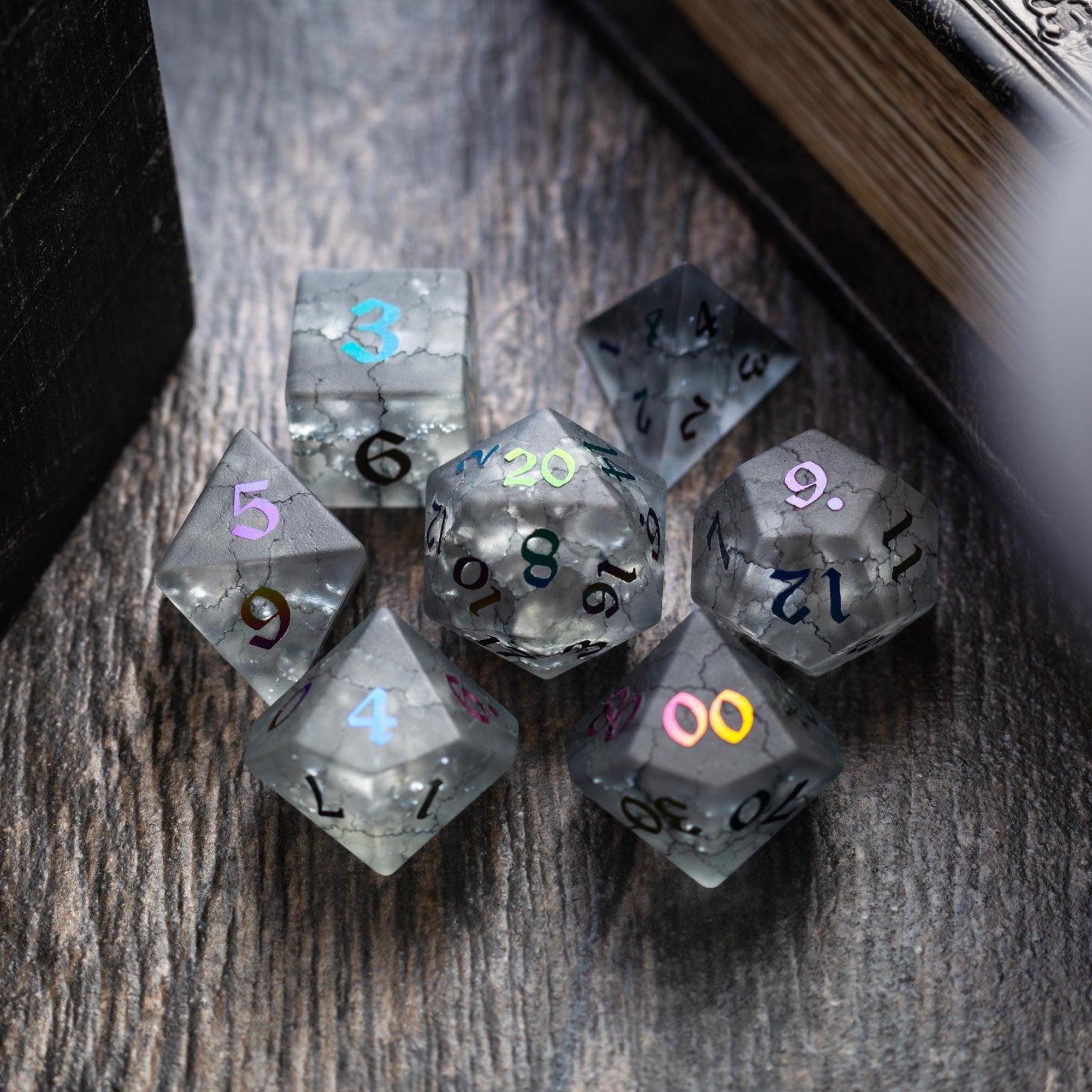
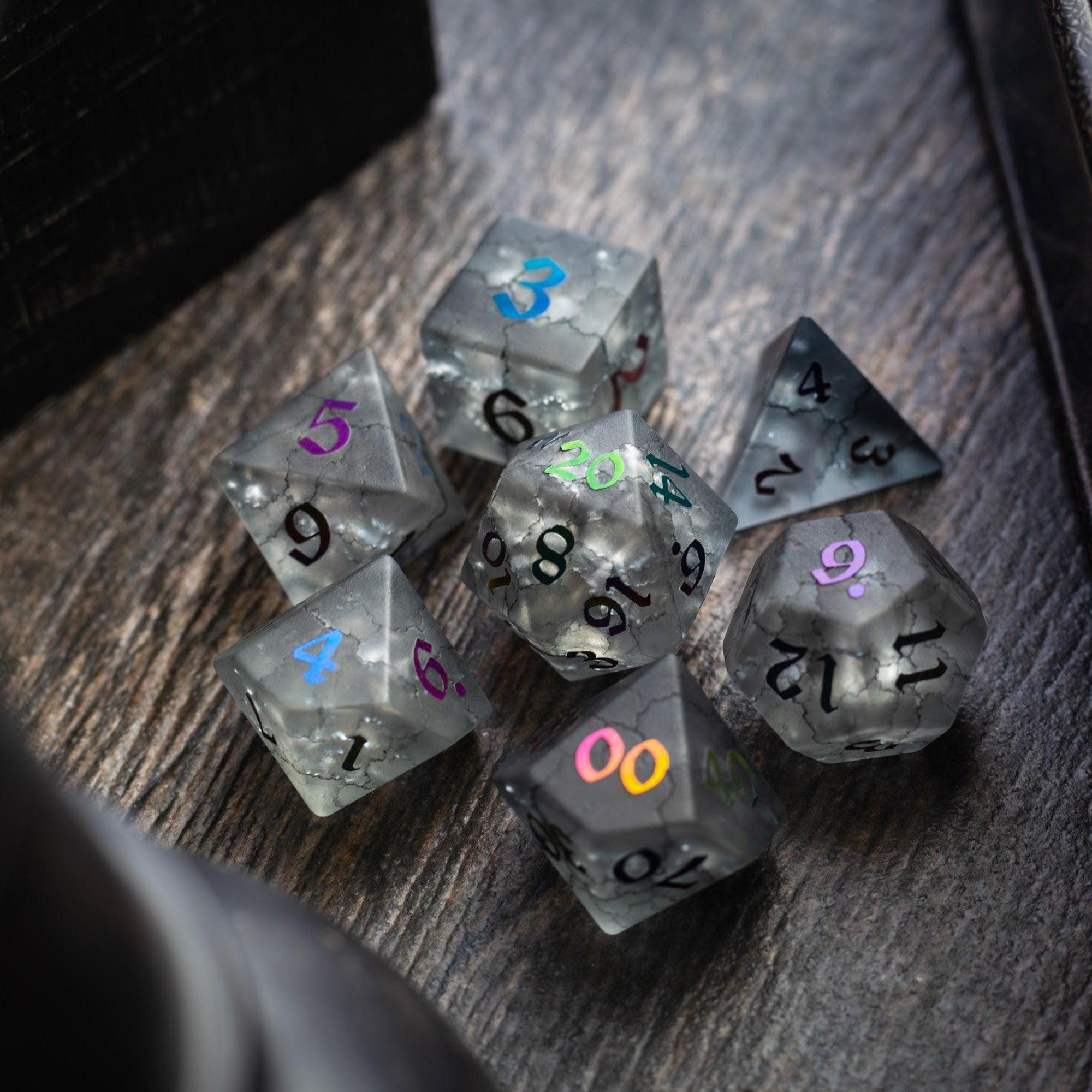
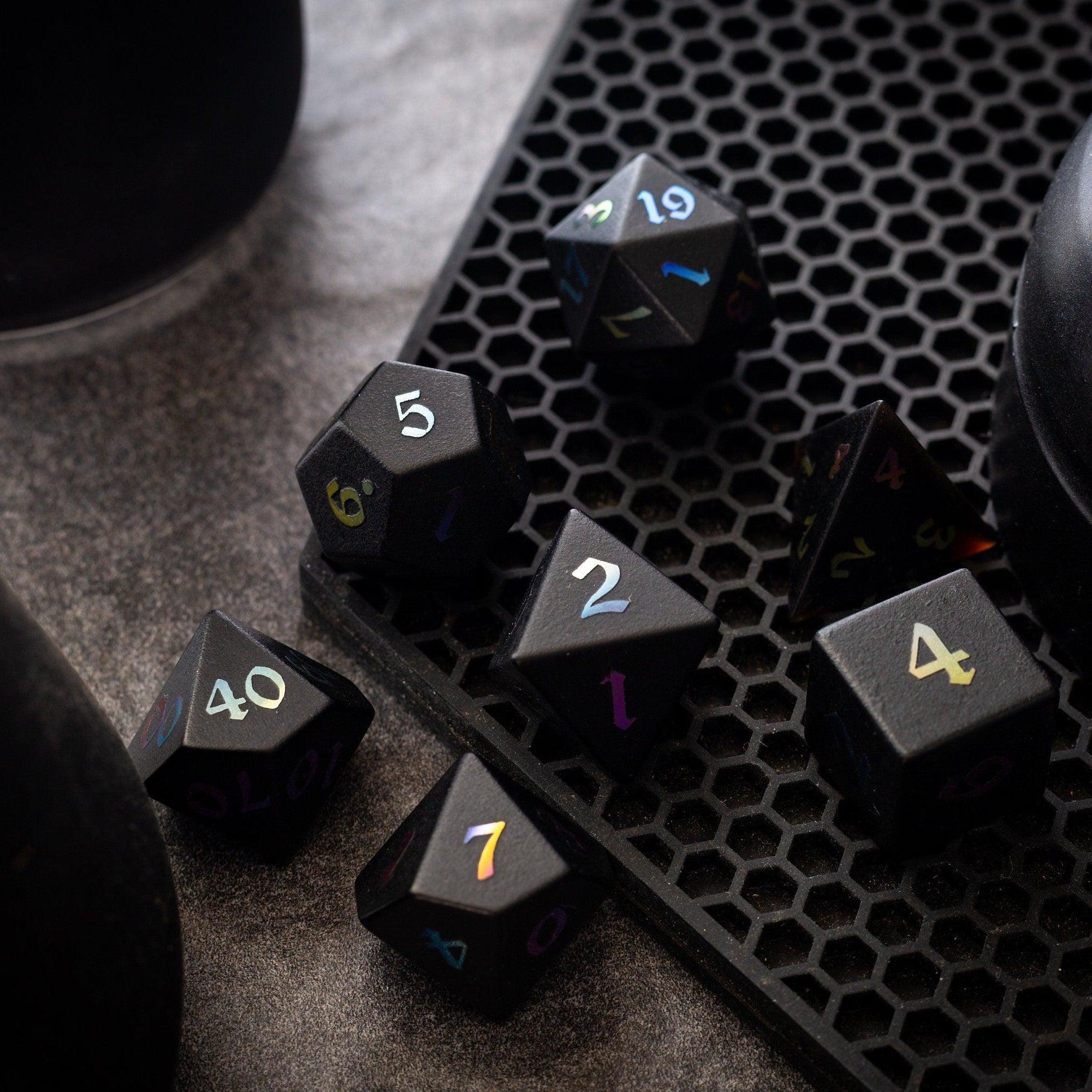
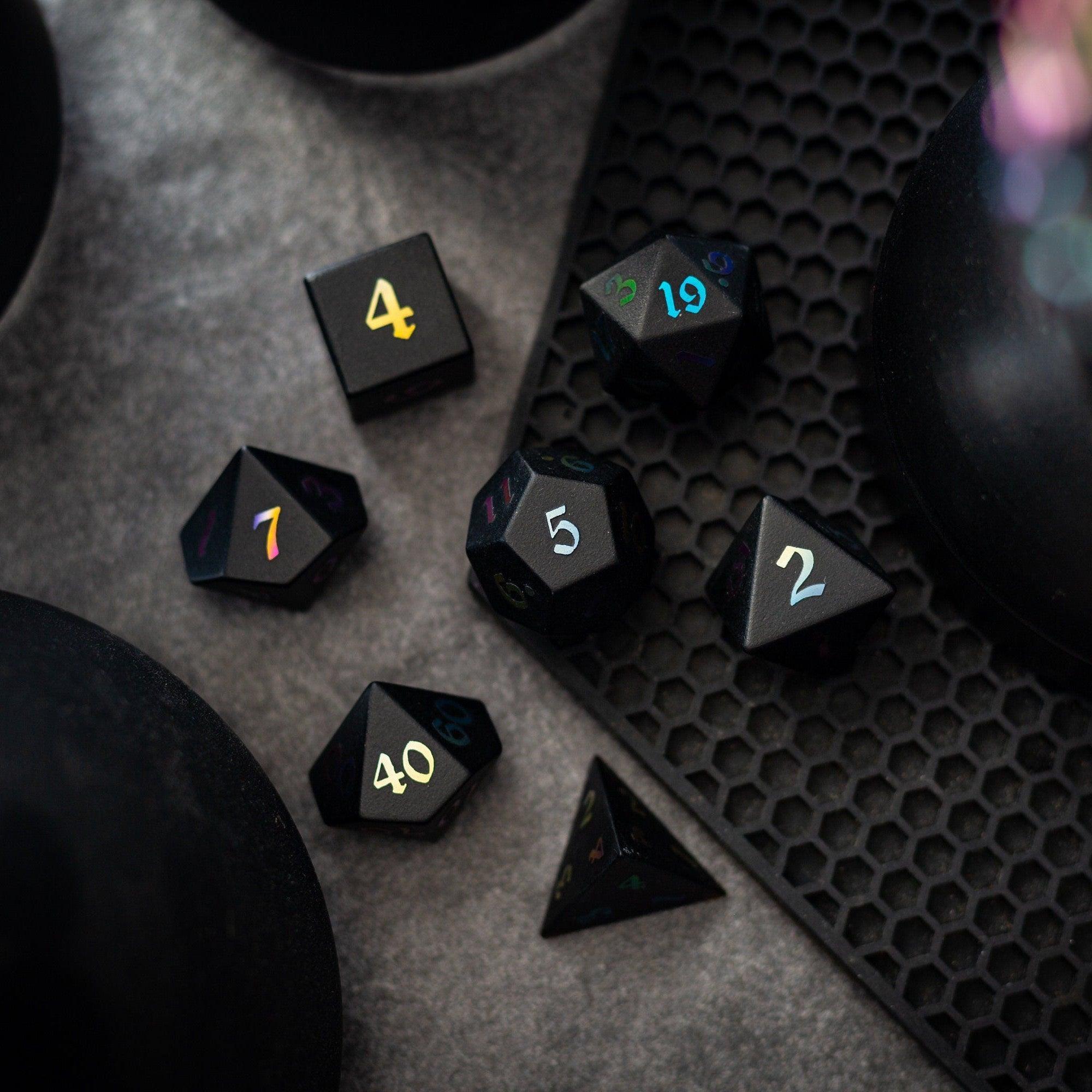
While creativity is your greatest asset, the right materials elevate your game experience tremendously. When you're designing custom D&D campaigns, having high-quality dice becomes essential for immersion. Whether you're rolling for random encounters, determining critical moments, or letting players feel the weight of their choices, premium dice sets enhance the entire experience.
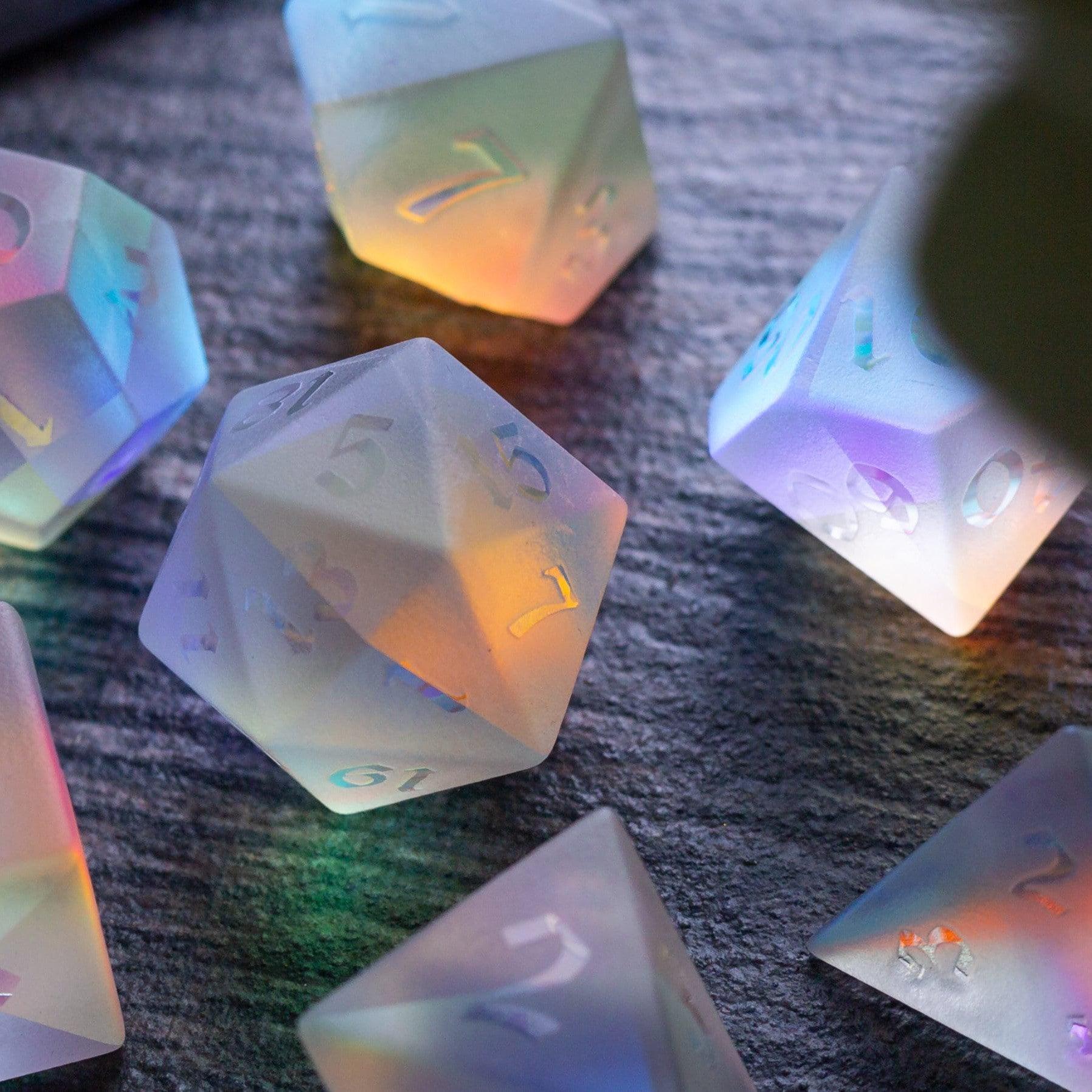
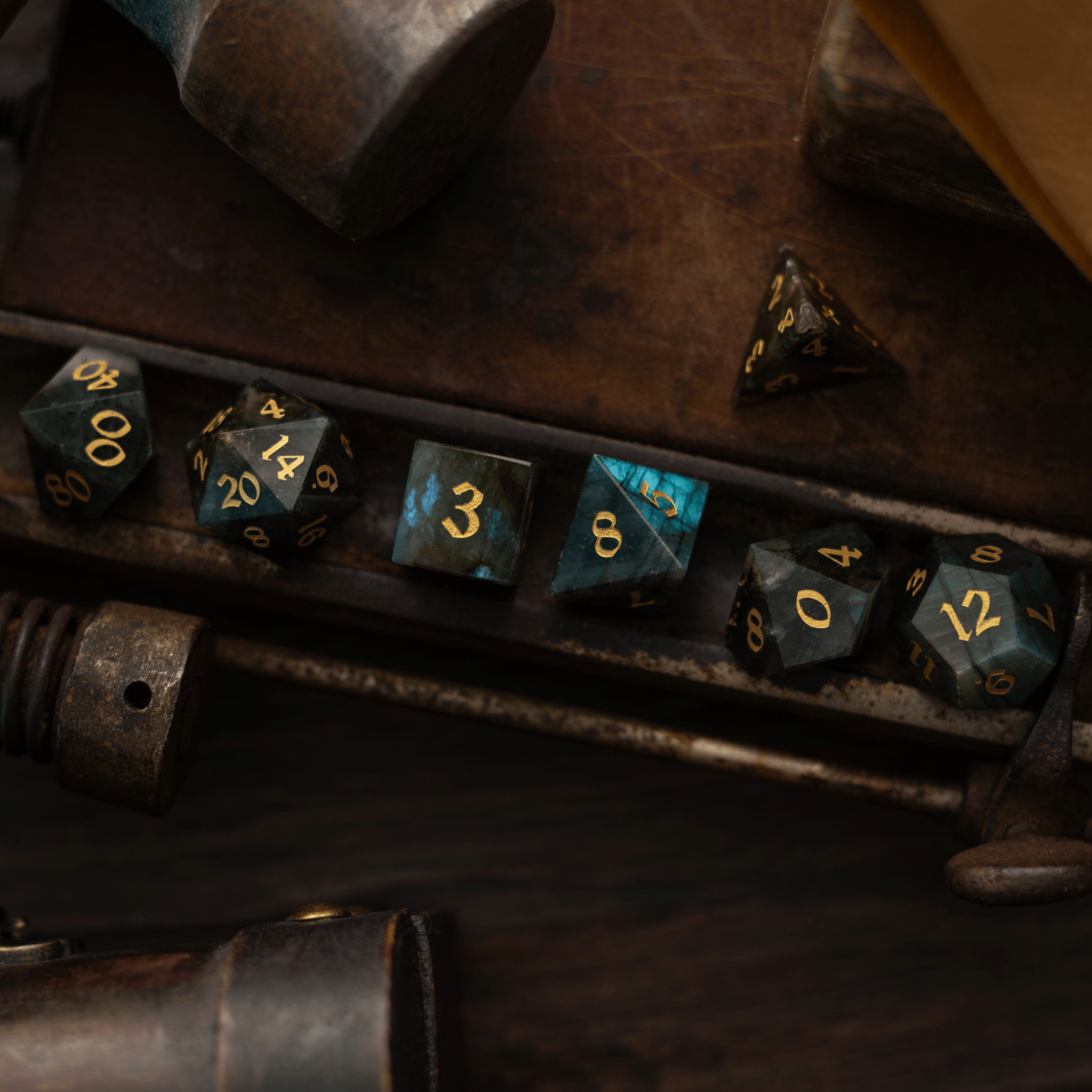
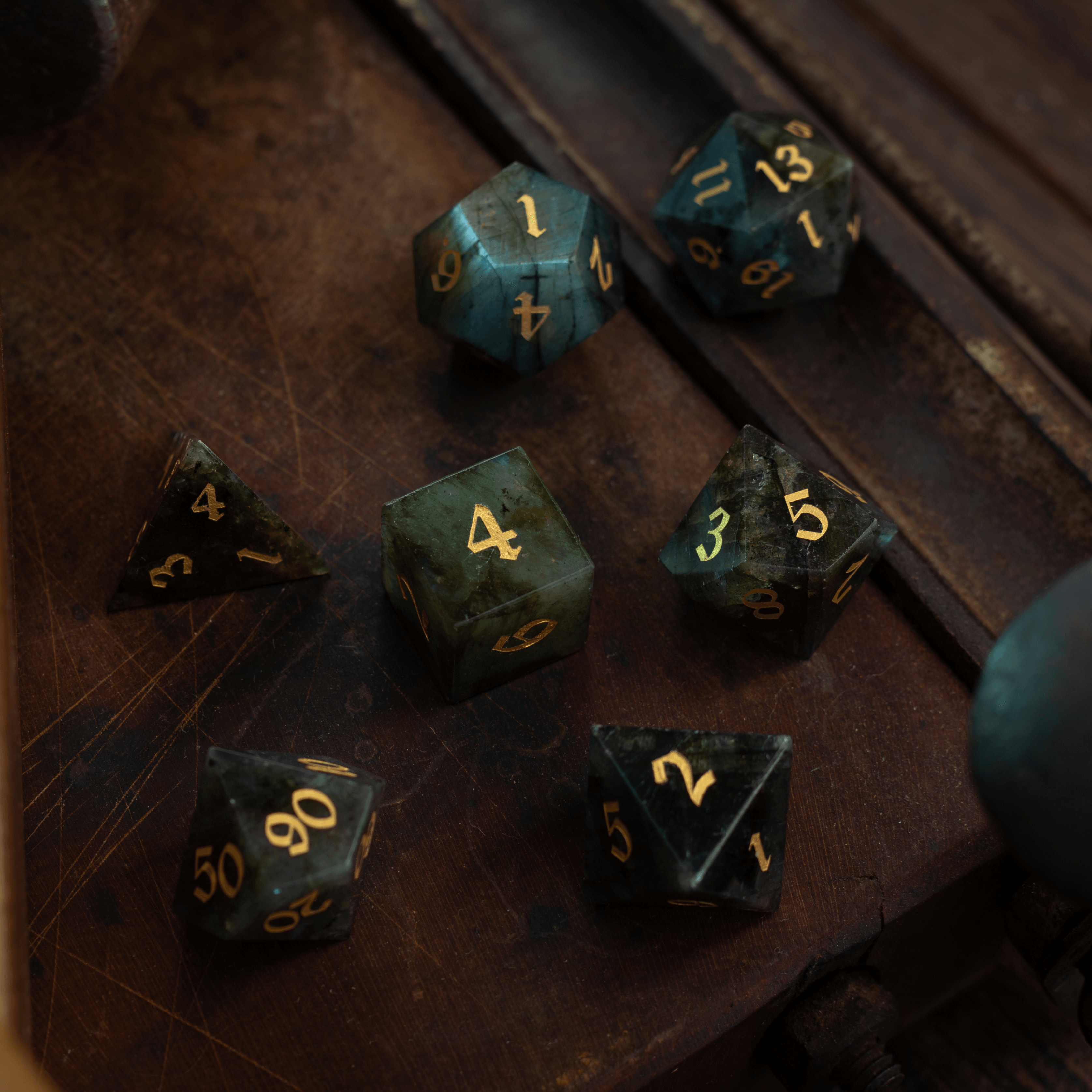
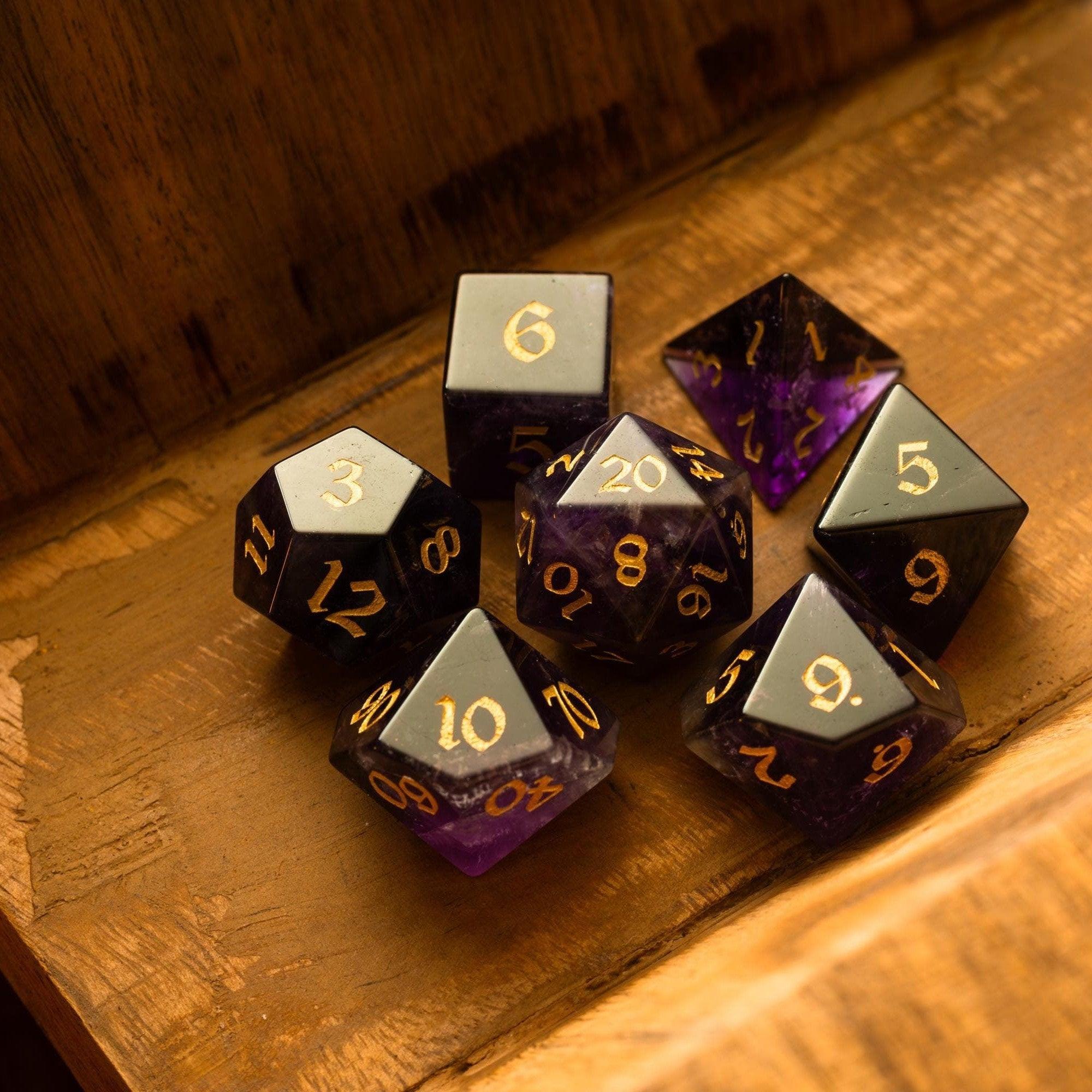
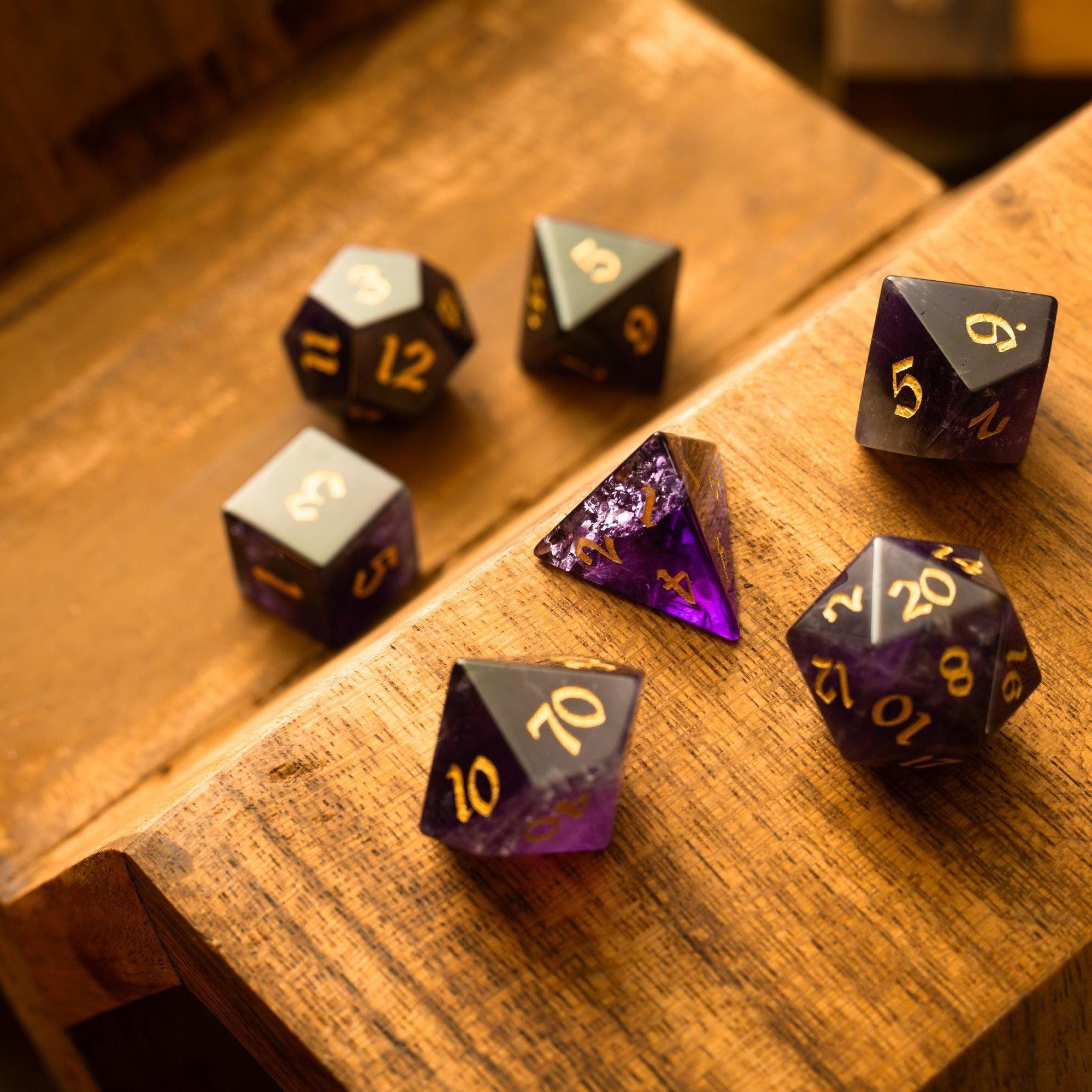
Consider investing in gemstone dice sets that feel substantial in your hand and look absolutely stunning on the table. The tactile experience of rolling genuine gemstone or beautifully crafted resin dice makes every moment feel more significant. Many Dungeon Masters find that purple striped agate dice sets or labradorite gemstone collections inspire creativity during session prep. The visual appeal of your table setup directly impacts player engagement, making quality dice more than just practical tools—they're part of your world-building.
Creating Compelling Custom Campaign Content
Building original custom D&D material requires balancing structure with flexibility. The beauty of crafting your own content lies in the freedom to create stories that resonate with your specific group of players. You're not confined by published modules or predetermined plotlines; you're the architect of entire worlds.
Start With Your Core Concept
Every great campaign begins with a spark. Ask yourself: What story excites you? What themes interest your players? Maybe you're imagining a gritty urban fantasy where dragons rule corporate towers, or perhaps a whimsical tale of small creatures saving their forest home. Your core concept doesn't need to be revolutionary—it just needs to genuinely excite you because that enthusiasm is contagious at the table.
Write down your central idea in a single paragraph. This becomes your north star when designing encounters, NPCs, and plot hooks. Everything you create should connect back to this core narrative, keeping your campaign cohesive and purposeful.
Develop Memorable Non-Player Characters
Your NPCs are the heart of any campaign. Rather than creating exhaustive character sheets, focus on what makes each NPC memorable. Give them distinct speech patterns, quirks, or motivations. Maybe your tavern keeper always quotes philosophy, or your villain genuinely believes they're the hero. These details make characters feel alive.
Create NPCs with conflicting goals and motivations. Your noble merchant might genuinely care about the community but also pursue ruthless profits. This moral complexity makes characters feel realistic and creates richer roleplay opportunities.
Craft Meaningful Encounters
Combat and social encounters should serve your story. Rather than rolling random monsters, design encounters that reveal character motivations or advance your plot. An enemy that talks before fighting creates drama. A seemingly simple negotiation with high stakes becomes memorable.
Balance combat difficulty thoughtfully. Challenging encounters are fun; impossible ones are frustrating. Use your player knowledge to calibrate difficulty, and remember that not every challenge needs combat—puzzles, moral dilemmas, and social conflicts are equally engaging.
Build Living Worlds
The most immersive campaigns feature worlds that feel alive beyond the players' immediate actions. Create factions with their own agendas that unfold regardless of player involvement. Maybe the merchant's guild and thieves' council are competing for influence, creating tension that players can exploit or be caught within.
Establish clear geography and economics. Why do certain towns exist? What resources matter? How do people make their living? These details make your world feel authentic and provide natural adventure hooks.
Myths vs. Facts About Custom D&D Content
Myth: You Need Thousands of Hours of Prep Work
Fact: Effective custom campaigns require thoughtful preparation, but quality beats quantity. Many experienced DMs prepare just a few hours weekly. Focus on preparing what matters: major plot points, key NPCs, and potential encounters. Leave room for improvisation. Your players will create unexpected situations; planning for flexibility works better than scripting every detail.
Myth: Your Custom World Must Be Completely Original
Fact: Drawing inspiration from existing media, published modules, or other campaigns isn't cheating—it's professional practice. Every creator borrows elements. What matters is how you remix and personalize these elements to fit your vision and player group.

Myth: Complex Mechanics Make Better Campaigns
Fact: Simplicity often creates better games. Overly complicated rules systems, factions, or lore can overwhelm both you and your players. Clear, straightforward mechanics let everyone focus on storytelling and character interaction, which is where the real magic happens.
Myth: Players Will Ruin Your Carefully Planned Story
Fact: Players won't follow your plot perfectly, and that's wonderful. The best campaigns are collaborative. When players surprise you and deviate from your plans, embrace it. Some of the most memorable moments emerge from unexpected player decisions. Prepare your world and NPCs, not rigid plot points.
Frequently Asked Questions
How Do I Handle Players Going Off the Rails?
This is every DM's greatest fear and greatest opportunity. Rather than fighting player agency, embrace it by creating flexible frameworks. Instead of planning "Players must rescue the kidnapped princess," plan "The princess is in danger and various factions want different outcomes." Now, however your players approach the situation, you're prepared. They might negotiate with the kidnapper, stage an elaborate heist, or challenge them to single combat—all valid approaches that work within your prepared framework.
What's the Best Way to Balance Roleplay and Combat?
Different player groups prefer different balances. Talk with your players about what they enjoy. Some groups love heavy combat and want fewer roleplay-heavy sessions. Others prefer social encounters and exploration. There's no universal "correct" balance—just what works for your table. Many campaigns benefit from mixing session types: a combat-heavy session followed by a roleplay-focused one keeps things varied and interesting.
How Do I Avoid Running the Same Campaign Repeatedly?
Variety comes from changing core elements. If your last campaign featured a tyrannical empire, try creating a campaign where authority is fragmented and different factions compete. If you ran a high-fantasy setting, explore urban fantasy or post-apocalyptic themes. Rotate your central conflict type: sometimes political intrigue, sometimes external threats, sometimes personal quests.
Should I Use Maps and Visual Aids?
Visual aids enhance immersion significantly. Even simple hand-drawn maps help players understand geography. Battle maps with miniatures create tactical clarity in combat. That said, not every DM uses these tools, and excellent campaigns run without them. Experiment and use what enhances your table's experience. If your players are engaged without visual aids, they're not necessary.
Final Recommendations
Creating custom D&D content is intimidating initially, but it becomes increasingly rewarding. Start small. Maybe your first custom campaign is short—a three-session adventure in a single town. Build confidence and skills before tackling epic multi-year campaigns.
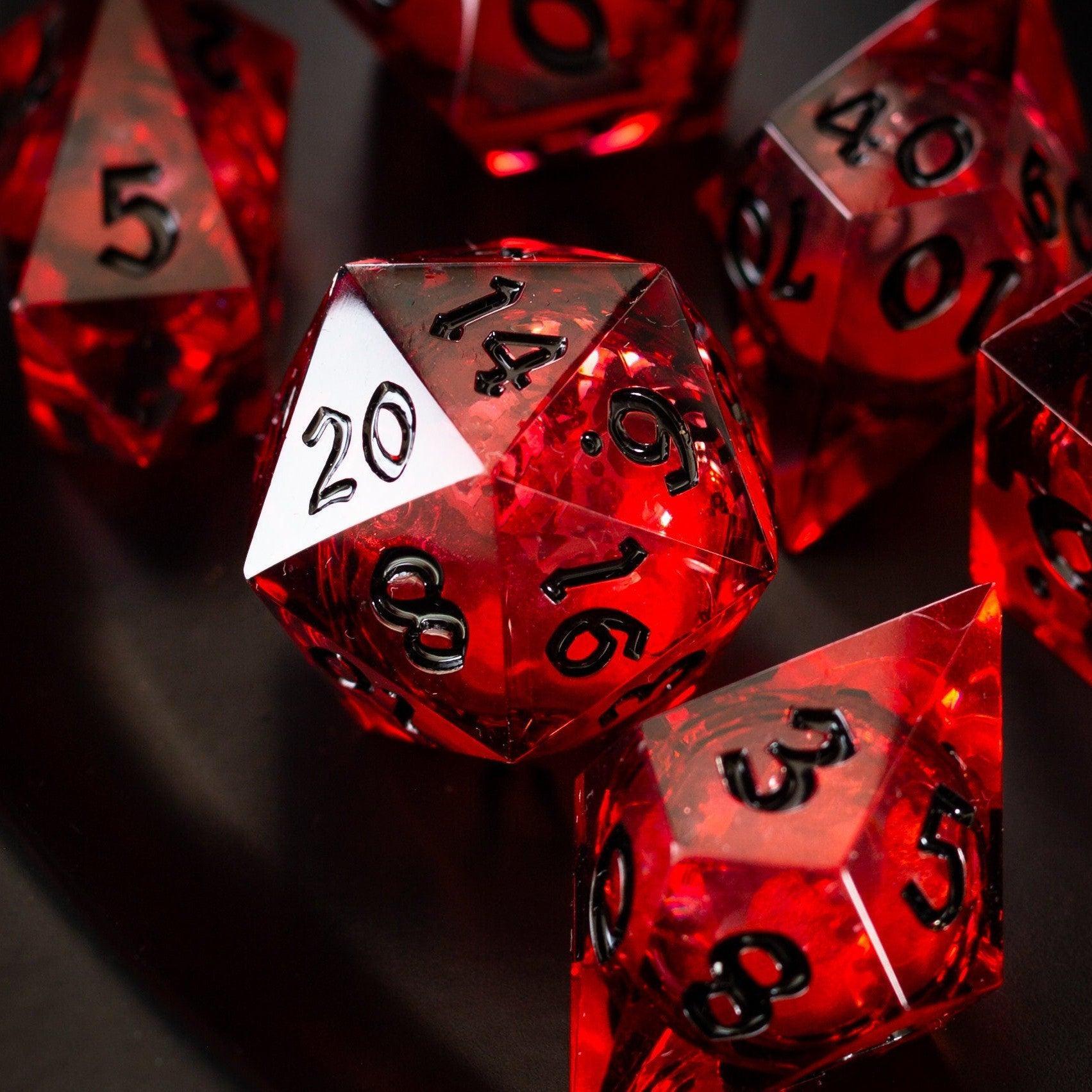
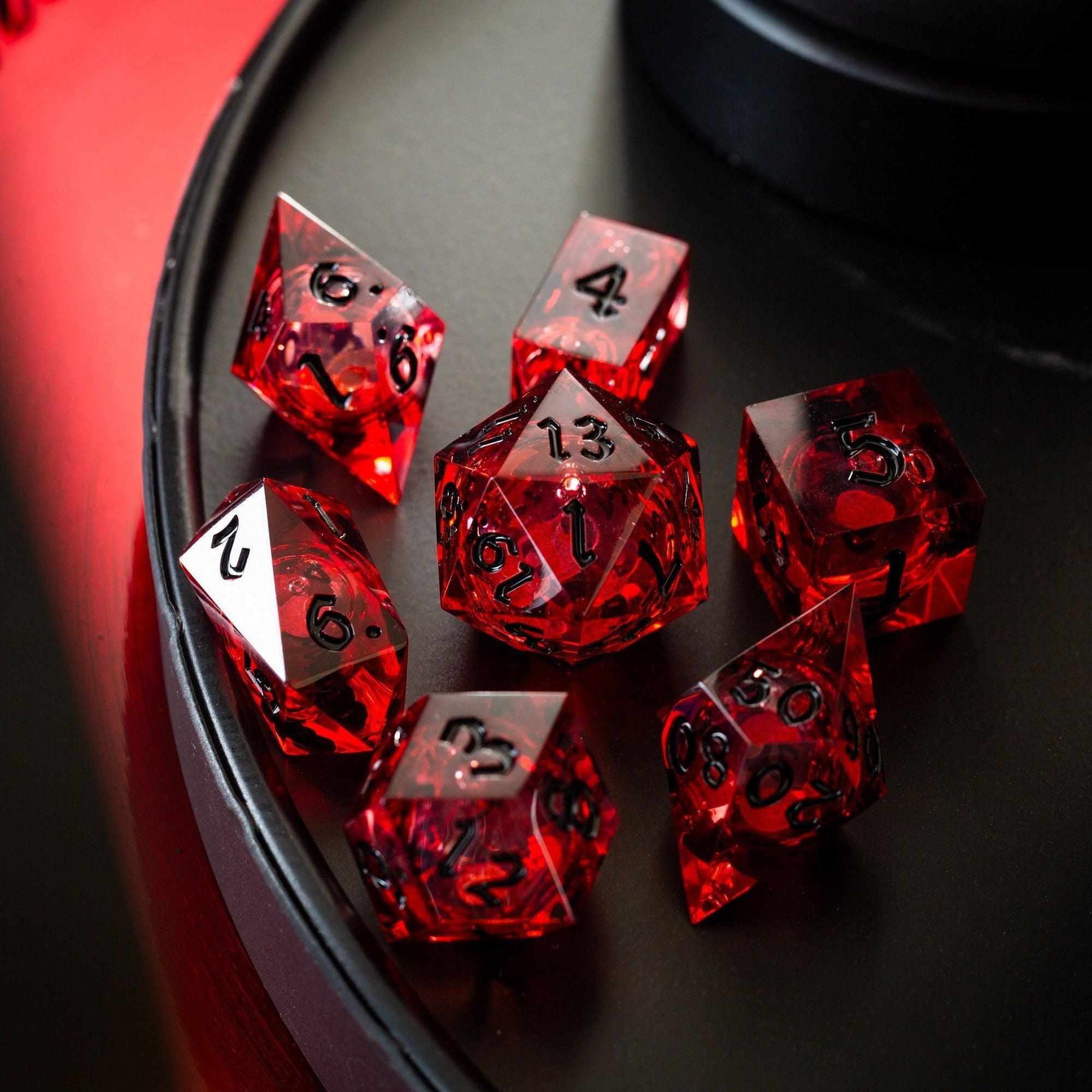
Invest in your creative process. Set aside dedicated prep time. Create a comfortable DM space. Use quality materials that inspire you. When you're rolling with beautifully crafted resin dice sets or mystical violet resin dice, your enthusiasm naturally translates to your players.
Remember that D&D is collaborative storytelling. Your players aren't obstacles to overcome; they're co-creators. The best campaigns emerge from genuine collaboration where your preparation meets their creativity. When you present a living world with interesting NPCs and meaningful choices, players elevate the experience alongside you.
Trust your instincts. If something feels fun and exciting to you, it'll likely excite your players. Don't overthink every detail. Some of the best campaigns feature loose plans and tremendous improvisation. Your authentic enthusiasm for your custom world matters more than perfect preparation.
Finally, keep learning and iterating. After each campaign, reflect on what worked and what didn't. Which NPCs did players love? Which plot hooks fell flat? Use these lessons to improve your next campaign. Every campaign you run teaches you valuable skills for crafting even better content.
Your custom campaign awaits. Start preparing, gather your players, and roll those dice. The stories you'll create together will become cherished memories that your group talks about for years. That's the real magic of crafting your own content.


Leave a comment
This site is protected by hCaptcha and the hCaptcha Privacy Policy and Terms of Service apply.