
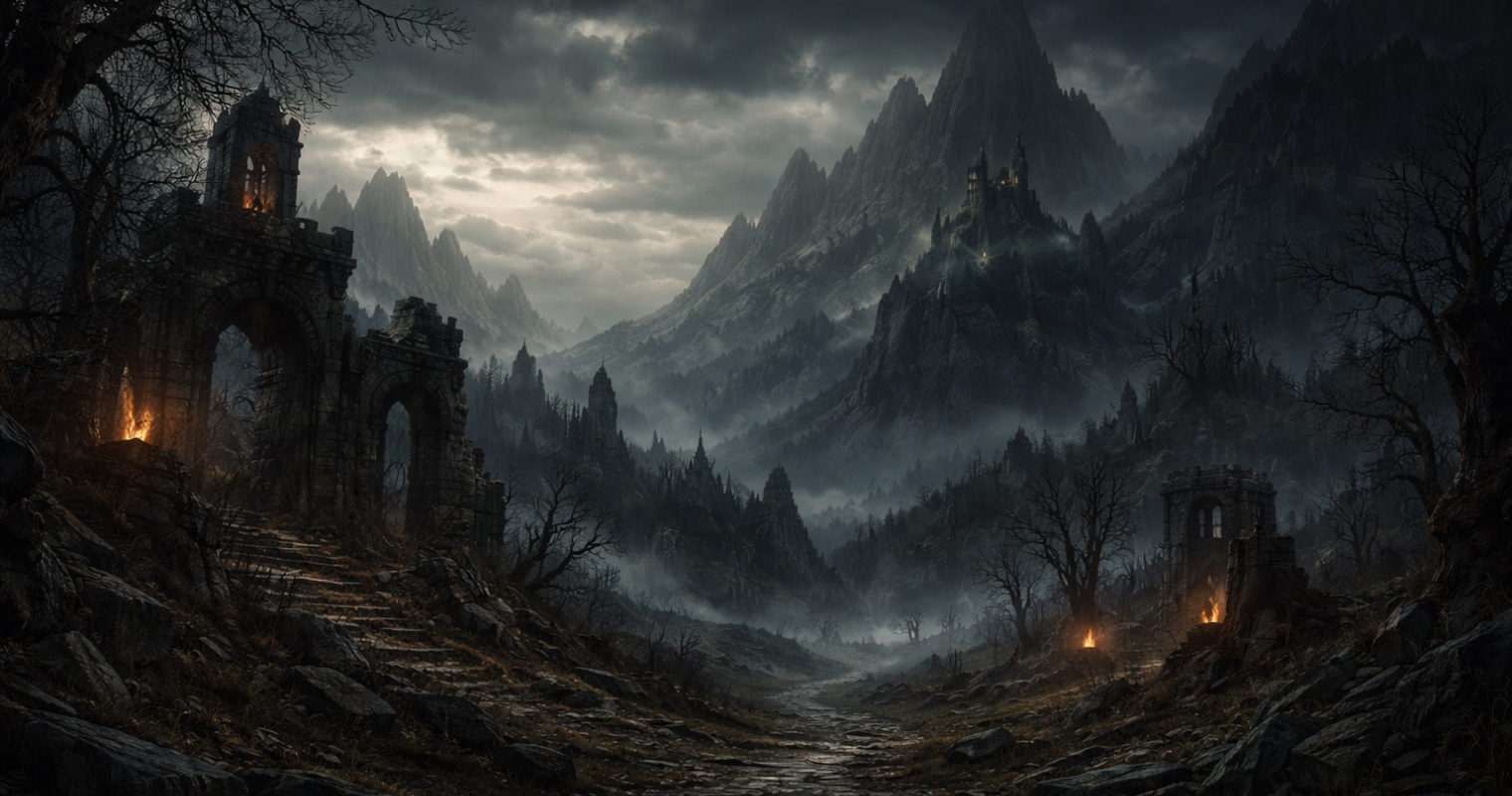
Pathfinder Adventure Guides: Master Campaigns with Clarity and Confidence
Whether you're about to join your very first Pathfinder campaign or preparing to guide one as a Game Master, a little preparation can make every session more enjoyable. Pathfinder is a game built around teamwork, exploration, tactical combat, and collaborative storytelling. While learning the rules is helpful, the most memorable campaigns often come from good communication, thoughtful planning, and players who work together toward a shared adventure.
Unlike many board games, a Pathfinder campaign unfolds over weeks or even months. Characters grow stronger, relationships evolve, and the world changes because of the choices your group makes. Understanding how these long-form adventures work helps everyone feel more confident from the first session to the final chapter.
This Pathfinder adventure guide explores practical ways to prepare for Pathfinder campaigns without overwhelming you with complicated rules. Whether you're a player or a first-time Pathfinder Game Master, these habits can help create smoother, more rewarding fantasy roleplaying experiences.
Beginning Your Pathfinder Adventure
Pathfinder RPG offers players the chance to step into a living fantasy world where every decision matters. Heroes investigate forgotten ruins, negotiate with powerful rulers, battle dangerous monsters, and uncover ancient mysteries while building stories together.
Preparation doesn't remove the excitement of discovery. Instead, it gives you the confidence to enjoy unexpected moments without feeling lost.
A successful campaign usually begins with:
-
Understanding the campaign style
-
Creating a character that fits the group
-
Communicating openly
-
Staying organized
-
Supporting fellow players
These simple habits make every session run more smoothly while allowing everyone to focus on the adventure itself.
Understanding Pathfinder Campaigns
Pathfinder adventures come in several different formats. Knowing what to expect helps you prepare both your character and your expectations.
Adventure Paths
A Pathfinder Adventure Path is a published campaign designed to tell one complete story across many sessions.
Adventure Paths often feature:
-
Connected story arcs
-
Character progression over many levels
-
Memorable villains
-
Diverse locations
-
Long-term character development
Players can enjoy watching their heroes grow from local adventurers into legendary champions over months of play.
Homebrew Campaigns
Some Pathfinder campaigns are entirely original creations designed by the Game Master.
Homebrew adventures allow for:
-
Unique worlds
-
Custom villains
-
Original quests
-
Flexible storytelling
-
Personalized player backstories
These campaigns often adapt to player decisions more freely than published adventures.
One-Shots
One-shot adventures are completed in a single session or over one evening.
They're ideal for:
-
Learning Pathfinder RPG
-
Trying new character ideas
-
Introducing new players
-
Filling gaps between larger campaigns
Long-Form Campaigns
Many groups enjoy year-long fantasy roleplaying campaigns where characters evolve through dozens of adventures.
These campaigns reward players who:
-
Take good notes
-
Build relationships
-
Remember past events
-
Invest in roleplaying
Preparing for Session Zero
Session Zero is often the most important meeting of the entire campaign.
Instead of jumping immediately into combat, the group discusses expectations before the story begins.
Topics usually include:
Character Creation
Everyone should understand:
-
Allowed ancestries
-
Classes
-
Starting level
-
Optional rules
-
Character connections
Creating characters together helps avoid overlapping roles and encourages stronger teamwork.
Party Composition
Balanced parties aren't mandatory, but discussing everyone's ideas helps create interesting combinations.
Questions to consider include:
-
Who handles healing?
-
Who excels in exploration?
-
Who negotiates with NPCs?
-
Who specializes in frontline combat?
Campaign Expectations
Some Pathfinder campaigns emphasize:
-
Political intrigue
-
Exploration
-
Dungeon crawling
-
Mystery solving
-
Heavy roleplaying
-
Tactical combat
Knowing the campaign style helps players build characters who naturally fit the story.
Scheduling and Communication
Reliable scheduling keeps long adventures moving forward.
Discuss:
-
Session frequency
-
Communication methods
-
Attendance expectations
-
Breaks
-
Campaign length
Strong communication prevents many common frustrations before they begin.
Building a Character That Fits the Campaign
A memorable Pathfinder character is more than a collection of abilities.
Consider creating someone who belongs naturally within the campaign world.
Think about:
Party Role
Ask yourself:
-
What does my character contribute?
-
How do they help others succeed?
-
What role do they enjoy filling?
Character Motivation
Simple motivations often create the strongest stories.
Examples include:
-
Protecting family
-
Seeking forgotten knowledge
-
Hunting dangerous monsters
-
Redeeming past mistakes
-
Discovering lost civilizations
Background Connections
Characters become more interesting when their histories connect to the campaign.
Perhaps your ranger once traveled through the region, or your scholar recognizes clues tied to ancient ruins.
Long-term planning also helps. Consider how your character might grow emotionally as well as mechanically throughout the campaign.
Adventure Preparation Tips
Even a few minutes of preparation before each session can improve the experience for everyone.
Read Campaign Summaries
Without spoiling surprises, review any notes or summaries from previous sessions.
Remember:
-
Active quests
-
Important NPCs
-
Current objectives
-
Recent discoveries
Organize Character Notes
Keep information together, including:
-
Equipment
-
Spell lists
-
Class abilities
-
Conditions
-
Treasure
-
Important locations
Prepare for Exploration
Many Pathfinder campaigns feature extensive exploration.
Think ahead by asking:
-
Do we have enough supplies?
-
Are healing resources available?
-
Who carries essential equipment?
-
What abilities help solve environmental challenges?
Preparation allows players to spend more time enjoying the adventure instead of searching through papers.
Working as a Team
Pathfinder rewards cooperation more than individual heroics.
Successful groups share responsibility rather than expecting one character to solve every problem.
Good teamwork includes:
-
Coordinating combat tactics
-
Sharing information
-
Helping injured allies
-
Supporting different playstyles
-
Respecting spotlight time
Practical Example
Imagine the party encounters a heavily guarded fortress.
Instead of rushing the entrance:
-
The rogue scouts ahead.
-
The ranger watches for patrols.
-
The wizard studies magical defenses.
-
The champion protects vulnerable allies.
-
The bard negotiates with suspicious guards if diplomacy becomes possible.
Every player contributes something valuable, making success feel like a shared accomplishment.
Staying Organized During Long Campaigns
Lengthy Pathfinder campaigns generate a surprising amount of information.
Keeping organized prevents important details from disappearing between sessions.
Useful habits include:
Campaign Journal
Record:
-
Major story events
-
NPC conversations
-
Locations
-
Mysteries
-
Party decisions
Quest Tracker
Maintain a list of:
-
Active objectives
-
Completed quests
-
Future goals
-
Unresolved mysteries
NPC Notes
Important NPCs often return later.
Record:
-
Names
-
Occupations
-
Motivations
-
Relationships
-
Promises made
Treasure Log
Tracking treasure helps prevent confusion later.
Include:
-
Shared party items
-
Magical equipment
-
Valuable discoveries
-
Consumables
Character Development
Take notes on how your character changes over time.
Growth isn't only measured by levels.
Relationships, beliefs, fears, and personal victories often become the most memorable parts of fantasy roleplaying.
Common Mistakes New Pathfinder Players Make
Everyone starts somewhere. Fortunately, most beginner mistakes are easy to fix.
Trying to Optimize Everything
Strong characters matter, but Pathfinder campaigns reward creativity just as much as efficiency.
Focus on creating someone you'll enjoy playing for months.
Ignoring Teamwork
Working alone usually creates unnecessary risks.
Share information and include your fellow players in important decisions.
Forgetting Character Goals
Characters feel more believable when they have personal motivations beyond completing quests.
Review those goals occasionally as the campaign evolves.
Poor Resource Management
Using every spell or ability immediately may leave the party vulnerable later.
Learn when conserving resources makes more sense than spending them all.
Not Communicating with the Game Master
If you're confused about expectations or your character's role, ask questions.
Most Game Masters appreciate players who communicate openly.
Pathfinder Campaign Preparation Table
| Campaign Stage | What Players Should Focus On |
|---|---|
| Session Zero | Expectations, character creation, party roles, scheduling |
| Early Adventure | Learning teamwork, understanding abilities, building trust |
| Mid Campaign | Character growth, resource management, tracking story developments |
| Major Story Arcs | Long-term planning, coordinated tactics, roleplaying decisions |
| Final Chapters | Team coordination, preparation, completing character goals |
Creating Memorable Adventures
Great Pathfinder campaigns aren't created by the Game Master alone.
Players shape the story every session through their decisions.
Ways to contribute include:
-
Making meaningful character choices
-
Embracing roleplaying opportunities
-
Solving problems creatively
-
Supporting quieter players
-
Celebrating everyone's successes
Sometimes the most unforgettable moments come from unexpected teamwork rather than dramatic combat victories.
The shared story belongs to everyone around the table.
Table Habits That Improve Every Pathfinder Session
Small routines can make every session feel smoother.
Helpful habits include:
-
Review your abilities before arriving.
-
Prepare frequently used spells.
-
Organize your inventory.
-
Track initiative carefully.
-
Update your character sheet regularly.
-
Keep campaign notes nearby.
-
Review unfinished quests before each session.
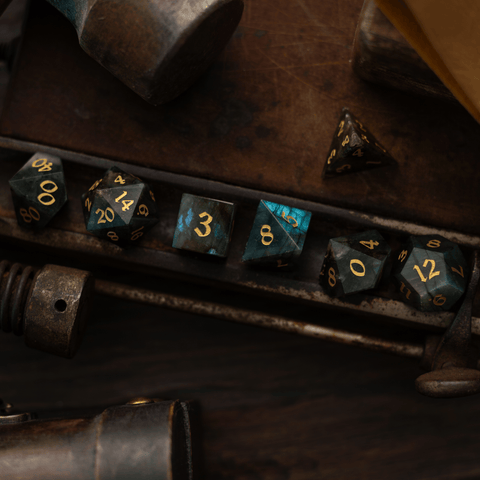
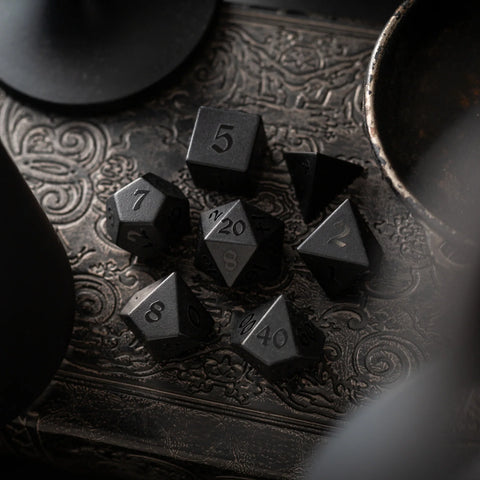
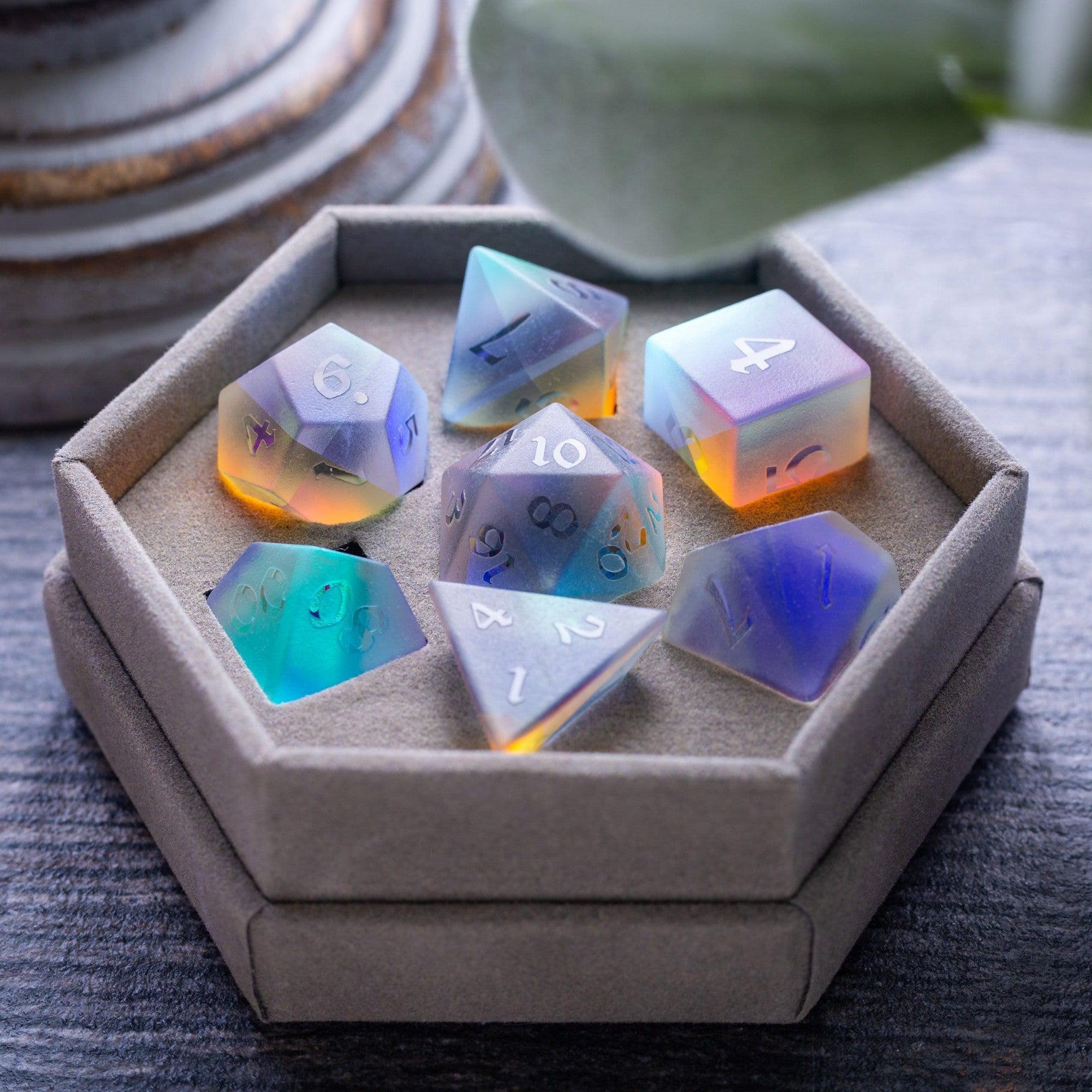
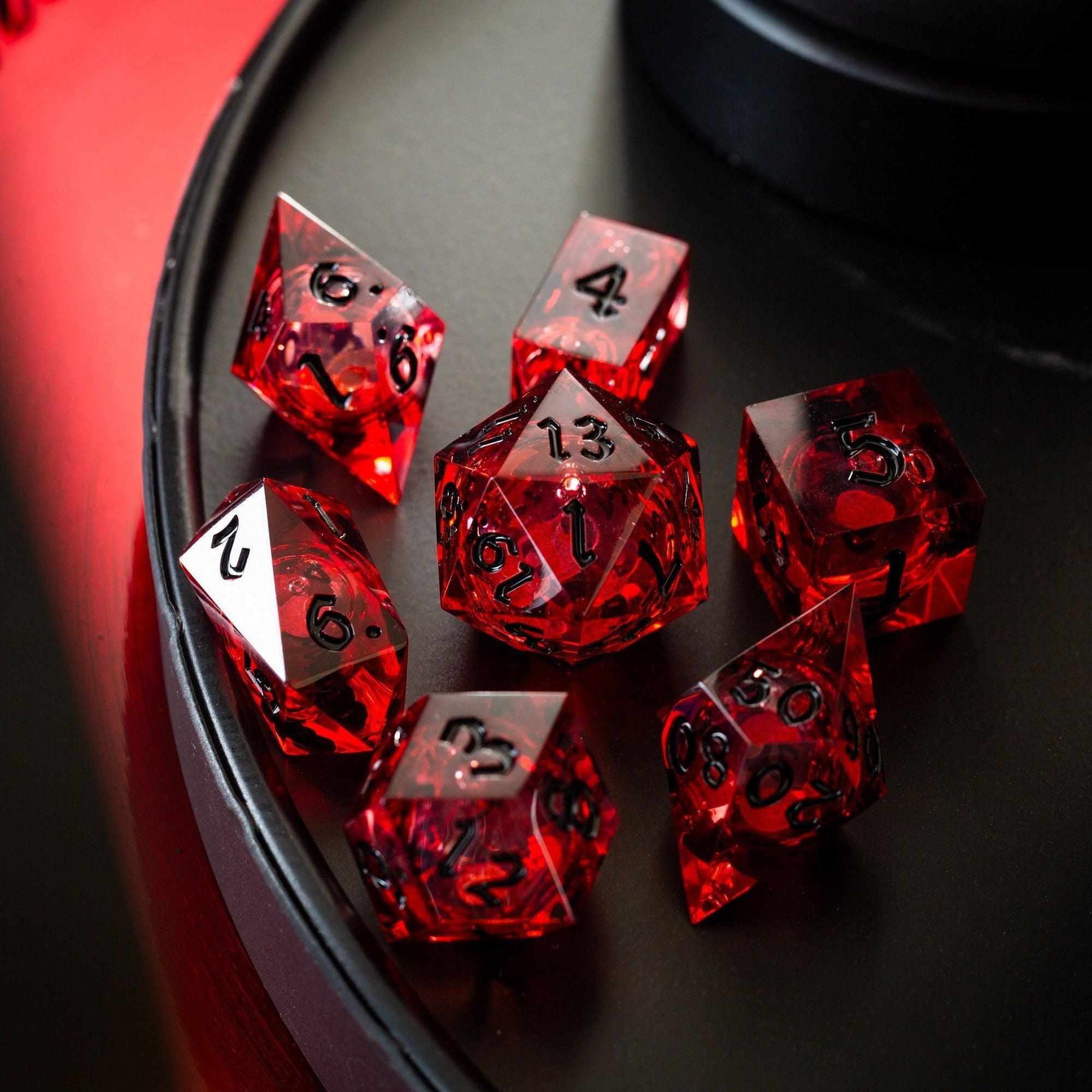
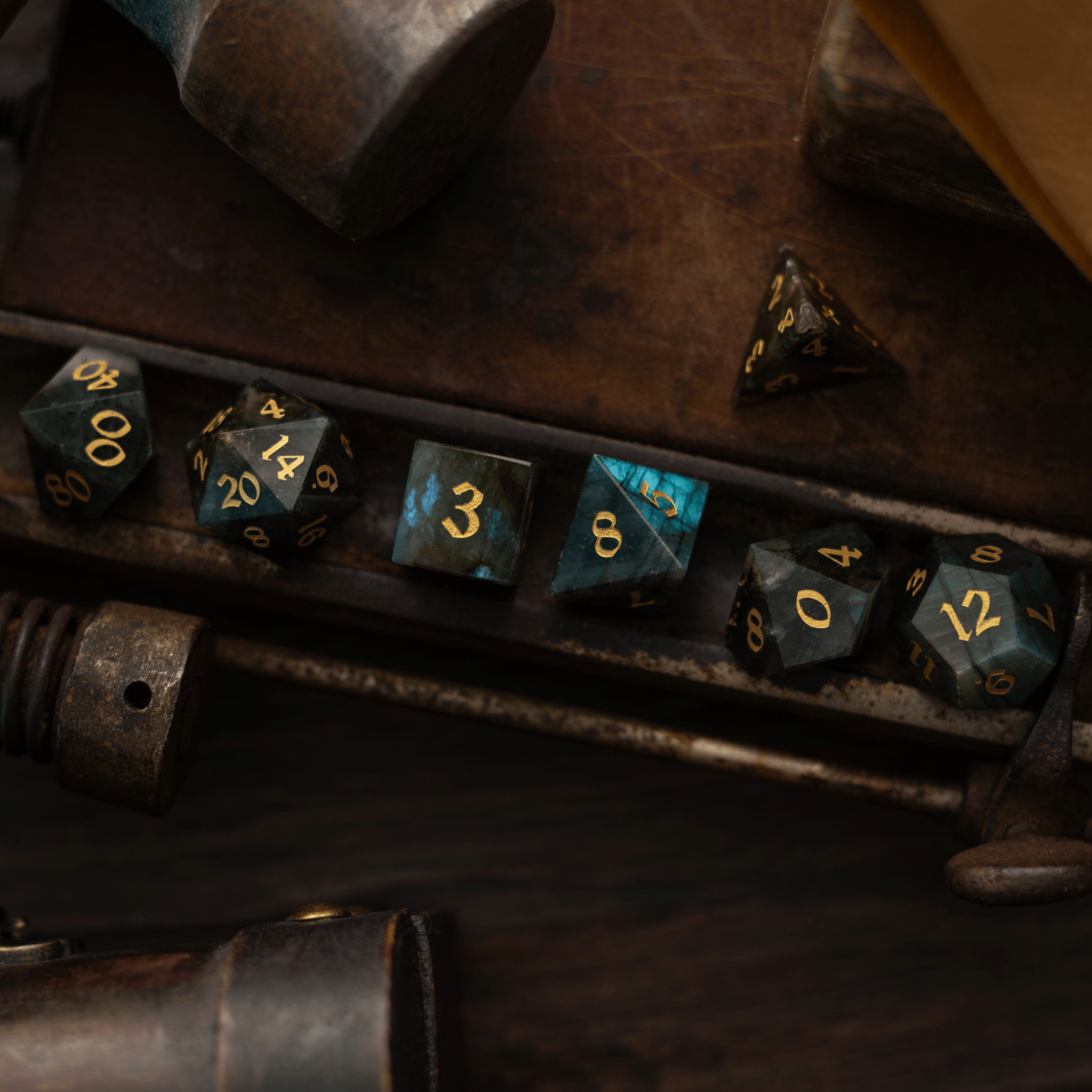
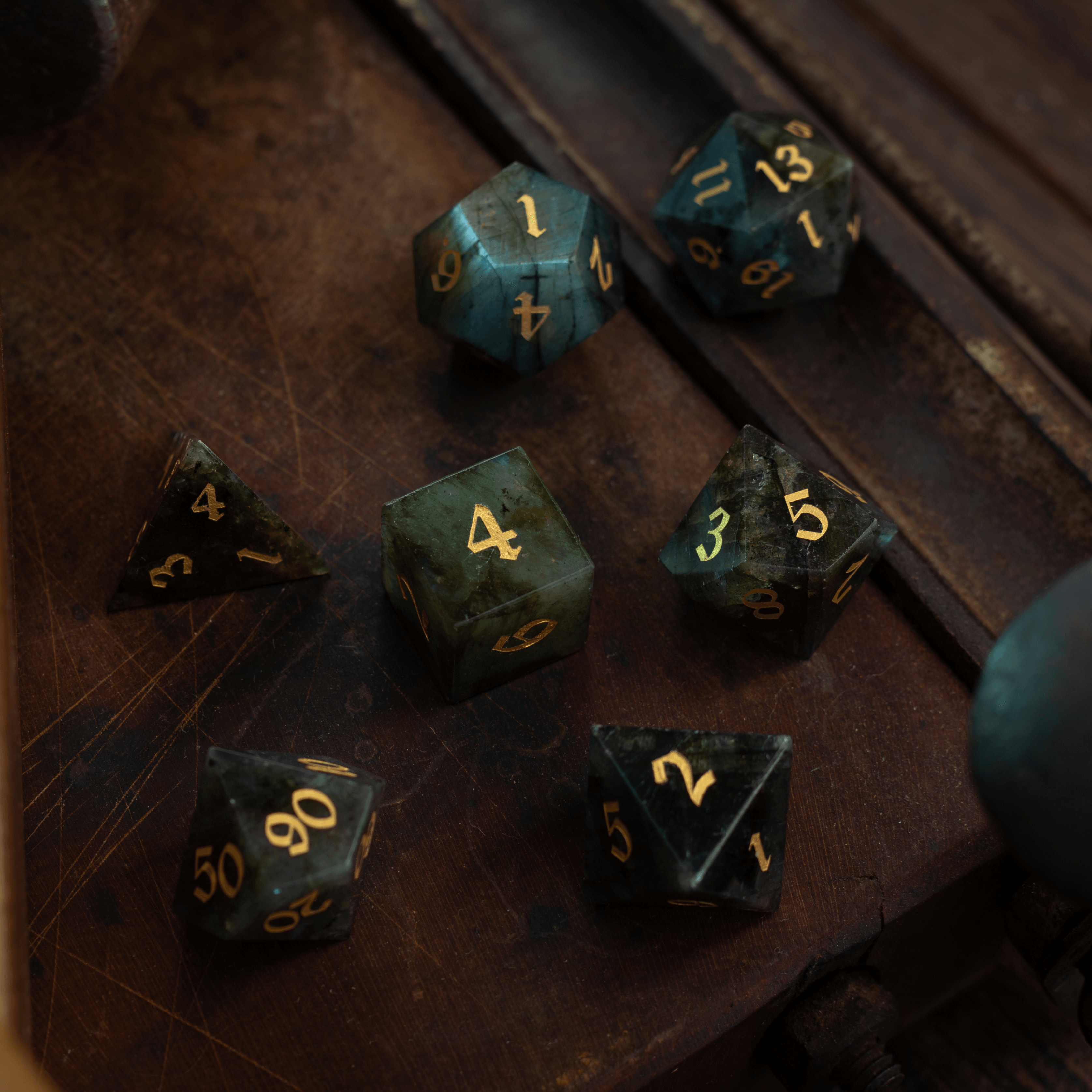
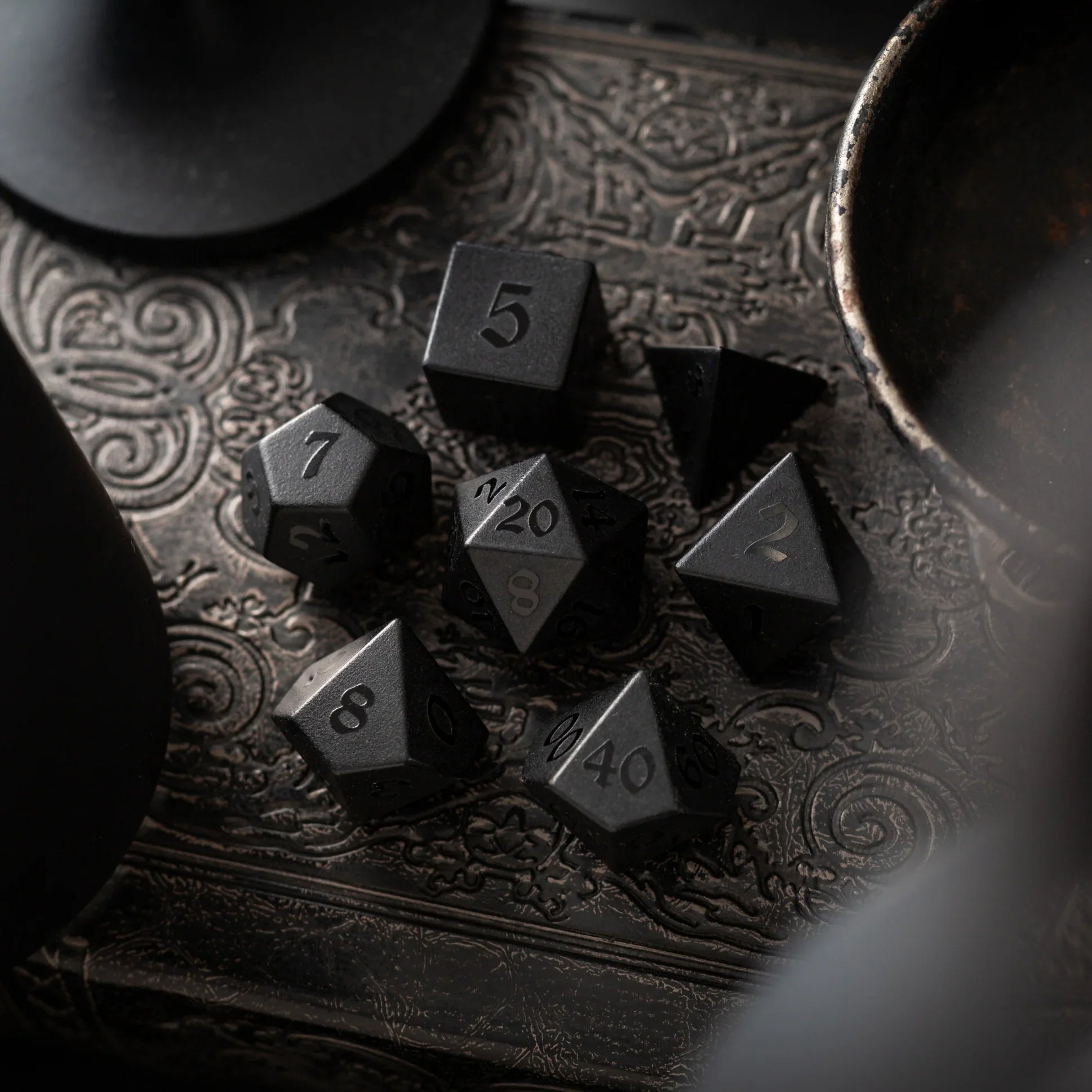
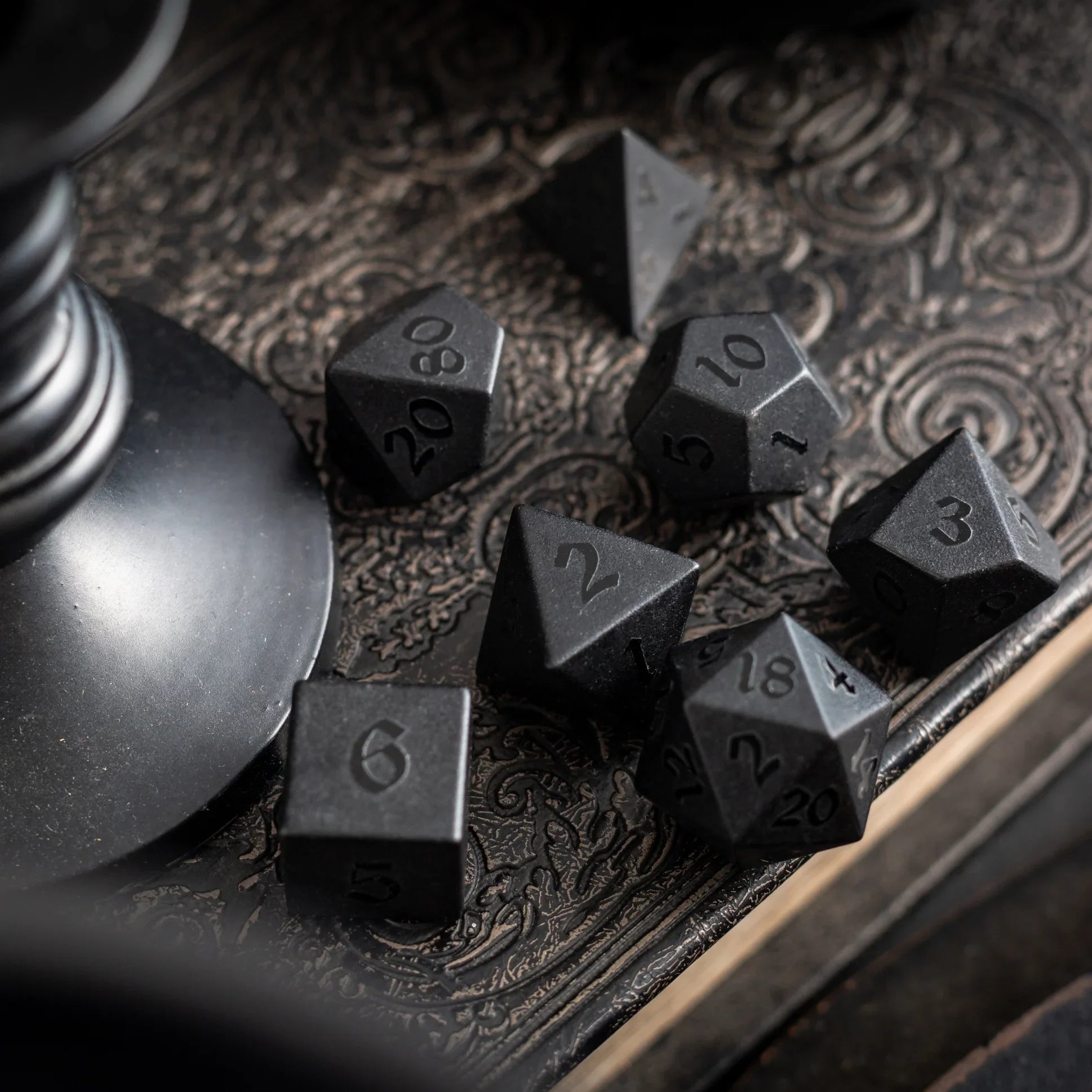
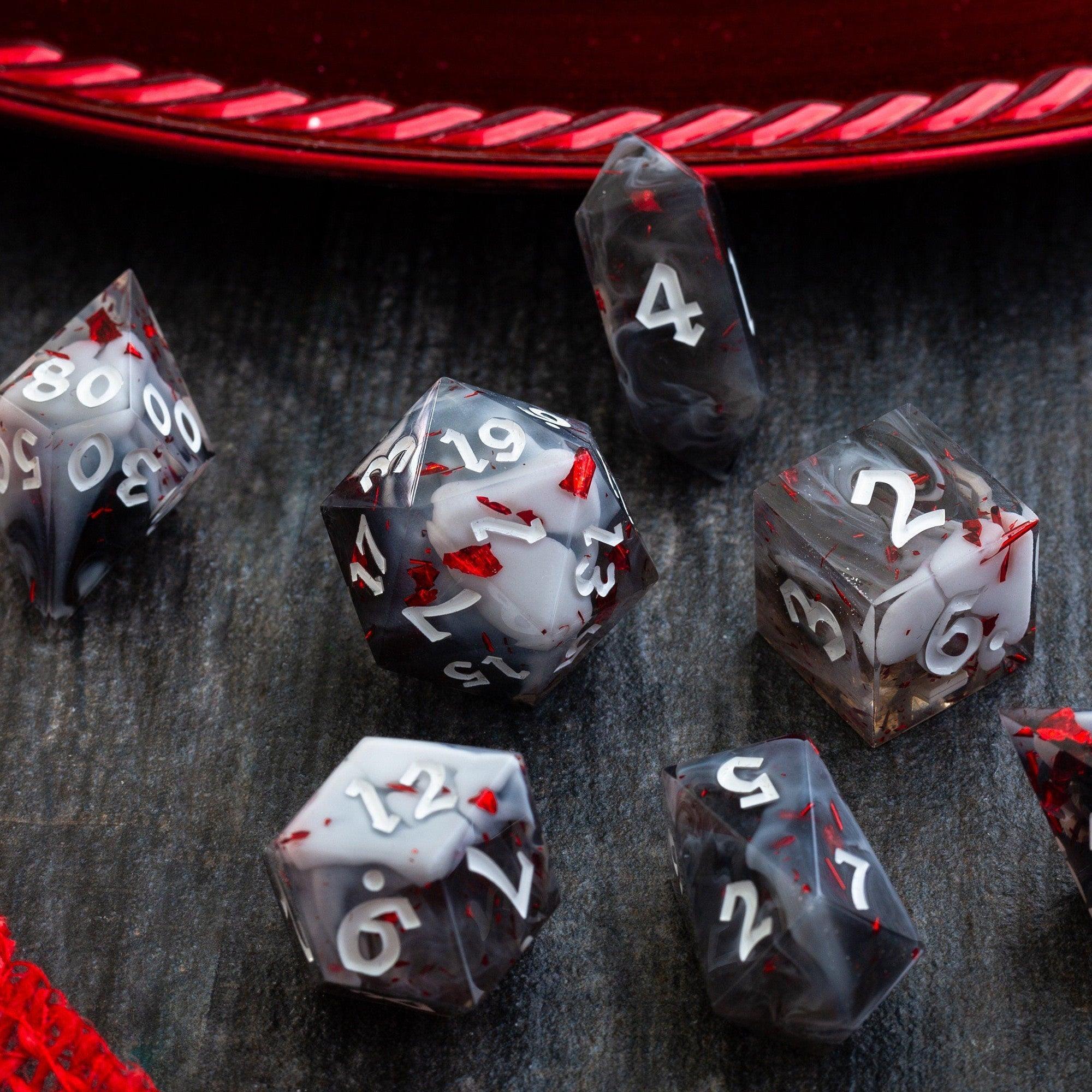
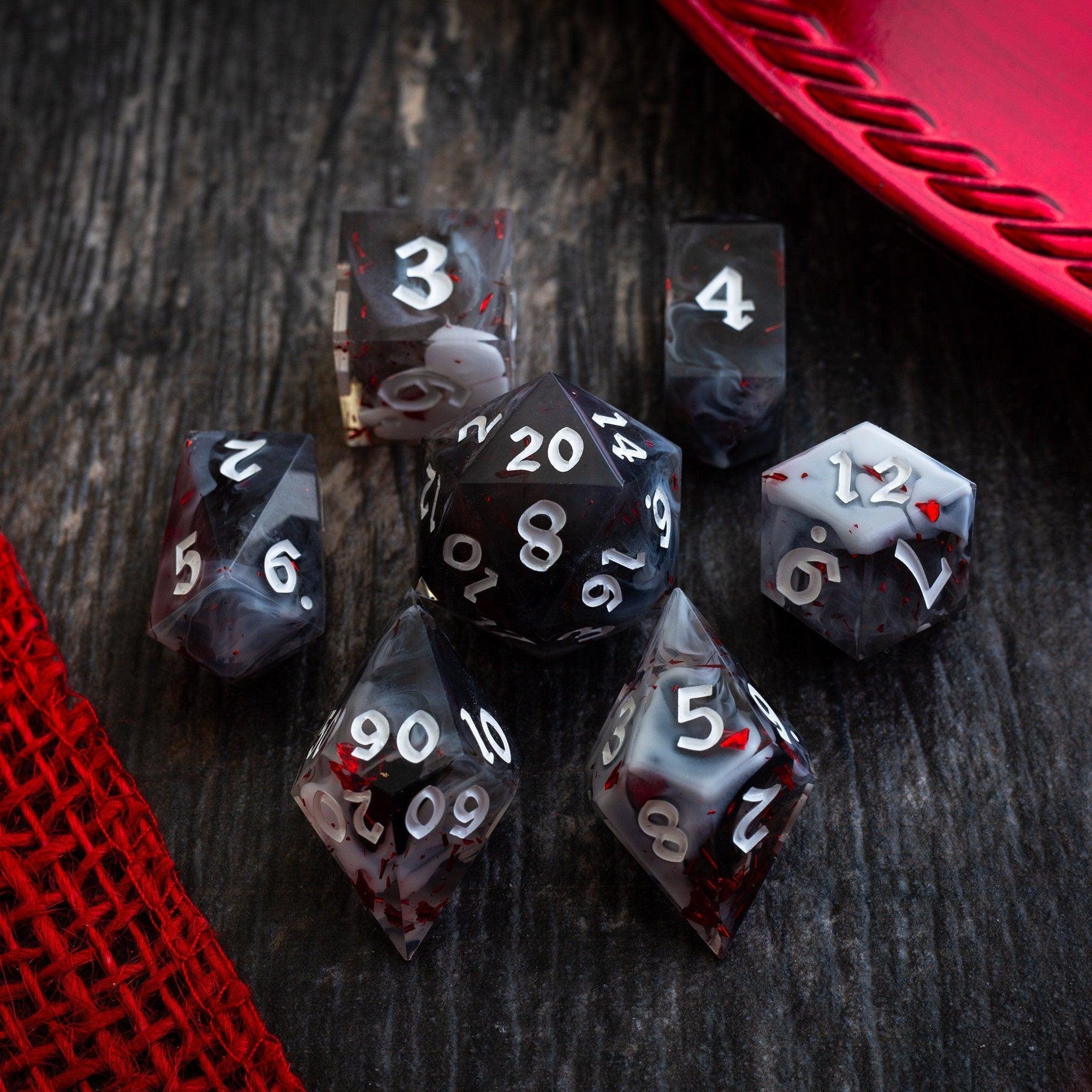
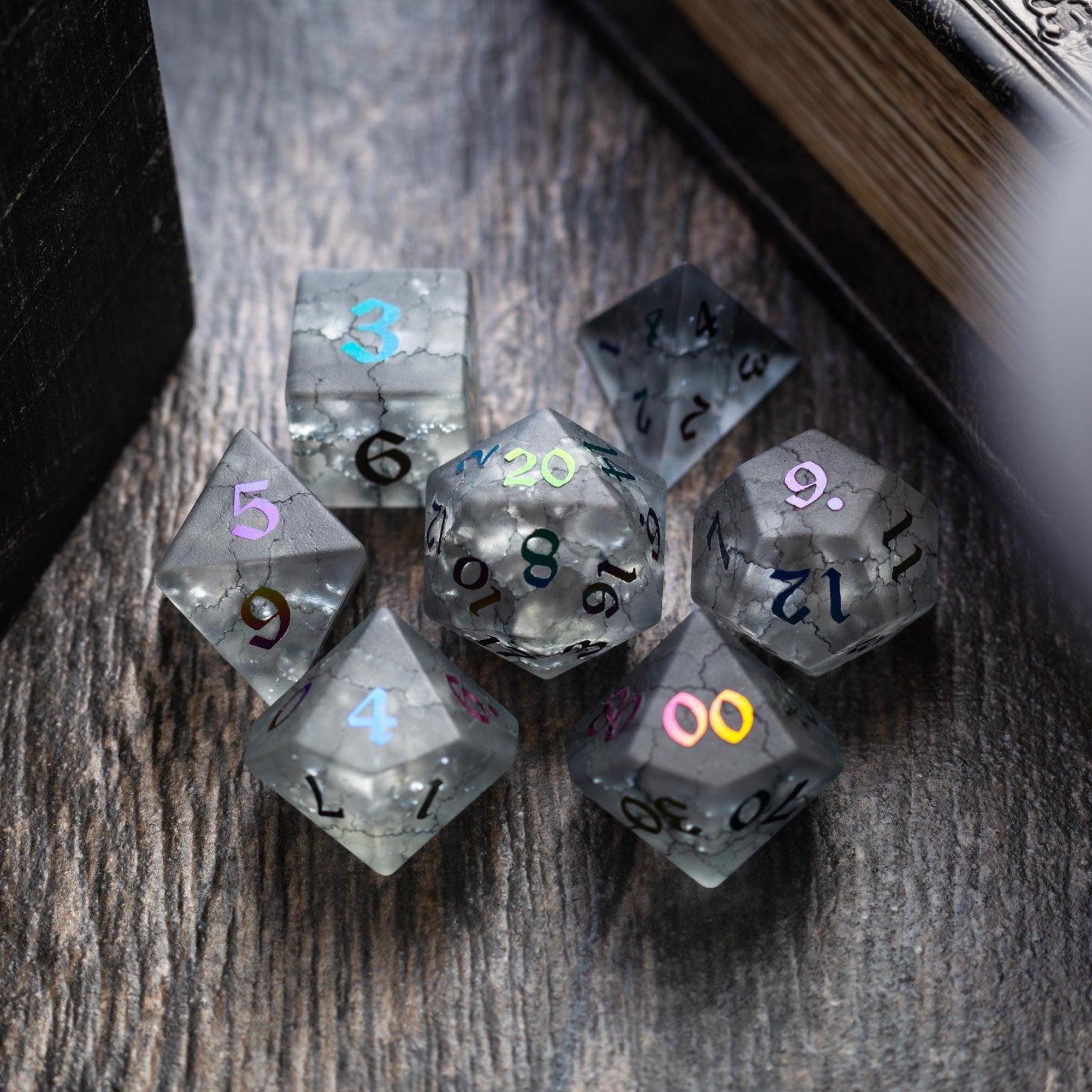
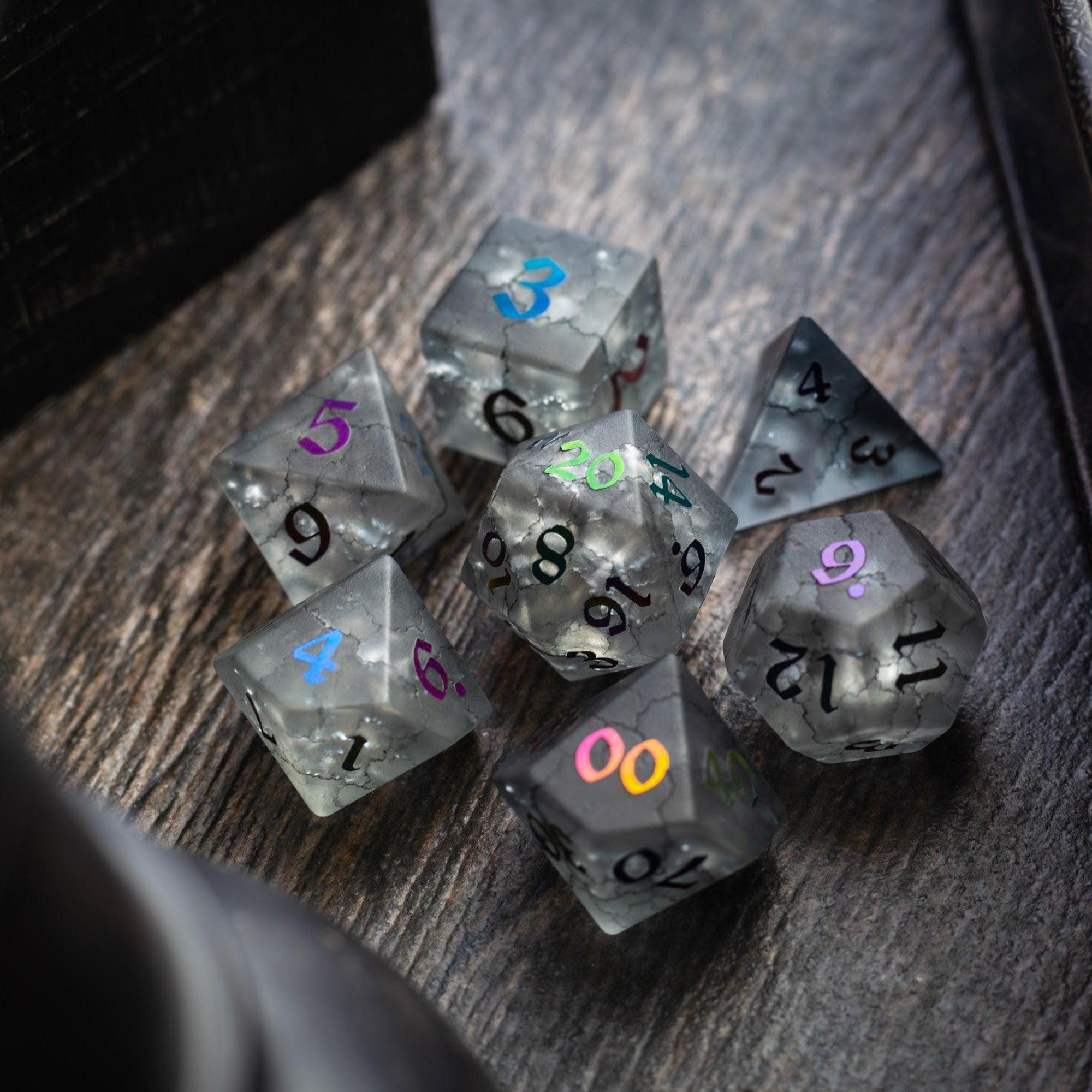
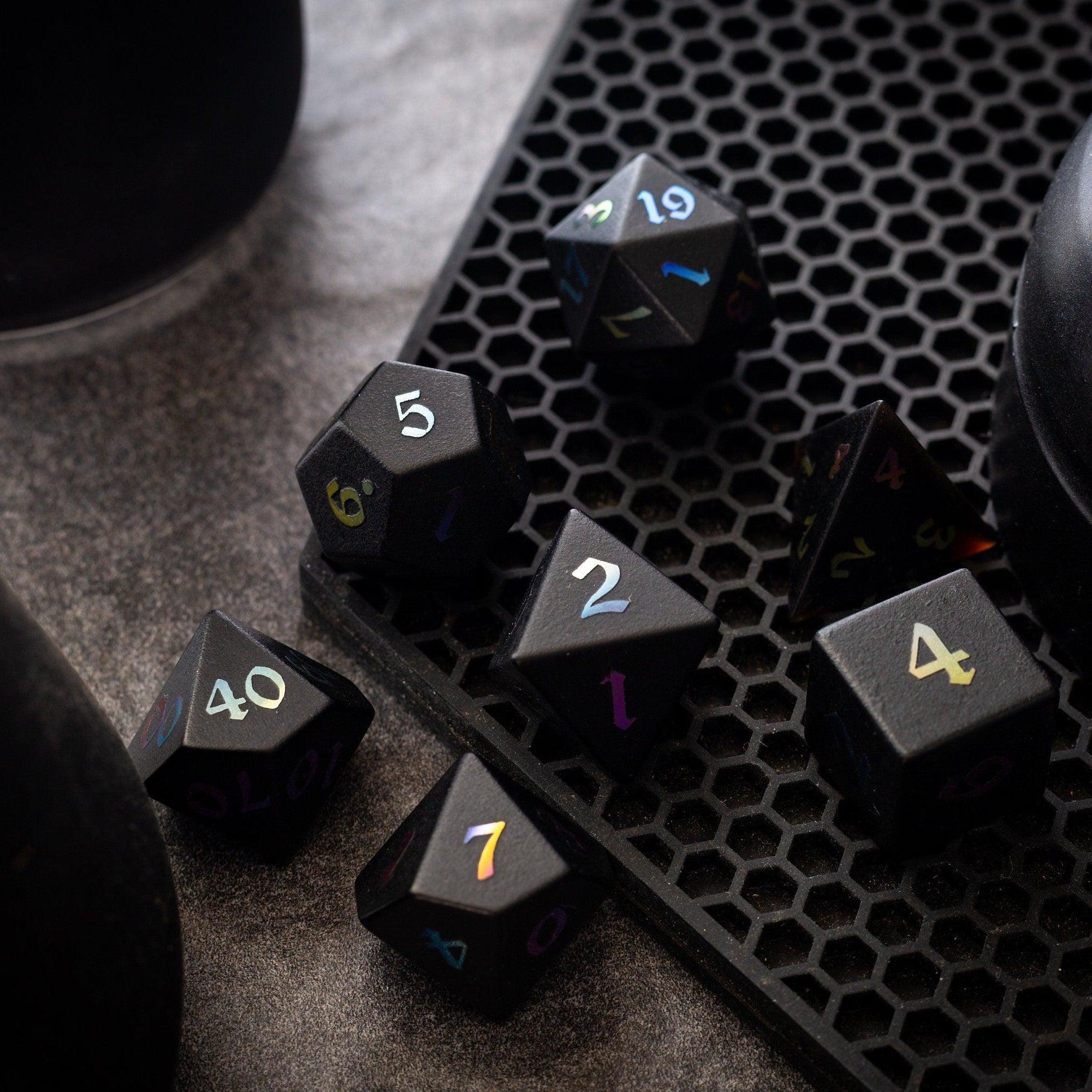
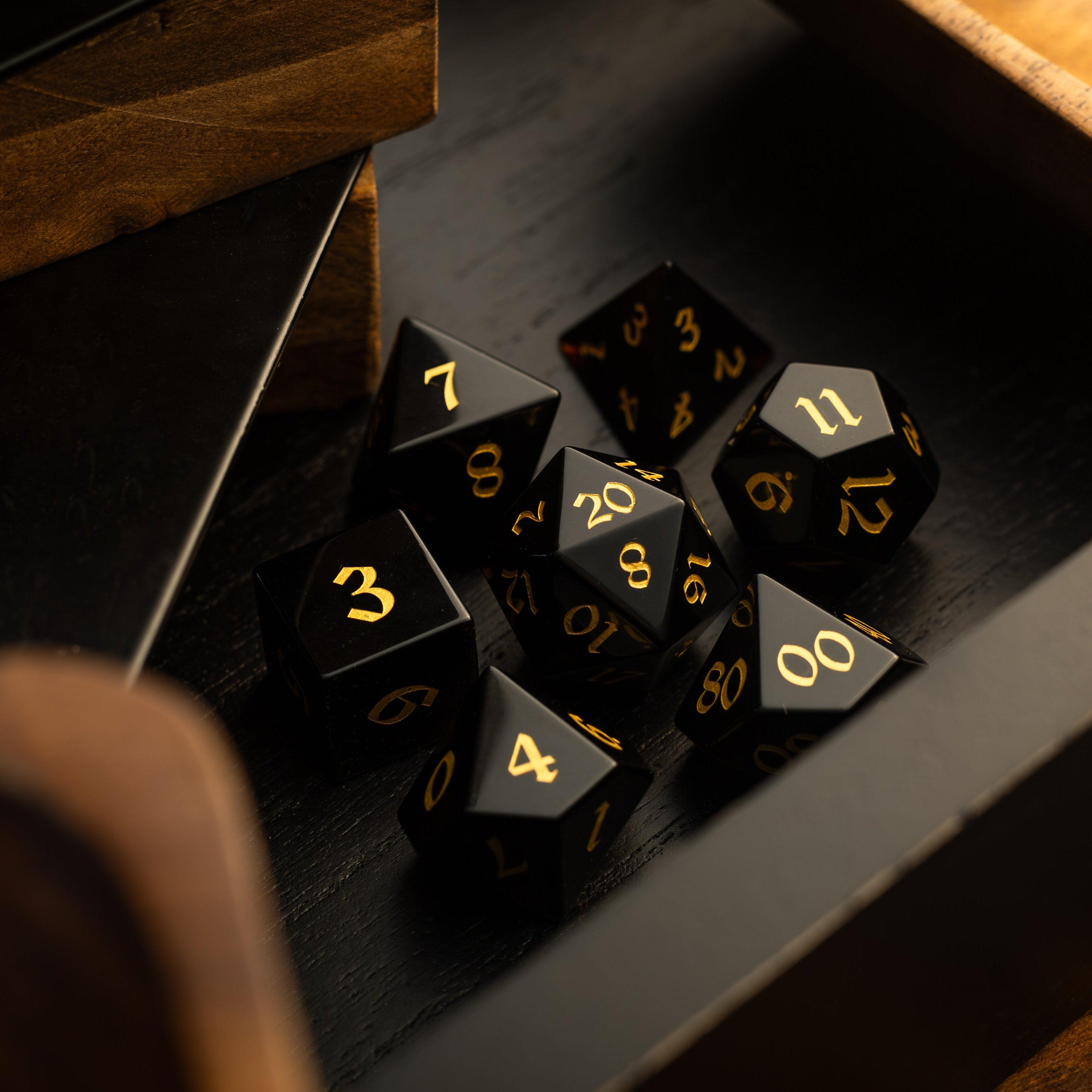
Many Pathfinder players also enjoy choosing dice that reflect their characters and campaigns. A wizard might prefer elegant gemstone dice or swirling liquid core dice that complement a magical theme. A steadfast champion may enjoy the satisfying weight of metal dice during dramatic battles, while a ranger or rogue might appreciate lightweight resin dice with highly readable numbering for fast-paced play. Others enjoy sharp-edge or glass dice for special campaign milestones or memorable encounters. Whichever style you choose, the goal is simply to make your tabletop RPG experience more enjoyable and immersive.
Preparing for the Next Adventure
Every Pathfinder campaign teaches something new.
Perhaps you'll become more comfortable roleplaying, improve your tactical decisions, or discover creative ways to help your party overcome challenges.
The best players continue learning by:
-
Trying different character concepts
-
Supporting new players
-
Experimenting with roleplaying
-
Improving communication
-
Staying curious throughout the campaign
No two Pathfinder campaigns are ever exactly alike, and that's part of what makes fantasy roleplaying so rewarding. Every group creates its own stories, traditions, and unforgettable moments together.
Every Pathfinder Journey Begins with Preparation
The strongest Pathfinder campaigns aren't built on perfect rules knowledge or optimized characters. They grow from preparation, teamwork, organization, and a shared commitment to telling a great story.
Whether you're beginning your very first Pathfinder RPG adventure, joining a new Pathfinder Adventure Path, or preparing to run your own Pathfinder campaigns as a Pathfinder Game Master, thoughtful preparation helps every session feel more rewarding.
Stay organized, communicate with your group, embrace your character's journey, and support the people around your table. With those habits in place, every new campaign becomes another opportunity to create memorable adventures that your group will talk about long after the final session ends.






Leave a comment
This site is protected by hCaptcha and the hCaptcha Privacy Policy and Terms of Service apply.