Exploring D&D Classes: A Beginner's Quick Start Guide
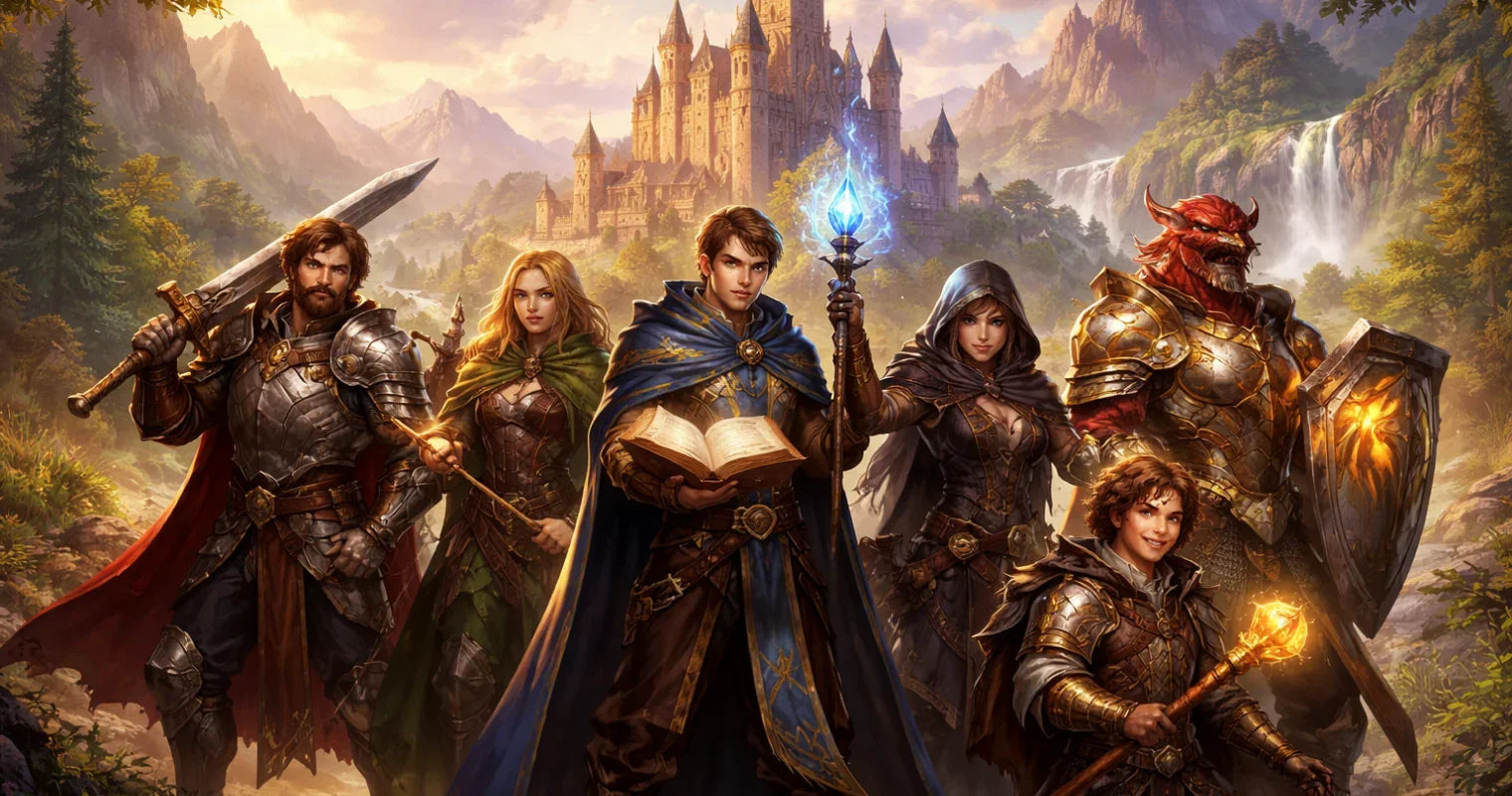
Choosing your first character is one of the most exciting parts of starting Dungeons & Dragons. With twelve unique D&D classes to choose from, every new player has the chance to create a hero that matches their personality, interests, and favorite style of adventure.
Some players enjoy charging into battle with a sword raised high. Others prefer casting powerful spells, sneaking through ancient ruins, or inspiring allies with clever words. Every class offers a different experience, and none of them is the "right" choice for everyone.
This D&D class guide introduces each of the core Dungeons & Dragons classes in a simple, beginner-friendly way. By the end, you'll have a better understanding of how each class plays and feel more confident choosing your first hero.
What Is a D&D Class?
A class represents how your character approaches challenges throughout a campaign. It determines the abilities you learn, the equipment you use most effectively, and the role you often play within your adventuring party.
During D&D character creation, your class influences nearly every part of gameplay, including:
-
Combat style
-
Spellcasting abilities
-
Exploration skills
-
Roleplaying opportunities
-
Teamwork within the party
-
Character progression as you level up
For example:
-
Fighters solve problems with skill and weapons.
-
Wizards rely on knowledge and powerful spells.
-
Rogues overcome obstacles through stealth and clever thinking.
-
Clerics combine divine magic with support for their allies.
The good news for beginners is that there is no single "correct" choice. The best class for beginners is often the one that sounds the most enjoyable to you.
Understanding the Four Main Party Roles
Although every character is unique, most D&D character classes contribute to the party in one or more of four broad roles.
Frontline Defenders
These heroes stand between danger and their teammates.
They absorb attacks, protect allies, and often wear heavier armor.
Examples include:
-
Fighter
-
Paladin
-
Barbarian
Damage Dealers
These characters specialize in defeating enemies quickly through weapons, spells, or precision attacks.
Examples include:
-
Rogue
-
Ranger
-
Sorcerer
-
Barbarian
Spellcasters
Magic users solve problems with powerful spells, utility abilities, and battlefield control.
Examples include:
-
Wizard
-
Druid
-
Sorcerer
-
Warlock
-
Cleric
Support Characters
Support-focused adventurers strengthen teammates through healing, buffs, and creative abilities.
Examples include:
-
Bard
-
Cleric
-
Paladin
-
Druid
Many fantasy RPG classes can fill multiple roles depending on how you build your character, so don't worry about fitting into a single category.
A Beginner-Friendly Overview of Every Class
Barbarian
Primary Role: Frontline damage dealer
Barbarians thrive by charging into combat with incredible strength and toughness.
Difficulty: ★★★★☆
Why it's fun
-
Simple abilities
-
High durability
-
Exciting melee combat
Perfect for players who:
-
Love action
-
Prefer straightforward gameplay
-
Enjoy dramatic moments
Bard
Primary Role: Support and utility
Bards inspire companions with music, stories, and magic while solving problems creatively.
Difficulty: ★★★☆☆
Why it's fun
-
Flexible spellcasting
-
Excellent roleplaying
-
Strong social skills
Perfect for players who:
-
Enjoy storytelling
-
Like helping teammates
-
Want versatility
Cleric
Primary Role: Support and spellcasting
Clerics combine healing, divine magic, and respectable combat ability.
Difficulty: ★★★★☆
Why it's fun
-
Helpful in every adventure
-
Powerful healing
-
Flexible spell options
Perfect for players who:
-
Like teamwork
-
Enjoy supporting friends
-
Want a balanced character
Druid
Primary Role: Nature spellcaster
Druids command natural magic and often transform into animals.
Difficulty: ★★★☆☆
Why it's fun
-
Shapechanging
-
Creative spell use
-
Strong exploration abilities
Perfect for players who:
-
Love nature
-
Enjoy adaptability
-
Appreciate creative problem solving
Fighter
Primary Role: Frontline combat
Fighters excel with nearly every weapon and armor combination.
Difficulty: ★★★★★
Why it's fun
-
Easy to learn
-
Reliable in combat
-
Highly customizable
Perfect for players who:
-
Want simple combat
-
Prefer learning the basics first
-
Like dependable characters
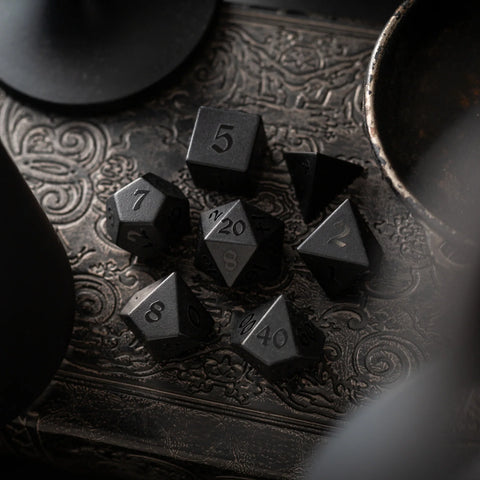
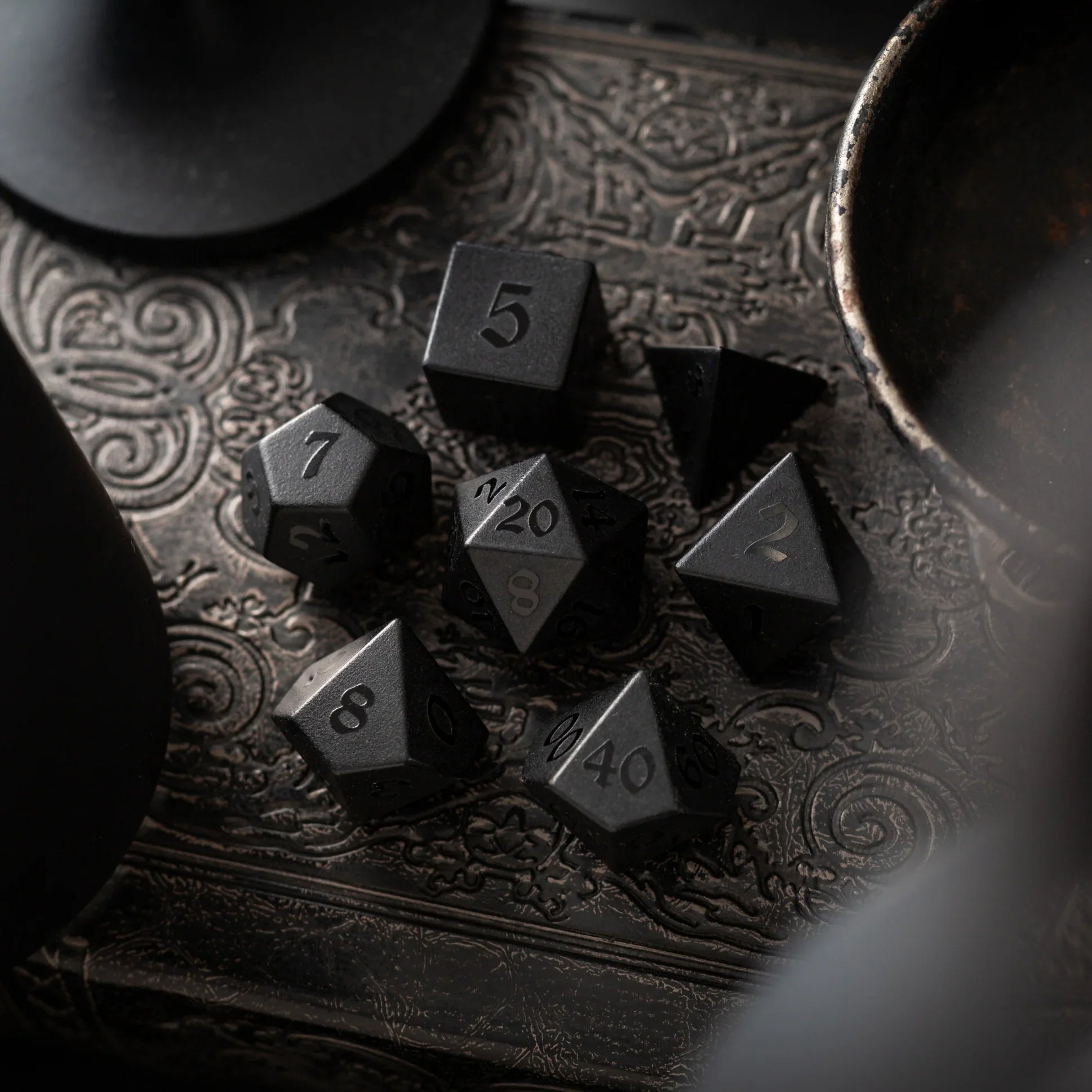
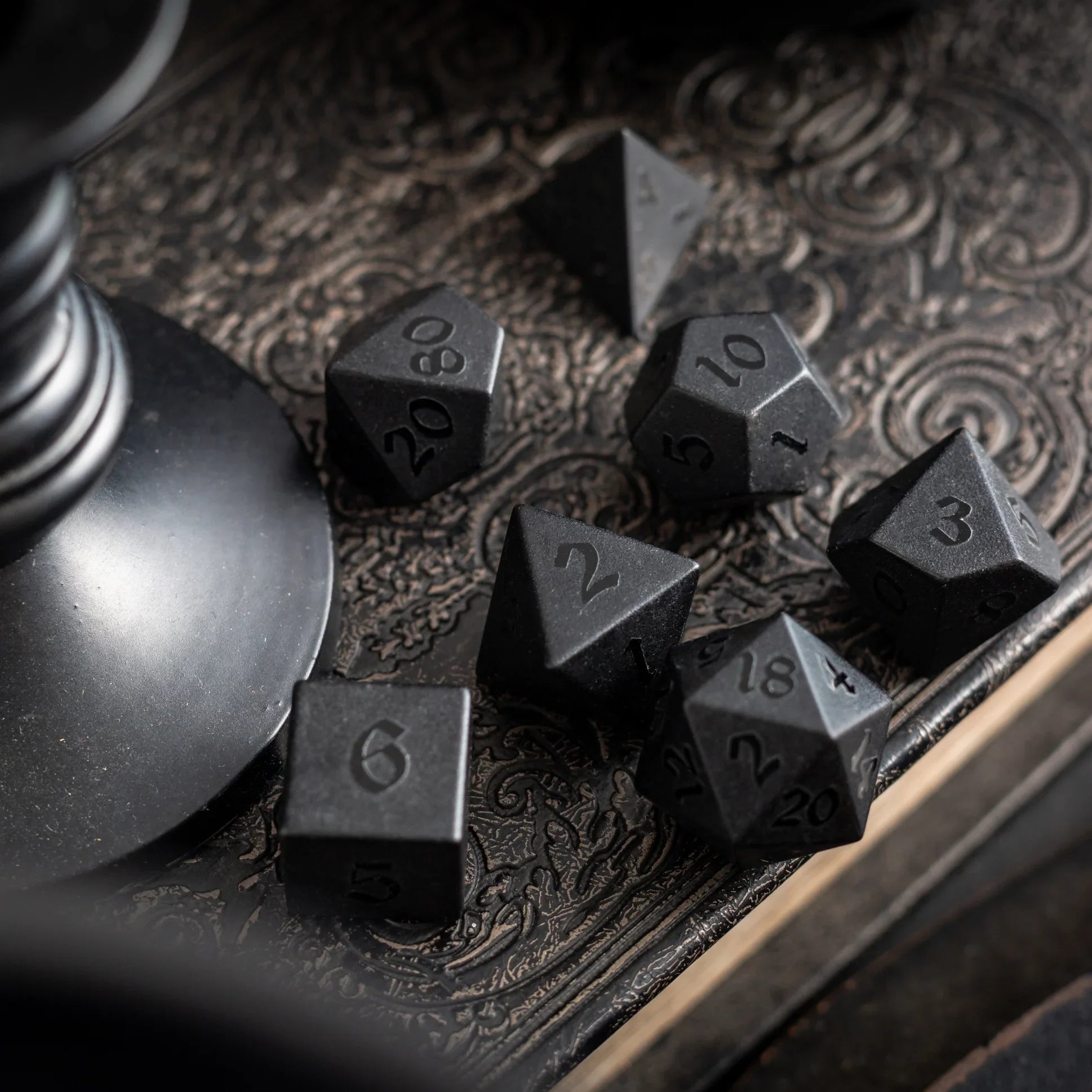
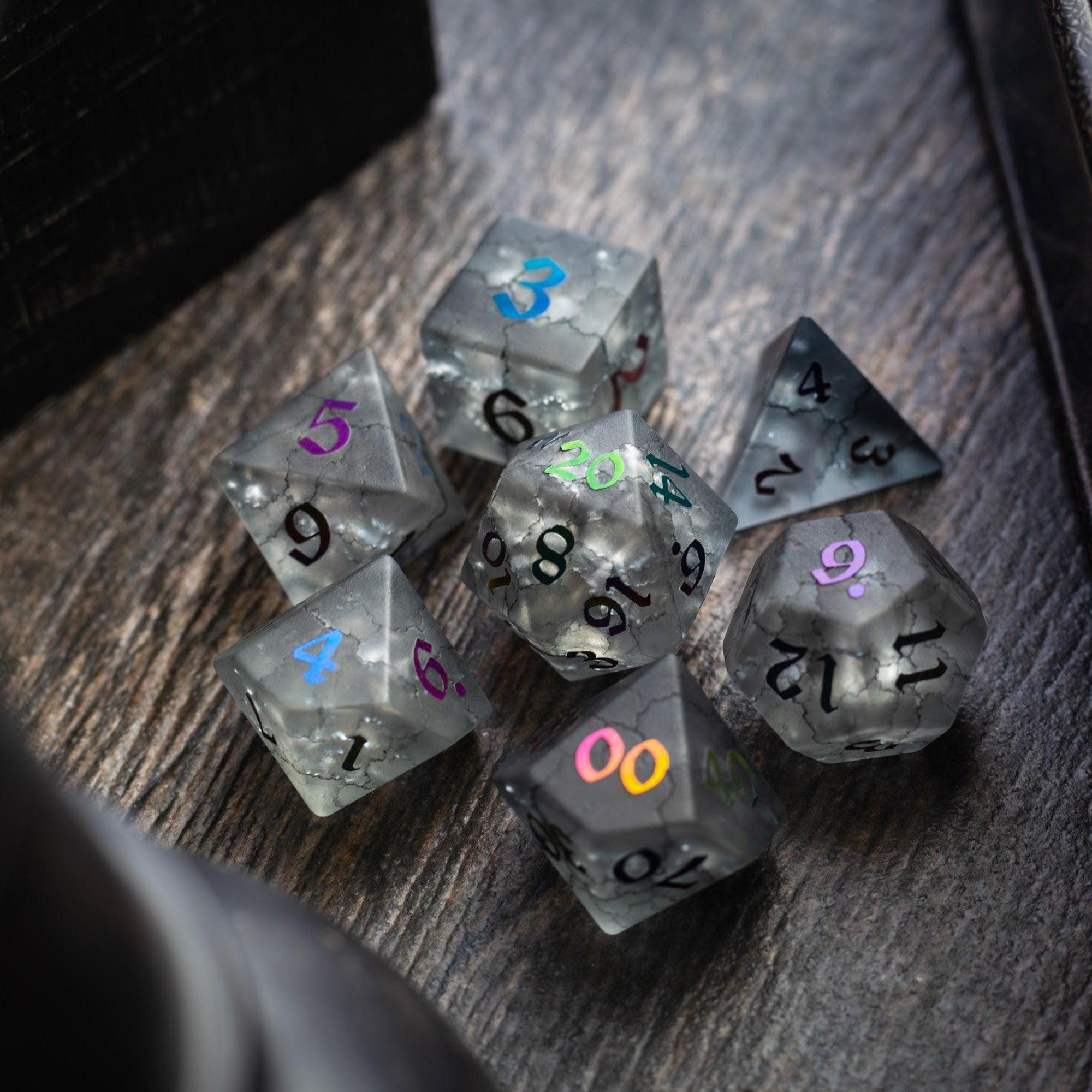
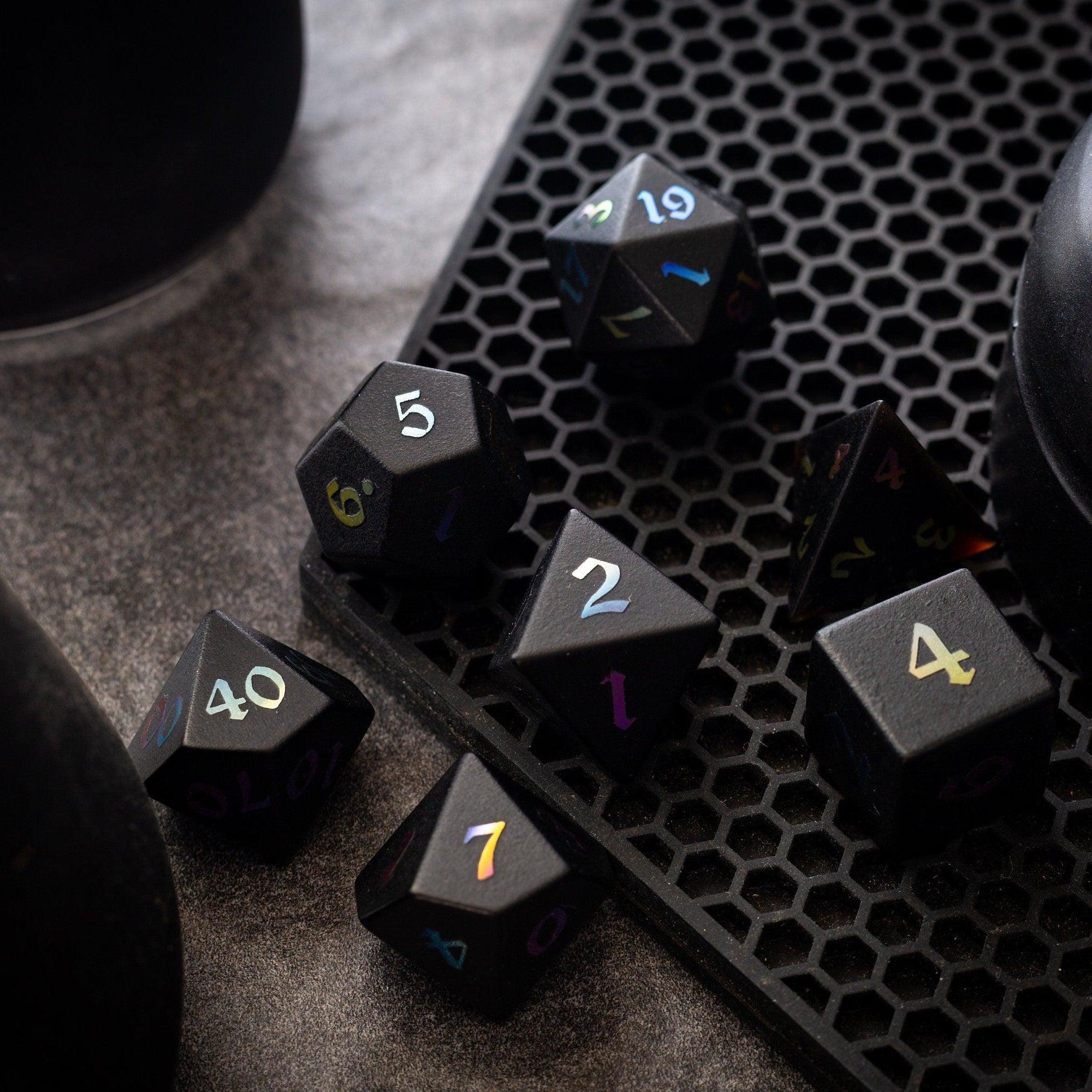
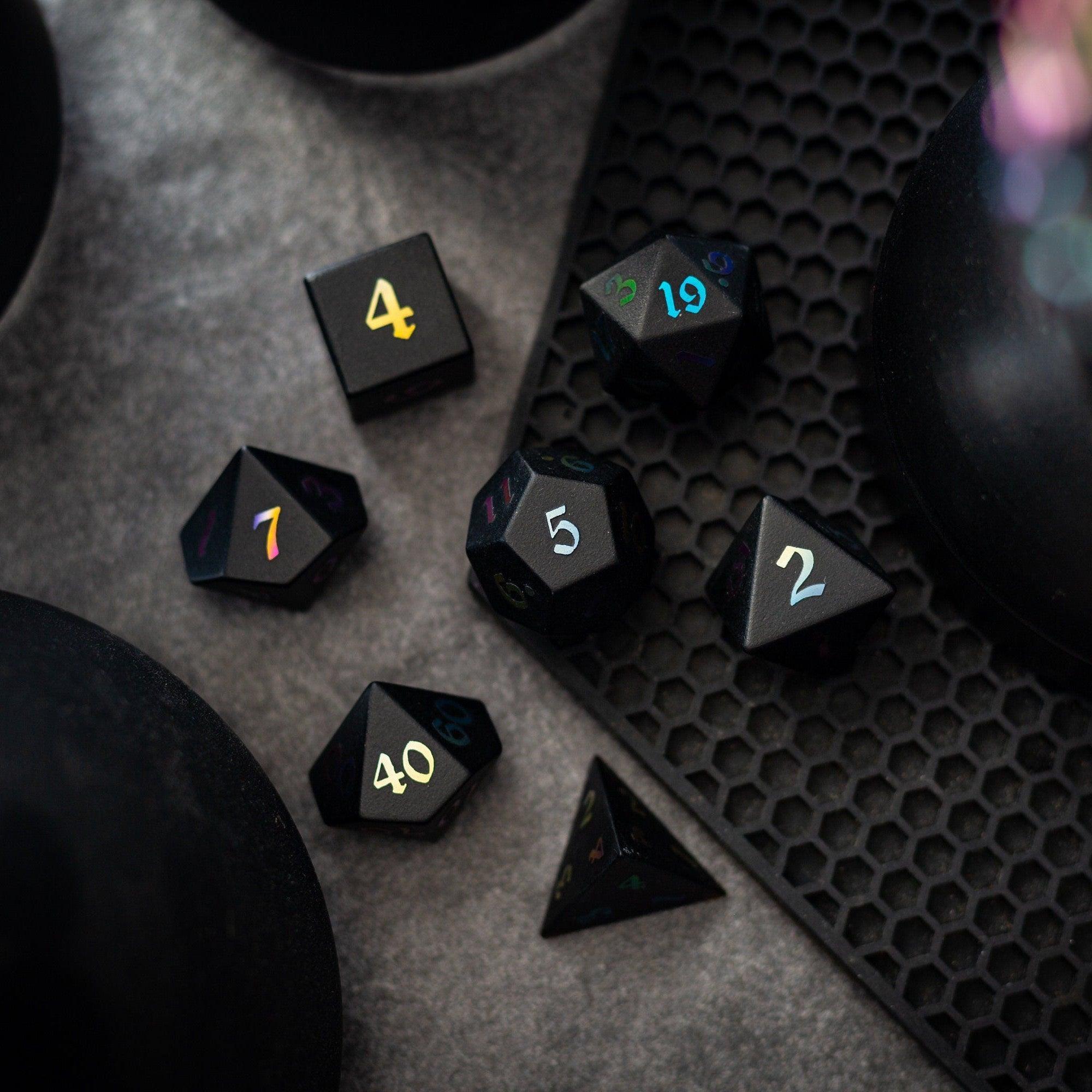
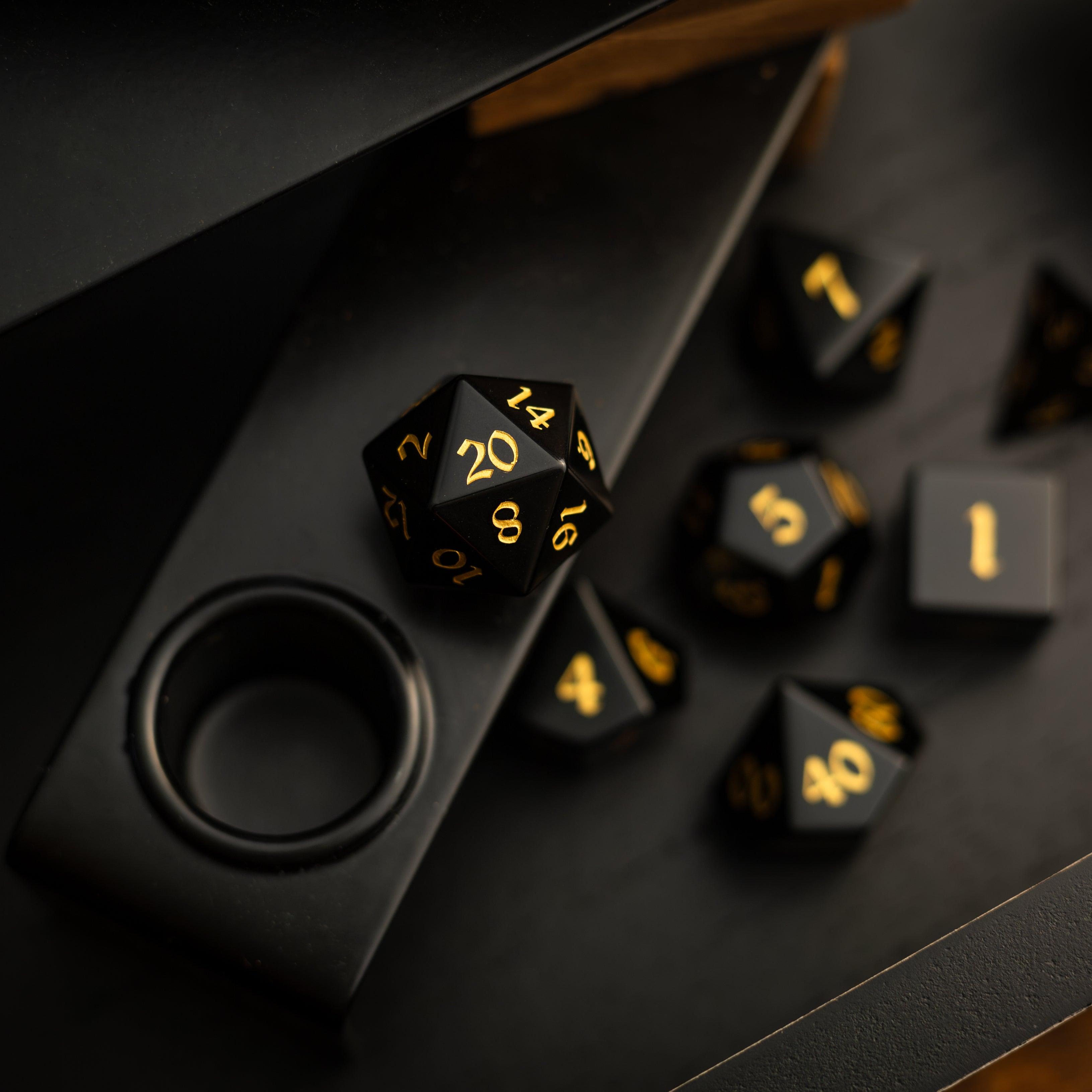
A durable set of metal dice can feel especially satisfying when rolling frequent attack checks, while a sturdy dice tray helps keep those rolls organized during busy combat encounters.
Monk
Primary Role: Mobile martial artist
Monks rely on speed, agility, and disciplined combat techniques.
Difficulty: ★★★☆☆
Why it's fun
-
Incredible mobility
-
Unique combat style
-
Fast-paced gameplay
Perfect for players who:
-
Like movement
-
Enjoy tactical positioning
-
Prefer agile heroes
Paladin
Primary Role: Defender and support
Paladins combine martial skill with divine magic and unwavering conviction.
Difficulty: ★★★★☆
Why it's fun
-
Durable
-
Excellent team support
-
Powerful burst damage
Perfect for players who:
-
Enjoy heroic characters
-
Like protecting others
-
Appreciate meaningful roleplaying
Ranger
Primary Role: Explorer and ranged combat
Rangers excel at tracking enemies, surviving in the wilderness, and fighting from a distance.
Difficulty: ★★★★☆
Why it's fun
-
Exploration skills
-
Flexible combat
-
Animal-themed flavor
Perfect for players who:
-
Love adventure
-
Enjoy archery
-
Like traveling through wild lands
Rogue
Primary Role: Skill expert
Rogues shine through stealth, precision, and clever problem solving.
Difficulty: ★★★★☆
Why it's fun
-
Sneak attacks
-
Lockpicking
-
Exploration
-
High skill variety
Perfect for players who:
-
Like puzzles
-
Enjoy stealth
-
Think creatively
Sorcerer
Primary Role: Arcane spellcaster
Sorcerers possess magical power that comes naturally rather than through study.
Difficulty: ★★★☆☆
Why it's fun
-
Flashy spells
-
Flexible magic
-
Strong combat abilities
Perfect for players who:
-
Love casting spells
-
Enjoy magical themes
-
Want explosive combat
Warlock
Primary Role: Magical specialist
Warlocks gain unusual powers through supernatural patrons.
Difficulty: ★★★☆☆
Why it's fun
-
Distinctive spellcasting
-
Strong roleplaying hooks
-
Unique abilities
Perfect for players who:
-
Enjoy mysterious characters
-
Like unusual stories
-
Appreciate customization
Wizard
Primary Role: Arcane spellcaster
Wizards master one of the largest spell selections in the game through careful study.
Difficulty: ★★☆☆☆
Why it's fun
-
Endless magical options
-
Strategic gameplay
-
Incredible versatility
Perfect for players who:
-
Love planning ahead
-
Enjoy solving problems creatively
-
Want endless magical possibilities
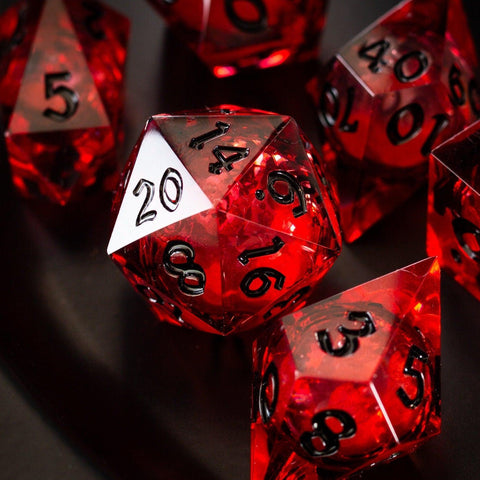
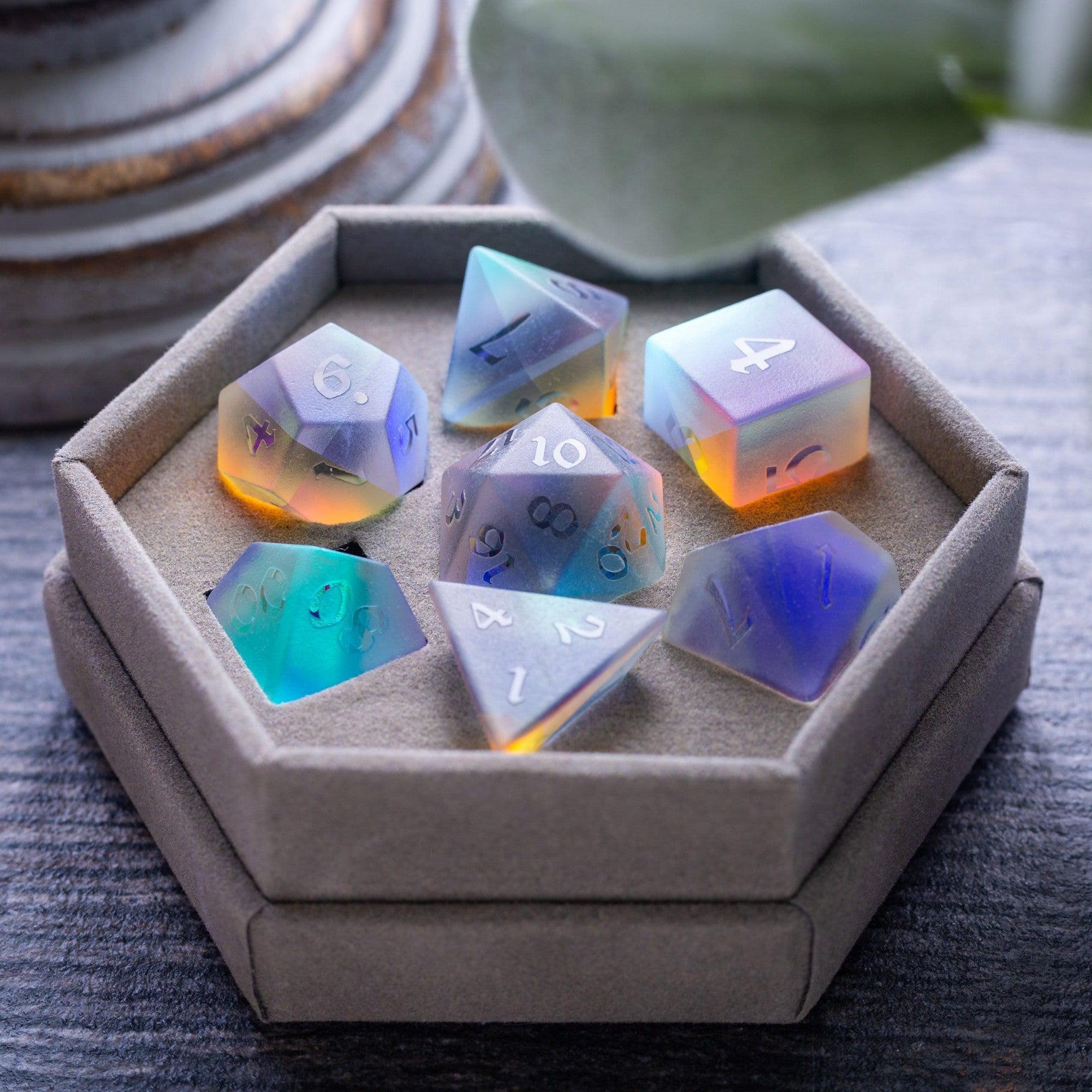
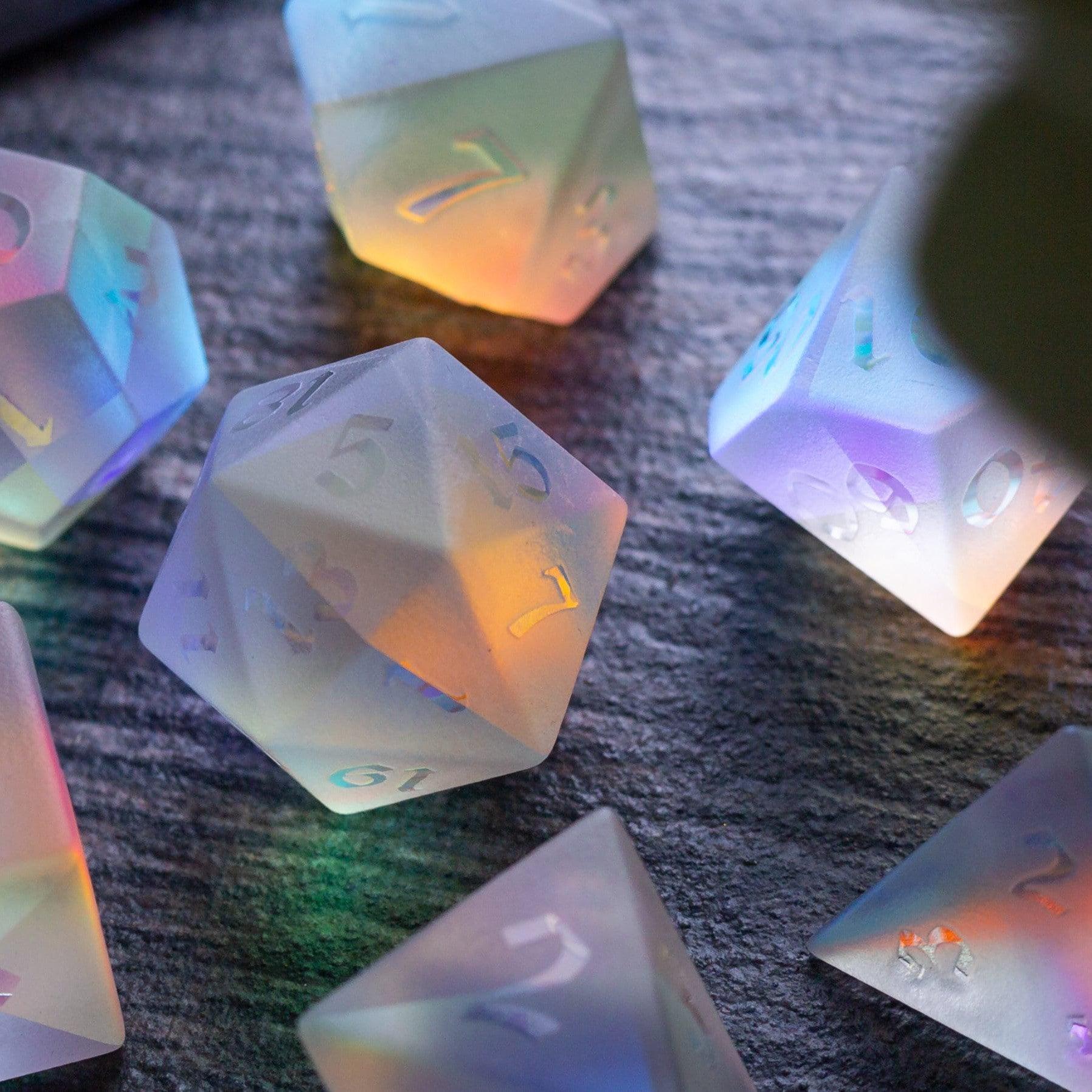
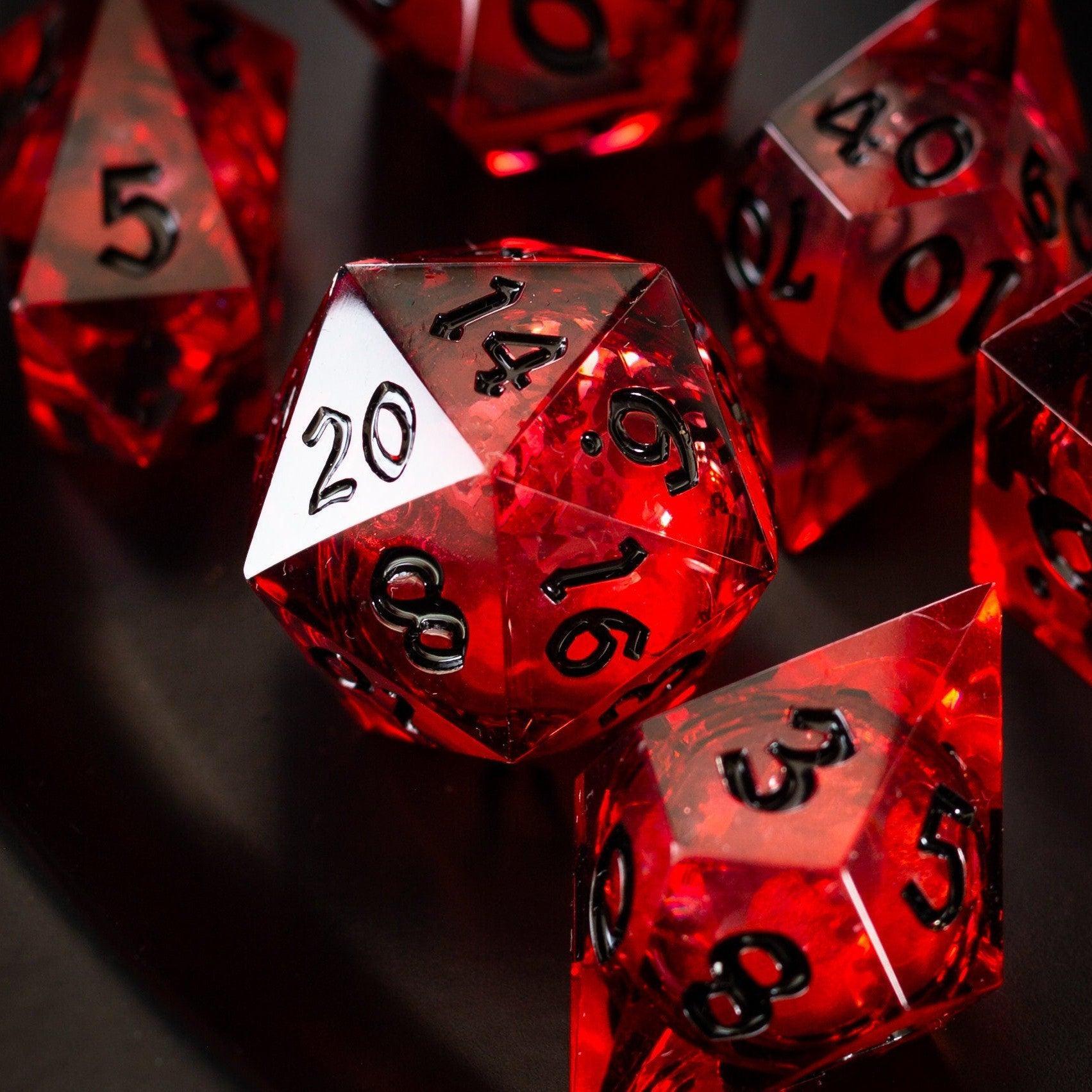
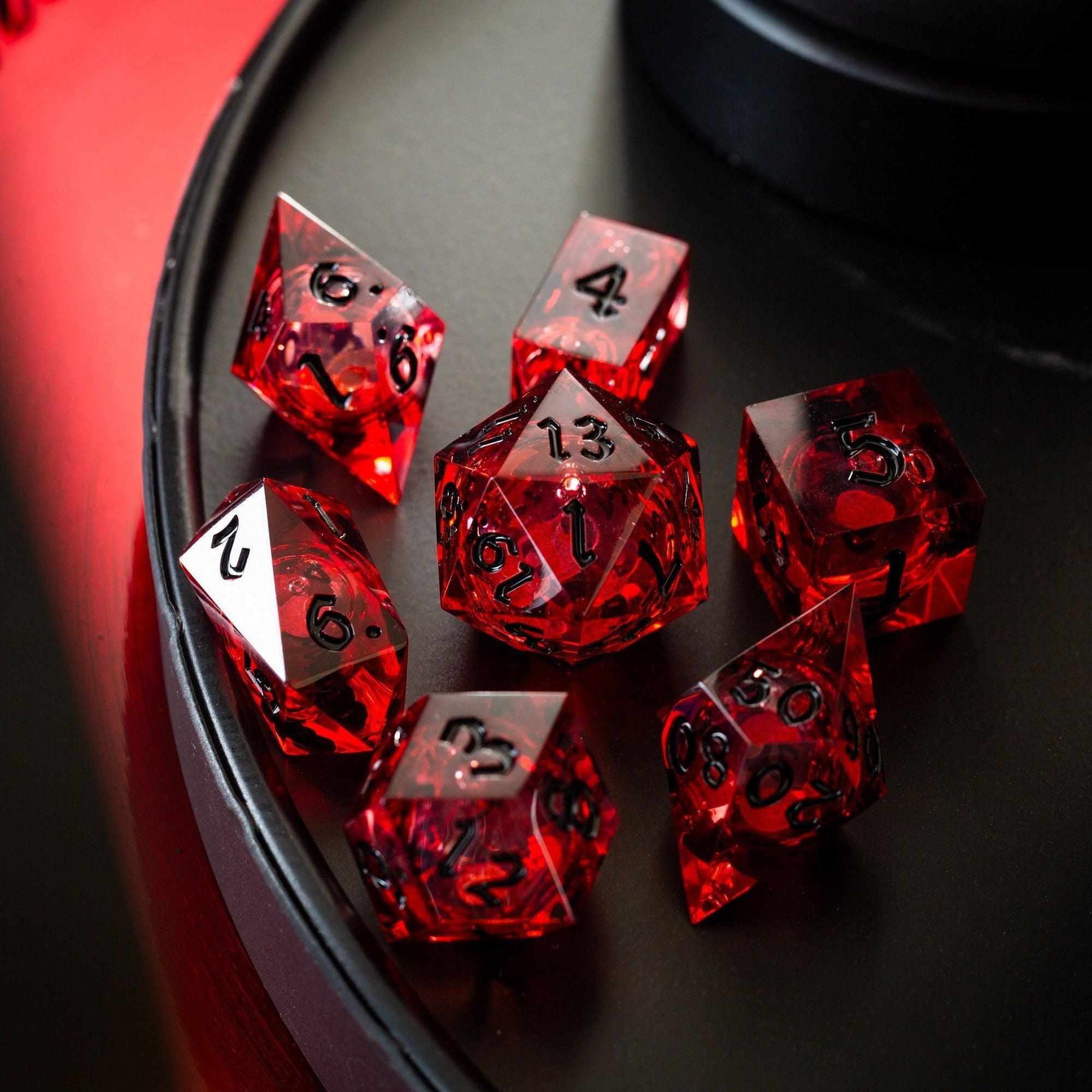
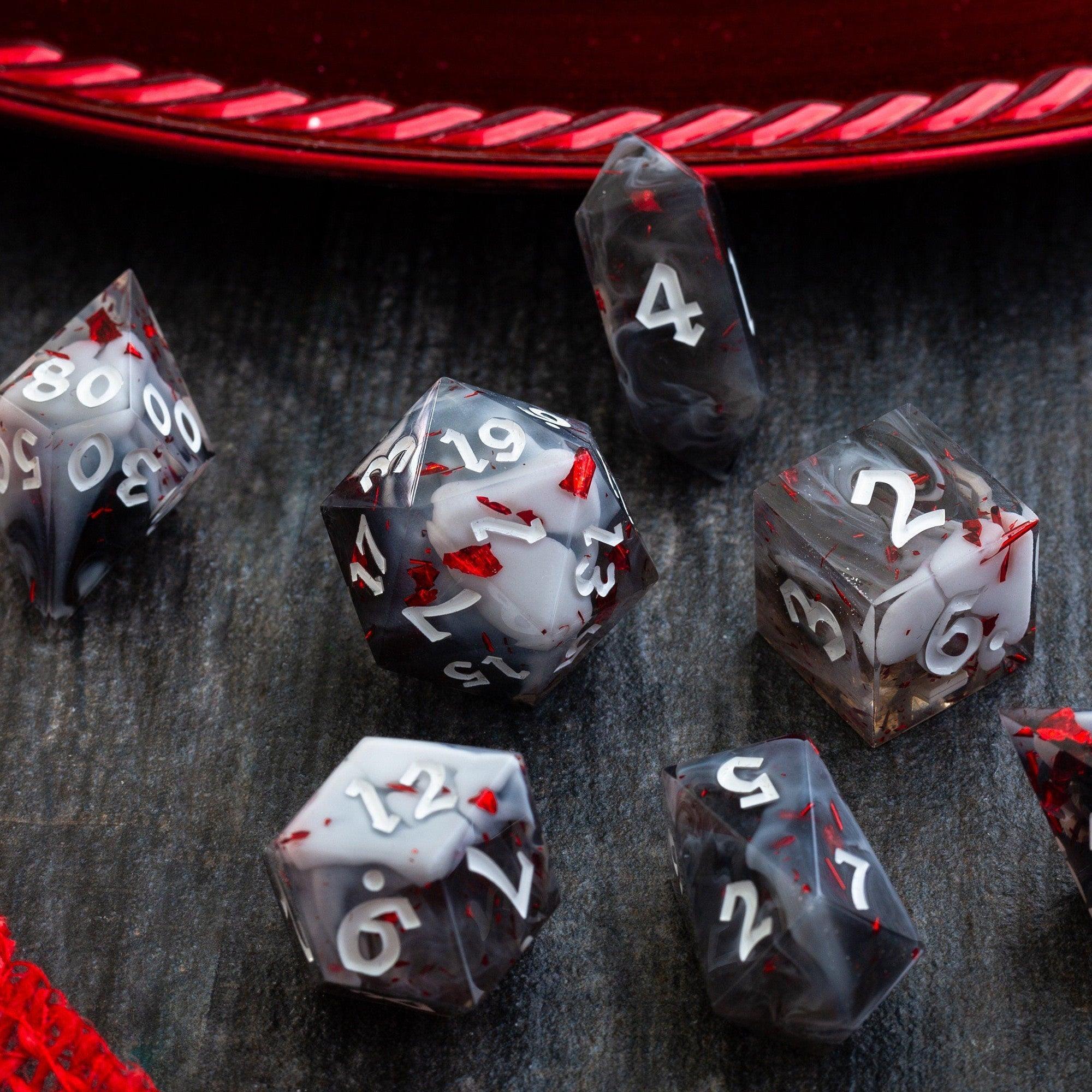
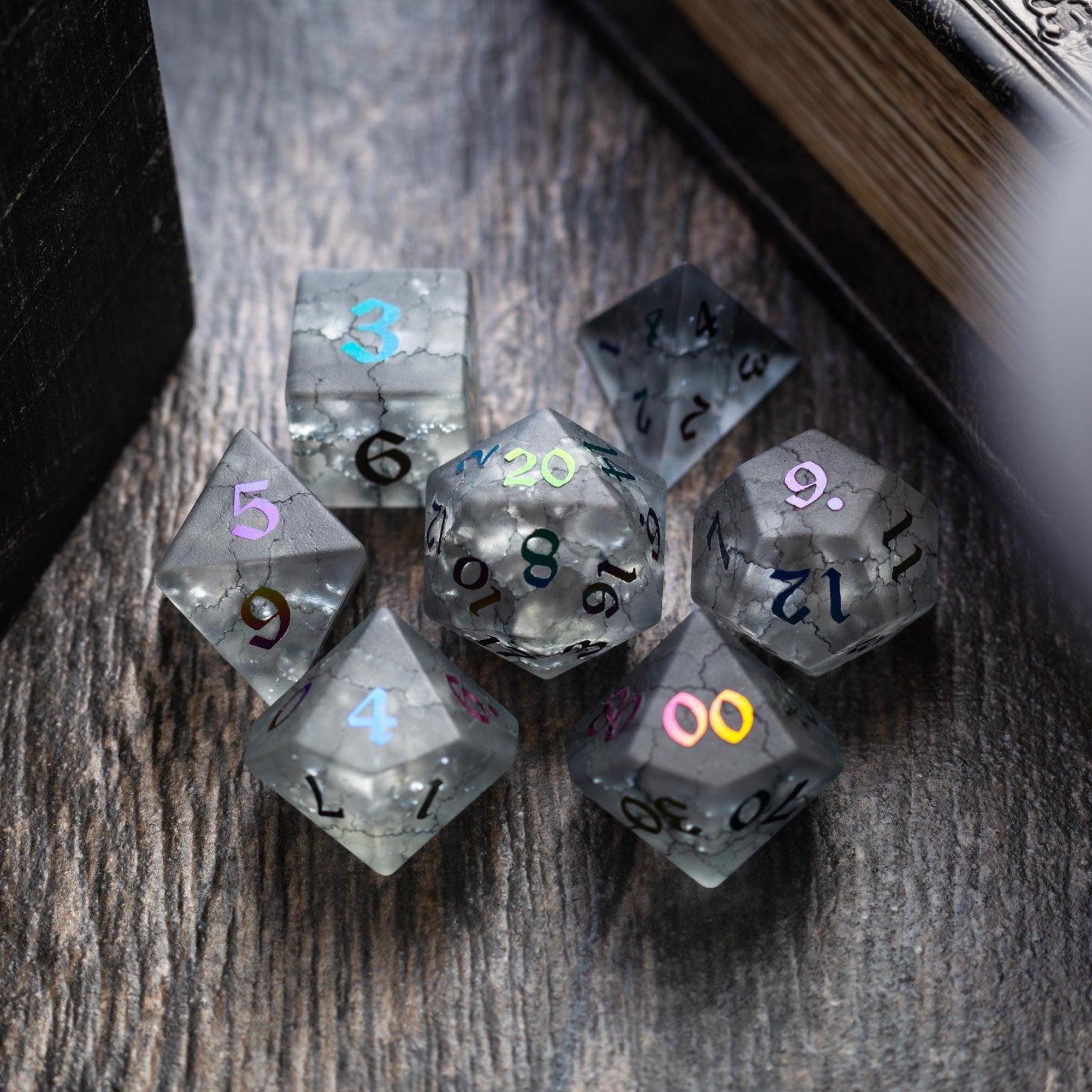
Many Wizard players enjoy using colorful glass dice or liquid core dice that reflect the magical feel of their characters, while a dice tower helps produce smooth, consistent rolls without scattering dice across the table.
Quick Class Comparison
| Class | Primary Role | Beginner Friendly | Best For |
|---|---|---|---|
| Barbarian | Frontline | ⭐⭐⭐⭐⭐ | Simple, powerful combat |
| Bard | Support | ⭐⭐⭐☆☆ | Creative roleplaying |
| Cleric | Support | ⭐⭐⭐⭐☆ | Healing and teamwork |
| Druid | Spellcaster | ⭐⭐⭐☆☆ | Nature lovers |
| Fighter | Frontline | ⭐⭐⭐⭐⭐ | Learning combat |
| Monk | Mobile fighter | ⭐⭐⭐☆☆ | Fast movement |
| Paladin | Defender | ⭐⭐⭐⭐☆ | Heroic characters |
| Ranger | Explorer | ⭐⭐⭐⭐☆ | Adventure and survival |
| Rogue | Skill expert | ⭐⭐⭐⭐☆ | Stealth and exploration |
| Sorcerer | Spellcaster | ⭐⭐⭐☆☆ | Simple magical offense |
| Warlock | Spellcaster | ⭐⭐⭐☆☆ | Story-driven characters |
| Wizard | Spellcaster | ⭐⭐☆☆☆ | Strategy and versatility |
Choosing a Class That Fits Your Playstyle
The easiest way to choose among the many beginner D&D classes is to think about what sounds the most enjoyable.
"I want simple combat."
Try:
-
Fighter
-
Barbarian
-
Paladin
"I love magic."
Try:
-
Wizard
-
Sorcerer
-
Warlock
-
Druid
"I enjoy solving puzzles."
Try:
-
Rogue
-
Bard
-
Wizard
"I like helping teammates."
Try:
-
Cleric
-
Bard
-
Paladin
"I want to sneak around."
Try:
-
Rogue
-
Ranger
"I enjoy roleplaying."
Try:
-
Bard
-
Warlock
-
Paladin
"I want versatility."
Try:
-
Fighter
-
Cleric
-
Druid
-
Bard
Remember that your personality matters more than perfect statistics. If a class excites you, you're much more likely to enjoy learning it.
Common Beginner Mistakes
Even experienced players learn something new with every campaign. Here are a few mistakes new adventurers can easily avoid.
Choosing a Class Only Because It Seems Powerful
Every class has strengths and weaknesses. Pick something that sounds enjoyable instead of chasing the strongest abilities.
Ignoring Teamwork
Dungeons & Dragons is a cooperative game. Think about how your character can help the rest of the party succeed.
Starting With an Overly Complex Spellcaster
Classes like Wizard offer incredible flexibility but also require learning many spells. If that feels overwhelming, Fighter or Barbarian can provide a gentler introduction while you learn the game's core mechanics.
Focusing Only on Combat
Some of the best moments happen outside battle through conversations, exploration, and creative problem solving.
Forgetting Roleplaying Opportunities
Every class has unique personality traits, ideals, and motivations that make adventures memorable. Don't be afraid to let your character grow naturally over time.
Growing Into Your Character
One of the greatest joys of D&D character creation is watching your hero evolve.
As your adventures continue, you'll unlock:
-
Powerful new abilities
-
Better equipment
-
Specialized subclasses
-
Stronger teamwork
-
Memorable character development
Your first character doesn't need to be perfect. Most players discover their favorite playstyle after gaining experience through a few adventures.
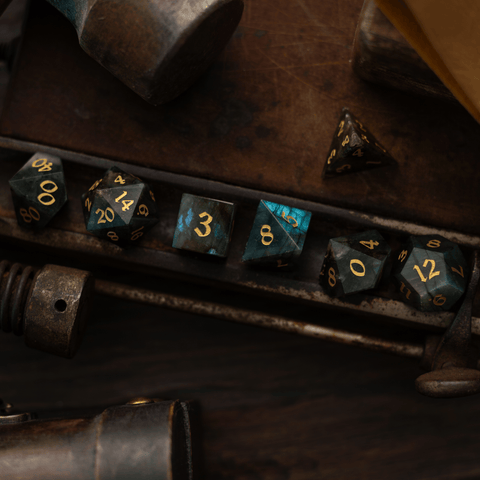
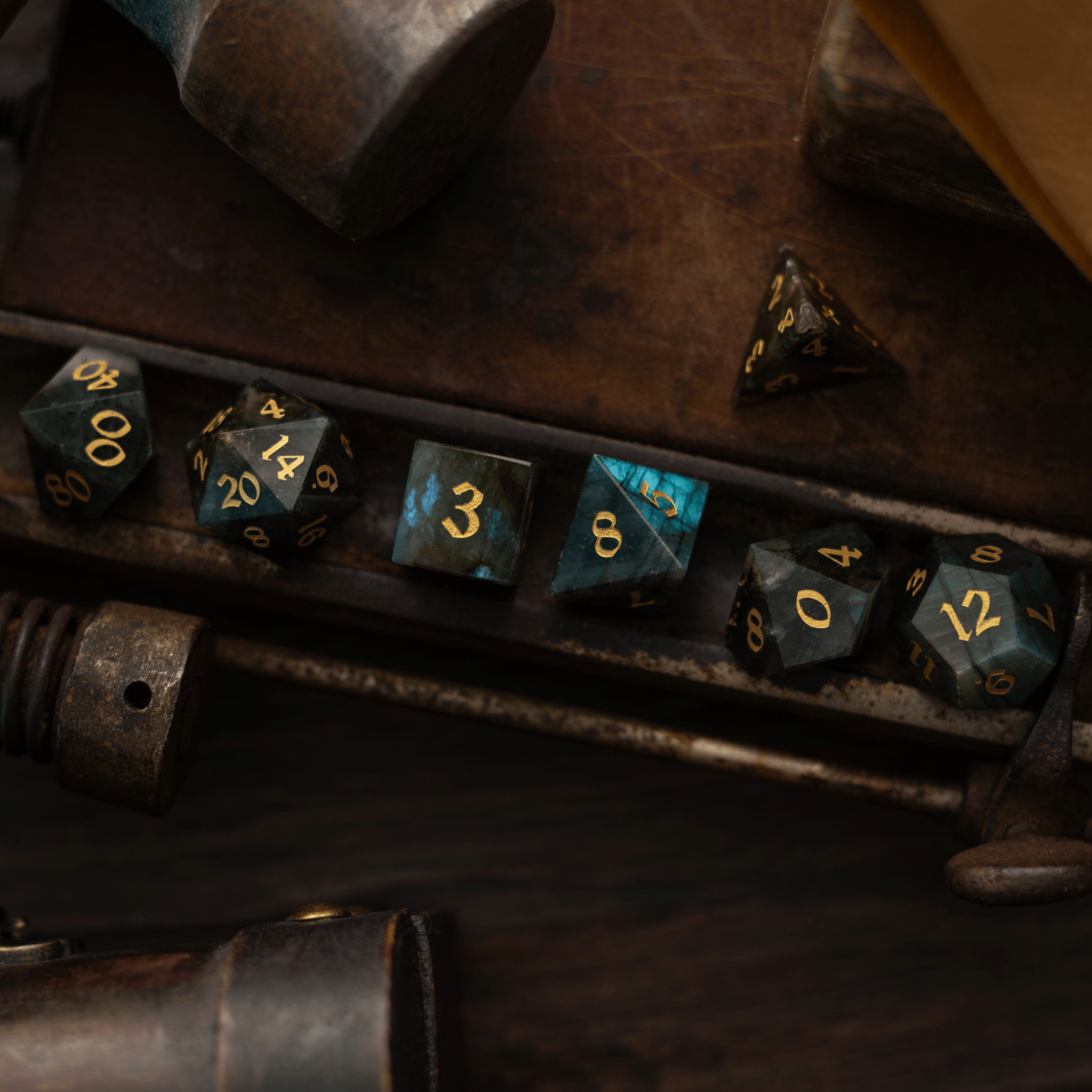
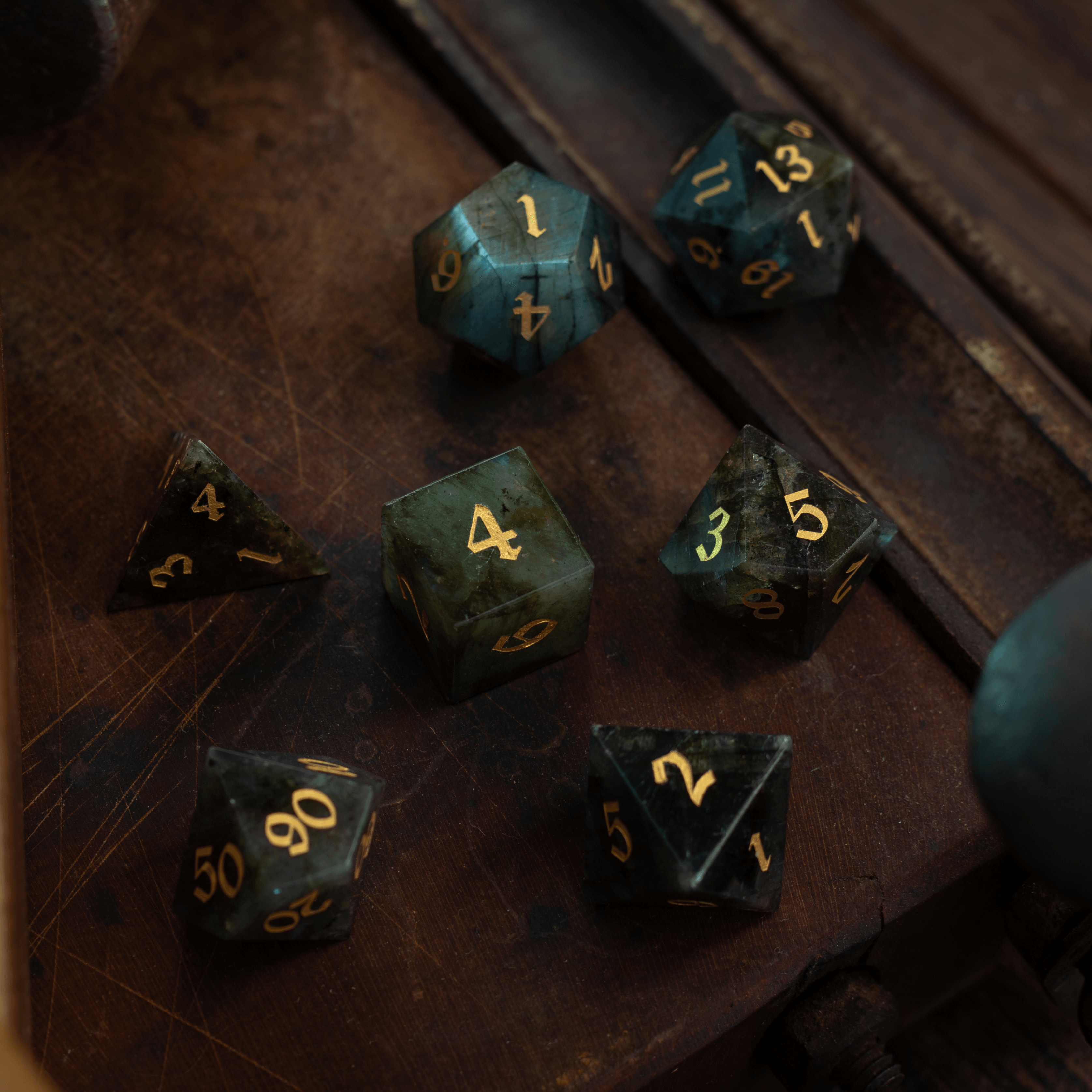
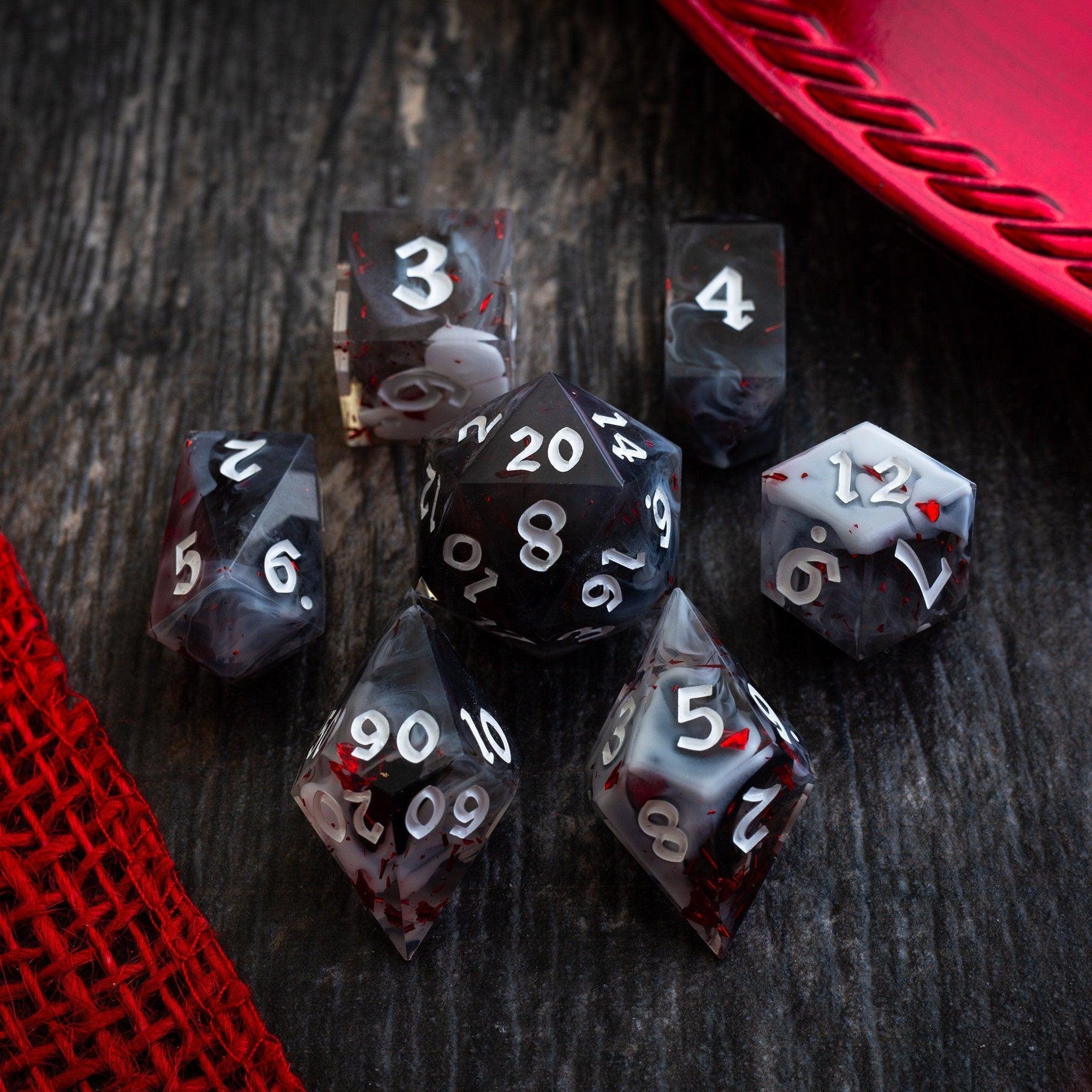
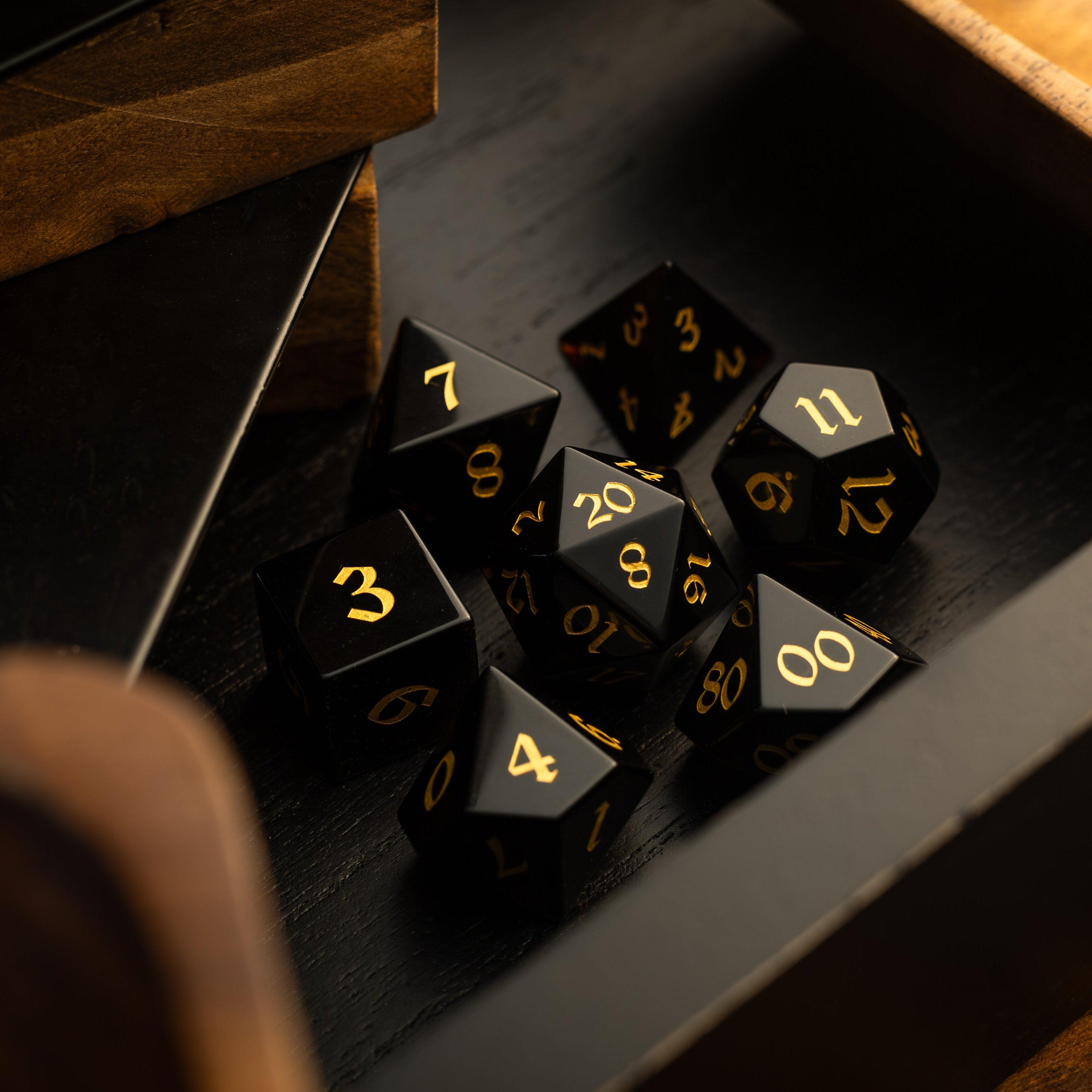
As your collection grows, many players enjoy adding different dice for different heroes. Easy-to-read resin dice are a dependable starting point for nearly any class, while sharp-edge dice and gemstone dice often become favorites for longtime players who appreciate detailed craftsmanship. Keeping everything organized in protective storage and rolling inside a quality dice tray helps preserve your collection as you create more characters across future campaigns.
Supporting Your First Adventure at the Table
Learning the game is much easier when your table stays organized.
Helpful accessories include:
-
Readable dice that make results easy to spot during combat
-
Dice trays that prevent rolls from bouncing across character sheets
-
Dice towers that create consistent, contained rolls
-
Protective storage that keeps growing dice collections safe between sessions
These small tools let you spend less time chasing dice and more time enjoying the adventure with your friends.
Tips for Choosing Your First Character
Keep these simple ideas in mind as you begin your journey:
-
Choose the class that sounds the most fun.
-
Don't worry about making the "perfect" build.
-
Learn your core abilities before worrying about advanced strategies.
-
Ask experienced players questions during your first few sessions.
-
Let your character's story develop naturally as the campaign unfolds.
Every experienced player started exactly where you are now.
Your Journey Begins with One Choice
The twelve core D&D classes each offer a unique way to experience the world of fantasy adventure. Whether you become a fearless Barbarian, a clever Rogue, a wise Cleric, or a spell-slinging Wizard, your first character is the beginning of a story that will grow with every session.
Don't feel pressured to memorize every rule or choose the perfect build. Focus on finding a class that matches your imagination, work together with your party, and enjoy discovering your character's strengths along the way.
The most memorable heroes aren't defined by perfect decisions. They're shaped by the adventures, friendships, and unforgettable moments that happen around the table.

Leave a comment
This site is protected by hCaptcha and the hCaptcha Privacy Policy and Terms of Service apply.