
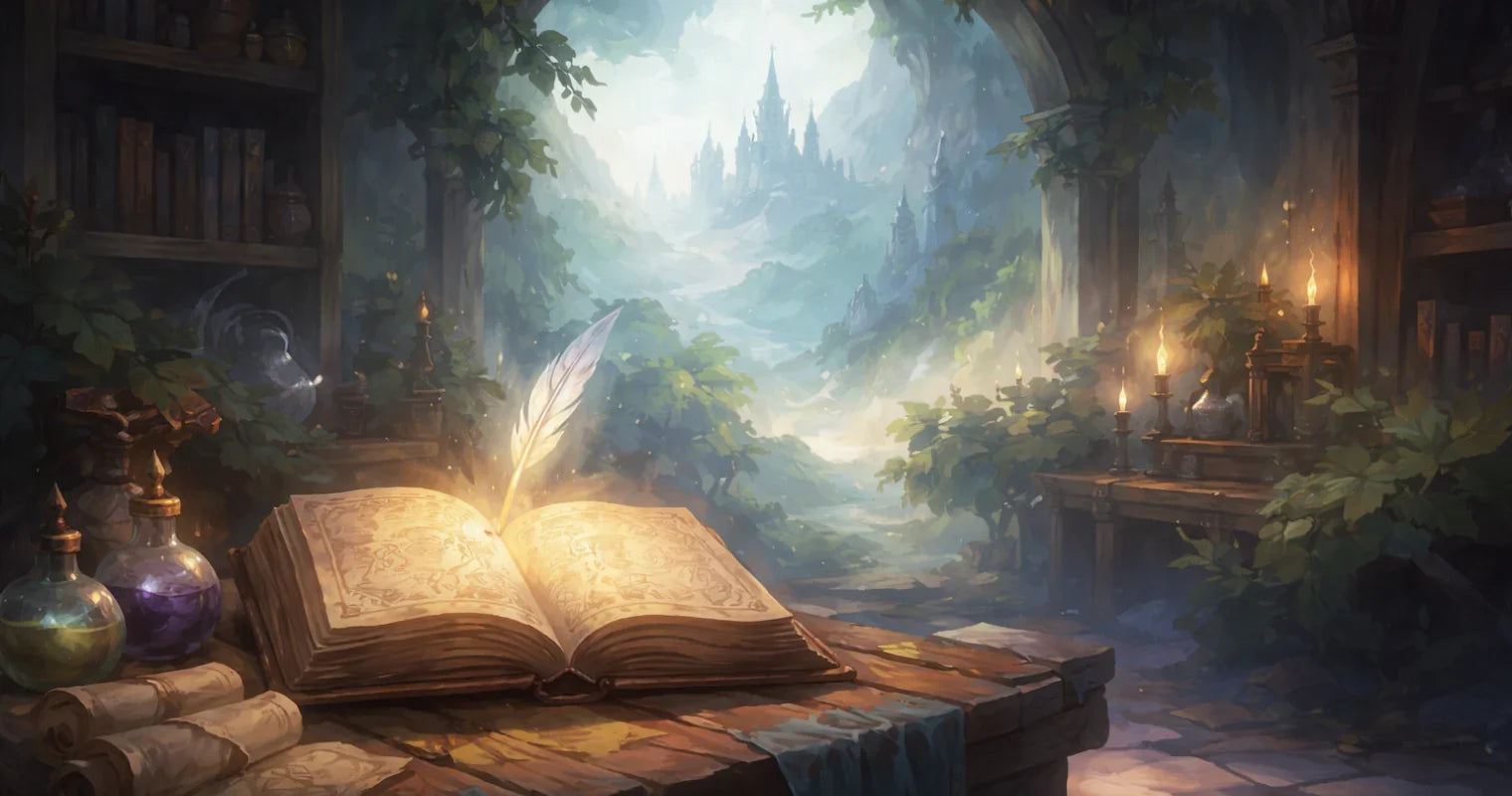
Homebrew Content for DND Custom Rules That Elevate Games
Updated on: March 16, 2026
Creating custom adventures for your Dungeons and Dragons campaign offers endless possibilities for storytelling and player engagement. Whether you are a seasoned Dungeon Master or just beginning your journey, understanding how to craft compelling homebrew content for D&D can transform your game sessions into unforgettable experiences. This guide explores the benefits and challenges of custom world-building, provides practical steps for creating engaging content, and helps you discover your creative voice as a game master.
- Advantages and Disadvantages of Custom Campaign Creation
- Step-by-Step Process for Developing Original Content
- Building a Cohesive World Foundation
- Designing Memorable Non-Player Characters
- Crafting Engaging Encounters and Scenarios
- Frequently Asked Questions
- Final Thoughts
Advantages and Disadvantages of Custom Campaign Creation

Creating custom adventures presents both wonderful opportunities and genuine challenges for game masters. Understanding both sides helps you make informed decisions about your campaign approach. Many experienced Dungeon Masters find that designing personalized content deepens their connection to the game world and strengthens player investment in the narrative.
Advantages of Crafting Original Adventures
Custom campaigns allow complete creative freedom in shaping your world according to your vision and your players' interests. You maintain full control over plot pacing, character arcs, and thematic elements, ensuring the story resonates with your specific group. Players often feel more engaged when they recognize their preferences reflected in the campaign, whether through specific themes, character types, or storytelling styles.
Original content also eliminates predictability that comes from published modules. Your players cannot reference external resources or spoil plot twists through online forums. Additionally, creating custom adventures deepens your understanding of game mechanics and narrative structure, making you a more confident and capable game master over time.
Challenges in Developing Homebrew Content
The time investment required for creating custom campaigns can be substantial. Designing encounters, writing descriptions, and planning story progression demands careful preparation and ongoing adjustments. Some game masters struggle with maintaining game balance when crafting custom encounters, potentially making encounters too difficult or too simple for their party.
Consistency becomes crucial when developing original worlds. Managing multiple plot threads, tracking non-player character motivations, and ensuring logical world consequences requires organizational skills and attention to detail. New game masters might feel overwhelmed by the scope of creative responsibility, especially when balancing personal creativity with player expectations.

A Dungeon Master's workspace with notes, maps, and reference materials organized together
Step-by-Step Process for Developing Original Content
Building custom adventures for your Dungeons and Dragons campaign follows a logical progression from initial concept through session execution. This systematic approach helps organize your creative thoughts and ensures nothing important falls through the cracks.
Step One: Establish Your Campaign Concept
Begin by answering fundamental questions about your vision. What tone do you want? Is your campaign lighthearted and humorous, dark and gritty, or somewhere in between? What central conflict or theme drives the narrative forward? Consider your players' preferences and experience levels when defining your concept. A brief written statement capturing your campaign's essence serves as a touchstone when making creative decisions.
Step Two: Build Your World's Foundation
Develop the geographic, cultural, and political framework for your world. Start broad with continents and major regions, then gradually add detail to specific locations where your players will adventure. Consider how different cultures interact, what resources drive conflict, and what historical events shaped the current world state. You do not need to create everything immediately; detail emerges as your campaign progresses and players explore new areas.
Step Three: Create Your Primary Non-Player Characters
Identify key characters who will interact with your players regularly. These include quest-givers, allies, antagonists, and complicated figures who defy simple categorization. Write brief descriptions capturing their motivations, distinctive traits, and connection to your plot. Understanding character goals helps them feel realistic and unpredictable to your players.
Step Four: Plan Your Opening Adventure
Design your first few sessions carefully since they establish tone and hook player interest. Create an opening scenario that introduces your world naturally while allowing player agency. Avoid lengthy exposition; instead, reveal world information through character interactions and environmental exploration. The opening should present an immediate hook that motivates characters to continue adventuring together.
Step Five: Develop Encounter Encounters and Challenges
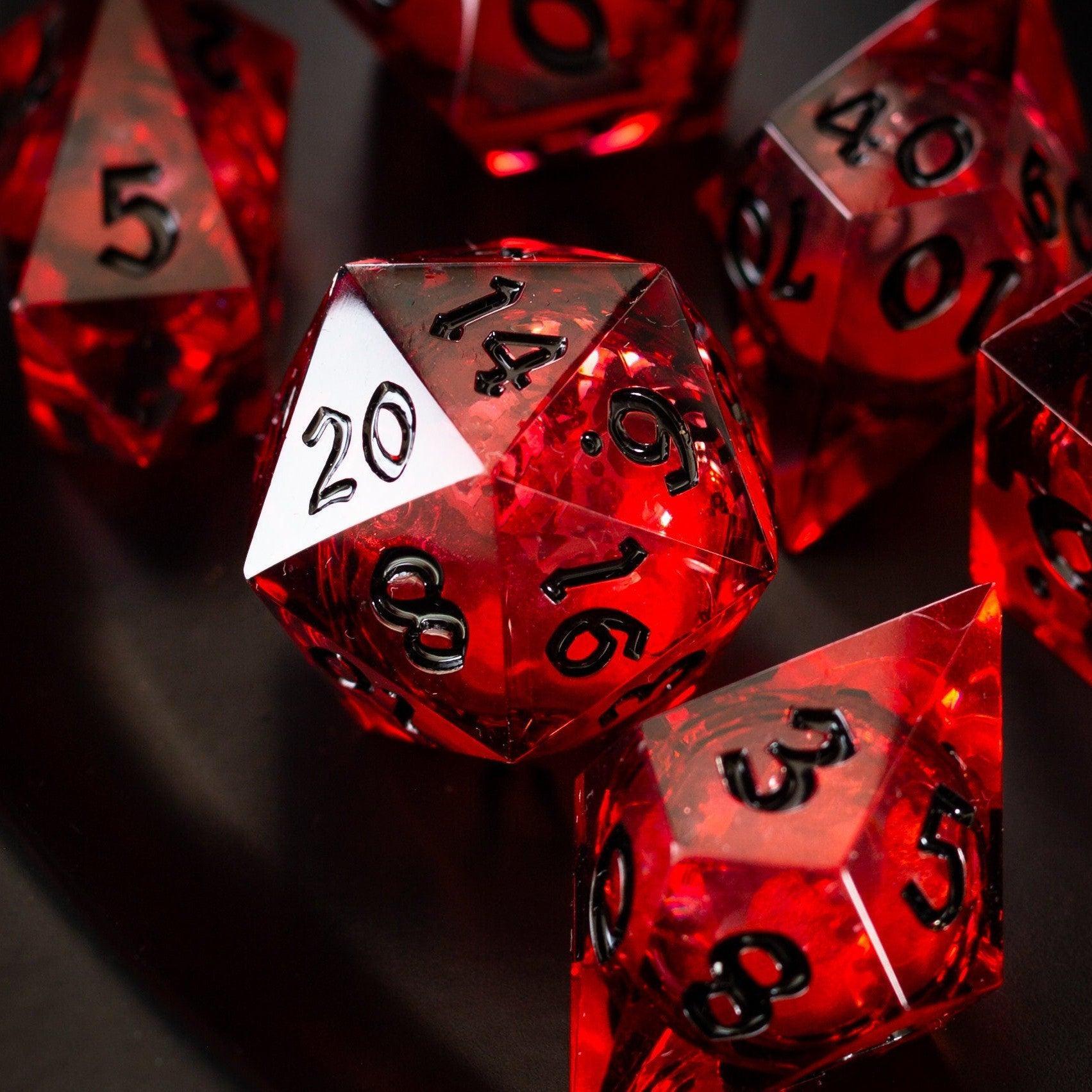
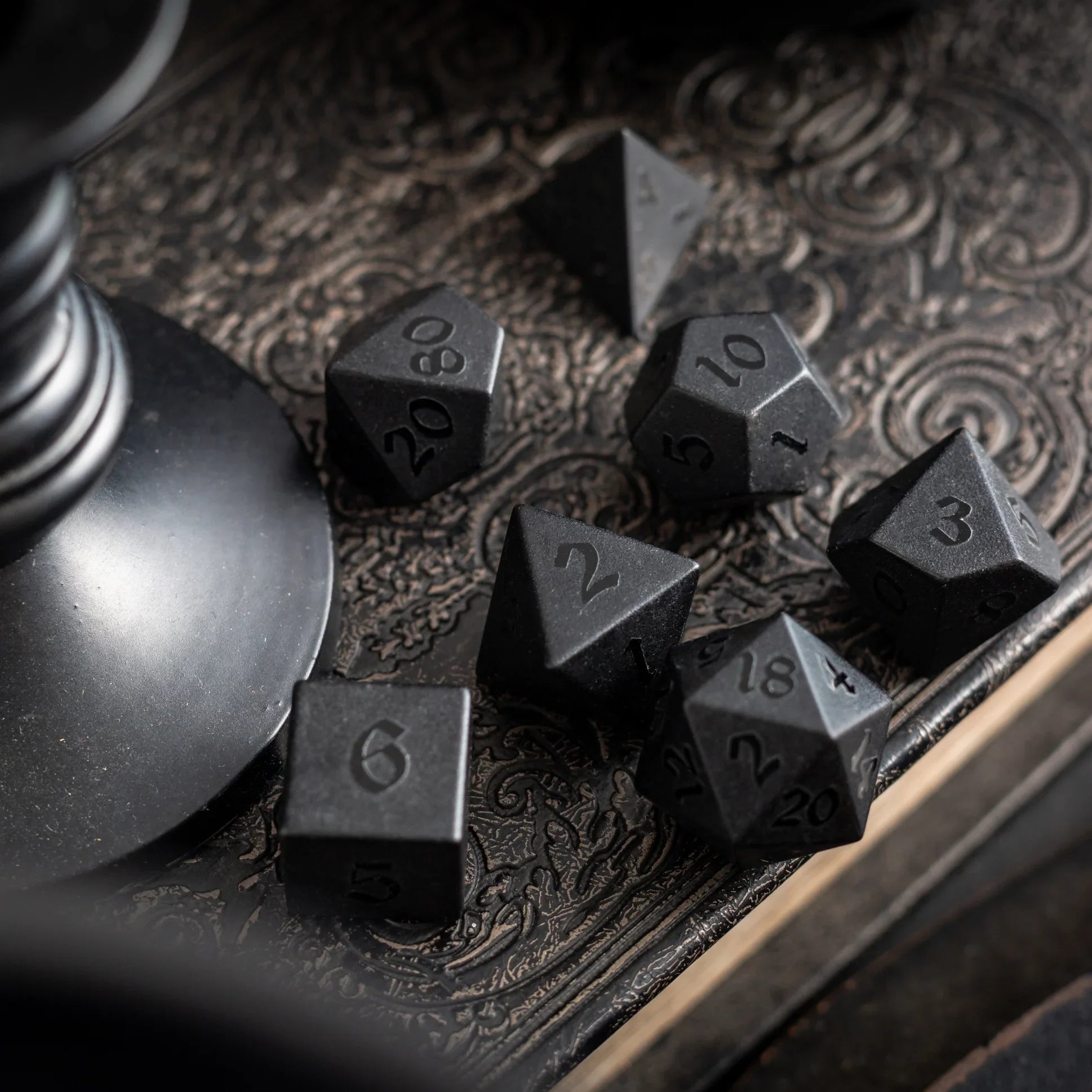
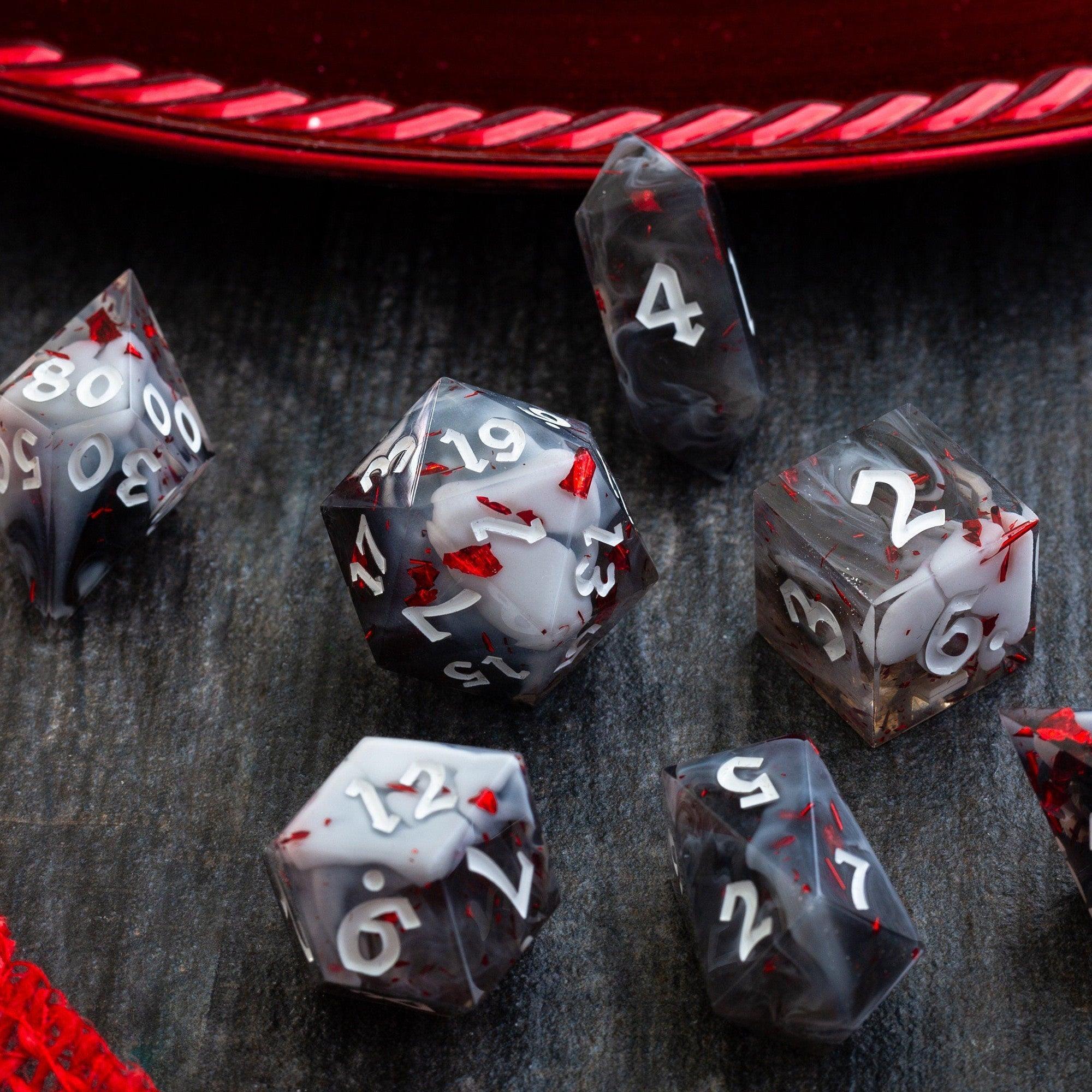
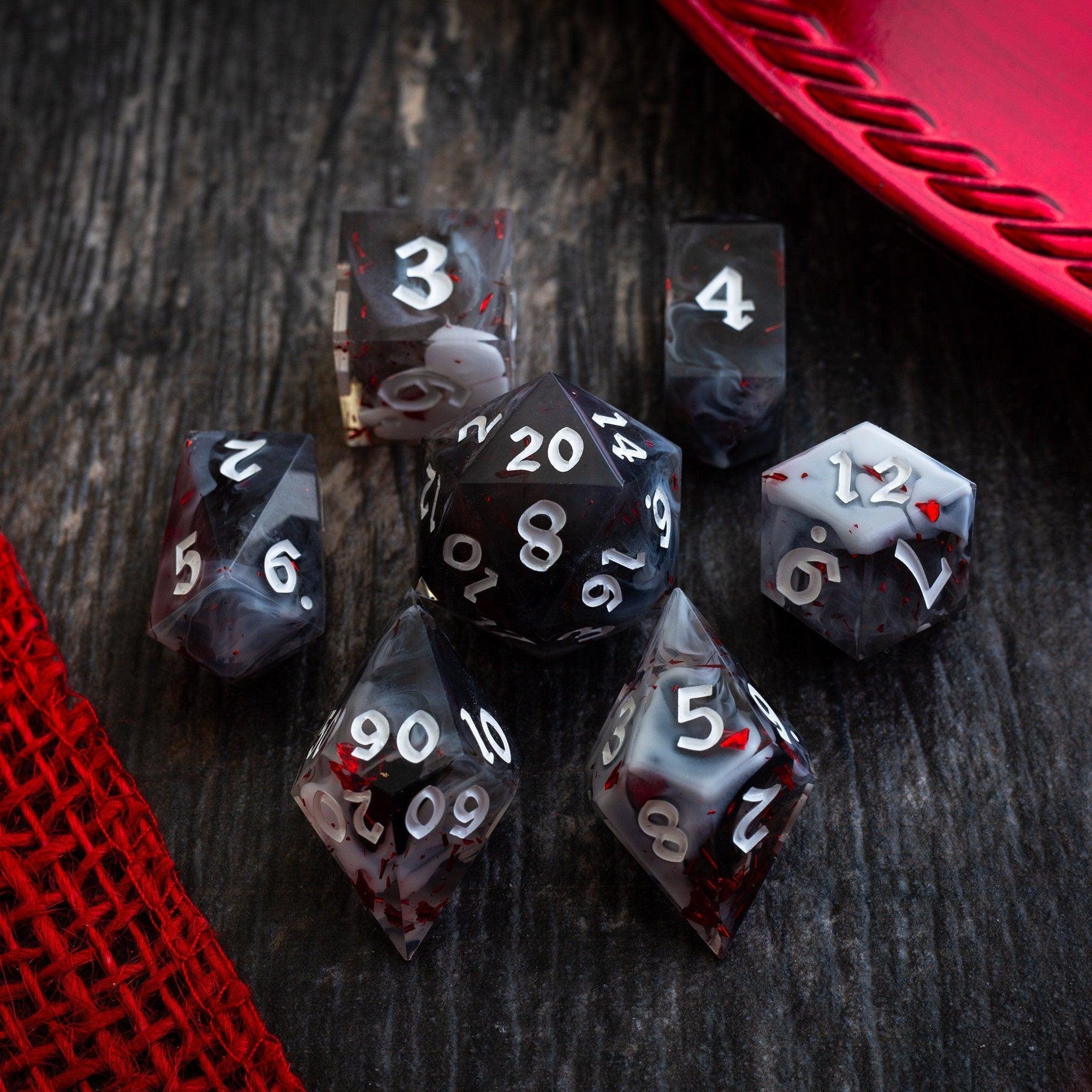
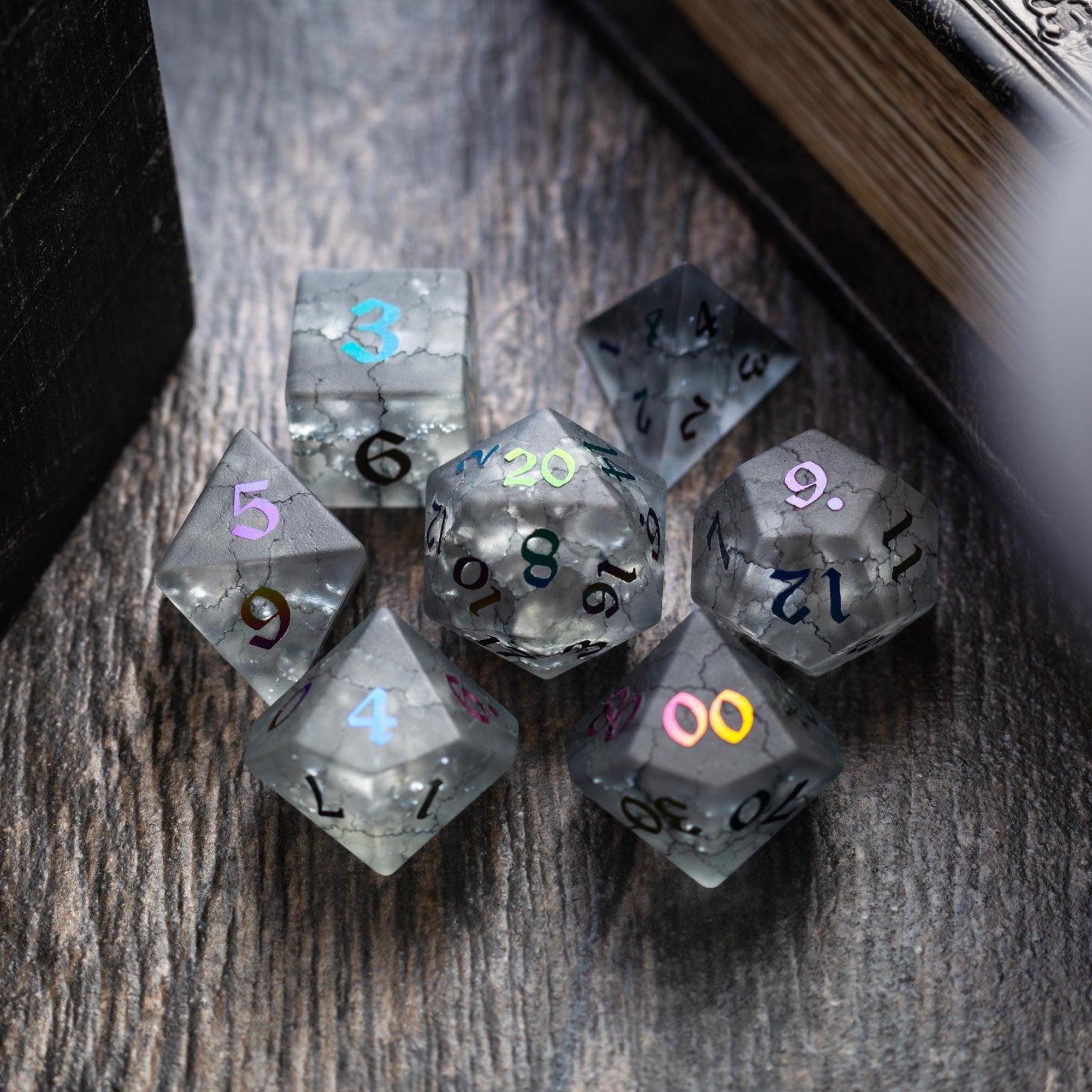
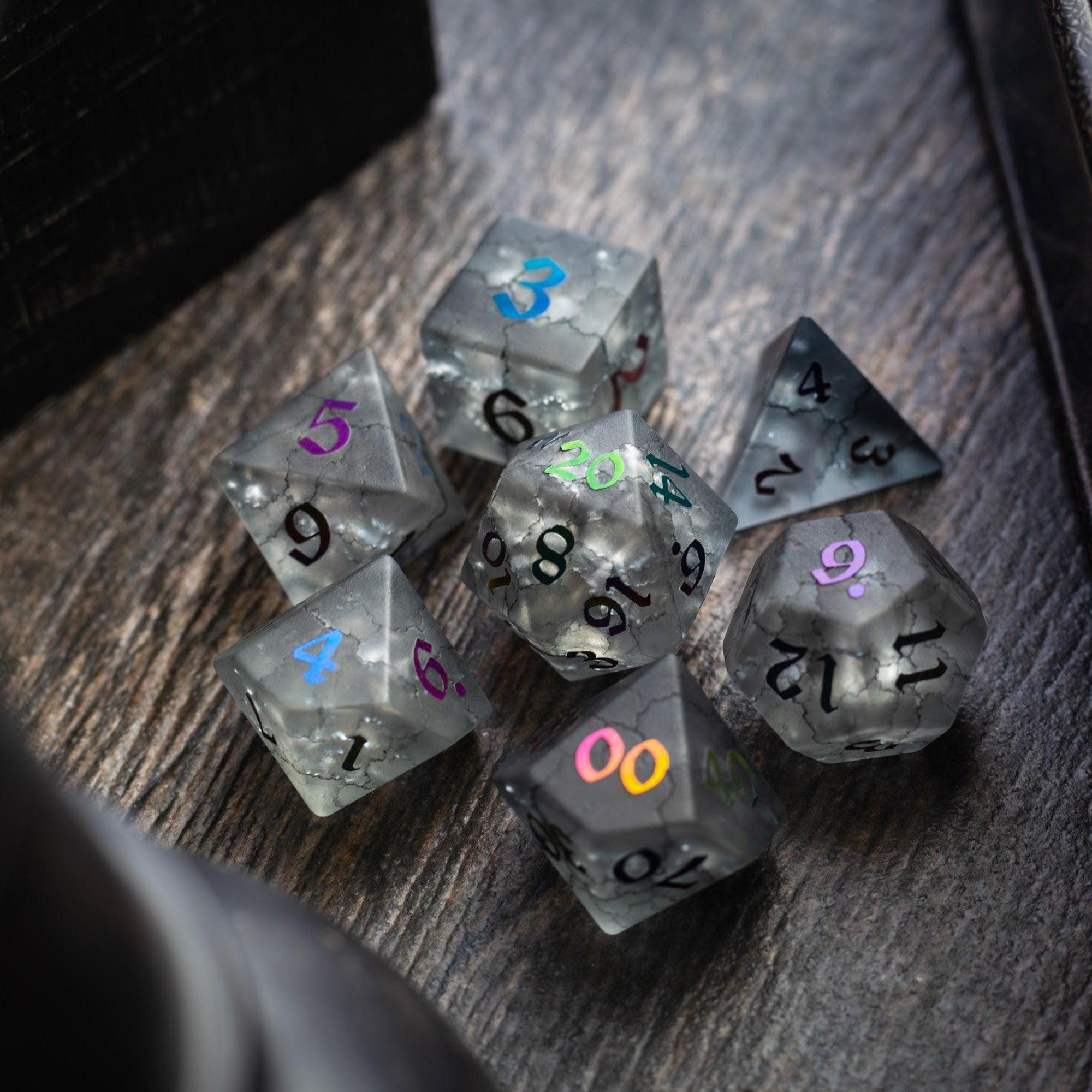
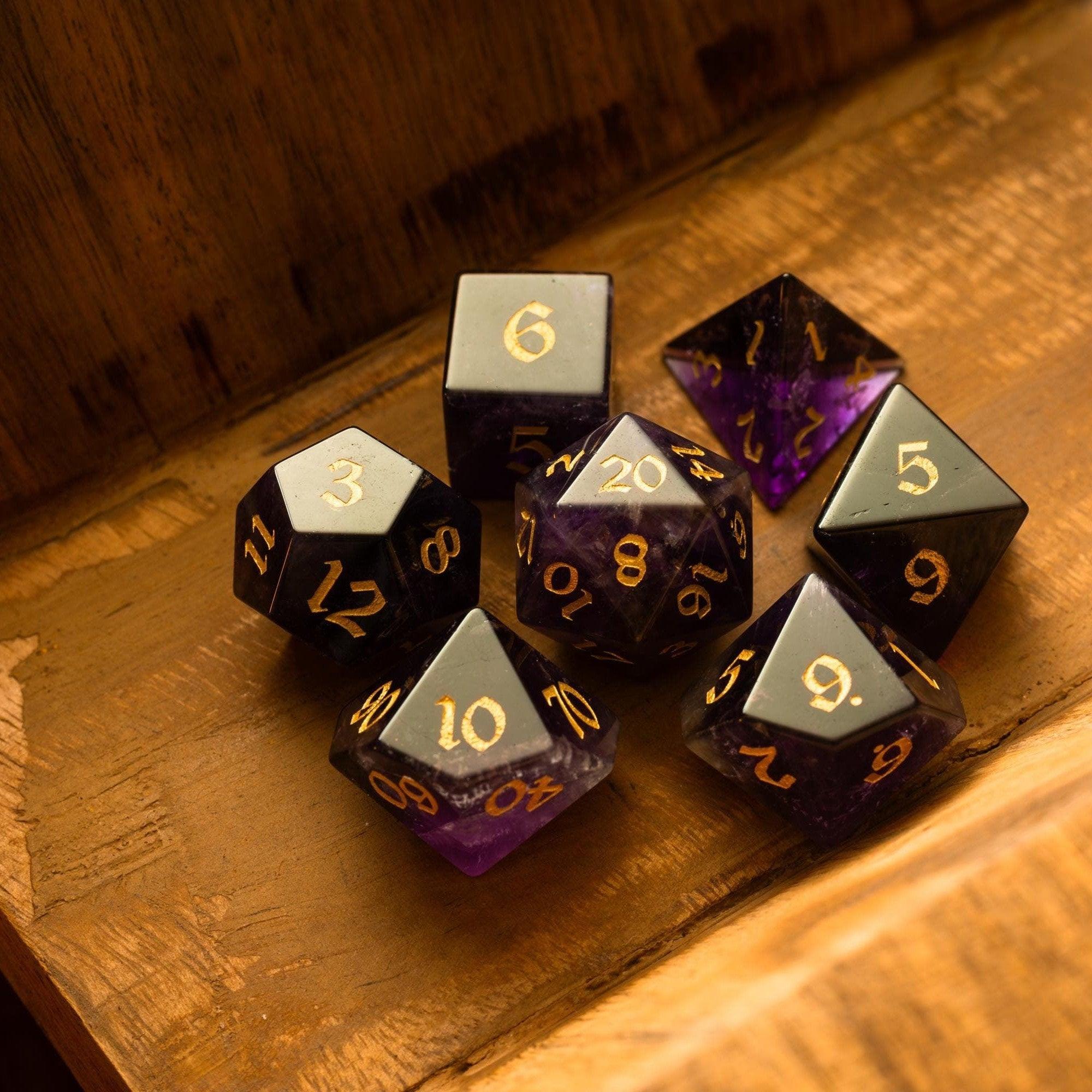
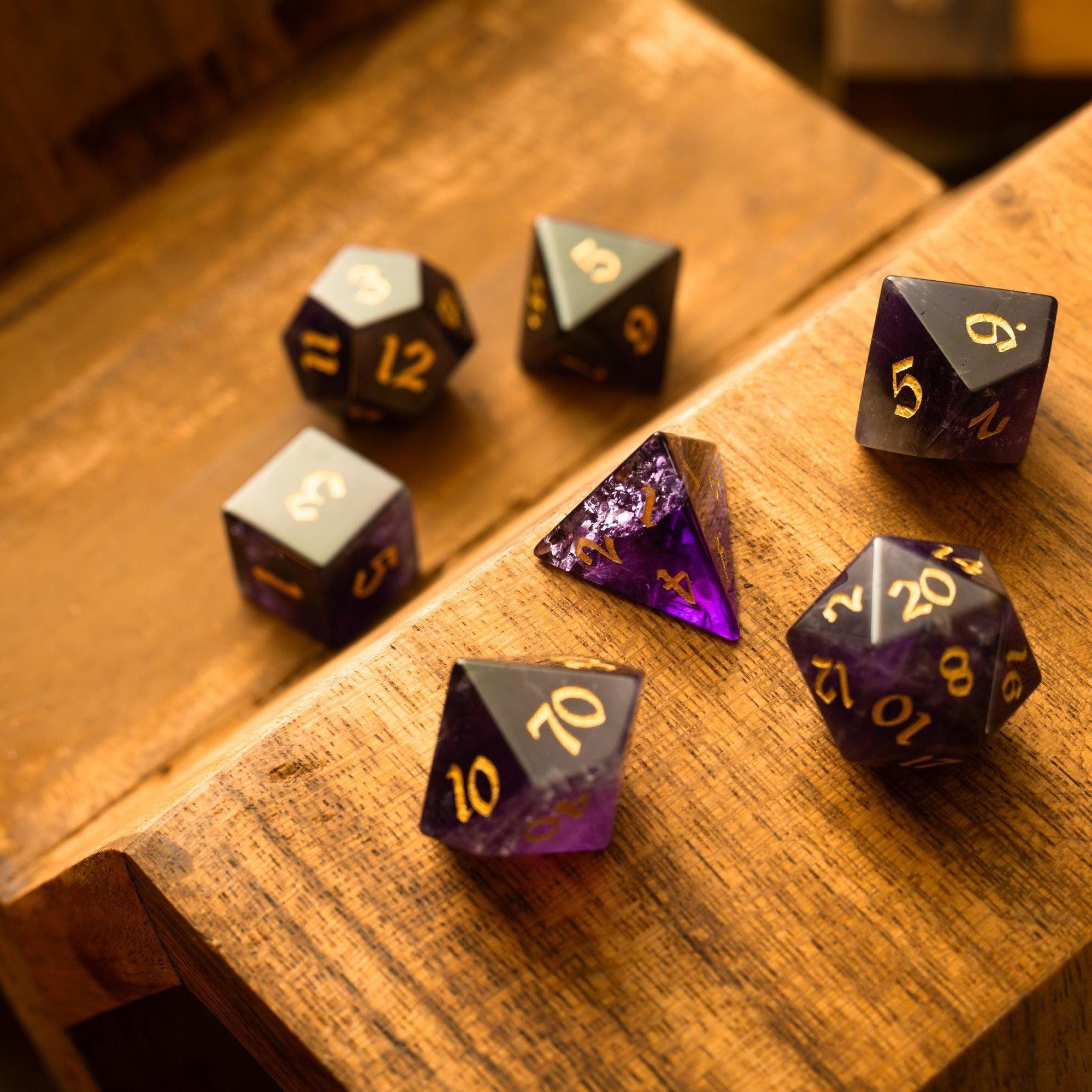
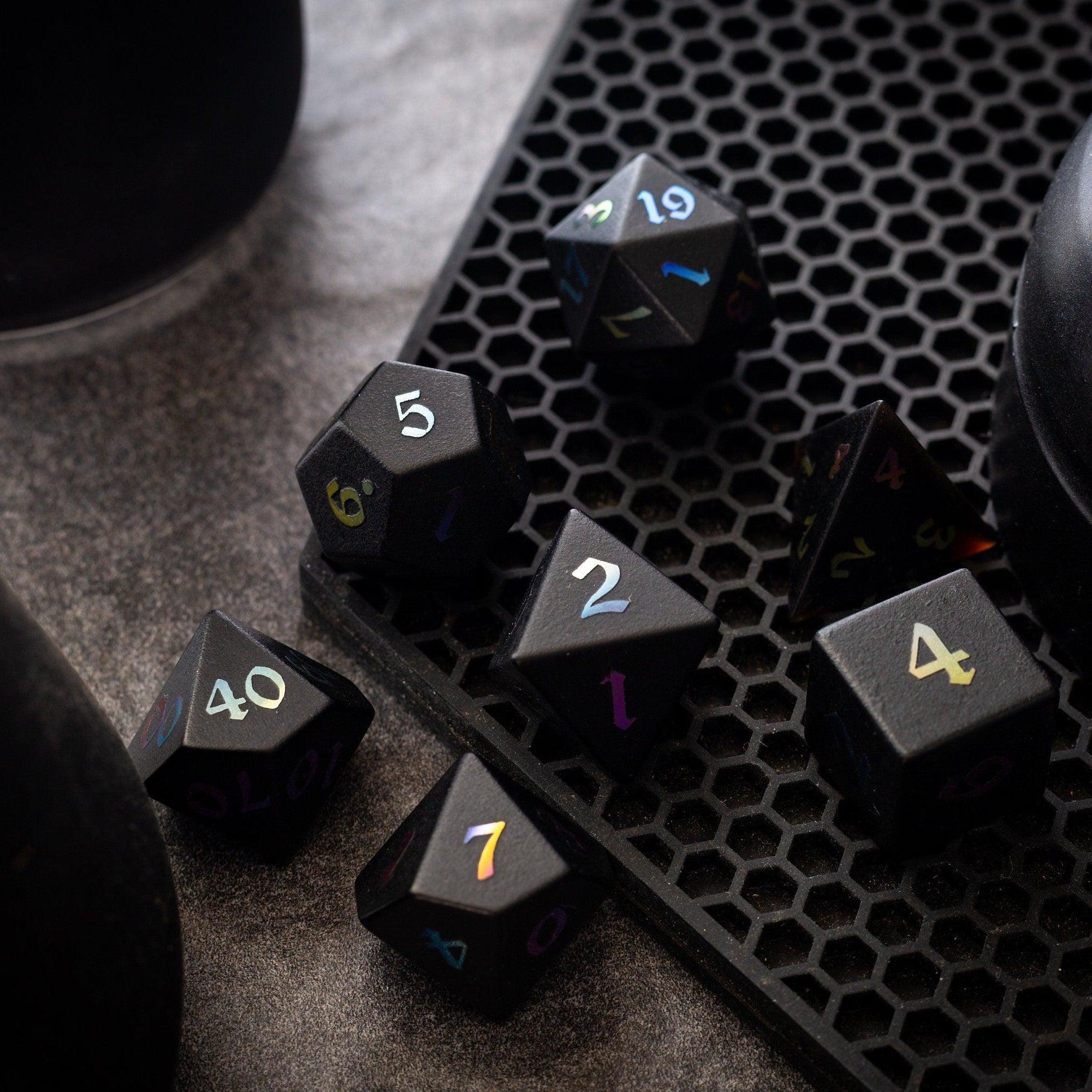
Build varied encounters combining combat, roleplay, and problem-solving elements. Balance difficult combats with social encounters and exploration scenes. Use quality dice for fair resolution of uncertain outcomes, ensuring your players trust the randomness of results. Plan encounters with flexible difficulty; skilled players can bypass some challenges through creative solutions, so prepare contingencies.
Step Six: Document and Organize Your Notes
Maintain organized notes about your world, characters, and plots. Use a consistent system whether physical notebooks or digital documents. Include encounter details, non-player character statistics, plot timelines, and world information. Good organization saves time during session preparation and prevents contradictions as your campaign develops.

Campaign notes showing interconnected plot threads, character relationships, and story timelines
Building a Cohesive World Foundation
A believable world provides the backdrop for memorable adventures and gives players context for their choices. When crafting your campaign setting, consistency matters more than complexity. Players notice logical contradictions and gaps in world coherence, so establish clear rules for how your world functions.
Start by determining your world's magic level. How common is magic? How do spellcasters fit into society? What limitations exist on magical abilities? These decisions influence everything from available equipment to NPC capabilities. Consider your world's relationship with technology and innovation. Are there ancient ruins with forgotten technology? Do societies favor magic over mechanical advancement?
Develop economic systems that make sense for your world. How do people earn living wages? What goods are valuable? Trade routes and economic competition create natural conflicts for your players to navigate. Religious and spiritual beliefs also shape cultures meaningfully; gods or philosophical traditions motivate characters and societies in realistic ways.
Designing Memorable Non-Player Characters
Non-player characters bring your world alive through interesting personalities and complex motivations. Rather than creating comprehensive backstories for every character, focus your effort on important figures your players will encounter repeatedly. Give these characters distinct speech patterns, physical mannerisms, and clear motivations driving their behavior.
Consider conflicting interests when designing important NPCs. Characters who want different things create natural story tension. A merchant who wants profit might conflict with a local noble seeking to protect the poor. These tensions create narrative opportunities without requiring a traditional villain.
Let players influence how they perceive NPCs through their own actions and choices. A character your players help might become a loyal ally, while a character they repeatedly oppose might become an antagonist. Allow relationships to develop organically rather than following a predetermined script.
Crafting Engaging Encounters and Scenarios
Encounters form the core of actual gameplay sessions. Effective encounters balance multiple elements: challenge appropriate to player level, opportunities for different character abilities to shine, and multiple resolution paths allowing creative problem-solving.
When designing combat encounters, consider terrain and environmental features. Does the area provide cover? Are there hazards that might affect tactics? Environmental elements make combats more interesting than empty rooms. Vary encounter types throughout your campaign; not every problem should require combat solutions.
Social encounters benefit from clear NPC goals and motivations. What does this character want from the interaction? What information will they share or withhold? Are they deceptive or honest? Giving NPCs clear objectives makes roleplay feel more natural and less like a simple information delivery system.
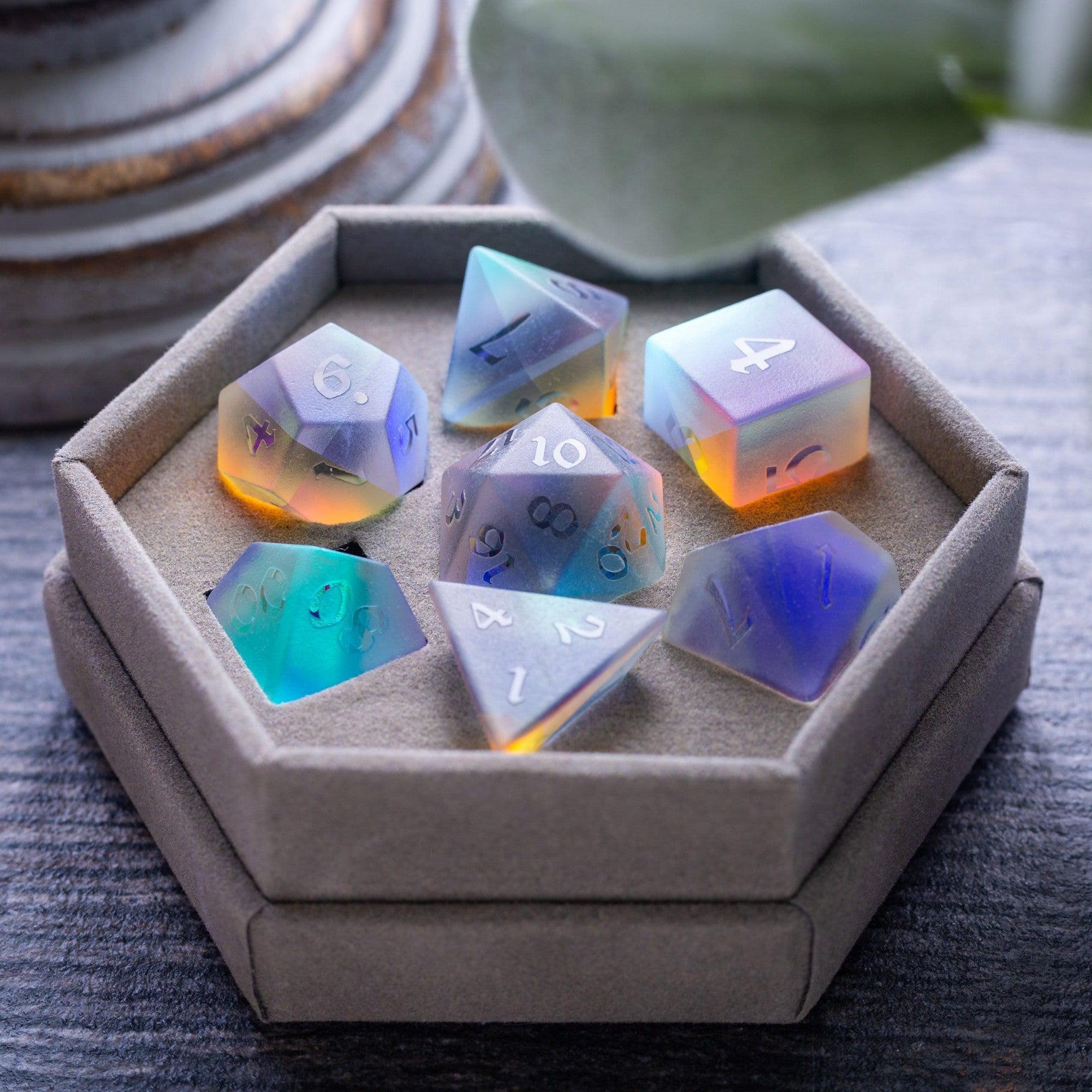
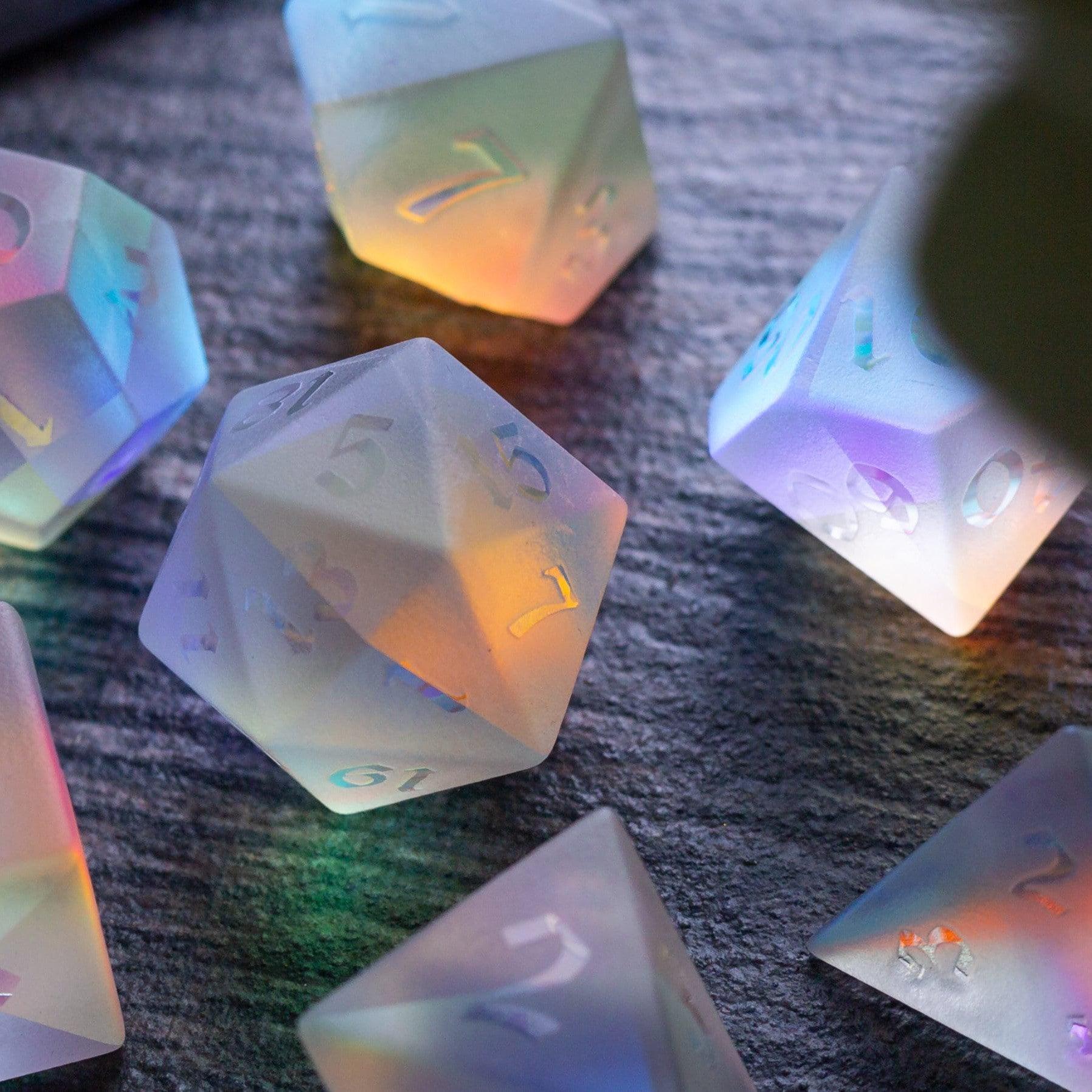
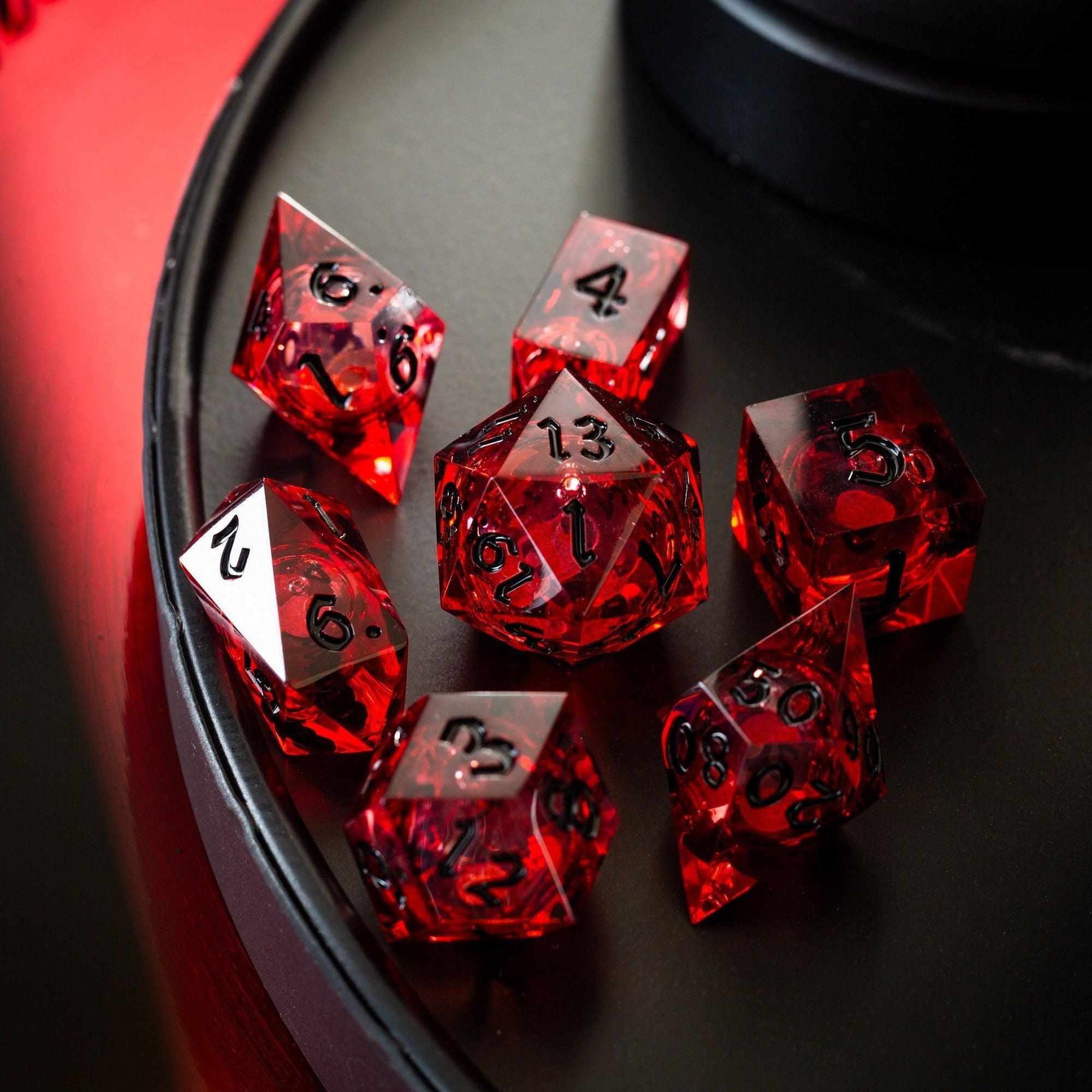
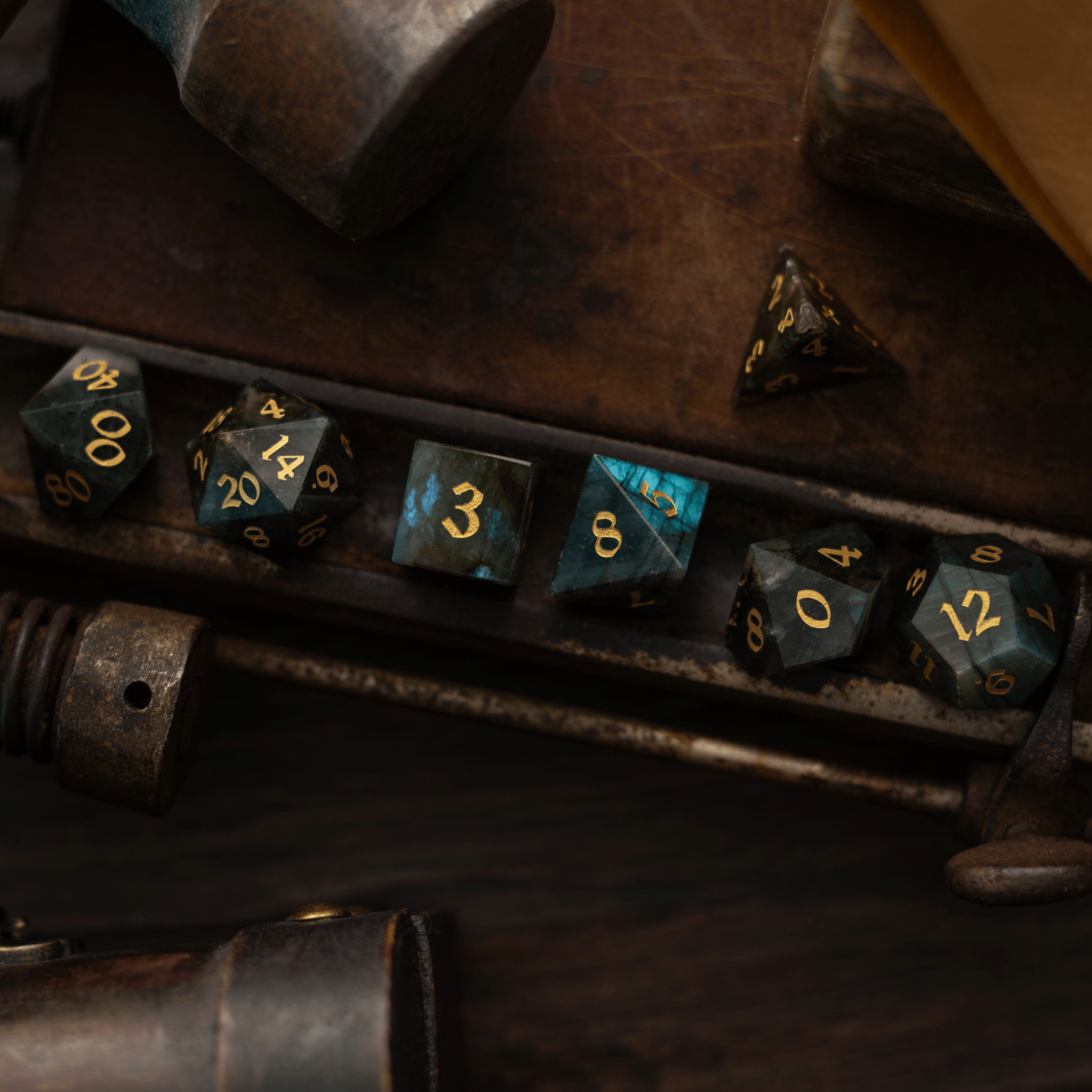
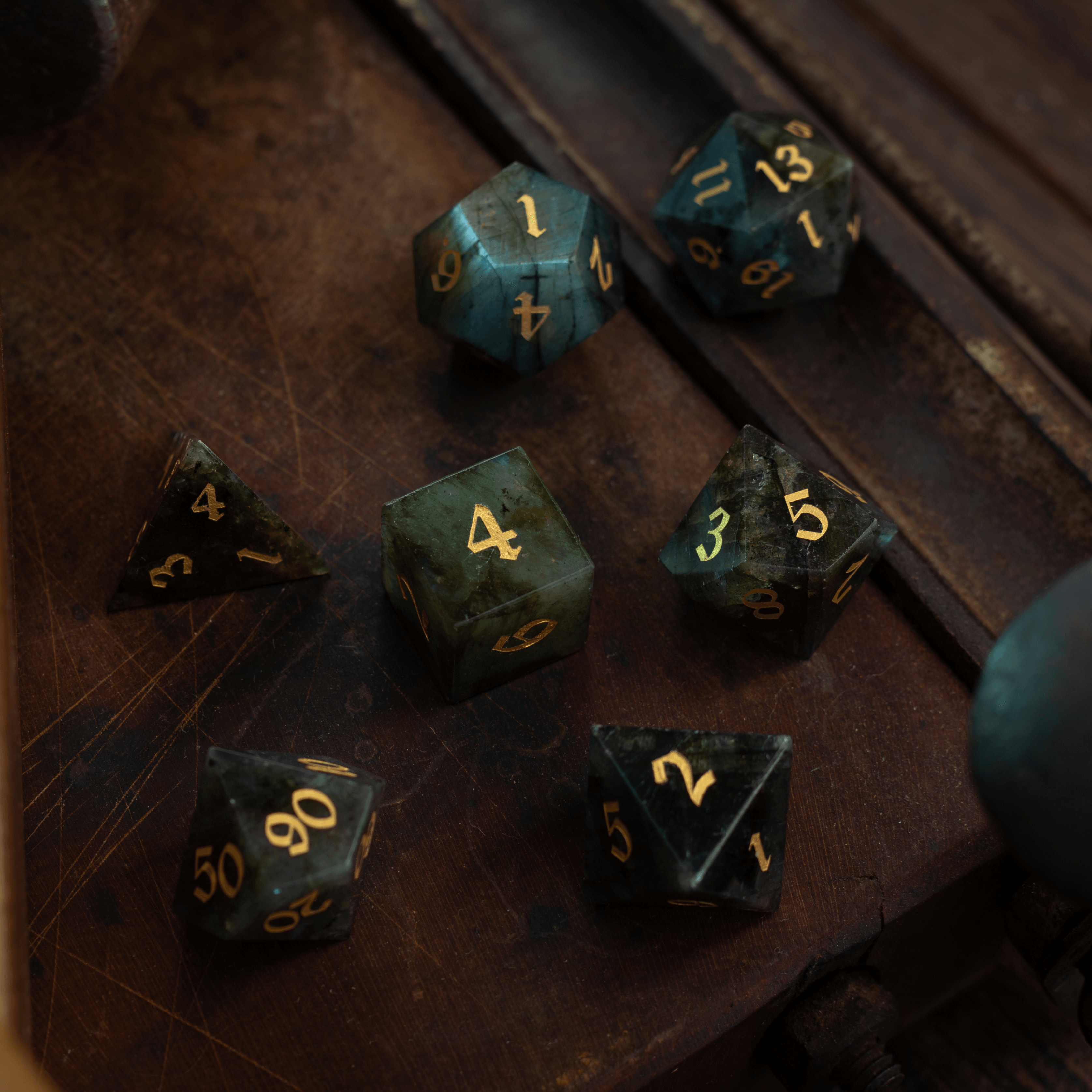
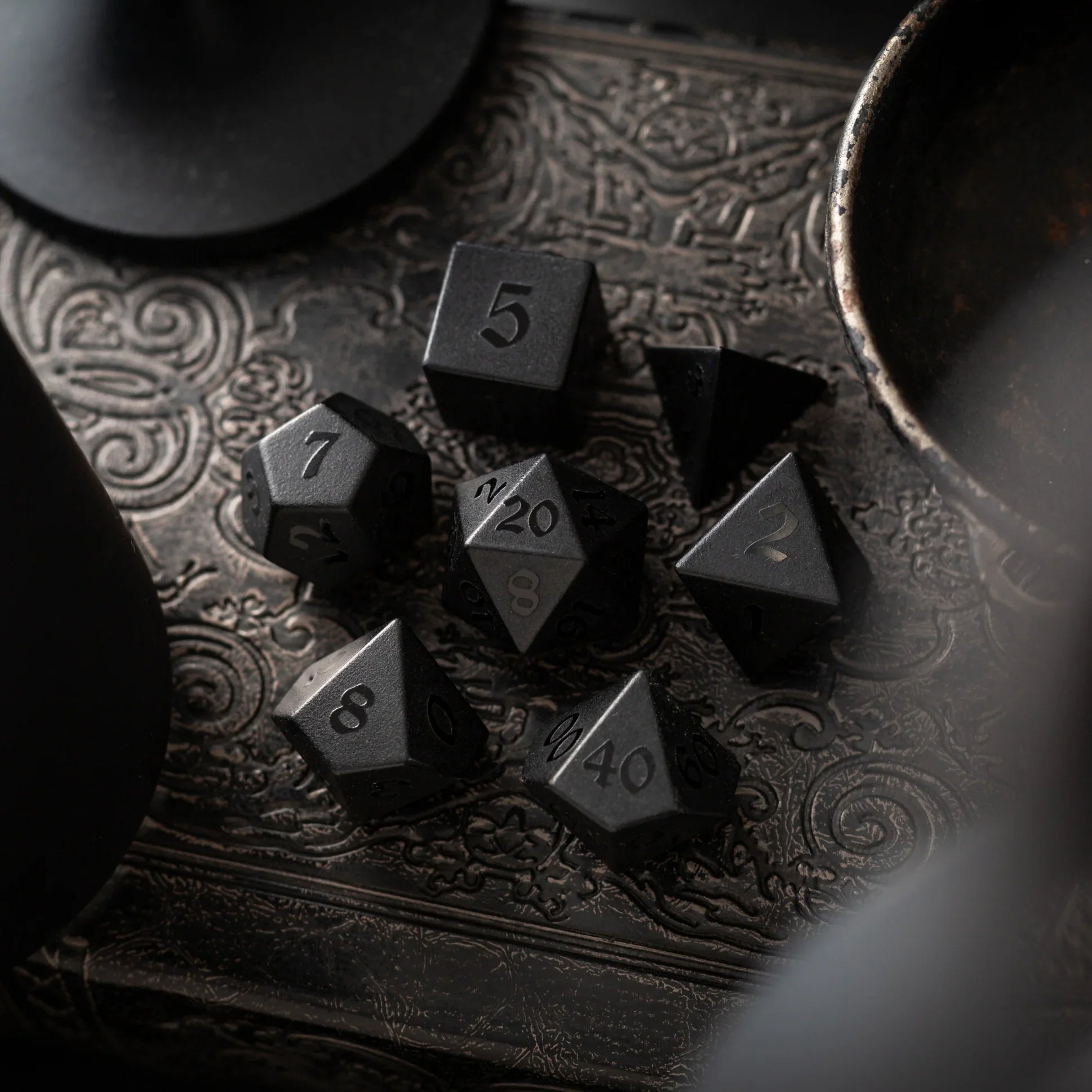
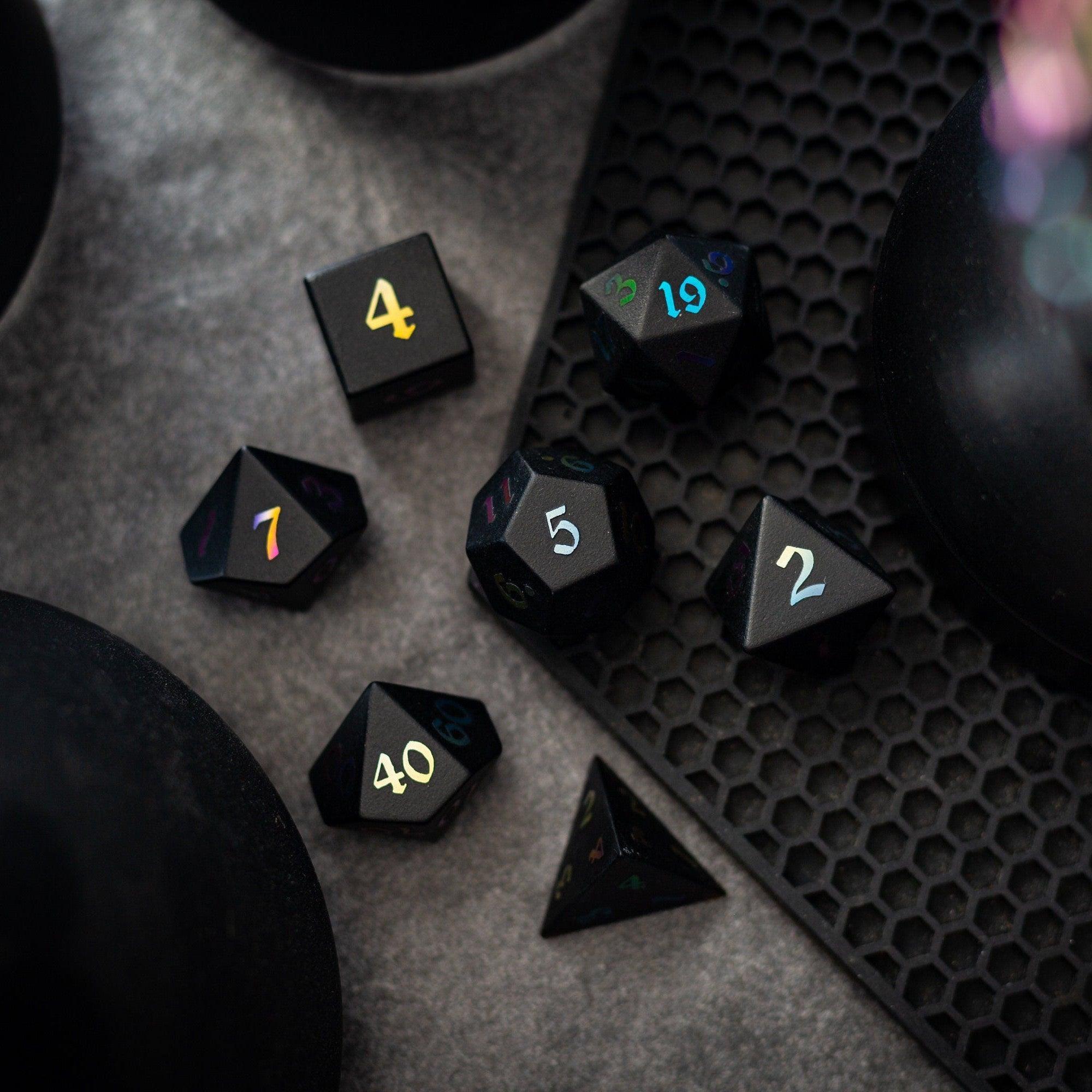
Exploration encounters encourage players to interact with your world. Provide sensory details that help players visualize locations. What sounds, smells, and sights characterize this place? Hidden details reward careful observation. Use beautiful polyhedral dice sets to make skill checks and perception rolls feel meaningful rather than purely mechanical.
Balance your encounter difficulty carefully. A good rule suggests approximately sixty percent of encounters should present moderate challenge, with twenty percent easier and twenty percent harder. This mix prevents monotony while keeping stakes meaningful. Track player resources between encounters; spellcasters with depleted spell slots face different challenges than those with full resources.
Frequently Asked Questions
How much preparation time should I spend before each session?
Preparation time varies based on experience and campaign complexity. New game masters might spend three to four hours preparing for a three-hour session, while experienced masters might need only one to two hours. Focus preparation on encounters your players will likely encounter rather than preparing extensively for paths they probably will not take. Quality preparation matters more than quantity; thirty minutes of focused planning often surpasses two hours of scattered note-taking.
What should I do when players take my campaign in an unexpected direction?
Player agency often leads campaigns away from prepared material, which is healthy and exciting. Embrace unexpected directions while maintaining consistency with established world rules and NPC motivations. Prepare flexible encounters that adapt to different circumstances rather than rigid scripts. If players completely derail your prepared story, pause briefly to adjust your notes, then continue with improvised encounters that feel consistent with your world. Many memorable moments emerge from these unexpected turns.
How do I balance challenge without using overpowered monsters?
Difficulty comes from many sources beyond monster statistics. Terrain advantages, environmental hazards, reinforcements, and tactical positioning all affect encounter difficulty. A relatively weak enemy can present real danger when positioned strategically. Use quality dice for transparent randomness; players accept challenging encounters more readily when they trust the fairness of resolution mechanics. Consider enemy numbers; three moderately tough enemies create more interesting tactical problems than one extremely powerful creature.
What resources help develop my skills as a game master?
Community forums, actual play podcasts, and published game master guides offer valuable perspectives on campaign design. Playing other tabletop games broadens your understanding of different mechanics and storytelling approaches. Reading fantasy literature and watching fantasy shows provides inspiration for world-building and character development. Most importantly, practice and player feedback help you improve continuously. After each session, reflect on what worked well and what needs adjustment.
Final Thoughts
Creating custom adventures for your campaign represents an exciting creative journey that deepens both your enjoyment and your players' engagement with the game. While developing original content requires time and effort, the rewards prove substantial. Your players will appreciate the personalized world crafted specifically for them, and you will discover fulfillment in bringing imaginative worlds to life.
Start small with your first campaign; you need not create a massive world immediately. Build gradually as your skills develop and your comfort increases. Allow your world and characters to evolve based on actual player interactions rather than rigid planning. The best campaigns emerge from collaboration between game master creativity and player agency.
Remember that perfection is unnecessary and sometimes works against fun. Typos in your notes, improvised descriptions, and on-the-fly adjustments are normal and acceptable. Your enthusiasm for the world matters far more than flawless execution. Consider investing in quality dice sets that inspire you; beautiful, well-made tools can enhance your excitement during preparation and play.
Embrace the learning process and enjoy the creative freedom that custom campaigns provide. Your unique vision combined with your players' imaginations will create stories you all remember fondly for years to come. The journey of becoming a skilled game master unfolds through practice, reflection, and genuine love for the game and your players.

Leave a comment
This site is protected by hCaptcha and the hCaptcha Privacy Policy and Terms of Service apply.