Dungeons and Dragons Character Improvement Tips for Builds
Updated on: March 16, 2026
Want to level up your tabletop gaming experience? This guide covers practical strategies for D&D character improvement, from optimizing ability scores to mastering roleplay techniques. Whether you're building your first character or refining an experienced adventurer, you'll discover actionable tips that'll make your sessions more engaging and rewarding. Learn how small tweaks can transform your gameplay and help you become the hero your party needs.
- Understanding Character Building Fundamentals
- How to Optimize Your Ability Scores
- Multiclass Strategies for Enhanced Power
- Improving Through Roleplay and Mechanics
- Smart Equipment Selection and Upgrades
- Frequently Asked Questions
Understanding Character Building Fundamentals

Building a strong adventurer in Dungeons and Dragons starts with understanding the basics. Every decision you make during character creation ripples through your entire gaming journey. When you're thinking about D&D character improvement, you're essentially laying the groundwork for everything your character will accomplish at the table.
The foundation begins with choosing your race and class carefully. These two elements determine your core abilities, hit points, and what abilities you'll access as you level up. Don't just pick what sounds cool—think about how they interact with your overall vision. For instance, a high-dexterity race pairs beautifully with a rogue class, while a strength-based race shines as a barbarian or fighter. This synergy between race and class creates natural power progression without requiring constant fixes later.
Understanding your role in the party is equally important. Are you the defender who protects allies? The damage dealer who eliminates threats? The healer who keeps everyone standing? Knowing your niche helps you make choices that actually matter. When you're aligned with your party's needs, your character becomes more valuable and fun to play.

How to Optimize Your Ability Scores
Your ability scores are the backbone of your character's effectiveness. These six numbers—Strength, Dexterity, Constitution, Intelligence, Wisdom, and Charisma—determine everything from how hard you hit to whether enemies believe your lies. For genuine D&D character improvement, optimizing these scores is non-negotiable.
Start by identifying which abilities matter most for your class. A wizard needs Intelligence above all else, while a paladin benefits from both Strength and Charisma. Rather than spreading your points evenly, concentrate them where they'll make the biggest impact. This focused approach means you'll actually feel powerful in your specialty instead of being mediocre at everything.
Constitution deserves special attention regardless of your class. More Constitution means more hit points, which means you stay in the fight longer. A dead character contributes nothing to the adventure. Prioritizing Constitution after your primary ability creates a balanced character who can handle the unexpected. Many experienced players recommend never dumping Constitution, even if you're building a quirky character concept.
Consider the point-buy system if your game master allows it. This method lets you deliberately craft exactly the distribution you want, rather than rolling randomly. You'll start with a base pool of points and distribute them according to your priorities. This transparency means no surprises—you know exactly what you're getting, and you can optimize with confidence.
Multiclass Strategies for Enhanced Power
Multiclassing opens doors to unique power combinations that pure classes can't access. By combining multiple class progressions, you create a character with unexpected versatility. However, multiclassing requires understanding how abilities stack and interact, so casual experimentation often leads to disappointment.
The strongest multiclass combinations typically pair complementary abilities. A fighter-rogue combination, for example, gives you extra attacks plus sneak attack damage—a devastating pairing. A cleric-wizard blend provides healing, support spells, and offensive magic in one package. The key is ensuring both classes enhance each other rather than compete for the same resources.
Timing your multiclass transition matters tremendously. Don't jump classes immediately—establish your primary class first. Get your core features and at least one significant ability boost, then branch out. This ensures you're not spreading yourself so thin that you're weak at everything. Most successful multiclass characters have a clear primary identity with a secondary class adding specific strengths.
Be cautious about delaying powerful class features. Some abilities dramatically improve your effectiveness at specific levels. If you multiclass away from your primary class right before a major power spike, you've essentially crippled yourself. Check your class progression table and plan your multiclass timing around these power jumps.
Improving Through Roleplay and Mechanics
D&D character improvement isn't purely about numbers. The most memorable characters blend mechanical optimization with compelling roleplay. When you invest emotionally in your character's story and personality, the entire table experiences more engaging sessions.
Start with a clear character concept. Who is this person? What drives them? What are they afraid of? These questions shape how you make decisions during play, making your character feel authentic rather than like a collection of game mechanics. Your backstory should connect to the campaign world and give your game master hooks for personal quests and dramatic moments.
Personality traits, bonds, and flaws provide mechanical and narrative benefits. These aren't just flavor—they encourage roleplay and often trigger advantage or disadvantage on rolls when they're relevant. A character with a flaw that makes them overly confident might suffer disadvantage on a Wisdom save when someone plays to that weakness. This interconnection between character personality and mechanical outcomes creates depth that pure optimization misses.
Engage actively with your party and game master. Ask questions about the world. Propose ideas for how your character reacts to situations. Accept opportunities for character growth and change. A character who faces their fears and overcomes challenges develops naturally. This dynamic evolution makes later sessions feel like your character has actually grown, not just gained experience points.

Smart Equipment Selection and Upgrades
Gear often gets overlooked in discussions about character improvement, yet your equipment choices substantially impact your effectiveness. The right tools make difficult challenges manageable, while poor equipment selection leaves you struggling.
Understand what armor and weapons suit your character class. Light armor works for rogues and monks, medium armor for rangers and clerics, and heavy armor for fighters and paladins. Choosing the appropriate armor type means you gain the protection you need while avoiding penalties or wasted benefits. A barbarian doesn't benefit from heavy armor because their damage reduction stacks with unarmored defense—stick with light or medium options.
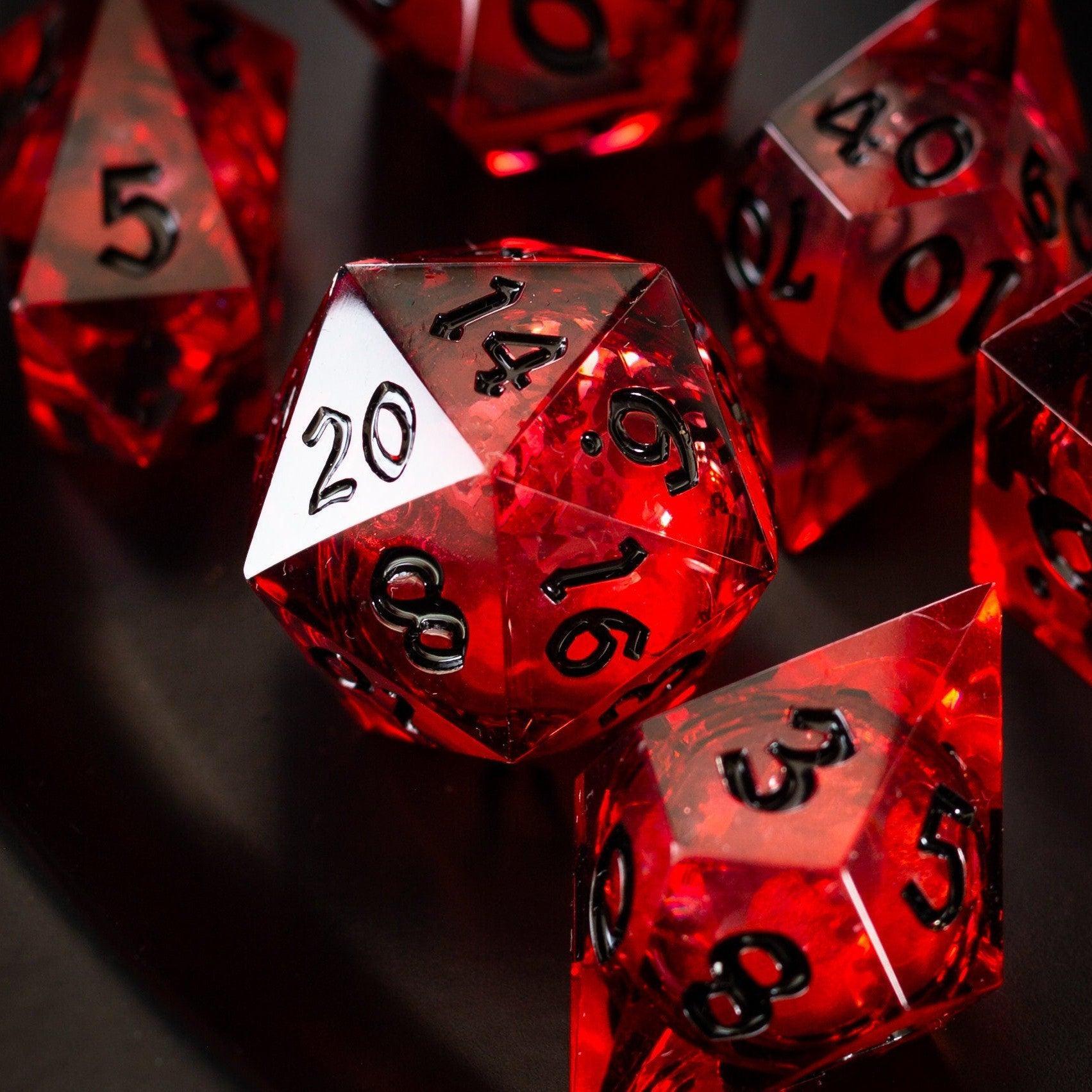
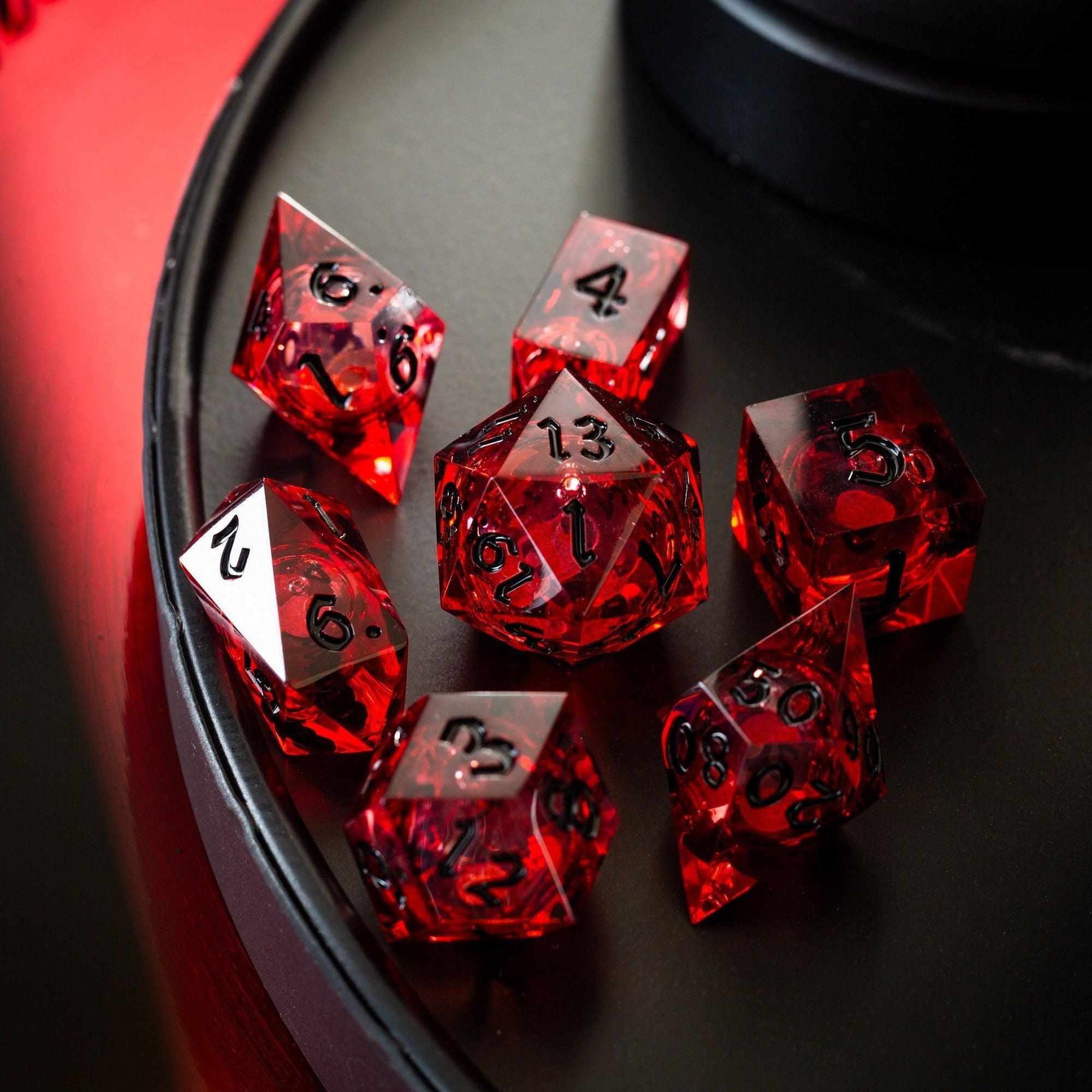
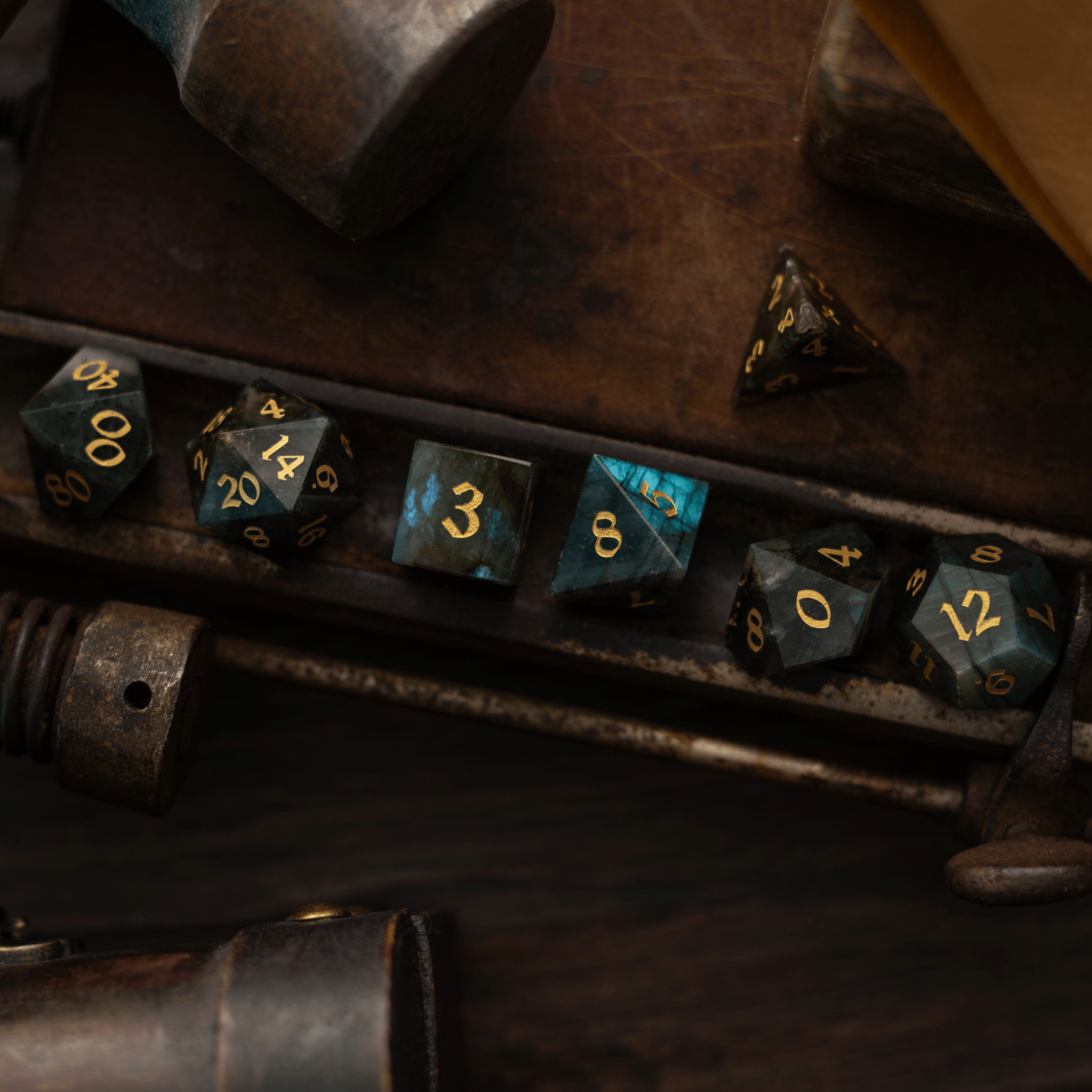
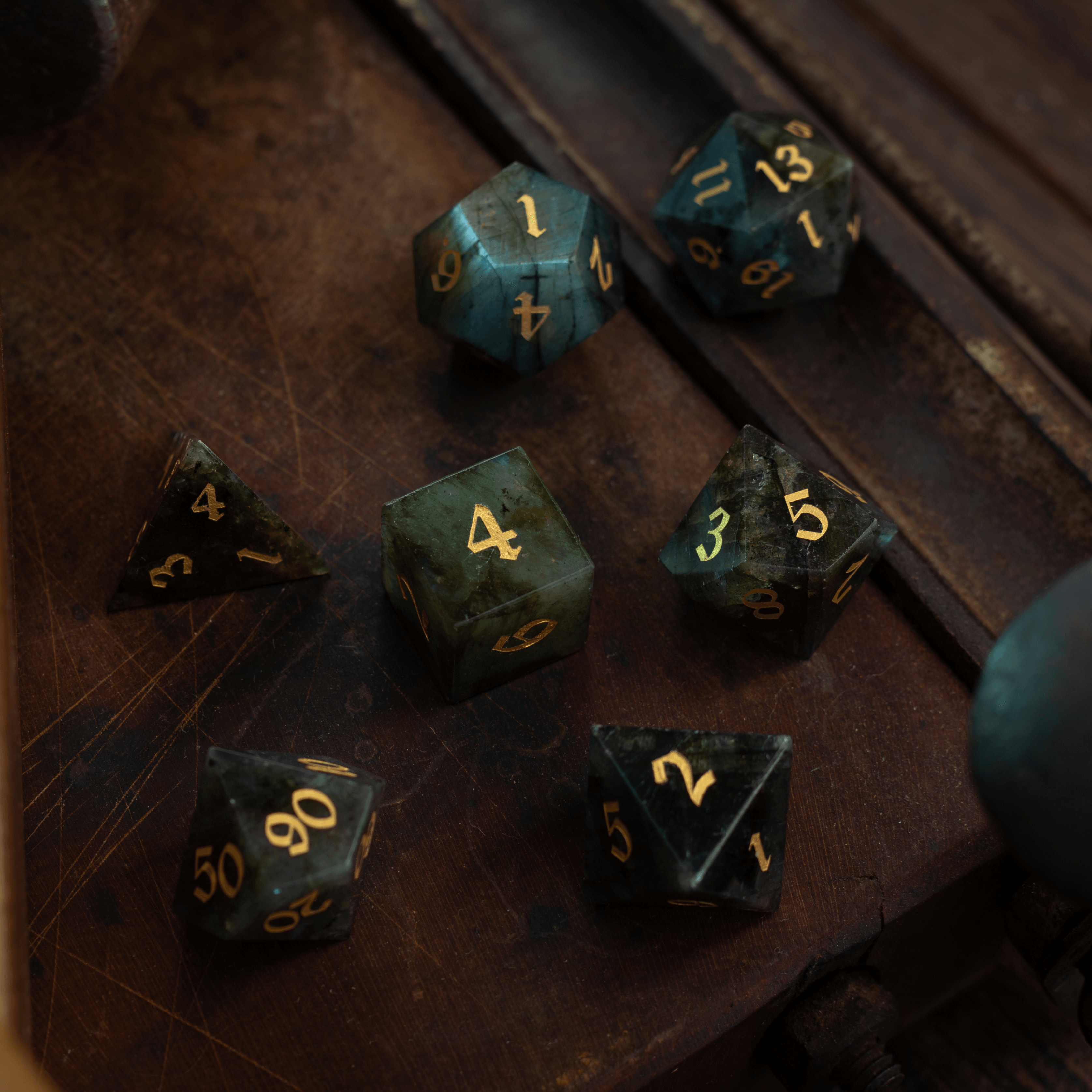
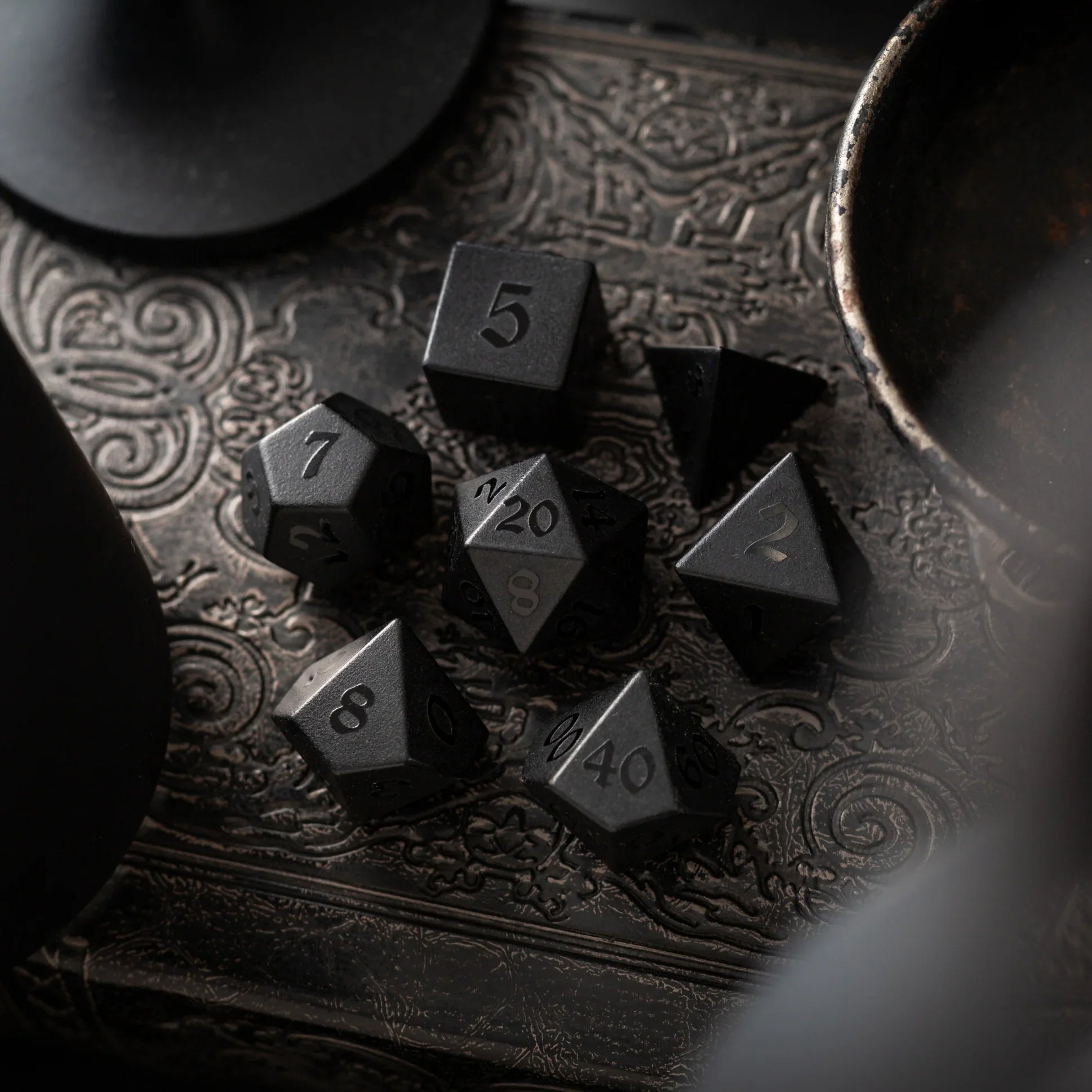
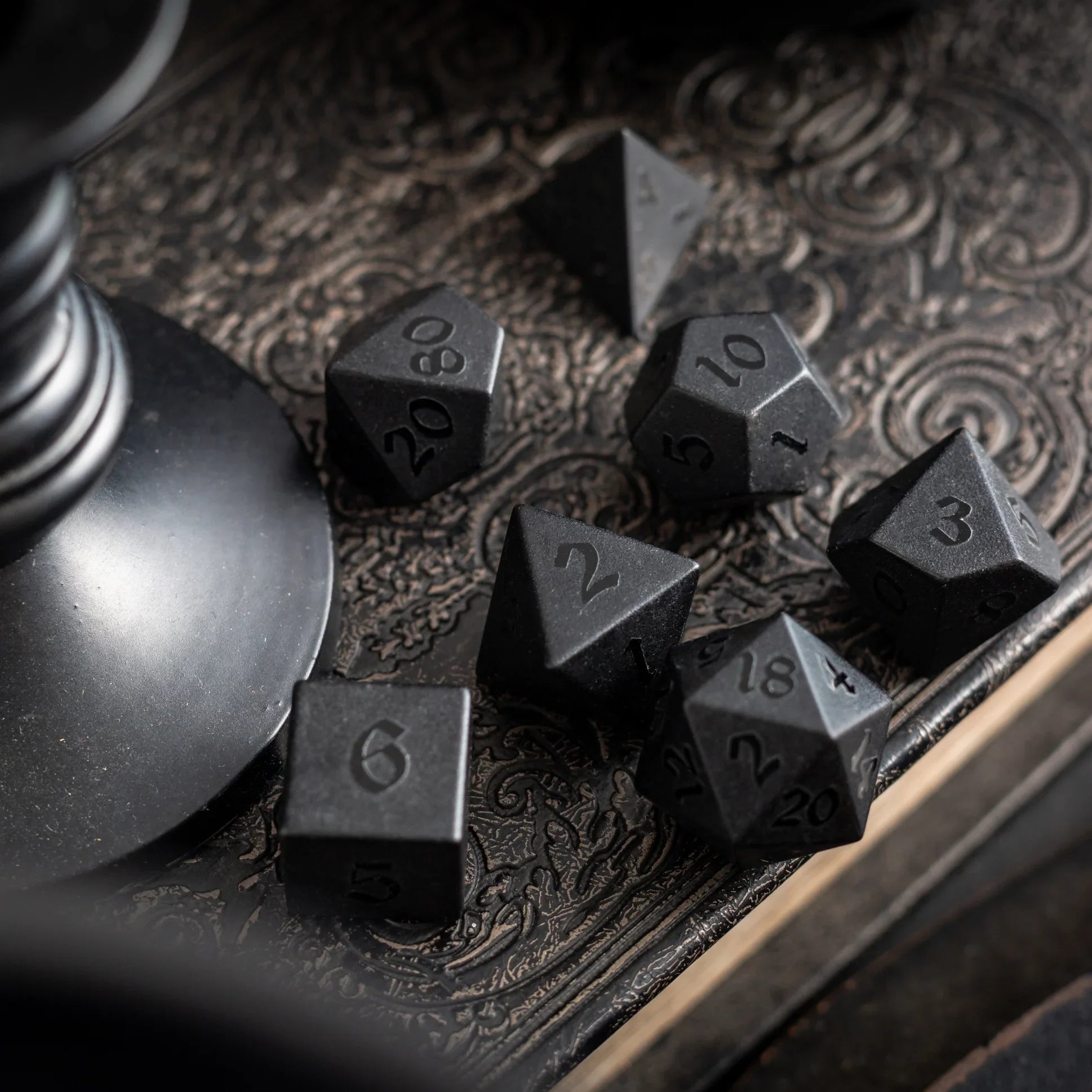
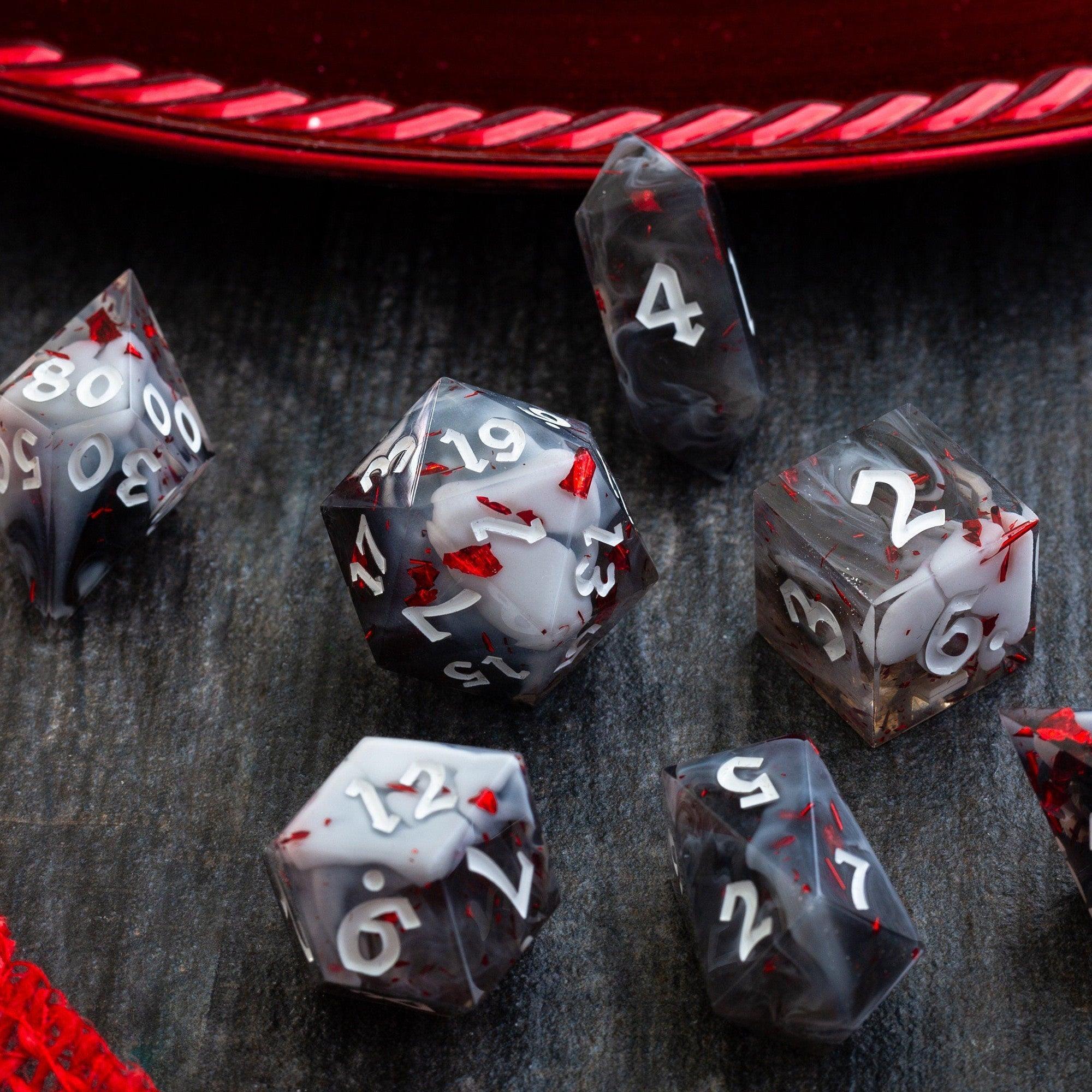
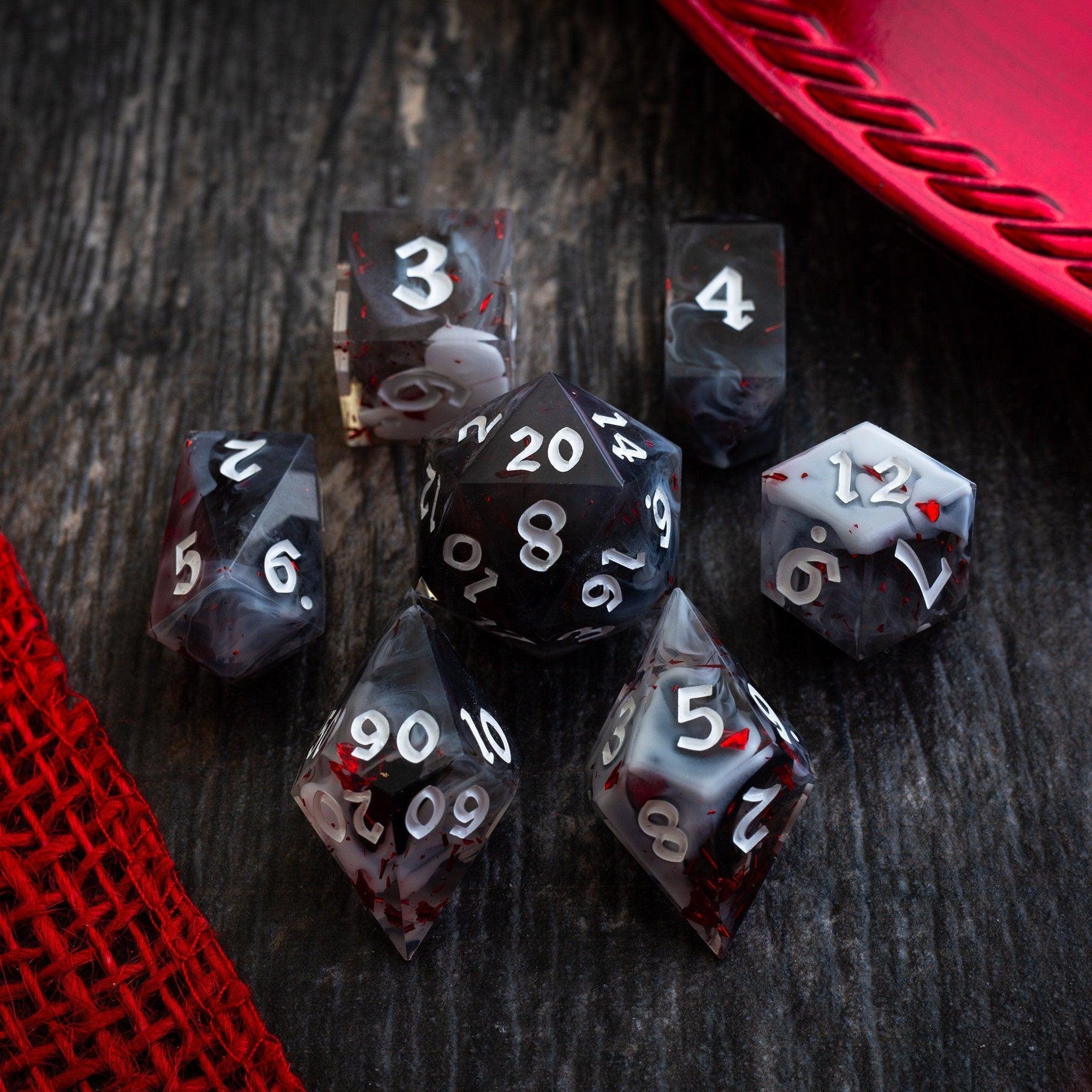
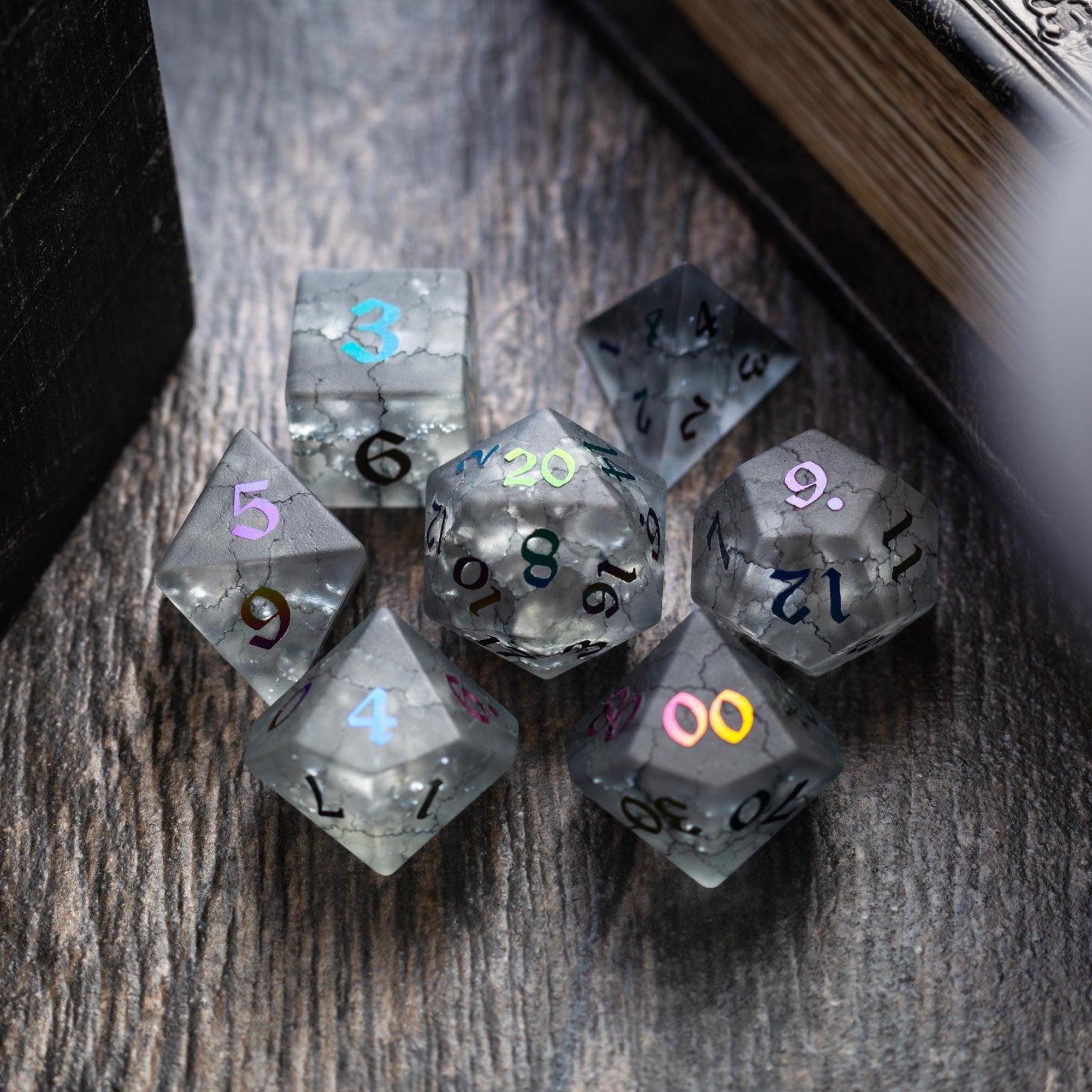
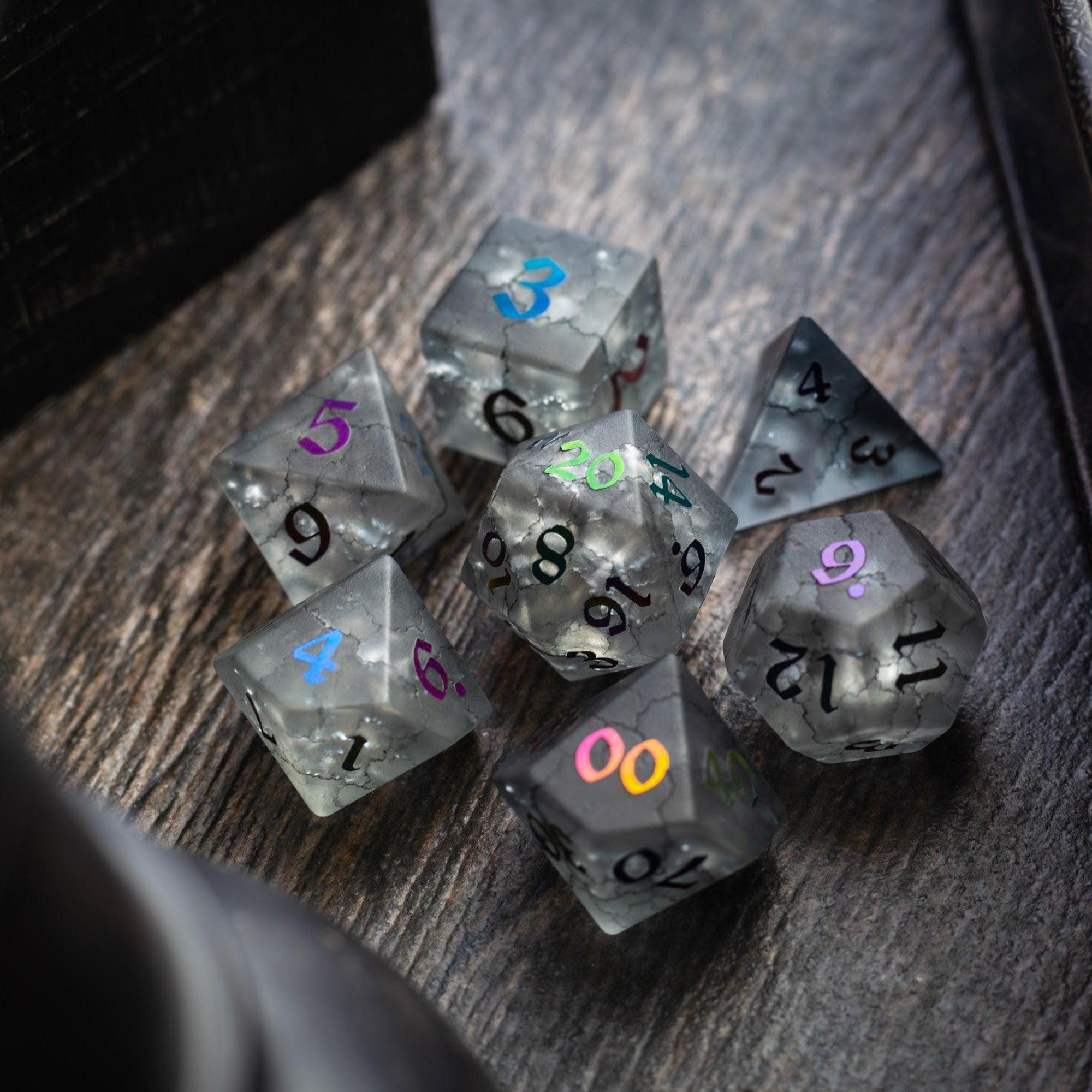
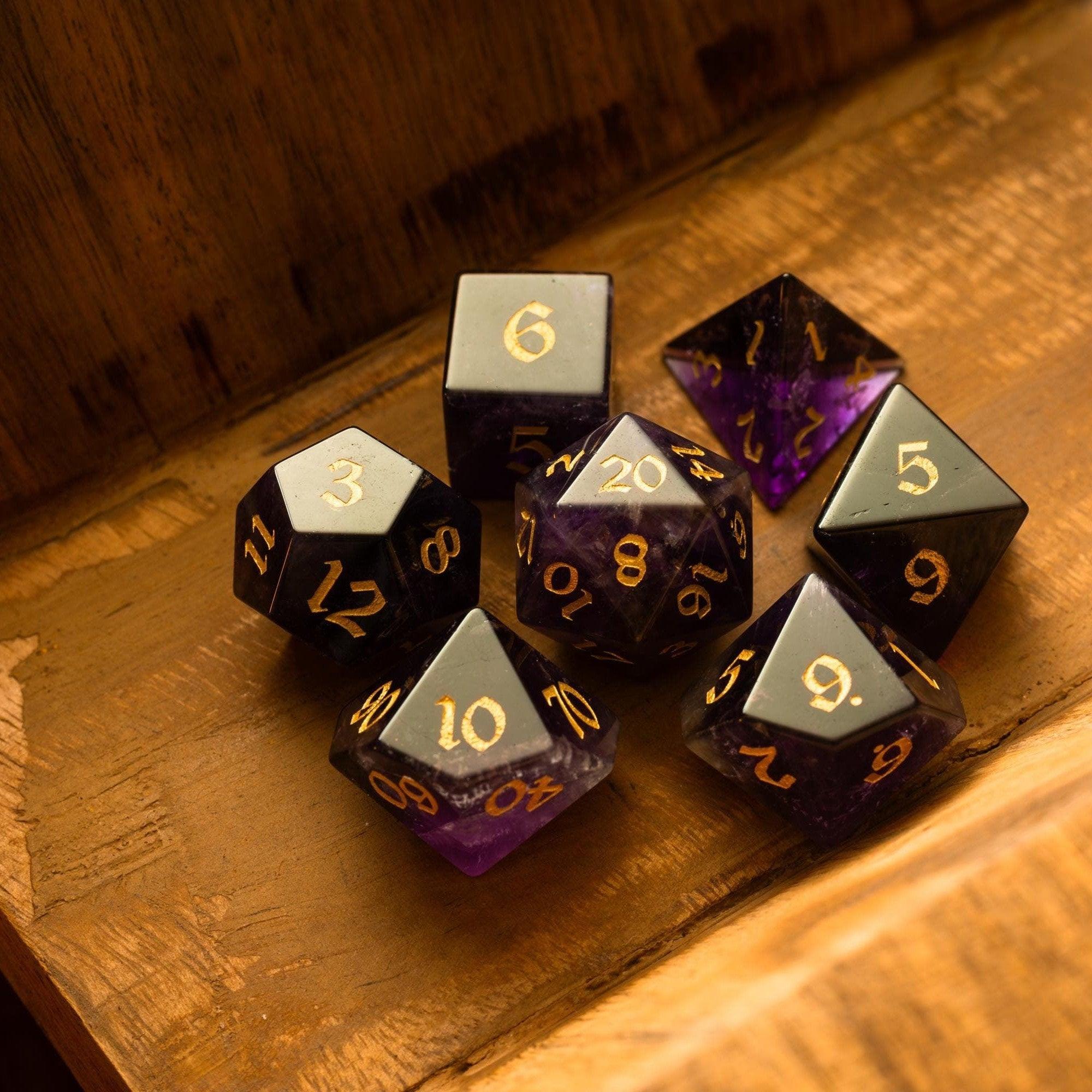
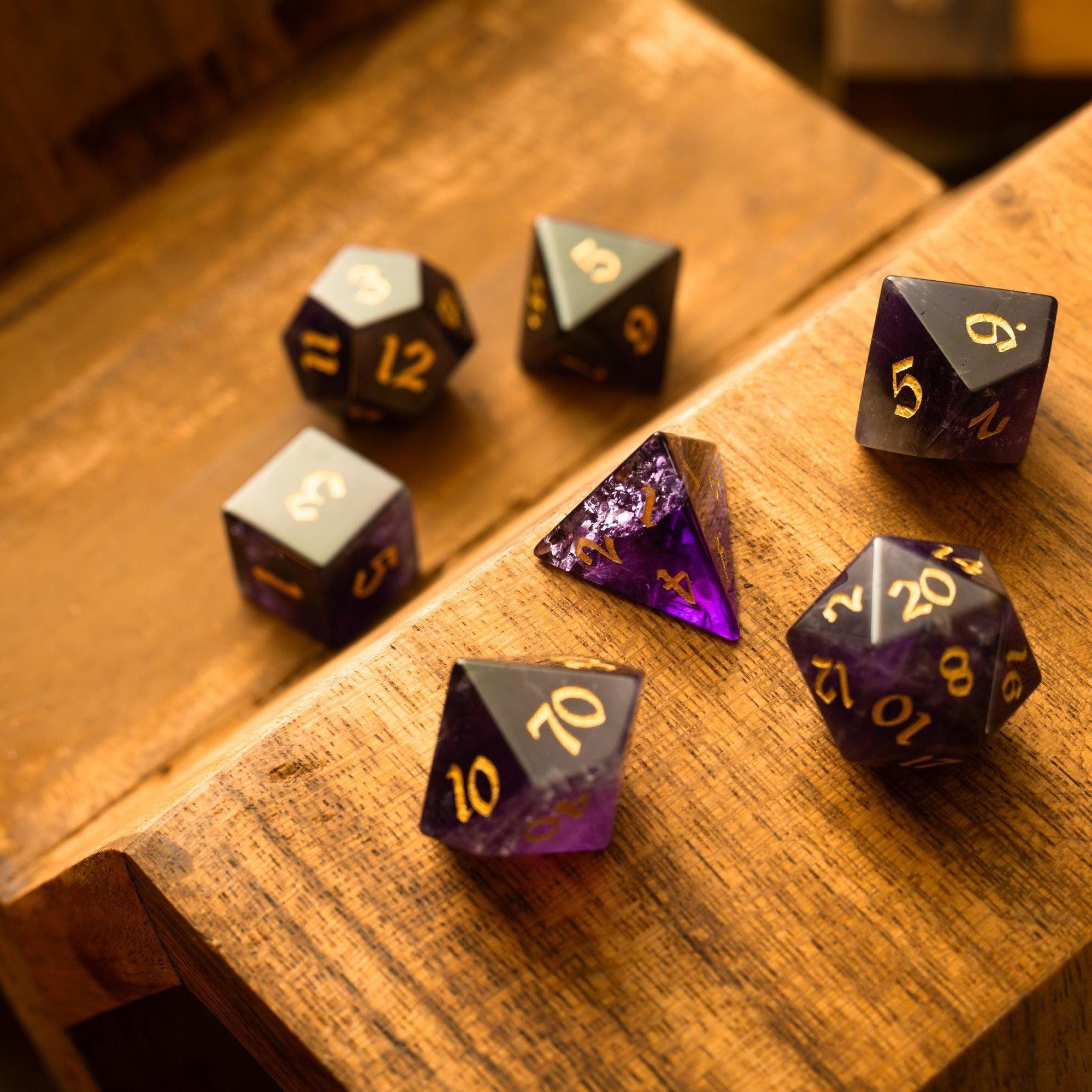
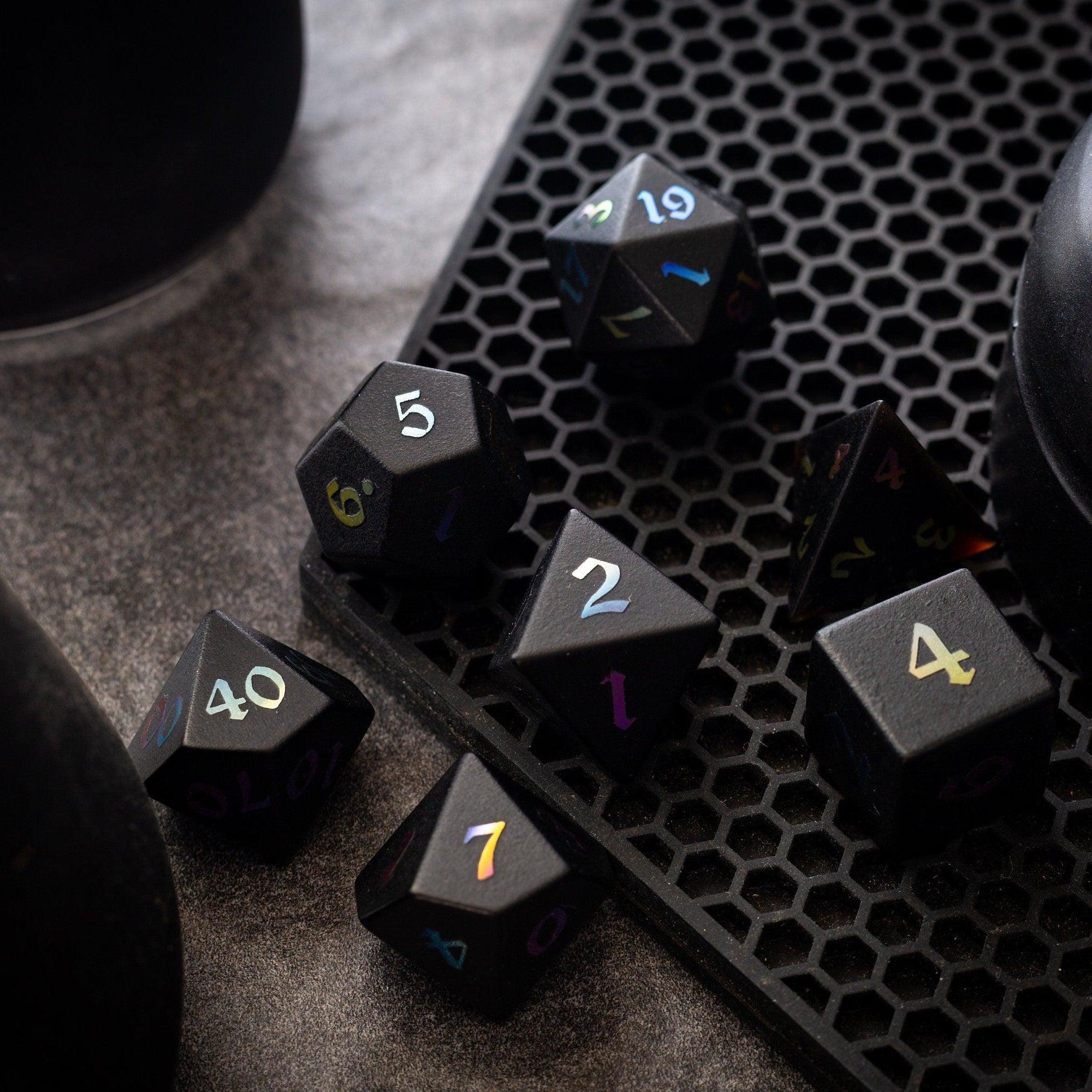
Weapon selection should match your combat role. Damage dealers need high-damage weapons or weapons that trigger bonus effects. Defenders benefit from shields and reach weapons that control the battlefield. Spellcasters care less about weapon quality and more about having options for when magic isn't available. Consider quality dice for important rolls—while not equipment, having dice you trust can boost confidence during critical moments.
Magic items transform characters dramatically. Even small bonuses like plus-one to attack rolls or saving throws create noticeable improvement. Seek items that enhance your primary abilities rather than addressing weaknesses. A rogue with a +1 dagger grows more formidable, while giving them plate armor wastes both the armor and their class features.
Don't neglect mundane equipment. Rope, grappling hooks, torches, and similar items solve problems without requiring spells. Many experienced players keep extensive mundane supplies because they've learned that creative solutions using cheap gear often outperform expensive magic items.
Frequently Asked Questions
What's the most important aspect of D&D character improvement?
Understanding your character's role and building toward that role consistently matters most. Whether you're optimizing for damage, defense, healing, or control, having a clear direction guides every decision. A character that excels at one thing typically outperforms a character that tries to do everything adequately. Focus creates power.
Should I prioritize roleplay or mechanics?
You don't have to choose—the best characters blend both seamlessly. Mechanically optimized characters become mundane without personality, while purely narrative characters often frustrate players mechanically. Invest in both. Build a character who's both mechanically sound and emotionally compelling. Your game master and fellow players will appreciate the depth.
How can I improve my character mid-campaign?
Talk with your game master about adjusting non-core features through roleplay development. You can't usually change ability scores, but you can retrain spells, feat selections, and sometimes class features when you level up. You can also work with your game master to incorporate equipment upgrades and magical items that address gaps in your effectiveness. Character growth should feel natural and narrative, not like sudden mechanical shifts.
Is multiclassing worth it for character improvement?
Multiclassing can create powerful synergies, but it's riskier than specialization. The strongest characters often stick with one class and optimize within that framework. However, if you understand how your classes interact and time your transitions carefully, multiclassing opens unique possibilities. New players should probably master single-class optimization before experimenting with multiclassing.
How do I know if my character build is actually good?
Test it during actual play. A theoretically perfect build that doesn't feel fun becomes a burden. A slightly suboptimal character you love to play provides more enjoyment. After a few sessions, you'll recognize whether your character is effective, fun, and aligned with your vision. Be willing to adjust if something isn't working, but give new builds time to shine before abandoning them.
Improving your character in Dungeons and Dragons combines strategic thinking with creative expression. By understanding fundamentals, optimizing your abilities, making thoughtful multiclass decisions, investing in roleplay, and choosing equipment wisely, you'll create a character who feels both powerful and memorable. Remember that the best character isn't always the most mechanically optimized—it's the one you love playing and that enriches your table's stories. Start implementing these strategies in your next session and watch your character become the hero you envisioned. For enhanced immersion in your adventures, consider upgrading to quality gemstone dice that make every roll feel special.




Leave a comment
This site is protected by hCaptcha and the hCaptcha Privacy Policy and Terms of Service apply.