

A Guide to New Spells in D&D 2026

Magic keeps expanding in Dungeons & Dragons 2026, but the biggest change is not that older spells have stopped mattering. The current game still builds on the revised 2024 core rules, while 2026 releases have added new options through D&D Beyond Drops and Arcana Unleashed. For players, that means more ways to deal damage, protect allies, solve problems, and build a spell list around a specific character concept.
This D&D spell guide focuses on spells that are actually available in 2026 and separates brand-new material from spells that were revised or brought forward from earlier editions. The best choice still depends on your class, spell level, party needs, campaign style, and the encounters your Dungeon Master runs.
Why New Spells Matter for Players and Dungeon Masters
New spells are useful because they create alternatives rather than automatically replacing familiar choices. A spell can be valuable because it covers a damage type your party lacks, protects allies in a specific situation, solves an exploration problem, or supports a character theme that older options did not fit as well.
For players, new D&D 2026 spells can fill gaps, support unusual builds, and create new teamwork options. Dungeon Masters can use the same material for NPC spellcasters, magical hazards, puzzles, or encounters that feel different from familiar spell combinations.
Notable New D&D Spells in 2026
Several 2026 releases added spells worth knowing about. The June D&D Beyond Drop introduced three new spells, while the September Drop added four deliberately non-combat spells. Arcana Unleashed, released September 15, 2026, added 33 new and revised spells, with more than half at level 5 or higher.
Searing Orb
Searing Orb is a level 2 spell for Clerics and Paladins. It targets one creature and then bursts with radiant energy that can affect nearby enemies. That makes it a practical choice when opponents are grouped closely together and radiant damage is useful.
Tortoise Shell
Tortoise Shell is a level 2 spell available to Artificers, Druids, and Rangers. It improves a creature's defenses, but the protection depends on the target remaining in place. That tradeoff makes positioning important. It can suit a character holding a doorway, guarding an objective, or staying behind cover, but it is less attractive when constant movement is required.
Void Star
Void Star is a level 7 spell for Warlocks and Wizards. It launches a fragment of a dark star at a target, dealing damage on the initial hit and additional damage later. It gives high-level arcane casters another option for focused necrotic damage without simply copying the role of a large area spell.
Arcana Unleashed Spells
Arcana Unleashed expands high-level spellcasting with a mix of new ideas and updated spells from D&D's past. Examples include Aura of Evasion, a level 7 Abjuration spell that helps nearby allies handle Dexterity saving throws; Iron Body, a level 8 Transmutation spell that turns a willing creature into living metal with broad defensive benefits; and Spirit Lantern, a level 5 Necromancy spell that collects power from nearby deaths and can use it to harm enemies, aid Undead, or protect allies.
The book also includes Summon Dinosaur, Wail of the Banshee, Waves of Exhaustion, and Detonate. Because it contains both new and revised spells, not every entry should be described as completely new.
September's Non-Combat Spells
The September D&D Beyond Drop took a different approach by adding four spells built around utility and roleplaying instead of combat. Conjure Tools creates a temporary set of Artisan's Tools you are proficient with. Feign Interest helps a character appear attentive. Pinky Swear creates a magical promise with consequences for knowingly breaking it. Quick Clothier reshapes unworn clothing into a chosen outfit. These are good examples of how new D&D magic can support social scenes, crafting, infiltration, and character moments without dealing damage.
Spell Comparison Table
| Spell | Level | Primary Use | Best Fit |
|---|---|---|---|
| Searing Orb | 2 | Radiant damage | Clustered enemies |
| Tortoise Shell | 2 | Defense | Holding a fixed position |
| Void Star | 7 | Necrotic damage | Focused high-level offense |
| Aura of Evasion | 7 | Defensive support | Dexterity-save-heavy encounters |
| Spirit Lantern | 5 | Flexible necromancy | Longer fights with multiple creatures |
| Conjure Tools | 2 | Utility | Crafting and problem solving |
Always check the full official spell entry before using a spell. Casting time, range, components, duration, concentration, target restrictions, and class access can matter as much as the headline effect.
Which Classes Benefit Most?
Wizard Spells
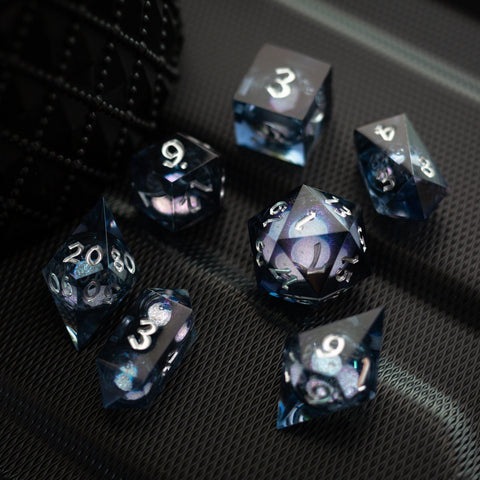
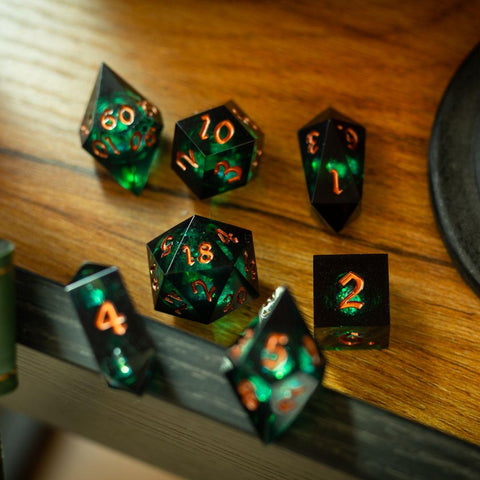
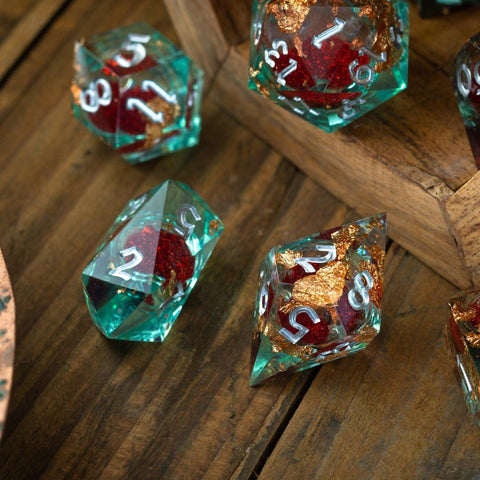
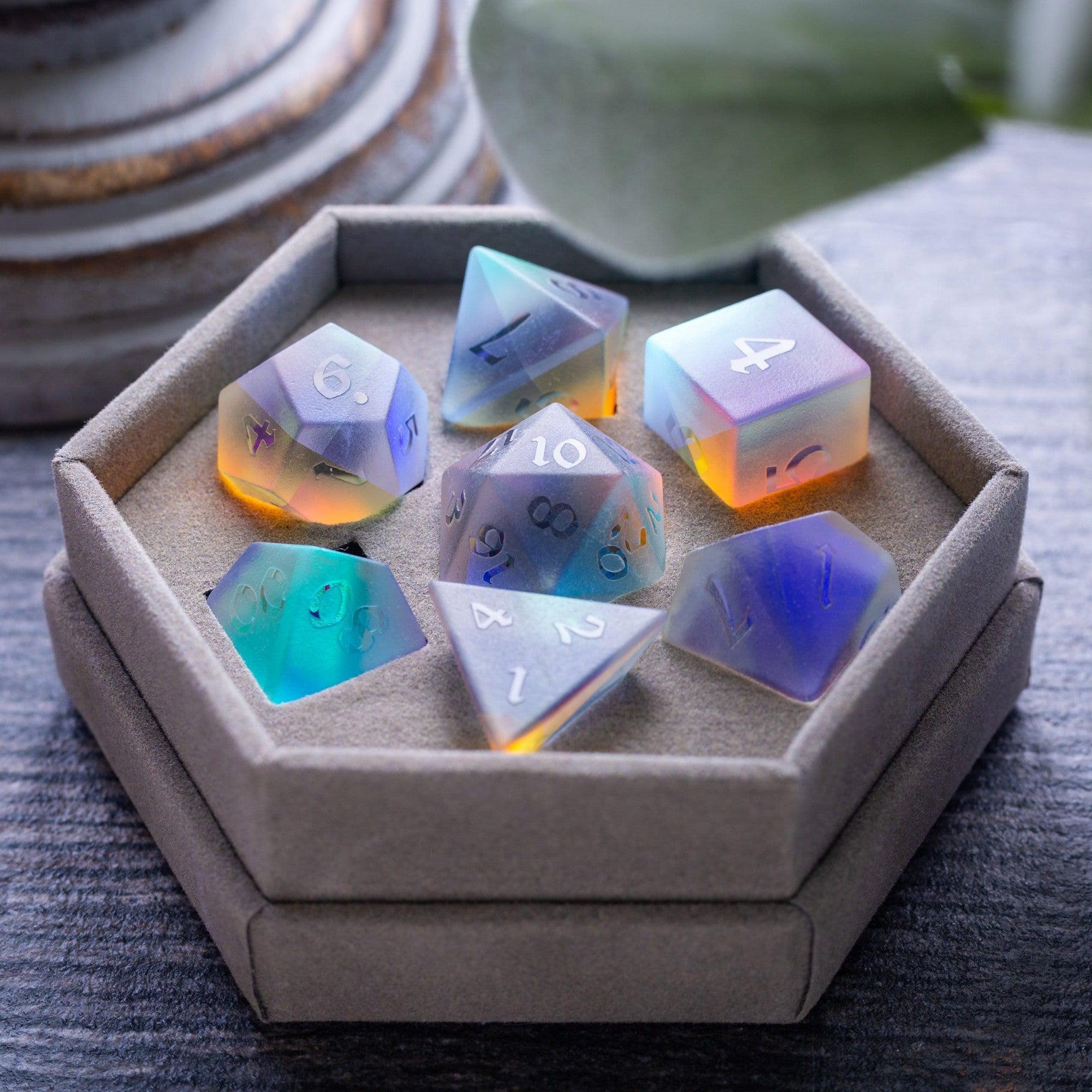
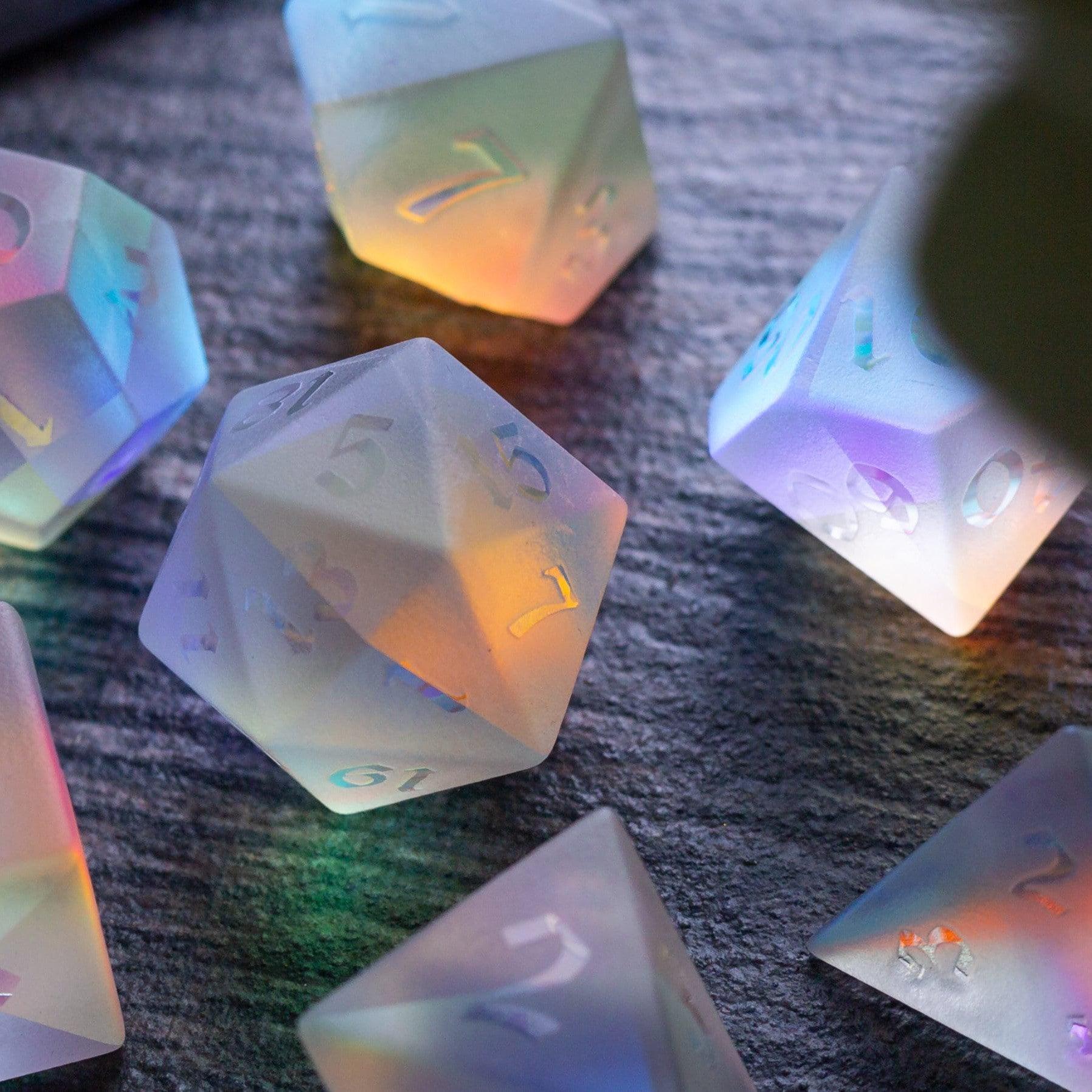
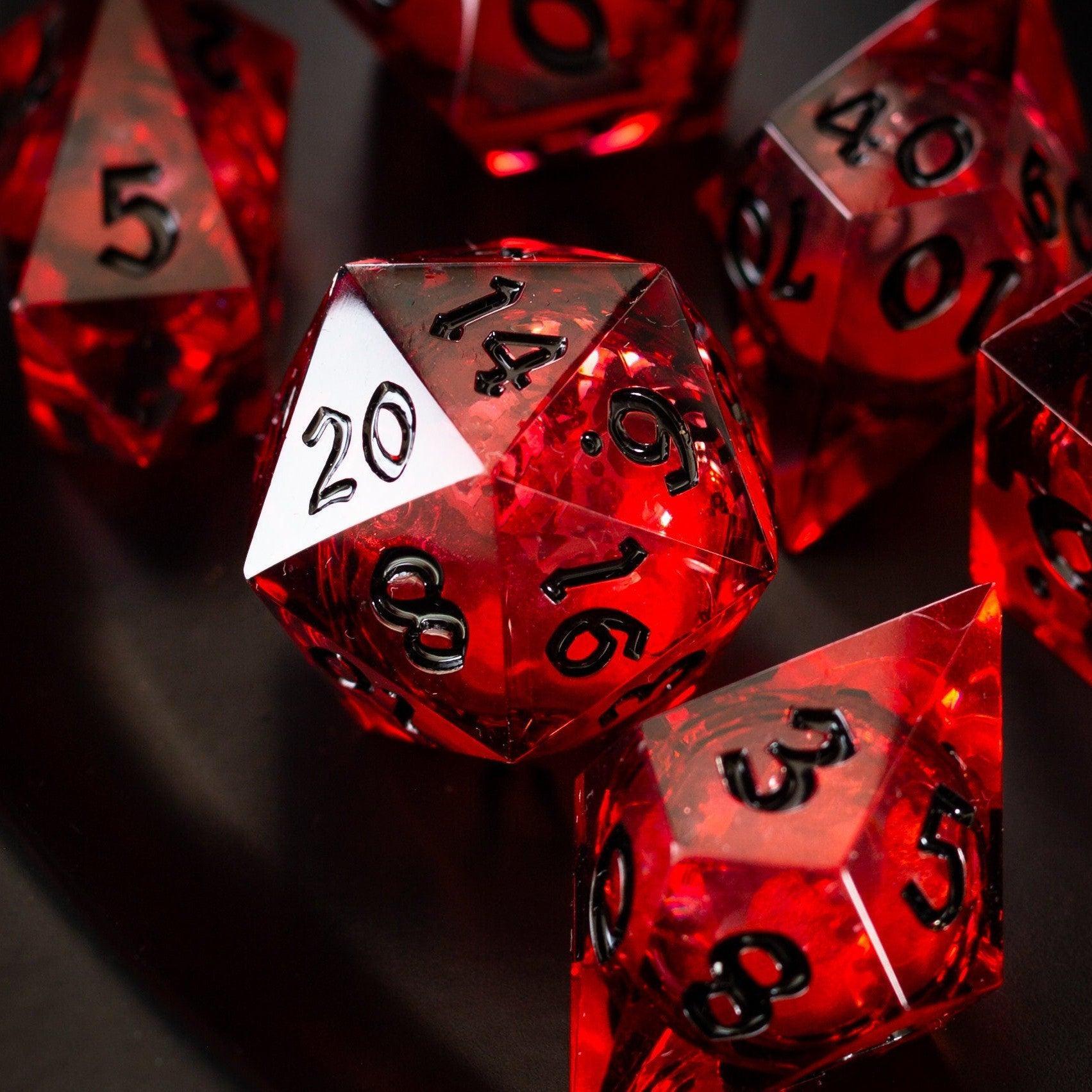
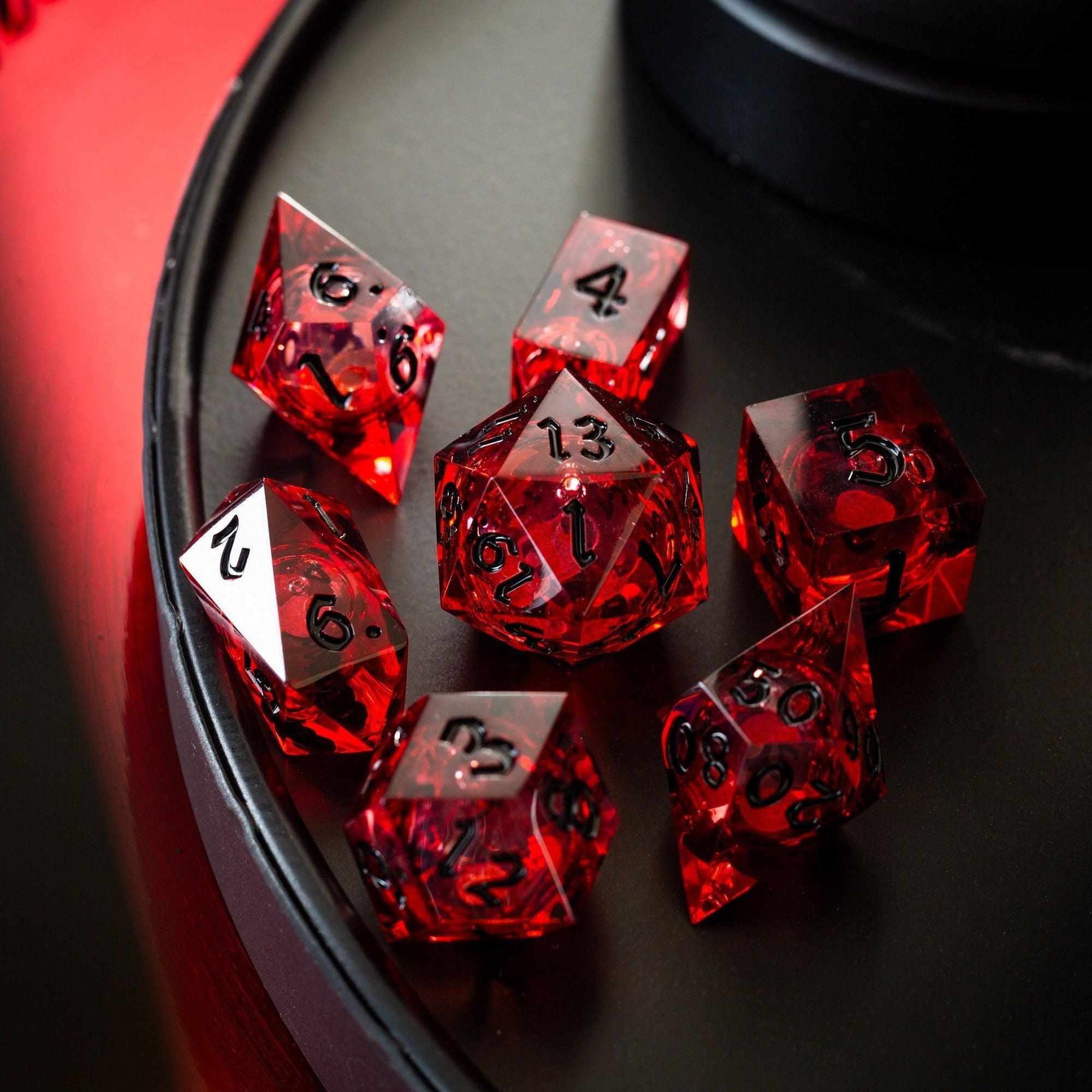
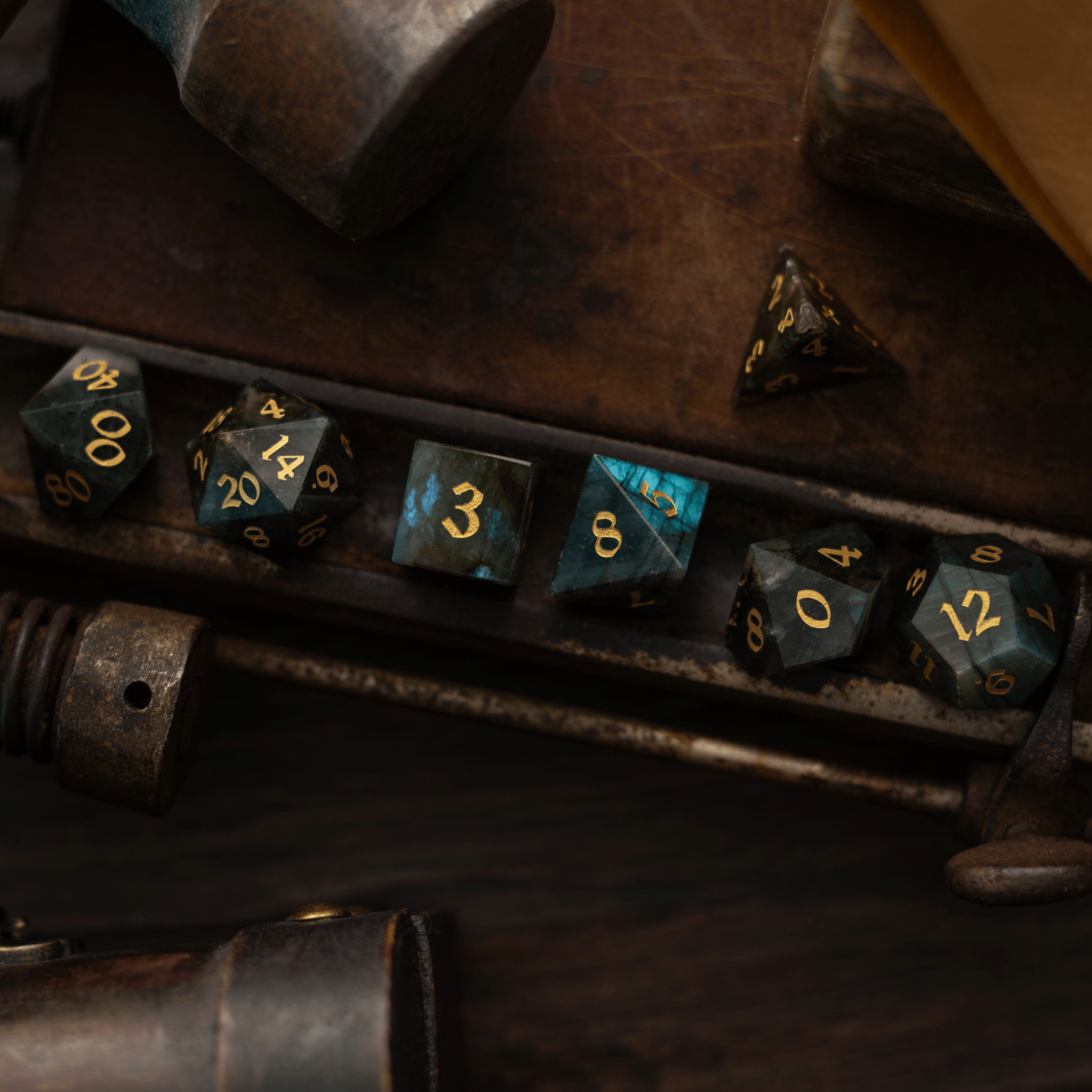
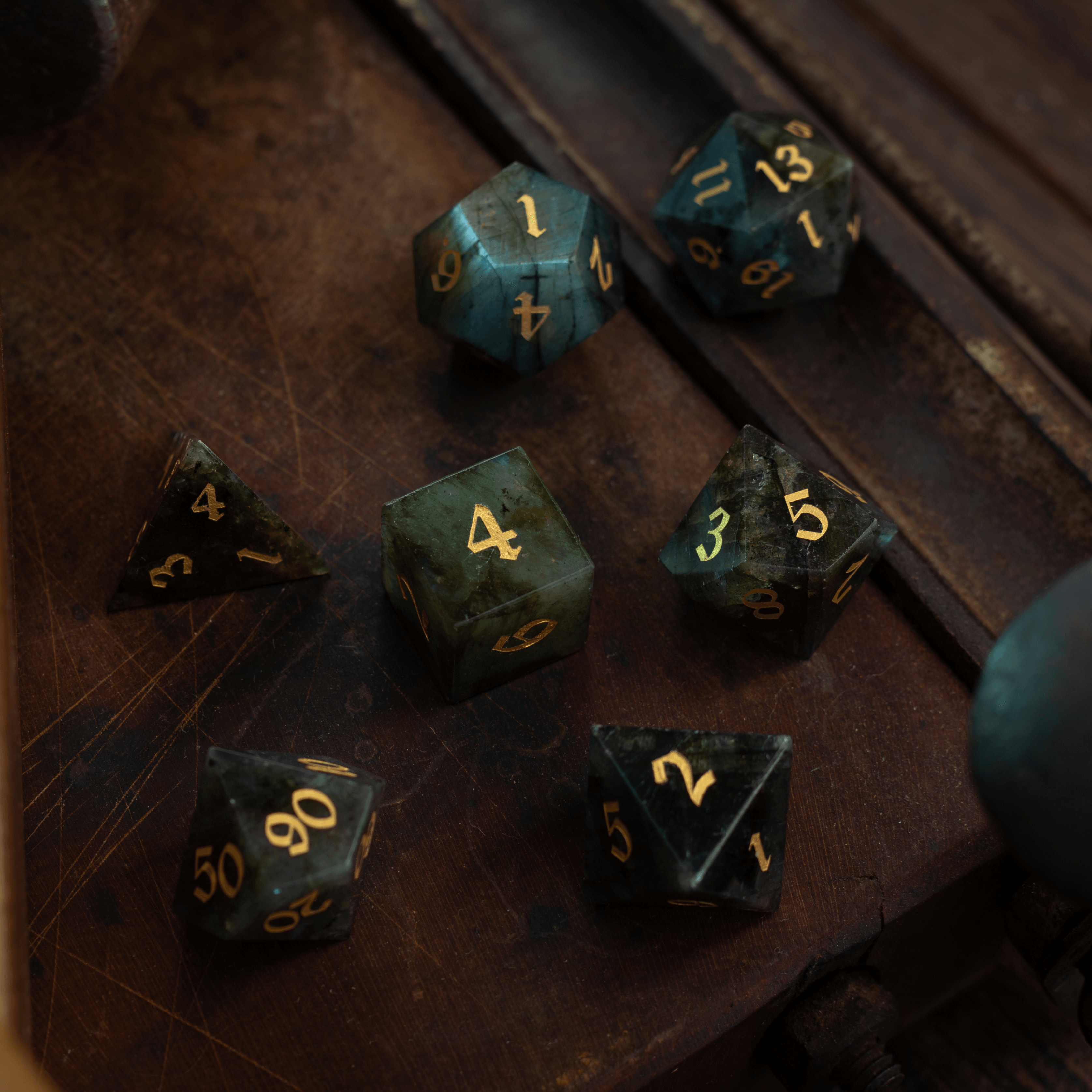
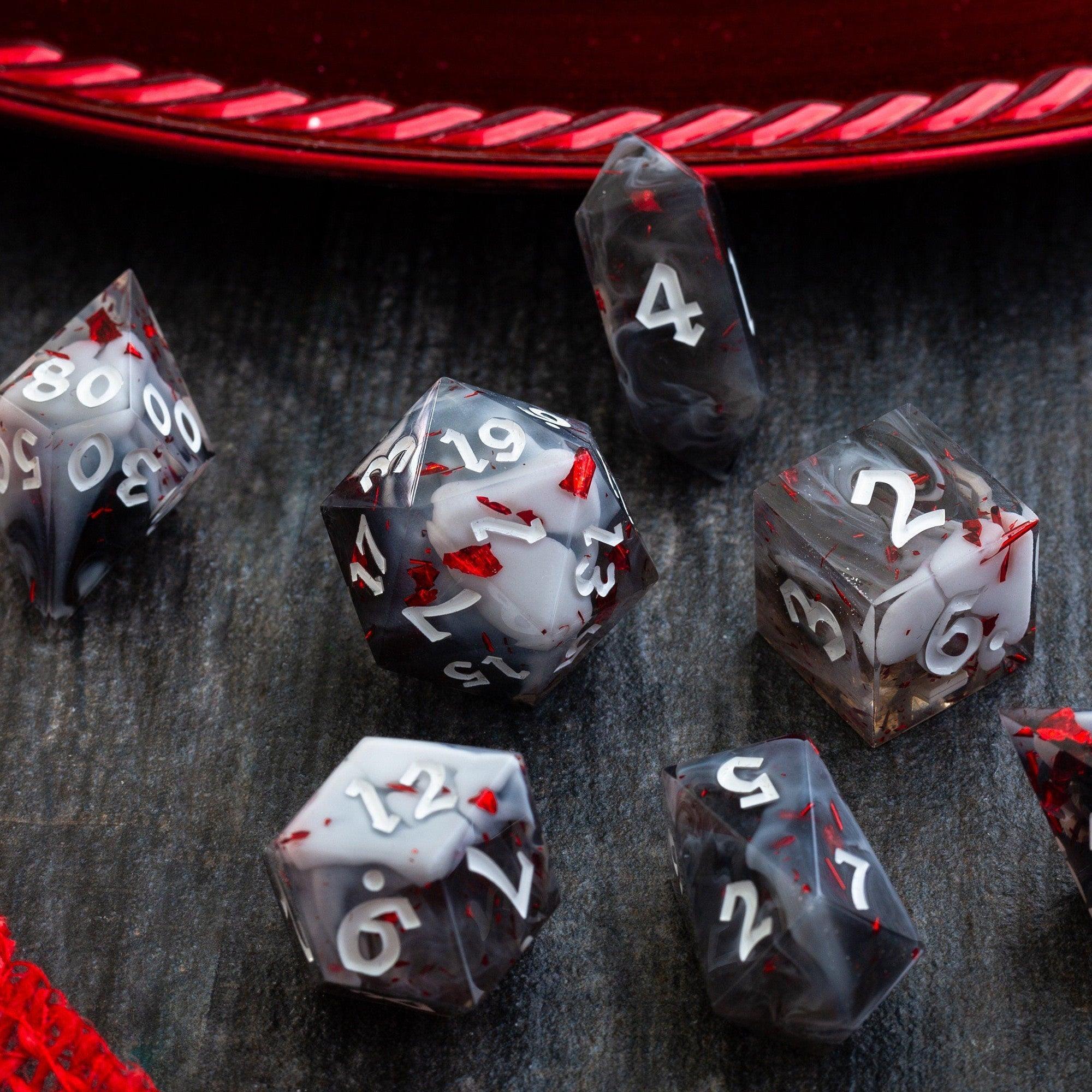
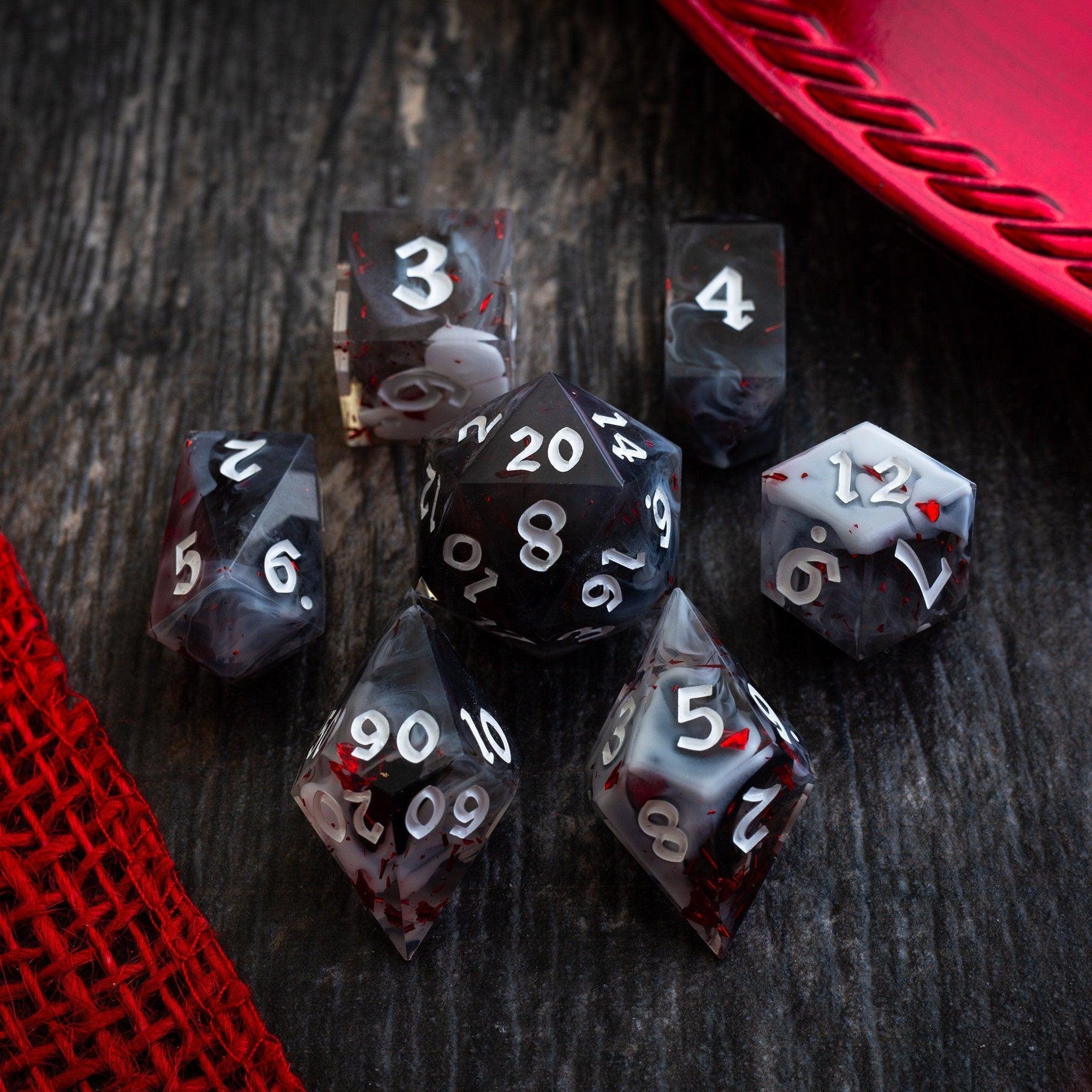
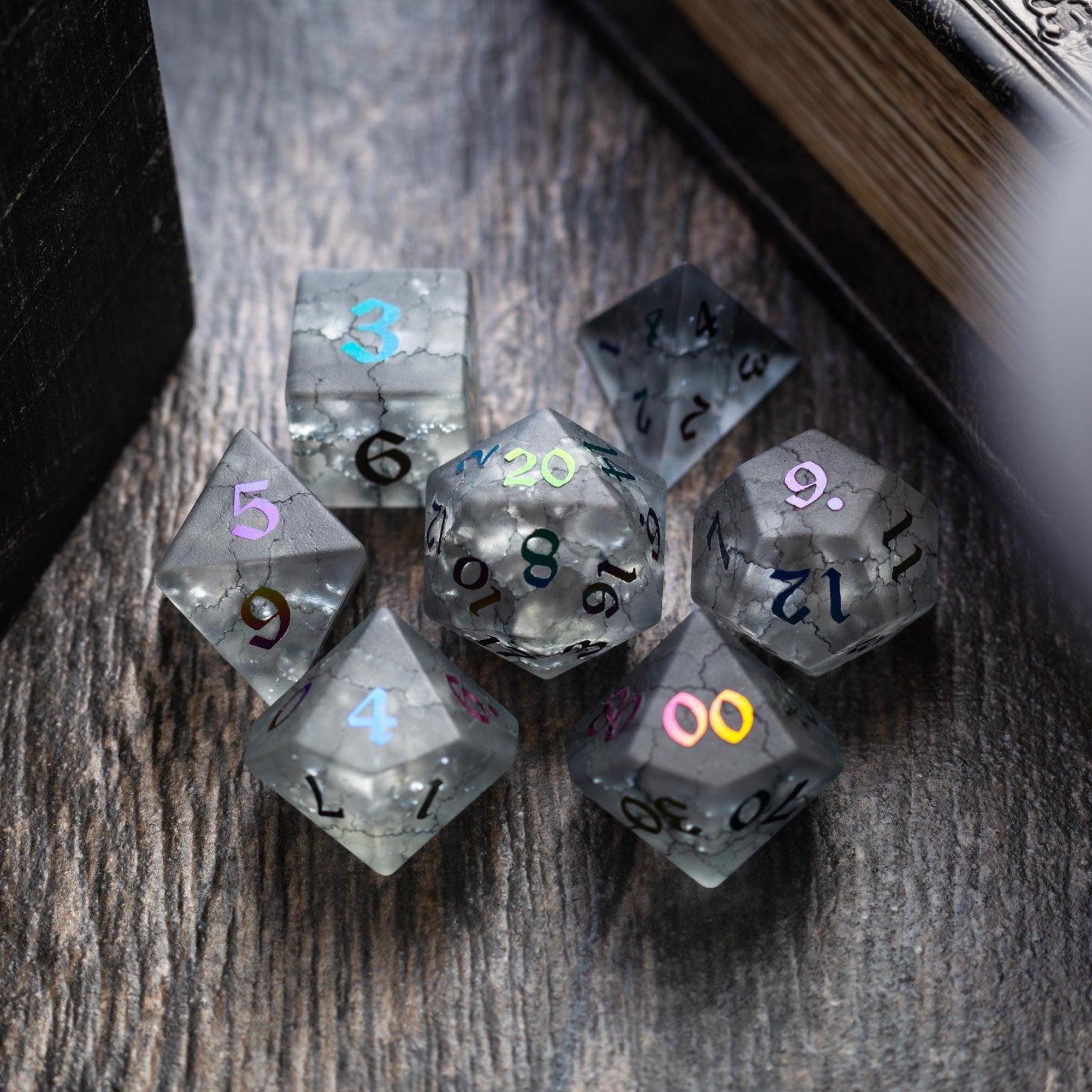
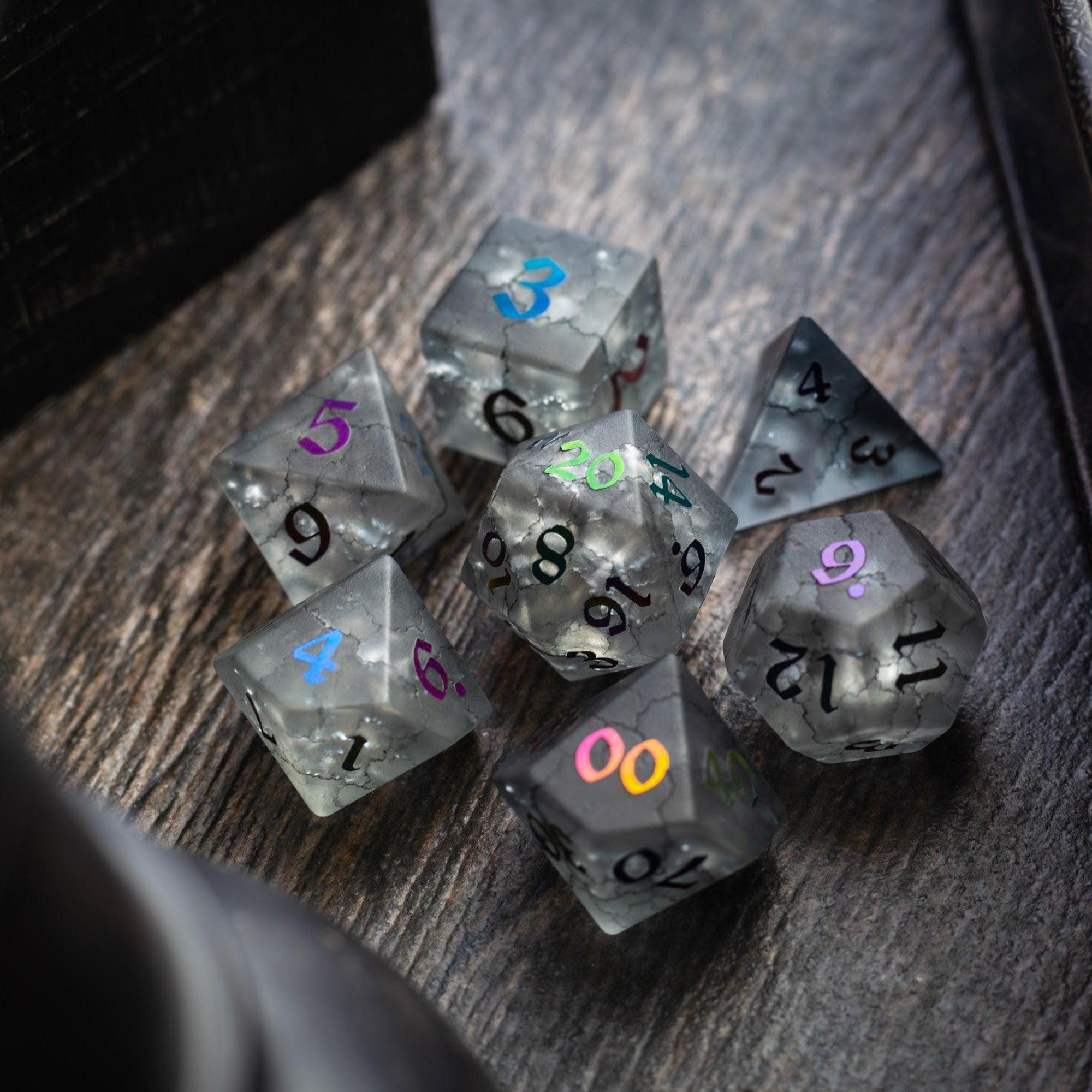
Wizards benefit from a broad spell list and the ability to prepare for different situations. Void Star and many Arcana Unleashed spells give high-level Wizards more specialized answers, but a useful spellbook still needs a mix of damage, control, defense, and utility. Readable resin or gemstone dice also help when sessions involve frequent spell attacks, saving throws, and damage rolls.
Cleric and Paladin Spells
Searing Orb gives Clerics and Paladins a level 2 radiant option that can pressure one target while also affecting nearby enemies. For Clerics, it adds another choice beside healing, protection, and control. For Paladins, it can help when several enemies are positioned close together.
Artificer, Druid, and Ranger Spells
Tortoise Shell gives Artificers, Druids, and Rangers a defensive spell with a clear positioning requirement. The September Drop also adds more utility-focused magic, including Conjure Tools. These options are especially interesting in campaigns where exploration, travel, crafting, investigation, or environmental challenges matter as much as combat.
Choosing New Spells for Your Character
Do not choose a spell only because it is new. Start with the job your character needs to do. Damage-focused casters should consider damage type, number of targets, range, and concentration. Support casters should look at protection, movement, and condition removal. Utility-focused characters should consider how often the campaign includes travel, social scenes, crafting, or investigation.
Also compare a new spell with what your party already has. Two characters preparing similar answers can be useful, but it can also leave the group without another important tool. Condition rings are especially helpful when several ongoing magical effects, conditions, or concentration spells are active at once.
Practical Uses During Play
Combat
New combat spells work best when they fit the battlefield. Searing Orb rewards clustered enemies, Tortoise Shell rewards stable positioning, and high-level Arcana Unleashed spells often reward careful timing. A dice tower can keep repeated spell attacks and damage rolls contained on a crowded battle map without scattering dice into miniatures or terrain.
Exploration and Roleplaying
Utility spells can be just as memorable as damage spells. Conjure Tools may solve a practical problem when the right equipment is missing, while spells such as Quick Clothier can support disguises, formal events, or sudden changes in appearance. The value of these spells depends heavily on the campaign, but they show why a flexible spell list can matter outside initiative.
Common Mistakes When Choosing New Spells
Assuming a newer spell is automatically stronger than an older one.
Ignoring concentration before adding several concentration spells to the same prepared list.
Choosing only damage spells and leaving no room for defense, control, or utility.
Forgetting to check components, range, casting time, or target restrictions.
Using an older rules version of a spell when your table is playing with the revised 2024 rules.
Assuming every spell in a 2026 release is brand new when some are revised or returning spells.
Quick Spell Selection Checklist
Does this spell fit my character's role?
Does it require concentration?
What action does it use?
Will its range and target rules work with my usual position?
Does another party member already cover the same job?
Does it fit the types of encounters in this campaign?
Am I balancing offense, defense, control, and utility?
Keeping spell notes, dice, and condition markers organized in a dice tray can make prepared spellcasters easier to manage during longer sessions, especially once several effects are active at the same time.
Bringing New Magic Into Your Next Adventure
The current collection of D&D 2026 spells is broader than it was at the start of the year. D&D Beyond Drops added targeted spells, while Arcana Unleashed delivered a larger expansion for the revised rules. Together, they add choices for combat, defense, exploration, and roleplaying without making classic spells irrelevant.
The best spell list is still the one that fits your character and your campaign. Check the official version of each spell, compare it with the rest of your prepared or known magic, and think about how it works with your party. Whether you prefer wizard spells, cleric spells, divine magic, arcane damage, or practical utility, the most useful spell is the one that solves the problem actually in front of your adventuring group.


Leave a comment
This site is protected by hCaptcha and the hCaptcha Privacy Policy and Terms of Service apply.