
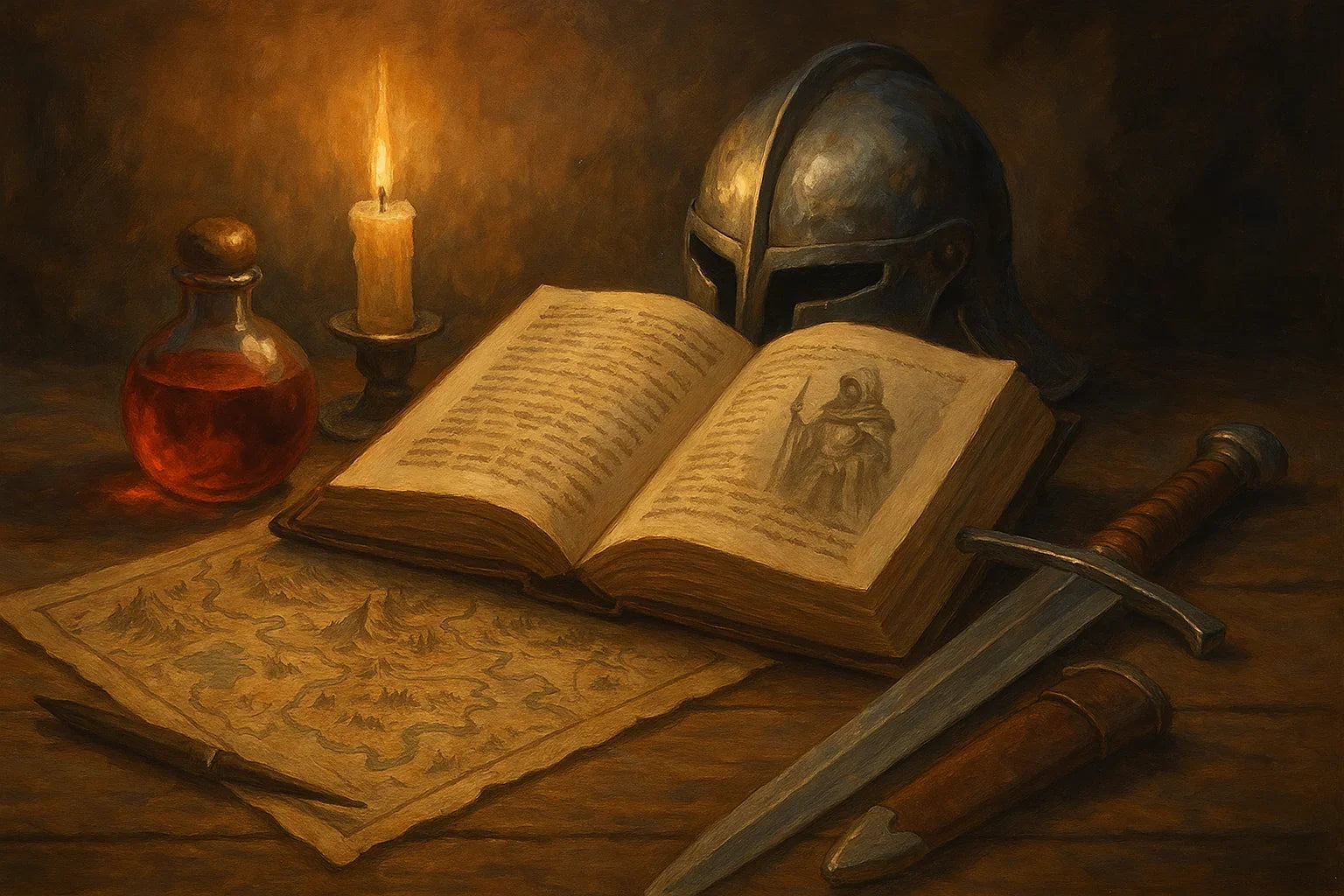
Essential Fantasy Role Playing Resources for Campaigns
Updated on: 2025-11-28
- Essential Tips: Fantasy Role Playing Resources for Campaigns You’ll Actually Use
- Step-by-Step Process to Build a Toolkit of Fantasy Role Playing Resources for Campaigns
- Summary & Takeaway: Choosing Fantasy Role Playing Resources for Campaigns
- Q&A: Essential Fantasy Role Playing Resources for Campaigns
Whether you’re a first-time GM or an old hand, assembling the right fantasy role playing resources for campaigns can turn good sessions into unforgettable adventures. In this guide, we’ll walk through tabletop RPG resources that help you worldbuild faster, plan smarter, and run smoother sessions. You’ll find both free and premium options, plus a workflow you can stick to even on busy weeks. By the end, you’ll have a clean, reusable toolkit filled with fantasy RPG resources for campaigns that save time and spark creativity.
Essential Tips: Fantasy Role Playing Resources for Campaigns You’ll Actually Use
- Start with your campaign’s scope. Decide if you’re running a short arc or a long epic. Your campaign planning resources for fantasy RPGs should match your timeline. Smaller scope = fewer moving parts.
- Build a single “GM hub.” Keep your notes, maps, stat blocks, and session agendas in one folder or document. Consistency beats fancy tools when the clock is ticking.
- Use modular worldbuilding. Create a hex map or region outline, then layer details only where players travel. Modular tools keep prep focused and flexible.
- Adopt reusable templates. NPC one-pagers, location cards, and encounter checklists are the best fantasy role playing resources for campaigns because you’ll reuse them every session.
- Leverage generators, but edit. Name, tavern, treasure, and quest generators add speed. Always tweak outputs to fit your tone so the world feels consistent.
- Prep “situations,” not scripts. Create conflicts with goals, timers, and moving parts. Situations adapt to players better than rigid plot points.
- Keep a living lore file. Track factions, rumors, and timelines. Update it after each session so continuity never loses momentum.
- Prioritize table clarity. Clear initiative, readable maps, and visible status effects matter more than ornate prose. Choose tabletop RPG resources that improve clarity first.
- Match your tools to your table. If your group loves theater-of-the-mind, prioritize quick references over detailed maps. If they adore visuals, invest in map packs and tokens.
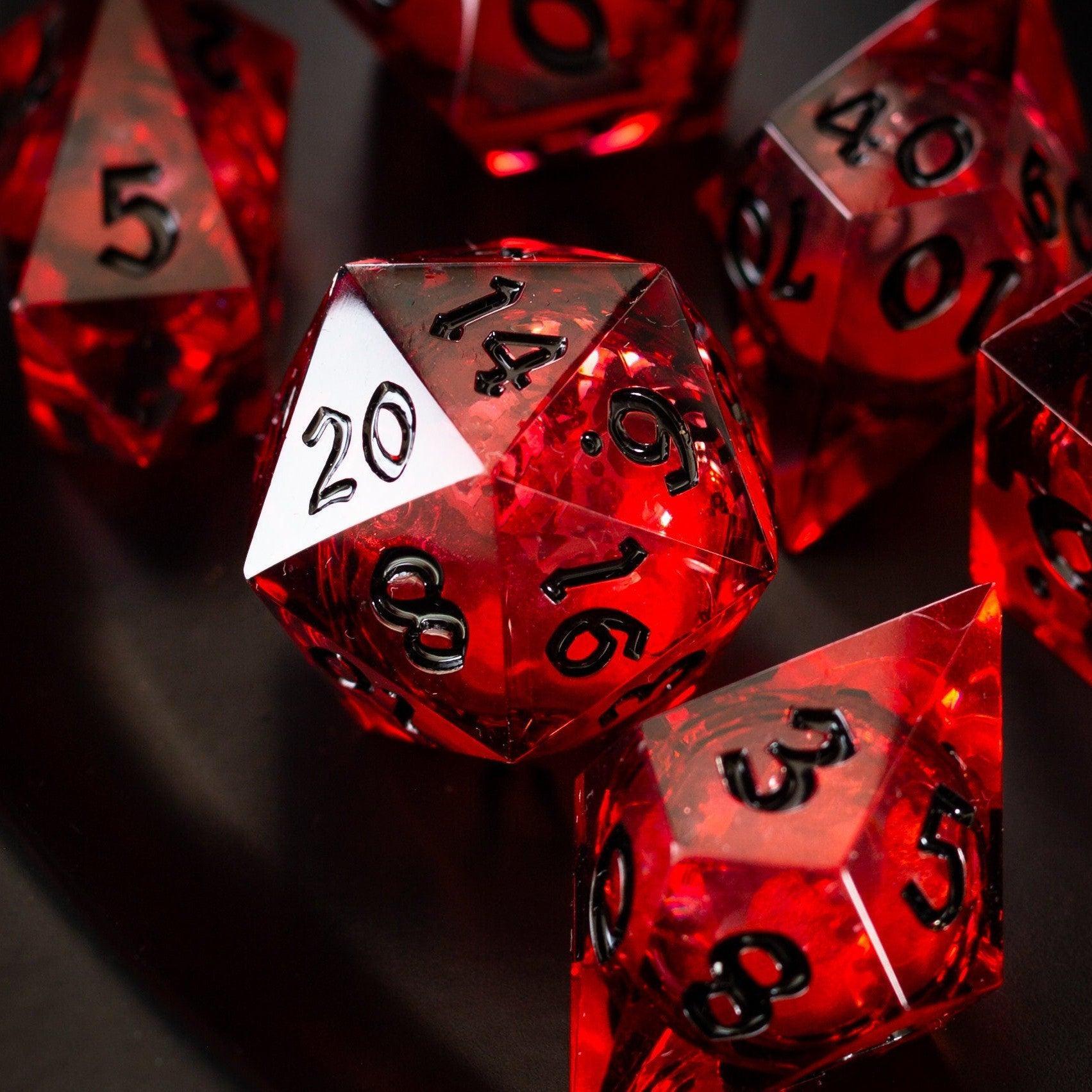
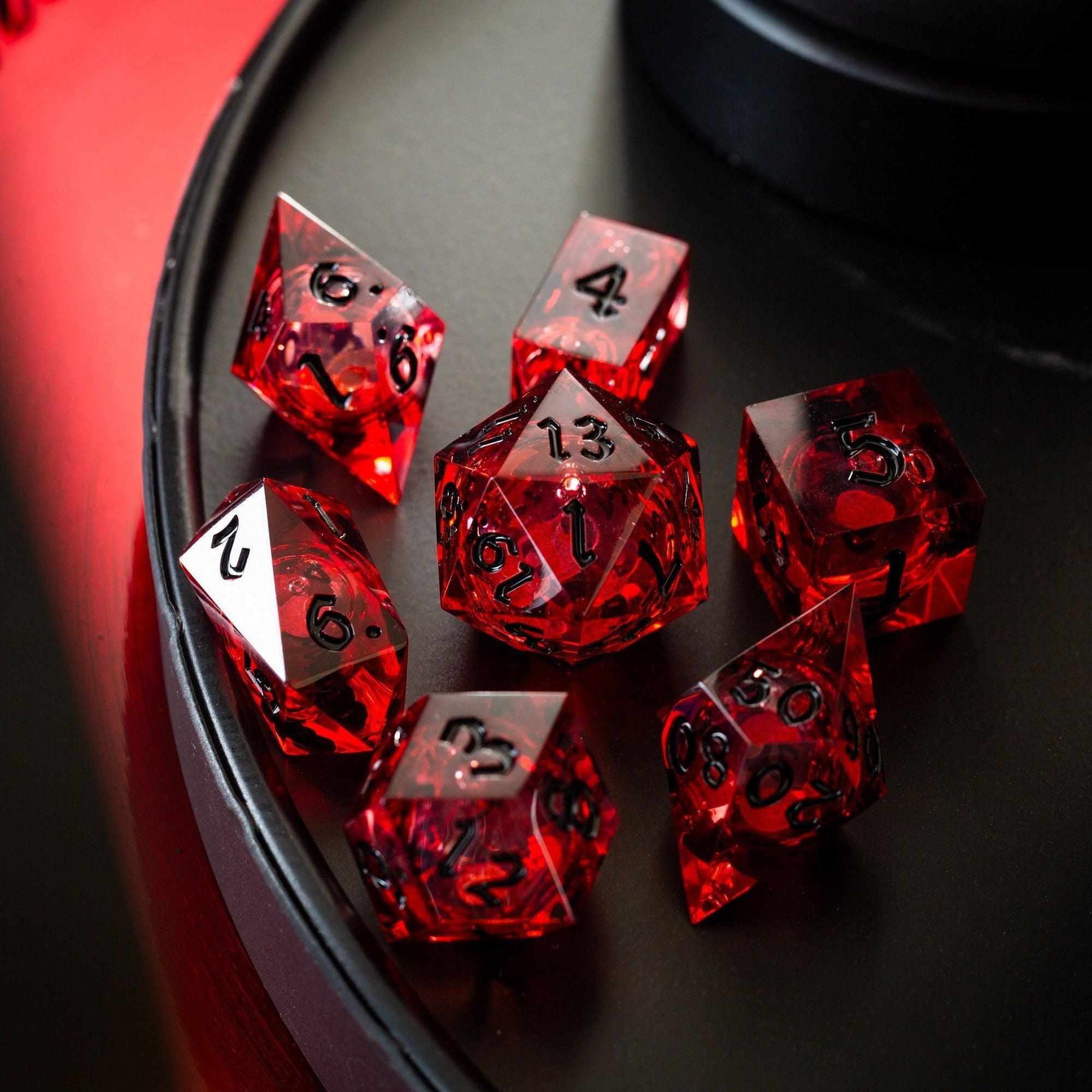
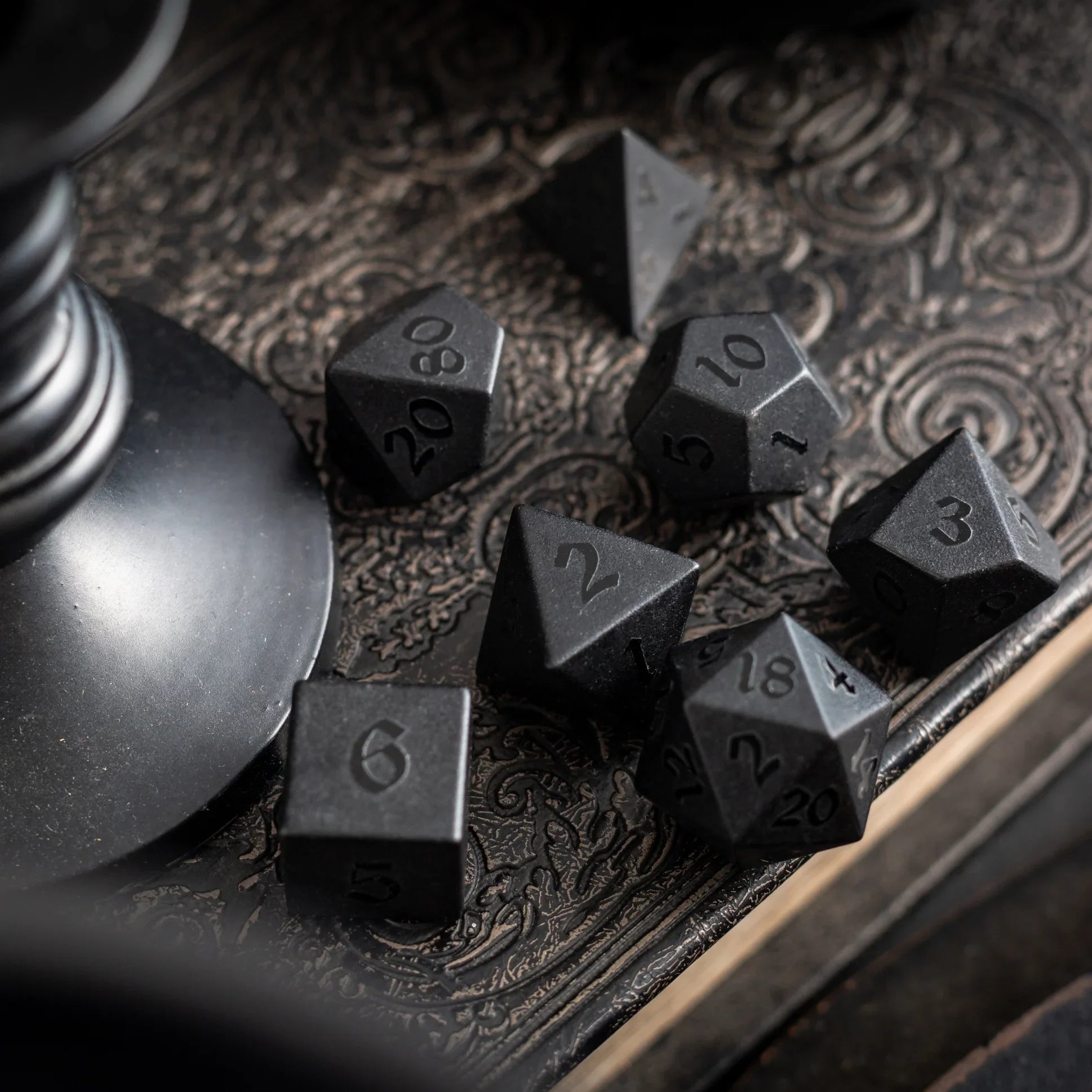
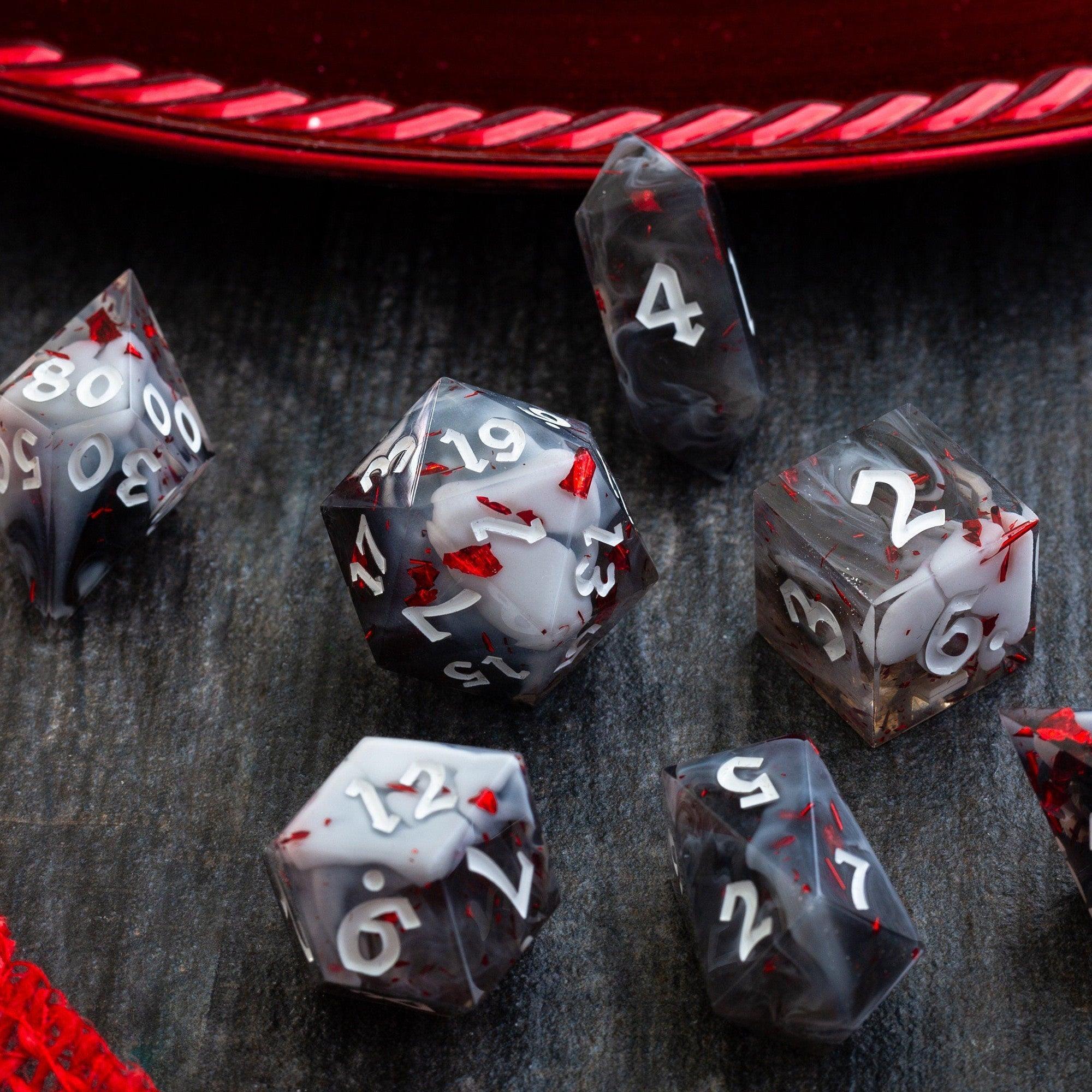
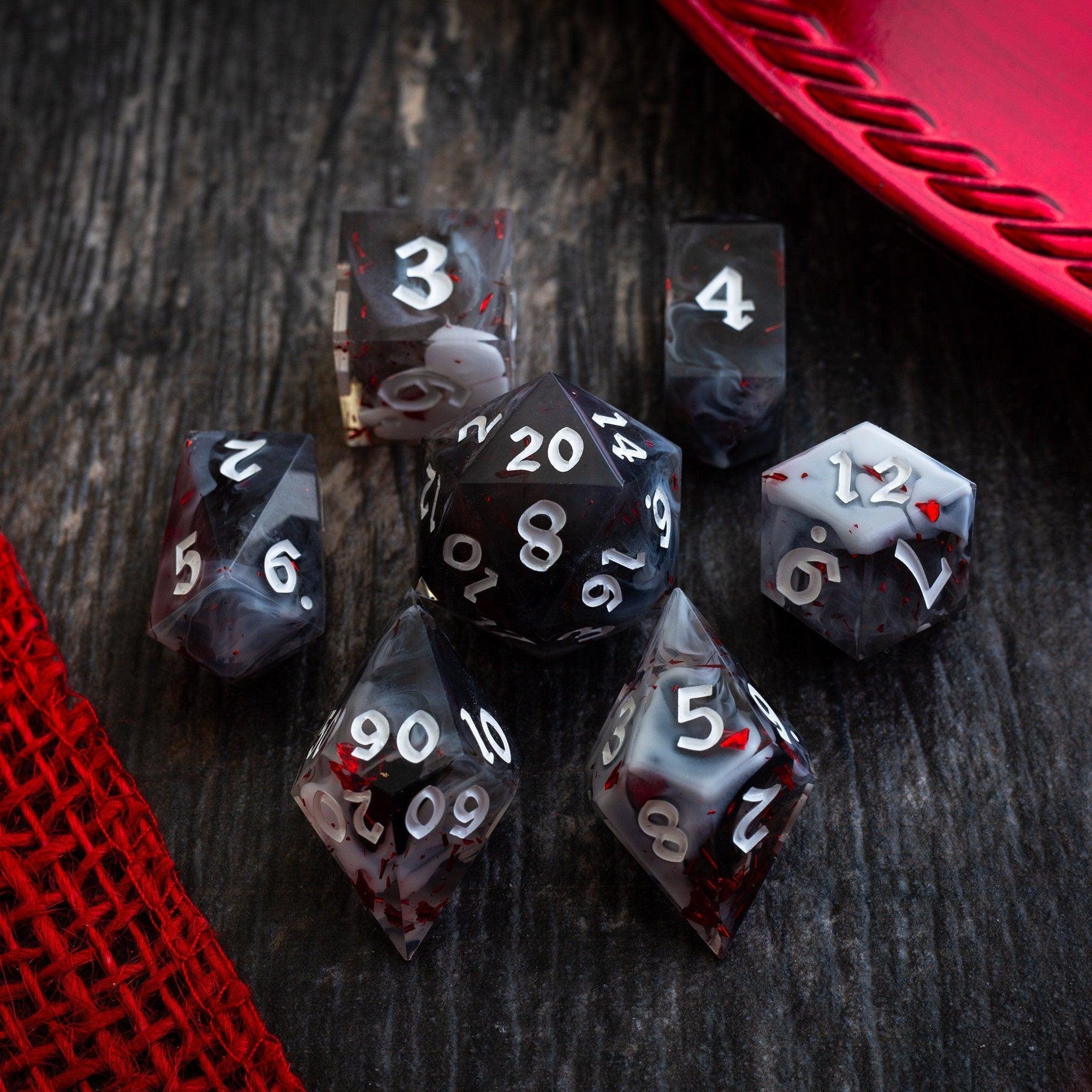
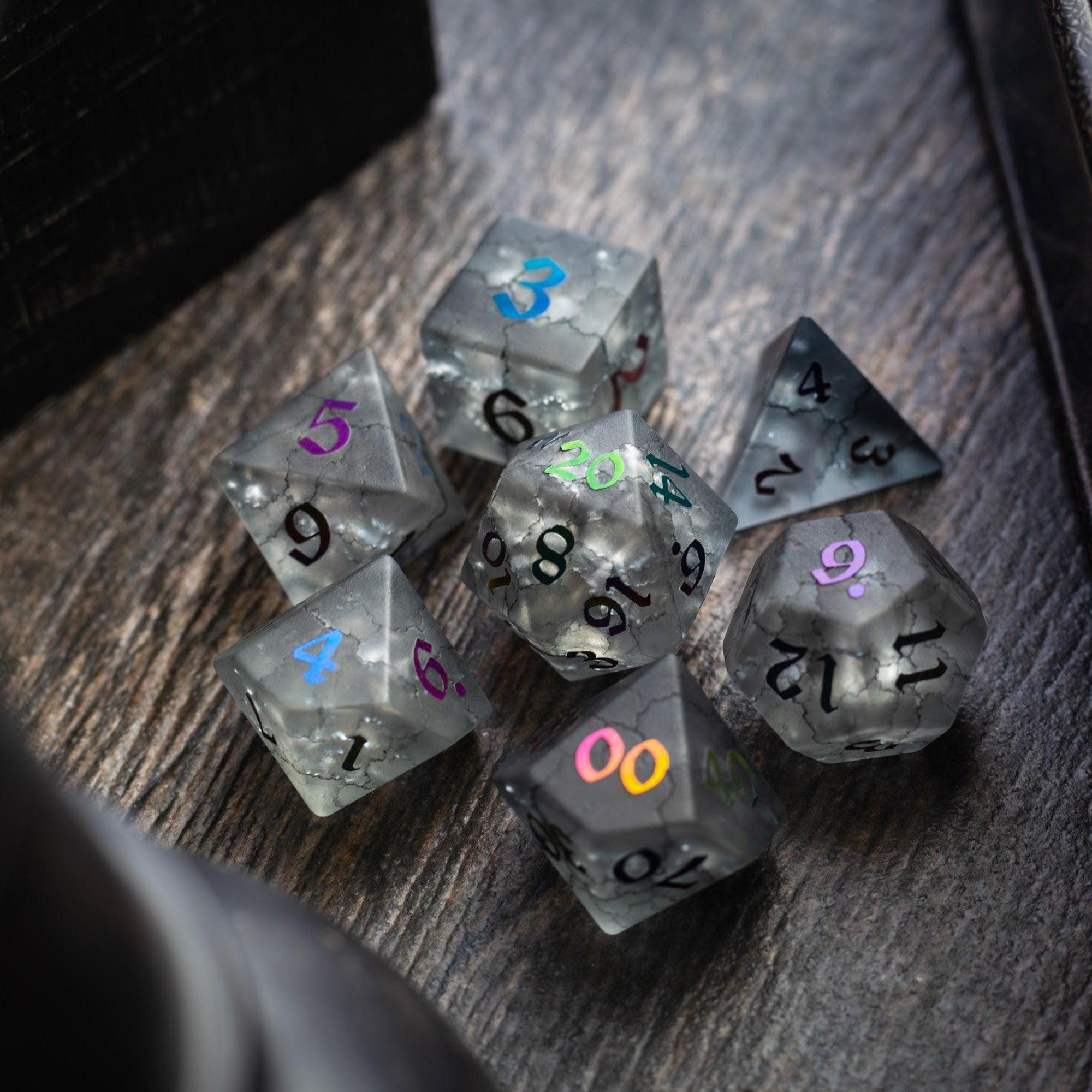
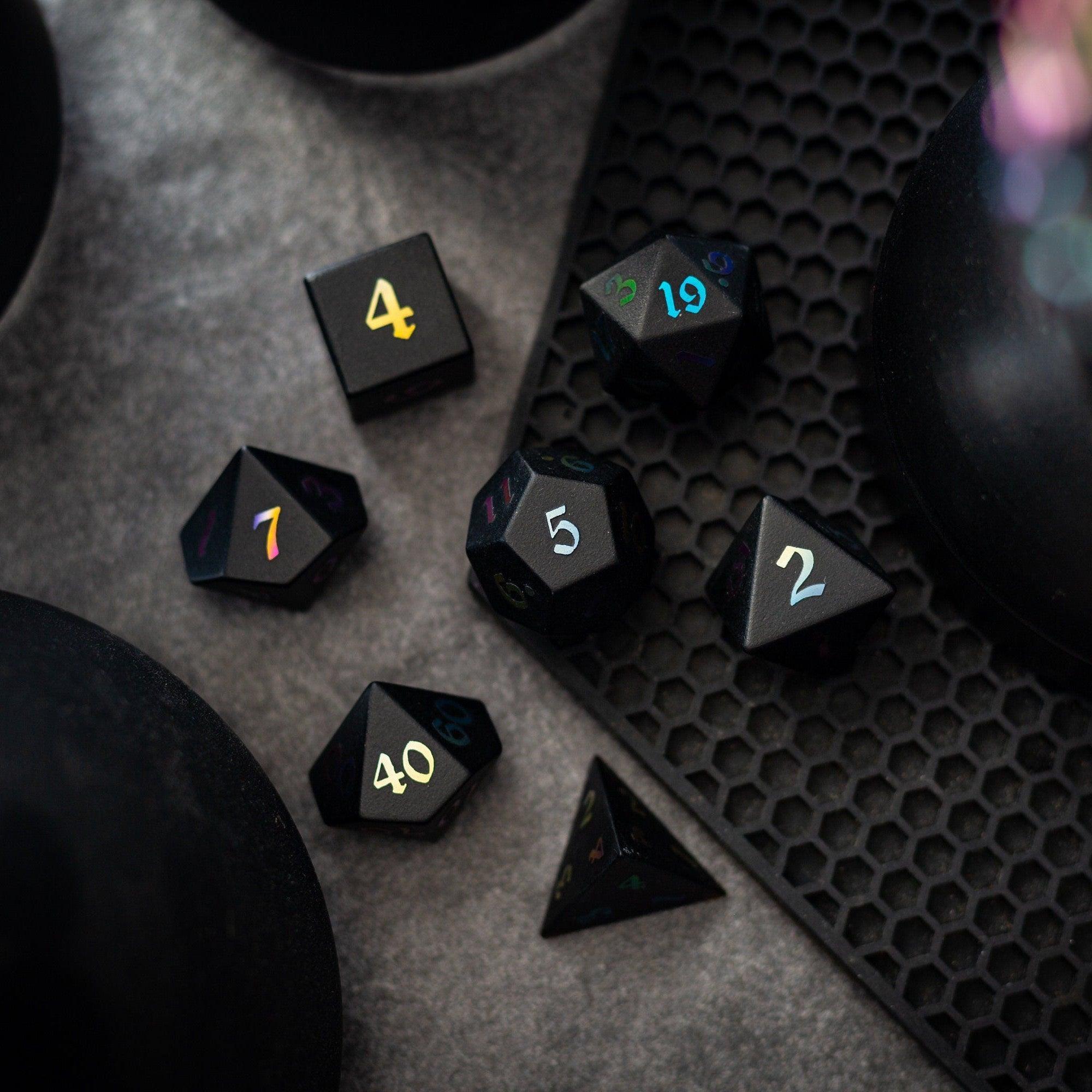
- Use tactile inspiration. A striking set of dice can set a session’s vibe. Themes like prismatic nebulae or polished stone can help establish mood before the first roll. For dramatic sparkle, check out liquid core dice.
- Have a “rescue kit.” Keep a few drop-in encounters, generic NPCs, and a travel complication table ready to go when players zig where you expected a zag.
- Track player flags. Note each player’s interests (politics, puzzles, combat, romance, exploration) and tag prep accordingly. Your resources should serve those flags.
Step-by-Step Process to Build a Toolkit of Fantasy Role Playing Resources for Campaigns
-
Define your campaign’s promise. In one or two sentences, state the tone and core loop (e.g., “dark wilderness exploration with ancient ruins and tough choices”). This becomes your filter for all fantasy role-playing resources for campaigns—if a tool doesn’t support the promise, skip it.
-
Create your GM hub. Set up a master doc or folder with four sections: World, People, Places, Play. Add subfolders for NPCs, Locations, Encounters, and Session Logs. This structure keeps your campaign planning resources for fantasy RPGs tidy and fast to navigate.
-
Assemble core references. Keep quick rules summaries, conditions, travel rules, and your house rules in one place. Whether you play with physical books or a VTT, a concise rules cheat sheet saves table time.
-
Build a modular world primer. Draft a short history, two or three active factions, and a region map (hand-drawn is fine). Add three “fronts” or looming threats, each with a timer. These are flexible fantasy RPG resources for campaigns that keep the world alive.
-
Curate free tools and generators. Keep a list of your favorites for names, rumors, dungeons, weather, and treasure. Focus on “free fantasy role playing resources for campaigns” that output clean text and can be saved to your hub for repeat use.
-
Prep encounter building blocks. Create a roster of foes by theme and tier, plus a hazards list (pit traps, collapsing bridges, storms). Draft three encounter templates: social, exploration, and combat. This lets you plug-and-play based on player choices.
-
Design a session skeleton. Use a simple outline: Cold Open, Choice, Exploration, Set Piece, Downtime. Add two or three spotlight prompts to highlight different characters. This structure turns random tables and notes into a coherent session.
-
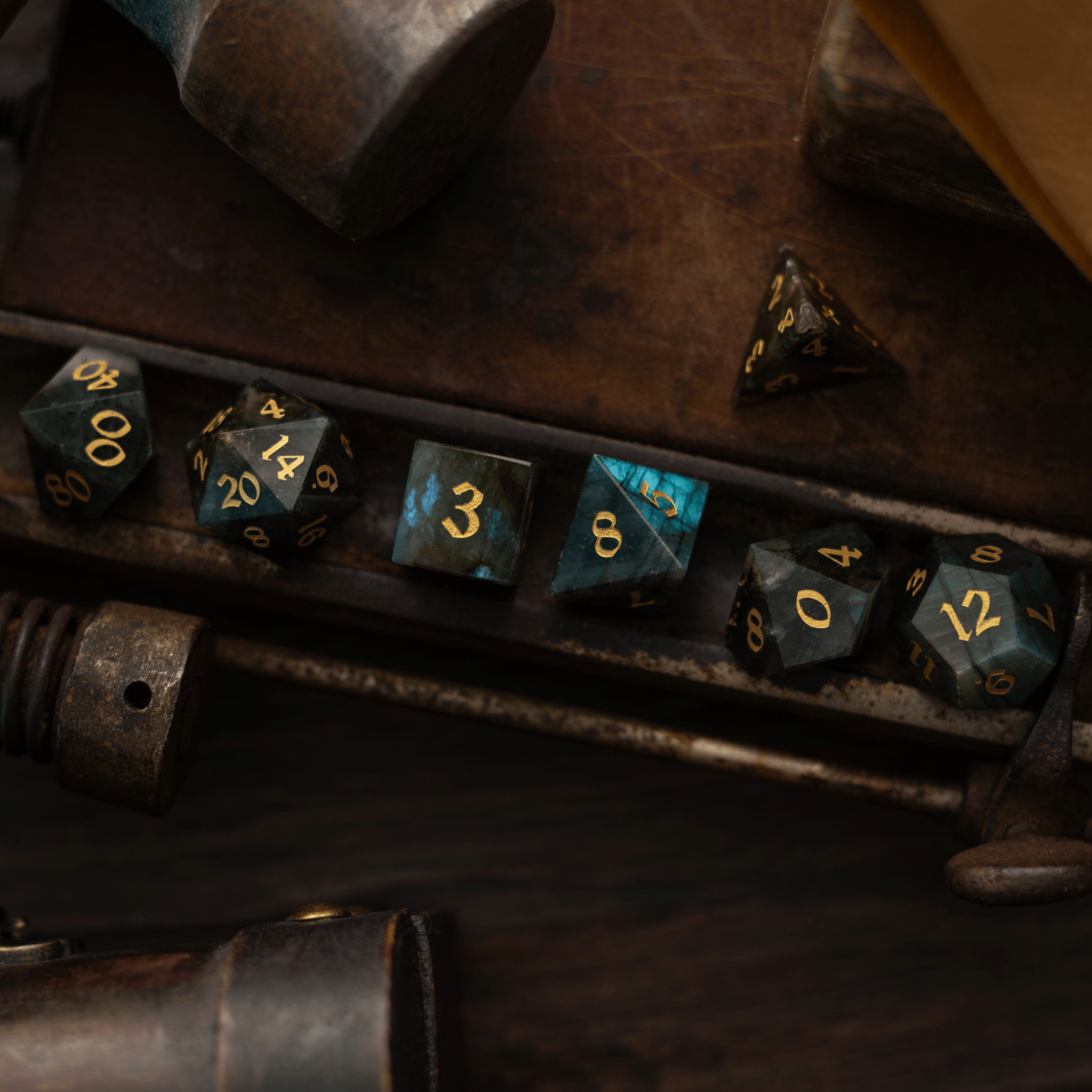
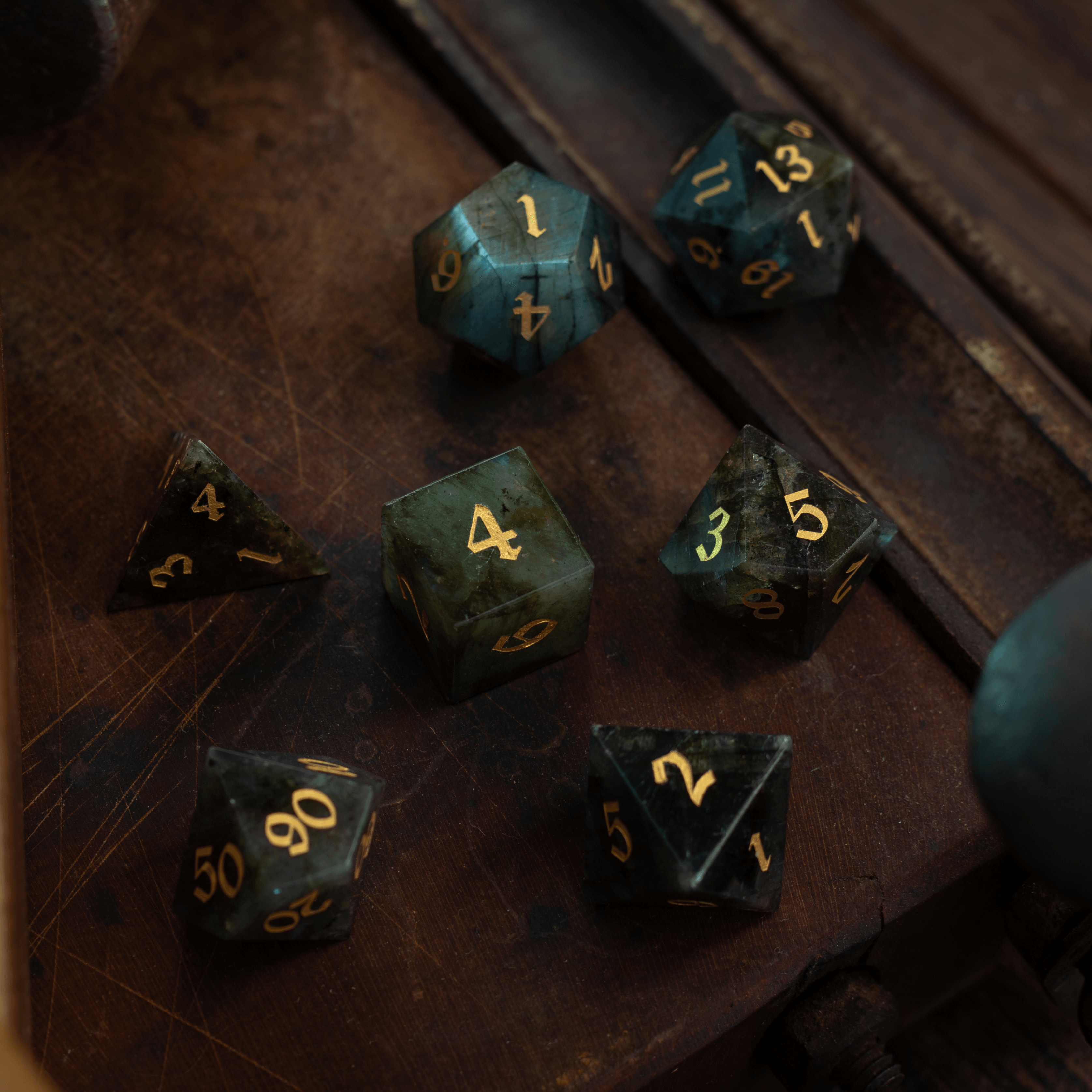
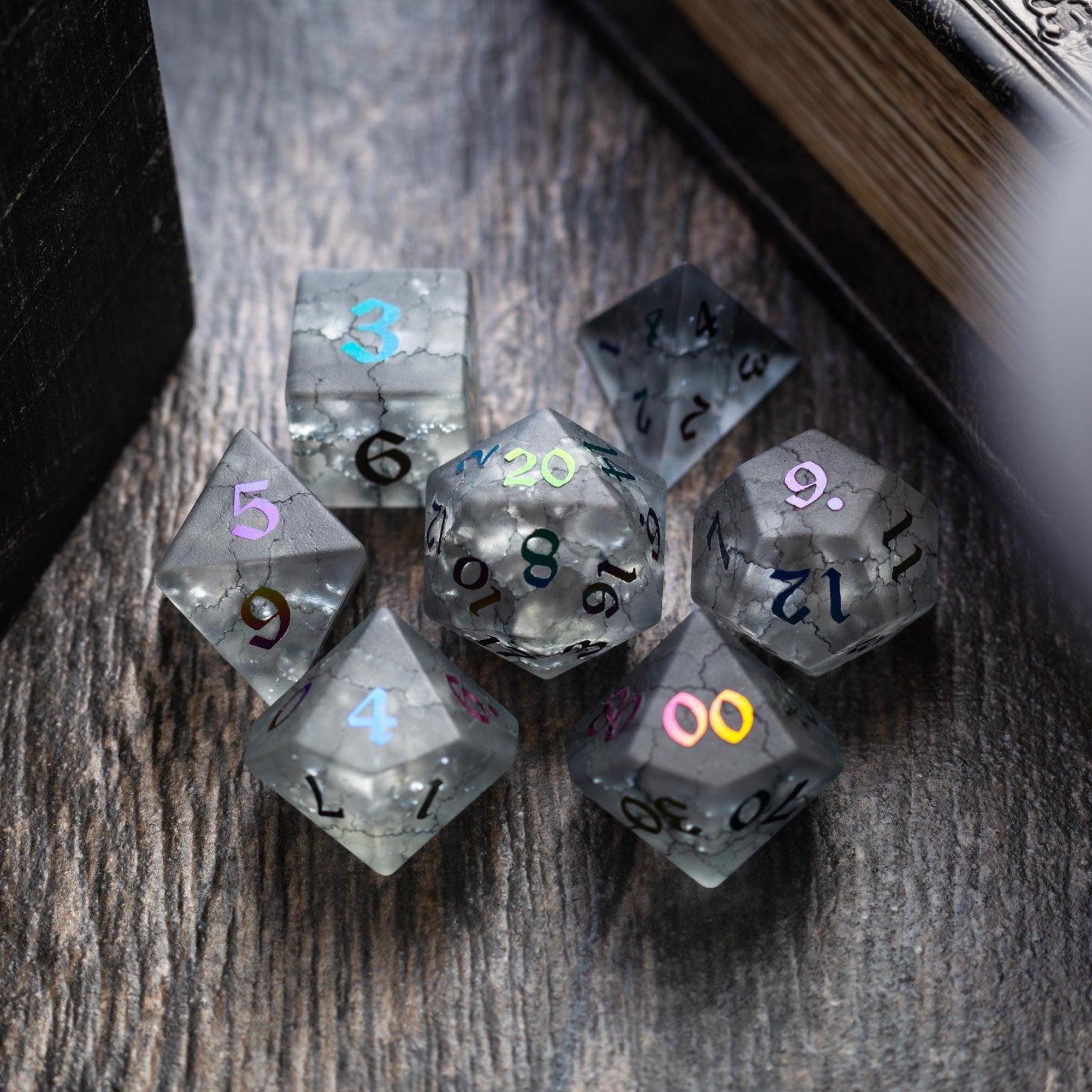
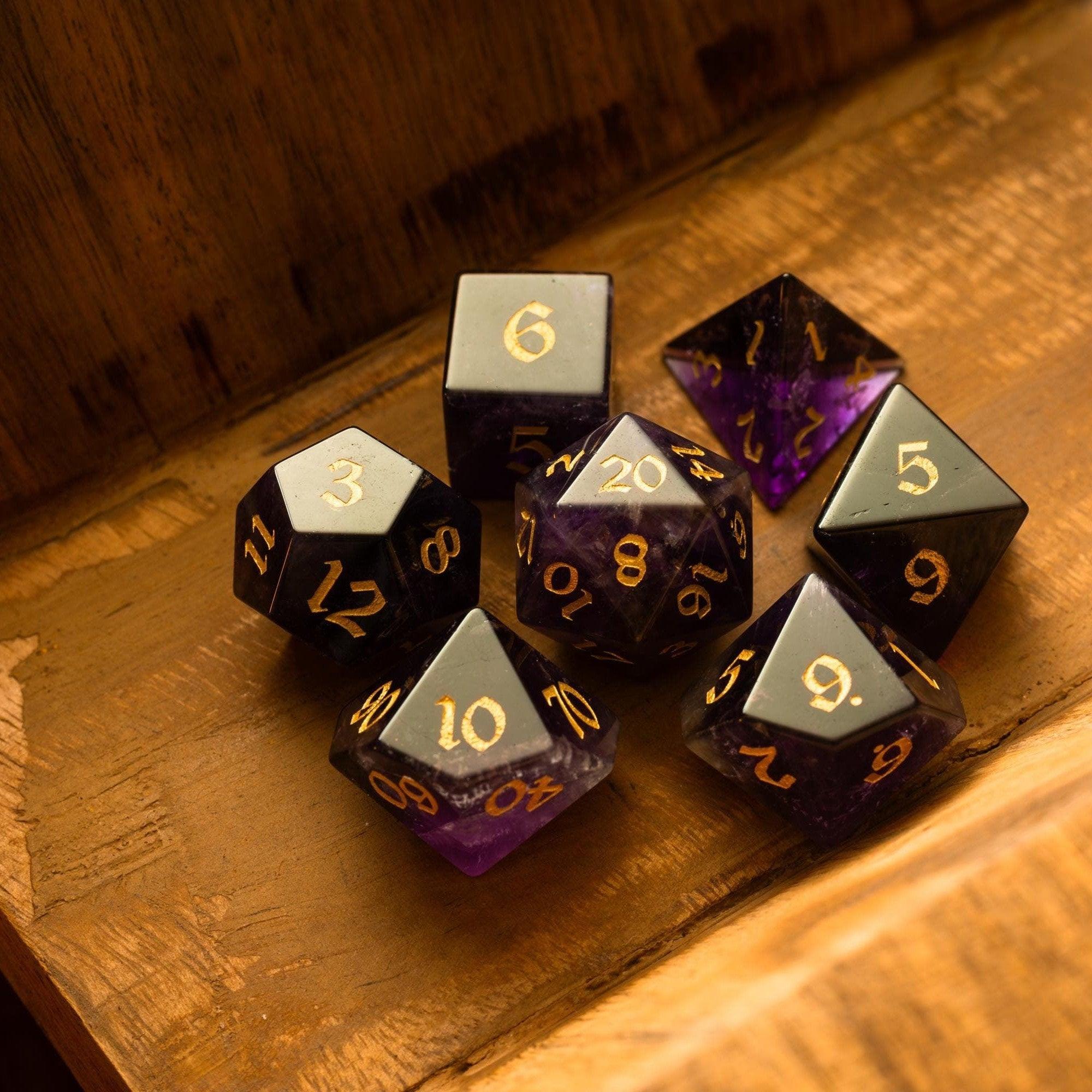
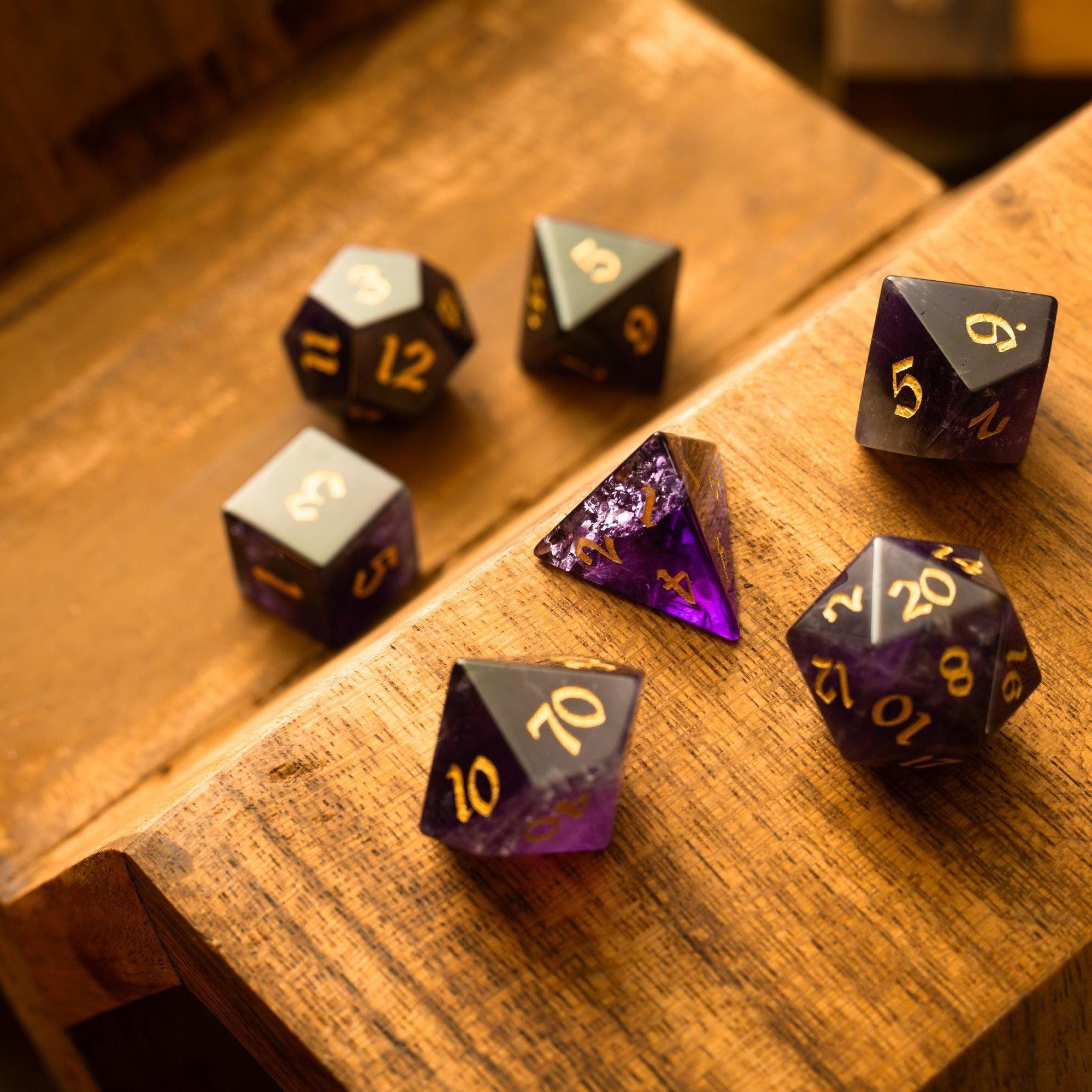
Plan your visuals and table feel. If your table loves props, pick a thematic dice set to set the tone. For a mystical vibe, the labradorite gemstone dice bring subtle color shifts that match arcane stories. If you want a starry, otherworldly look, the Starlit Rift resin set pairs well with cosmic themes.
-
Run Session Zero with safety tools. Use lines, veils, and check-ins. Capture player flags and campaign boundaries in your hub. These notes become invaluable tabletop RPG resources when you plan future arcs.
-
Adopt a 60–90 minute prep loop. Spend 15 minutes reviewing last session, 30 minutes drafting situations and key beats, 10 minutes stocking your rescue kit, and 10 minutes for visuals. Keep a timer so your prep remains sustainable.
-
Close the loop after each session. Log outcomes, update faction clocks, and add new NPCs or locations. Tag each note with a session number. Over time, your GM hub becomes the best fantasy role playing resource for your campaign—because it’s customized to your table.
-
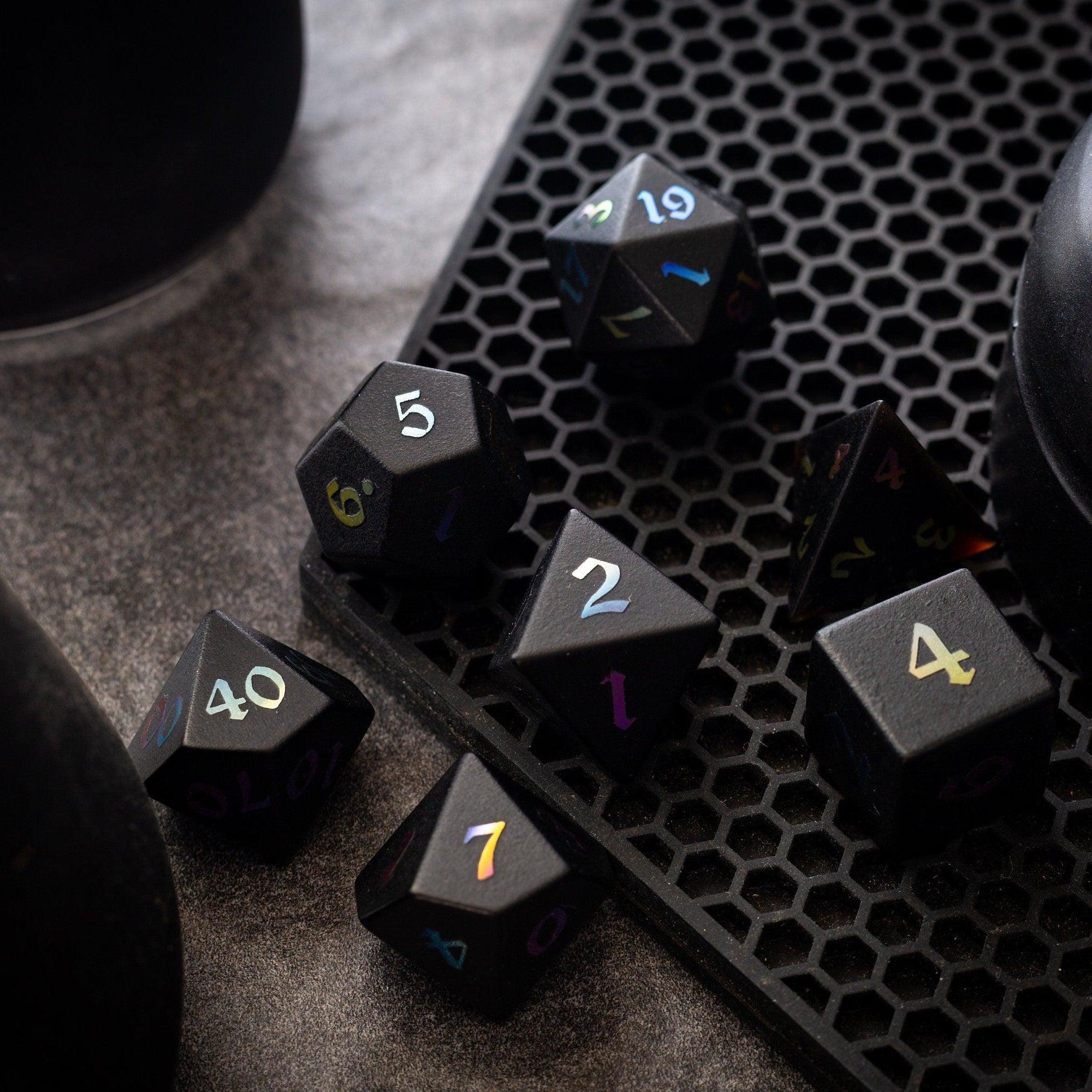
Refresh your toolkit each arc. Every few sessions, prune unused tools and add new ones that fit where the story is going. If you want a quick upgrade to the table vibe, you can browse collections and pick a set that matches the next arc’s aesthetic.
Summary & Takeaway: Choosing Fantasy Role Playing Resources for Campaigns
The most effective fantasy role playing resources for campaigns are simple, reusable, and aligned with your table’s style. Start with a clear campaign promise and a single GM hub. Add modular world details, encounter templates, and a few reliable generators. Keep a rescue kit, track player flags, and use a consistent session skeleton so prep stays predictable. Whether you prefer free fantasy role playing resources for campaigns or a few premium upgrades, the goal is the same: reduce friction and increase spotlight time for your players. If you keep curating with intention, your toolkit will help you deliver confident, memorable sessions every single week.
Q&A: Essential Fantasy Role Playing Resources for Campaigns
What resources are essential for running a fantasy RPG campaign?
Start with a GM hub that holds your world primer, NPC roster, location notes, encounter templates, and session logs. Add quick rules references, a travel and downtime guide, and a “rescue kit” of drop-in complications. Use a few dependable generators for names, rumors, and treasure. For table feel, choose tactile items that match your theme—something as simple as a striking dice set can set the tone before the first scene, such as shimmering liquid core dice for arcane-heavy adventures.
Where can I find high-quality fantasy role-playing resources for campaigns?
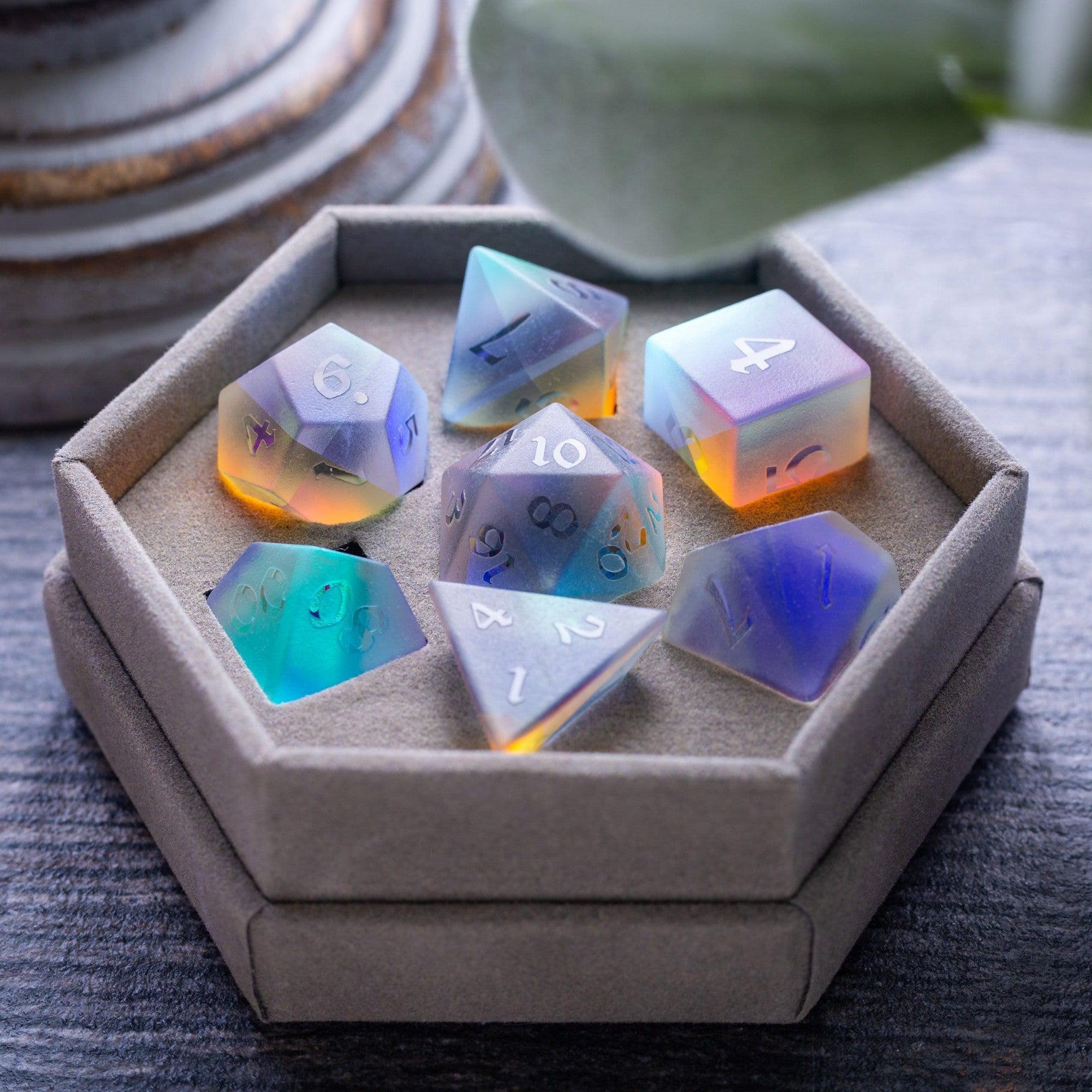
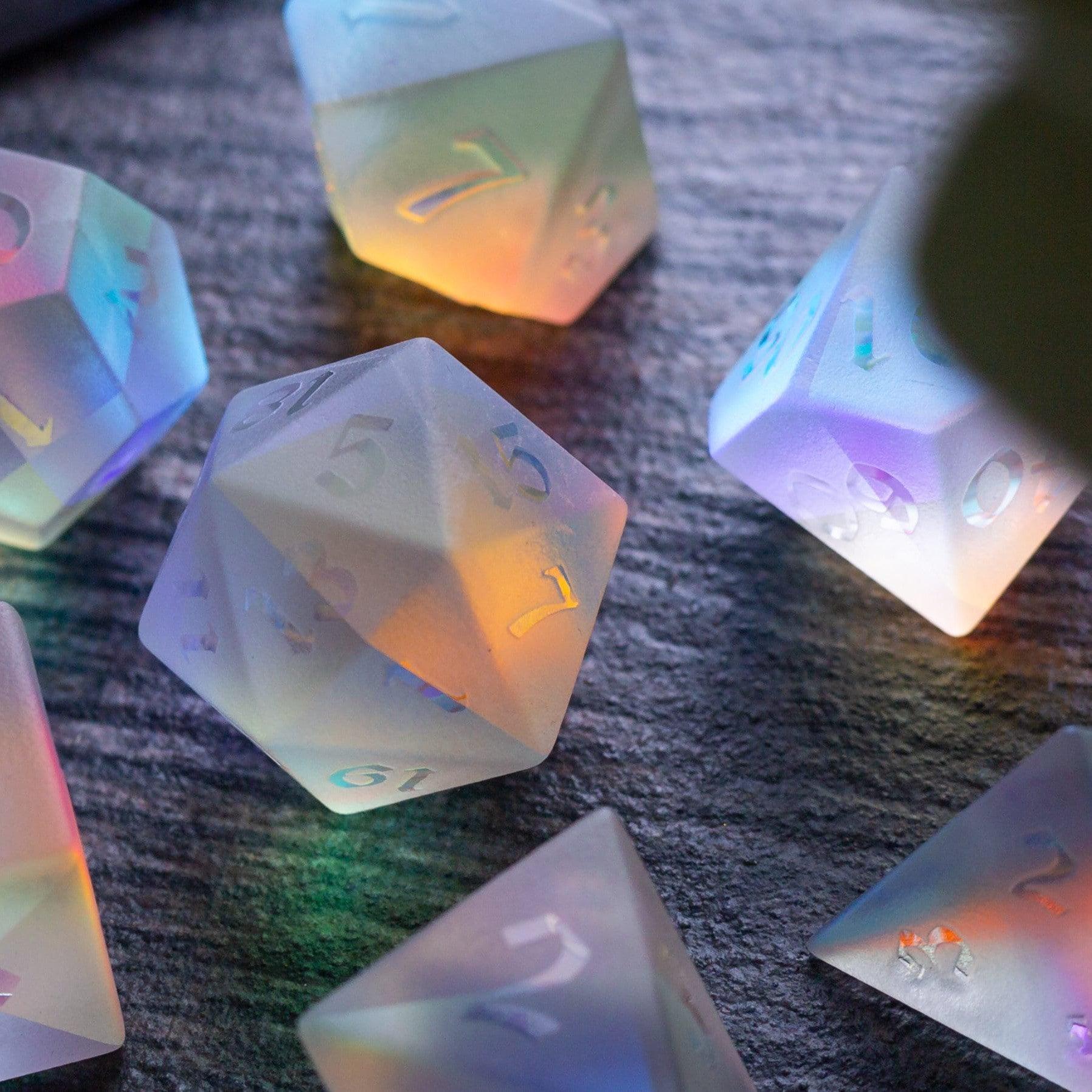
Quality comes from curation and consistency. Look for tools that export clean text, are easy to organize in your hub, and don’t lock you into one format. Many communities offer free generators and map packs, while premium creators sell curated bundles. For table aesthetics, consider themed dice that reinforce your setting’s mood; think luminescent stone for eldritch ruins or a cosmic shimmer for planar travel. When you want to refresh the look of your table in one step, explore focused options like the the subtle sheen of labradorite gemstone dice.
How do I reduce prep time without losing depth?
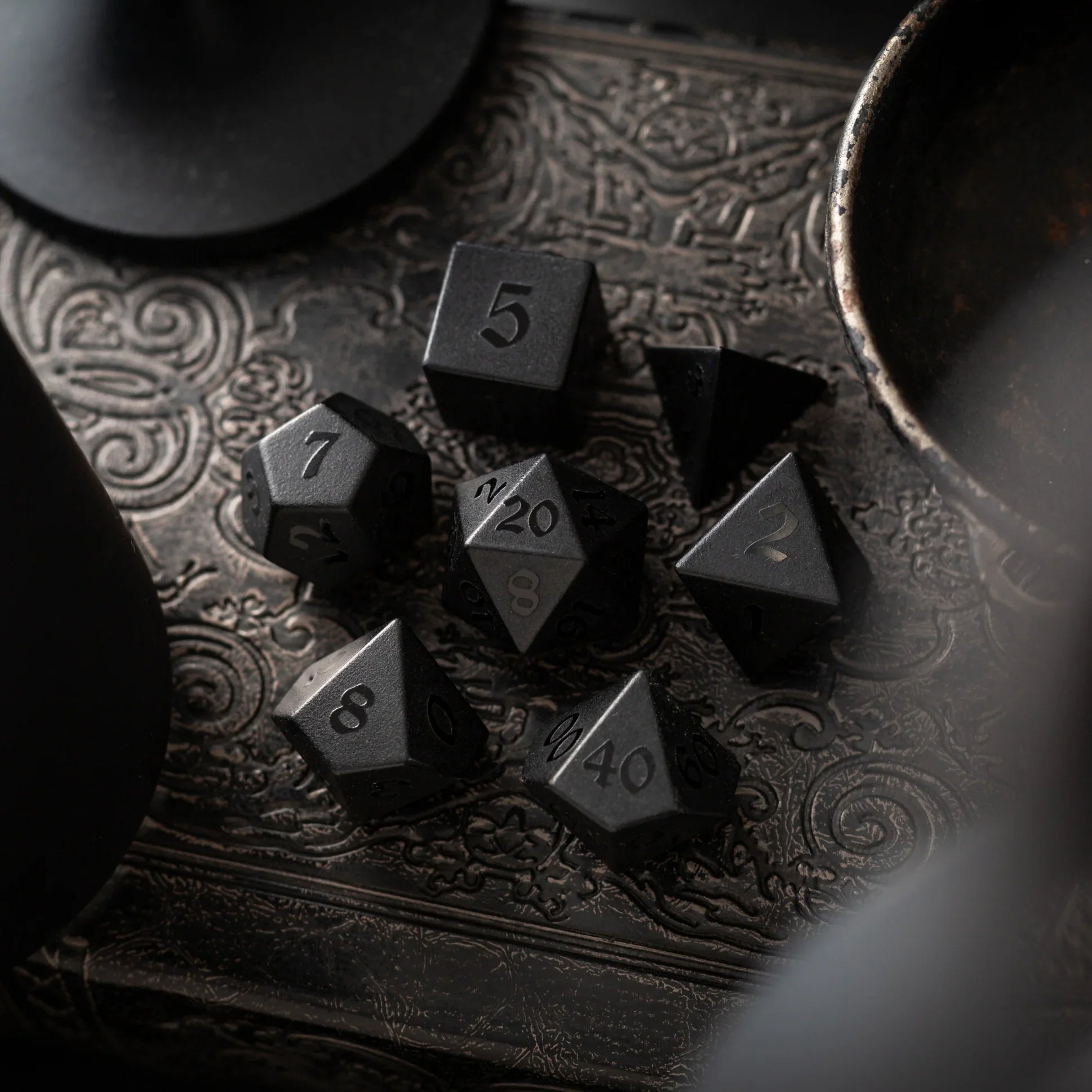
Prep situations instead of scripts, and rely on modular pieces: factions with goals, locations with secrets, and encounters with clear triggers. Set a 60–90 minute prep cap and stick to your session skeleton. Reuse templates, keep a running lore file, and refresh your rescue kit often. When you need a fast mood boost for the table, swap in a theme-forward accessory that does heavy lifting for atmosphere—cosmic, elemental, or gemstone dice can visually signal “what this arc is about” at a glance and keep everyone immersed.

Leave a comment
This site is protected by hCaptcha and the hCaptcha Privacy Policy and Terms of Service apply.