

From Hook to Hero How DND Storytelling Elevates Campaigns
Updated on: March 16, 2026
Whether you're a seasoned Dungeon Master or just starting your first campaign, mastering the art of narration can transform your game from good to unforgettable. This guide shares practical strategies for crafting compelling narratives, building immersive worlds, and keeping your players on the edge of their seats. Learn how to balance description with action, develop memorable characters, and use pacing to maintain tension throughout your sessions.
- Product Spotlight
- Building the Foundation for Better D&D Storytelling Tips
- Creating Memorable Characters and Voices
- Crafting an Immersive World
- Mastering Pacing and Tension
- Myths vs. Facts
- Frequently Asked Questions
- Final Recommendations
Product Spotlight

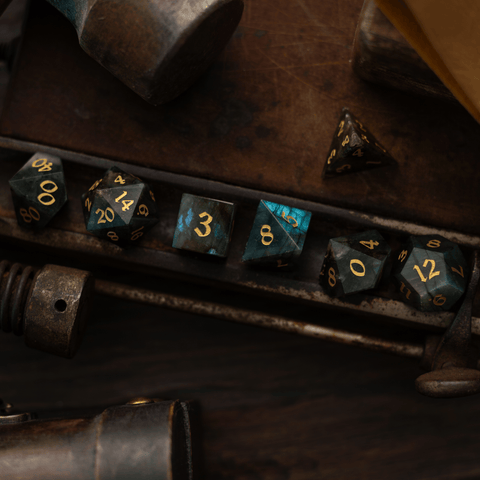
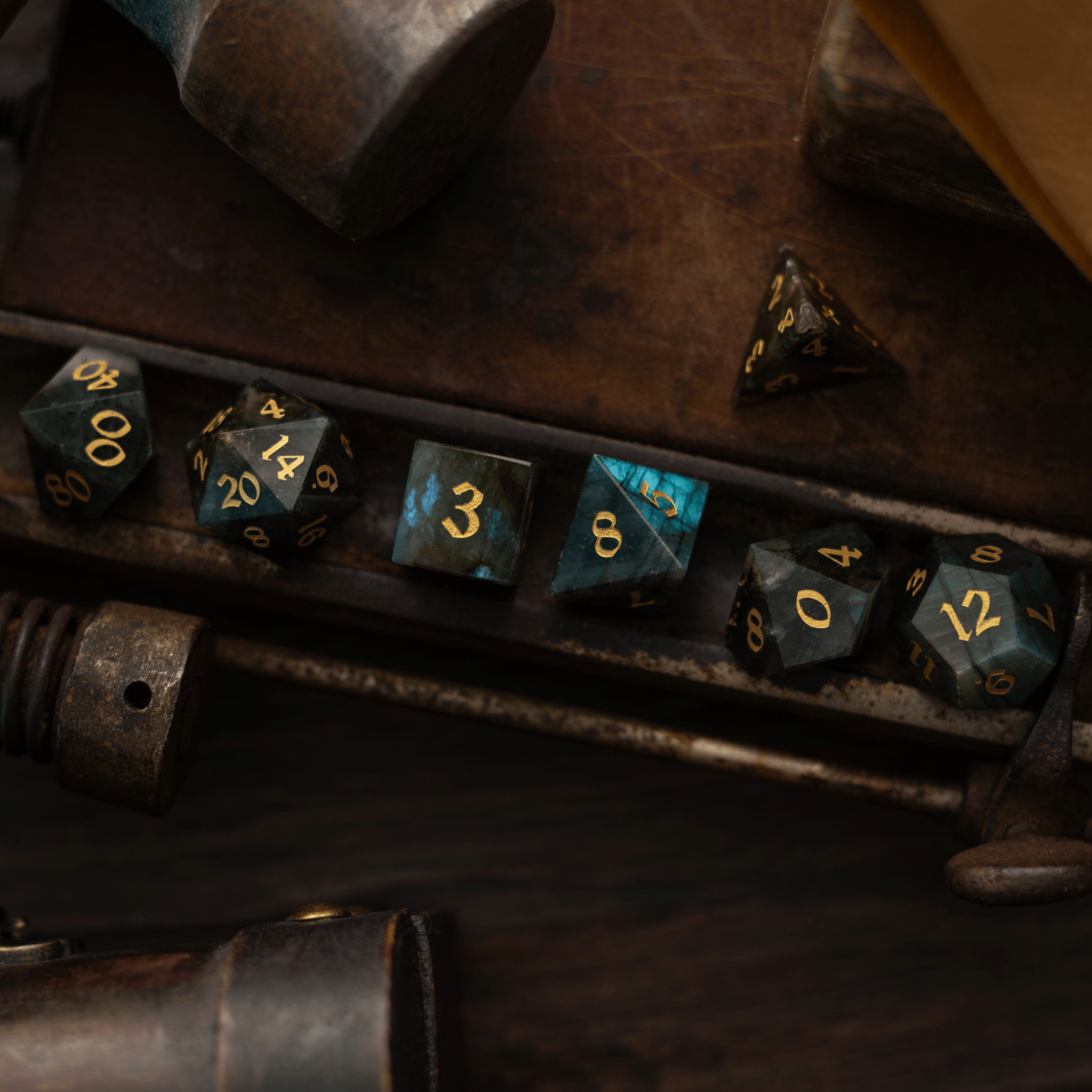
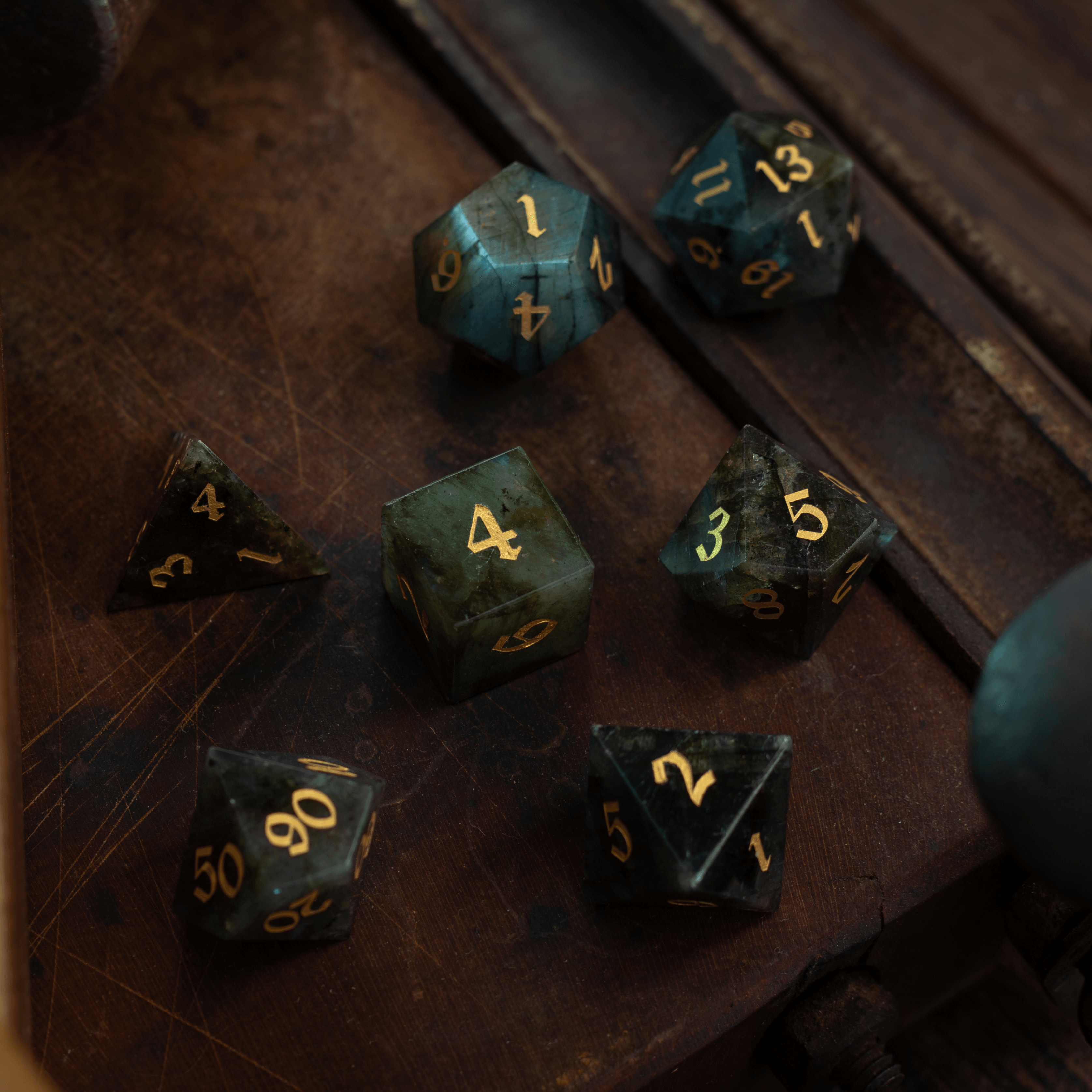
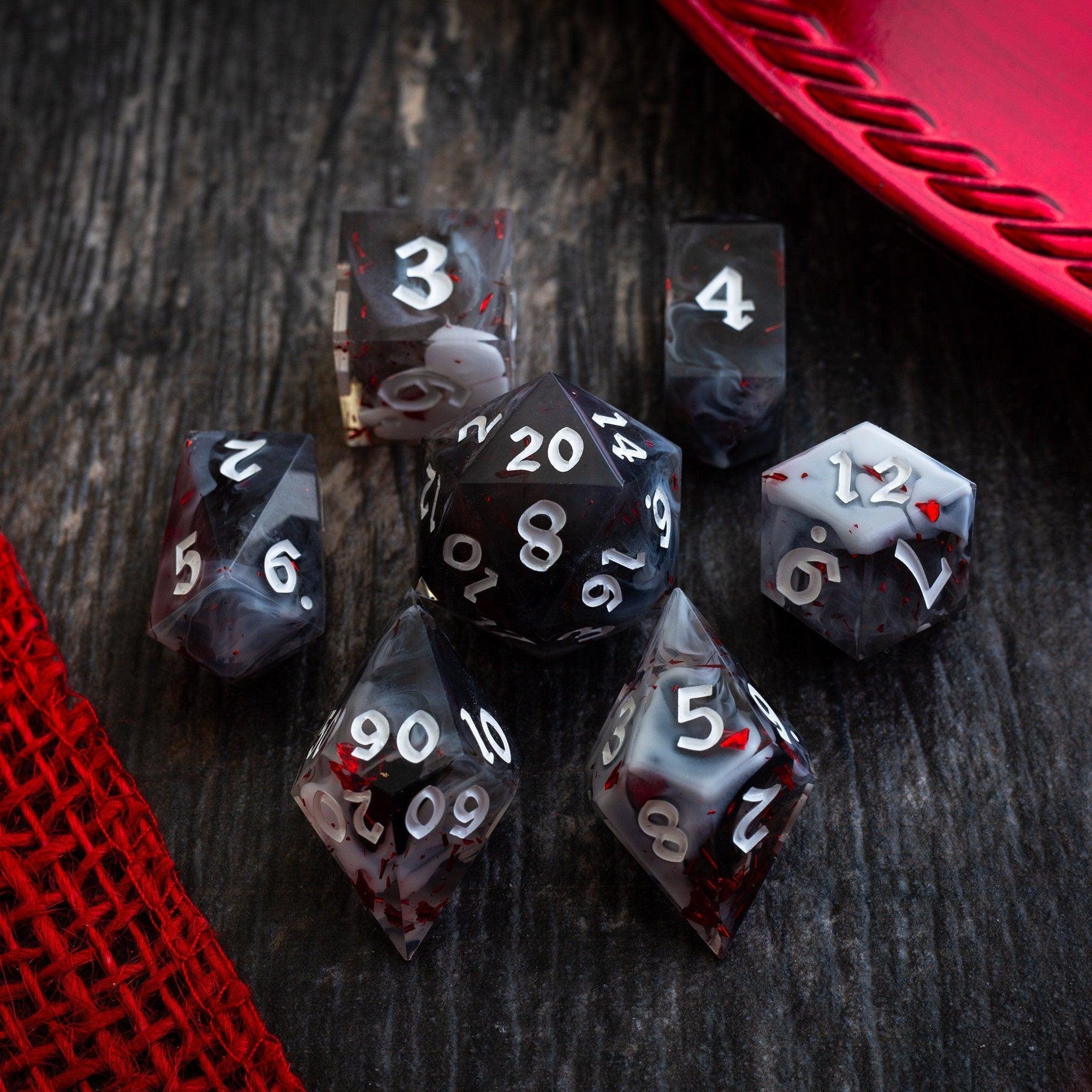
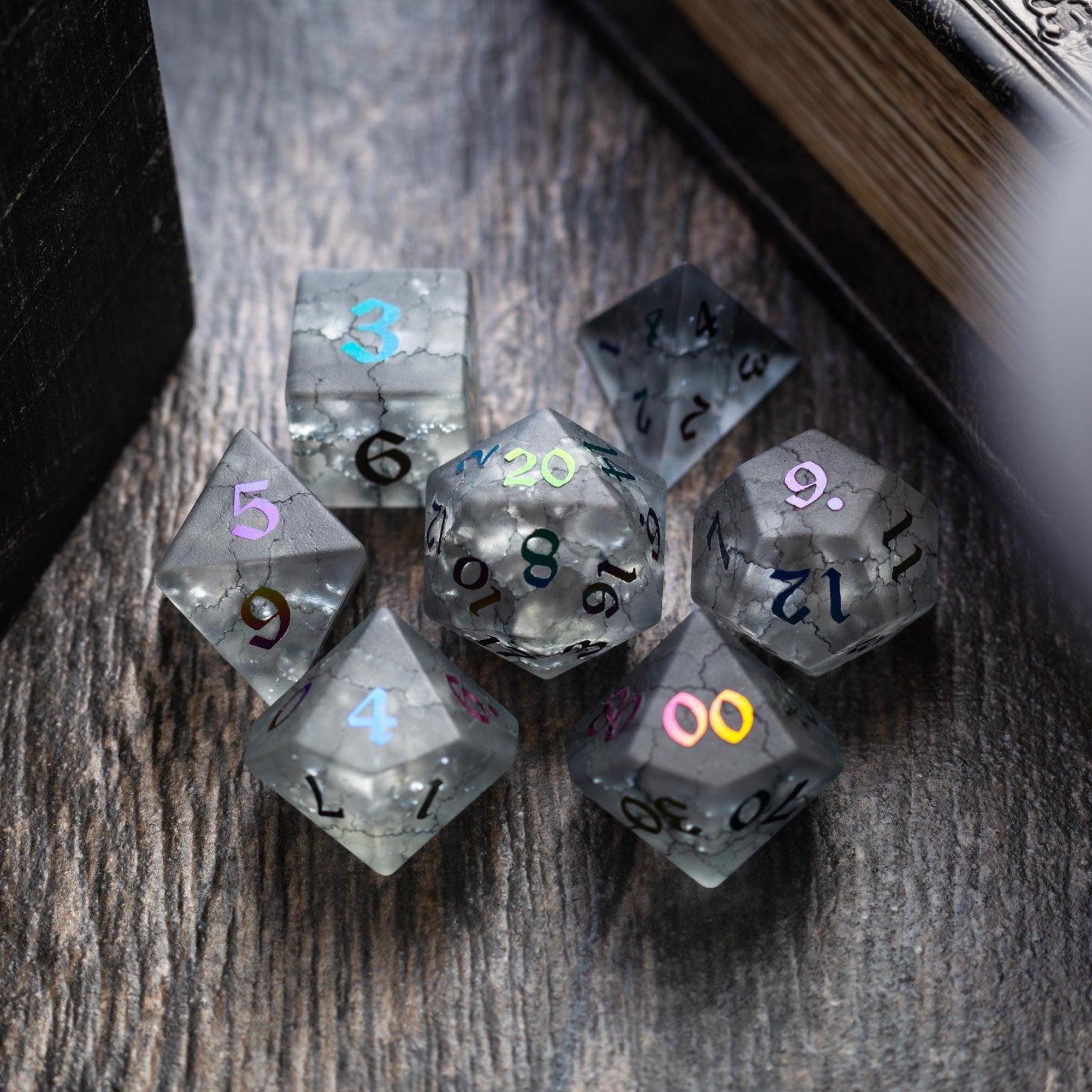
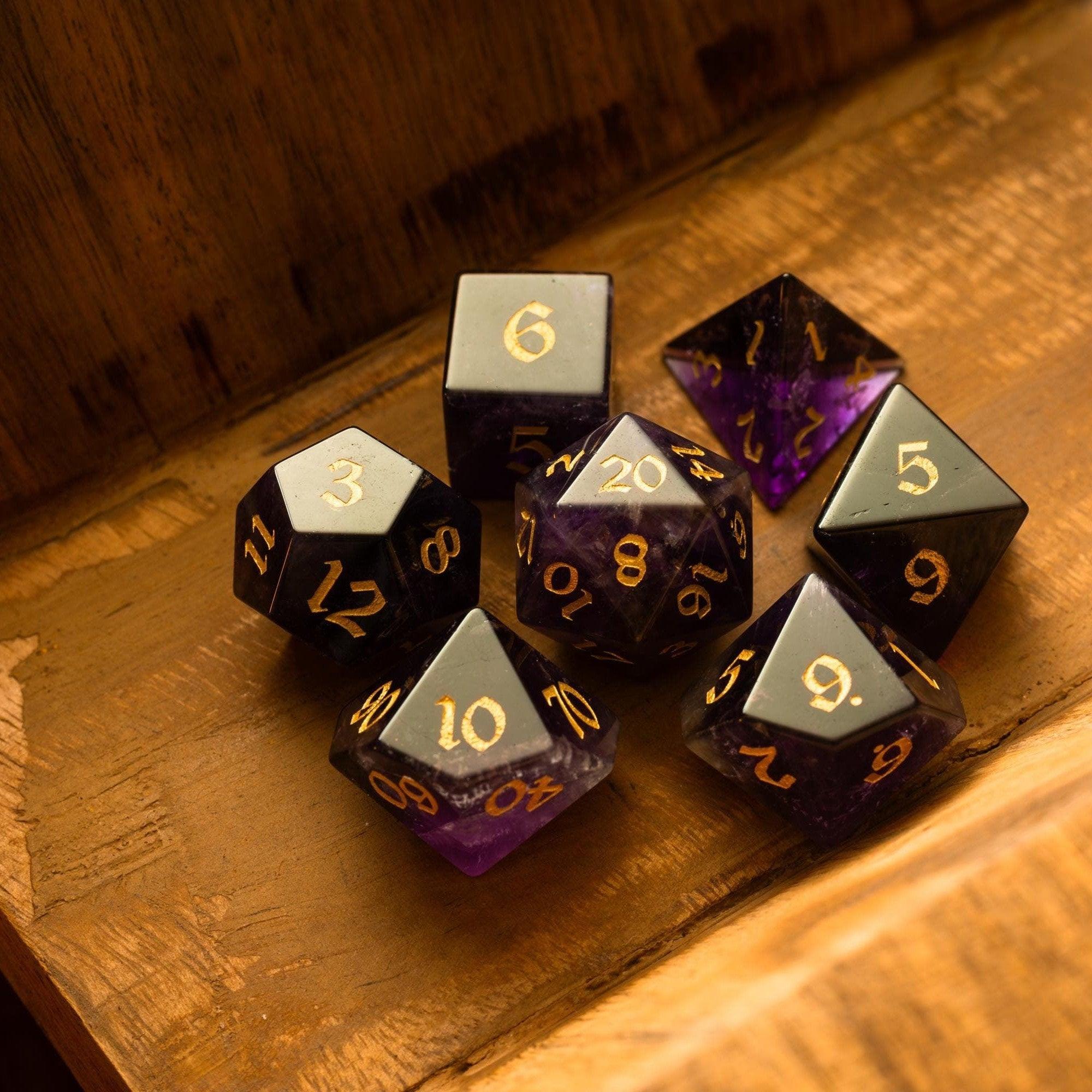
Every great storyteller knows that the right tools can elevate the experience. Premium dice aren't just functional—they're gateways to immersion. Gemstone dice sets bring natural beauty and weight to the table, making every roll feel significant. When your players see you roll with intention using quality dice, it sets the tone for the adventure ahead. Consider handcrafted resin options that feature intricate designs—they spark conversation and enhance the theatrical aspect of your storytelling. The tactile experience of holding beautiful dice can actually help you feel more confident in your narration, which translates directly to better performance at the table.
Building the Foundation for Better D&D Storytelling Tips
Before you sit down with your players, establish the bedrock of your narrative. Start by knowing your world inside and out, even the parts your players might never see. This confidence shows when you improvise. When a player asks about a tavern keeper's backstory or wonders what the sky looks like in your realm, you'll have answers that feel authentic rather than made up on the spot.
Next, develop a clear structure for your sessions. A solid framework doesn't mean rigid plotting—it means knowing your three or four key story beats for the evening. Think of it like a musical composition: you need a beginning that hooks interest, a middle that builds complications, and an ending that resolves tension while opening new questions. This structure keeps your narrative from feeling aimless while leaving plenty of room for player agency.
Write down interesting details about your world. Names of minor characters, descriptions of locations, sensory details about weather and atmosphere—these specifics are gold. When you can describe how autumn leaves catch the firelight or how a street vendor's spiced pastries smell, you're not just describing a scene, you're inviting your players inside it.
Creating Memorable Characters and Voices
Your non-player characters are the soul of your world. The best characters aren't perfectly designed—they're authentic. Give them contradictions, quirks, and genuine motivations. A noble might genuinely care for the common folk but be blind to systemic injustice. A villain might believe they're saving the world. These layers make characters feel real.
Develop distinct voices for your major characters. You don't need incredible accents or voices—you need consistency. Maybe one character always speaks in questions, or another uses formal language with occasional slang. Maybe someone laughs nervously before delivering bad news. These vocal patterns help players recognize characters and feel invested in them.
Give your characters flaws that matter. A skilled warrior with crippling self-doubt creates tension. A brilliant scholar who refuses to admit ignorance drives conflict. These weaknesses make characters three-dimensional and create natural story opportunities.
Remember that character moments are storytelling moments. When a trusted ally betrays the party or a villainous character shows unexpected mercy, you're telling your players something important about your world's complexity. These beats stick with players long after the session ends.
Crafting an Immersive World
A compelling world isn't about encyclopedic detail—it's about sensory richness and internal consistency. Focus on what your players interact with. How does your capital city smell? What time of year is it, and how does that affect daily life? What's the local cuisine, and what does it say about the culture?
Build your world with layers. The surface level is what players immediately see—the tavern, the forest, the castle. The second layer is how these places connect and what politics or conflicts simmer beneath the surface. The third layer is the history and deep lore that informs everything. You won't share all of this with your players, but knowing it makes your storytelling richer and more responsive.
Create a few signature details that make your world distinctive. Maybe temples always have copper bells that ring in a specific pattern. Perhaps merchants use a particular color cord to indicate merchandise quality. These details are worldbuilding shortcuts that make everything feel cohesive and lived-in.

Mastering Pacing and Tension
Pacing is the heartbeat of great storytelling. Alternate between moments of high tension and quieter character-building scenes. A session of constant combat becomes exhausting. A session of only dialogue drags. The rhythm matters.
Use description selectively to control pace. Detailed sensory descriptions slow things down and build atmosphere—perfect for setting a scene or building dread. Rapid-fire descriptions and quick dialogue speed things up, ideal for action or comedy. Be intentional about when you employ each technique.
Tension comes from stakes, uncertainty, and consequences. Make clear what characters stand to lose. Let dice rolls determine outcomes—sometimes the party succeeds, sometimes they fail in interesting ways. When consequences are real, tension is genuine. When everything predetermined, tension evaporates.

Build mysteries that genuinely intrigue you. If you're excited to reveal what's behind the locked door or who the secret patron actually is, that excitement carries through your narration. Players feel the difference between a Dungeon Master presenting a prepared surprise versus one who's genuinely excited about the story unfolding.
Use silence strategically. After a major reveal or dramatic moment, let it sit. Don't rush to fill space with more description. Give players a beat to react, to absorb what just happened. These pauses create powerful storytelling moments.
Myths vs. Facts
Myth: You Need an Incredible Voice
Fact: Consistency matters more than performance quality. Distinctive patterns and committed characterization beat perfect accents. Your players care about what your characters do and say, not whether you sound like a professional actor.
Myth: Every Detail Must Be Perfectly Planned
Fact: The best storytelling happens when you improvise within a solid framework. Knowing your story's key beats allows flexibility. When players go off the rails, a confident Dungeon Master with solid fundamentals keeps the narrative engaging.
Myth: Combat Should Always Be Exciting
Fact: Not all combat is equally interesting narratively. A quick skirmish against weak enemies can be resolved faster with simplified mechanics, leaving room for story moments. Save detailed combat for encounters that matter to the plot.
Myth: Players Want to Hear You Talk
Fact: Players want to participate in an engaging story. Long monologues kill engagement. Share information in digestible chunks, ask questions, and give players agency to discover details through exploration and interaction.
Frequently Asked Questions
How do I improve my improvisation skills?
Practice saying yes to player ideas and building on them. When a player suggests something unexpected, accept it as part of the world and move forward. Keep a list of random names, locations, and plot hooks you can draw from when needed. The more you improvise, the easier it becomes. Remember that imperfect improvisation is often more memorable than perfectly planned moments.
What should I do if I lose track of my story?
Take a brief pause and remind yourself of the situation: where are the party, what's their objective, and what complications exist? You don't need to have every detail mapped out. Focus on the next interesting moment and work toward that. Most players won't notice if you're slightly improvising—they'll just enjoy the adventure.
How can I balance player freedom with my prepared story?
Think in terms of outcomes rather than paths. You might prepare that a villain will eventually reveal their master plan, but not necessarily how the party learns this information. You prepare the story's themes and major beats, then let players discover them through their own choices. This approach creates genuine agency while maintaining narrative coherence.
How do I handle player deaths or unexpected outcomes?
Let the dice and story determine what happens. When a major character dies, honor that moment instead of invalidating it. Character death can be the most memorable storytelling moment of a campaign. Treat it seriously, give it weight, and move the story forward from that new reality. This makes subsequent victories feel earned and stakes feel real.
Final Recommendations
Start by implementing one new storytelling element this session. Maybe you'll develop one non-player character with a distinct voice. Perhaps you'll focus on adding sensory details to a location description. Try pacing a session intentionally, alternating between fast and slow beats. Small improvements compound into noticeably better storytelling.
Invest in tools that make you feel confident. Whether that's quality resin dice that feel good to roll or a detailed campaign notebook, surround yourself with items that reinforce your commitment to great storytelling. Explore specialty dice options that resonate with your campaign's aesthetic—this small detail creates psychological anchoring that helps you stay immersed in your world.
Most importantly, remember that your players are there because they want to have fun with you. They're not grading your performance. They're hoping you'll tell them a story they'll remember. That's enough. Focus on being present, responsive, and genuinely interested in what happens next. That enthusiasm is contagious, and it's the foundation of every great campaign.
Keep practicing, stay flexible, and enjoy the incredible collaborative experience that is tabletop storytelling. Your players will thank you with their engagement and enthusiasm.














Leave a comment
This site is protected by hCaptcha and the hCaptcha Privacy Policy and Terms of Service apply.