

Durable feat guide for stronger RPG builds and tactics
Understanding Materials and Their Durability
When you're shopping for dice, the material is honestly your first big decision. Different materials bring different strengths and weaknesses to the table, and understanding these differences can save you money and frustration down the road. Let's break down what you're actually getting when you pick one type over another.
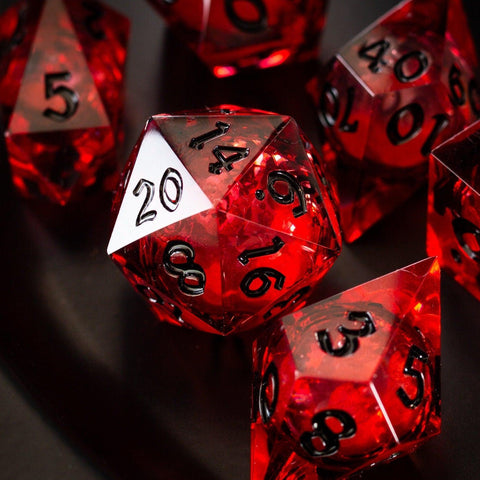
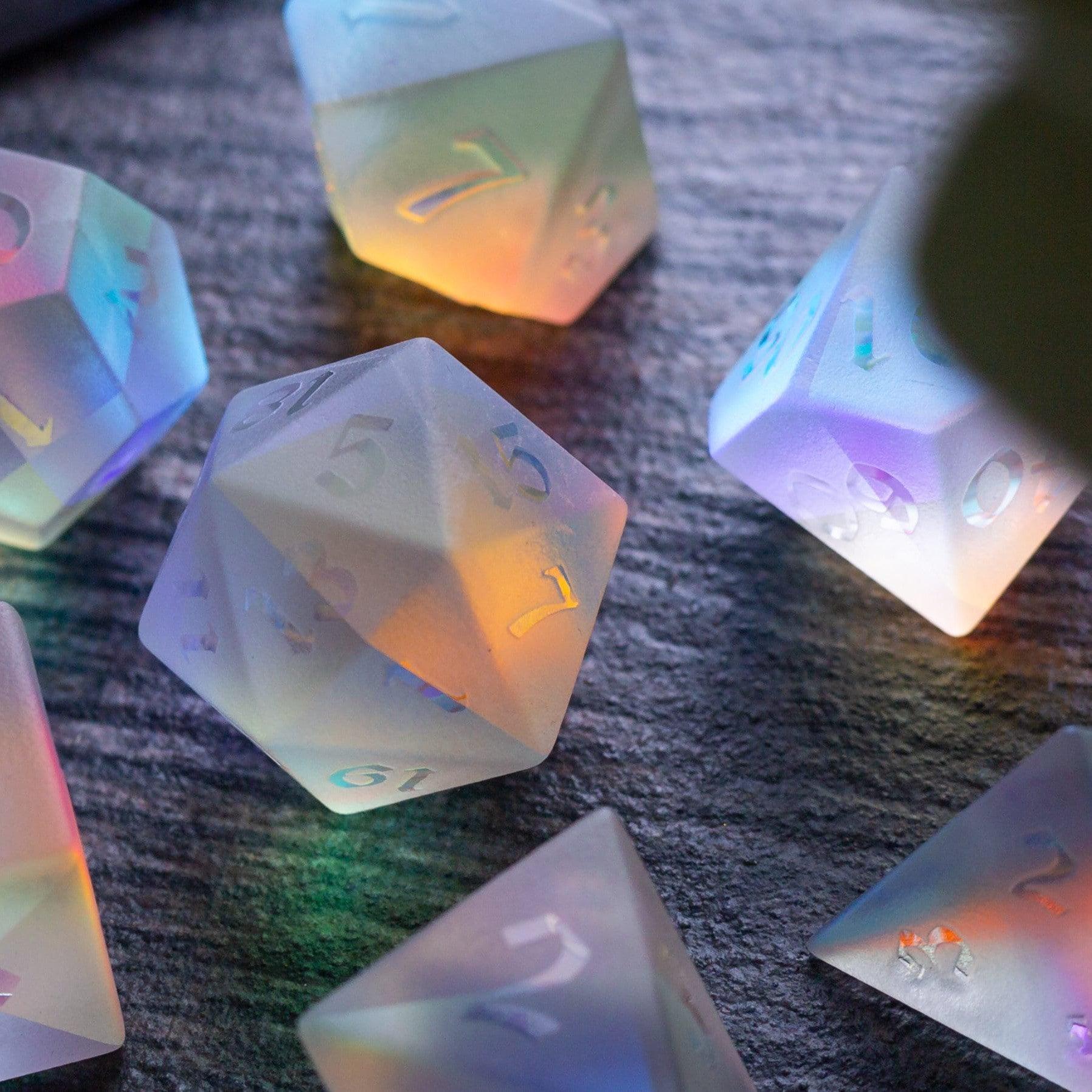
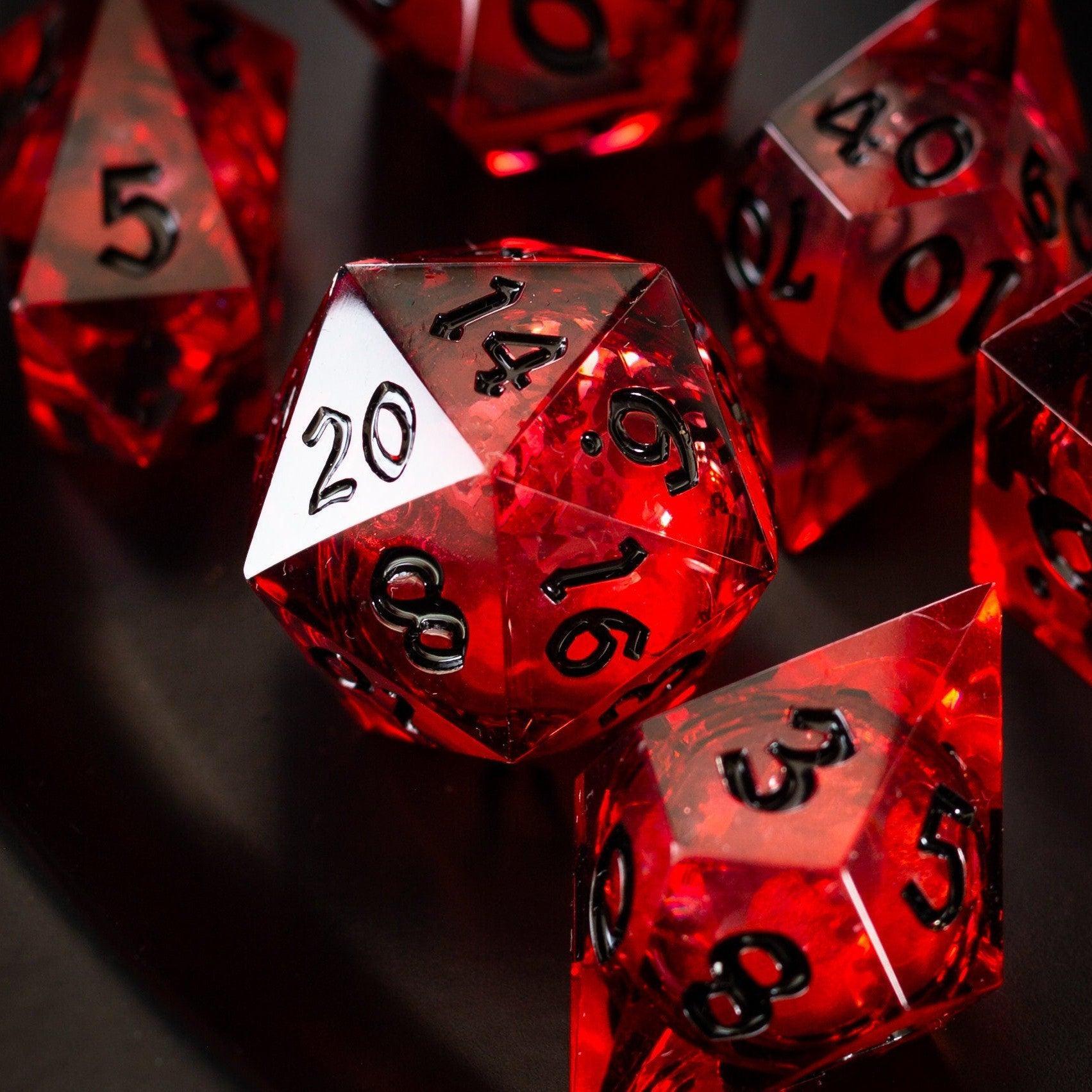
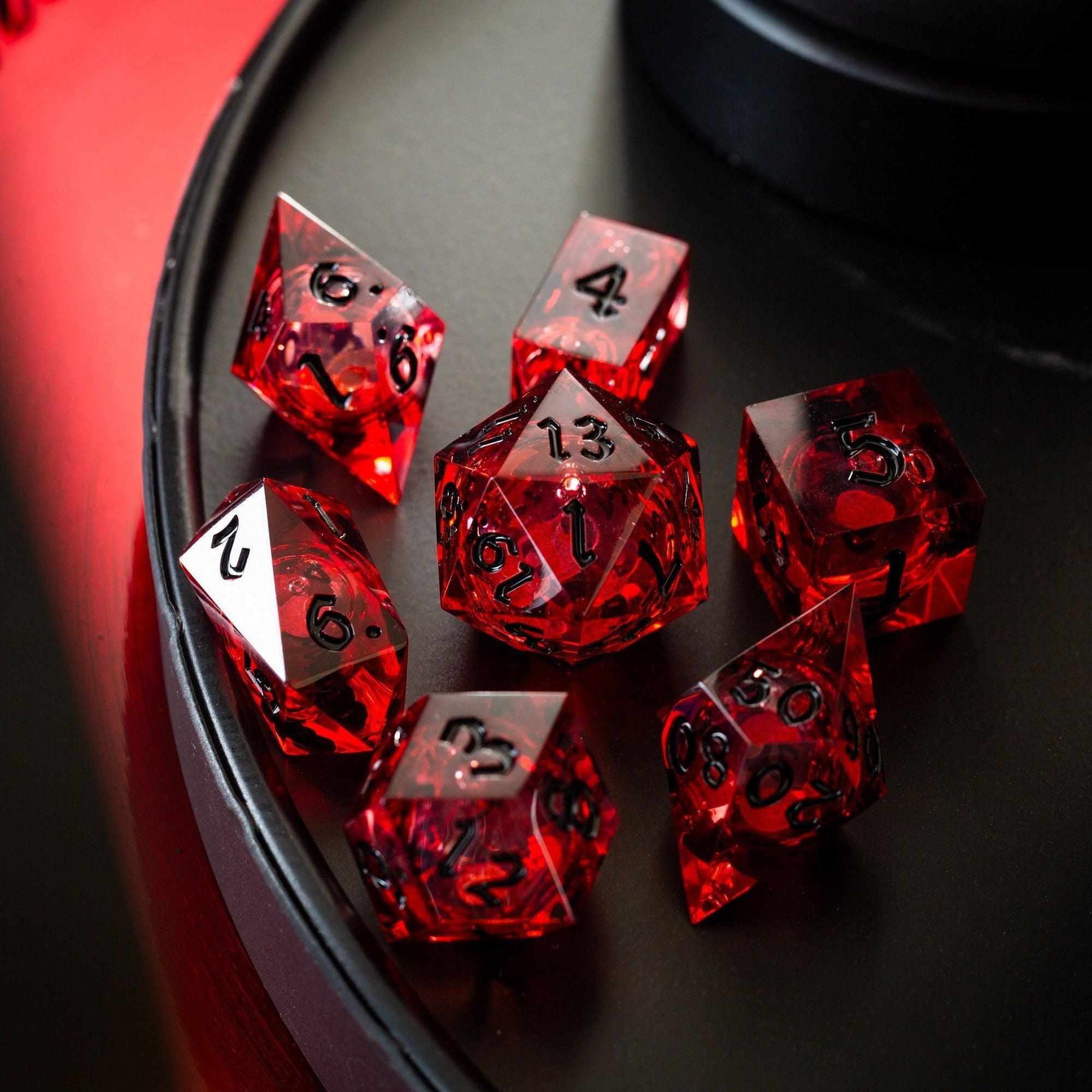
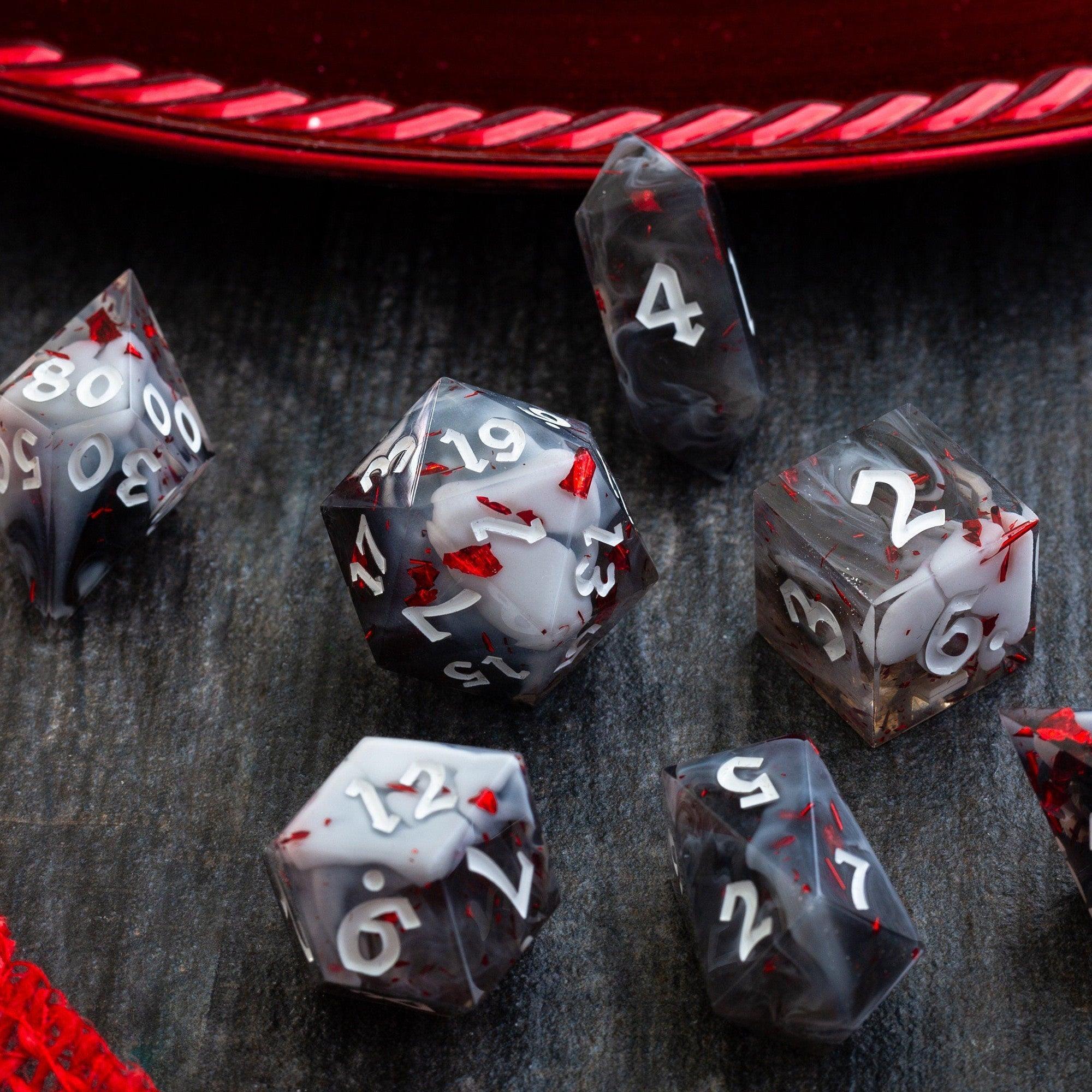
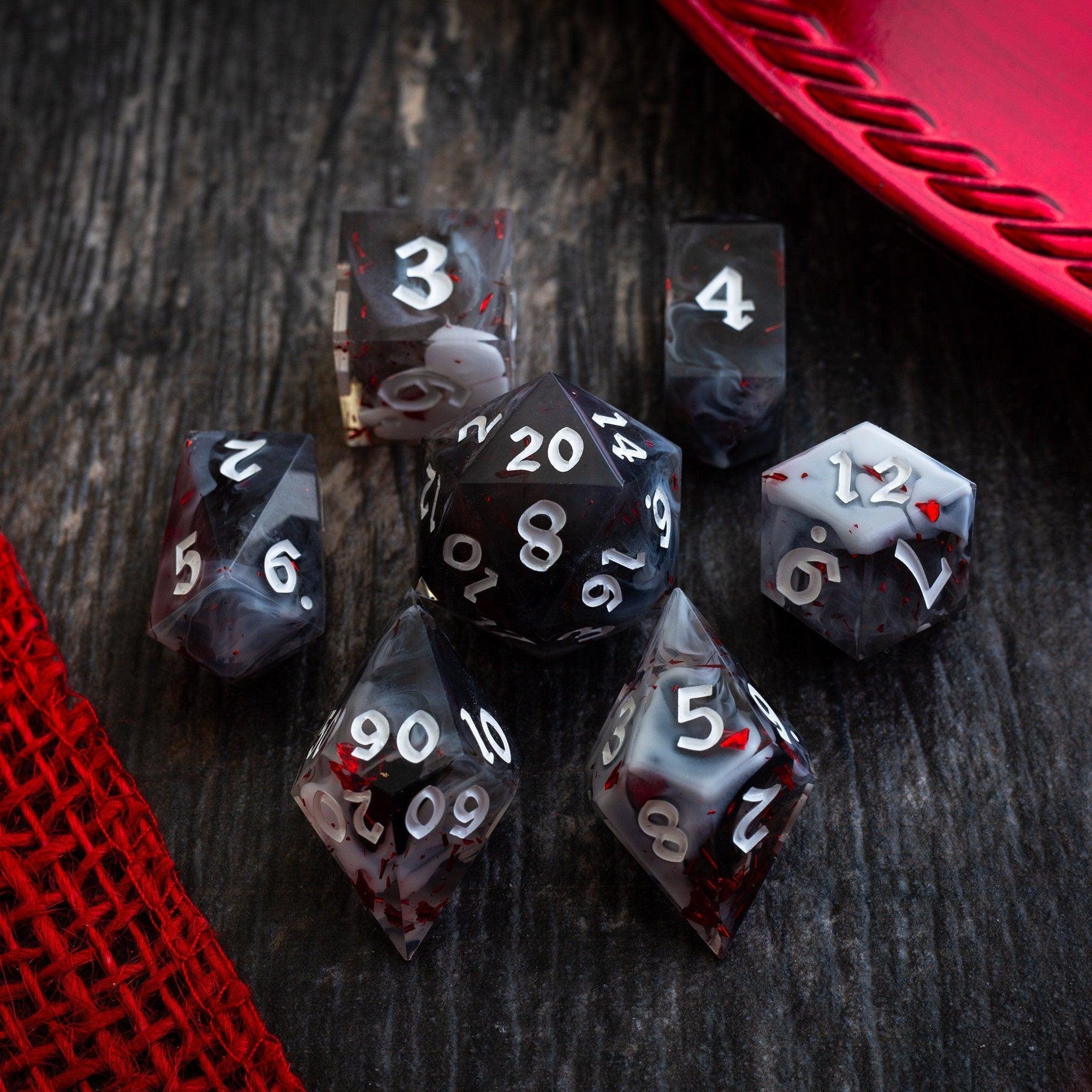
Resin dice have become incredibly popular among tabletop enthusiasts, and for good reason. High-quality resin is surprisingly durable and can withstand regular rolling without losing its appeal. The beauty of resin lies in its versatility—manufacturers can create stunning colors, embed glitter, and even add liquid cores. When properly cast and cured, resin dice can last for years of active play. However, not all resin is created equal. Cheap resin can become brittle, develop cracks, or yellow over time. You'll want to look for dice made from premium casting resin that's been properly hardened.
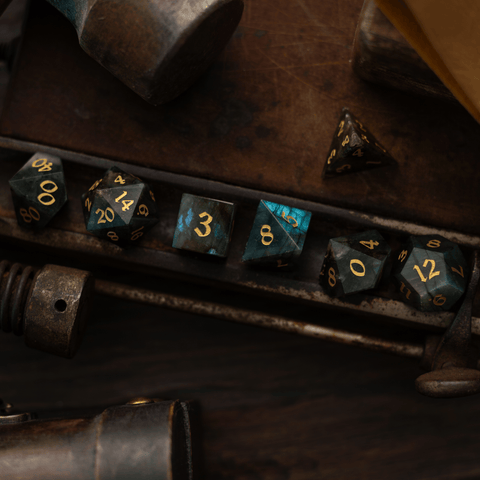
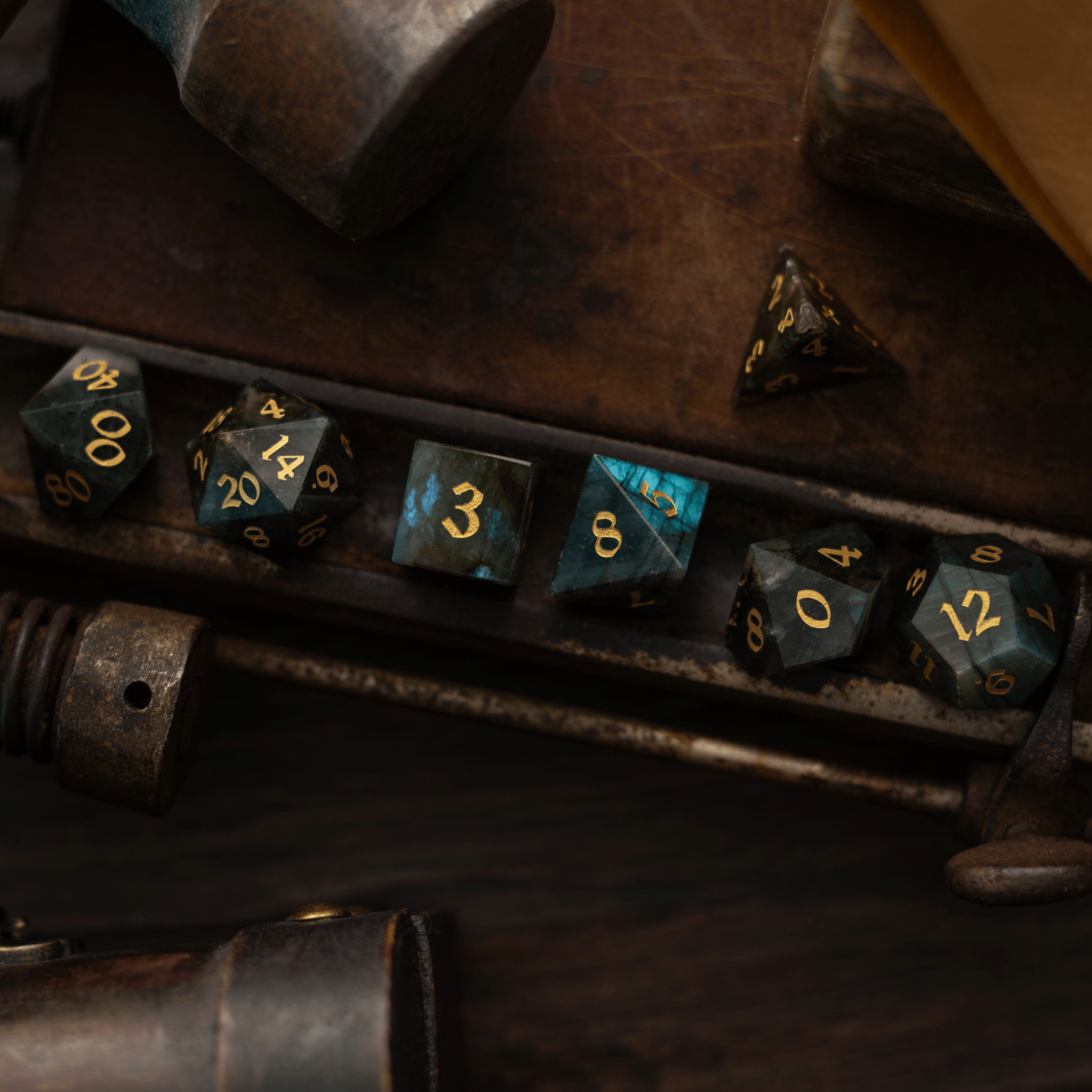
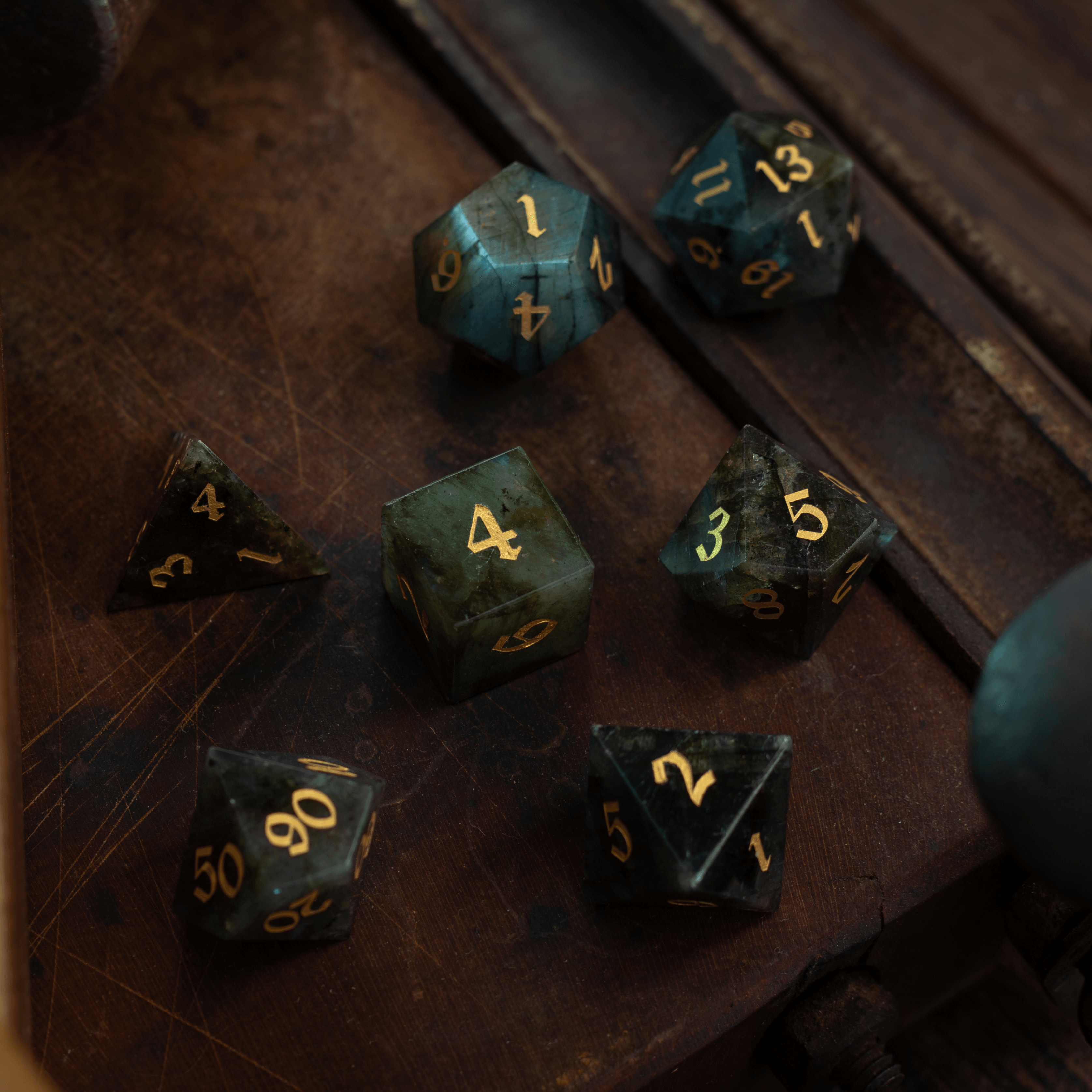
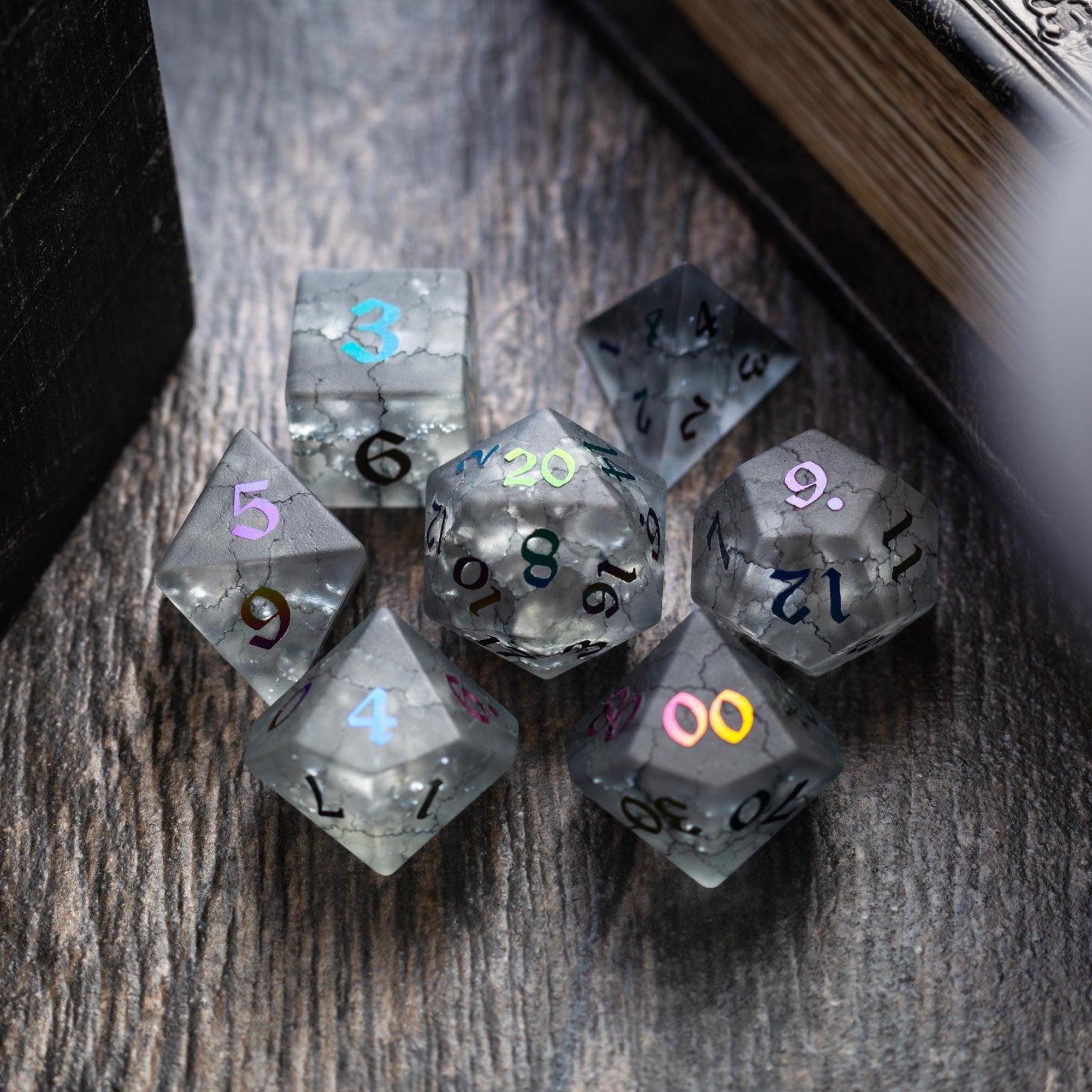
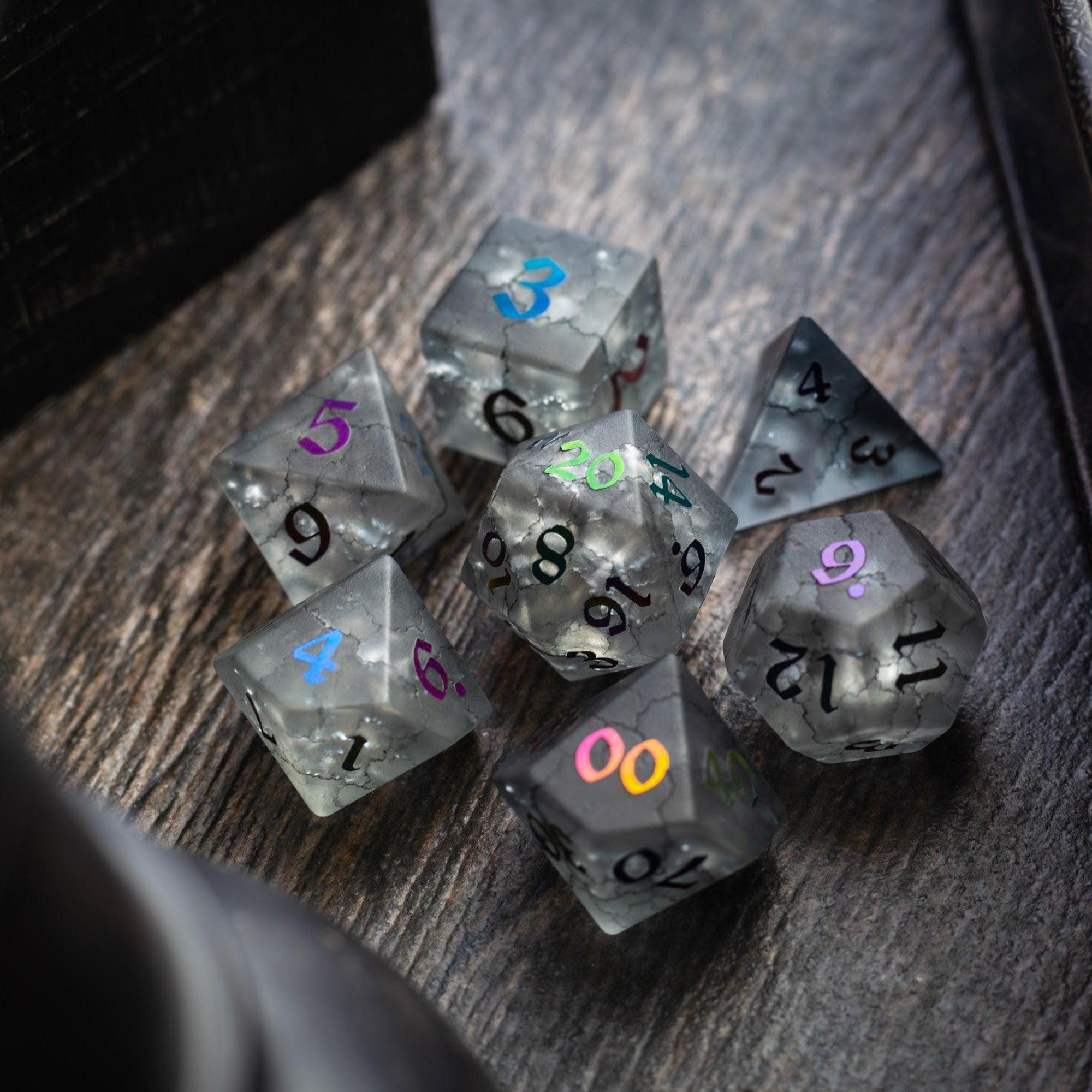
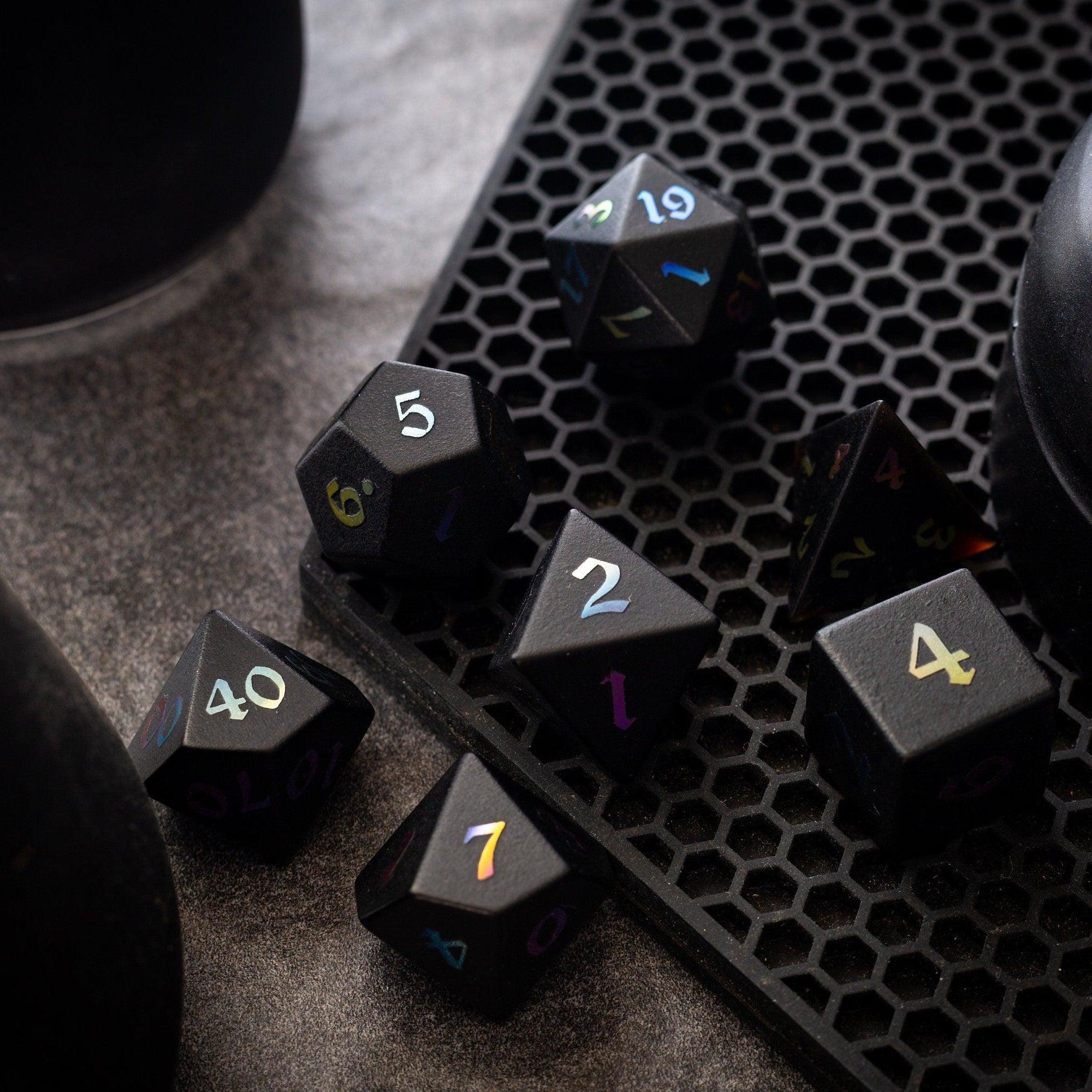
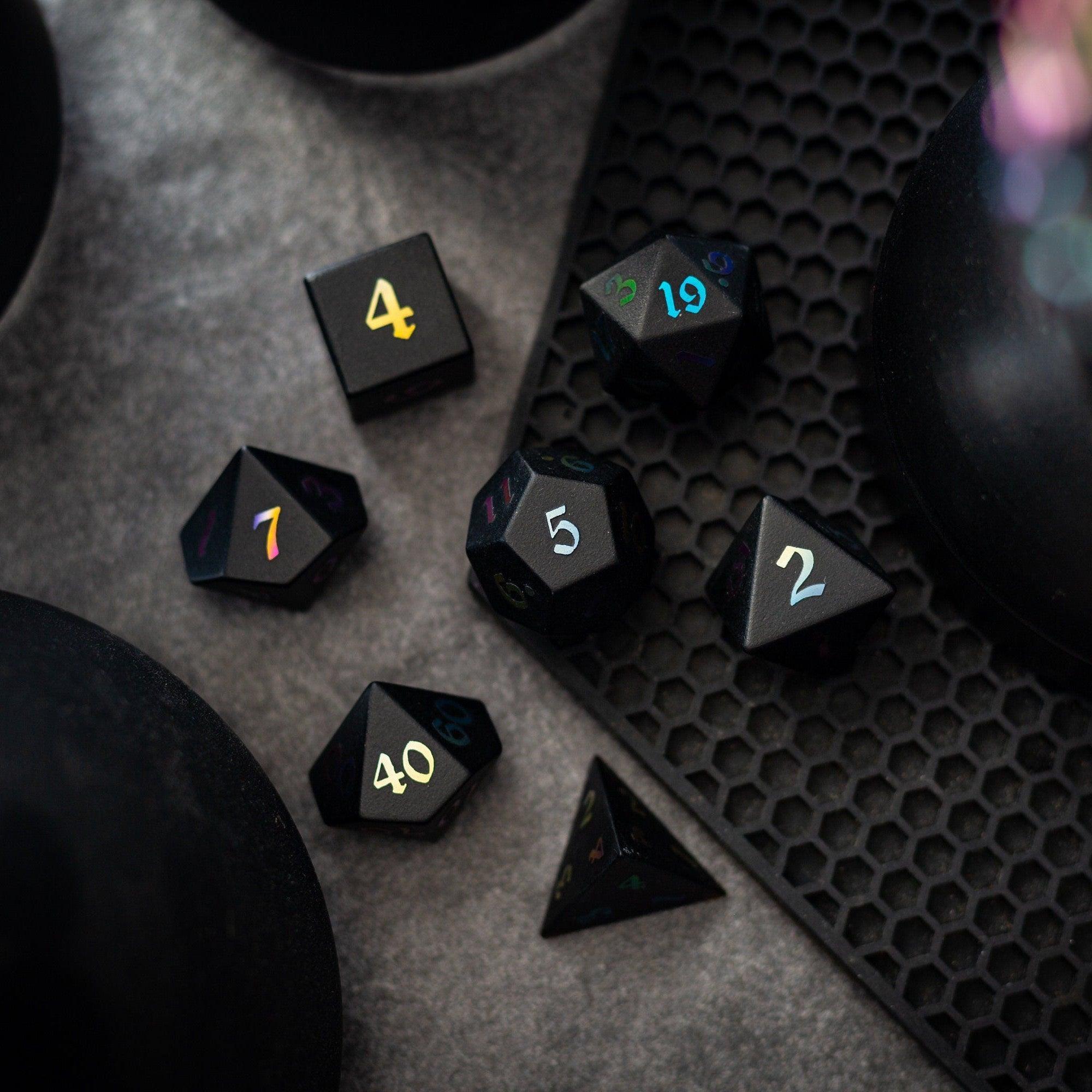
Gemstone dice represent another popular choice, and they're genuinely built to last. Natural stones like amethyst, labradorite, and obsidian are incredibly hard materials. They won't chip easily, they resist discoloration, and they maintain their beauty for decades. The downsides? Gemstone dice are heavier, more expensive, and can be slippery on certain surfaces. But if durability is your top priority, gemstone options are tough to beat. Gemstone dice sets offer that perfect combination of elegance and longevity.
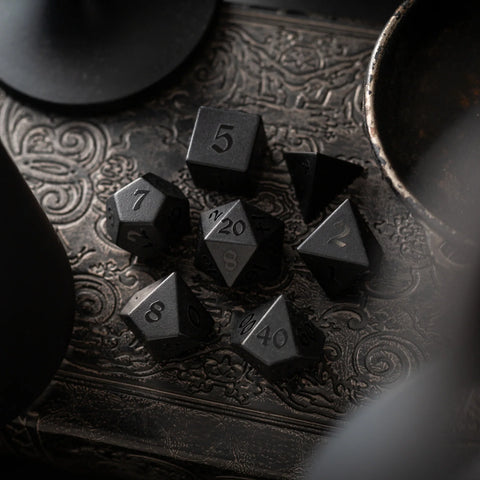
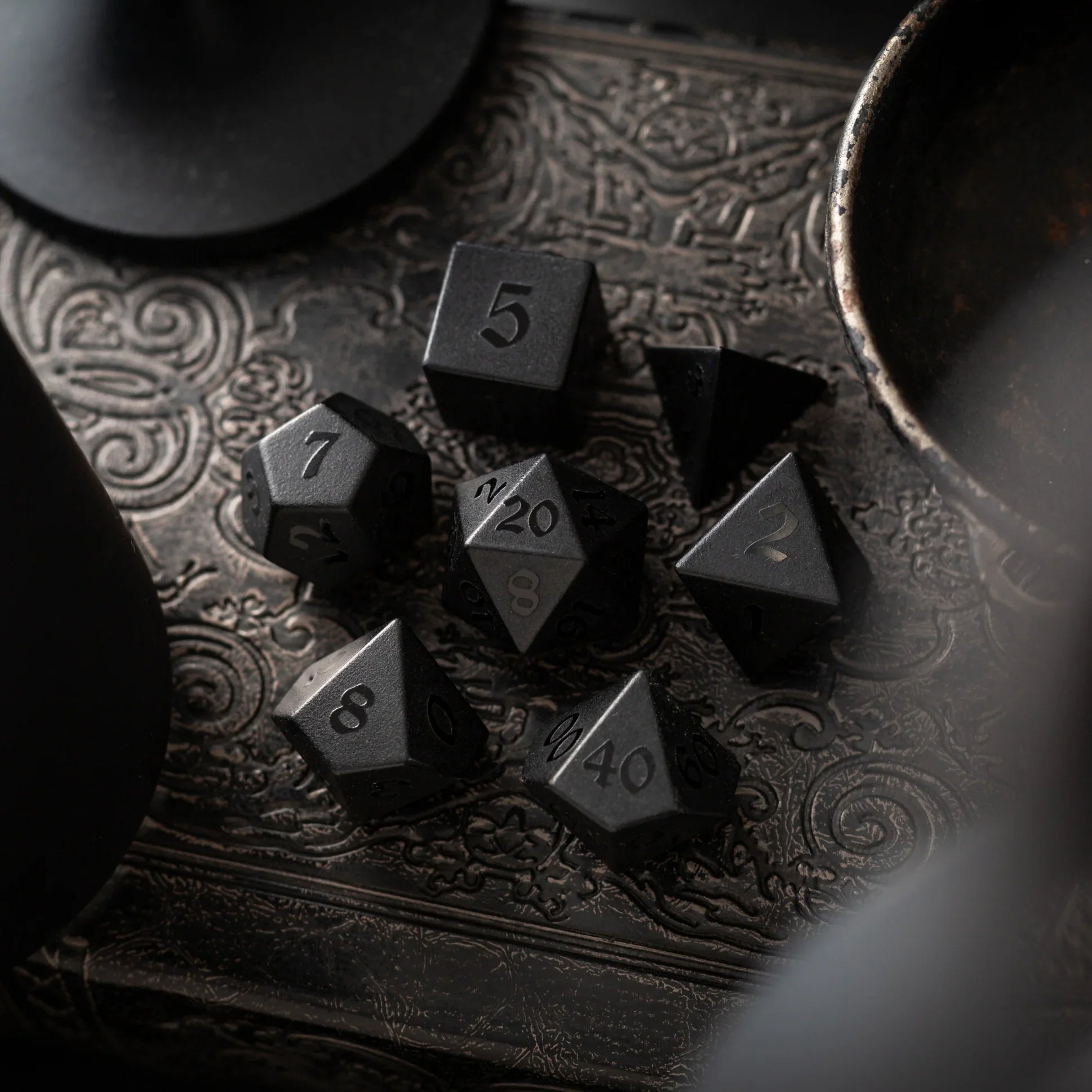
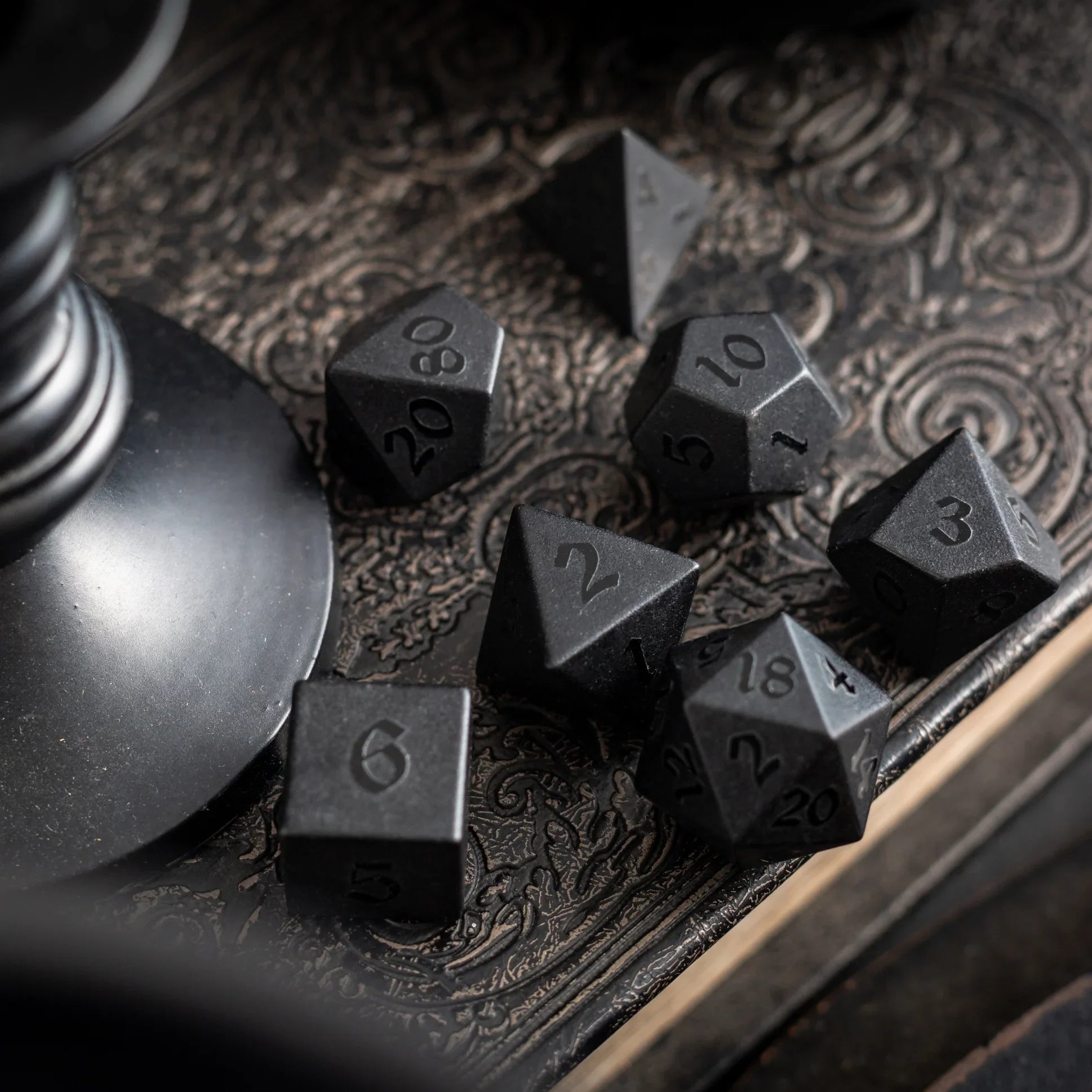
Metal dice bring their own appeal—literally weighty and substantial in your hand. Aluminum and zinc alloy metals are common choices. They're durable, won't crack easily, and maintain their finish reasonably well. The trade-off is that metal dice can scratch over time and might damage your gaming table or other dice. They're also significantly heavier, which some players love and others find awkward.
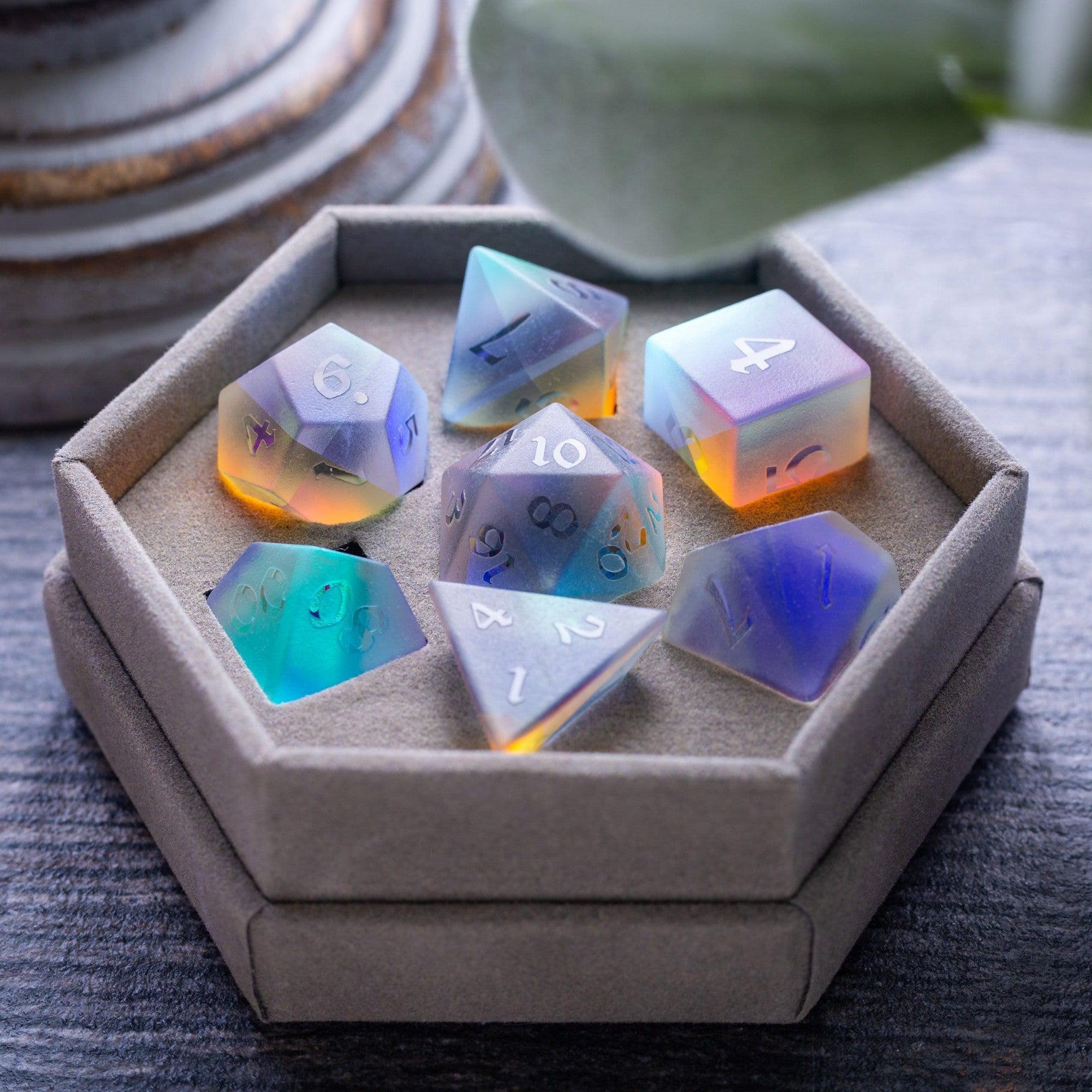
Glass dice offer a premium feel and can be quite durable if they're thick enough. However, they're more fragile than other options and can shatter if dropped on hard surfaces. Some high-quality glass dice are treated or reinforced to improve durability, but they're generally best for careful players rather than chaotic game nights.
Construction Methods That Matter
Material is only half the story. How the dice are actually made dramatically affects their longevity. You could have premium resin that's poorly cast, or standard material that's expertly constructed. Let's explore what separates well-made dice from those destined for the recycling bin.
Hand-casting is a method where craftspeople individually pour resin or other materials into molds, often adding custom elements like glitter or inclusions. This approach requires skill and attention, but it allows for quality control at each step. Artisanal hand-cast dice tend to be more durable because experienced makers understand how to avoid air bubbles, ensure proper curing, and catch flaws before they become permanent problems. When you're investing in dice, knowing they were hand-cast by someone who cares about quality gives you confidence.
Machine-cast production can be efficient and consistent, but quality varies widely. Mass-produced dice sometimes skip important steps like proper curing time or quality inspection. This doesn't mean all machine-made dice are bad—many manufacturers use industrial casting for excellent results. The key is checking reviews and understanding the maker's reputation.
Edge finishing is another detail that matters more than you might think. Sharp edges on dice look fantastic, but they're more prone to chipping if not properly sealed or reinforced. Manufacturers that invest in proper edge treatment—like polishing, reinforcement, or beveling—create dice that maintain their appearance through years of rolling. Sharp edge resin dice that are well-finished will outperform cheaper alternatives significantly.
Paint and ink application matters too. Some dice are hand-inked or have painted numbers that can wear away with use. Others use deep-set numbering or engraved designs that are essentially permanent. When examining dice before purchase, check how the numbers are applied. Raised or recessed numbers tend to last longer than surface-applied paint.
Proper Care and Maintenance Tips
Even the most durable dice benefit from proper care. How you treat your collection directly impacts how long they'll serve you. Think of your dice like any cherished gaming accessory—a little attention goes a long way.
Storage is your first line of defense. Keep dice away from direct sunlight, which can cause fading and discoloration, particularly in resin and gemstone varieties. A cool, dry place is ideal. Many players use dice towers or boxes, which also protect them from rolling off tables and getting lost. Keeping resin dice away from extreme heat prevents warping, and storing them separately from metal dice prevents scratches.
Cleaning your dice periodically maintains their appearance and lets you spot any developing issues. A soft, dry cloth works well for most materials. For gemstones, you can use slightly damp cloth if needed. Avoid harsh chemicals or abrasive cleaners that might damage finishes or painted numbers. If you notice any cracks or chips forming, addressing them early can sometimes prevent further damage.
Rolling surface matters more than many players realize. Rolling dice on hard surfaces like concrete or granite increases wear and potential for damage. Soft surfaces like felt, velvet, or dice towers reduce impact stress. If you play regularly, investing in a proper rolling surface protects your investment and enhances your gaming experience.
Choosing Dice That Last
So how do you actually pick durable dice when you're ready to buy? Start by considering your priorities. Are you prioritizing aesthetics, feel, budget, or purely longevity? Your answer shapes which material and construction method makes sense for you.
Read reviews from other players, not just product descriptions. Real users will tell you if dice crack easily, if colors fade, or if the numbers wear away. Look for reviews from people who've owned the dice for months or years, not just initial impressions. Communities dedicated to tabletop gaming often have honest discussions about which brands and styles hold up best.
Examine photos carefully. High-quality product images will show you edge finishing, number application, and overall craftsmanship. If a product photo looks blurry or unclear, that's sometimes a red flag. You should be able to see details that give you confidence in the quality.
Consider the maker's reputation. Established artisans and brands have track records. Many dice collections are offered by makers who've built their reputation over time through consistent quality. These aren't always the cheapest options, but they're often worth the investment if you plan to use your dice regularly.
Budget realistically. While you don't need the most expensive dice available, extremely cheap options almost always disappoint. A mid-range investment in quality dice typically pays off in years of use. Think of it as cost-per-use over time—a fifty-dollar set that lasts five years costs less per session than a ten-dollar set that falls apart in six months.
Check for materials that match your play style. If you're rolling on soft surfaces and playing carefully, lighter resin or glass dice work fine. If you're throwing dice across tables and need maximum durability, gemstone or quality metal options are smarter choices. Gemstone dice sets offer exceptional durability for serious collectors.
Frequently Asked Questions
What's the most durable type of dice available?
Gemstone dice are generally the most durable option available. Natural stones like amethyst, labradorite, and obsidian are extremely hard and resist chipping, scratching, and discoloration. They can genuinely last a lifetime with normal care. High-quality resin dice come in a close second, especially when made by experienced craftspeople using premium materials. The trade-off with gemstones is their higher cost and weight compared to other options.
Can resin dice last as long as gemstone dice?
Quality resin dice can absolutely provide years of reliable use, though they may not quite match gemstone longevity in extreme circumstances. The key factor is the quality of the resin and the craftsmanship involved in casting. Premium hand-cast resin from reputable makers will outlast cheap gemstone alternatives. Resin also offers better versatility in colors and designs, making it popular among players who value aesthetics alongside durability.
How can I tell if dice are made with quality materials?
Look for clear product descriptions that specify material type and mention casting methods. High-quality makers typically explain their process and material choices. Check reviews from verified purchasers, examine photos closely for edge finishing and number application, and research the maker's reputation. Reputable sellers offer detailed information and customer support, while fly-by-night operations often provide vague descriptions and poor photos. Trust your instincts—if something seems off or too cheap, it probably is.
Taking time to choose quality dice pays dividends. Your investment in understanding durable features ensures you'll enjoy your collection for countless gaming sessions ahead. Whether you prefer the timeless elegance of gemstone, the creative possibilities of resin, or the substantial feel of metal, knowing what makes dice truly last empowers you to make choices you'll never regret. Start with the materials and construction methods that align with your priorities, care for your collection properly, and you'll build a lasting collection that brings joy to every session.



Leave a comment
This site is protected by hCaptcha and the hCaptcha Privacy Policy and Terms of Service apply.