
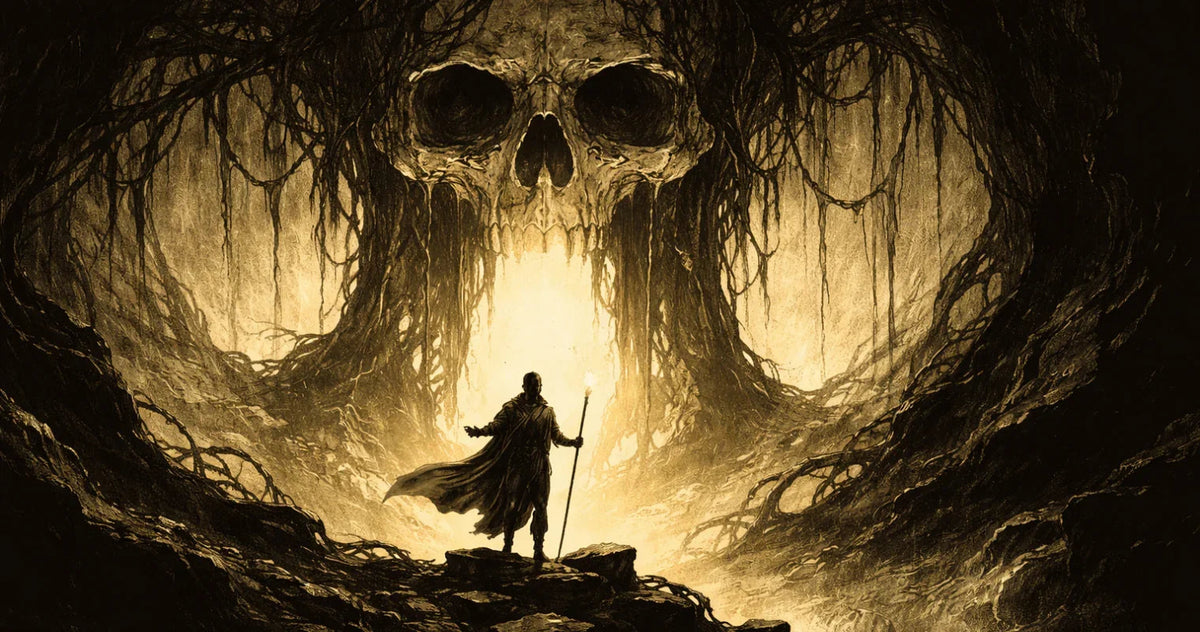
Forgotten Realms Adventures in Faerûn A GM Campaign Guide
Forgotten Realms adventures in Faerûn give Dungeon Masters one of Dungeons & Dragons' largest and most established settings to work with. Faerûn includes famous cities, remote wilderness, ancient ruins, powerful factions, dangerous monsters, and decades of stories. The setting can support political intrigue, dungeon exploration, wilderness survival, seafaring, horror, and high-magic campaigns without forcing every game to feel the same.
You do not need to memorize the setting before starting. Trying to learn the entire continent is one of the fastest ways to turn useful lore into extra preparation. Choose a region, learn the places and factions that matter to your first few sessions, and expand your knowledge only when the party has a reason to travel farther.
For current 2026 play, Forgotten Realms: Adventures in Faerûn is the main Dungeon Master-focused setting book. Released in 2025, it includes campaign guidance, ready-to-run adventures, regional gazetteers, maps, monsters, magic items, and an Atlas of Faerûn. Its five featured regions are Baldur's Gate, Calimshan, the Dalelands, Icewind Dale, and the Moonshae Isles. Forgotten Realms: Heroes of Faerûn complements it with player options, factions, gods, equipment, spells, and broader setting information.
Common Mistakes to Avoid
Even experienced Dungeon Masters can feel overwhelmed when running a campaign in such a large setting. These mistakes can make preparation harder than it needs to be:
- Overloading Players with Lore: Players rarely need several pages of history before the first session. Introduce lore when characters encounter a person, place, faction, religion, or problem connected to it.
- Ignoring Local Conflicts: Faerûn contains kingdoms, city-states, factions, temples, noble houses, and competing interests. You do not need to track them all, but two or three local conflicts can make a region feel active.
- Forgetting to Establish Stakes: Give the party a clear reason to care. A threatened village, missing ally, dangerous relic, disputed trade route, or political struggle gives players understandable choices and consequences.
- Rushing Character Development: Important NPCs need recognizable goals and personalities. A memorable innkeeper, rival, priest, scout, or guard captain can matter more to players than a famous figure from established lore.
- Treating Canon as a Script: Published lore is a foundation, not a requirement to reproduce every event exactly. Decide how closely your campaign follows official continuity and tell players when major changes affect what their characters would know.
- Preparing Too Much Geography: Focus on locations the party can reasonably reach. There is little value in detailing a distant city when the characters will spend the next four sessions investigating one forest or district.
Pros and Cons Analysis
Advantages of Setting Campaigns Here
- Decades of published material provide many ideas for locations, villains, factions, ruins, and adventure hooks.
- Established cities and regions can reduce world-building work when you need a starting point quickly.
- Different areas support very different campaign styles, from survival in Icewind Dale to political intrigue in Baldur's Gate.
- Current books provide adventures, maps, monsters, magic items, and setting tools that can shorten preparation time.
- Dungeon Masters can use only the lore that serves the campaign and leave the rest in the background.
Potential Challenges to Consider
- The amount of Forgotten Realms lore can overwhelm new Dungeon Masters.
- Players familiar with novels, games, or older sourcebooks may know more setting history than the DM.
- Trying to maintain perfect continuity across decades of material can create unnecessary work.
- Famous locations and characters can pull attention away from the player characters if they become the center of every major event.
- Different editions describe some places, events, and timelines differently, so it helps to establish which sources your campaign treats as its main reference.
Quick Tips for Success
A strong Forgotten Realms campaign does not require encyclopedic knowledge. A few practical habits make the setting much easier to manage:
- Start Small: Begin with one settlement, district, island, valley, or wilderness area. Expand the map when the characters gain a reason to travel.
- Create a Campaign Bible: Keep short notes about NPCs, locations, factions, unresolved plots, character decisions, and any changes you make to published lore.
- Use Maps Strategically: A regional map helps players understand distance and direction without requiring a long geography lesson.
- Establish Your Era: Decide when the campaign takes place and which sourcebooks form its main reference point. This prevents confusion when older material differs from newer lore.
- Prepare Situations, Not Scripts: Create goals, obstacles, clues, and NPC motivations instead of predicting exactly what the players will do.
- Reward Exploration: Let unexpected choices reveal hidden locations, local history, faction relationships, rumors, or new adventure hooks.

Choosing the Right Tools and Resources
For most current campaigns, Forgotten Realms: Adventures in Faerûn is the practical starting point for the Dungeon Master because it combines regional lore with playable material. The five featured areas also make it easier to choose a campaign style. Baldur's Gate supports urban intrigue, Calimshan leans into desert travel and genie politics, the Dalelands suit classic heroic fantasy, Icewind Dale emphasizes harsh survival, and the Moonshae Isles support seafaring and fey-influenced adventures.
Players can use Forgotten Realms: Heroes of Faerûn for setting-specific character material, including subclasses, backgrounds, feats, spells, factions, deities, equipment, and other options connected to the Realms. Groups interested in a focused historical adventure can also look at Netheril's Fall: Tales of Terror, Treasure, and Time Travel, a 2025 digital expansion centered on Netheril and time-travel adventures.
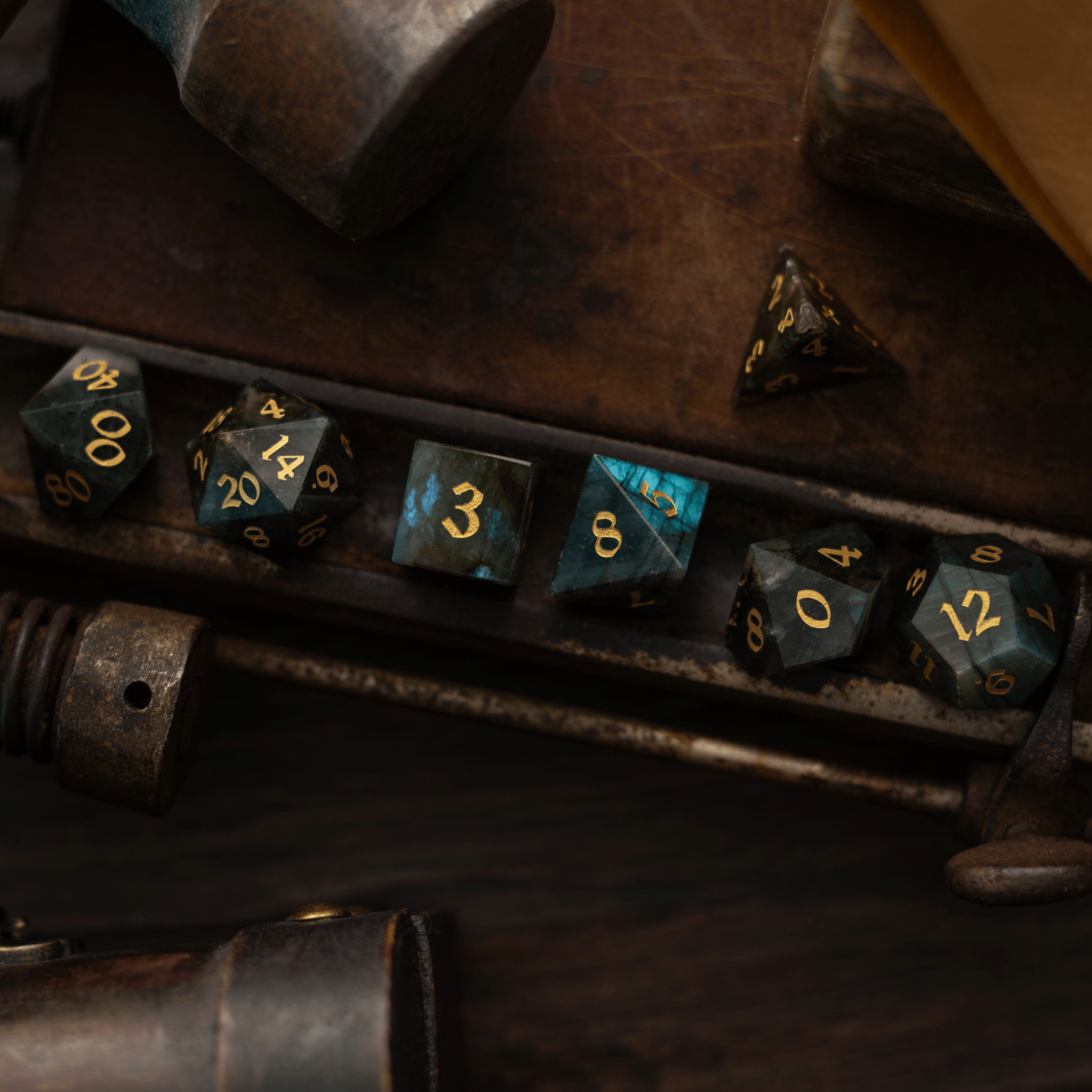
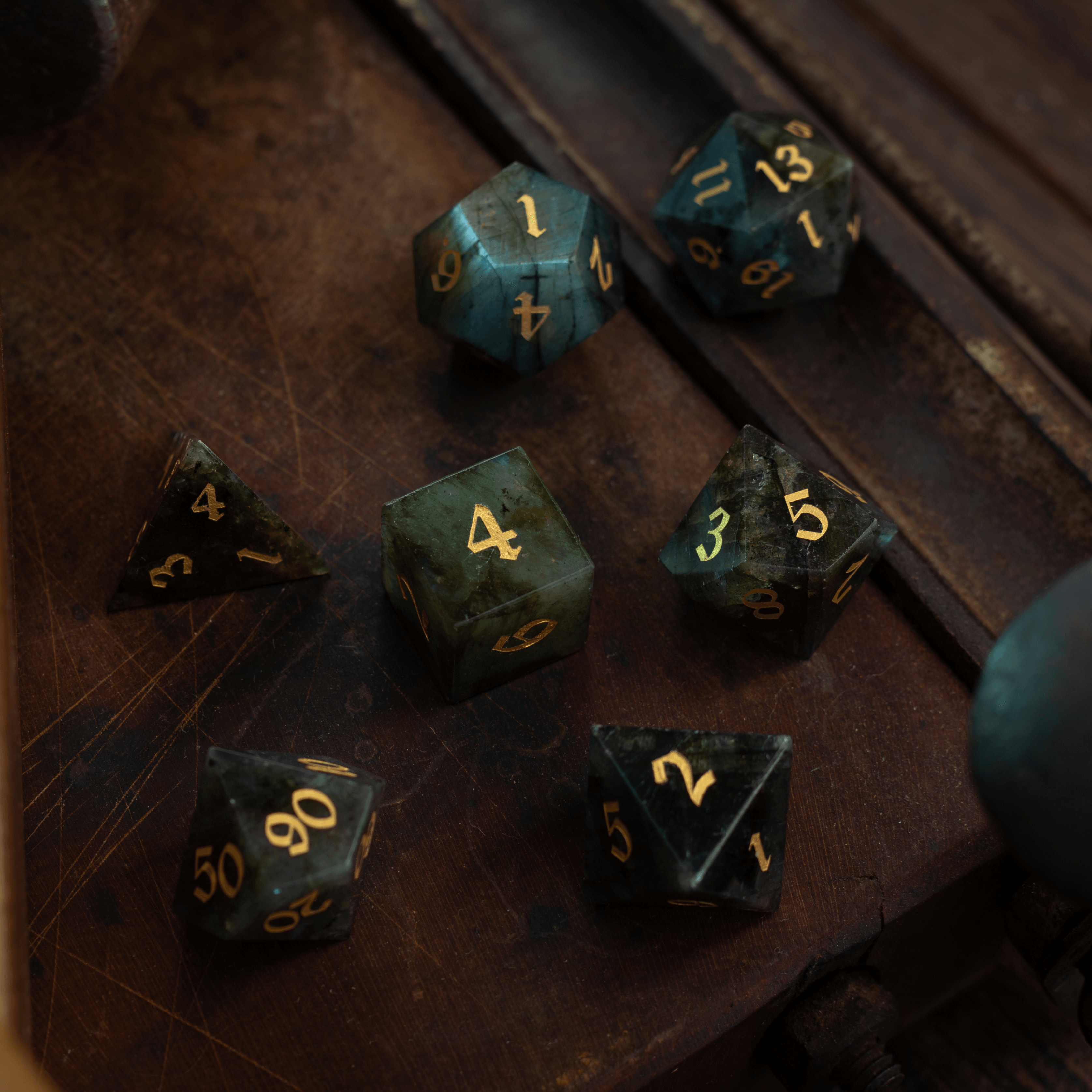
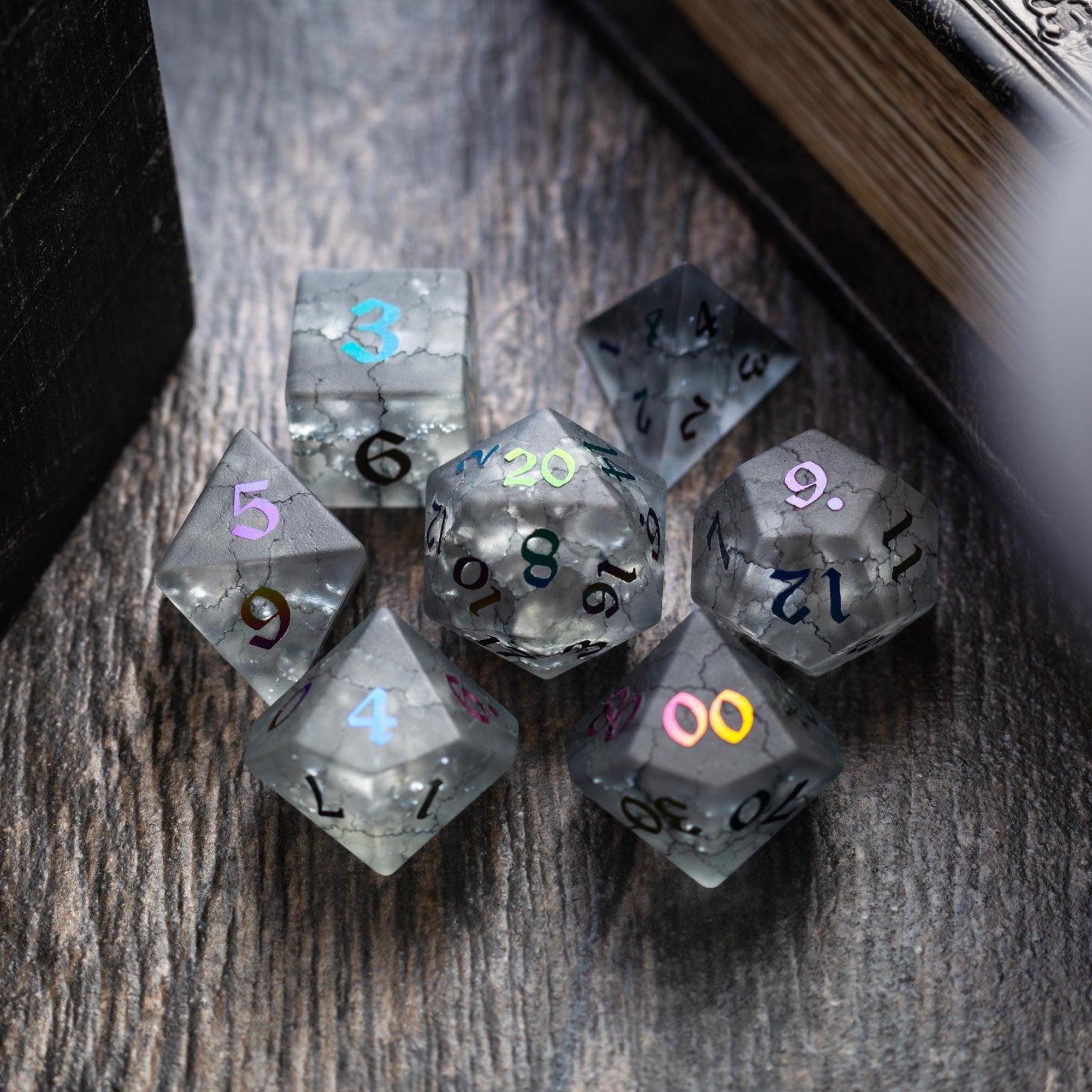
At the table, keep practical tools simple. A regional map, character sheets, campaign notes, pencils, and a reliable dice set cover most physical needs. Players who enjoy distinctive materials can browse gemstone dice collections or liquid core dice. Digital character sheets, virtual tabletops, encounter tools, and shared campaign notes can also reduce bookkeeping for online or hybrid groups.
Building Memorable Non-Player Characters
Faerûn contains many famous figures, but your campaign does not need to revolve around them. Original NPCs tied directly to the party often matter more because the players build those relationships themselves. Give each important NPC a clear goal, one recognizable trait, and at least one concern or secret that affects how they respond to the characters.
Connect NPC motivations to the setting around them. A merchant may fear a local faction, a priest may disagree with another temple, a caravan guide may know a dangerous route, or a guard captain may be trapped between public duty and personal loyalty. Small conflicts like these make established locations feel lived in instead of feeling like entries from a sourcebook.
Allow NPCs to change after meaningful player decisions. An enemy might become an uneasy ally, while a trusted contact could distance themselves after the party makes a costly choice. These consequences turn Forgotten Realms lore into the story of your own group.
Frequently Asked Questions
How Much Lore Do I Need to Know Before Starting?
Very little. Learn the basic geography of your starting area, two or three important locations, the factions involved in the opening adventure, and any lore directly connected to the player characters. Research more only when it becomes relevant.
Can I Change Established Lore for My Campaign?
Yes. Dungeon Masters can adapt locations, characters, events, and timelines to fit their campaigns. If your players already know the Forgotten Realms well, explain early whether you plan to follow published continuity closely or use it mainly as a starting point.
What's the Best Region for Beginner Dungeon Masters?
There is no single best region, but the Dalelands are a straightforward choice for classic fantasy adventures, while Baldur's Gate works well for groups that enjoy urban plots and faction conflicts. The broader Sword Coast also has extensive support from earlier D&D adventures and sourcebooks. Choose the region that matches the kind of campaign your group wants to play.
How Do I Handle Players Who Already Know the Lore?
Use their knowledge as a resource without letting it decide the campaign. Establish what their characters actually know, and make clear that your version of Faerûn may differ from published material. Experienced players can help explain familiar concepts, but the Dungeon Master decides what is true at the table.
Wrap-Up and Key Insights
Running Forgotten Realms adventures in Faerûn becomes much easier when you stop trying to manage the entire continent at once. Choose a region, establish the conflicts that matter to the party, introduce lore when it becomes useful, and expand the world naturally as the characters travel.
The setting's biggest advantage is the amount of material available, but you remain in control of what reaches your table. Use established lore when it creates stronger adventures and change it when your campaign needs something different. With focused preparation, memorable NPCs, meaningful stakes, and room for player choices, Faerûn can become more than a famous D&D setting. It becomes the version of the Forgotten Realms your group will remember.
















Leave a comment
This site is protected by hCaptcha and the hCaptcha Privacy Policy and Terms of Service apply.