DnD Editions Choosing the Right Rules for Your Table
Original Edition and First Generation
Back in nineteen seventy-four, Gary Gygax and Dave Arneson introduced the world to Dungeons and Dragons, forever changing tabletop gaming. The original Dungeons and Dragons editions were refreshingly simple compared to what we have today. Players got three small booklets that contained everything needed to play: Men and Magic, Monsters and Treasure, and The Underworld and Wilderness Adventures. These early versions focused on exploration, treasure hunting, and combat rather than elaborate character backstories.
The charm of these original Dungeons and Dragons versions lay in their minimalism. Character creation was quick, often taking just minutes. Rules for many situations didn't exist, which meant dungeon masters had tremendous freedom to improvise and create. This open-ended approach encouraged creativity and imagination, making each campaign feel fresh and unpredictable. Players valued resourcefulness and clever thinking over perfectly optimized character builds.
Supplements and expansions quickly followed, introducing new classes, spells, and monsters. The original Dungeons and Dragons editions expanded organically as the community shared what worked at their tables. This grassroots development created a vibrant, engaged community that helped shape the game's future direction.

Advanced Edition and Evolution
By the late nineteen seventies, it became clear that Dungeons and Dragons needed more structure. The Advanced Dungeons and Dragons system arrived as a comprehensive rulebook that organized everything players needed to know. This version introduced more classes, including the Paladin and Druid, expanded the spell lists dramatically, and created detailed guidelines for nearly every situation imaginable.
Advanced Dungeons and Dragons emphasized tactical combat and character advancement. Players could now track experience points precisely, watch their characters grow stronger, and plan long-term development strategies. The Thief class gained sophisticated skills systems, and multiclassing became possible for demihumans. These mechanics added depth that appealed to players who enjoyed strategic optimization.
The Dungeon Master's Guide and Player's Handbook became holy texts for dungeon masters everywhere. Advanced Dungeons and Dragons versions spawned countless settings and campaigns. Greyhawk, Forgotten Realms, and Dragonlance all emerged during this era, each offering unique worlds for adventures. These settings became so popular that they eventually became core parts of the game's identity.
Second Edition arrived in nineteen eighty-nine, refining Advanced Dungeons and Dragons further. It removed some controversial elements, added new character options, and organized rules more intuitively. The emphasis on settings grew stronger, with official materials for multiple worlds becoming standard expectations for publishers.
Third Edition Through Fourth Edition
The year two thousand brought dramatic changes with Third Edition Dungeons and Dragons. This version introduced the d20 System, a revolutionary mechanic that used a twenty-sided die as the foundation for nearly every action. Third Edition unified many disparate rules under this elegant system, making the game more consistent and easier to learn.
Third Edition also introduced the Open Game License, which allowed third-party publishers to create official content. This openness sparked an explosion of creative materials and supplements. Independent creators could now publish their own adventures, classes, and settings using the d20 System. The gaming community responded enthusiastically, producing thousands of products that expanded the game's possibilities.
Dungeons and Dragons editions continued evolving when Fourth Edition launched in two thousand eight. This version took a different approach, emphasizing balanced combat encounters and tactical gameplay. Fourth Edition simplified some mechanics while adding complexity to others, creating a game that felt more like a tactical board game than previous versions. Many dungeon masters loved the streamlined combat system, while some players missed the flexibility of earlier Dungeons and Dragons versions.
Fifth Edition and Modern Play
In two thousand fourteen, Fifth Edition Dungeons and Dragons arrived as a breath of fresh air. This version took the best ideas from previous Dungeons and Dragons editions and streamlined them for modern gameplay. Fifth Edition emphasized storytelling alongside mechanics, giving dungeon masters clear guidelines while maintaining room for creativity and improvisation.
Fifth Edition became wildly successful, attracting millions of new players. The rules felt accessible without being overly simplified, and the game supported diverse playstyles. Whether you wanted intense tactical combat, intricate roleplaying, or puzzle-solving adventures, Fifth Edition accommodated your preferences. The popularity of actual play podcasts and streaming shows like Critical Role introduced countless people to Dungeons and Dragons during Fifth Edition's reign.
The books for Fifth Edition Dungeons and Dragons are beautifully produced and comprehensive. The Player's Handbook contains detailed class options, backgrounds, and equipment. The Monster Manual provides statistics for hundreds of creatures. The Dungeon Master's Guide offers advice for running campaigns and creating encounters. These three core books provide everything needed for years of play, though supplemental materials offer additional options.
Official Fifth Edition Dungeons and Dragons settings like Forgotten Realms, Eberron, and Ravnica received detailed sourcebooks. Players could explore established worlds or create entirely new ones. The flexibility of Fifth Edition made it suitable for any campaign concept, from dark fantasy to lighthearted comedy adventures.
Comparing Different Versions
Each Dungeons and Dragons edition has distinct characteristics that appeal to different players. Original and Advanced versions emphasize improvisation and dungeon master authority. These Dungeons and Dragons editions move faster in terms of setup and character creation, and they reward creative problem-solving over mechanical optimization.
Third and Fourth Edition Dungeons and Dragons shifted toward more defined rules and balanced encounters. Character builds became more important, and players could mathematically optimize their abilities. These versions appealed to players who enjoyed system mastery and tactical challenge.
Fifth Edition Dungeons and Dragons strikes a middle ground, offering clear rules without excessive complexity. This version succeeds because it trusts both players and dungeon masters to use good judgment. The Advantage and Disadvantage system replaces dozens of situational modifiers with elegant simplicity. Proficiency bonuses scale naturally instead of requiring complex calculations.
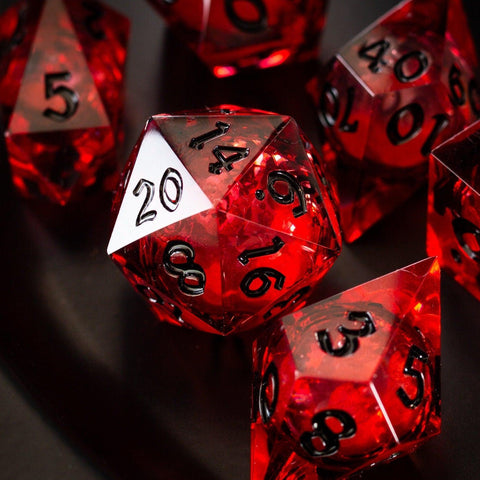
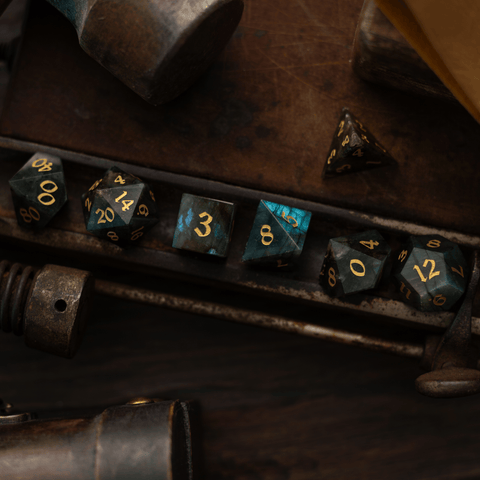
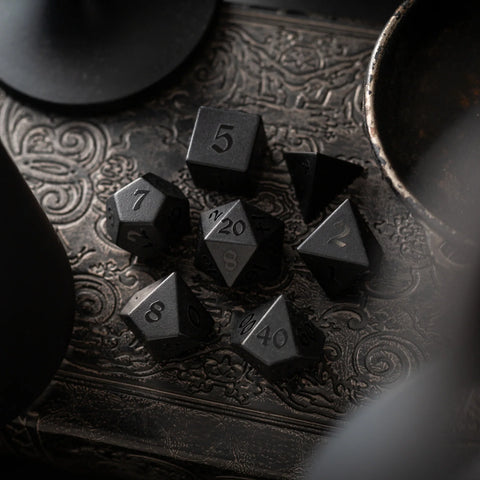
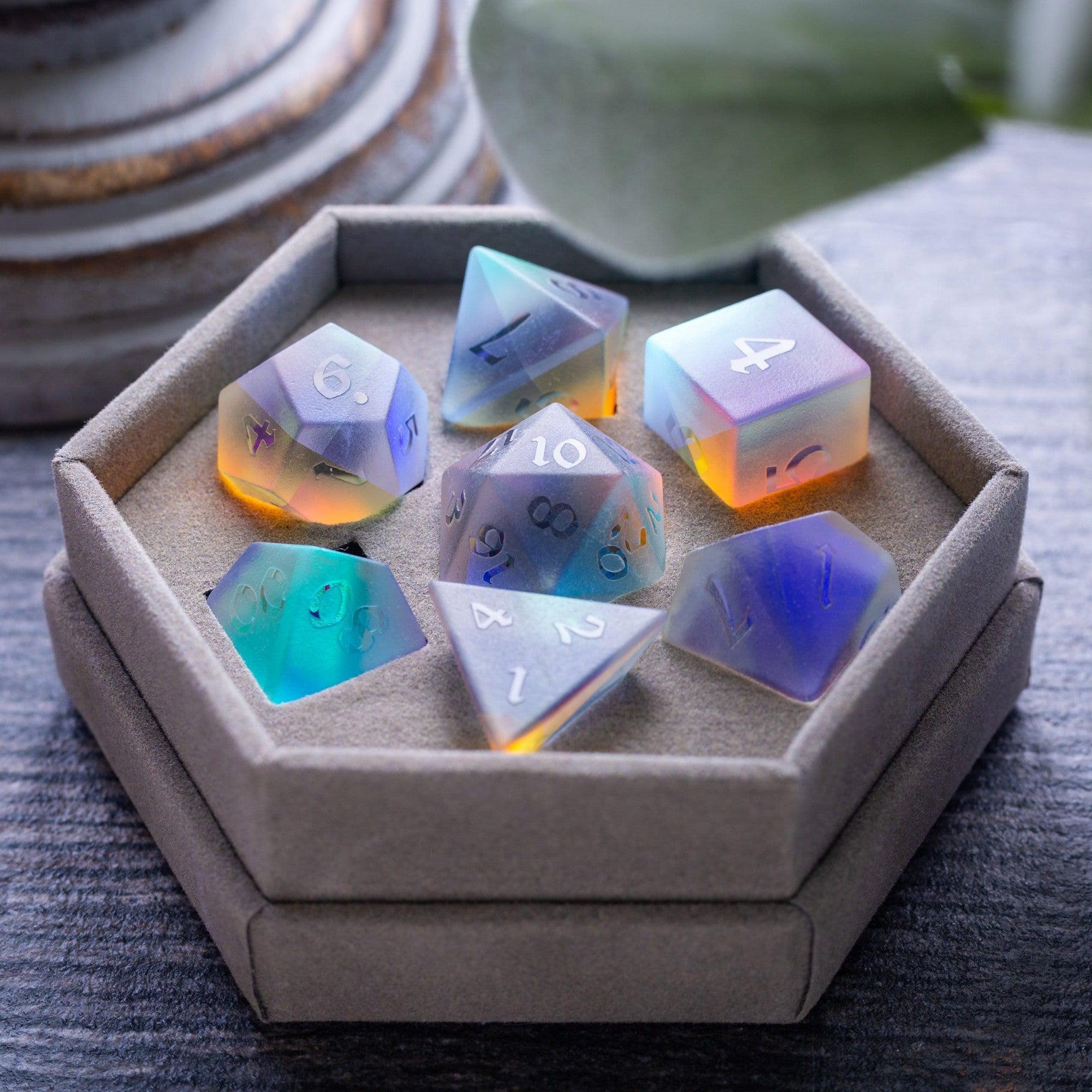
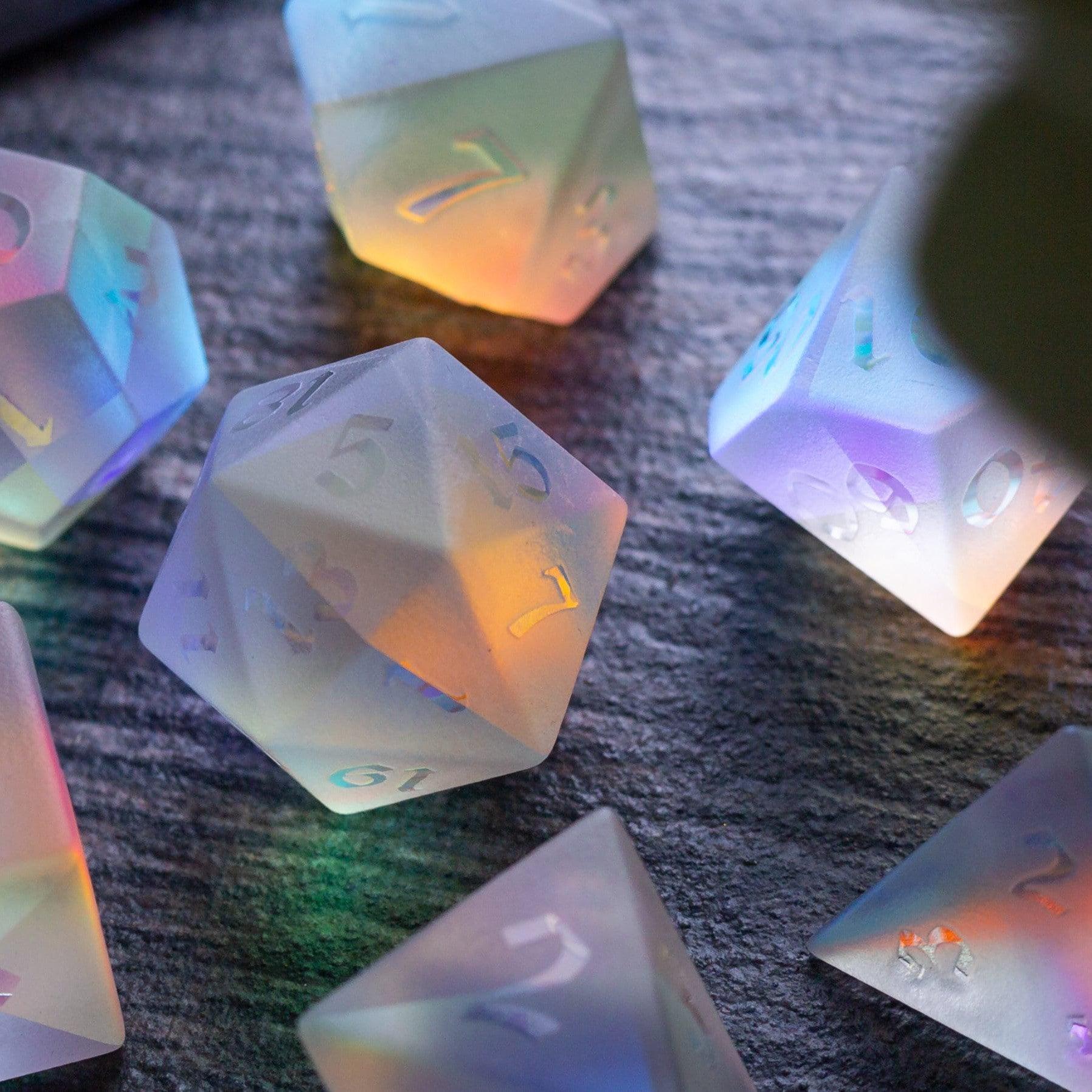
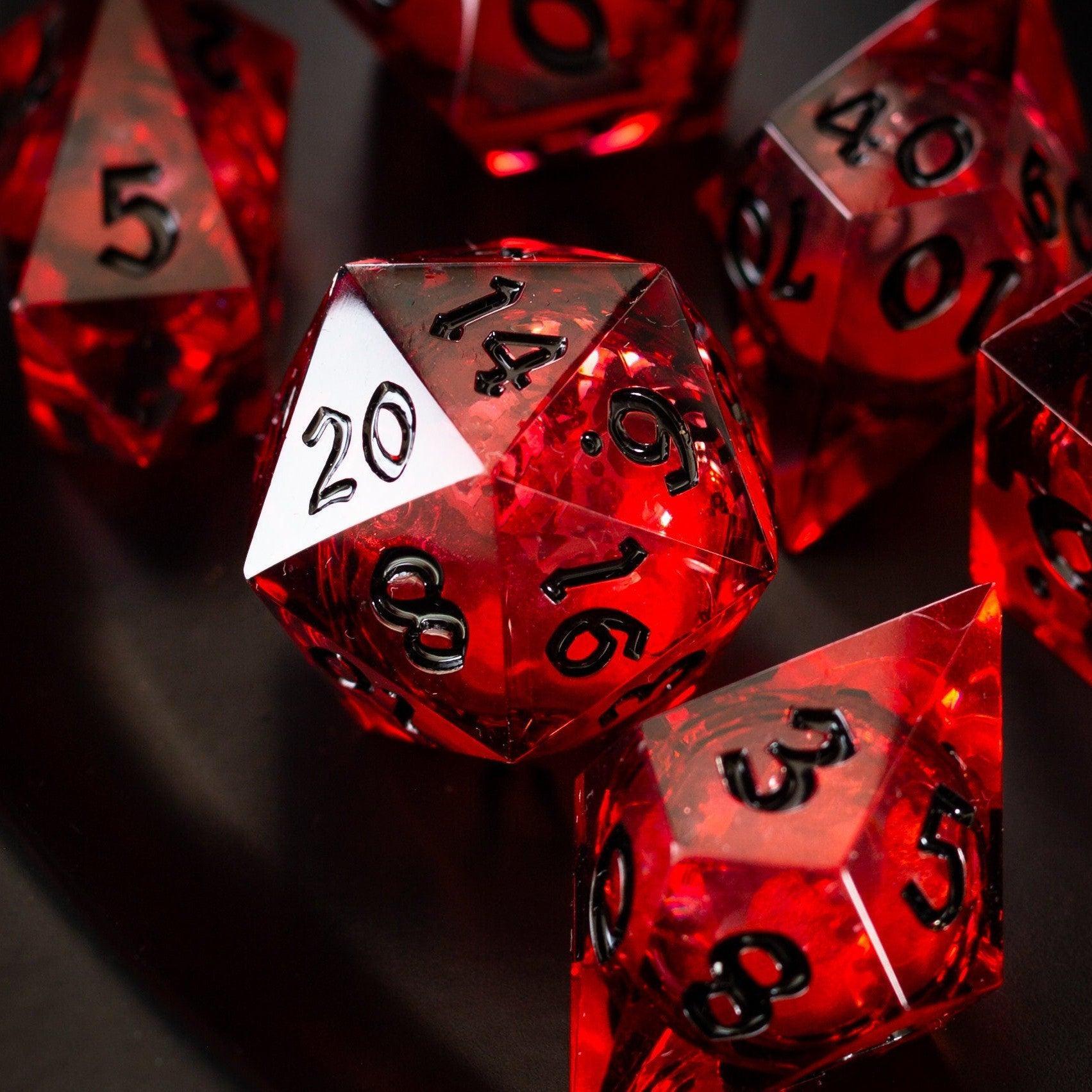
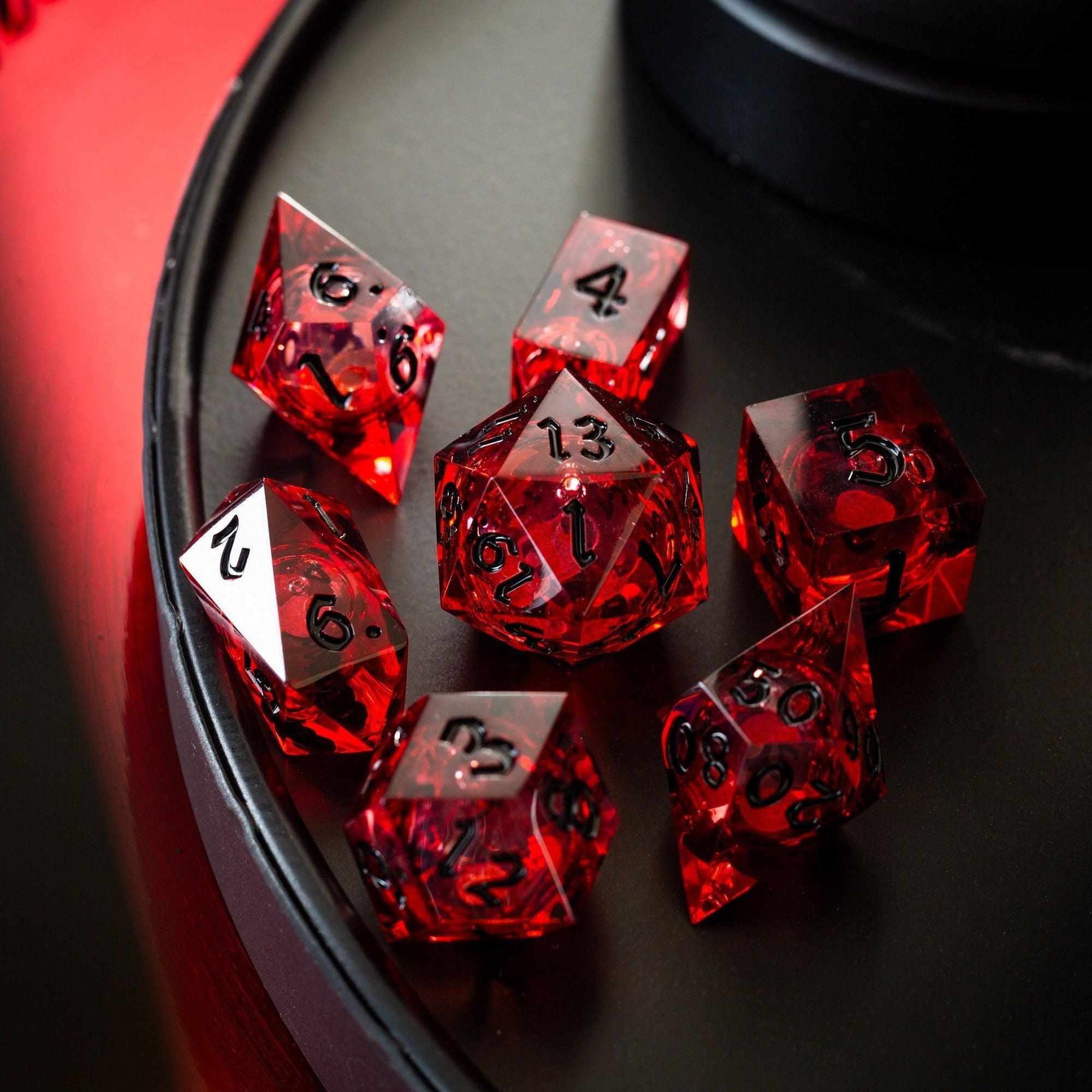
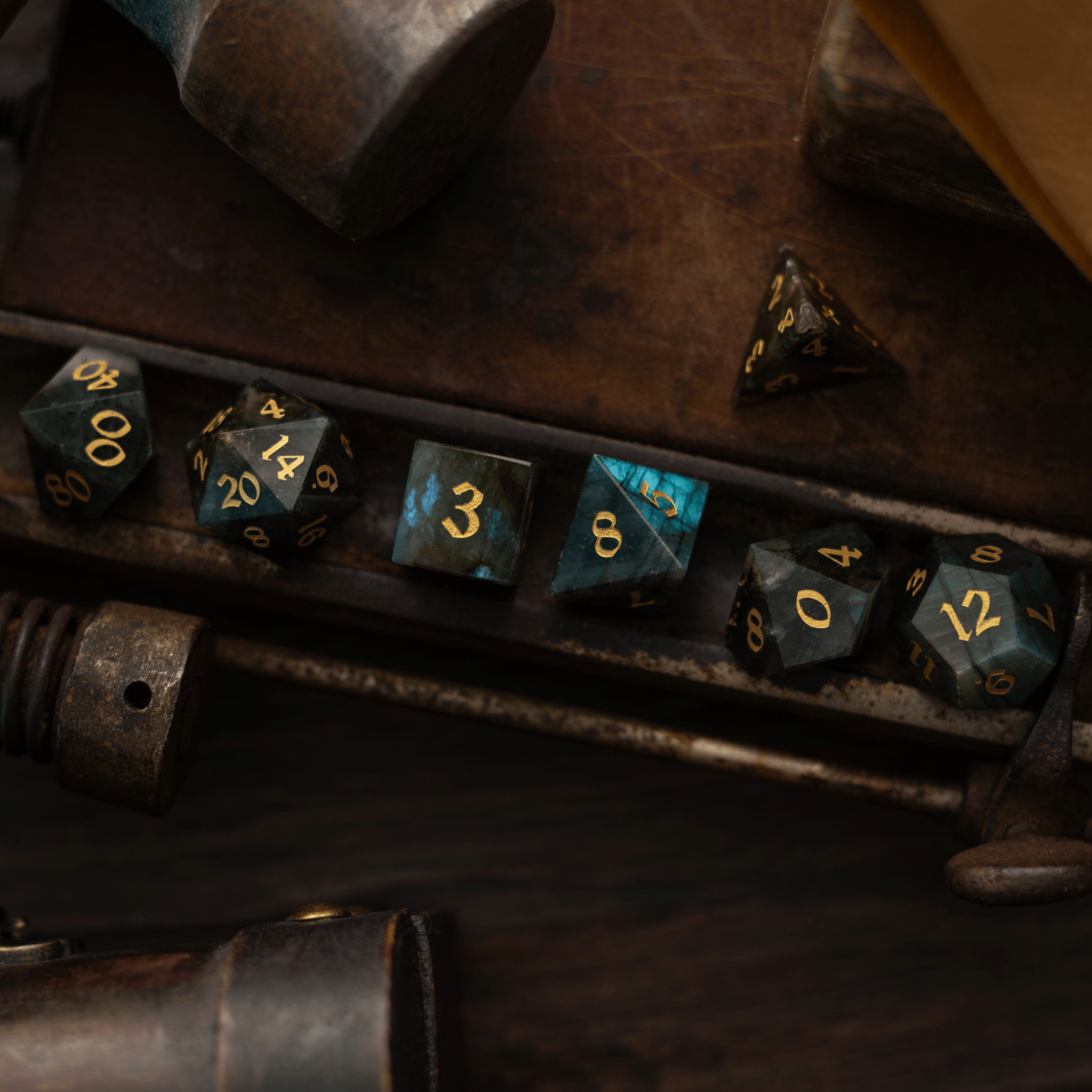
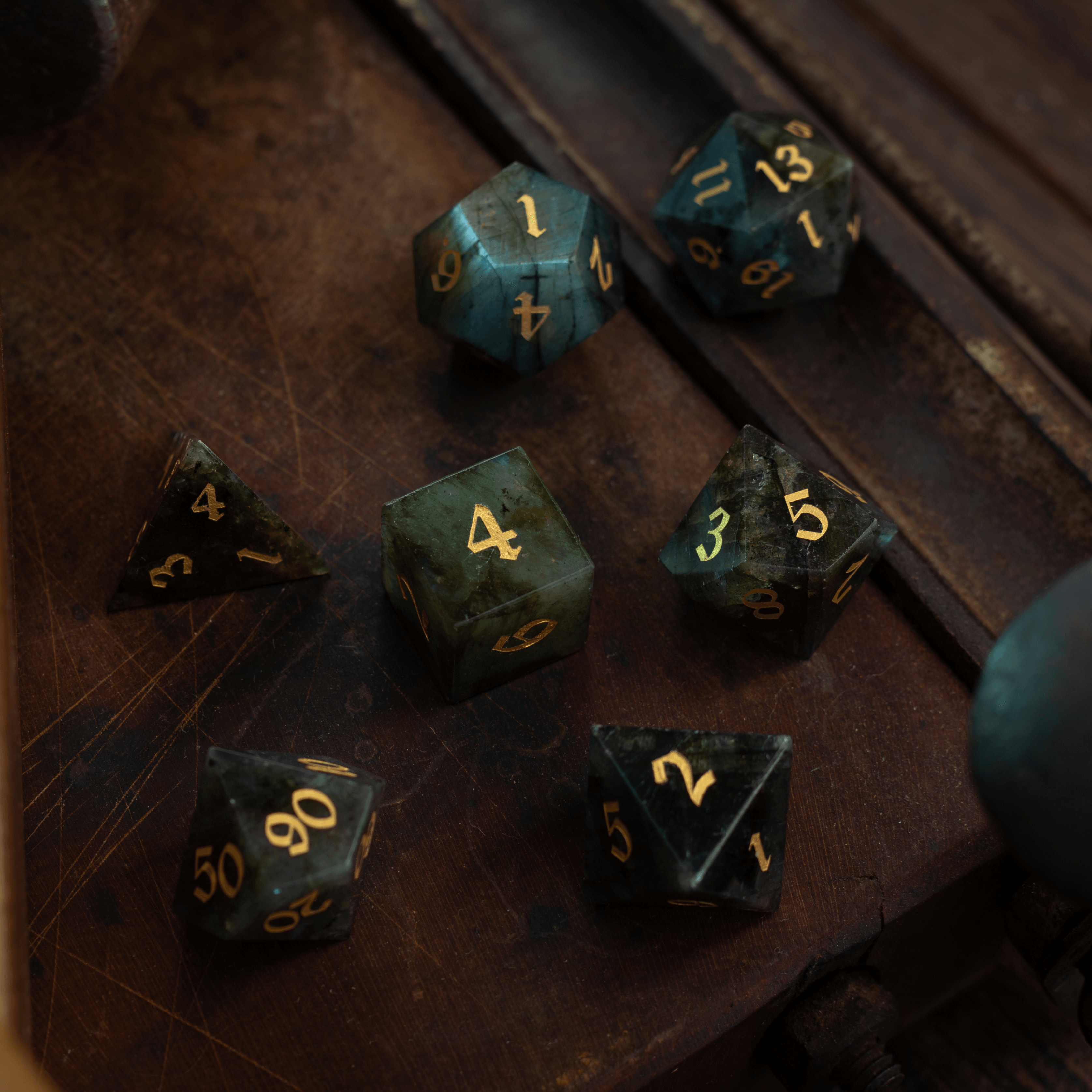
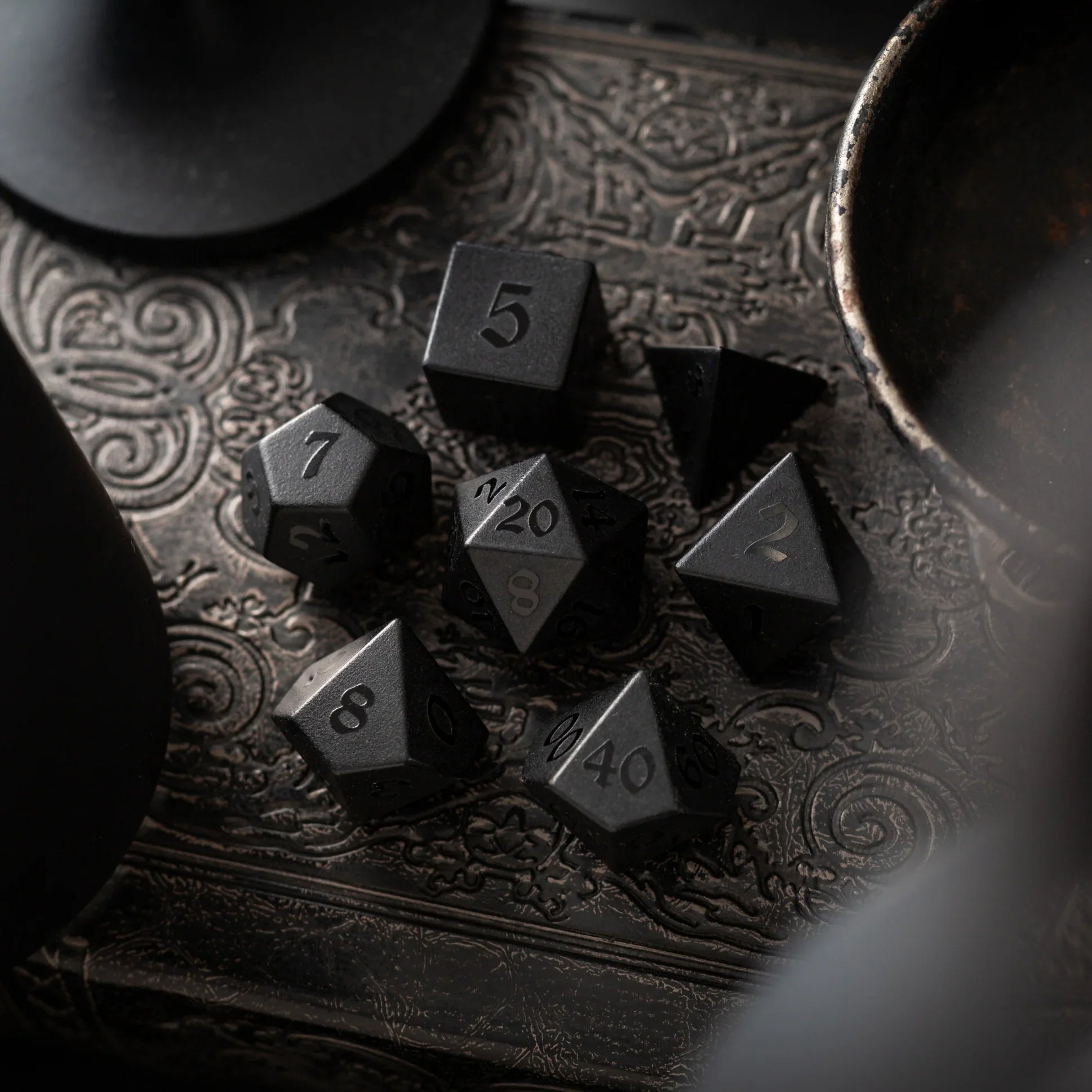
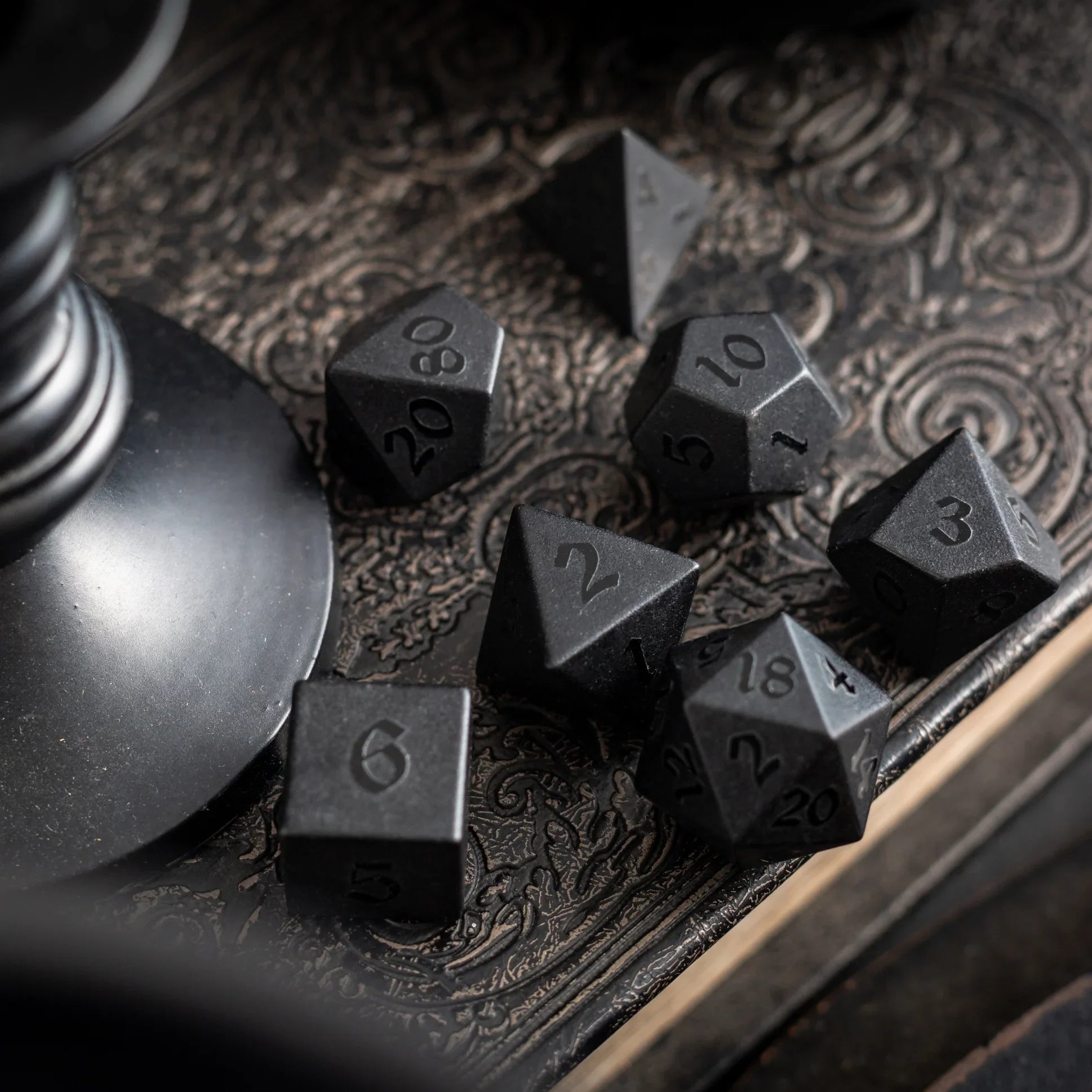
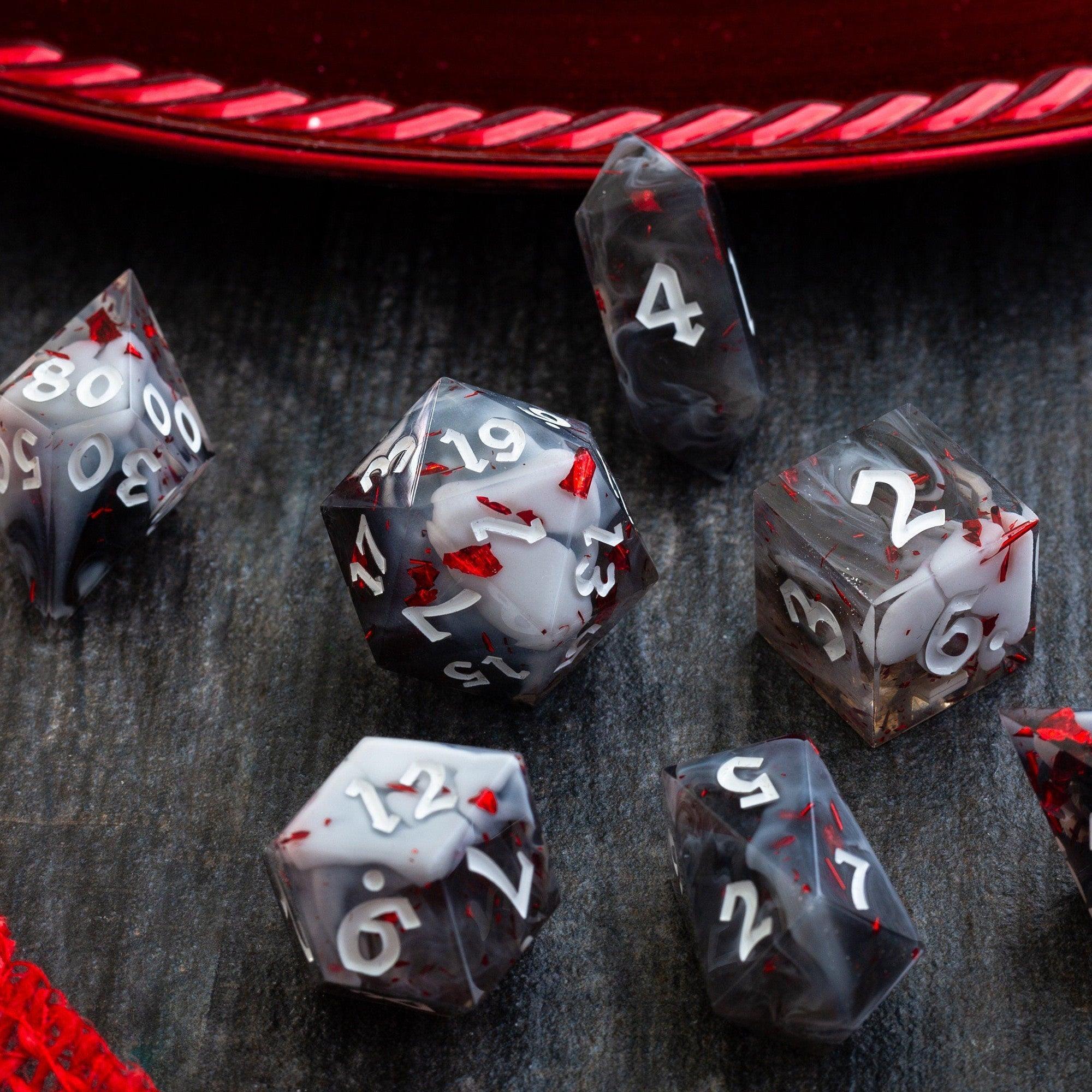
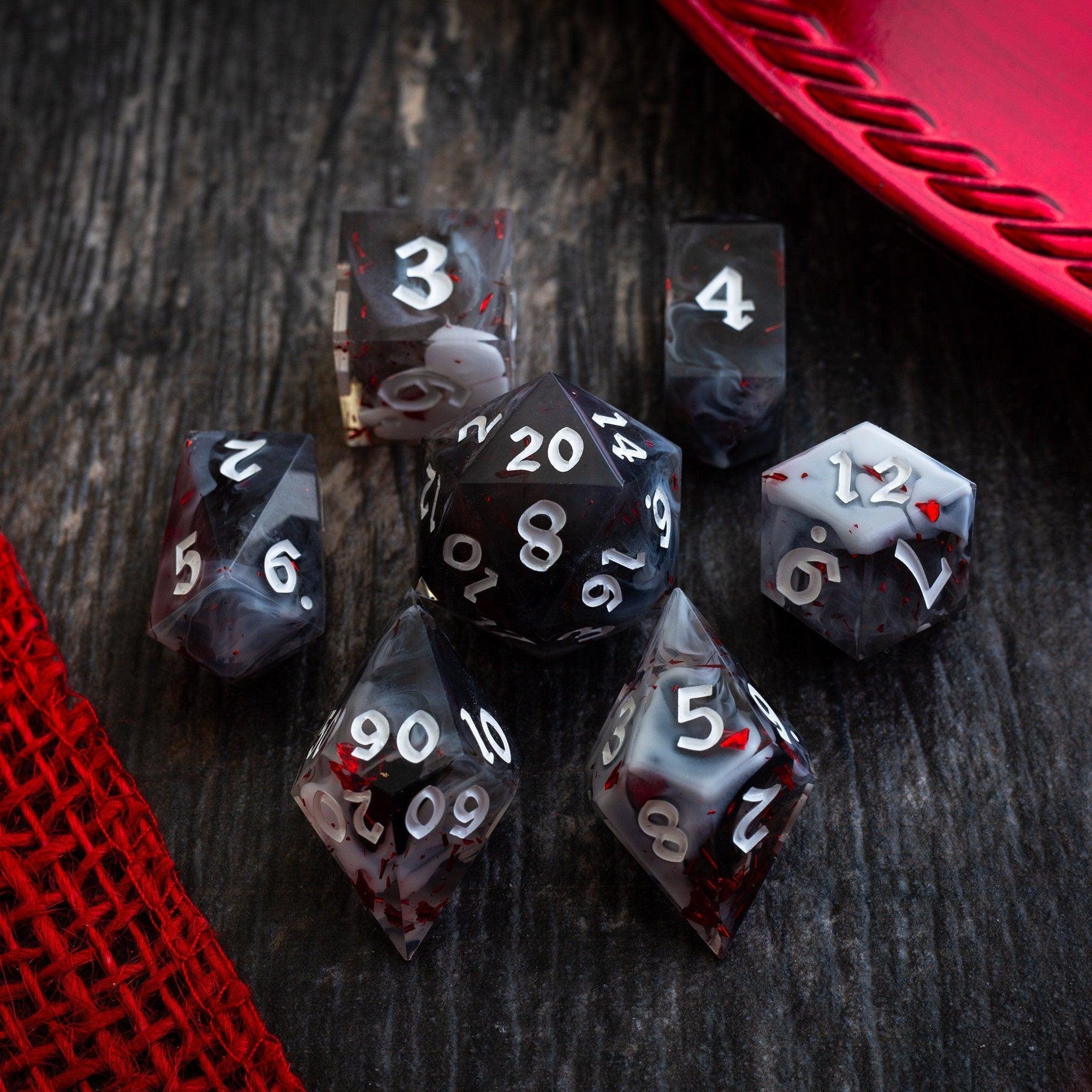
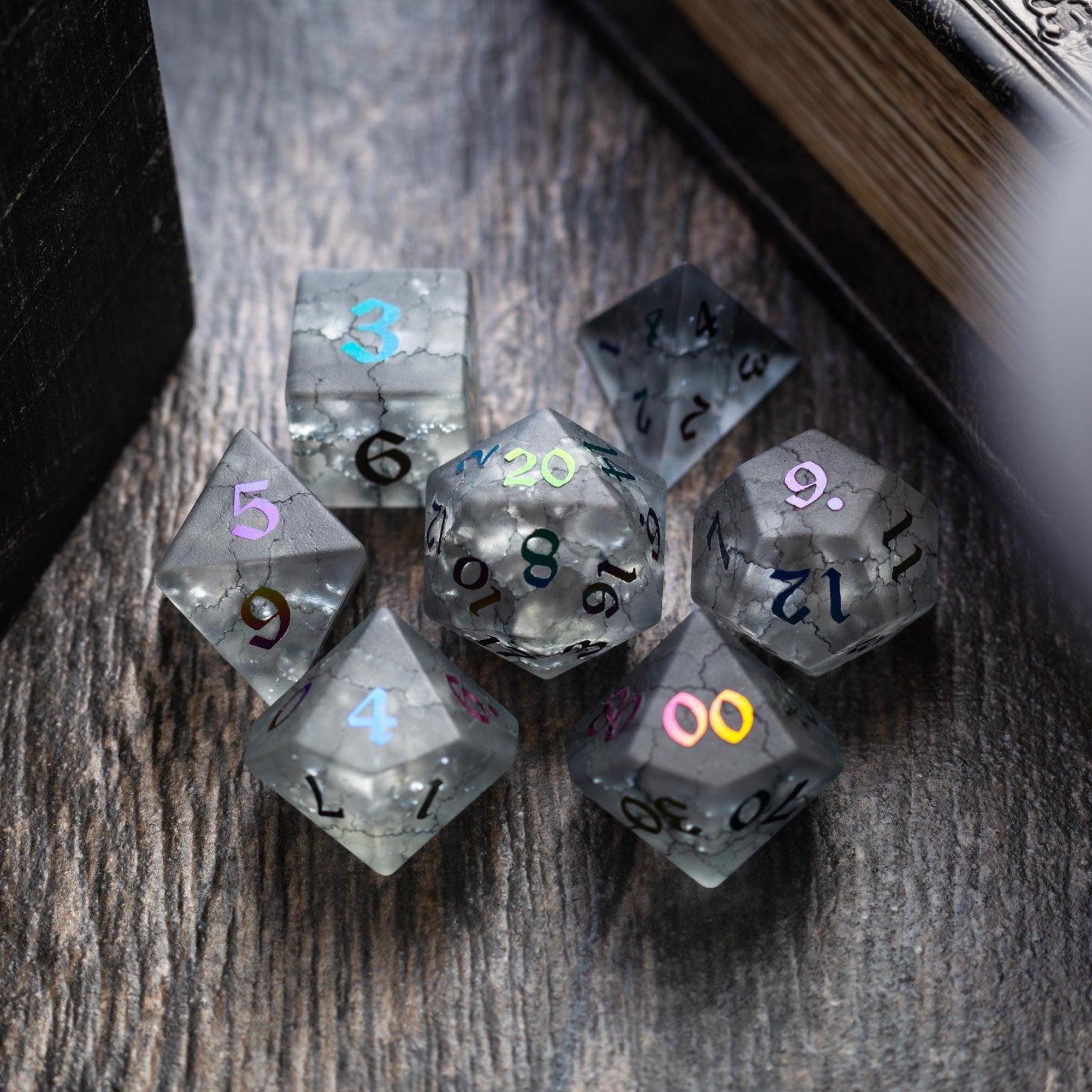
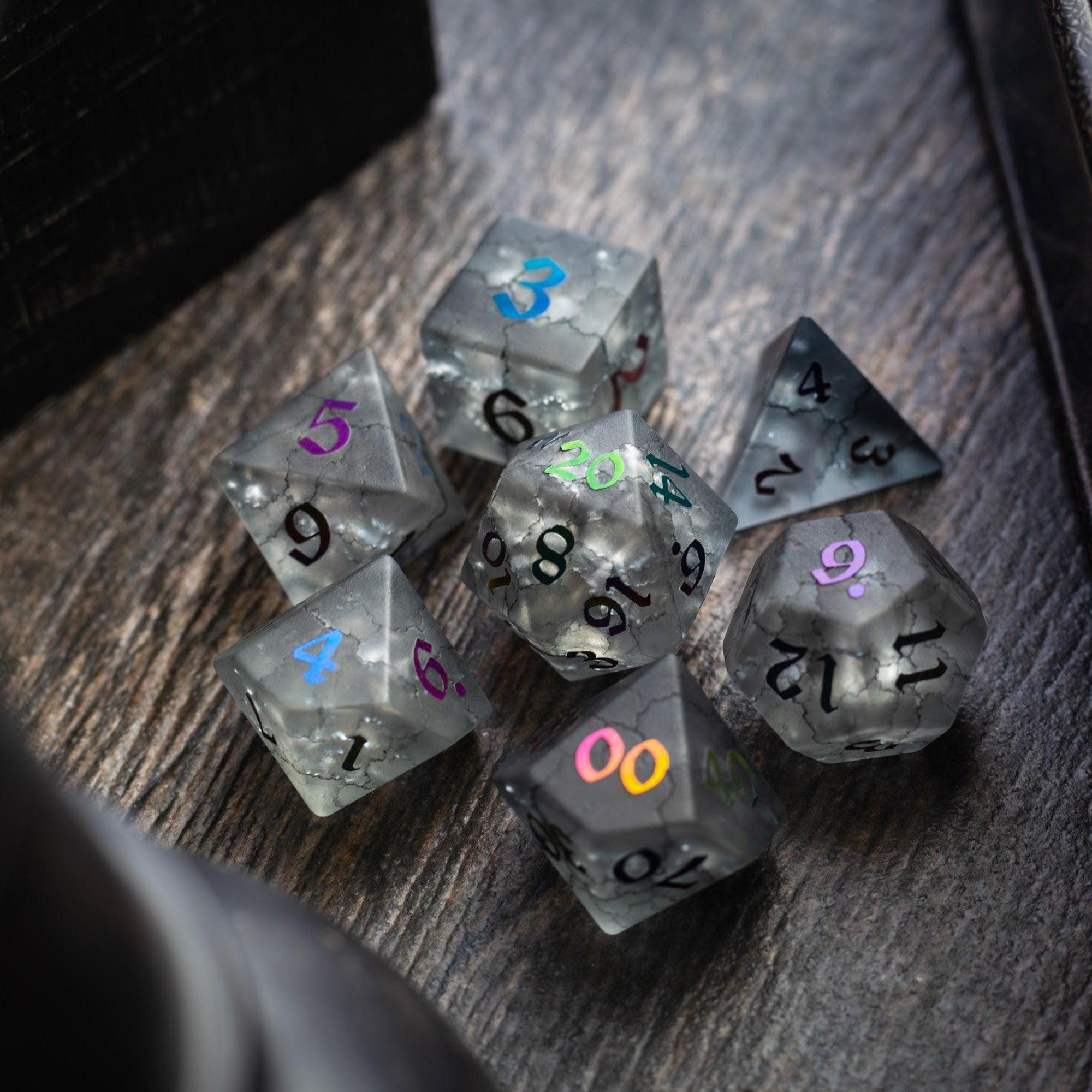
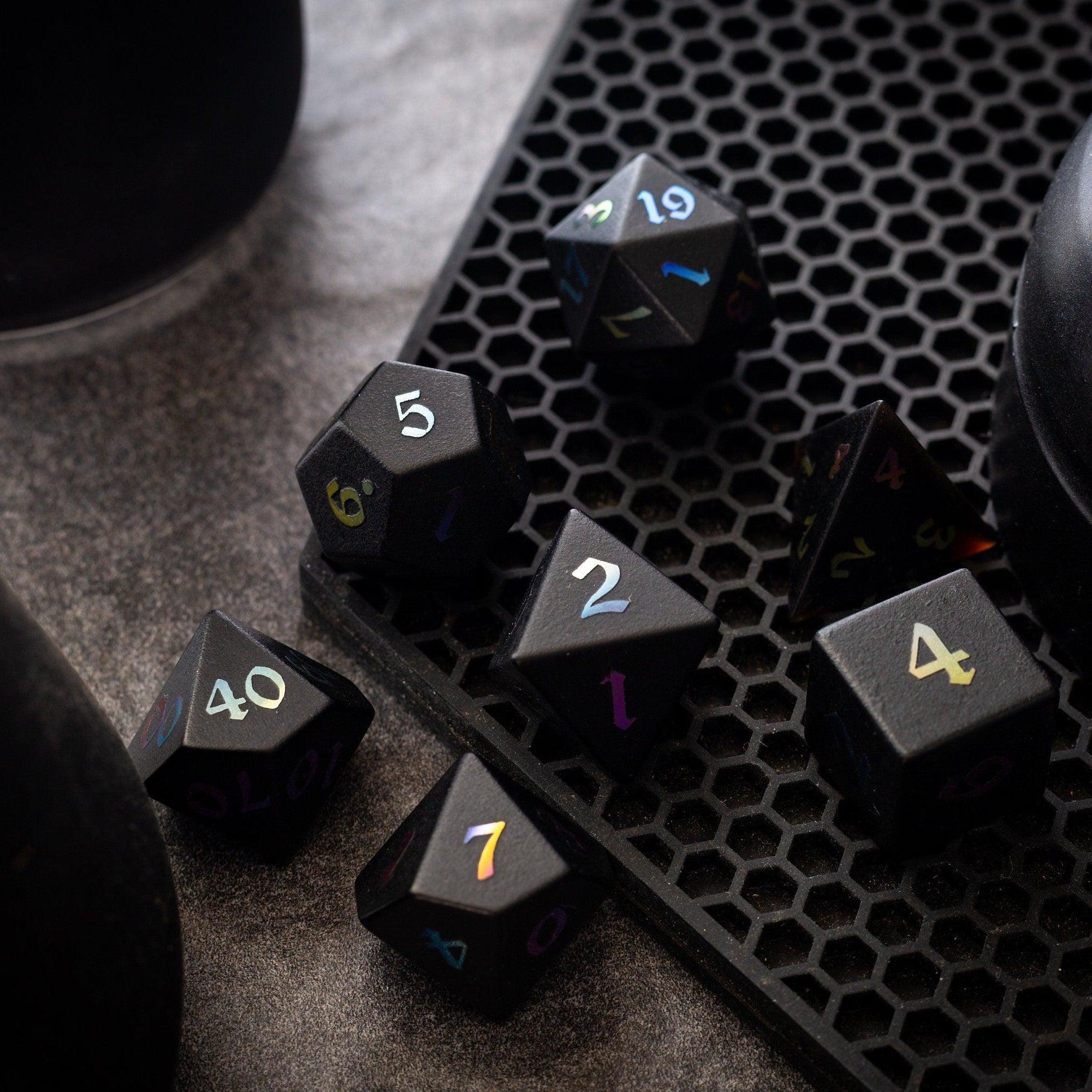
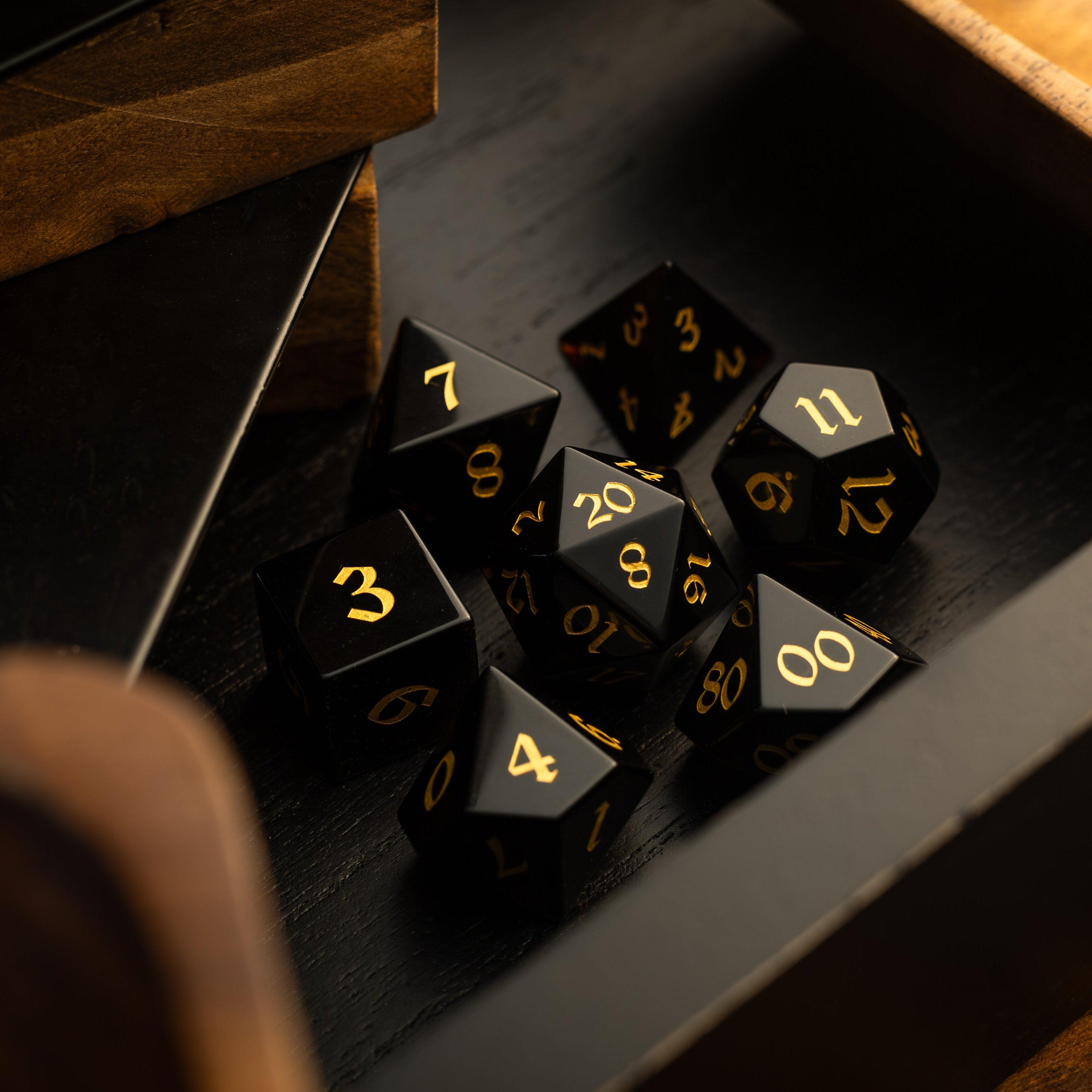
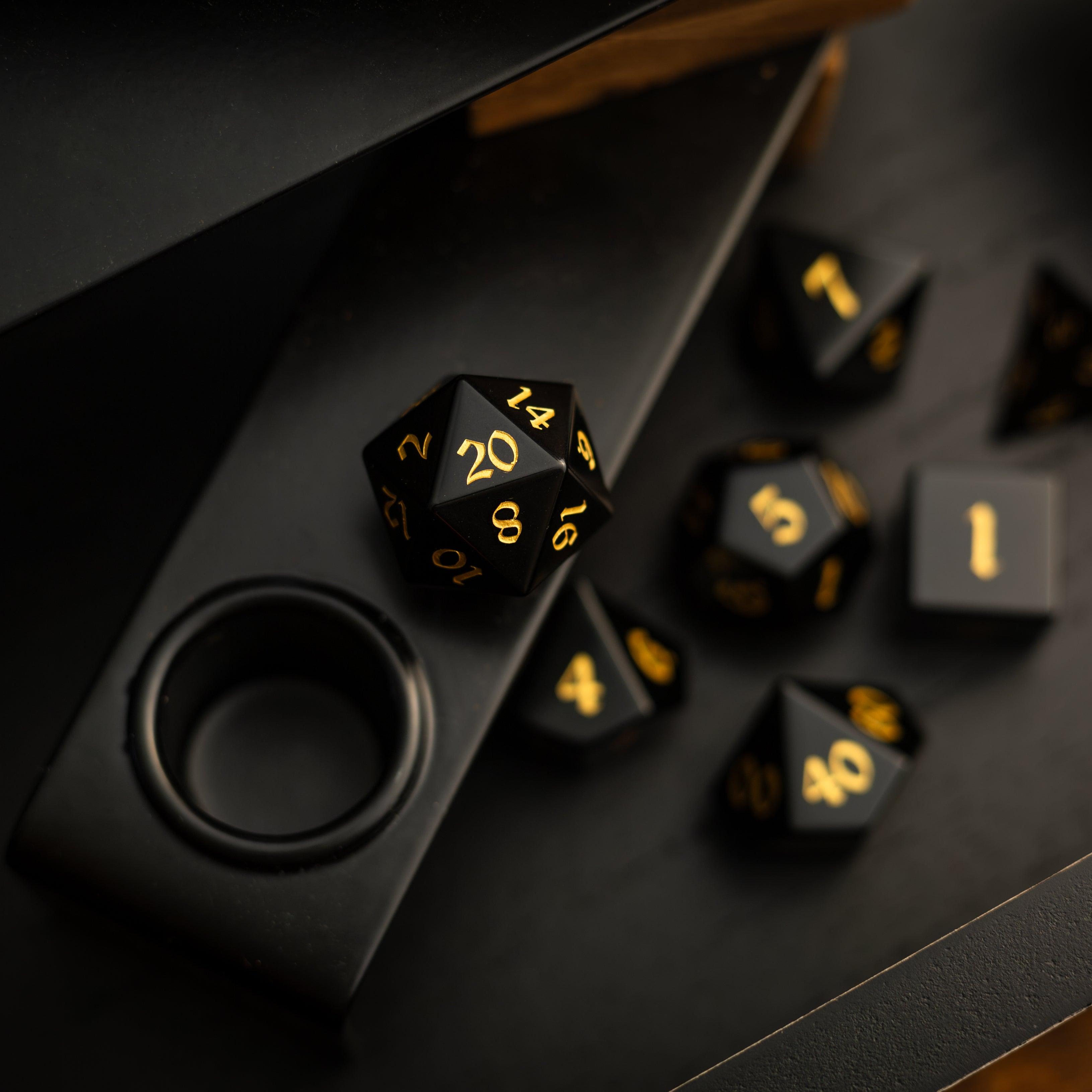
Consider exploring quality dice collections that match your chosen Dungeons and Dragons edition. Many players prefer specific dice styles for different versions, and having appropriate equipment enhances your gameplay experience.
Pro Tips for Choosing Your Version
- Start with Fifth Edition if you're new to tabletop gaming—it's beginner-friendly yet deep enough for years of play.
- Try older Dungeons and Dragons editions if you enjoy improvisation and flexible rules that accommodate creative solutions.
- Consider your group's interests: tactical players might prefer Fourth Edition, while storytellers often gravitate toward Fifth Edition.
- Don't feel locked into one version—many tables run multiple Dungeons and Dragons editions for different campaigns.
- Read reviews and sample rules online before committing to purchasing books for any Dungeons and Dragons edition.
- Join online communities where players discuss different Dungeons and Dragons versions and share experiences.
- Remember that quality dice enhance gameplay regardless of which Dungeons and Dragons edition you choose.
- Watch actual play shows featuring different Dungeons and Dragons editions to see how they play in practice.
- Talk with your players about what features matter most before selecting your Dungeons and Dragons edition.
- Keep in mind that homebrew rules can blend the best aspects of different Dungeons and Dragons editions for your table.
Frequently Asked Questions
Which Dungeons and Dragons edition is best for beginners?
Fifth Edition Dungeons and Dragons is ideal for beginners because it balances accessibility with depth. The rules are clear and intuitive, character creation is straightforward, and the game moves quickly. Fifth Edition has the largest player base, so finding groups and resources is easier than with other Dungeons and Dragons editions. Many beginners start here and later explore other versions if they become curious.
Can I mix rules from different Dungeons and Dragons editions?
Absolutely! Many experienced dungeon masters create hybrid systems by borrowing rules from multiple Dungeons and Dragons editions. For example, some tables use Fifth Edition's core mechanics but incorporate Third Edition's skill system, or they borrow monster design principles from different Dungeons and Dragons editions. The most important thing is that your group agrees on the rules and enjoys the resulting gameplay experience.
Are older Dungeons and Dragons editions still worth playing?
Yes, many players prefer older Dungeons and Dragons editions for their unique qualities. Original and Advanced versions emphasize exploration and creativity over mechanical optimization. Third Edition appeals to players who love system mastery and customization options. Fourth Edition offers engaging tactical combat. Choose whichever Dungeons and Dragons edition matches your table's preferences and playstyle, regardless of age.
What's the difference between Dungeons and Dragons and Advanced Dungeons and Dragons?
Original Dungeons and Dragons was simpler and more rules-light, while Advanced Dungeons and Dragons added comprehensive mechanics and more detailed character options. Advanced Dungeons and Dragons organized the game more clearly and introduced many beloved elements like the Paladin class and expanded spell lists. Both versions are fun, but they cater to different preferences.
How do I find players for my preferred Dungeons and Dragons edition?
Online communities like Reddit's dedicated forums, Discord servers, and virtual tabletop platforms host players interested in every Dungeons and Dragons edition. Local game shops often have bulletin boards or run organized play sessions. Check out specialty gaming retailers in your area who might host game nights. Starting with Fifth Edition gives you the largest potential player pool, but communities exist for every Dungeons and Dragons edition.
Do I need to buy all the books for each Dungeons and Dragons edition?
The three core books (Player's Handbook, Monster Manual, and Dungeon Master's Guide) cover everything you need to play most Dungeons and Dragons editions. Supplemental books add options but aren't essential. Many players download free resources online or borrow books from friends before investing in their own collection. Start with the essentials and expand gradually as your campaign develops.
Choosing the right Dungeons and Dragons edition transforms your gaming experience. Whether you prefer the simplicity of original versions, the tactical depth of Third and Fourth Edition, or the balanced storytelling of Fifth Edition, the perfect ruleset exists for your table. Don't hesitate to try different Dungeons and Dragons editions—many experienced players run multiple versions simultaneously and appreciate what each brings to the hobby. Gather your friends, roll some dice, and begin an adventure tailored to your group's unique preferences and playstyle.
Ready to enhance your game sessions? Discover stunning dice collections that bring magic to your Dungeons and Dragons edition of choice!


Leave a comment
This site is protected by hCaptcha and the hCaptcha Privacy Policy and Terms of Service apply.