Folk Horror D&D Guide: Creepy Adventure Tools for Dungeon Masters

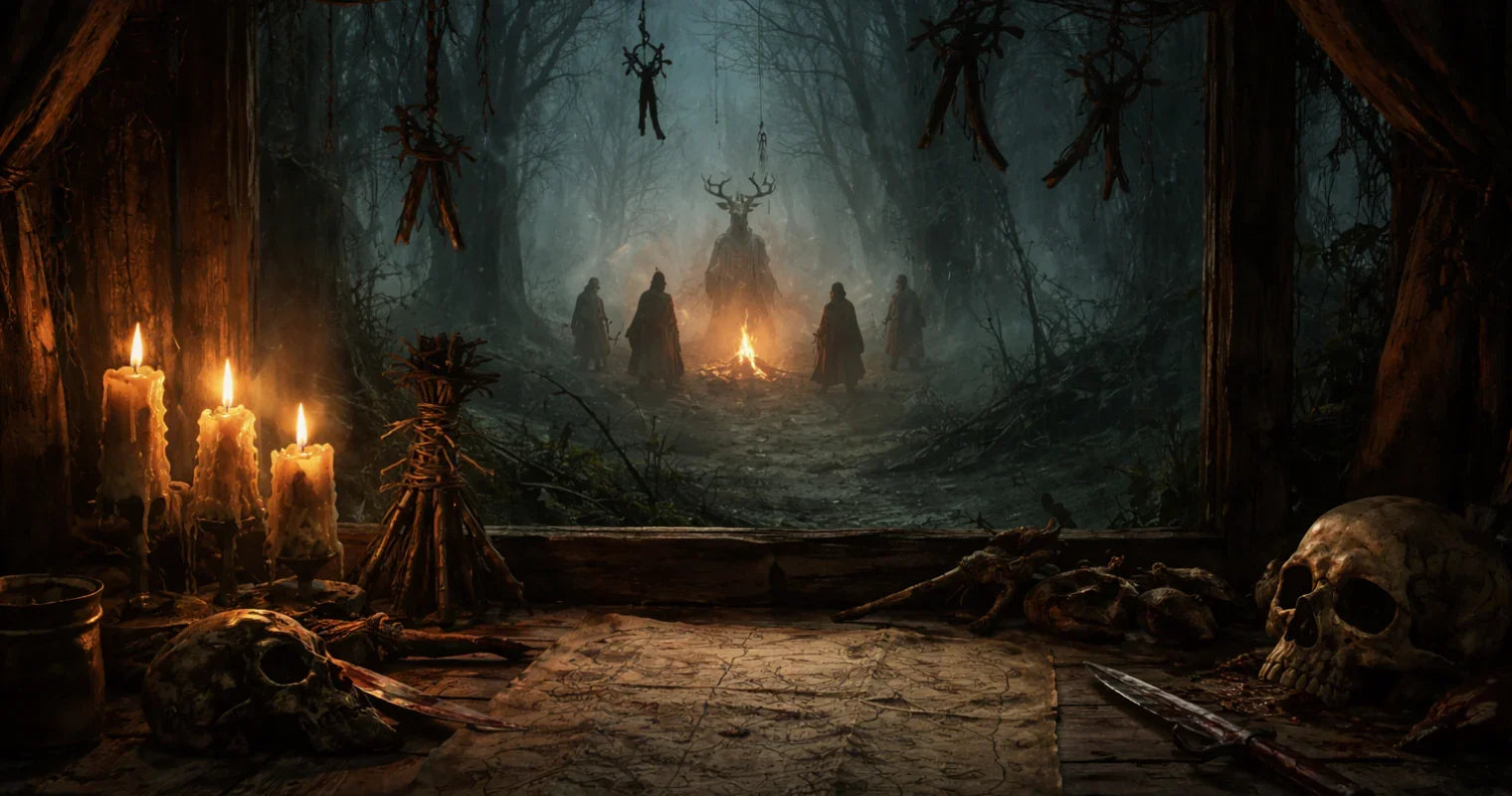
Folk horror thrives in tabletop RPGs because it attacks something deeper than hit points. It turns familiar places into unsettling ones. A quiet village becomes suspicious. A harmless harvest festival feels wrong. A dark forest stops feeling like scenery and starts feeling alive.
In a good folk horror D&D campaign, the fear rarely comes from a monster jumping out of the shadows. Instead, it grows slowly through isolation, strange traditions, whispered warnings, and the creeping realization that something ancient has been waiting beneath the soil for a very long time.
For Dungeon Masters, folk horror creates some of the most memorable storytelling opportunities in Dungeons & Dragons. It rewards atmosphere, tension, and emotional uncertainty rather than endless combat encounters.
What Makes Folk Horror Different From Traditional Fantasy Horror
Traditional fantasy horror often focuses on obvious threats like undead armies, demons, or monstrous creatures stalking the party. Folk horror D&D adventures feel smaller and more personal at first, which makes them far more unsettling.
The danger hides inside ordinary places.
A farming village refuses to let outsiders leave after sunset. A local priest speaks in rehearsed phrases. Every scarecrow in the fields seems to face the same direction at night.
Key themes of gothic horror D&D campaigns include:
-
Rural isolation
-
Ancient traditions nobody questions anymore
-
Fear of outsiders
-
Community paranoia
-
Nature acting strangely
-
Moral ambiguity
-
Slow-building dread
The best horror campaign ideas make players doubt the people around them long before combat ever begins.
Best Folk Horror Settings for D&D Campaigns
Location matters enormously in tabletop horror RPG adventures. The environment itself should feel oppressive and unpredictable.
Isolated Villages
Small villages are perfect for creepy D&D encounters because everyone knows each other except the players. Outsiders immediately feel unwelcome.
Add details like:
-
Locked doors before sunset
-
Missing livestock
-
Villagers avoiding eye contact
-
Strange carvings above doorways
-
Empty roads at night
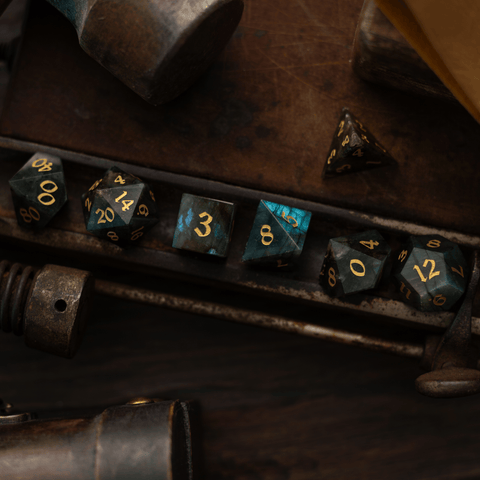
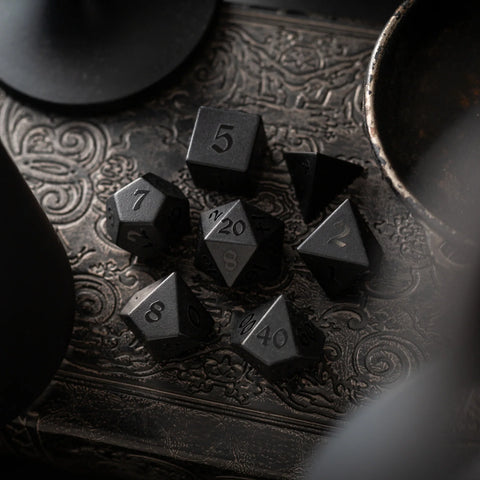
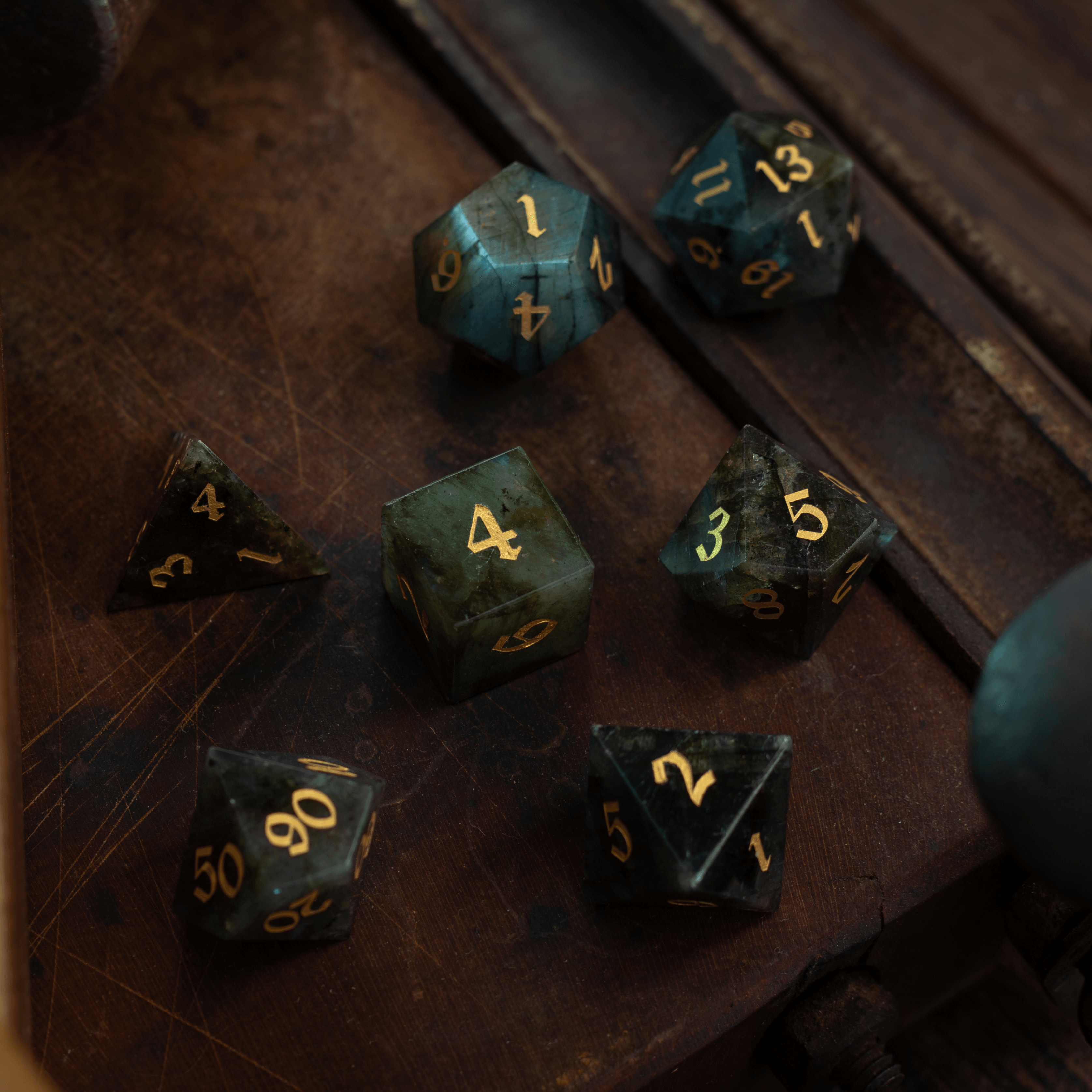
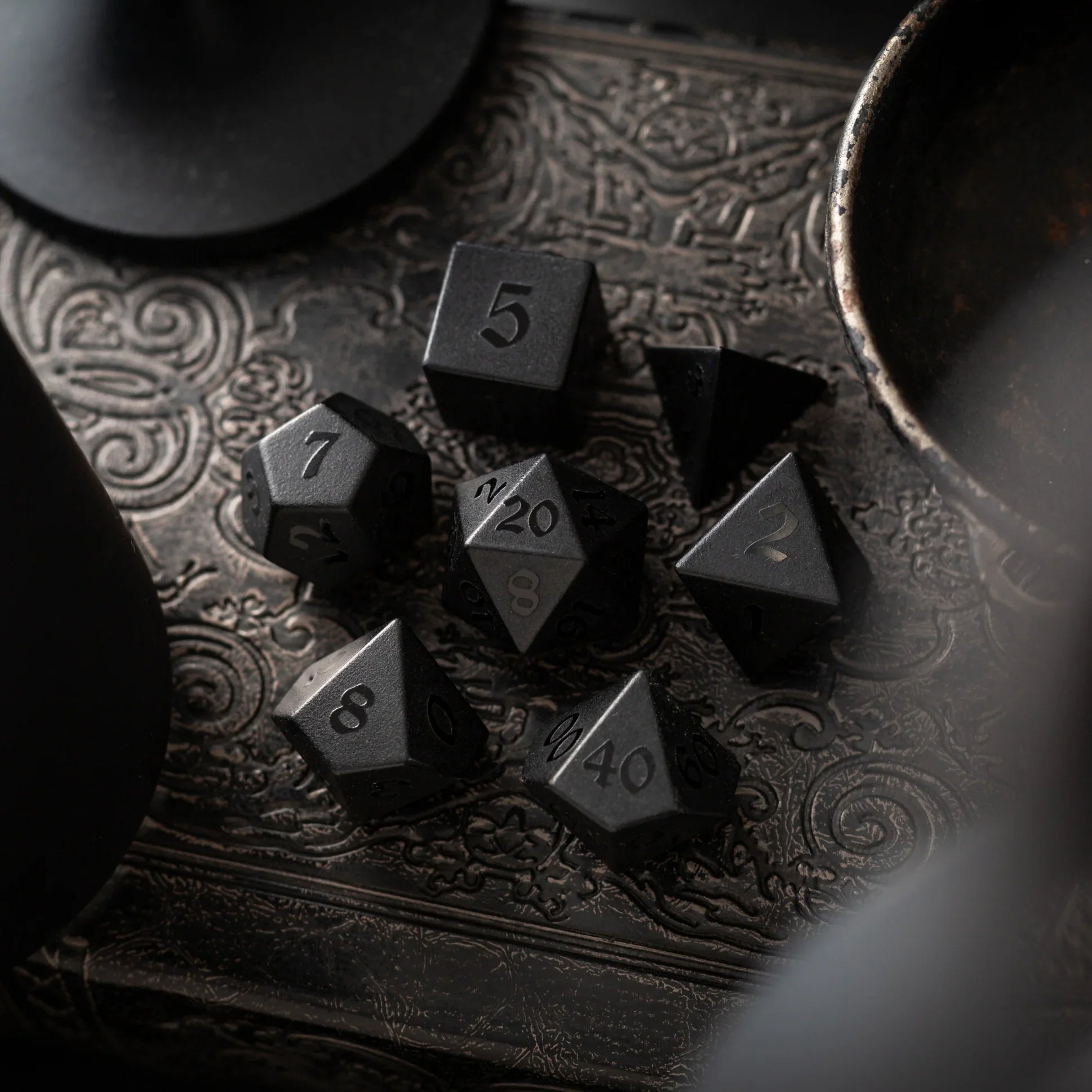
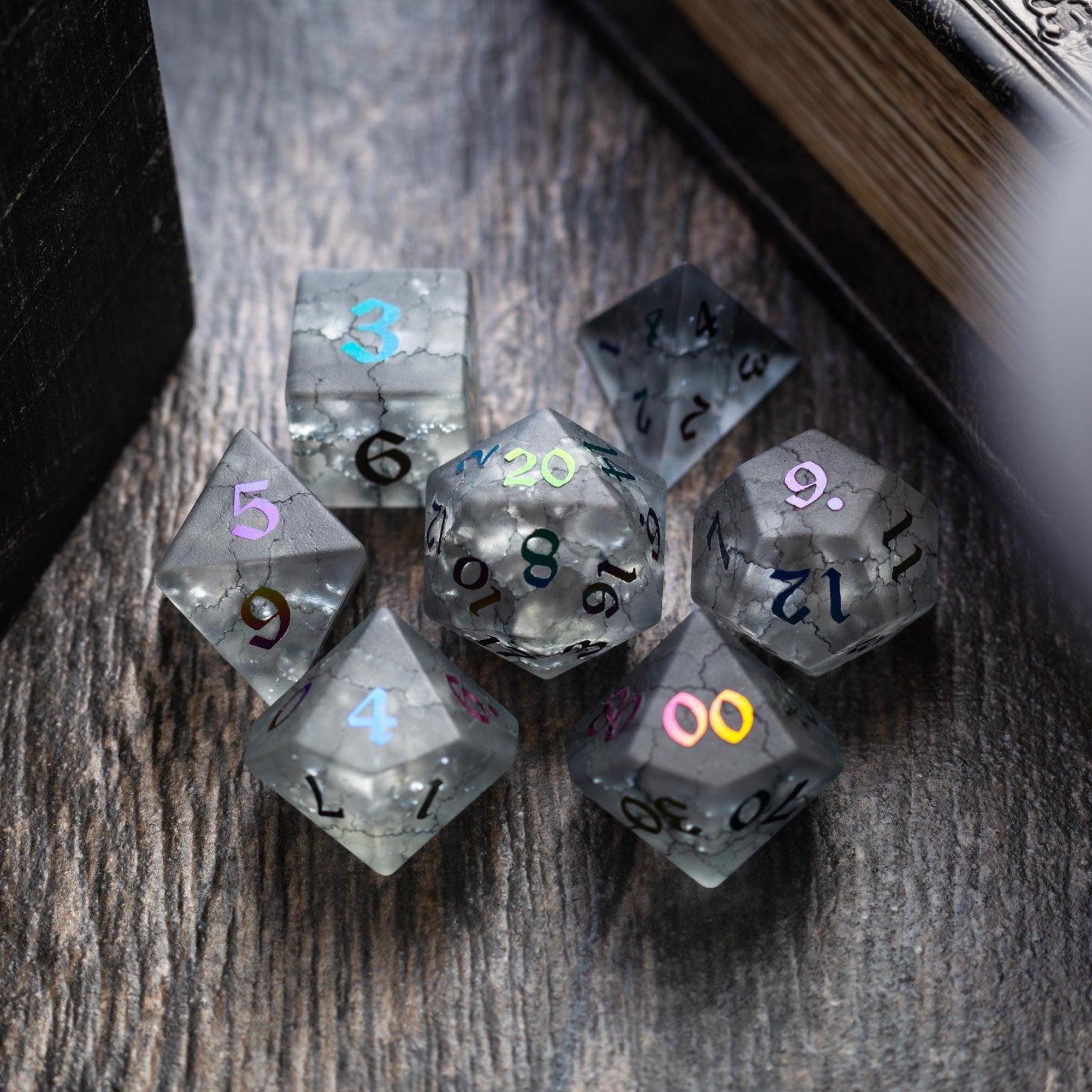
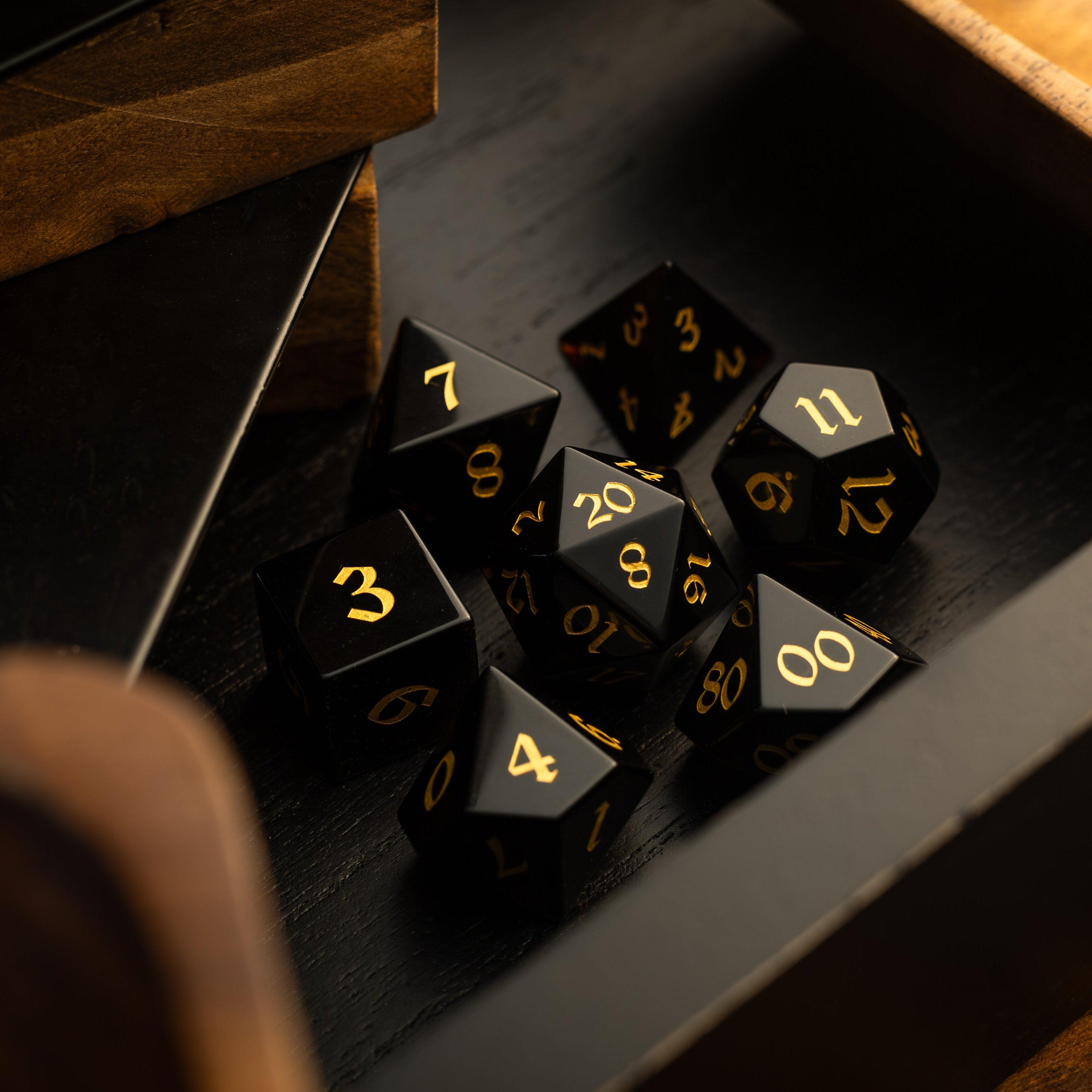
A set of dark gemstone dice rolling across the table during tense village investigations can add surprising atmosphere to these quieter moments, especially when every conversation feels loaded with hidden meaning.
Haunted Forests
Forests are naturally effective for D&D horror storytelling because they remove certainty.
Trails disappear. Sounds travel strangely. Lantern light barely reaches beyond the trees.
Use recurring details:
-
Animal tracks suddenly stopping
-
Trees marked with old symbols
-
Distant singing after dark
-
Fog rolling in too quickly
-
Paths changing overnight
Forgotten Religious Sites
Crumbling monasteries, abandoned shrines, and standing stone circles work beautifully in dark fantasy campaign ideas.
These locations hint at ancient beliefs older than kingdoms and older than the gods players recognize.
A ruined chapel becomes far more disturbing when the holy symbols inside do not match any known religion.
Marshes and Farmlands
Swamps and farmlands feel grounded and realistic, which makes horror feel closer to home.
An abandoned windmill or flooded cemetery can become more frightening than any massive dungeon when players realize people still live nearby and pretend nothing is wrong.
Horror Tools Dungeon Masters Can Use at the Table
Strong dungeon master horror tips focus on pacing and uncertainty rather than nonstop danger.
Reveal Information Slowly
Never explain everything immediately.
Let players discover horror piece by piece:
-
Scratched symbols on trees
-
Half-finished journal entries
-
Villagers contradicting each other
-
Strange rituals glimpsed from afar
The less certainty players have, the more tension builds.
Use Unreliable NPCs
Not every NPC should lie outright. Instead, make them incomplete.
One villager might genuinely believe the forest spirits protect the town. Another may secretly fear them. A third refuses to discuss them entirely.
Conflicting perspectives create paranoia naturally.
Repeat Symbols and Patterns
Recurring imagery makes horror feel connected.
Examples:
-
Black birds gathering silently
-
Antlers hanging above doorways
-
Bells ringing at the same time nightly
-
Identical phrases repeated by strangers
These patterns tell players something larger is happening without direct exposition.
Create Countdown Tension
A ritual approaching midnight feels more threatening than a random combat encounter.
Try:
-
Seven days until the harvest moon
-
Missing villagers every evening
-
A spreading blight reaching nearby farms
-
Church bells ringing closer each night
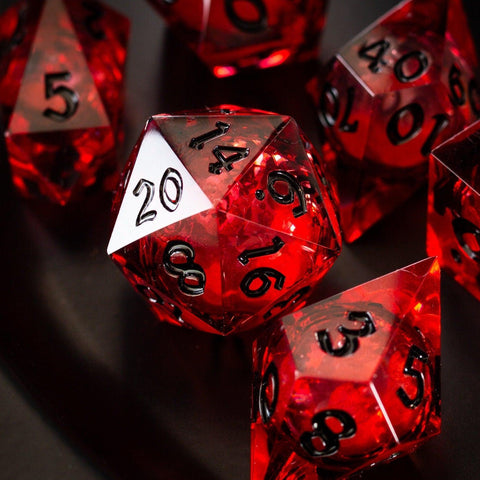
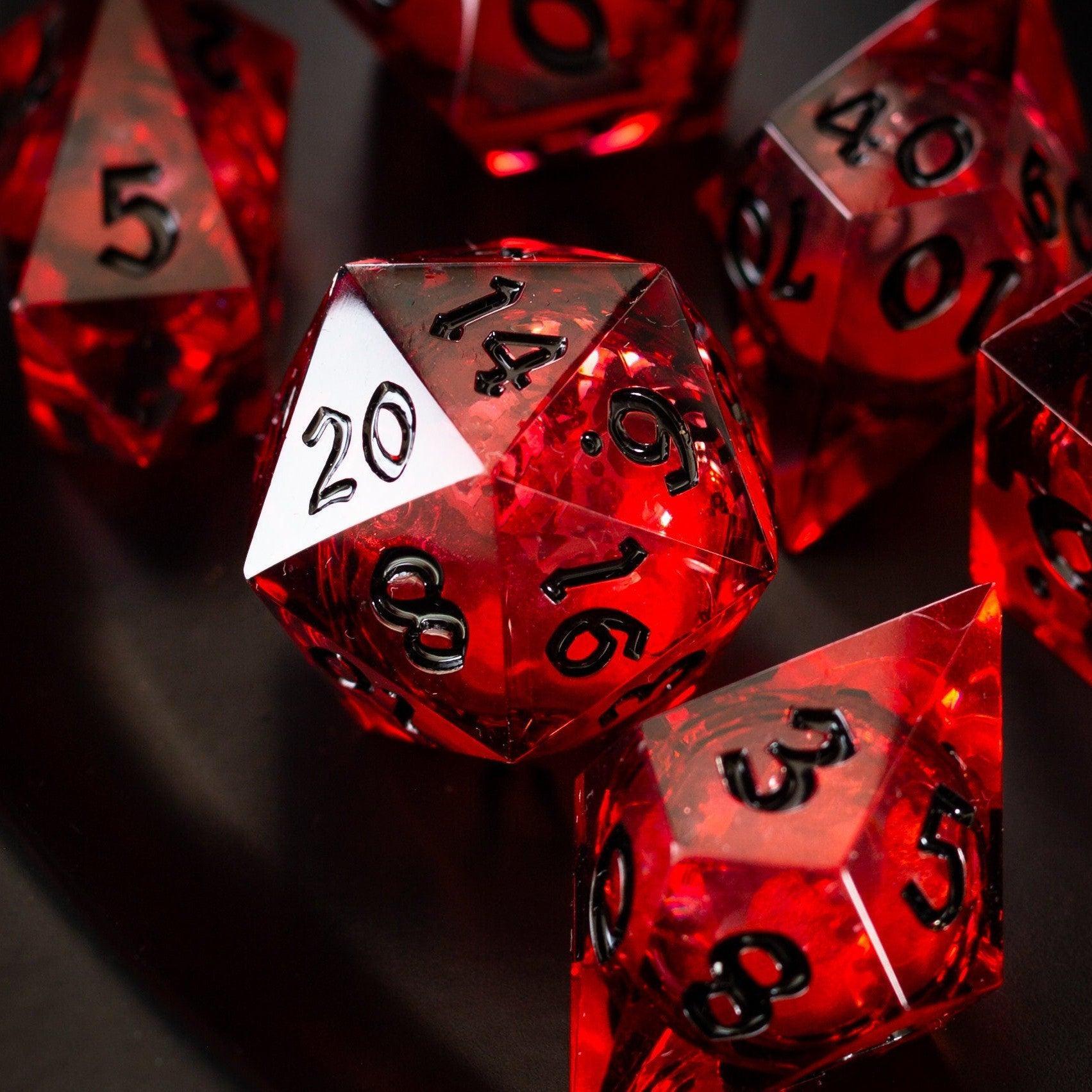
Liquid core dice can subtly enhance these supernatural moments at the table, especially during ritual scenes or eerie spellcasting encounters where the swirling interiors mirror unstable magic.
Building Memorable Folk Horror Villains
The strongest folk horror villains rarely appear immediately.
Instead, their influence spreads first.
Great villain concepts include:
-
Corrupted druids protecting ancient forest spirits
-
Village elders hiding terrible bargains
-
Shapechangers replacing travelers
-
Forgotten gods demanding sacrifice
-
Cult leaders preaching salvation through fear
The best dnd horror adventure antagonists often believe they are protecting their community.
That moral uncertainty creates better suspense than simple evil.
A village elder who sacrifices one traveler each winter to keep a greater horror asleep becomes far more interesting than a villain seeking destruction for its own sake.
Horror Encounter Table
| Situation | Horror Element | Why It Works |
|---|---|---|
| Empty village feast | Food still warm | Suggests sudden disappearance |
| Forest shrine | Animal bones and candles | Builds ritual mystery |
| Friendly townsfolk | Everyone repeats the same phrase | Creates paranoia |
| Midnight bells | No visible church nearby | Builds supernatural tension |
| Scarecrow in crossroads | It appears closer each morning | Creates slow dread |
| Child humming softly | Song predicts future deaths | Builds unease |
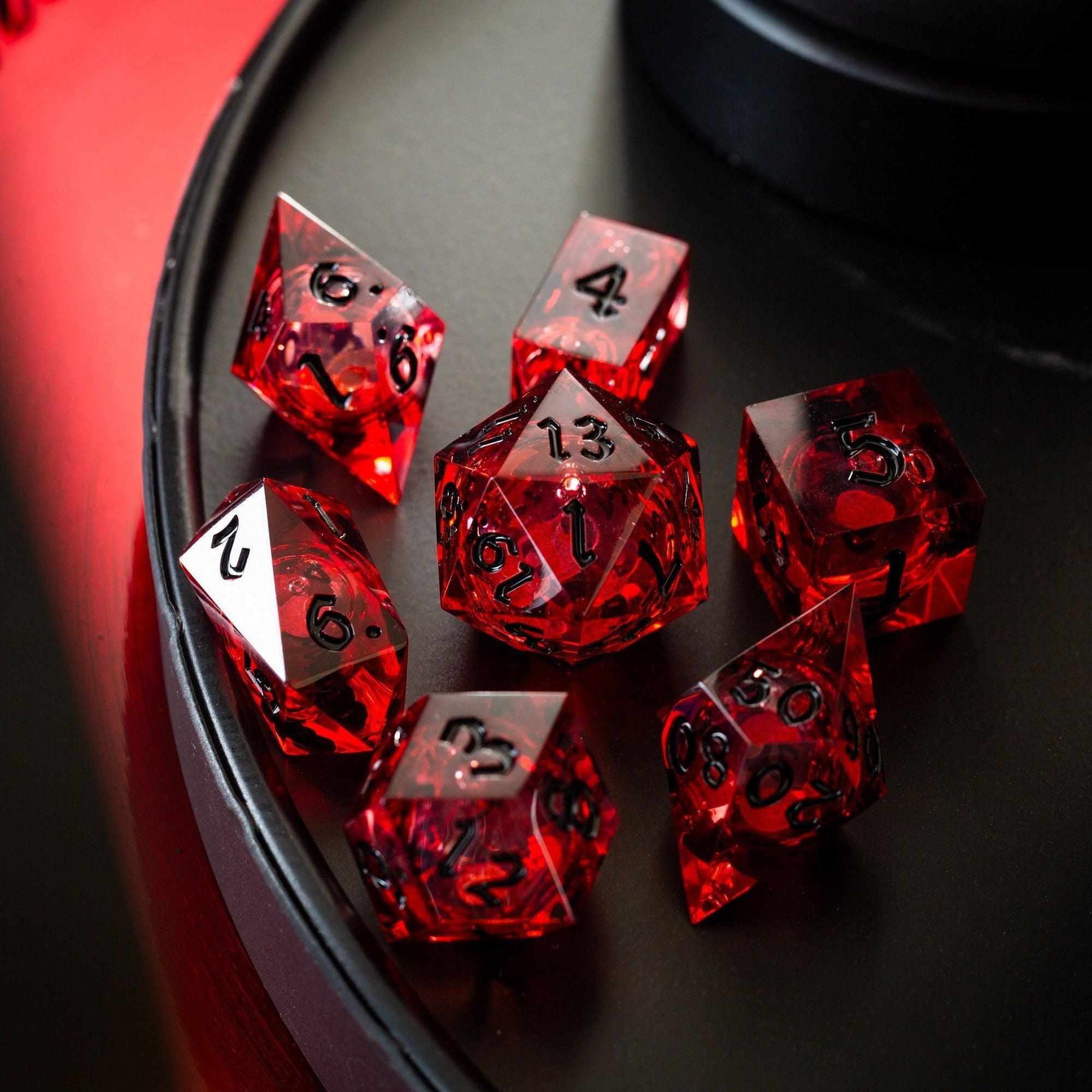
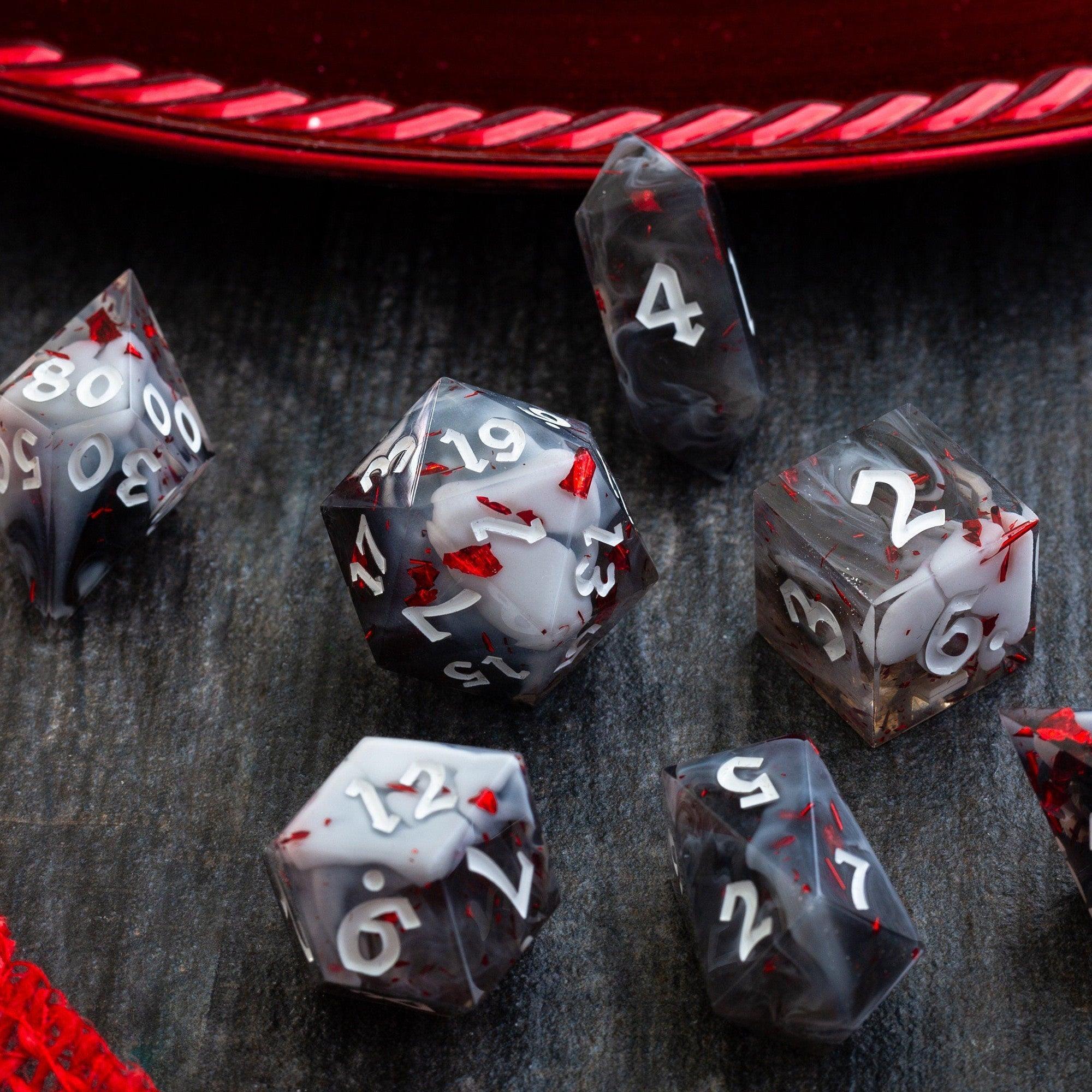
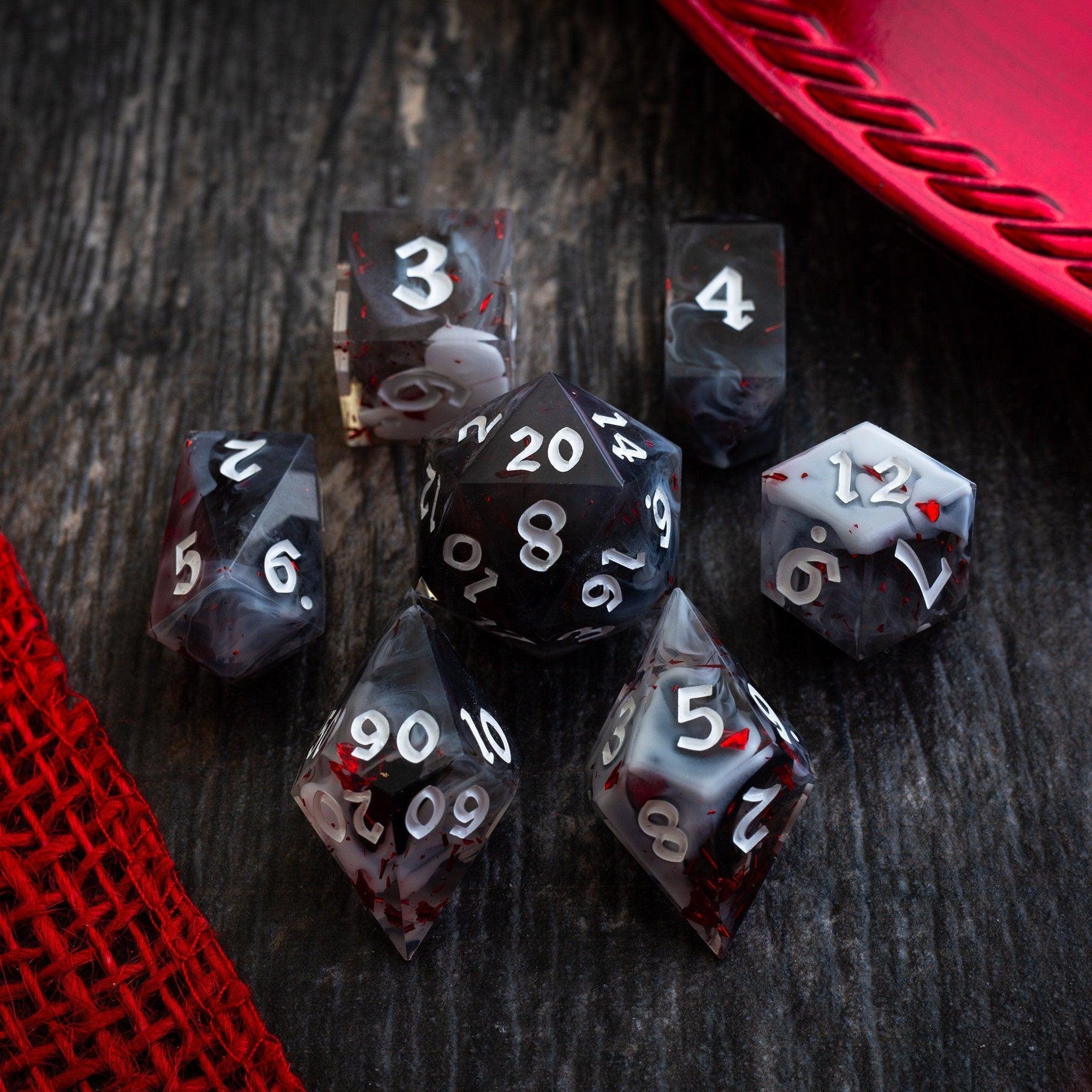
Sharp-edge resin dice fit these tense scenes beautifully because every roll feels deliberate and dangerous when the table goes silent waiting for the outcome.
How to Build Fear Without Constant Combat
One of the most important dungeon master horror tips is understanding that fear disappears when combat becomes constant.
Players eventually treat every threat like a tactical puzzle.
Instead, focus on:
-
Limited information
-
Emotional choices
-
Strange environments
-
Suspicious behavior
-
Unanswered questions
Environmental storytelling works especially well in spooky D&D adventures.
For example:
-
Claw marks inside locked homes
-
Children's toys abandoned in mud
-
Prayer symbols scratched out violently
-
Doors nailed shut from the inside
Allow players to imagine the worst possibilities themselves.
That fear lasts much longer than graphic descriptions ever will.
Balancing Horror With Fun Gameplay
Even dark horror tabletop RPG campaigns need moments of relief.
Too much tension becomes exhausting.
Good pacing includes:
-
Safe moments around campfires
-
NPCs players can trust
-
Small victories
-
Humor that emerges naturally
-
Temporary escapes from danger
Session zero conversations also matter greatly in horror campaigns.
Discuss:
-
Player comfort levels
-
Themes to avoid
-
Emotional boundaries
-
Desired tone
Fear works best when players feel safe outside the game itself.
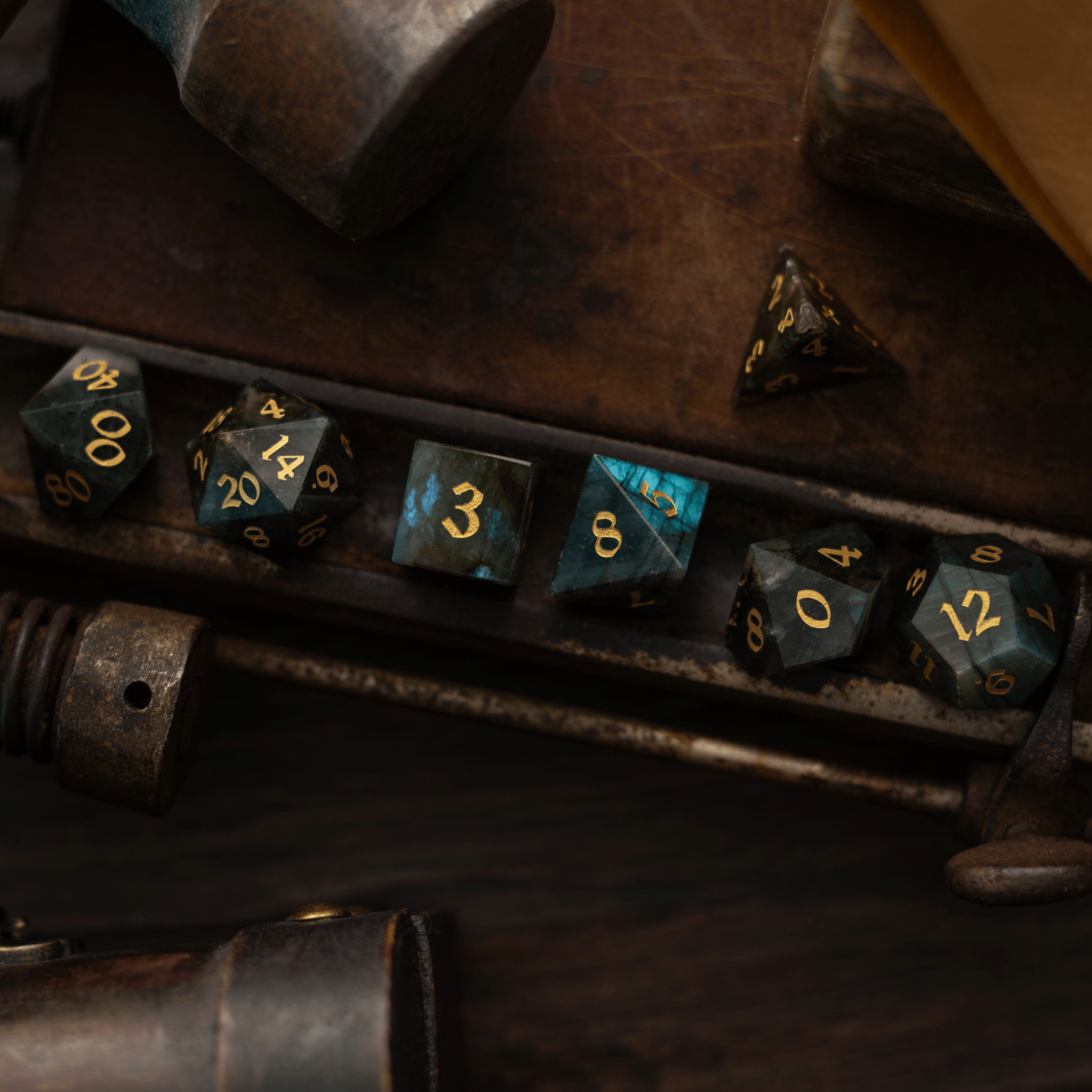
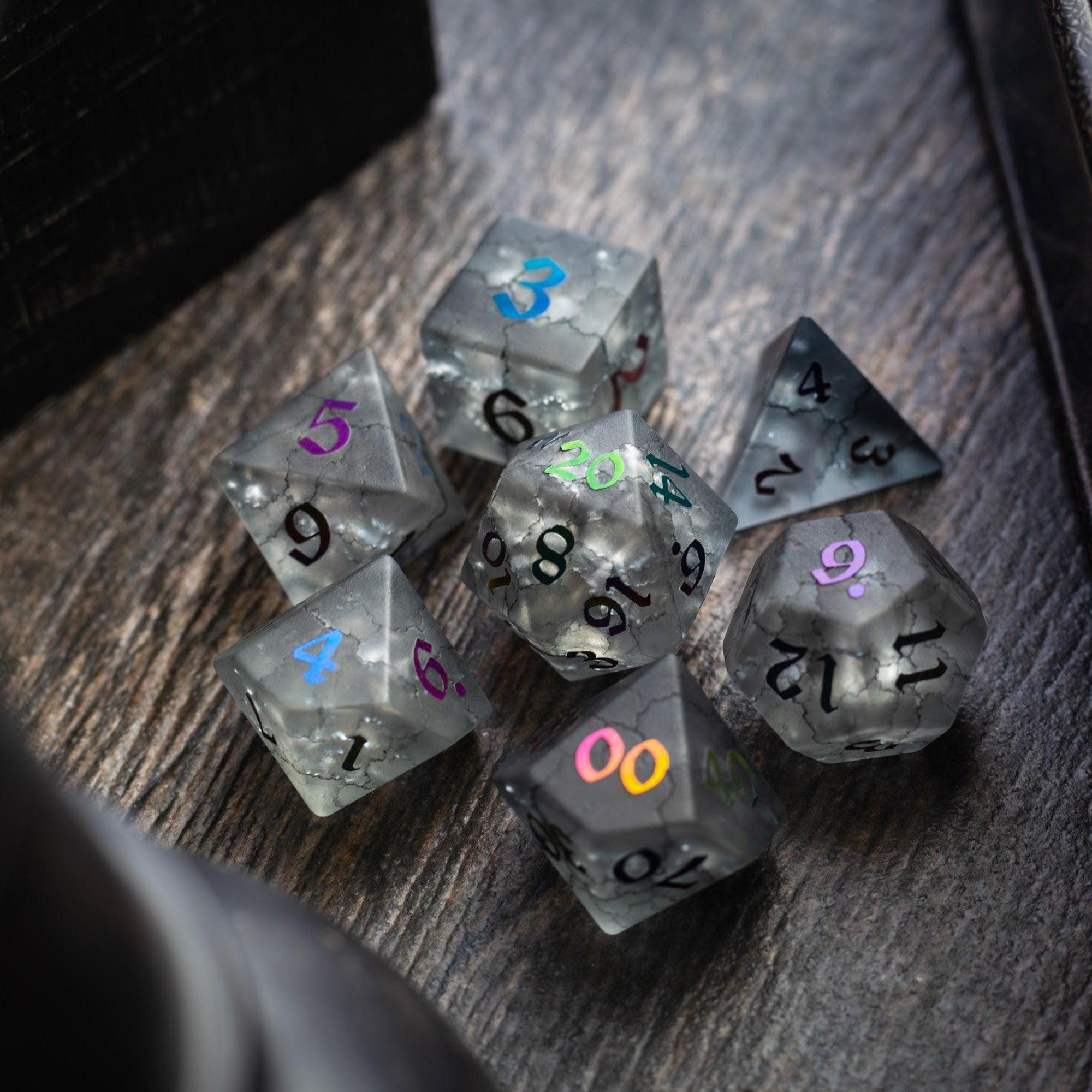
Resin dice with smoky colors or muted translucent designs can help reinforce the atmosphere during these sessions without overwhelming the table visually.
Folk Horror Adventure Hooks
Need quick horror campaign ideas? Try these:
The Harvest Silence
Villagers vanish every harvest moon, yet nobody in town acknowledges the disappearances.
The Living Trail
A forest road physically changes direction each night, leading travelers toward ancient ruins.
The Hollow Choir
Children begin singing forbidden songs they could not possibly know.
The Watching Scarecrows
New scarecrows appear every evening, each wearing clothing belonging to missing villagers.
Beneath the Farmland
Farmers uncover a buried stone temple beneath their fields after a brutal drought.
Common Mistakes in Horror Campaign Design
Explaining Too Much
Mystery is essential in gothic horror D&D storytelling.
Leave questions unanswered.
Overusing Gore
Graphic violence quickly loses impact.
Atmosphere and uncertainty create stronger long-term tension.
Removing Player Agency
Players should feel vulnerable, not helpless.
Always allow meaningful choices.
Constant Darkness
Nonstop misery numbs emotional impact.
Moments of warmth make horror stronger by contrast.
Relying Only on Combat
The best creepy D&D encounters often happen before initiative is rolled.
A quiet dinner with suspicious villagers can feel more terrifying than fighting undead in a crypt.
Conclusion
Folk horror D&D campaigns remind players that fear does not always come from dragons or demons. Sometimes it comes from old songs sung too quietly. From villages that smile too politely. From forests that seem to remember ancient things buried beneath their roots.
For Dungeon Masters, folk horror offers a powerful storytelling tool built on atmosphere, mystery, and emotional tension. A good horror campaign lingers because players remember the feeling of uncertainty long after the session ends.
The next time your adventuring party wanders down an empty woodland road beneath dying lantern light, let the silence linger a little too long.
Something in the trees may already know they are coming.







Leave a comment
This site is protected by hCaptcha and the hCaptcha Privacy Policy and Terms of Service apply.