

Which tools maximize your D&D campaign-building efficiency?
Updated on: 2026-02-05
Building a memorable Dungeons and Dragons campaign doesn't have to be overwhelming. Whether you're a seasoned Dungeon Master or just starting out, the right campaign building resources can transform your preparation process and elevate your storytelling. Learn how to organize your ideas, manage complex narratives, and keep your players engaged with practical tools and strategies that work for every style of game.
- Essential Tips for Campaign Building
- Step-by-Step Campaign Creation Process
- Organization Systems That Actually Work
- Frequently Asked Questions
- Summary and Key Takeaways
Essential Tips for Building Your D&D Campaign

Creating a compelling campaign requires more than just imagination—it needs structure, flexibility, and a solid foundation. Here are the most valuable tips to keep in mind as you develop your world and stories.
- Start with a core concept: What's the big idea? A single memorable premise, like "undead plague spreading across the kingdom" or "mysterious artifacts appearing in every town," gives your campaign direction and helps players understand what to expect.
- Build flexible storylines: Your players will do unexpected things. Design branching paths rather than linear plots, so you're prepared for different directions the story might take.
- Create NPCs with depth: Give important characters motivations, secrets, and personality quirks. Players remember interesting people far more than generic encounters.
- Balance preparation and improvisation: Prepare key scenes and NPCs thoroughly, but leave room for improvisation. Your best moments often come from unexpected player interactions.
- Document everything systematically: Keep consistent notes on locations, character details, and plot threads. You'll thank yourself when a player asks about something you mentioned three sessions ago.
- Test your mechanics: Before introducing complex rules or systems, playtest them if possible. Nothing disrupts immersion like confused mechanics during combat.
- Establish campaign tone early: Are you running dark horror, lighthearted adventure, or political intrigue? Setting expectations helps everyone have fun together.
Step-by-Step Campaign Creation Process

Following a structured approach to campaign development ensures you don't miss important elements. Here's how to build your world from the ground up.
Step 1: Define Your Campaign Premise
Start by answering a few simple questions. What's happening in your world right now? What draws your players' characters into the action? Write 2–3 sentences describing the core conflict or mystery. This becomes your north star throughout development. When you're unsure about including something, ask: "Does this serve my main premise?"
Step 2: Establish Your Setting
Build the geography and culture of your world. Which regions will players visit? What makes your setting unique? You don't need everything mapped out—focus on the areas players will actually explore. Create interesting details about government, religion, trade, and culture. These small touches make your world feel alive and give players context for their choices.
Step 3: Develop Key NPCs and Factions
Identify 5–10 important characters your players will meet regularly. For each, write down their name, role, goals, and a memorable personality trait. Include at least 3 factions with opposing interests. Players love getting caught between conflicting groups, which naturally creates drama and meaningful choices.
Step 4: Plan Your Adventure Arc
Sketch out the major story beats—the opening hook, three middle complications, and potential endings. Don't write it like a novel; use bullet points. Each bullet should represent one or two sessions of gameplay. This gives you structure without locking you into rigid plotting.
Step 5: Create Encounter Locations
For each major location, write brief descriptions and note what encounters can happen there. Include sensory details (sounds, smells, lighting) because these details immerse players faster than any exposition. Have stat blocks and maps ready for combat encounters before sessions begin.
Step 6: Prepare Your Session Materials
Before each session, reread relevant notes and prepare specific encounters for that session. Create handouts, sketches, or battle maps. Know what you're not going to prepare on the fly—usually combat and complex NPC conversations. This targeted prep creates a smooth session without requiring hours of work.

Organization Systems That Actually Work
Effective campaign building tools help you stay organized without becoming a chore. The best system is one you'll actually use consistently.
Digital Organization Methods
Many DMs love using spreadsheets to track NPCs, locations, and plot threads. Create columns for character names, their goals, current location, and plot hooks. Digital notes let you search quickly during sessions. Cloud storage means you can access materials from your phone if needed. Alternatively, dedicated campaign software and wiki platforms designed for tabletop gaming offer pre-built templates that save setup time.
Physical Organization Methods
Some DMs prefer notebooks and binders. The key is organization: use tabs for different sections, number your pages, and maintain an index. Physical notes feel personal and don't have technical glitches during games. Many successful DMs use a combination—digital records for quick reference and physical notes for sensory details and atmosphere.
Visual Organization
Create simple maps, relationship charts, and timeline sketches. You don't need artistic talent; stick figures and rough sketches work fine. Visual organization helps you see connections between plot threads and remember where NPCs are located. Keep your materials organized and accessible so you can focus on running the game rather than searching for information.
Session Planning Templates
For each session, create a quick reference sheet with: NPCs appearing this session with key traits, major locations and their descriptions, planned encounters with stat blocks, potential plot developments, and interesting descriptions you want to remember. This one-page document sits right in front of you during gameplay, making improvisation easier and keeping you on track.
Frequently Asked Questions About Campaign Building
How much should I prepare before starting my campaign?
Prepare enough to run your first 2–3 sessions comfortably, but not the entire campaign. You don't know how your players will respond yet, so extensive preparation beyond that might be wasted effort. After a few sessions, you'll understand your group's preferences and adjust your preparation style accordingly. Most experienced DMs prepare 1–2 hours per session, though this varies greatly based on experience and style.
What's the best way to handle when players ignore my carefully planned plot?
First, accept that this will happen—and it's okay. Players create the best stories when they feel agency. Instead of fighting their choices, adapt. If they ignore a plot hook, introduce the consequences of that choice. Did they skip meeting an NPC? That character moves forward with their own plans. Your preparation on NPCs and locations stays useful even if the specific sequence changes. Think of your preparation as building a toolbox rather than writing a script.
How do I keep track of continuity across many sessions?
Maintain a campaign journal documenting what happened each session. After each game, spend 15 minutes writing down major events, NPC interactions, and plot developments. Include when player actions create complications you'll address later. This journal becomes invaluable when players reference something from session five during session thirty. Version your campaign notes regularly so you can look back at earlier versions to check details.
Should I use premade campaign modules or build from scratch?
Both approaches work. Premade modules save preparation time and offer professional-quality content. However, building from scratch creates deeper investment and lets you customize everything for your group. Many DMs use modules as foundations, then modify extensively. Choose based on your available prep time and creative energy. There's no wrong answer—only what works best for you and your players.
How do I make NPCs feel memorable and distinct?
Give each important NPC a distinctive voice, accent, or speech pattern. Note one memorable physical characteristic. Most importantly, give them conflicting motivations and opinions that differ from other NPCs. When NPCs want different things, they create natural conflict and interesting conversations. Consider giving memorable characters a catchphrase or unique behavior that becomes iconic.
Summary and Key Takeaways
Building a successful D&D campaign comes down to balancing preparation with flexibility. Start with a clear premise, develop your world and characters systematically, and use organization methods that match your style. Remember that your role isn't to control a story but to create the conditions for shared storytelling with your players.
The best campaigns emerge from consistent, manageable preparation rather than obsessive detail work. Focus on preparing what matters: core NPCs, important locations, and session-specific encounters. Leave breathing room for improvisation, where the most memorable moments often happen.
Your campaign building journey will evolve. Early sessions teach you what preparation methods work for your brain and your group's play style. Stay flexible, take notes on what works, and continuously refine your approach. Every successful session gives you more confidence and experience to draw from.
Whether you're running your first campaign or your fifteenth, these principles remain true: clarity of vision, organized notes, and respect for player agency create engaging, memorable experiences. Your investment in thoughtful preparation pays dividends in session quality and player enjoyment. Start small, stay organized, and let your creativity shine through consistent, sustainable preparation.
Ready to bring your campaign to life? Gather your materials, set up your notes, and prepare to guide your players through an unforgettable adventure. With solid preparation and these proven strategies, you're well-equipped to create a campaign that resonates with your group. Consider adding quality gaming materials to your setup to complete your DM experience.
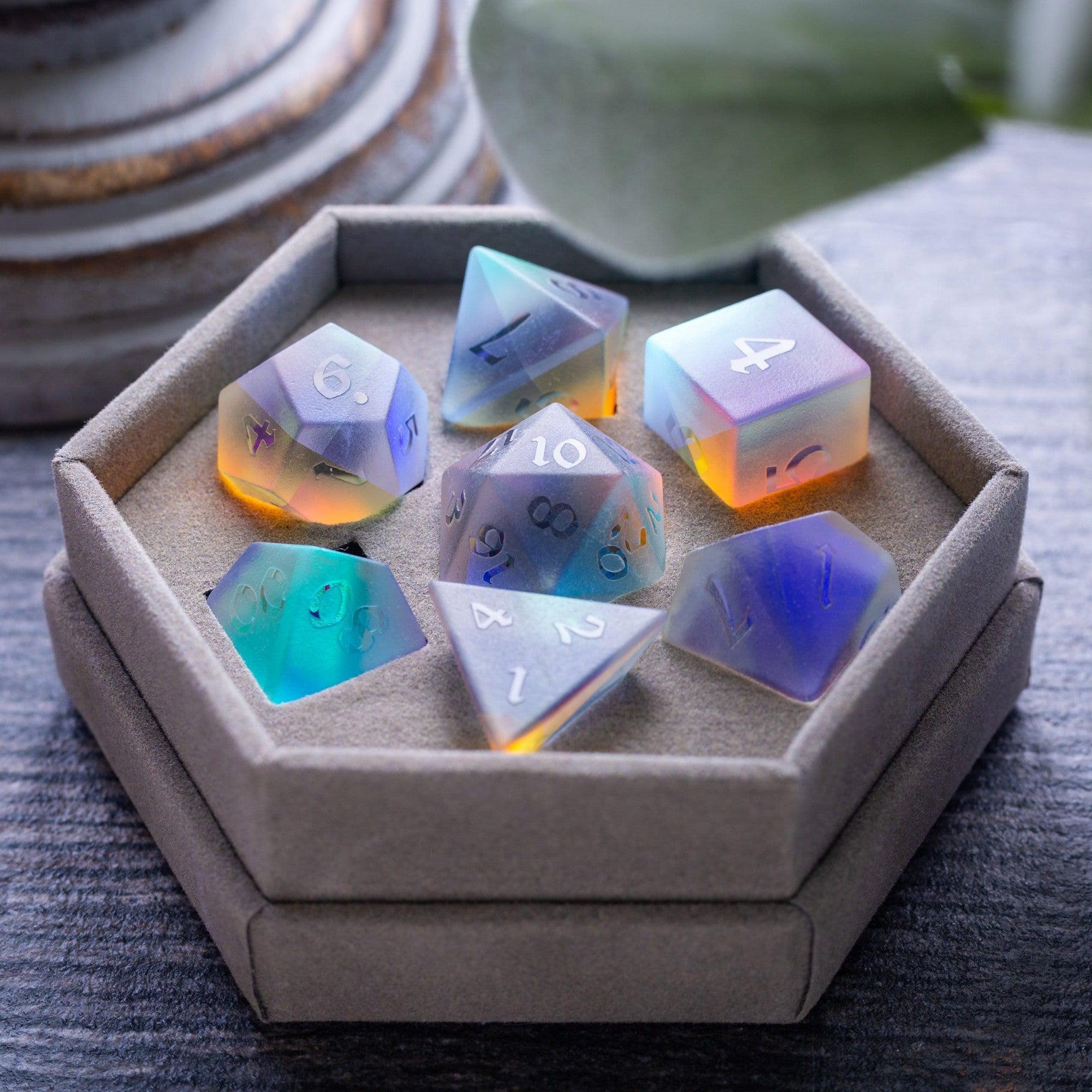
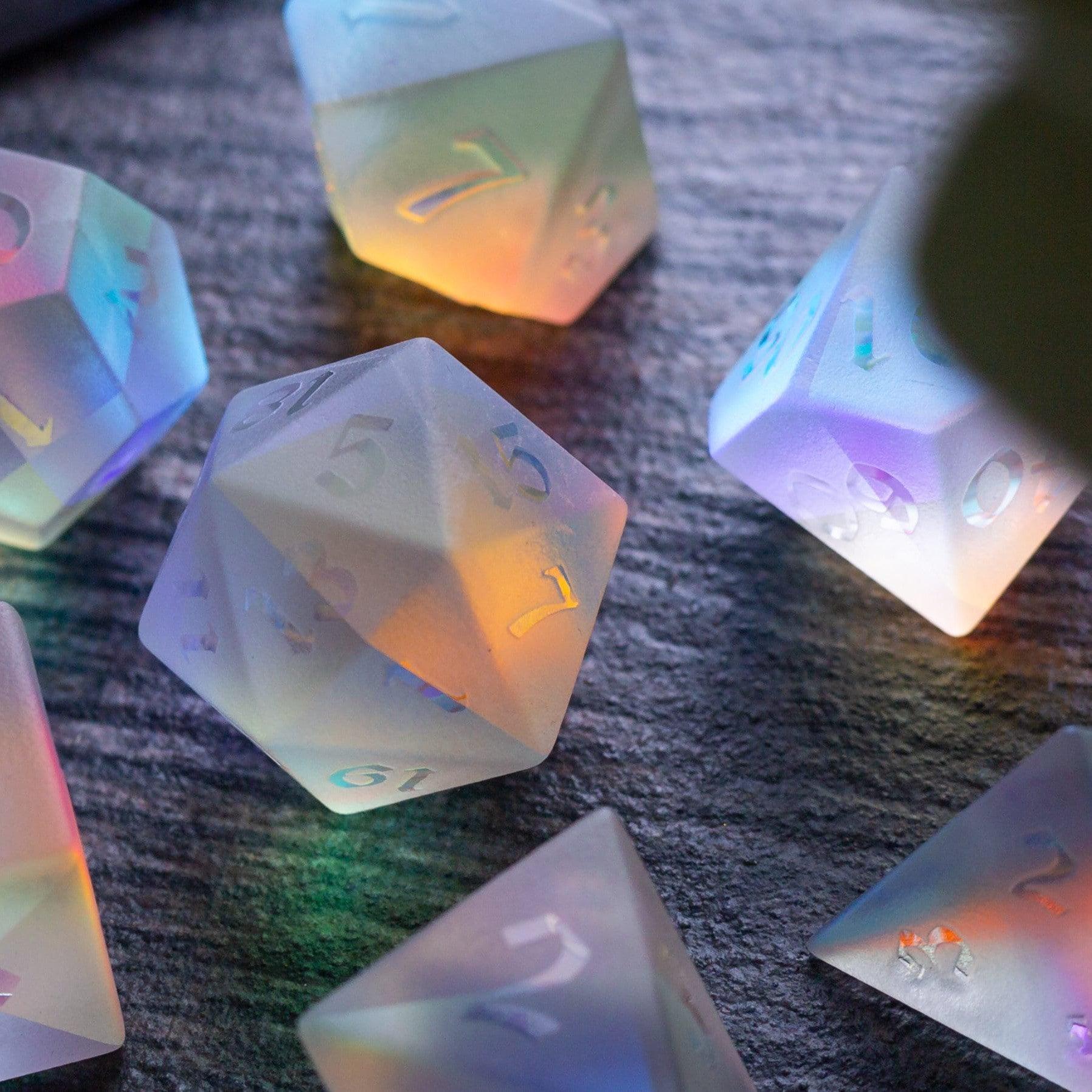
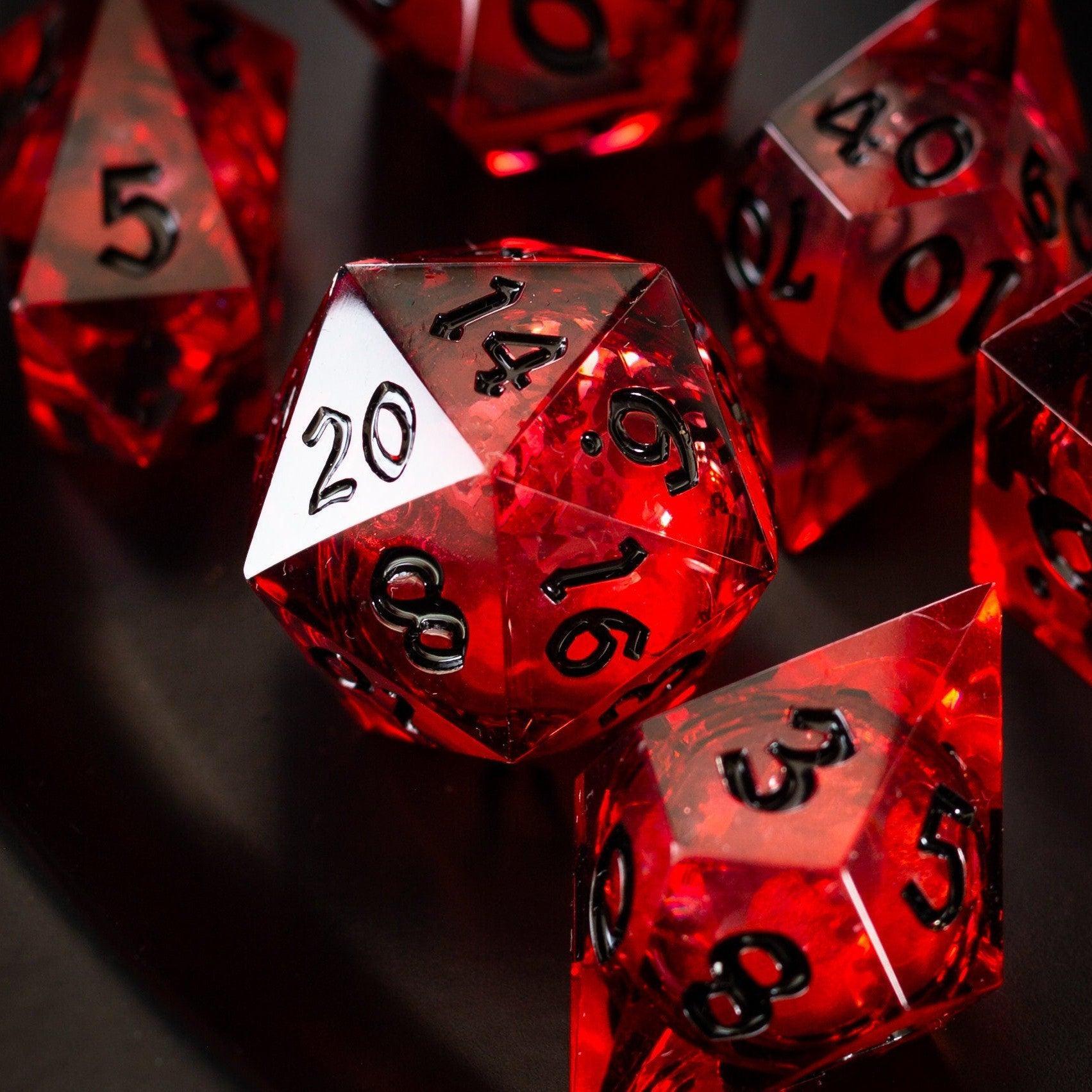
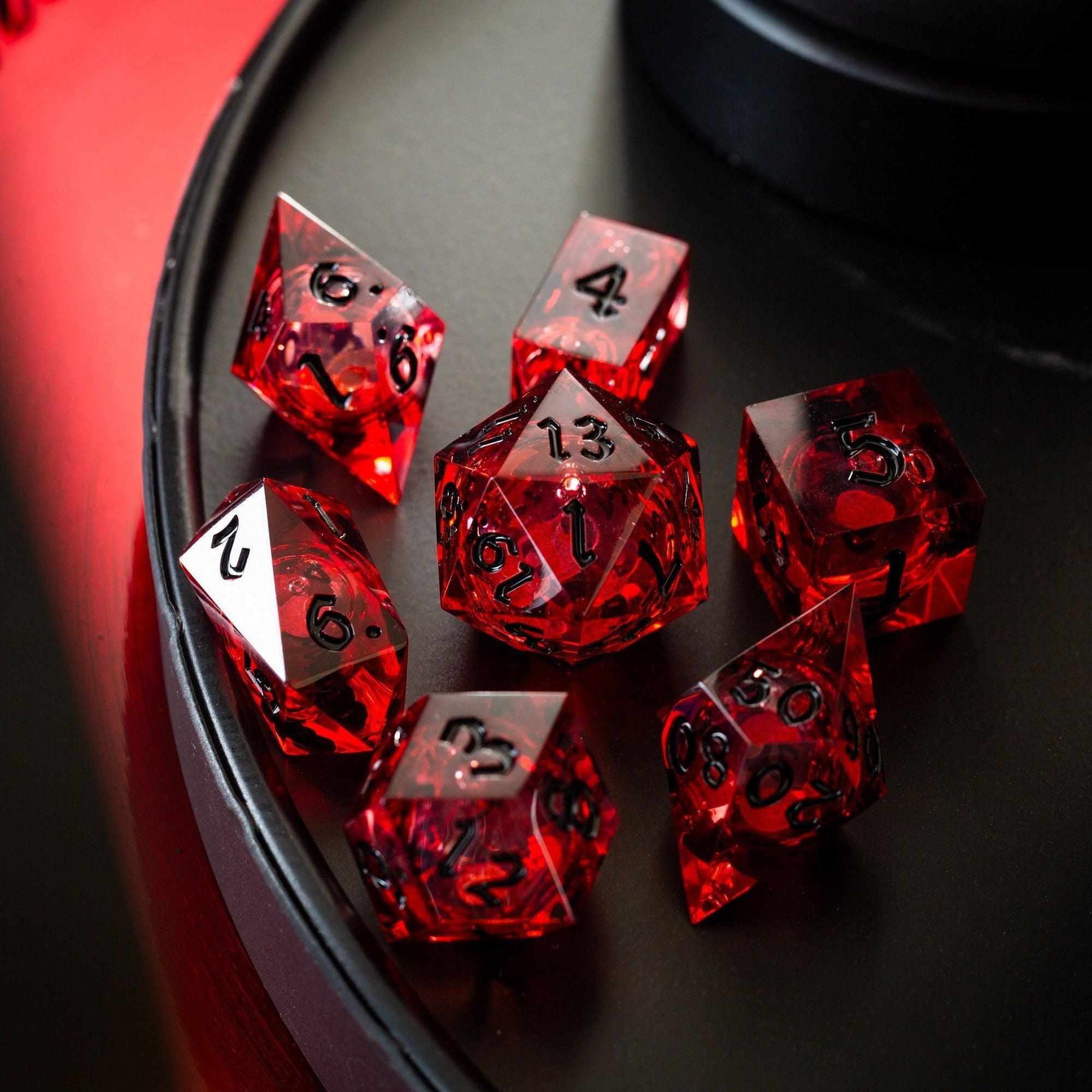
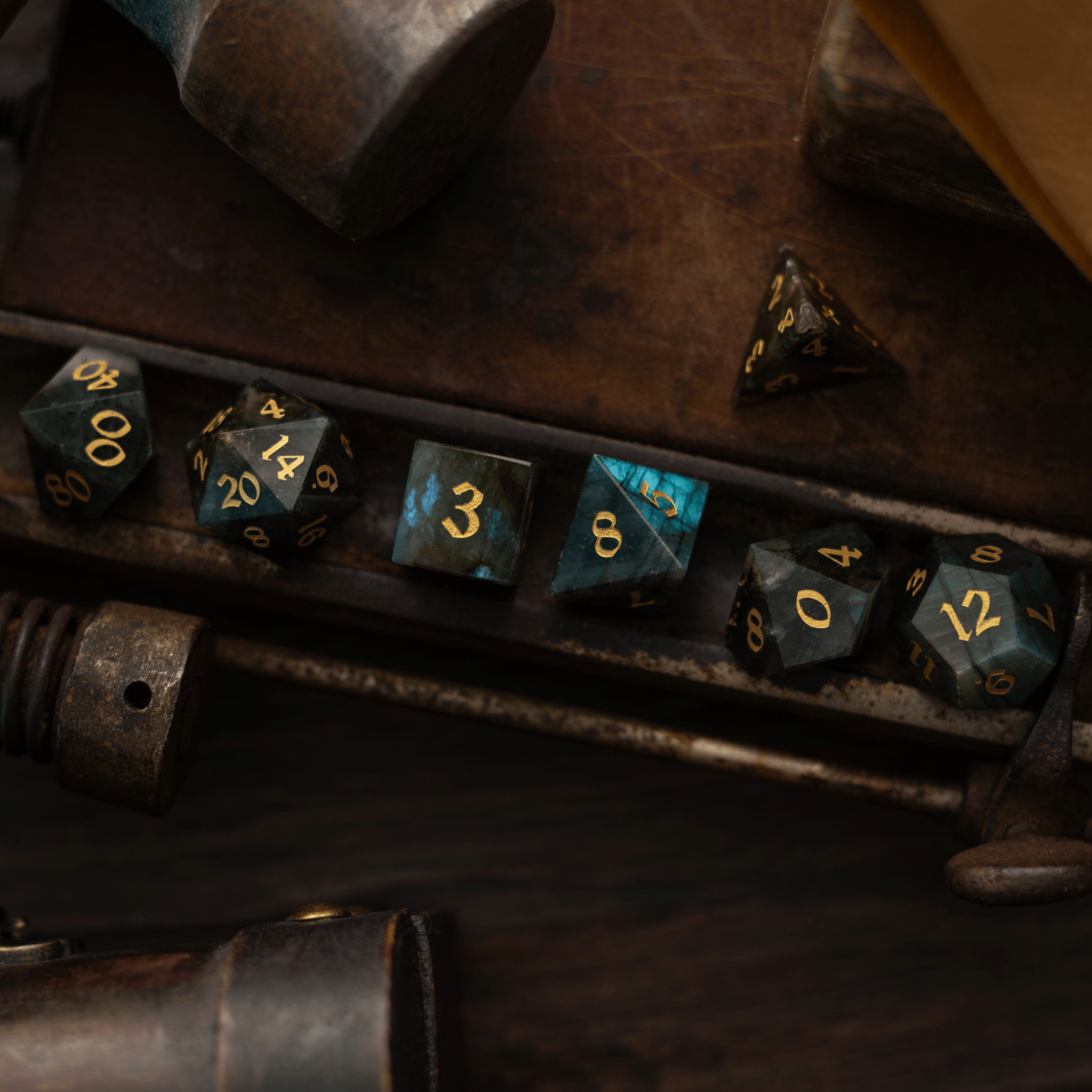
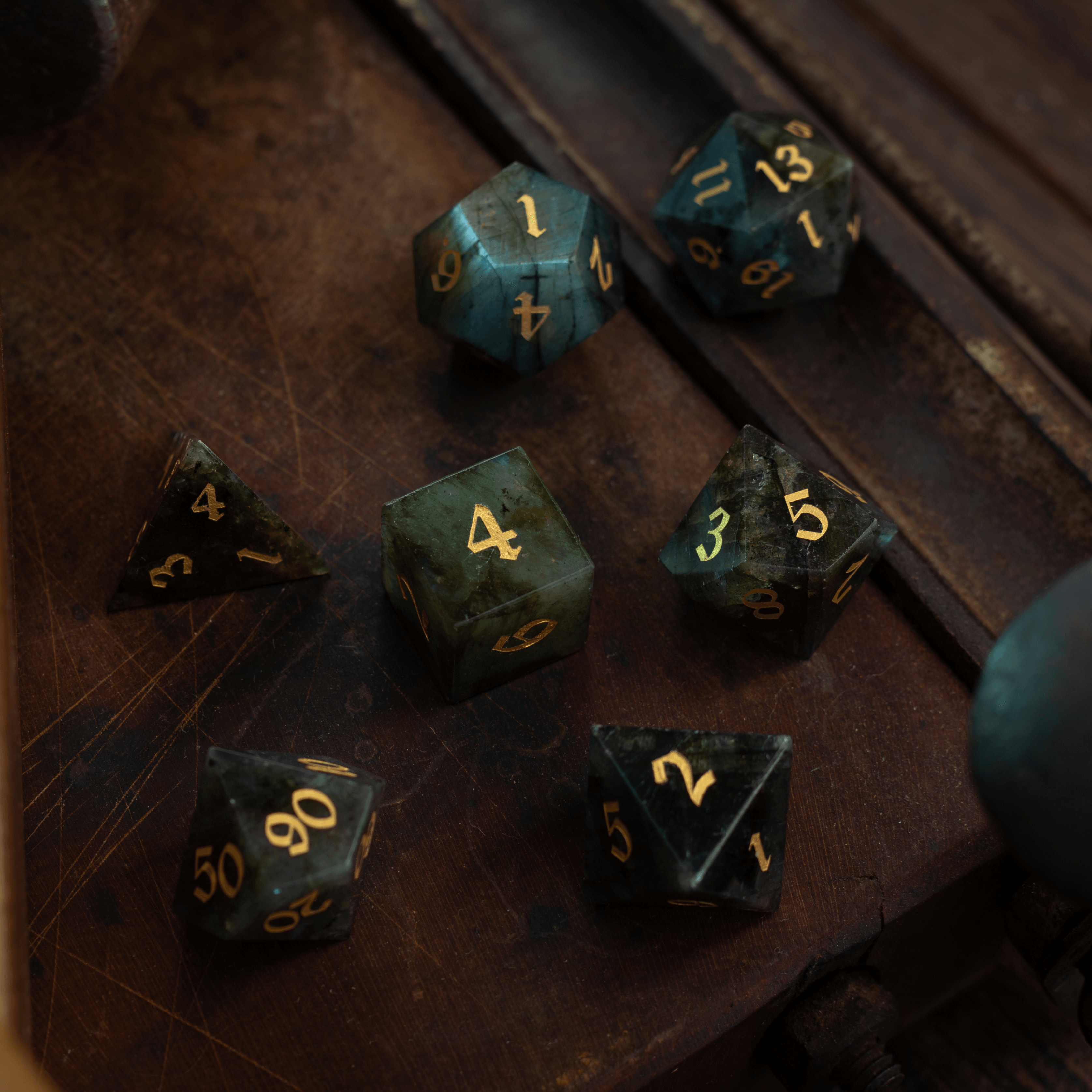
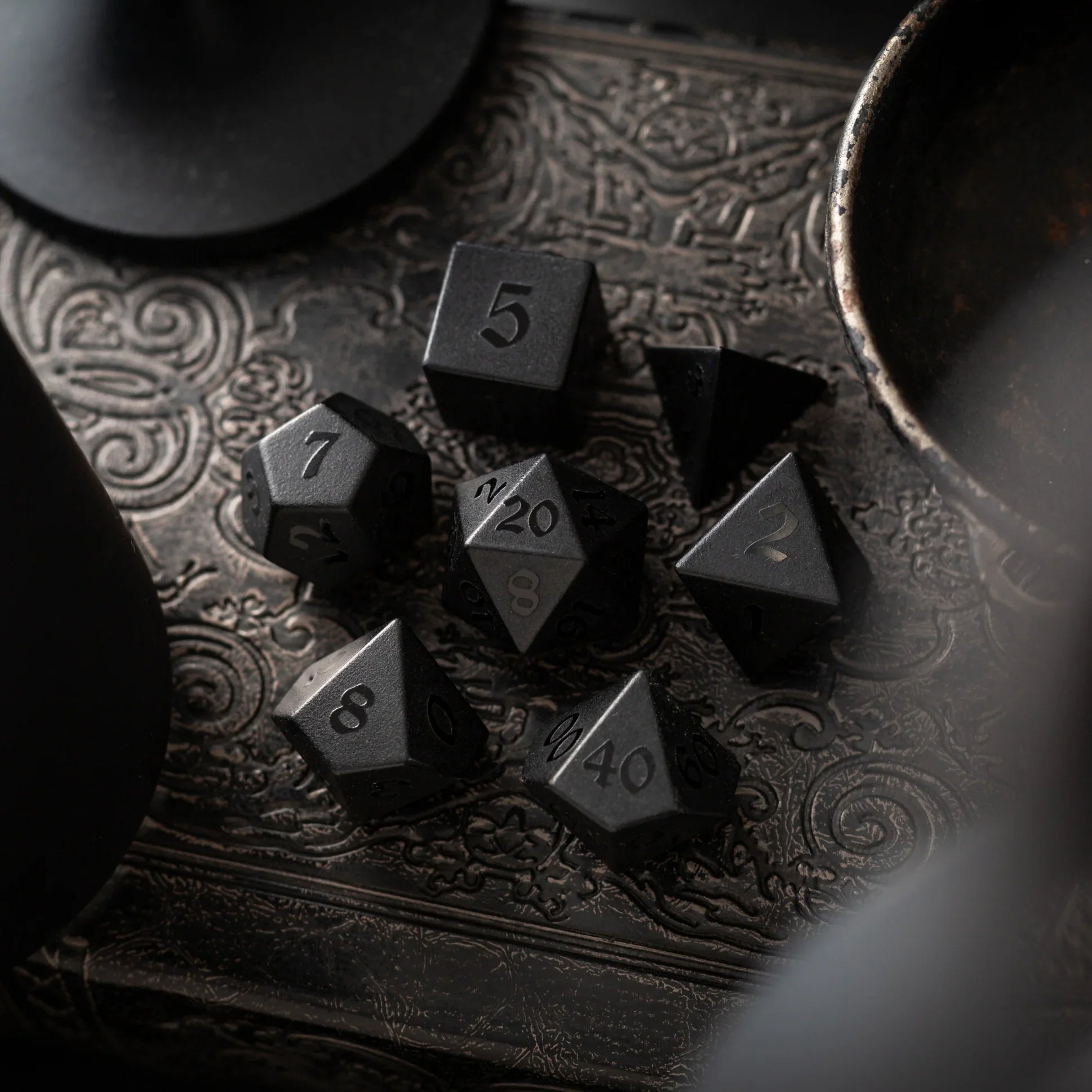
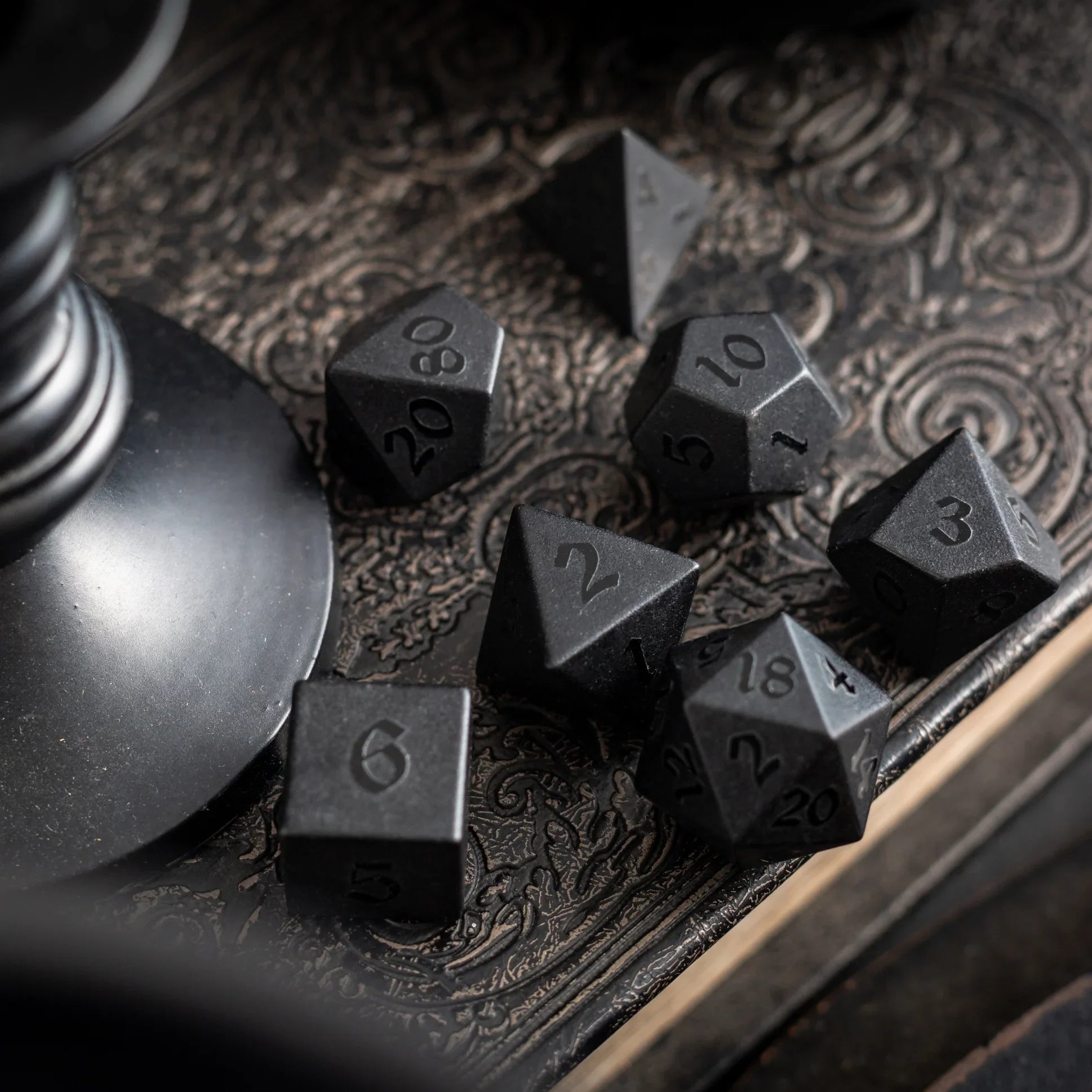
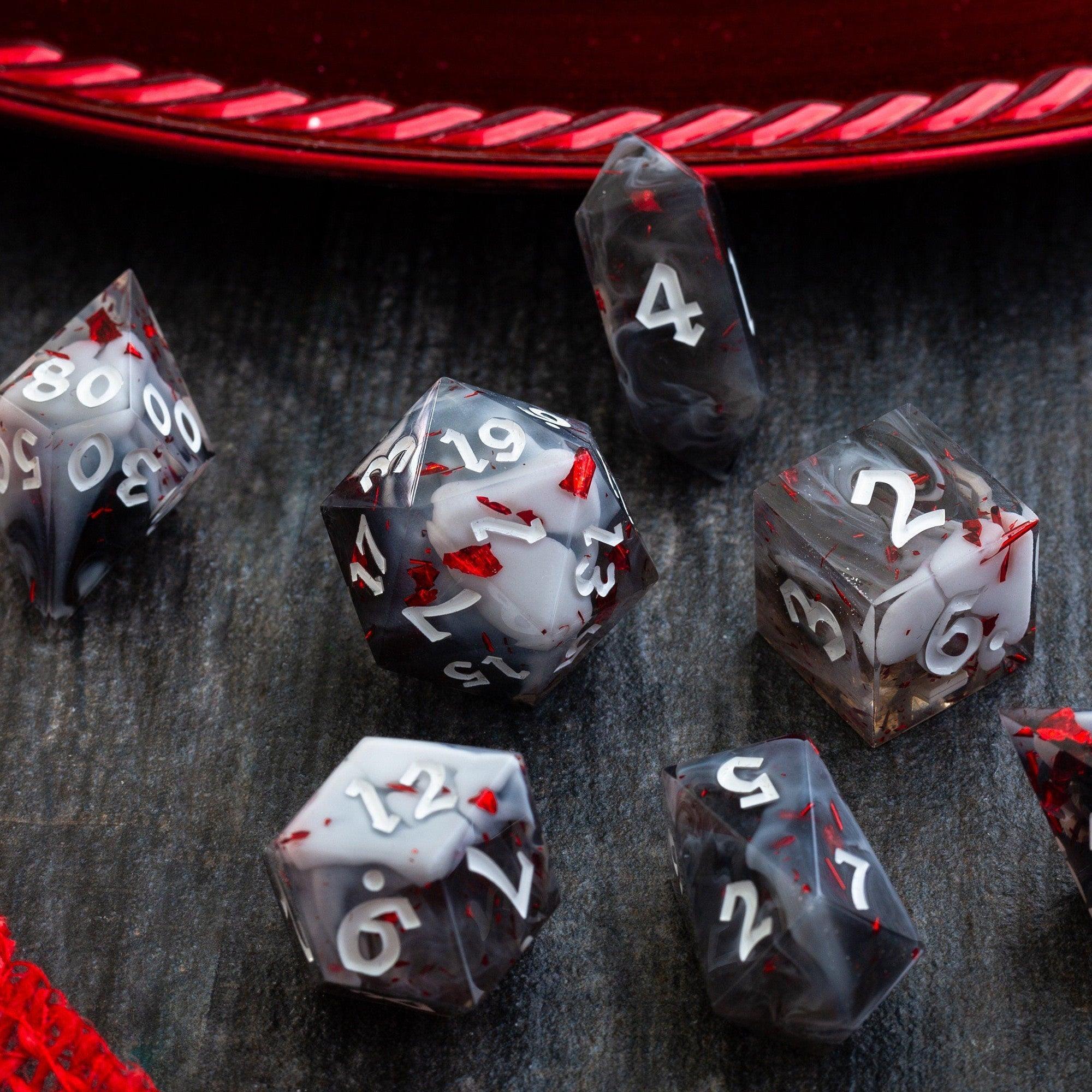
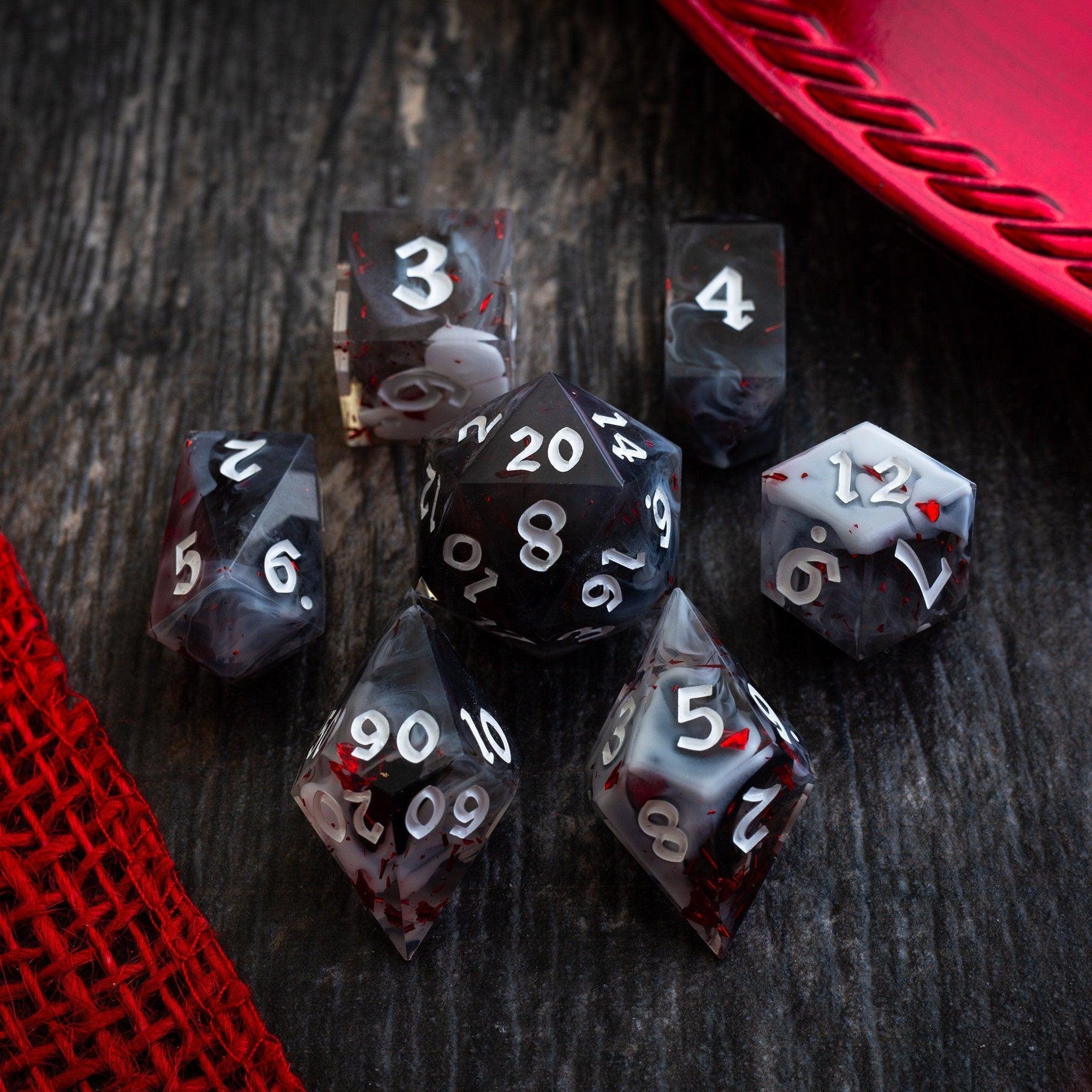
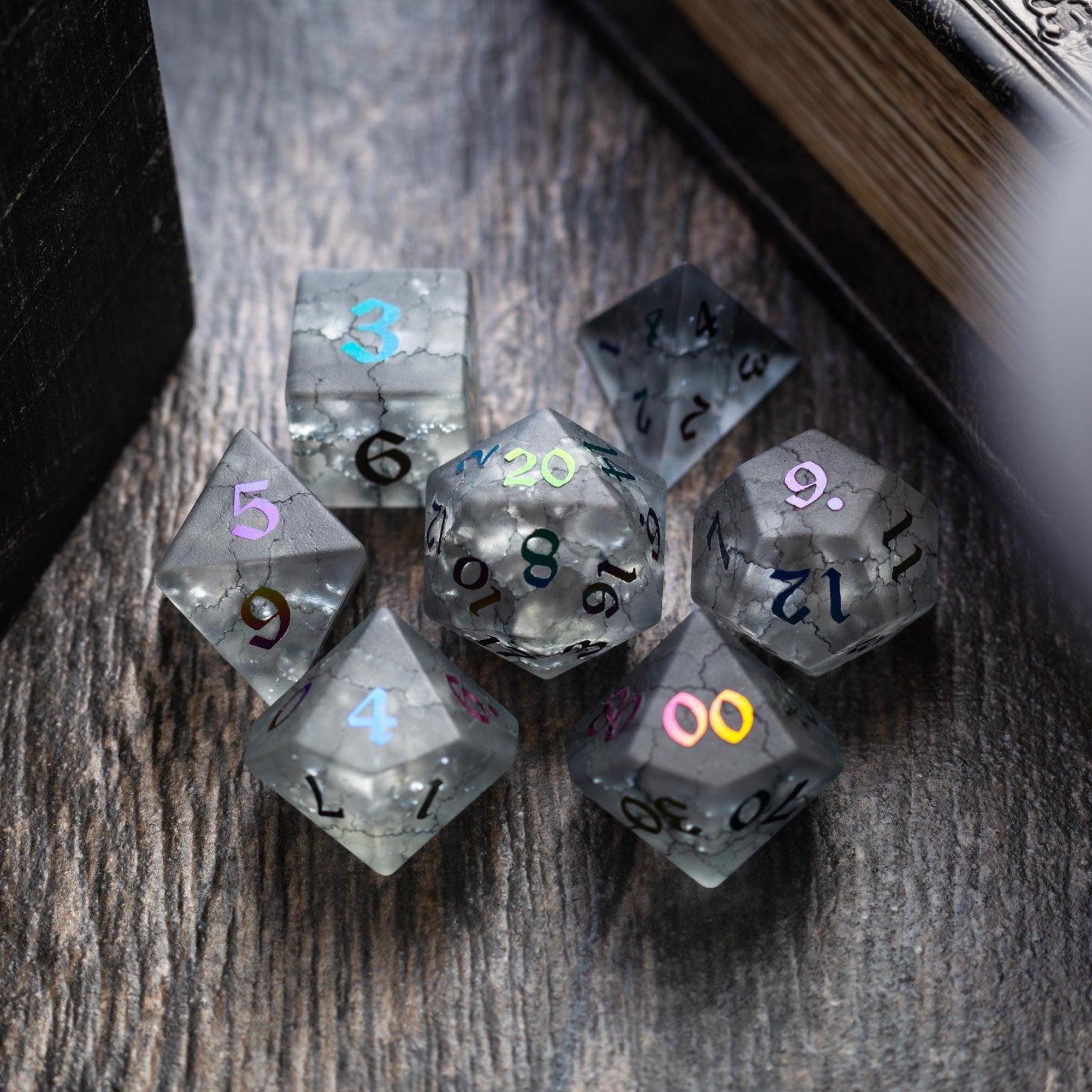
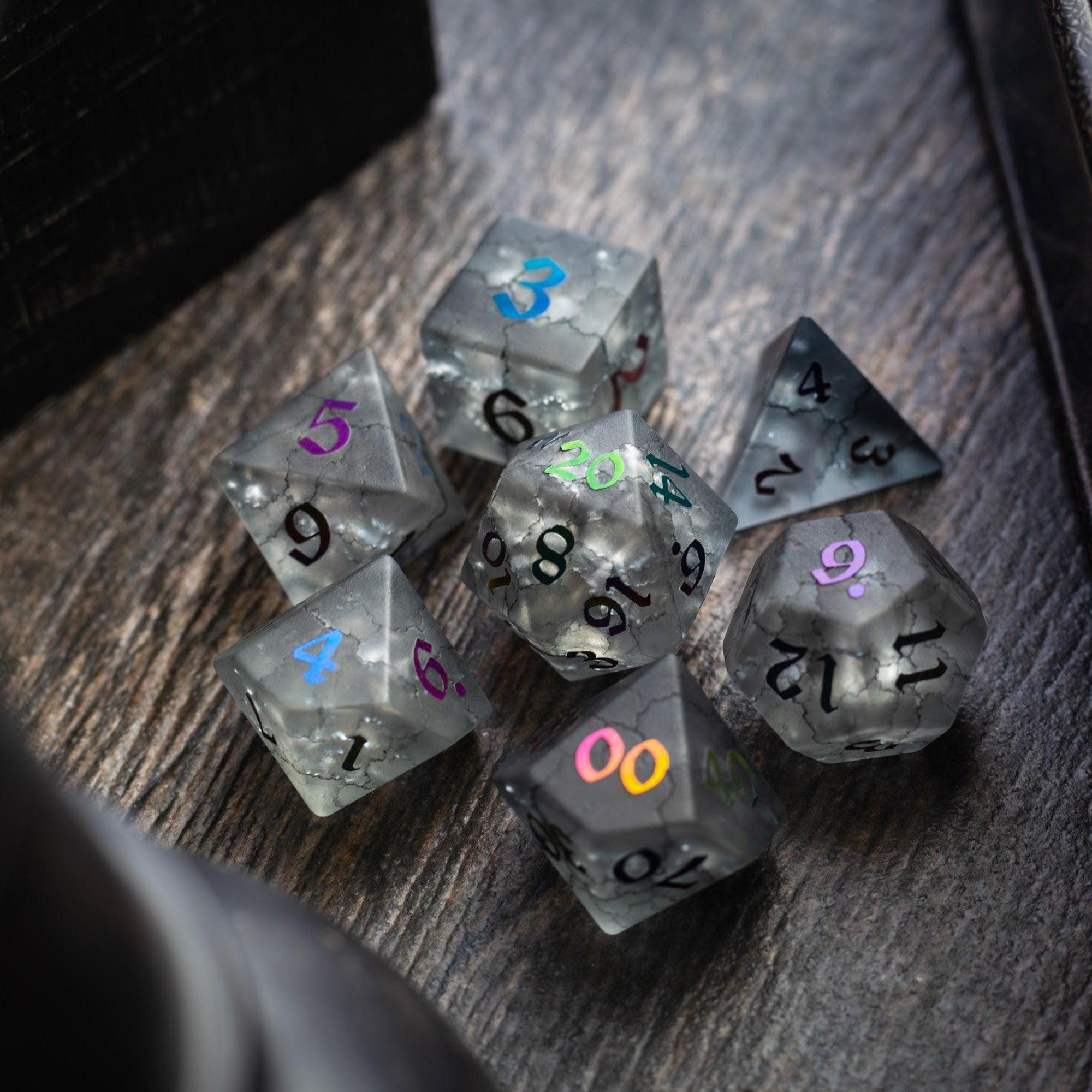
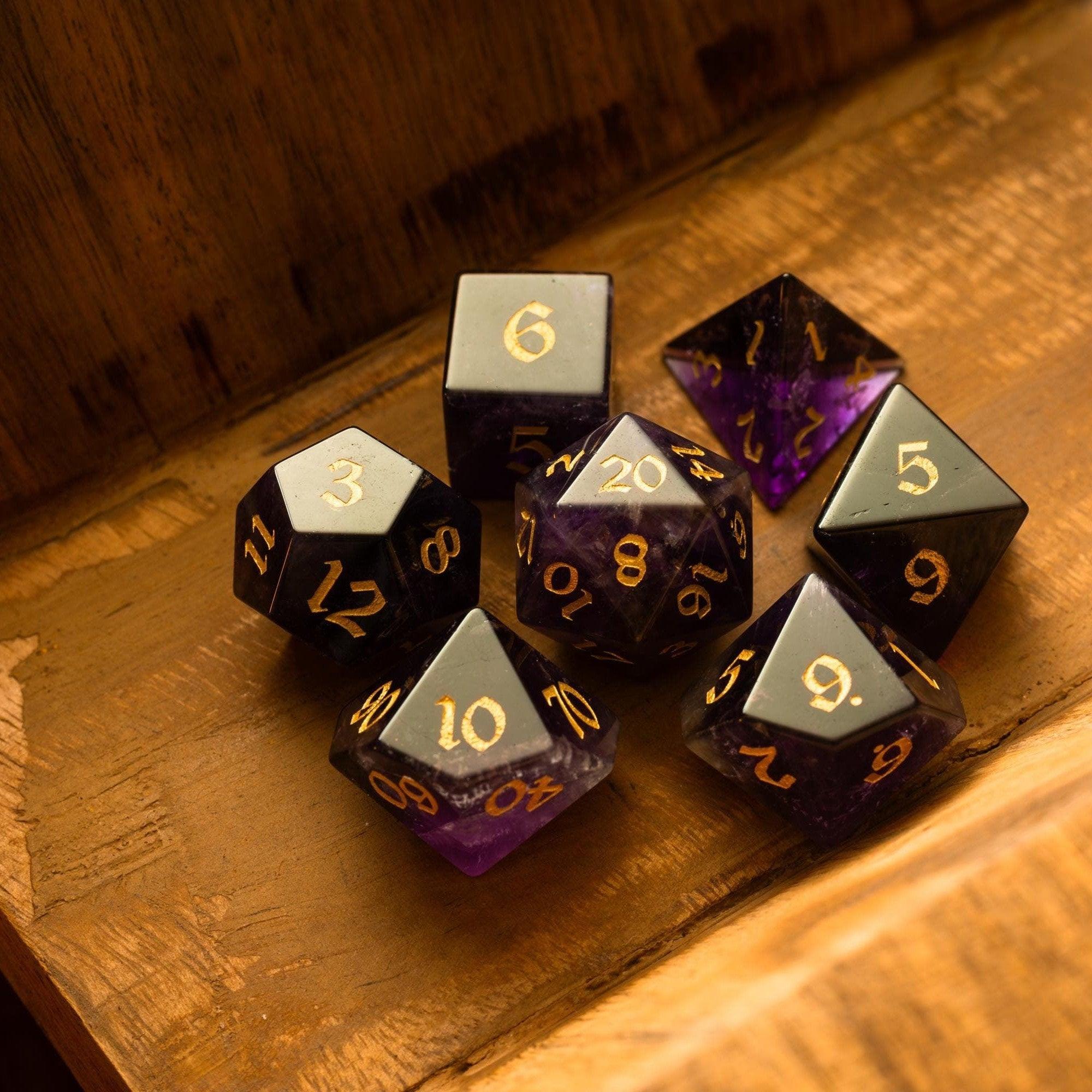
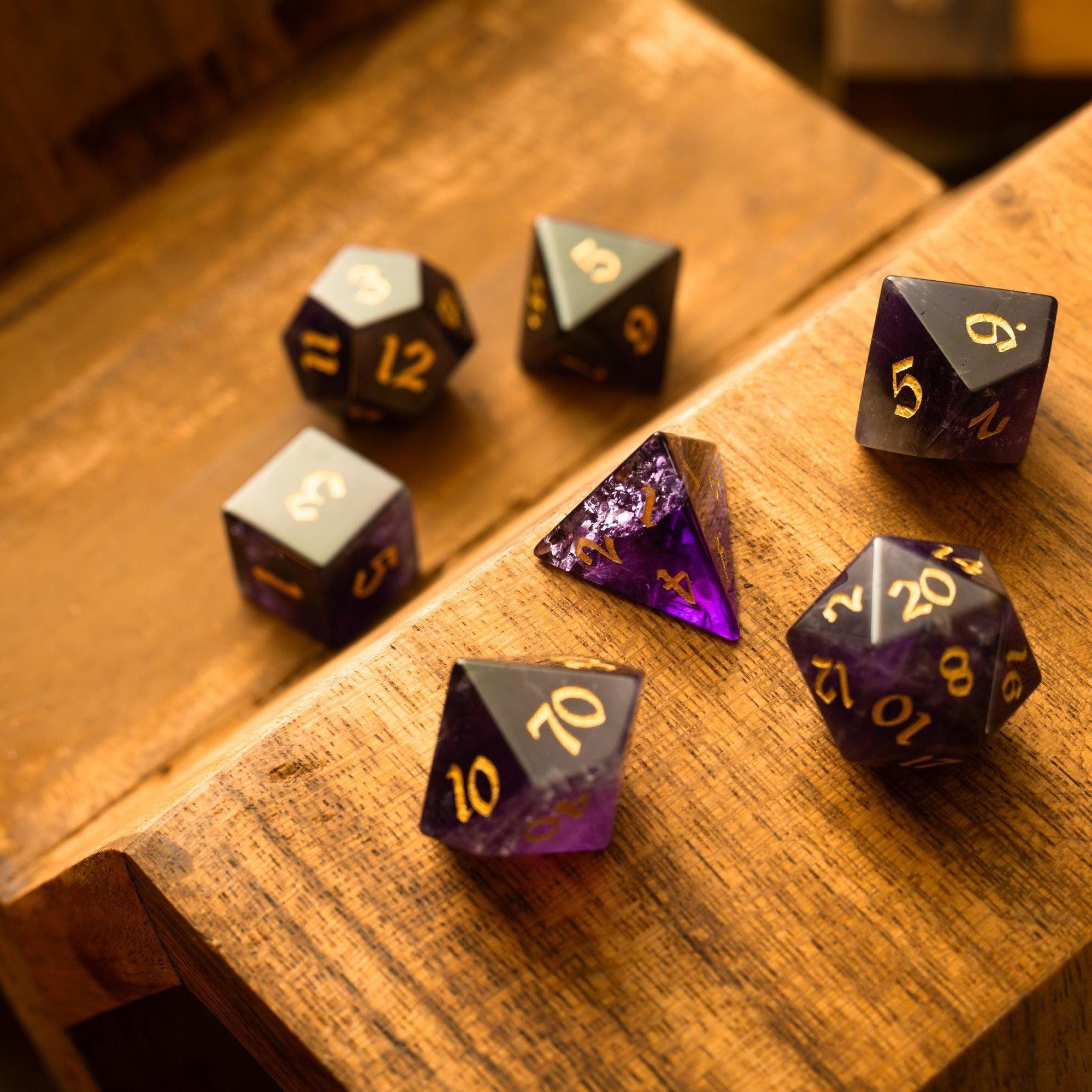
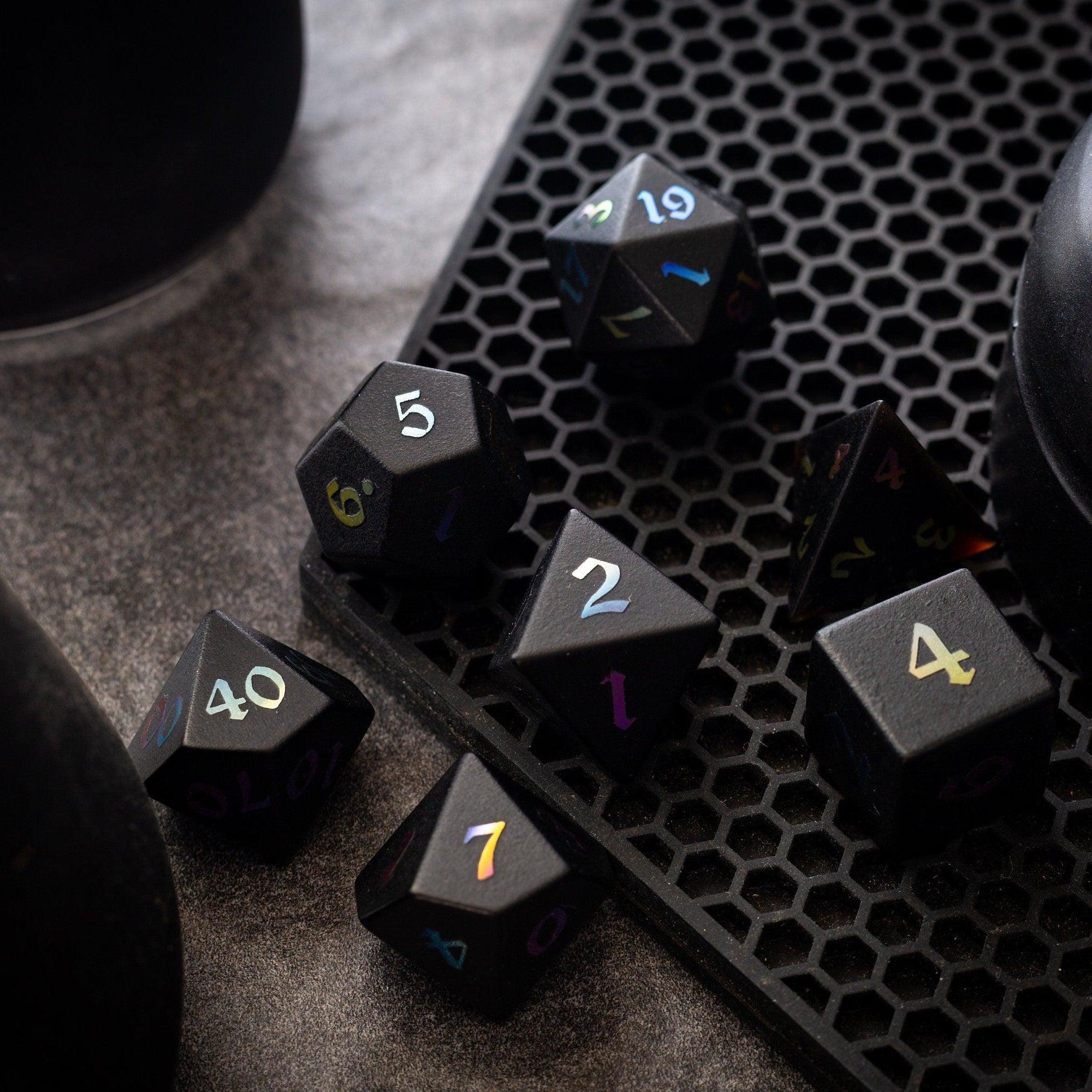
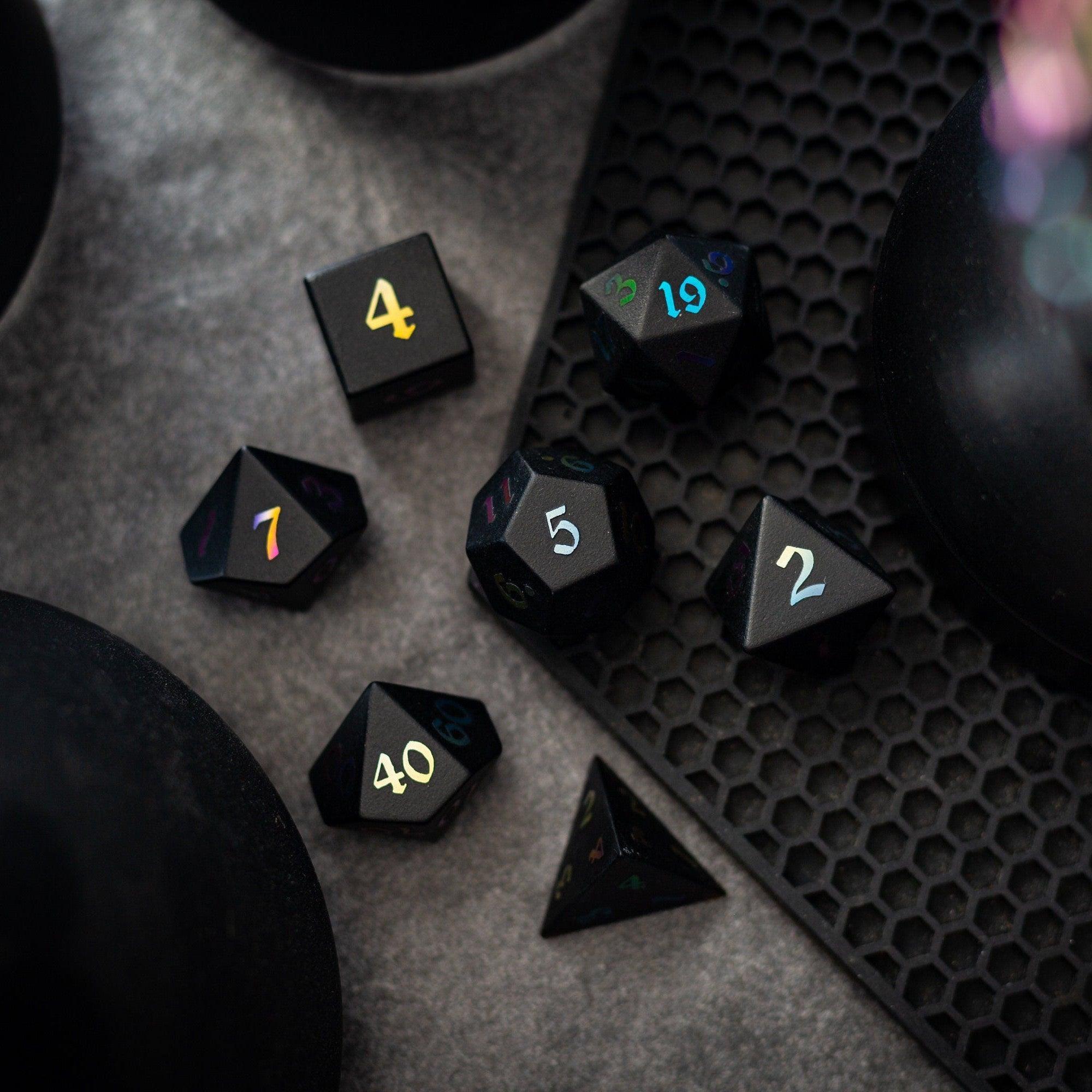
Need a special discount on premium dice sets for your campaigns? Check out our exclusive LUCKYDICE offer for quality dice that elevate your gaming table. Explore our collection of handcrafted gemstone and resin dice sets designed for serious players and DMs.


Leave a comment
This site is protected by hCaptcha and the hCaptcha Privacy Policy and Terms of Service apply.