

Exploring the Fifth Edition Spell List Core Spells and Tips
Updated on: 2025-12-02
Table of Contents
- Why the fifth edition spell list matters for players and DMs
- Common challenges with the fifth edition spell list
- Comparison: organizing the D&D 5e spell list by level, class, and school
- Summary and recommendations for the fifth edition spell list
- Questions about the fifth edition spell list
If you enjoy spellcasting in tabletop roleplaying, the fifth edition spell list is a friendly roadmap to memorable moments at the table. The D&D 5e spell list is broad, and it can feel complex at first, especially when learning D&D 5e spells by level or exploring the differences between classes. This guide offers simple ways to organize, compare, and prepare your magic so play stays smooth and everyone feels informed and confident.
Common challenges with the fifth edition spell list
Many players and DMs encounter similar hurdles when working with a comprehensive 5e spell list. The points below outline gentle, practical solutions you can try right away.
Overwhelm and scope of the D&D 5e spell list
The full range of options in a fifth edition spell list can be exciting yet overwhelming. It may be difficult to know where to start or what to choose for your character concept.
- Start with your role: Decide if your character focuses on control, damage, support, utility, or a blend. This narrows choices within the D&D 5e spell list.
- Curate a short list: Pick two or three go-to spells per level—the ones you will use often—and keep them handy as your “core kit.”
- Leave room for flavor: Add one thematic spell to reflect personality or story, keeping your fifth edition spell list both effective and expressive.
Prepared spells vs. known spells in the 5e spell list
Some classes prepare spells daily, while others know a limited number. Confusion about this distinction can slow the game.
- Prepared casters: You maintain a larger personal library and choose a daily subset. A tidy index of your most-used spells helps prevent delays.
- Known-spell casters: You learn fewer spells, so each choice matters more. Consider versatile options that remain useful across many situations.
- Shared reference card: A single-page overview for your group—listing your most frequent spells—can keep table momentum steady.
Multiclassing and clarity across the fifth edition spell list by class
Multiclass characters may draw from more than one fifth edition spell list by class. This can raise questions about which options are available and how slots scale.
- Confirm source lists: When you add a class, clearly note which spells come from each class’s list to maintain clarity.
- Track slots separately from known/prepared: Many tables find it helpful to list slots in one place and eligible spells in another.
- Respect class identity: Allow each class to shine by using its core strengths, even if some options overlap across the D&D 5e spell list.
Balancing party roles and coverage with D&D 5e spells by level
Spell choices can leave gaps in healing, crowd control, or exploration tools. A balanced approach supports the whole party.
- Scan by level: Each time you gain a spell level, review your group’s needs and add one option to cover a missing role.
- Coordinate gently: Ask teammates which challenges they expect next. A short conversation helps your fifth edition spell list stay relevant.
- Keep a swap plan: When your class permits changes, schedule periodic updates to maintain coverage as adventures evolve.
Reliable references and “pdf download” questions
It is common to search for a fifth edition spell list pdf download. While many digital tools exist, please consider official sources and your table’s preferences. If you build your own index or summary, keep it concise and readable.
- Favor clarity: Short descriptions help you recall rules without flipping pages repeatedly.
- Note key tags: Range, duration, components, concentration, and save/attack remain the essentials for quick decisions.
- Keep consistent: Use the same format across your D&D 5e spell list so your eye knows where to look in the middle of play.
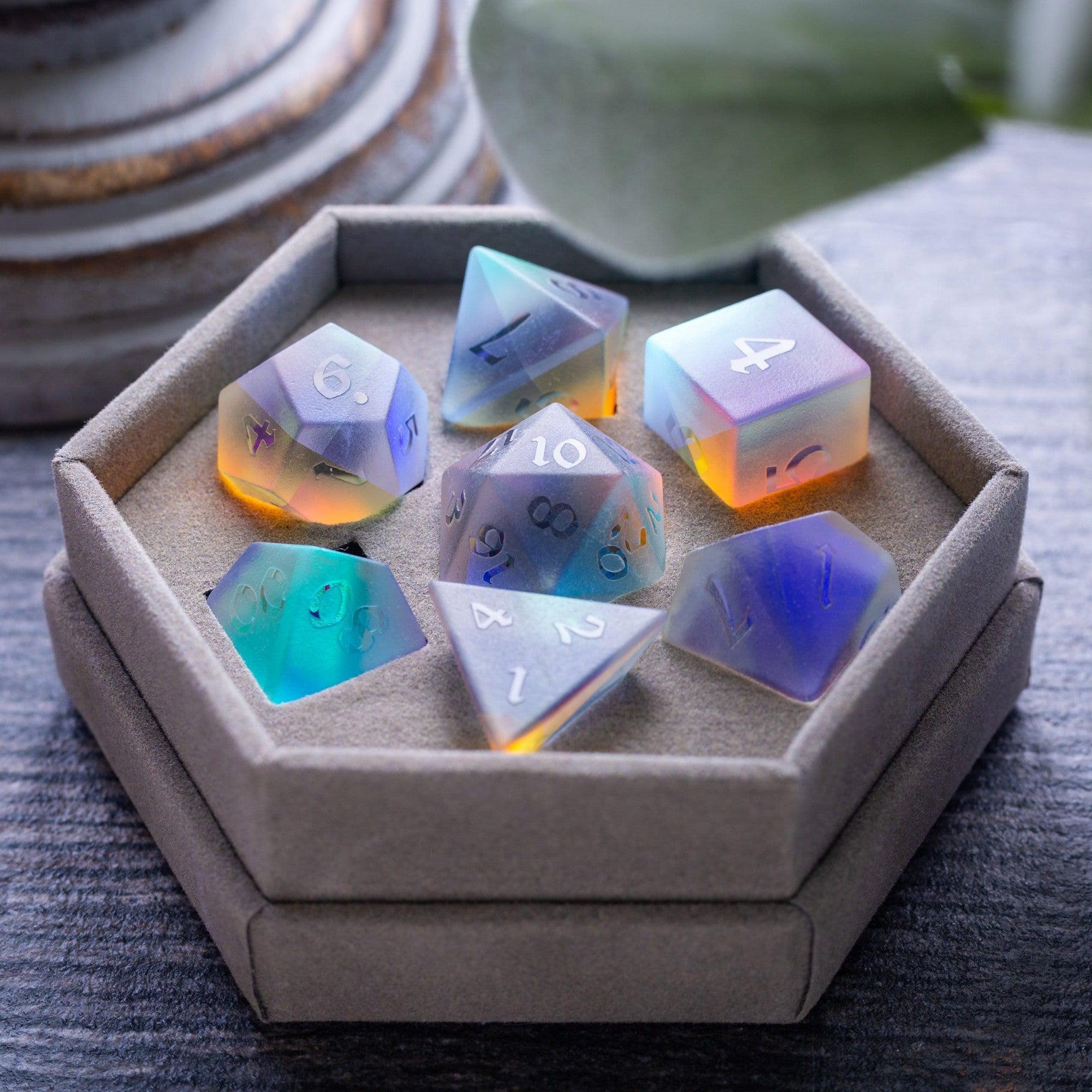
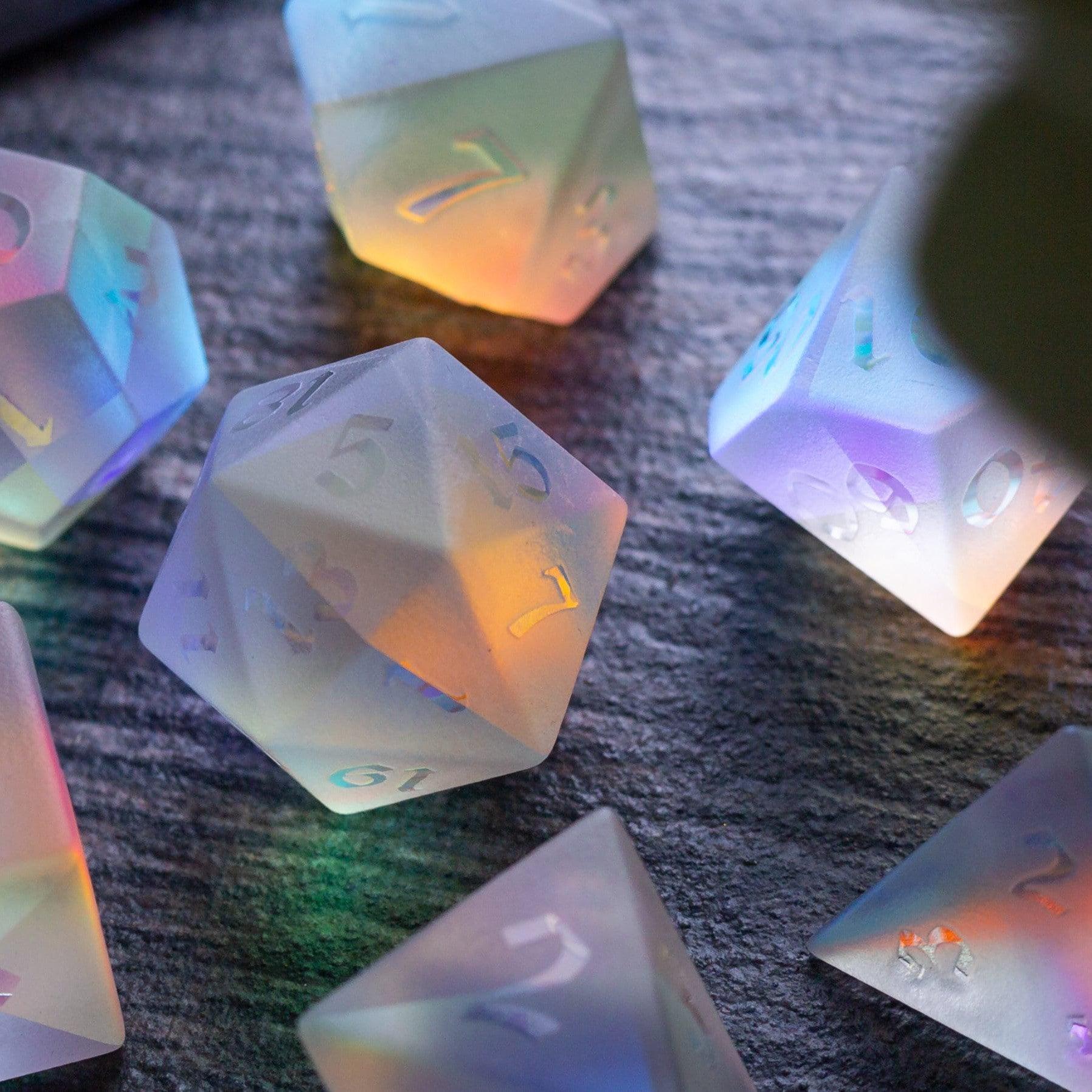
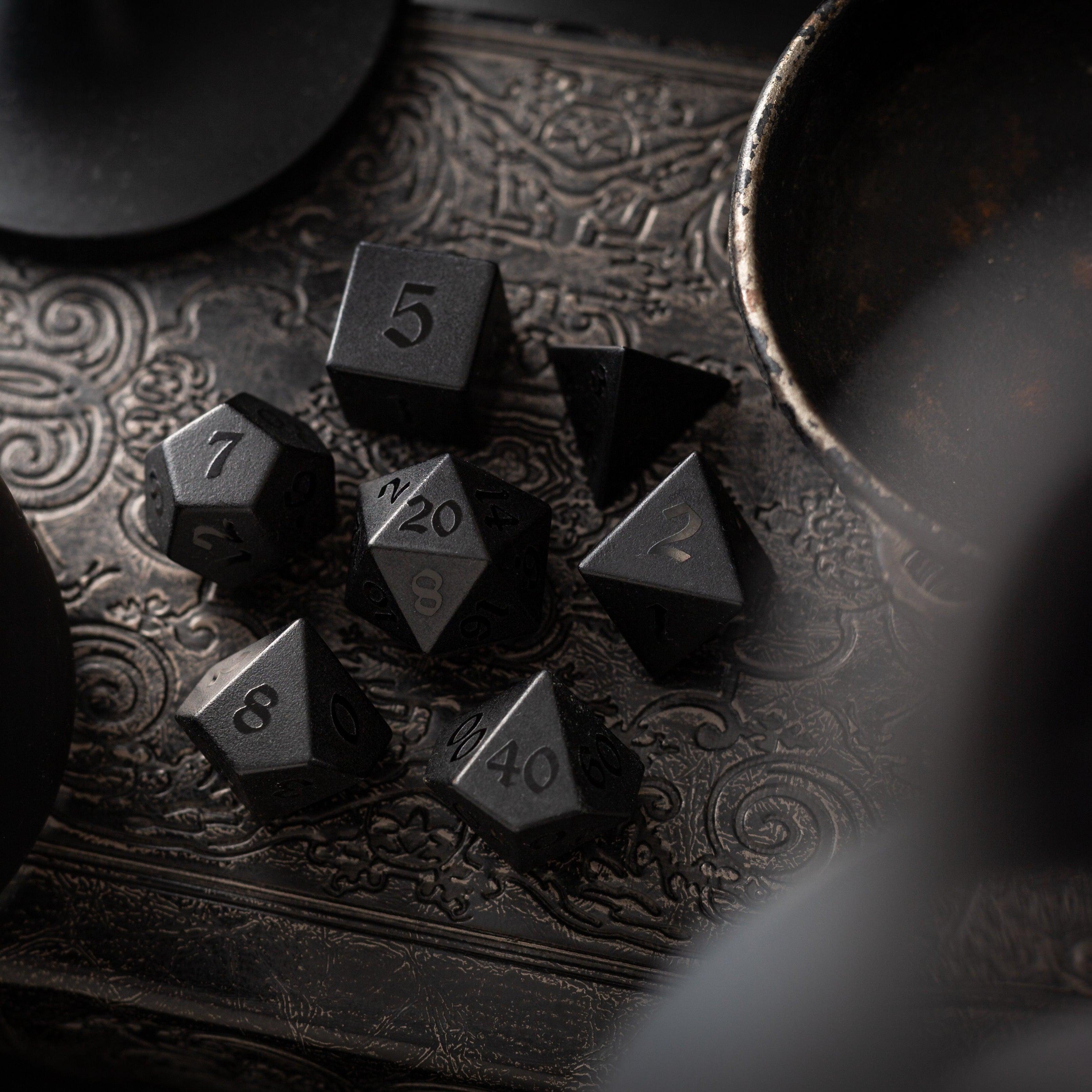
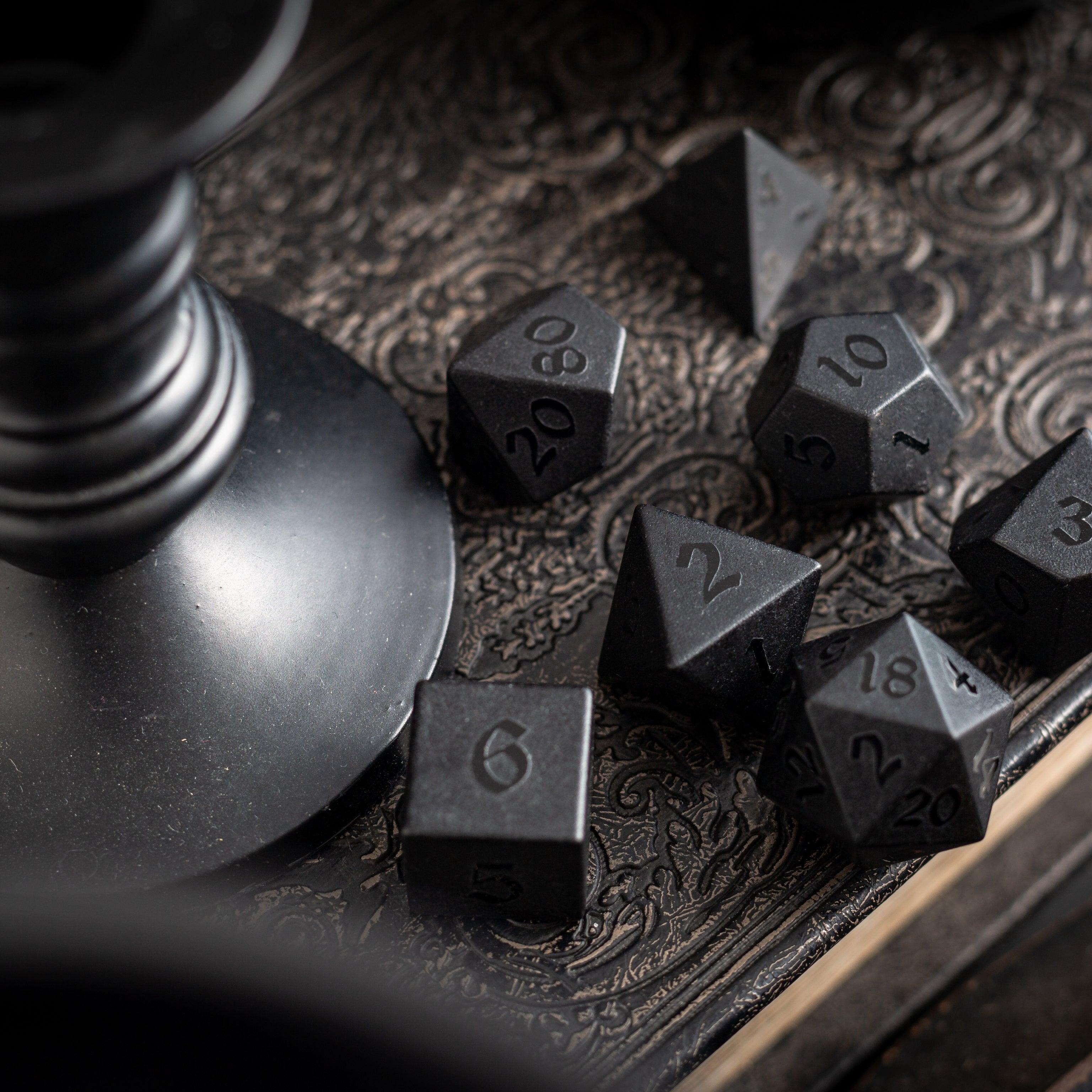
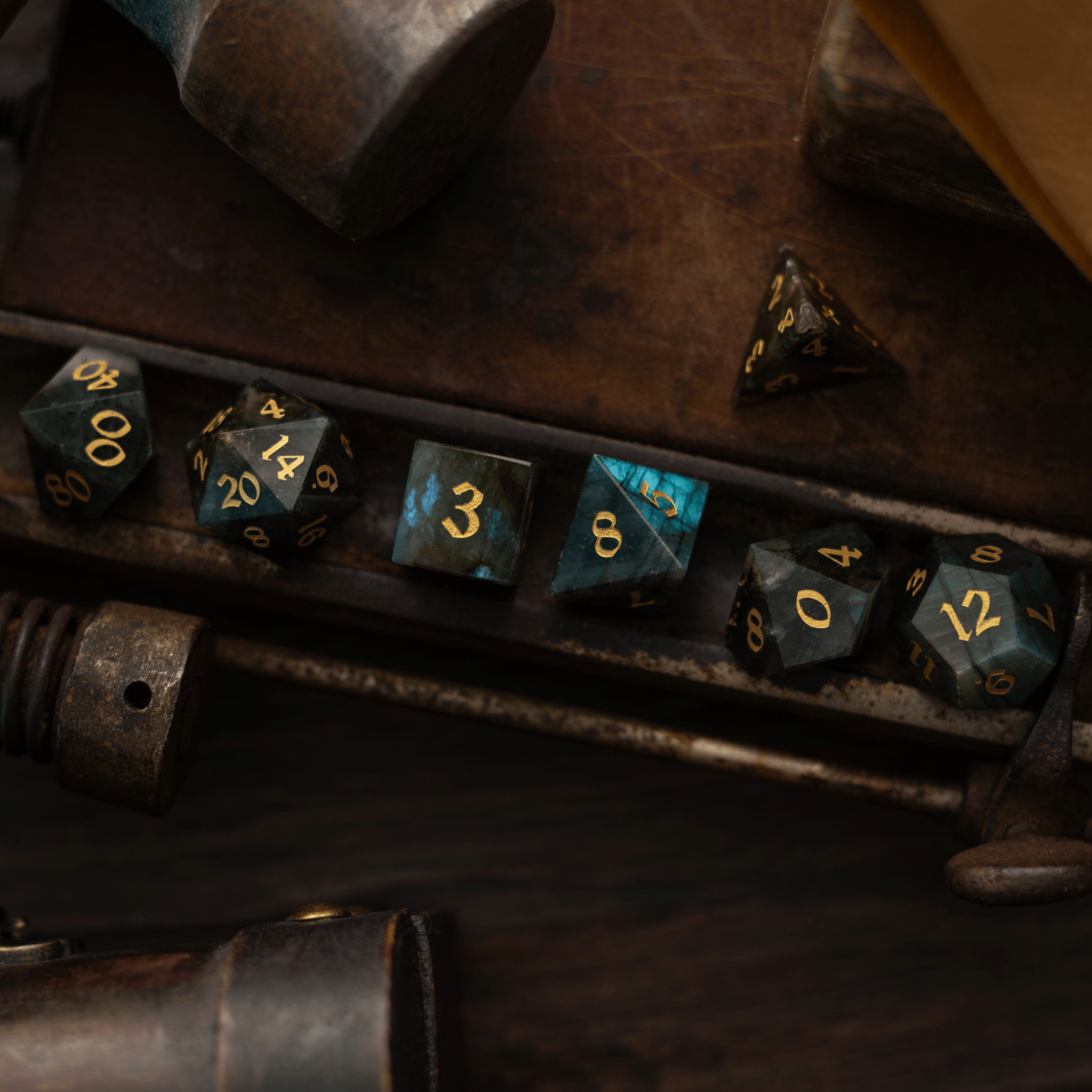
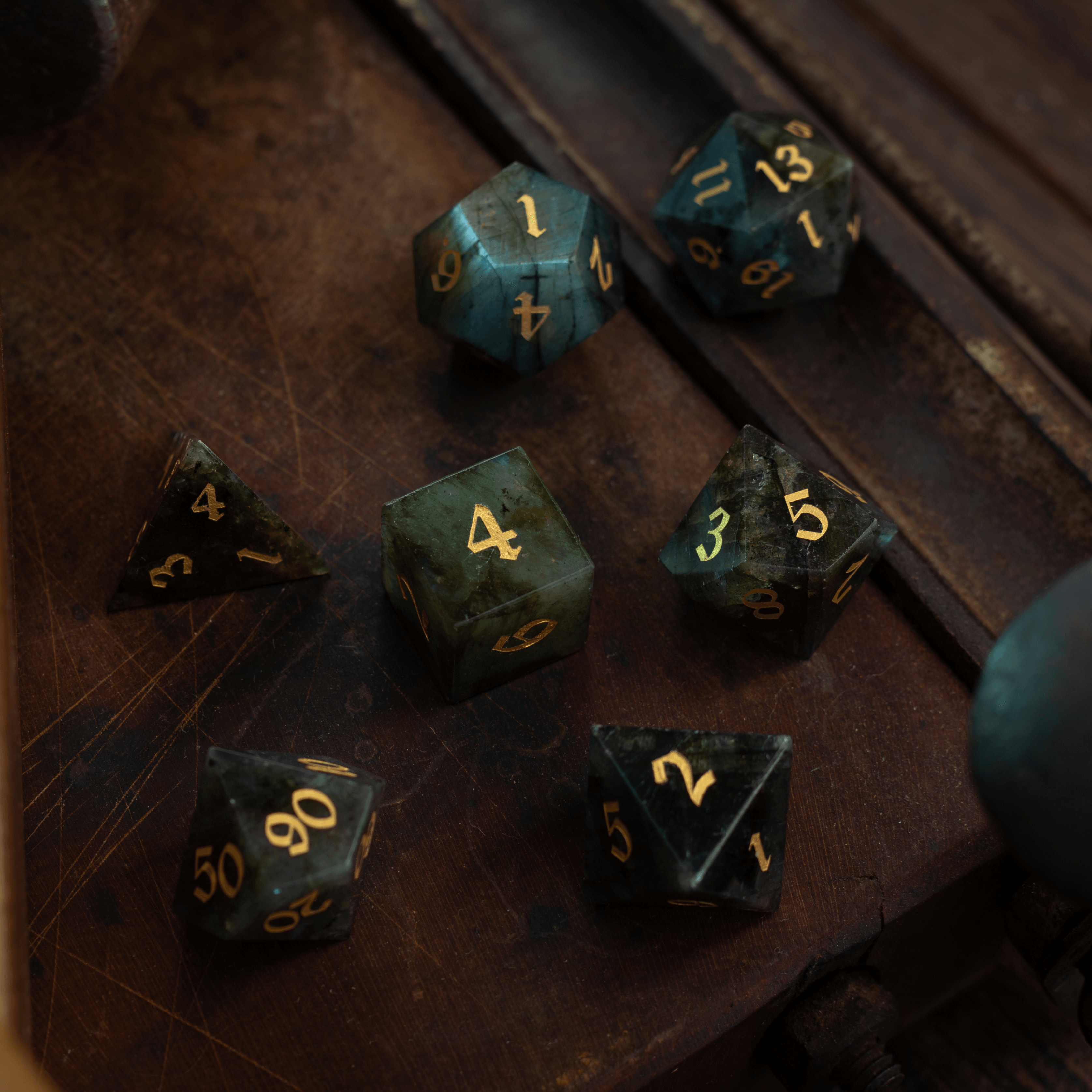
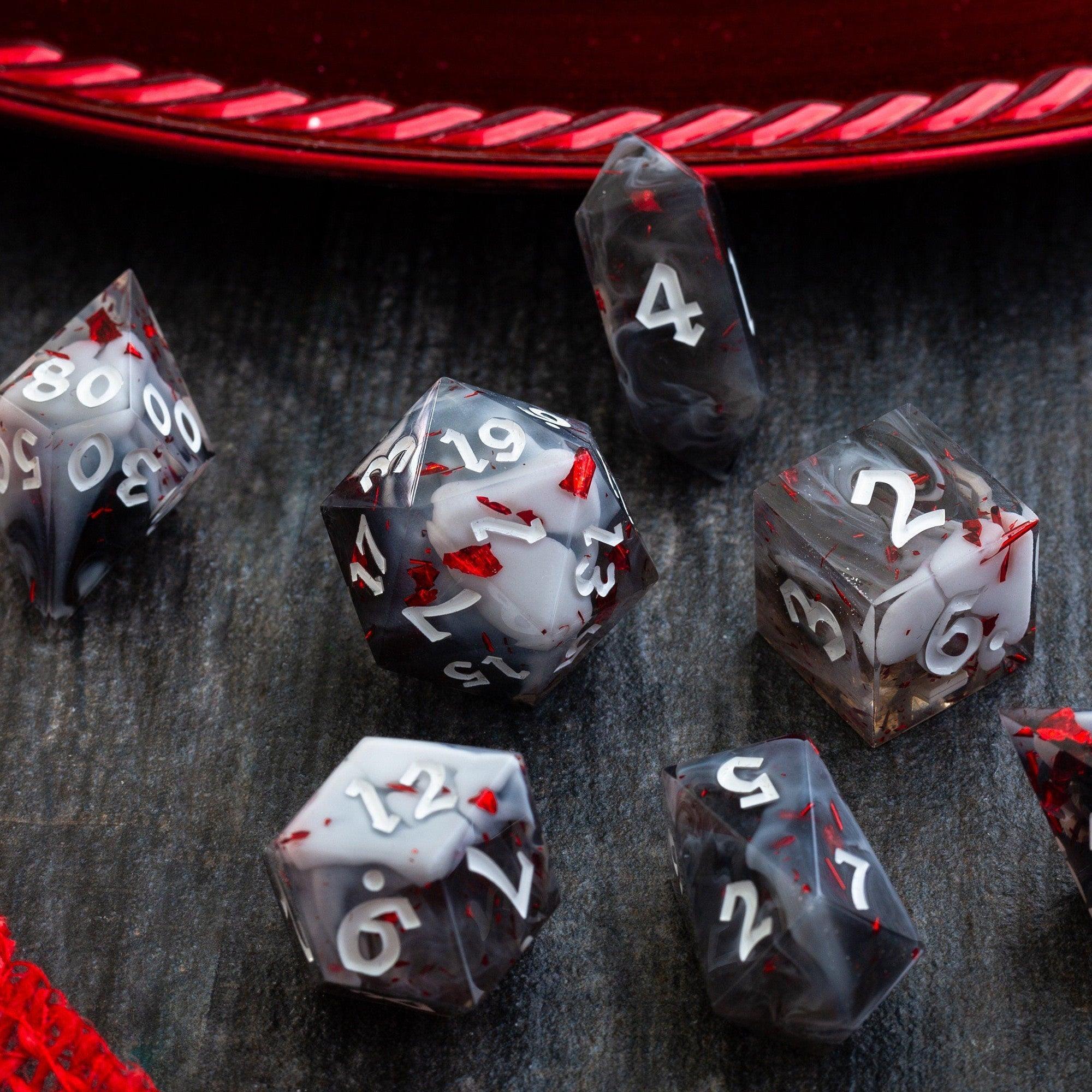
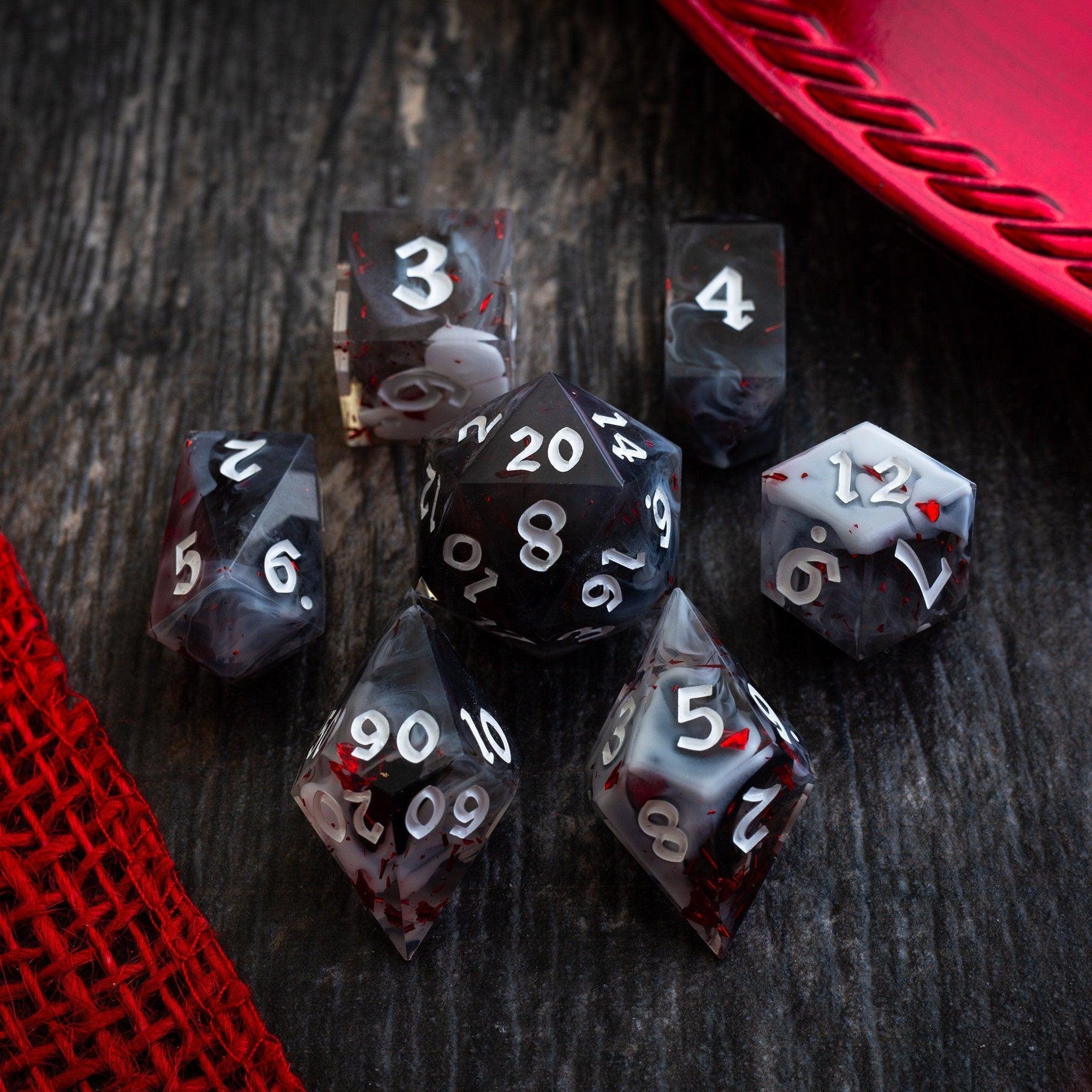
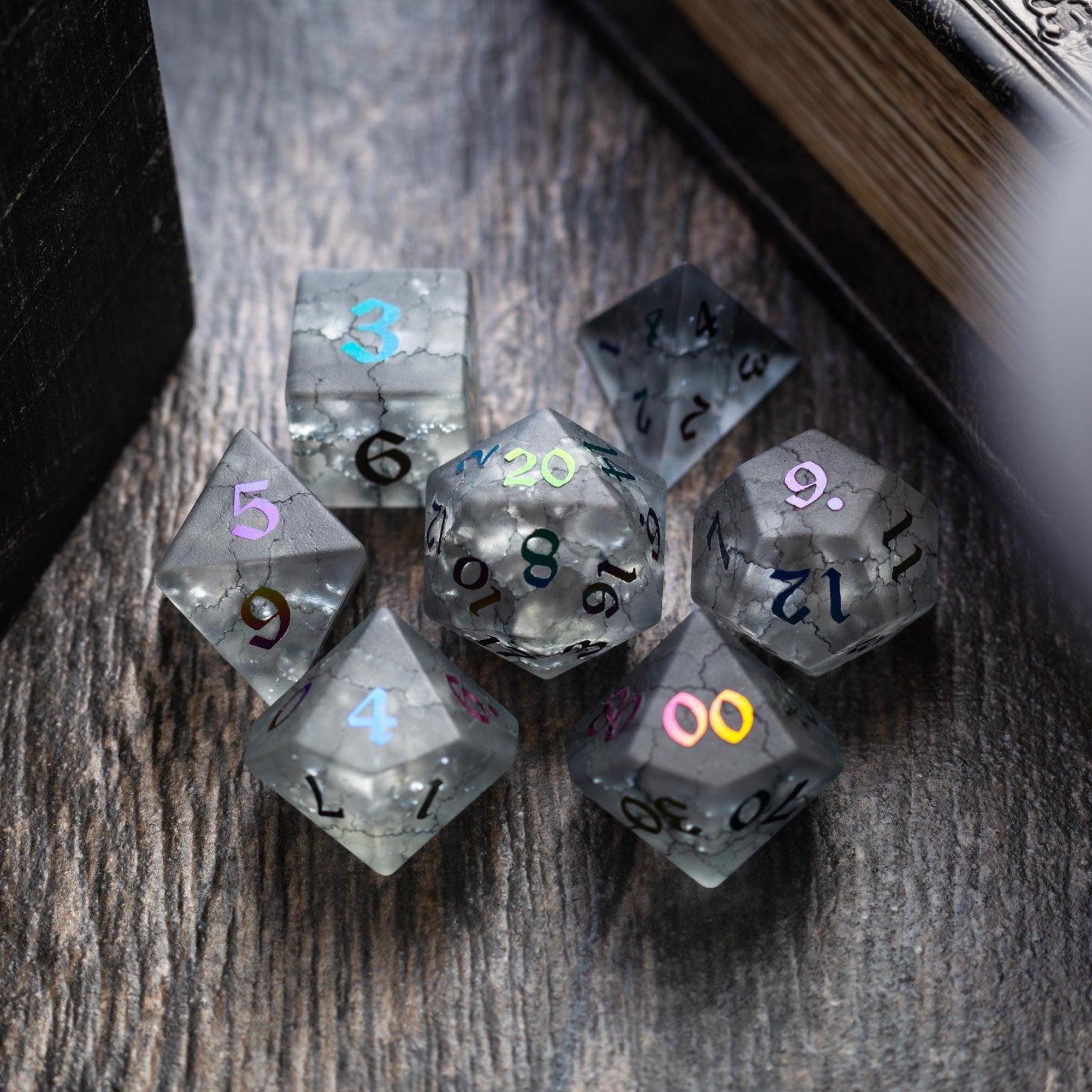
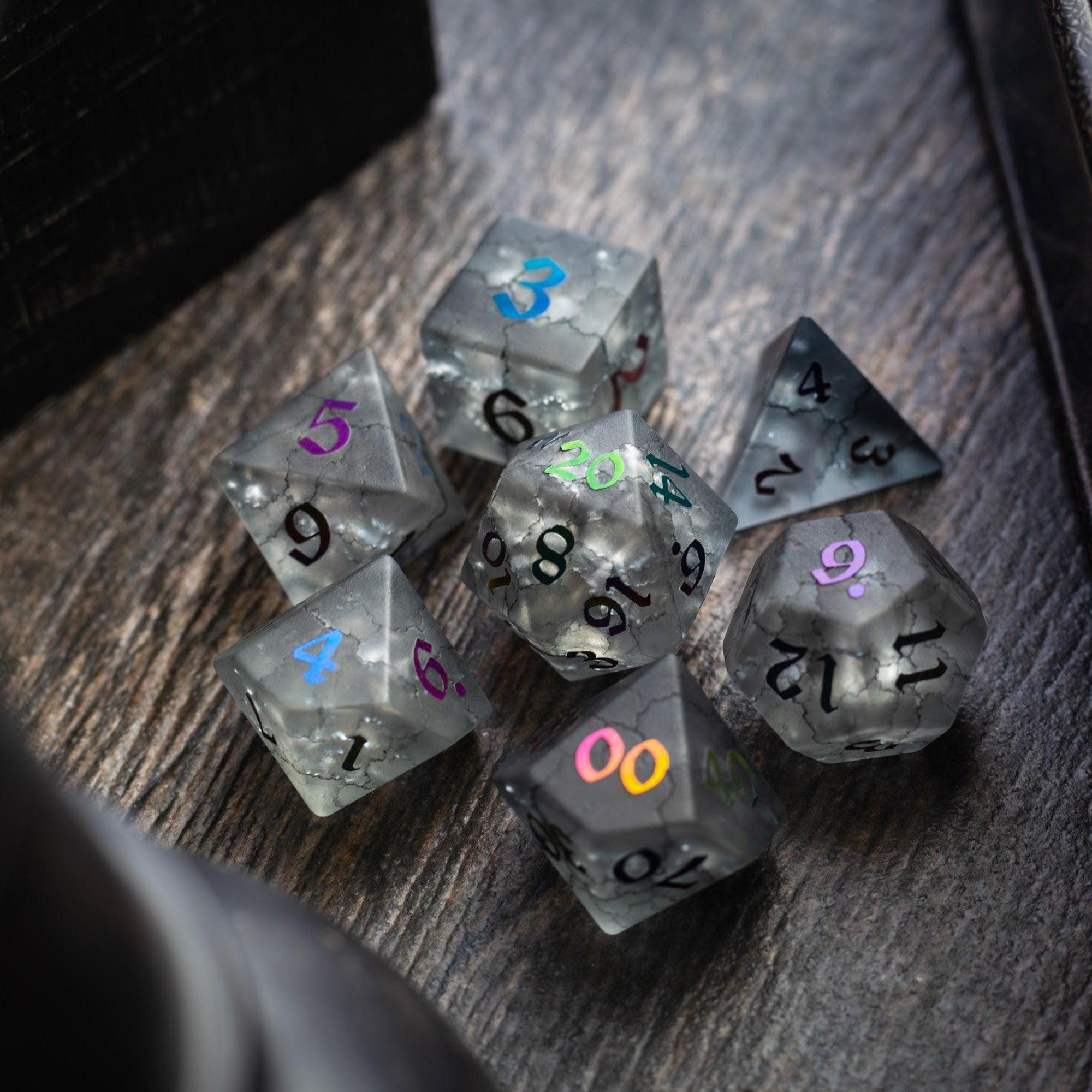
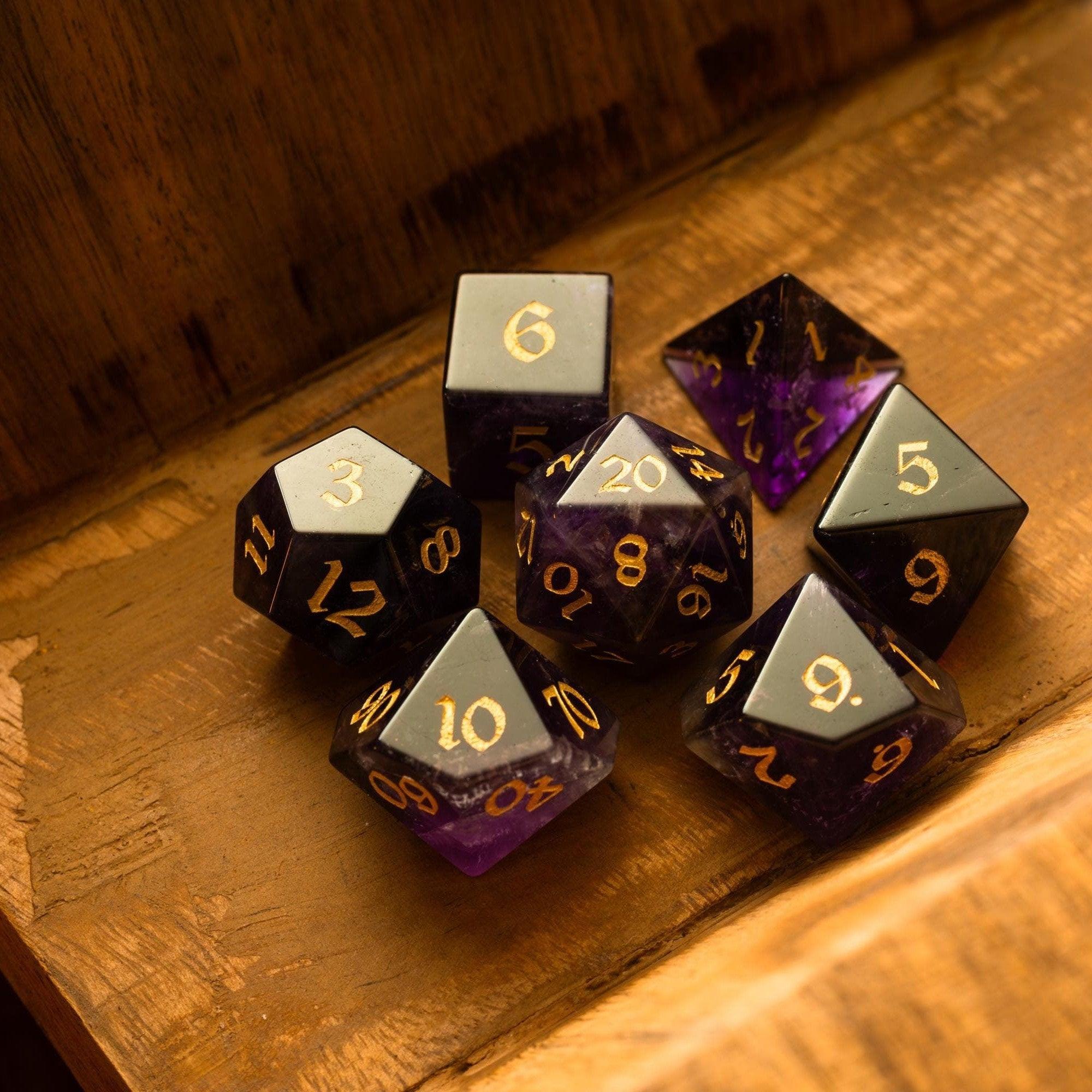
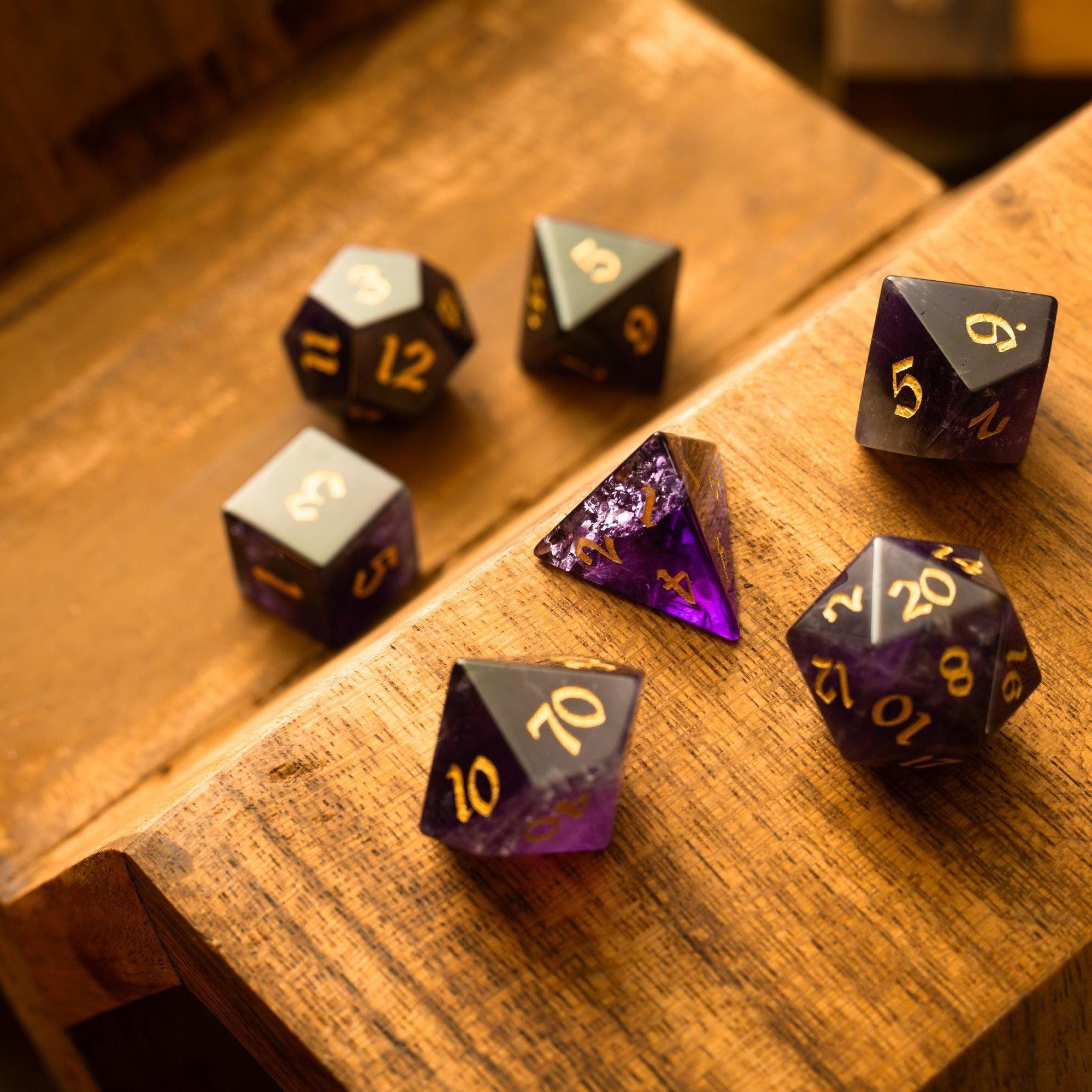
While you prepare, many players enjoy a small ritual—laying out character sheets, tokens, and dice. If you enjoy themed accessories, exploring dice collections or distinctive sets like labradorite gemstone dice can make these moments feel special.
Comparison: organizing the D&D 5e spell list by level, class, and school
There is no single correct way to structure a fifth edition spell list. Below, find a simple comparison of common methods so you can choose the approach that fits your table and style.
Organizing by level: pros and cons
- Pros:
- Great for pacing spells as characters advance through D&D 5e spells by level.
- Easy to track new unlocks and when to swap or prepare higher-level options.
- Simple checklists help prevent overlooking upgrades.
- Cons:
- Less helpful for multiclass characters who pull from more than one fifth edition spell list by class.
- Can hide thematic patterns (for example, battlefield control vs. utility) across levels.
Organizing by class: pros and cons
- Pros:
- Matches how many players think about identity, such as the wizard spell list 5e versus cleric or bard options.
- Clear boundaries prevent accidental cross-list choices.
- Helpful for new players who want to stay within a familiar toolkit.
- Cons:
- May require flipping between multiple lists for multiclass builds.
- Does not always highlight shared staples across classes within the D&D 5e spell list.
Organizing by magic school: pros and cons
- Pros:
- Supports thematic characters who focus on certain schools (such as illusions or evocations).
- Makes it easy to compare spells with similar intent and impact.
- Encourages creative strategies that fit a consistent magical identity.
- Cons:
- Not all tables use schools as a primary reference.
- May obscure availability differences in the fifth edition spell list by class and level.
Hybrid or tag-based systems: pros and cons
- Pros:
- Flexible: add tags for damage type, concentration, save, range, components, or exploration/social use.
- Works well for quick table queries, such as “any non-concentration control at this level?”
- Scales smoothly as your D&D 5e spell list grows.
- Cons:
- Requires initial setup time to tag your fifth edition spell list.
- Needs brief upkeep when you learn or swap spells.
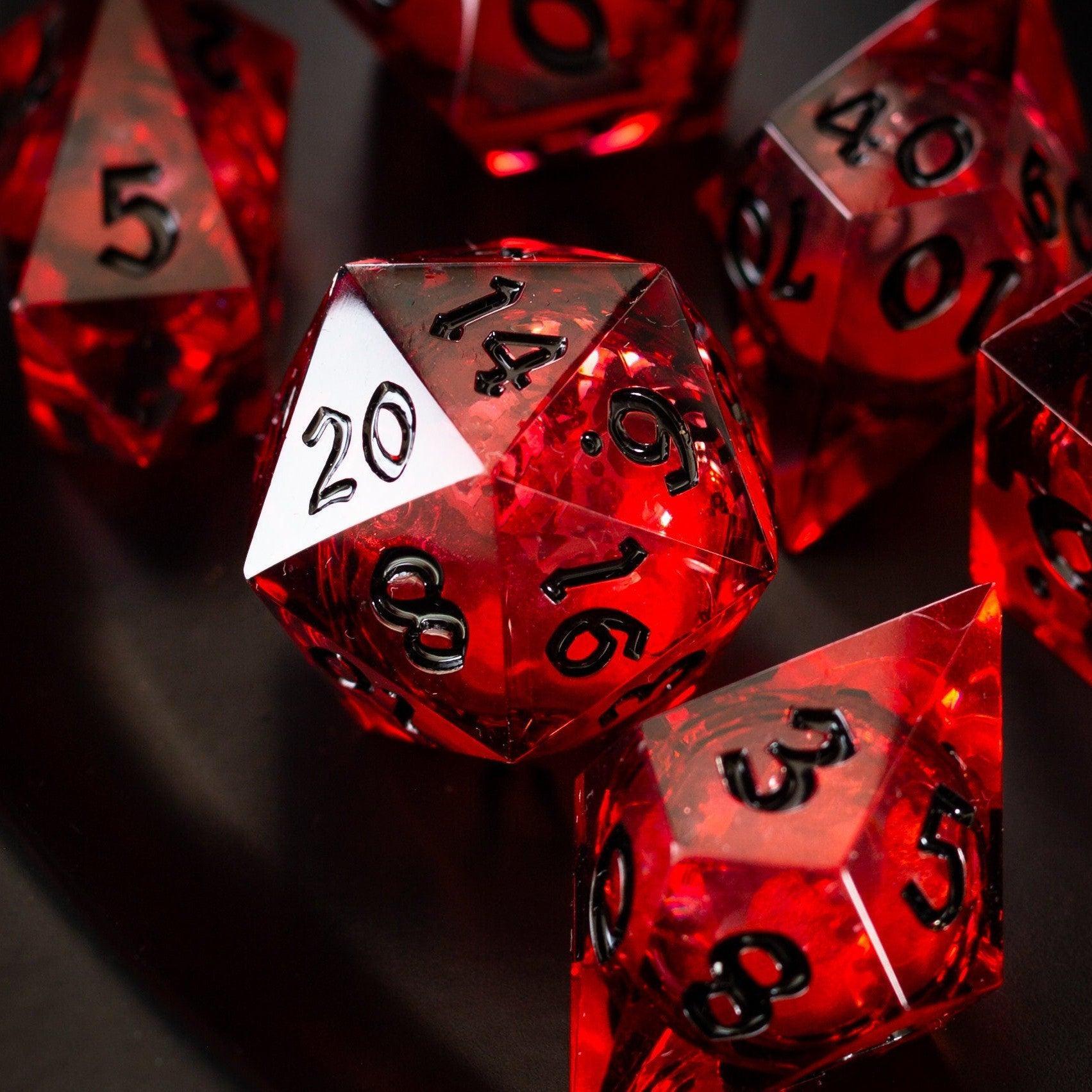
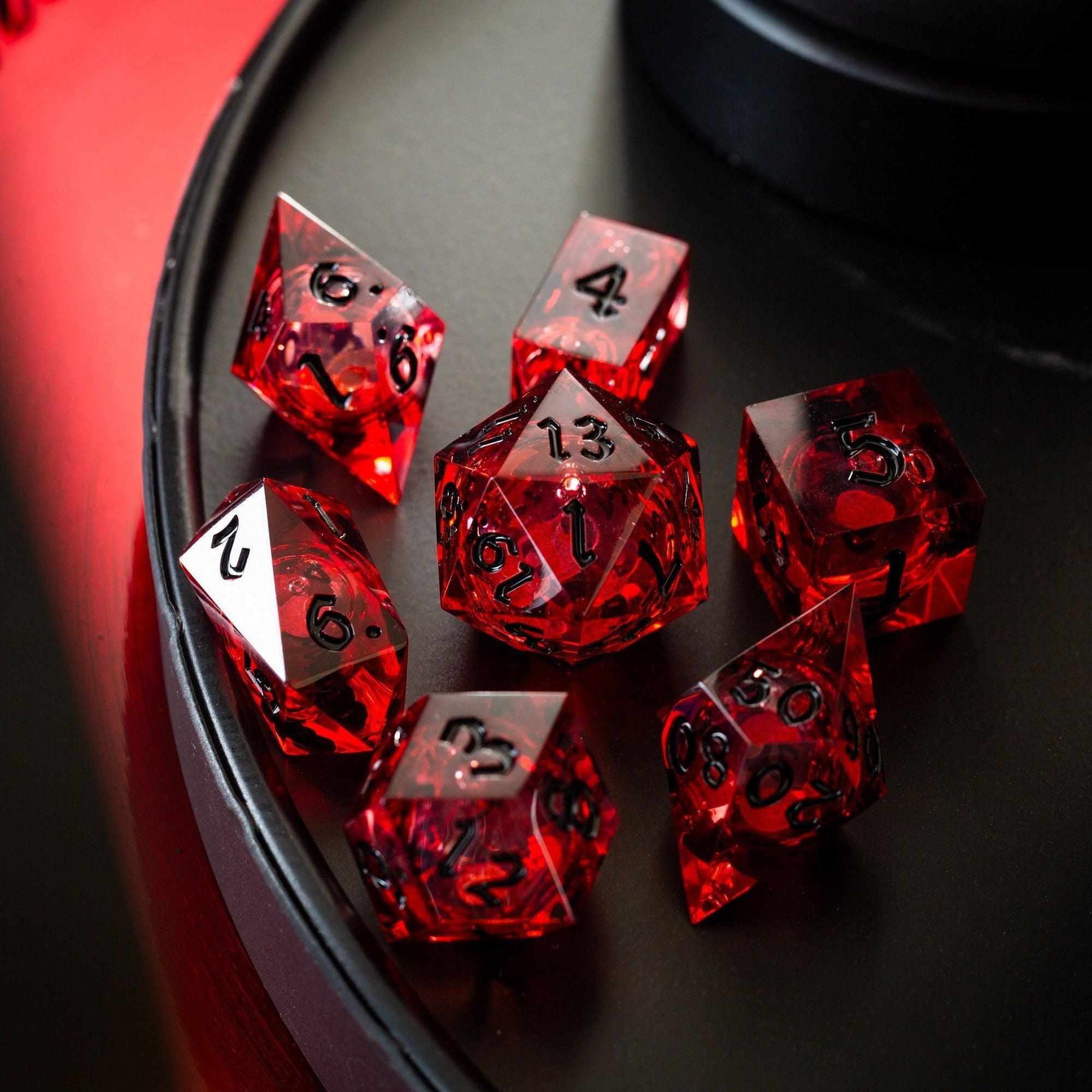
If you enjoy visual cues to distinguish damage types or spell schools, color-themed resin sets like the Starlit Rift dice can pair nicely with a tagged index, while shimmering options from the liquid core dice collection can set a magical mood for high-level spellcasting moments.
Summary and recommendations for the fifth edition spell list
The fifth edition spell list is broad, flexible, and welcoming once you adopt a clear structure. Whether you prefer to browse D&D 5e spells by level or by class, a little organization goes a long way toward faster turns and stronger teamwork. Here are gentle, practical recommendations to keep on hand:
- Write a short mission for your caster: control, damage, support, or utility. Let this guide your 5e spell list choices each time you level.
- Keep a two-tiered reference: a tiny “core kit” of frequent spells and a secondary list of situational options.
- Use clear tags: concentration, range, save/attack, and components help you decide quickly during play.
- For multiclassing, separate “slots” from “access” and annotate spells by source class.
- Review party coverage at each new spell level and add one option to fill a gap.
- When considering a fifth edition spell list pdf download, prioritize official references and consistent formats that your whole group understands.
Above all, choose a method that feels comfortable. If your table likes quick lookups, a level-first index might be best. If identity matters most, a class-first layout could feel more natural. And if you enjoy a bit of sparkle on game night, a themed set such as gemstone dice can add a small ritual of focus as you prepare spells.
Questions about the fifth edition spell list
What spells are on the fifth edition spell list?
The fifth edition spell list includes cantrips and leveled spells spanning many schools of magic and covering roles such as damage, control, support, utility, exploration, and social influence. Exact options vary by class, subclass, and available sources. At the table, it is helpful to maintain a concise summary of your personal list with notes on range, duration, components, concentration, and common use cases. This keeps turns smooth while respecting the breadth of the D&D 5e spell list.
How is the 5e spell list organized by level and class?
Most groups use two primary views: D&D 5e spells by level for pacing and unlocks, and the fifth edition spell list by class for identity and access. A level-first view shows what you gain as you advance, while a class-first view ensures you pick options your character can use. Many tables blend both with tag-based notes (for example, concentration, damage type, or action economy) for fast decisions.
What is the difference between the wizard spell list 5e and other classes?
The wizard spell list 5e is known for breadth and deep preparation, often focusing on versatile control, utility, and knowledge-focused magic. In contrast, other classes may lean into distinct identities—such as divine support, performance-driven magic, or nature themes—with different ways of learning or preparing spells. While overlaps exist across the fifth edition spell list, each class’s approach supports a unique play style.
How can I keep a fast table reference without missing key details?
Create a one-page index of your most-used spells that includes level, action type, range, duration, concentration status, and a brief reminder of effect and save/attack. Keep a second section for situational spells. Practice with your layout during downtime so it feels natural in play. If you enjoy tactile cues to switch “modes” (control, damage, or support), a distinct set such as a liquid core set can serve as an easy visual reminder of your current focus.


Leave a comment
This site is protected by hCaptcha and the hCaptcha Privacy Policy and Terms of Service apply.