
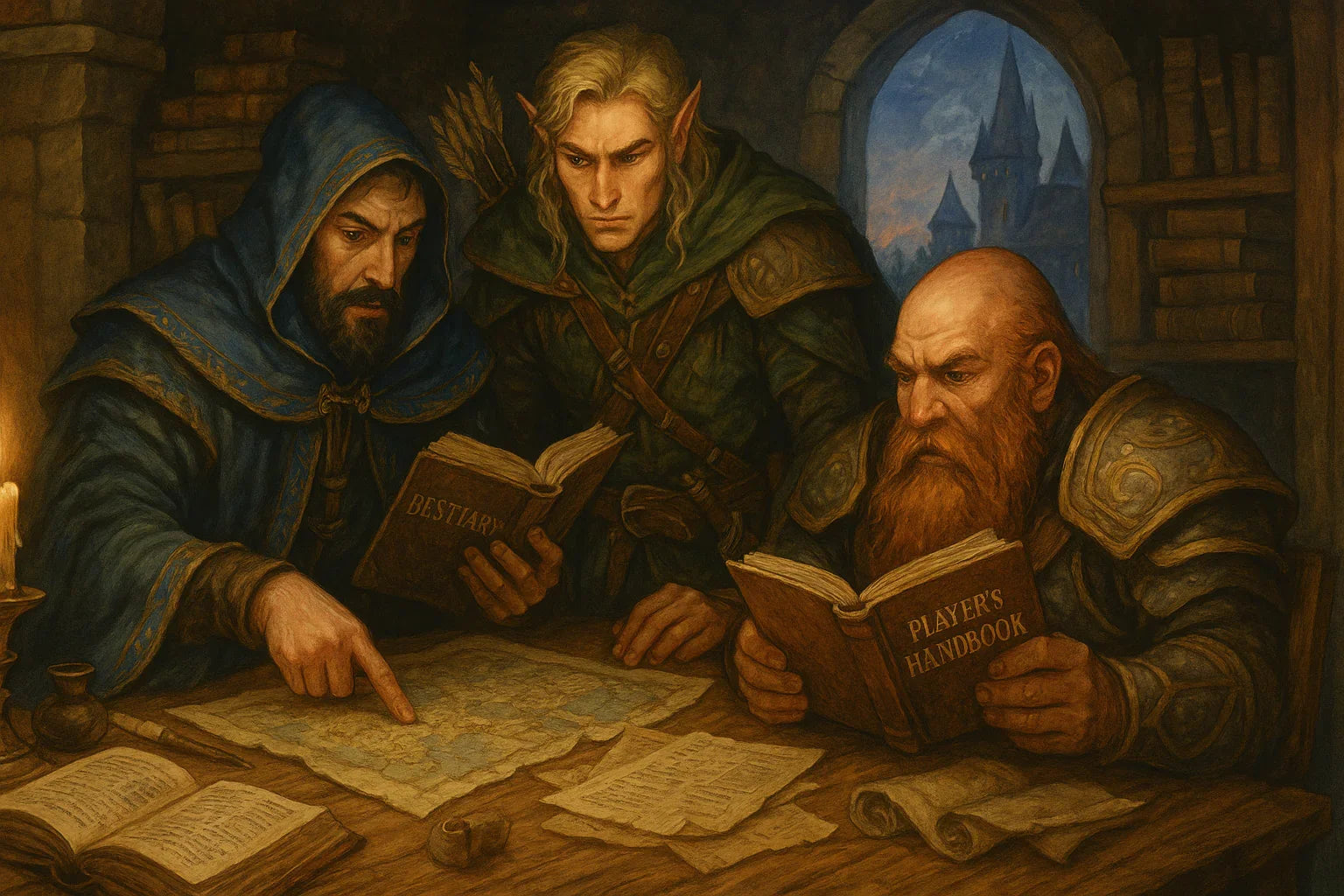
Core RPG Resources for Faster Campaign Prep and Play

Preparing for a tabletop roleplaying game can be one of the most rewarding parts of being a Game Master, but it can also become one of the most time consuming. Between planning encounters, organizing maps, tracking nonplayer characters, and remembering important rules, it is easy to spend more time preparing than actually playing.
Fortunately, you do not need an enormous library or expensive collection to run memorable adventures. The best core RPG resources are the ones that help you stay organized, answer questions quickly, and keep the story moving. Whether you prefer printed books, digital references, handwritten notes, or a combination of all three, choosing the right tabletop RPG resources can make every session feel smoother.
Useful resources vary depending on your game system, campaign style, and personal preferences. A dungeon crawl may require different tools than a political intrigue campaign, and some groups thrive with physical books while others rely almost entirely on digital references. Both approaches can be equally effective.
Why Good Preparation Improves Every Tabletop Session
Good campaign preparation is not about planning every possible outcome. Instead, it helps Game Masters respond confidently when players make unexpected decisions.
When your notes and references are easy to access, you spend less time searching for information and more time describing exciting adventures.
Benefits of organized preparation include:
-
Faster combat encounters
-
Easier rule lookups
-
Better pacing
-
More consistent storytelling
-
Less stress for the Game Master
-
More time for roleplaying
Many experienced Dungeon Master tips focus less on preparing everything and more on knowing where to find important information quickly.
Essential Reference Materials Every Game Master Should Keep Nearby
Every campaign benefits from a few dependable RPG reference tools. These resources provide quick answers without interrupting the flow of the game.
Core Rulebooks
The primary rulebook for your chosen RPG system is often your most valuable resource. It explains character creation, combat, spells, skills, equipment, and other game mechanics.
If your campaign uses additional supplements, bookmark frequently referenced sections to reduce page flipping during play.
Monster and Creature References
Running encounters becomes much easier when creature statistics are readily available.
Helpful methods include:
-
Printed monster books
-
Digital creature databases
-
Prepared encounter sheets
-
Customized stat cards
Having monster information organized before the session saves valuable time during combat.
Campaign Notes
Campaign notes are among the most flexible tabletop gaming resources available.
Many Game Masters organize notes into sections such as:
-
Important NPCs
-
Locations
-
Adventure hooks
-
Treasure
-
Session summaries
-
Future plot ideas
Simple organization often matters more than the note-taking method itself.
Quick Reference Sheets
Many GMs create one-page summaries covering commonly used rules.
Examples include:
-
Combat actions
-
Conditions
-
Travel rules
-
Difficulty classes
-
Status effects
These summaries reduce the need to search through entire rulebooks.
Digital and Physical Resources That Speed Up Campaign Preparation
Modern RPG campaign tools include both traditional tabletop supplies and digital aids. Neither approach is inherently better. The right choice depends on how your group enjoys playing.
Digital Resources
Digital tools often simplify preparation by keeping information searchable and easy to update.
Examples include:
-
Digital rule references
-
Campaign note applications
-
Interactive maps
-
Initiative trackers
-
Character management tools
-
Calendar and timeline organizers
These resources are especially helpful for online campaigns or Game Masters who frequently revise their adventures.
Physical Resources
Many players still enjoy the tactile experience of physical materials.
Popular physical resources include:
-
Printed rulebooks
-
Campaign notebooks
-
Dry erase maps
-
Index cards
-
Sticky notes
-
Printable encounter sheets
Some Game Masters find that writing information by hand improves memory and creativity.
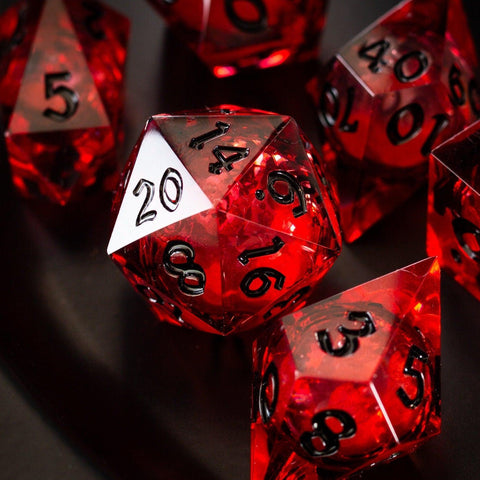
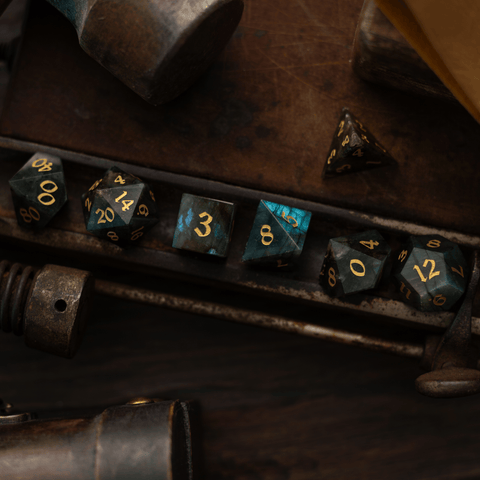
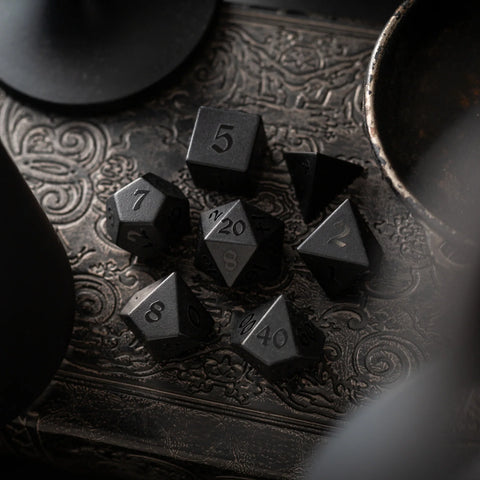
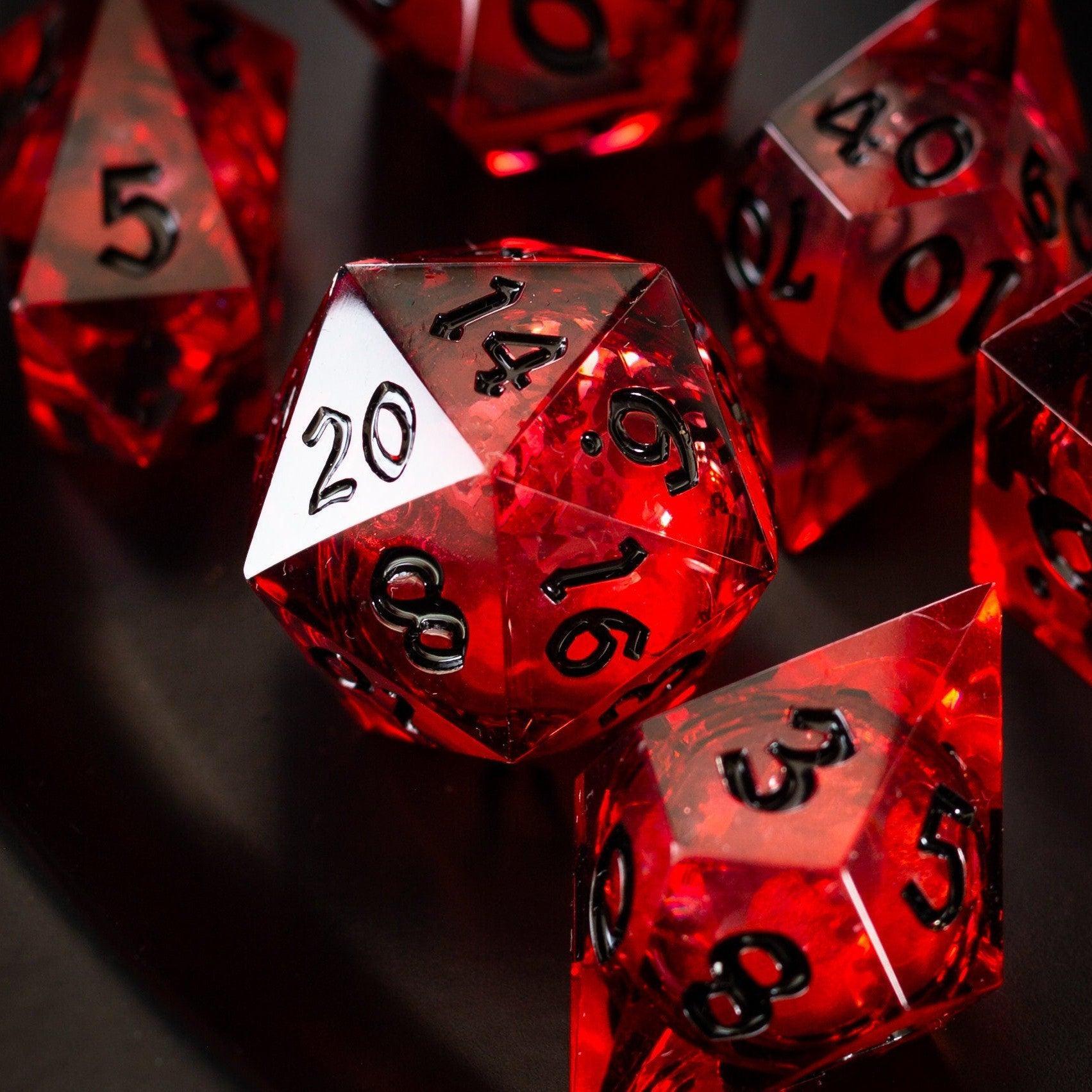
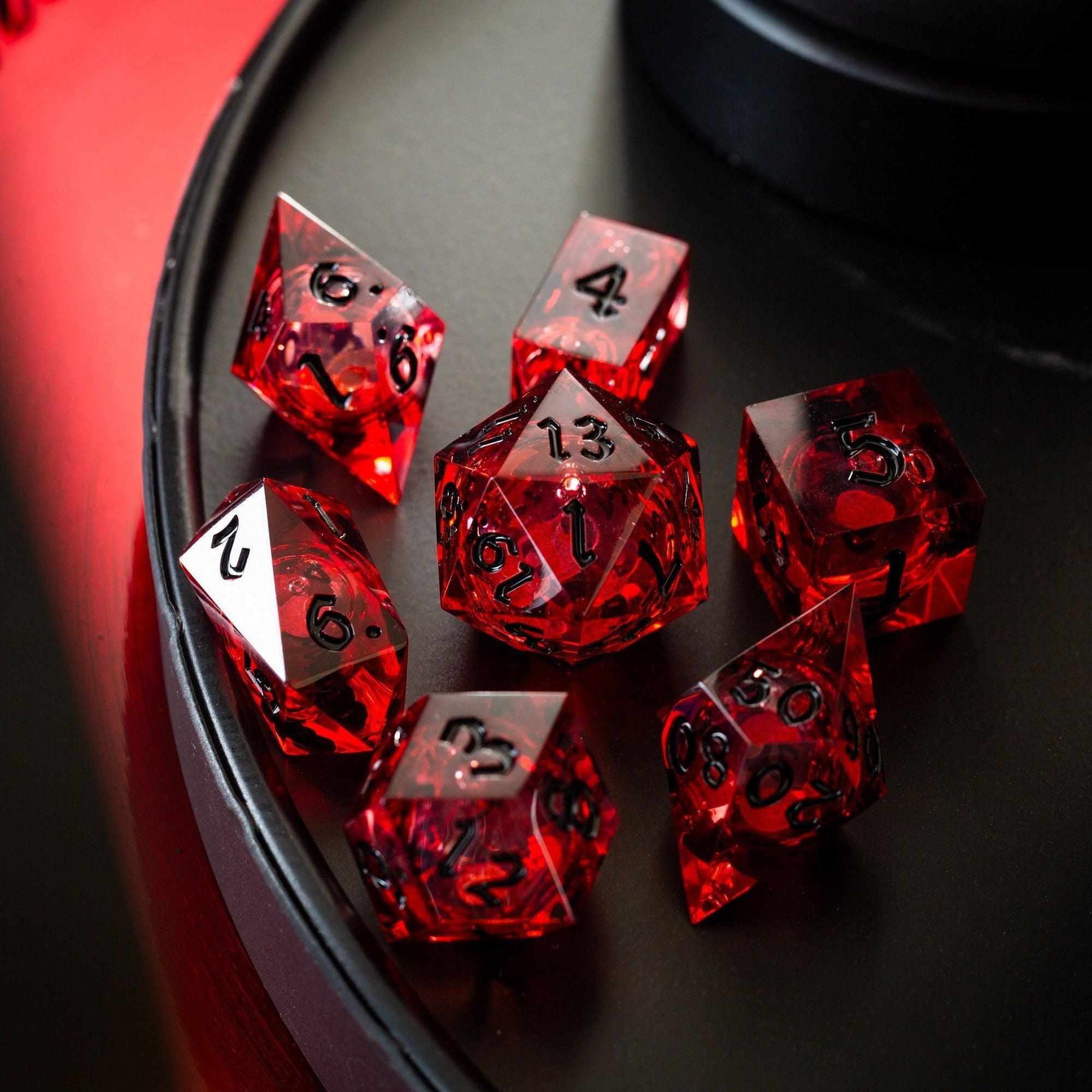
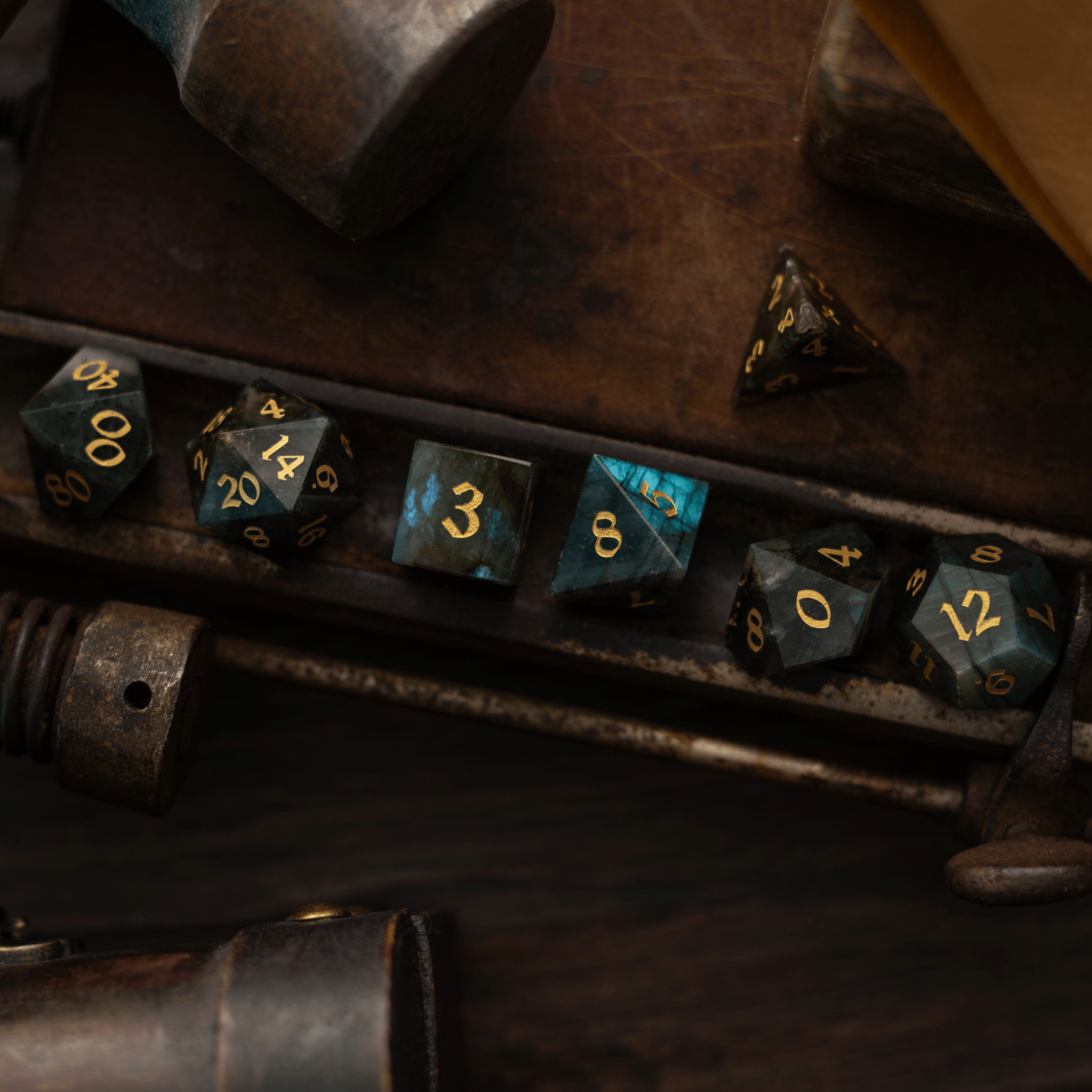
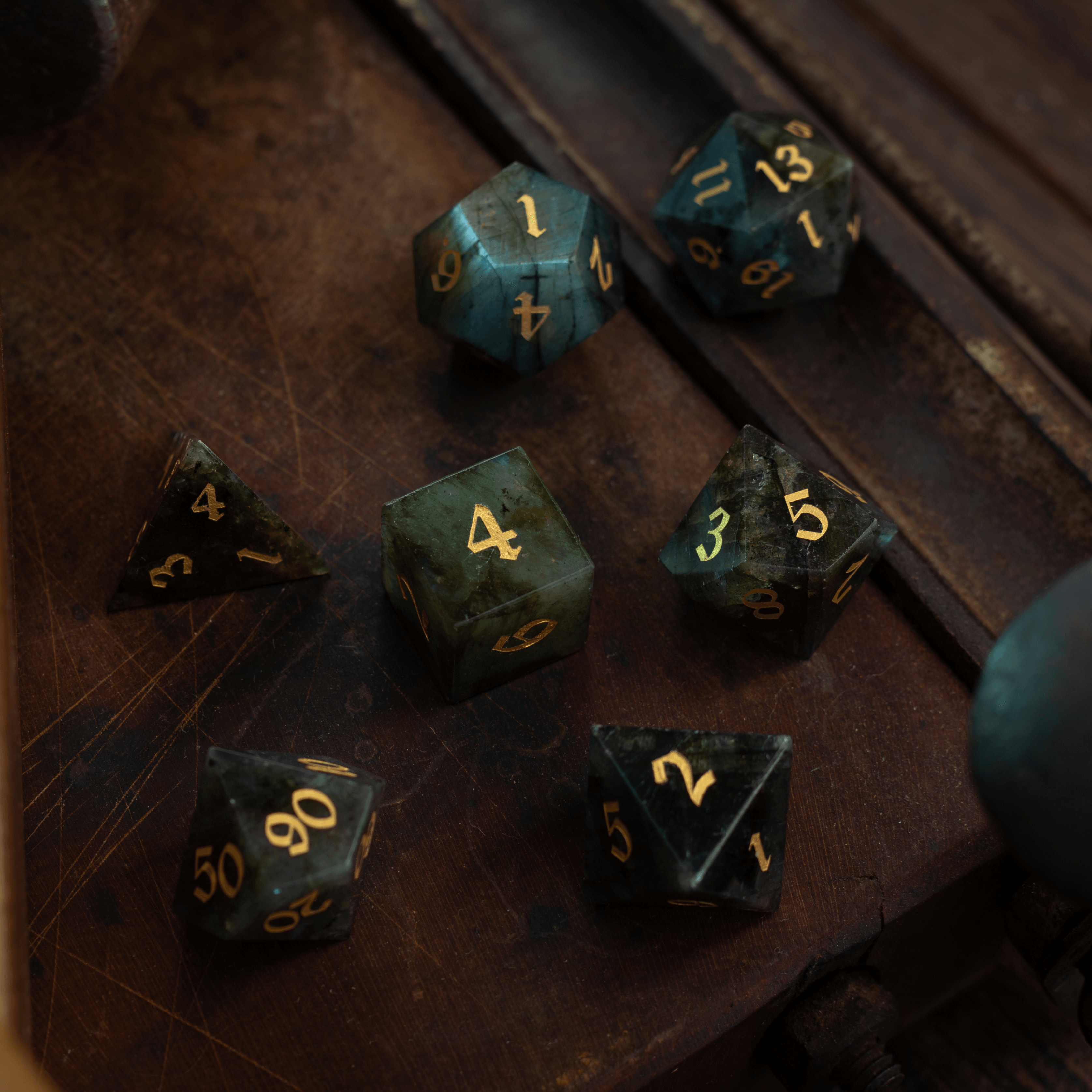
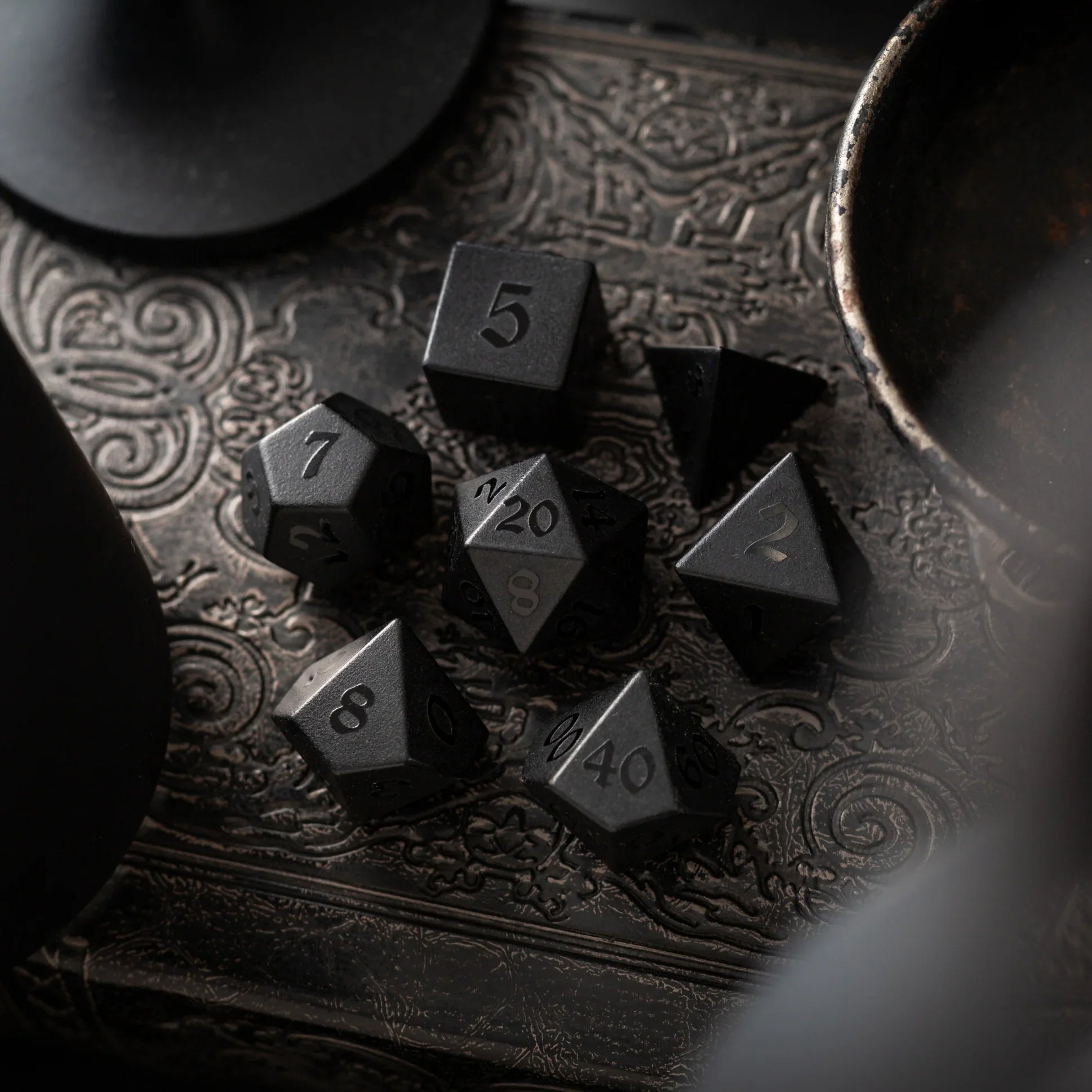
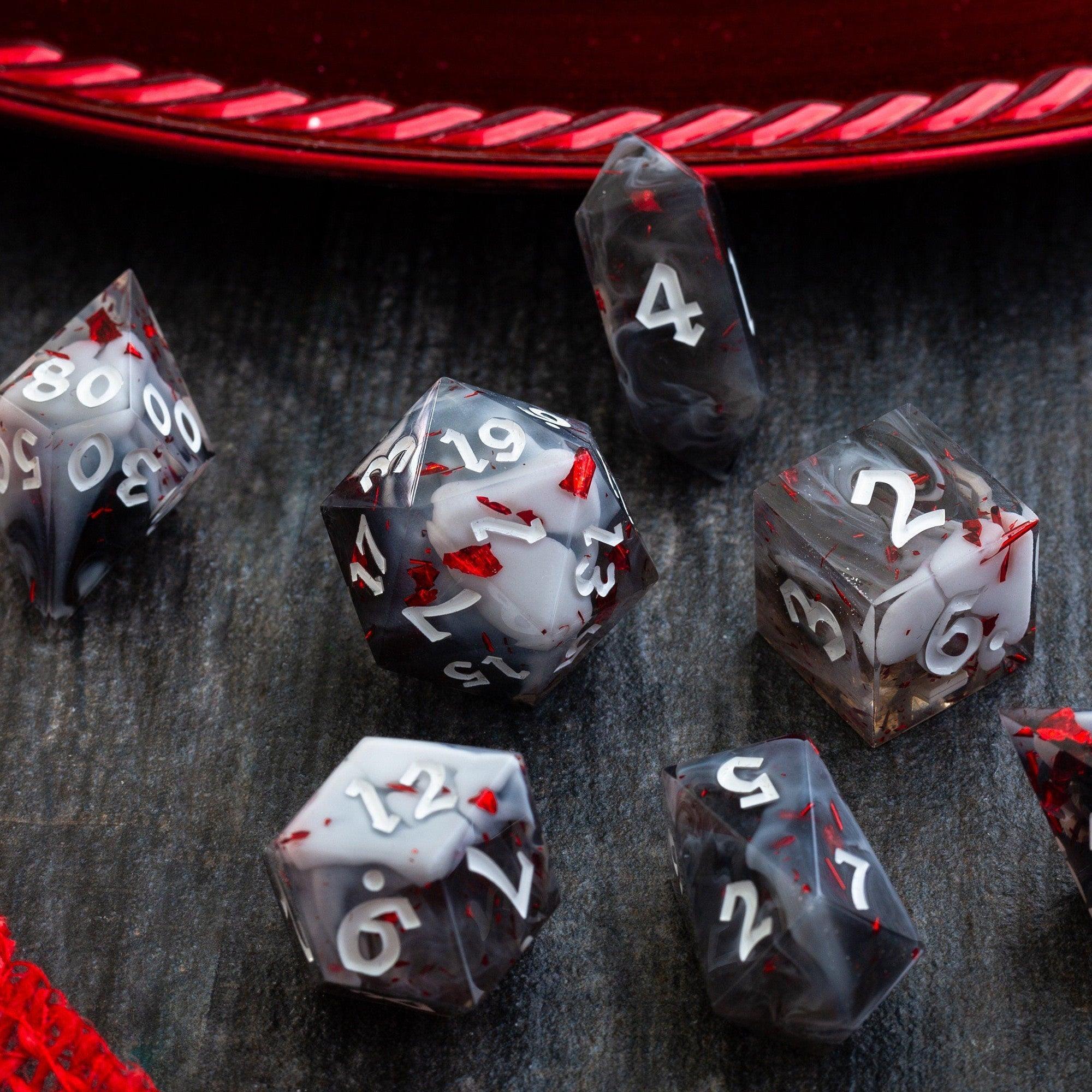
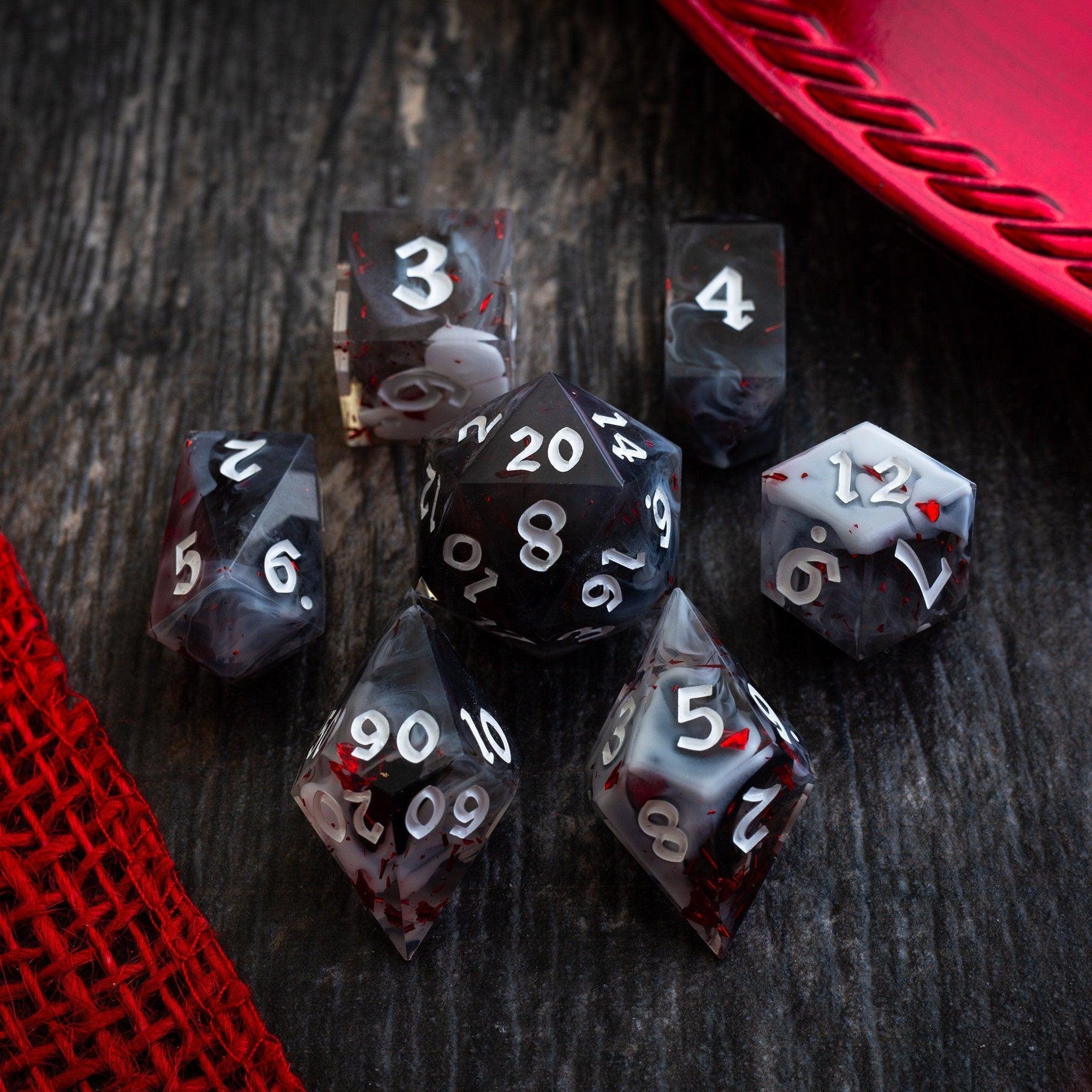
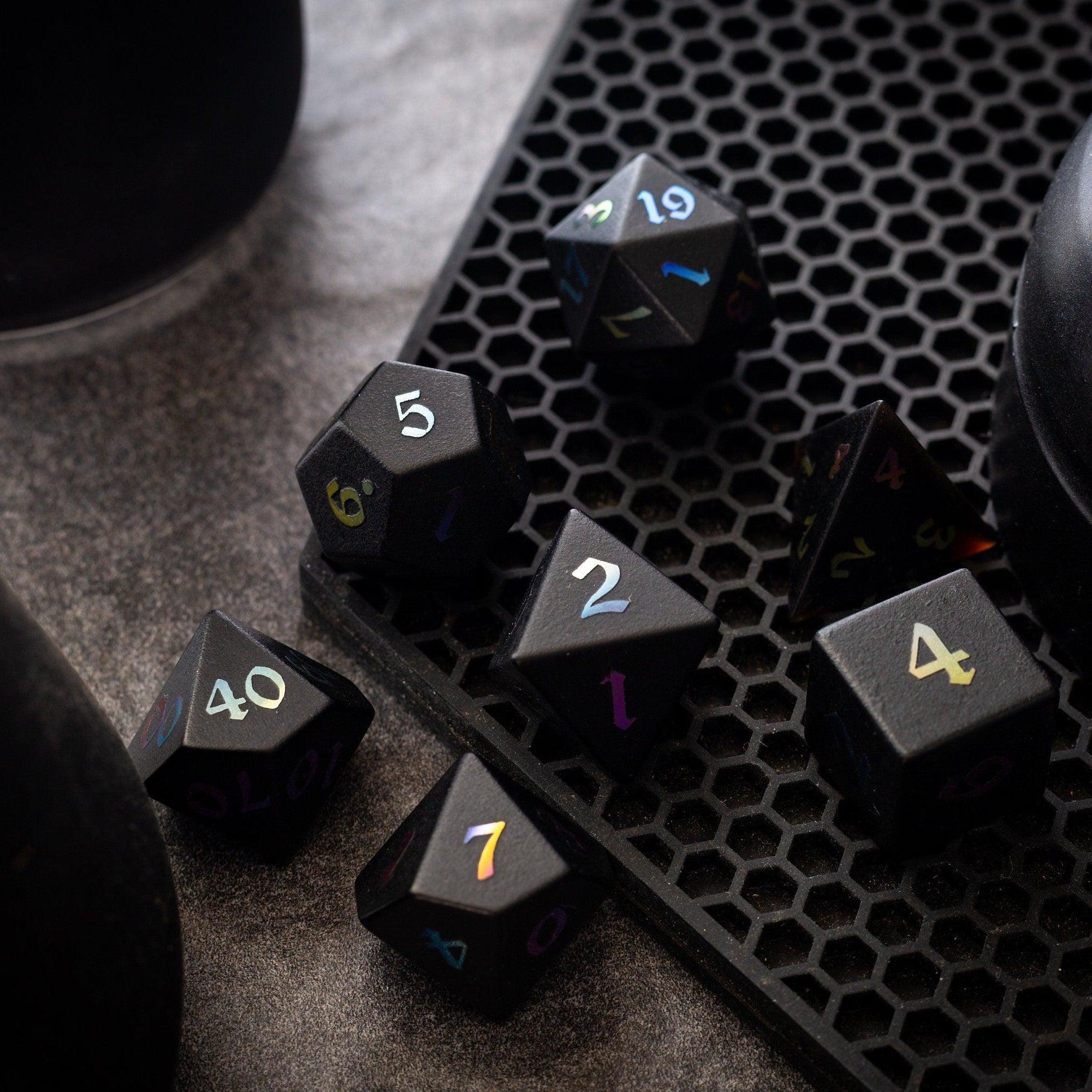
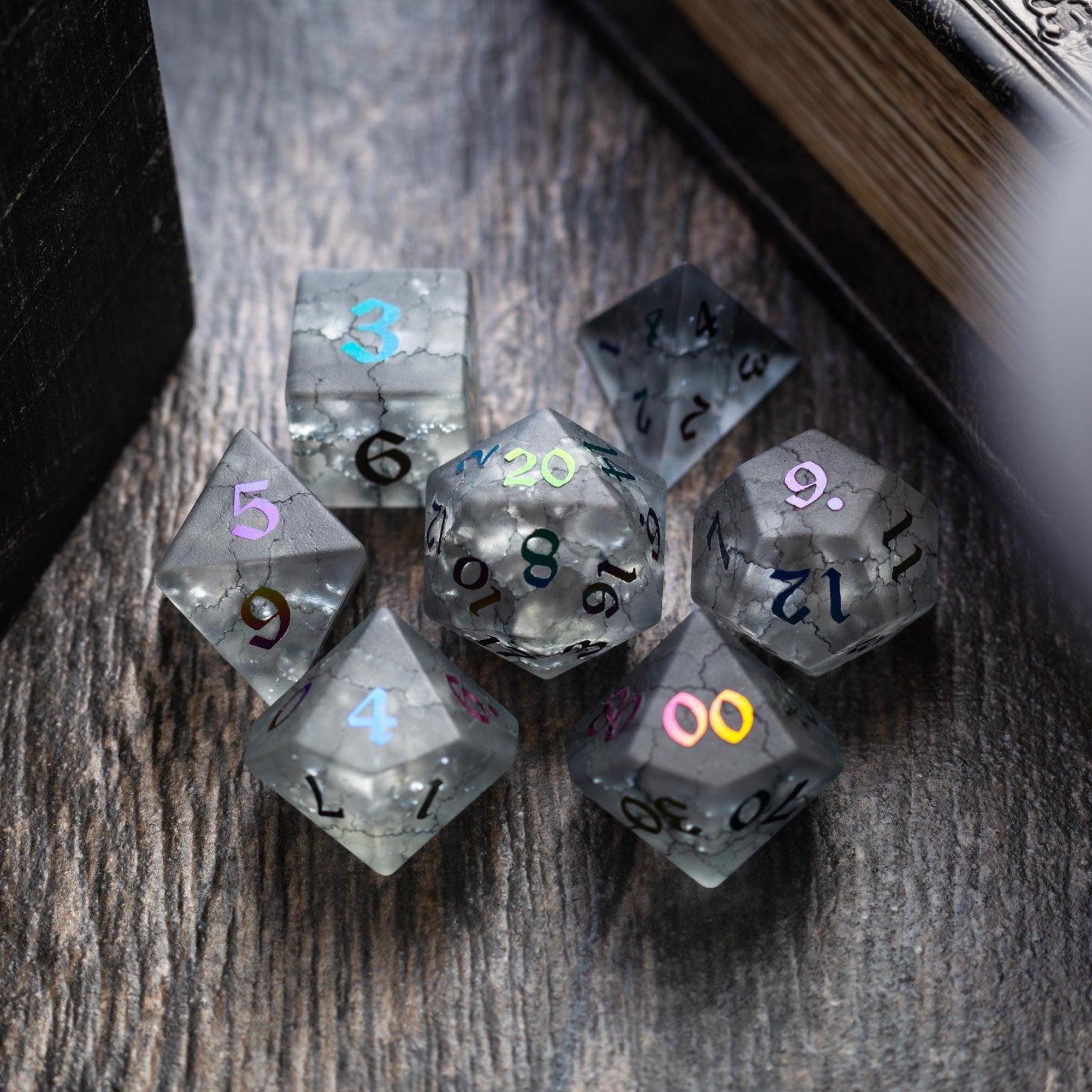
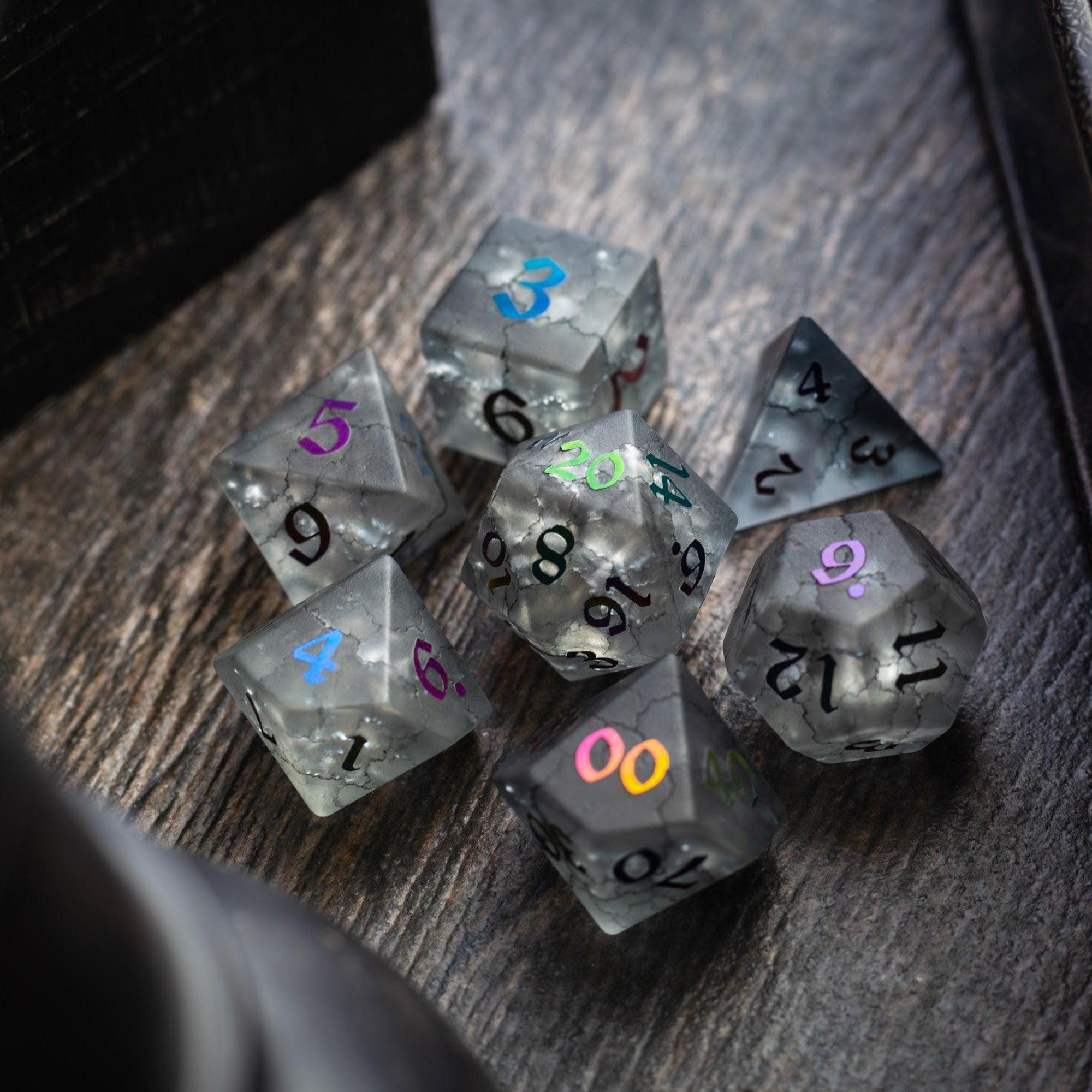
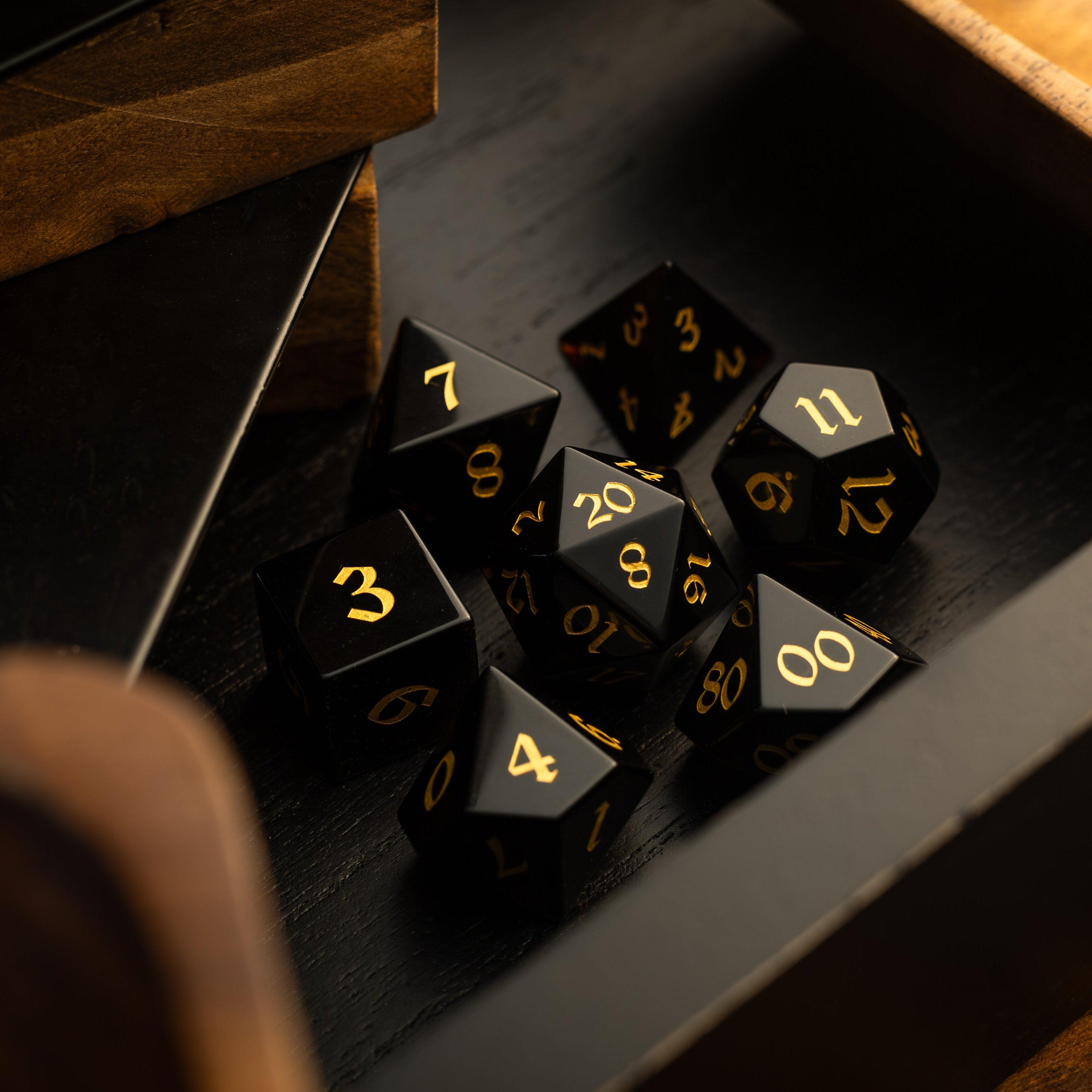
During busy combat encounters, practical accessories also help maintain an organized table. A padded dice tray keeps rolls contained, while premium gemstone, resin, or metal dice offer clear, dependable rolls that are easy to read. These accessories support efficient gameplay without becoming distractions.
RPG Resource Comparison Table
The following comparison highlights several useful core RPG resources and how they support faster preparation and gameplay.
| Resource Type | Primary Purpose | Ideal Users | Preparation Benefits | Table Use |
|---|---|---|---|---|
| Core rulebook | Rules reference | Everyone | Reliable rules access | Frequent lookups |
| Campaign notebook | Story organization | Game Masters | Centralized planning | Tracks ongoing adventures |
| Digital notes | Searchable information | GMs and players | Easy editing and updates | Quick searching |
| Battle maps | Encounter visualization | Everyone | Faster encounter setup | Tactical movement |
| Initiative tracker | Combat management | Game Masters | Organizes turn order | Speeds combat |
| Reference sheets | Common rules summary | Everyone | Reduces page searching | Quick answers |
| Dice tray | Organized rolling | Everyone | Keeps gaming space tidy | Contains rolls |
| Condition rings | Track ongoing effects | Combat-heavy groups | Reduces forgotten conditions | Improves combat clarity |
| Dice tower | Consistent rolling | Everyone | Keeps rolls controlled | Smooth rolling experience |
No single resource works best for every campaign. The most useful collection depends on your group's preferred style of play and the complexity of your chosen game system.
Organizing Campaign Materials for Faster Gameplay
Even the best D&D resources lose value if they are difficult to find during a session.
Consider organizing materials into categories before every game.
Keep Frequently Used Resources Within Reach
Items you reference regularly should remain easily accessible.
Examples include:
-
Rule summaries
-
Session notes
-
Initiative tracker
-
Monster statistics
-
Maps
-
Player handouts
Keeping these nearby minimizes interruptions.
Separate Preparation From Play
Many Game Masters maintain two sets of notes.
Preparation materials may include:
-
Story outlines
-
Encounter ideas
-
NPC backgrounds
Table notes often focus on:
-
Current objectives
-
Initiative
-
Treasure
-
Player decisions
-
Improvised story developments
This separation makes information easier to locate during active play.
Reduce Table Clutter
Too many materials can slow the session.
Instead, bring only what is relevant for the current adventure.
Using a dice tower helps contain energetic rolls, while condition rings provide a simple visual reminder of ongoing combat effects. Small organizational tools like these help keep attention on the adventure rather than bookkeeping.
Choosing Resources That Fit Your Group's Play Style
Every group approaches roleplaying differently.
Ask yourself questions such as:
-
Does the group enjoy tactical combat?
-
Is storytelling the primary focus?
-
Are sessions played in person or online?
-
Do players prefer printed books or digital references?
-
How much improvisation happens during play?
For example, a tactical campaign may rely heavily on battle maps and initiative trackers, while a narrative focused campaign might emphasize character journals and detailed campaign notes.
The goal is not to own every available resource. Instead, build a collection that supports the way your group enjoys playing.
Common Mistakes When Collecting RPG Resources
It is easy to assume that more resources automatically create better games, but that is rarely true.
Common mistakes include:
-
Buying resources before identifying actual needs
-
Collecting too many rule supplements at once
-
Overcomplicating note organization
-
Ignoring simple reference sheets
-
Bringing unnecessary materials to every session
-
Changing organization systems too frequently
Remember that even experienced Game Masters often rely on a relatively small collection of dependable tabletop RPG resources.
Quick Campaign Preparation Checklist
Before each session, review a few essentials.
-
Read your previous session summary.
-
Prepare important NPC information.
-
Organize encounter notes.
-
Review monster statistics.
-
Confirm maps and player handouts are ready.
-
Bookmark important rules.
-
Prepare initiative tracking.
-
Gather dice, notebooks, and writing supplies.
-
Set out a dice tray for organized rolling.
-
Keep condition rings nearby if combat is expected.
-
Test any digital tools before players arrive.
Building a practical collection of core RPG resources is less about owning more and more about choosing tools that genuinely support your table. Some Game Masters enjoy shelves filled with printed books, while others prefer searchable digital notes and online references. Both approaches can create memorable adventures when they match the group's needs.
As your campaigns grow, your collection will naturally evolve alongside your experience. A well organized notebook, a trusted set of reference materials, reliable RPG campaign tools, and thoughtfully chosen accessories such as quality dice, dice trays, condition rings, or dice towers can all contribute to smoother sessions without becoming essential requirements. The most valuable resource remains a prepared Game Master who can spend less time searching for information and more time bringing unforgettable adventures to life.






Leave a comment
This site is protected by hCaptcha and the hCaptcha Privacy Policy and Terms of Service apply.