

Rogue Stealth Guide 5e: Sneaking, Positioning, and Tactical Movement

Rogues are one of the most popular classes in Dungeons & Dragons 5e because they deliver one of the clearest fantasies in the game: move quietly, strike precisely, and stay one step ahead of danger.
A good Rogue is not just “the sneaky character.” They are the scout who spots the ambush before it happens, the investigator who notices the hidden latch, the spy who hears the secret plan, and the combatant who lands one perfect Sneak Attack when the party needs it most.
This rogue stealth 5e guide focuses on practical play. No overcomplicated rules debates. No endless optimization math. Just useful rogue gameplay tips you can bring to your next dungeon crawl, city heist, or shadowy back-alley encounter.
What Makes Rogues Unique?
Rogues shine because they are flexible. They are skilled, mobile, and great at solving problems before combat even begins.
A strong dnd rogue guide should always focus on these strengths:
-
Expertise: Rogues can become extremely reliable at key skills like Stealth, Perception, Investigation, or Sleight of Hand.
-
Sneak Attack: Once per turn, Rogues can deal extra damage when the conditions are right.
-
Cunning Action: Starting at 2nd level, Rogues can Dash, Disengage, or Hide as a bonus action.
-
Mobility: Rogues are excellent at choosing where they stand and when they move.
-
Utility: Locks, traps, secrets, lies, clues, and hidden paths are all part of the Rogue’s playground.
In a party, the Rogue often acts as the scout, striker, infiltrator, and problem-solver. You are not there to outmuscle everyone. You are there to notice what others miss and create openings.
Understanding Stealth in D&D 5e
Stealth mechanics 5e can feel intimidating at first, but the core idea is simple: you need a believable way to avoid being noticed.
That usually means thinking about:
-
Cover: Are crates, pillars, trees, walls, or furniture blocking you?
-
Line of sight: Can the enemy actually see you?
-
Noise: Are you moving quietly, or are you sprinting across loose gravel?
-
Timing: Are guards distracted, talking, sleeping, or watching closely?
-
Awareness: Does the creature know you are nearby?
A Rogue should always ask, “What can I use in the environment?” Shadows, corners, crowds, rain, smoke, darkness, and noise can all help create stealth opportunities.
For example, hiding behind a stone pillar during combat makes more sense than trying to vanish in the middle of an empty torchlit hallway. The best Rogues use the scene, not just the character sheet.
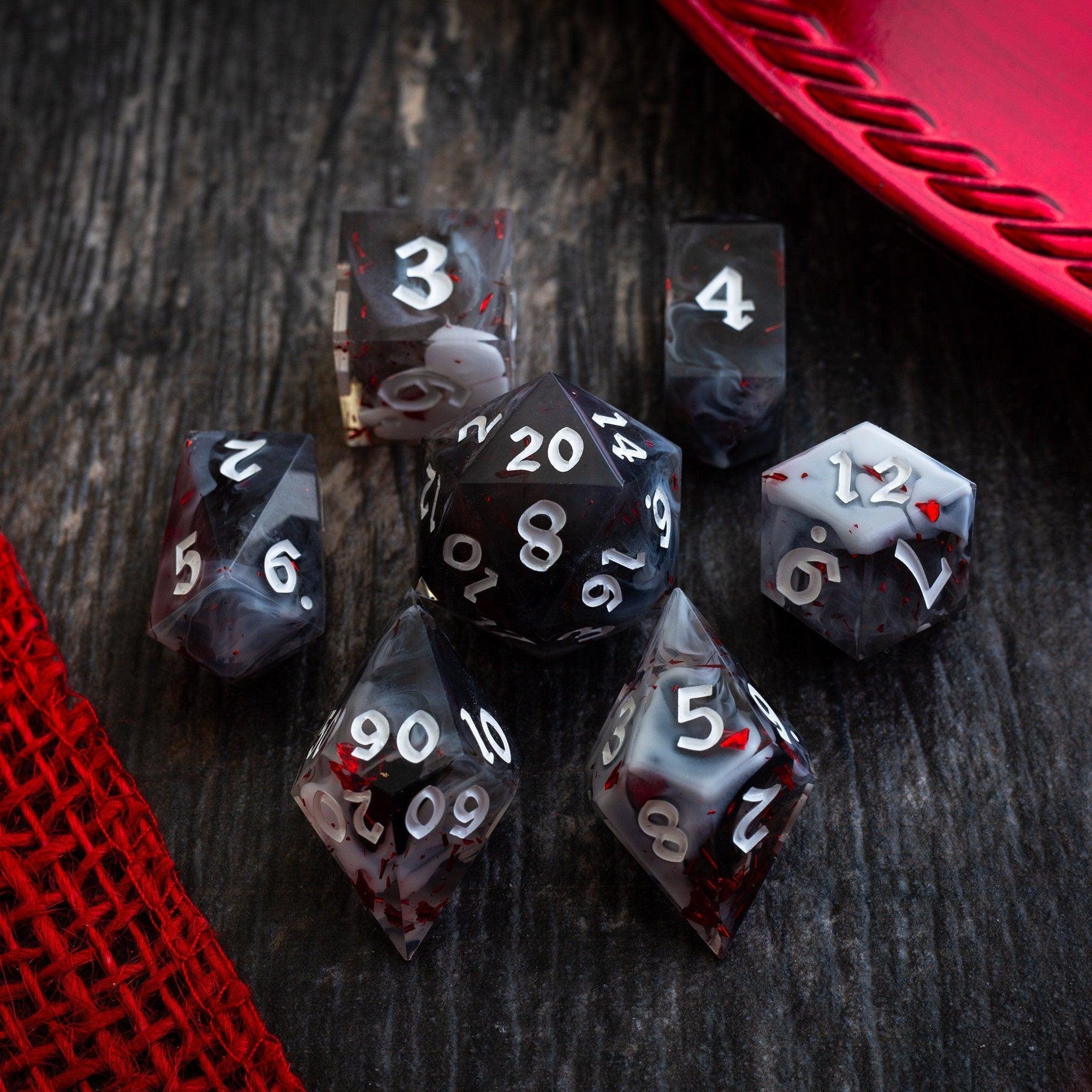
A set of smoky liquid core dice can be a fun table match for this style of play, especially for Rogues who feel like they move through shadow and misdirection.
Rogue Tactics Comparison Table
|
Situation |
Recommended Tactic |
Why It Works |
|
Scouting |
Stay slightly ahead of the party |
You gather information before danger reaches everyone |
|
Combat |
Position for Sneak Attack |
You increase your damage without taking reckless risks |
|
Exploration |
Use Expertise skills |
You avoid traps, find clues, and unlock routes |
|
Social Encounters |
Gather secrets |
You create advantages before blades are drawn |
|
Retreating |
Use Cunning Action to Disengage or Dash |
You survive bad positions and reset the fight |
|
Ambushes |
Hide before combat starts |
You begin the encounter with better control |
How to Position Yourself for Sneak Attack
Sneak Attack 5e is the Rogue’s signature damage feature, but it depends on smart positioning.
You usually want one of these setups:
-
An ally is within 5 feet of your target
-
You have advantage on the attack roll
-
You attack from hiding
-
You use ranged attacks from a safe position
-
You strike after the frontline has engaged the enemy
The easiest method is teamwork. Let the Fighter, Barbarian, Paladin, or summoned creature engage the enemy, then attack that same target. You do not need to stand alone in the open to be effective.
Ranged Rogues should look for balconies, doorways, wagons, trees, rubble, and corners. Melee Rogues should avoid getting surrounded. Move in, strike, then use Cunning Action to reposition when needed.
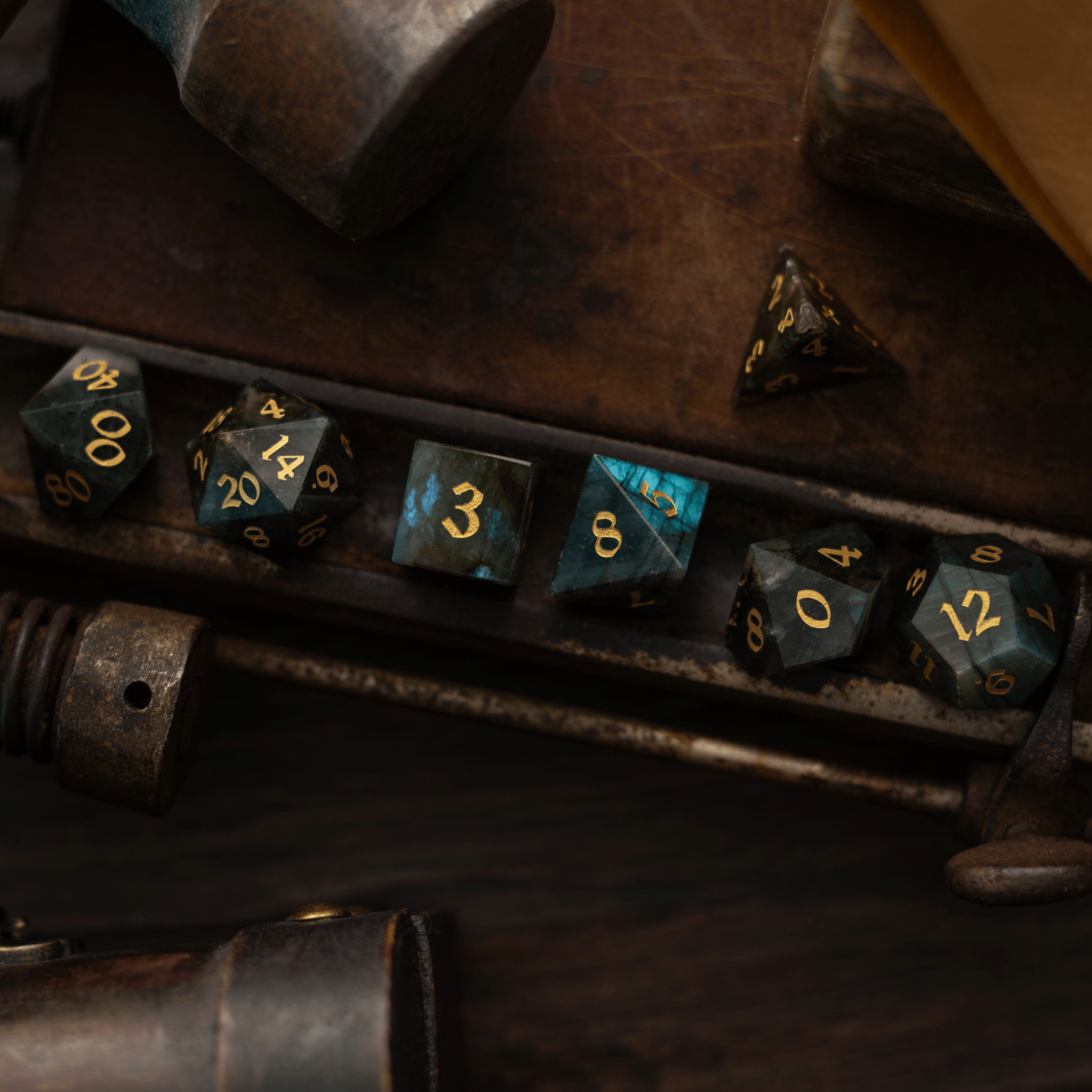
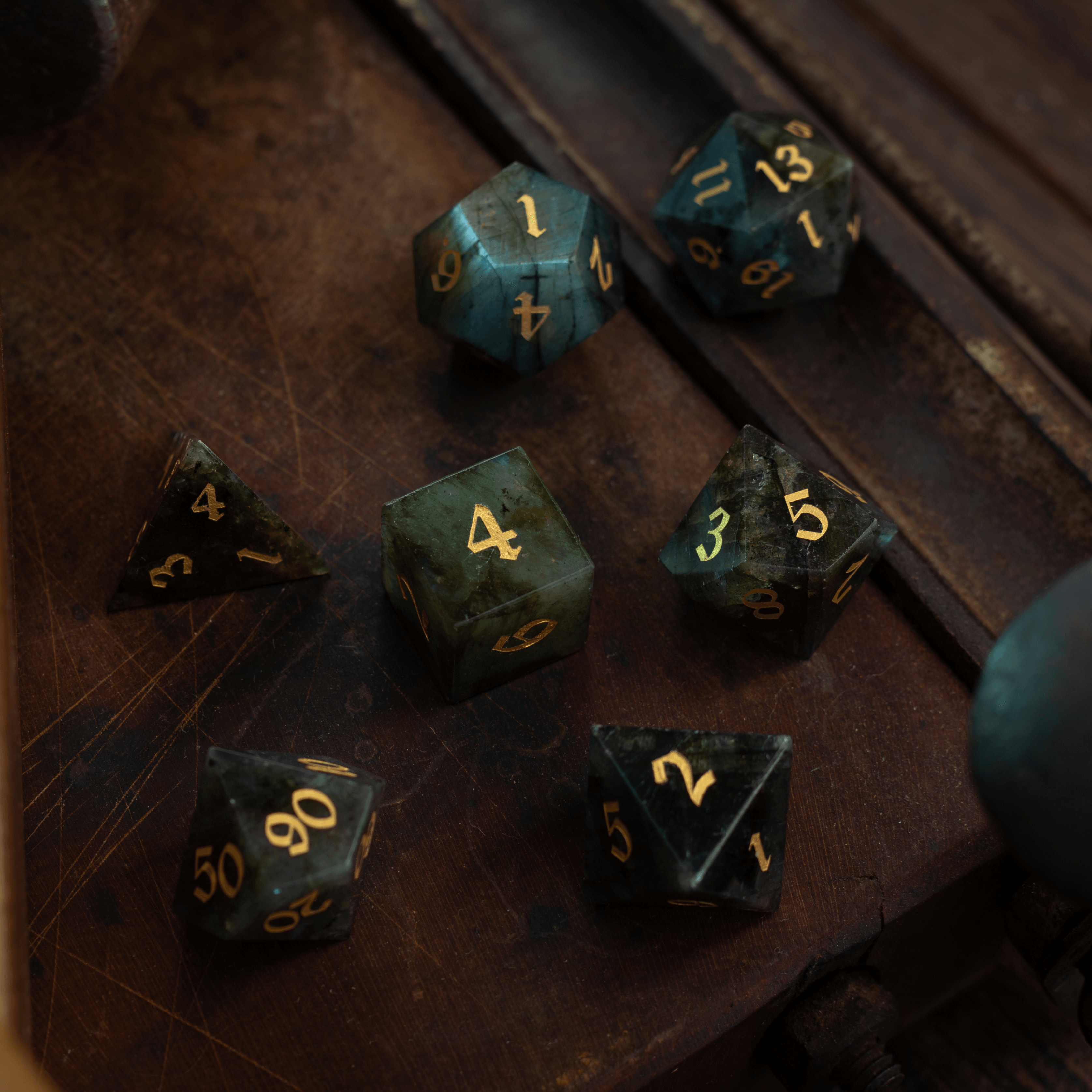
Gemstone dice fit beautifully with elegant master thieves, spies, and duelists, especially characters who treat every attack like a practiced cut from a hidden blade.
Making the Most of Cunning Action
Cunning Action is one of the best Rogue features in 5e because it lets you control the battlefield with your bonus action.
Dash
Use Dash when you need to close distance, escape danger, reach cover, or chase a fleeing enemy. A Rogue who moves well can turn a messy battlefield into a personal obstacle course.
Disengage
Use Disengage when you are next to a dangerous enemy and need to leave without provoking an opportunity attack. This is especially important for melee Rogues, who often want to strike and slip away.
Hide
Use Hide when there is a reasonable place to disappear from sight. This can help you set up advantage, avoid attacks, or force enemies to waste time finding you.
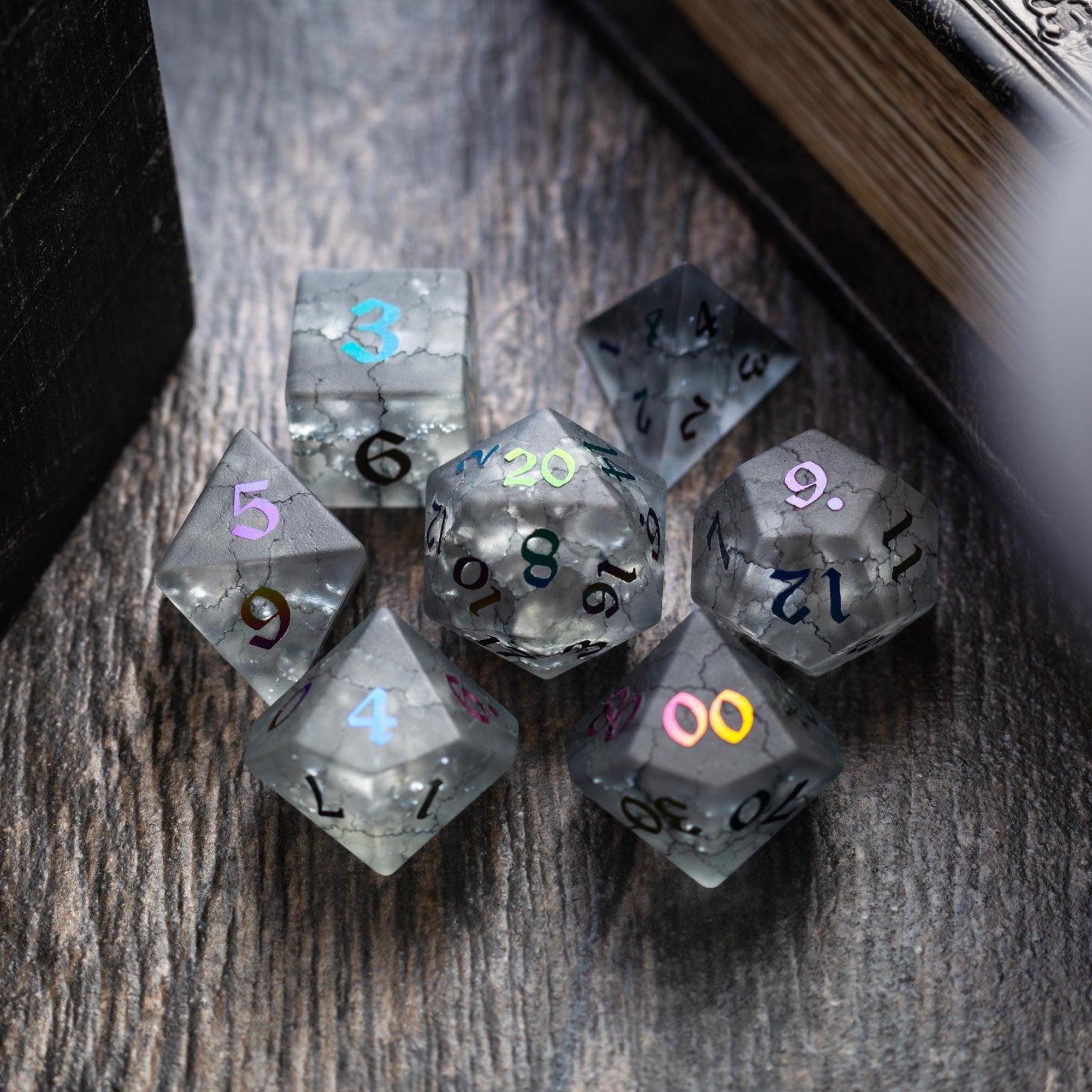
A dependable resin dice set works well for stealth-focused adventures because Rogues roll a wide mix of checks: Stealth, Investigation, Perception, Acrobatics, Deception, and attacks.
Scouting Without Endangering the Party
A common mistake in rogue tactics 5e is scouting too far ahead.
Yes, you are sneaky. No, that does not mean you should explore half the dungeon alone.
Good scouting means:
-
Stay close enough that the party can reach you
-
Report what you see before acting
-
Avoid opening unknown doors alone
-
Mark traps or hazards instead of triggering them
-
Listen before entering rooms
-
Retreat if the situation feels bigger than you
Your job is to gather information, not start a solo adventure. A great Rogue helps the group make better choices.
Common Rogue Mistakes
Even experienced players fall into these traps.
Going Too Far Ahead
Scouting is useful. Getting trapped three rooms away from your healer is not. Stay within rescue distance.
Ignoring Teamwork
Sneak Attack often works best when you coordinate with allies. Pay attention to where your party members are standing.
Focusing Only on Damage
Rogues are not just damage dealers. Your skills can prevent fights, uncover secrets, and turn bad situations into clever victories.
Forgetting Cunning Action
If you end your turn standing in a dangerous spot, ask yourself whether Dash, Disengage, or Hide could have helped.
Trying to Steal From Everyone
Rogues do not have to be chaotic troublemakers. Stealing from party members or friendly NPCs can quickly become annoying unless the whole table enjoys that style.
Best Skills for Stealth-Focused Rogues
A strong rogue build guide should consider skills as much as weapons.
Stealth
Your classic sneaking skill. Great for scouting, ambushes, infiltration, and avoiding patrols.
Perception
Helps you notice enemies, traps, hidden doors, and suspicious details before they become problems.
Investigation
Useful for studying rooms, finding mechanisms, understanding clues, and solving dungeon puzzles.
Sleight of Hand
Perfect for picking pockets, palming objects, planting evidence, or subtle tricks.
Acrobatics
Helps with balancing, escaping tight spaces, tumbling, and moving through risky terrain.
Deception
Great for spies, con artists, undercover agents, and Rogues who prefer lies over lockpicks.
Roleplaying a Rogue Beyond Stealing
One of the best parts of learning how to play a Rogue is realizing how many character types fit the class.
Your Rogue could be:
-
A detective hunting a hidden killer
-
A wilderness scout guiding the party through ruins
-
A spy working for a secret faction
-
A treasure hunter chasing lost relics
-
A noble duelist with a double life
-
A former criminal trying to make better choices
-
A locksmith who got pulled into adventure
Not every Rogue needs to be a thief. Some are investigators, agents, scouts, archaeologists, messengers, bounty hunters, or rebels.
Liquid core dice can pair nicely with mysterious shadowy Rogues, while resin chonk dice make a fun choice for those big Sneak Attack damage moments when the whole table leans in.
Advanced Rogue Tactics
Once you understand the basics, start thinking like the battlefield is a puzzle.
Use Terrain
Look for ledges, tables, carts, curtains, windows, staircases, and narrow passages. Terrain gives you hiding places, escape routes, and better angles.
Plan Ambushes
Before combat starts, ask whether the party can control the opening round. Can the Wizard create a distraction? Can the Fighter block the doorway? Can you hide near the target?
Keep an Escape Route
A Rogue without an exit plan is one bad roll away from trouble. Always know where you can run, climb, duck, or hide.
Watch the Whole Fight
Do not tunnel vision on one target. Look for enemies threatening the healer, archers in the back, spellcasters concentrating, or wounded foes trying to flee.
Coordinate Sneak Attack
Tell your allies what helps you. A simple “If you stand next to that guard, I can Sneak Attack him” can make the whole fight smoother.
Conclusion
Rogues are at their best when they are treated as tactical problem-solvers, not just sneaky damage dealers. The strongest Rogue players combine stealth, positioning, timing, skill use, and teamwork.
You do not need to memorize every corner of the rules to play well. You need to pay attention to the scene, ask smart questions, and use your tools creatively.
Hide when the shadows make sense. Strike when an ally creates an opening. Scout carefully, report clearly, and never forget that survival is part of the plan.
That is the real heart of a great dnd stealth guide: move with purpose, think ahead, and make every step count.
















Leave a comment
This site is protected by hCaptcha and the hCaptcha Privacy Policy and Terms of Service apply.