

Artificer Class Gameplay Essentials for Masterful Encounters
Updated on: 2026-01-24
Mastering artificer class gameplay transforms how you approach D&D campaigns. This guide covers essential mechanics, tactical strategies, and practical tips to help you build a powerful artificer character. Whether you're crafting magical items or supporting your party, you'll discover everything needed to excel in this versatile role. Learn the fundamentals, avoid common pitfalls, and unlock the full potential of your artificer's unique abilities.
- Understanding the Artificer Class
- Core Mechanics and Features
- Builder's Checklist
- Step-by-Step Gameplay Guide
- Frequently Asked Questions
Understanding the Artificer Class in D&D

The artificer represents one of D&D's most creative and flexible classes. If you're wondering what makes artificer class gameplay unique, the answer lies in its hybrid nature—combining spellcasting with item crafting and support abilities. This class shines when you want to be the party's problem-solver, creating solutions through magical engineering rather than raw combat power.
Artificers operate on a fundamentally different philosophy than other spellcasters. Instead of channeling raw magical energy like wizards or clerics, artificers infuse their intelligence into physical objects. They're inventors, tinkerers, and magical engineers who understand that the right tool solves any problem. This flavor creates engaging gameplay opportunities that reward creative thinking and preparation.
When you embrace artificer mechanics, you're committing to a playstyle centered on versatility. You won't deal the most damage in a single round, but you'll have answers to almost any situation your dungeon master throws at you. Whether your party faces a locked door, a deadly poison, or a desperate combat scenario, your artificer preparations likely provide a solution.
Core Mechanics and Essential Features
Understanding the foundational mechanics is crucial for effective artificer class gameplay. At their core, artificers use Intelligence as their primary ability score, making it your most important stat. This shapes everything from your spell save DC to your ability checks involving magical knowledge and tinkering.
The Infusions system represents the heart of artificer capabilities. These magical modifications let you enhance weapons, armor, and other objects with supernatural properties. Unlike spells that disappear after casting, infusions persist on items, making your preparations genuinely matter in subsequent encounters. You can change which items receive infusions during short rests, providing tactical flexibility.
Spellcasting as an artificer differs from other full casters. You learn fewer spells but gain access to a unique spell list emphasizing utility and support. Many artificer spells focus on buffs, healing, and problem-solving rather than direct damage. This encourages a support-oriented playstyle that makes your entire party more effective.
Your Tool Proficiencies deserve special attention. Artificers gain proficiency with specific artisan tools and thieves' tools, opening unique skill check opportunities. These proficiencies aren't flavor—they enable actual mechanical benefits like crafting magic items faster or bypassing certain traps.
Builder's Checklist for Creating Your Artificer
-
Prioritize Intelligence:
- Invest heavily in your Intelligence score during character creation. This affects spell attacks, spell save DC, and crucial ability checks.
-
Choose Your Subclass:
- Select an artificer specialization that matches your party's needs and your preferred playstyle. Battle Smith offers martial combat support, while Artillerist focuses on firepower through magical cannons.
-
Plan Infusion Slots:
- Decide which items you'll infuse before your first session. Enchanting your weapon or armor provides immediate mechanical benefits.
-
Select Utility Spells:
- Include at least one healing spell and several utility options like Mending, Identify, and Detect Magic in your known spells.
-
Establish Tool Proficiencies:
- Choose artisan tools that match your character concept—tinker's tools for a tinkerer, smith's tools for a blacksmith-artificer.
-
Consider Party Composition:
- Think about how your artificer complements existing party members. Your healing and buffs become more valuable if your party lacks dedicated support.
-
Plan Ability Score Growth:
- Map out your ability score improvements through levels. Typically, you'll increase Intelligence first, then Constitution or Dexterity.
-
Prepare Your Spell List:
- Know which spells you'll learn at each level. Unlike wizards, you can't swap spells at rest—plan ahead.

Step-by-Step Guide to Mastering Artificer Gameplay
Step 1: Master Your Infusions System
Begin by understanding which infusions provide the most value for your campaign. Weapon infusions like Flaming Weapon increase damage, while armor infusions enhance defense. Start with infusions that address immediate party needs, then expand toward versatile options as you gain experience.
Step 2: Develop Your Support Role
Recognize that your primary value comes from supporting allies rather than personal damage output. Learn which buffs benefit your party most and position yourself where you can apply them effectively. Healing Word becomes your lifeline for recovering downed allies without sacrificing positioning.
Step 3: Prepare Utility Solutions
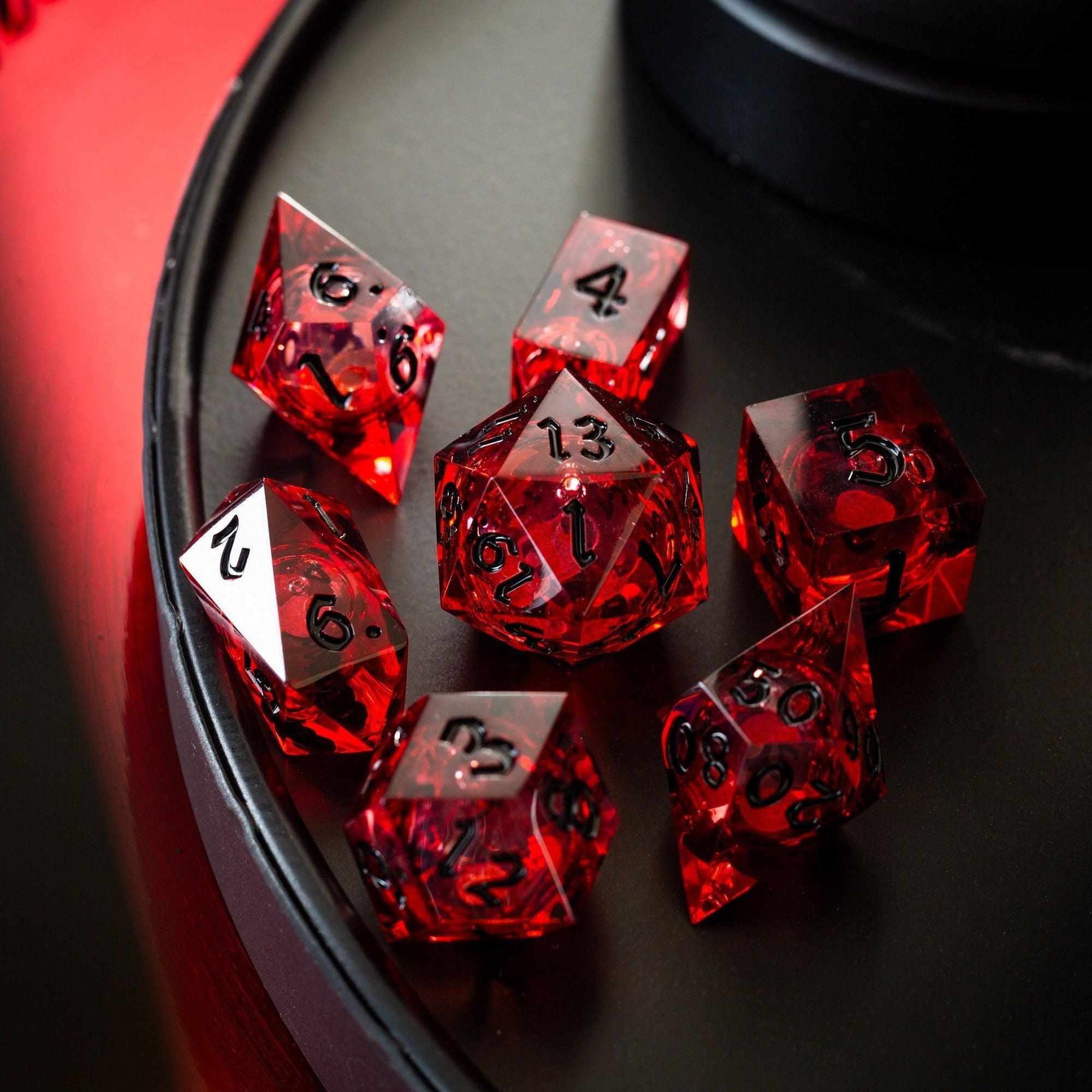
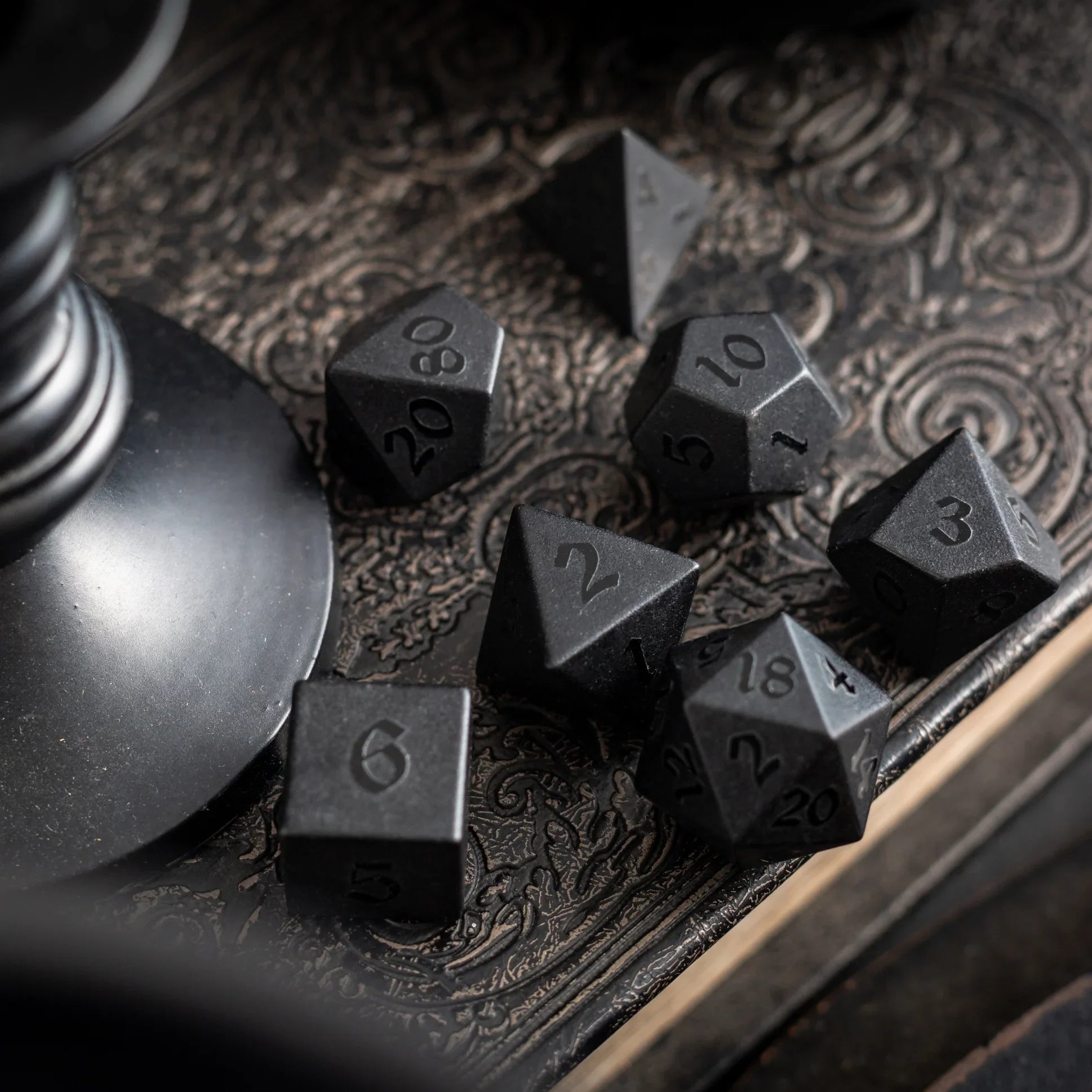
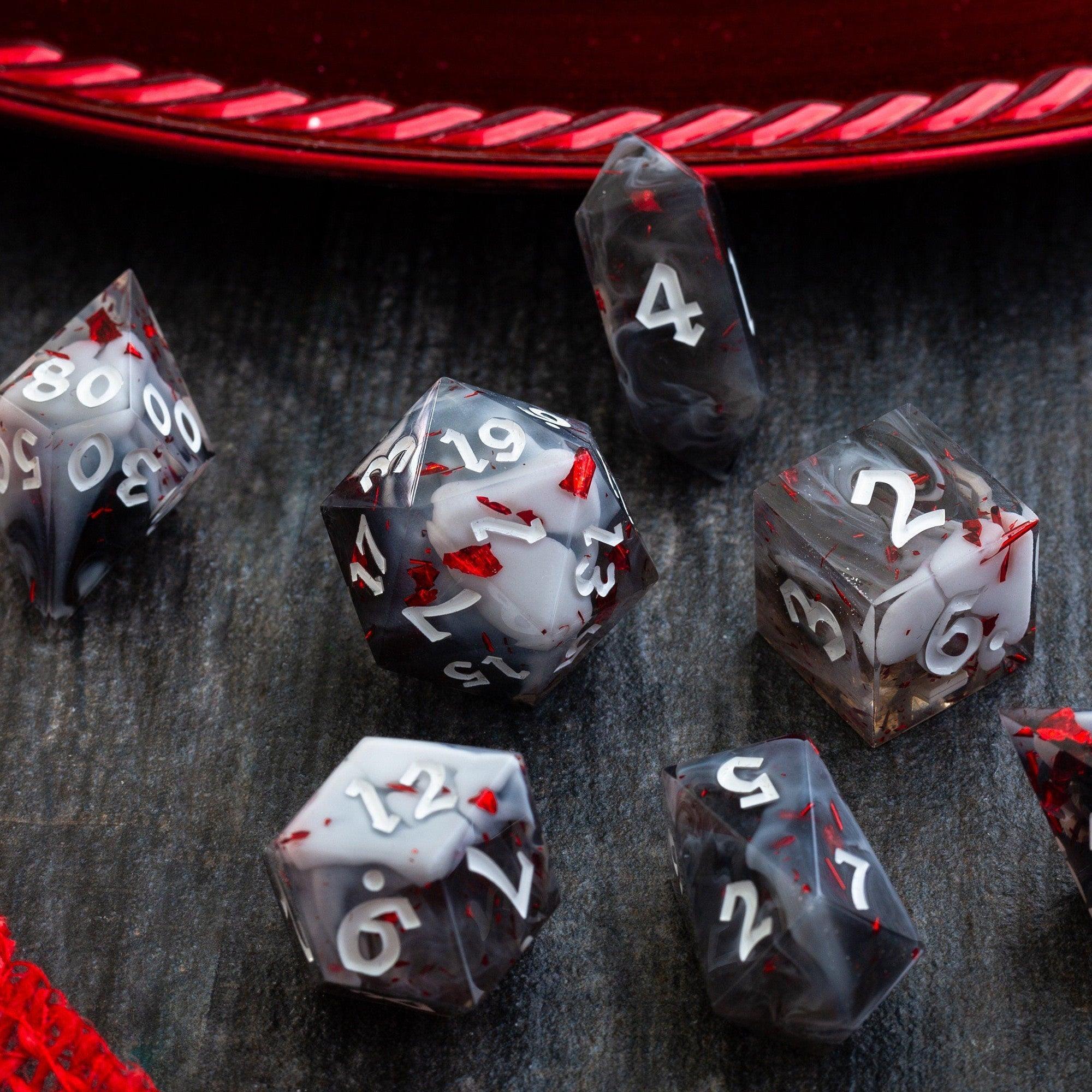
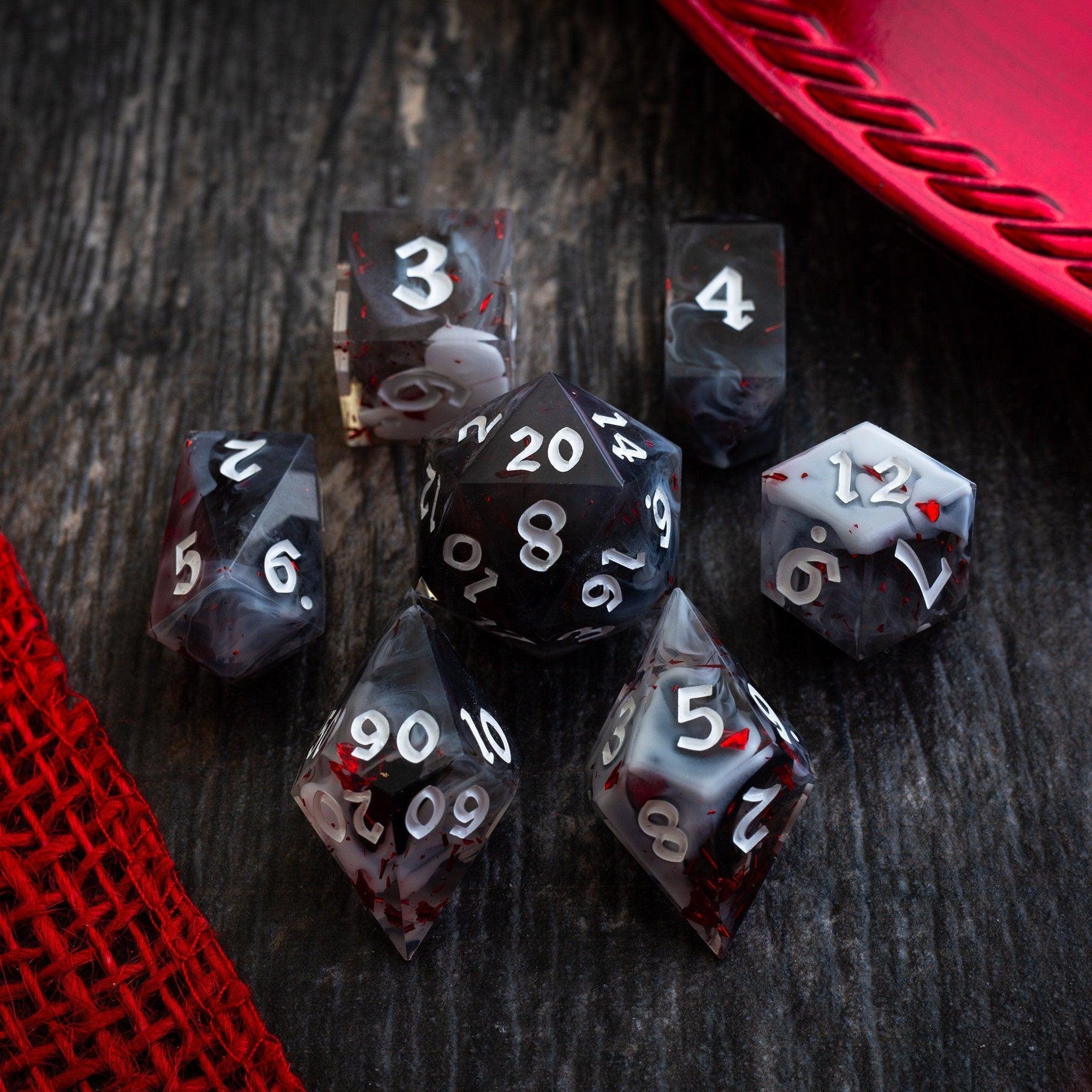
Stock your prepared spells with solutions to common obstacles. Mending handles broken objects, Identify reveals magical item properties, and Dispel Magic addresses magical problems. This preparation transforms you from a damage dealer into an invaluable problem-solver. Visit our full dice collection to find sets that match your character's personality.
Step 4: Leverage Tool Proficiencies
Use your tool proficiencies actively. When your party encounters a locked door, offer to attempt picking it using thieves' tools. When crafting becomes relevant, your proficiency accelerates the process. Don't treat these proficiencies as passive abilities—actively seek opportunities to employ them.
Step 5: Optimize Item Crafting
Take advantage of your rapid magical item crafting. During downtime, craft consumables like healing potions or scrolls that enhance party resources. This transforms downtime into meaningful mechanical benefits, making your preparation legendary among your party members.
Step 6: Adapt Your Infusions Between Encounters
During short rests, reassess your infusion distribution based on upcoming challenges. If your next encounter involves undead creatures, switch some infusions toward anti-undead effects. This flexibility is your greatest advantage over more rigid classes.
Frequently Asked Questions About Artificer Class Gameplay
What Intelligence Score Do I Need for Effective Artificer Gameplay?
Aim for at least 16 in Intelligence during character creation, preferably higher if your ability scores allow. Intelligence affects your spell attack bonus, spell save DC, and the number of infusions you can create. Most experienced artificer players prioritize reaching 18 or 20 Intelligence by mid-levels, making this investment critical to your effectiveness.
Which Artificer Subclass Best Suits Beginners?
The Battle Smith subclass offers the most straightforward gameplay for newcomers. It grants martial weapon proficiency and armor, making combat participation intuitive. You can still access full artificer spellcasting while enjoying familiar combat mechanics. Artillerist requires more positioning planning, while Alchemist demands constant resource management—both excellent choices once you understand core artificer mechanics.
How Do I Balance Damage Output with My Support Role?
Embrace that your value extends beyond damage numbers. A well-timed healing spell or defensive buff often prevents more damage than you'd deal with offense. That said, infusions like Flaming Weapon let you contribute damage while maintaining support capabilities. Consider multiclassing into martial classes only if your group specifically needs more frontline combat power.
Can Artificers Compete in Combat Against Other Classes?
Absolutely, but differently than martial classes. Your arsenal of spells, infusions, and magical items means you can handle almost any combat situation. You won't trade blows with barbarians, but you'll outmaneuver them with tactical options. Many experienced players argue that artificers offer better overall combat flexibility than dedicated damage classes.
What's the Best Strategy for Managing Limited Spell Slots?
Prepare more utility spells than damage spells, as utility options remain valuable at any level while damage spells become less effective. Use spells that affect multiple enemies (like Scorching Ray) rather than single-target spells. Most importantly, save slots for emergency healing and critical support—let infusions handle consistent damage output.
How Do I Maximize Downtime with Crafting Abilities?
Work with your dungeon master to establish regular downtime periods. Use crafting time to produce healing potions, magic ammunition, or utility scrolls. These items compound over sessions, gradually making your party significantly more resourceful. A dedicated artificer can transform party resources dramatically given sufficient downtime opportunities.
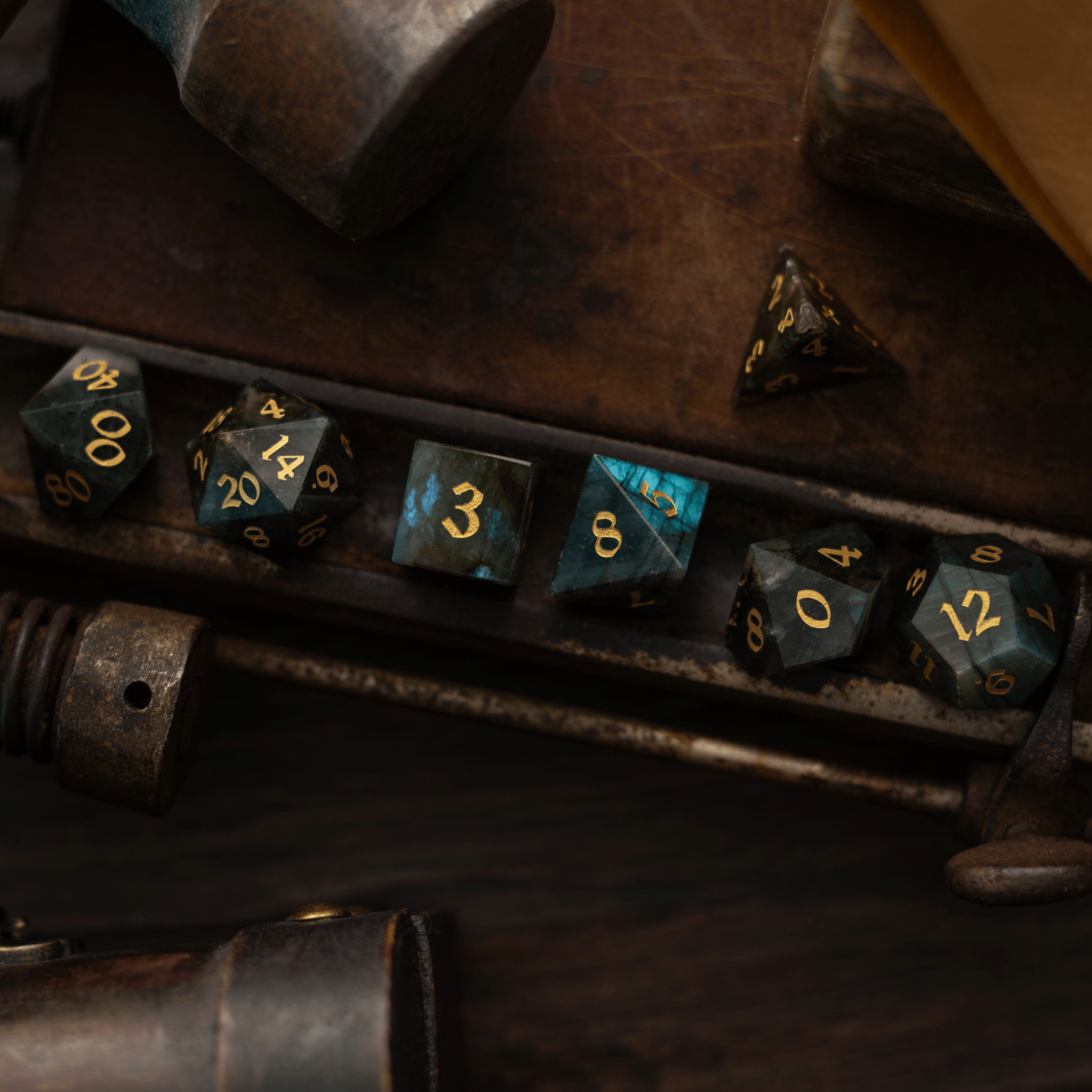
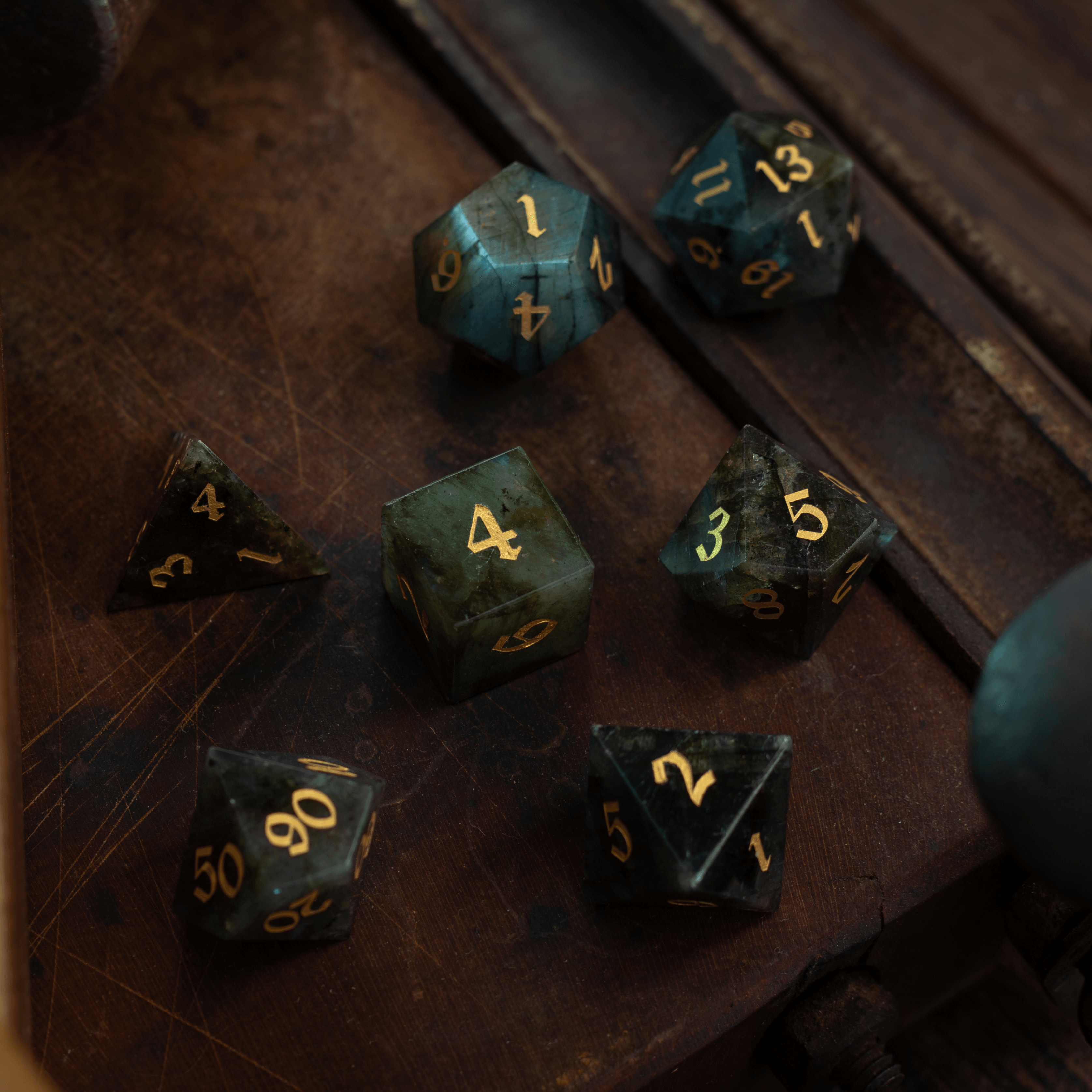
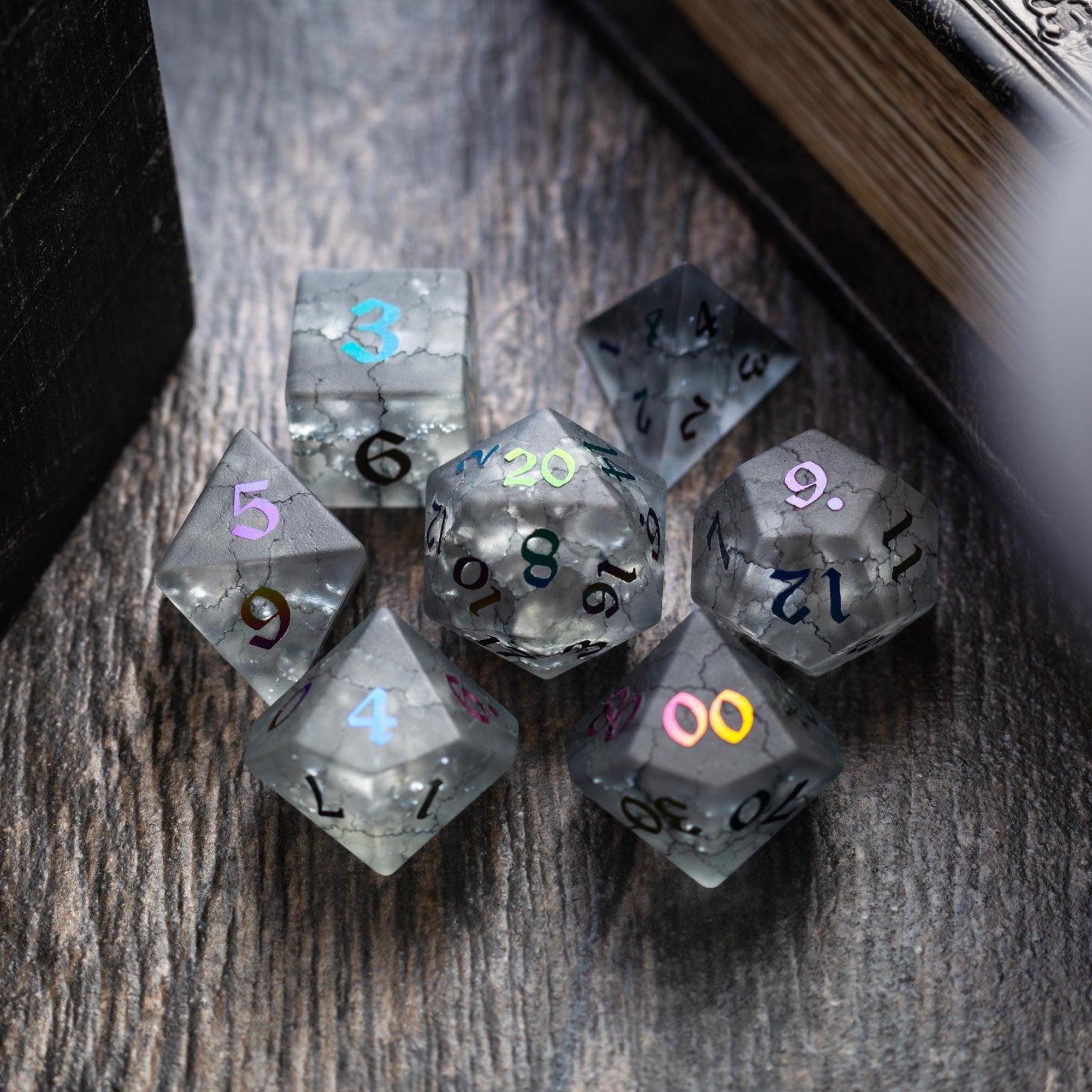
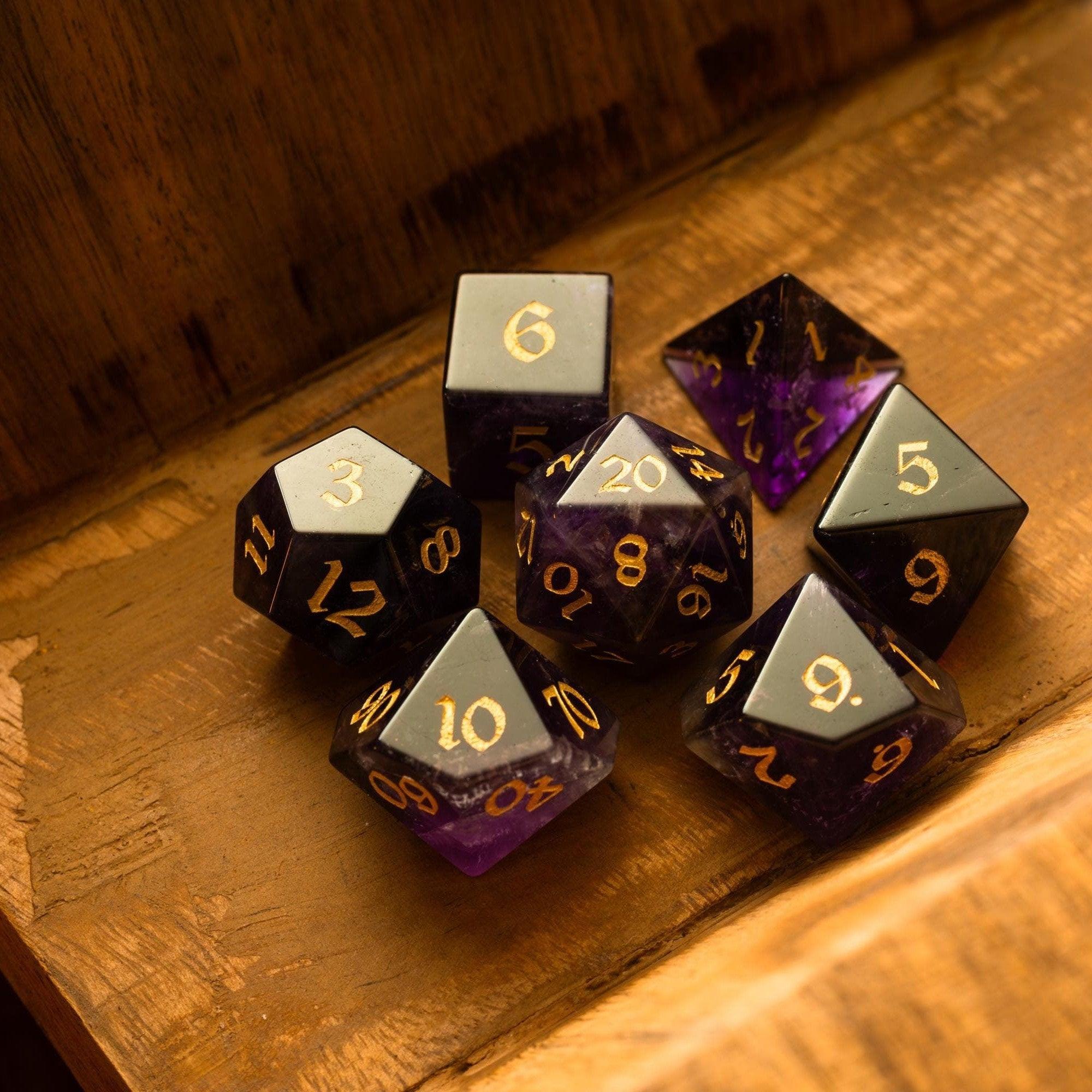
Exploring gemstone dice collections can help you find dice that reflect your artificer's personality and nature-inspired infusions.
Bringing It All Together
Mastering artificer class gameplay requires patience and creative thinking. You're not playing to maximize single-round damage output—you're crafting solutions to problems before they arise. This playstyle rewards preparation, versatility, and supporting your party members in unexpected ways.
Start with the fundamentals: prioritize Intelligence, understand your infusions, and embrace your support role. Build your character around solving problems your dungeon master throws at you. Gradually expand your tactical knowledge, discovering how different infusions, spells, and tool proficiencies combine into powerful synergies.
Remember that artificers are meant to feel intelligent and prepared. Your best moments won't be massive damage numbers—they'll be the times your preparation saved the entire party from disaster. That satisfaction of having exactly the right solution available makes artificer gameplay deeply rewarding. Whether you're crafting magical items, casting crucial support spells, or infusing weapons with supernatural power, your contributions shape every campaign.
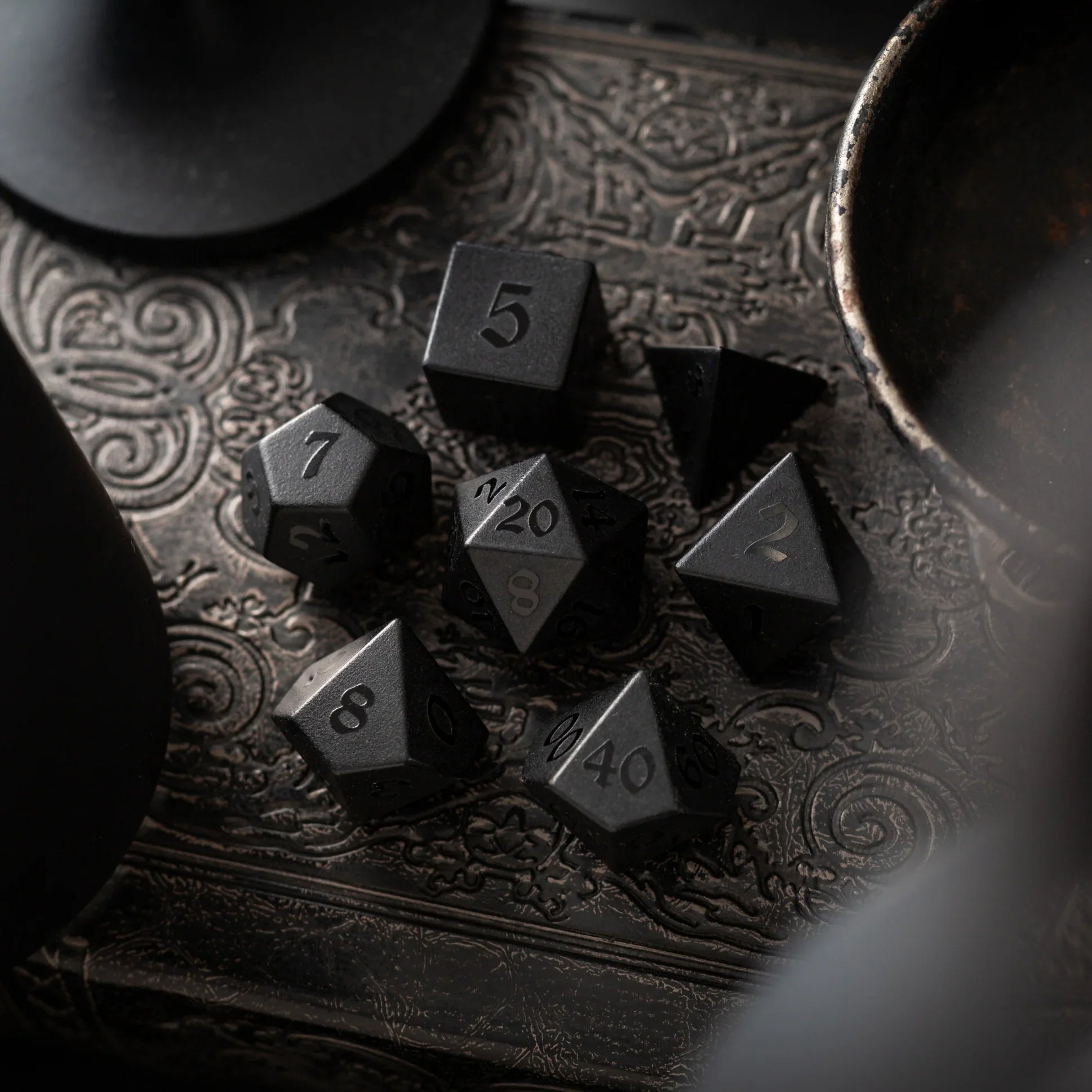
Consider exploring different dice styles and materials to enhance your character roleplay experience during gameplay sessions.








Leave a comment
This site is protected by hCaptcha and the hCaptcha Privacy Policy and Terms of Service apply.