

Beginner Friendly RPG Resources A Simple Starter Guide
Updated on: 2026-01-05
New to tabletop RPGs? This friendly guide shows you what to buy first, how to prep in under an hour, and the common myths to ignore. You’ll get a simple step-by-step plan, curated tools, and gear tips that won’t break the bank. By the end, you’ll feel ready to sit down, roll, and enjoy your first session.
- Myths vs. Facts
- Step-by-Step Guide
- Resources for New Players
- Frequently Asked Questions
- Summary & Key Takeaways

If you’re hunting for beginner-friendly role-playing resources, you’re in the right place. Starting your first tabletop RPG can feel like trying to read a map in a storm. There are rulebooks, tools, and more opinions than goblins in a cave. Take a breath. You don’t need everything today. You just need a clear path and a few reliable picks.
In this guide, I’ll walk you through the essentials, bust a few myths, and give you a practical checklist that actually fits real life. Whether you’re sitting down with friends after work or hosting an online campaign, the goal is the same: a smooth first session that’s fun, low-stress, and full of great moments.
Myths vs. Facts
-
Myth: You must read the entire core rulebook before you play.
Fact: You can start with a quickstart or a one-page rules summary and learn the rest as you go. -
Myth: The Game Master needs to write a novel-length world.
Fact: A small setting, a clear hook, and a short adventure are more than enough for session one. -
Myth: You need expensive accessories to run a good game.
Fact: A few dice, a pencil, and a shared story beat a mountain of gear every time. -
Myth: Combat and rules mastery matter more than roleplay.
Fact: Fun comes from choices and character moments. Rules support that, not replace it. -
Myth: Only extroverts enjoy RPGs.
Fact: Quiet players thrive with clear prompts, supportive tables, and roleplay at their own pace. -
Myth: If you’re not perfect at session one, you’ll lose your group.
Fact: Every table learns together. Small wins make players come back.
Step-by-Step Guide
1. Pick a system that fits your group. Choose rules with clear beginner options or a quickstart. Think about tone: heroic fantasy, cozy adventures, or horror-lite.
2. Choose a short starter adventure. Aim for a one-shot you can finish in 2–3 hours. Simple goals (rescue, heist, escort) help everyone focus.
3. Share a one-page primer. Send a friendly note with safety tools, table vibes, and three bullet points about the world. Keep it light and welcoming.
4. Prepare pre-generated characters. Offer 4–6 ready-made sheets. Let players tweak names, bonds, or a signature move, then jump in.
5. Set up your toolkit. You’ll want dice, pencils, character sheets, and a way to track turns. Digital notes or index cards both work well.
6. Use a simple scene structure. Start with a clear problem, add two choices, and end with a memorable consequence. Repeat for 3–4 scenes.
7. Debrief in five minutes. Ask what players loved, what dragged, and what they’d like next time. Use that feedback to shape session two.
Beginner-Friendly Role-Playing Resources: What You Actually Need
Let’s keep your starter kit lean and effective. You’ll build confidence faster when each item earns its place at the table.
-
Rule references: A quickstart PDF or a two-page cheat sheet covers 90% of what you’ll use in play. Print it or save it to your phone.
-
Adventure support: One compact starter scenario with clear objectives, three locations, and a short list of NPCs. Skip sprawling dungeons until later.
-
Character helpers: Pre-gens or a streamlined builder. Focus on a few choices that matter: role, signature ability, and a personal goal.
-
GM tools: Index cards for initiative, a small clock or timer for snappy turns, and a simple encounter budget so fights don’t drag.
-
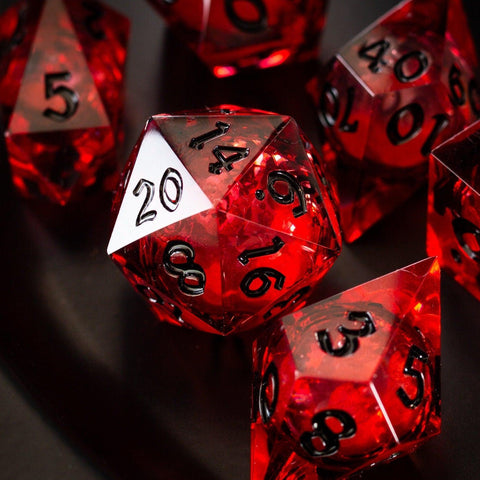
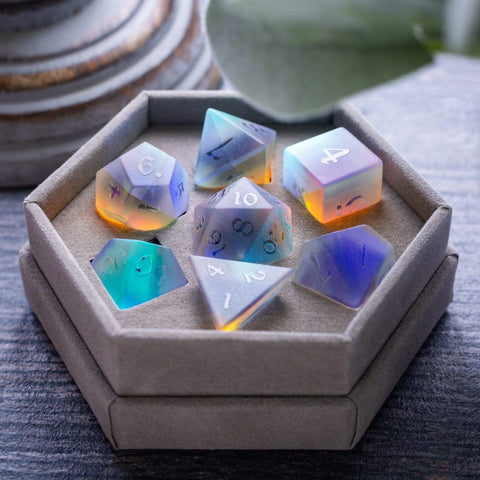
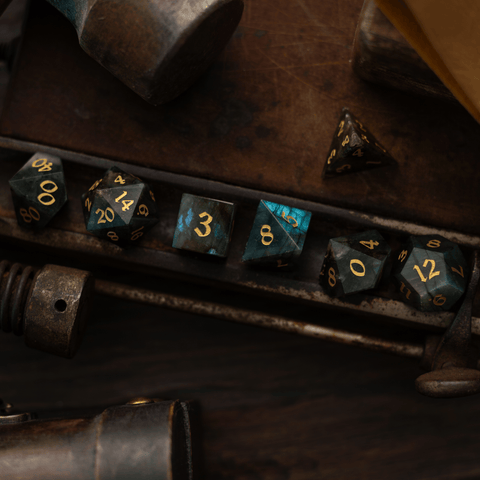
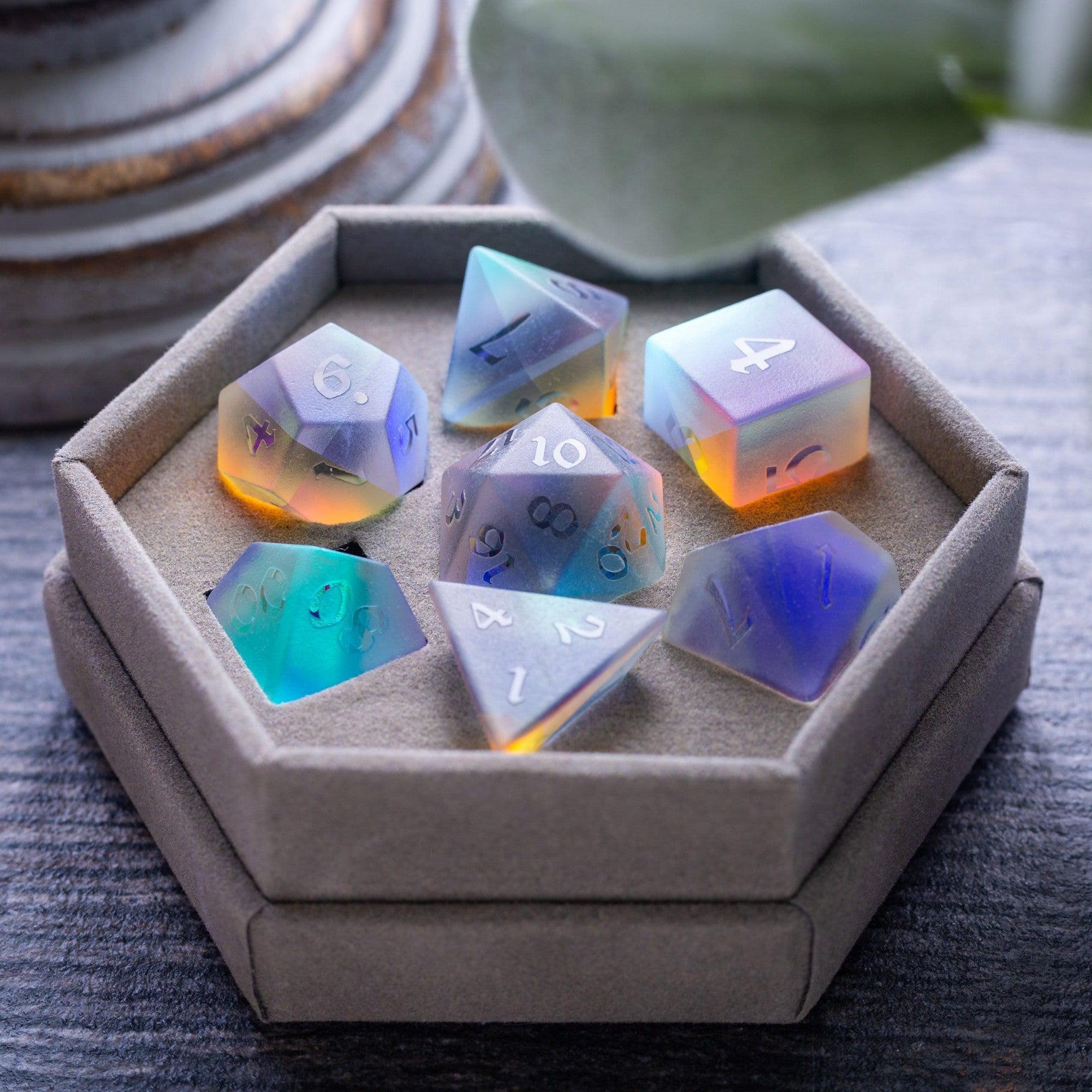
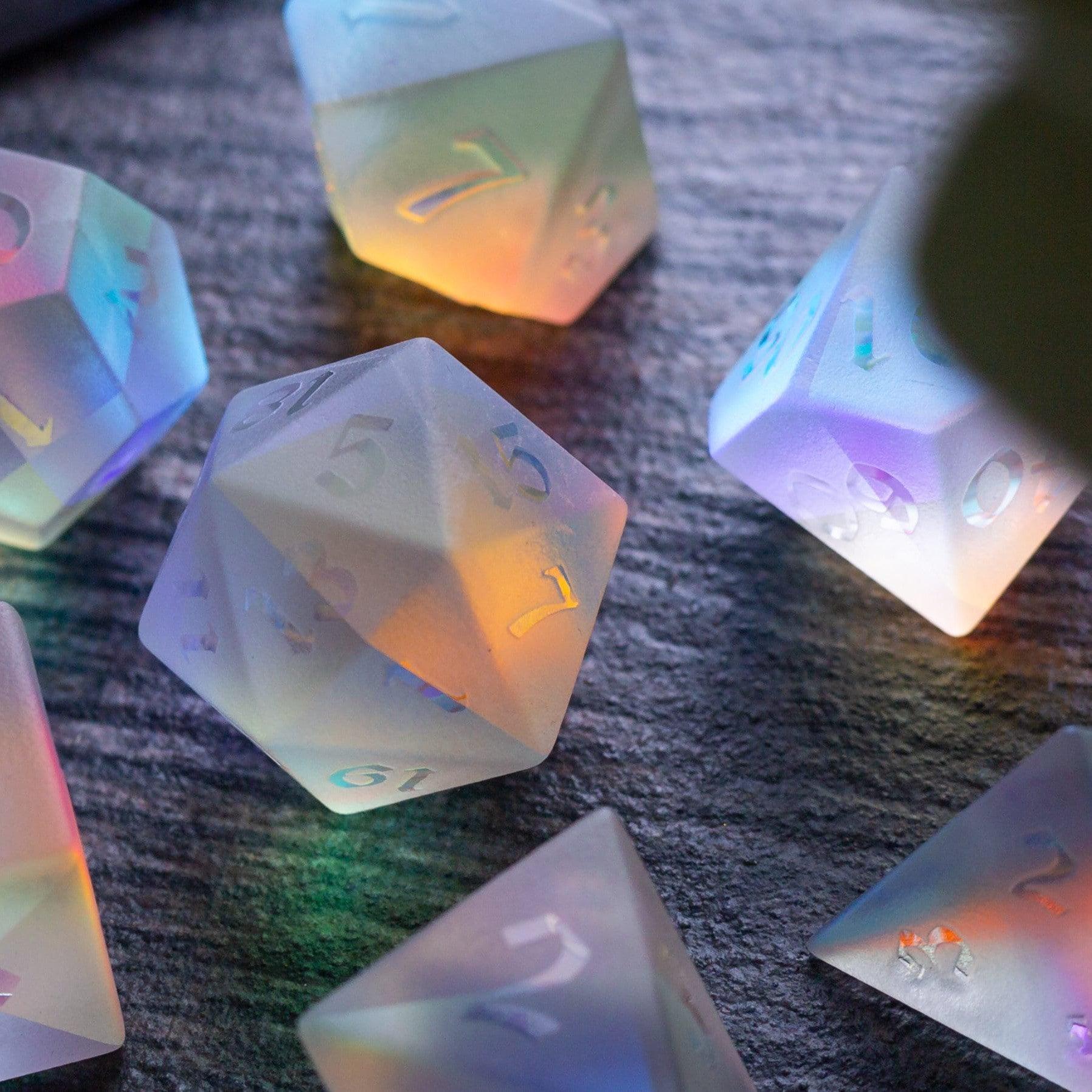
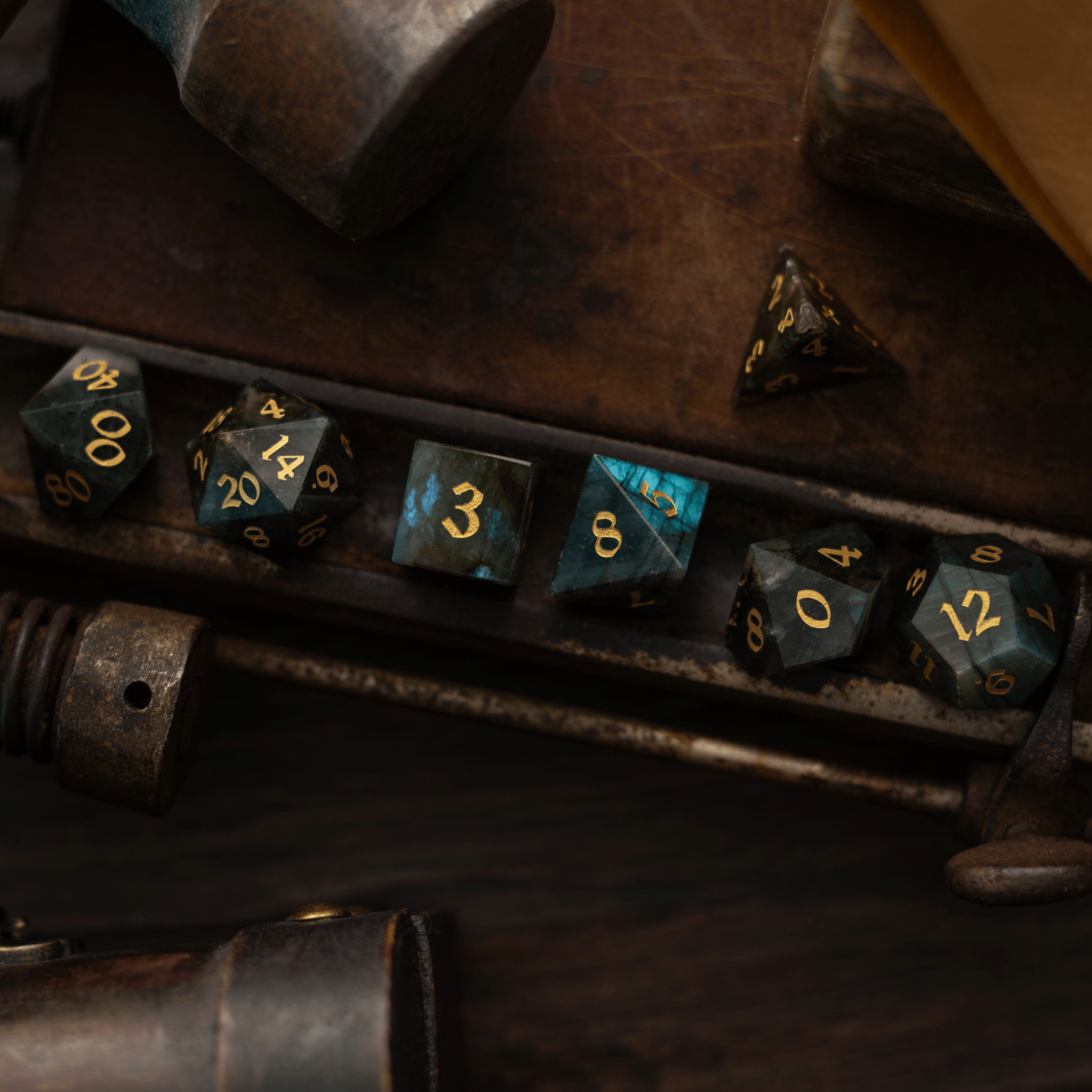
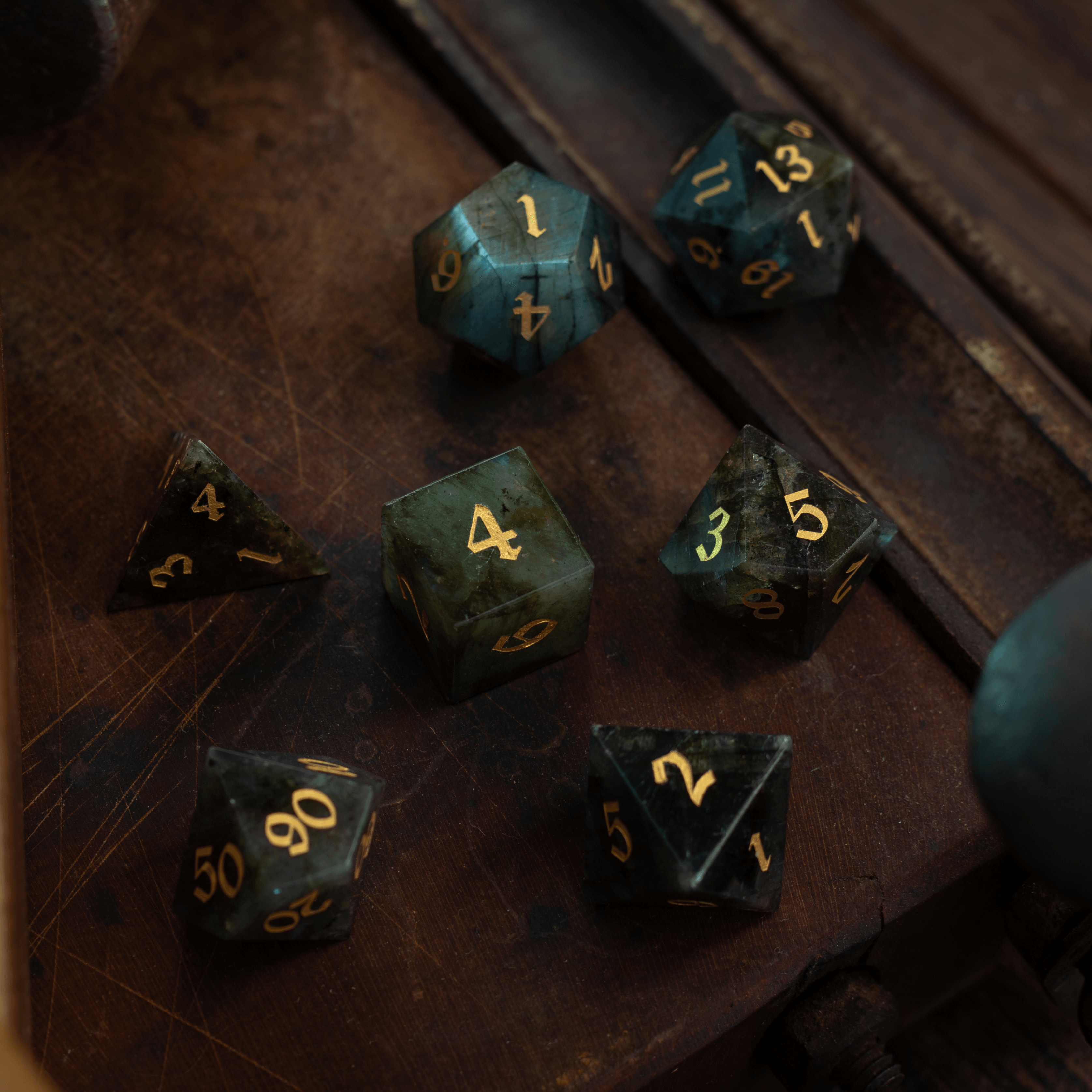
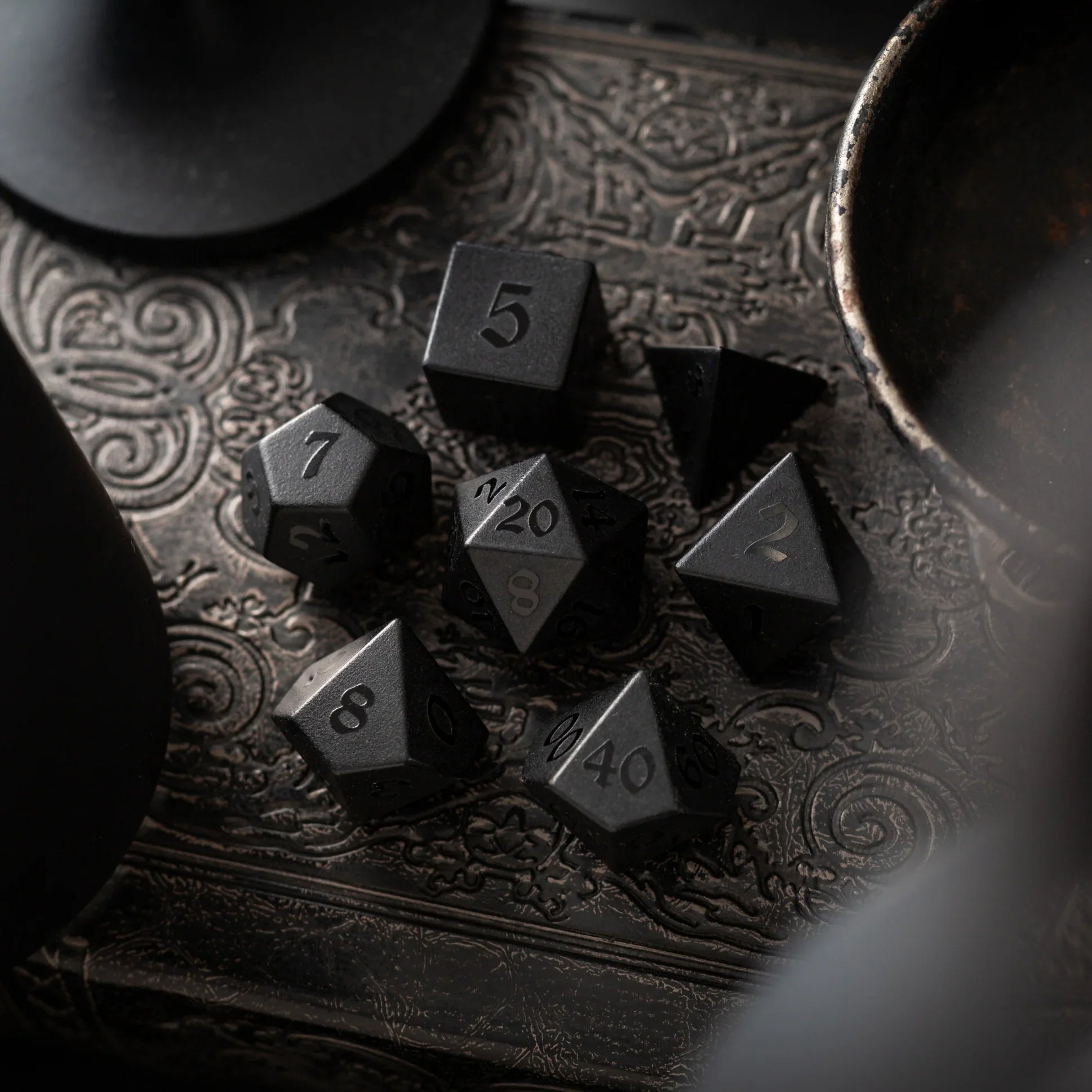
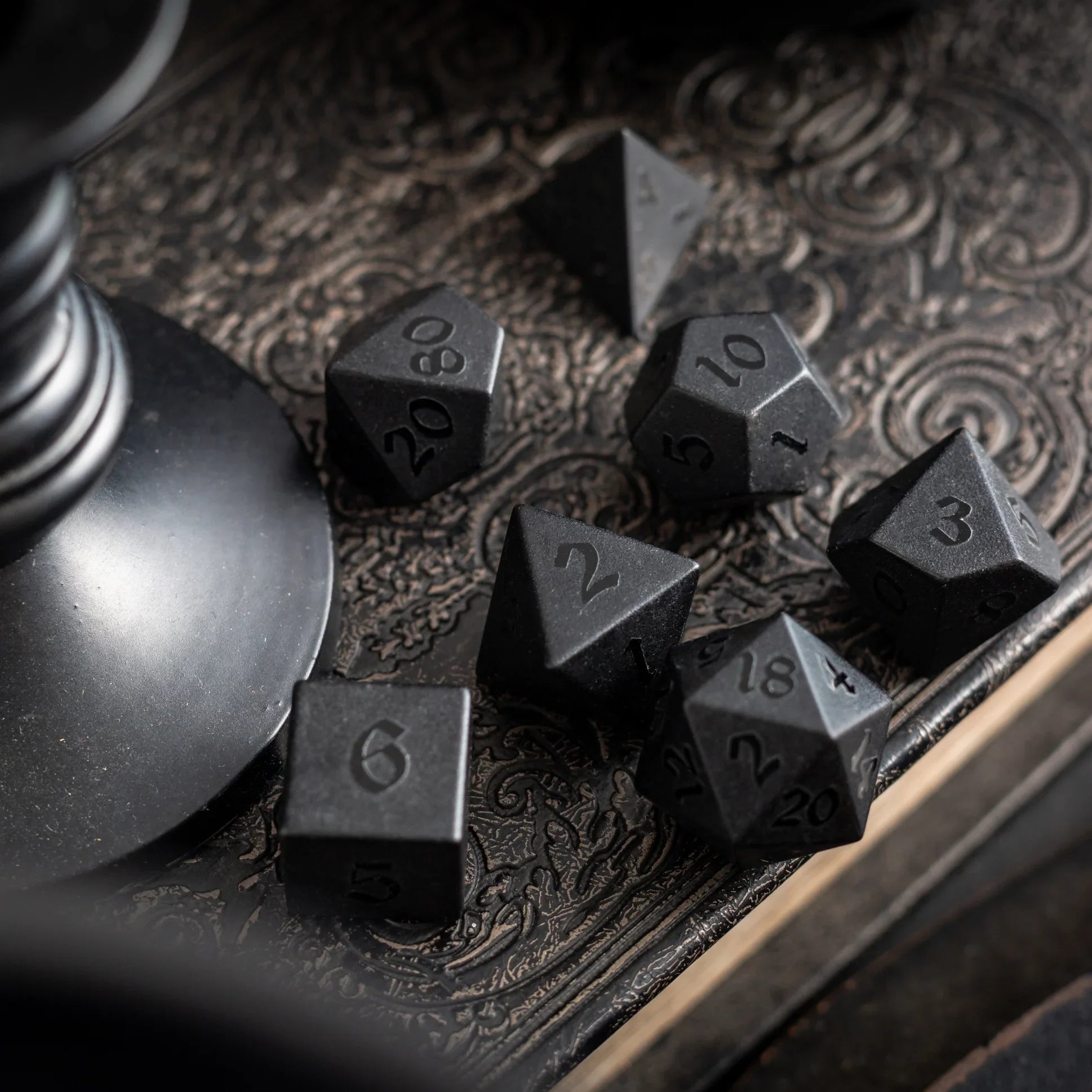
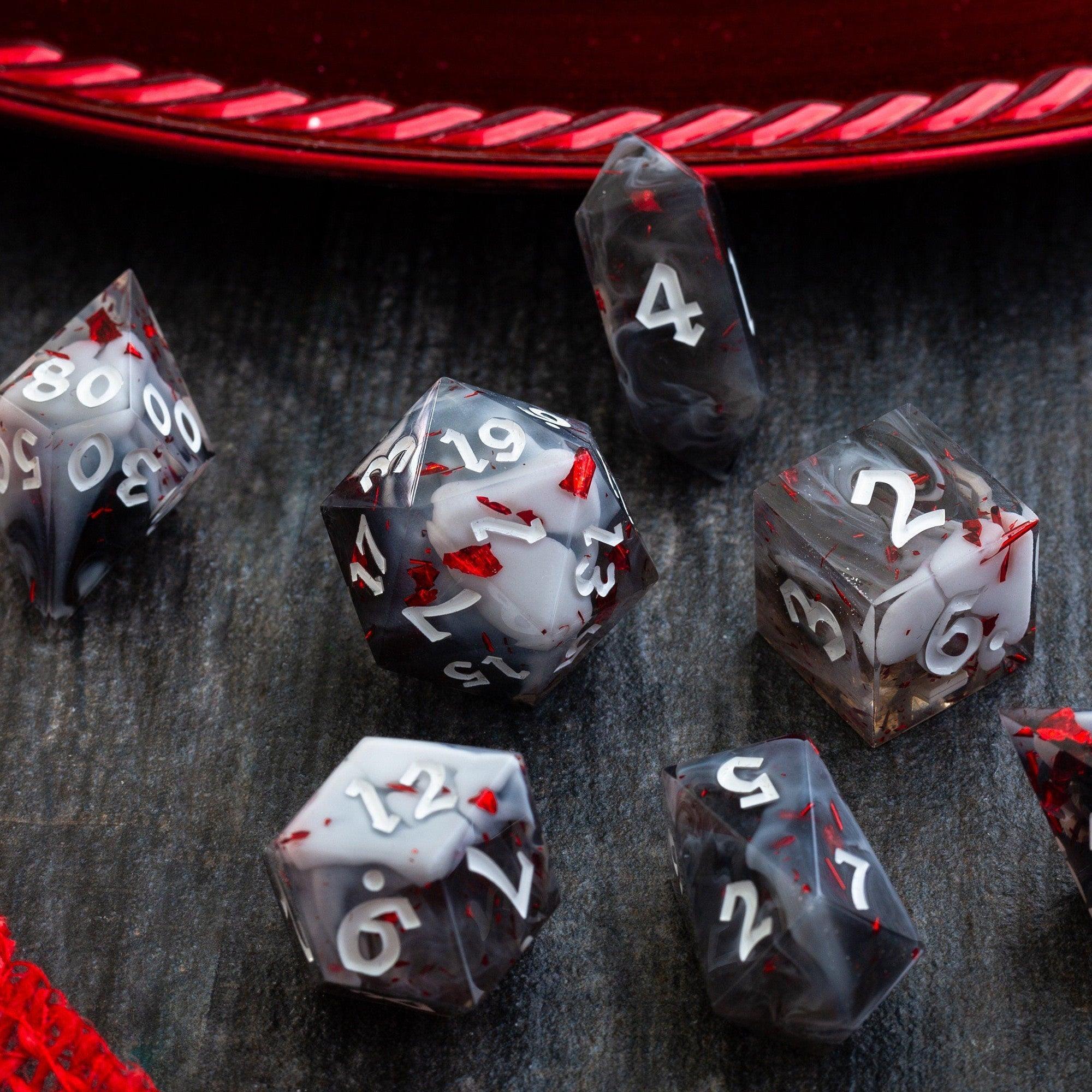
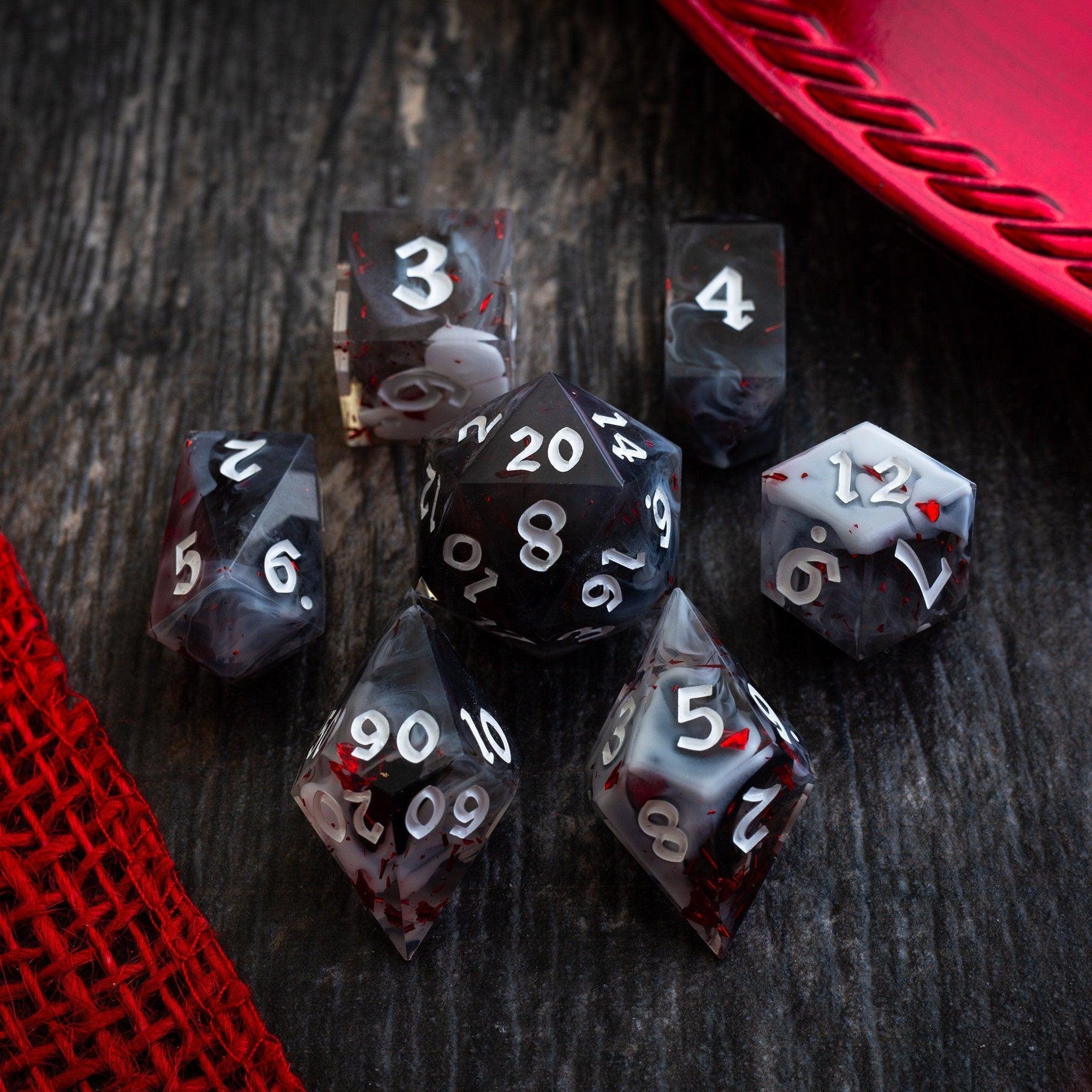
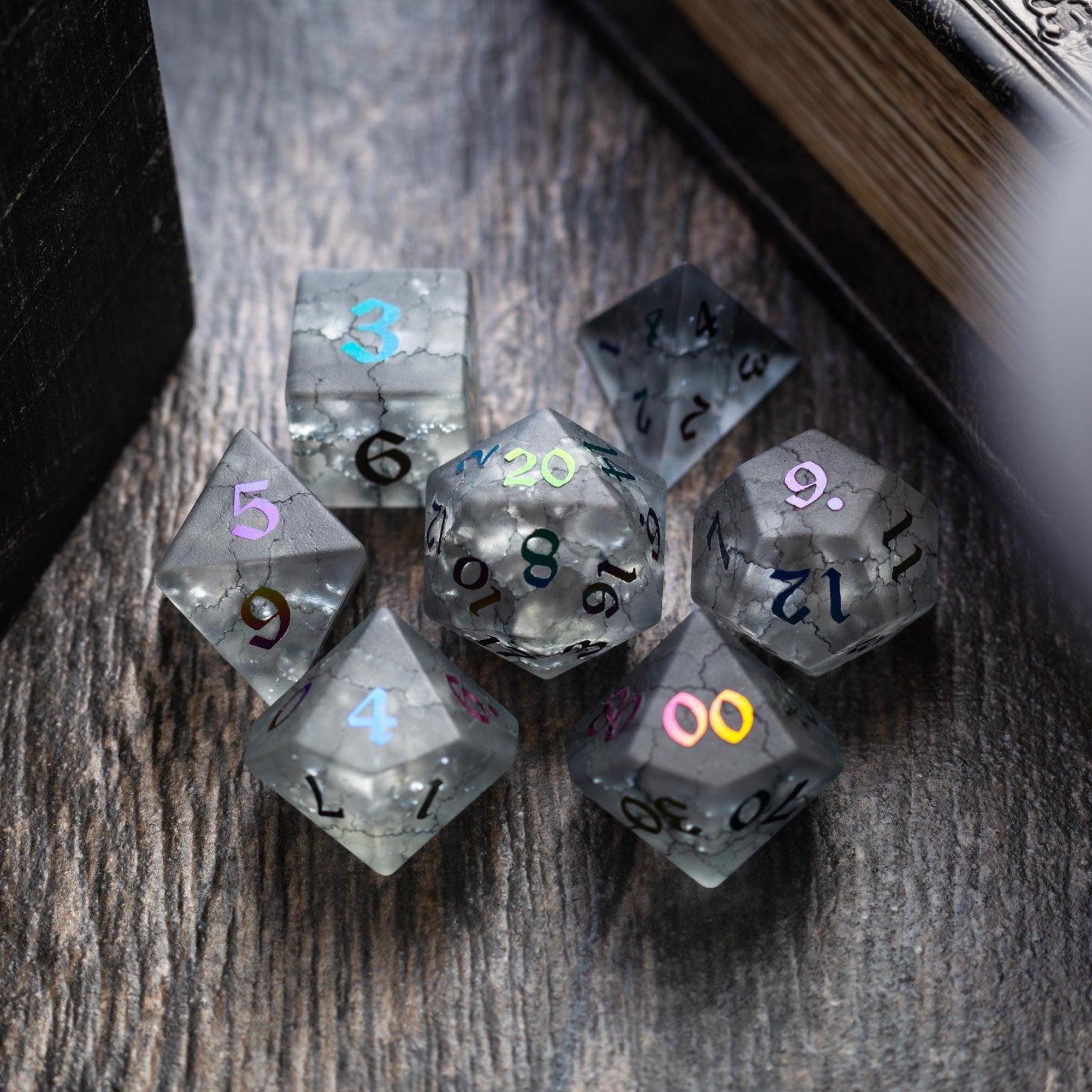
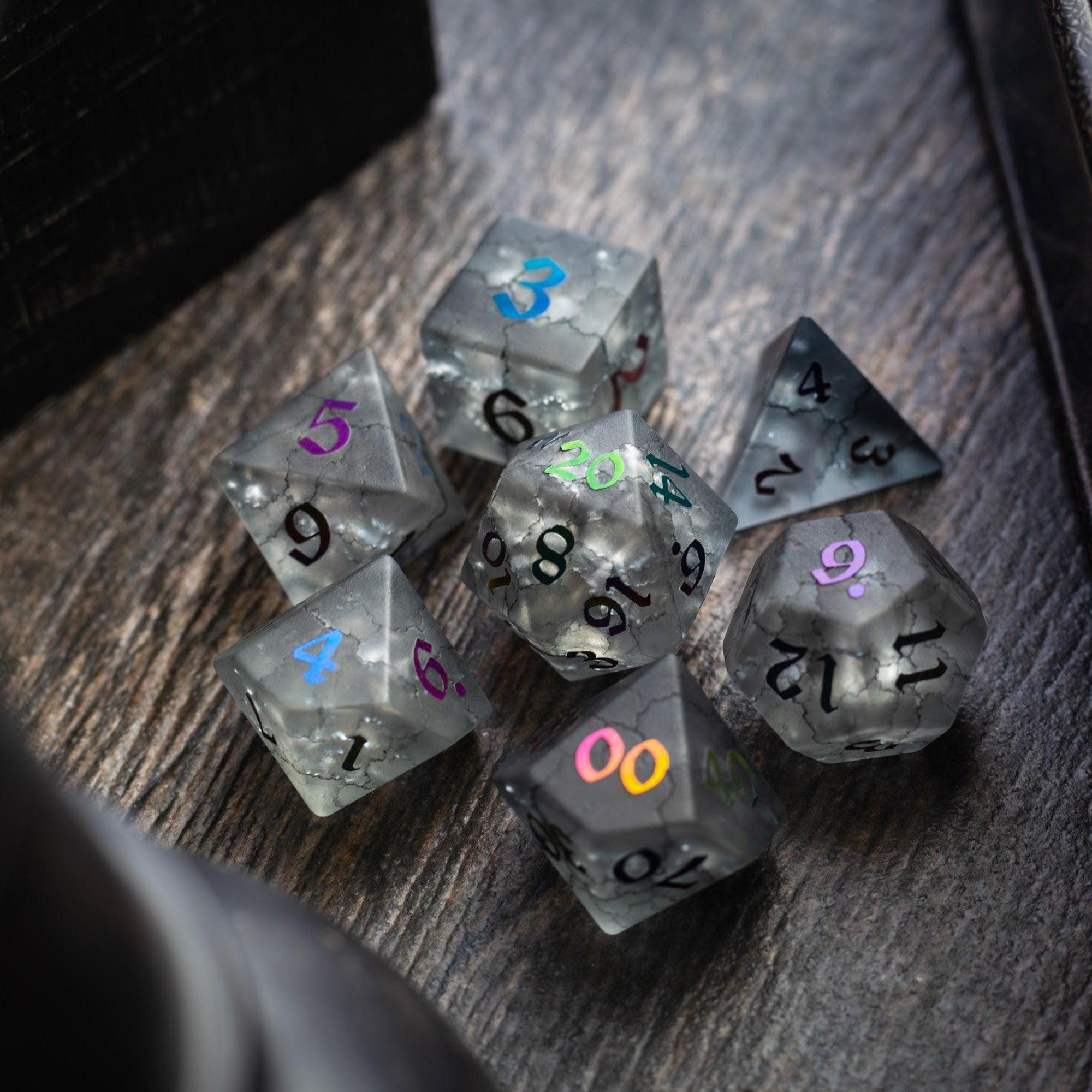
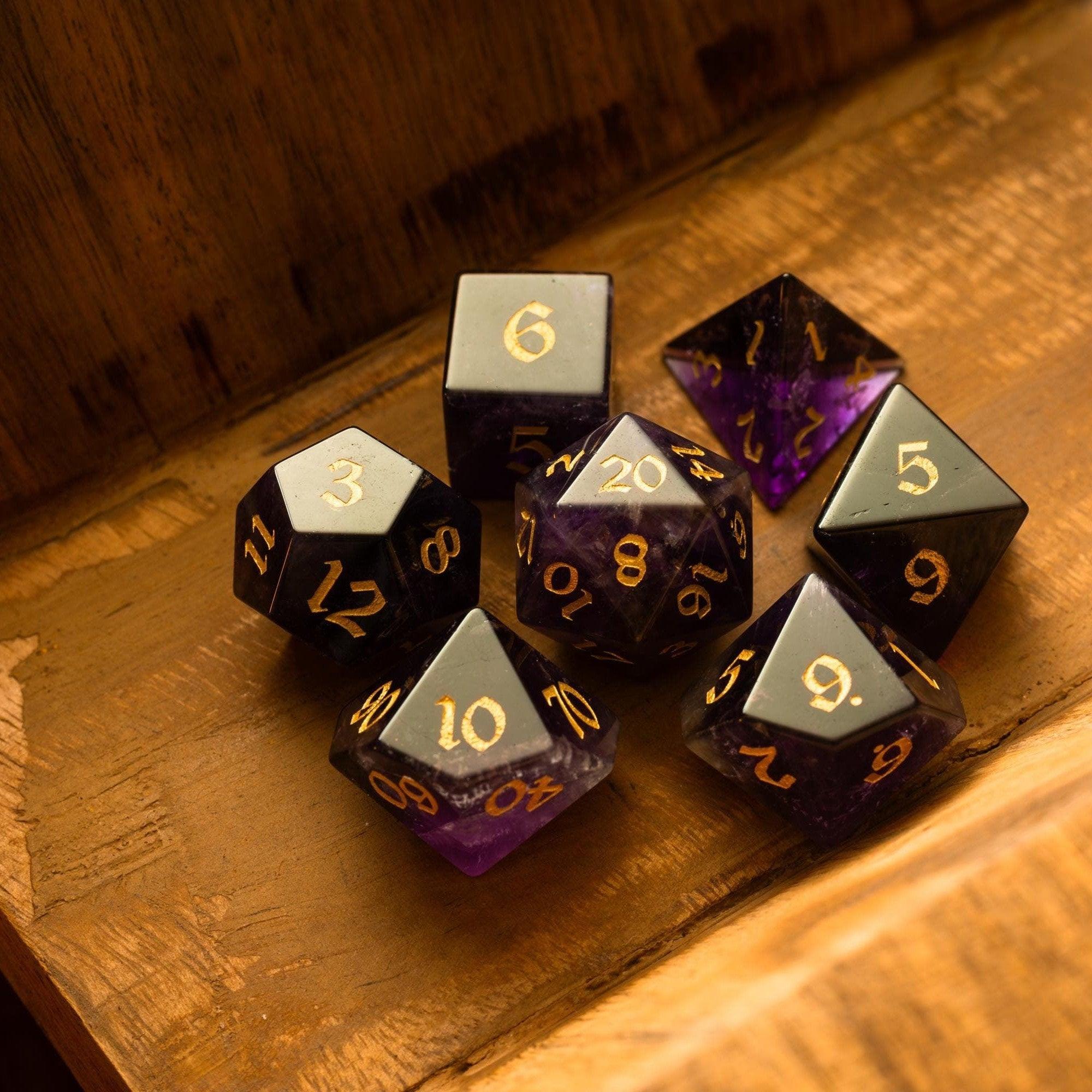
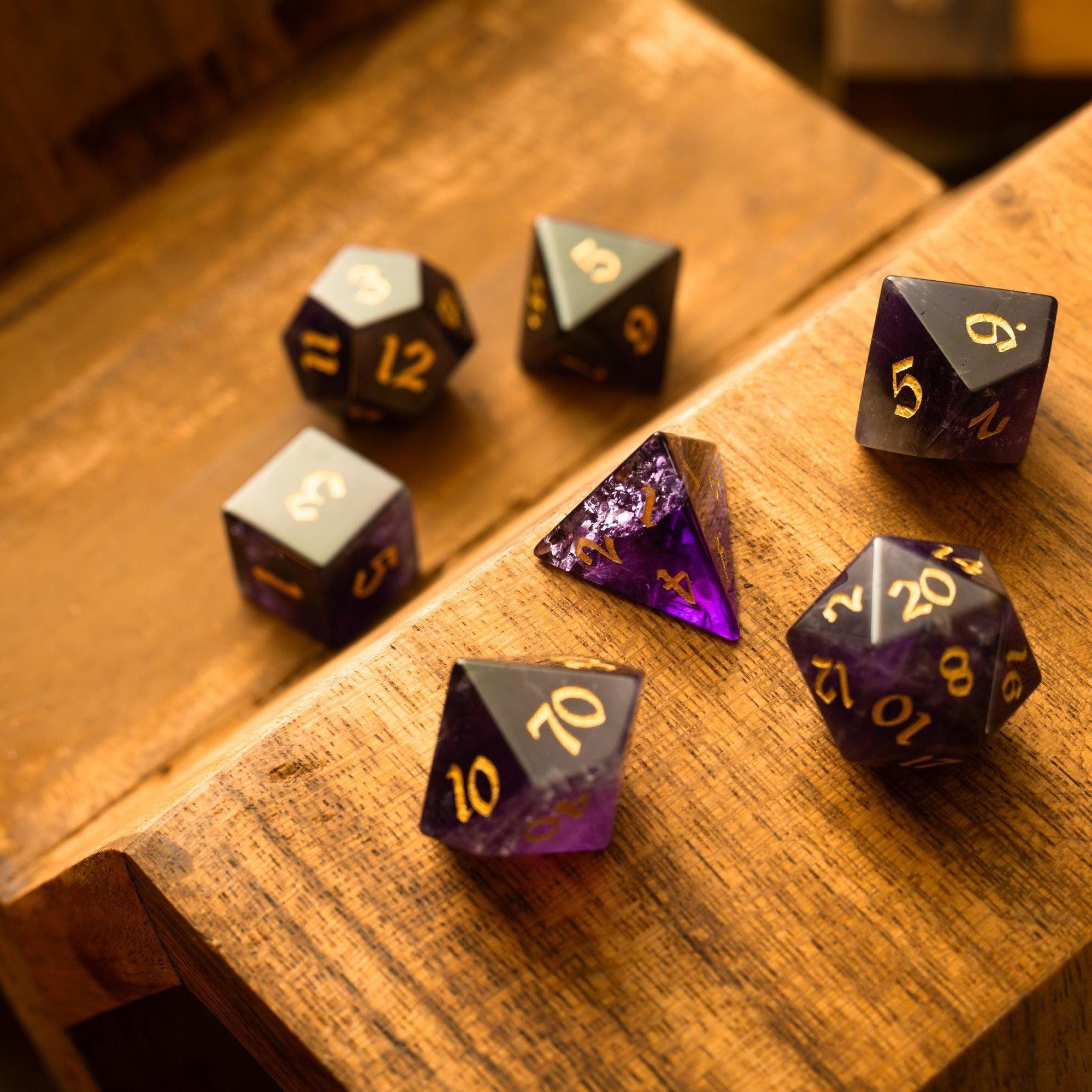
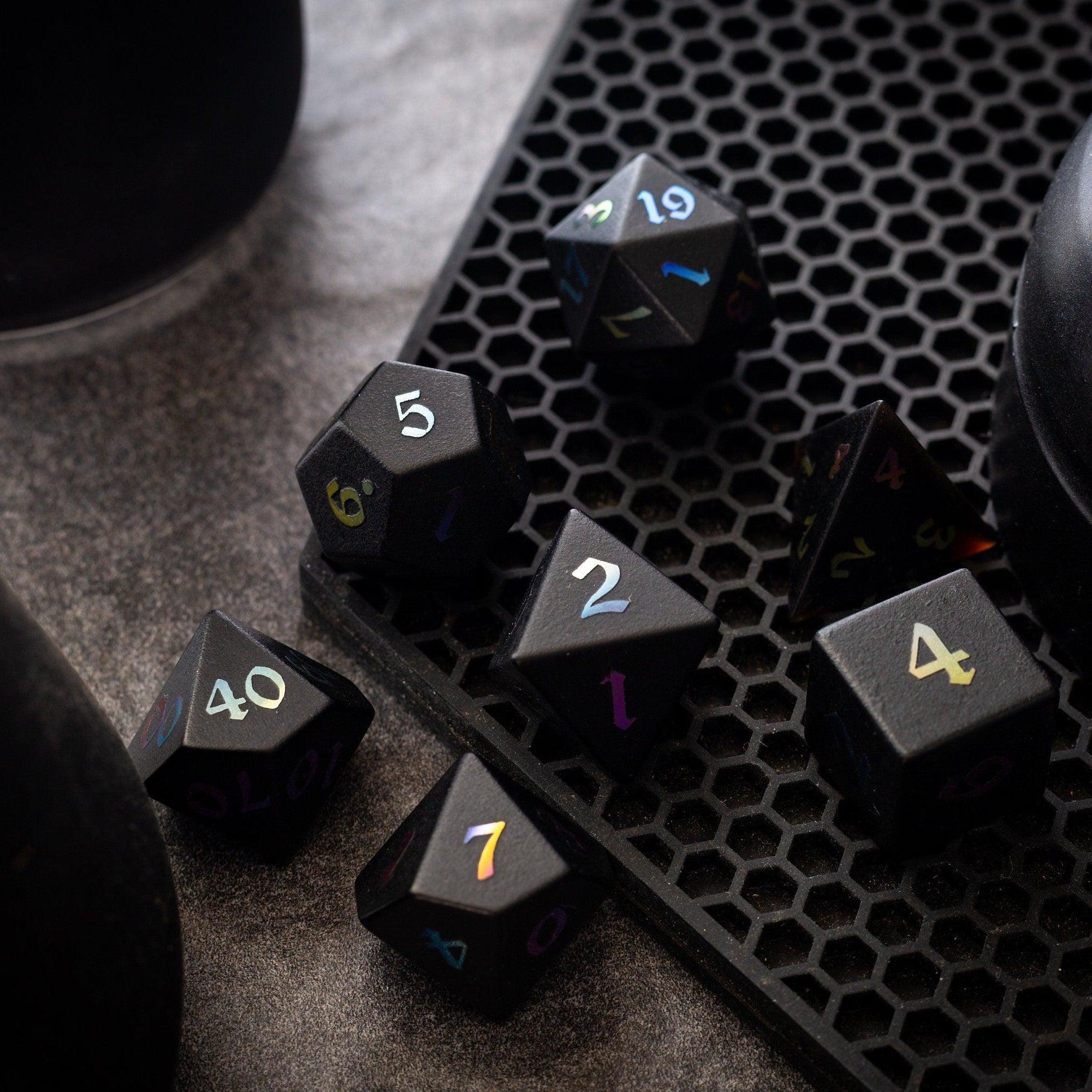
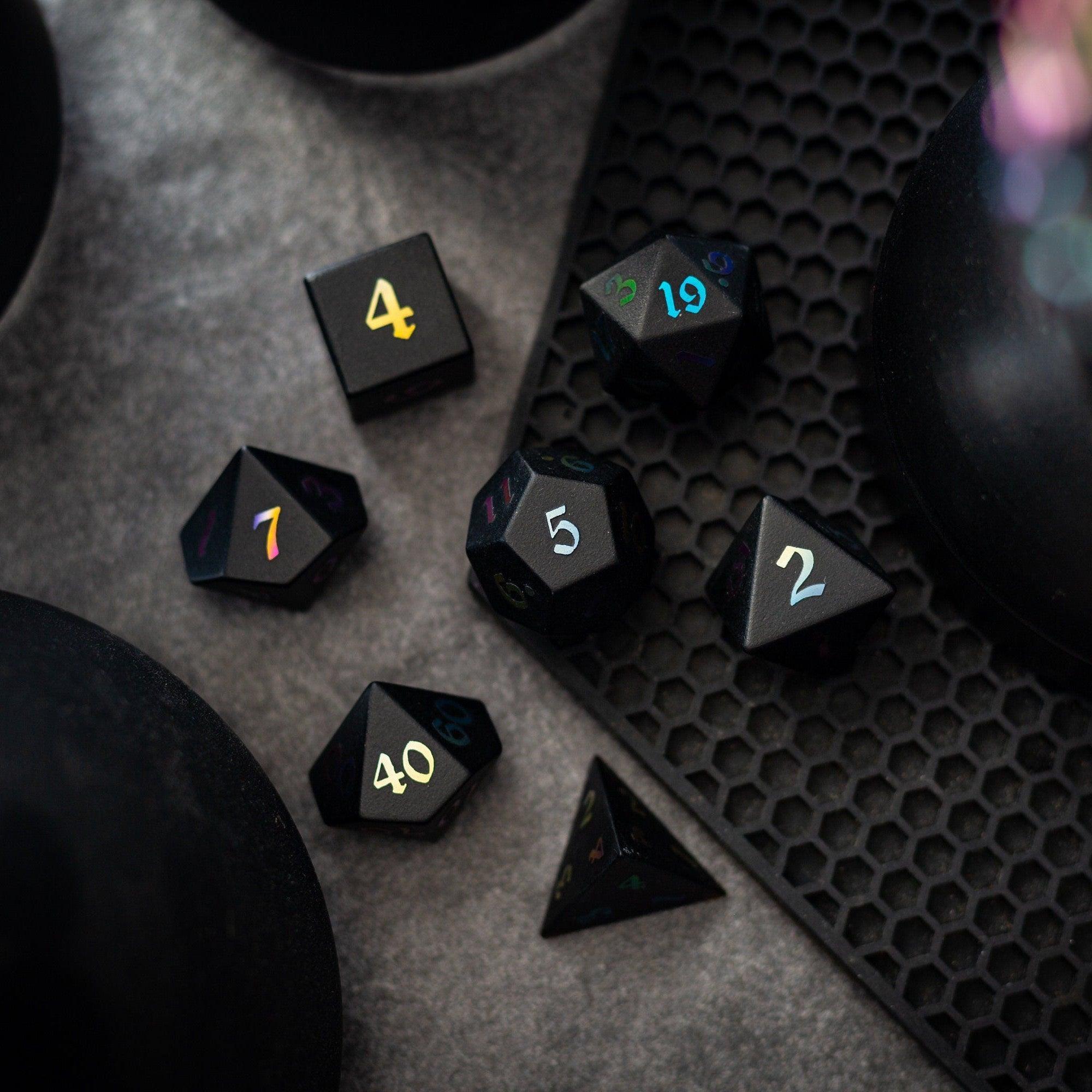
Physical dice that feel good: Rolling real dice adds ritual and excitement. If you want something special, browse premium gemstone dice for a table centerpiece, or pick a colorful resin set so each player has their own vibe.
-
Backup rollers: When a friend forgets dice, it’s nice to have a spare set. Consider a striking amethyst set for the table host and a bold starlit resin set for guests.
-
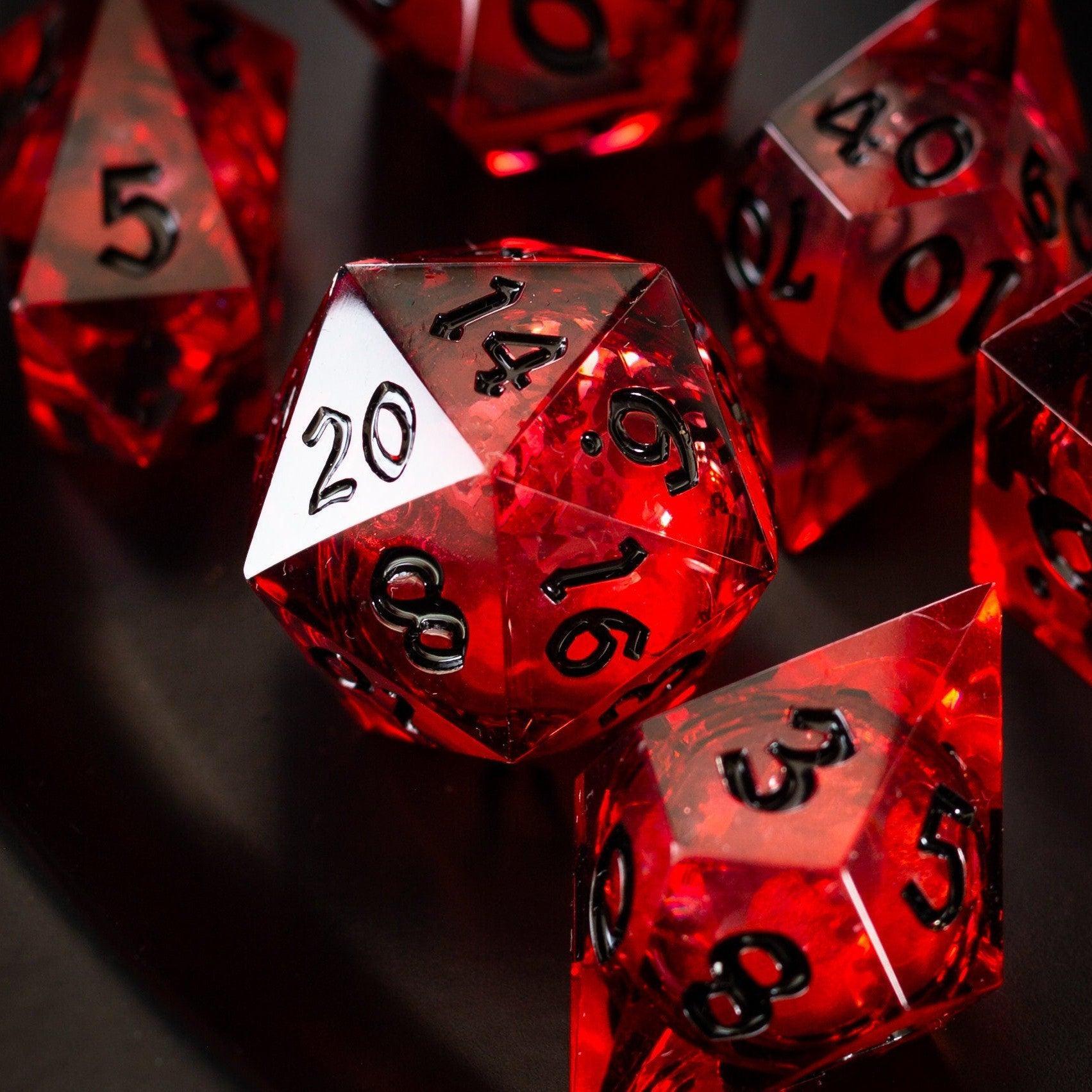
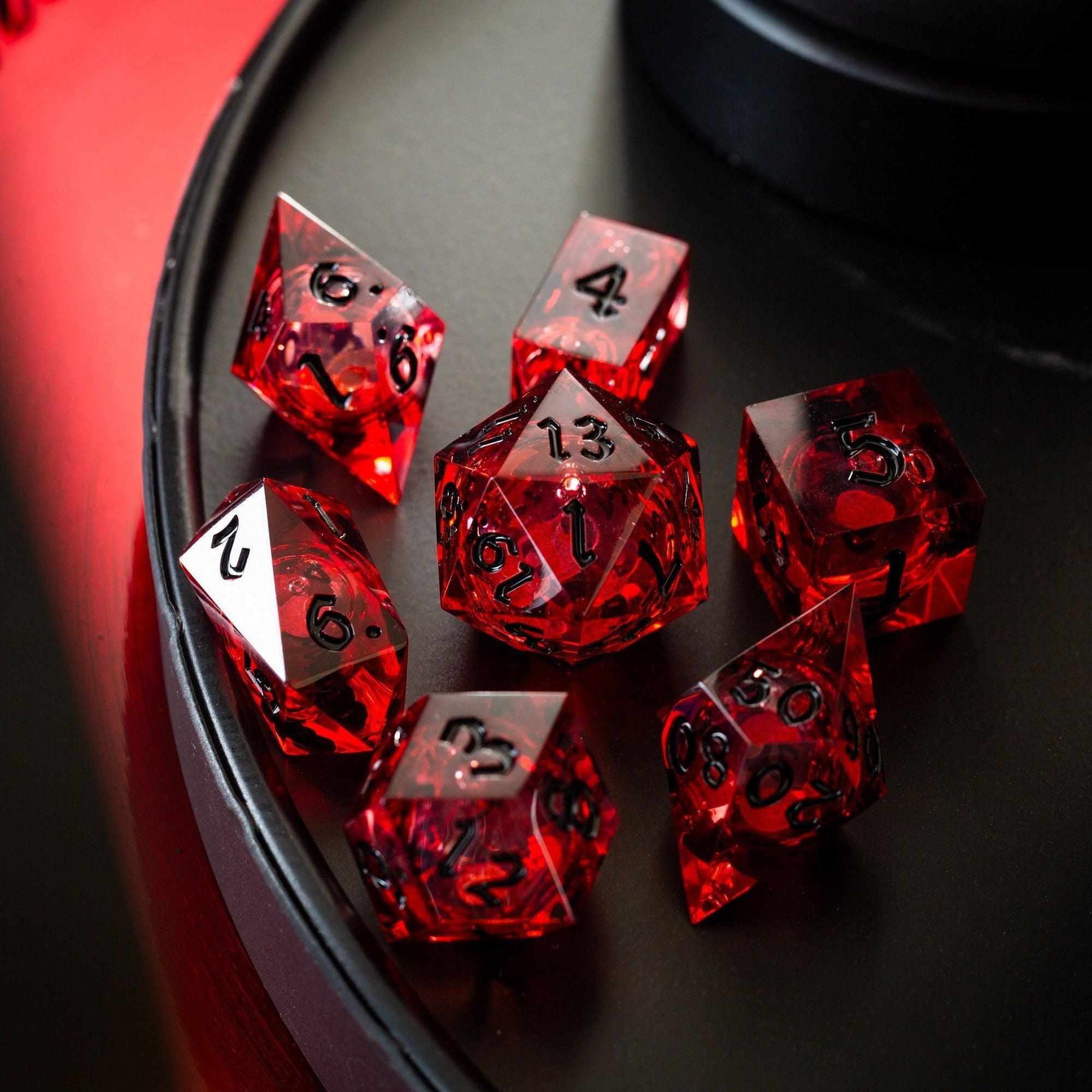
Showstopper option (optional): For cinematic moments, shimmering liquid core dice add a wow factor without adding rules, which is perfect for newcomers.

Keep your first session light on bookkeeping. Use fewer conditions, fewer modifiers, and fewer enemies than you think you need. If the table starts flying through scenes, you can add complications on the spot. The goal is momentum and clear choices, not testing every rule on page one.
Finally, set your table culture early. Tools like “lines and veils,” the X-card, or a simple “pause if something’s not fun” rule tell everyone this game is for them. A welcoming tone beats perfect prep every time.
Frequently Asked Questions
What do I need to start?
You need a short starter adventure, a quick rules summary, pre-generated characters, and a way to roll dice. Pencils and scratch paper help a lot. Optional extras—like initiative trackers or fancy dice—are great, but not mandatory. Start with the basics, then upgrade after you know what your table enjoys most.
How long does prep take?
For a one-shot, 45–60 minutes is plenty: skim the rules, read your starter scenario, print or share character sheets, and outline three scenes. If you’re brand new, add another 30 minutes to practice the first scene out loud. Keep notes short and punchy so you can respond to players instead of reading.
Should I get physical dice or a dice app?
Both work, but physical dice create a shared moment that players remember. The sound of a roll and the reveal on the table make outcomes feel real. Apps are handy for travel or online play. If your budget allows, grab one physical set for the table and keep an app as backup.
Summary & Key Takeaways
You don’t need a library of books or a pile of accessories to run a great first game. With a compact starter kit and a simple plan, you’ll build confidence fast and keep the table focused on fun.
-
Start small: quickstart rules, one short adventure, and pre-generated characters.
-
Use a clear scene structure and fewer mechanics at first to keep momentum high.
-
Choose supportive tools that reduce friction—cheat sheets, index cards, and a timer.
-
Physical dice boost excitement and table presence; pick a set that feels good to roll.
-
Debrief for five minutes and use feedback to shape your next session.
If you’re ready to gear up, explore a set that matches your table’s style, and keep your toolkit simple. You’ve got this—and your next session will be even better.


Leave a comment
This site is protected by hCaptcha and the hCaptcha Privacy Policy and Terms of Service apply.