

Mastering Dungeons and Dragons Adventures for Campaigns
Updated on: March 5, 2026
Exploring epic tabletop role-playing quests can transform your gaming nights into unforgettable experiences. Whether you're a seasoned dungeon master or just starting your fantasy journey, learning how to craft compelling stories and choose the right tools—like quality dice—can elevate your gameplay. This guide walks you through everything you need to know about creating immersive Dungeons & Dragons adventures that'll keep your players coming back for more.
- Myths vs. Facts About Fantasy Quests
- Building Your Fantasy Story Foundation
- Creating Memorable Characters and Encounters
- Essential Tools to Enhance Your Game
- Personal Experience and Real-World Lessons
- Common Questions Answered
- Final Thoughts and Takeaways
Myths vs. Facts About Fantasy Quests

When it comes to tabletop role-playing adventures, plenty of misconceptions exist that might discourage new players or limit what experienced dungeon masters think they can achieve. Let's clear up some common myths right now:
- Myth: You need to be a professional writer to run great adventures. Fact: The best storytellers are those who listen to their players and adapt on the fly. Authenticity trumps perfection every time.
- Myth: Your campaign needs to follow a rigid, predetermined plot. Fact: The most memorable tabletop experiences emerge when dungeon masters embrace player freedom and improvise accordingly.
- Myth: Complex rules and detailed mechanics make games better. Fact: Many successful campaigns focus more on narrative and character development than rules mastery.
- Myth: You can't run good adventures without spending tons of money on materials. Fact: Imagination costs nothing, though investing in quality dice and reference materials genuinely enhances the experience.
- Myth: Experienced players won't enjoy beginner-friendly adventures. Fact: Seasoned adventurers often appreciate well-crafted storytelling regardless of complexity level.
Building Your Fantasy Story Foundation
Creating compelling Dungeons & Dragons adventures starts with understanding what makes a story resonate with your table. Think about the core conflict your players will face. Will they defend a village from encroaching darkness? Recover a stolen artifact? Navigate political intrigue within a bustling city? The best foundation combines a clear objective with multiple paths to achievement.
Start by asking yourself what excites you about this particular quest. If you're genuinely interested in the story you're telling, that enthusiasm will spread to your players. Consider the setting carefully—is this a gritty, low-magic world where survival matters? A high-fantasy realm where magic flows freely? A mix of both? Your world's rules and tone set expectations for everything that follows.

Think about pacing too. Adventures need moments of tension, exploration, discovery, and rest. If every encounter is a combat scenario, your players might feel exhausted. If nothing presents any real challenge, they'll feel bored. Balance is key. Introduce hooks that make players curious—a cryptic NPC hint, unusual tracks in the forest, or a conspiracy slowly revealed through conversations.
Creating Memorable Characters and Encounters
The difference between a forgettable quest and one that sticks with players for years often comes down to the characters they meet along the way. Non-player characters should feel like real people with motivations, flaws, and secrets. A shopkeeper isn't just someone who sells items—maybe she's secretly funding the local resistance movement. A grizzled soldier isn't only dispensing quests—perhaps he's haunted by decisions made in a previous war.
Give your important characters quirks and speech patterns. One might always quote ancient philosophy. Another might be aggressively cheerful despite obvious hardship. These details make them memorable and give players something to latch onto during roleplay.
Encounters go beyond combat, though combat certainly has its place. A tense negotiation with a dragon can be just as engaging as a battle. A puzzle requiring creative thinking challenges players differently than combat encounters. Social encounters where players must navigate deception or diplomacy create different tensions entirely. Mix your encounter types throughout your adventure to maintain engagement and let different player styles shine.
When designing combat specifically, consider the environment. A fight in a tavern plays differently than one in a forest or dungeon. Environmental features—tables to flip, chandeliers to swing from, collapsing structures—give combat texture and encourage creative solutions beyond just rolling dice. Your players will appreciate encounters that reward imagination.

Essential Tools to Enhance Your Game
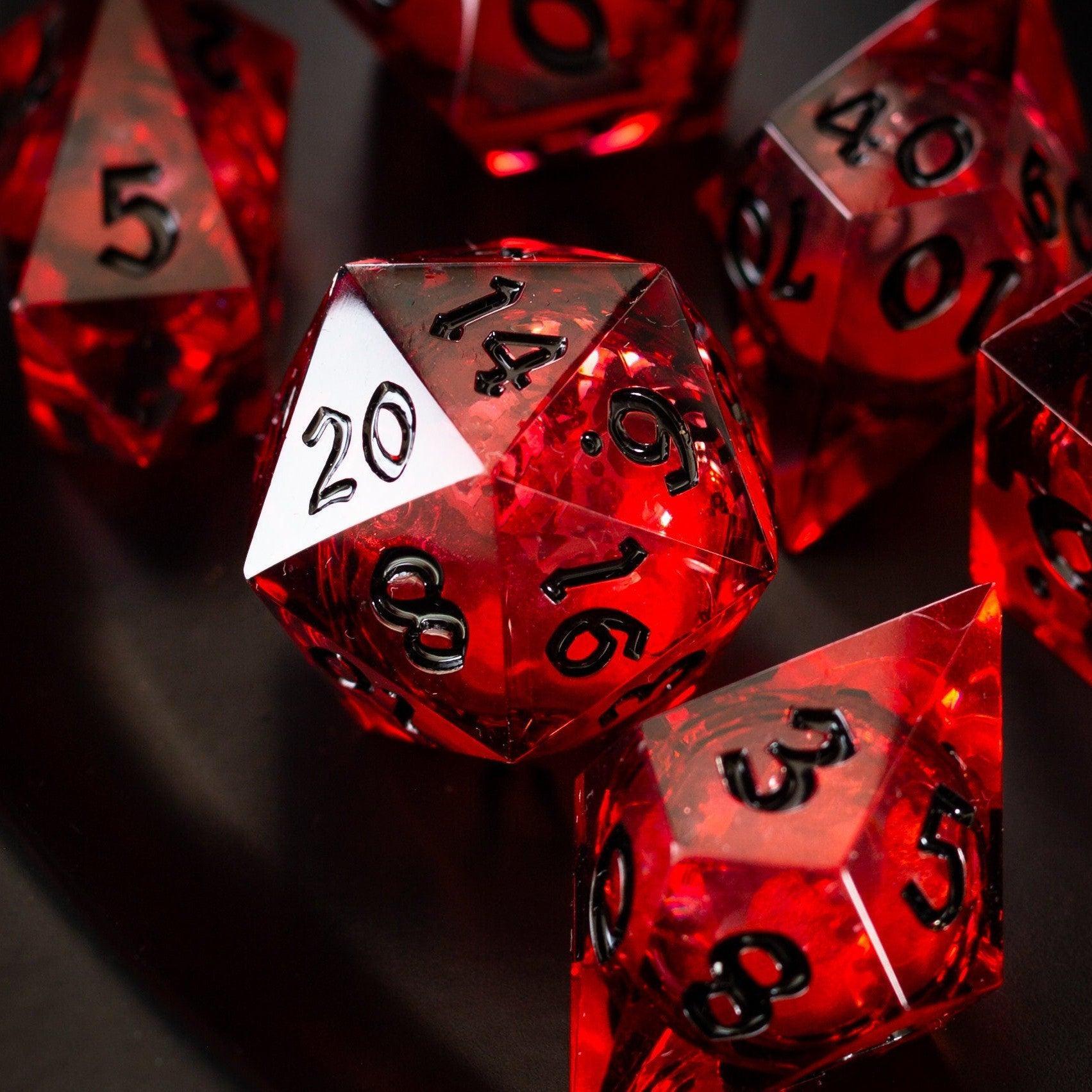
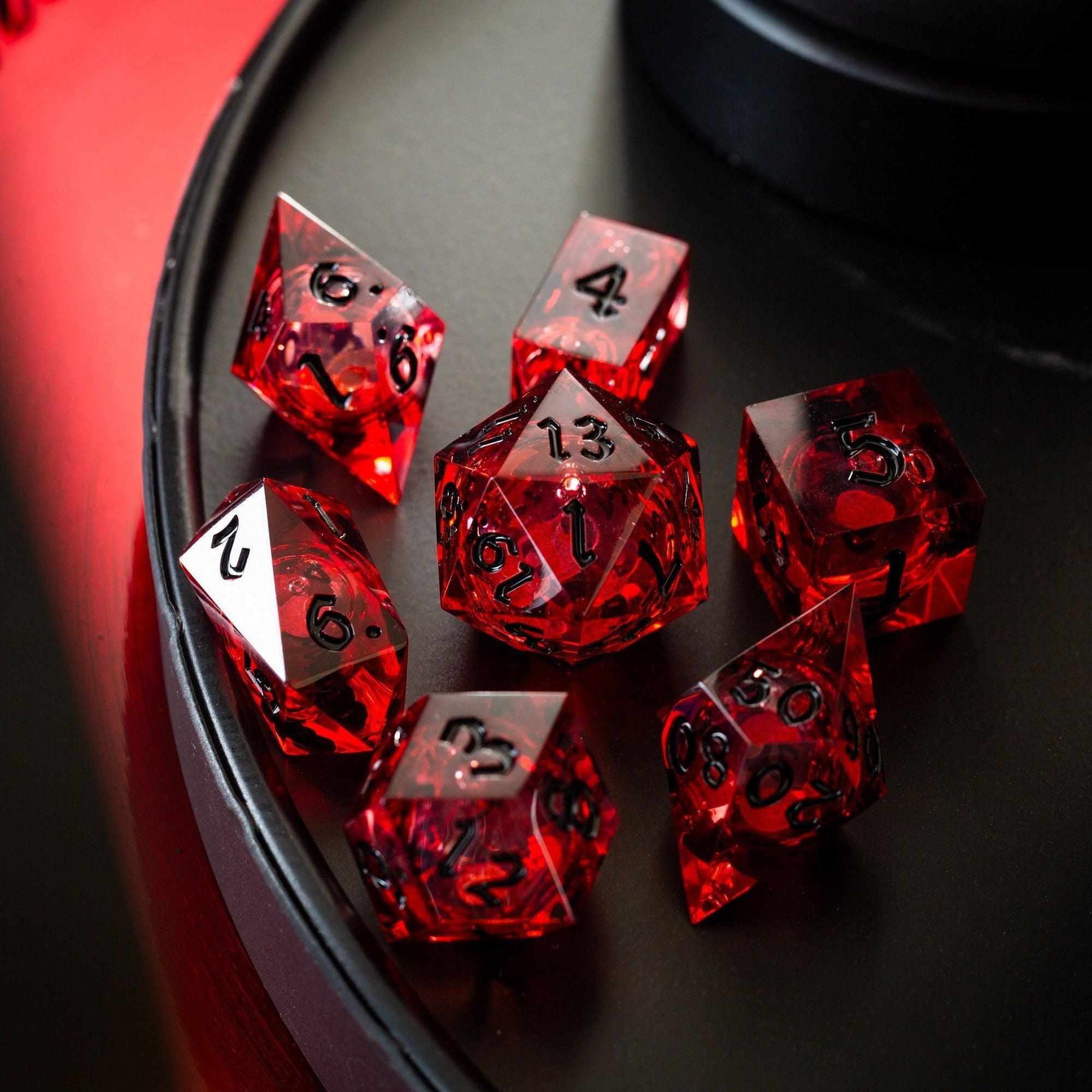
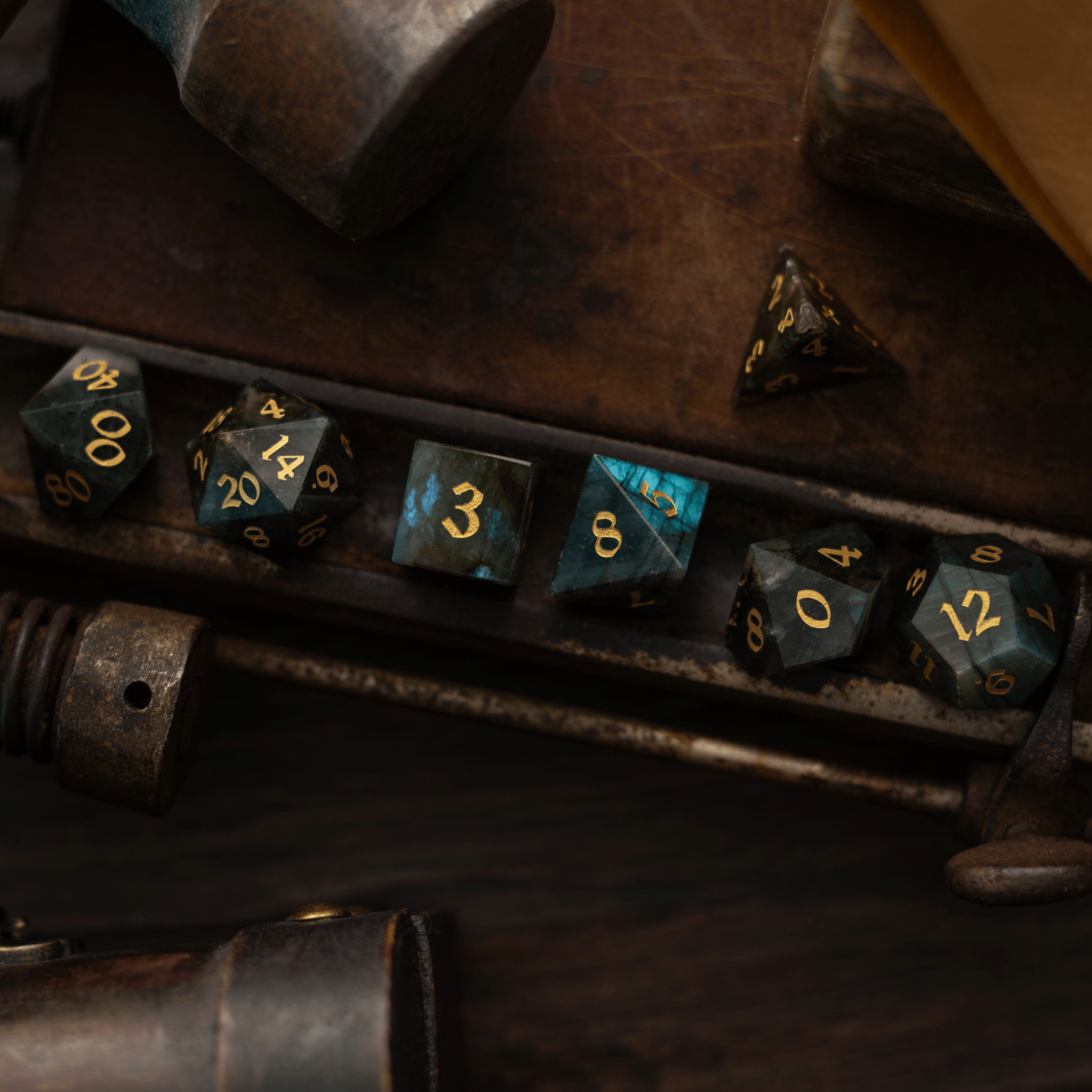
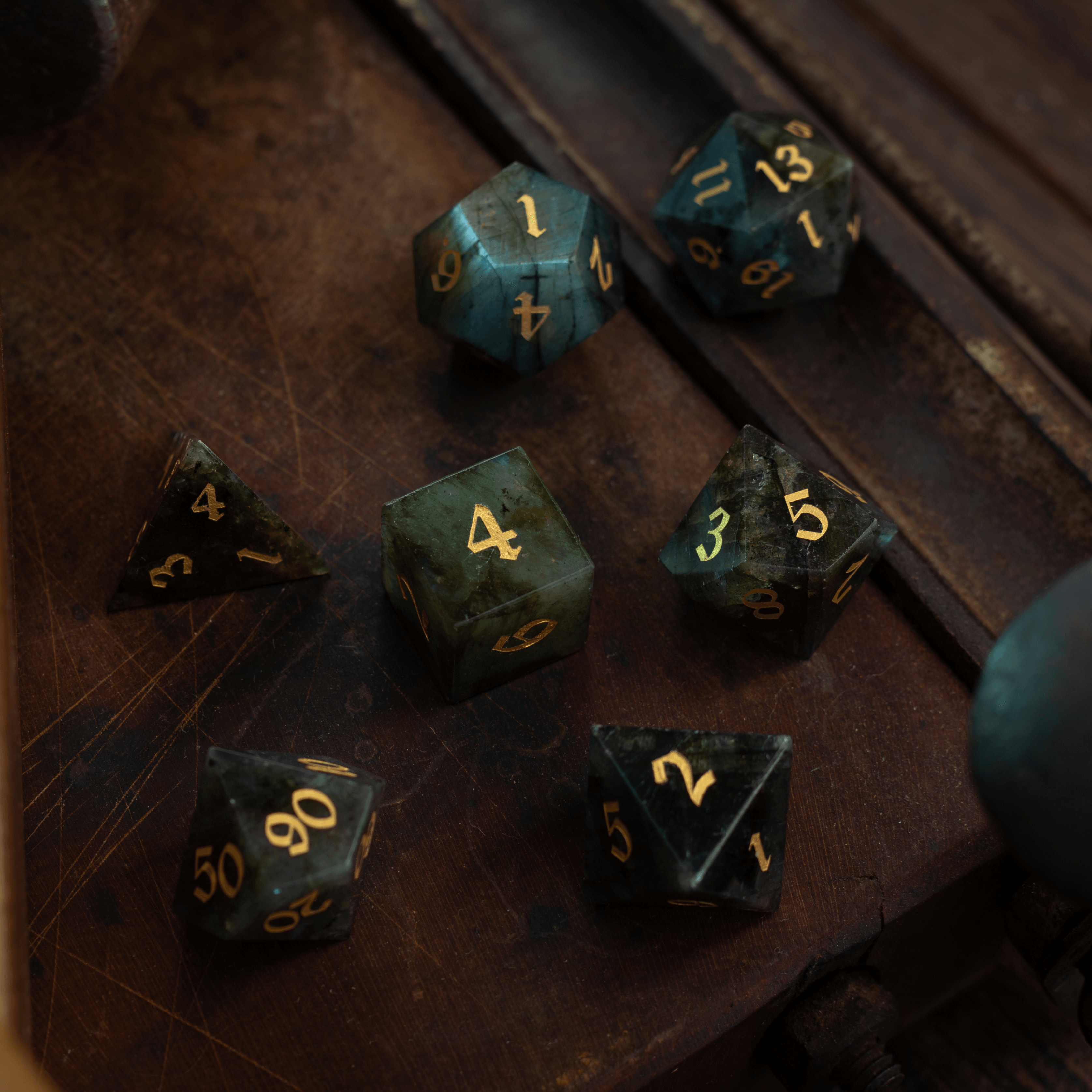
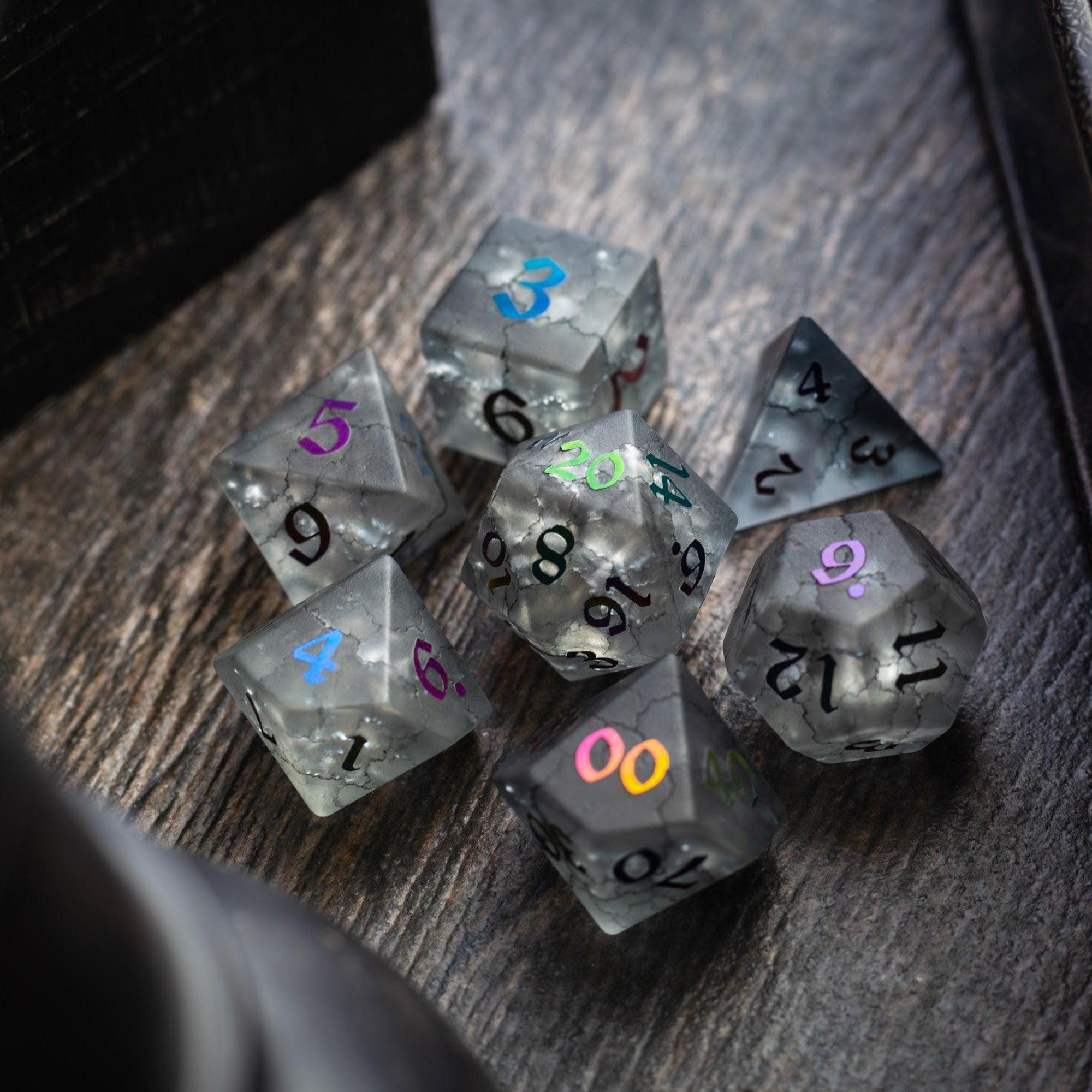
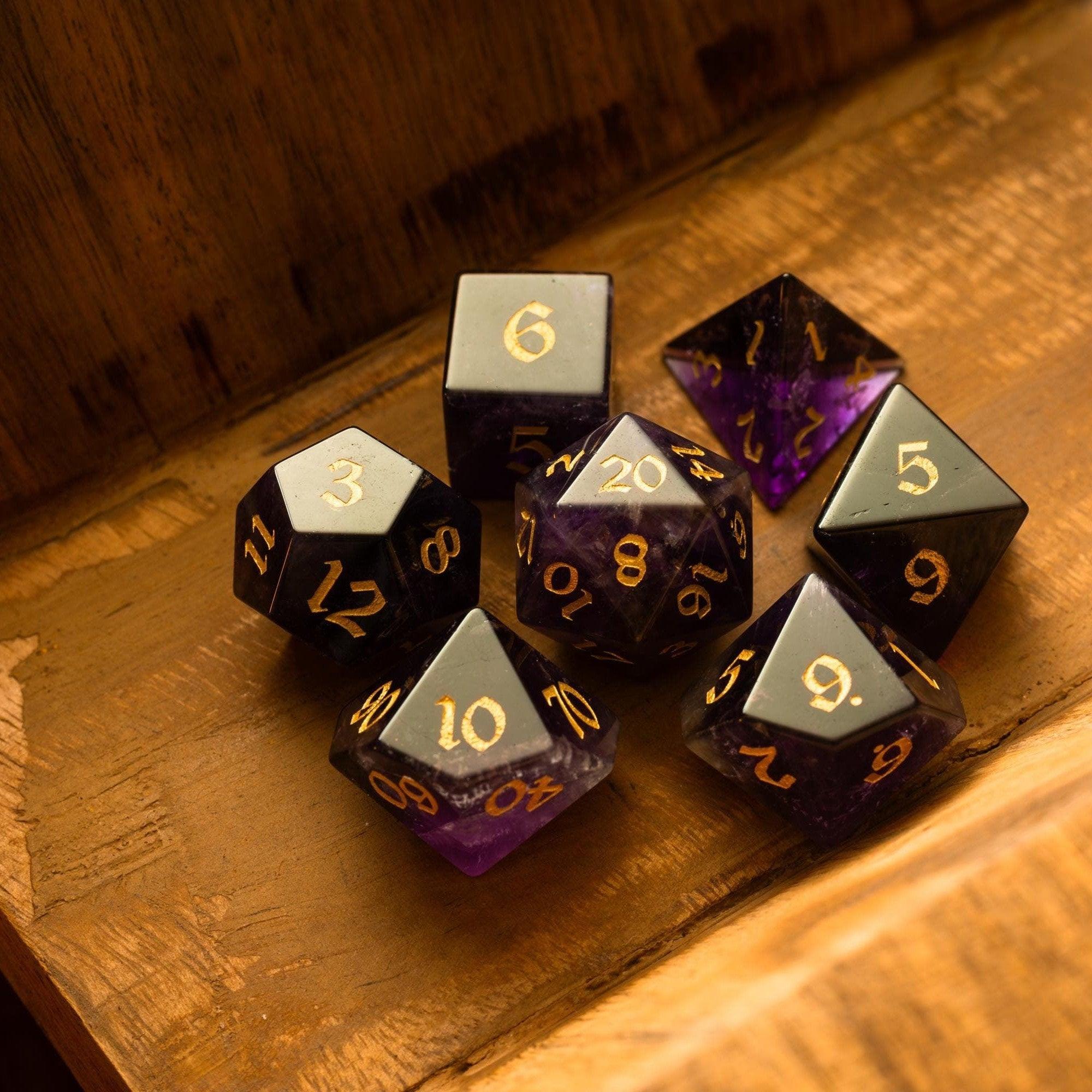
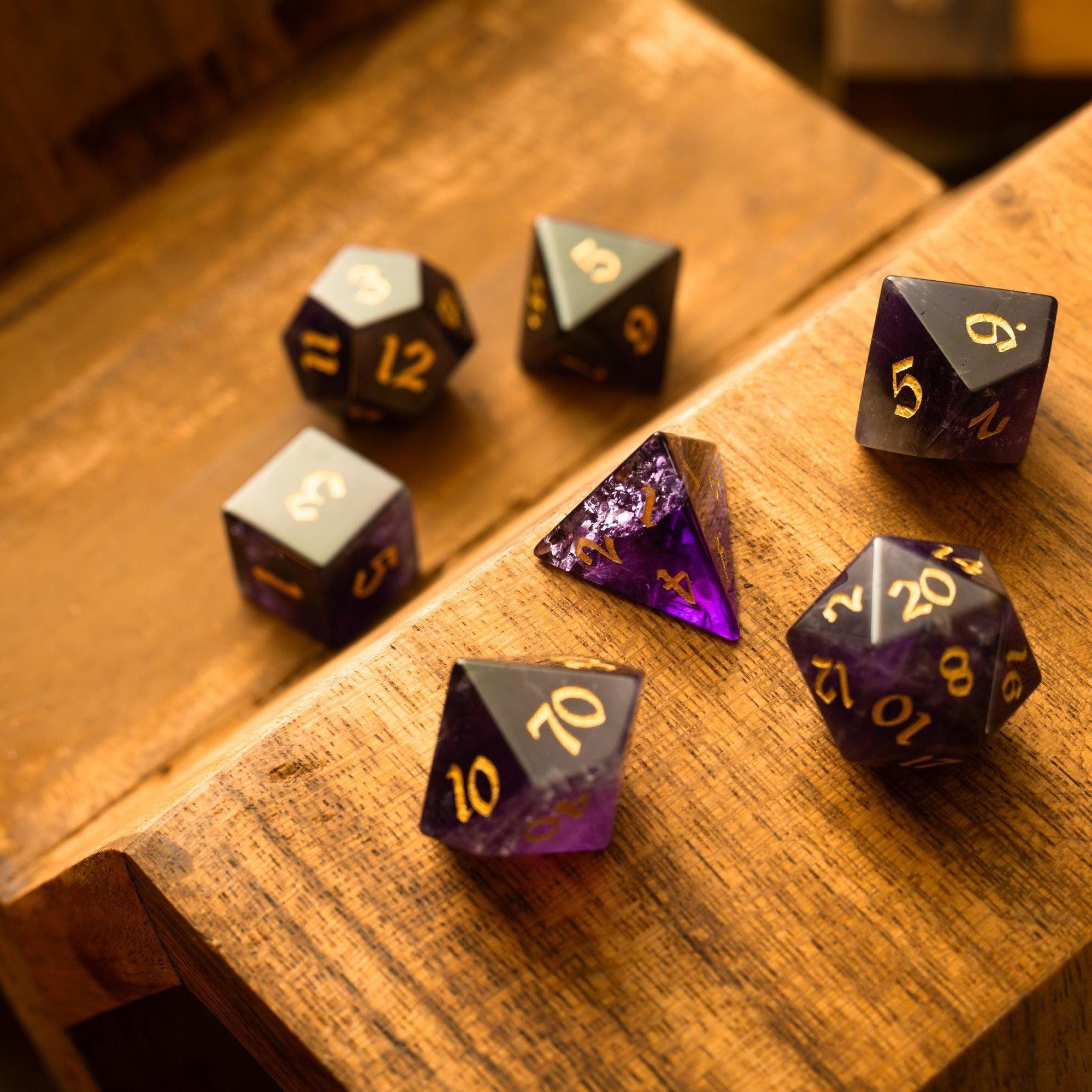
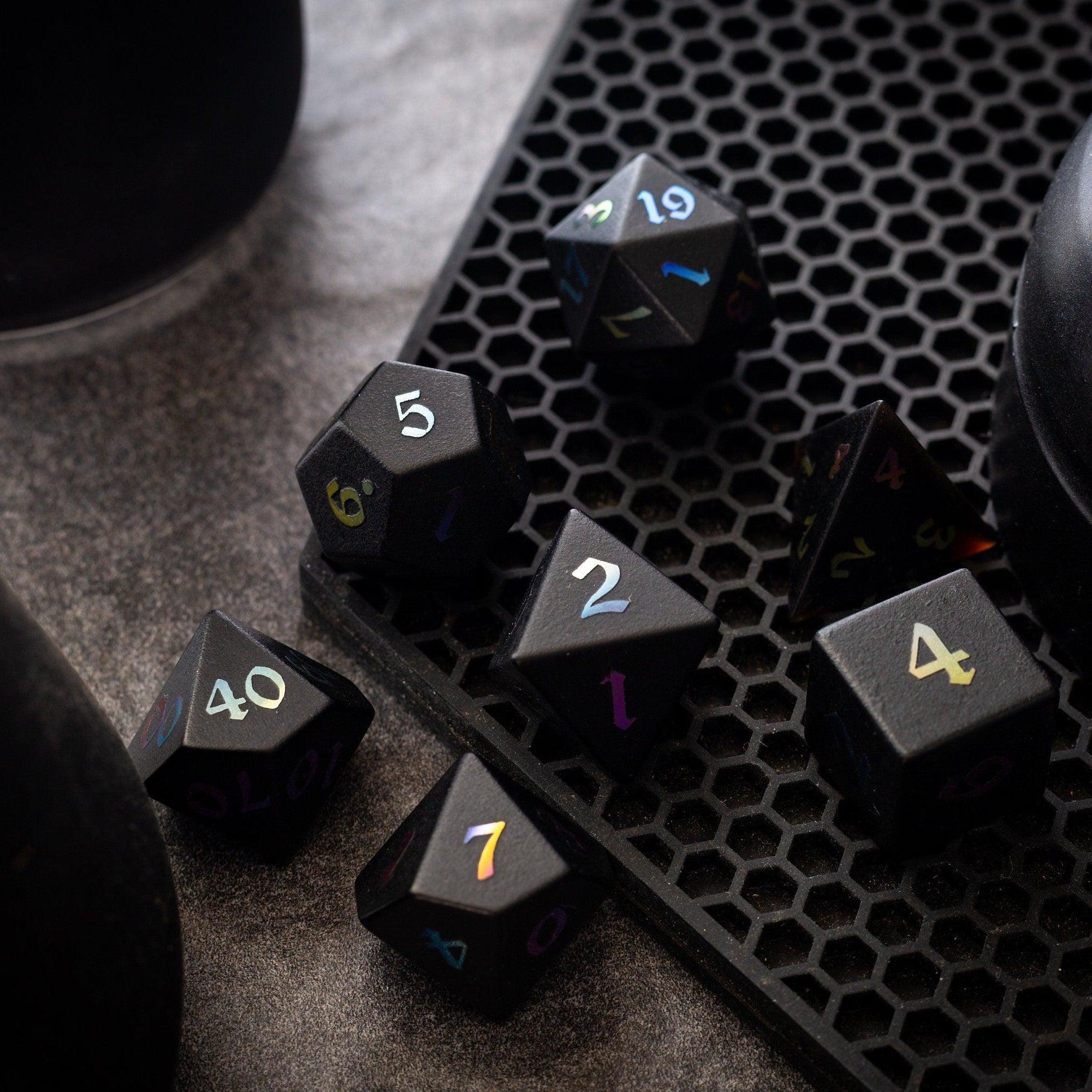
While imagination remains the foundation of great tabletop adventures, certain tools genuinely elevate the experience. Quality dice are more than functional—they're part of the ritual and atmosphere of gameplay. When a player reaches for a beautiful set of dice to determine whether their character succeeds at something crucial, that moment carries weight. Gemstone dice sets add an element of elegance and tactile satisfaction that plastic alternatives simply can't match.
Beyond dice, consider investing in:
- Reference materials: A good campaign guide or adventure module provides structure and inspiration. You don't need to follow it exactly—adapt it to your table's needs.
- Visual aids: Maps, tokens, or even simple sketches help players visualize scenes. This reduces confusion and increases immersion.
- Sound: Ambient music or sound effects in the background can set mood without overwhelming conversation.
- Organization tools: Notebooks or digital apps help you track non-player characters, plot threads, and player motivations.
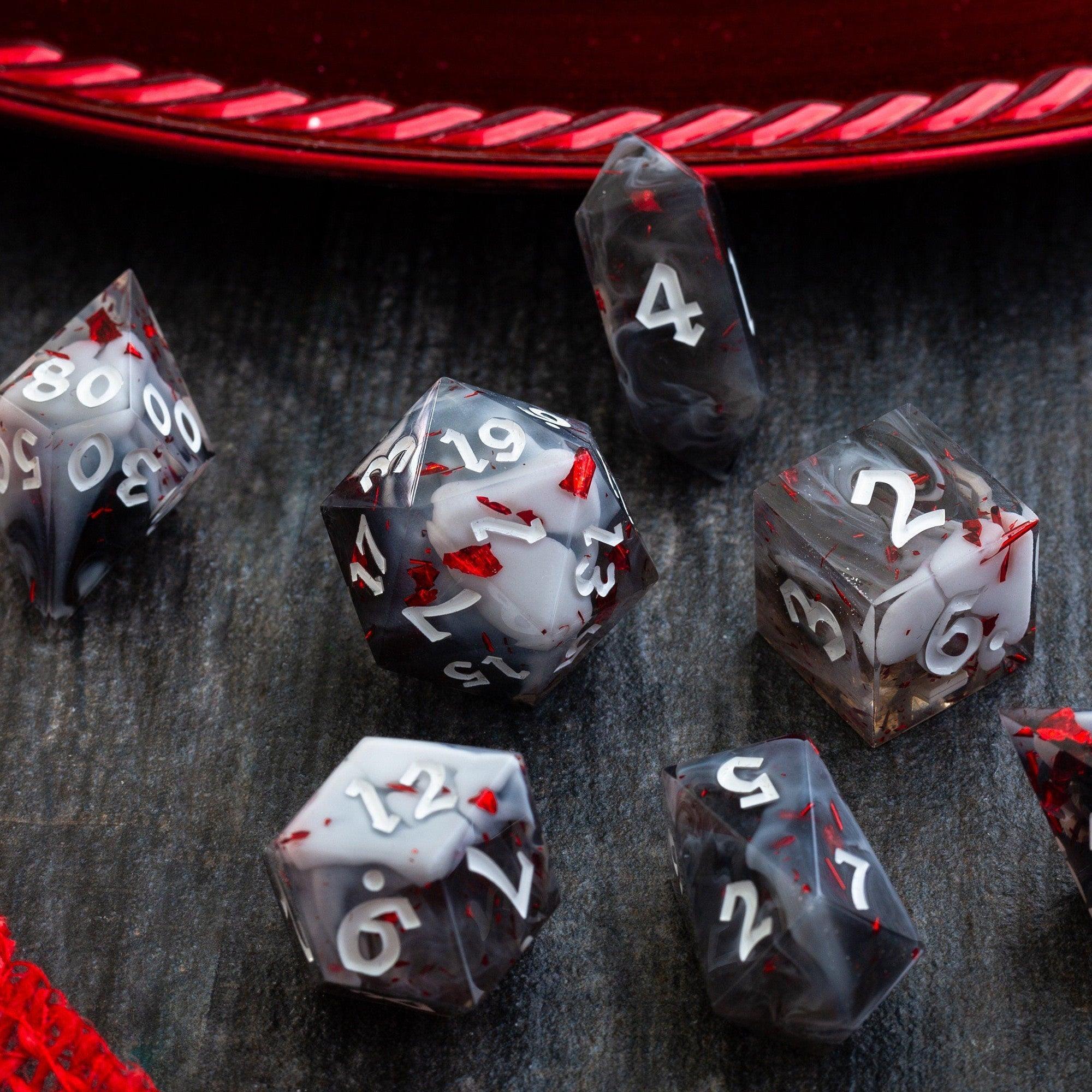
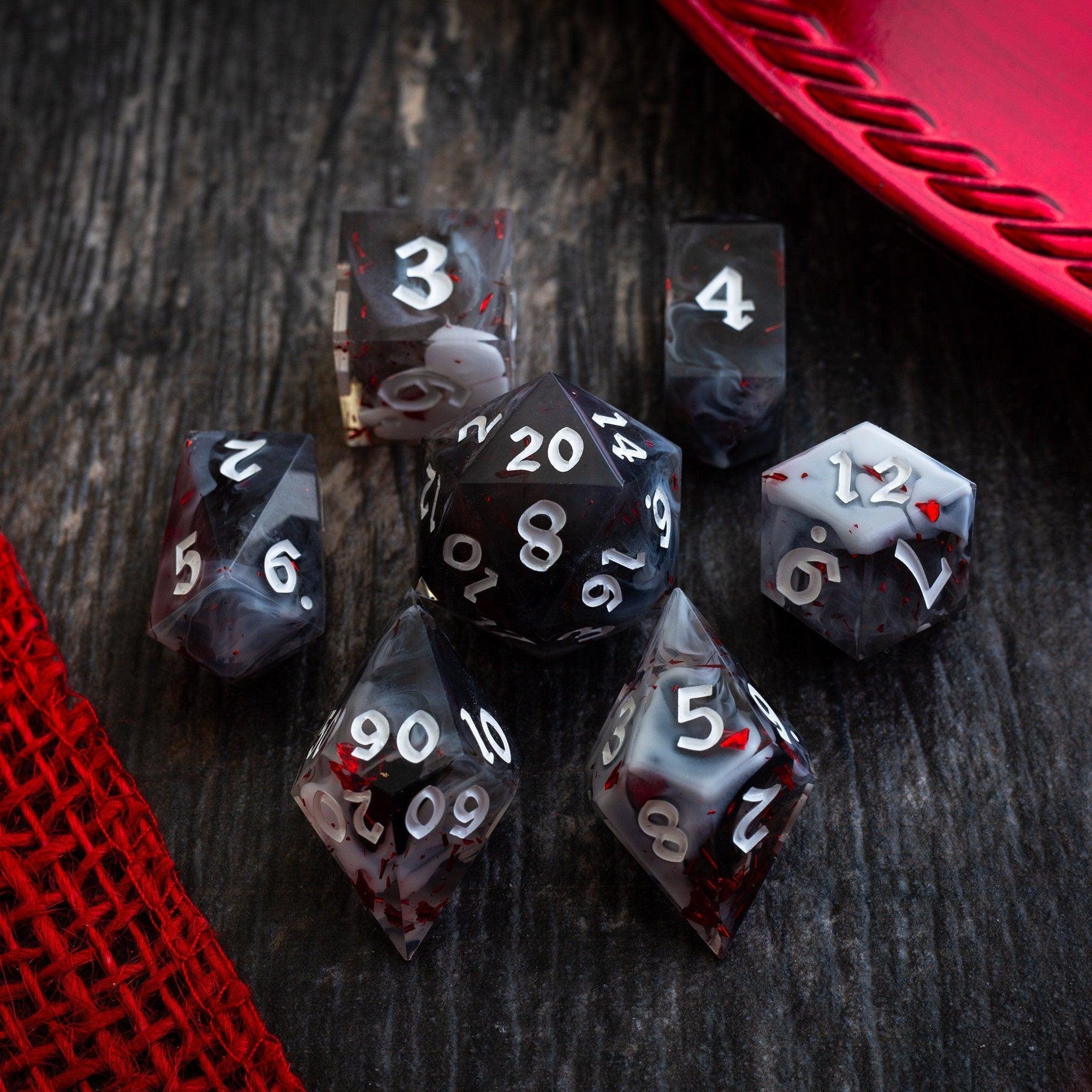
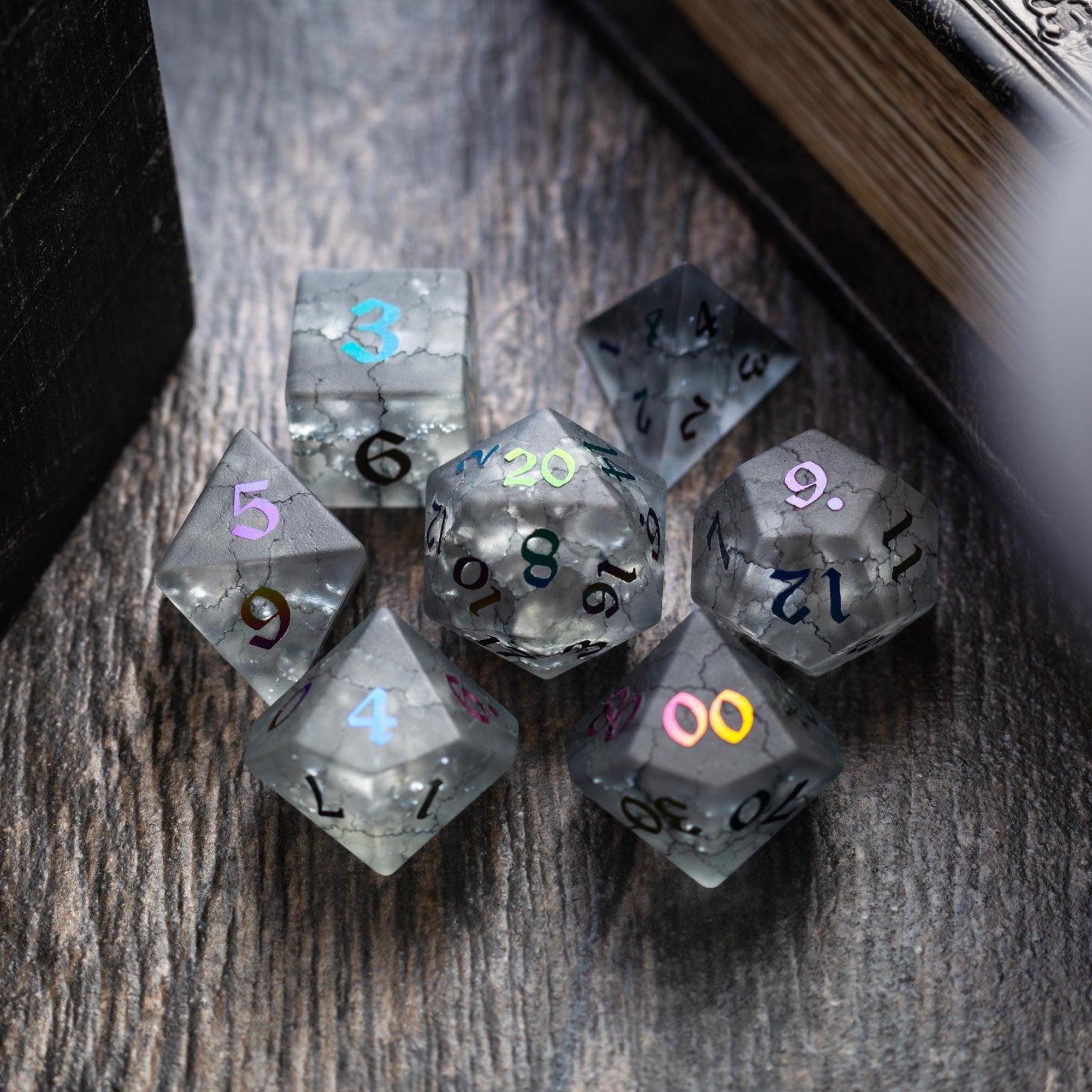
Many dungeon masters swear by specialty dice collections for different purposes. Some use one set for important rolls and another for random encounters. Others match their dice aesthetics to their campaign's tone—dark, mysterious sets for horror campaigns, bright and colorful options for lighthearted adventures. This isn't necessary, but it's a meaningful way to deepen your connection to the game.
Personal Experience and Real-World Lessons
I remember running my first tabletop campaign for friends who'd never played before. I'd spent weeks preparing this elaborate dungeon, mapping every corridor, planning every monster encounter. Three hours into our first session, the players completely ignored my carefully crafted dungeon entrance and decided to befriend the guards instead, learning about a conspiracy I'd barely sketched out.
That experience taught me something invaluable: the best-laid plans mean nothing if they don't serve the story your players want to tell. I could've frustrated myself forcing them back on track, but instead, I leaned into their choice. We improvised, the conspiracy became central to the campaign, and those players still talk about that experience years later.
What made that campaign memorable wasn't my preparation—it was my willingness to abandon it. The dice helped too. When crucial moments arrived, rolling those dice created genuine stakes. Holding a beautiful set of dice made those rolls feel important, not just mechanical. My players invested emotionally in outcomes partly because the physical ritual of rolling felt significant.
Common Questions Answered
How much preparation should I do before running an adventure?
Preparation varies by dungeon master style. Some prefer detailed notes for every scene; others prefer loose outlines they improvise from. Start by knowing your main plot points and major non-player characters well. The rest can emerge naturally as your players interact with your world. Over-preparation sometimes limits your ability to respond to player creativity.
What makes a good quest hook that gets players excited?
The best hooks connect to player character motivations. A quest that affects someone or something your character cares about feels personal. Avoid simply listing tasks. Instead, show how your adventure matters—emotionally, narratively, or in terms of consequences. Make players feel their choices will reshape your world.
How do I handle it when players go completely off-script?
Embrace it. Some of the most memorable moments happen when players surprise you. Keep your core plot flexible—the "what" might stay the same, but the "how" can change completely. Remember that a good adventure serves your players' story, not the other way around. Quality dice help these unexpected moments feel legitimate and exciting.
Do I need special dice to run good adventures?
Technically, no. Regular dice work fine mechanically. However, specialty dice sets enhance the experience by creating atmosphere and making dice rolls feel ceremonial rather than mundane. They're an investment in the ritual and immersion of gameplay.
Final Thoughts and Takeaways
Running amazing Dungeons & Dragons adventures boils down to a few core principles. First, invest in your story and characters—make them feel real and give them stakes your players care about. Second, listen to your players and follow their interests, even when they diverge from your original plan. Third, create balance between challenge and reward, between planned encounters and improvisational moments.
Remember that tools matter less than intention. A basic pencil and paper can create incredible adventures. But thoughtful investments—in dice that feel good to hold, in reference materials that inspire you, in time spent knowing your characters—do enhance the experience meaningfully.
Every table is different. What works amazingly for one group might not click with another. Stay flexible, remain curious about your players' preferences, and don't be afraid to adjust your approach based on what you observe at the table. The best dungeon masters are responsive teachers who help their players tell the stories they actually want to tell.
Your next adventure awaits. Whether you're running your first quest or your hundredth, approach it with enthusiasm and genuine curiosity about where your players will take the story. That's where the real magic happens.








Leave a comment
This site is protected by hCaptcha and the hCaptcha Privacy Policy and Terms of Service apply.