
Create Custom DND Spells for Campaigns With Balanced Options
Updated on: March 5, 2026
Ready to take your Dungeons and Dragons campaign to the next level? Creating custom spells is one of the most rewarding ways to personalize your gameplay and surprise your fellow adventurers. Whether you're a seasoned game master or a curious player, this guide walks you through the entire process of designing magical abilities that fit your world perfectly. Learn how to balance mechanics, craft compelling descriptions, and bring your magical ideas to life.
- Understanding the Spell Creation Framework
- My First Custom Spell Experience
- Key Advantages of Custom Spell Design
- Breaking Down Spell Mechanics
- Step-by-Step Design Process
- Quick Tips for Success
- Frequently Asked Questions
- Summary and Next Steps
Understanding the Spell Creation Framework

When you start to create custom D&D spells, you're essentially writing new rules that'll impact your entire campaign. It's exciting, but it can feel overwhelming if you don't know where to begin. The good news? There's a logical framework you can follow to ensure your magical creations are fun, balanced, and actually fit within your game world.
Think of spell creation as a blend of art and science. You're not just making something look cool on paper—you're crafting mechanics that interact with existing game systems, balance challenges for your players, and tell a story about your world's magic. This balance is what separates a memorable spell from one that breaks your campaign.
The foundation starts with understanding what makes a spell a spell. In Dungeons and Dragons, spells are magical effects that characters cast using specific rules. They have levels, components, casting times, ranges, durations, and effects. When you design your own, you'll work within these established categories to create something fresh while maintaining game balance.

My First Custom Spell Experience
I'll never forget the first time I designed a custom spell for my home campaign. I was running a campaign set in a frozen wasteland, and I wanted a spell that captured the harsh, unforgiving nature of the environment. I called it "Frostbite Curse," and honestly, my first draft was a complete mess. It did way too much damage, had unclear mechanics, and honestly, it wasn't fun for anyone.
But here's what happened next—my players loved that I tried something new. They helped me refine it. We playtested it, balanced it, and turned it into something genuinely awesome that felt right for that world. That experience taught me that custom spell design isn't about getting it perfect the first time. It's about collaboration, iteration, and listening to feedback from the people who'll actually use it.
Since then, I've created dozens of spells, and each one gets easier. You start to see patterns. You understand what feels balanced. You learn how to describe magical effects in ways that excite players. And honestly? Your campaign becomes so much richer for it.
Key Advantages of Custom Spell Design
- Personalization: Your spells reflect your world's unique magic system and culture, making your campaign unforgettable.
- Balance Control: You decide exactly how powerful spells are, preventing one ability from dominating your entire game.
- Story Integration: Custom spells can tie directly to your plot, NPCs, and world lore in ways standard spells can't.
- Player Engagement: Players feel special when they discover or learn spells unique to your world.
- Challenge Flexibility: Design spells for specific encounters or enemies that'll create memorable moments.
- Creative Freedom: You're limited only by your imagination and the game's core mechanics.
- Teaching Tool: Creating spells deepens your understanding of how Dungeons and Dragons rules actually work.
Breaking Down Spell Mechanics
Every spell has moving parts, and understanding each one is crucial when you want to create custom D&D spells that actually work. Let's break down the essential components you'll need to consider.
Spell Level and Power
Spell level determines how powerful your creation is. Cantrips are zero-level spells with no resource cost—they're go-to abilities. First through ninth-level spells require spell slots, and higher levels mean more powerful effects. Don't make a first-level spell that does what a fifth-level spell should do. Your players will exploit it, and your campaign balance suffers.

Components and Casting Time
Does your spell need verbal components (speaking), somatic components (gestures), or material components (physical objects)? These restrictions matter because they prevent spellcasters from casting during certain situations. Casting time tells you how long the spell takes—bonus actions are faster than full actions, which affects when spells can be used tactically.
Range, Duration, and Concentration
Range determines how far the spell reaches. Duration tells you how long the effect lasts. Some spells require concentration, meaning the caster can't maintain multiple concentration spells simultaneously. These elements work together to prevent spells from being too universally useful.

Step-by-Step Design Process
Step 1: Define Your Spell's Purpose
Start by asking what you want this spell to do. Is it offensive damage? Healing? Utility? Control? Buffing allies? The answer shapes everything that follows. A good spell has a clear purpose that doesn't overlap too much with existing spells.
Step 2: Determine Appropriate Level
Think about when players should access this ability. A level one spell is basic and accessible. A level nine spell is campaign-ending powerful. Match your spell's mechanical power to an appropriate level. If you're unsure, compare it to existing spells and adjust accordingly.
Step 3: Set Components and Restrictions
Adding components makes spells more interesting and prevents abuse. Maybe your spell requires a rare component, or it can only be cast under specific conditions. These restrictions are features, not bugs—they create memorable moments and tactical decisions.
Step 4: Write Clear Mechanics
Use standard Dungeons and Dragons language. Be specific with numbers. If your spell deals damage, say how much (like "2d6 fire damage"). If it affects targets, specify how many and what size area. Vagueness leads to arguments at the table.
Step 5: Craft Descriptive Flavor Text
This is where your spell comes alive. Describe what it looks, sounds, and feels like. Does it shimmer with ethereal light? Does it smell of ozone and magic? Great flavor text makes even mechanically simple spells feel amazing.
Step 6: Playtest Ruthlessly
Use your spell in actual games. Watch how players interact with it. Notice if it's overpowered or underwhelming. Be willing to adjust numbers, effects, or mechanics based on real gameplay. This is the most important step because theory and practice rarely match perfectly.
Quick Tips for Success
- Study existing spells in your rule book—they're your design blueprint and inspiration source.
- Avoid spells that do everything. Focus on one clear effect and do it well.
- Don't forget about action economy—spells that do too much in one turn are usually overpowered.
- Make spell names memorable and evocative so players actually want to cast them.
- Consider whether your spell creates interesting tactical choices or just auto-wins situations.
- Document your spells clearly so you can reference them later without confusion.
- Don't be afraid to nerf spells after playtesting—balance beats your original vision every time.
- Share custom spells with your group before game day to manage expectations.
- Remember that rolling dice is more fun when the outcome actually matters—make spells where rolls determine success.
Frequently Asked Questions
Can players create custom spells, or is this just for game masters?
Both! Game masters typically design spells for NPCs, enemies, and new magical abilities in their world. But players can absolutely propose custom spells too. As a game master, you should review them for balance, but it's a wonderful collaborative experience. Just make sure any player-created spell follows the same design principles you'd use yourself.
What's the best way to balance a spell so it's not overpowered?
Compare it directly to existing spells of the same level. If your spell does more than similar-level spells, adjust it. Add restrictions like higher spell levels, material components, or concentration requirements. Playtest extensively. And remember—it's easier to make a weak spell stronger than to nerf something players love.
Should I use custom spells if I'm a new game master?
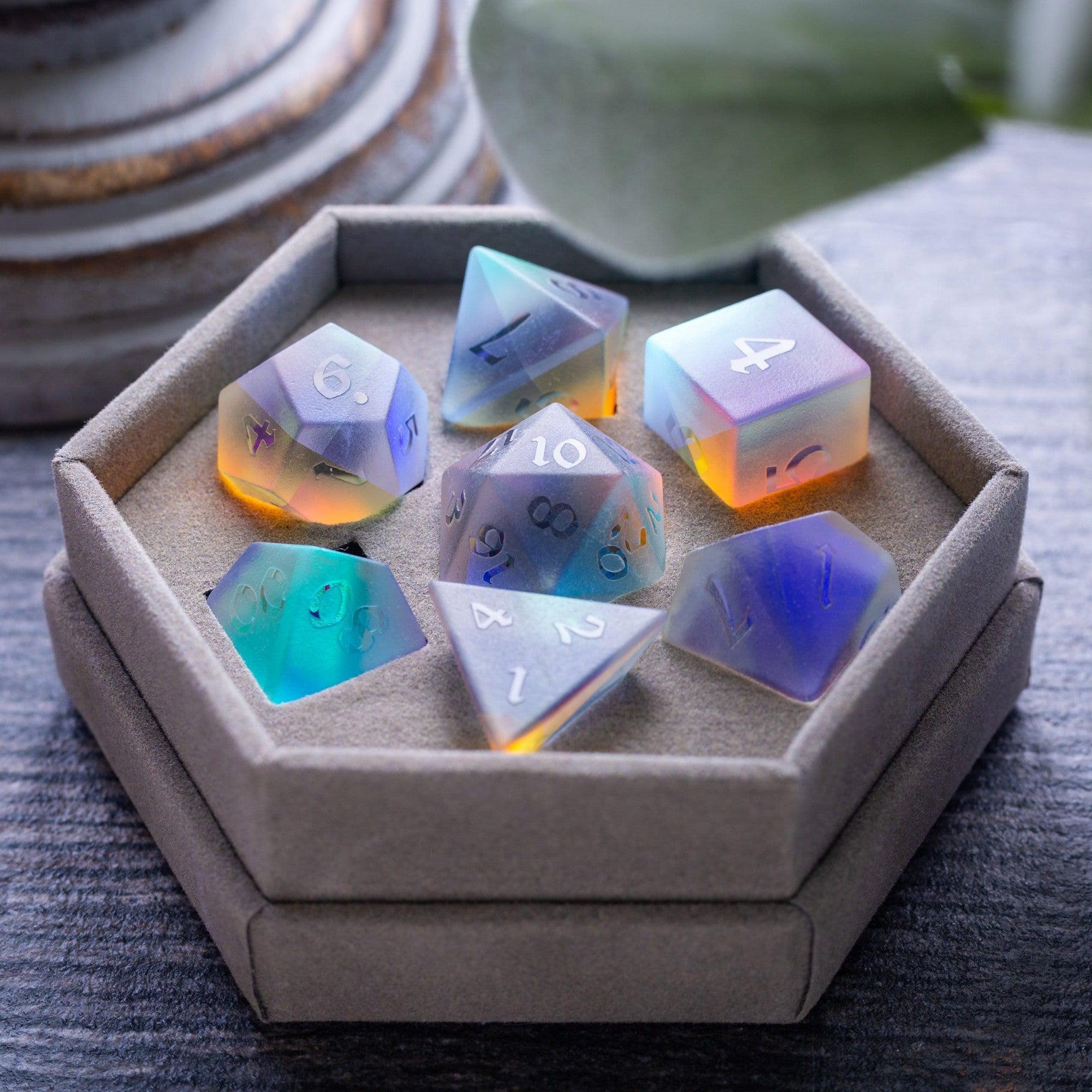
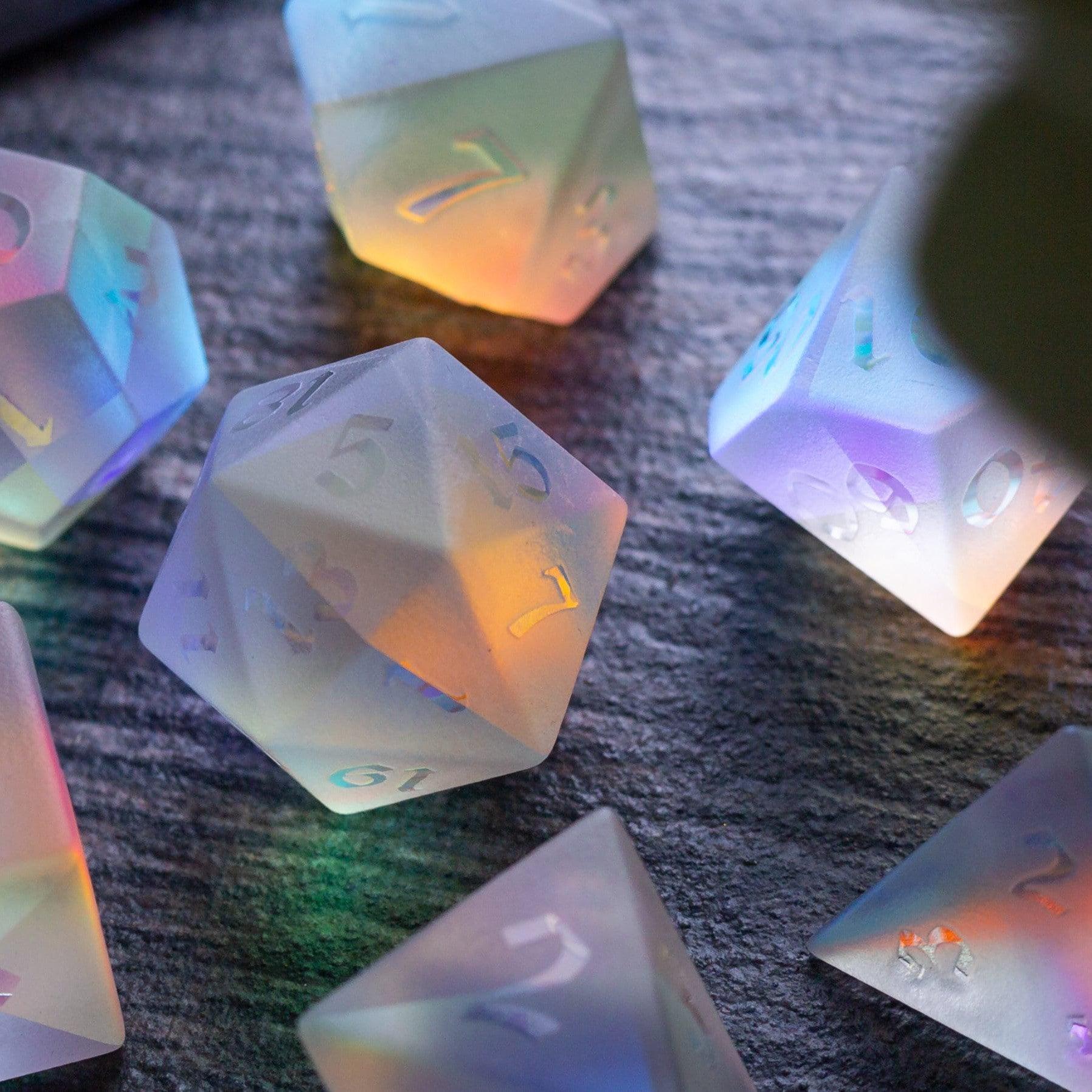
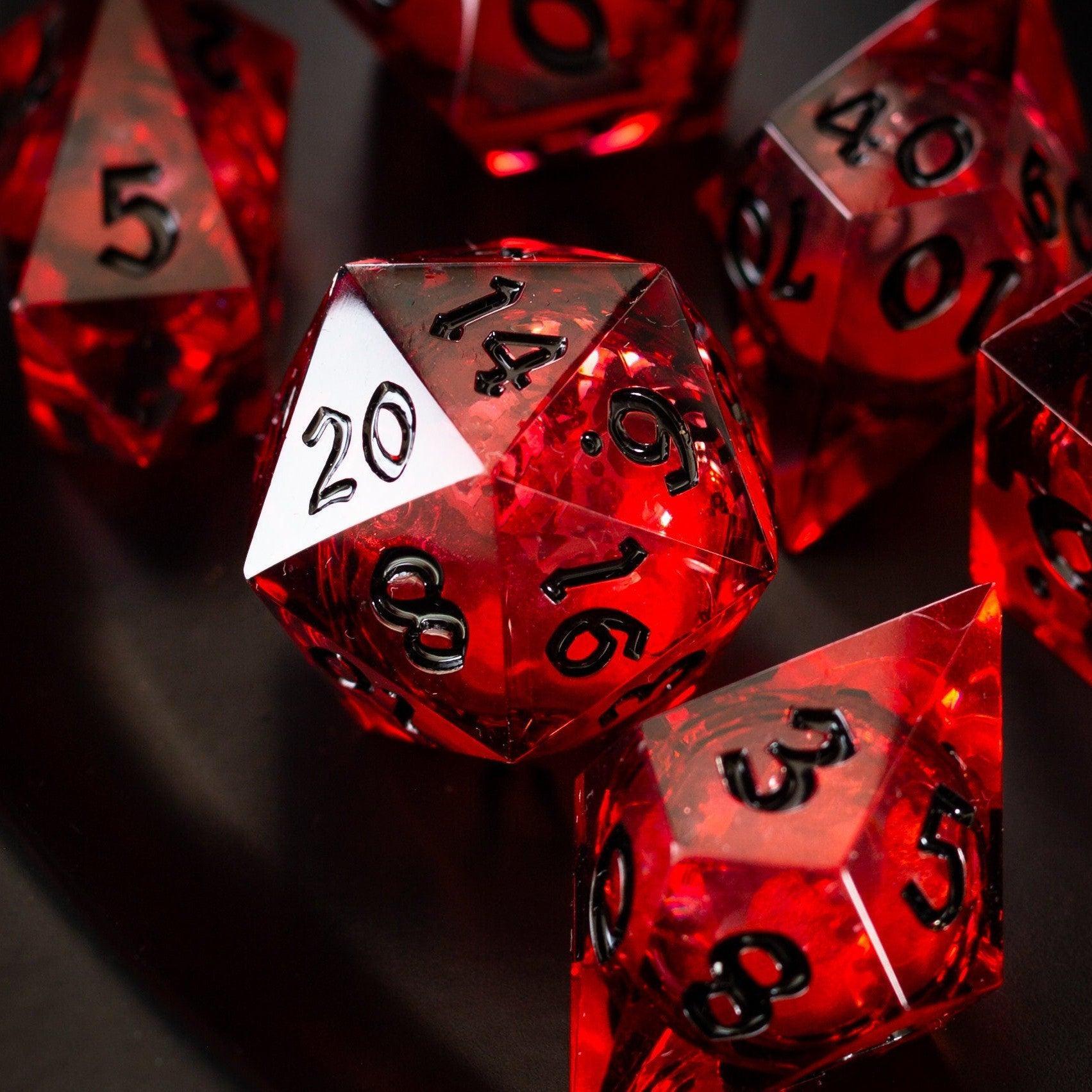
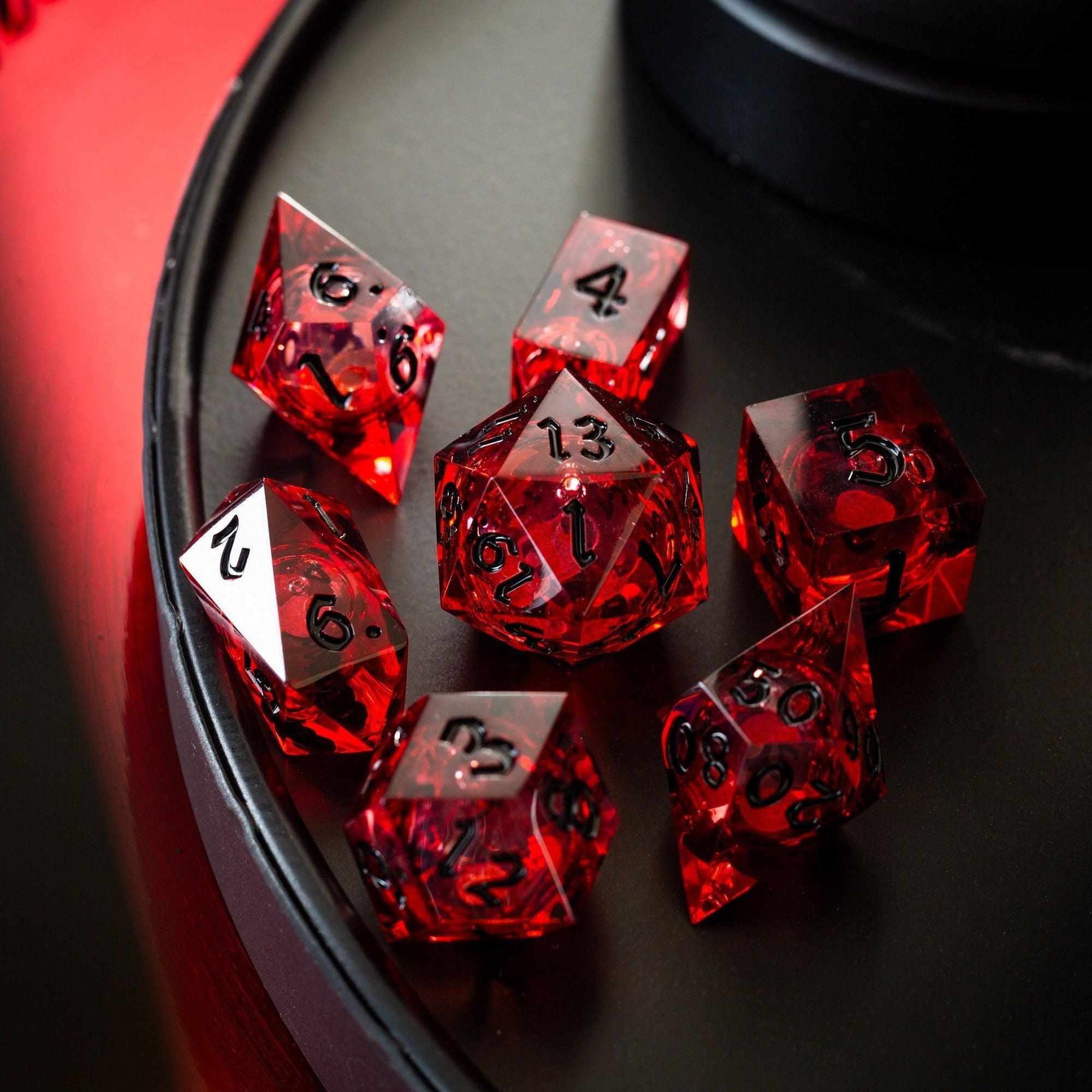
Absolutely! Start small with simple modifications to existing spells before designing entirely new ones. This builds your confidence and understanding. Use quality dice to roll for your creations and start your playtesting journey. Your players will appreciate the effort, and you'll improve quickly.
How many custom spells should I add to my campaign?
There's no magic number. Add spells when they serve your story or fill a genuine gap in your world's magic system. Quality over quantity matters here. Five amazing custom spells beat twenty mediocre ones every single time. Focus on spells that make your world feel unique and alive.
Summary and Next Steps
Creating custom spells transforms your campaign from good to legendary. You've learned the framework, seen how others approach it, and discovered the mechanical foundations that make spells work. The path forward is clear: pick one concept, follow the design process, playtest it, and refine it based on real gameplay.
Start small. Maybe design one spell this week inspired by your campaign's needs. Write it down. Share it with your group. Watch their faces light up when they discover something you created specifically for them. That's the magic of custom spell design—it's not just about mechanics, it's about creating moments that'll stick with your players for years.
Your imagination is your only real limit. Every great campaign master started exactly where you are. They didn't know if their spells were balanced. They didn't know if players would love them. But they tried anyway, and so can you. Grab beautiful dice to roll for your creations, gather your friends around the table, and start building the magical world of your dreams. Your first custom spell might become the most memorable ability anyone at that table has ever cast.

Leave a comment
This site is protected by hCaptcha and the hCaptcha Privacy Policy and Terms of Service apply.