
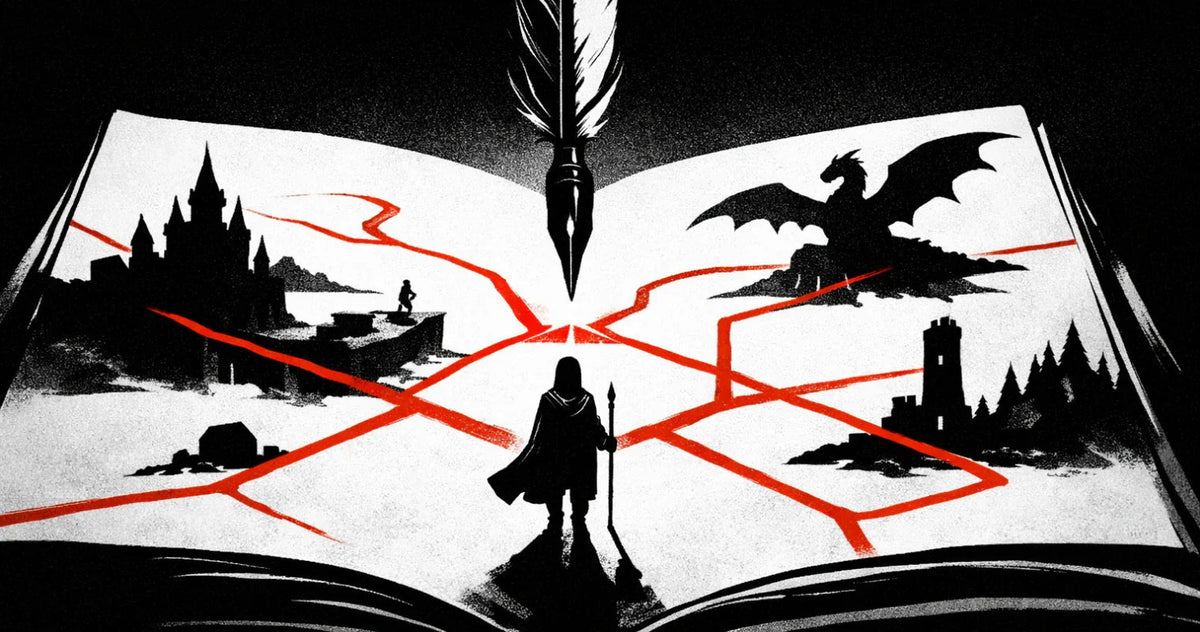
How to Build a D&D Campaign: A Step-by-Step Guide

Building a D&D campaign can seem like a huge project. You have a world to create, characters to develop, adventures to plan, and players who may completely ignore whatever you prepared.
The good news is that you do not need to build an entire fantasy world before the first session. A strong campaign can begin with a simple concept, a few important locations, memorable NPCs, and a conflict that gives the characters a reason to act.
This guide explains how to build a D&D campaign step by step, from your first campaign idea to session preparation and long-term story development.
Step-by-Step Guide to Building Your D&D Campaign
Step 1: Define Your Core Campaign Concept
Start with one question: What kind of adventure do you want your group to experience?
Your answer becomes the foundation of the campaign. You might create a dark fantasy story about a kingdom slowly falling under a curse, a high-magic adventure involving rival wizard factions, or an exploration campaign centered on forgotten ruins.
Before creating pages of lore, write down a few basic ideas:
- Theme: What is the campaign mainly about?
- Tone: Is it heroic, mysterious, humorous, dangerous, or something else?
- Conflict: What major problem is affecting the world?
- Characters: Why might the adventurers care about that problem?
Keep this initial concept flexible. Your players will bring their own characters, motivations, and ideas into the campaign, and those details can help shape the story.
Step 2: Create the Important Locations
You do not need to map an entire continent before Session 1. Build the places your characters are most likely to visit first and expand the world as the campaign progresses.
A simple starting region might contain:
- One town or settlement
- One dangerous wilderness area
- One dungeon, ruin, or other adventure location
- A few nearby landmarks
- One unexplored location that creates curiosity
Give each important place one or two memorable features. A village might sit beneath the remains of a massive stone bridge. A forest could contain abandoned shrines that glow after sunset. A dungeon might have been constructed inside the remains of an ancient underground city.
These details help locations feel distinctive without requiring pages of history.
Step 3: Develop Memorable NPCs
Players remember a campaign through the people they meet as much as the places they explore. Start with a small cast of NPCs who have clear roles in the adventure.
For each important NPC, record:
- Name: Something you can remember and pronounce easily
- Role: Why the character matters
- Motivation: What the NPC wants
- Personality: One or two noticeable traits
- Connection: How the NPC relates to the party or conflict
You rarely need a complete biography for every shopkeeper, guard, or traveler. A clear motivation and one memorable detail are usually enough to make a minor NPC useful during play.
Spend more time on recurring allies, rivals, and major villains. A good antagonist should have a goal that continues to develop even when the characters are doing something else.
Step 4: Build Conflicts Instead of a Fixed Story
A common mistake when creating a D&D campaign is planning exactly what the players are supposed to do.
Instead, create a situation that needs to be resolved.
For example, imagine that a local noble has secretly been supplying weapons to a dangerous cult. The characters need evidence before the city council will act.
Do not decide that the party must sneak into the noble's mansion. They might question servants, follow a shipment, bribe a guard, investigate financial records, confront the noble directly, or develop another solution you never expected.
When you prepare problems rather than predetermined solutions, player choices can genuinely affect the campaign.
Step 5: Plan Different Types of Encounters
Not every D&D encounter needs to involve combat. Variety gives different characters opportunities to use their abilities and keeps sessions from becoming predictable.
Your adventures can include:
- Combat encounters: Monsters, hostile NPCs, ambushes, and major battles
- Social encounters: Negotiations, interrogations, arguments, alliances, and deception
- Exploration: Dangerous environments, hidden areas, traps, and discoveries
- Investigations: Clues, mysteries, missing people, and suspicious events
- Challenges: Obstacles that encourage creative problem-solving
Choose encounters because they make sense for the adventure, not because you are trying to reach a fixed number per session.

Step 6: Prepare Only What You Need for the Next Session
Trying to prepare every possible outcome usually creates more work than necessary. Before each session, focus on the information you are most likely to use.
A practical session preparation checklist can include:
- Important NPC names and motivations
- Locations the characters might visit
- Enemies or creatures they may encounter
- Important clues and information
- Possible treasure or rewards
- Current problems and conflicts
- Consequences from previous player decisions
Keep these notes easy to scan while you are running the game. After each session, write down important decisions, promises, discoveries, surviving enemies, and unfinished objectives.
Let Player Choices Shape the Campaign
Your players will eventually do something you did not expect. They might ignore an obvious quest, become friends with an NPC you created as an enemy, or spend half a session investigating something you invented as background detail.
That does not mean your preparation failed.
Instead of asking, “How do I get them back to my story?” ask, “How would the world respond to what they just did?”
If the party ignores a growing threat, that threat can continue developing. If they spare an enemy, that character may return later. If they help a struggling village, the residents might become valuable allies.
This turns player choices into campaign material and makes the world feel responsive.
Choose Tabletop Tools That Support the Game
You do not need expensive accessories to run a memorable D&D campaign. Character sheets, pencils, readable dice, campaign notes, and whatever maps or tokens your group finds useful are enough.
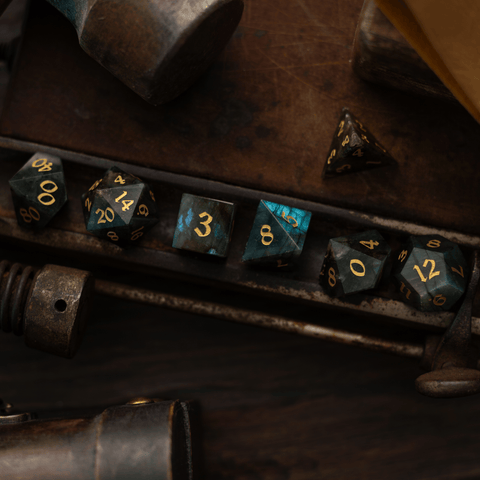
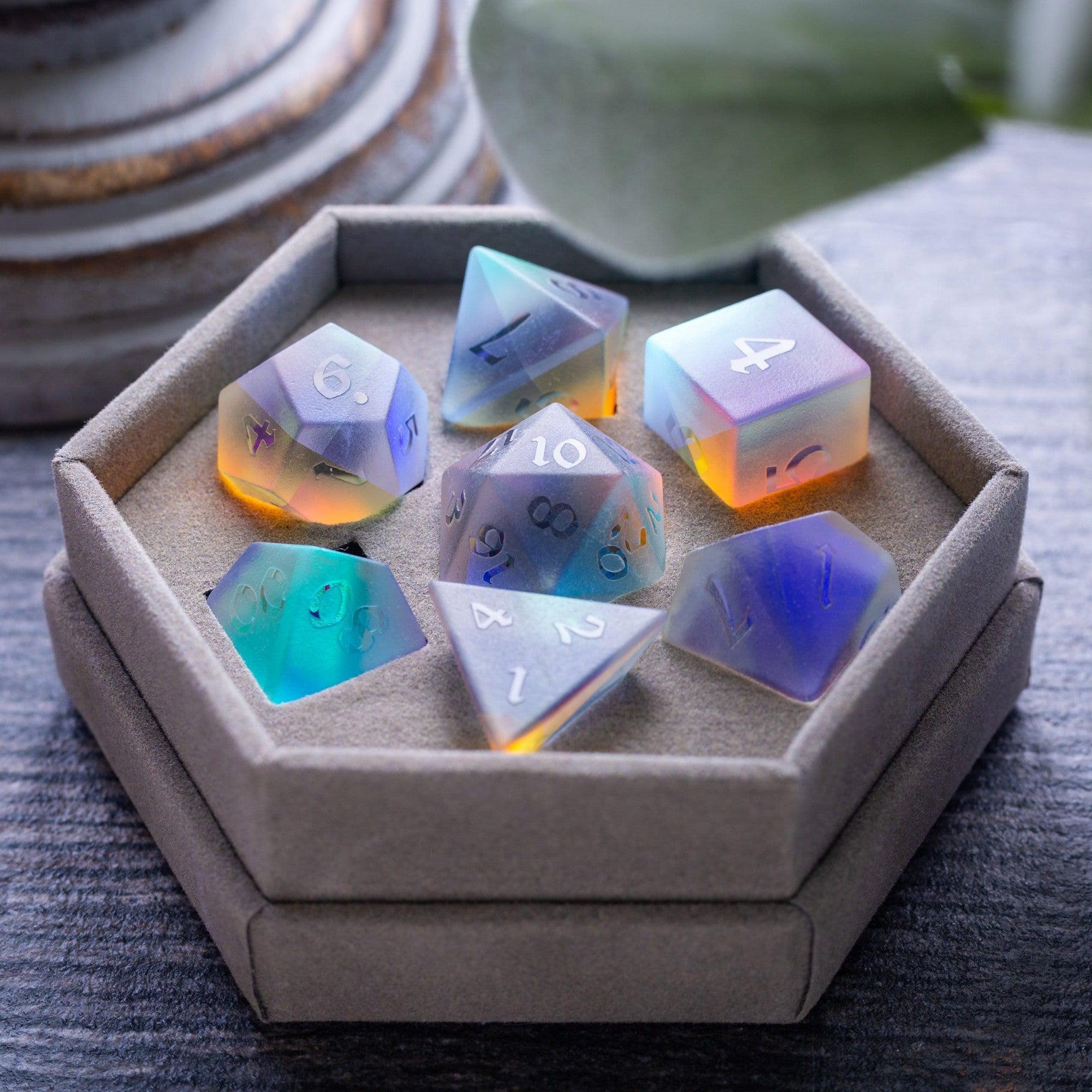
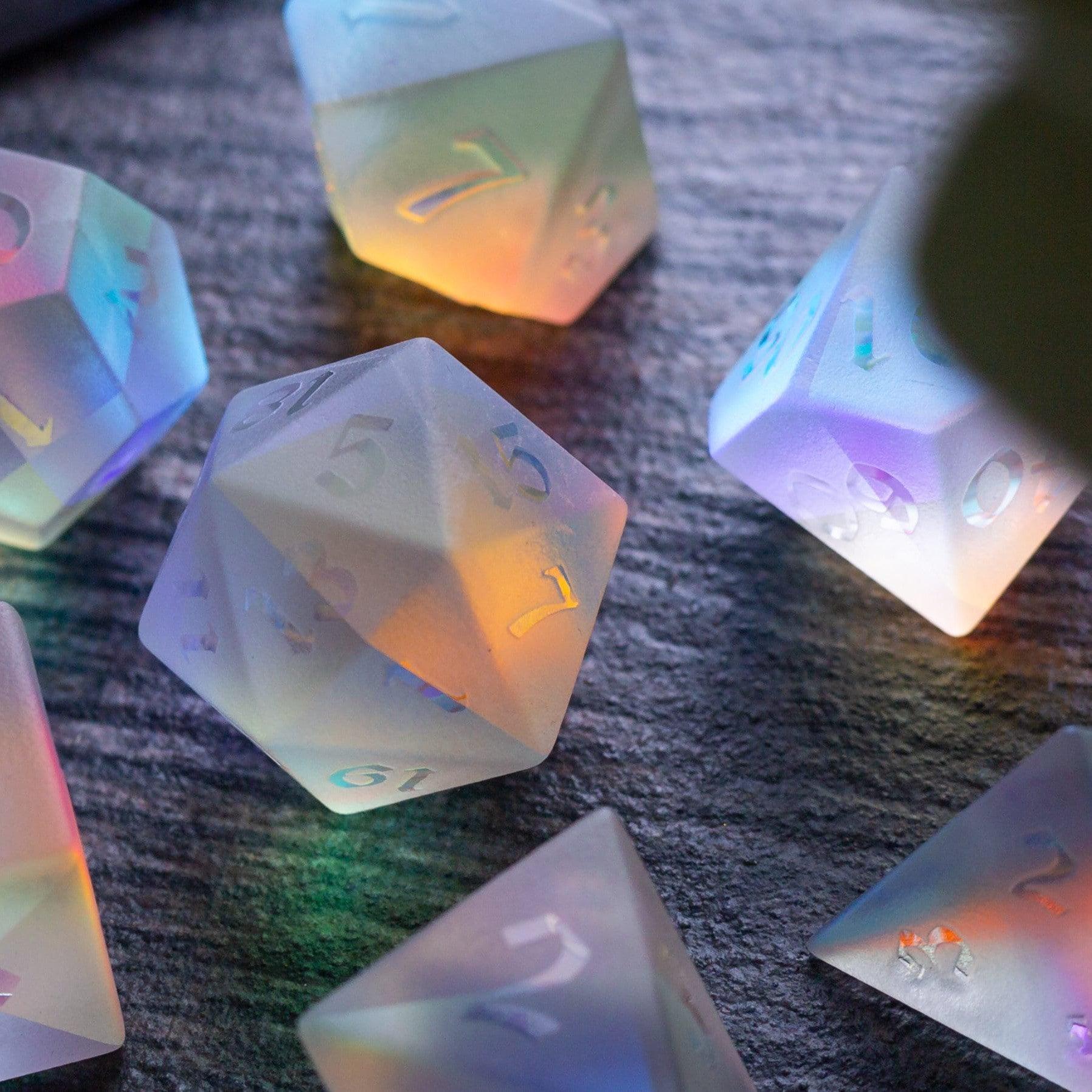
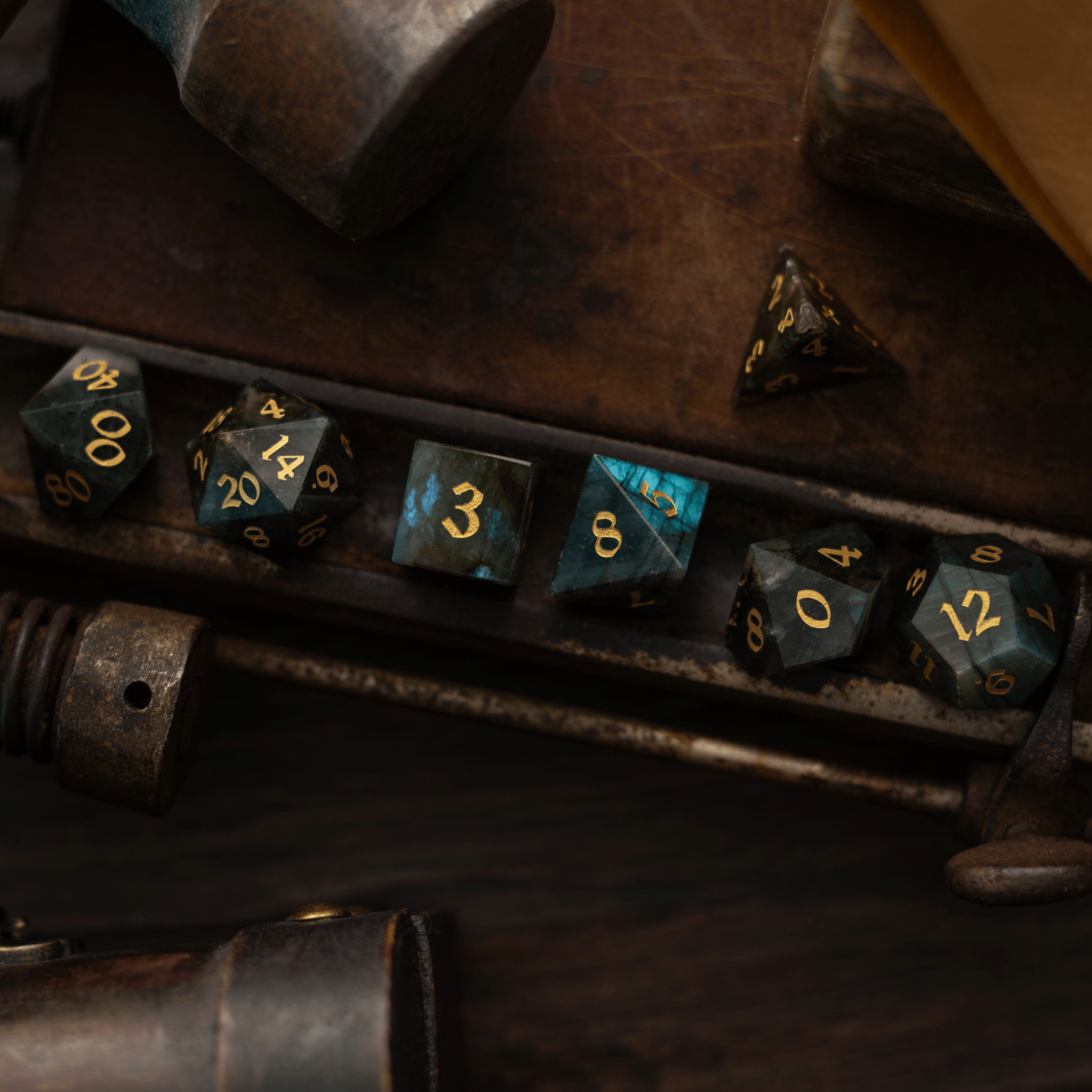
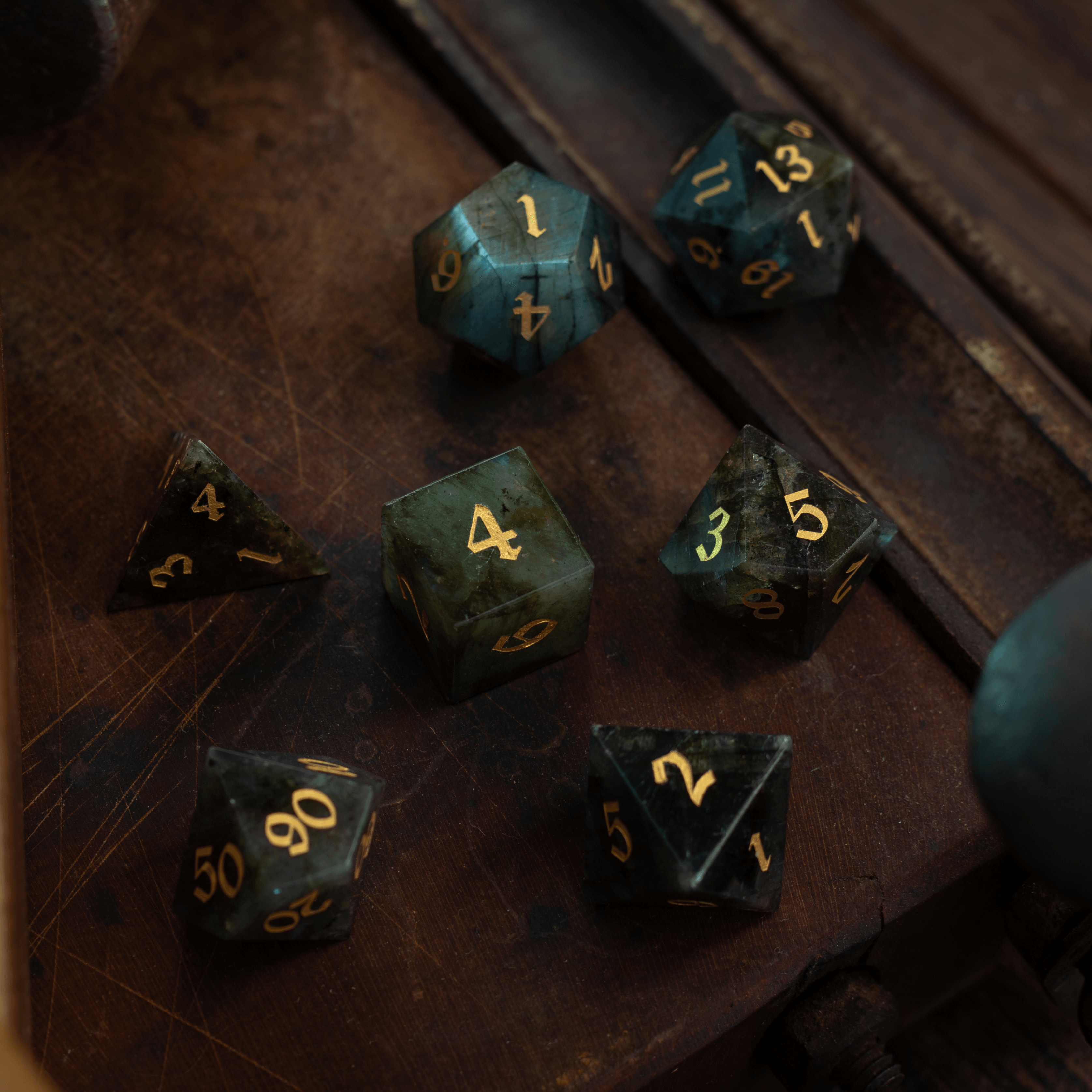
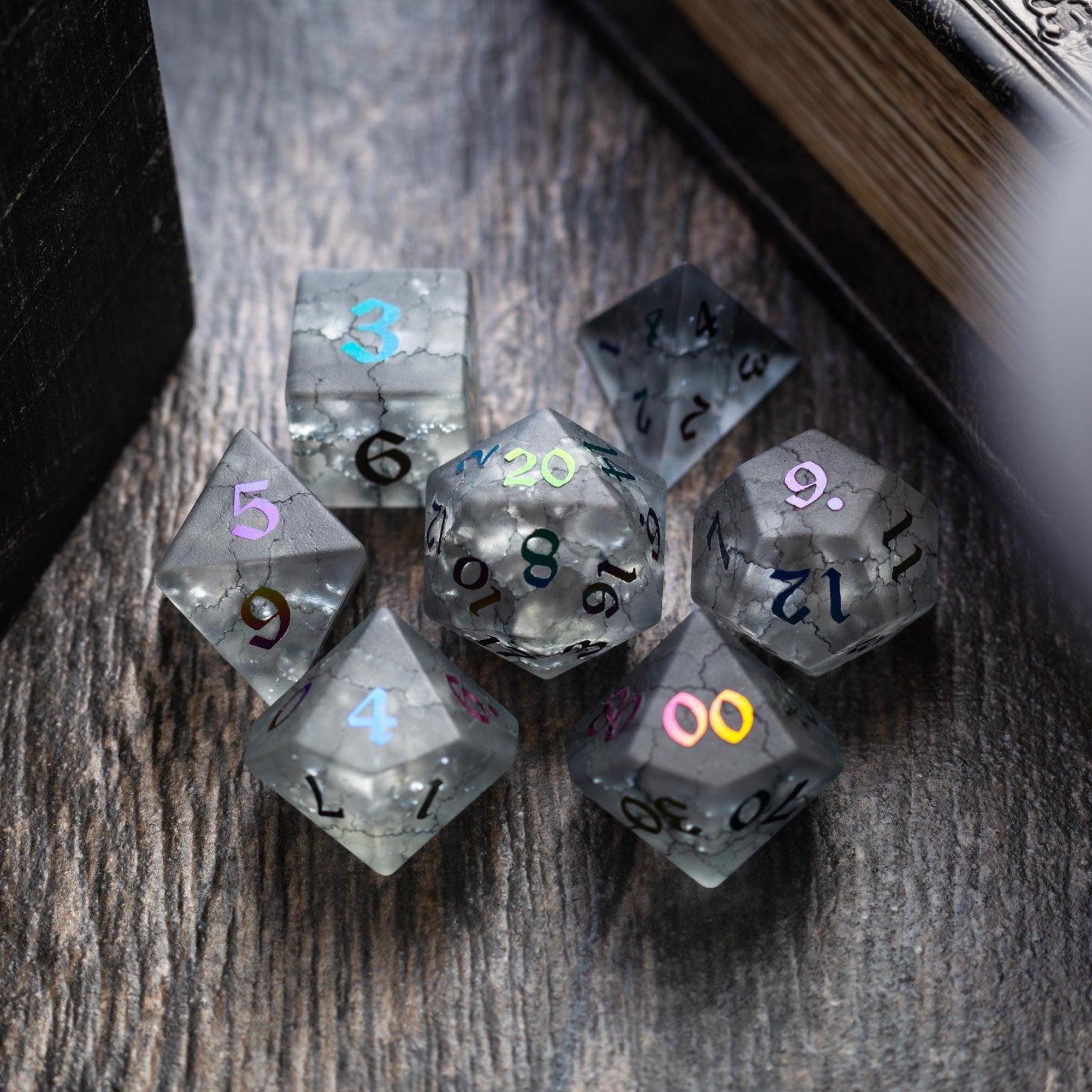
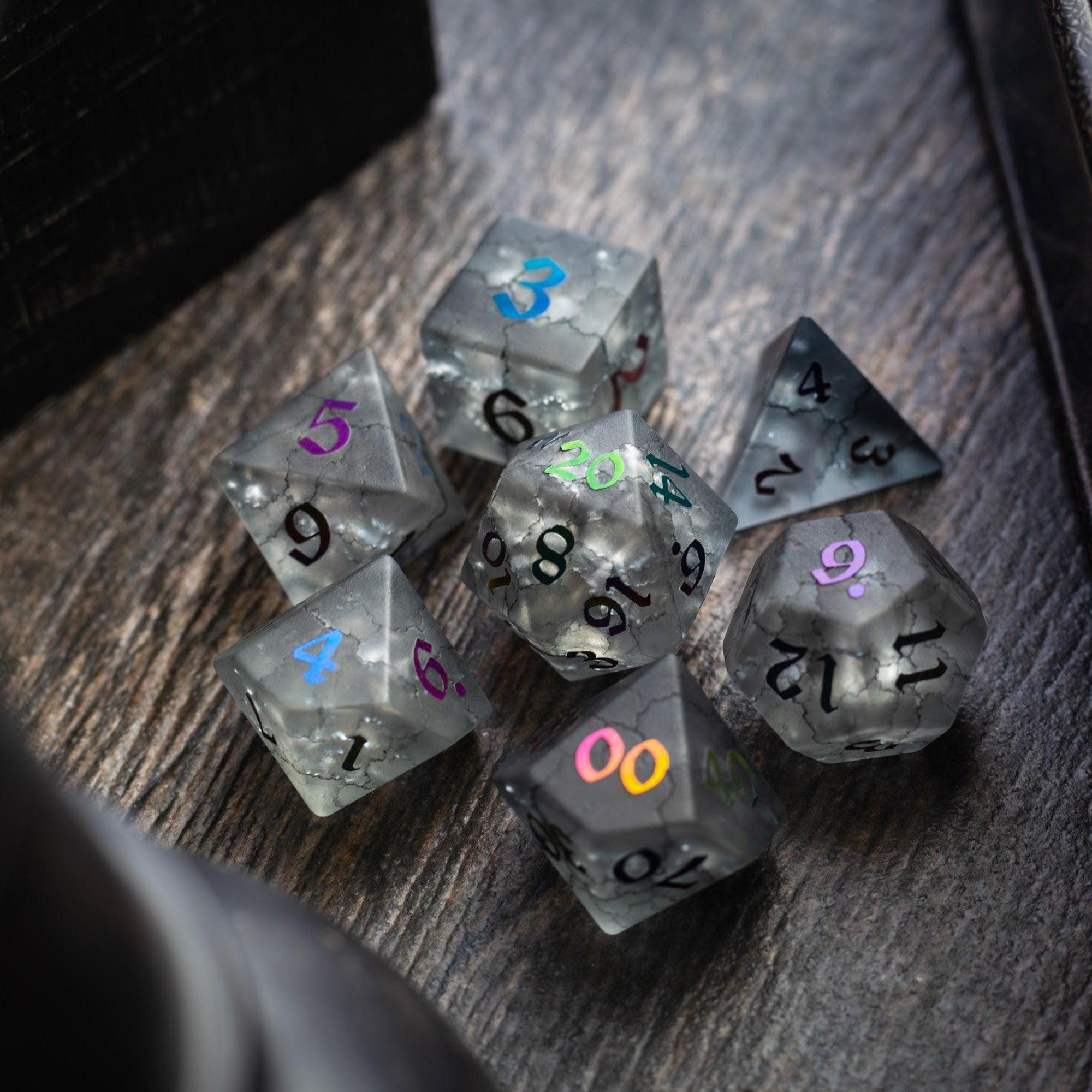
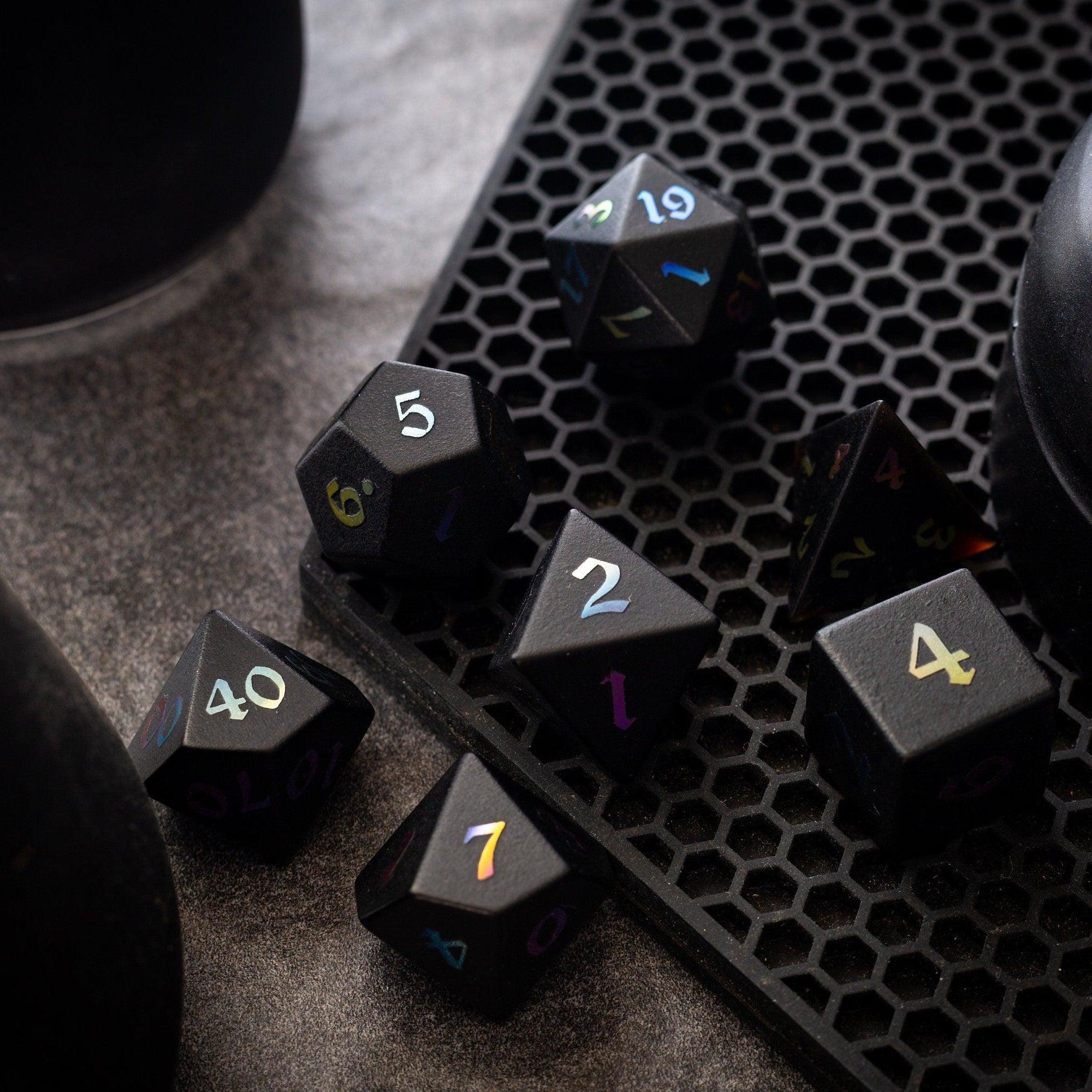
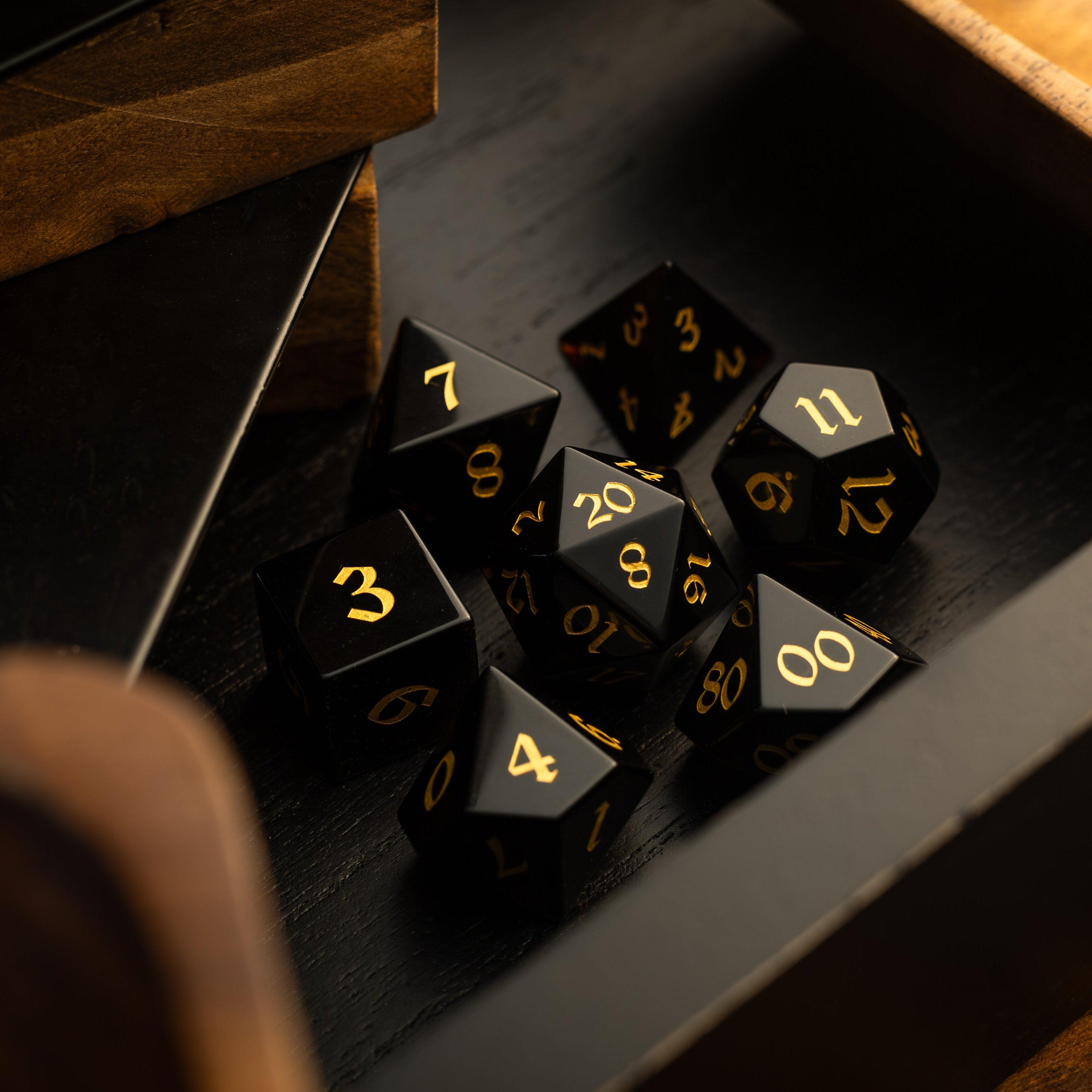
Some players and Dungeon Masters also enjoy matching their tabletop accessories to the atmosphere of a campaign. A set such as the Labradorite Gemstone Dice and Box, for example, can suit campaigns built around ancient magic, mysterious ruins, or other fantasy themes.
If you use gemstone dice, roll them on a padded dice tray or another suitable surface. Natural stone dice can chip or become damaged when repeatedly rolled onto hard tables.
Start Small and Expand Your D&D Campaign Naturally
You do not need hundreds of pages of lore to build a good D&D campaign. Start with a clear concept, create the locations and NPCs needed for the opening adventure, and give the characters meaningful problems to solve.
Then let the campaign grow through play.
The places your players want to revisit deserve more detail. NPCs they care about can become recurring characters. Unfinished conflicts can develop into larger story arcs. Even unexpected decisions can become important parts of the campaign.
If you enjoy building a tabletop setup around your campaign's theme, you can also explore gemstone dice collections. Whatever tools you use, the most important parts of campaign building remain good preparation, flexible storytelling, and giving players meaningful choices.
Frequently Asked Questions
How much should I prepare before my first D&D session?
Prepare the starting situation, important NPCs, likely locations, and challenges the characters may face during the first adventure. You do not need to finish the entire campaign before Session 1. Building the world gradually can also help you respond to what your players actually care about.
What happens if my players ignore the plot I planned?
Let the world react naturally to their decision. The original problem can continue developing in the background while the characters pursue something else. You can also build future adventures around the consequences of their choices rather than forcing them back toward your original plan.
How do I balance combat and roleplay?
There is no perfect ratio. Some groups enjoy frequent tactical combat, while others prefer social interaction, exploration, investigation, or character-focused scenes. Use a mixture that fits your players and the current adventure rather than forcing every session into the same structure.
Should I create my own campaign or use a published adventure?
Both approaches work. Published adventures provide prepared locations, encounters, NPCs, and story material, which can reduce preparation for newer Dungeon Masters. A homebrew campaign gives you more freedom to build around your group's characters and interests. You can also combine both approaches by adapting published material for your own setting.
What tools do I need to build a D&D campaign?
A notebook or digital document is enough for most campaign planning. Keep organized notes for NPCs, locations, player decisions, unresolved conflicts, and upcoming encounters. Maps, miniatures, initiative trackers, dice trays, and other tabletop accessories can be useful, but none of them are required to create a good campaign.



Leave a comment
This site is protected by hCaptcha and the hCaptcha Privacy Policy and Terms of Service apply.