Dungeons & Dragons Sourcebooks Guide: Which Books Are Worth It?

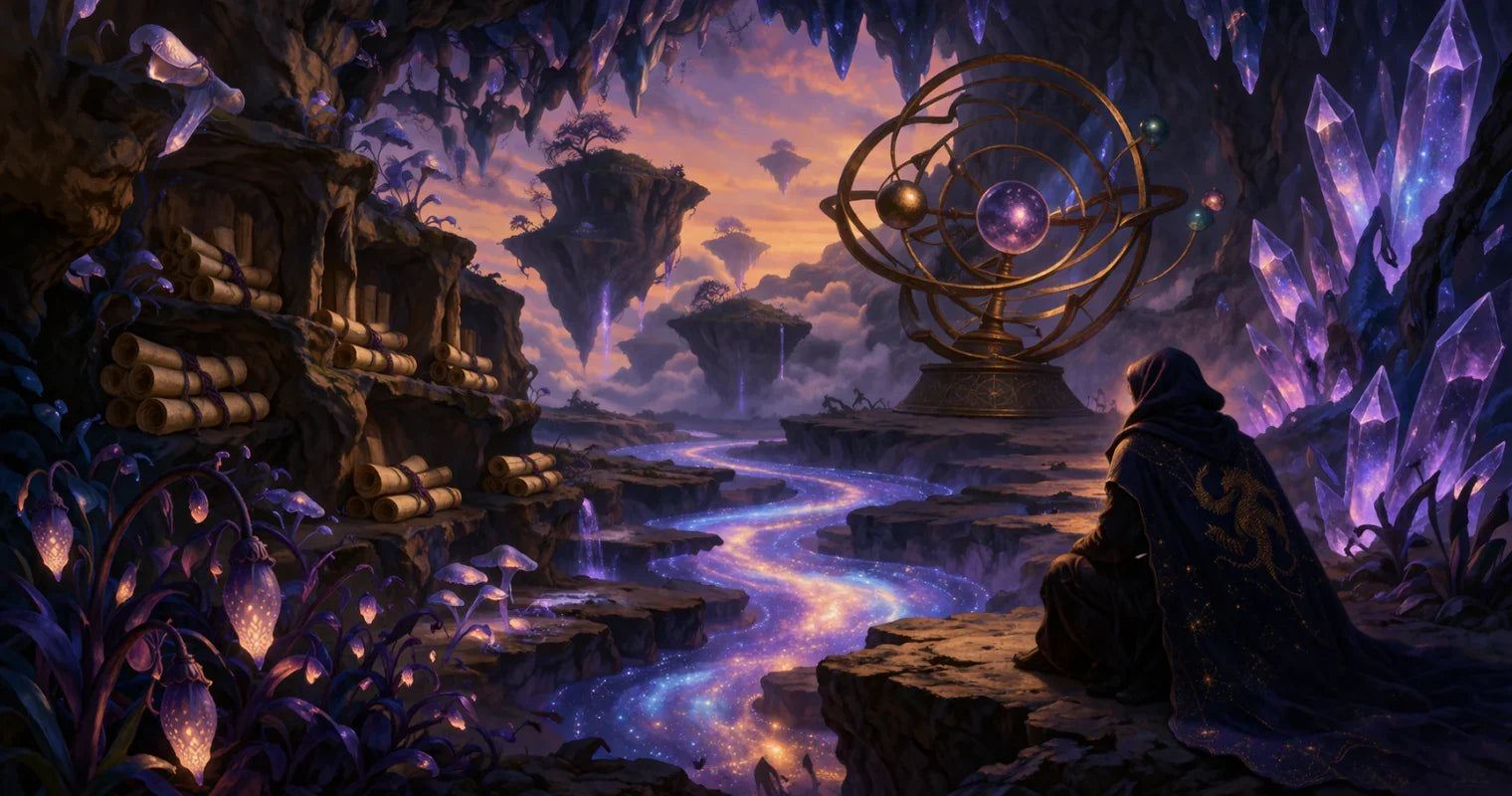
Walking into the world of Dungeons & Dragons sourcebooks for the first time can feel a little like stepping into a massive fantasy library with no map. Shelves are packed with rulebooks, campaign settings, monster collections, and adventures promising epic stories. For new players especially, it can be difficult to tell which books are truly useful and which ones can wait until later.
The good news is that you do not need every book to enjoy D&D. In fact, some of the best campaigns begin with just a few well-loved essentials, a handful of colorful dice, and a group of friends ready for adventure.
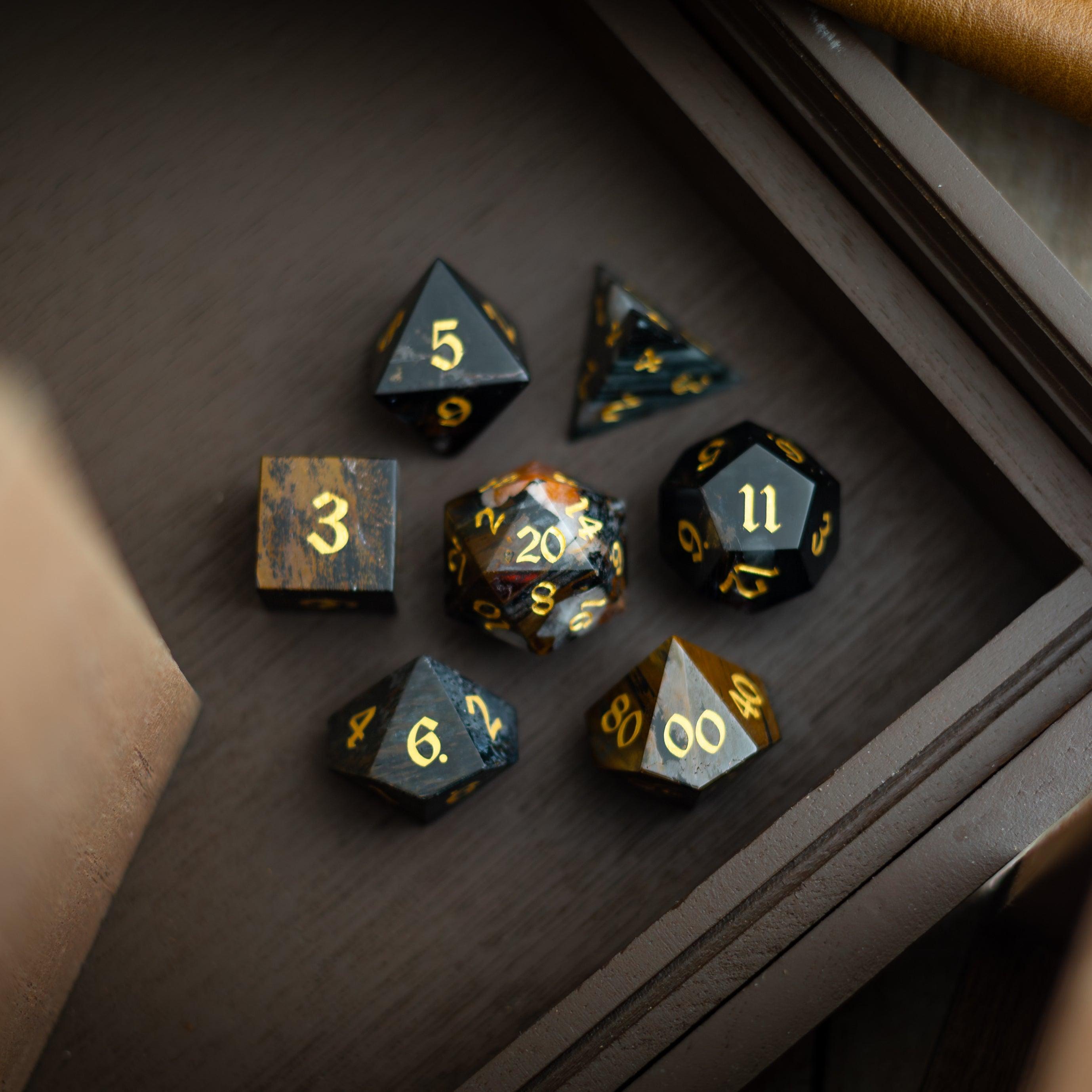
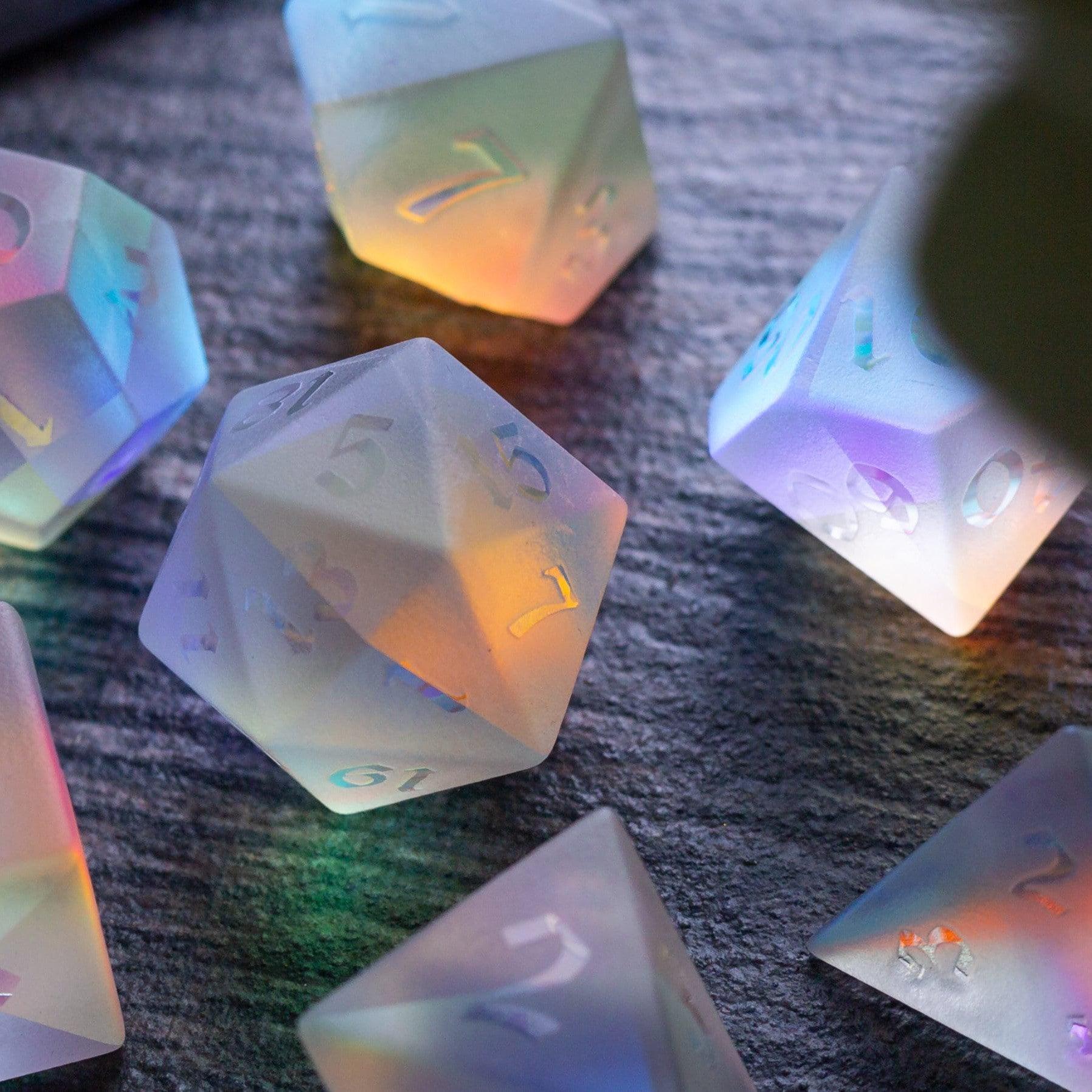
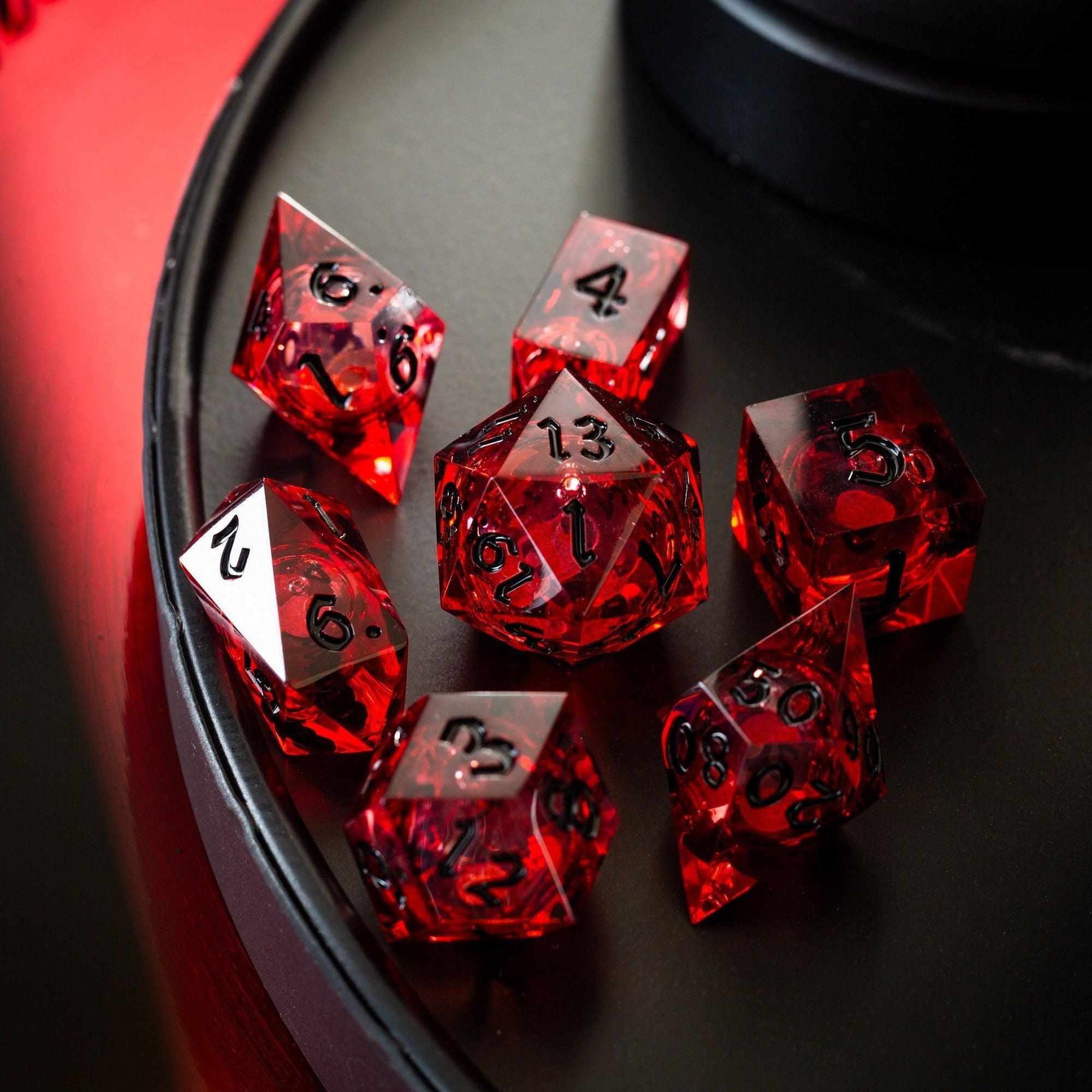
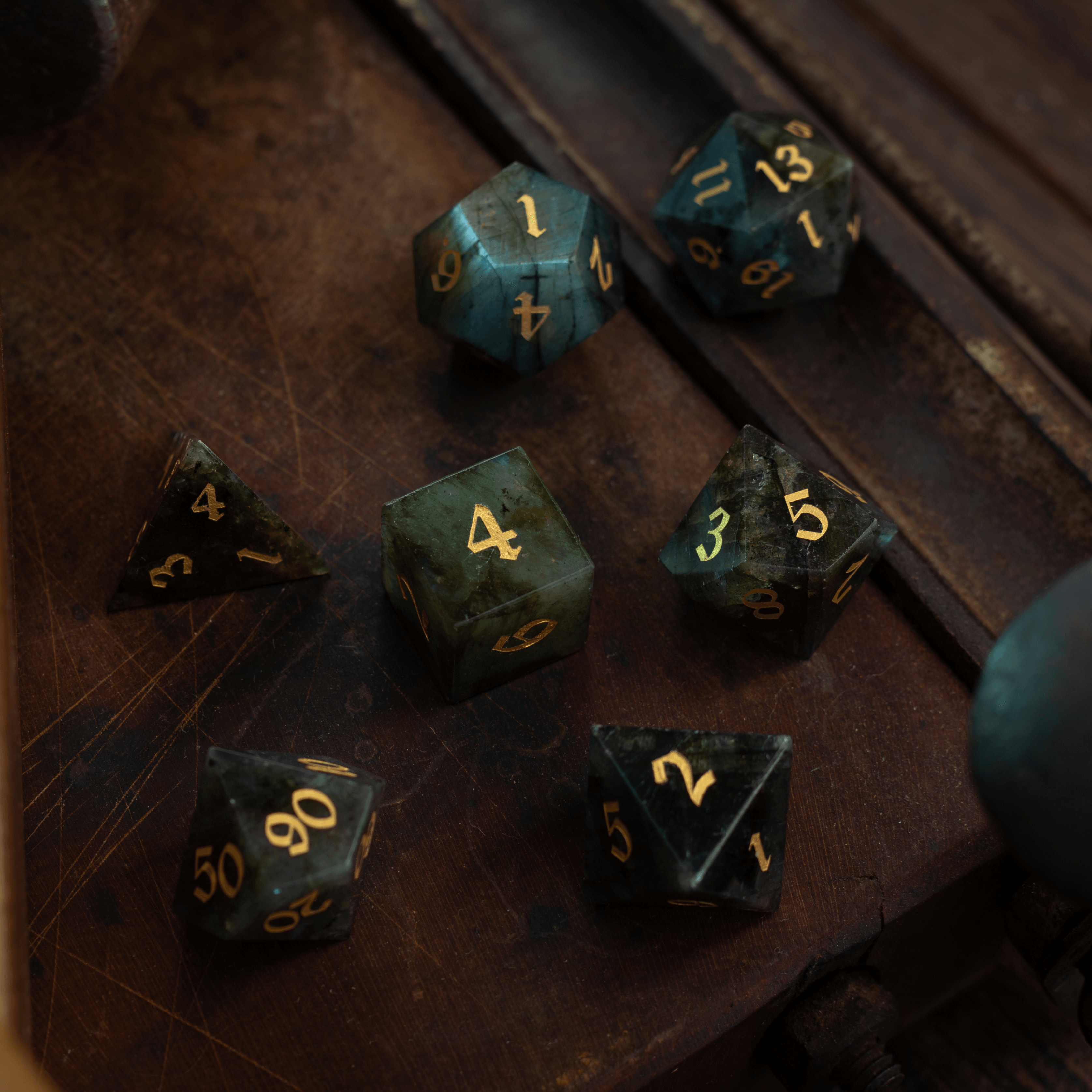
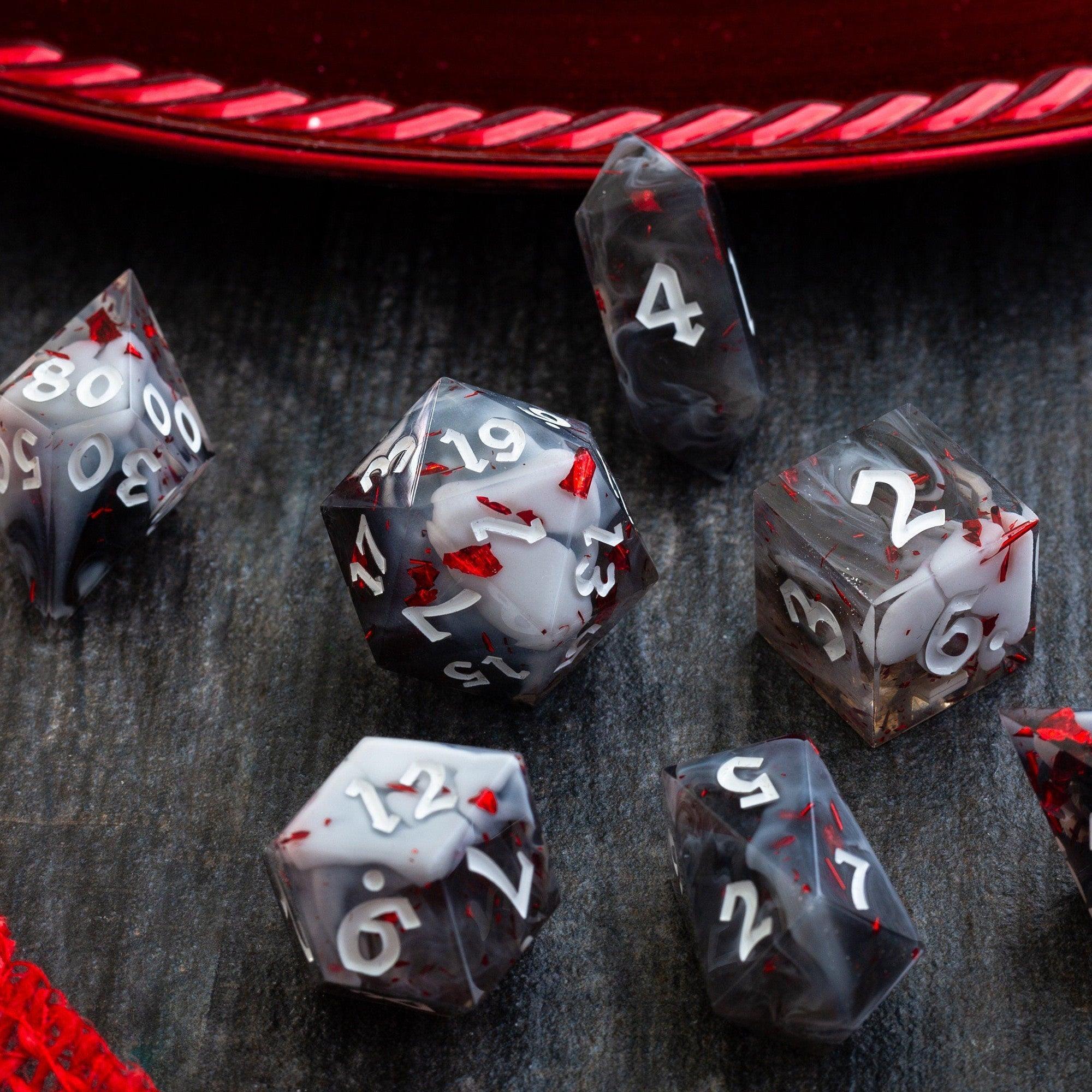
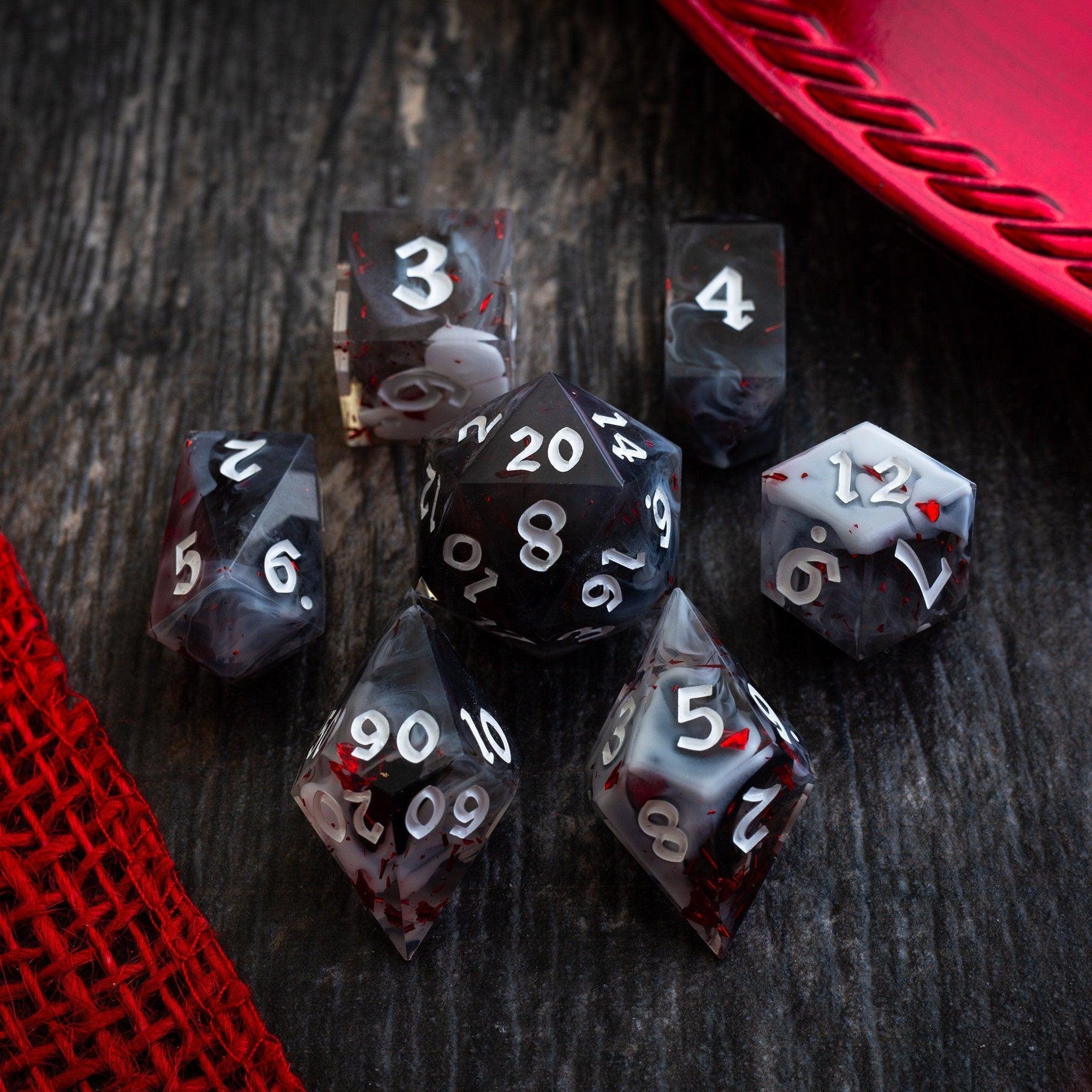
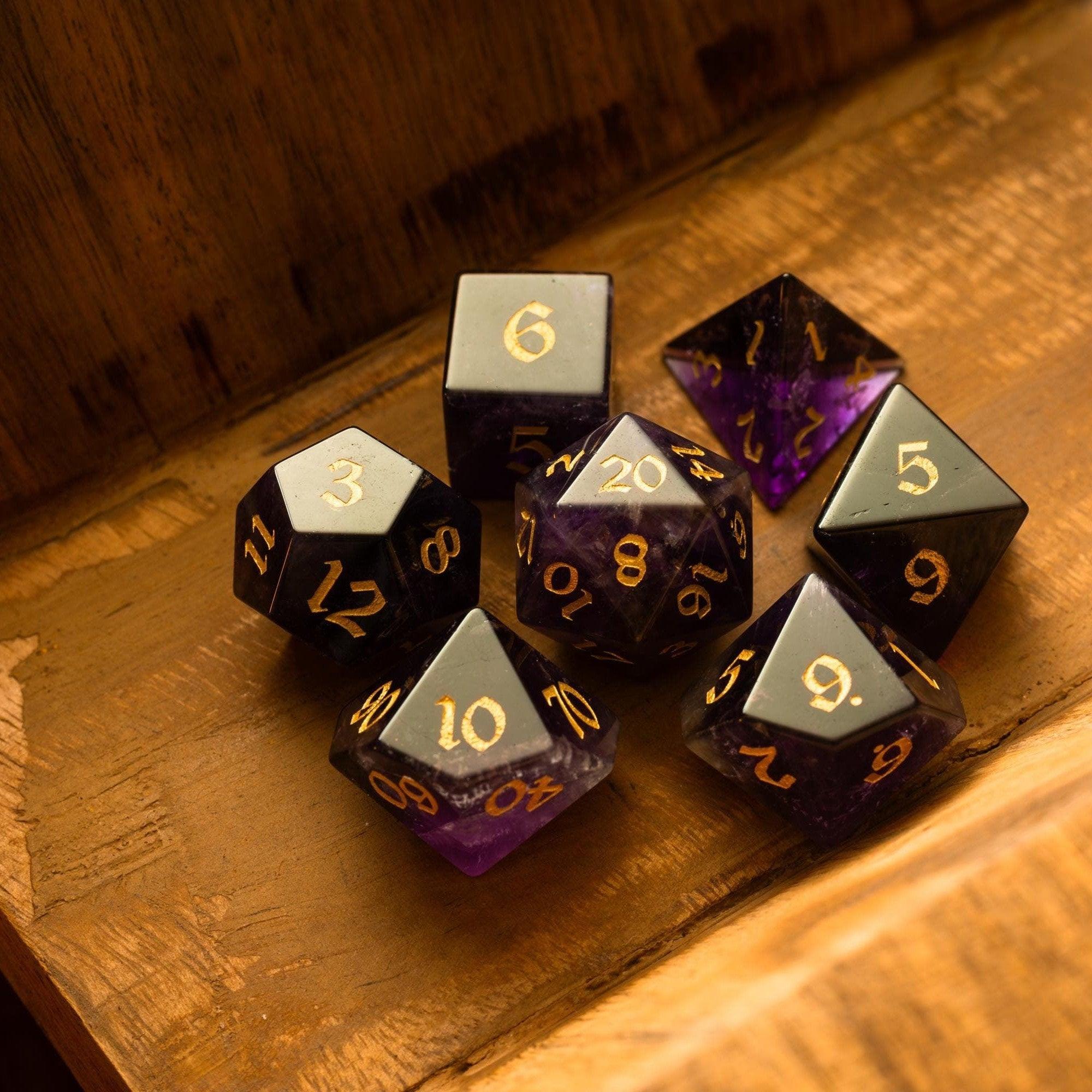
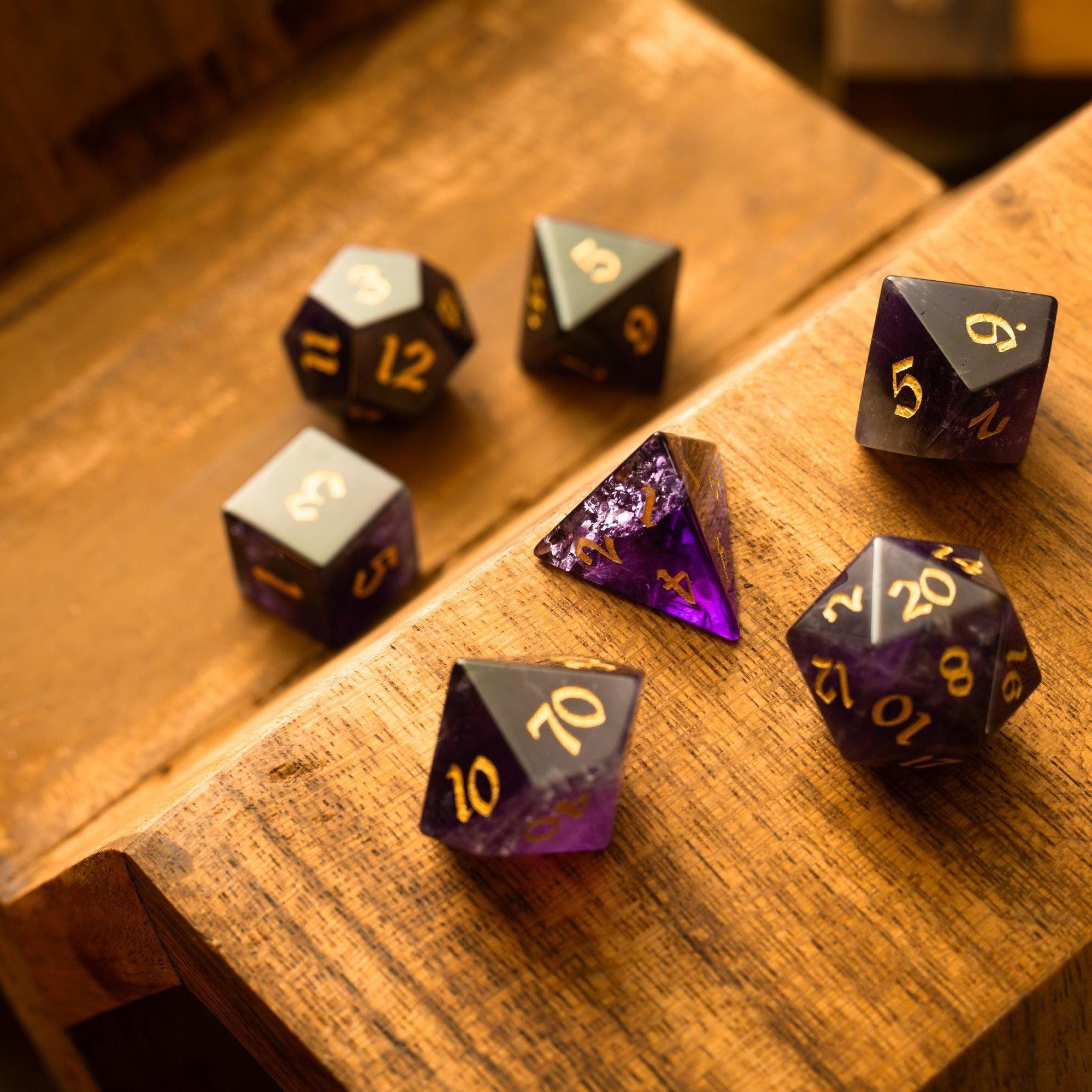
The right books can completely change the feel of your tabletop experience. Some expand character creation with exciting subclasses and spells. Others introduce unforgettable villains, strange worlds, or entire adventures ready to run straight from the page. Pairing those stories with the right table atmosphere also makes a difference. A set of swirling liquid core dice can make spellcasting moments feel more dramatic, while gemstone dice often feel perfect for legendary heroes and world-shaking campaigns.
This D&D sourcebook guide will help you understand what different books actually do, which ones are worth starting with, and how to build a library that supports the kind of stories your group wants to tell.
What Are D&D Sourcebooks?
At their core, dungeons and dragons sourcebooks are books that expand or support gameplay. Some contain the rules players use every session, while others add new settings, adventures, monsters, or character options.
Different books serve different purposes, and understanding those categories makes buying decisions much easier.
Core Rulebooks
These are the foundation of D&D 5e:
-
Player’s Handbook
-
Dungeon Master’s Guide
-
Monster Manual
These books teach the game’s core mechanics and provide the tools needed to run adventures.
Expansion Books
Expansion books add new content such as:
-
Additional subclasses
-
New spells
-
Optional rules
-
Character backgrounds
-
Magic items
These are often the books players explore once they understand the basics.
Campaign Setting Books
Setting books introduce entire fantasy worlds with unique lore, factions, and themes.
Examples include:
-
Gothic horror worlds
-
Magic-heavy cities
-
Wilderness survival settings
-
Political intrigue campaigns
These books are fantastic for groups who want their adventures to feel distinct and immersive.
Adventure Modules
Adventure books provide prewritten campaigns or shorter adventures that Dungeon Masters can run with less preparation.
Some are beginner-friendly starter adventures, while others span entire multi-level campaigns.
Monster Collections
Monster books expand the creatures available to Dungeon Masters, helping encounters feel more surprising and cinematic.
A good monster collection can completely change combat variety and worldbuilding possibilities.
Essential Books for New Players
If you are new to D&D, start simple. The three core rulebooks remain the most essential D&D books for a reason.
Player’s Handbook
The Player’s Handbook is the single most important book for players.
It contains:
-
Core gameplay rules
-
Character classes
-
Races and backgrounds
-
Equipment
-
Spells
-
Combat basics
Even experienced players constantly reference it during campaigns.
Dungeon Master’s Guide
The Dungeon Master’s Guide helps DMs create adventures, worlds, treasures, and encounters.
It is less about strict rules and more about learning how to shape fun stories and memorable sessions.
Many new DMs discover that this book becomes more useful over time as they gain confidence.
Monster Manual
The Monster Manual provides creatures ranging from goblins and dragons to terrifying undead horrors.
For Dungeon Masters, this book is one of the fastest ways to spark encounter ideas and campaign inspiration.
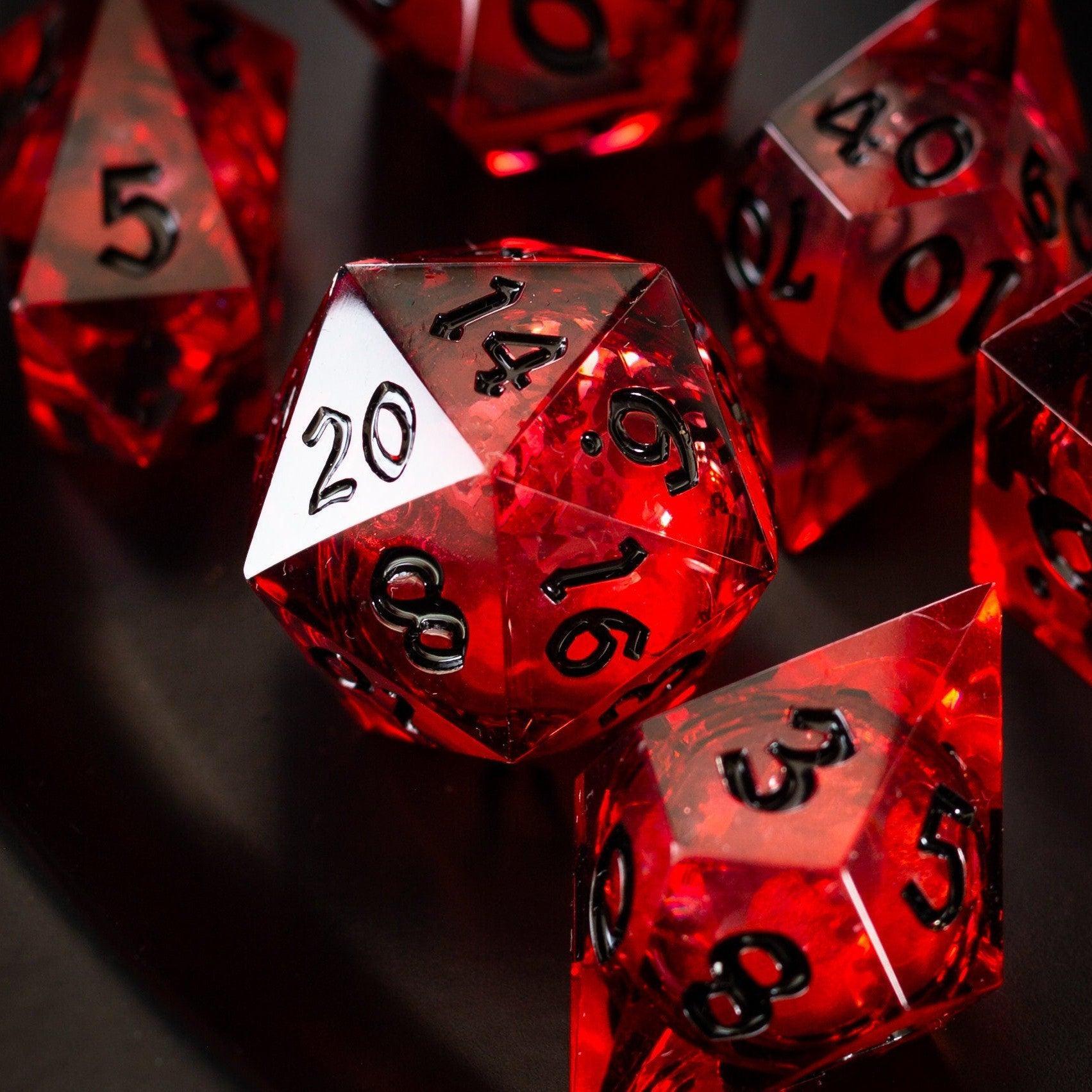
A dramatic monster reveal also feels even more memorable when the table atmosphere matches the moment. Large resin chonk dice rolling across the table during a dragon battle can instantly raise tension in a way every player remembers.
Best Books for Character Creation
One reason people love D&D player guides and expansion books is the sheer amount of customization they offer.
Once players understand the basics, many groups start looking for more creative character options.
What Character Expansion Books Usually Add
-
New subclasses
-
Expanded spell lists
-
Additional feats
-
Character backgrounds
-
Optional class features
-
Roleplay inspiration
These books often help players create heroes that feel more personal and unique.
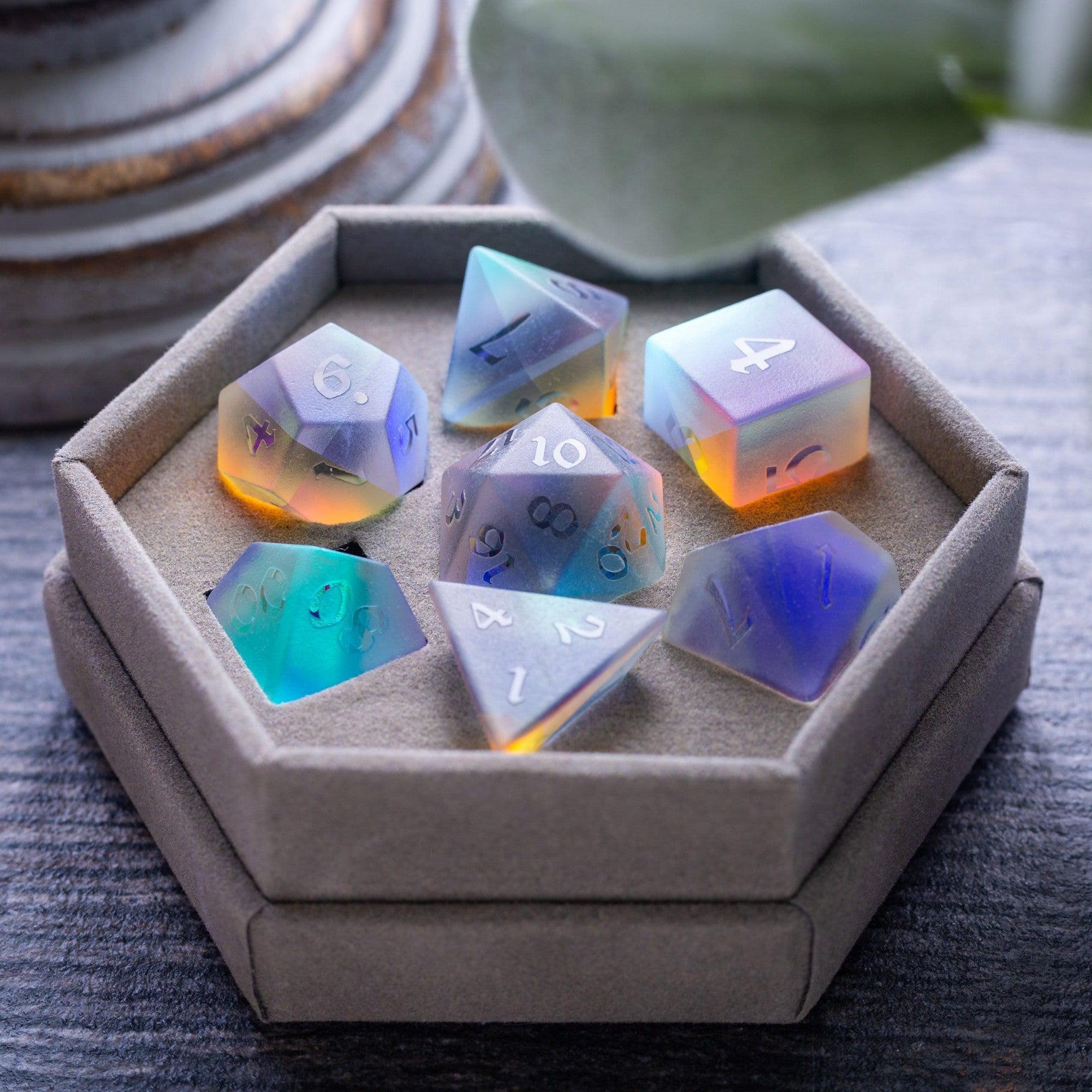
For example, a wizard focused on cosmic magic might feel perfect with shimmering liquid core dice that resemble swirling arcane energy. Meanwhile, colorful resin dice are often ideal for newer players because they are easy to read, lightweight, and available in nearly endless fantasy-inspired styles.
Great Beginner-Friendly Expansion Books
Some expansion books are especially approachable because they focus on flexible options rather than complicated mechanics.
Look for books that:
-
Expand multiple classes
-
Add broad storytelling tools
-
Include beginner-friendly subclasses
-
Encourage creativity over optimization
The best character books inspire players to imagine stories first and mechanics second.
D&D Book Comparison Table
|
Book Type |
Best For |
What It Adds |
Recommended Experience Level |
|
Core Rulebooks |
Learning the game |
Rules, classes, monsters, DM guidance |
Beginner |
|
Character Expansion Books |
More customization |
Subclasses, spells, feats |
Beginner to Intermediate |
|
Setting Books |
Immersive storytelling |
Lore, factions, locations |
Intermediate |
|
Adventure Campaigns |
Easier session prep |
Ready-made adventures |
Beginner to Intermediate |
|
Monster Collections |
Better encounters |
New creatures and villains |
Intermediate |
|
Optional Rules Books |
Flexible gameplay |
Alternate mechanics and systems |
Intermediate |
Great Campaign and Setting Books
Some of the most beloved D&D campaign books are memorable because of their atmosphere rather than their mechanics.
A good setting book can instantly inspire:
-
New characters
-
Unique villains
-
Regional conflicts
-
Travel adventures
-
Political intrigue
-
Survival-focused gameplay
Horror Campaign Settings
Dark gothic settings are perfect for groups that enjoy tension, mystery, and emotional storytelling.
These books often feature:
-
Haunted locations
-
Tragic villains
-
Dangerous curses
-
Psychological horror themes
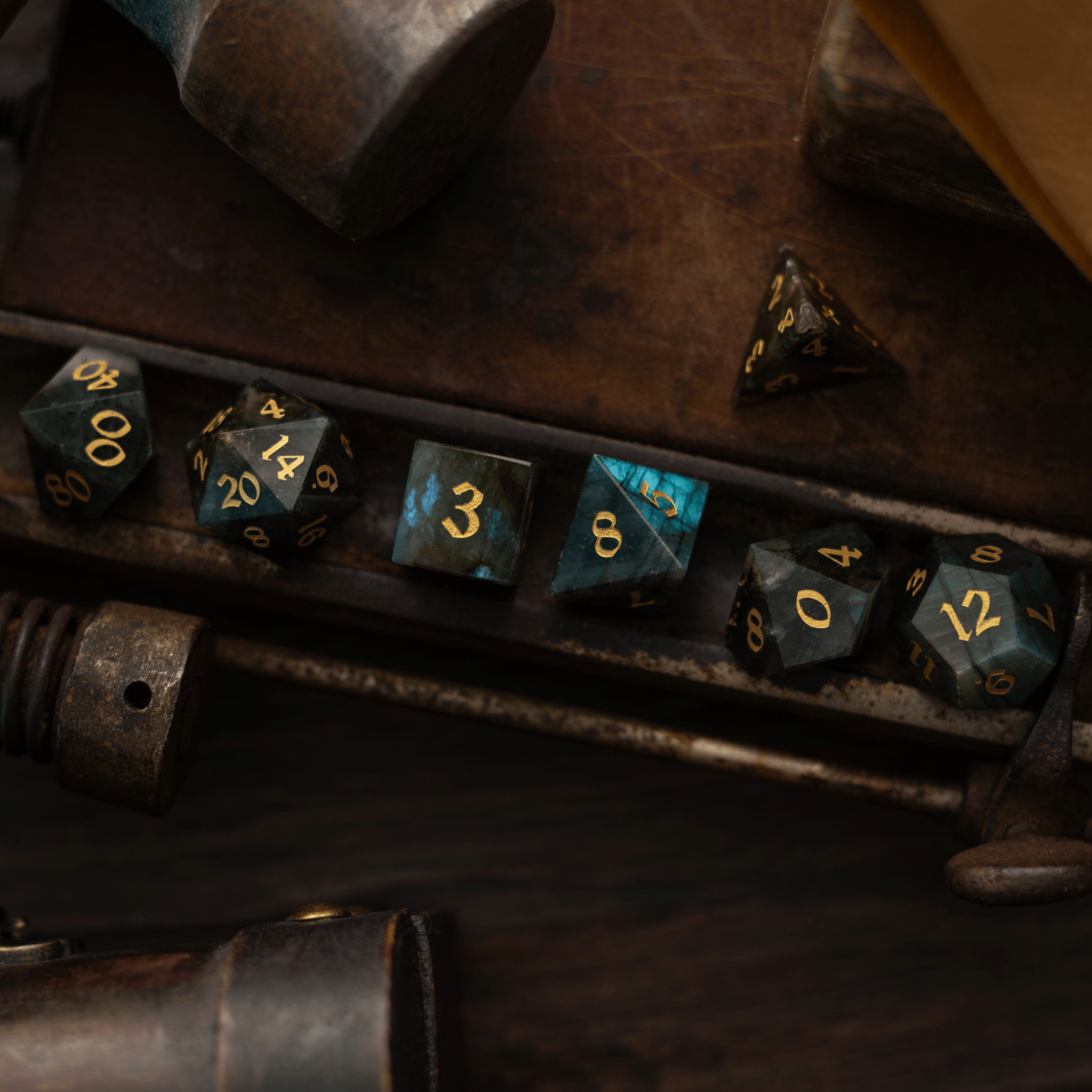
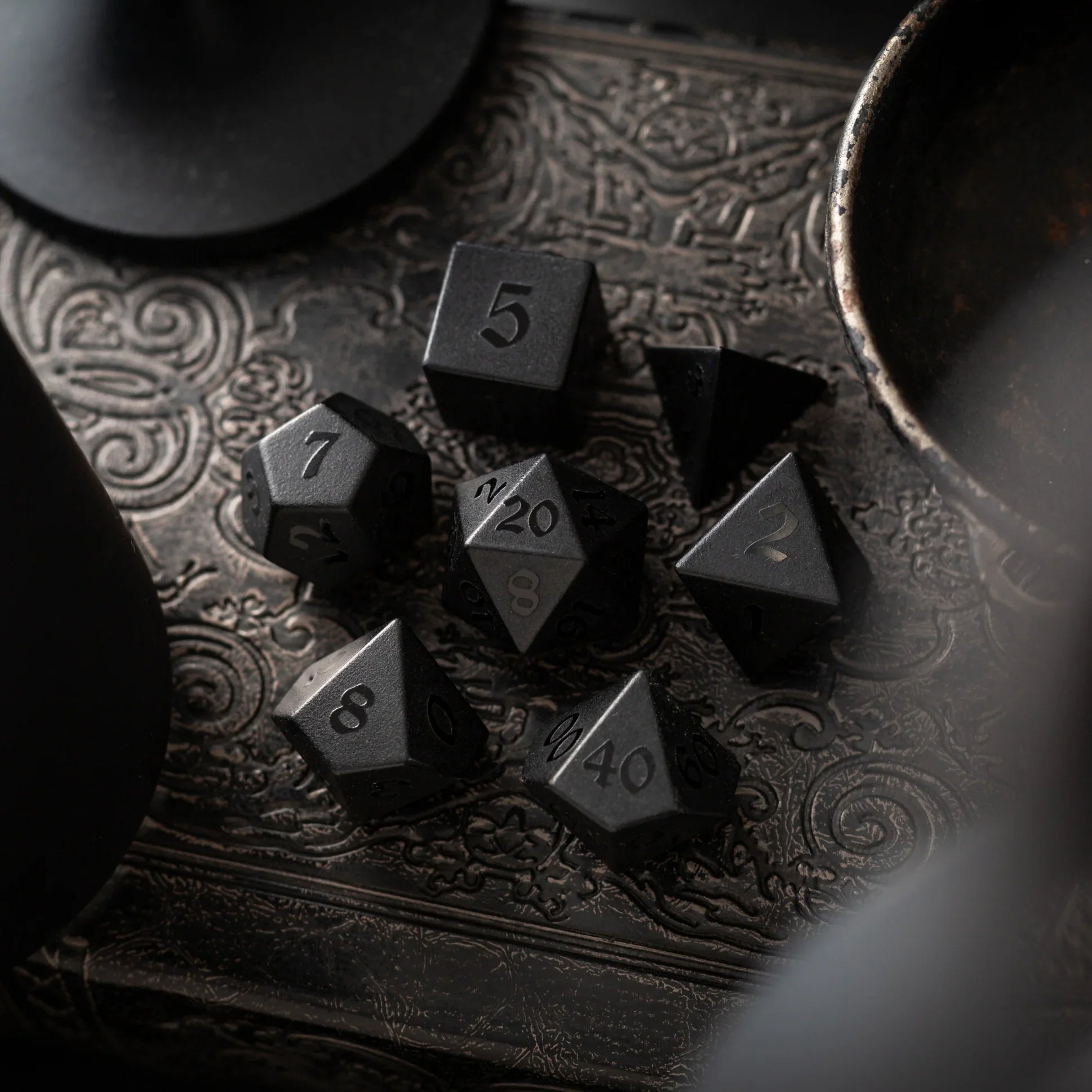
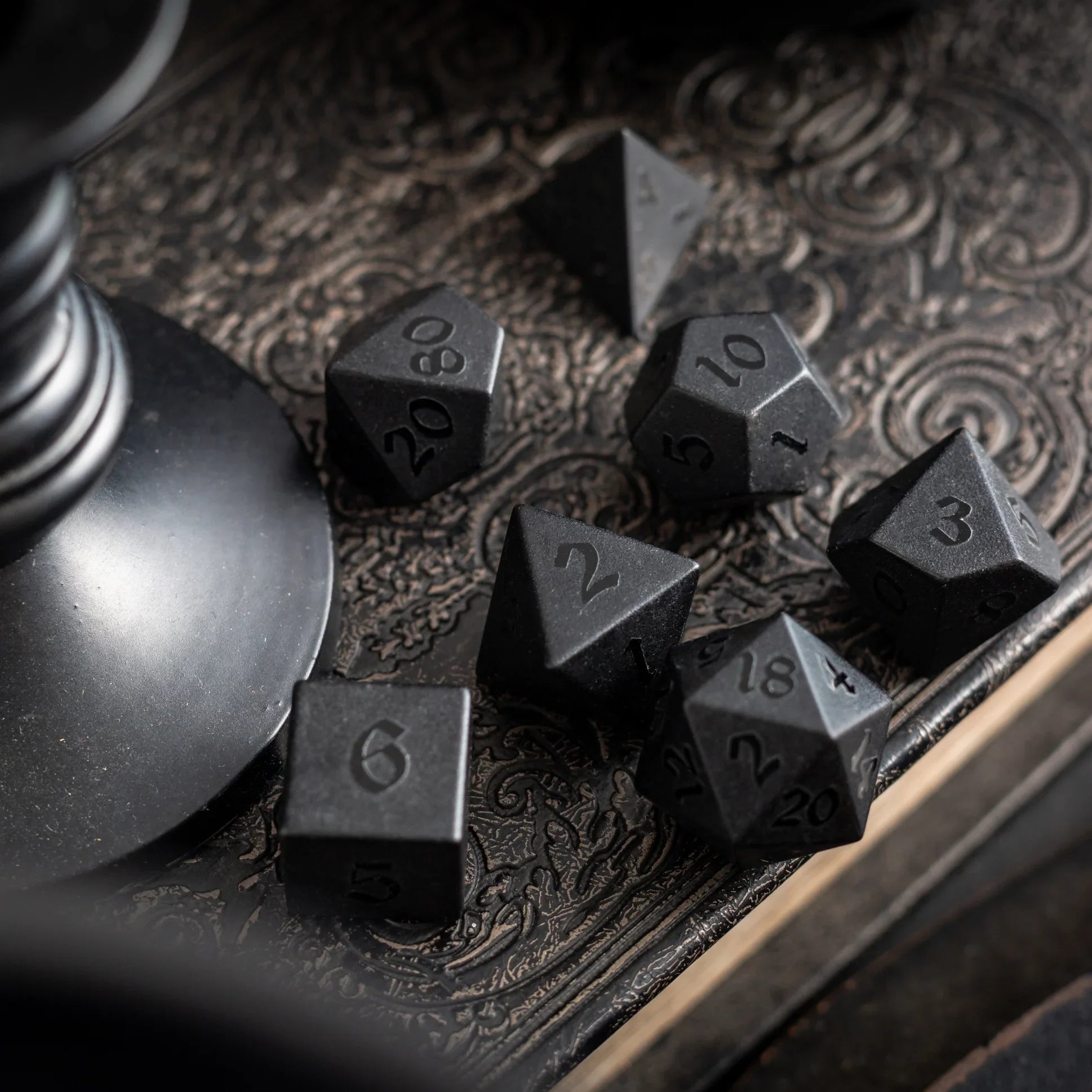
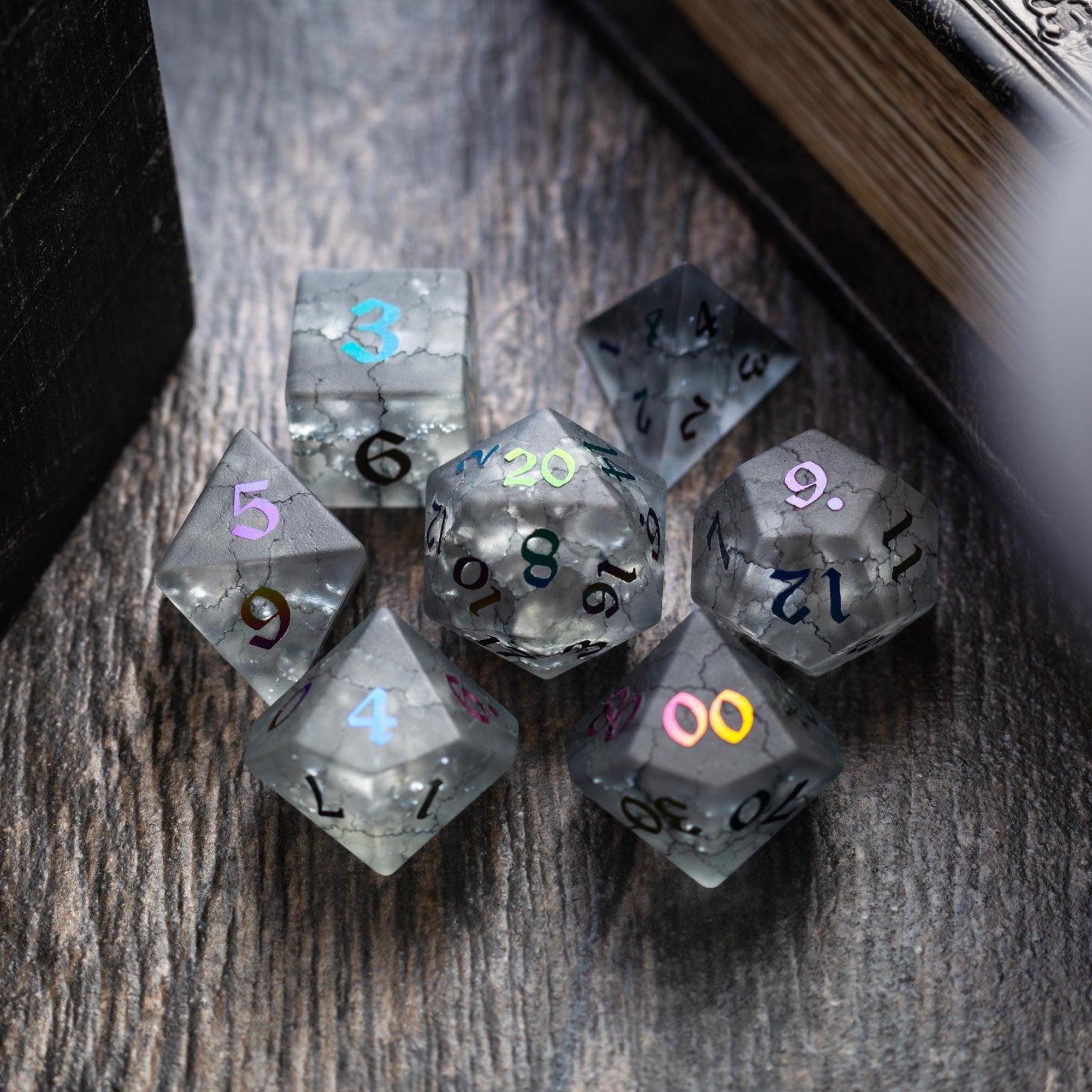
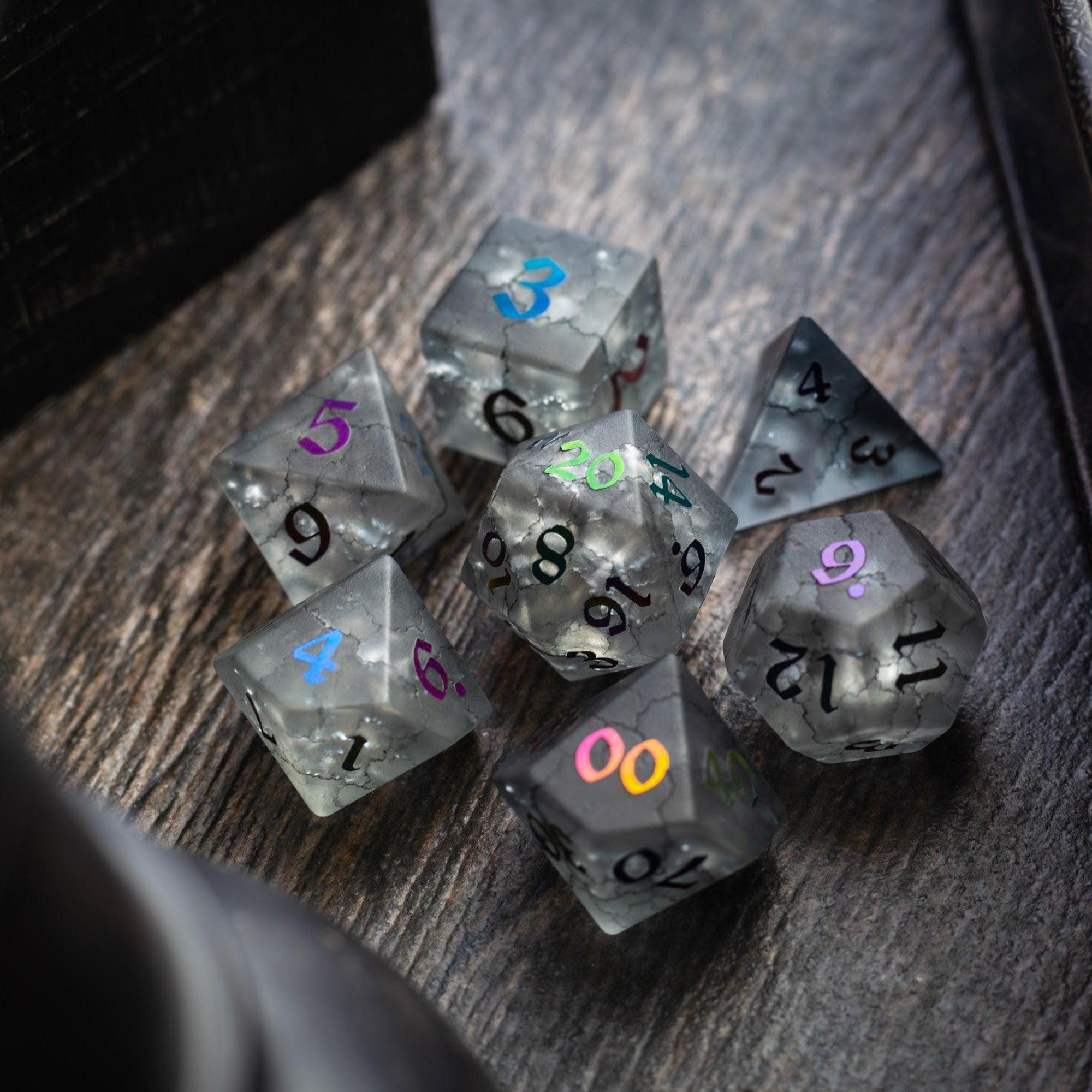
Gemstone dice can feel especially fitting for these campaigns, particularly darker stones that match eerie fantasy aesthetics.
Wilderness Adventure Books
Nature-focused campaigns emphasize:
-
Exploration
-
Harsh environments
-
Ancient ruins
-
Survival mechanics
-
Traveling encounters
These adventures often feel vibrant and adventurous, which pairs naturally with bright resin dice full of swirling forest greens, ocean blues, and fiery sunset colors.
Urban Fantasy Campaigns
City-focused settings thrive on:
-
Factions
-
Politics
-
Criminal networks
-
Investigation
-
Social roleplay
These campaigns often reward creative thinking as much as combat.
Epic Fantasy Worlds
Large-scale fantasy settings provide:
-
Kingdoms at war
-
Legendary artifacts
-
Ancient prophecies
-
Massive worldbuilding opportunities
These books are ideal for groups dreaming of long-running heroic campaigns.
Adventure Modules vs Homebrew Campaigns
One of the biggest decisions for Dungeon Masters is whether to run published adventures or create original stories.
Benefits of Published Adventures
Adventure modules help DMs by providing:
-
Structured storylines
-
Balanced encounters
-
Maps and NPCs
-
Reduced preparation time
-
Strong pacing support
They are excellent for beginner DMs or busy groups.
Benefits of Homebrew Campaigns
Custom campaigns offer:
-
Complete creative freedom
-
Personalized story arcs
-
Unique worlds
-
Flexible storytelling
Many experienced DMs eventually combine both styles by using published books as inspiration while creating their own plots.
Sourcebooks work wonderfully for this hybrid approach. A single setting guide or monster collection can fuel months of original storytelling.
How Dungeon Masters Use Sourcebooks
Dungeon Masters rarely use books exactly as written.
Instead, most DMs pull ideas from many different sources.
Common Ways DMs Use Sourcebooks
-
Building cities and kingdoms
-
Creating villains
-
Designing encounters
-
Finding magic items
-
Expanding lore
-
Developing factions
-
Creating side quests
A single chapter or monster entry can inspire an entire campaign.
Many DMs also enjoy matching the table atmosphere to the campaign tone itself. Liquid core dice can make magical moments feel cinematic, while resin chonk dice often become the dramatic centerpiece for major boss encounters or critical rolls during climactic sessions.
Common Mistakes When Buying D&D Books
It is very easy to buy too many books too quickly.
Many players discover they spend more time collecting books than actually using them.
Mistakes New Buyers Often Make
Buying Everything at Once
You do not need every expansion book immediately.
Start with the books that directly support your current campaign or playstyle.
Focusing Only on Rules
Some of the best D&D sourcebooks succeed because of their storytelling ideas, not because of mechanical power.
Ignoring Campaign Tone
A horror campaign book may not help much if your group prefers lighthearted adventure stories.
Choose books that fit your table’s preferred atmosphere.
Collecting Without Reading
Many players build huge libraries but never fully explore the material inside.
A smaller collection of well-used books is often more valuable than shelves full of untouched sourcebooks.
How to Build a Useful D&D Library Over Time
Building a great D&D library is a gradual process.
A Smart Way to Expand Your Collection
Start with the Essentials
Begin with:
-
Player’s Handbook
-
Monster Manual
-
Dungeon Master’s Guide
These provide the strongest foundation.
Expand by Interest
Ask yourself:
-
Do you love worldbuilding?
-
Do you enjoy character customization?
-
Do you want easier adventures to run?
-
Do you need more monsters?
Your answers help determine which books are worth buying next.
Buy for Your Group
The best D&D campaign books are the ones your group will actually use.
A political intrigue setting might be incredible, but it may not fit a group that prefers dungeon crawling and combat-heavy adventures.
Why Sourcebooks Matter Beyond Rules
The best dungeons and dragons sourcebooks are not just collections of mechanics.
They are idea generators.
They inspire:
-
Character concepts
-
Emotional story arcs
-
Memorable villains
-
Legendary locations
-
Group creativity
Sometimes a single piece of artwork, a short lore entry, or a strange monster description becomes the foundation for an unforgettable campaign.
That imaginative spark is part of what makes tabletop gaming special in the first place.
Dice often become part of that storytelling identity too. Players frequently associate certain dice with specific characters or campaigns for years afterward. A gemstone set used during an epic dragon campaign or a favorite resin dice set carried through a long-running adventure can become tied to the memories of the story itself.
Conclusion
Choosing the right D&D books does not mean owning everything on the shelf. The most useful sourcebooks are the ones that inspire your imagination, support your group’s playstyle, and help create memorable adventures around the table.
For some groups, that means classic core rulebooks and straightforward fantasy adventures. For others, it means deep setting guides filled with political intrigue, strange magic, or terrifying monsters.
The beauty of Dungeons & Dragons sourcebooks is that every table builds its own version of the game over time. Each new book adds another layer to the stories your group tells together.
Whether you are exploring ancient ruins with colorful resin dice, casting powerful spells with swirling liquid core dice, or facing a legendary villain with a massive resin chonk die waiting for the final roll, the best tabletop memories come from the moments shared around the table.
And often, those unforgettable adventures begin with a single book pulled from the shelf of a fantasy library, opened for the very first time.

Leave a comment
This site is protected by hCaptcha and the hCaptcha Privacy Policy and Terms of Service apply.