
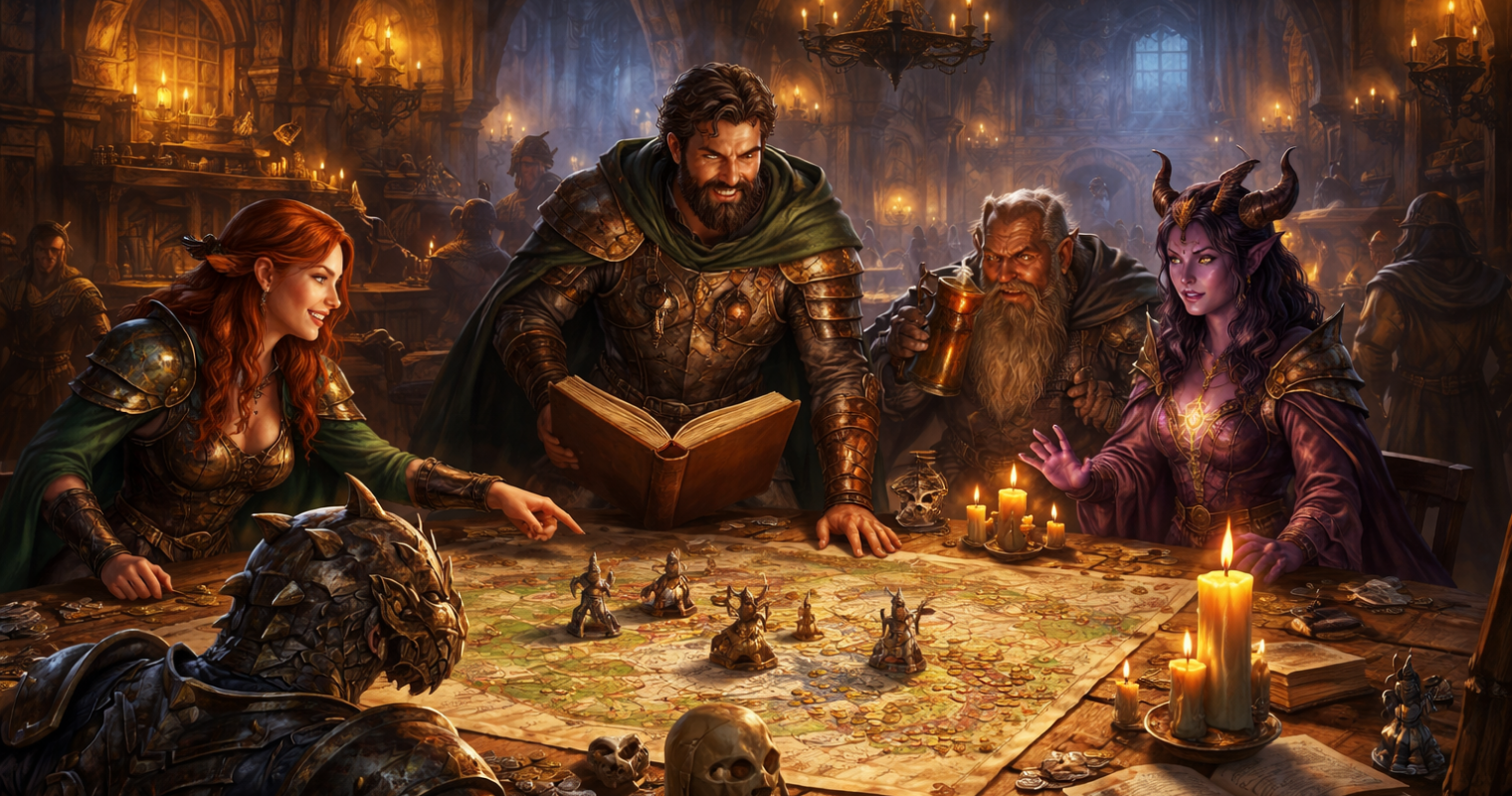
DND Tips For Smoother Campaigns In Every Gaming Session
Updated on: 2026-01-05
Looking for practical Dungeons and Dragons tips that make game night smoother, faster, and more memorable? You’re in the right place. This friendly guide distills table-tested advice for players and Game Masters alike—covering prep, pacing, roleplay, and gear. You’ll walk away with ideas you can use at your very next session, plus a buyer’s checklist to help you choose accessories that actually improve play.

Whether you’re the one behind the screen or rolling initiative across the table, you want sessions that flow. Great games don’t happen by accident—they come from a mix of simple prep, clear expectations, and tools that match your style. In this guide, you’ll learn how to prep faster, keep spotlight balanced, run cinematic encounters without slowing the pace, and choose dice and accessories that feel good in the hand and look amazing on the table. Think of this as a friendly nudge toward your best game yet.
Did You Know?
- Most tables only use a fraction of the rules each session. Decide which ones matter most to your group and let the rest fade into the background.
- Short turns beat long turns. If players know their action, bonus action, and movement before their turn starts, combat can move twice as fast.
- Spotlight balance matters more than encounter difficulty. When everyone gets a moment to shine, even easy battles feel exciting.
- Visual clarity boosts immersion. High-contrast dice and readable character sheets reduce table friction and help players stay in the story.
- Session zero pays for itself. A 30–60 minute pre-campaign chat prevents most alignment and playstyle conflicts later.
- Low-prep tools are powerful. Index cards, condition rings, and concise initiative trackers beat complex systems in real-time play.
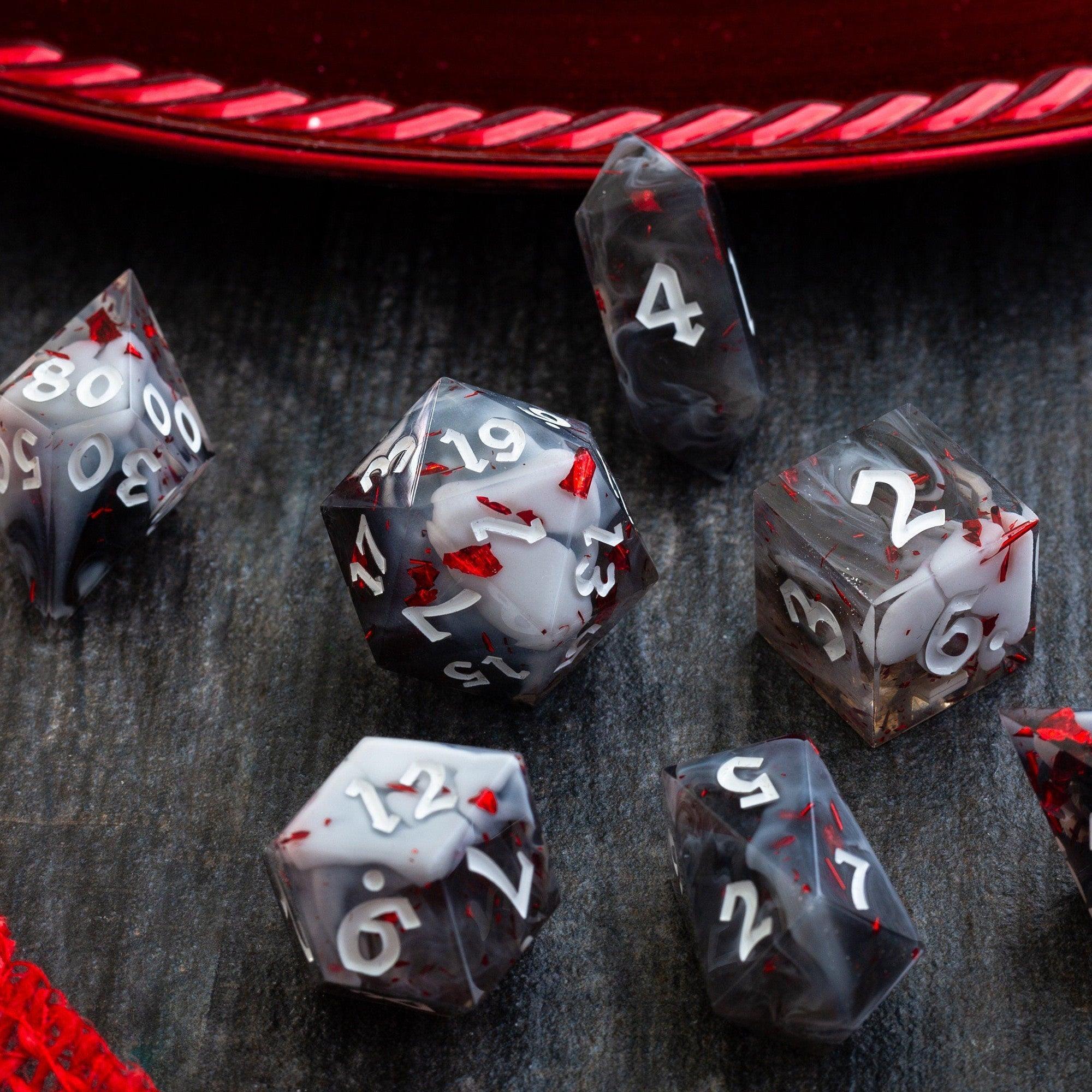
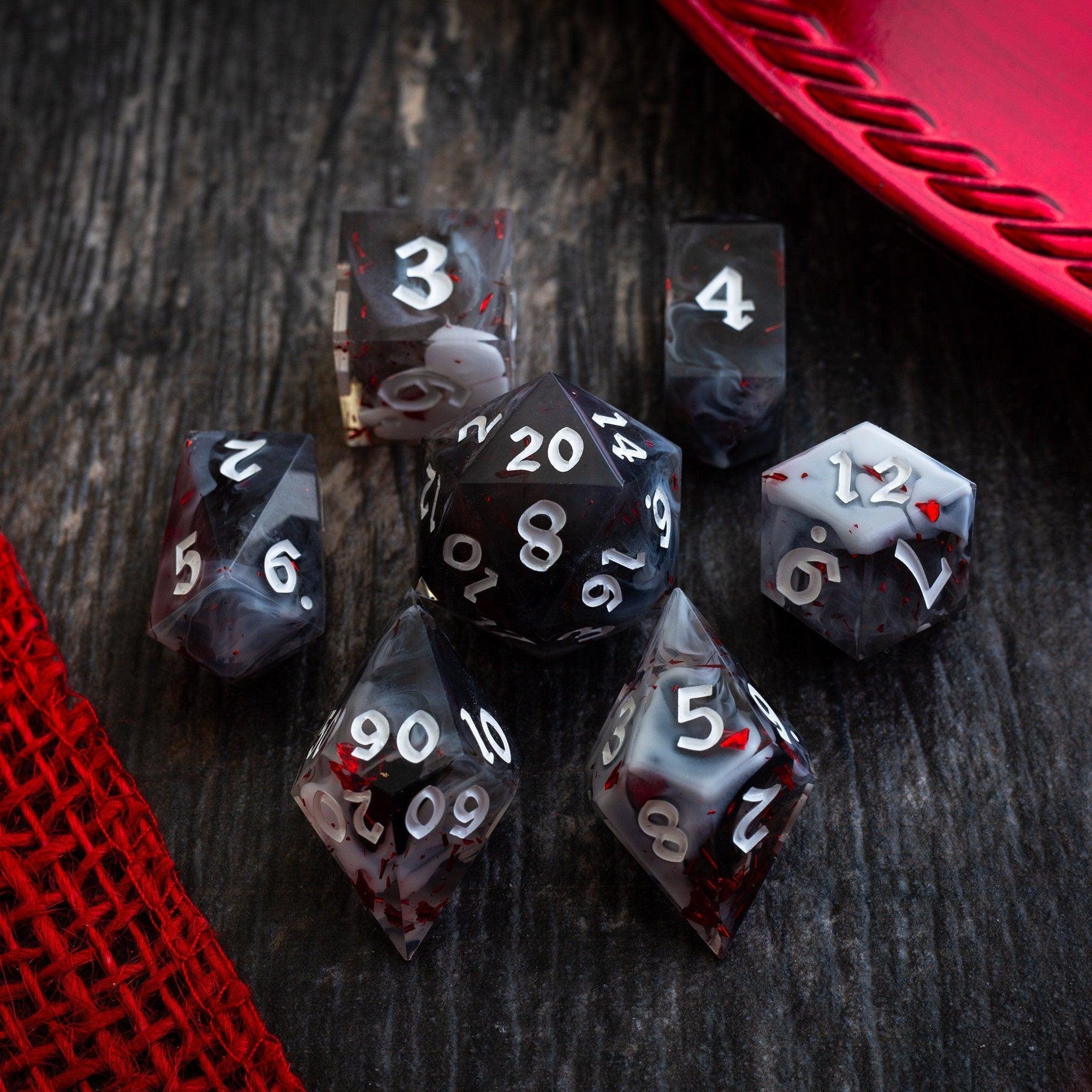
- One great prop goes further than five okay ones. A single tactile item—like a distinctive dice set—can anchor the vibe of a whole campaign.
- Adventure pacing breathes. Build short, high-energy beats followed by slower scenes for choices, rest, and character moments.
Comparison: Pros & Cons
-
Homebrew Campaigns
- Pros: Total creative freedom; tailor-made arcs for your party; easy to adjust difficulty and tone on the fly.
- Cons: More prep time; risk of scope creep; continuity tracking can be tricky without good notes.
-
Published Adventures
- Pros: Ready-made structure, maps, and NPCs; faster prep; easier for new Game Masters to navigate.
- Cons: May need tweaks to fit your group’s tastes; players familiar with the module might metagame; pacing can vary by chapter.
-
Theater of the Mind (No Grid)
- Pros: Fast and cinematic; great for narrative scenes; no setup time.
- Cons: Spatial confusion can arise; tactical players may feel limited; exact distances are harder to track.
-
Grid or Map-Based Play
- Pros: Clear positioning; tactical clarity; supports complex abilities and terrain.
- Cons: Slower setup; can become overly mechanical; needs space and accessories.
-
Digital Tools
- Pros: Automated math; easy character updates; remote play enabled.
- Cons: Tech hiccups break immersion; learning curve; screen fatigue for long sessions.
-
Analog Tools
- Pros: Tactile satisfaction; fewer distractions; intuitive for new players.
- Cons: Manual tracking; storage needs; can be slower without an established system.

Buyer’s Checklist
Great gear won’t run your game for you, but the right pieces remove friction and add delight. Use this checklist when shopping:
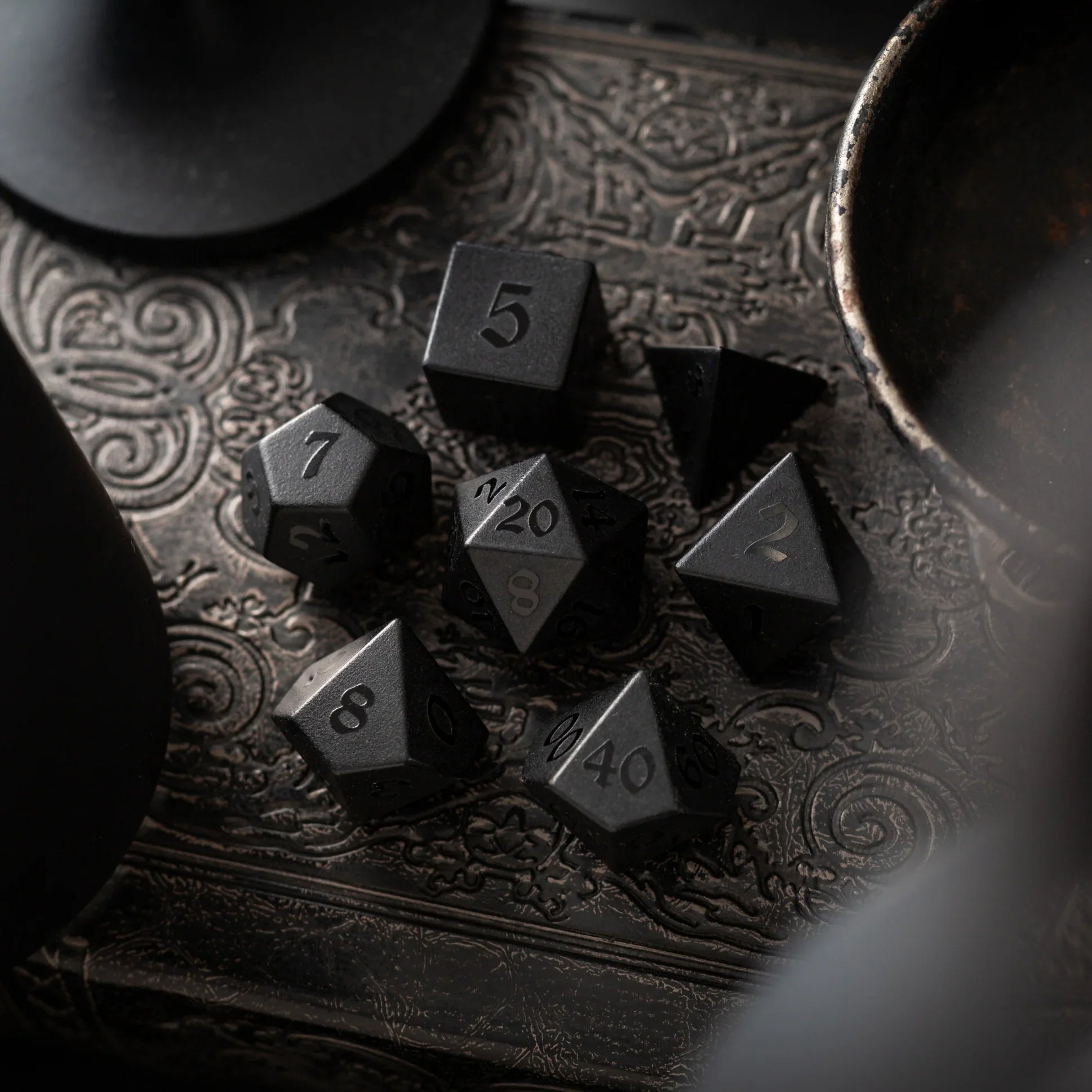
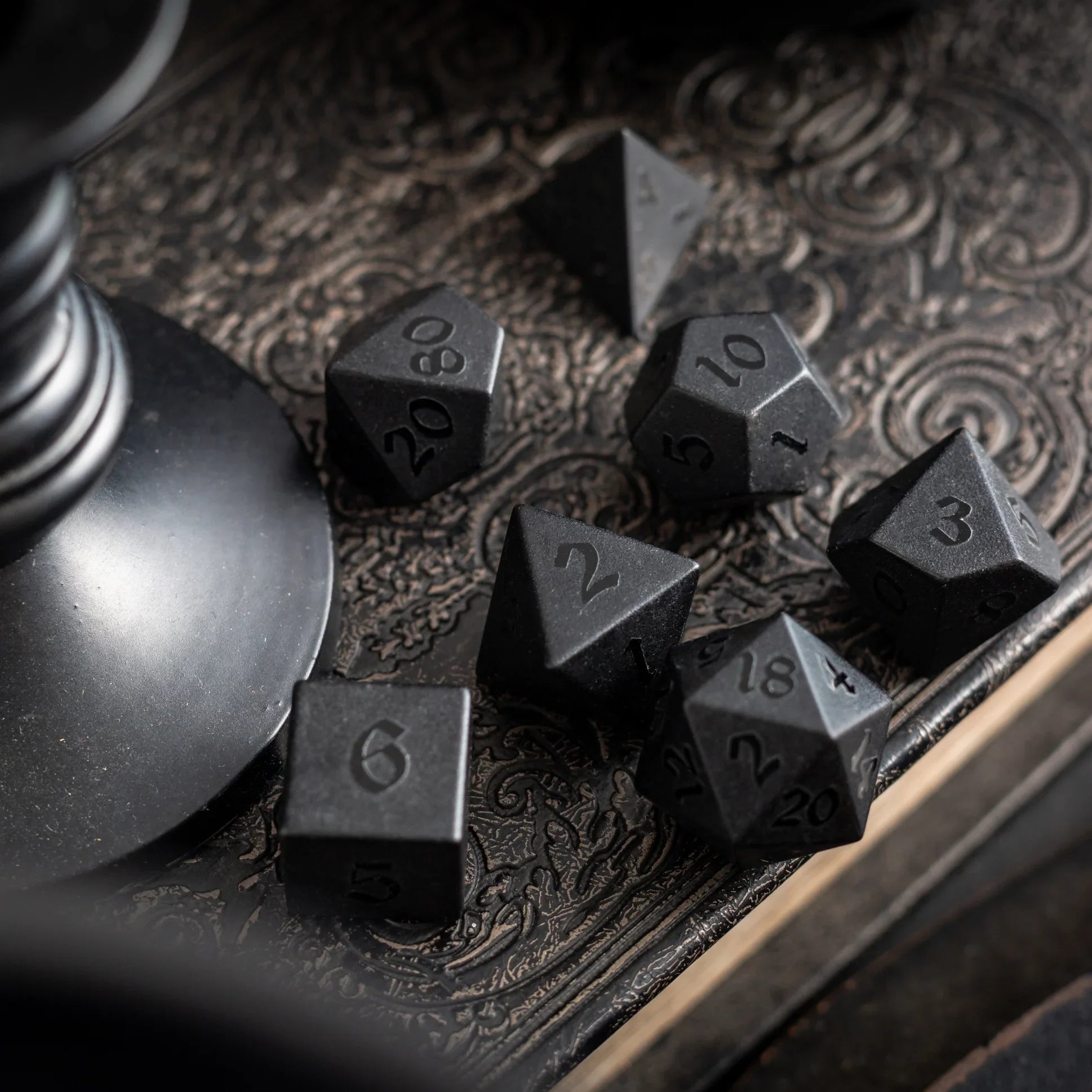
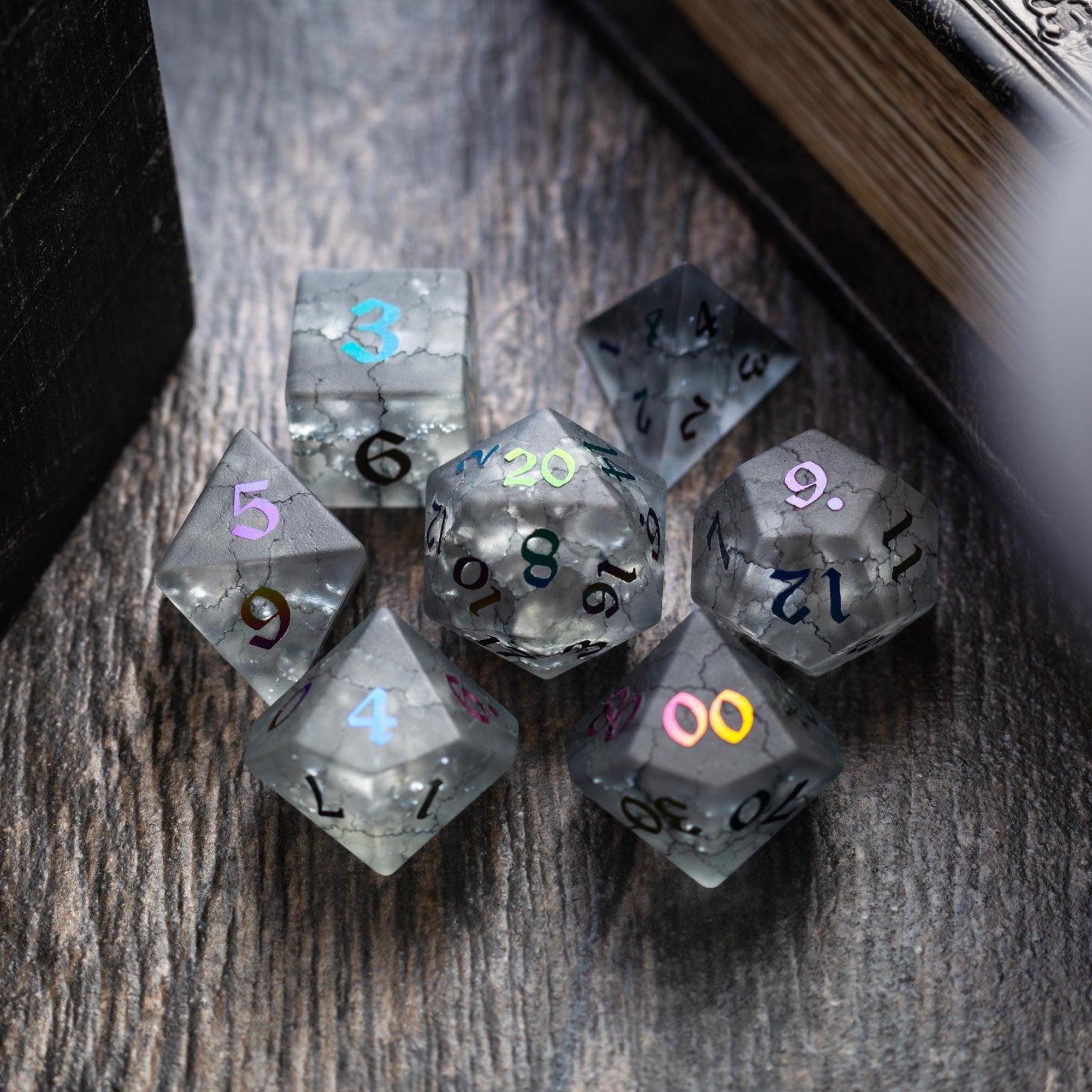
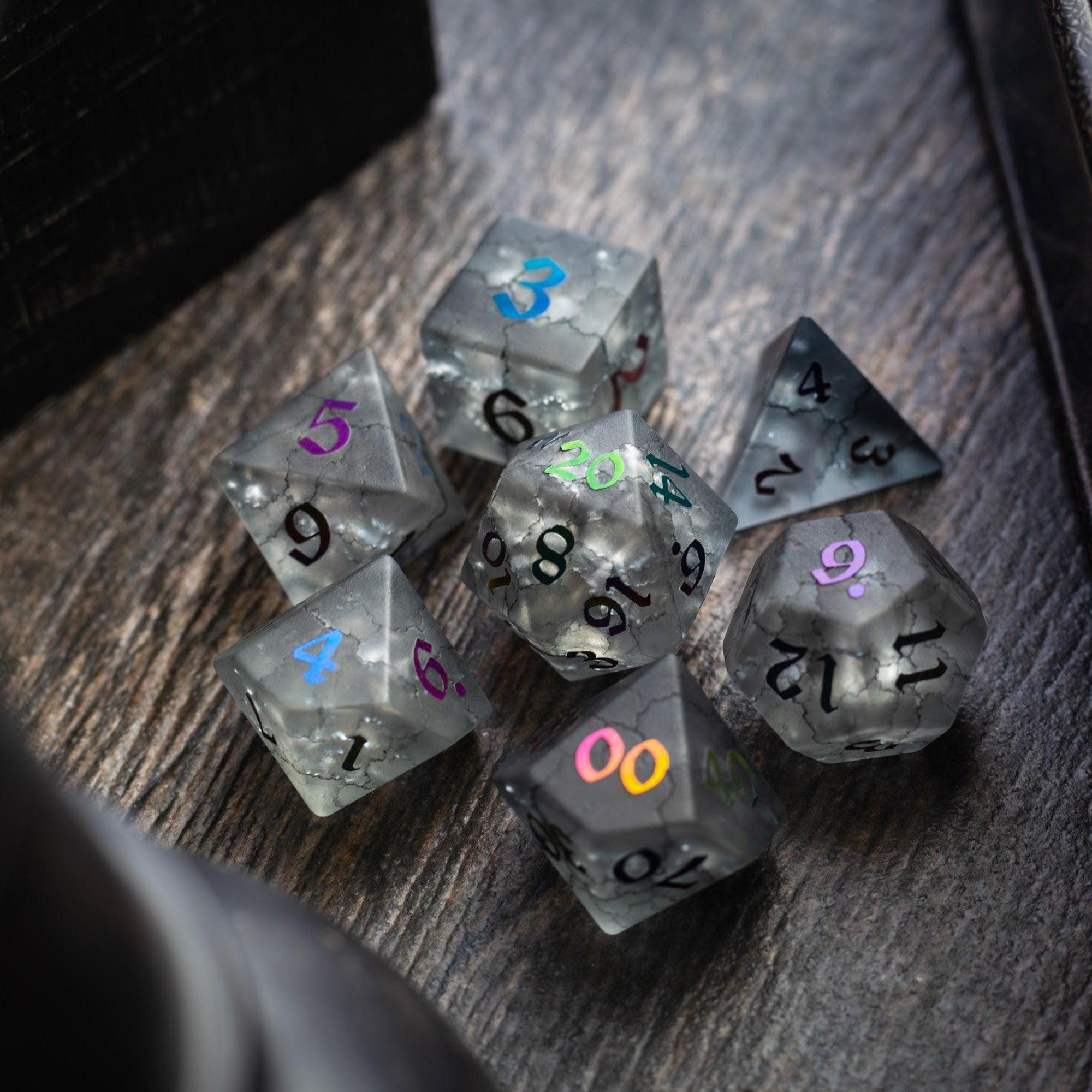
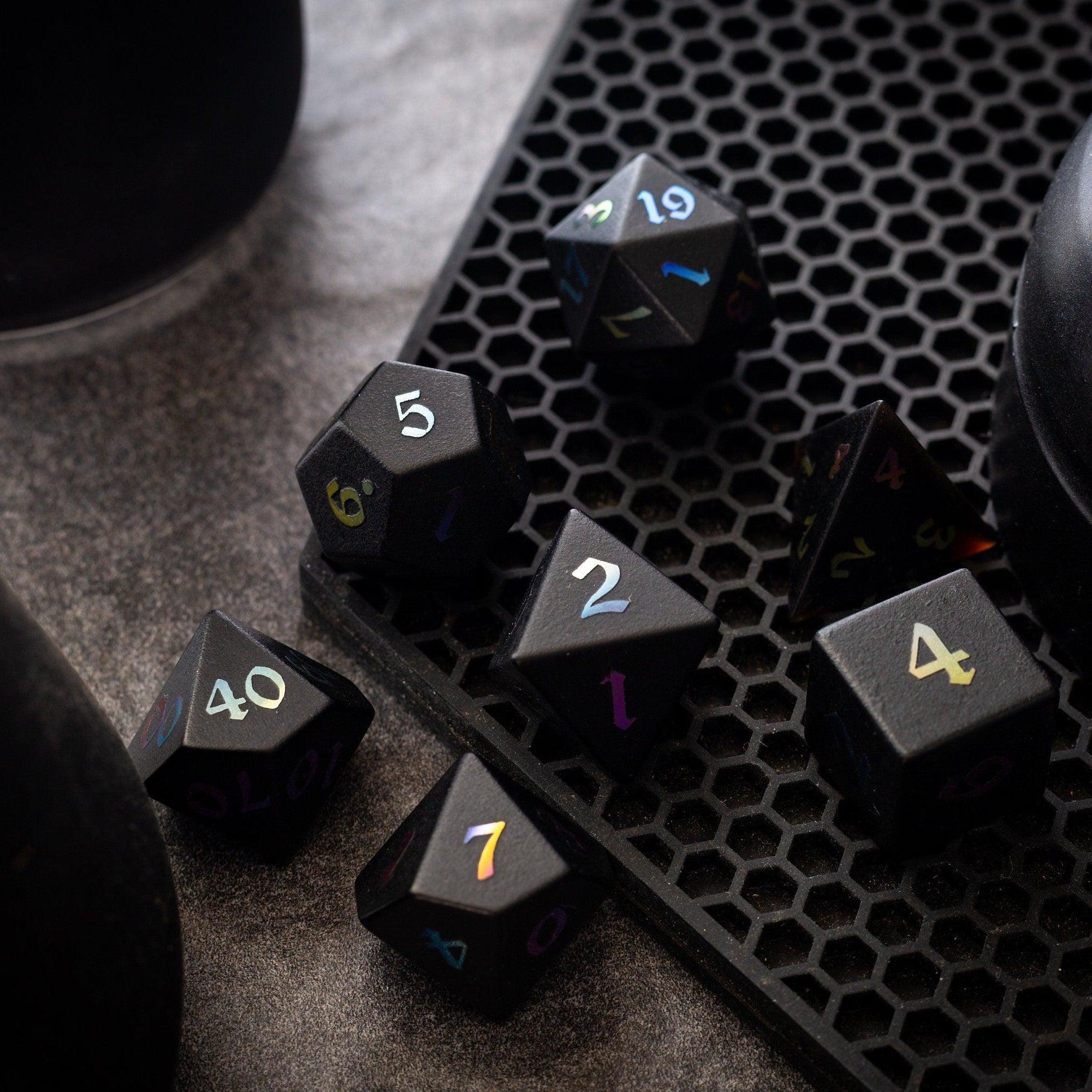
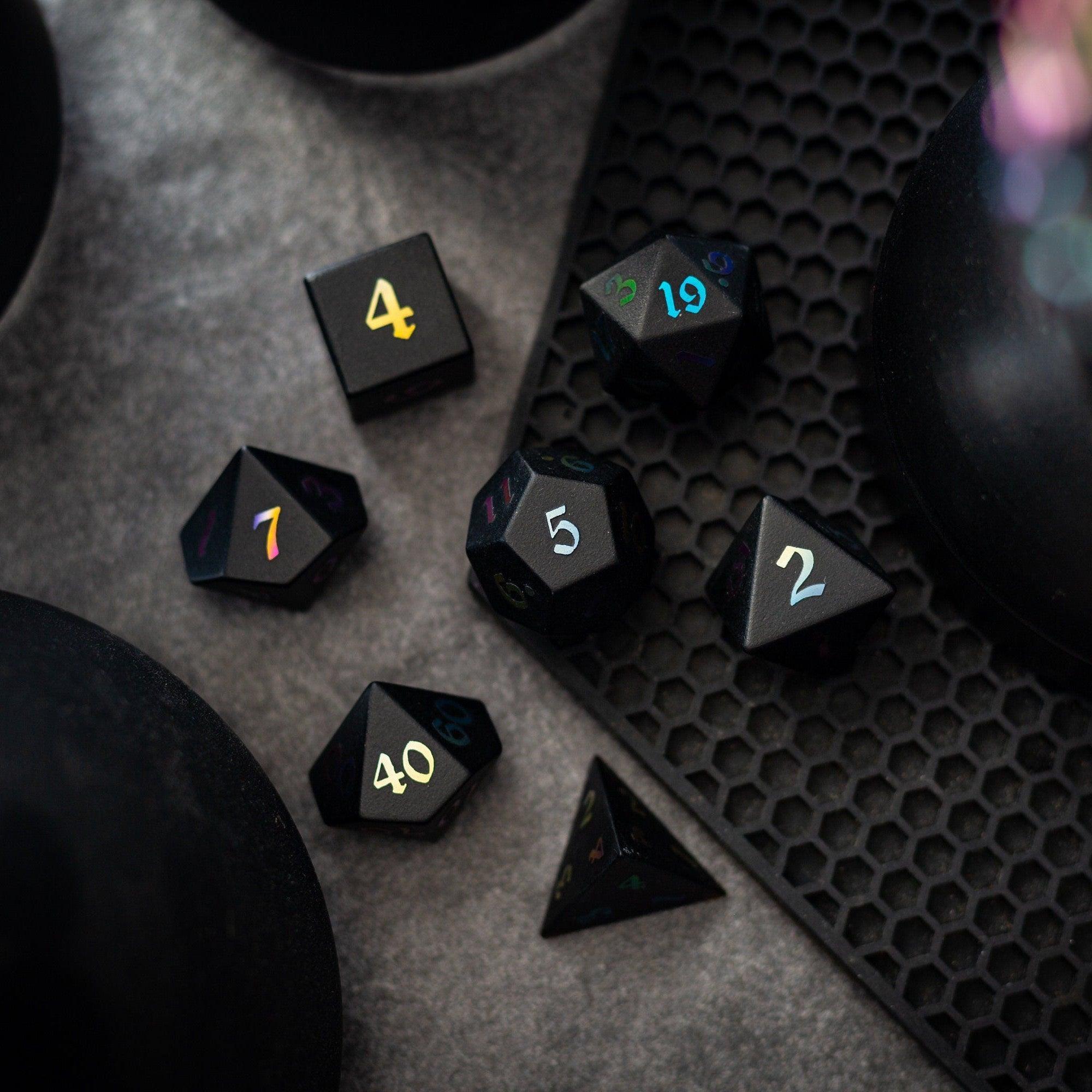
- Readability: Choose high-contrast faces and numerals so you never squint at the table. If you love glass or gemstone, look for ink colors that pop against the material.
- Material & Durability: Resin is lightweight and versatile. Gemstone and glass feel premium but deserve a padded tray. Compare textures until you find your favorite feel.
- Balance & Consistency: Handmade sets vary by nature. Reputable makers test balance and polish edges evenly.
- Edge Profile: Sharp edges offer crisp rolls and stunning looks. Round edges feel classic and forgiving on soft mats.
- Table Protection: If you love heavier dice, pair them with a padded mat or dice tray to protect surfaces and keep rolls quiet.
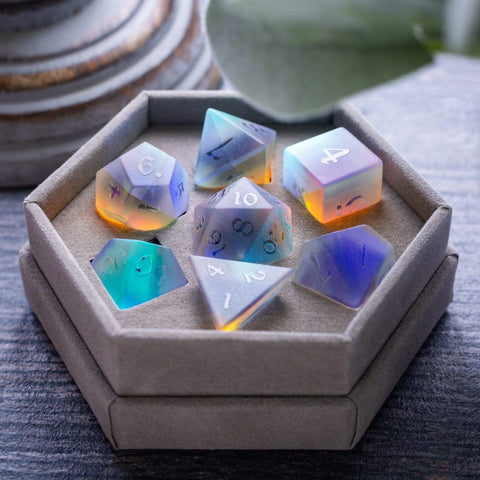
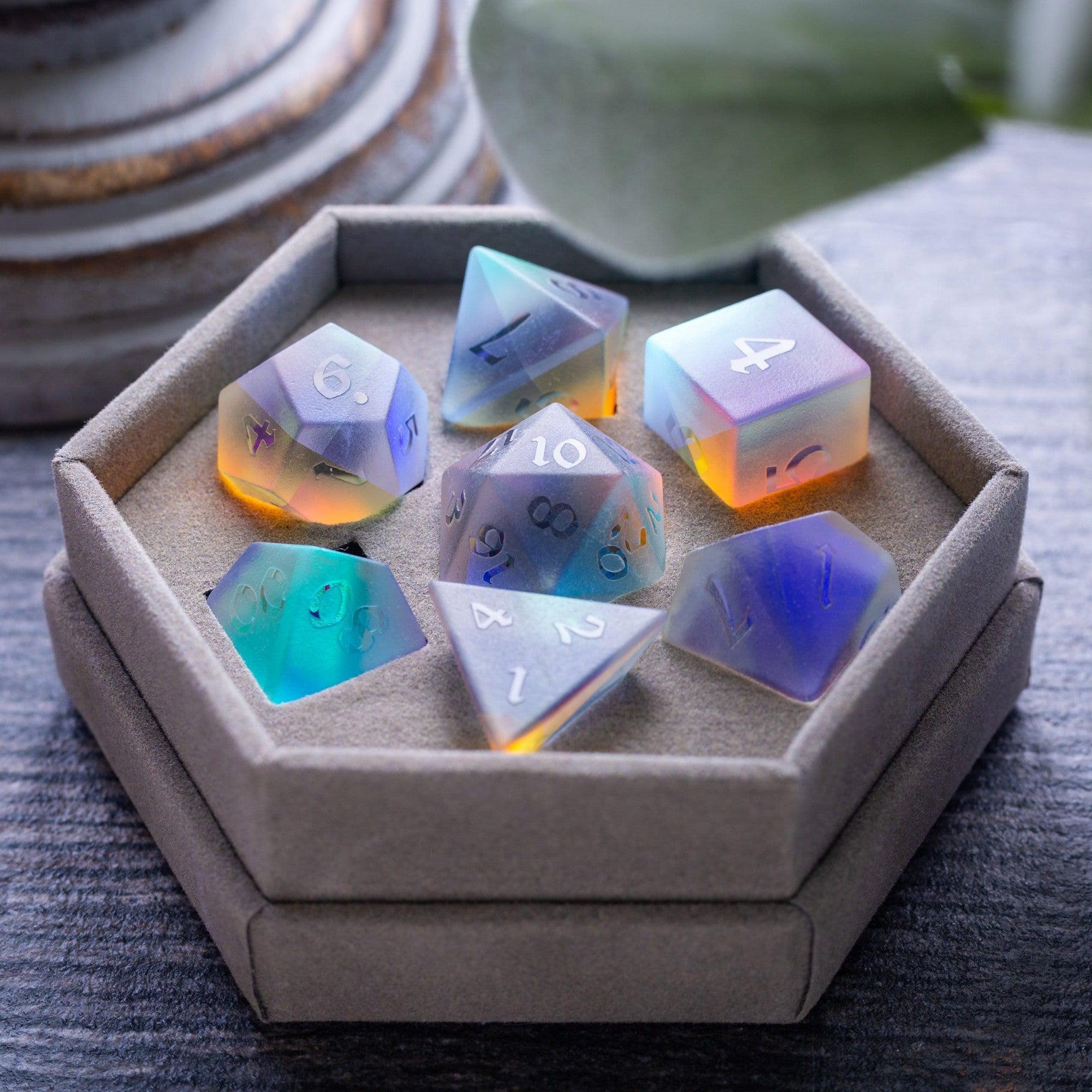
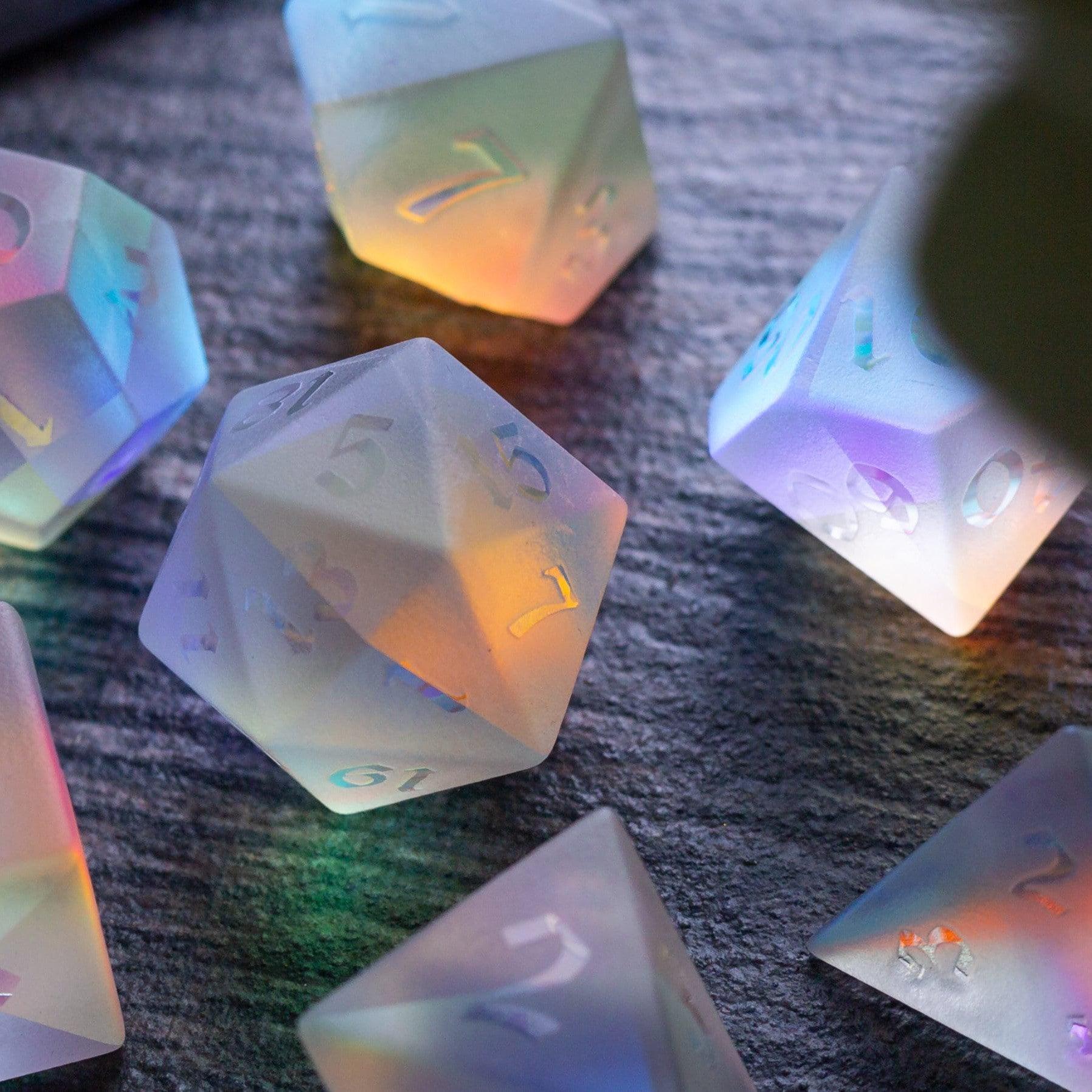
- Theme Matching: Tie your set to your character or campaign vibe—stormy glass for lightning sorcerers, iridescent stone for fey warlocks, or earthy tones for druids.
- Storage: Consider a sturdy box or pouch for travel. Some premium sets include a fitted case that protects edges and polish.
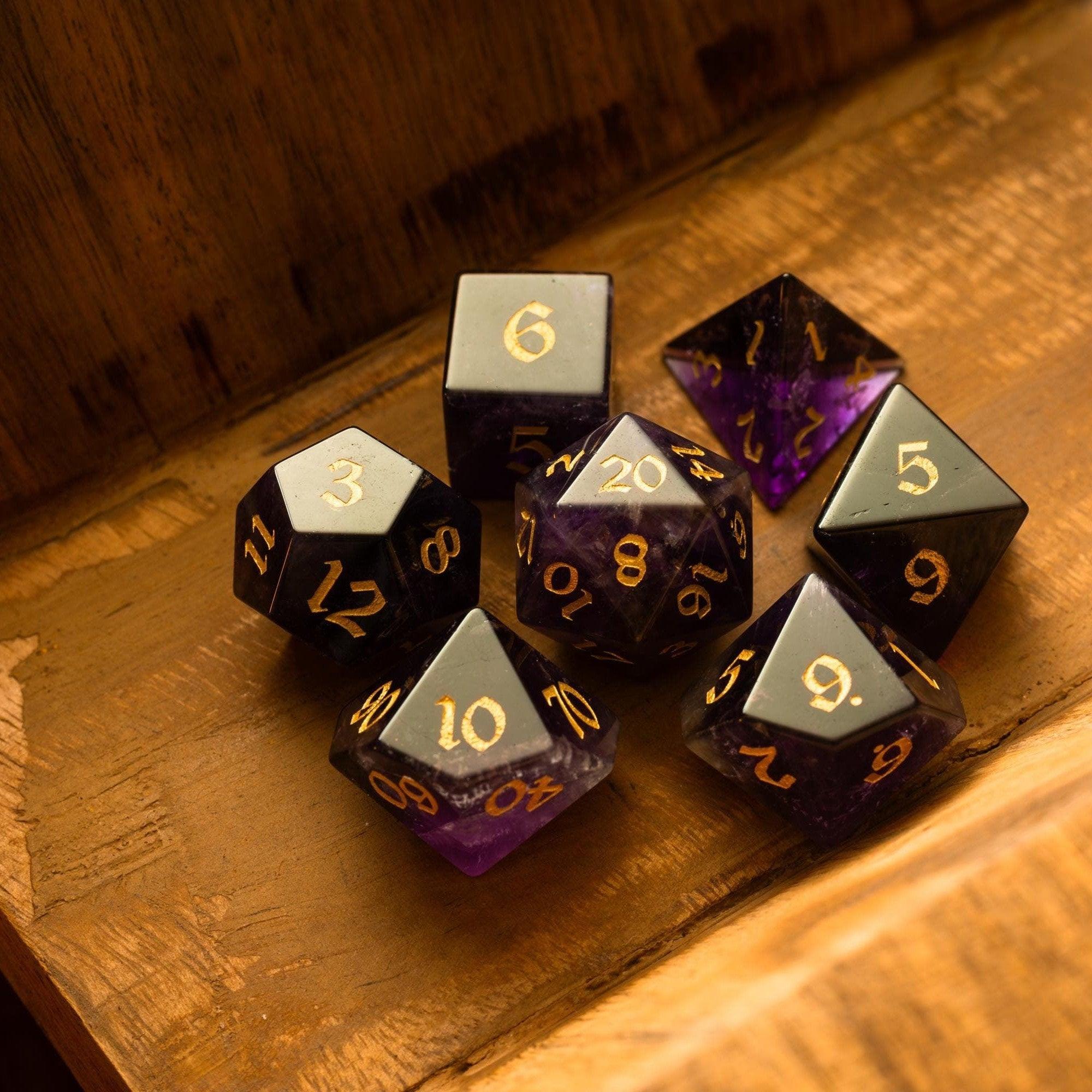
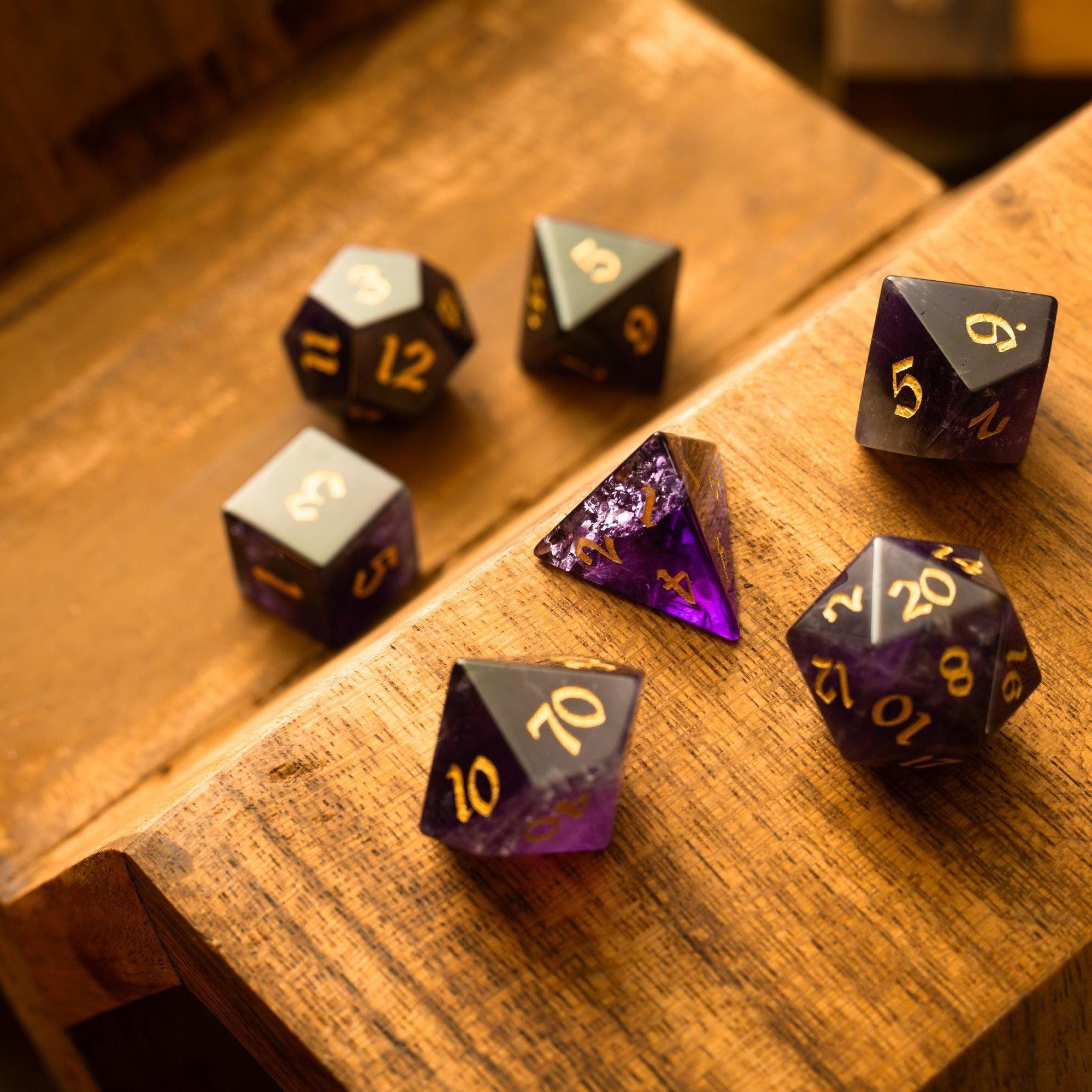
- Try a Statement Set: A striking option like a gold gemstone set instantly elevates the table and doubles as a keepsake.
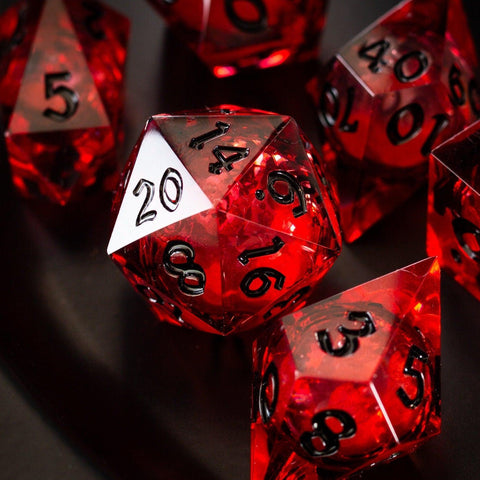
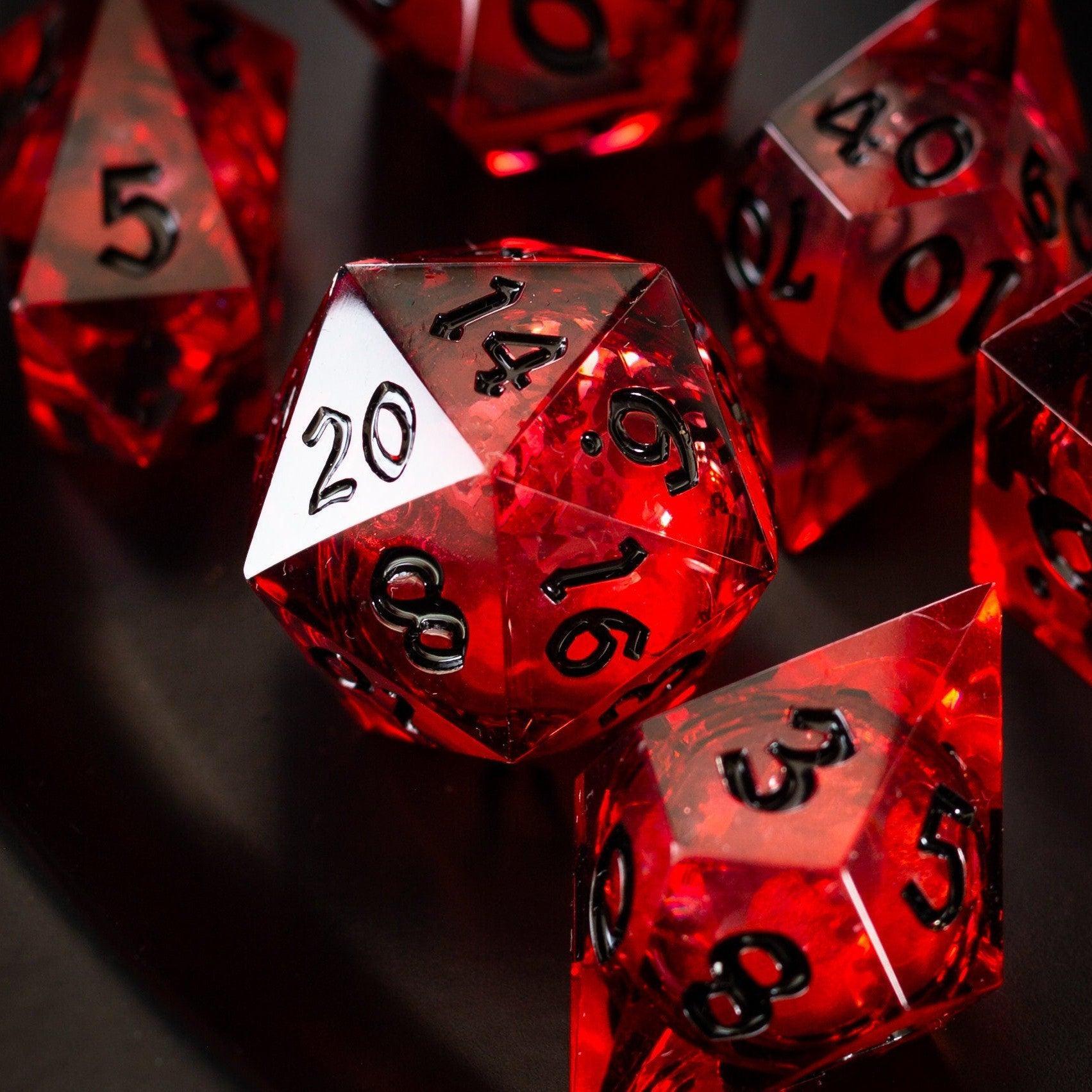
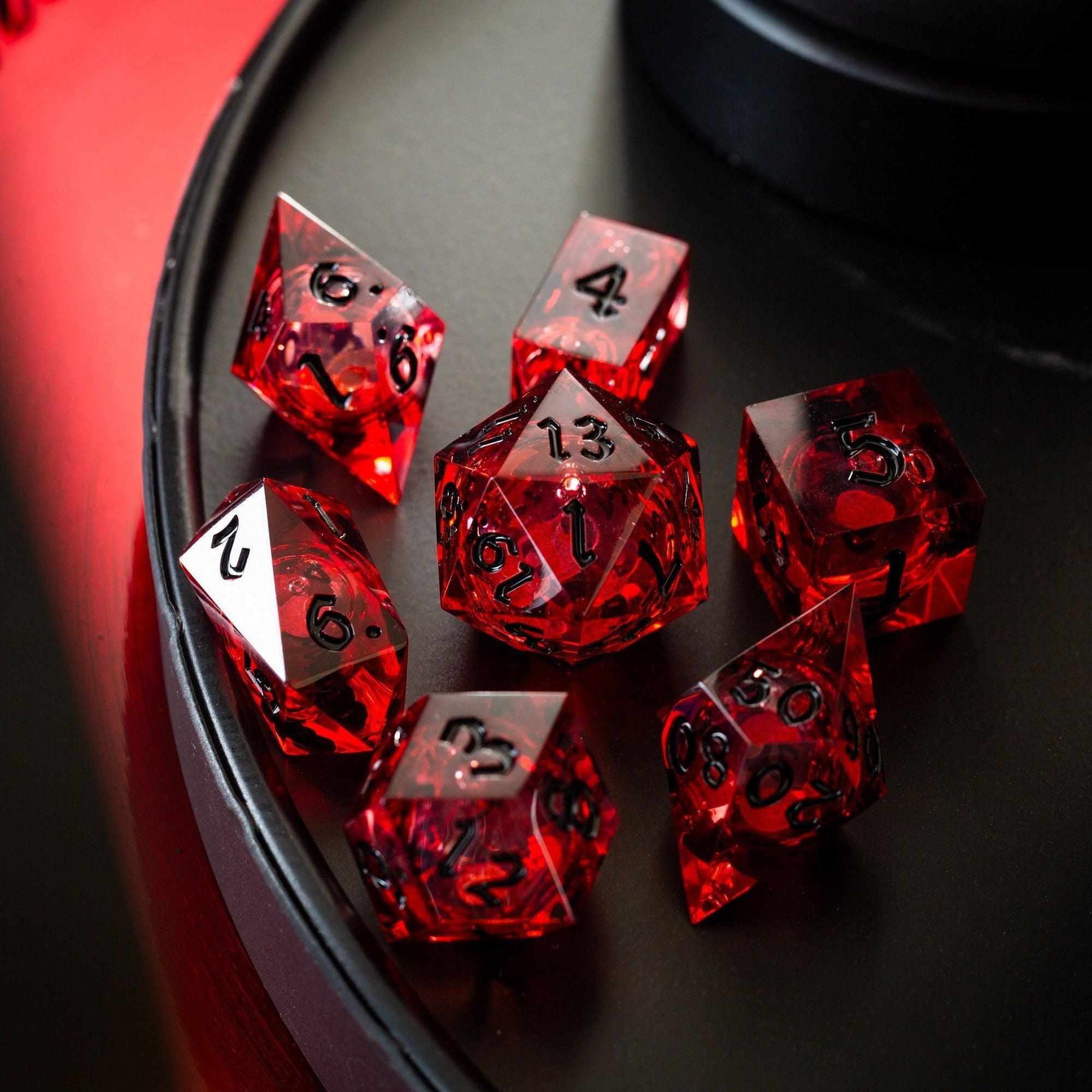
- Experiment with Effects: Liquid core resin has mesmerizing motion that delights the table. Sample a vibrant option like this liquid core set.
- Explore Materials: If you’re curious about natural stone options and finishes, browse the curated gemstone collection to compare colors and cuts.
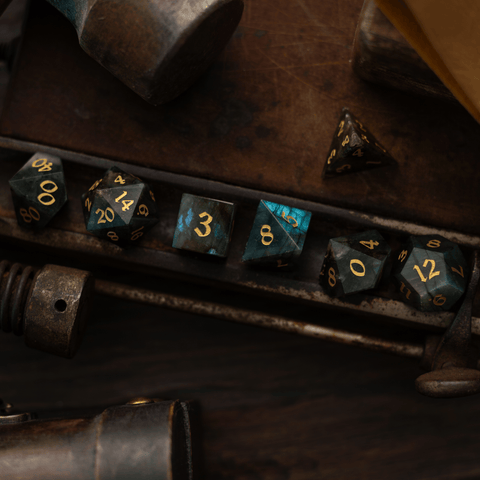
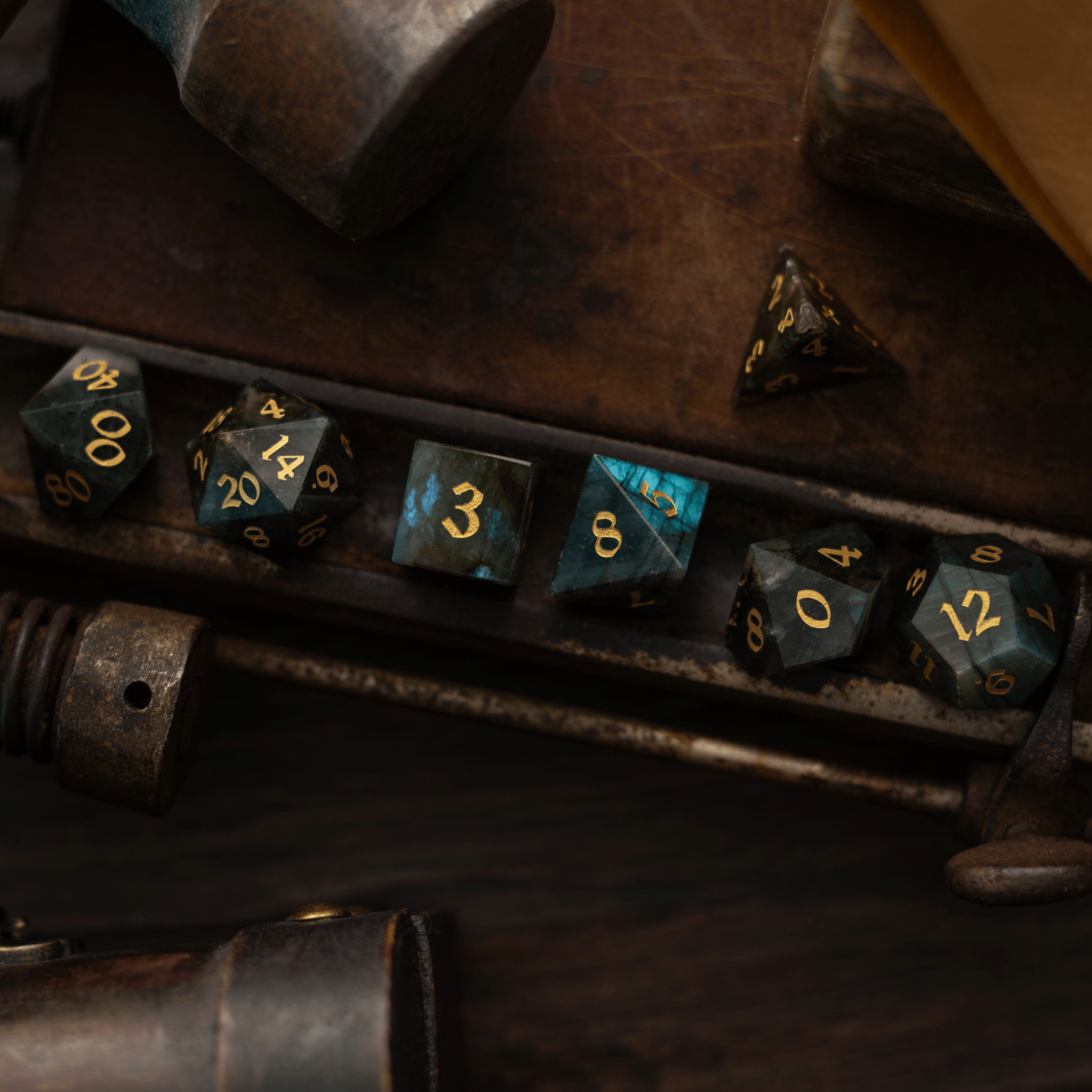
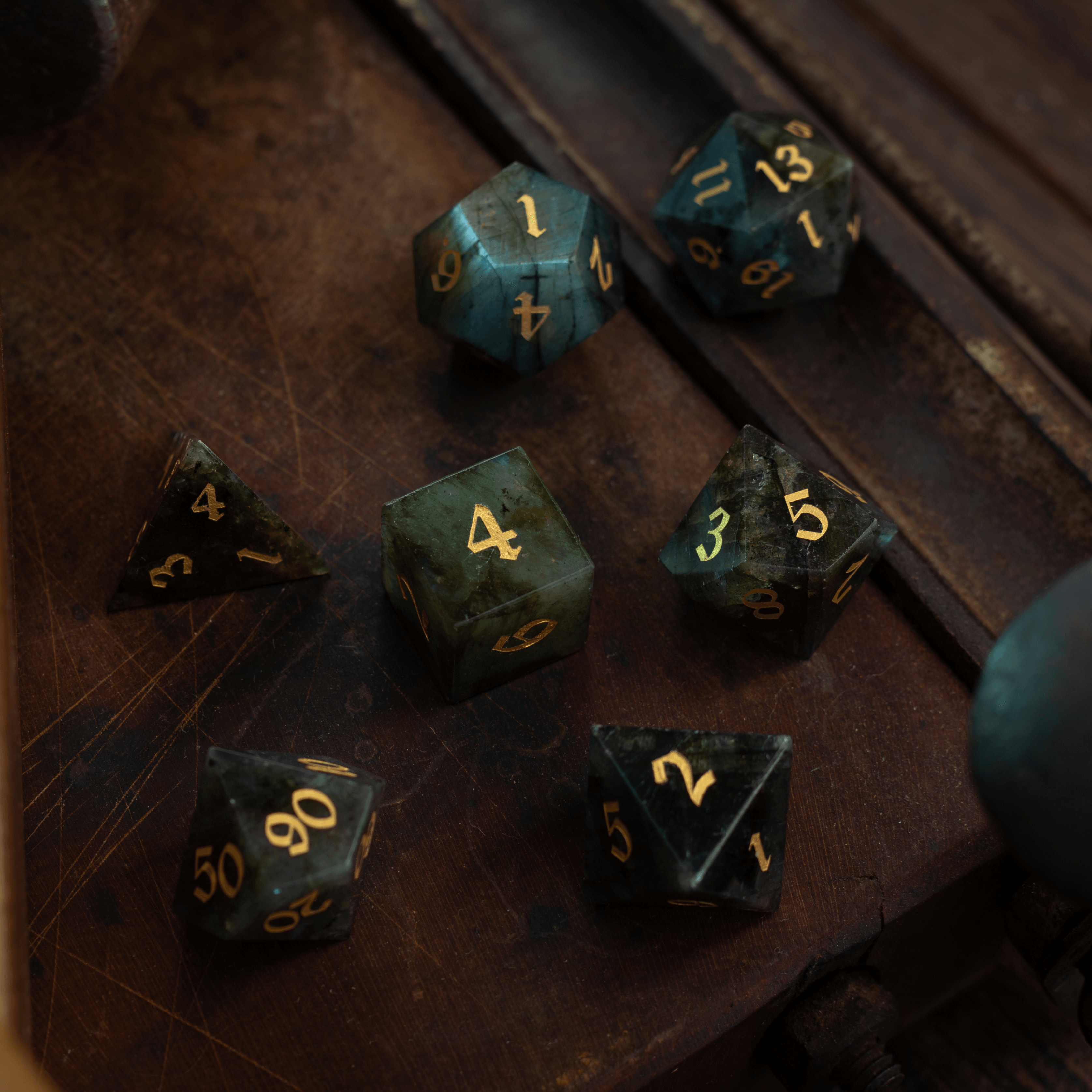
- Signature Piece: Want something that stands out in photos and on stream? The texture and flash of labradorite dice make a dramatic centerpiece.
- Budget & Value: Set a range before you browse. Quality resin offers high visual impact at accessible prices; gemstone and glass deliver heirloom feel.
- Future-Proofing: Pick a neutral palette that works across characters, or invest in a few sets that suit different classes and moods.
Final Thoughts & Advice: Dungeons and Dragons Tips
What separates a good game from a great one is clarity and care. Start with expectations: talk about tone, table etiquette, and how you’ll handle rules disagreements before they happen. Keep your prep light but focused—bullet points for scenes, a few vivid NPC details, and a clear reason the party cares. In play, spotlight players who have been quiet, summarize between turns, and keep the fiction moving even when dice are cold.
When in doubt, resolve fast, then revisit between sessions. “Rulings now, rules later” keeps pace without sacrificing fairness. Embrace the near-miss: a failed persuasion or a botched stealth check can open doors to better story beats than a perfect roll ever would. Reward creativity, not just optimal builds. And never underestimate the magic of tactile tools—a beautiful set of dice, a neat tracker, or a simple prop can turn an ordinary scene into a memory.
If your table leaves each session excited for the next, you’re doing it right. Keep learning, adjust to your group’s style, and remember to celebrate little wins—an evocative description, a clutch save, or a shared laugh. That’s the heart of tabletop play.
How do I run a smooth session zero?
Keep it short and purposeful. Start with table goals: fun first, safety always, and what tones are in or out. Agree on campaign expectations—heroic or gritty, sandbox or story-forward, milestone or XP. Ask players for three hooks: a bond, a fear, and a desire. These become your narrative anchors. Finally, discuss logistics: preferred session length, how you’ll handle missed sessions, and a simple safety tool (lines and veils or an open-door policy). Wrap with character connections so session one starts with momentum.
What’s the easiest way to speed up combat?
Frontload clarity. Before each turn, encourage players to decide their action, bonus action, and movement. Use average damage for common enemies and roll attacks in handfuls when possible. Summarize at the end of each round—who’s up, who’s down, and what’s on fire—so no one asks, “Wait, where were we?” Keep conditions visible with tokens or a quick note, and use simple terrain features for interesting choices without complex rules. End fights when the outcome is clear; let foes retreat, surrender, or change the objective.
How can new players feel confident roleplaying?
Make it low pressure. Remind everyone that describing intent is as valid as speaking in character. Offer prompts like, “What do you notice first?” or “What’s your gut reaction?” Give players one signature detail—a catchphrase, trinket, or goal—to anchor their voice. Praise choices, not accents. Use NPCs who ask direct, friendly questions to draw shy players in. And keep scenes short; frequent, small chances to speak build confidence faster than one long spotlight moment.

Leave a comment
This site is protected by hCaptcha and the hCaptcha Privacy Policy and Terms of Service apply.