

Crafting D&D Homebrew Content That Feels True and Balanced
Updated on: 2026-01-05
Thinking about building your own tabletop adventures? This guide offers gentle, practical advice to help you design custom rules, creatures, and items that feel fair and fun. You will find clear comparisons, a buyer’s checklist for game accessories, and thoughtful tips for smooth play. Whether you are a first-time creator or an experienced game host, these insights aim to support your creative process with care.
- Did You Know?
- Comparison: Pros & Cons for D&D homebrew content
- Buyer’s Checklist
- Final Thoughts & Advice

If you enjoy D&D homebrew content, you may appreciate a calm framework for building rules and stories that respect your table’s shared expectations. The ideas below focus on clarity, safety, and steady iteration. You will find gentle prompts to test difficulty, simplify record-keeping, and choose tools that support fast, fair rolls.
We also include a concise buyer’s checklist for dice and accessories that enhance readability, pacing, and durability. Wherever possible, tips emphasize communication, consent, and consistent feedback loops—so your table’s creativity can shine without confusion.
Did You Know?
- Session zero conversations reduce confusion. A short, friendly chat about tone, limits, and expectations helps everyone understand how your custom rules fit into the campaign’s style.
- Small changes often have big effects. A modest tweak to action economy or resource recovery can shift encounter difficulty in ways that may surprise you. Try one change at a time.
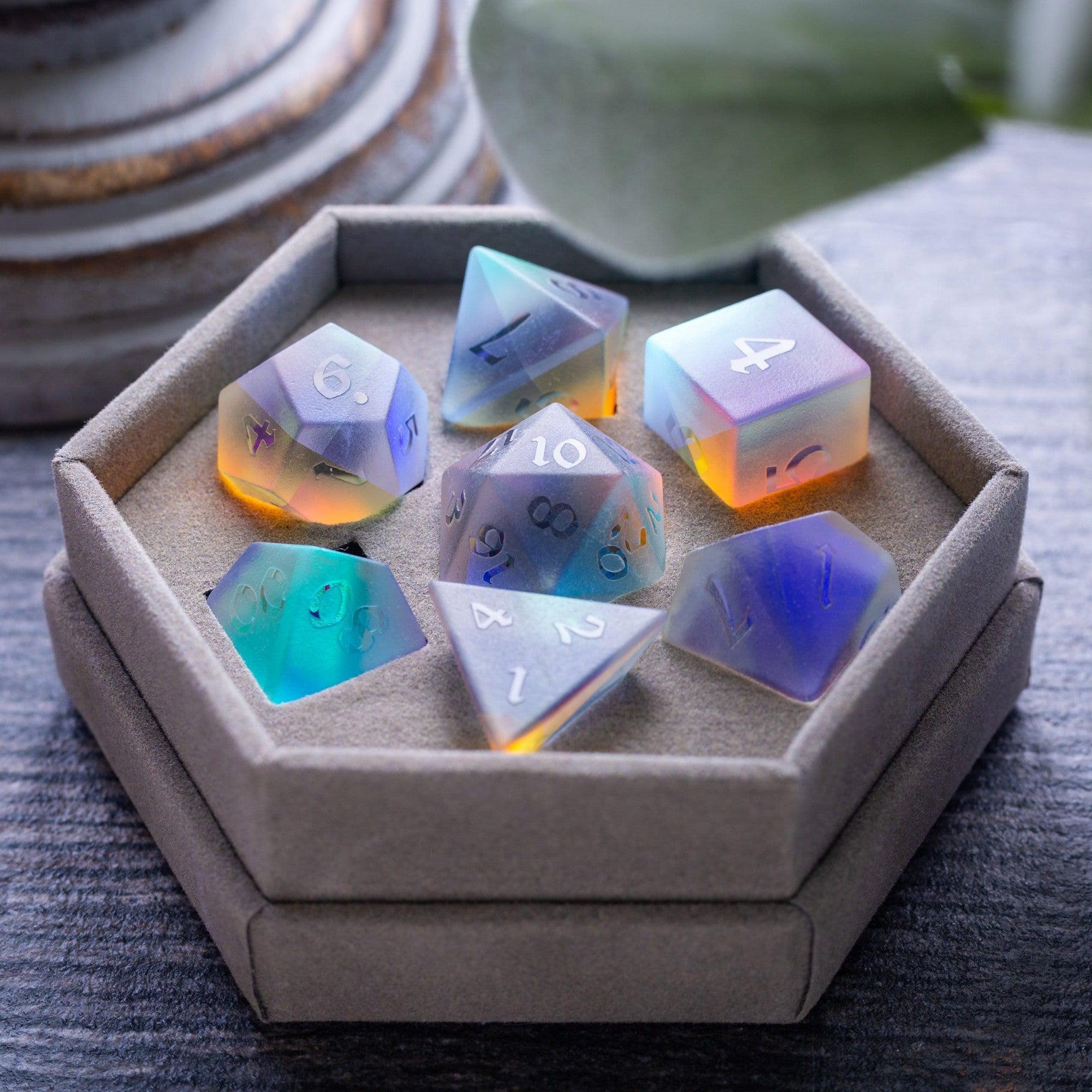
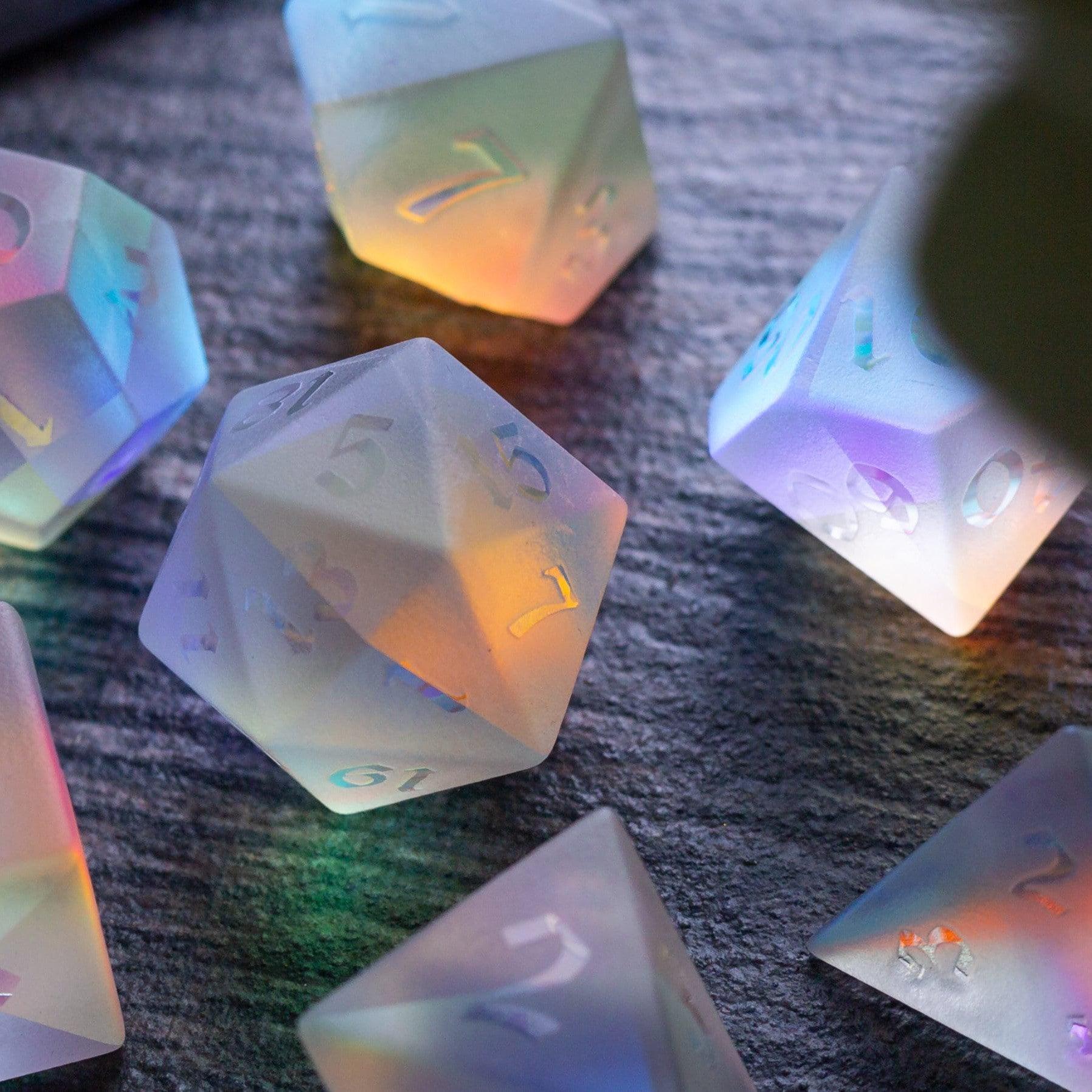
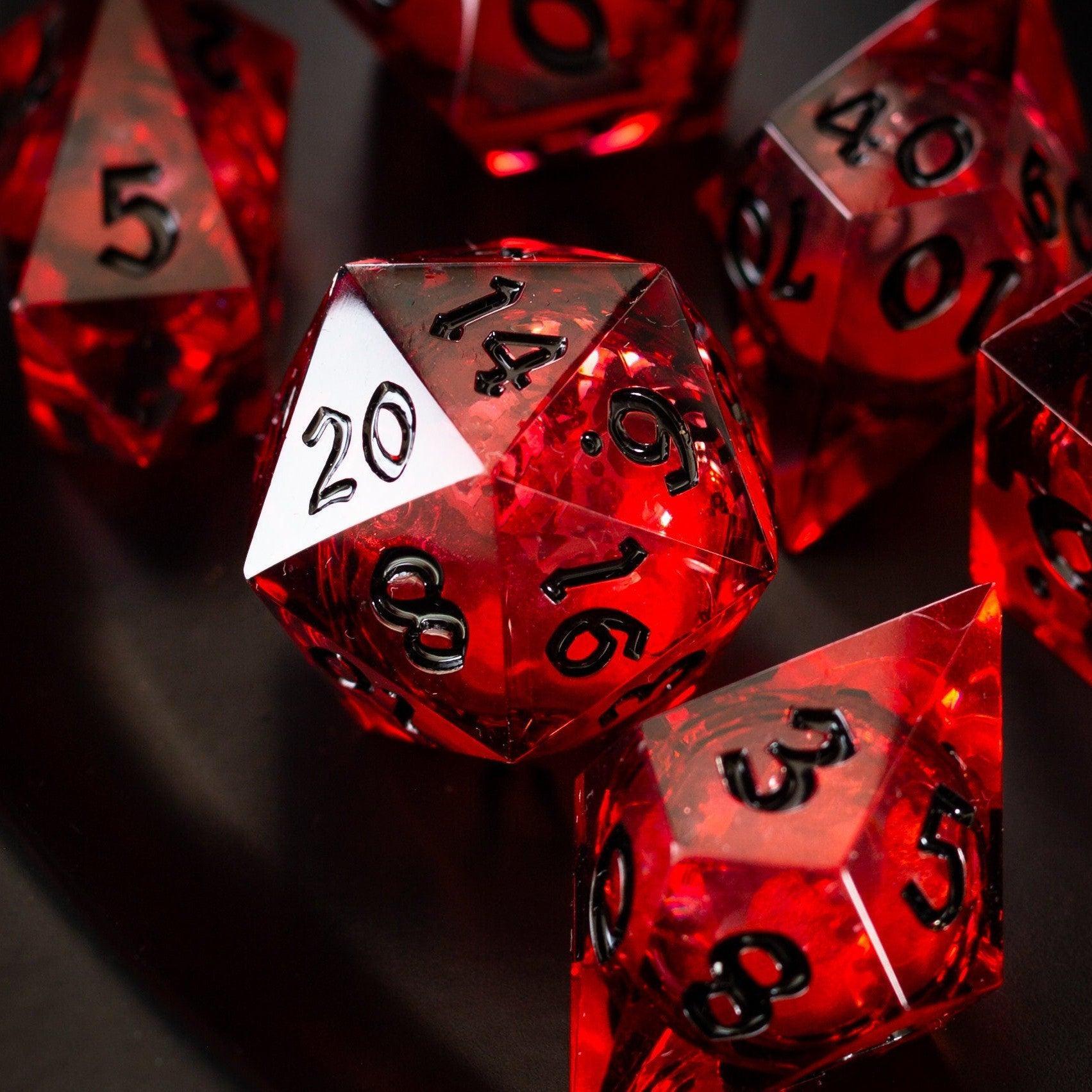
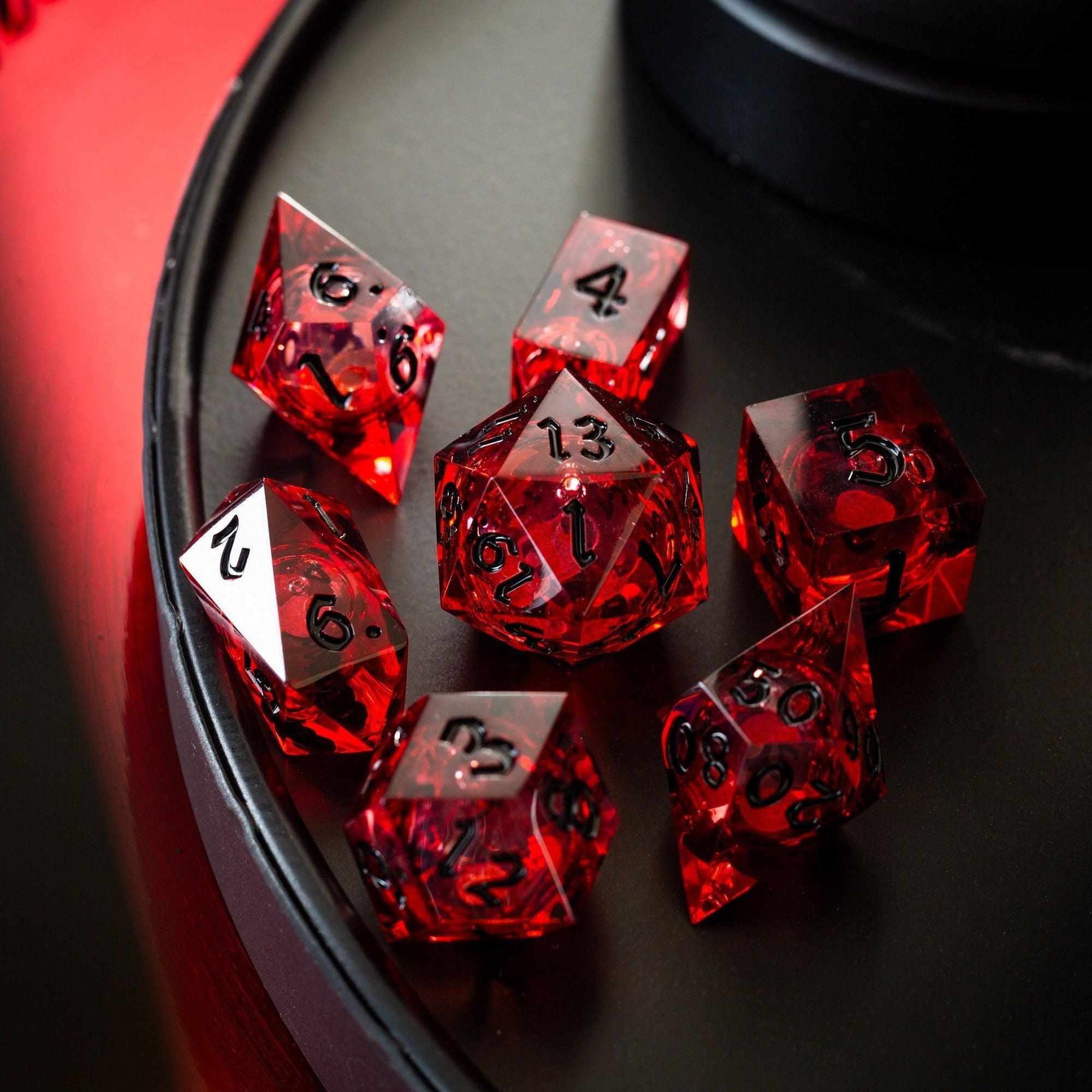
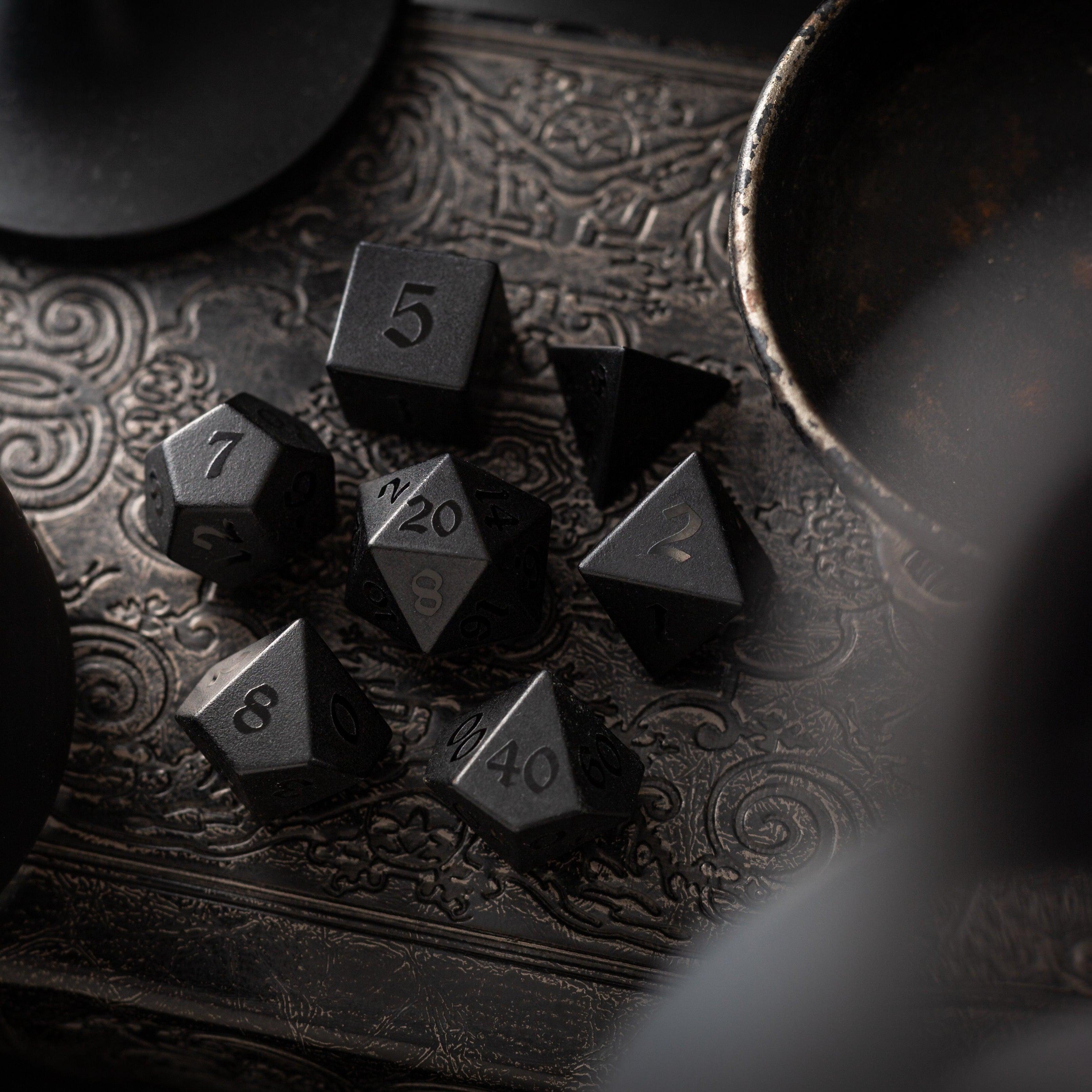
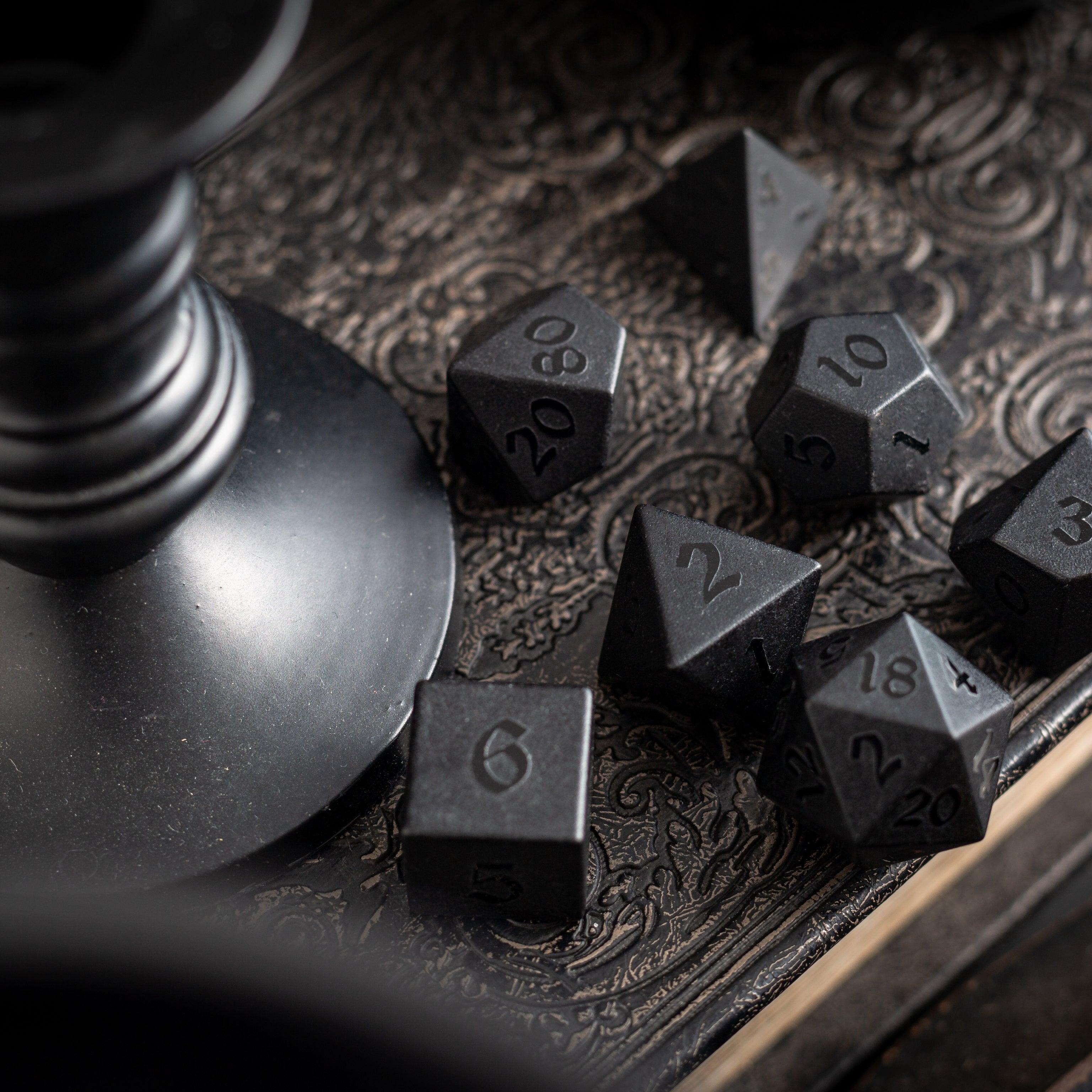
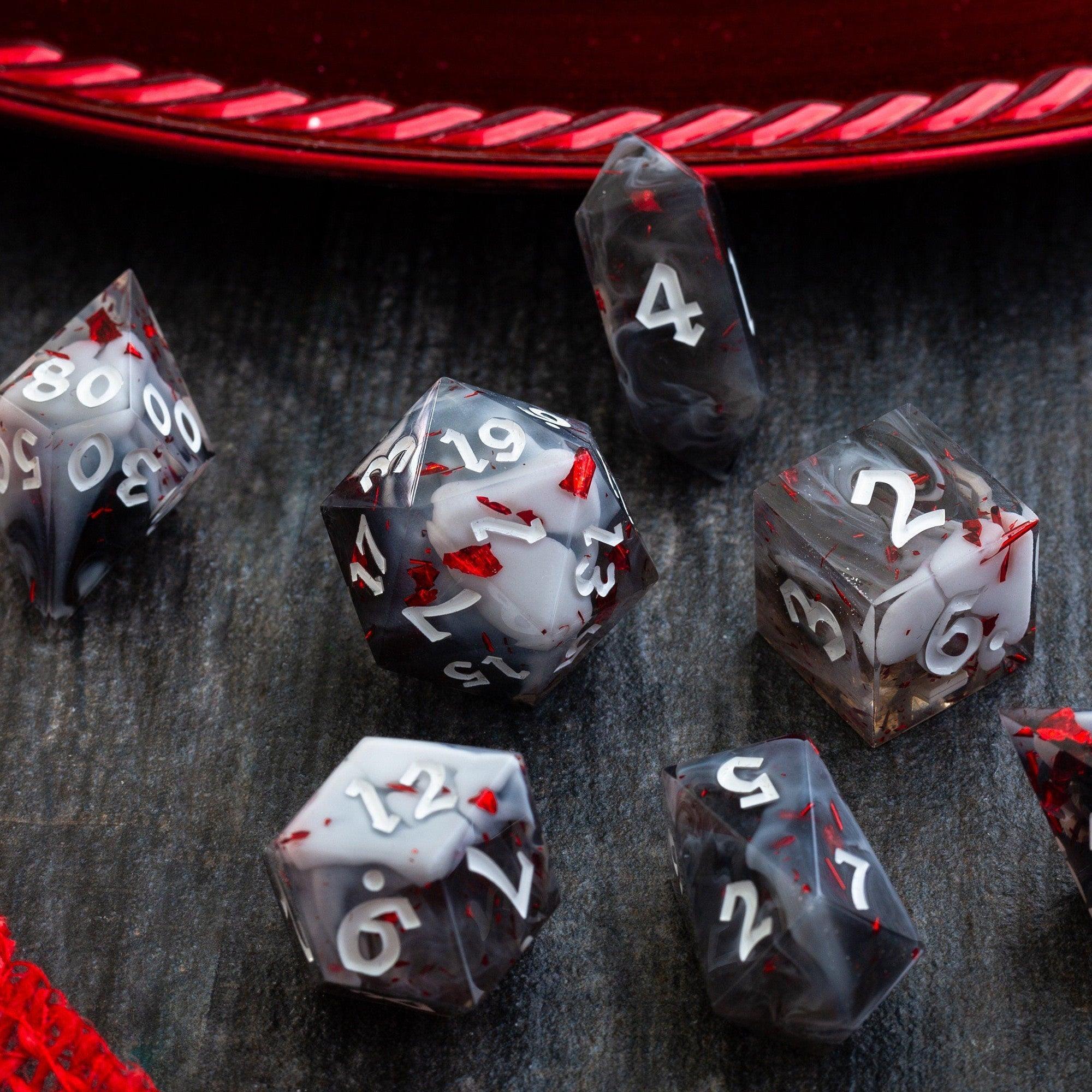
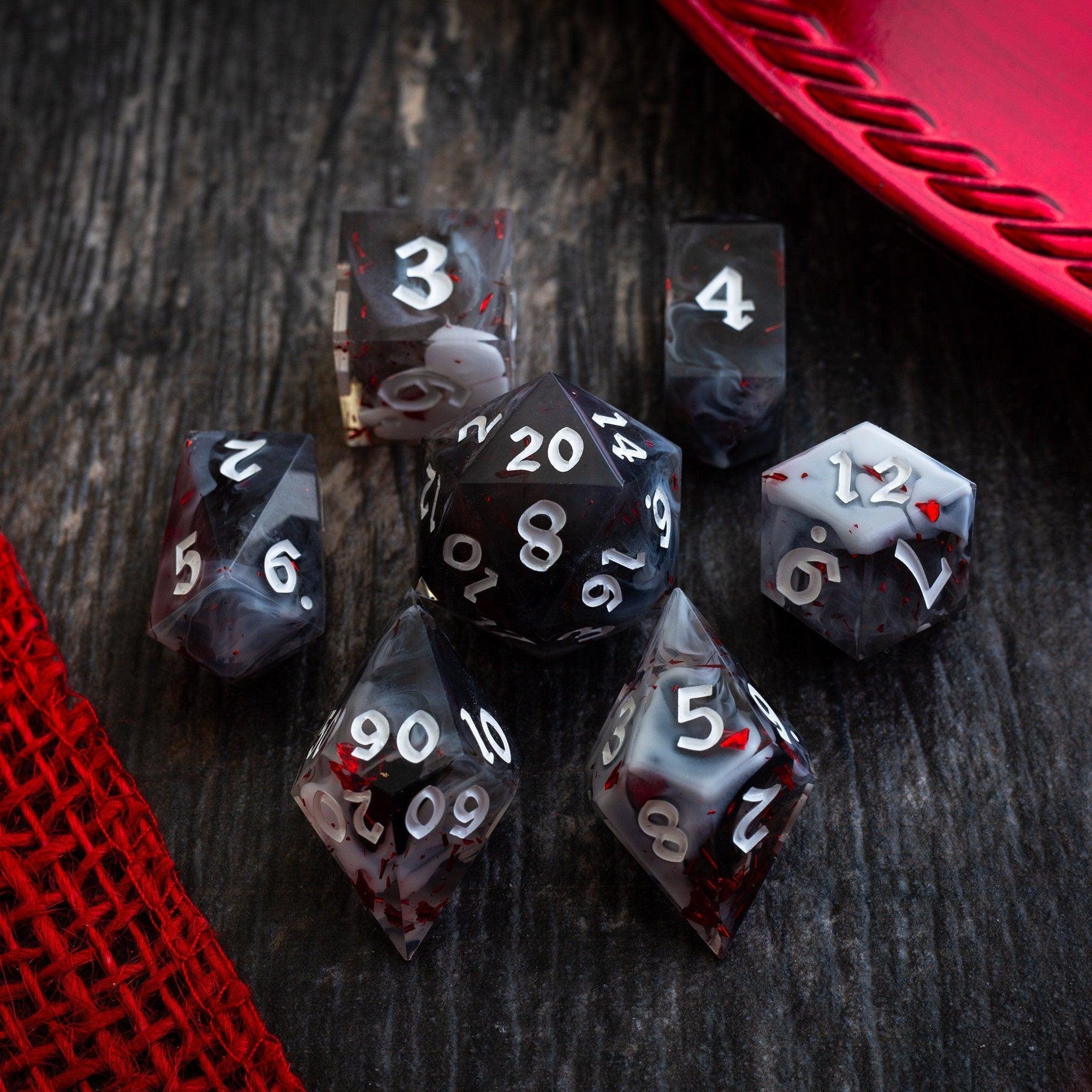
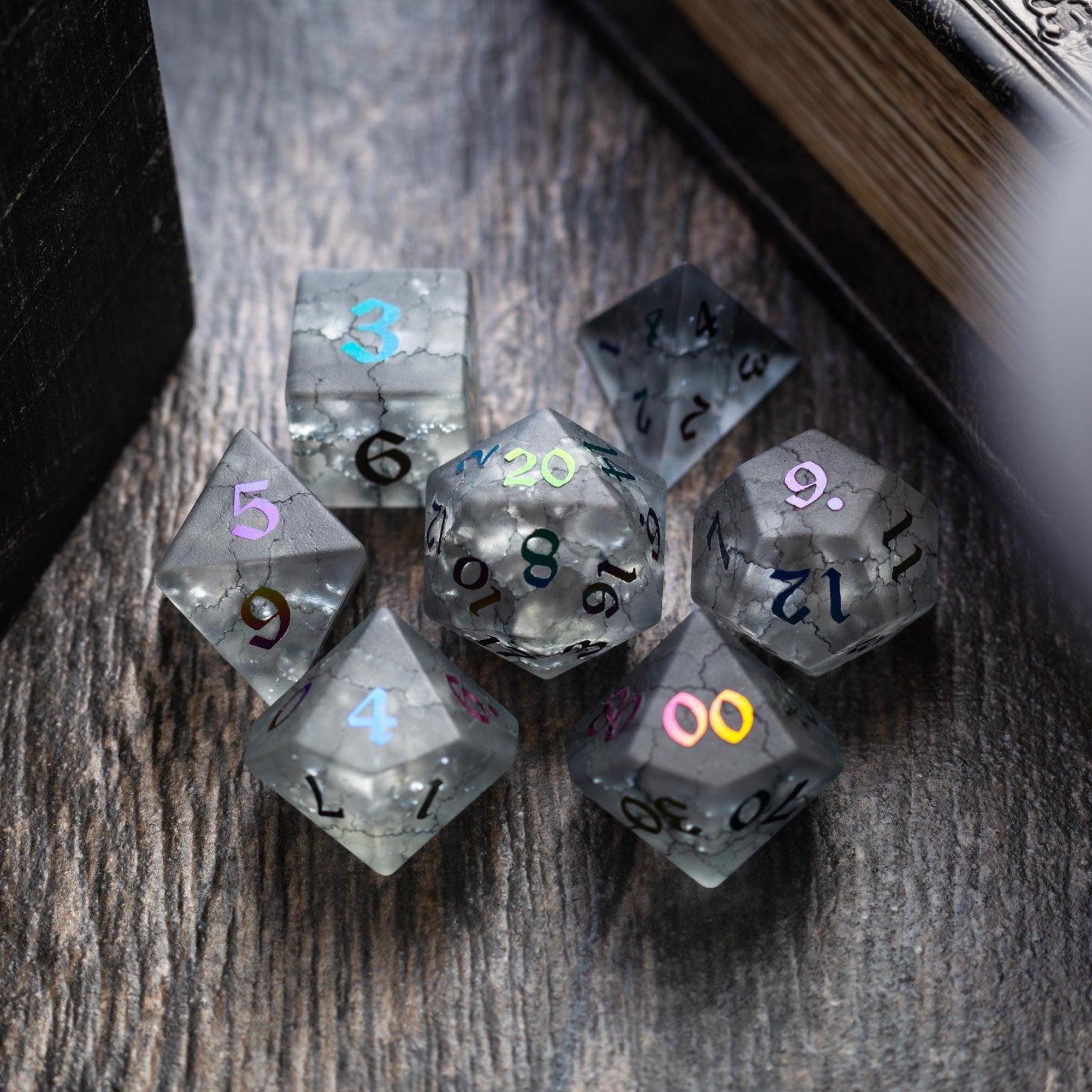
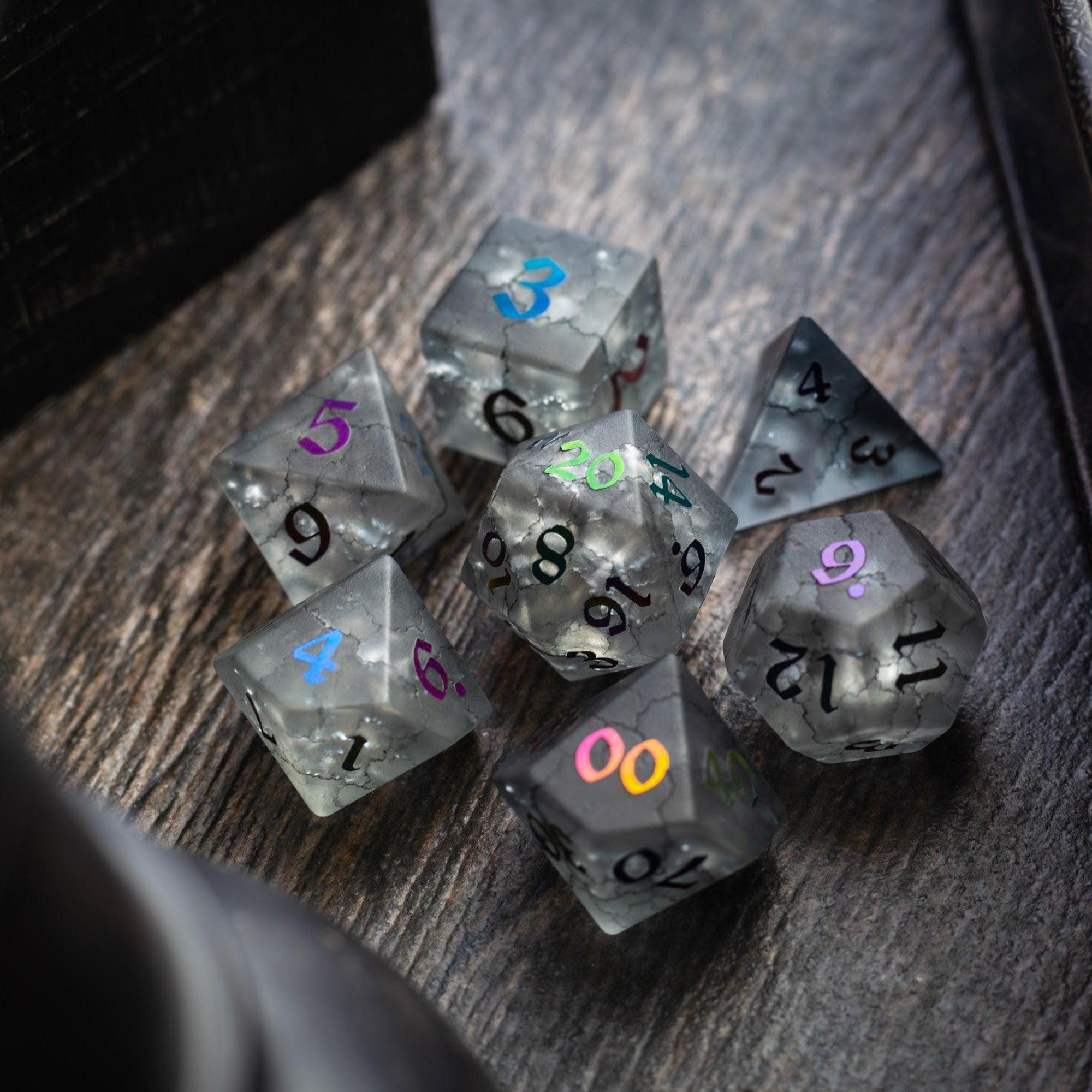
- Readable dice speed up play. High-contrast numbers and crisp edges make results easier to see, which reduces rerolls and disputes. Options like sharp-edge resin are designed for clarity.
- Playtesting is iterative, not final. One or two short combats and a social scene can expose most balance issues. Gentle edits between sessions keep your design approachable.
- Theme supports memory. Naming abilities and items in ways that match your setting makes them easier to remember at the table, which lowers rule look-ups and speeds turns.
- Accessories can anchor fairness. Shared tools such as dice towers create a visible, neutral way to roll, which helps maintain trust during high-stakes moments.
Comparison: Pros & Cons for D&D homebrew content
Creating your own material can feel liberating. It can also introduce uncertainty. The comparison below may help you decide when to design from scratch and when to adapt existing options.
Pros
- Supports your table’s unique tone and themes, from cozy exploration to intense tactical play.
- Fills gaps in official options, such as niche subclasses, regional gear, or setting-specific magic.
- Invites player collaboration, which builds investment and shared storytelling energy.
- Encourages learning and mastery as you refine encounters, pacing, and resource curves.
- Offers flexible difficulty tuning, enabling smoother ramp-ups for new or mixed-experience groups.
- Lets you tailor rewards that feel meaningful within your world’s culture and history.
Cons
- Balance takes time. Without careful testing, abilities may overshadow existing options or slow play.
- Rule creep can happen. Many small exceptions may create confusion during busy scenes.
- Documentation needs care. Players rely on clear, updated handouts to avoid contradictions.
- Expectations may differ. A table member might interpret intent differently without examples.
- Content drift is likely. As characters gain levels, early design choices can have unexpected effects.
- Extra prep can add load. Designing items, foes, and treasure tables asks for steady attention.
A gentle way to balance the trade-offs is to iterate with intent: start with a simple draft, observe how it plays for two or three scenes, and adjust a small number of variables at a time.
Buyer’s Checklist
Thoughtful accessories can make custom rules easier to run. Consider the following points when choosing dice and tools for your table.

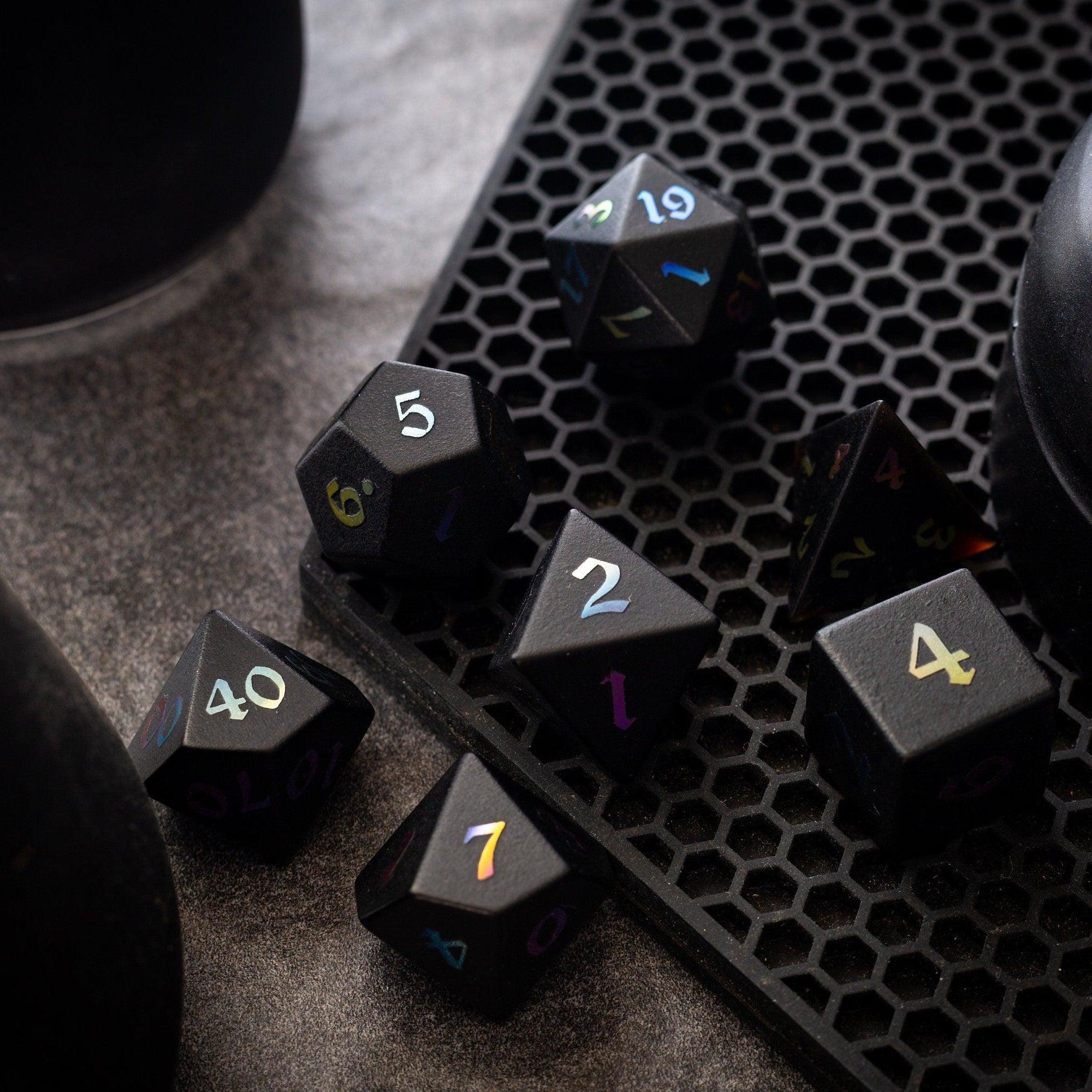
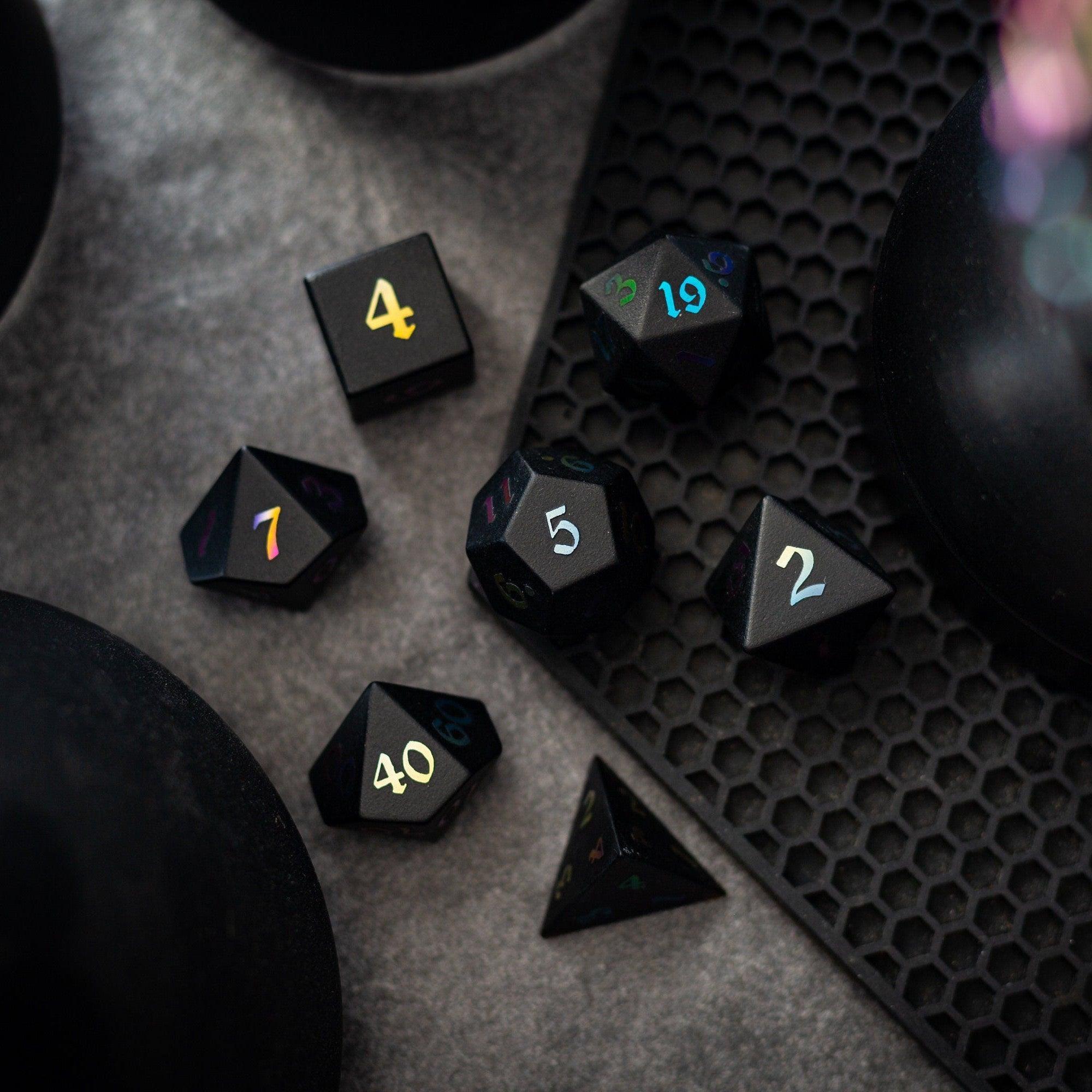
- Number clarity: High-contrast numerals and clean faces reduce misreads. Seek crisp molds and legible fonts.
- Edge profile: Sharp edges give precise rolls and are easy to read at a glance. Explore sets like sharp-edge resin if you value visibility.
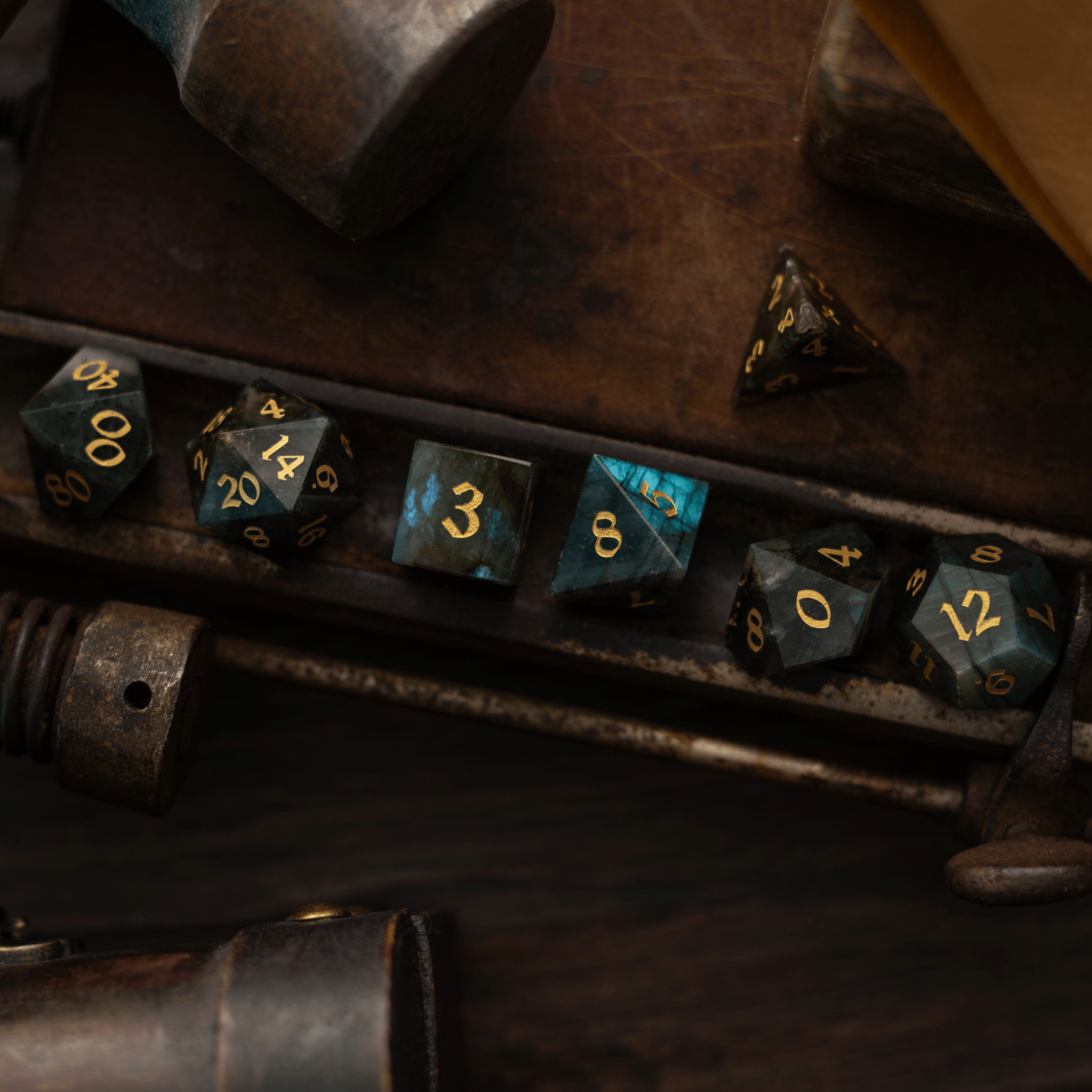
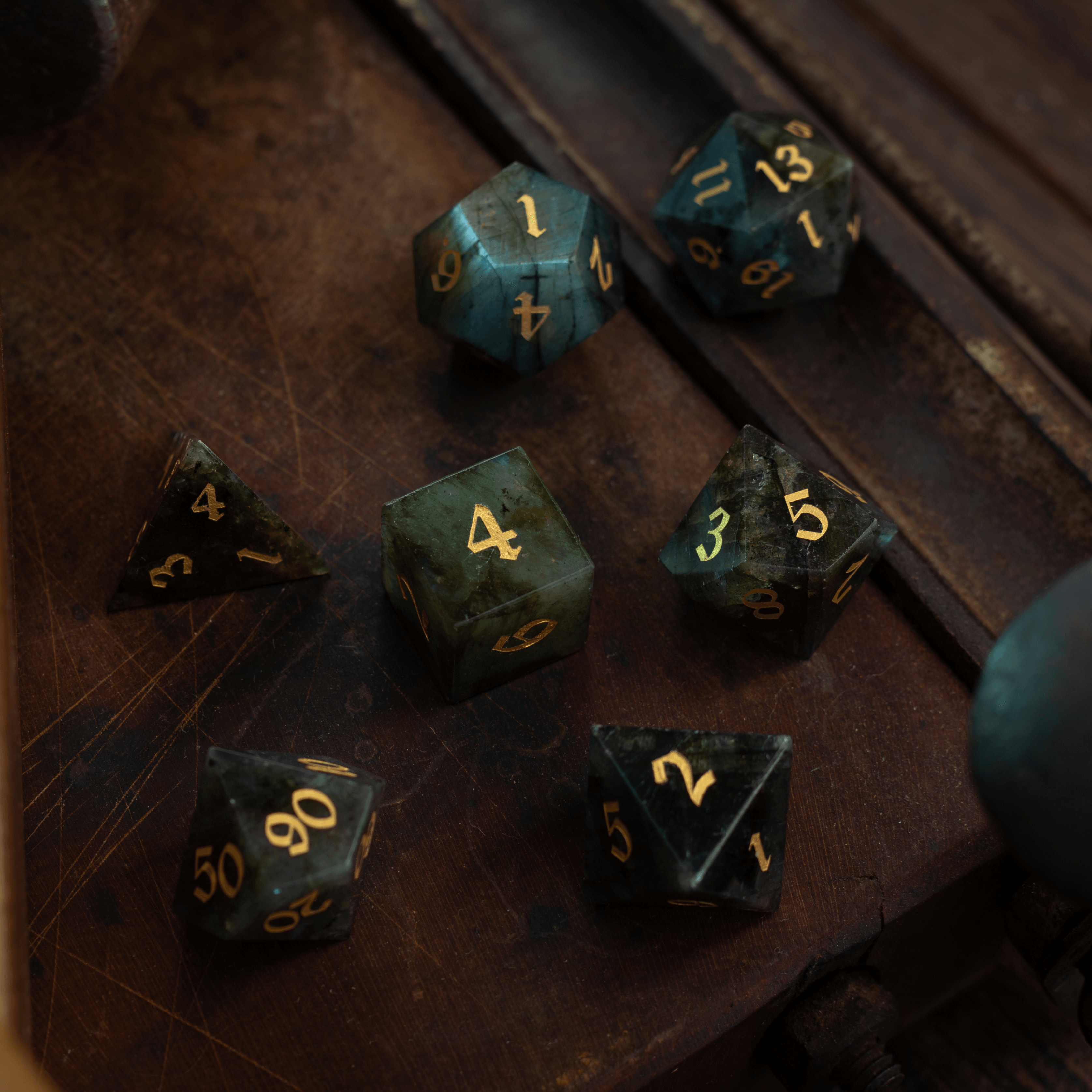
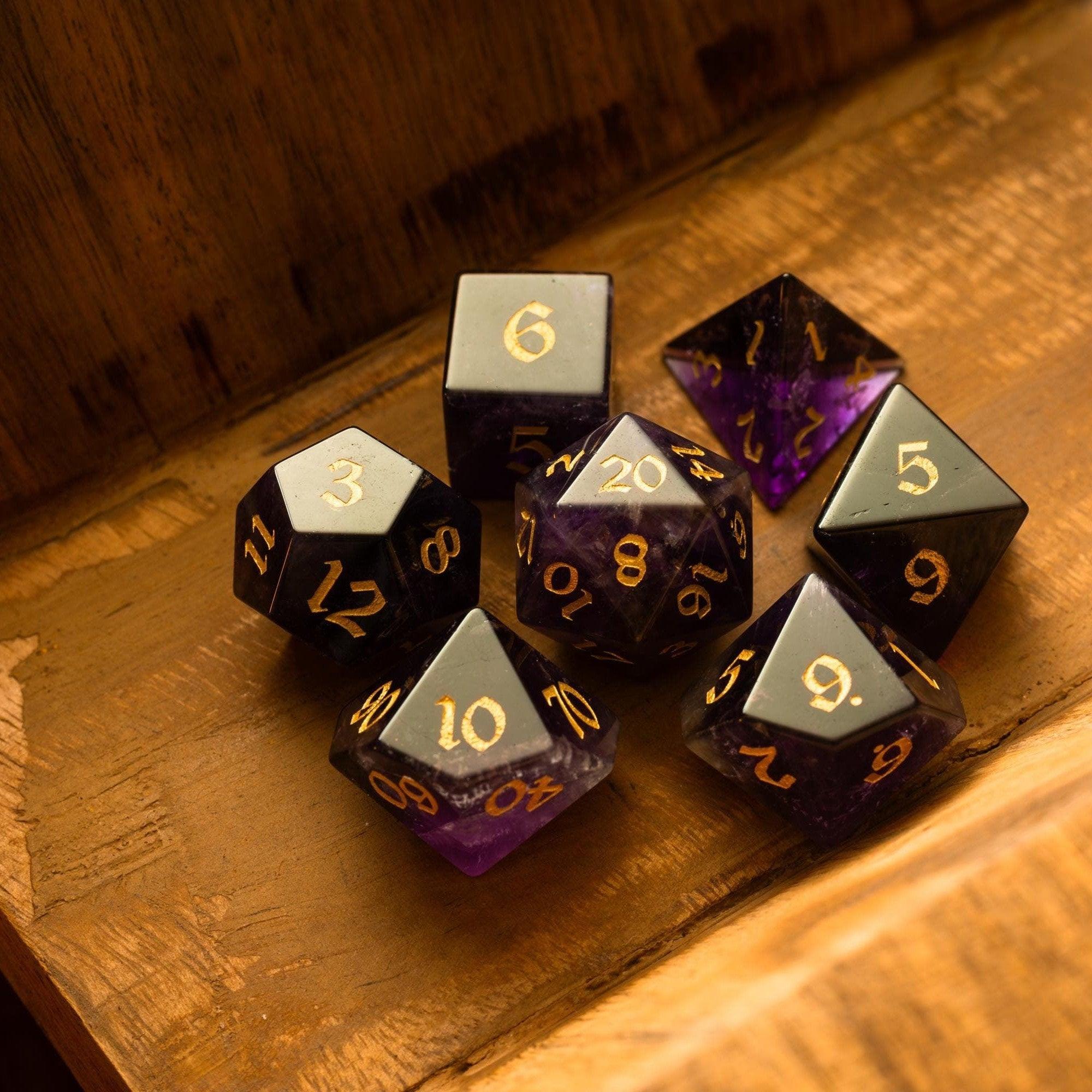
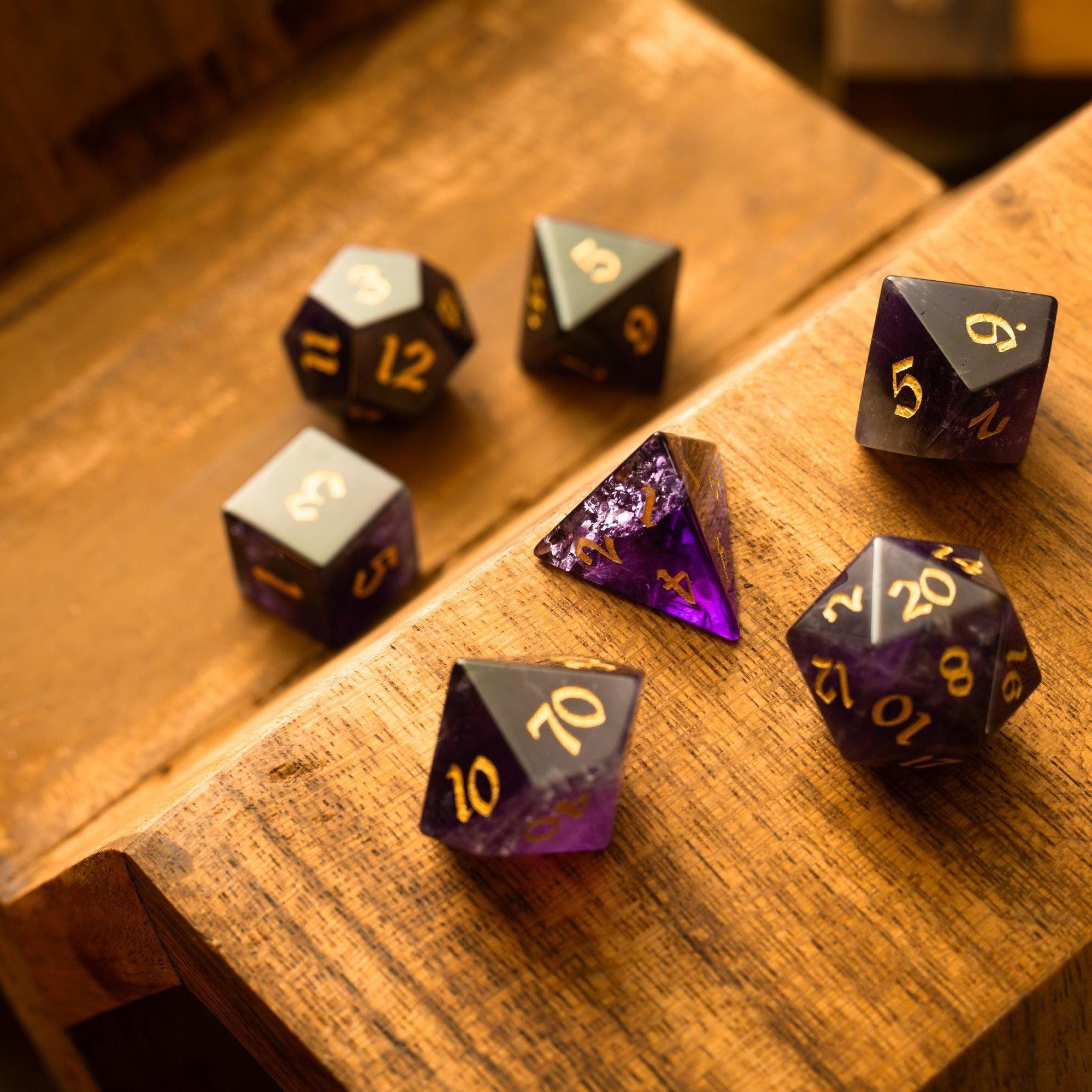
- Material fit: Heavier stones feel premium and stable. Browse durable options in gemstone dice if you prefer weight and polish.
- Roll behavior: Some players enjoy visual motion in the die. If so, liquid core dice can provide a satisfying, balanced spin.
- Surface protection: Keep tables and dice safe with mats or trays. A neutral surface reduces roll disputes.
- Storage and transport: Sturdy boxes and pouches help maintain edges, polish, and legibility over time.
- Table visibility: Choose finishes that stand out under your lighting. Glitter and translucent layers look lovely, but ensure numerals remain readable from across the table.
- Set completeness: Confirm the set includes all polyhedrals you use most often, plus a spare d20 for advantage/disadvantage.
- Matching accessories: Consider trays, towers, and extra d6 pools for minions or swarm damage. Coordinated tools keep turns smooth.
- Care instructions: Stone and glass may need gentle handling. Review guidance from the maker so your set stays beautiful session after session.
Final Thoughts & Advice
Custom design thrives on steady, transparent communication. Share a short document that explains the goals, the intended power level, and a few concrete examples. Invite feedback after the first session and adjust with a light touch. When possible, keep the math familiar and reduce exceptions to the core rules so turns stay quick.
Thoughtful D&D homebrew content grows from kindness, patience, and clear notes. Start small. Celebrate what works. Retire what confuses. Over time, your table will develop a shared language for rulings, themes, and pacing that turns every session into a comfortable, collaborative experience. And if tools help you get there, choose accessories that improve readability, protect your surfaces, and feel nice in hand—whether that is gemstone dice, sharp-edge resin, trusted liquid core dice, or steady dice towers.
Q: How can I balance a new subclass or feat?
Begin with a clear purpose. Note what experience you want the option to create, then align its benchmarks with comparable, official features at similar levels. Test in one short combat and one non-combat scene. Observe action economy, resource refresh, and decision time. Trim complexity first, then adjust numbers in small steps. Keep a one-page handout, and invite player notes after each session. If the option solves multiple problems, split it into two simpler features.
Q: How much prep should I do before a home-made adventure?
Consider a light, modular approach. Prepare a one-sentence premise, three locations or scenes, three notable NPCs with goals, and three rewards tied to the setting. Draft one encounter each at easy, medium, and hard difficulty, plus a safety valve for retreat or negotiation. Keep a simple checklist to track resources and conditions. During play, reveal only what supports the story’s momentum. Afterward, record what changed, what confused players, and one improvement for next time.
Q: Which accessories help custom campaigns run smoothly?
Readable, consistent dice support fast adjudication. High-contrast numerals and stable rolling surfaces reduce friction. A tray or tower adds fairness when stakes are high. Consider having two d20s ready for advantage and a small pool of d6s for common effects. Choose materials that suit your table and storage needs, such as resilient resin or elegant stone. Keep accessories within easy reach so turns stay quick, especially when you introduce new mechanics.


Leave a comment
This site is protected by hCaptcha and the hCaptcha Privacy Policy and Terms of Service apply.