
Current Dungeons and Dragons News for Serious Adventurers
Updated on: 2026-01-05
Want a calmer way to stay informed about what’s happening across tabletop roleplaying? This guide shows you how to build a simple, repeatable system that filters signal from noise, respects your time, and keeps your table inspired. You’ll learn a friendly framework for tracking updates, a quick decision filter, and a lightweight archive so you never lose a good idea again. We’ll also suggest a few gear upgrades that make sessions feel special, with optional links if you’re ready to treat your table.
- What Counts as Dungeons & Dragons news?
- How-To: Build a Simple System to Track TTRPG Updates
- Buying Guide: Dice and Gear That Level Up Your Table
- FAQ

If you’ve ever felt like you’re swimming in updates, you’re not alone. Between rules clarifications, adventure releases, accessories, tools, and community projects, keeping up can feel like a part-time job. The goal here isn’t to read everything. It’s to create a small, sustainable routine that keeps you informed and inspired, without overwhelm. Think of it as building a tidy signal chain for your table—so your group enjoys the best ideas without the noise.
What Counts as Dungeons & Dragons news?
“News” in tabletop can mean many things. Defining what matters to you is half the battle. Here’s a simple way to categorize what’s worth your attention:
- Rules and mechanics: Errata, optional rules, and design notes that affect how you play.
- Adventures and settings: New modules, campaign expansions, and setting updates you could run or remix.
- Tools and platforms: Virtual tabletops, encounter builders, character tools, and DM aids.
- Merch and accessories: Dice, towers, mats, and table gear that improve the physical experience.
- Community content: Actual play series, one-shots, creator supplements, and best practices.
- Events and collaborations: Con announcements, charity games, and notable partnerships.
From there, ask two quick questions: Will this change how we prep or play? Will this spark fun at our table? If the answer is “no” to both, it’s probably entertainment, not essential information. That simple distinction will save you hours over the long run.
How-To: Build a Simple System to Track TTRPG Updates
You don’t need complex apps or a dozen feeds. A lean system beats a busy one. Use these steps to build your personal signal chain:
1. Pick three trusted sources.
Choose one official source, one creator whose taste matches yours, and one community roundup. Three is enough to catch important developments without drowning in duplication.
2. Create two tags in your notes: “Play Now” and “Save for Later.”
When something catches your eye, drop it into a single running note. If it’s usable for next session prep, tag it “Play Now.” If it’s inspiration for the future, tag it “Save for Later.”
3. Set two check-in windows each week.
Keep them short and specific. One quick scan for headlines, one short review for items you tagged. A consistent rhythm makes staying current effortless.
4. Use a one-minute filter.
For each item, ask: Is it relevant to our campaign? Is it credible? Is it actionable within the next two sessions? If you can’t say yes to at least one, archive it and move on.
5. Capture the actionable bit, not the whole article.
Summarize into one-sentence bullets like “Add rival faction rumor to tavern scene” or “Try variant rest rule for next dungeon.” Notes you can use beat notes you admire.
6. Share a short digest with your group.
In your group chat or session doc, post 2–3 bullets of what might change: “We’re testing a new travel rule” or “New side quest hook unlocked.” It builds buy-in and ensures no one is surprised.
7. Keep a lightweight archive.
Once a month, move your “Save for Later” items into a single dated page with quick tags (rules, encounters, NPCs). You’ll build a personal library of ready-to-run ideas without the clutter.
8. Rinse and refine.
If your check-ins feel long, reduce sources. If you’re missing key updates, swap a source. The system should evolve alongside your campaign.
With this routine, you’ll catch the Dungeons & Dragons news that actually matters to your table, convert it into action, and keep your prep time focused. You’ll also avoid the constant churn of scrolling—because the important bits will flow into your notes on a dependable schedule.

Buying Guide: Dice and Gear That Level Up Your Table
Staying informed is one side of the coin. The other is elevating the feel of your sessions so those new ideas land with style. If you enjoy tactile upgrades, here are a few thoughtful picks:
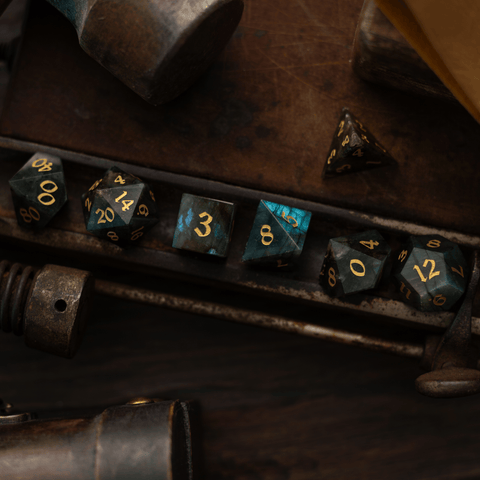
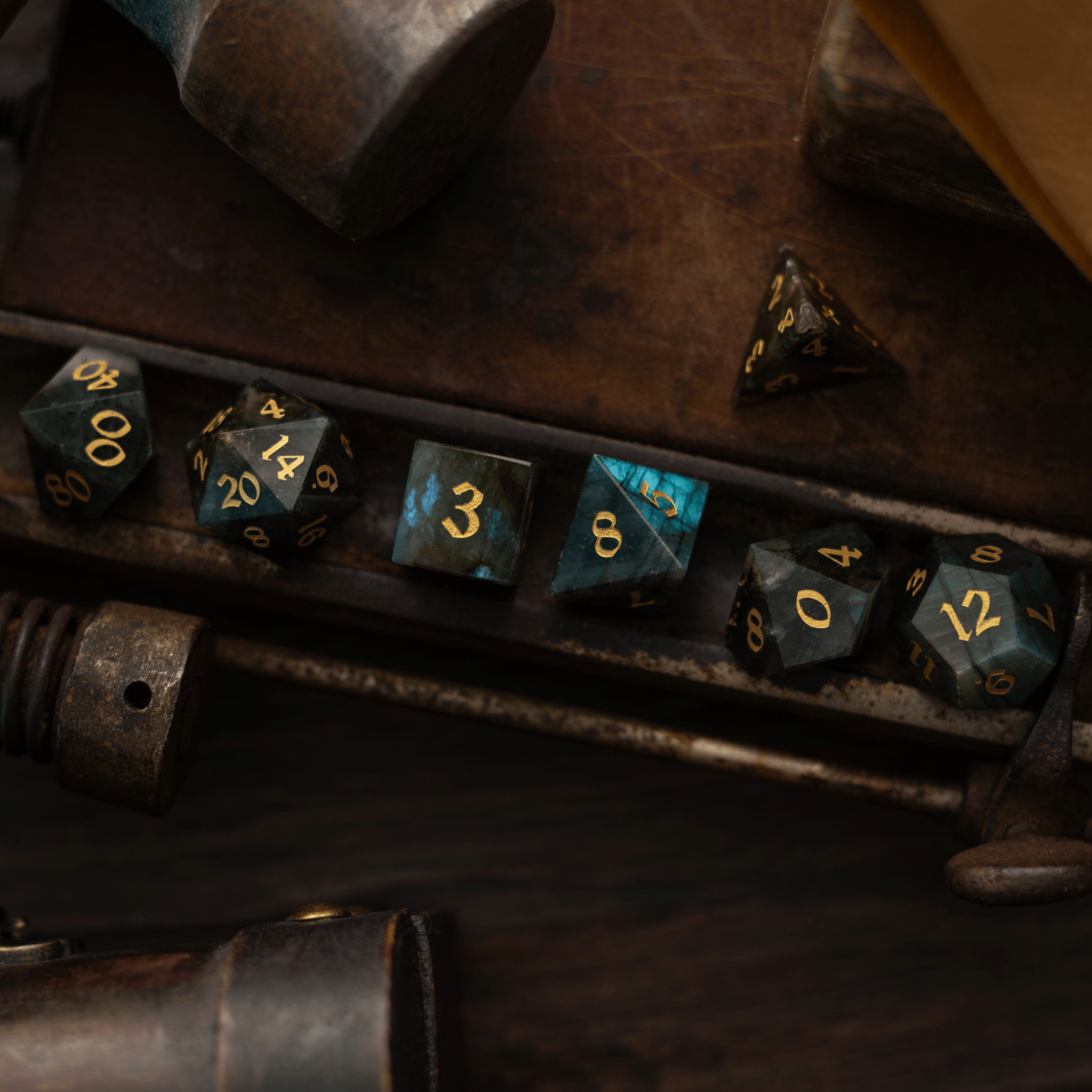
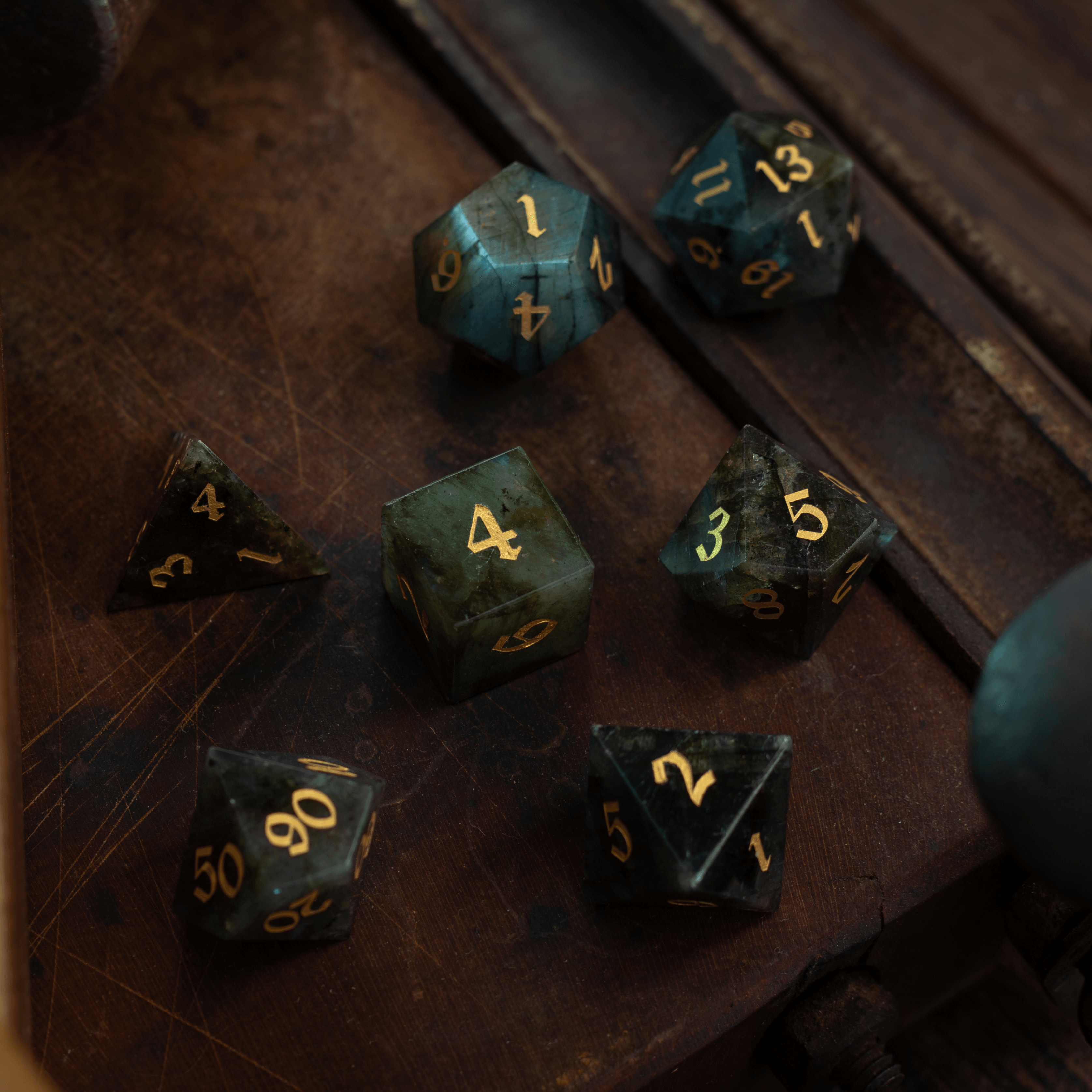
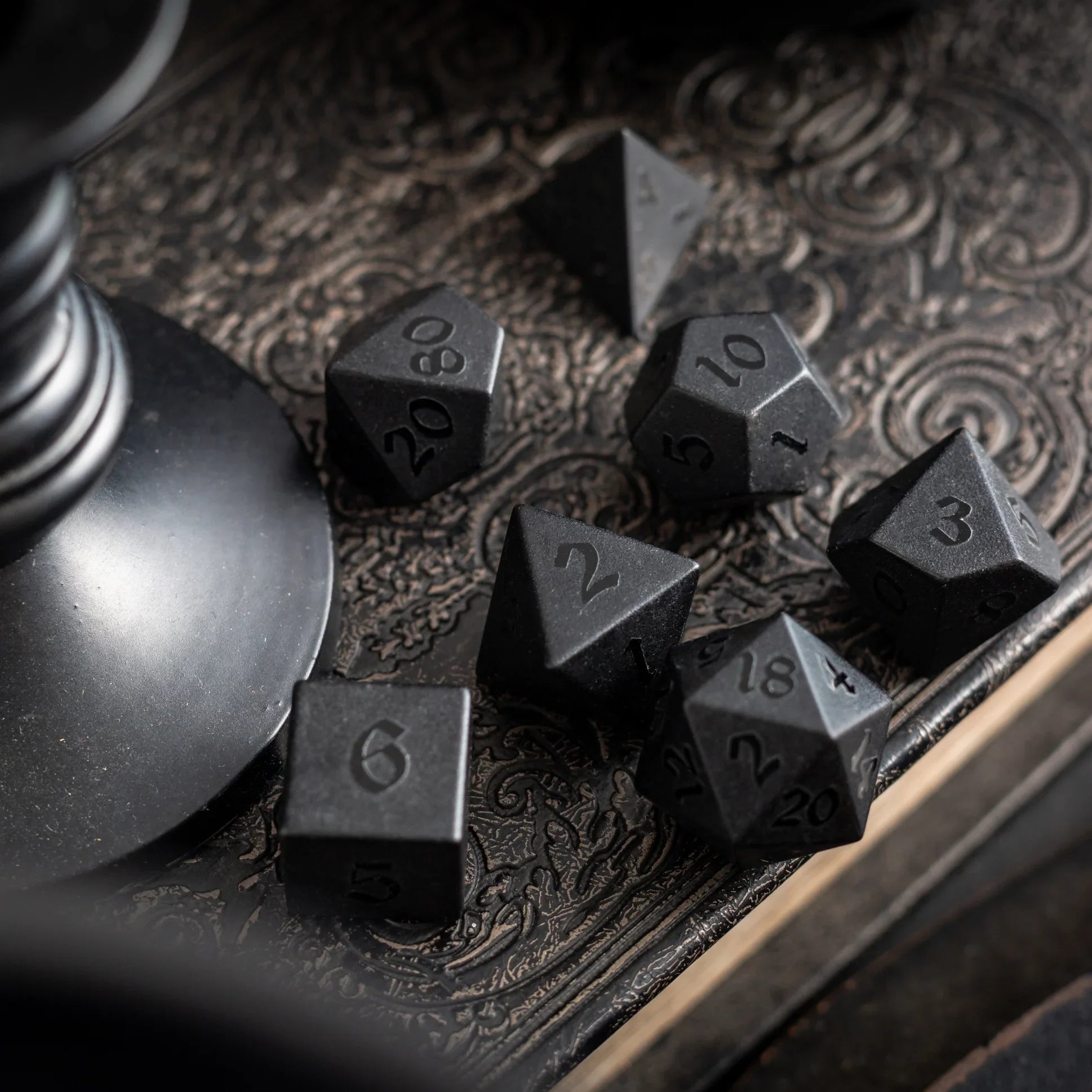
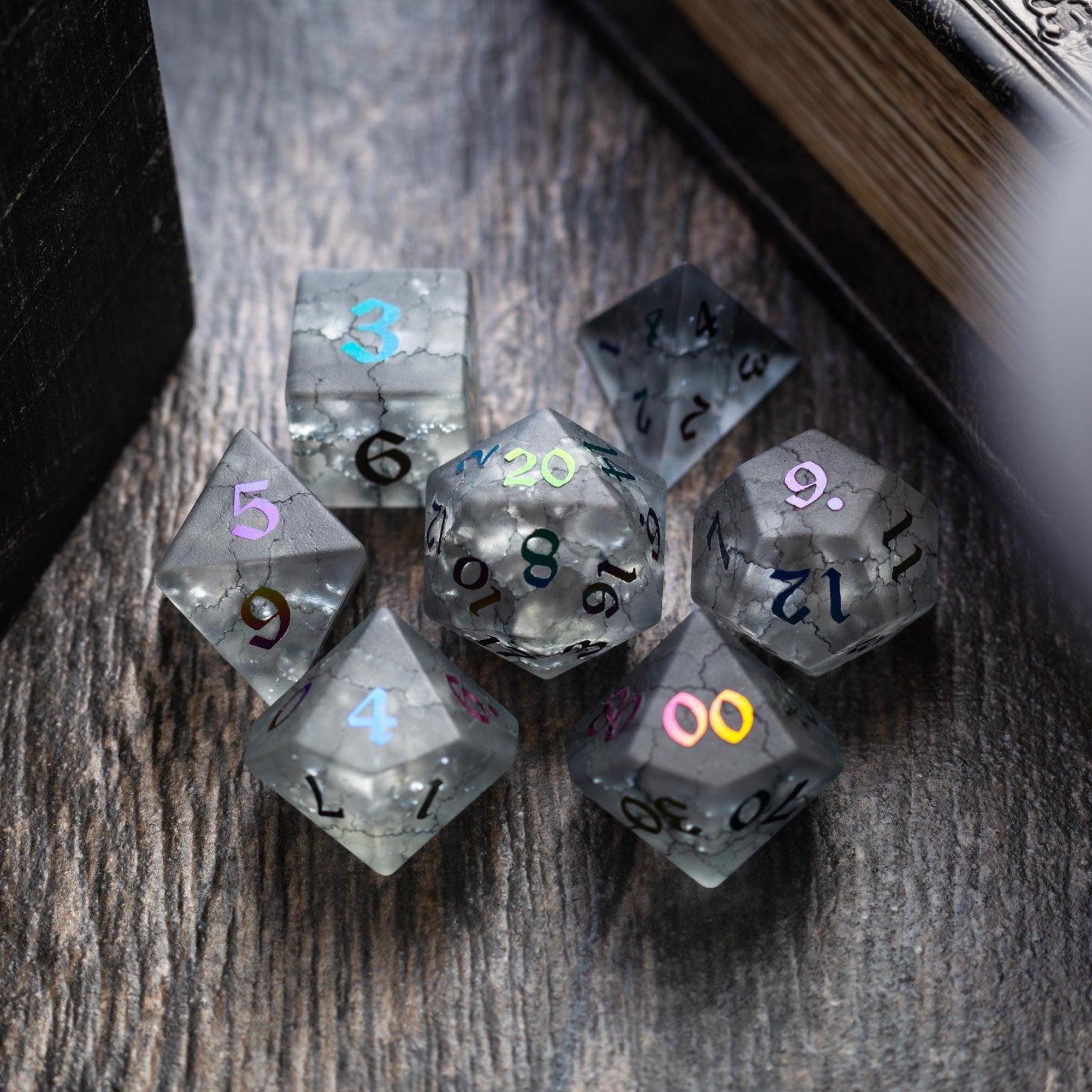
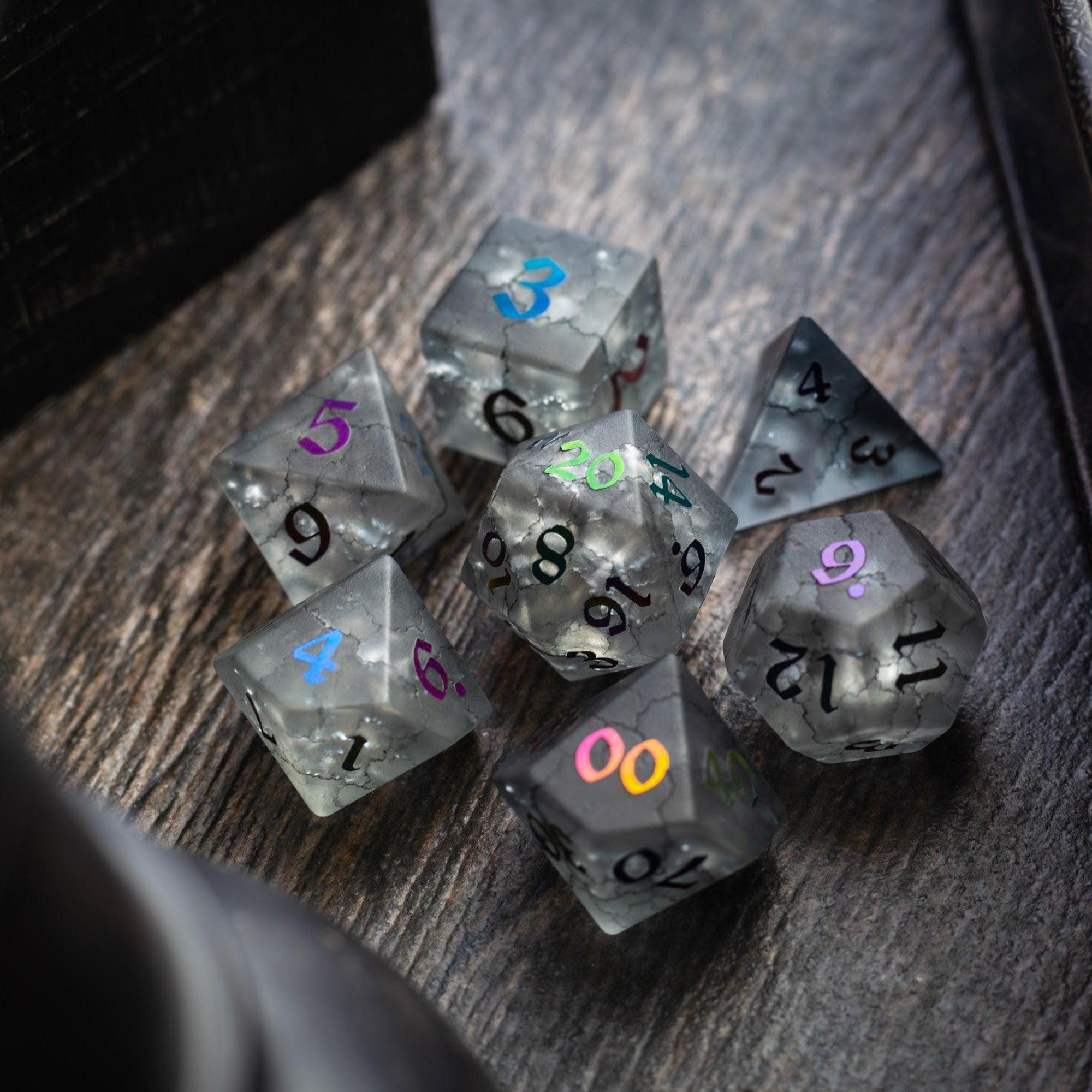
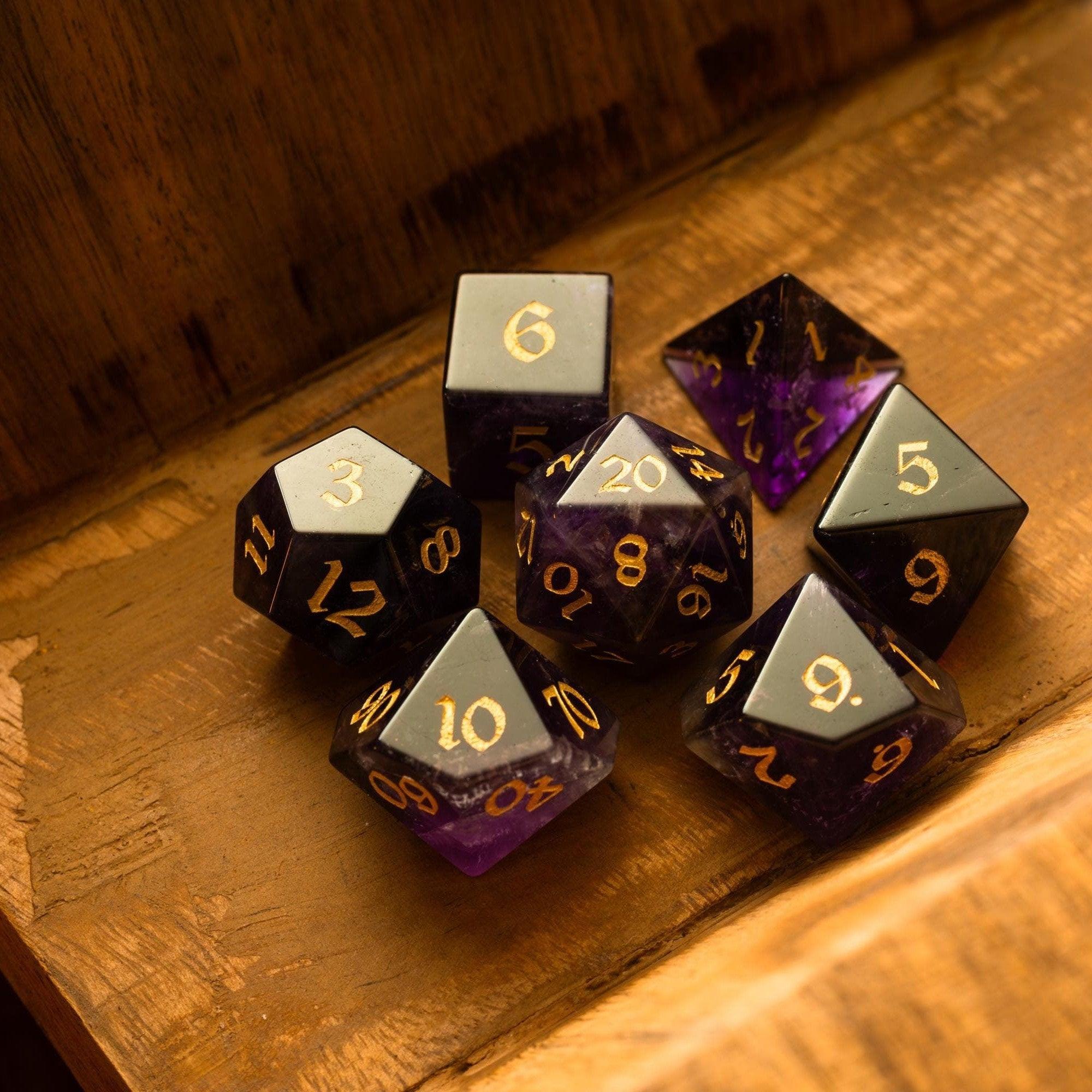
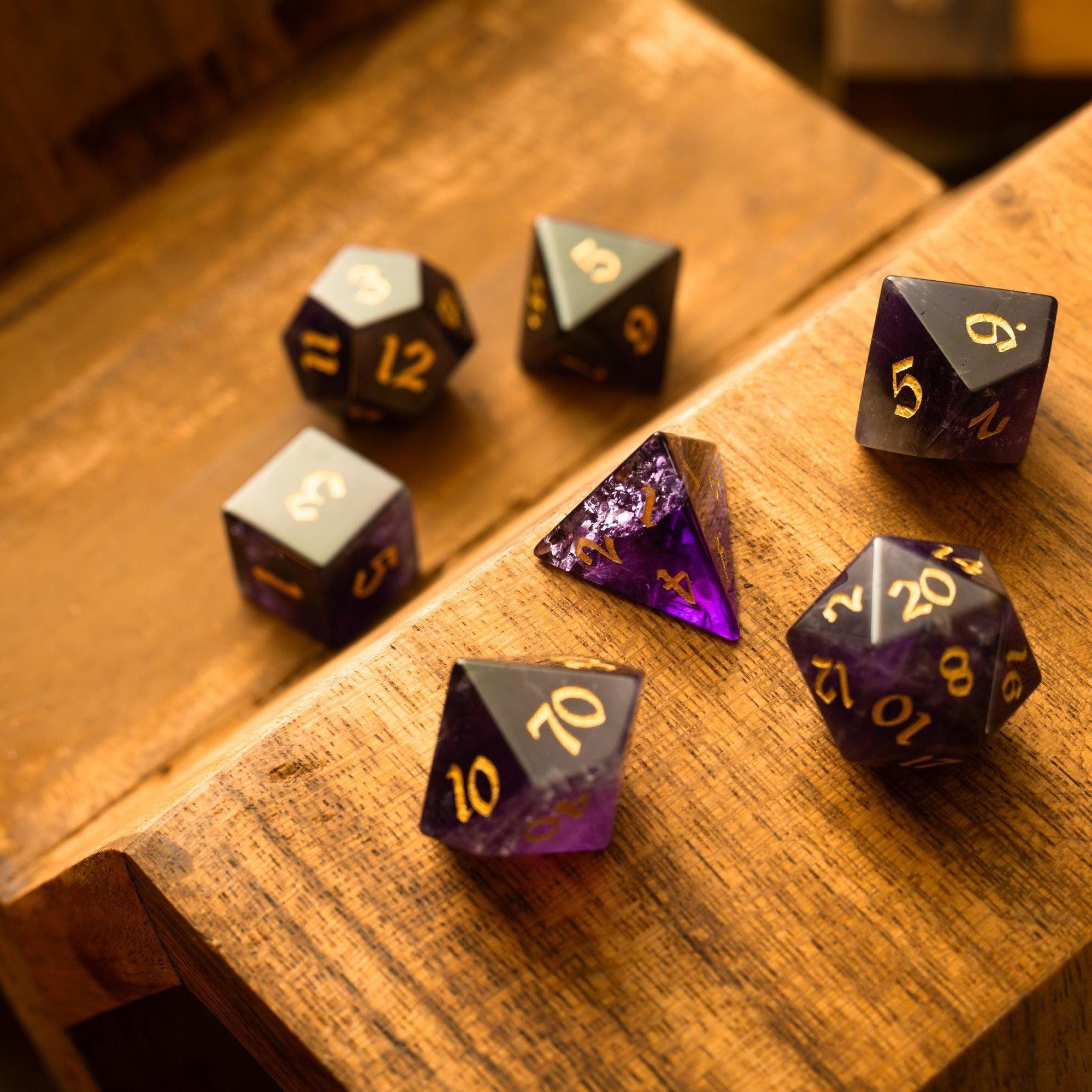
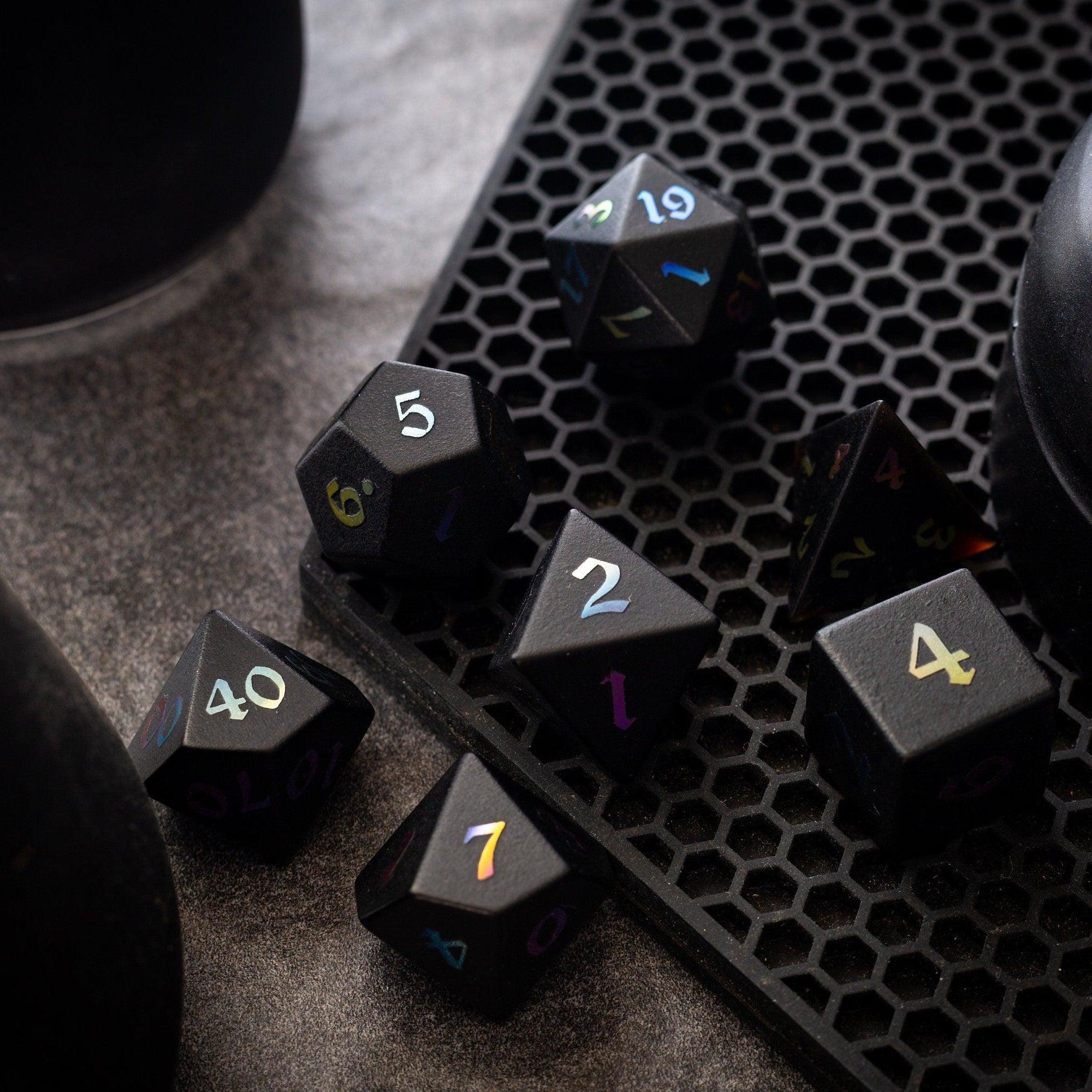
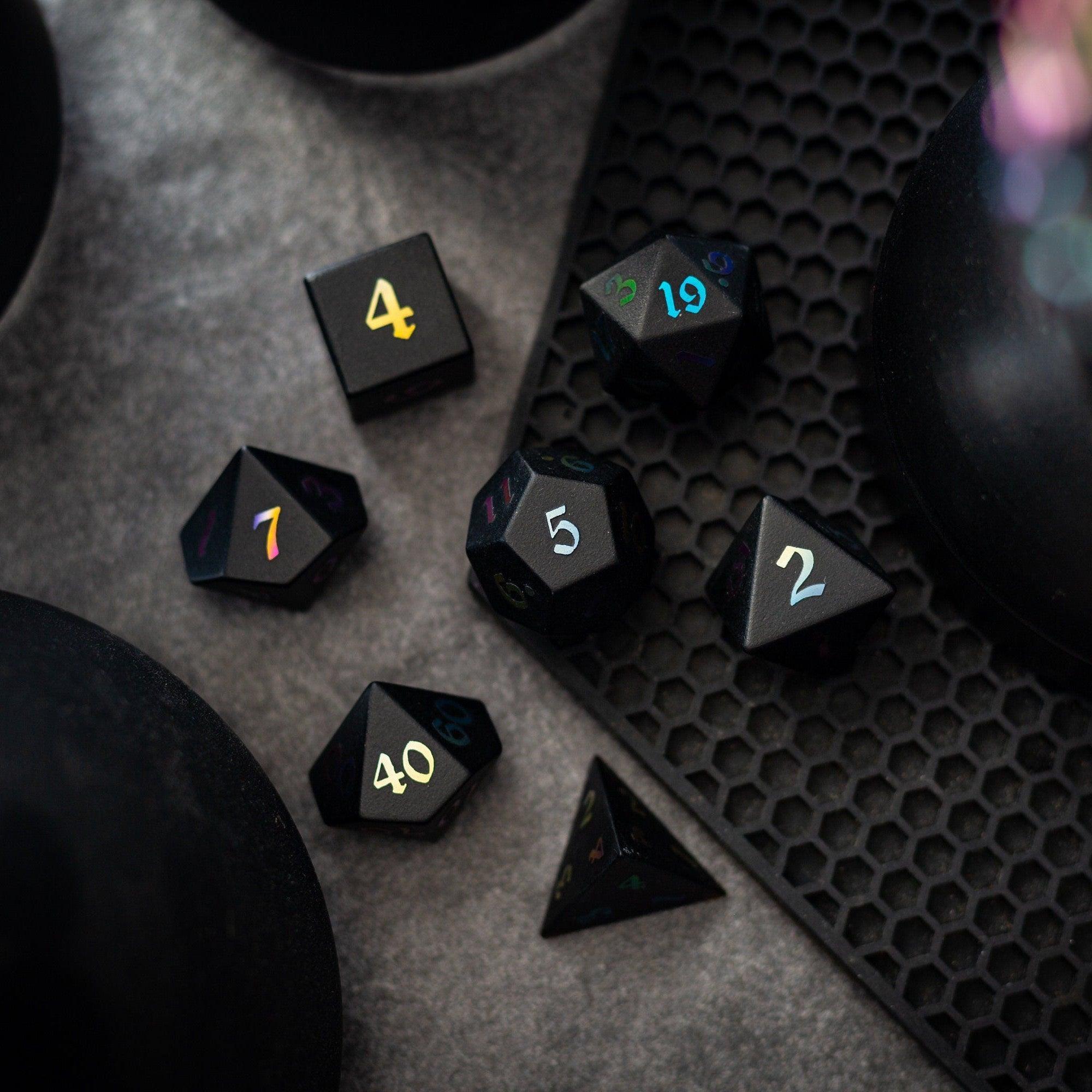
- Go premium when it’s meaningful. Milestones are a great excuse to level up your set. If you love natural materials and crisp edges, browse these gemstone dice for a memorable upgrade.
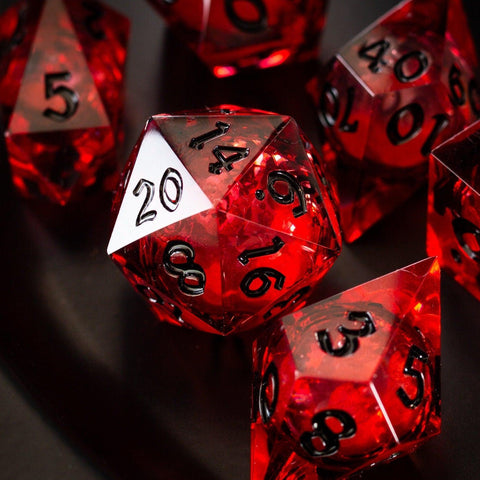
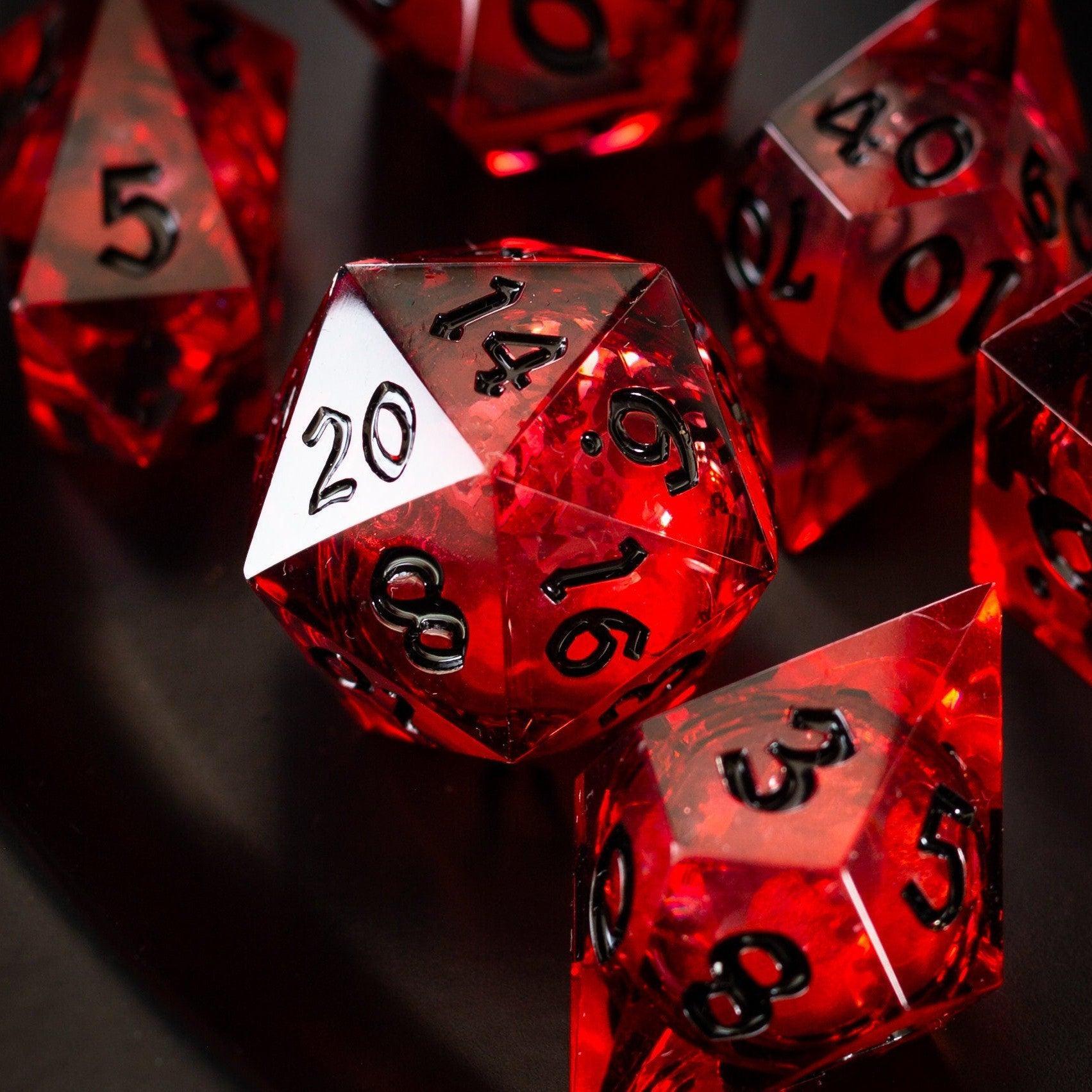
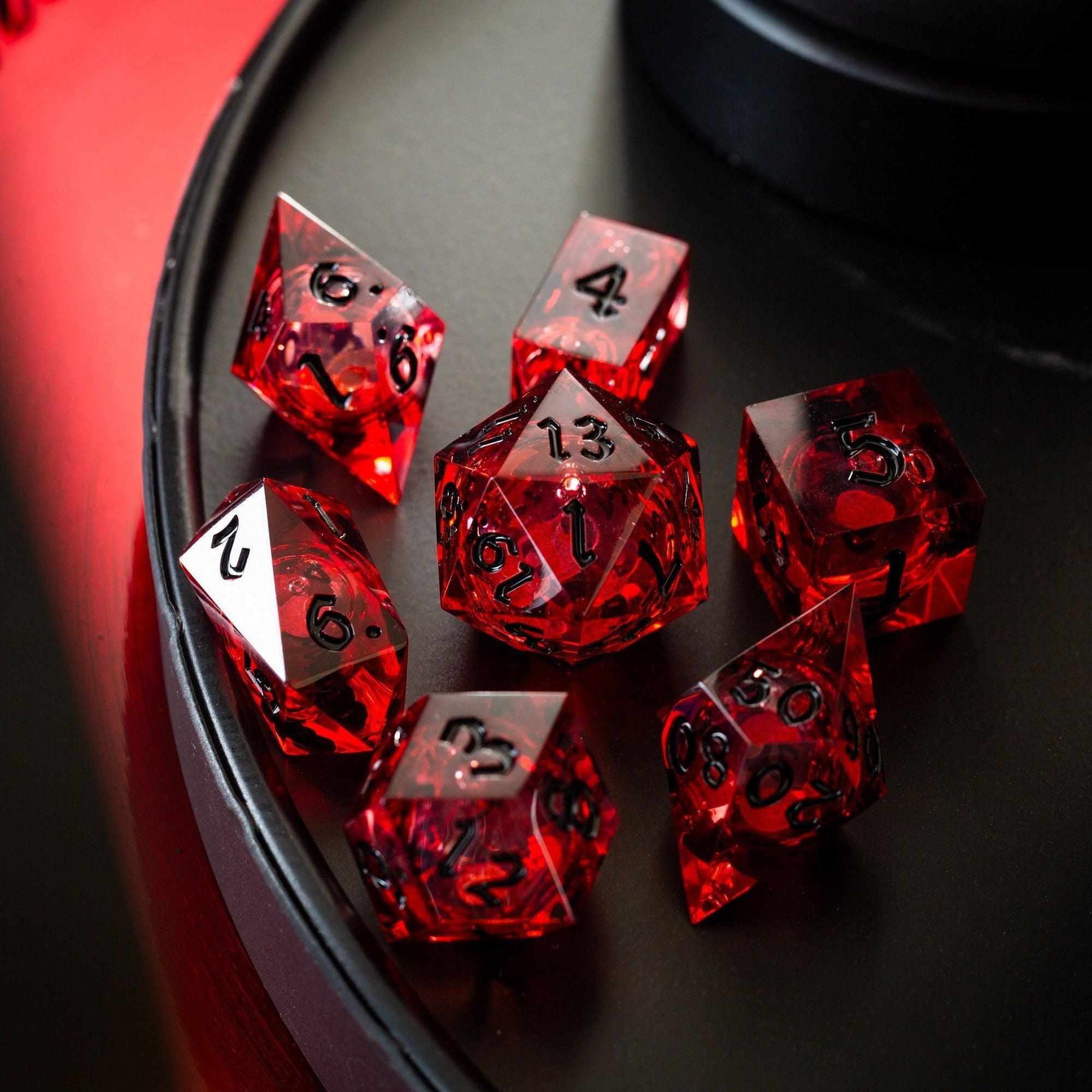
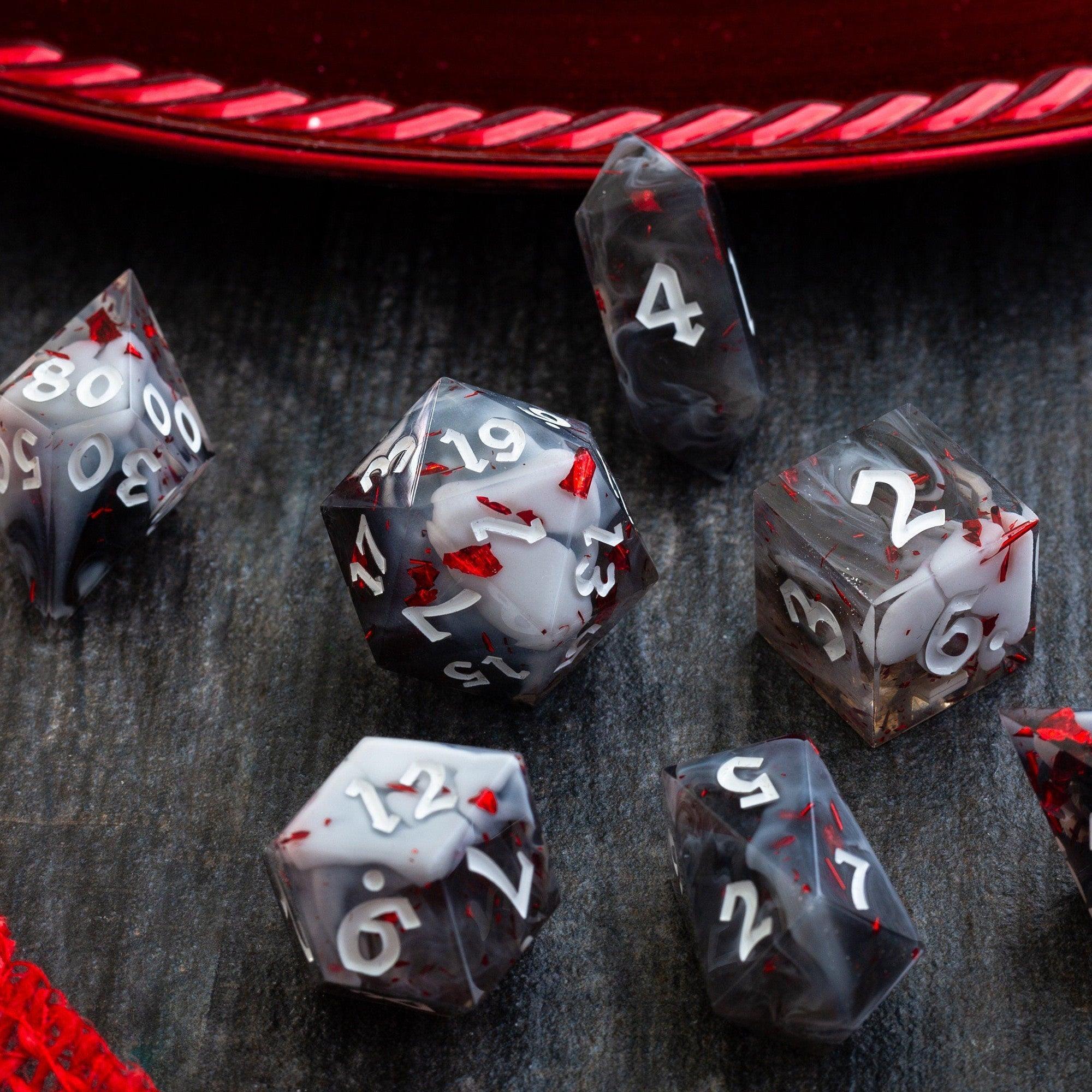
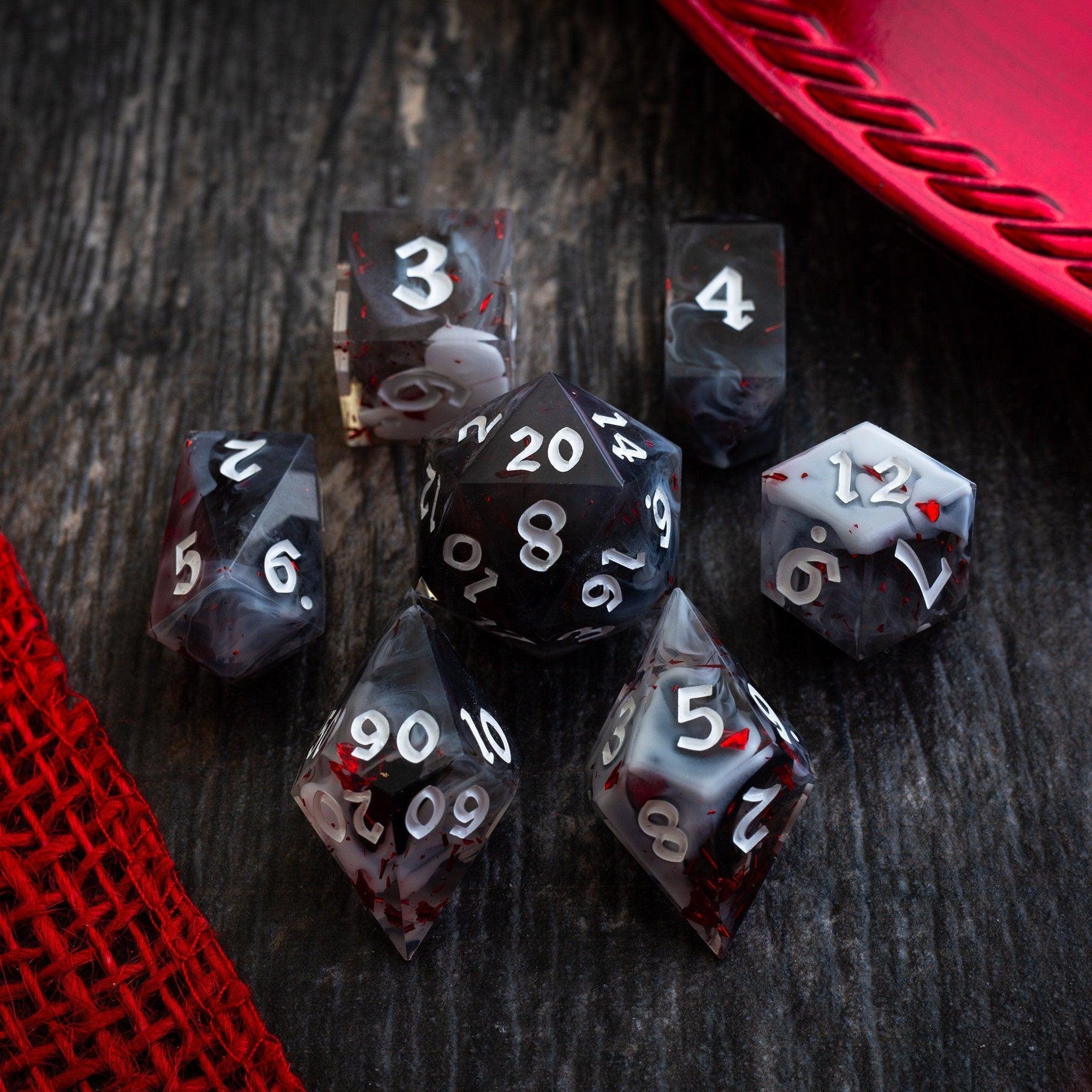
- Lean into table presence. For dramatic rolls that spark table energy, shimmering cores look fantastic under soft lighting. Check out liquid core dice if you want every crit to feel like a mini celebration.
- Choose a signature set for your character. Color and finish can echo your class or theme. A clean, glassy set can be perfect for arcane casters—take a look at the Dwarf-Cut Green Glass set for a sleek, vivid vibe.
- Make rolling smooth and consistent. If your table gets crowded with books, snacks, and minis, a stable rolling surface keeps the pace tight. Consider sturdy dice towers so rolls stay fair and visible.
Gear won’t fix a wobbly plot, but it can elevate moments that matter. If you connect it to story beats—like gifting a new set after a boss arc or debuting a tower when the party enters an ancient citadel—your tools become part of the narrative. That’s a win for immersion and memory.
FAQ
How often should I check for updates?
Twice a week works for most people. One quick pass to spot anything urgent, and one short session to tag items and turn the good stuff into actionable notes. If you’re prepping a new arc, add a brief midweek skim and then scale back once the campaign settles.
What’s the best way to avoid spoilers?
Make a simple rule: if content is for players, skip deep dives beyond headlines until you’ve run or finished the material. Stick to overview summaries, creator notes, or spoiler-free tags. In your group, agree on a spoiler window so everyone knows what’s safe to discuss.
Do I need to follow every platform?
No. Pick one official channel, one trusted curator, and one community space you enjoy. If a tool or platform becomes essential to your table, add it. Otherwise, keep your pipeline lean. The goal is less time scrolling and more time playing.
Quick CTA: If you’re refreshing your kit to match your newly streamlined routine, explore a favorite style or try something bold. A small upgrade can make each roll feel intentional and fun.
Disclaimer: This article is for informational purposes to help you organize and enjoy your tabletop sessions. Always verify details with original publishers or creators before making changes to your game.





Leave a comment
This site is protected by hCaptcha and the hCaptcha Privacy Policy and Terms of Service apply.