

D&D Strategy Guides: Elevate Tactics and Campaign Wins
Updated on: February 27, 2026
Mastering Dungeons and Dragons requires more than just rolling dice and hoping for the best. This guide walks you through essential tactics, character optimization, and combat strategies that'll transform you from a casual player into a strategic powerhouse. Whether you're a dungeon master or a player navigating treacherous dungeons, these proven techniques will elevate your game and help you make smarter decisions when it counts most.
- Myths vs. Facts About Strategic Gaming
- Step-by-Step Strategic Framework
- Understanding Combat Mechanics and Positioning
- Character Building for Maximum Impact
- Frequently Asked Questions
- Summary and Key Takeaways
Why Strategic Planning Matters in Your Campaigns

You're sitting at the table, your character's health is dropping fast, and you've got one turn to make a decision that could save the party or doom everyone. This is where D&D strategy guides become your best friend. Whether you're commanding a party of adventurers or narrating an epic tale as a dungeon master, strategic thinking separates memorable victories from frustrating defeats.
The beauty of Dungeons and Dragons lies in its flexibility. There's no single "right" way to play, but there are definitely smarter approaches to resource management, combat positioning, and character development. Throughout this guide, we'll explore practical tactics you can implement immediately, whether you're a seasoned veteran or picking up the rulebook for the first time.
Myths vs. Facts About Strategic Gaming
Myth: The Strongest Character Always Wins
This couldn't be further from the truth. Raw power means nothing without positioning, timing, and tactical awareness. A wizard positioned behind the party with crowd control spells often outperforms a barbarian swinging blindly at the nearest enemy. Strategy beats brute force every single time.
Myth: You Need to Memorize Every Rule
False. The most successful players understand core mechanics and know where to find specific rules when needed. Your rulebook is a reference tool, not something you need to memorize cover-to-cover. Focus on grasping fundamental concepts instead.
Myth: Roleplaying and Strategy Are Separate Concerns
Actually, they work beautifully together. The best characters are both entertaining and tactically sound. Your personality choices can inform strategic decisions, and your strategic positioning can create dramatic moments that deepen the narrative.

Step-by-Step Strategic Framework for Successful Campaigns
Step 1: Define Your Role and Responsibilities
Before combat begins, understand what your character is supposed to accomplish. Are you the front-line defender? The damage dealer? The support specialist? Each role requires different positioning, spell selection, and decision-making. Clarity here prevents wasted actions and ensures you're contributing meaningfully to the party's success.
Step 2: Scout and Gather Information
Never charge blindly into a situation. Use your resources to gather intelligence. Send scouts ahead, examine the environment for advantageous terrain, identify enemy positions, and look for hidden threats. Information is your most valuable asset before combat starts. A few minutes of reconnaissance can mean the difference between victory and a total party wipe.
Step 3: Plan Your Resource Expenditure
Spells, hit points, and special abilities are finite resources. Plan how you'll spend them throughout the encounter. You don't want to burn all your powerful abilities in round one only to face a tougher challenge later. Strategic resource management keeps you effective throughout the entire campaign.
Step 4: Execute with Flexibility
Plans rarely survive first contact with enemies. Stay adaptable. If your planned approach isn't working, pivot immediately. The best strategy guides teach you frameworks for thinking on your feet rather than rigid sequences you must follow exactly.
Step 5: Review and Learn
After each session, reflect on what worked and what didn't. Did you position yourself effectively? Could you have used spells more efficiently? These post-game reviews help you continuously improve your tactical decision-making.
Understanding Combat Mechanics and Positioning

Combat positioning is often overlooked by newer players, but it's absolutely foundational to winning encounters. Distance and line of sight determine which enemies can attack you, how your spells function, and whether you're vulnerable to area attacks. Understanding the five-foot grid and how movement works separates competent players from outstanding ones.
Consider the classic front-line warrior scenario. You don't just charge at the nearest enemy and start swinging. Instead, you position yourself where you can protect your vulnerable allies, block enemy movement, and maintain tactical advantage. You control the battlefield through smart positioning, not just hit point totals.
Ranged attacks and spellcasting add layers of complexity. You need clear line of sight to your target, which means considering elevation, obstacles, and cover. A high-ground advantage gives you better visibility and defensive bonuses. Smart dungeon masters and experienced players constantly think about these spatial relationships.
Action economy matters immensely in combat. You get one action, one bonus action, and one reaction per turn. Every decision about what to do with these limited actions impacts the encounter's outcome. Doing nothing when you could be dealing damage or controlling enemies wastes precious resources.

Character Building for Maximum Impact
Creating an effective character starts before your first game session. Understanding how abilities, skills, and equipment synergize determines your effectiveness throughout the campaign. The strongest characters don't just have high numbers—they're built with specific strategic goals in mind.
Ability scores form your foundation. Each class benefits from different primary abilities. Spellcasters prioritize their casting ability, warriors emphasize Strength or Dexterity, and everyone values Constitution for survivability. During character creation, carefully consider which abilities align with your planned playstyle and your party's needs.
Multiclassing offers advanced players a way to create hybrid characters with unique capabilities. You might combine rogue and wizard for a sneaky mage, or warrior and cleric for a versatile defender. These combinations reward careful planning and deep system knowledge, but they require understanding how different class features interact.
Equipment selection extends your capabilities in meaningful ways. The right magical items can transform a character's effectiveness. A ring providing spell resistance helps your wizard survive, while a weapon with bonuses helps your warrior land critical hits more reliably. Work with your dungeon master to acquire gear that complements your strategy.
Skill selection should reflect both your character concept and your party's needs. If everyone picks the same skills, your party becomes ineffective at handling diverse challenges. Discuss with your group what skills are most valuable, then specialize accordingly. A well-rounded party with complementary skills tackles problems more efficiently than a group with overlapping abilities.
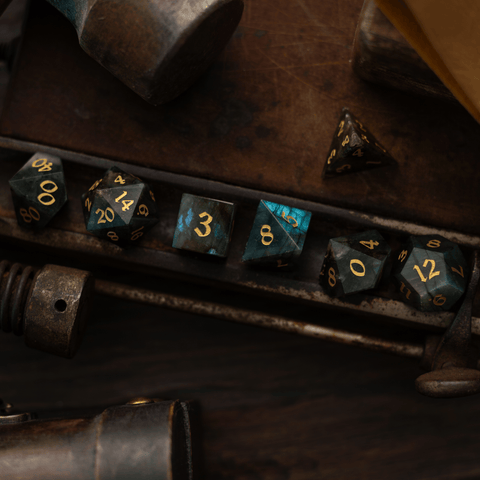
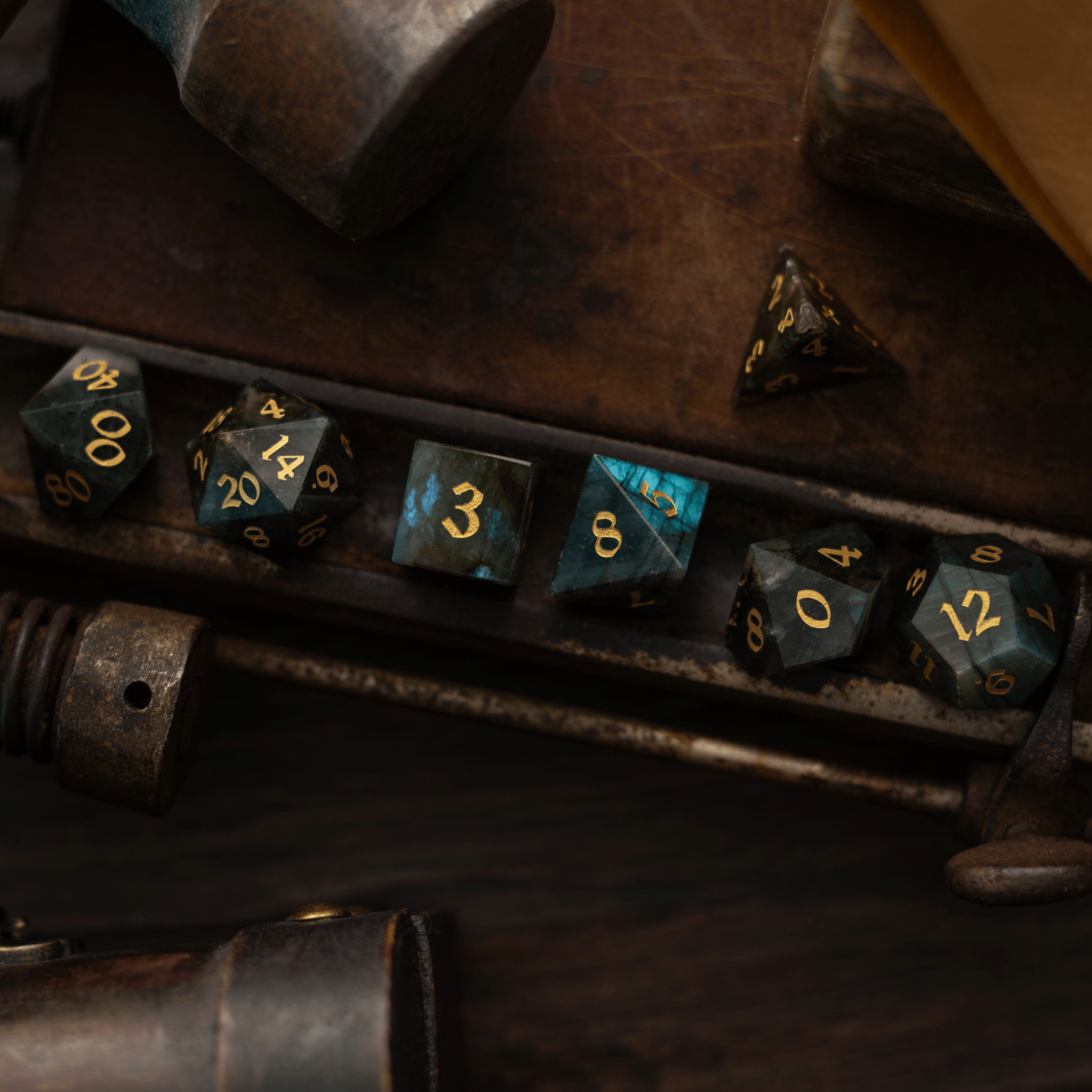
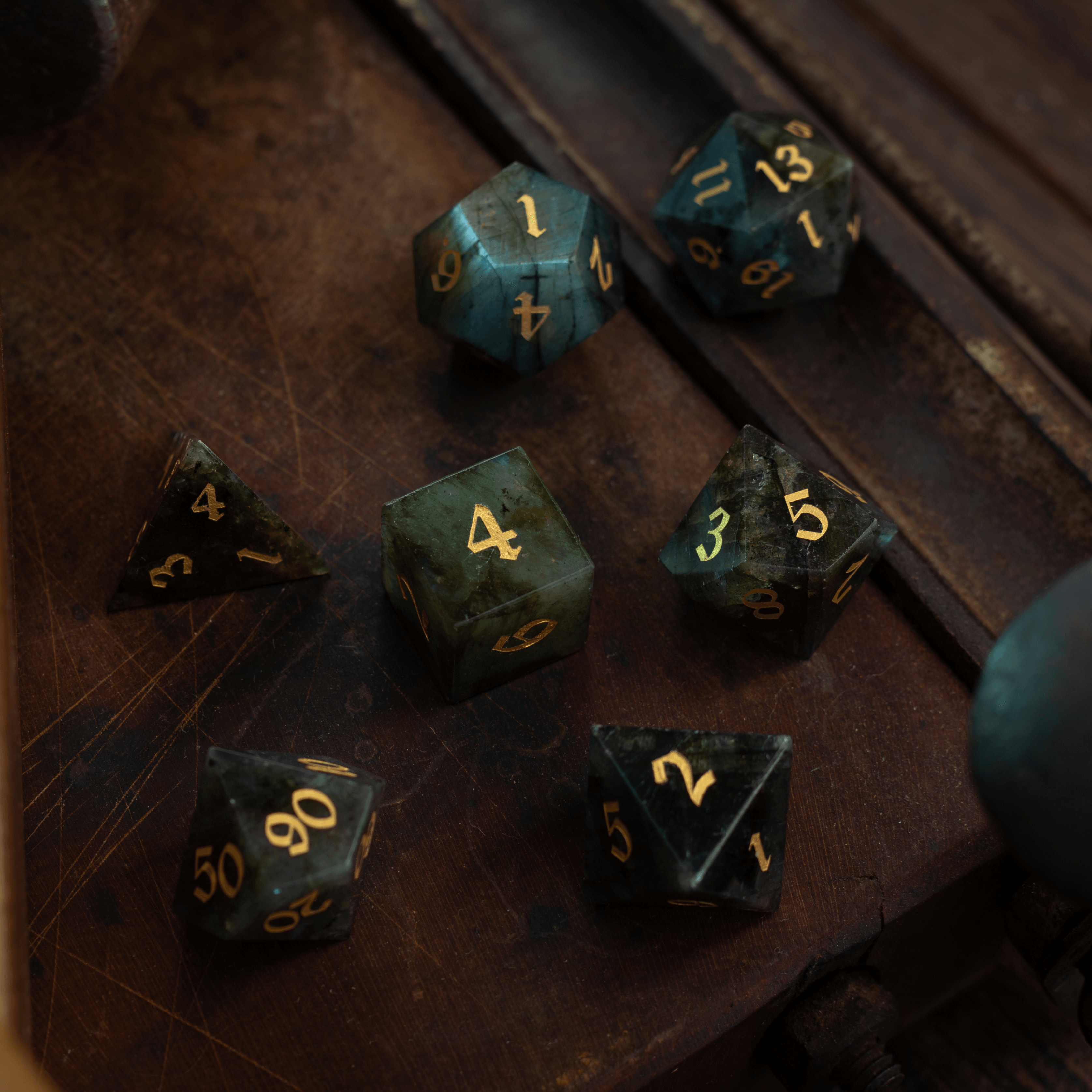
Many players invest in high-quality dice sets to enhance their gaming experience. Beautiful gemstone dice sets add tactile satisfaction to your rolls while keeping you focused during intense moments. The ritualistic act of rolling quality dice enhances immersion and confidence at the table.
Frequently Asked Questions
What's the Most Important Thing to Learn First?
Understanding how your specific class works should be your first priority. Read your class features, understand your abilities, and know what you can do on your turn. This foundation makes everything else easier to learn and apply.
How Do I Know If My Strategy Is Working?
Pay attention to whether your character survives encounters, whether you're contributing meaningfully to party success, and whether you're having fun. If combat consistently goes poorly, if you rarely land hits, or if your abilities feel useless, your strategy might need adjustment. Don't be afraid to experiment and adapt.
Should I Always Follow the Group's Strategy?
Generally yes, though good communication matters most. Discuss plans before encounters, voice concerns about proposed tactics, and work collaboratively. Individual heroics often fail spectacularly in Dungeons and Dragons. Party coordination and unified strategy trump individual optimization nearly every time.
Can I Use These Strategies with Any Edition of the Game?
Core strategic principles apply across all editions, though specific mechanics vary. Positioning matters in every version. Resource management, information gathering, and flexible planning transcend edition differences. You might need to adjust specific tactics based on your ruleset, but the overall framework remains valuable.
Summary and Key Takeaways
Mastering D&D strategy guides transforms your gameplay from reactive to proactive. You'll make smarter decisions under pressure, contribute more effectively to your party's success, and enjoy deeper engagement with the game world.
Remember these essential principles as you develop your strategic approach. First, understand your role and commit to it fully. Second, gather information before committing to major decisions. Third, manage your resources carefully throughout campaigns. Fourth, stay flexible when circumstances change. Finally, continually learn from your experiences and refine your approach.
Strategic thinking in Dungeons and Dragons combines system knowledge, spatial reasoning, resource management, and adaptability. None of these elements alone determines success, but together they create players who consistently outperform unprepared competitors. Start implementing these tactics immediately, and watch your effectiveness at the table skyrocket.
Consider upgrading your gaming experience with quality components. Explore premium dice collections that inspire confidence and add joy to every roll. When you feel good about your tools, your strategic thinking sharpens, and your performance improves.
Your journey toward becoming a master strategist starts now. Take these concepts, apply them at your next session, and experience the difference intelligent tactical planning makes. The game becomes richer, more exciting, and infinitely more rewarding when strategy guides your decisions. Welcome to the next level of Dungeons and Dragons mastery.

















Leave a comment
This site is protected by hCaptcha and the hCaptcha Privacy Policy and Terms of Service apply.