
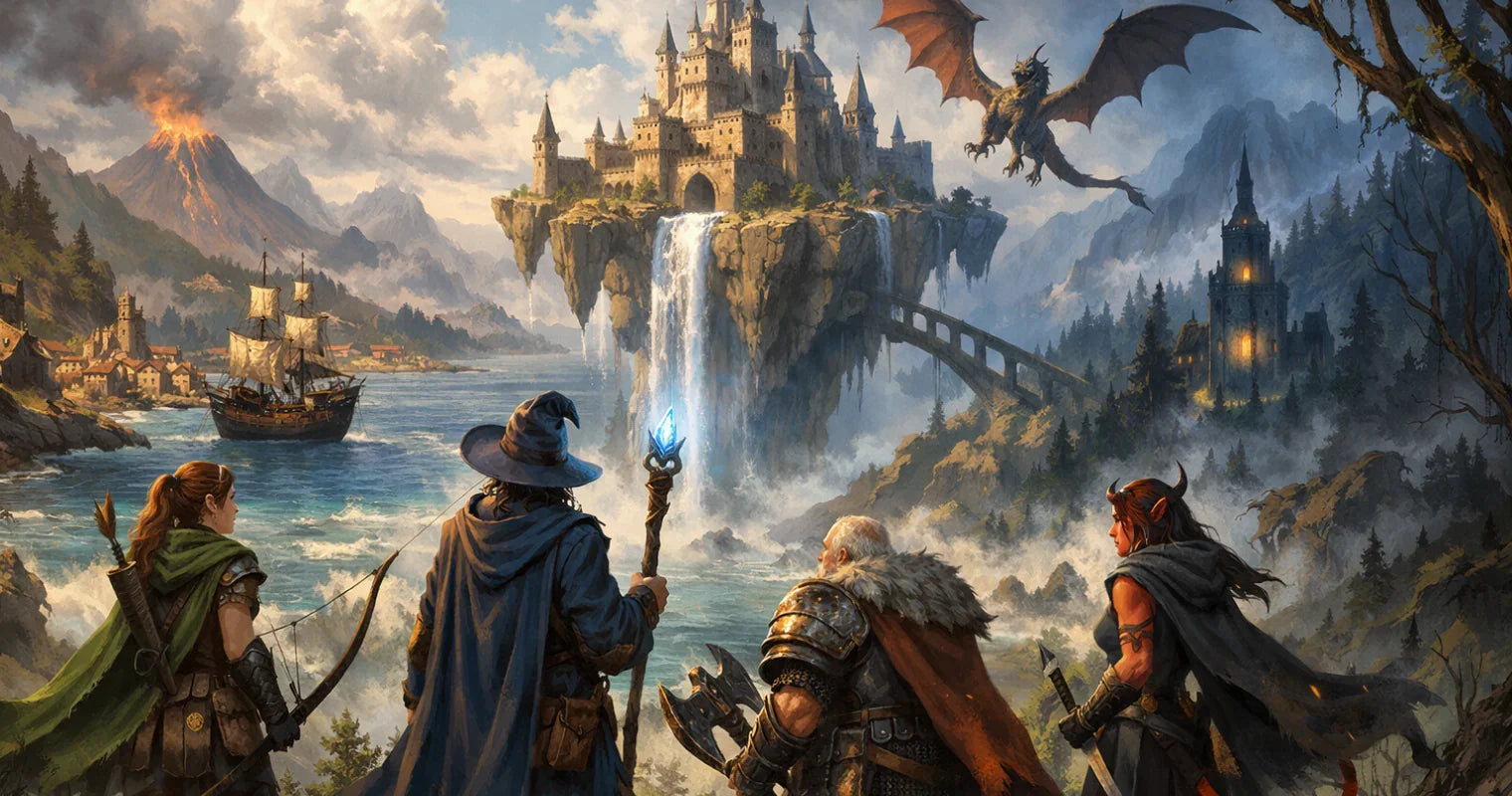
DnD Homebrew Campaign Ideas: Fresh Hooks for GMs Everywhere
Every unforgettable tabletop adventure begins with a simple question: What if? Maybe an ancient lighthouse suddenly shines again after centuries of darkness. Perhaps dragons have quietly disappeared, leaving kingdoms to wonder what frightened them away. Or a peaceful village wakes to discover its shadows have vanished overnight.
These small ideas can grow into epic stories with the right planning. One of the greatest strengths of a homebrew campaign is the freedom to create adventures that reflect your group's interests rather than following a published storyline. You decide how the world works, who shapes its future, and what mysteries await beyond the next mountain.
The best DnD homebrew campaign ideas are not built from endless pages of lore. They begin with compelling questions, memorable characters, and meaningful choices that encourage players to explore your world in their own way. Whether you're creating your first campaign or looking for fresh inspiration, this Dungeon Master guide will help you turn creative ideas into exciting tabletop RPG campaigns that evolve alongside your players.
Finding Inspiration for Original Homebrew Campaign Ideas
Many Game Masters worry that every good fantasy story has already been told. Fortunately, originality often comes from combining familiar ideas in unexpected ways.
Instead of searching for a completely unique concept, start by asking interesting questions.
For example:
-
What if magic slowly disappears each year?
-
What if monsters protect civilization from something worse?
-
What if forgotten gods begin answering prayers again?
-
What if every kingdom remembers history differently?
These questions naturally create opportunities for exploration and conflict.
Inspiration can come from many places:
-
Mythology and folklore
-
Historical events
-
Fantasy novels
-
Nature and geography
-
Movies and television
-
Local legends
-
Artwork and maps
-
Player backstories
Strong homebrew worldbuilding often grows from combining two or three simple concepts instead of inventing everything from scratch.
For example:
A floating archipelago ruled by rival merchant guilds that compete over magical storms.
Or:
A frozen kingdom where summer has become a forgotten legend.
Both ideas immediately suggest adventures, conflicts, and memorable locations.
Building Adventure Hooks That Capture Player Interest
A campaign lives or dies by its opening sessions. Strong D&D adventure hooks encourage players to ask questions rather than simply follow instructions.
Good hooks usually involve:
-
Mystery
-
Danger
-
Opportunity
-
Personal stakes
-
Difficult choices
Instead of saying:
"The king hires you to defeat goblins."
Try something like:
"The goblins have stopped attacking caravans, but no one knows why. Now entire villages are disappearing without a trace."
Players become curious because something unexpected has happened.
Other engaging hooks include:
-
A city where dreams predict tomorrow's disasters.
-
A magical forest that changes location every full moon.
-
An abandoned fortress that appears only during eclipses.
-
A powerful artifact that grants wishes while secretly rewriting history.
-
A famous hero returning from death with no memory of their past.
These hooks create questions that players naturally want to answer.
Creating Memorable Settings, Factions, Villains, and Conflicts
Interesting locations become memorable because something unusual shapes everyday life.
Ask yourself:
-
How does magic affect society?
-
What makes this kingdom different?
-
What danger constantly threatens the region?
-
What do ordinary people fear?
Rather than designing dozens of cities immediately, focus on one area where the campaign begins.
Populate it with meaningful factions such as:
-
Merchant alliances
-
Religious orders
-
Mage academies
-
Criminal organizations
-
Noble houses
-
Explorer guilds
Each faction should want something.
Conflict naturally appears when different groups pursue incompatible goals.
Villains become more believable when they have understandable motivations.
Instead of creating an evil ruler who wants power simply because they are evil, consider motivations like:
-
Preventing an ancient prophecy
-
Saving their homeland at any cost
-
Protecting dangerous knowledge
-
Seeking revenge for past injustice
-
Trying to restore a lost civilization
These motivations encourage richer RPG storytelling because players may sympathize with parts of the villain's goals.
Campaign Planning at a Glance
A simple planning framework helps organize ideas without locking the campaign into a rigid structure.
| Campaign Element | Questions to Answer |
|---|---|
| Campaign Theme | What emotions or ideas define the adventure? |
| Central Conflict | What major problem threatens the world or region? |
| Player Goals | What motivates the party to stay involved? |
| Memorable Locations | Which places will players remember long after the campaign ends? |
| Long-Term Story Possibilities | How could the story grow based on player decisions? |
Remember that this table is a starting point rather than a set of fixed rules. Many successful D&D campaign ideas change dramatically after the first few sessions because players discover unexpected directions for the story.
Keeping Player Choices Meaningful
One of the defining features of successful tabletop RPG campaigns is player agency.
Players should feel their decisions genuinely influence the world.
Meaningful choices include:
-
Choosing which faction to support
-
Deciding who receives a powerful artifact
-
Negotiating instead of fighting
-
Saving one settlement while another faces danger
-
Determining the future of a kingdom
Not every choice needs world-changing consequences.
Sometimes helping a single family or sparing an enemy creates lasting emotional impact.
Avoid forcing players onto one predetermined path.
If they ignore your carefully prepared dungeon and instead investigate a mysterious tower you mentioned casually, consider following their curiosity.
Flexible storytelling often creates the most memorable adventures.
This is why there is no single correct method for designing a homebrew campaign. Every group enjoys different styles of play, and adapting to your players is one of the most valuable Game Master tips you can learn.
Expanding a Simple Idea into a Lasting Adventure
Many long-running campaigns begin with surprisingly small concepts.
Imagine your first session starts with villagers reporting strange lights beneath a nearby lake.
That single mystery could grow into:
-
Hidden underwater ruins
-
Forgotten magical civilizations
-
Rival treasure hunters
-
Ancient sea creatures awakening
-
Political conflicts over valuable discoveries
-
A world-spanning threat connected to submerged relics
Each answer naturally creates new questions.
Rather than planning every detail months in advance, build outward gradually.
Many Game Masters find it helpful to organize campaign notes in a dedicated notebook or digital document. Keeping NPCs, locations, and story threads together makes it easier to react when players explore unexpected directions. During sessions, accessories like a dice tray can help keep your workspace organized, while condition rings make it easier to track ongoing spell effects and combat conditions without slowing the pace of play.
Common Homebrew Campaign Mistakes to Avoid
Every Game Master learns through experience, but avoiding a few common pitfalls can make early campaigns much smoother.
Building Too Much Before Session One
You do not need an encyclopedia of world history before the first adventure.
Focus on the starting region first.
Ignoring Player Backstories
Character histories are excellent sources of future adventures.
A player's forgotten mentor or missing sibling can become an entire story arc.
Forcing One Story Path
Players enjoy discovering their own solutions.
Allow multiple approaches whenever possible.
Creating Too Many NPCs at Once
A handful of memorable characters is more effective than dozens of forgettable ones.
Keeping Every Secret Hidden
Players enjoy mysteries, but they also need enough information to make informed decisions.
Balance mystery with discovery.
Remember that homebrew settings are your own creations, not official Dungeons & Dragons material. Feel free to adapt ideas to suit your preferred game system, campaign tone, and the interests of your players.
Quick Homebrew Campaign Planning Checklist
Before launching your campaign, review these essentials.
-
Establish the campaign's central theme.
-
Create one engaging opening adventure.
-
Design a memorable starting location.
-
Develop a few important NPCs.
-
Give each major faction clear goals.
-
Leave room for player decisions to shape future events.
-
Prepare a few flexible encounters rather than scripting every scene.
-
Connect character backstories to future adventures.
-
Keep notes organized between sessions.
-
Adjust future sessions based on player choices.
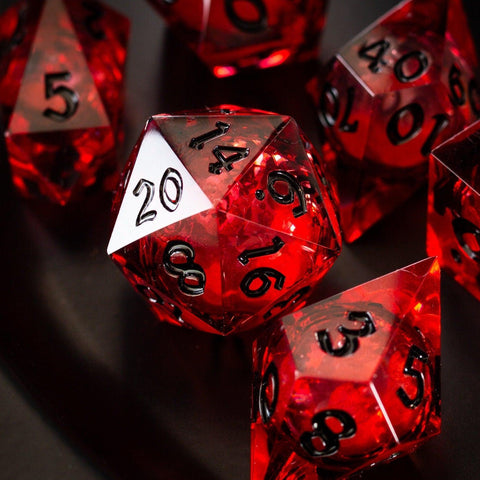
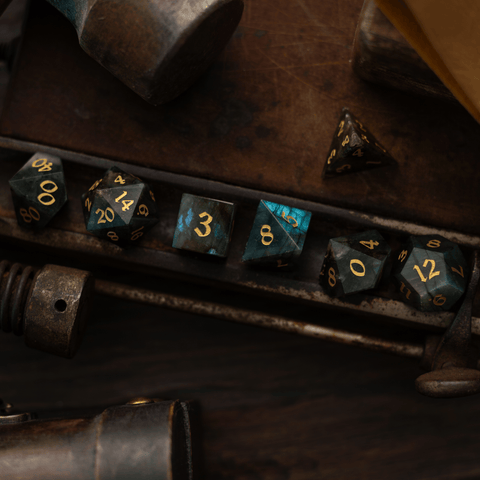
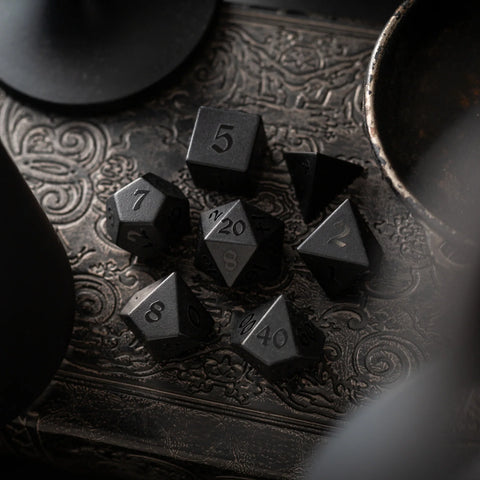
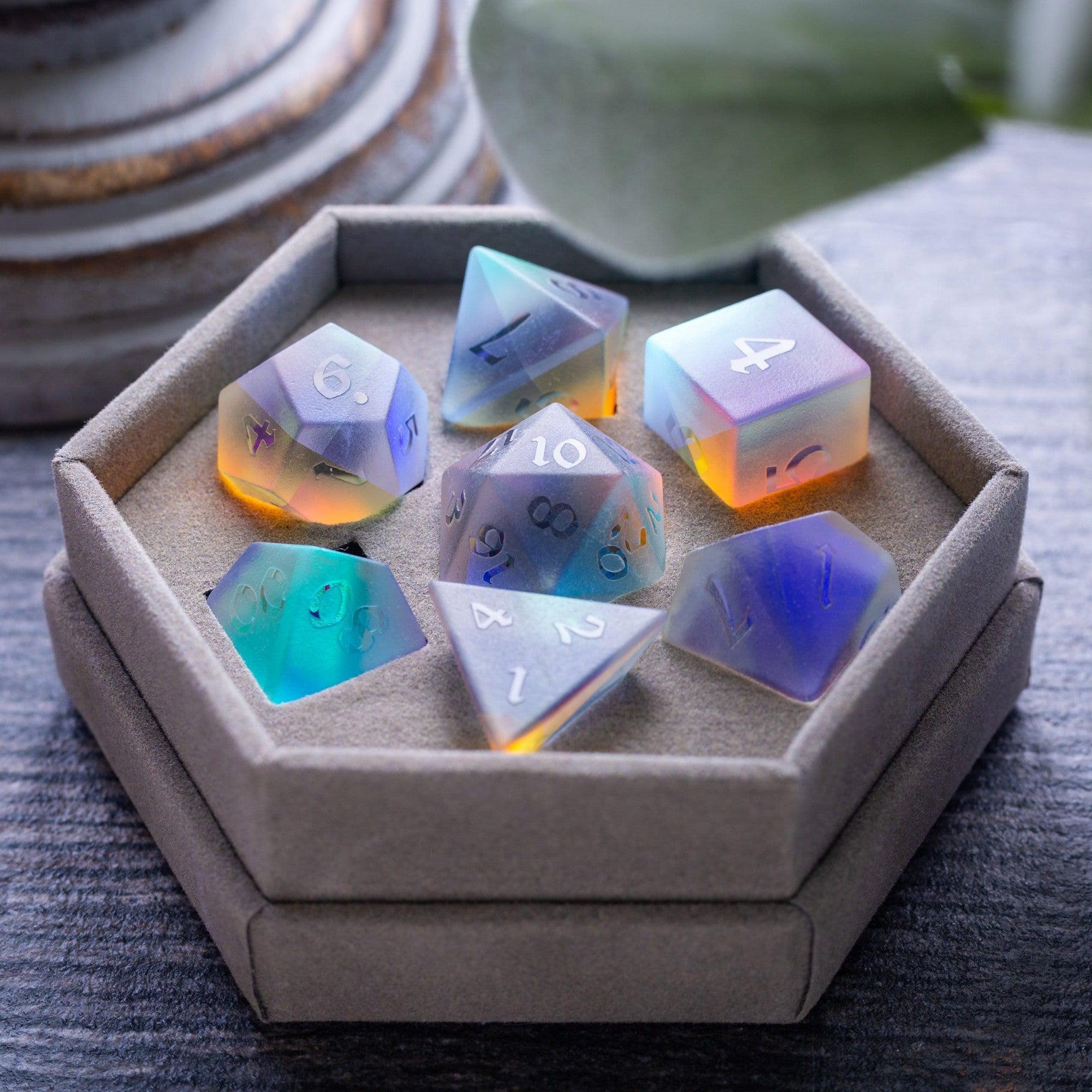
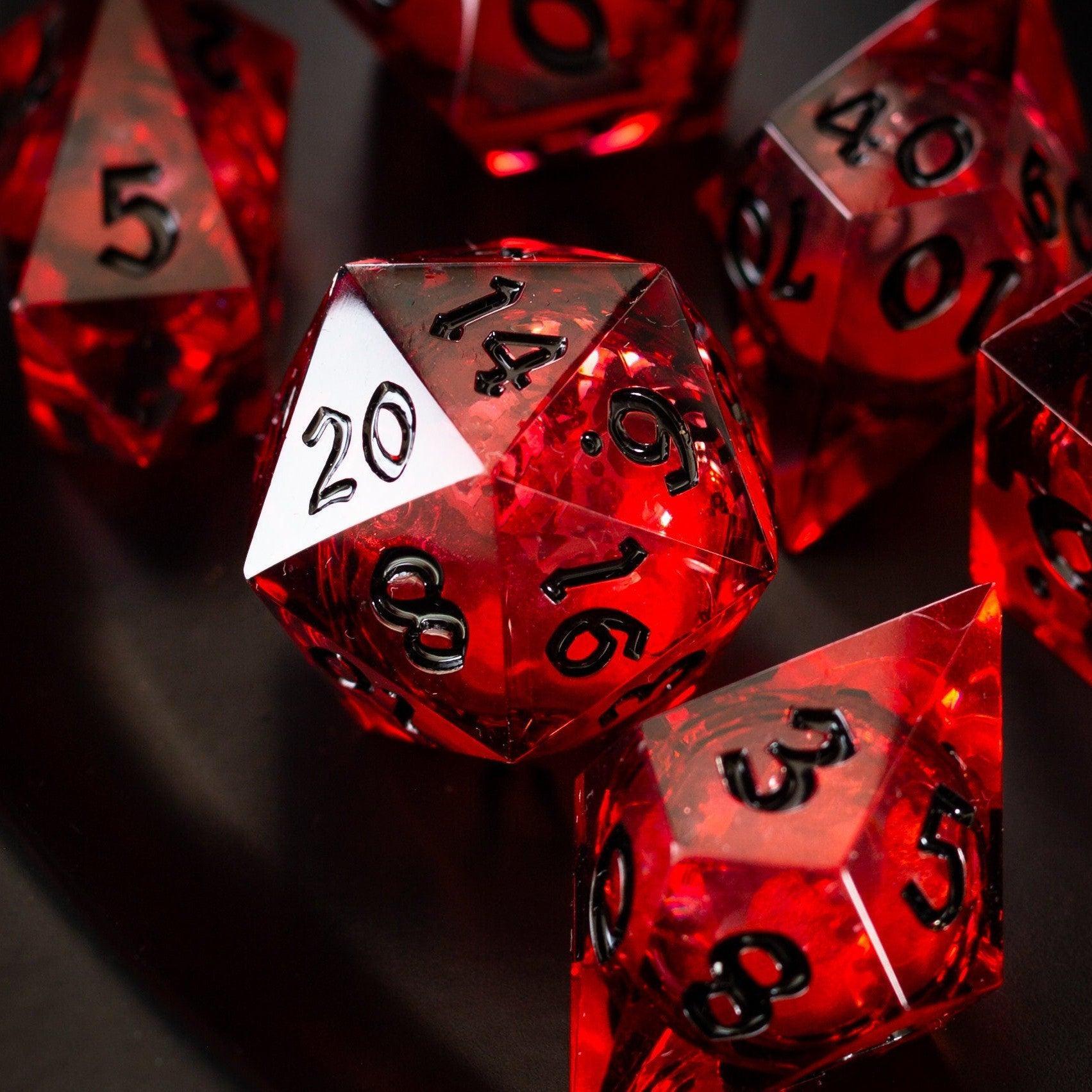
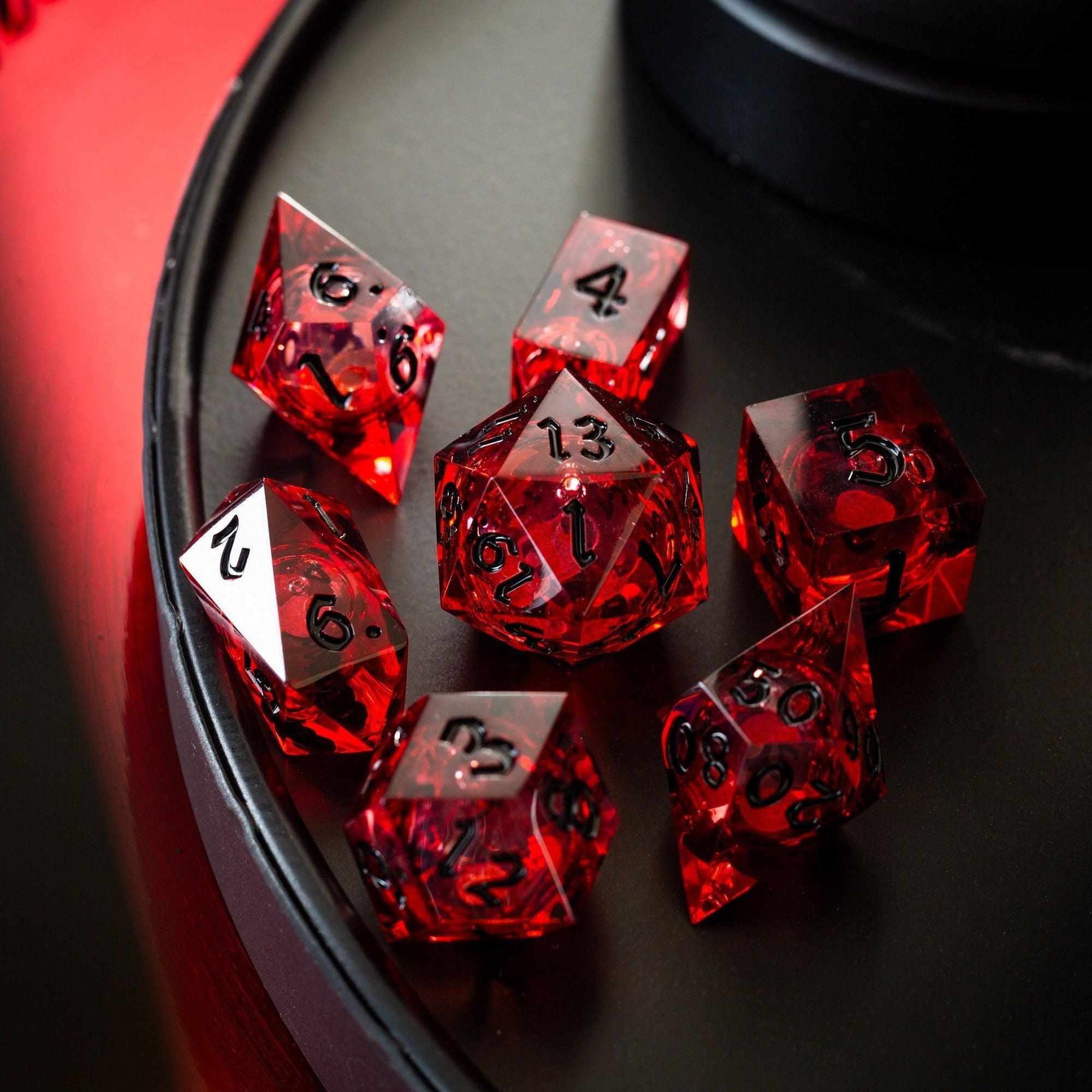
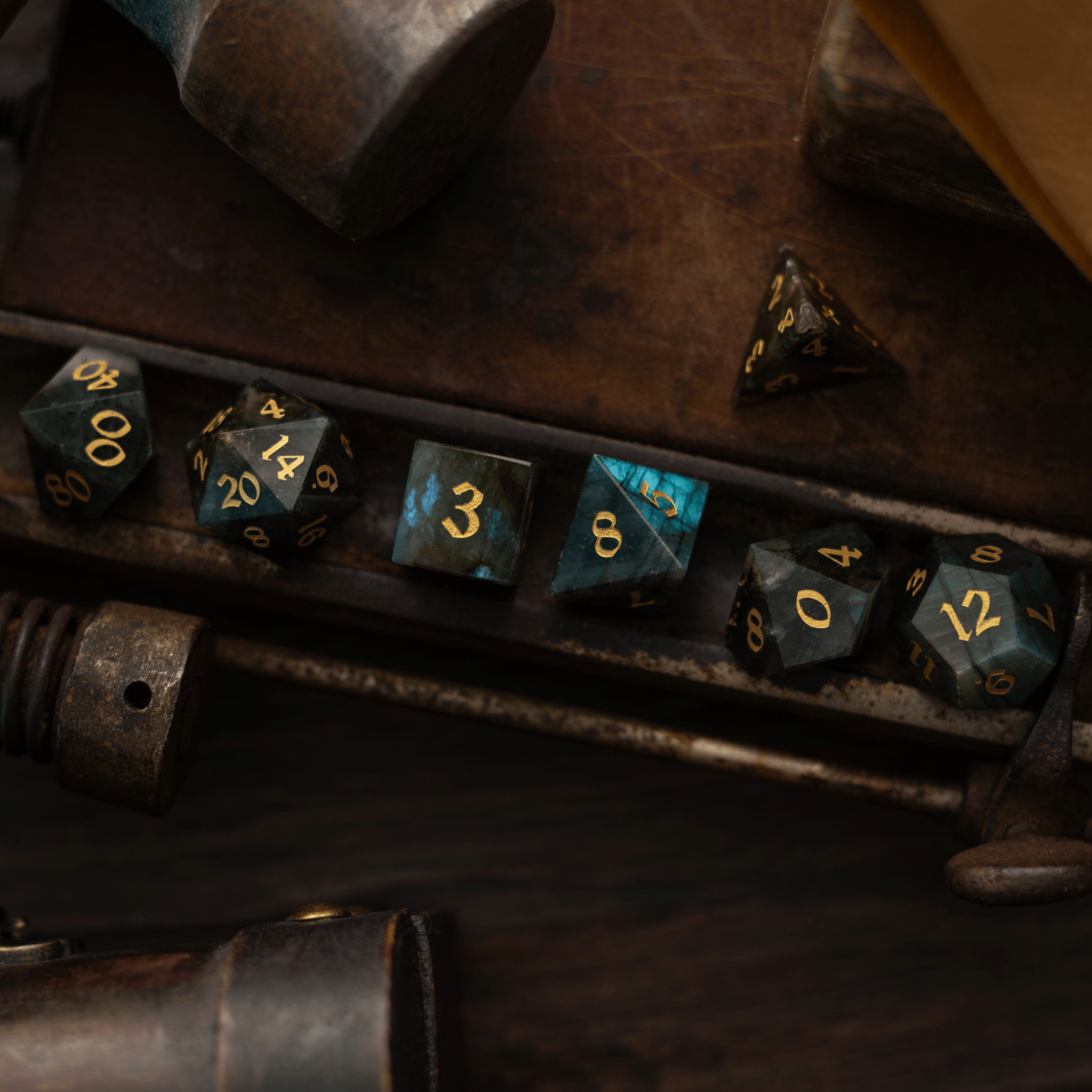
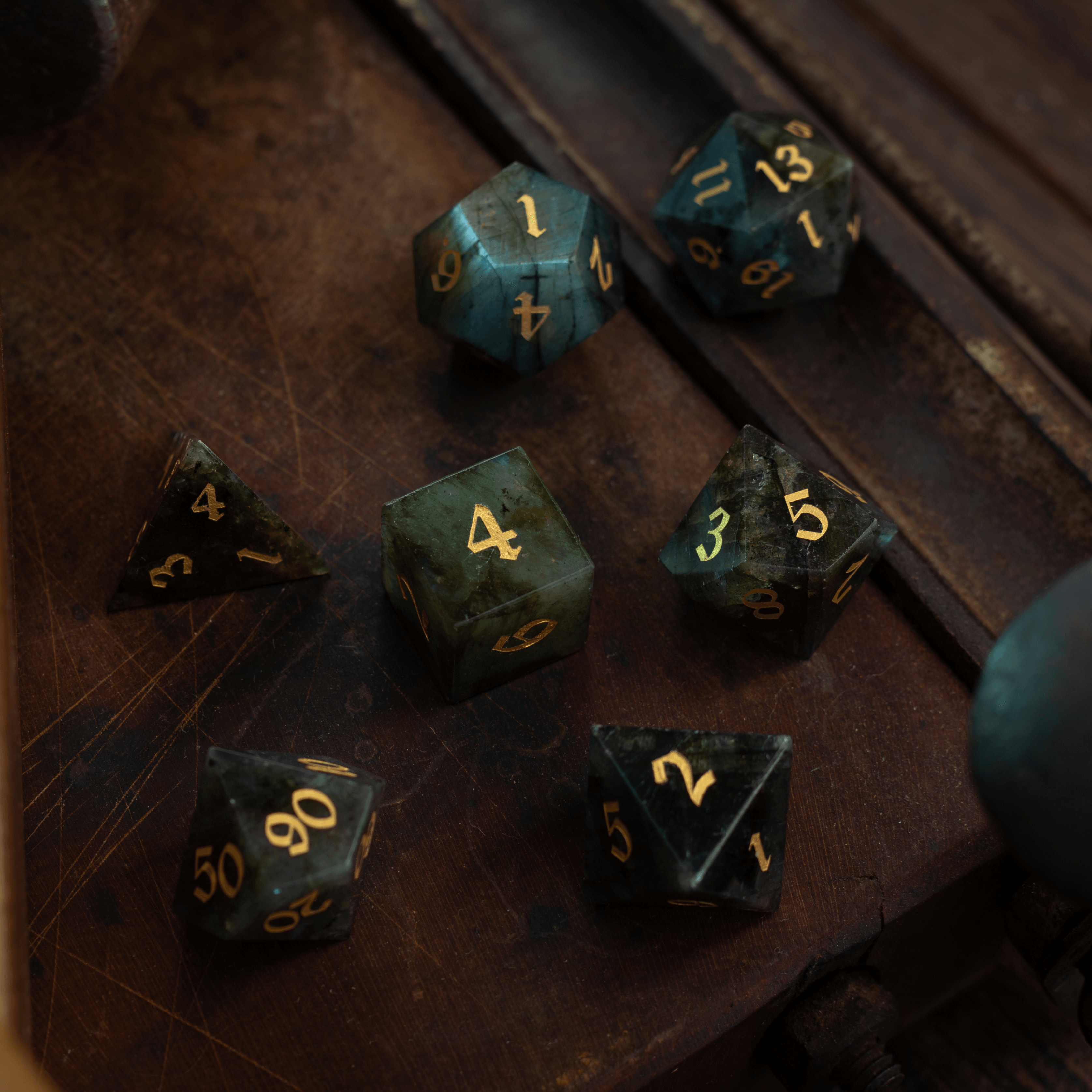
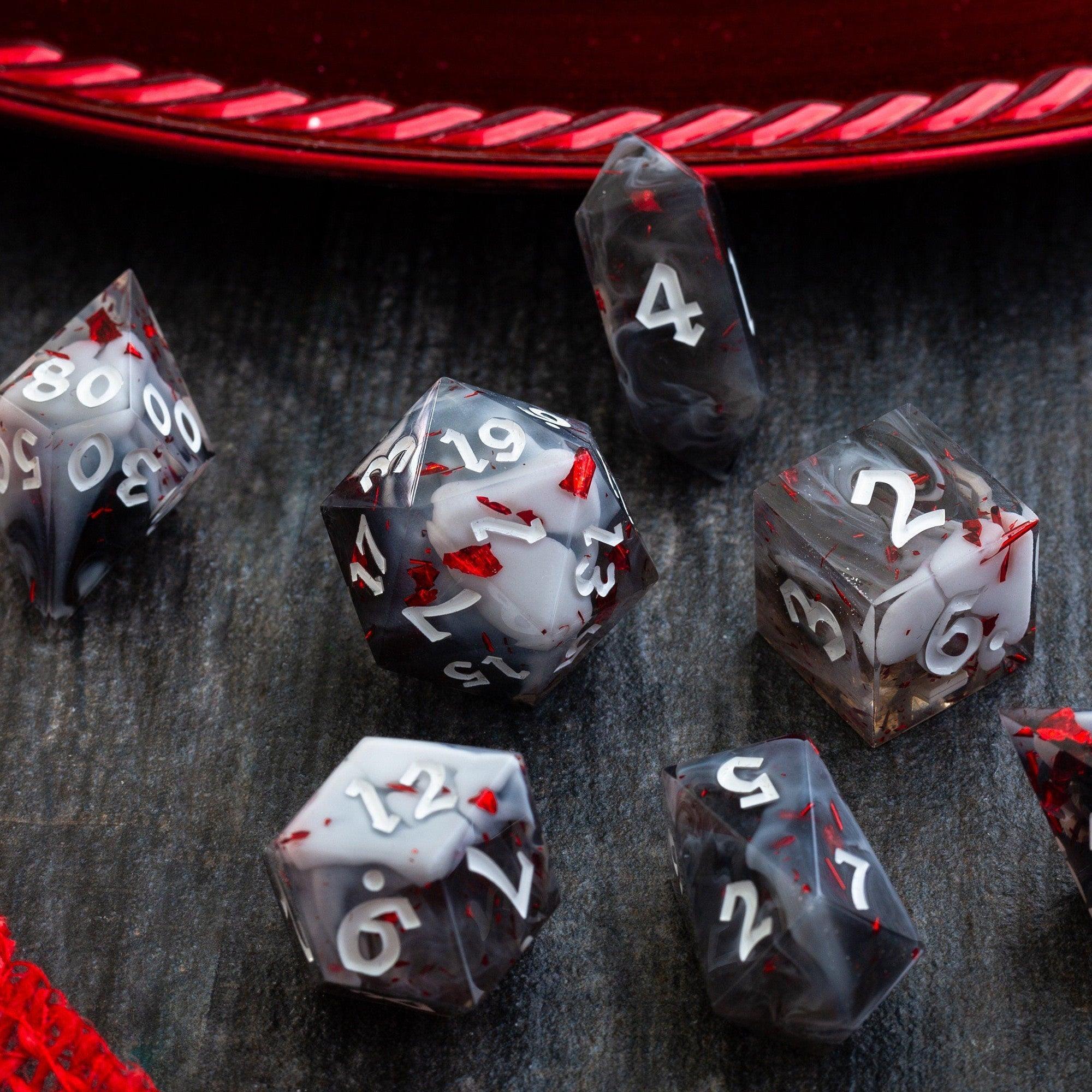
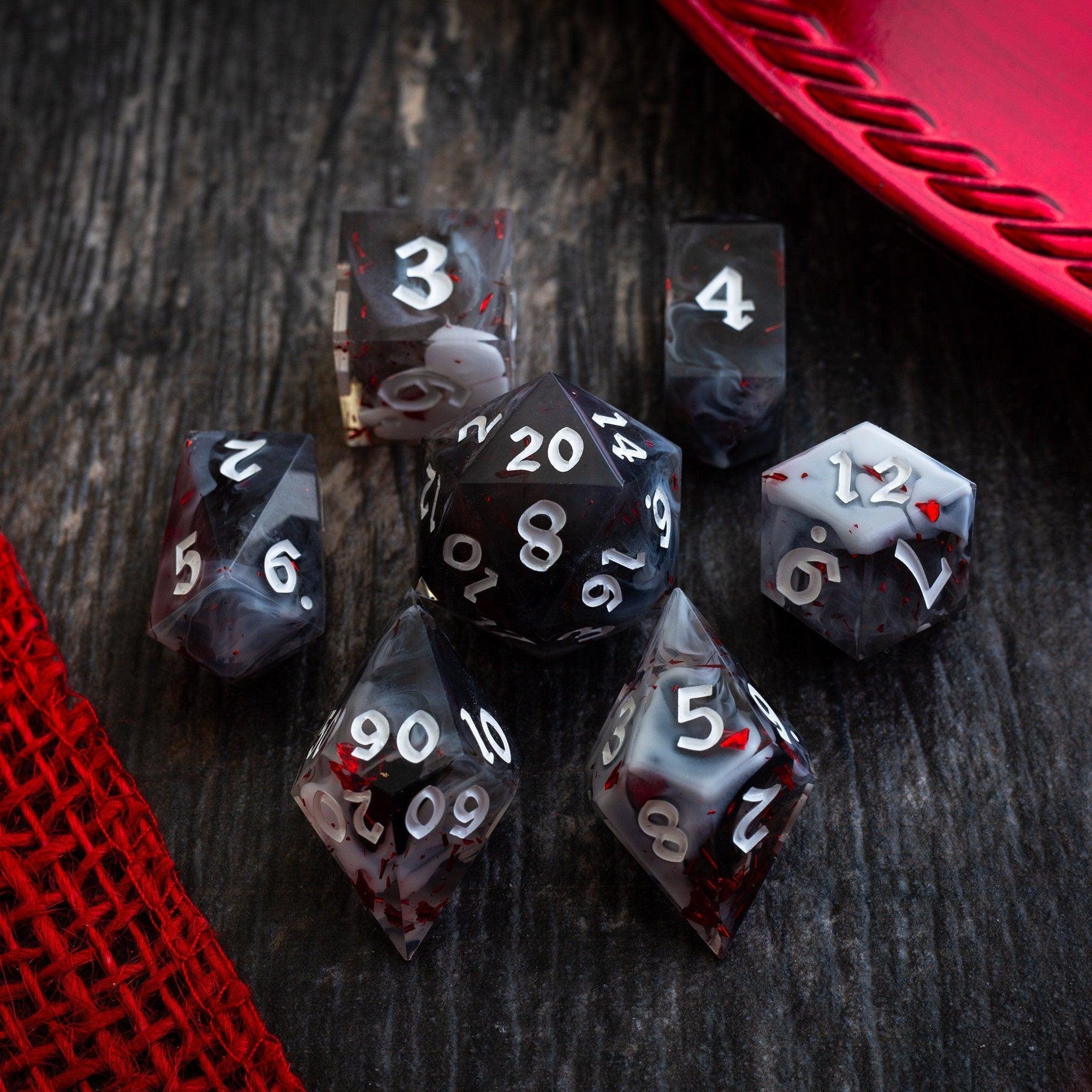
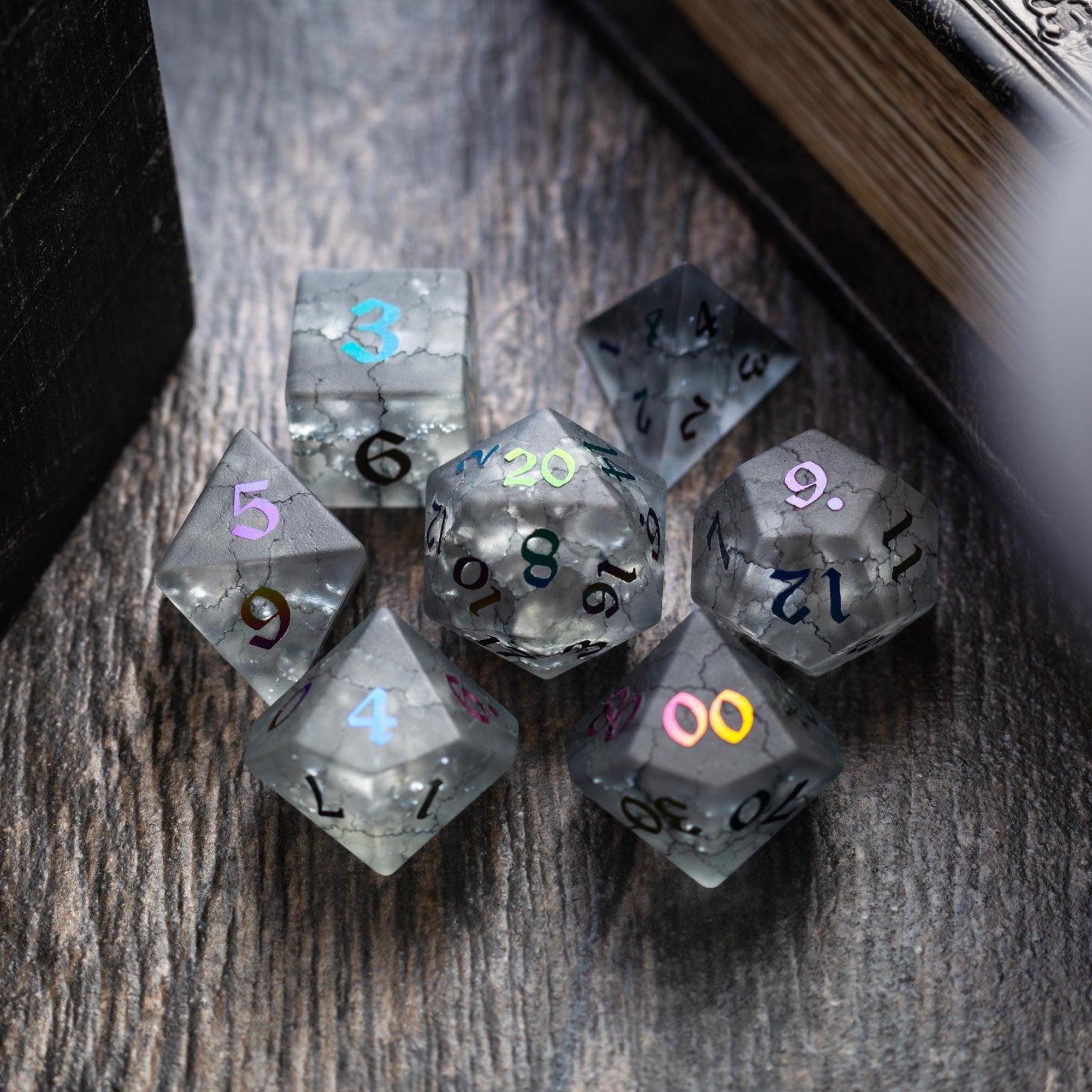
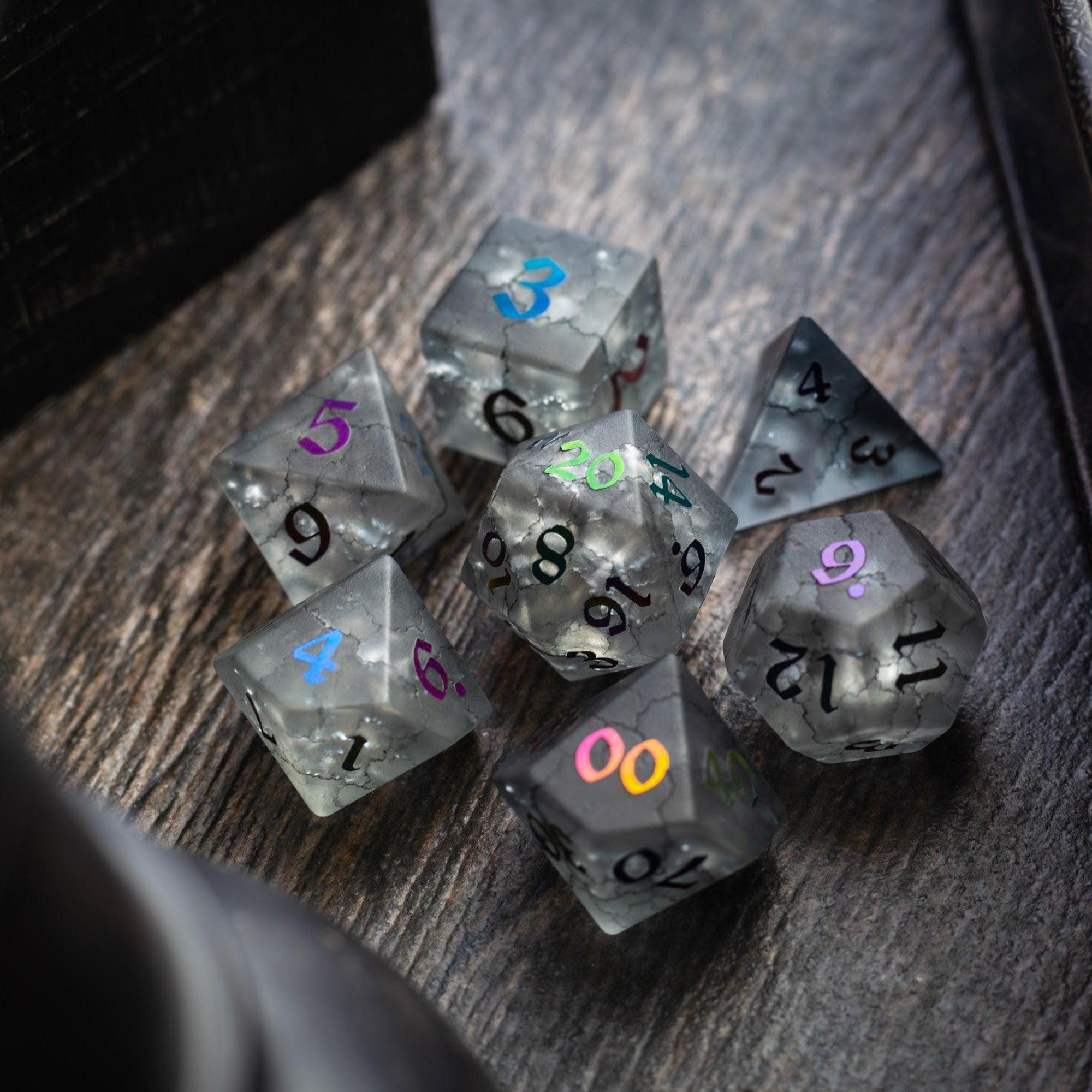
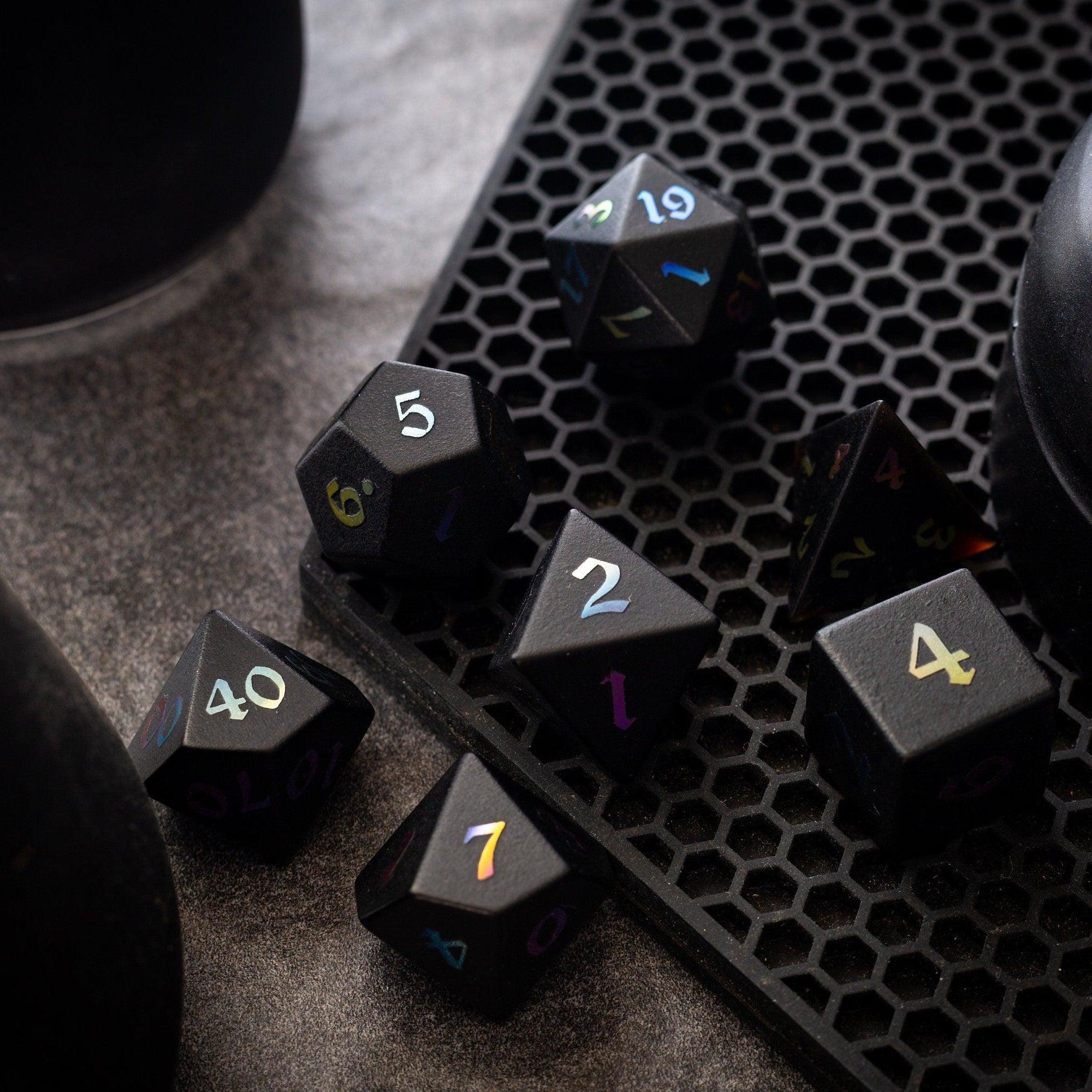
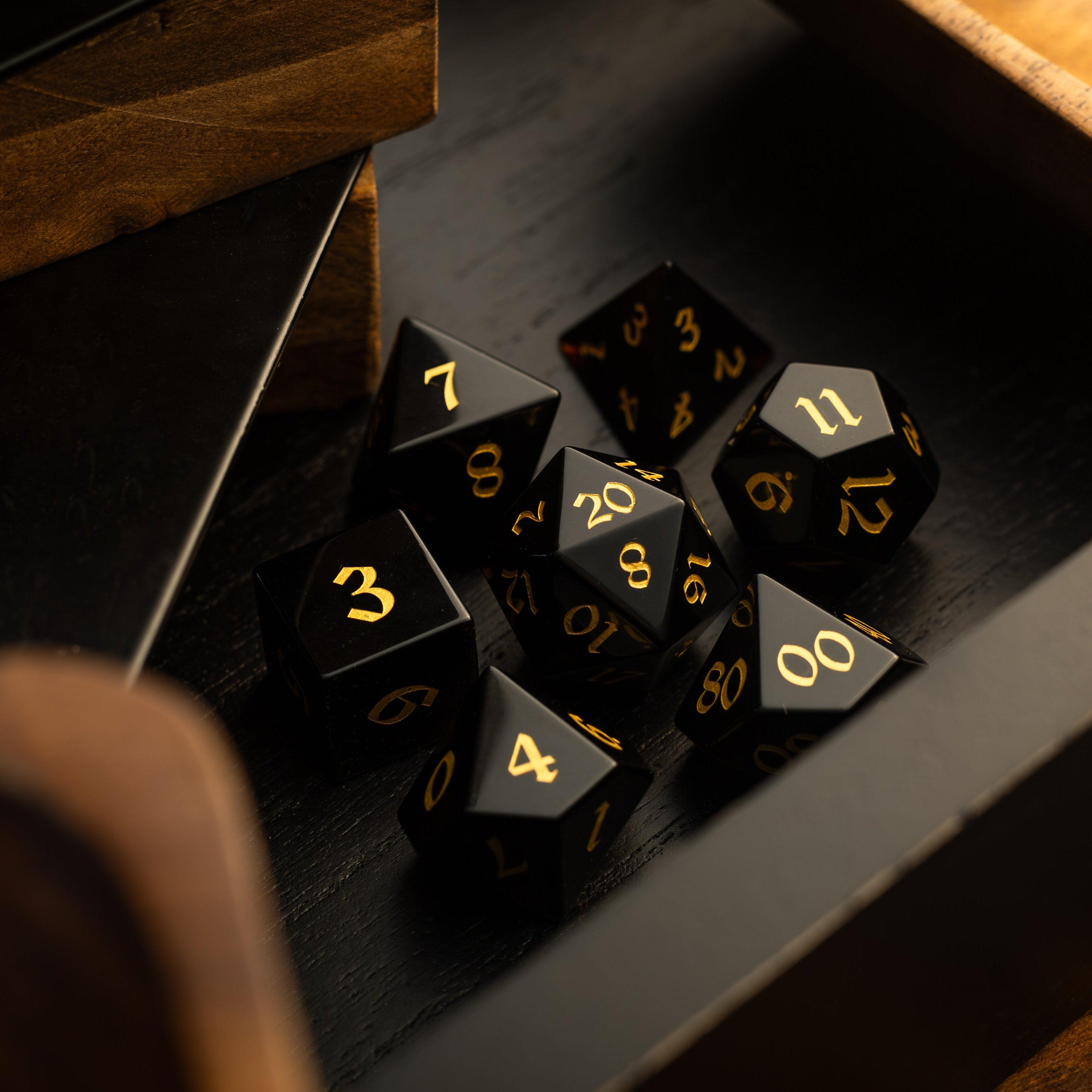
Many Game Masters also enjoy using premium gemstone, resin, or metal dice during important story moments to give dramatic scenes extra atmosphere. Pairing those with a dice tower can keep important rolls consistent while maintaining a smooth flow during exciting encounters.
The joy of creating a homebrew world comes from watching it grow alongside your players. Some of your favorite NPCs may be invented moments before they appear, while carefully planned villains might never meet the party because the story takes an unexpected turn. That flexibility is part of what makes homebrew campaigns so rewarding.
Treat your notes as living documents rather than unchangeable plans. Listen to what excites your players, build on their decisions, and let their actions leave lasting marks on the world. Every campaign will develop its own identity through shared storytelling, unexpected victories, surprising failures, and unforgettable characters. With thoughtful campaign planning, engaging D&D adventure hooks, and a willingness to adapt, your world can become a place your group looks forward to returning to session after session.






Leave a comment
This site is protected by hCaptcha and the hCaptcha Privacy Policy and Terms of Service apply.