

DND Campaign Essentials: Build Engaging Adventures Today
Updated on: 2026-01-05
This guide shows you how to build a complete table-ready kit so every session runs smoother, faster, and with more fun. You will discover how to choose durable gear, organize your table, and highlight one product that solves multiple game-night headaches. Whether you are a new Game Master or a veteran player, you will learn practical steps, real use cases, and smart upgrades that belong on any list of DND campaign essentials.

Game night goes better when your gear does more than look good. The right kit keeps turns speedy, protects your table, and makes key moments feel epic. In this article, you will learn how to assemble a reliable, long-lasting setup that works for one-shot adventures or multi-session arcs. We focus on the must-haves that reduce table clutter, avoid slowdowns, and boost immersion—so you can spend more time role-playing and less time searching for a pencil, swapping dice, or redrawing maps.
We will also spotlight a materials upgrade that players love: stone dice. Their weight, clarity, and presence make every roll feel intentional. If you are building from scratch, start with a dependable dice set in a protective case, add a rolling surface, a compact notetaking system, and a simple storage method. Throughout this guide, you will see quick wins that scale from casual to epic play, with options you can find at Runic Dice.
Product Spotlight: DND campaign essentials Kit
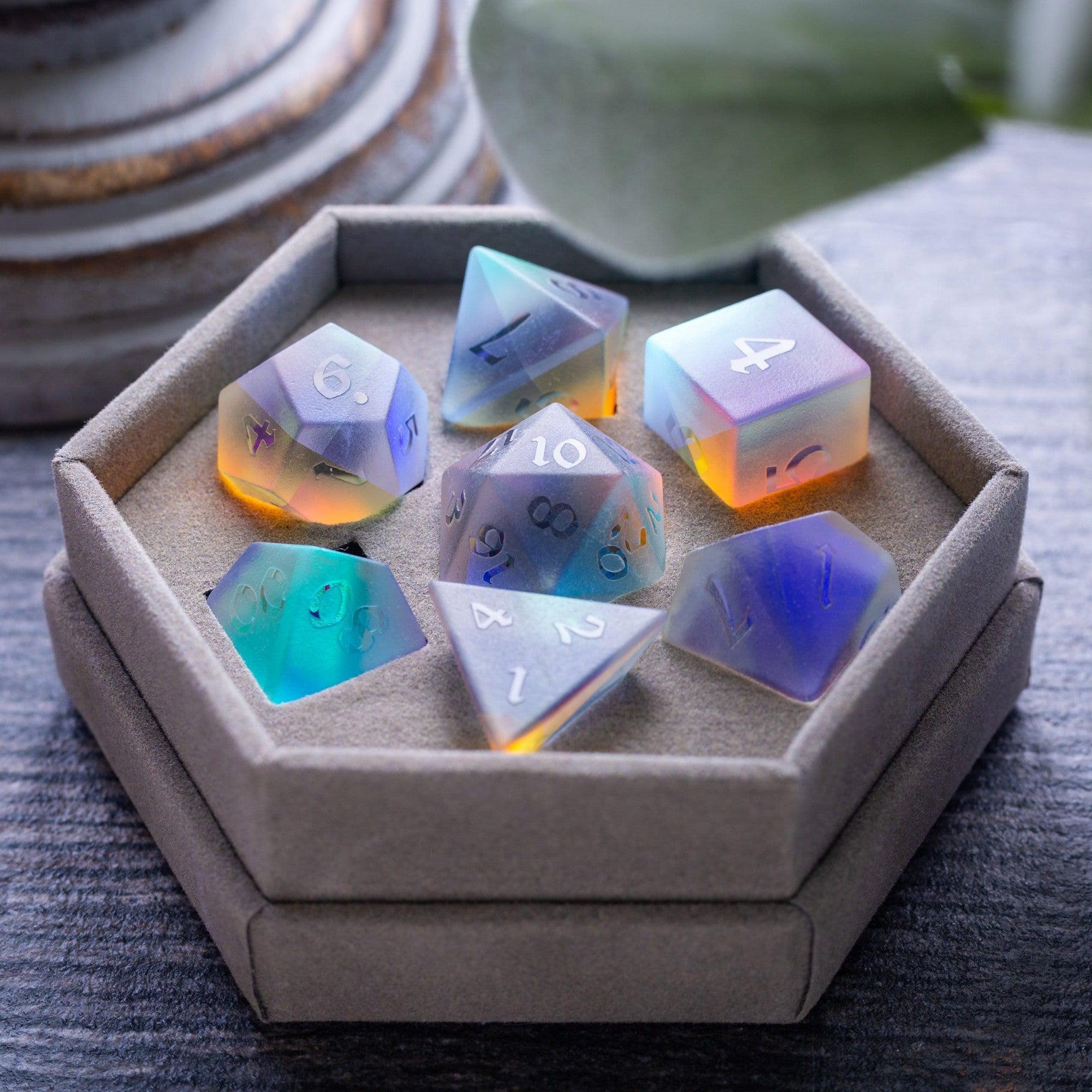
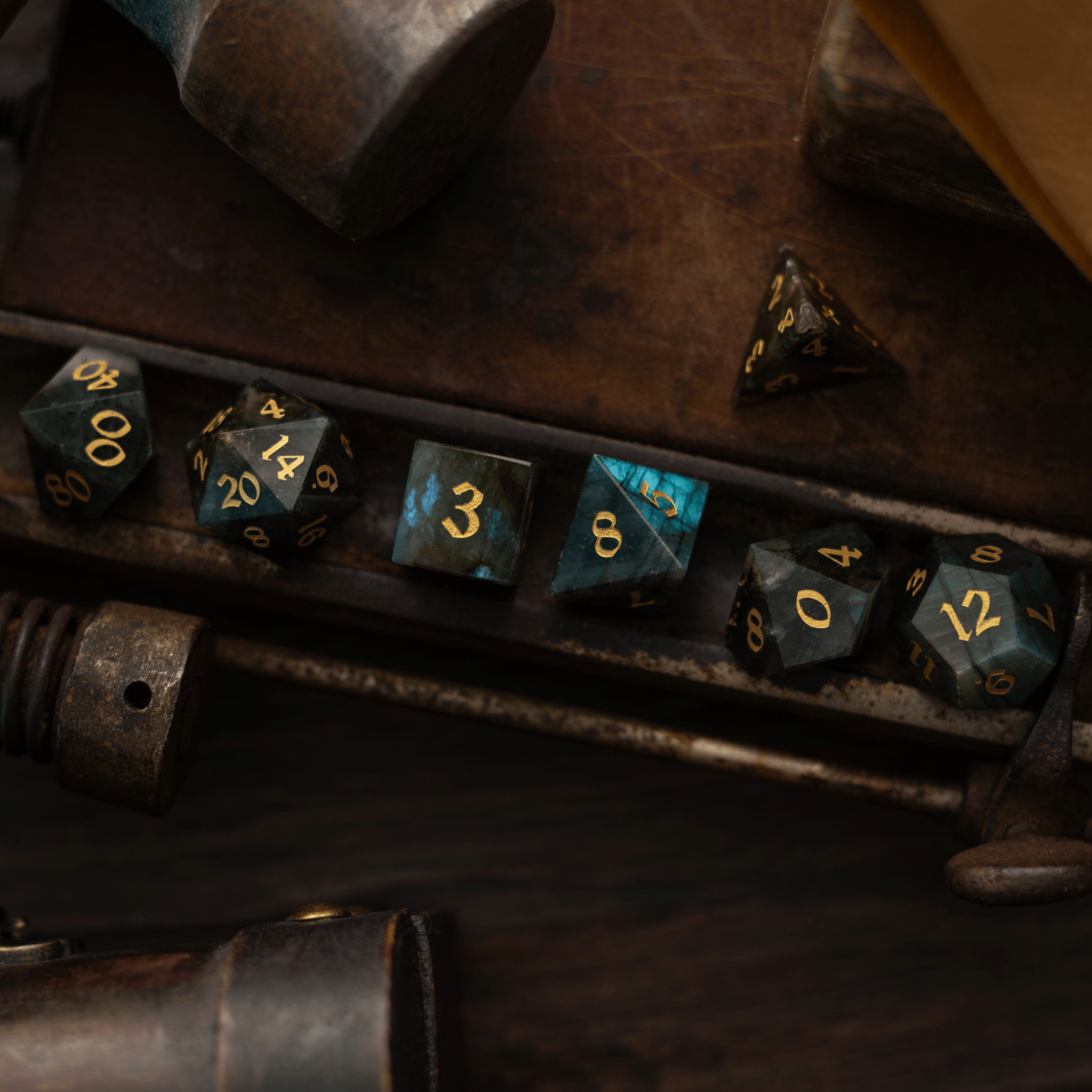
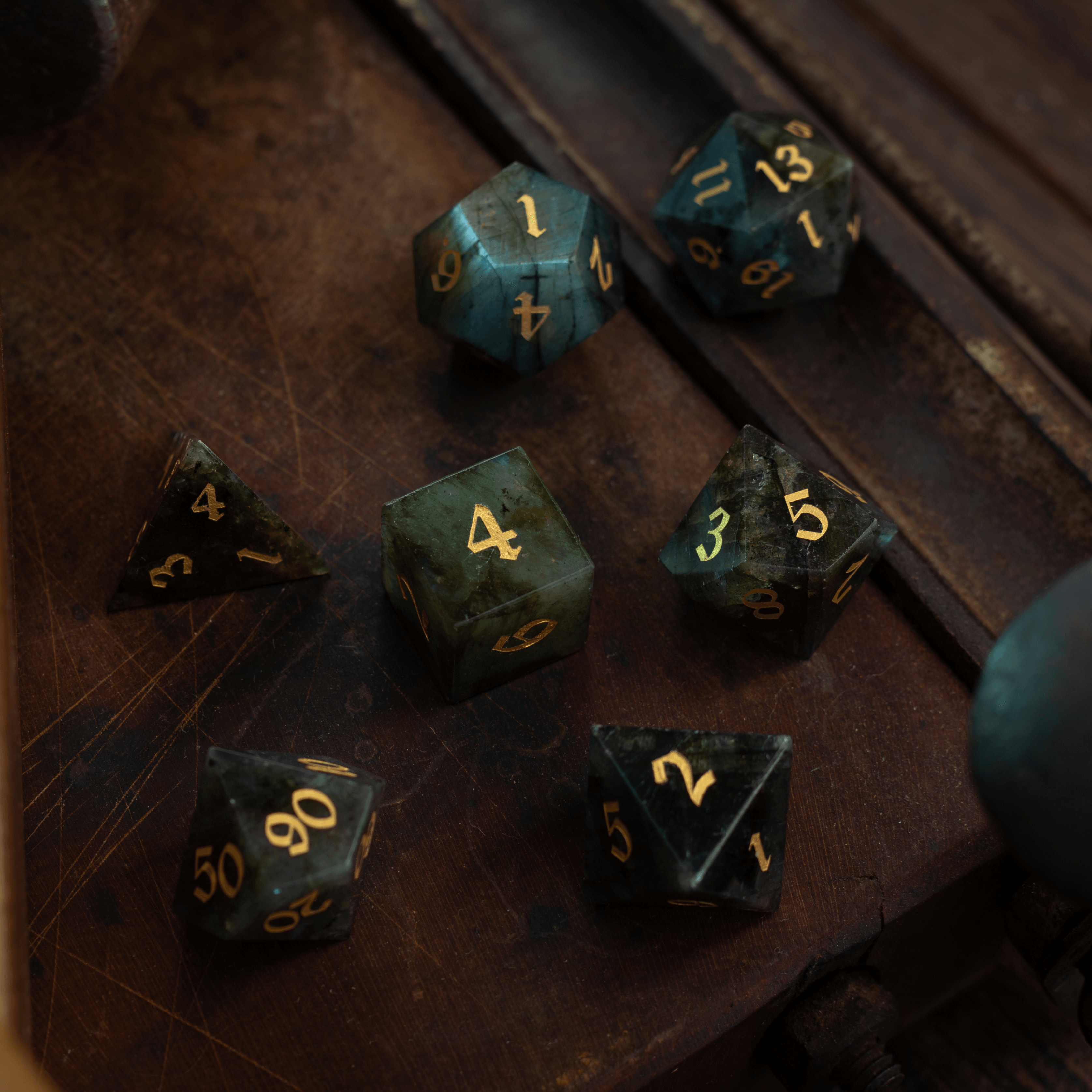
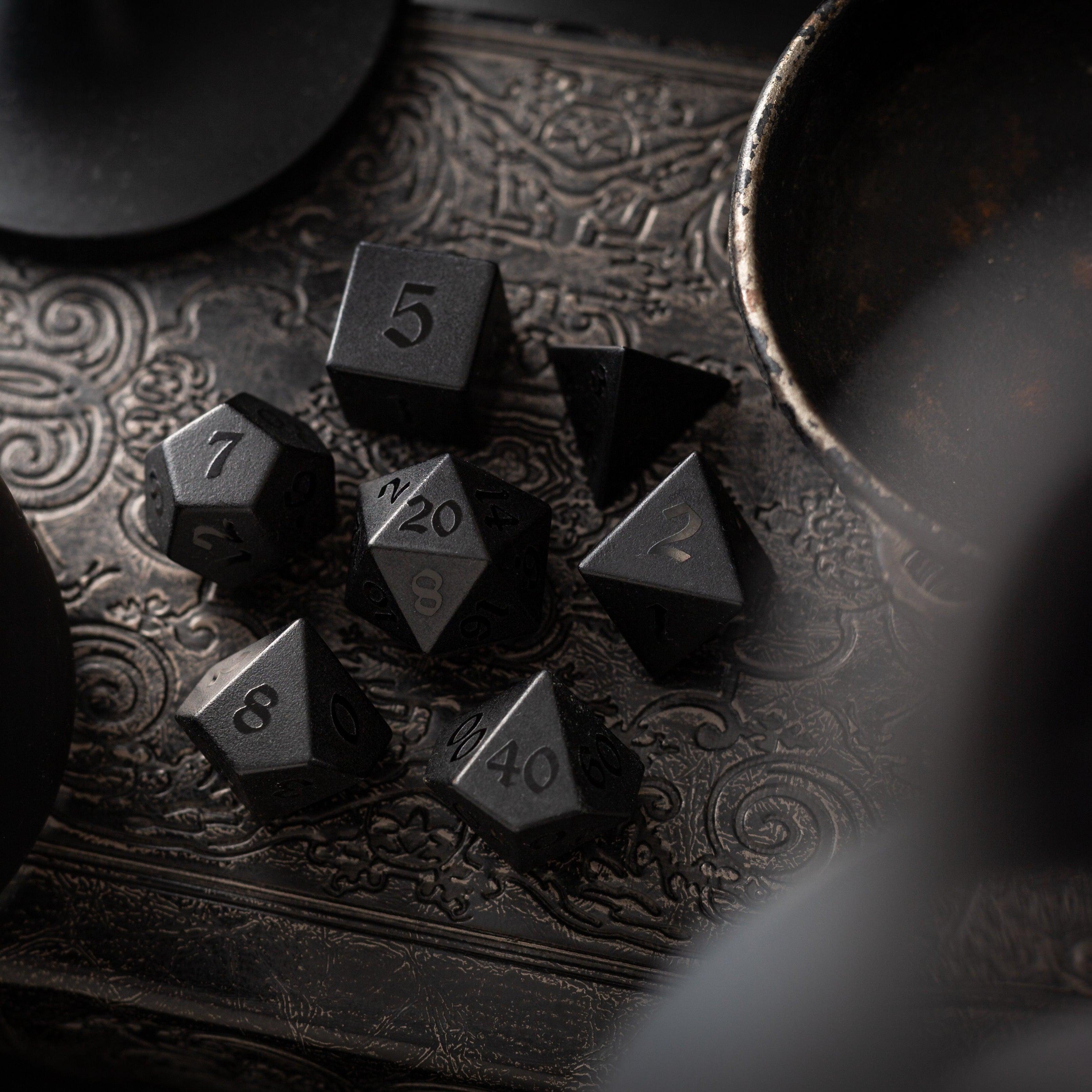
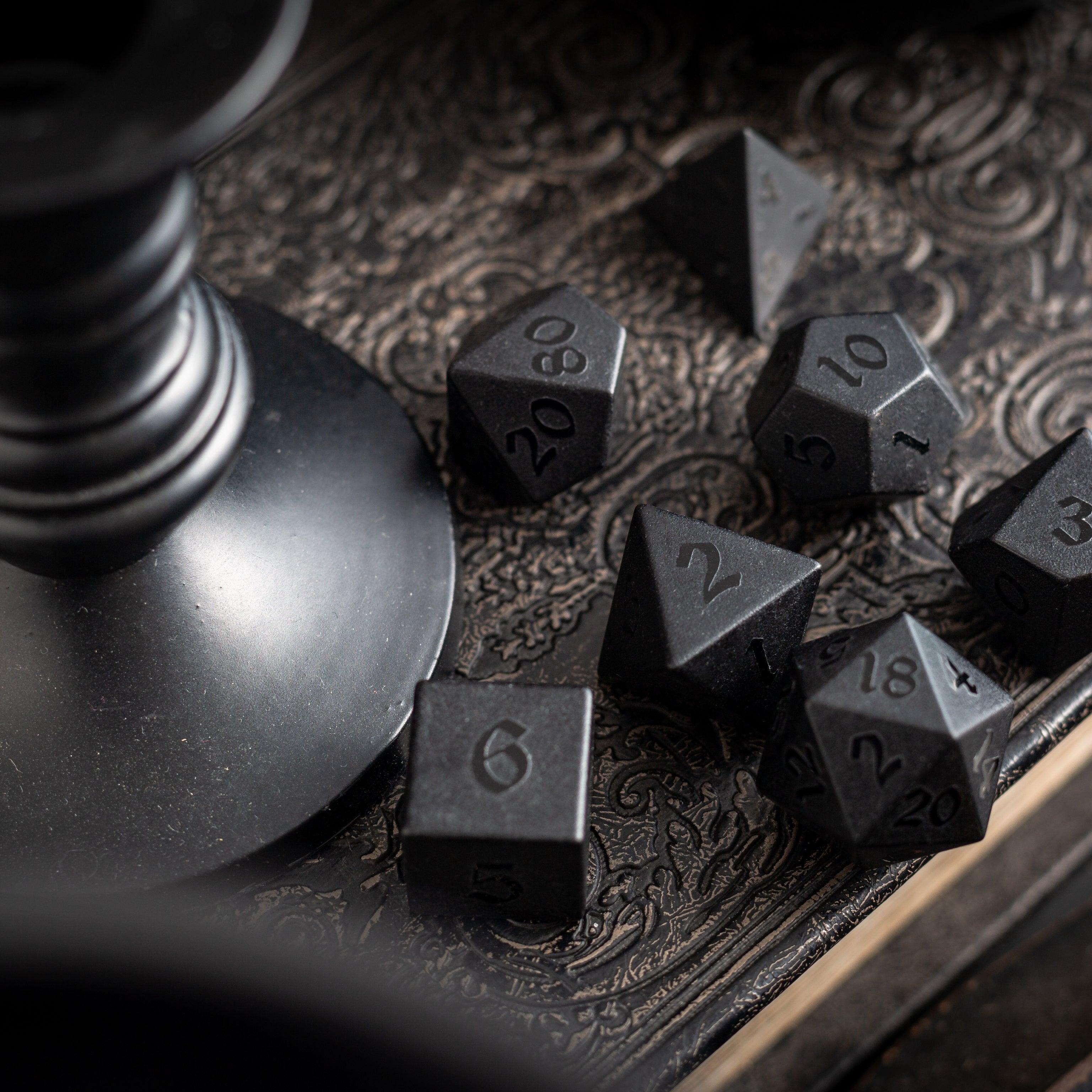
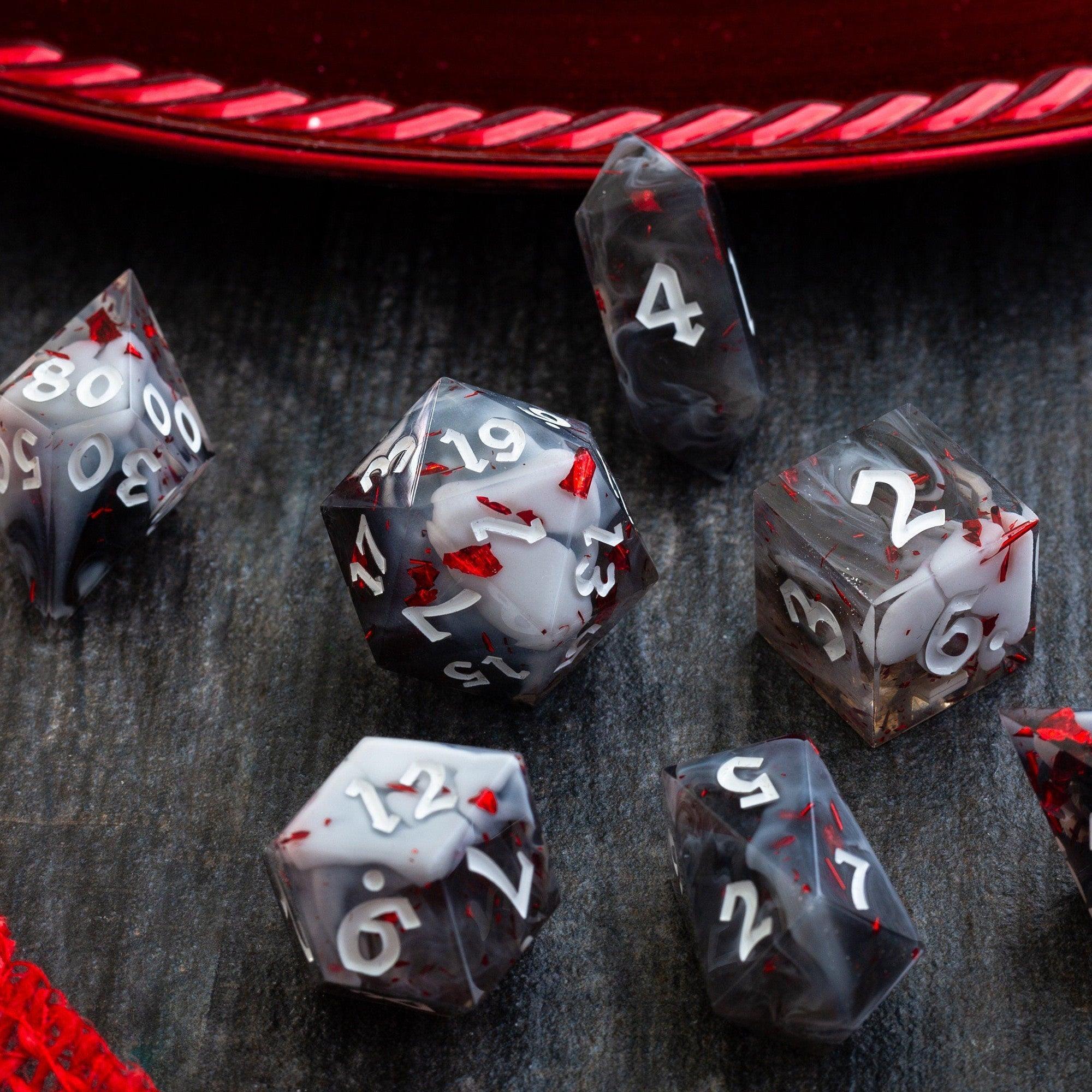
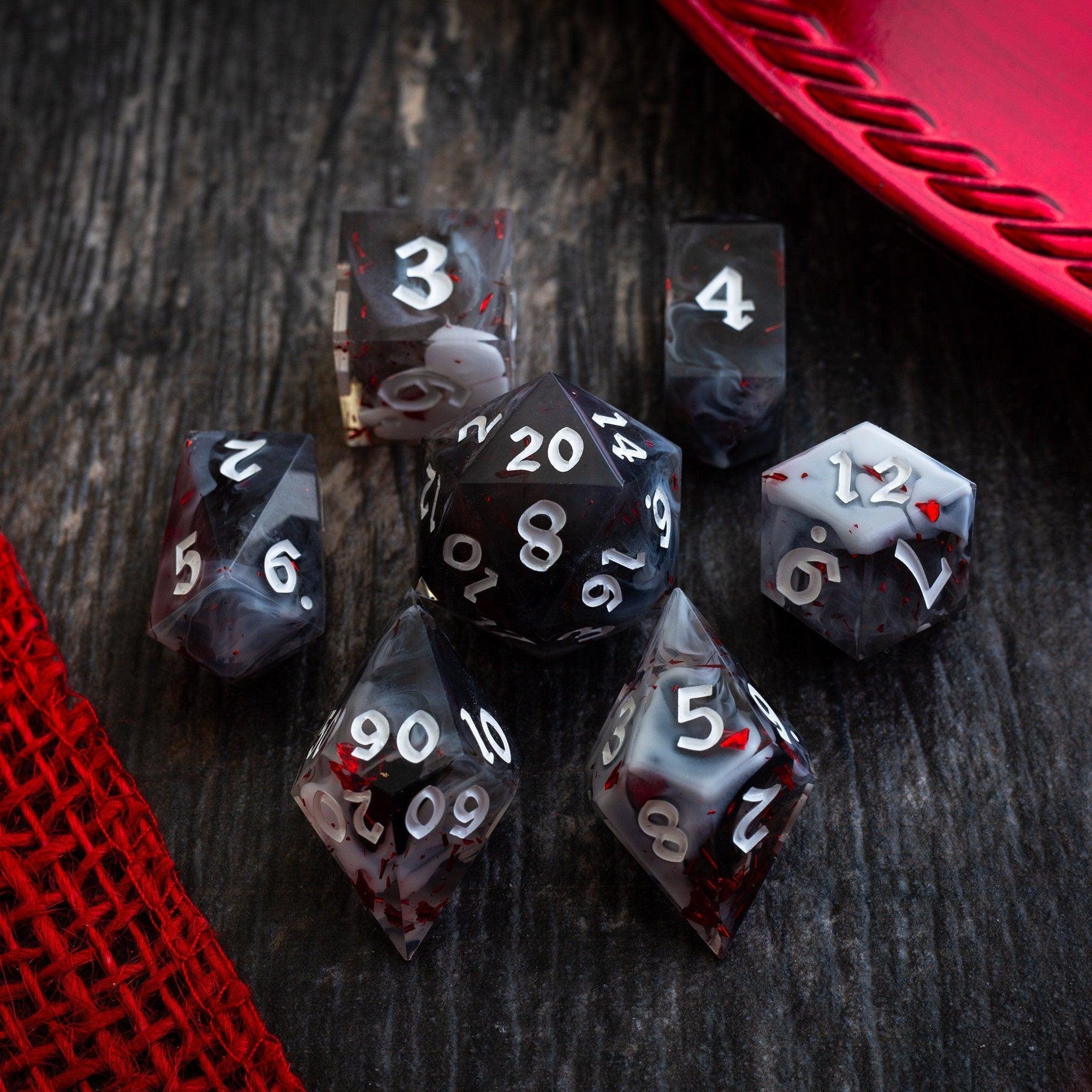
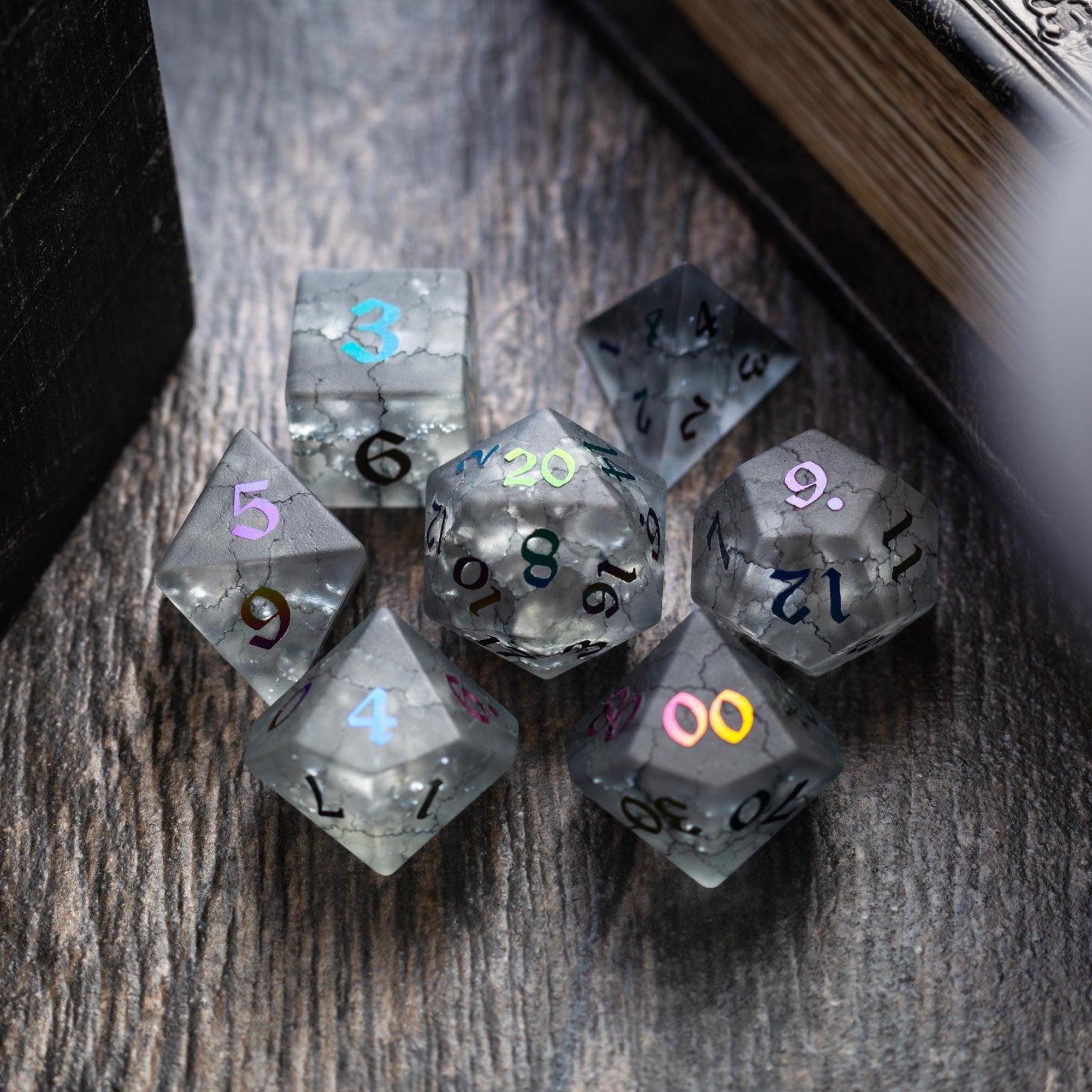
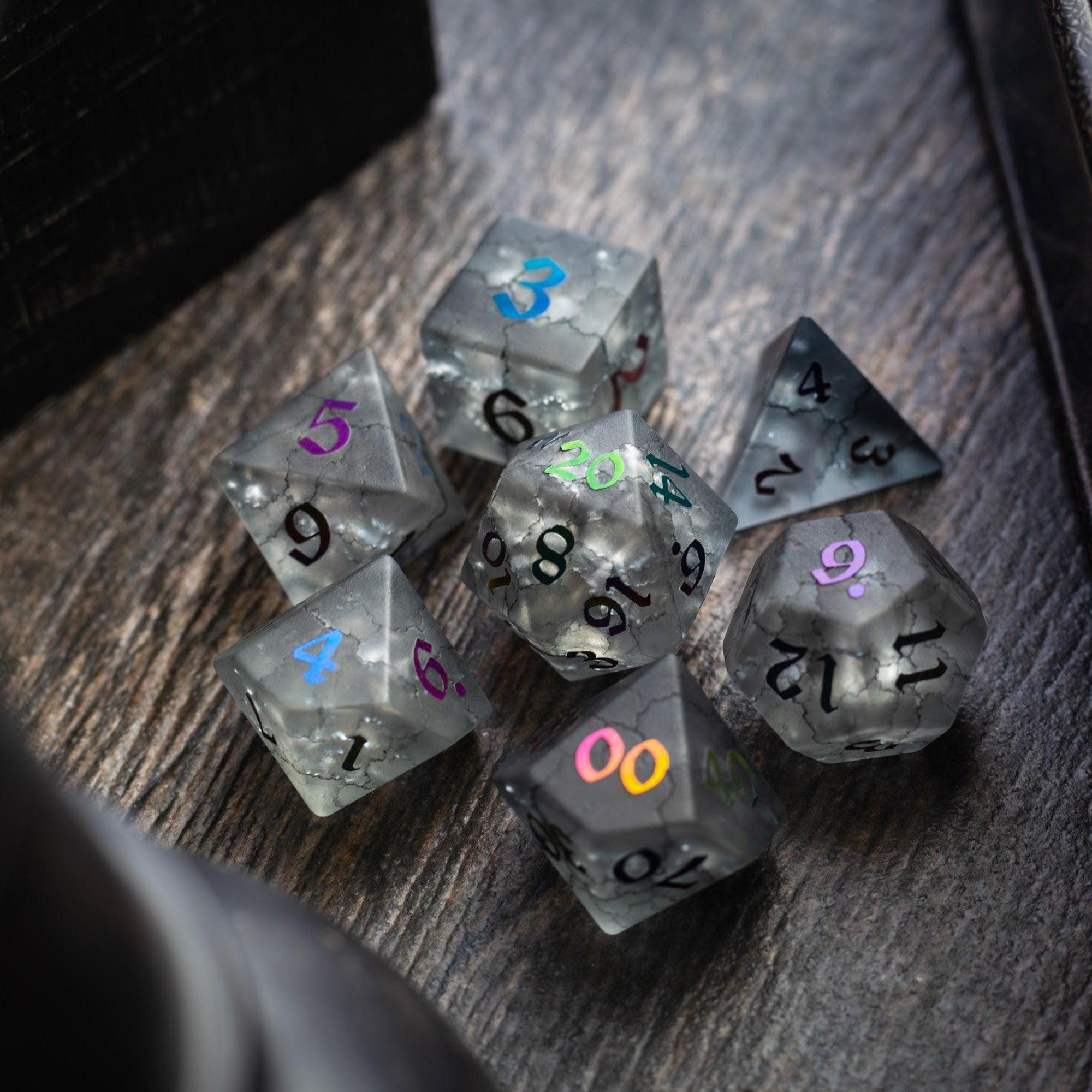
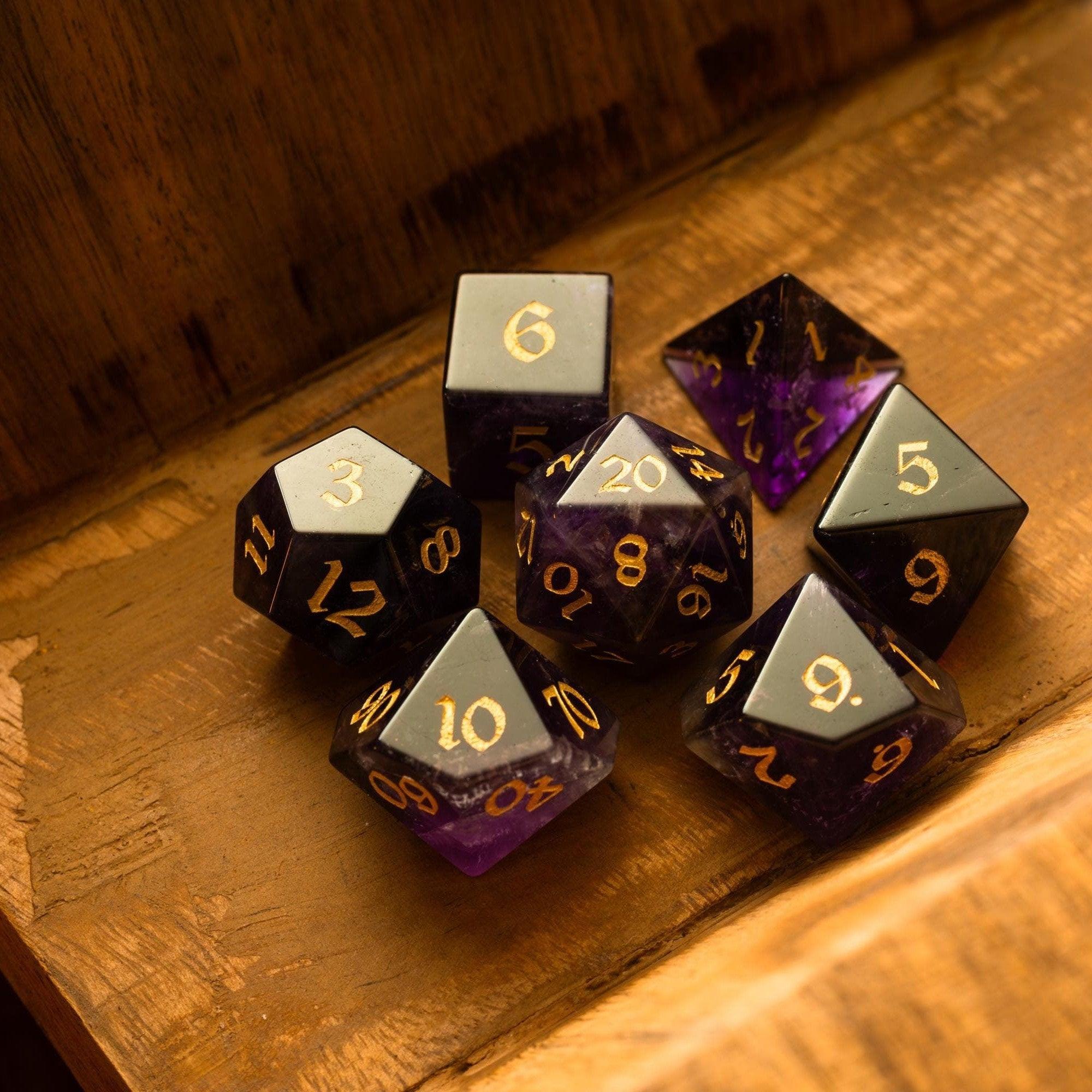
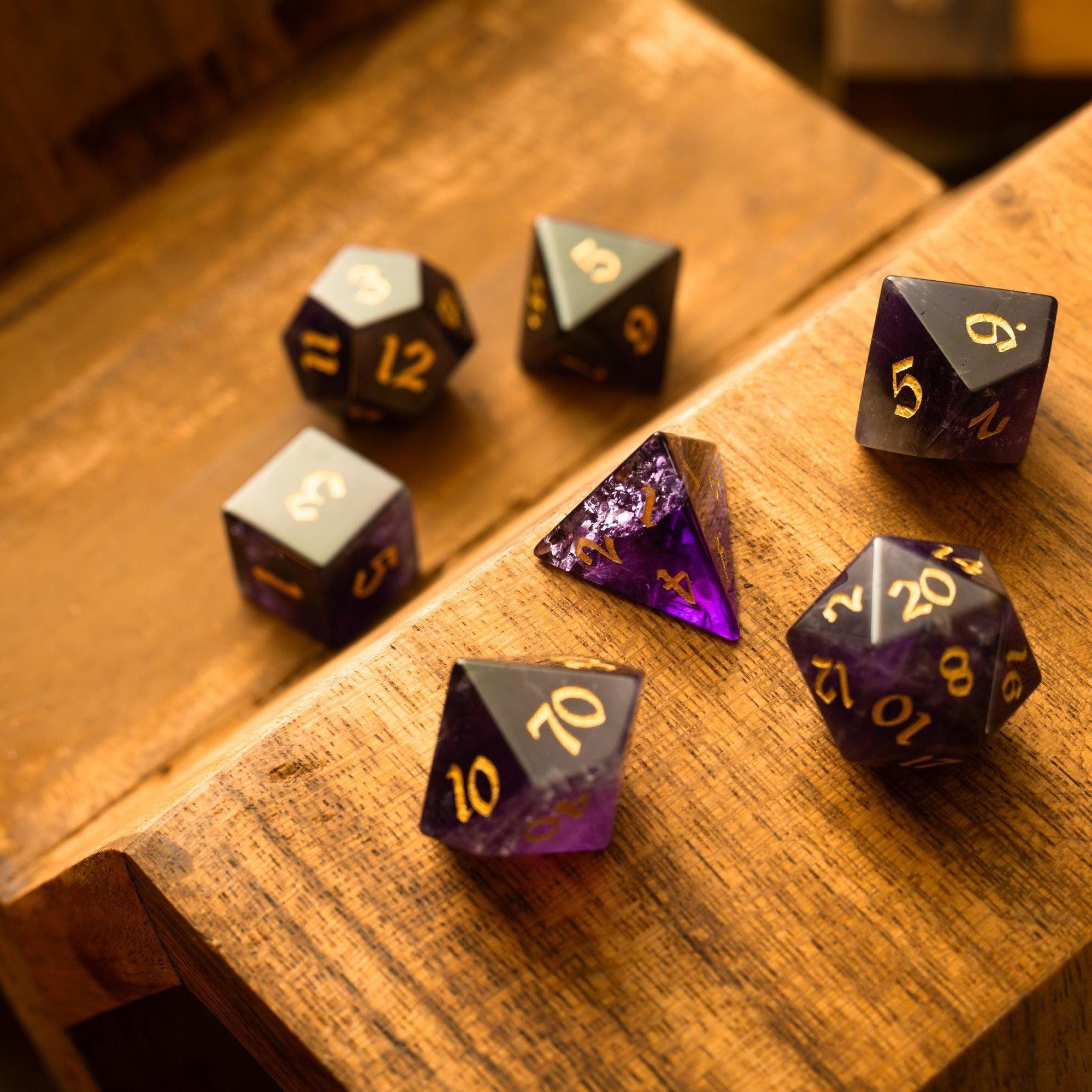
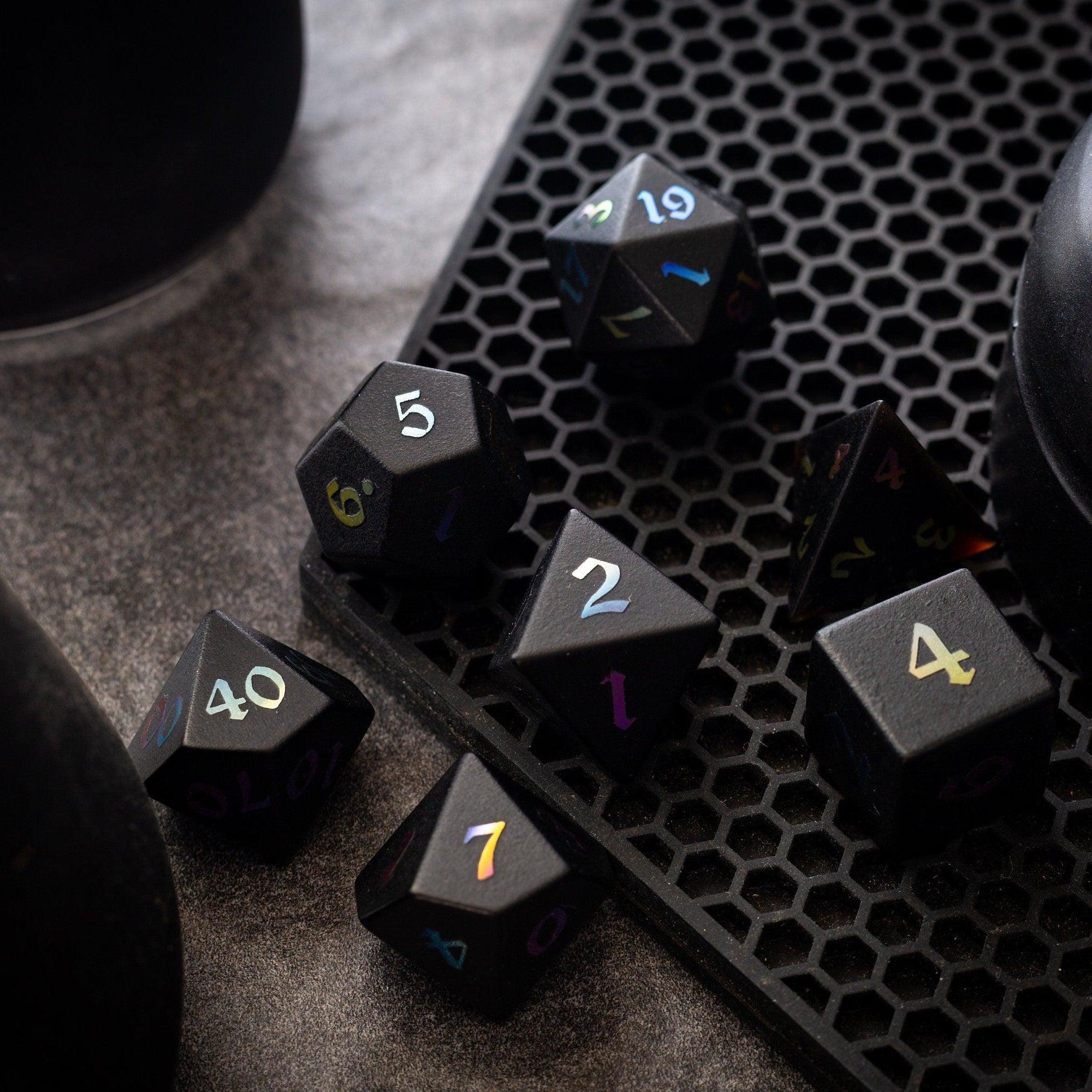
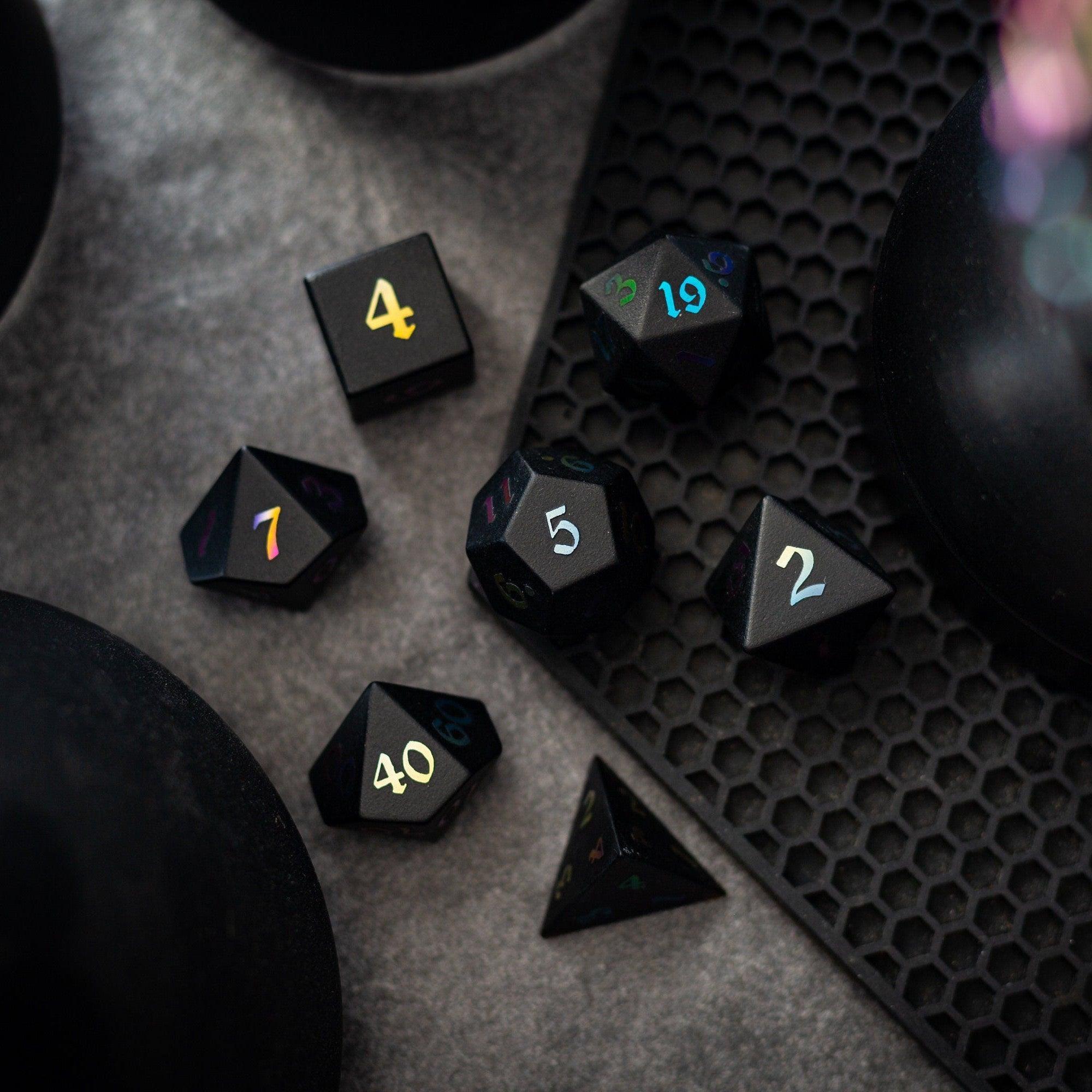
When players ask how to upgrade their table in one step, we recommend pairing a premium dice set with protective accessories that are easy to carry. A polished gemstone set, a padded rolling tray, and a slim case form the core of a practical, good-looking kit. Why? The heft of stone, the contrast of engraved numbers, and a contained rolling area keep turns clean and readable. The result: fewer cocked dice, less table noise, and a clearer pace from initiative to final blow.
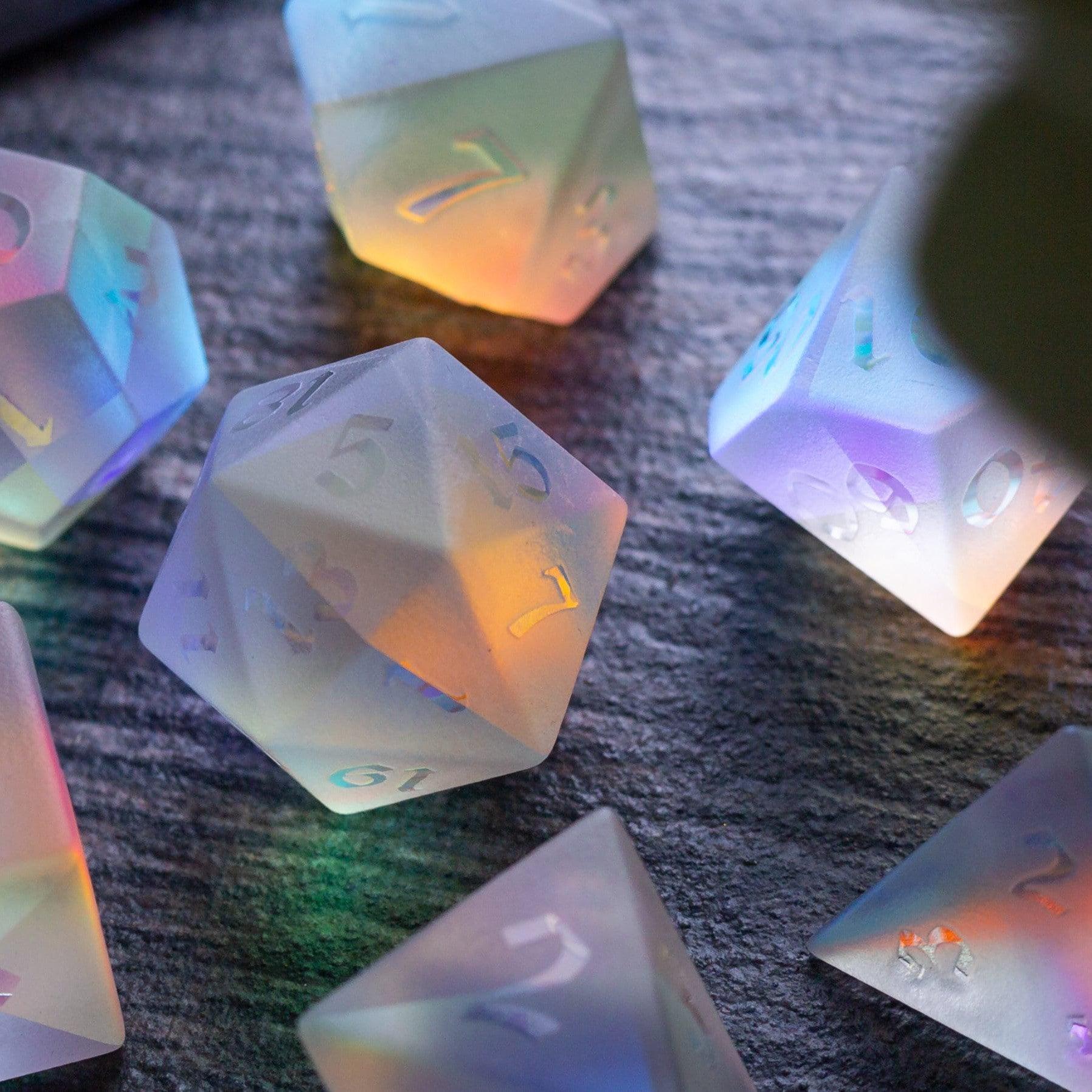
Looking for a place to start? Explore the curated stone collection at Gemstone Dice. Players pick these sets for their tactile feel and legibility across the table. The edges are defined, the faces catch light well, and the numerals are easy to scan—handy in tense moments when everyone is watching the roll.
Use cases:
- New GM kit: One stone set for dramatic rolls plus a standard resin set for constant checks. Keep the stone set for highlights like boss saves or crit-fishing moments.
- Travel game: Compact tray that doubles as a lid, stone set in a padded sleeve, and a small notebook. Your gear goes from backpack to table in under a minute.
- Club or store play: A durable tray protects communal tables, and the weighty dice signal “roll zone,” cutting down on scatter and collisions.
Community feedback often points to the same benefits: easier to read results, fewer re-roll debates, and a satisfying sense of occasion. While every table is different, many GMs say that players become more deliberate when their core tools feel substantial. Small upgrades like a dedicated rolling area and a sturdy set also reduce distractions—fewer coffee cup rescues, fewer dice off the table, more attention on the story.
Round out your kit with simple organizers. A pen loop or elastic band on your notebook keeps writing tools locked in. A small pouch holds tokens, condition rings, and minis. Keep reference cards on top for at-a-glance rulings (initiative, exhaustion, common conditions). Want to browse more matching accessories? Check the broad range under All Collections.
Quick setup checklist
- Primary dice set in a padded case.
- Secondary set for advantage/disadvantage rolls.
- Compact rolling tray to contain movement and protect surfaces.
- Notebook with a pen clipped or looped in.
- Small pouch for minis, tokens, and condition markers.
- Reference cards for initiative and common rules.
If you want a one-stop browse to match color themes and materials, start with Shop All and filter by style.

Did You Know?
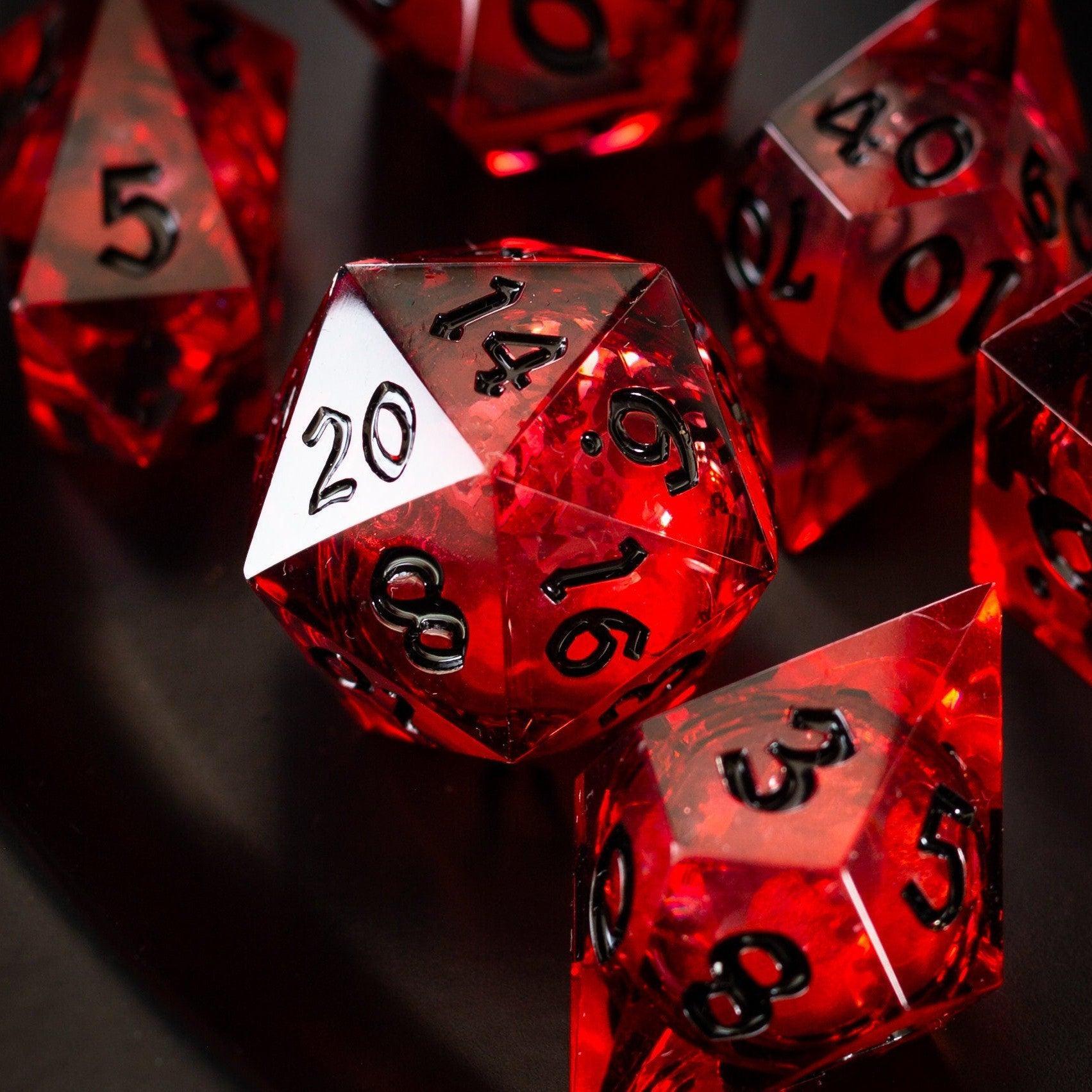
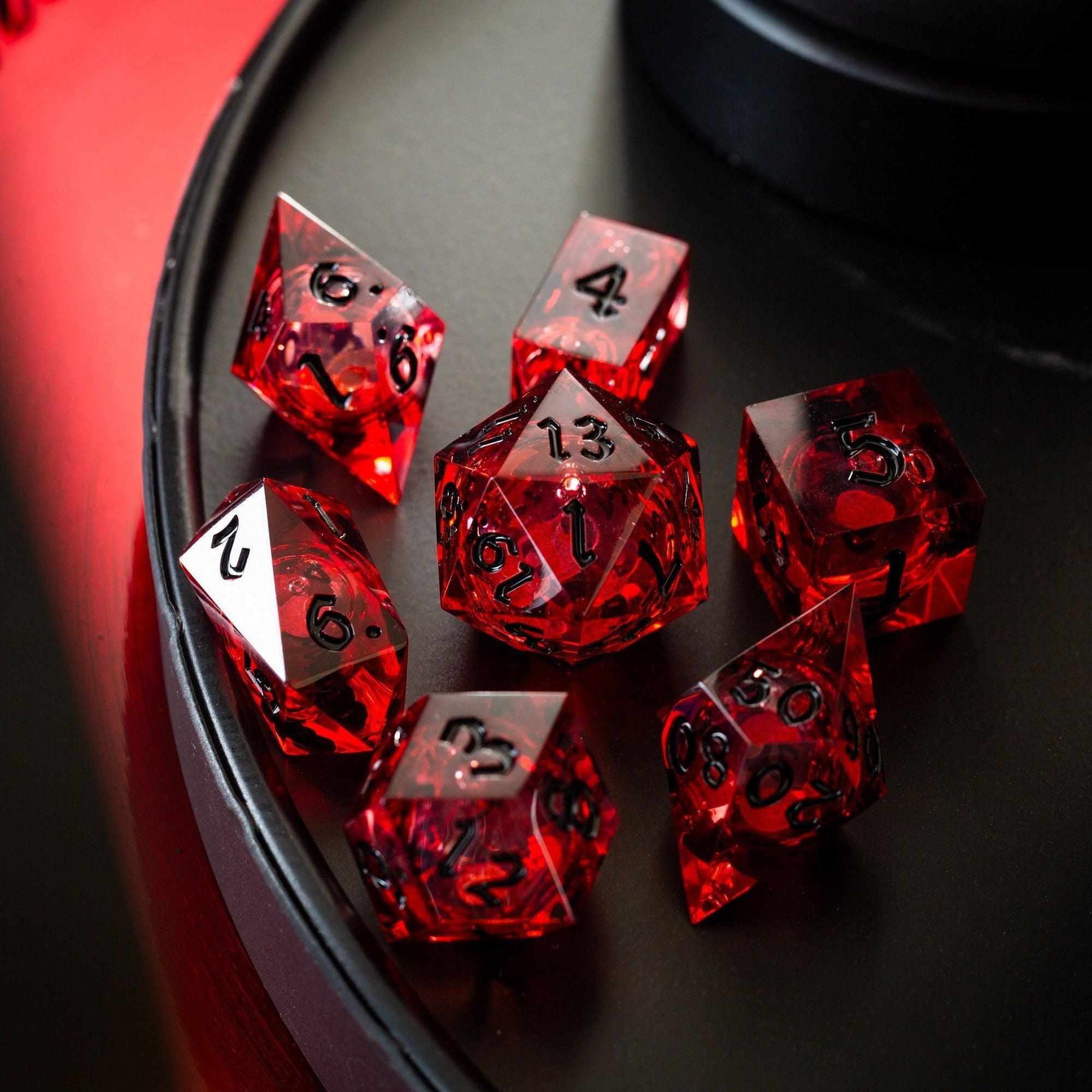
- Readability speeds turns. Larger, high-contrast numerals reduce “What did you roll?” moments and keep combat flowing.
- A defined roll zone prevents knock-aways. Trays create boundaries that protect miniatures, snacks, and character sheets.
- Material matters. Natural stone adds pleasing heft and a premium feel that elevates big narrative moments.
- Having two sets helps with advantage/disadvantage mechanics and parallel rolling for damage plus to-hit checks.
- Consistent storage protects edges. A padded case reduces dings during transport and preserves that crisp look week after week.
Pros & Cons Analysis
Gemstone dice and core GM kit
- Pros: Distinct weight enhances presence; engraved numerals are easy to read; pairs well with trays to keep rolls contained; durable with proper storage.
- Cons: Heavier than resin or metal; requires a tray or mat to protect tables; typically a higher price point than starter sets.
Rolling tray and organizer add-ons
- Pros: Faster turn flow with fewer off-table rolls; protects surfaces; organizes small components; travel-friendly.
- Cons: Takes a bit of bag space; low-quality trays can warp—choose a sturdy, padded option for longevity.
Tip: If you are budget-conscious, start with a midrange tray and a single premium set. Add a second set later to handle advantage rolls and save time in combat.
FAQ Section
What should a GM pack for game night?
Think in layers: rolls, reference, and organization. For rolls, carry a primary set and a backup set, plus a compact tray. For reference, bring a small notebook with prewritten NPC names, location prompts, and encounter notes, along with a few condition cards. For organization, add a pouch for minis, tokens, and pencils. This simple layout cuts setup time, speeds initiative, and keeps your focus on story beats instead of rummaging for tools.
Are gemstone dice too heavy for regular use?
They are heavier than resin, which is why a padded tray or mat is recommended. Many players prefer the extra mass because it feels deliberate and reduces scatter. If you play weekly and travel often, store the set in a cushioned case to protect edges in transit. For routine checks, some GMs use a lighter backup set and reserve stone for spotlight moments. Explore finishes and options in the curated stone lineup at Gemstone Dice.
How do I keep rolls fast and fair at the table?
Use a defined roll zone and clear, high-contrast numbering. A tray keeps results visible and prevents dice from colliding with minis or snacks. Encourage players to roll damage and attack dice at the same time when appropriate. Keep a second set handy for advantage/disadvantage mechanics. Finally, agree on quick reroll rules for cocked dice before the session starts. Consistency reduces disputes and keeps everyone immersed in the scene.
Ready to build a kit that looks sharp, plays faster, and travels well? Start with a reliable set and a protective tray, then add organizers as you go. You can browse matching styles and materials at Runic Dice and refine your loadout from there. If you want a premium upgrade in one step, explore the stone lineup in the Gemstone Dice collection—an easy anchor for any list of DND campaign essentials.


Leave a comment
This site is protected by hCaptcha and the hCaptcha Privacy Policy and Terms of Service apply.