

Dungeons and Dragons Resources for Better Campaigns
Updated on: 2026-01-05
This gentle guide helps you curate reliable tools, references, and accessories for smoother tabletop sessions. You will find common pitfalls to avoid, balanced pros and cons, and quick, practical tips for game night. The focus is on clarity, longevity, and value, so your group enjoys consistent play and less prep stress. A brief Q&A at the end addresses frequent questions from new and returning players.
- Common Mistakes to Avoid
- Pros & Cons Analysis
- Quick Tips
- Wrap-Up & Key Insights for Dungeons and Dragons resources

Finding the right mix of rule references, character tools, adventure prompts, and session aids can feel overwhelming. If you are just starting out or returning after a break, you may be unsure which options to trust, how to balance cost and quality, or what truly improves the table experience. This article offers a calm, practical path for evaluating Dungeons and Dragons resources, so you can reduce prep time, increase group engagement, and enjoy steady progress without guesswork. You will learn what to watch for, where the trade-offs lie, and how small upgrades can make a big difference over time.
Common Mistakes to Avoid
-
Starting with too many tools at once.
- It can be tempting to install multiple apps, download stacks of PDFs, and buy several accessories. A gentler approach, adding one or two items at a time—tends to reveal what actually helps your table.
-
Confusing “flashy” with “useful.”
- Some items look beautiful but may not support faster play or clearer rulings. When searching for Dungeons and Dragons resources, it may help to prioritize readability, durability, and ease of use over novelty.
-
Relying on outdated rules references.
- Editions change, and unofficial summaries can lag behind. Verifying content against current rulebooks or trusted compendiums reduces misunderstandings during play.
-
Ignoring table preferences.
- Your group’s needs matter more than trends. A compact session tracker might serve a fast-paced table better than a complex campaign planner, while narrative-first groups may prefer flexible prompts over rigid modules.
-
Underestimating physical components.
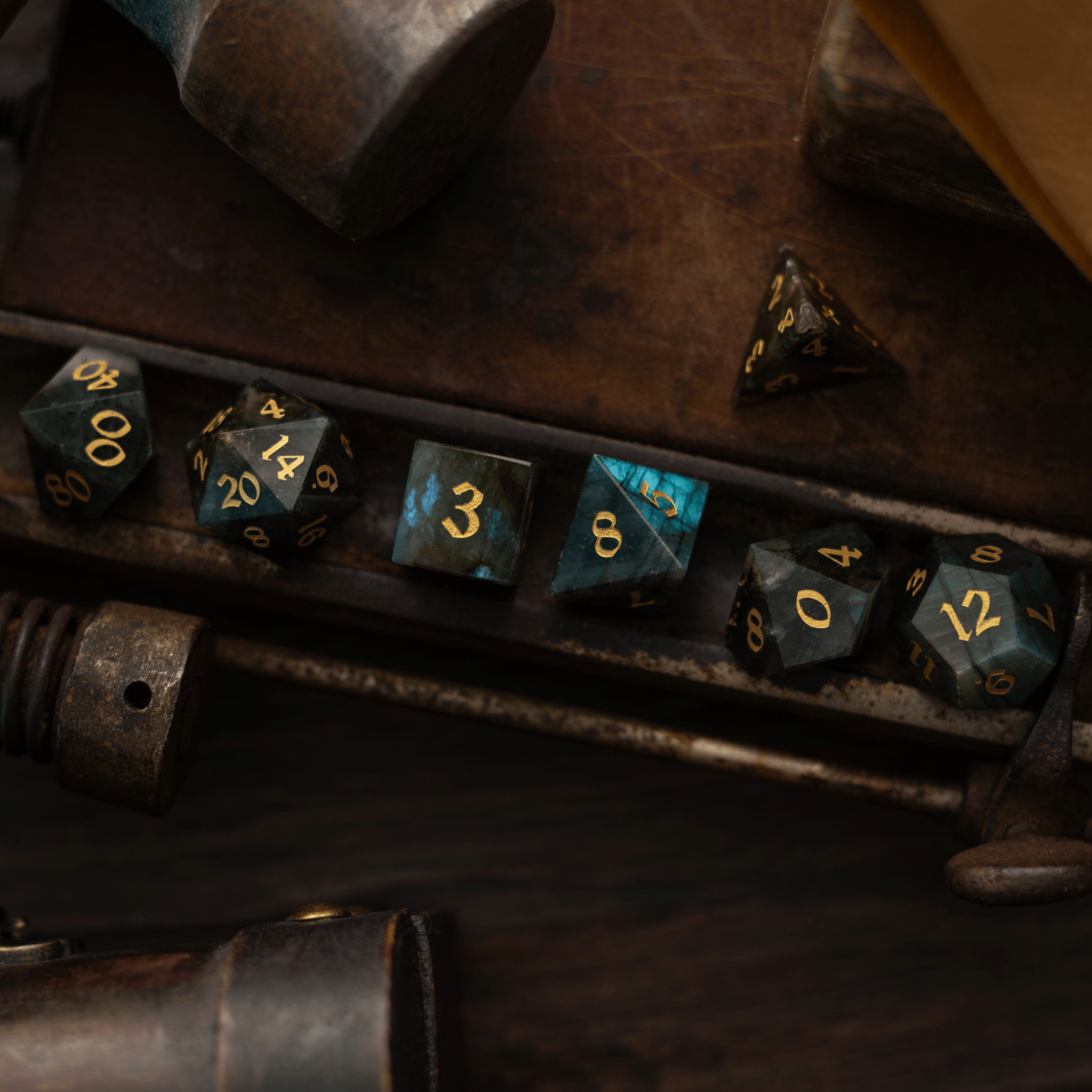
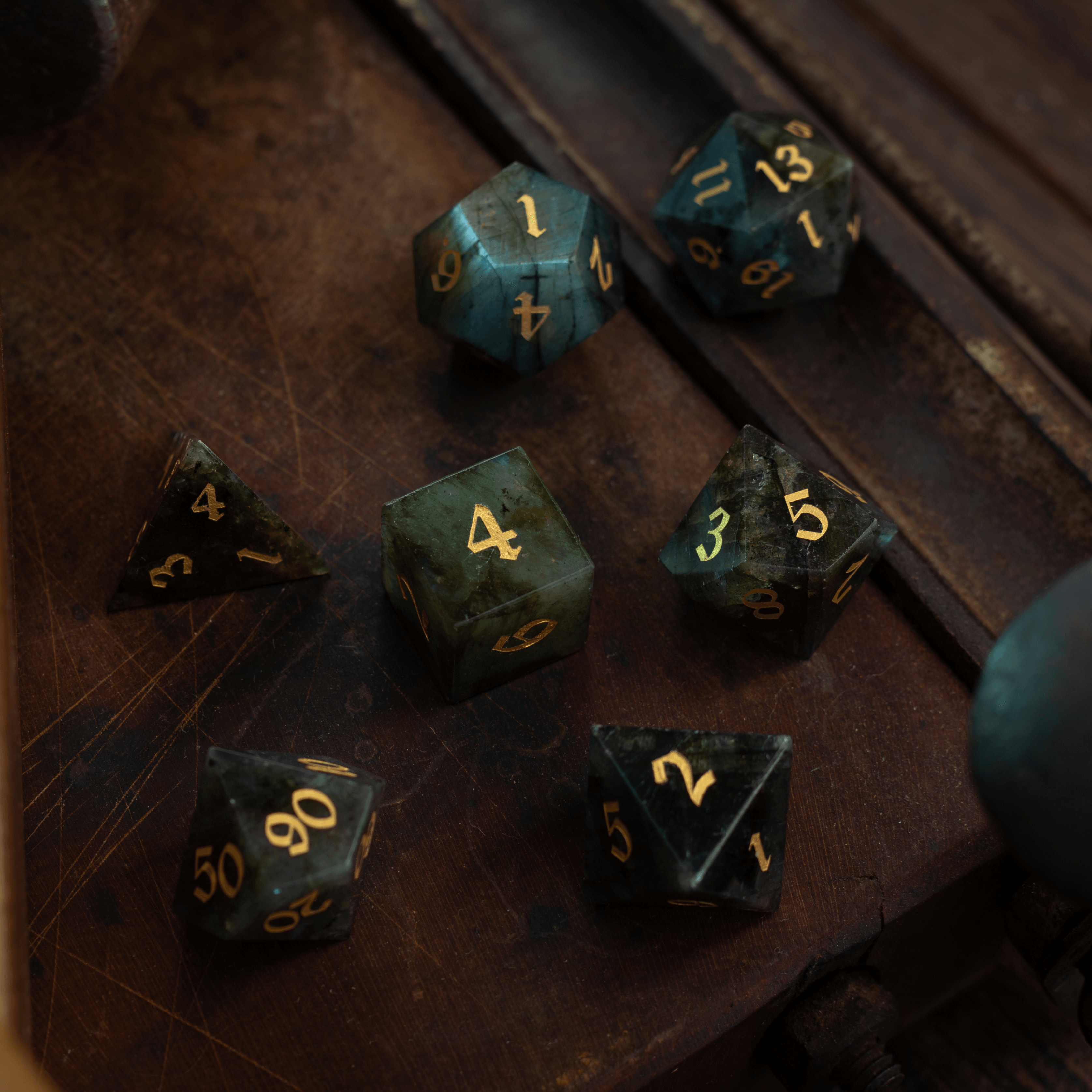
- Clear dice, legible numbers, and sturdy accessories often save time during high-energy moments. Consider timeless options that remain readable in varied lighting, such as Gemstone dice that balance form and function.
-
Not setting a simple organization system.
- A single folder for rules, a labeled binder for printed sheets, or an organized digital drive can prevent last-minute scrambles. A little upfront structure tends to pay off every session.
-
Skipping playtesting new tools.
- Trying an app or printable with a one-shot before a campaign reveals friction early. If something feels clunky, it is kind to yourself and your group to adjust quickly.
Pros & Cons Analysis
Pros
-
Time savings
- Well-structured references, concise rules summaries, and quick-look tables can shorten prep and reduce table pauses.
-
Consistency
- Using the same character sheet formats, encounter templates, and checklists supports smoother collaboration among players.
-
Clarity
- Clean layouts and high-contrast designs make it easier to find what you need at a glance, especially during tense moments.
-
Inspiration
- Adventure prompts, random tables, and encounter seeds can help when creativity runs low, keeping momentum strong.
-
Immersion
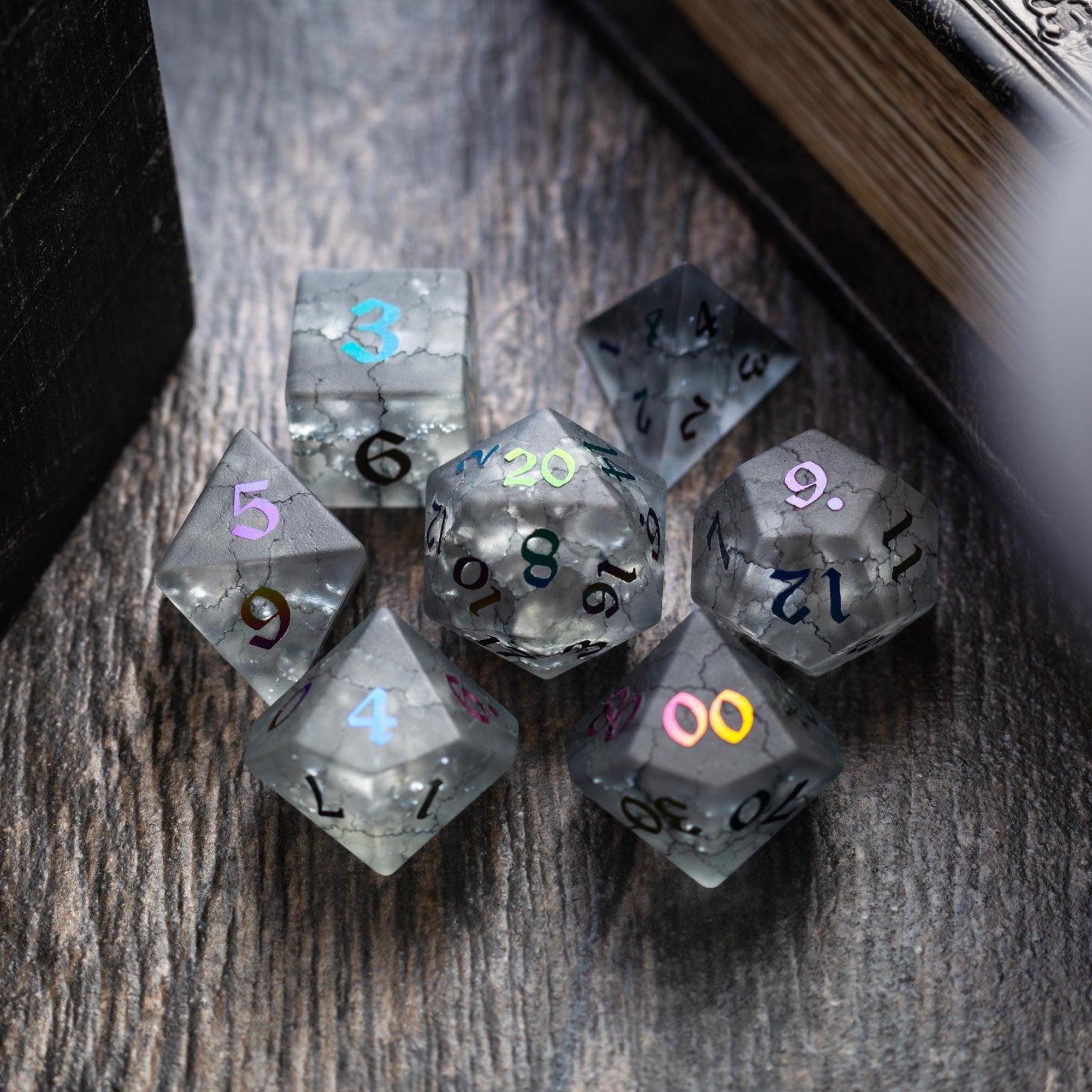
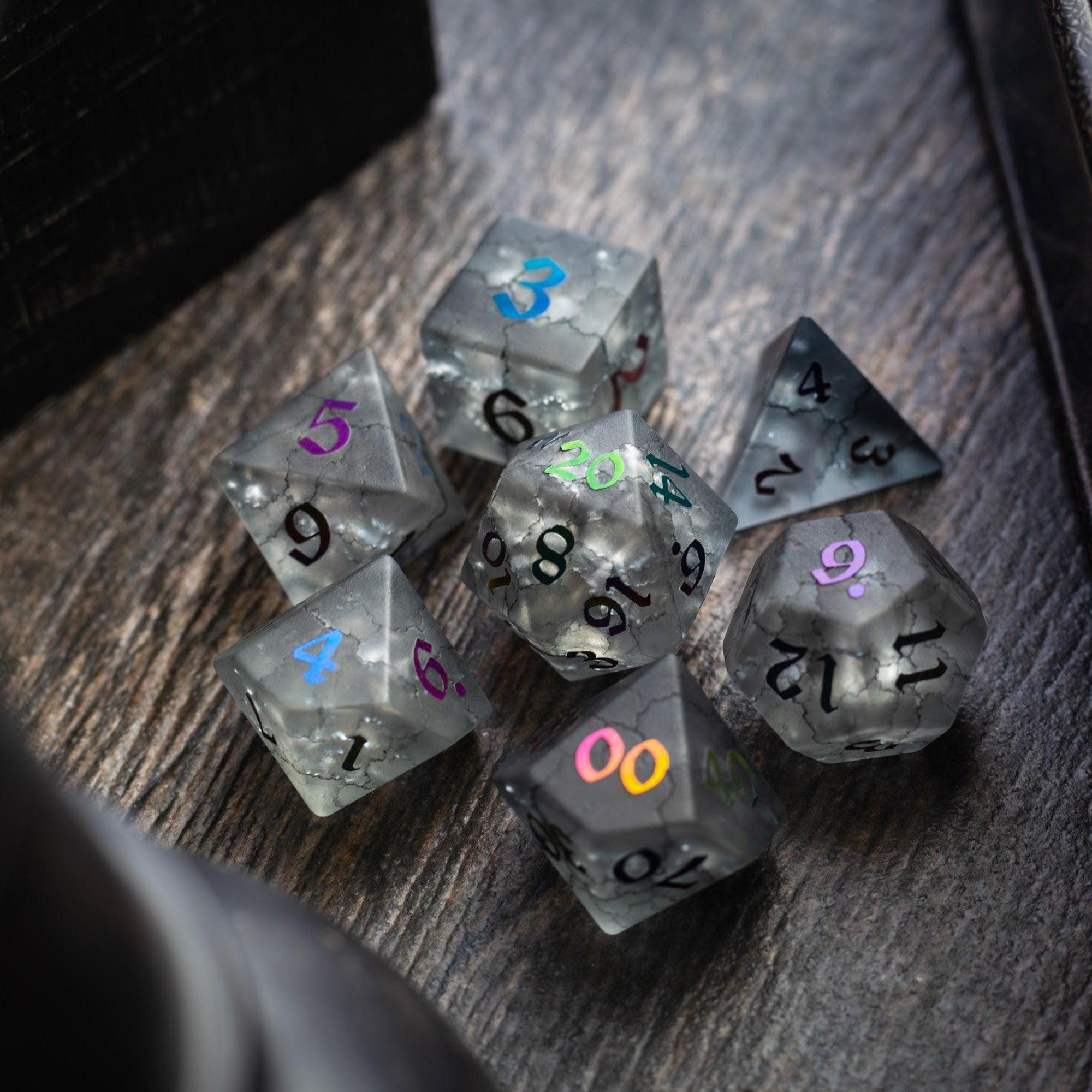
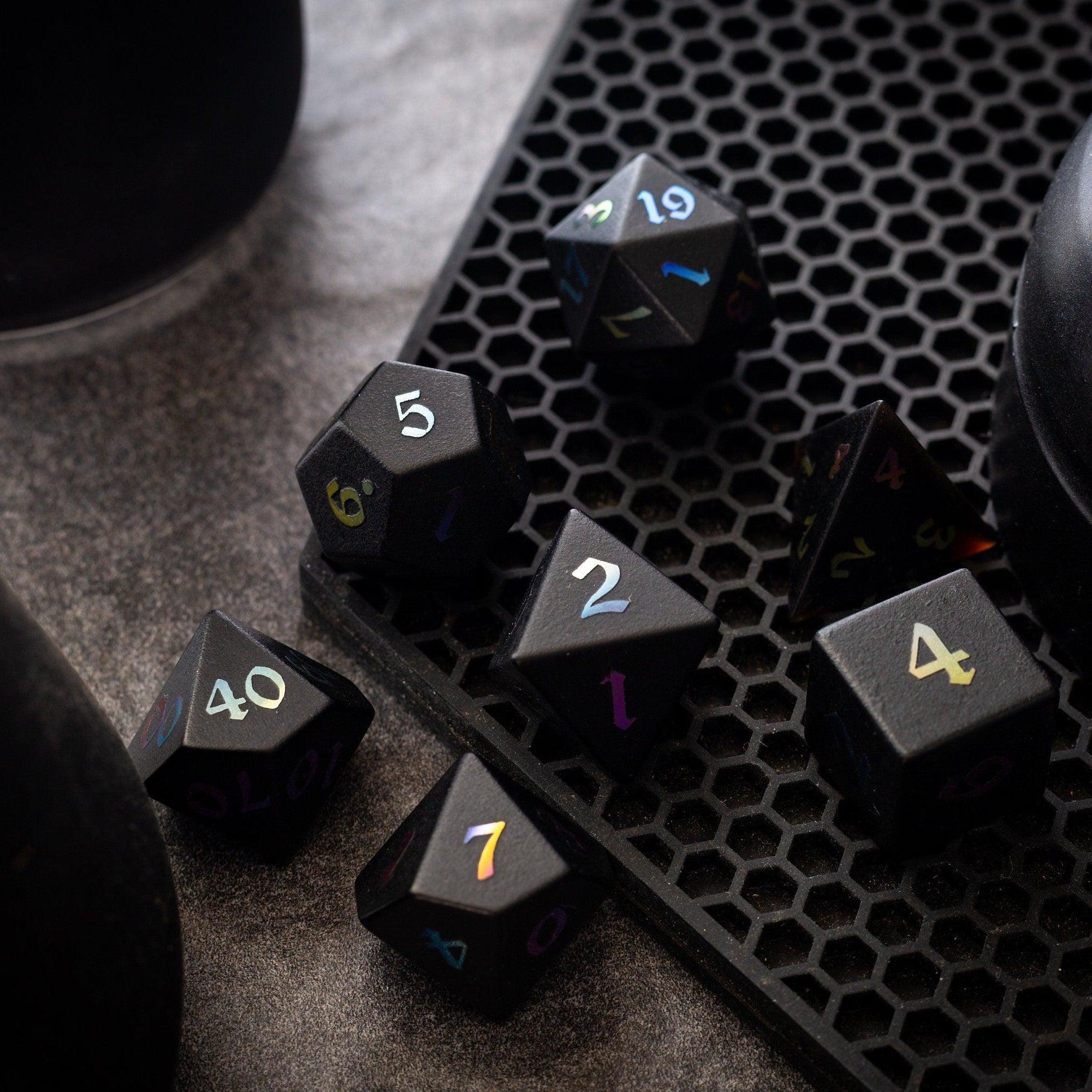
- Quality accessories can amplify atmosphere. For example, the polished finish on a Green dichroic glass set can add a memorable tactile element without disrupting play.
-
Flexibility
- Many modern tools adapt to in-person or online sessions, easing transitions as group schedules change.
Cons
-
Information overload
- Too many PDFs, apps, and accessories can slow sessions and raise cognitive load.
-
Version conflicts
- Homebrew content and unofficial summaries may conflict with rules updates, causing confusion.
-
Upfront cost
- Some premium items require investment. Comparing long-term durability to frequent replacement may help balance expense.
-
Learning curve
- Even simple tools need a little practice. A brief test session often reduces friction later.
-
Distraction risk
- Overly decorative or complex interfaces can pull focus from collaborative storytelling.
-
Maintenance
- Digital tools may require updates; printed sheets may need reprinting as characters level or rules change.

Quick Tips
- Start small and add one new tool per session to see what genuinely helps.
- Favor concise references with high-contrast text for faster rulings.
- Keep a slim “session kit” with pencils, markers, spare paper, and index cards.
- Use encounter templates with fields for objectives, terrain, and backup hooks.
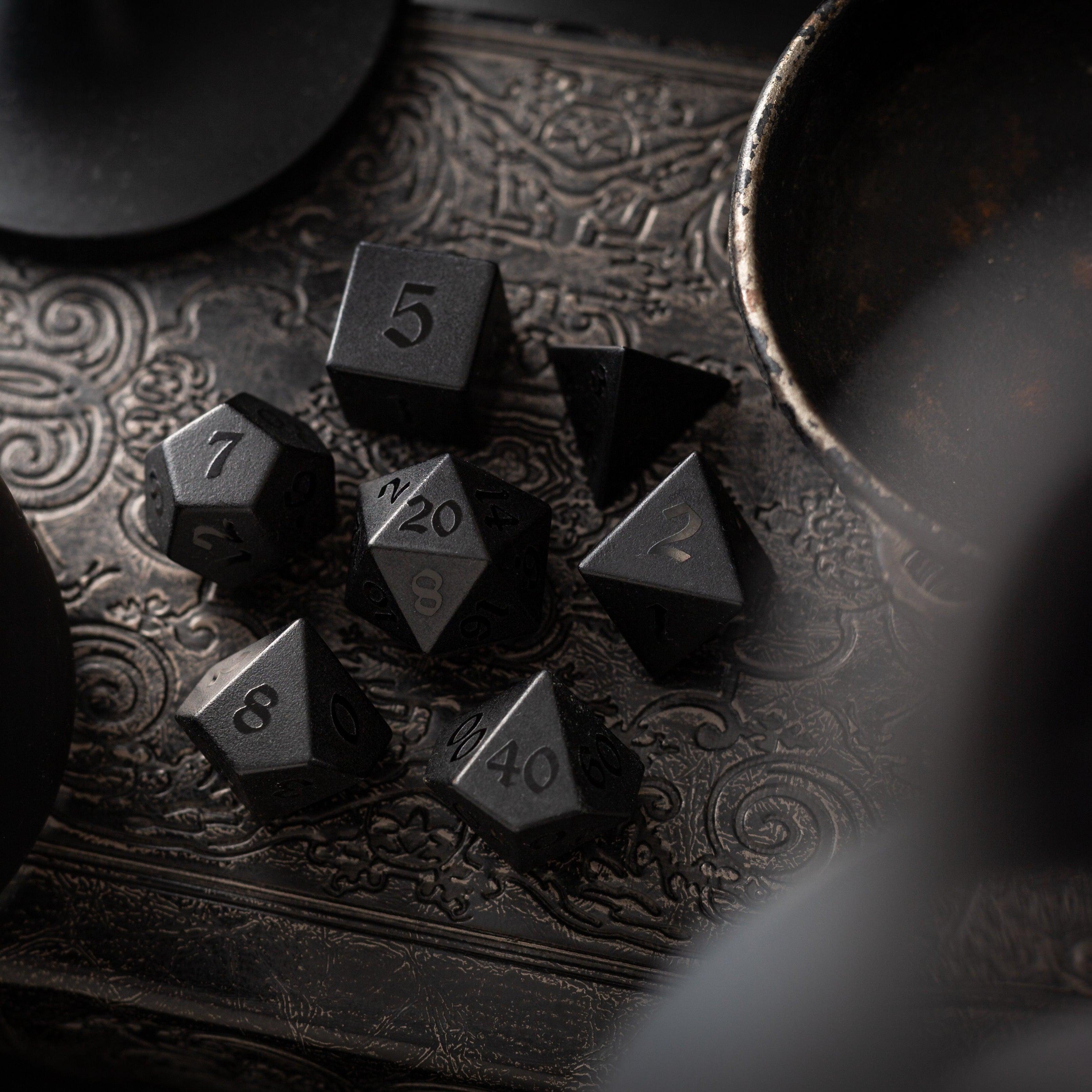
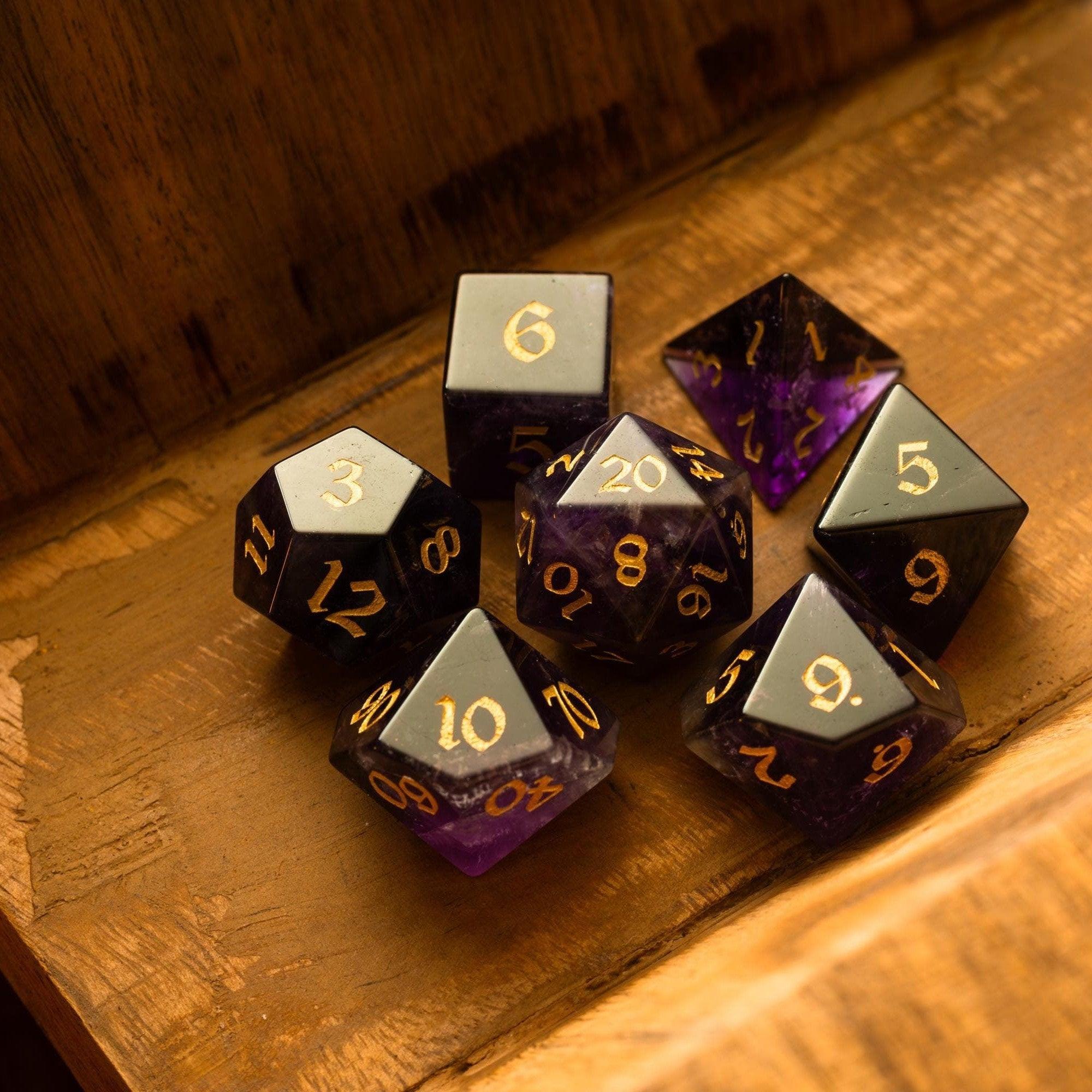
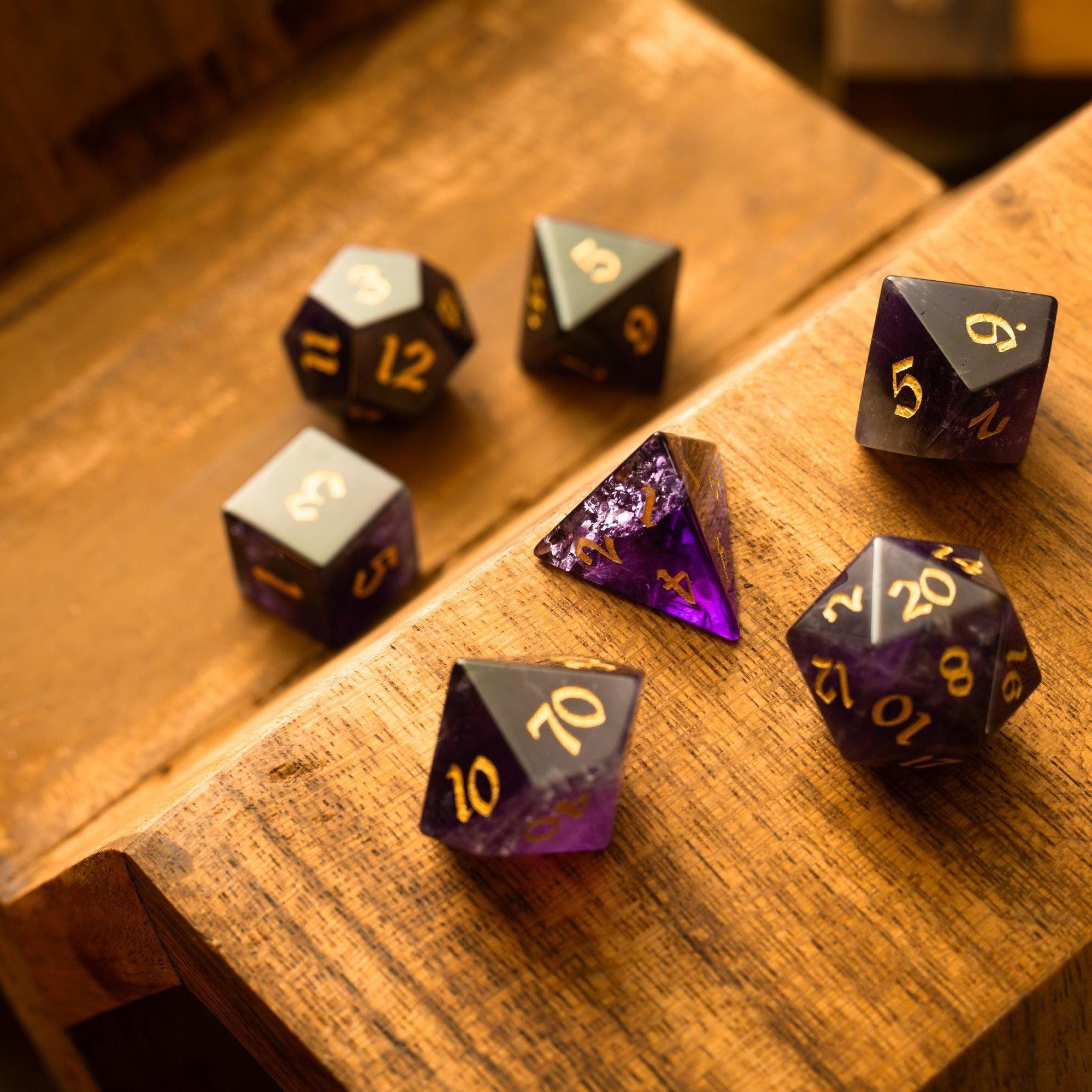
- Choose durable dice with legible numbering; pack a backup like an Amethyst dice set.
- Print or save a one-page rules summary that your group agrees to use.
- Set a gentle rotation: test a new app for two sessions, then keep or replace it.
- Curate a short list of trusted sources and note their update schedules.
- Use scene timers sparingly to maintain pace without pressure.
- Archive finished arcs in labeled folders to reuse NPCs, maps, and notes later.
Wrap-Up & Key Insights for Dungeons and Dragons resources
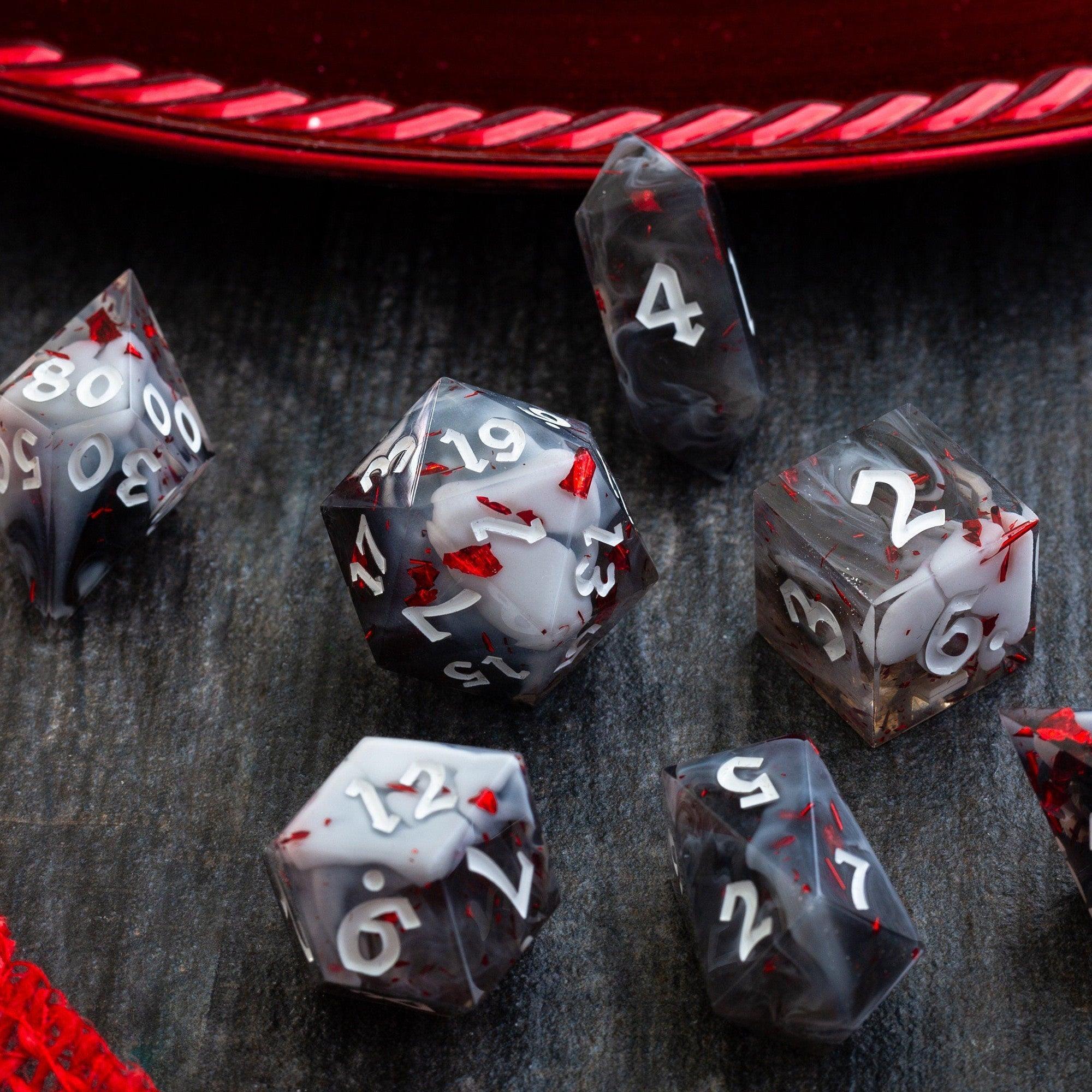
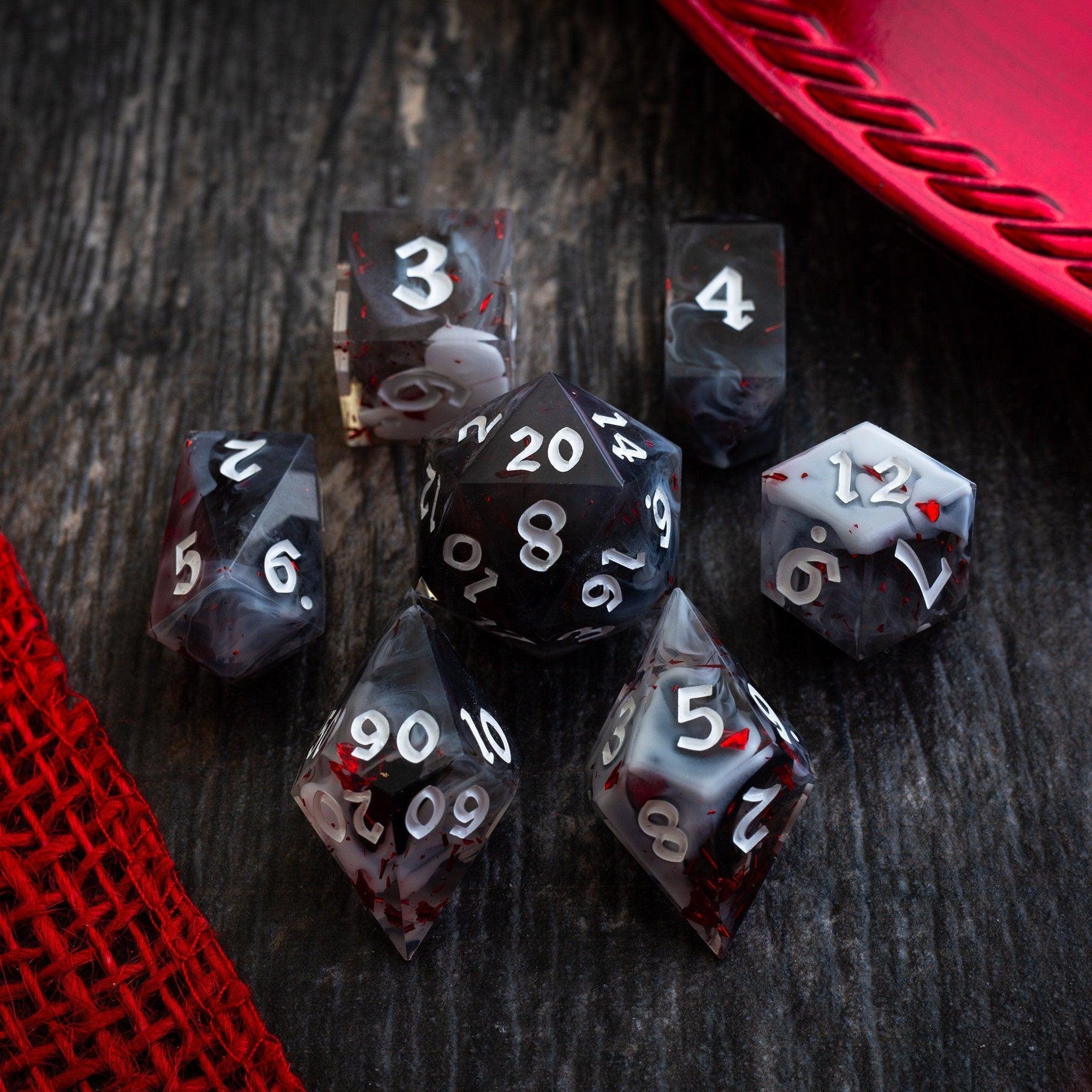
A thoughtful collection of references, checklists, and well-made accessories tends to reduce prep time and increase table confidence. Gentle iteration—adding one helpful item at a time—often leads to a steady, reliable kit your group enjoys. If aesthetics matter to your players, a tasteful upgrade such as Liquid core dice can add delight without complicating gameplay. Above all, it may be kind to choose tools that are readable, durable, and easy to teach, so everyone feels included and ready to play.
How do I choose reliable RPG tools without overspending?
It may help to set a simple goal first—such as “faster rulings” or “clearer initiative.” With your goal in mind, compare two or three options that directly address it. Look for clear layouts, recent updates, and positive feedback from tables with similar playstyles. Testing during a one-shot can reveal if the tool fits your pace. If you enjoy tangible upgrades, consider one long-lasting piece—like a durable dice set—rather than several lower-cost items that might wear quickly.
Are free downloads enough, or should I consider paid options?
Free resources can be very helpful, especially for basic rules references, printable trackers, and encounter prompts. Paid options may offer stronger editing, better organization, and ongoing support. A balanced approach works well for many groups: start with a few free essentials, identify any pain points (such as slow lookup or cluttered layouts), then consider a paid option that directly solves that issue. Over time, this tends to minimize cost while maximizing usefulness.
What helps a new Dungeon Master prepare sessions faster?
Focusing on repeatable templates can be kind to your time. A one-page session outline with spaces for objectives, locations, NPC moods, and complications can guide prep without locking you in. Quick-look monster notes, a concise rules sheet, and clearly legible dice reduce pauses during play. If you appreciate tactile clarity, a high-contrast set—such as the Green dichroic glass set mentioned above—can also support smooth pacing by making results easy to read at a glance.








Leave a comment
This site is protected by hCaptcha and the hCaptcha Privacy Policy and Terms of Service apply.