
D&D Half-Elf Race Guide: Traits, Charisma Builds, and Best Classes

Half-Elves have long been a popular Dungeons & Dragons character choice because they combine flexible skills, elven traits, and plenty of room for roleplay. In 2026, though, there is one important rules update to understand before building one: the Half-Elf is a legacy species from the 2014 rules, not a separate species in the current D&D 5.5e Player's Handbook.
You can still use the older Half-Elf option in a 5.5e game when your DM or campaign allows older character options. The main change is that its old ability score increases no longer apply under current character creation rules. That makes the Half-Elf less tied to Charisma builds than it was in 2014 and much easier to pair with almost any class.
What Is a Half-Elf in D&D 5e and 5.5e?
In the 2014 version of D&D 5e, Half-Elf was a full player race with its own traits. The classic concept described a character with human and elven ancestry, often giving players an easy starting point for stories about mixed cultures, family expectations, travel, or belonging.
The current 5.5e rules handle character origins differently. Half-Elf is not one of the species presented in the revised Player's Handbook, while the older Half-Elf remains available as legacy content. The current rules also explain how to use species from older books, so a legacy Half-Elf can still fit into a modern 5.5e character when older options are permitted.
That distinction matters because many older Half-Elf guides still treat the species' +2 Charisma and two +1 ability increases as core build features. Those bonuses are part of the 2014 rules, but they are not used when you bring the legacy Half-Elf into current 5.5e character creation.
Half-Elf Traits Explained
The standard legacy Half-Elf keeps several useful traits that work well in exploration, social scenes, and magical encounters.
- Darkvision: You can see in dim light within 60 feet as though it were bright light, and in darkness as though it were dim light. In complete darkness, you do not see colors normally.
- Fey Ancestry: You have advantage on saving throws against being charmed, and magic cannot put you to sleep.
- Skill Versatility: You gain proficiency in two skills of your choice. This is one of the Half-Elf's most flexible features because it can support almost any character concept.
- Speed and size: The legacy Half-Elf is Medium and has a walking speed of 30 feet.
The 2014 Half-Elf also included its own language rules. Current 5.5e character creation separately gives characters Common plus two standard languages, so follow the ruleset your table is using rather than mixing language systems without checking with the DM.
How Half-Elf Ability Scores Work in 2026
This is the biggest correction for players using current rules. The legacy Half-Elf originally increased Charisma by 2 and two other ability scores by 1. Under 5.5e guidance for species from older books, you ignore those species-based increases.
Instead, your ability score increases come from your background. A current background normally lists three abilities. You increase one by 2 and another by 1, or increase all three by 1. If you use an older background that does not provide ability score increases, the current rules provide a separate method for assigning them.
For practical character building, this means a Half-Elf is no longer mechanically pushed toward Bard, Paladin, Sorcerer, or Warlock. You can build a Dexterity-focused Rogue, a Wisdom-focused Cleric, an Intelligence-focused Wizard, or a Strength-focused Fighter without losing the old species bonus.
Best Classes for a Half-Elf
There is no single best Half-Elf class under the current rules. Skill Versatility is useful for almost everyone, while Darkvision and Fey Ancestry provide broadly useful benefits. Some classes still pair especially well with the Half-Elf's flexible identity and extra skills.
| Class | Why It Works | Playstyle |
| Bard | Extra skill proficiencies support an already skill-heavy class | Support, social scenes, control, versatile magic |
| Warlock | Strong roleplay hooks and useful skills outside combat | Focused spellcasting, ranged pressure, patron-driven stories |
| Paladin | Social skills complement a durable frontline character | Defense, support, melee combat, party leadership |
| Rogue | Skill Versatility expands an already broad skill toolkit | Stealth, scouting, precision attacks, utility |
| Sorcerer | Extra proficiencies add options to a class with a strong magical identity | Flexible spellcasting, magical offense, social presence |
These are good combinations, not restrictions. A Half-Elf Fighter with Athletics and Persuasion can be the party's battlefield leader, while a Half-Elf Wizard with Investigation and Insight can become a sharp-eyed scholar who reads both books and people.
Choosing Half-Elf Skills
Skill Versatility is easiest to use well when you think about what your party is missing. If nobody is good at talking to NPCs, Persuasion or Deception may help. If your group lacks a scout, Perception and Stealth can be valuable. Investigation suits mystery-heavy games, while Insight is useful when conversations involve hidden motives.
Try not to choose skills only because they sound powerful. Pick proficiencies that match both your ability scores and the situations your campaign is likely to feature. Two carefully chosen skills can make your Half-Elf feel useful every session without forcing the character into one role.
Half-Elf Roleplaying Ideas
A Half-Elf does not have to follow the old "caught between two worlds" story. That theme can still work, but it is only one option. Your character might feel completely at home in a blended family, identify strongly with one culture, grow up somewhere unrelated to either side of their ancestry, or care far more about profession and friendships than heritage.
- The Diplomat: A patient negotiator who understands different customs and tries to keep tense groups talking.
- The Wanderer: A traveler who collects local stories, languages, and friendships instead of searching for one permanent home.
- The Scholar: A character fascinated by family history, ancient elven records, or the changing relationship between communities.
- The Performer: A bard, actor, storyteller, or public speaker who turns a mixed background into a source of creative inspiration.
Ask simple questions when building the character: Who raised them? Which traditions matter to them? Which language did they hear at home? Do they enjoy explaining their heritage, or are they tired of being asked about it? Answers like these usually create stronger roleplay than relying on ancestry alone.
Dice Styles for Half-Elf Characters
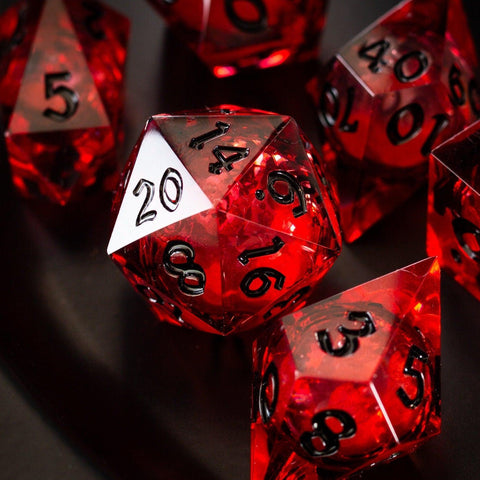
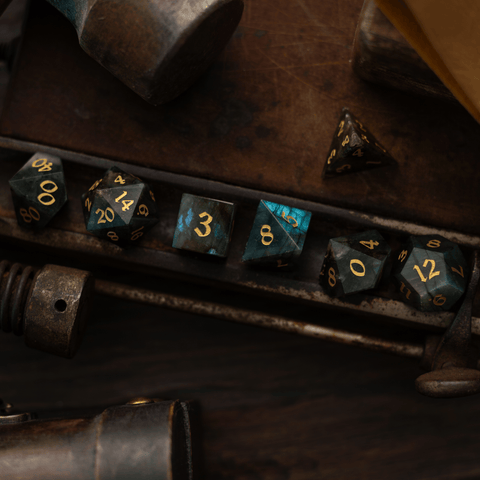
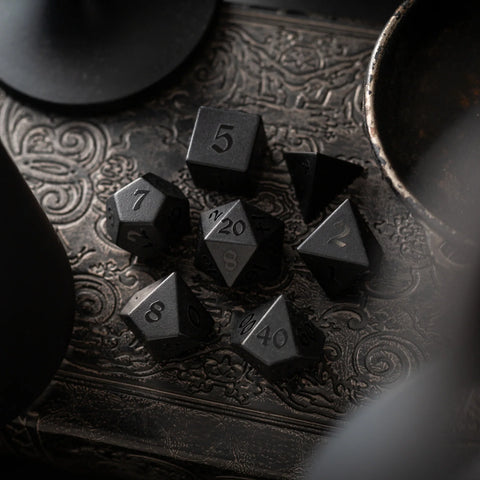
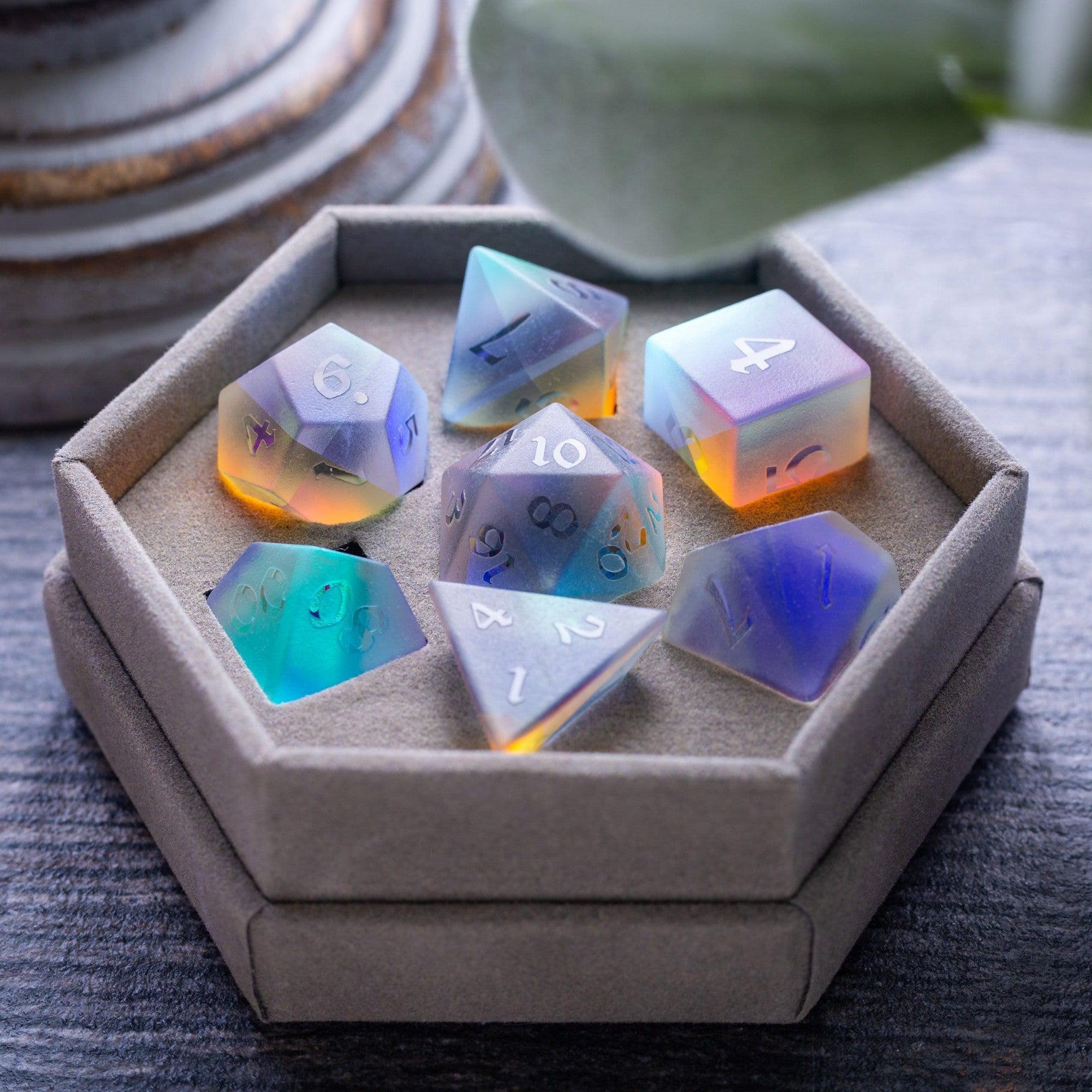
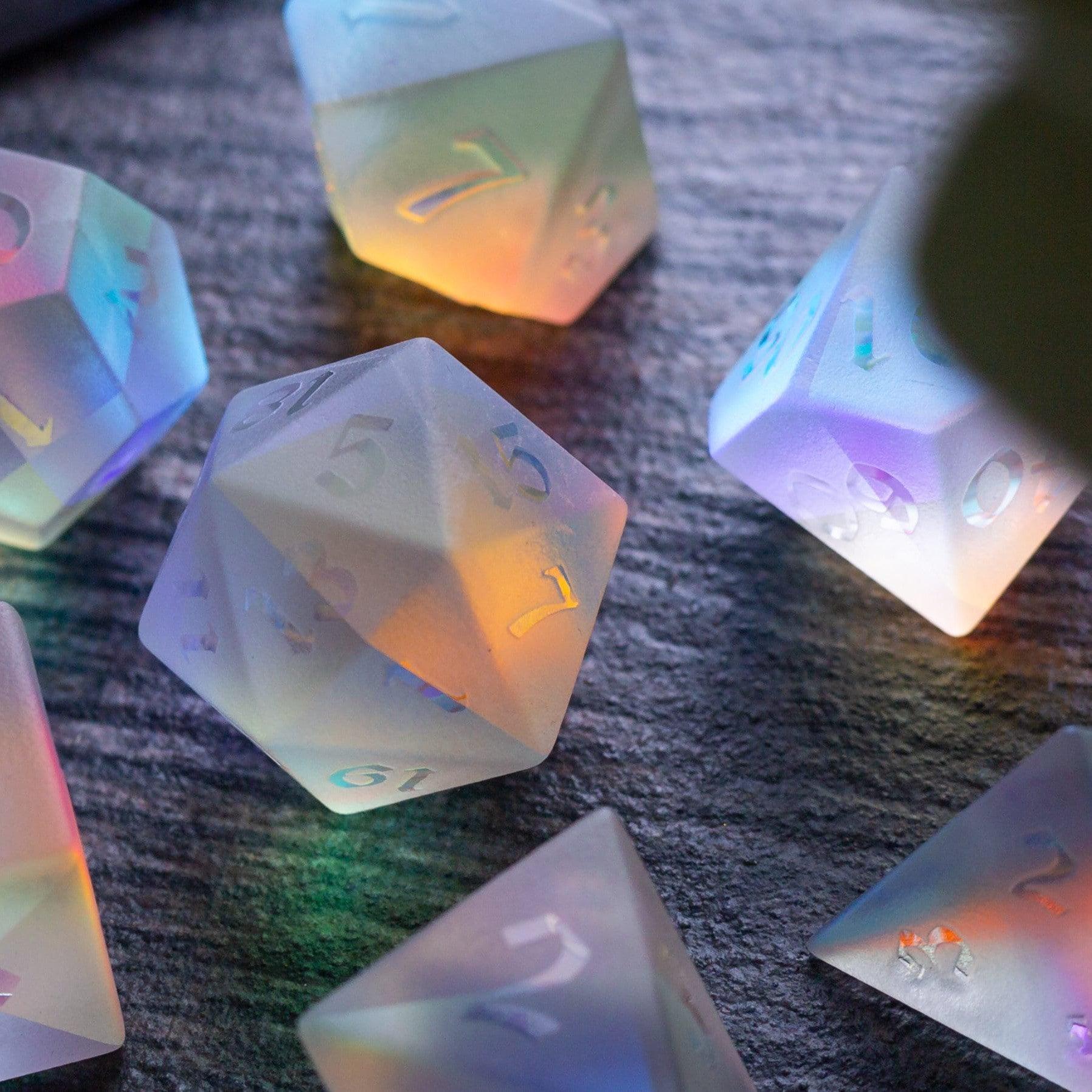
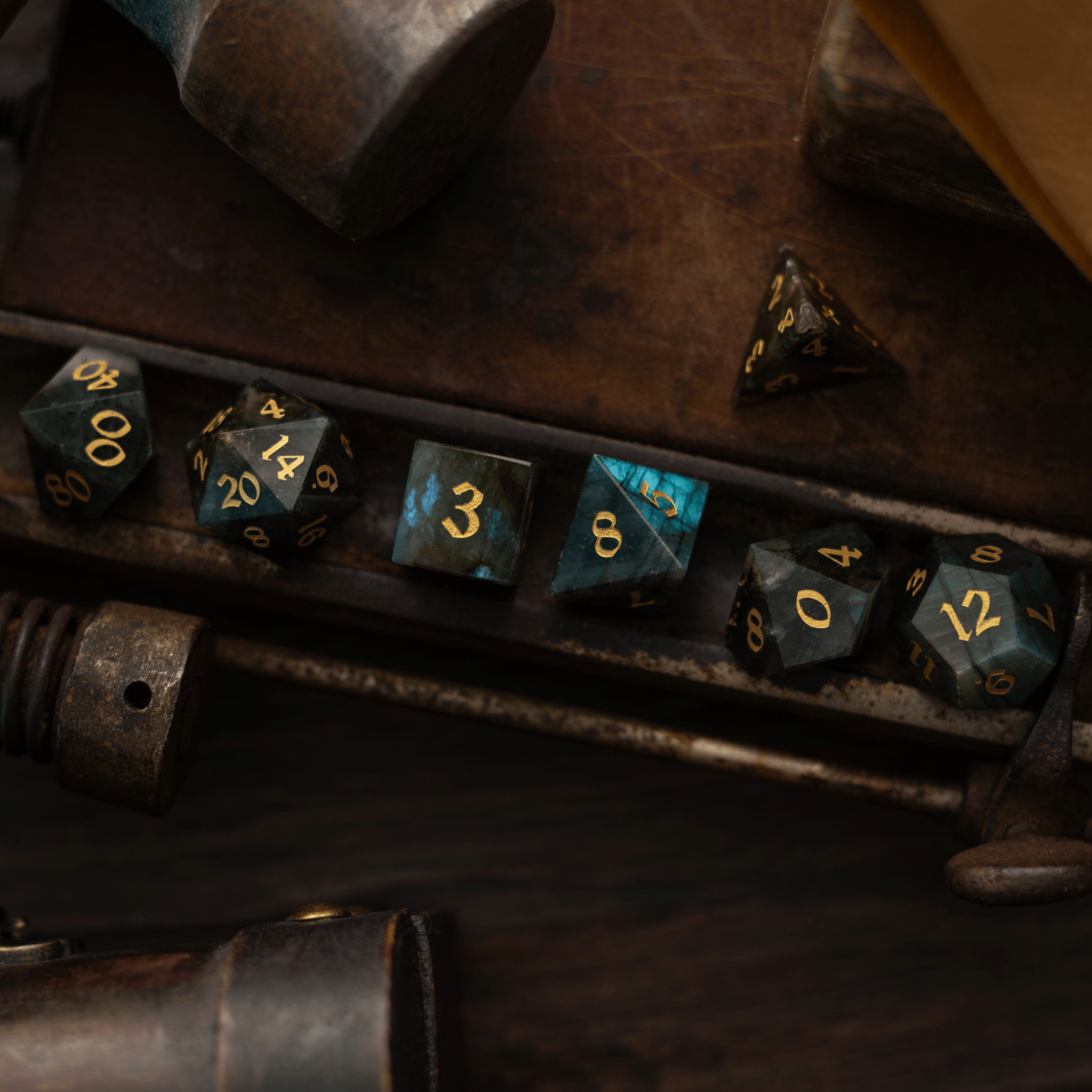
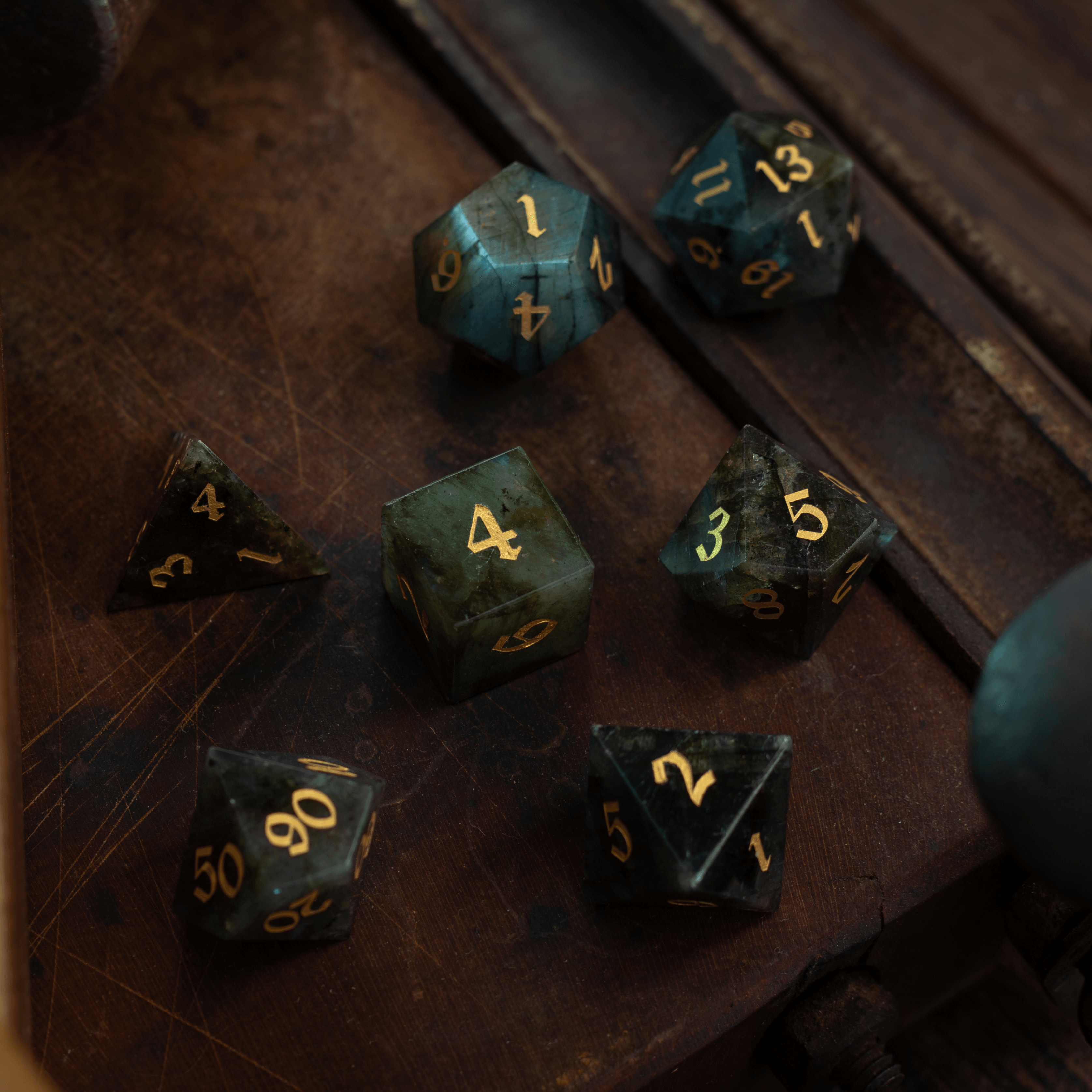
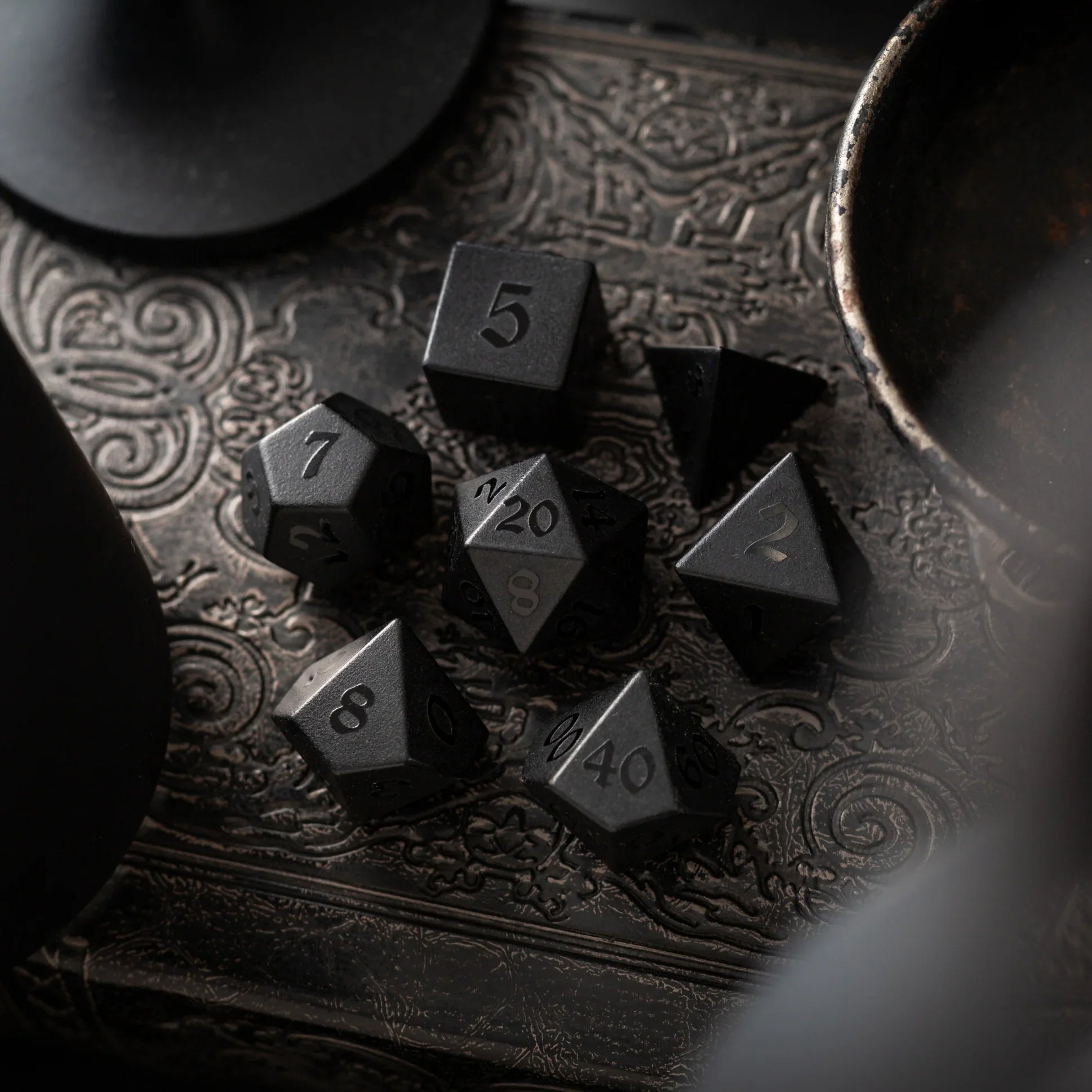
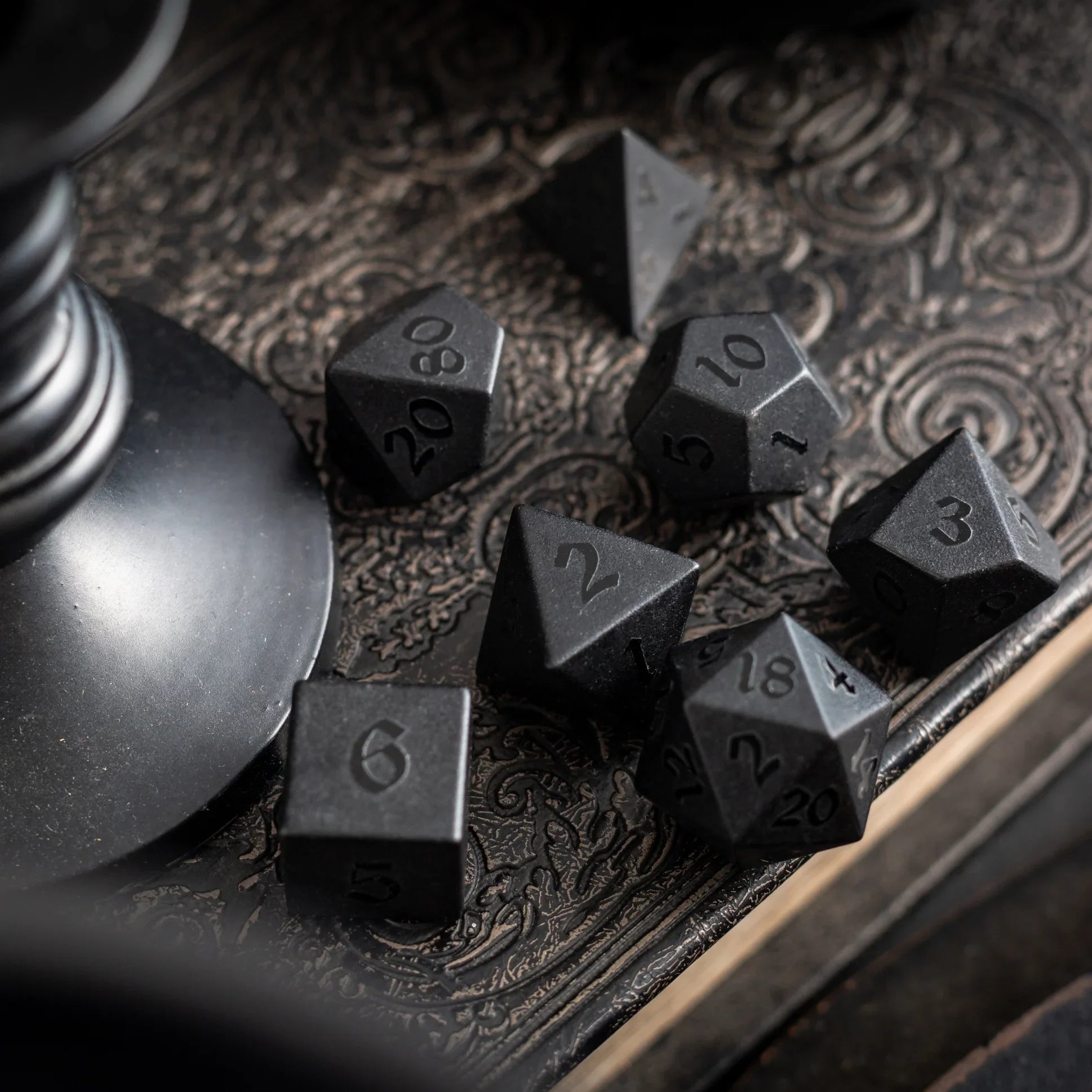
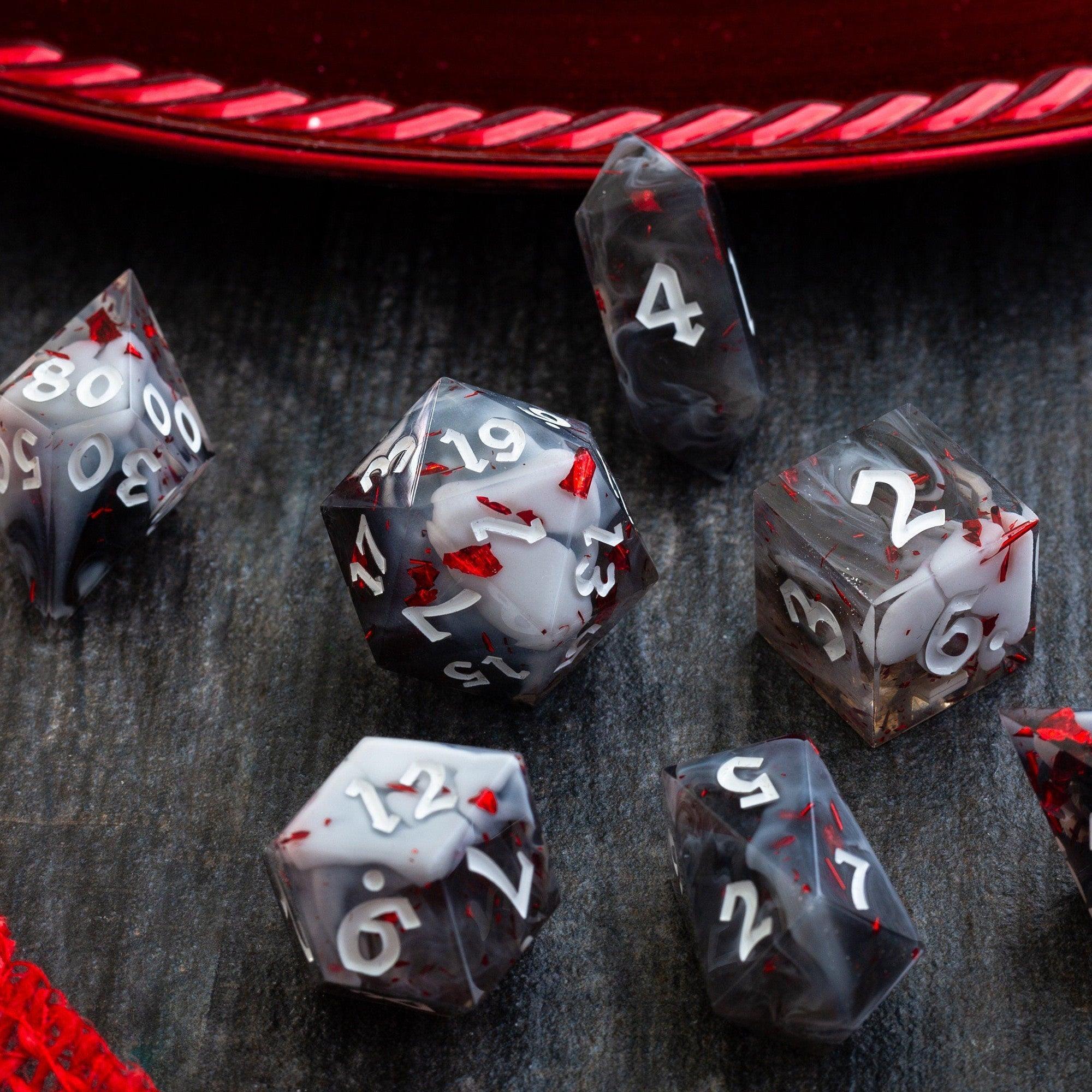
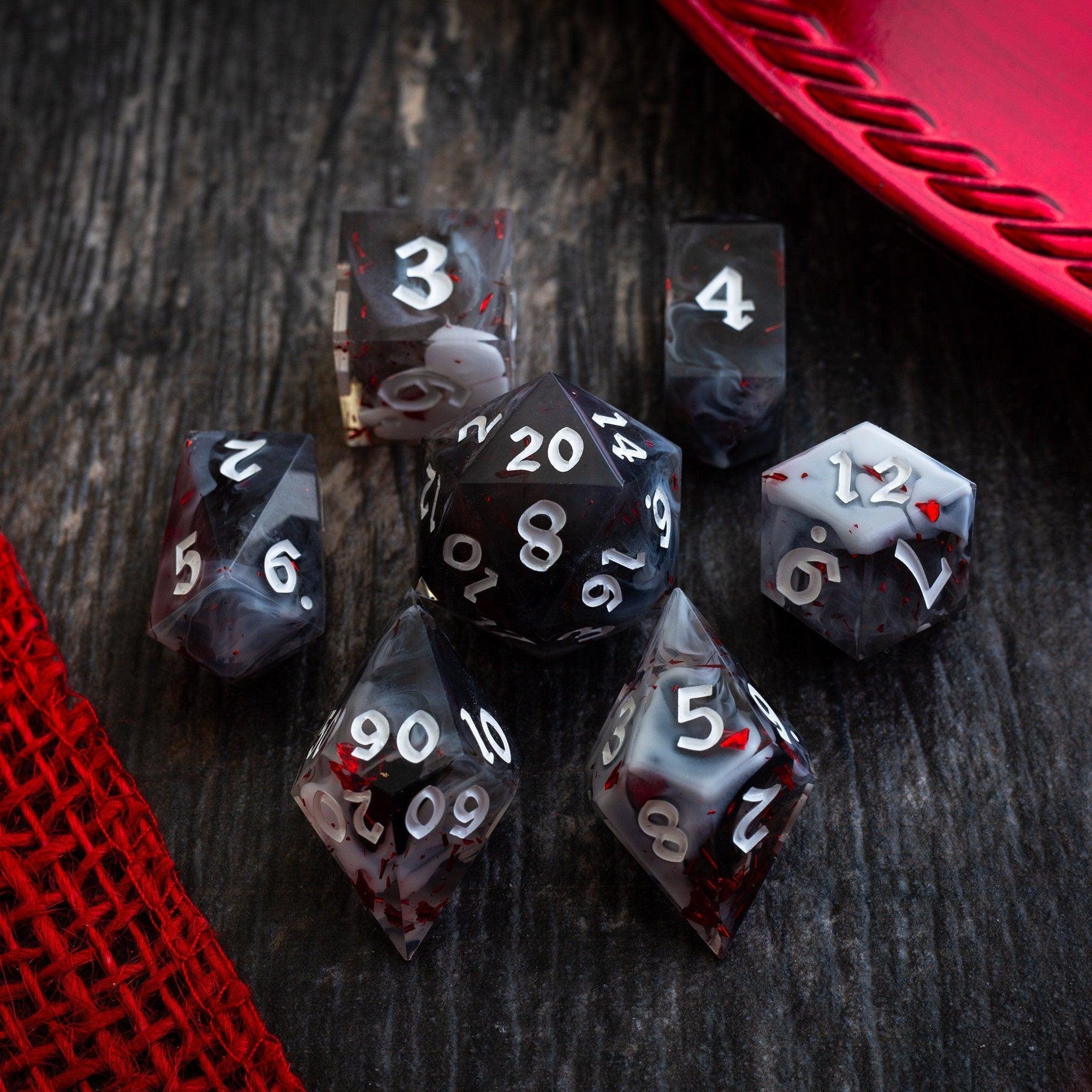
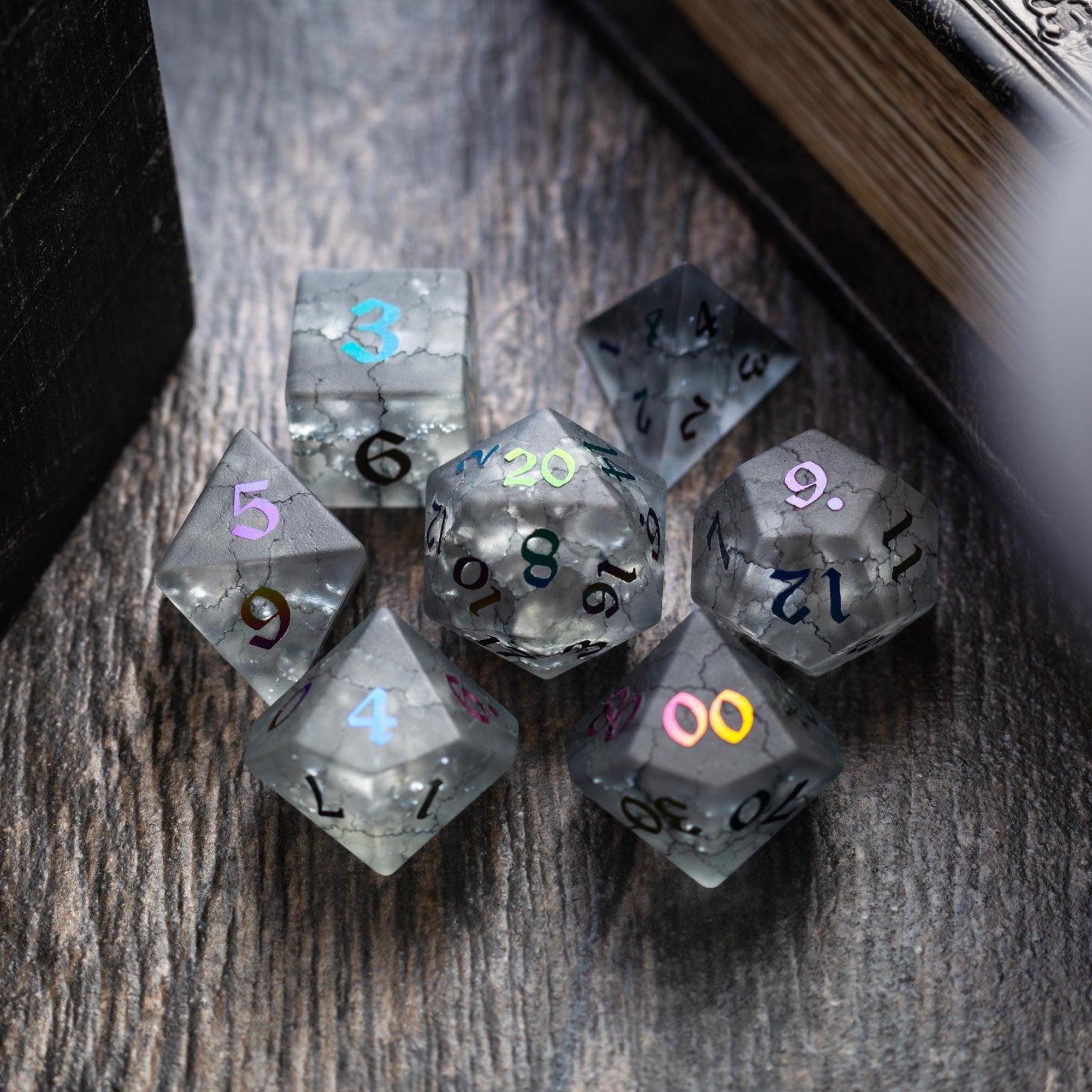
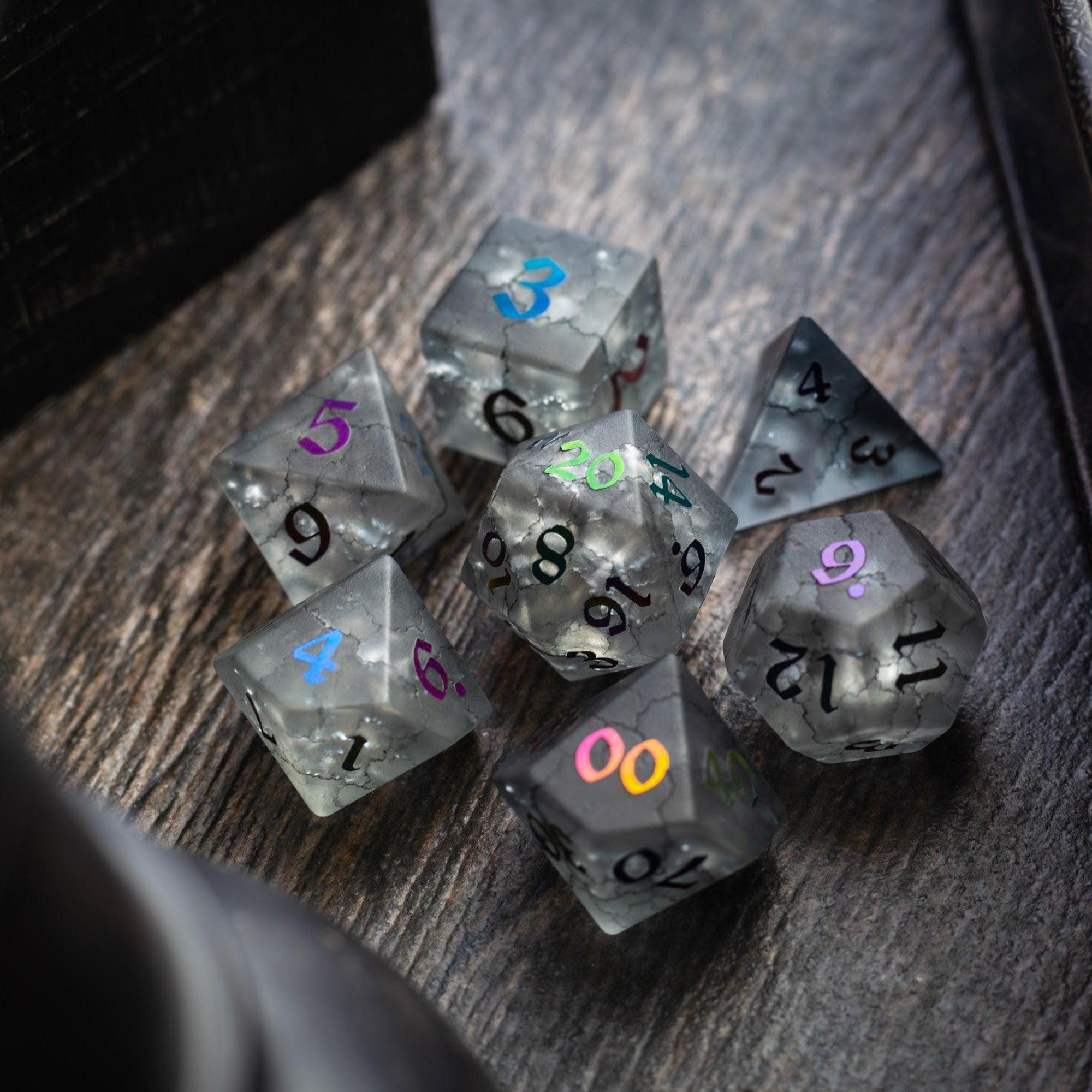
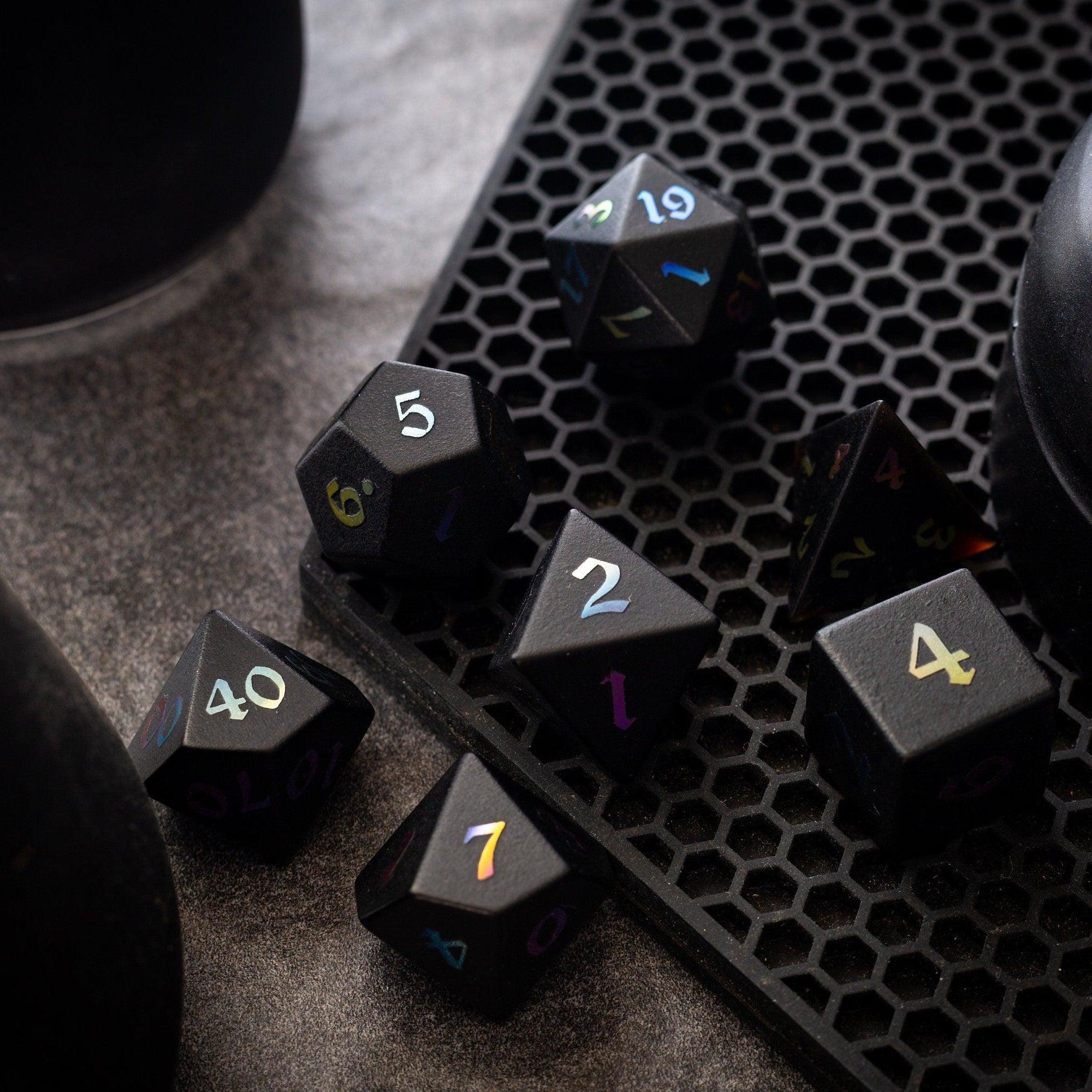
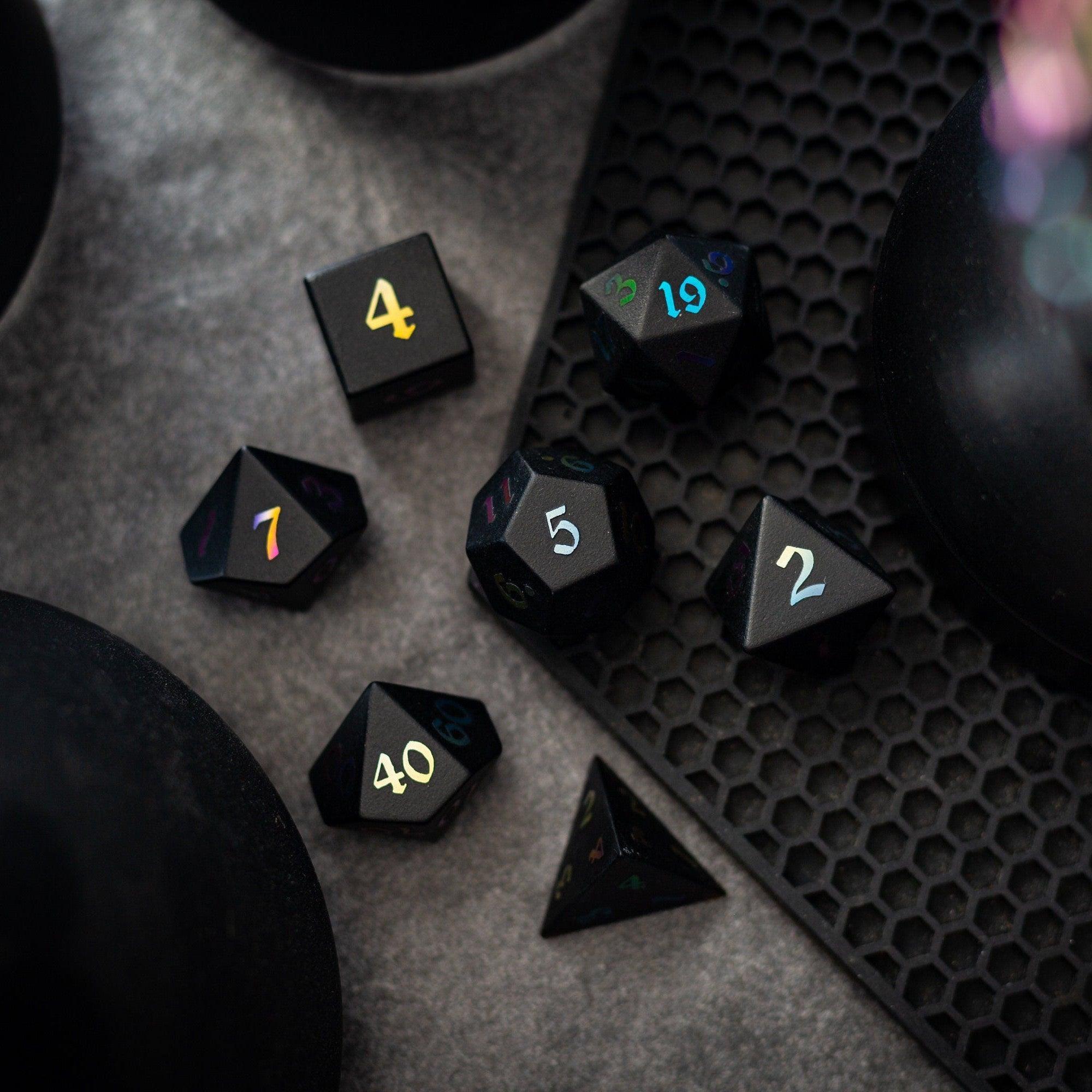
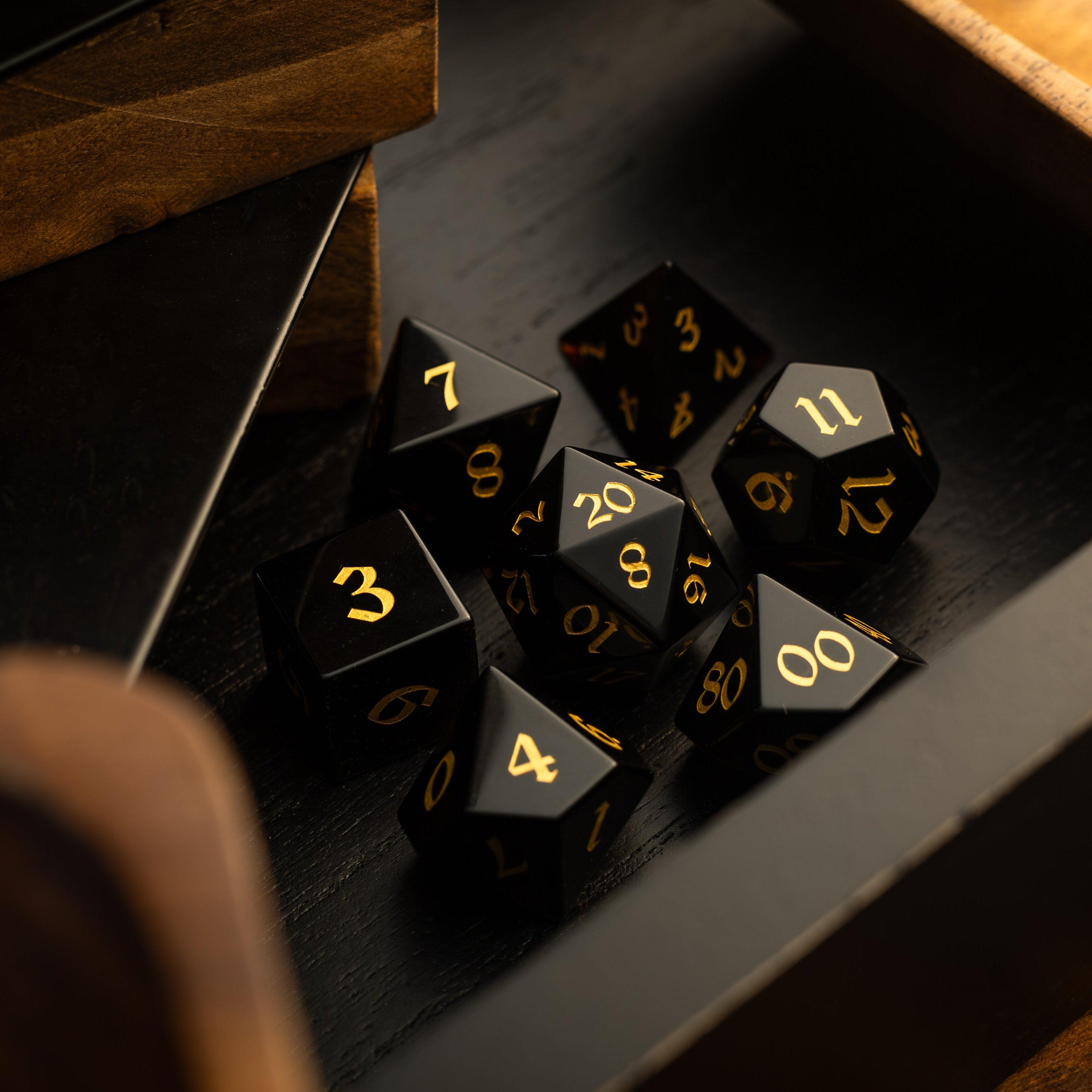
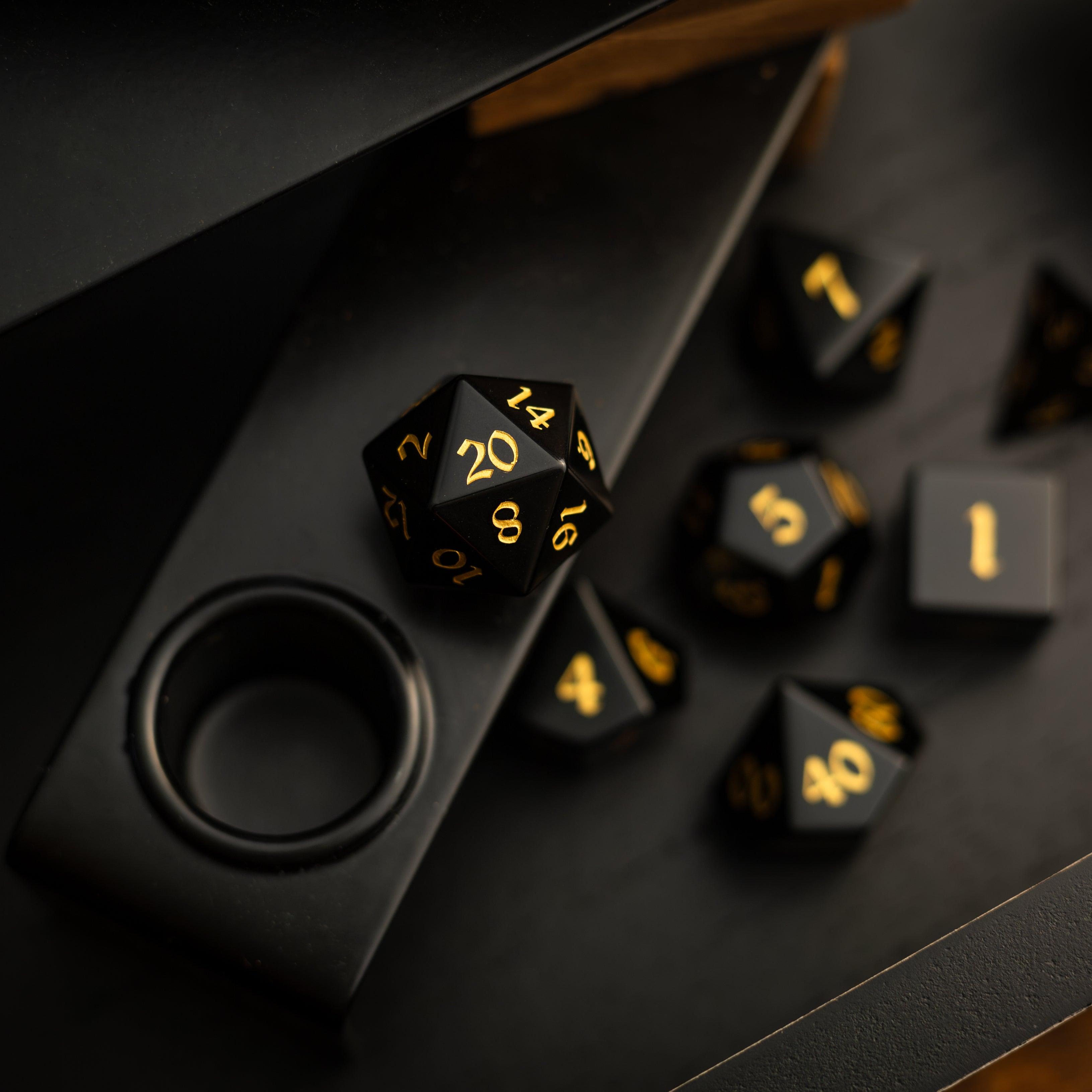
If you enjoy matching dice to a character, a Half-Elf gives you plenty of visual directions. A Raised Dichroic Glass set can suit a character with a shifting or otherworldly theme, while Light Blue Cat's Eye works well for a calm, refined adventurer. Dwarf Cut Purple Amethyst can fit a Half-Elf with a more formal or arcane style. The best match is the one that reflects your specific character rather than the species as a whole.
Beginner Tips for Playing a Half-Elf
- Confirm the ruleset first: Ask whether the campaign uses 5e 2014 rules, 5.5e rules, or a mix of compatible options.
- Do not apply the old ability bonuses automatically: In current 5.5e character creation, ability increases come from your background when using an older species.
- Use your extra skills: Choose proficiencies that fill gaps in the party or reinforce your character's role.
- Remember Fey Ancestry: Advantage against being charmed can matter in encounters with fey creatures, spellcasters, and monsters that use charm effects.
- Build the person, not just the ancestry: Give your Half-Elf goals, fears, habits, relationships, and interests that go beyond their family background.
Can You Still Play a Half-Elf in D&D 5.5e?
Yes, when your DM or campaign allows older species options. The Half-Elf is legacy content rather than a species in the current Player's Handbook, but the 5.5e rules include guidance for bringing older species into current character creation. The key adjustment is to ignore the Half-Elf's old species-based ability score increases and use the ability score rules from your background instead.
That leaves the features many players liked in the first place: Darkvision, Fey Ancestry, and two flexible skill proficiencies. More importantly, it lets you keep the character concept without being locked into an outdated Charisma-first build. Whether your Half-Elf is a bard, rogue, fighter, wizard, or something else, the current rules give you plenty of room to make the character your own.

Leave a comment
This site is protected by hCaptcha and the hCaptcha Privacy Policy and Terms of Service apply.