
D&D Elf Race Guide: High Elf, Wood Elf, and Drow Explained for Beginners

Elves are one of the most iconic choices in Dungeons & Dragons. When people imagine fantasy heroes, they often picture a graceful archer in a forest, a wise mage studying ancient magic, or a mysterious figure emerging from the shadows.
If you’re building your first character, the D&D elf race is a fantastic place to start. Elves are agile, perceptive, and naturally magical, making them both powerful and easy to understand for beginners.
In this guide, we’ll walk through everything you need to know about elf 5e, including their traits, subraces, playstyles, and the best classes to pair with them.
What Is an Elf in D&D 5e?
In D&D, elves are ancient beings who live for hundreds of years. They’ve seen kingdoms rise and fall, and they often carry that quiet wisdom into everything they do.
Elves are known for:
- Their connection to magic
- Their bond with nature
- Their unmatched grace and precision
Unlike many other races, elves don’t sleep. Instead, they enter a deep meditation called a trance, reflecting their otherworldly nature.
When you play an elf, you’re stepping into the role of someone who feels just a little removed from the fast-paced world around them. Calm, observant, and incredibly skilled.
Core Elf Traits Explained
All elves in D&D 5e share a set of core features. These are the foundation of what makes the dnd elf race so strong and beginner-friendly.
Key Traits
-
+2 Dexterity
Dexterity improves your agility, reflexes, and accuracy. This makes elves naturally great at ranged attacks, sneaking, and avoiding danger. -
Darkvision
You can see in dim light and darkness. This is incredibly useful in dungeons, caves, and nighttime travel. -
Keen Senses
You gain proficiency in Perception, one of the most commonly used skills in the game. You’ll notice hidden enemies, traps, and important details more often. -
Fey Ancestry
You have advantage on saving throws against being charmed, and magic can’t put you to sleep. This makes elves mentally resilient and hard to control. -
Trance
Instead of sleeping, you meditate for 4 hours. It’s flavorful, but also practical. Your party can stay safer during long rests.
Beginner takeaway:
Elves are fast, aware, and hard to trick. You’ll feel effective in almost every session.
Elf Subraces Explained
Now comes the fun part. Choosing your subrace shapes how your elf plays.
High Elf
High Elves are the scholars and mages of elven society. They blend elegance with arcane knowledge, making them perfect for players who want a magical character.
Key Traits
- +1 Intelligence
- Extra cantrip (from the Wizard spell list)
- Extra language
Playstyle
High Elves lean toward magic and precision. Even if you don’t play a full spellcaster, that extra cantrip gives you a magical edge.
Beginner Tip
If you’re curious about spells but don’t want to commit fully to a caster, High Elf gives you a taste of magic without complexity.
Wood Elf
Wood Elves are deeply connected to nature. They move silently through forests and strike with speed and accuracy.
Key Traits
- +1 Wisdom
- Increased movement speed
- Mask of the Wild (can hide in natural environments)
Playstyle
Wood Elves are all about stealth, mobility, and awareness. You’ll feel like a hunter, scout, or guardian of the wild.
Beginner Tip
If you like exploring, sneaking, and staying one step ahead of enemies, Wood Elf is one of the easiest and most rewarding choices.
Drow (Dark Elf)
Drow come from the Underdark, a vast world beneath the surface. They’re mysterious, powerful, and often misunderstood.
Key Traits
- +1 Charisma
- Superior Darkvision (even better in darkness)
- Sunlight Sensitivity (disadvantage in bright light)
- Drow Magic (spells like Dancing Lights, Faerie Fire, and Darkness)
Playstyle
Drow combine magic, charisma, and darkness-based tactics. They shine in dim environments and bring strong spell utility to any party.
Beginner Tip
Sunlight Sensitivity can feel limiting at first, but if your campaign includes caves or nighttime travel, Drow become incredibly powerful.
Best Classes for Elves (Beginner Guide)
Elves are flexible, but some classes naturally pair better with their traits.
Ranger (Perfect for Wood Elf)
- Uses Dexterity and Wisdom
- Focuses on ranged combat and exploration
- Feels like a classic fantasy elf
Why it works: Wood Elf traits enhance everything a Ranger wants to do.
Wizard (Ideal for High Elf)
- Uses Intelligence for spellcasting
- Offers powerful magic and versatility
Why it works: High Elf bonuses and extra cantrip make early levels smoother.
Rogue (Great for Any Elf)
- Relies heavily on Dexterity
- Focuses on stealth and precision damage
Why it works: All elf subraces benefit from high Dexterity and Perception.
Cleric or Druid (Strong for Wood Elf)
- Uses Wisdom
- Offers healing, support, and nature magic
Why it works: Wood Elf Wisdom bonus fits perfectly with these classes.
Warlock or Bard (Excellent for Drow)
- Uses Charisma
- Combines magic with personality and utility
Why it works: Drow Charisma bonus and innate spells enhance these builds.
Quick Comparison Table
|
Subrace |
Best Classes |
Playstyle |
|
High Elf |
Wizard, Rogue |
Magical and precise |
|
Wood Elf |
Ranger, Druid, Rogue |
Stealthy and nature-based |
|
Drow |
Warlock, Bard |
Charismatic and magical |
Elf Playstyle: What It Feels Like
Playing an elf feels smooth and controlled.
You’ll notice a few things right away:
- You move quickly and gracefully
- You spot details others miss
- You rely on precision over brute force
In combat, elves tend to:
- Strike from range
- Avoid damage rather than absorb it
- Use positioning and awareness to stay ahead
Outside of combat, you’ll often be the one saying,
“Wait… I think I see something.”
Roleplaying an Elf
Elves aren’t just about stats. They’re full of personality and storytelling potential.
Here are a few ideas to bring your character to life:
-
Ancient Scholar
You’ve spent decades studying forgotten magic and lore. -
Forest Guardian
You protect sacred lands from corruption and danger. -
Exiled Drow
You left the Underdark and are learning to survive in a new world. -
Elegant Noble
You carry centuries of tradition, grace, and quiet confidence.
Elves often think differently than humans. Time moves slower for them. That can make your character feel patient, thoughtful, or even a little distant.
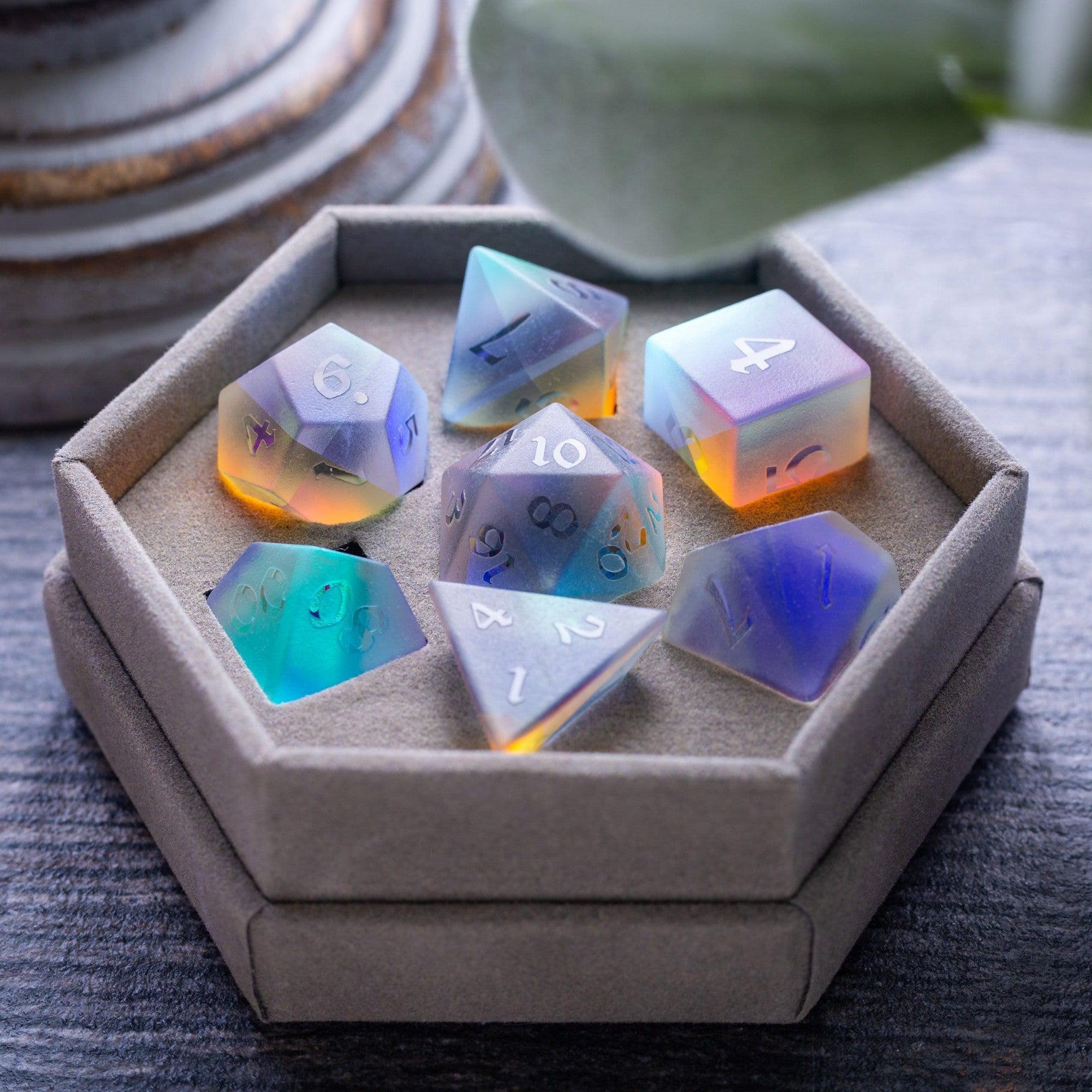
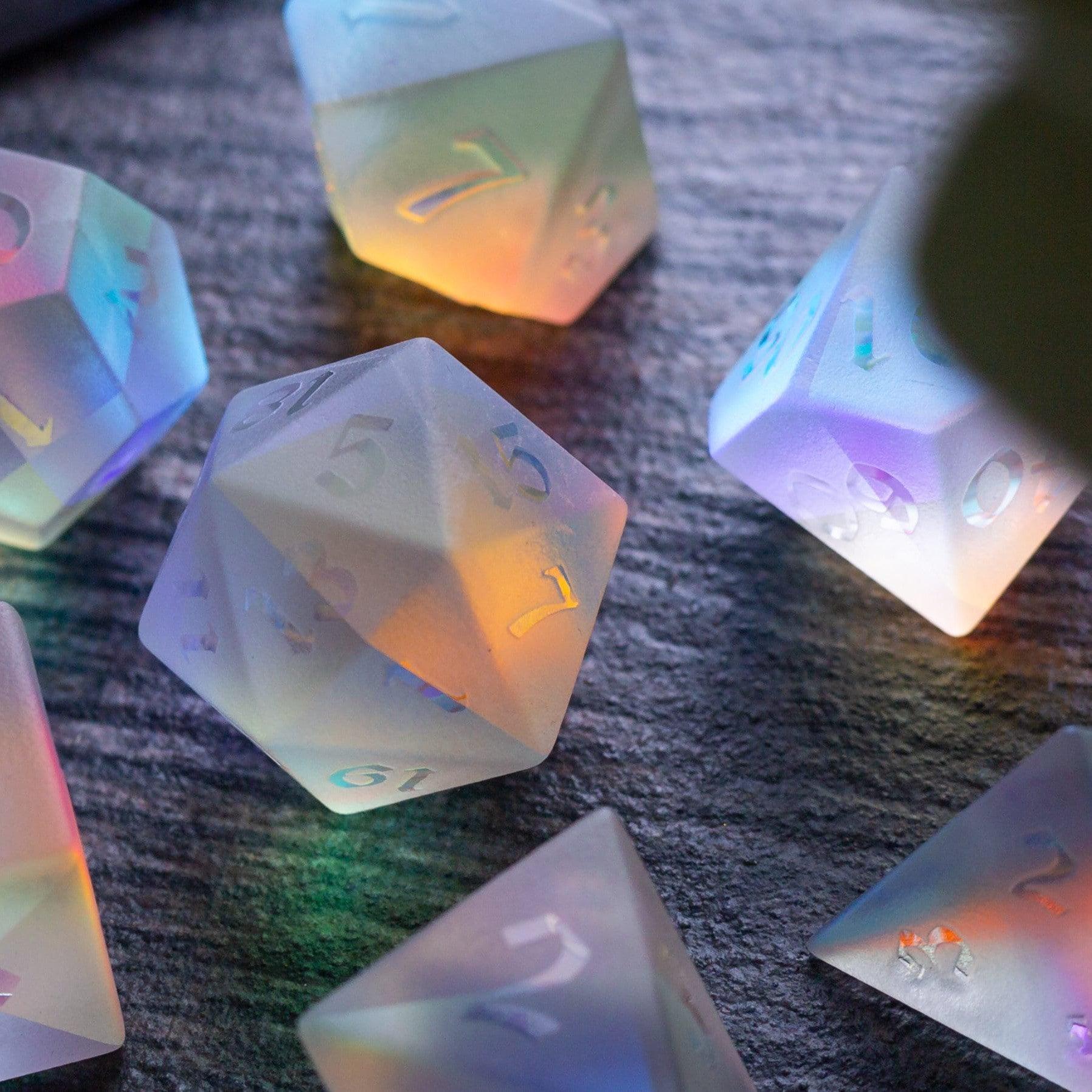
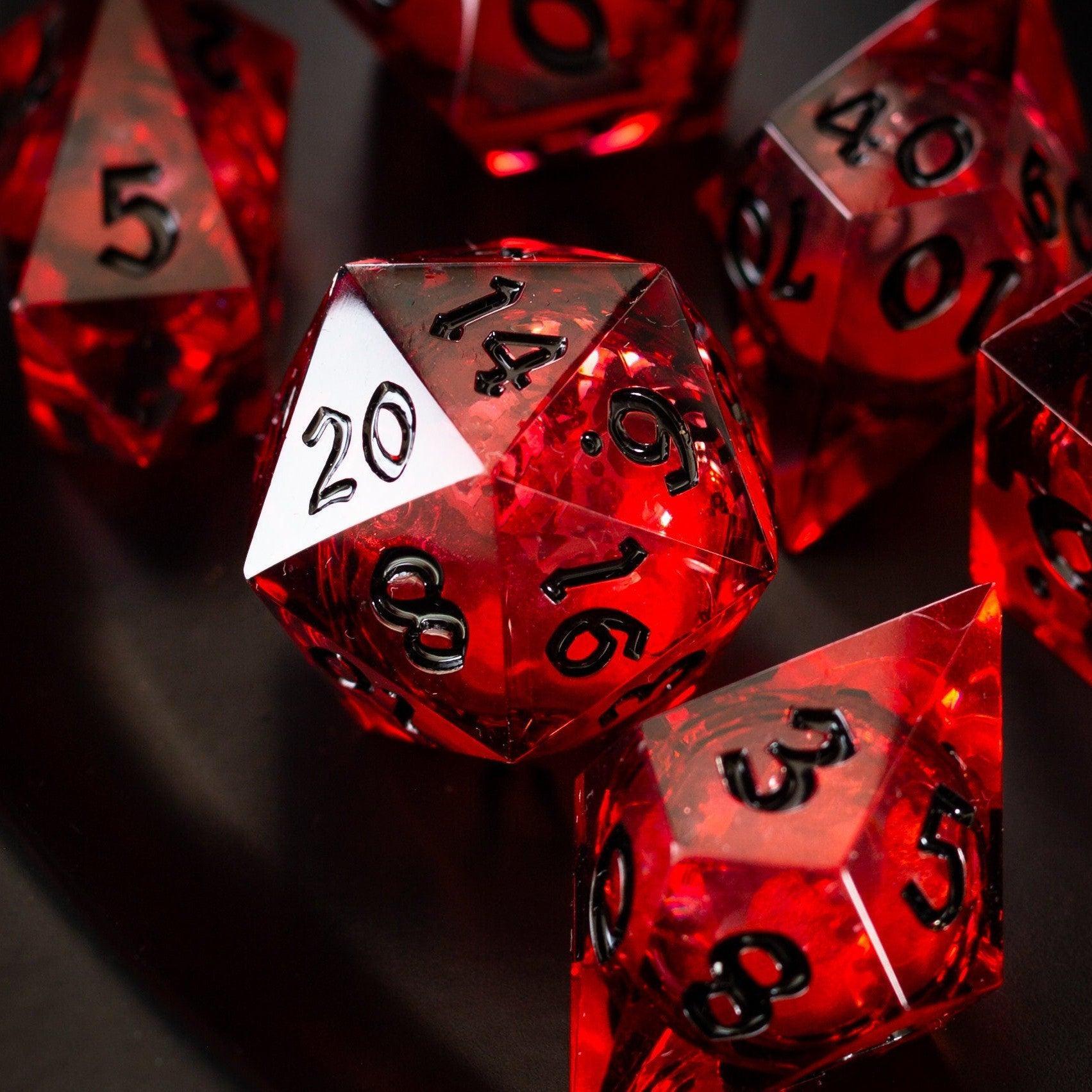
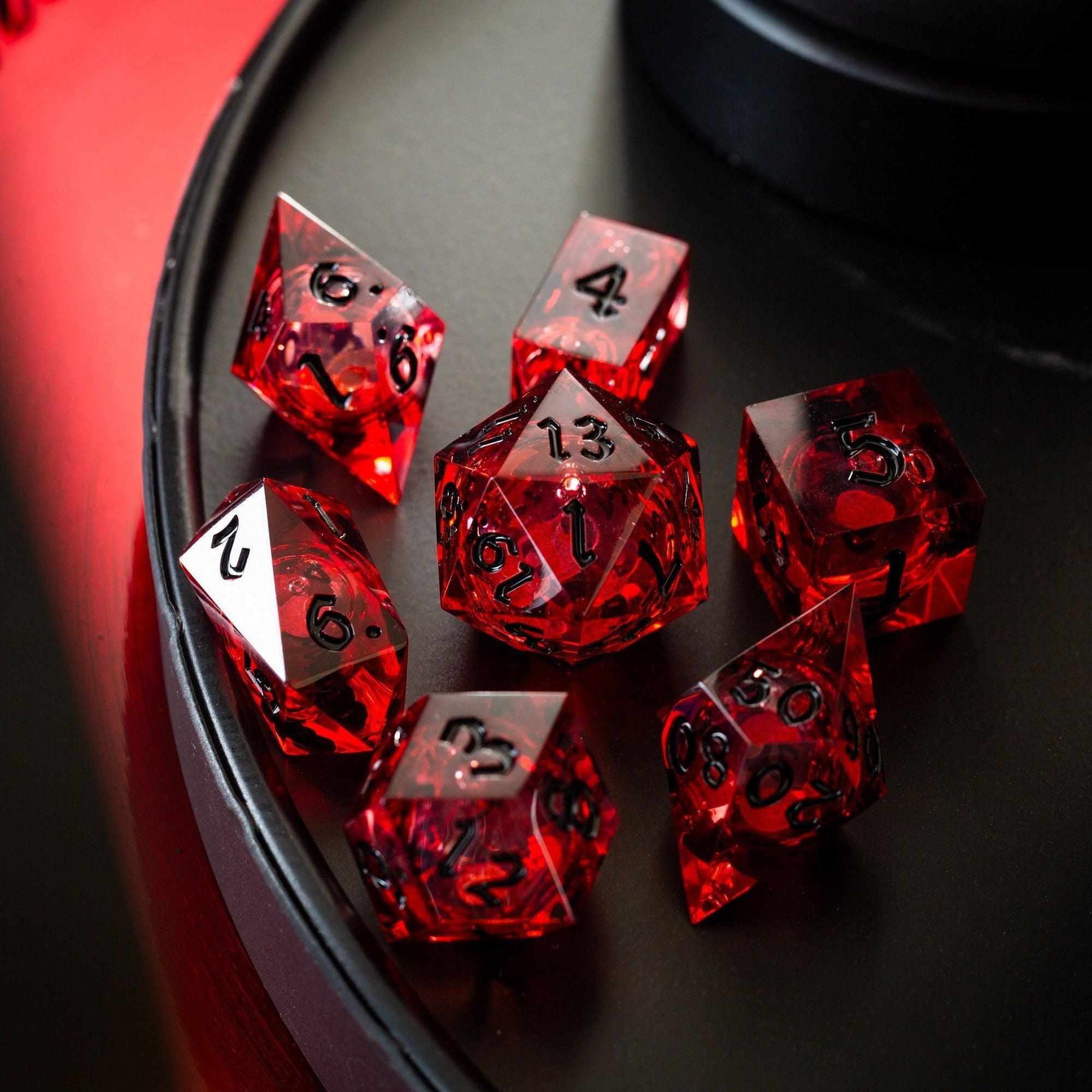
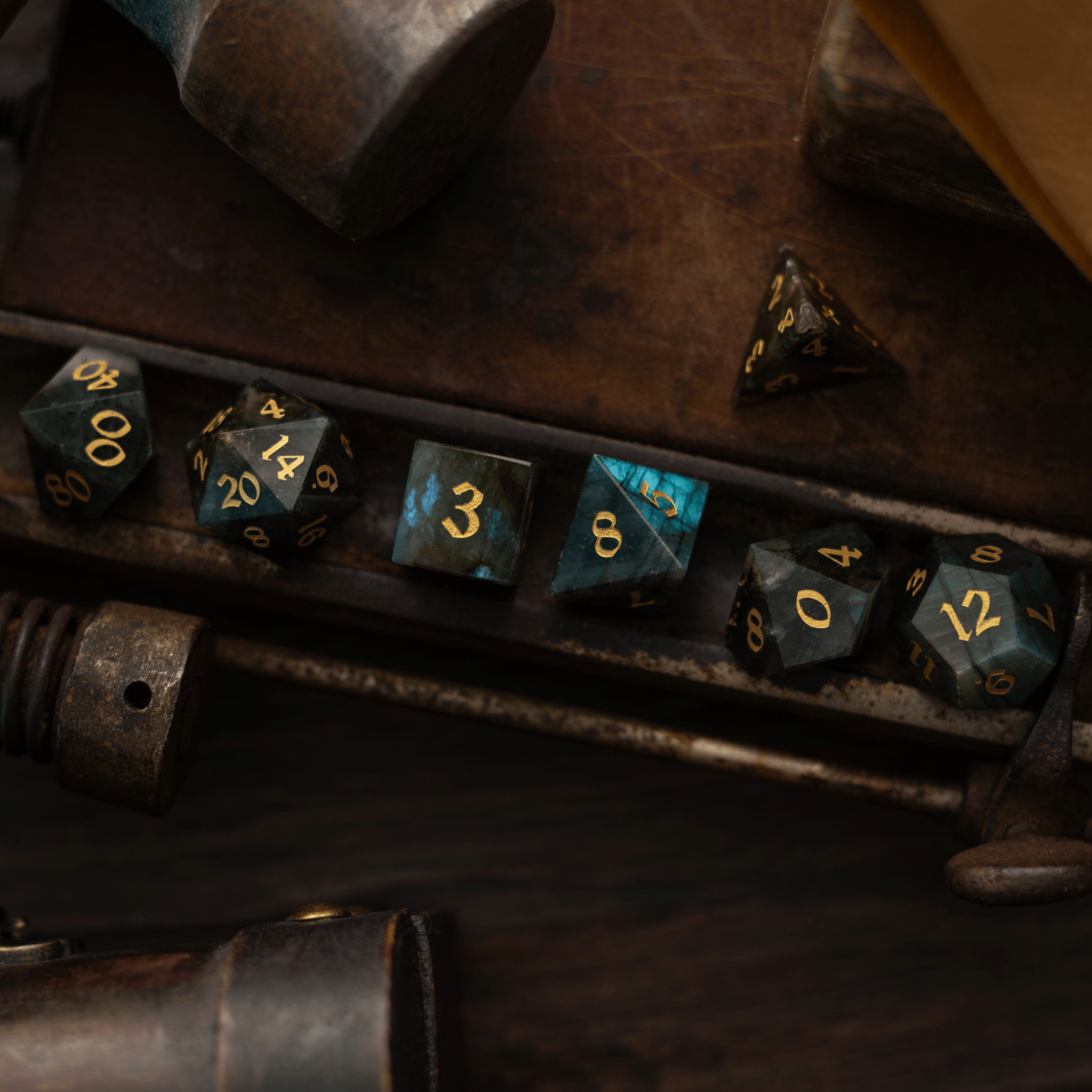
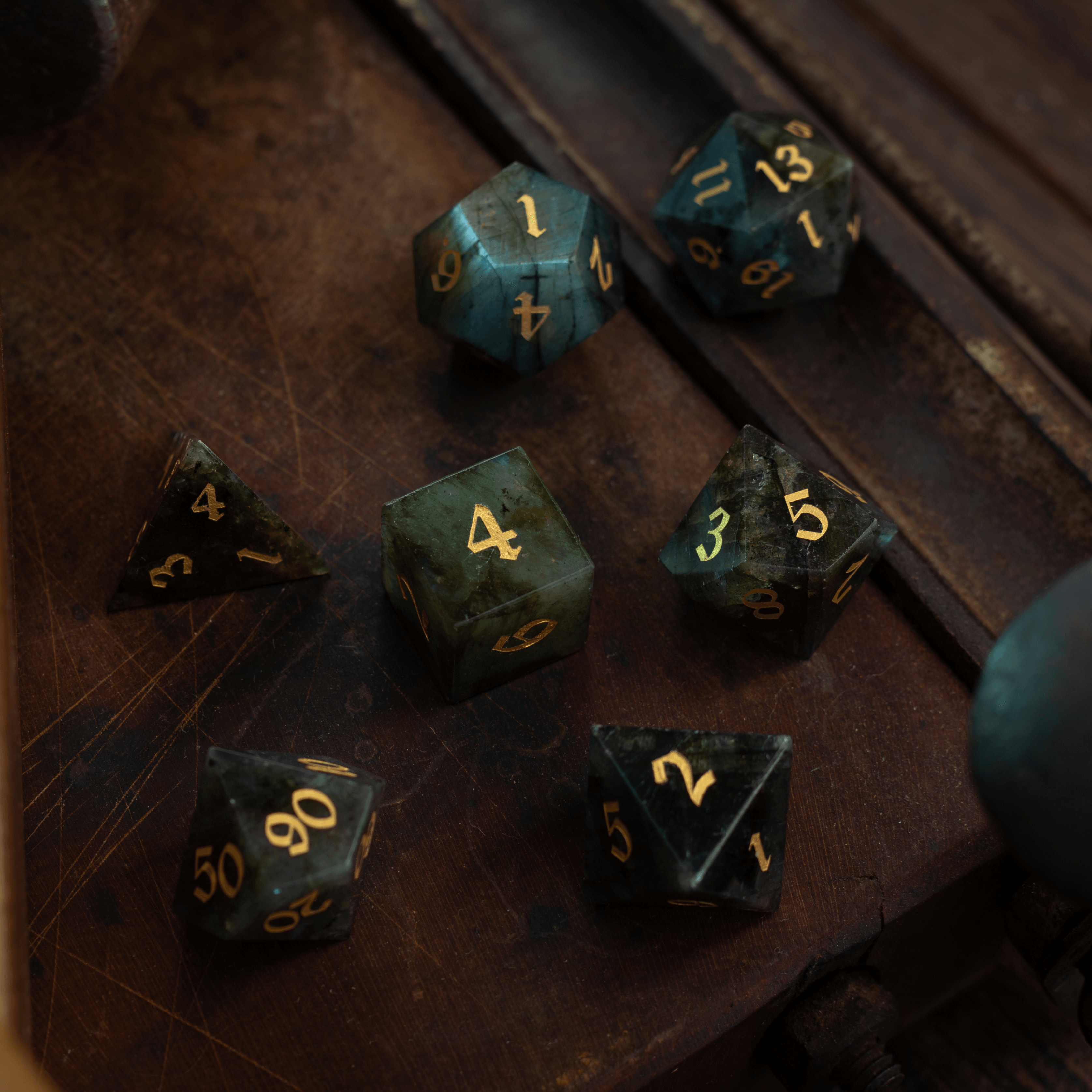
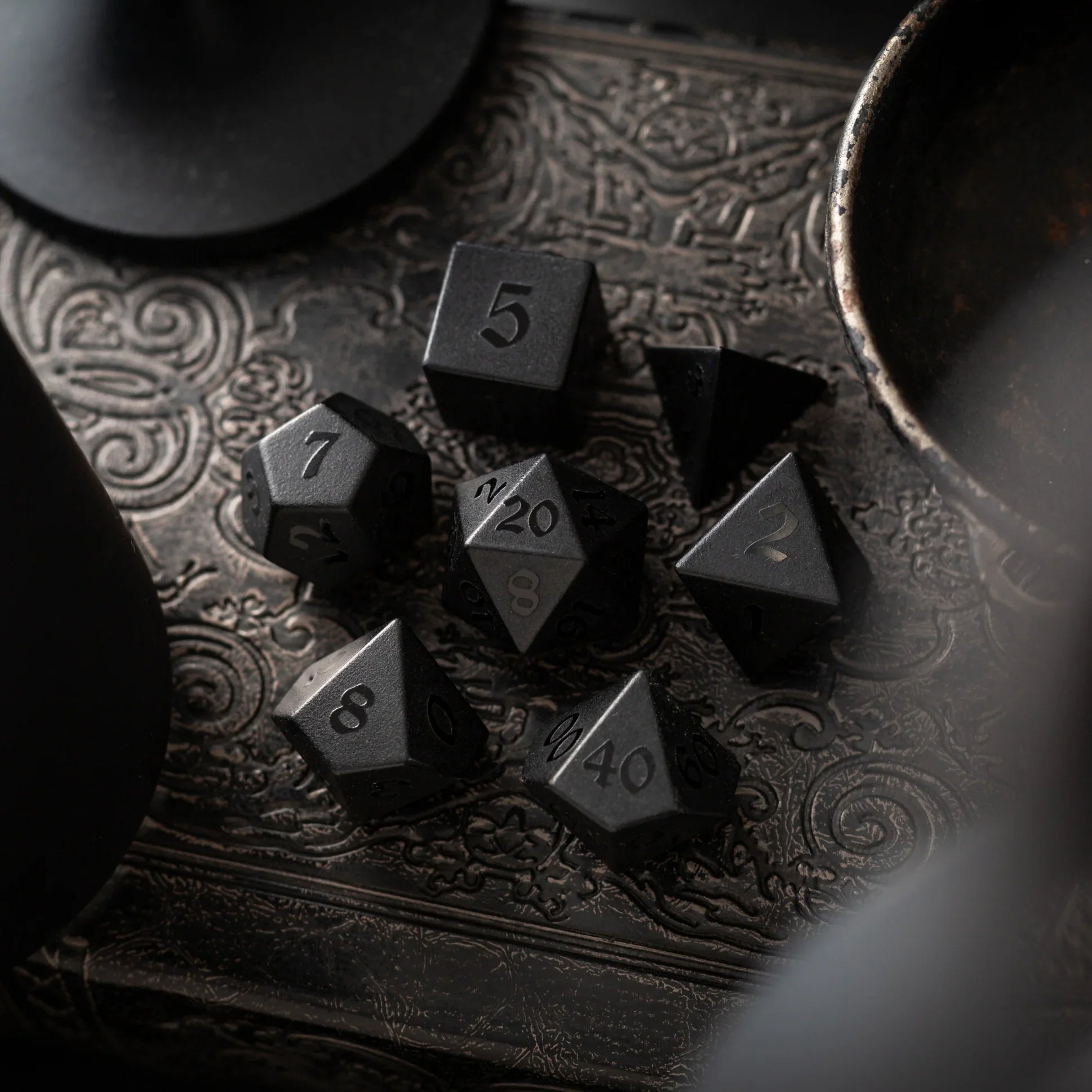
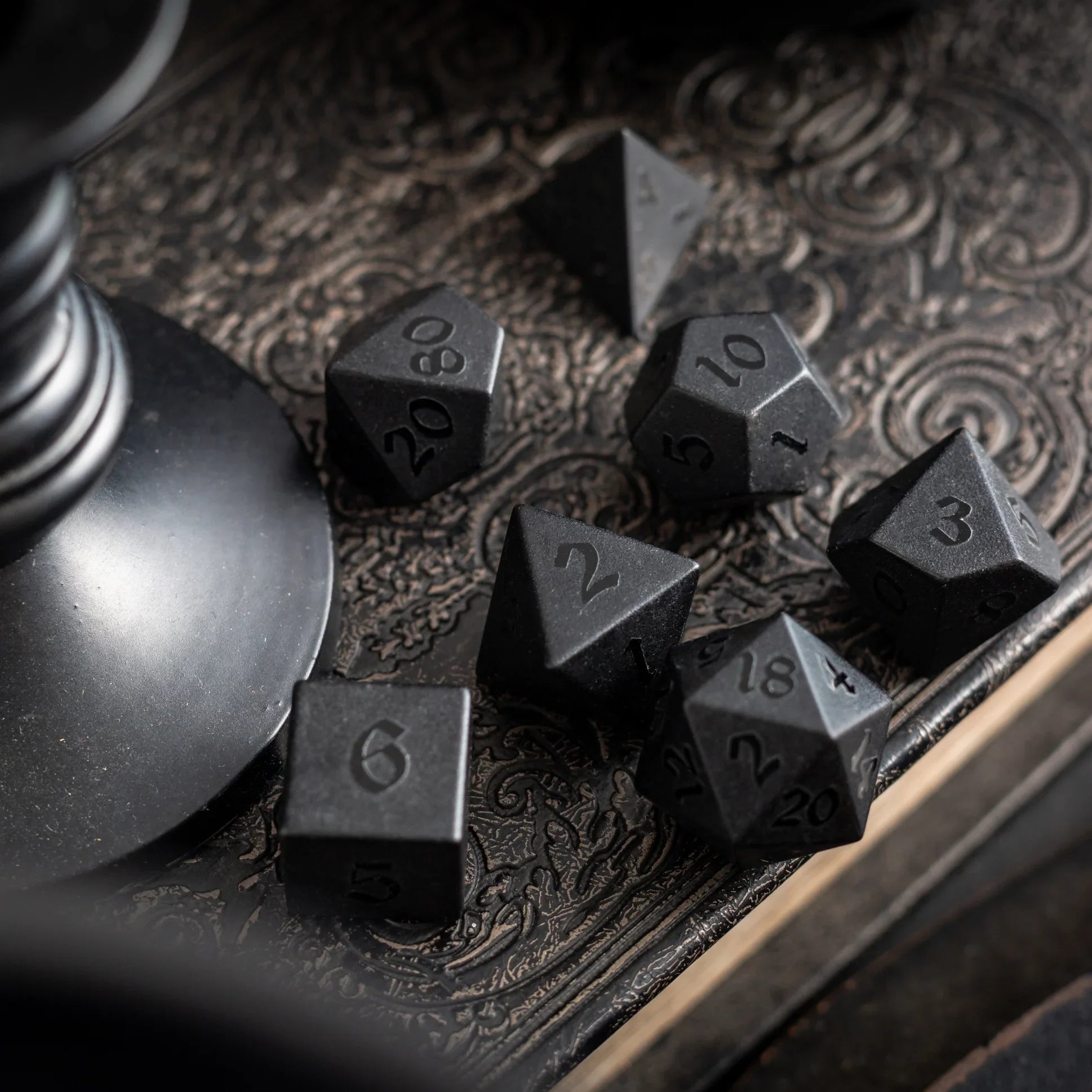
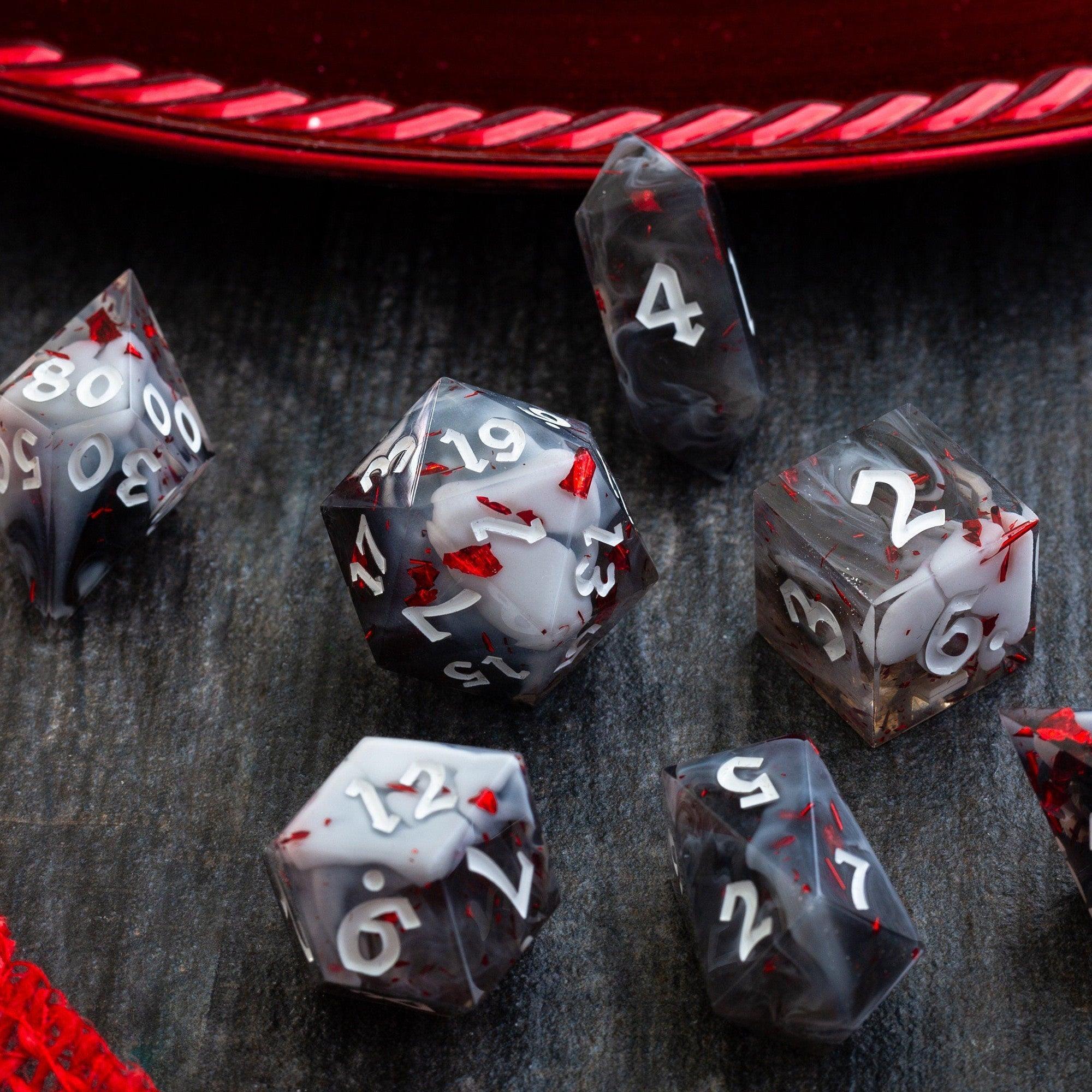
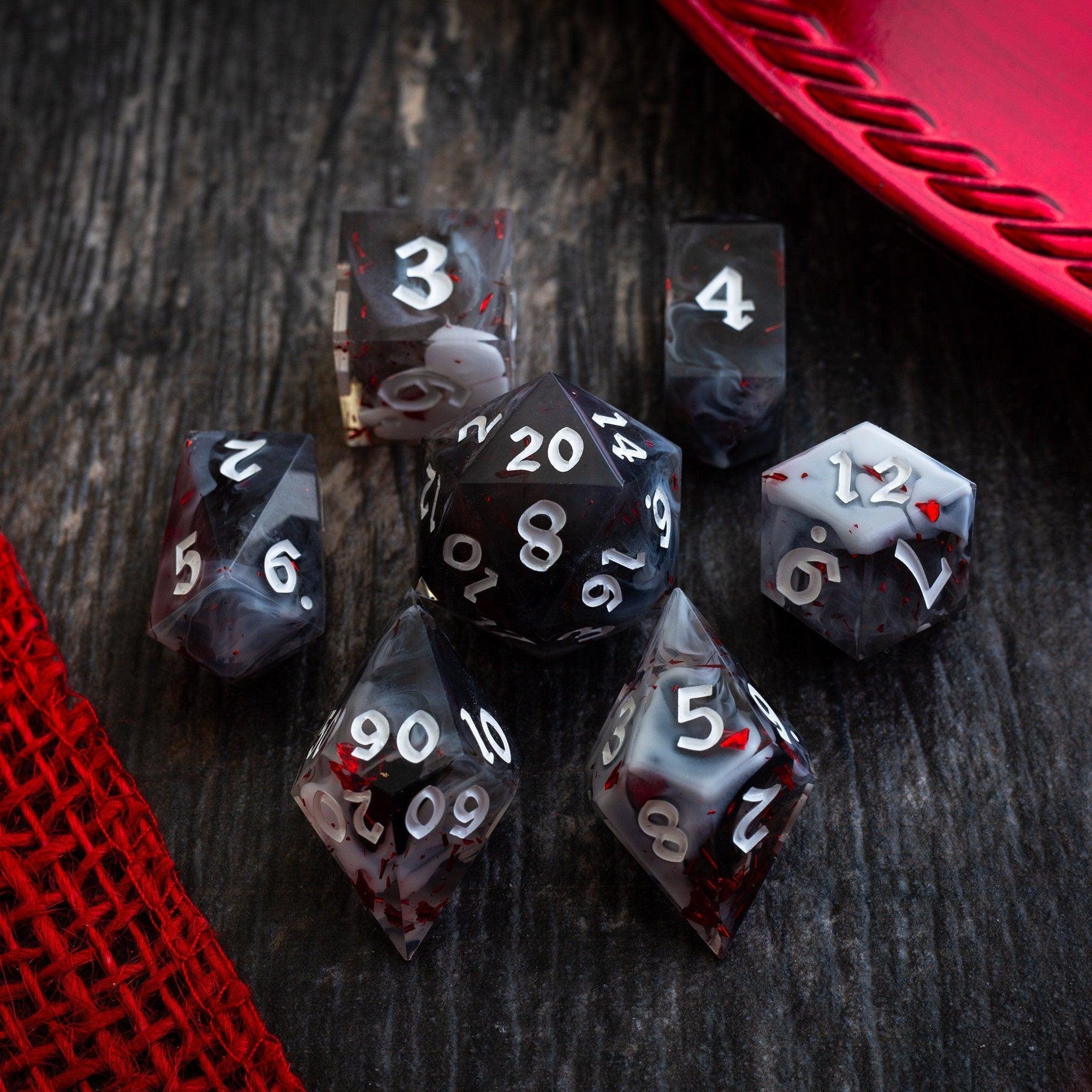
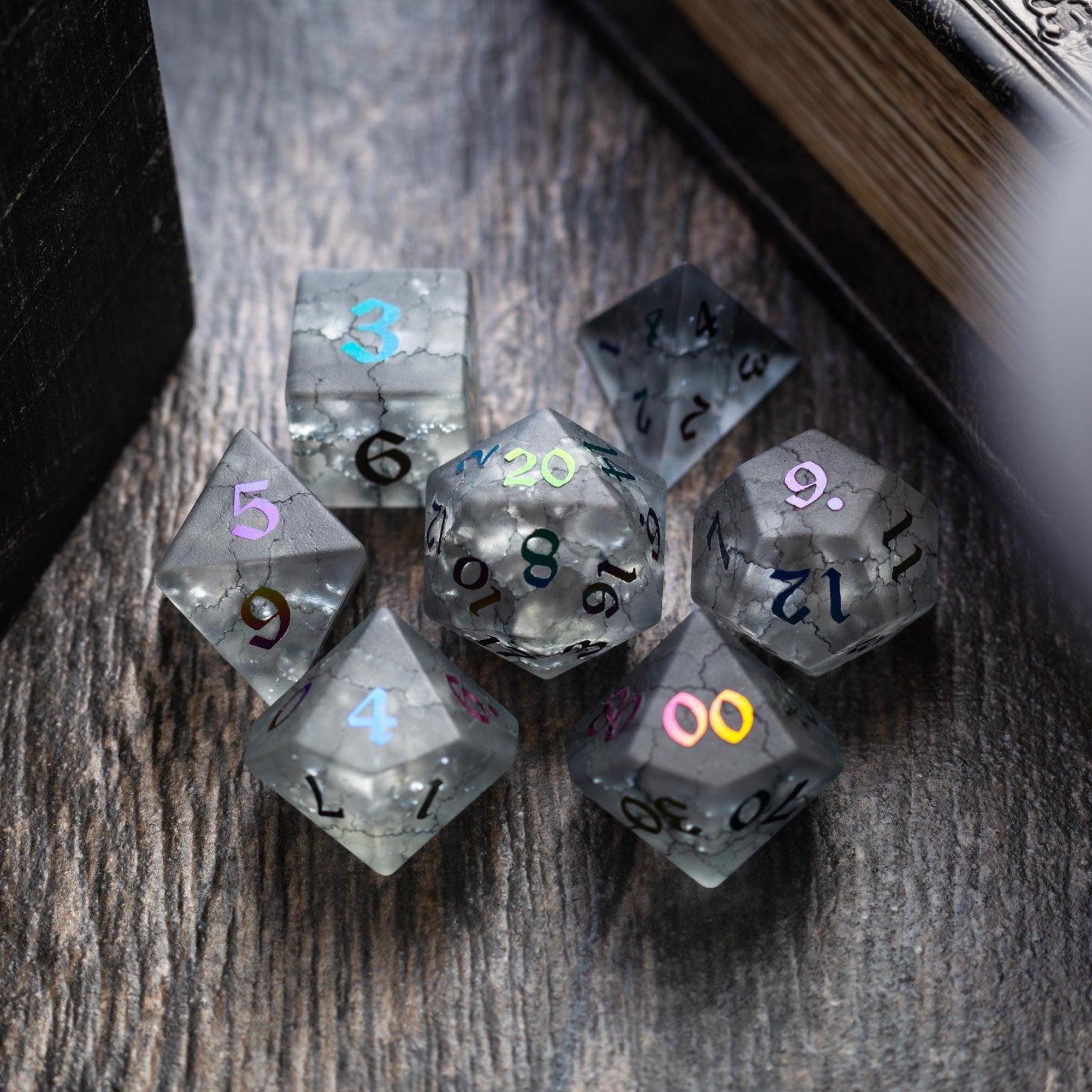
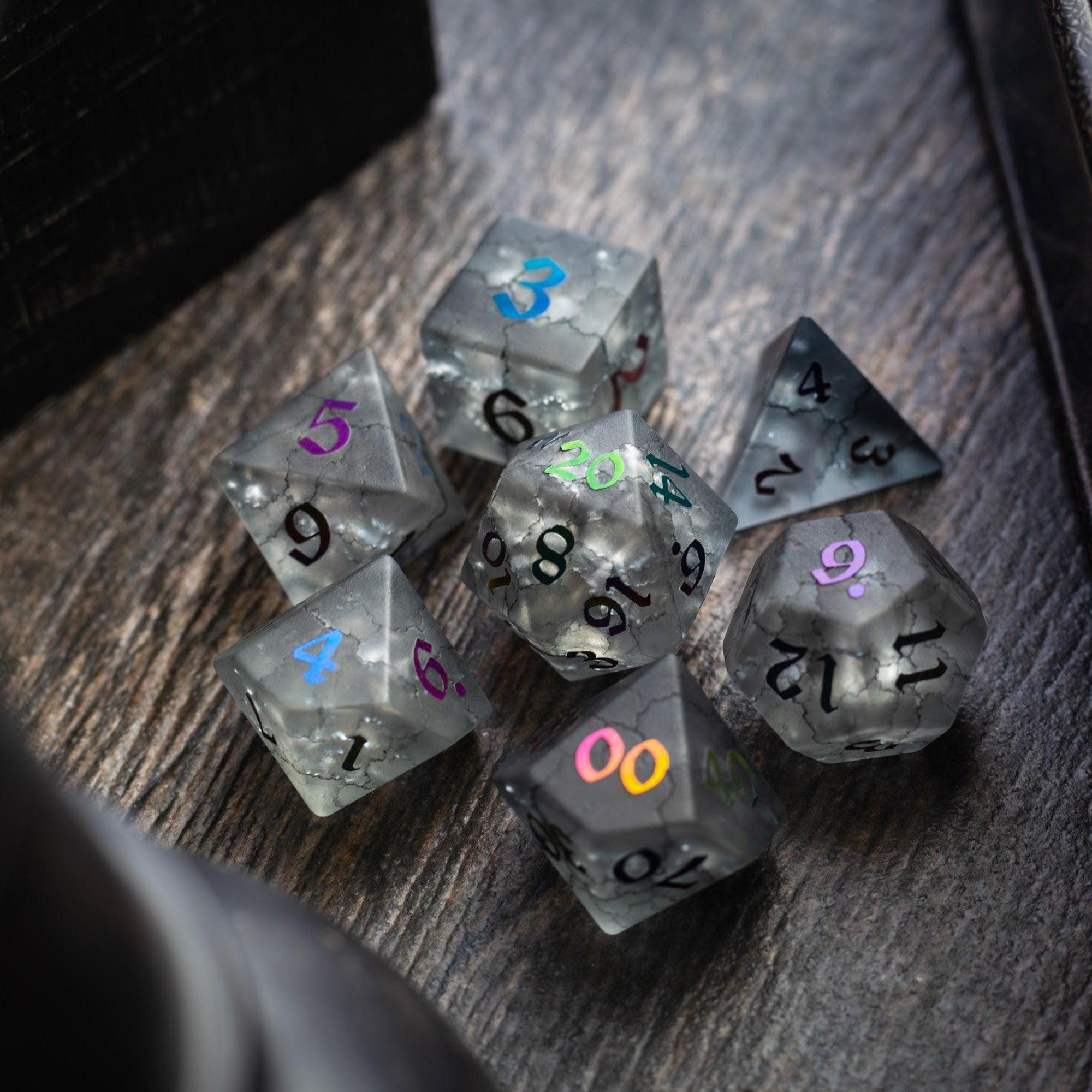
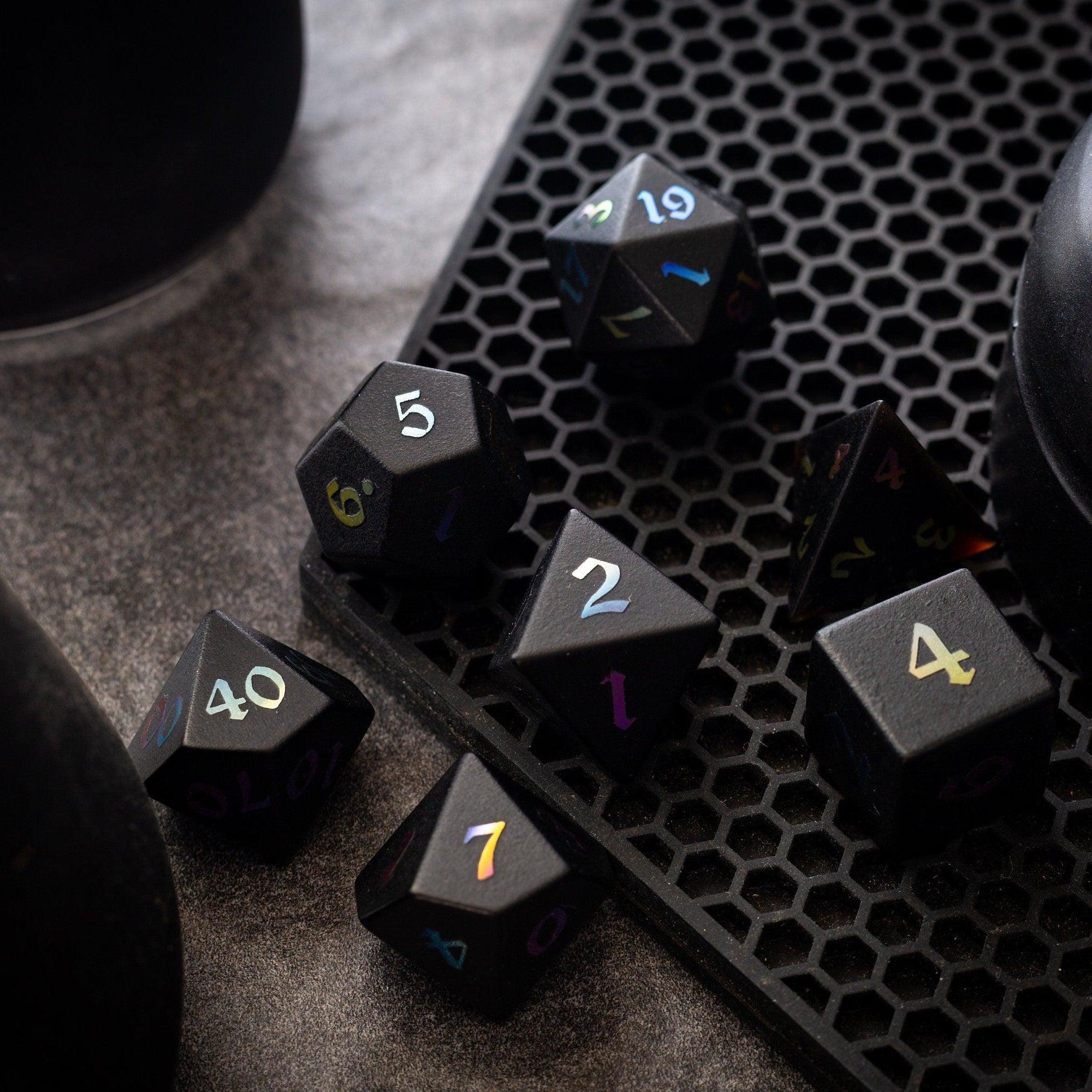
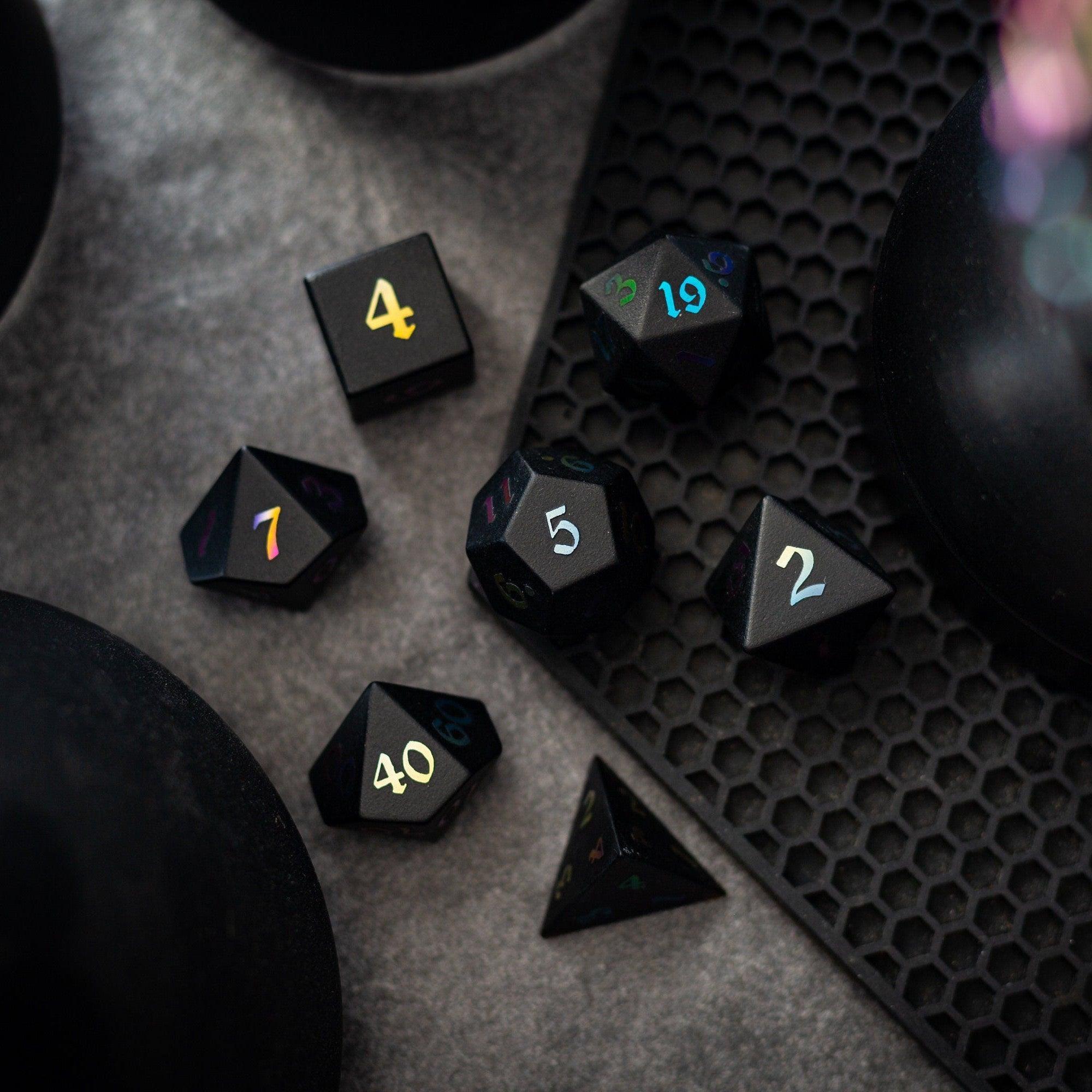
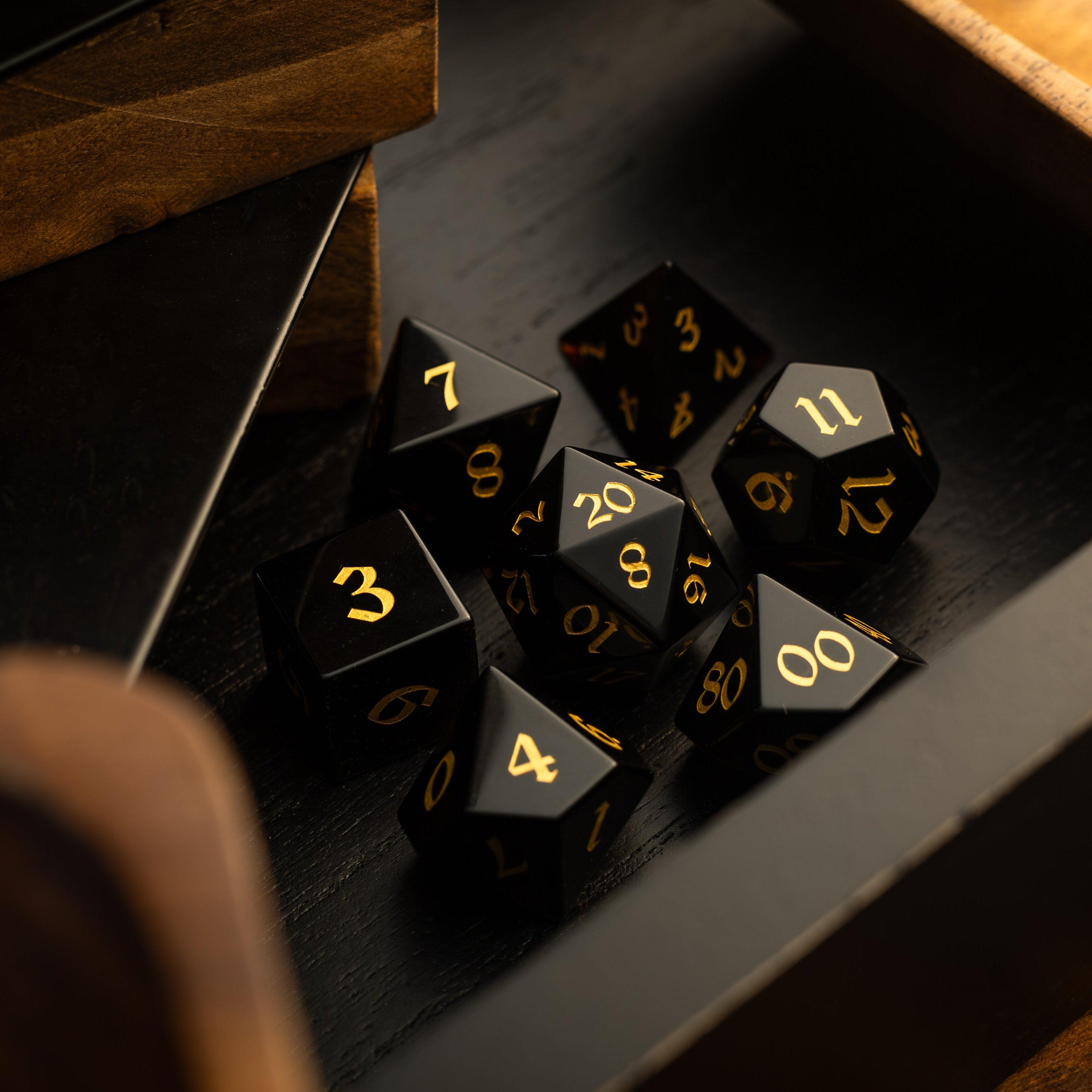
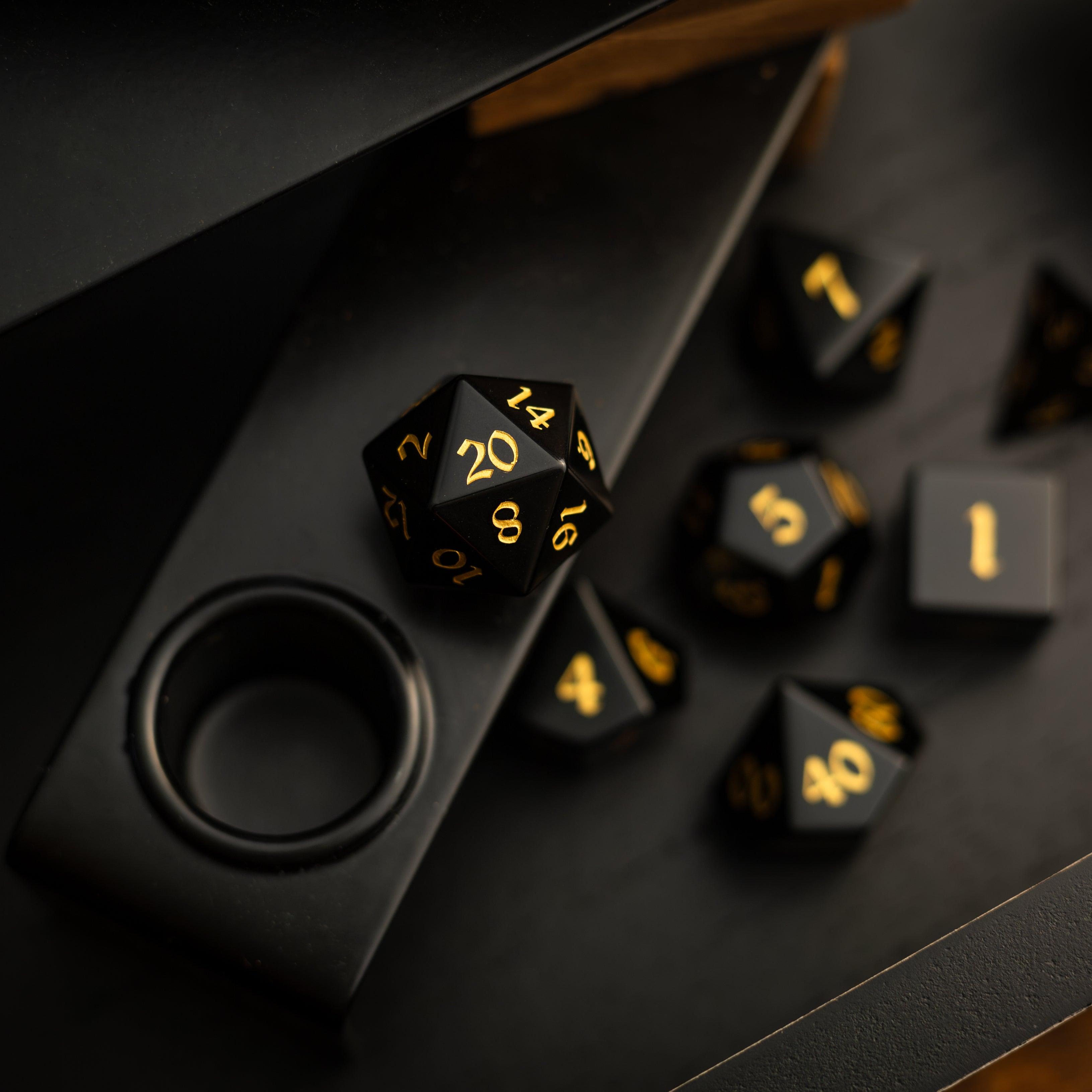
Dice Recommendations for Elf Characters
If you want your character to feel even more immersive at the table, your dice can reflect your elf’s style.
-
High Elf
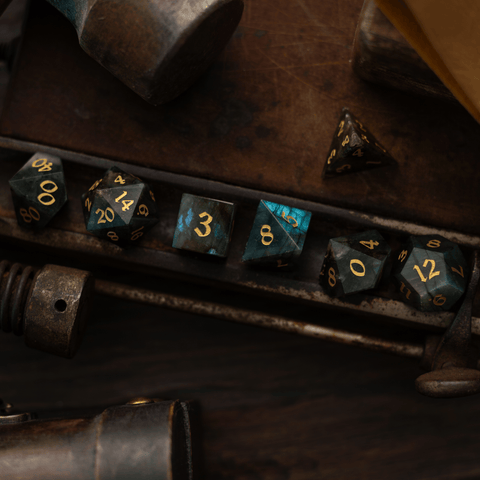
Translucent or gemstone-style dice with light blues, purples, or shimmering effects
Feels arcane and refined -
Wood Elf
Green, mossy, or earthy tones
Natural textures that match forest environments -
Drow
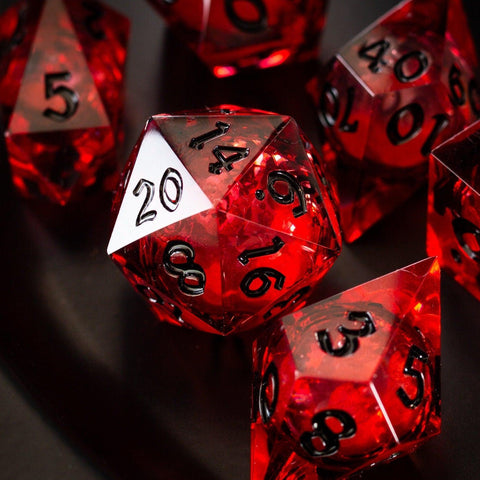
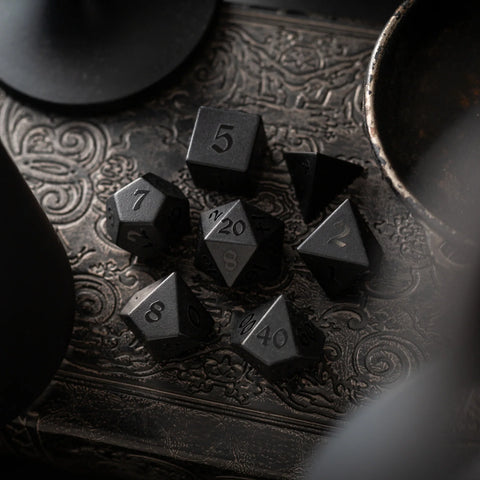
Dark dice with black, violet, or deep red tones
Subtle shimmer or sharp edges for a mysterious look -
General Elf Aesthetic
Elegant, sharp-edged designs that feel precise and crafted
It’s a small detail, but it really helps bring your character to life.
Beginner Tips for Playing an Elf
If you’re just starting out, keep these simple tips in mind:
-
Lean into Dexterity
It’s your strongest stat. Use it for attacks, defense, and mobility. -
Use your Perception often
You’re naturally good at noticing things. Speak up when exploring. -
Pick the right subrace
Choose the one that matches how you want to play, not just what sounds cool. -
Stay mobile in combat
You’re not built to stand still and take hits.
Conclusion
Elves are one of the most versatile and rewarding choices in D&D.
They’re graceful without being fragile, magical without being complicated, and flexible enough to fit almost any class.
Whether you want to:
- Cast spells as a High Elf
- Hunt through the wilds as a Wood Elf
- Or command shadowy magic as a Drow
There’s an elf for your story.
If you want to play a character who feels ancient, precise, and just a little bit magical, an elf is the perfect place to start.

Leave a comment
This site is protected by hCaptcha and the hCaptcha Privacy Policy and Terms of Service apply.